To fall asleep when you're anxious, you have to find a way to break the cycle. It's about interrupting that racing mind right now. This usually starts with in-the-moment techniques like controlled breathing to calm your body's physical stress response. From there, you can move on to strategies like journaling to offload those worries before they can take root in the quiet of the night.
The Nightly Battle Against a Racing Mind
It’s a frustratingly common scenario. The day is done, your head hits the pillow, and your mind decides it’s the perfect time to run a marathon. This isn't just "trouble sleeping." It's a physiological response where anxiety kicks your "fight or flight" system into high gear, flooding your body with stress hormones like cortisol and adrenaline. Genuine rest feels impossible.
When the distractions of the day fade away, all those underlying worries—about work deadlines, family issues, or health—can rush in to fill the silence. Your heart might start beating a little faster, your muscles feel tight, and your thoughts just spiral. This creates a vicious cycle where you start worrying about not sleeping, which only creates more anxiety, making sleep even more elusive.
If this sounds familiar, you are far from alone. Navigating this nightly battle means understanding what’s happening in your body and having the right tools ready to fight back. Sometimes, the first step is just gaining clarity; this includes understanding the distinction between ADHD and anxiety, as both can show up as a racing mind at night.
Why Your Brain Fights Sleep
At its core, the problem is a hyper-aroused nervous system. Your brain misinterprets the quiet of bedtime as a signal to be on high alert. Instead of powering down, it starts scanning for threats, replaying conversations, and spinning up worst-case scenarios. This mental churn isn't just a nuisance; it has a real, physical impact.
The good news? You can learn to send safety signals to your brain. Simple, immediate actions can break that anxiety loop and guide your body toward the calm it needs for sleep.
A racing mind at night is your brain's attempt to solve problems at the worst possible time. The key isn't to silence the thoughts by force, but to gently acknowledge them and then shift your focus to the present moment through your breath and body.
First Steps Toward a Quieter Night
Before we dive into the deeper techniques, let’s start with two foundational practices you can use tonight to find some immediate relief.
- Controlled Breathing: The 4-7-8 breathing technique is a powerful tool for calming your nervous system. It's no surprise that ResMed's Global Sleep Survey flagged anxiety as a major sleep disruptor for 46% of people. The good news is that studies show this simple breathing exercise helps 70% of users fall asleep faster by activating the body's natural relaxation response.
- Worry Journaling: Keep a notepad by your bed. Before you even think about turning off the light, spend five minutes just dumping everything that’s on your mind—your to-do list, your fears, your frustrations. Physically getting the thoughts out of your head and onto paper can create the mental space you need to rest.
Grounding Techniques for Immediate Bedtime Relief
Your heart is pounding. Thoughts are racing. You’re wide awake when all you want to do is sleep. When anxiety hits you in bed, you need something that works right now.
This is where grounding techniques come in. These aren't just mental tricks; they are powerful, practical tools designed to pull you out of the storm in your mind and anchor you firmly in the present moment. They’re a direct signal to your nervous system that you are safe, helping to shut down the fight-or-flight response that’s keeping sleep away.
When you're lost in a spiral of "what ifs," grounding exercises force your brain to pay attention to the here and now—the feeling of your sheets, the temperature of the room, the rhythm of your own breath.
This simple flow shows how to interrupt that first wave of anxiety before it completely takes over.
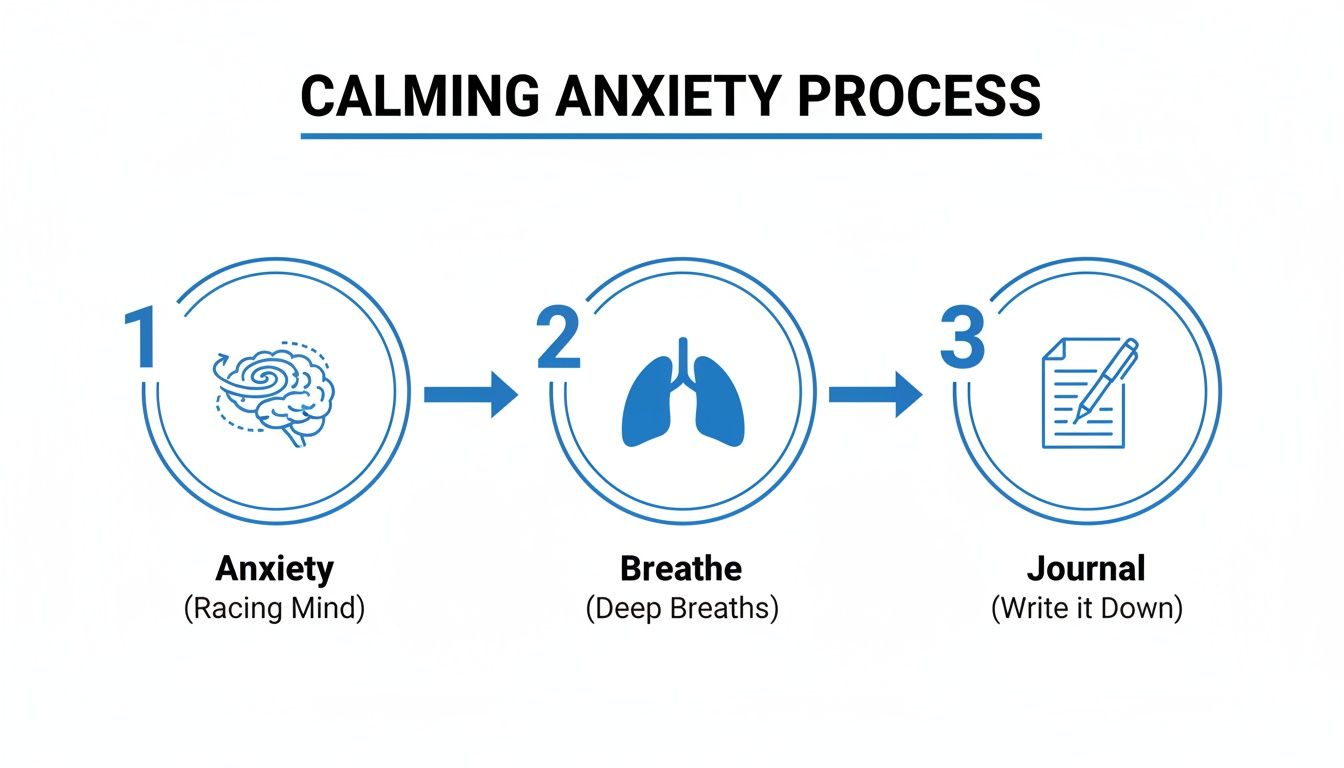
The key takeaway here is simple but crucial: you have to acknowledge the feeling first, then actively calm your body’s physical reaction before you can hope to quiet your mind.
Progressive Muscle Relaxation for Physical Calm
Anxiety isn't just in your head. It lives in your body—in a clenched jaw, tight shoulders, and tense muscles you might not even realize are wound up. Progressive Muscle Relaxation (PMR) is a fantastic way to tackle this physical tension head-on.
The process is incredibly simple but surprisingly effective. You systematically tense a muscle group for 5-10 seconds, then completely release it for 20-30 seconds. This intentional contrast makes you hyper-aware of what true relaxation feels like, helping your body let go of all that stored-up stress.
Here’s a quick sequence you can try tonight, right in your bed:
- Toes and Feet: Start by curling your toes as tightly as you can. Hold it. Then release and feel the tension just drain away. Notice the warmth that flows into your feet.
- Calves and Shins: Flex your feet, pulling your toes back toward you to tense your calf muscles. Hold, then let them go completely limp.
- Thighs: Squeeze your thigh muscles as if you're trying to push your knees together. Hold that tension, then let it all melt away.
- Hands and Arms: Make tight fists and flex your biceps. Hold for a few seconds, then feel the release as your arms go heavy and limp at your sides.
- Shoulders and Neck: Shrug your shoulders way up toward your ears. Hold this uncomfortable position, then let them drop heavily.
As you move through your body, you’re giving your mind a specific, neutral task to focus on. It’s hard for anxious thoughts to scream for attention when you’re busy concentrating on your toes.
Engage Your Senses with the 5-4-3-2-1 Method
When your mind is racing, your senses can be a powerful anchor. The 5-4-3-2-1 technique is a classic for a reason—it uses your five senses to drag your focus away from abstract fears and back into the concrete reality of your bedroom.
No equipment needed, just your attention. While lying in bed, slowly and deliberately identify:
- 5 things you can see: Look around. The outline of your door, a shadow on the ceiling, the glow from your alarm clock, a crease in your blanket, the frame of a picture on the wall.
- 4 things you can feel: Pay attention to physical sensations. The softness of your pillow on your cheek, the weight of your blanket, the cool spots on the sheets, the texture of your pajamas.
- 3 things you can hear: Listen closely. You might pick up the faint hum of an appliance, the sound of the house settling, distant traffic, or even just your own breathing.
- 2 things you can smell: Take a gentle sniff. Maybe it’s the clean scent of laundry detergent on your sheets or the faint aroma of a lotion you used earlier.
- 1 thing you can taste: What’s the last thing? It might just be the neutral taste in your mouth or the lingering flavor of toothpaste.
By systematically engaging each sense, you shift your brain from abstract worrying to concrete observation. This redirection is often all it takes to break the momentum of a thought spiral and create a window of calm wide enough to fall asleep.
While these in-the-moment techniques are invaluable, physical therapies can also be powerful tools for managing the root tension. For those who find that deep muscle tightness is a major source of their anxiety, exploring options like Swedish Massage for Anxiety and Stress Reduction can be a great addition to a broader relaxation routine.
Ultimately, whether it's grounding or massage, the principle is the same: calming the body is one of the fastest routes to quieting the mind. To go deeper on how your breath specifically fuels this process, check out our guide on breathing exercises for falling asleep.
Cognitive Tools to Outsmart Nighttime Anxiety
Trying to fall asleep when your mind is racing is a mental game, and one you need the right strategy to win. While breathing and grounding techniques are great for calming your body in the moment, cognitive tools help you rewire the very thought patterns that trigger anxiety in the first place.
Many of these strategies are pulled straight from Cognitive Behavioral Therapy for Insomnia (CBT-I), and they're all about regaining control when your mind feels like it's working against you.
The goal isn't to wrestle your anxious thoughts into submission—a battle you’ll almost never win at 2 AM. Instead, it's about learning to gently sidestep them. You learn to see the worry, acknowledge it, but not let it hijack your entire night. This creates the mental space where sleep can finally happen.
Tame Your Worries with a Worry Window
One of the most powerful ways to shut down nighttime rumination is to give your worries their own scheduled appointment, long before you even think about getting into bed. It’s a technique called a "Worry Window," and it’s as simple as it is effective.
You just set aside a specific 15-20 minute period earlier in the evening—let's say 7:00 to 7:20 PM—to do nothing but worry. Seriously. During this time, you let all the stressful thoughts that might pop up later have their moment.
- Write It All Down: Grab a notebook and dump every single thing that's on your mind onto the page. No filter, no judgment.
- Find a Next Step (If You Can): Look at each worry. Is there one concrete, actionable thing you can do about it? If so, jot that down. If not, that's okay too.
- Acknowledge and Postpone: For any worry that’s outside your control, just acknowledge it. Give yourself permission to let it rest for the night.
By fencing your worries into this scheduled time, you teach your brain that there’s a proper time and place for problem-solving, and it’s not when your head hits the pillow. When that same worry tries to creep in at bedtime, you can gently tell it, "Nope, I already dealt with you. We can talk again tomorrow during our scheduled time."
This isn't about ignoring your anxiety; it's about managing it. This simple act of scheduling creates a psychological boundary that dramatically reduces the power those thoughts have over you in the quiet vulnerability of the night.
This proactive approach stops anxieties from ambushing you when you’re tired and least equipped to handle them. You take back control of the narrative.
Scramble Anxious Thoughts with Cognitive Shuffling
But what about those nights when, even with a worry window, your brain just gets stuck on a looping, anxious thought? That’s where cognitive shuffling comes in. It’s a brilliant little trick designed to derail the logical, story-driven nature of rumination so your brain can drift off.
Instead of trying to force your mind to think of nothing (which is nearly impossible), you give it a random, non-threatening task.
Here’s how it works. Pick a random, neutral letter. Then, start thinking of words that begin with that letter, visualizing each item for just a few seconds before moving on.
Let’s say you pick the letter 'B':
- Think of the word "basket." Picture a simple woven basket.
- Now, "bridge." Imagine an old wooden bridge over a small creek.
- Next, "button." See a shiny, blue button in your mind's eye.
- Keep going with words like "bicycle," "balloon," "book," and so on.
The trick is to keep the images and words totally random and emotionally neutral. You're not building a story; you're just creating a series of disconnected mental snapshots. This "serial diverse imagining," as researchers call it, prevents your brain from forming the coherent, worrisome narratives that keep you awake.
Cognitive shuffling is a game-changer. Pioneered by Dr. Luc Beaudoin, a study in Sleep Medicine found this simple method helps 80% of anxiety-prone insomniacs fall asleep within 15 minutes because it’s so effective at disrupting rumination. It’s a widespread issue, and you can learn more about these sleep survey findings to see just how many people face these challenges.
Ultimately, these cognitive tools are about changing the relationship you have with your own thoughts. You don't have to be a passive victim of your mind's late-night antics. With a bit of practice, you can become the calm director of your thoughts, gently guiding them away from the spotlight of anxiety and toward a state of rest.
Creating a Bedroom Sanctuary for Anxious Minds
Your bedroom should be a retreat, a place where the stress of the day dissolves. For someone with anxiety, though, it can easily become the opposite—a stage for racing thoughts. The trick is to intentionally engineer your sleep environment to send powerful, consistent signals of calm and safety to your brain.
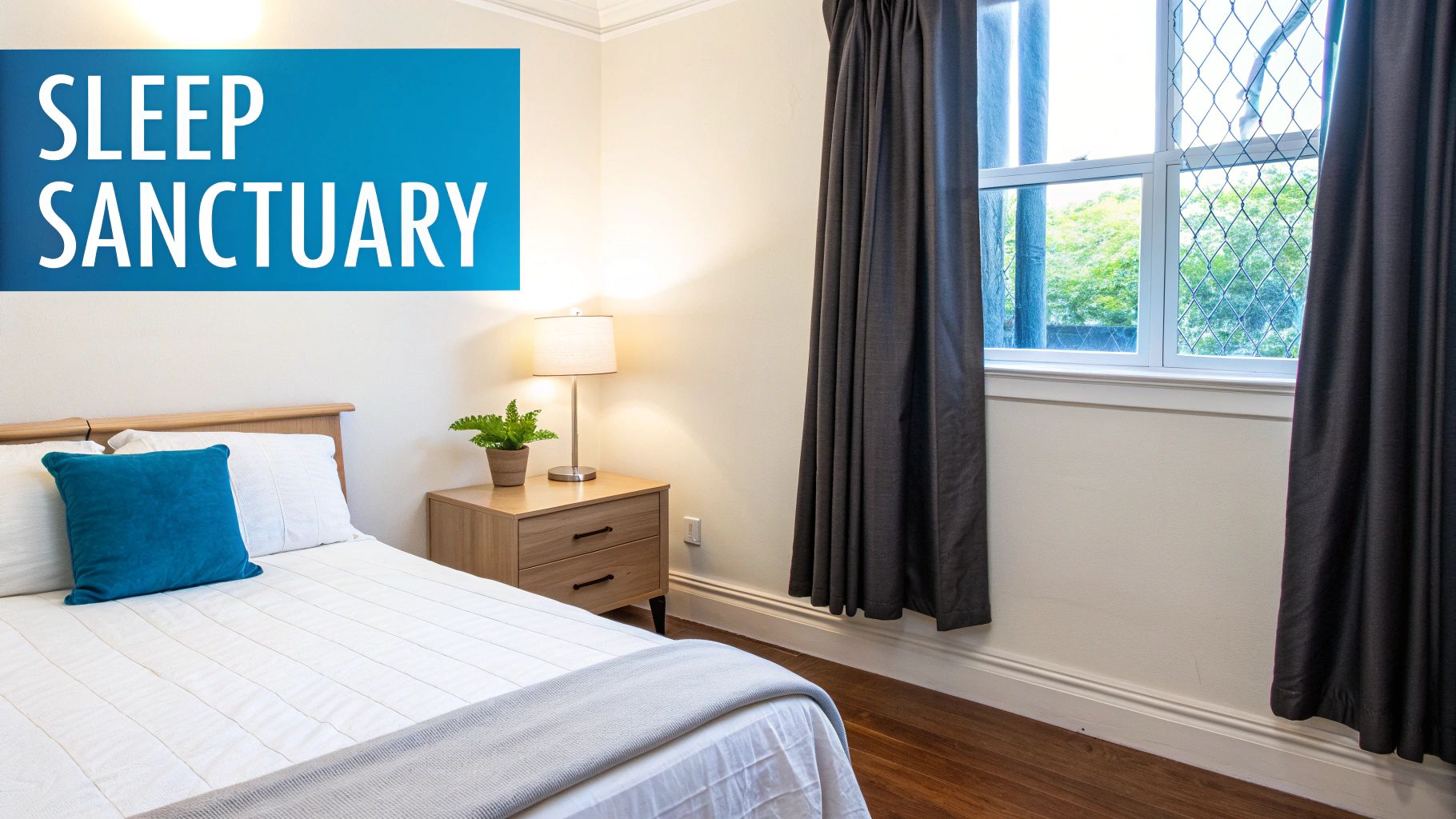
Think of your bedroom as a biological trigger for rest. Every single element, from the light filtering through the window to the temperature of the air, can either support or sabotage your ability to fall asleep. By optimizing these factors, you create a sanctuary that works with your body's natural sleep processes, not against them.
Master the Darkness to Protect Melatonin
Light is the single most powerful signal our bodies use to regulate our internal clock. Even a sliver of light from a phone charger, a streetlamp, or a television can disrupt the production of melatonin, the hormone that tells your body it's time to sleep. An anxious mind is already on high alert; light exposure just reinforces that state of wakefulness.
To create the ideal dark environment, you need a multi-pronged approach:
- Implement a Blackout Strategy: Invest in high-quality blackout curtains or blinds. They are a game-changer for blocking external light pollution, which is often more disruptive than you'd think.
- Cover All Internal Lights: Use small pieces of electrical tape to cover those tiny but mighty LED lights on electronics like TVs, power strips, and chargers.
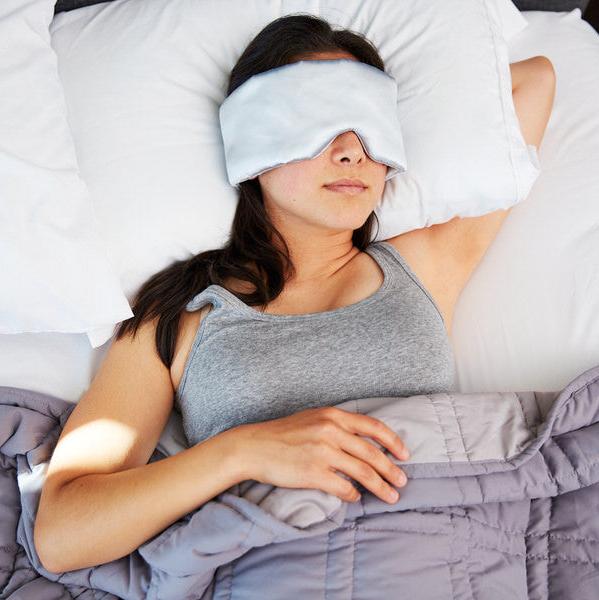
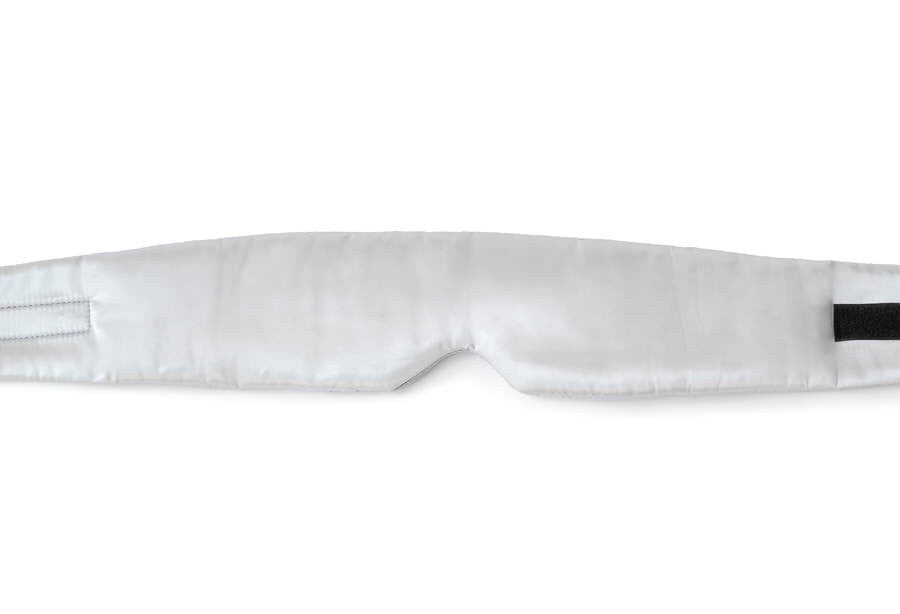
- Embrace a Sleep Mask: A comfortable, total-darkness sleep mask can be your best friend, ensuring complete darkness no matter where you are.
When you commit to total darkness, you remove a major environmental stressor and give your brain the clear signal it needs to begin the process of falling asleep.
Curate a Calming Soundscape
For an anxious mind, pure silence can be deafening, allowing worries to rush in and fill the void. On the flip side, unexpected noises—a car horn, a creaky floorboard—can trigger a jolt of adrenaline just as you’re drifting off. The solution is to control your auditory environment with a consistent, soothing soundscape.
Different "colors" of noise are incredibly effective at masking disruptive sounds and calming the nervous system:
- White Noise: Contains all audible frequencies at equal intensity, creating a sound like a whirring fan. It's excellent for masking sharp, sudden noises.
- Pink Noise: Emphasizes lower frequencies, resulting in a deeper sound like steady rainfall. Many people find it more soothing and less "hissy" than white noise.
- Brown Noise: Has an even deeper, rumbling quality, similar to a strong waterfall. It's often preferred by those who find white noise too high-pitched.
Experiment with a dedicated sound machine or an app to find which noise color works best for you. This creates a predictable and relaxing audio blanket, preventing jarring sounds from putting your nervous system on edge.
Your sleep environment is not just about comfort; it's a form of communication with your nervous system. A dark, cool, and quiet room communicates safety, making it easier for an anxious mind to let its guard down and surrender to sleep.
Find Your Ideal Sleep Temperature
Have you ever found it impossible to sleep in a stuffy, warm room? There’s a very real scientific reason for that. Your body's core temperature naturally needs to drop by a couple of degrees to initiate and maintain sleep, and a cool bedroom facilitates this process.
Research consistently shows that the optimal room temperature for sleep is between 60 and 67 degrees Fahrenheit (15-19 degrees Celsius). A room that’s too warm interferes with your body's thermoregulation, leading to restlessness and fragmented sleep—a perfect recipe for heightened anxiety. Setting your thermostat a little lower about an hour before bed can make a huge difference.
Your Bedroom Optimization Checklist
Use this guide to fine-tune your sleep environment to reduce anxiety and encourage rest.
| Environmental Factor | Ideal Condition | Why It Helps With Anxiety | Actionable Tip |
|---|---|---|---|
| Light | As close to total darkness as possible | Darkness signals the brain to produce melatonin, the sleep hormone. Light suppresses it, keeping your mind alert. | Use blackout curtains and cover even the smallest electronic lights with electrical tape. |
| Noise | Consistent, low-level ambient sound | Masks sudden, jarring noises that can trigger an adrenaline spike and prevents a "too quiet" environment for racing thoughts. | Try a white noise machine or an app with pink or brown noise to find what soothes you best. |
| Temperature | Cool, between 60-67°F (15-19°C) | A cool room helps your body's core temperature drop, a necessary biological trigger for initiating and maintaining sleep. | Set your thermostat to the lower end of this range about an hour before you plan to sleep. |
| Bed & Bedding | Comfortable, supportive, and used only for sleep | Creates a strong mental association between your bed and rest, reducing the likelihood of anxious thoughts in bed. | Avoid working or scrolling on your phone in bed. Make sure your pillow supports your neck. |
Each small adjustment you make contributes to a larger message of safety and calm for your nervous system. You can explore a deeper dive into how these elements come together in our guide to optimizing your sleep environment for better sleep quality.
Using Sleep Aids and Products Wisely
When you’re desperate for sleep, it’s tempting to reach for a quick fix. The market is flooded with gadgets and aids all promising instant calm, but it’s best to approach them with a healthy dose of skepticism. The right products can be powerful allies in your quest for rest, but only when they support your overall strategy, not replace it.
The key is to find tools that work with your body's nervous system, helping it shift from high alert down to a state of relaxation. These aren't magic bullets; think of them as physical supports that make the other changes you're implementing even more effective.
Tools That Soothe the Nervous System
Some products are designed specifically to provide calming sensory input, which can be a game-changer when anxiety feels physical. They help shift your focus from internal worries to external, comforting sensations.
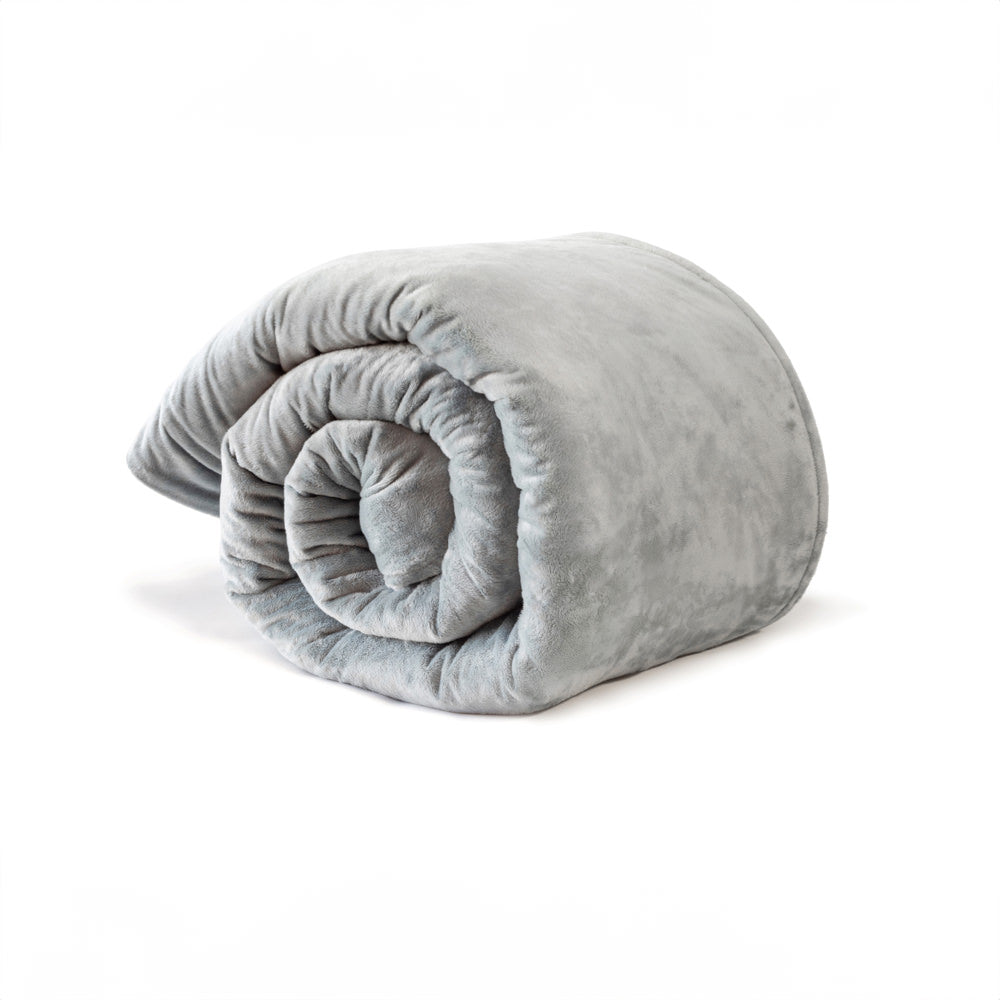
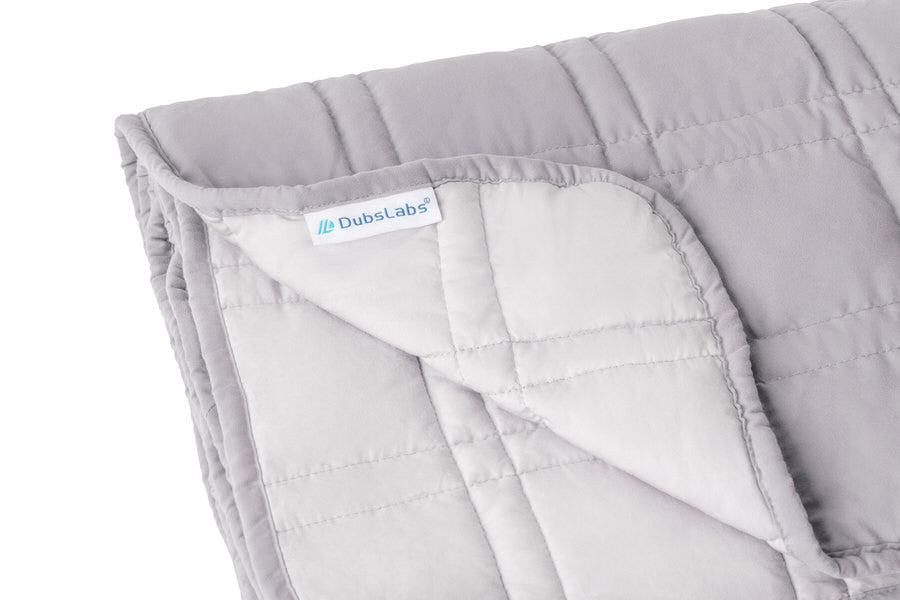
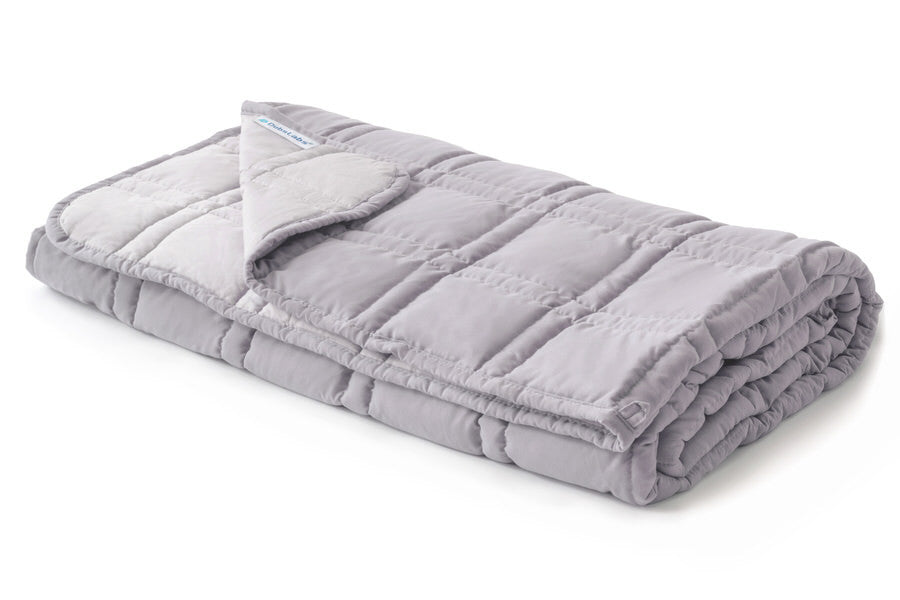
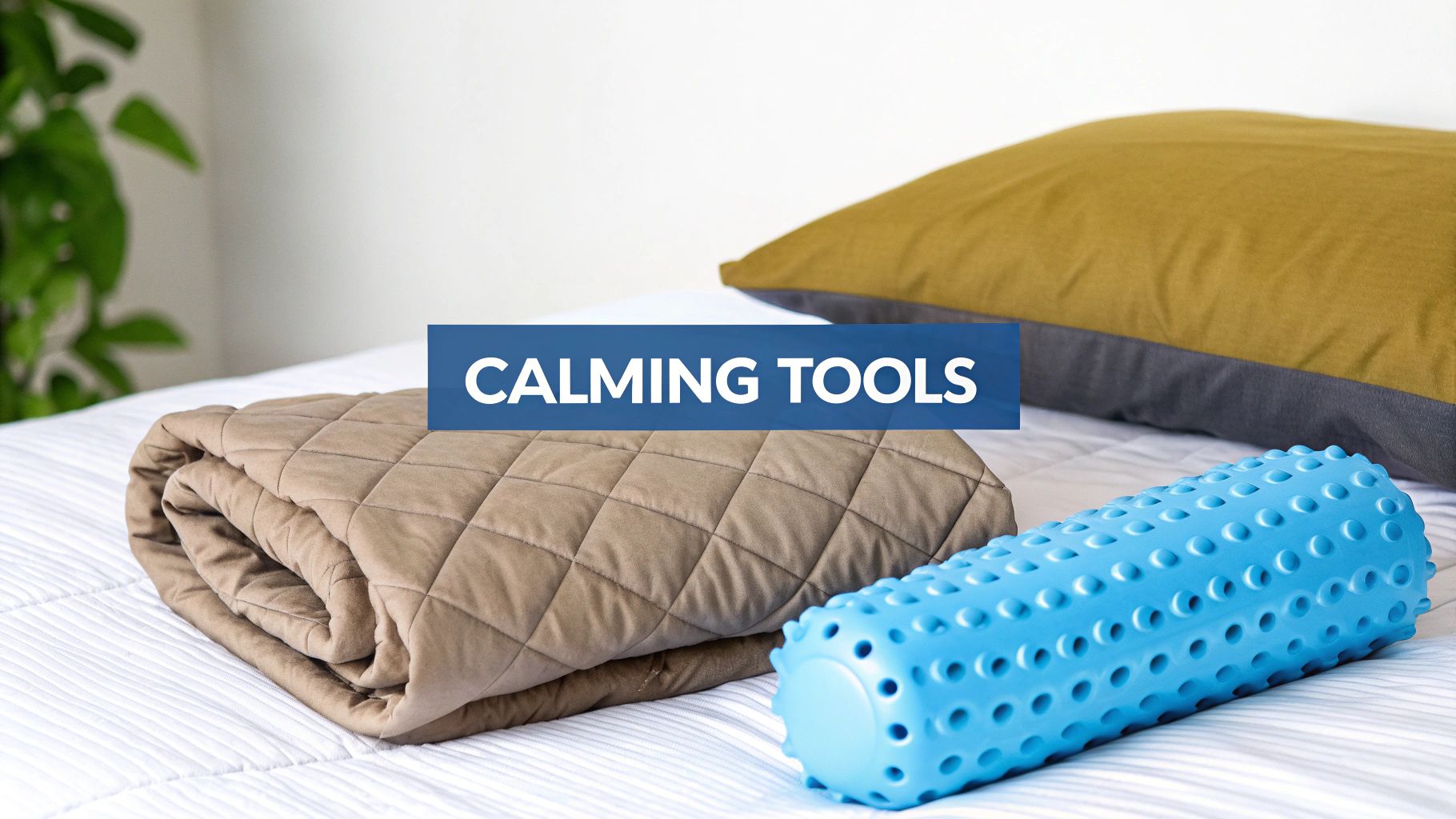
- Weighted Blankets: These work through Deep Pressure Stimulation (DPS), applying gentle, firm pressure across your body. The sensation is a lot like a comforting hug, which can trigger the release of serotonin and melatonin while tamping down cortisol levels. For many people, this creates a profound sense of security and calm.
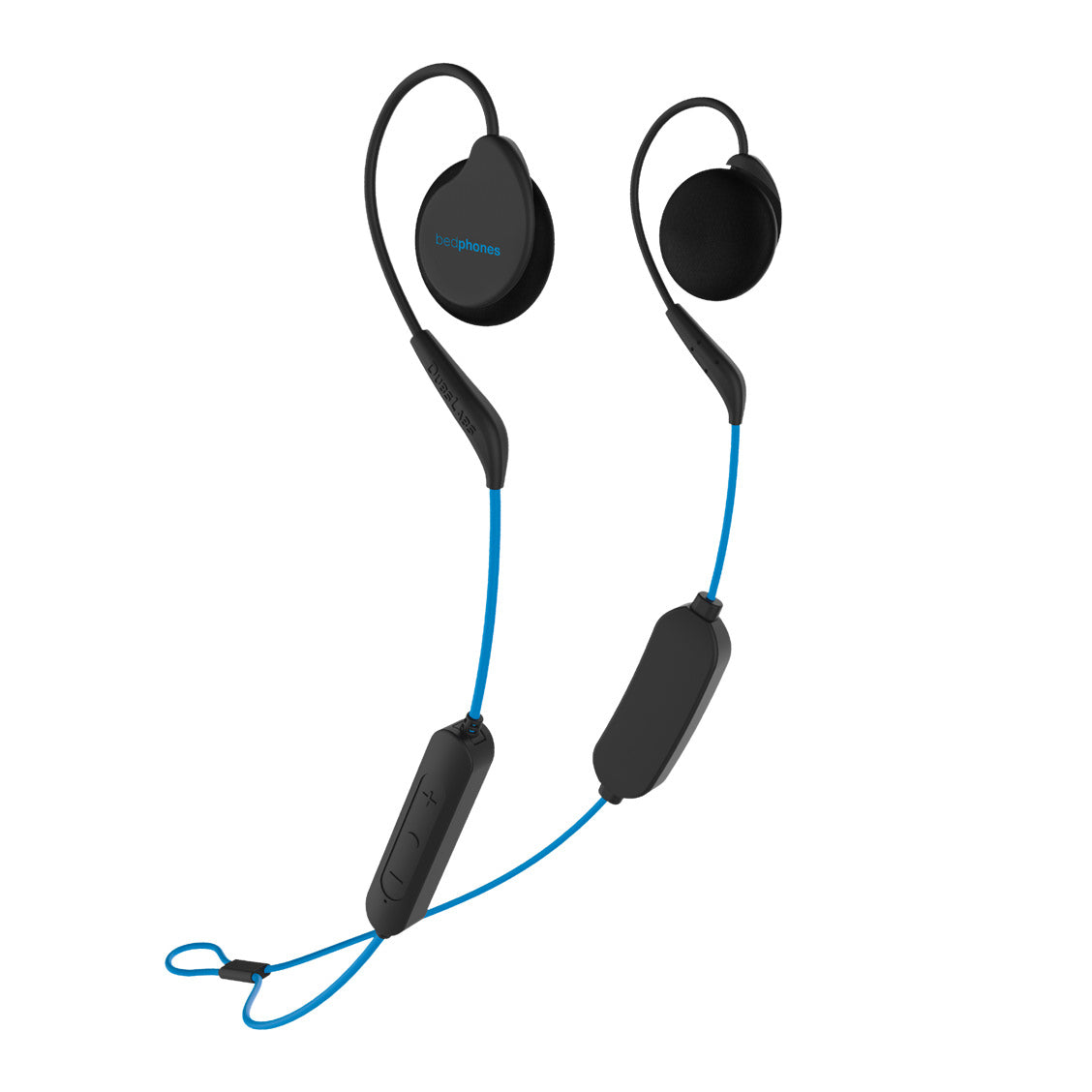
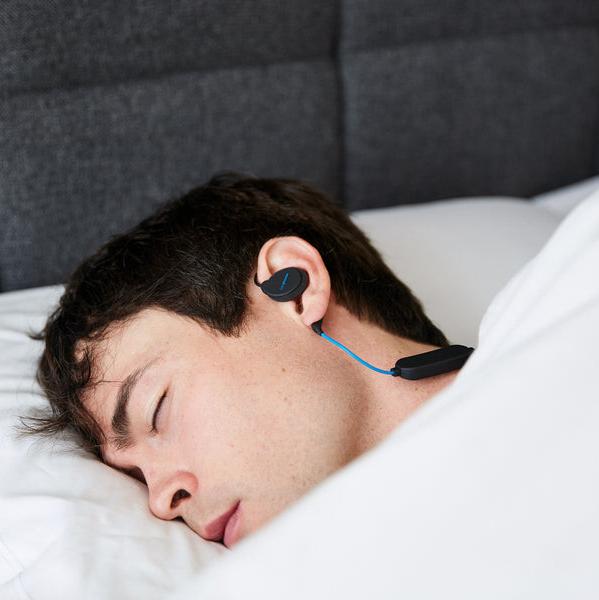
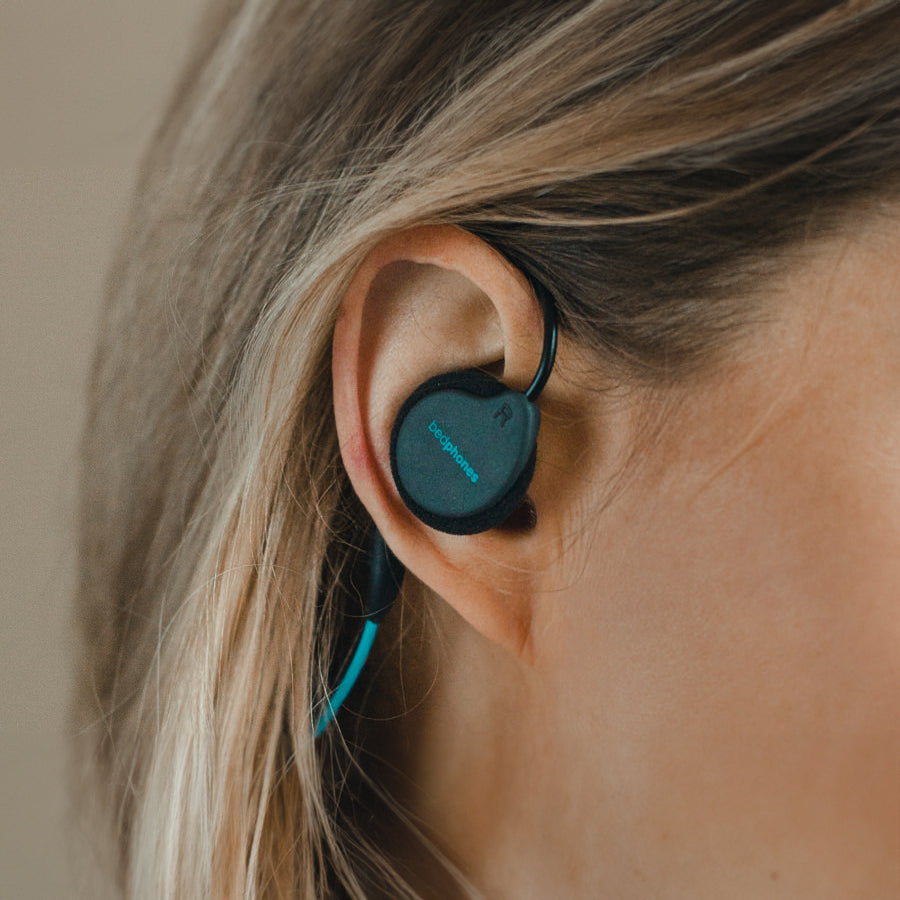
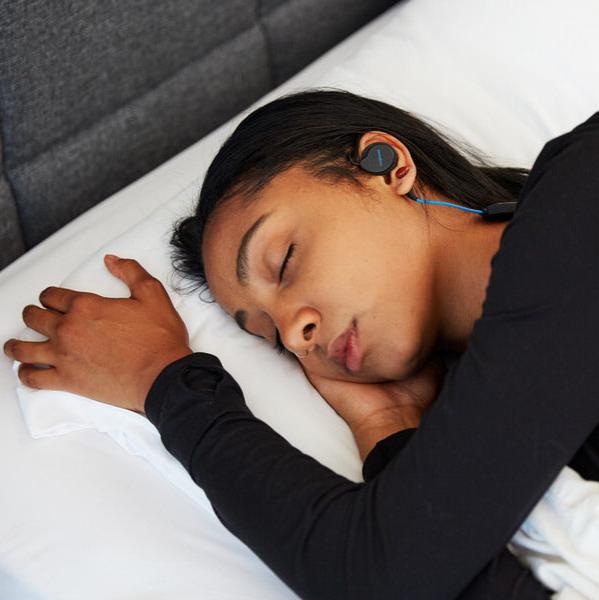
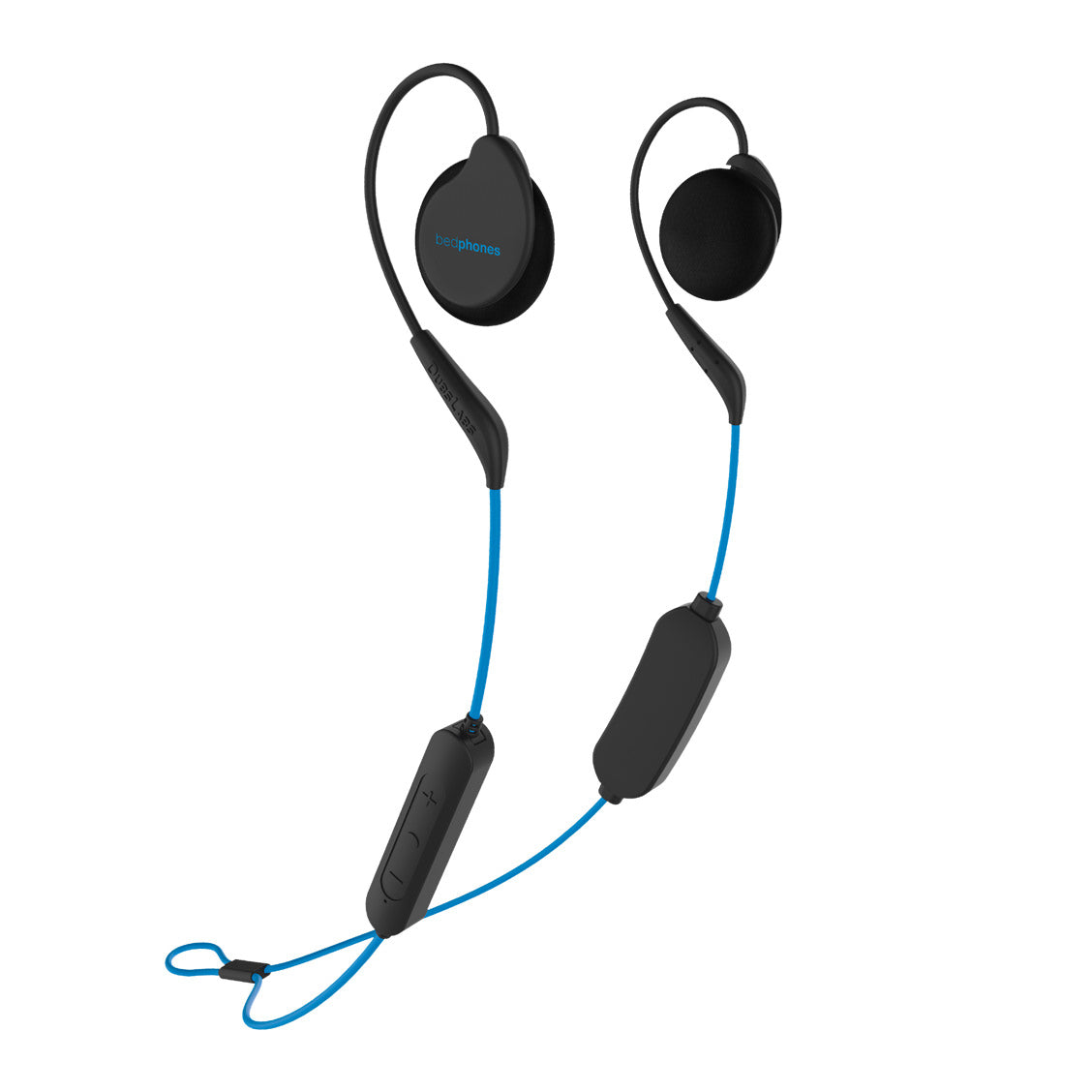
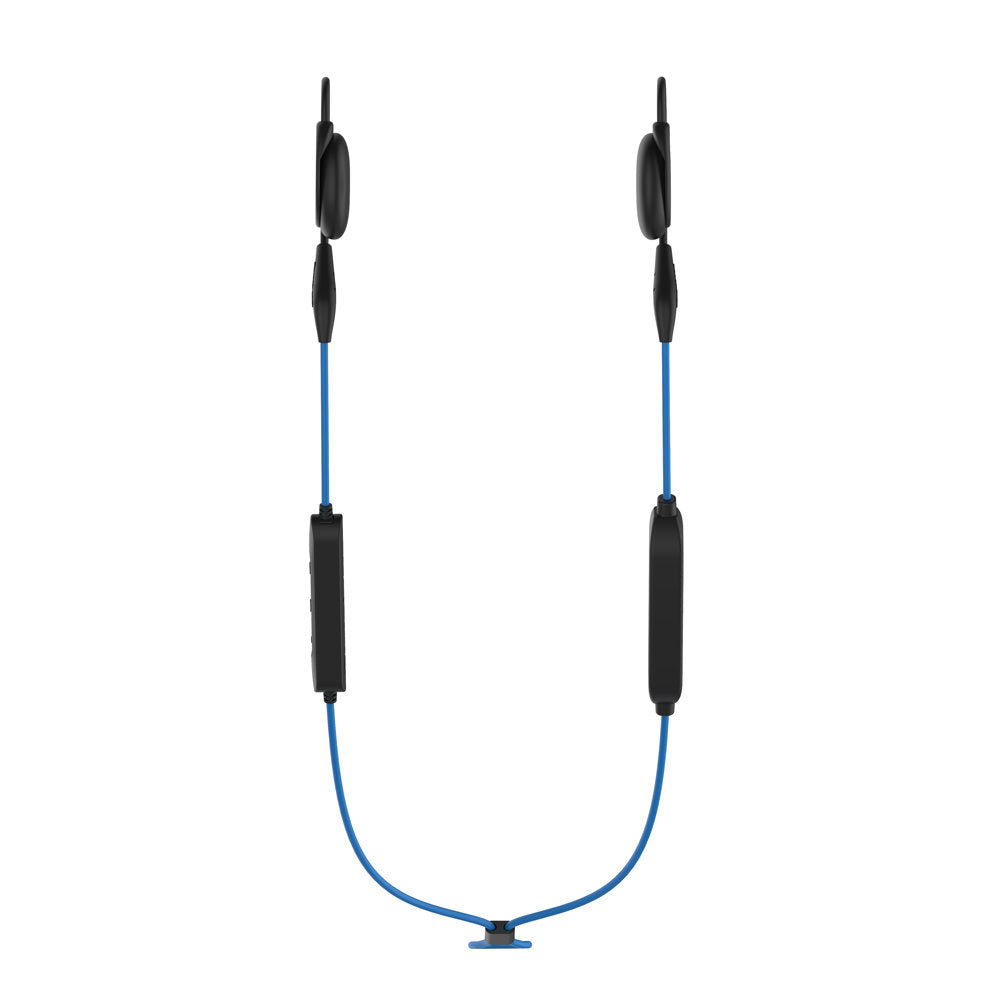
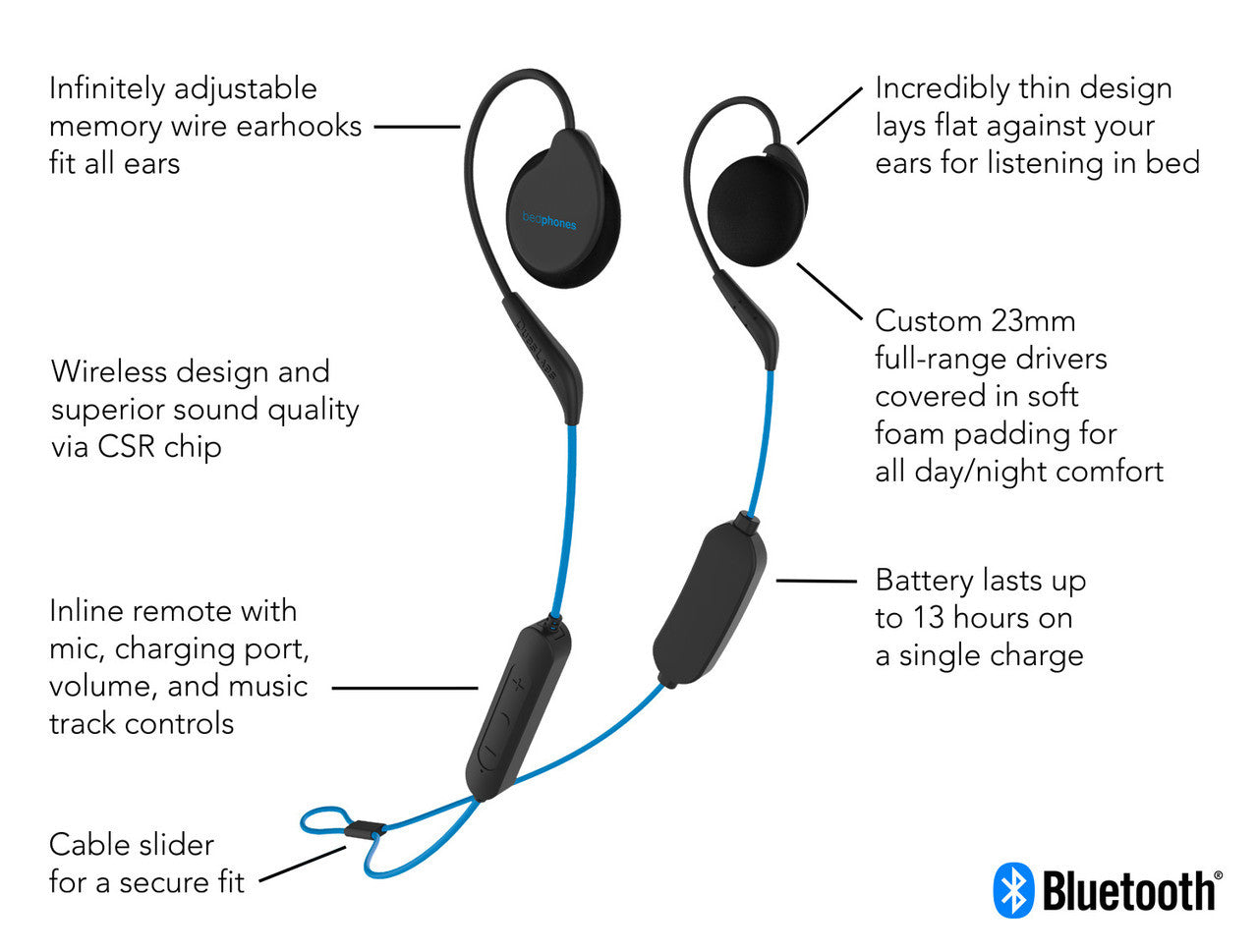
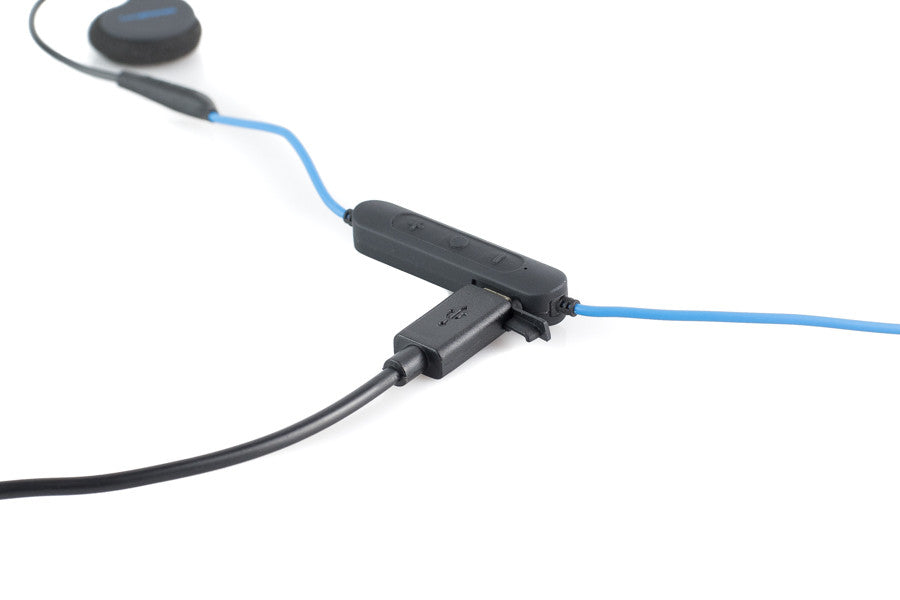
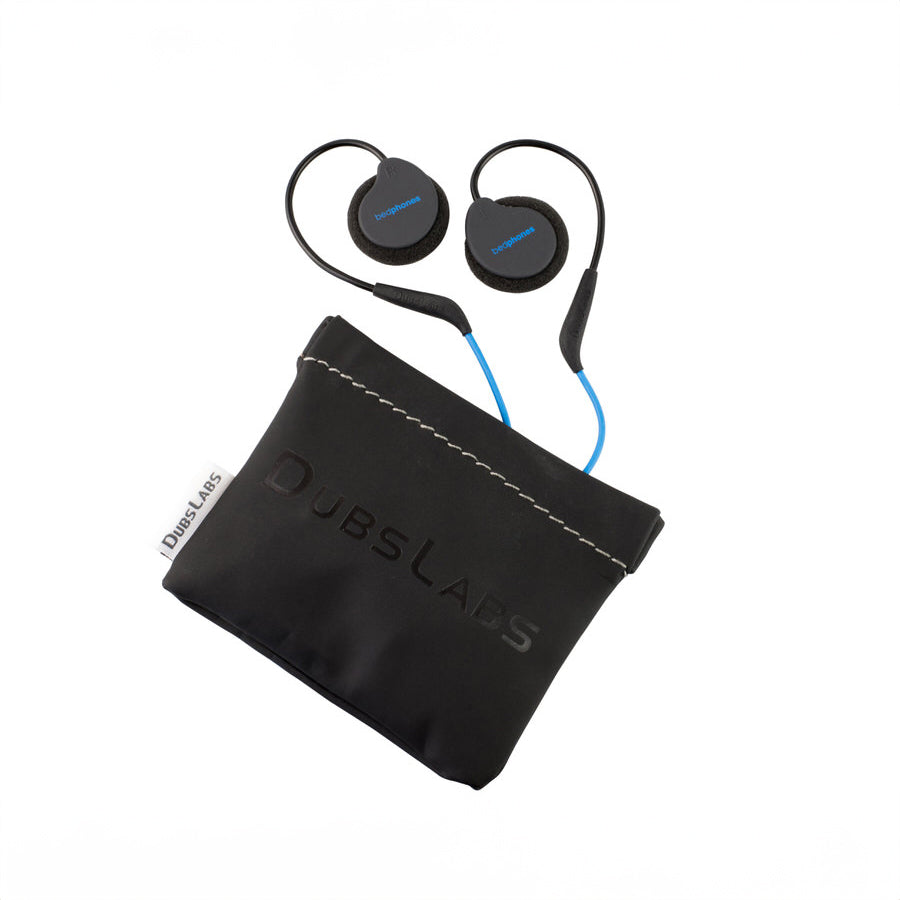
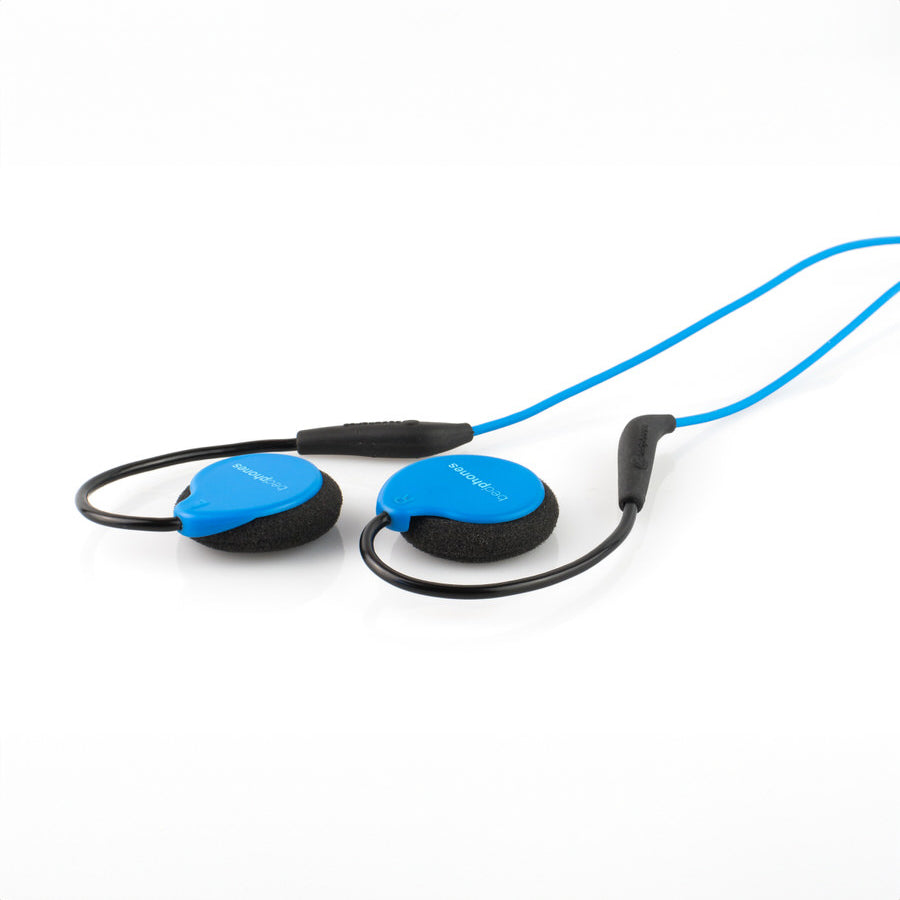
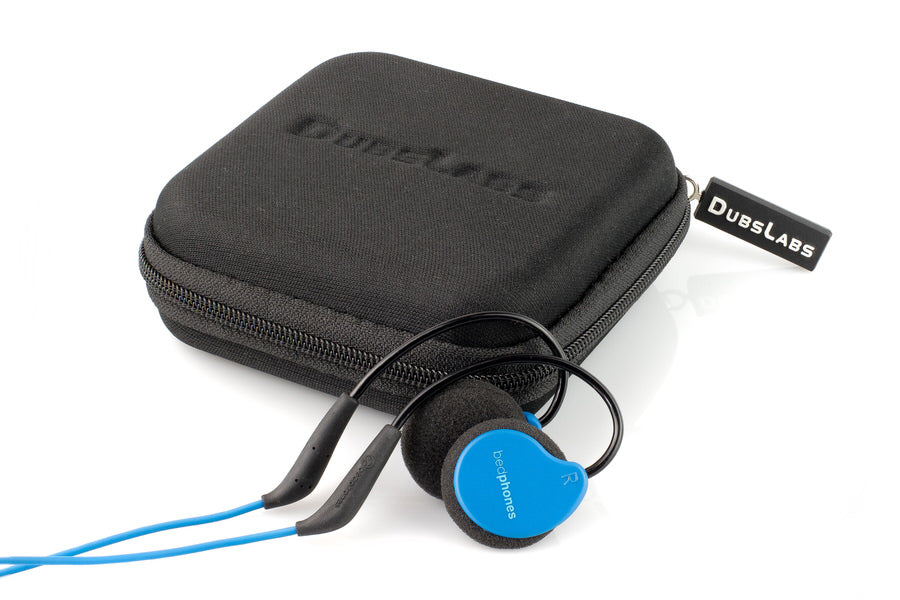
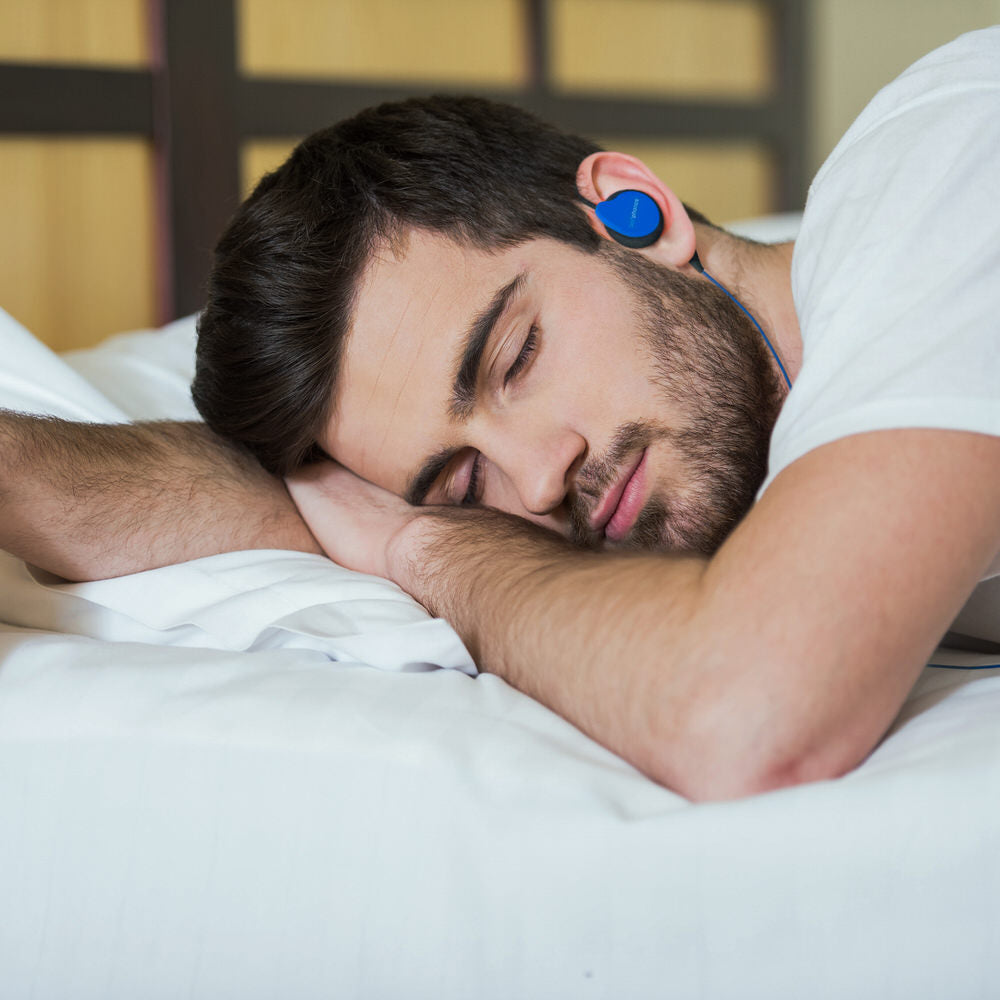
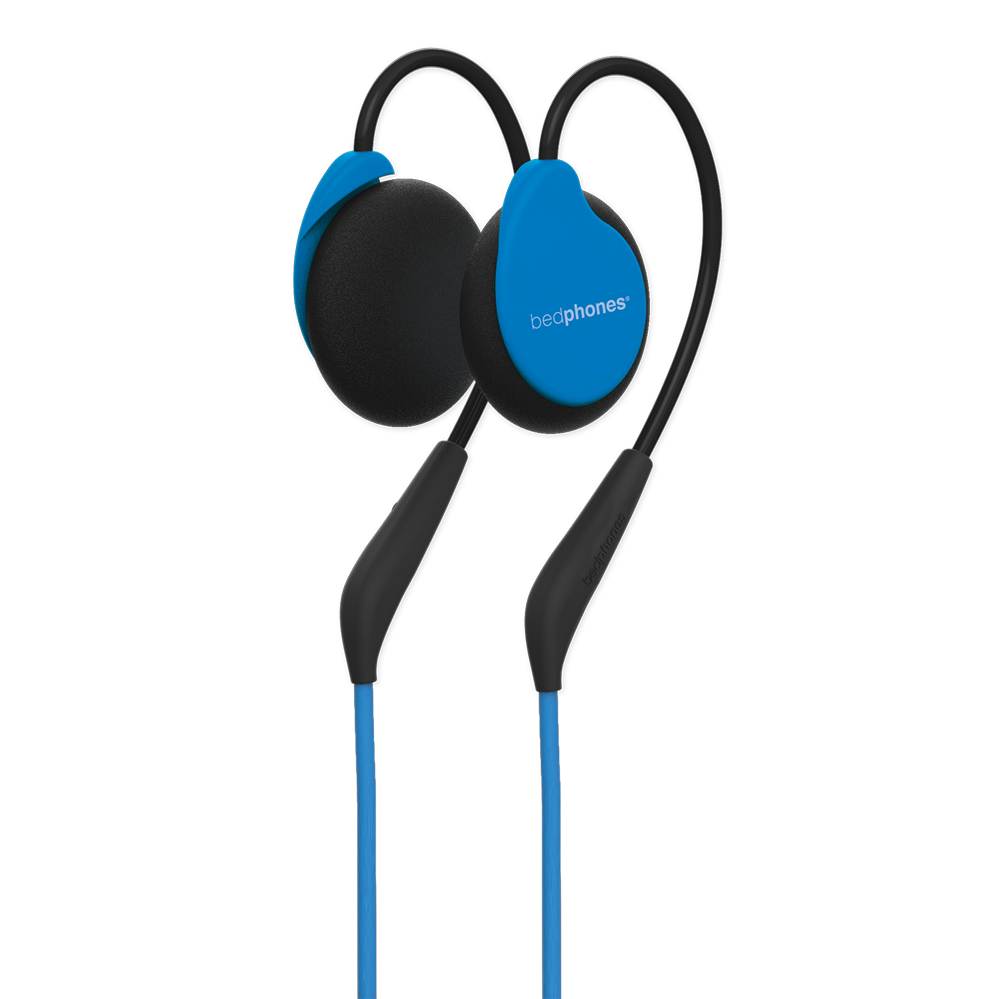
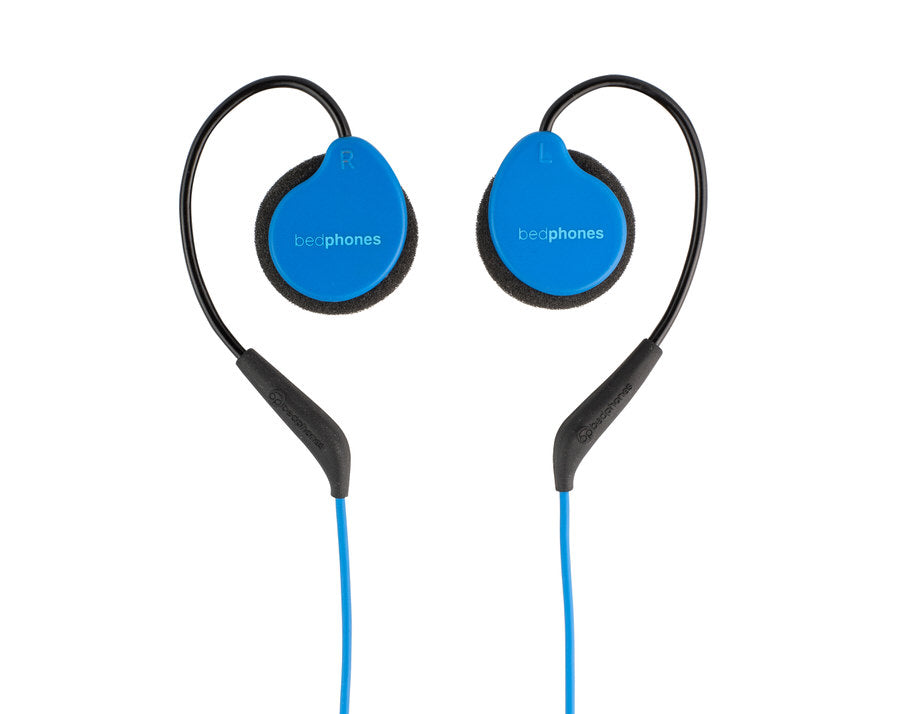
- Thin On-Ear Headphones (Bedphones): For some of us, listening to a guided meditation, a soothing audiobook, or calming music is the fastest way to derail a racing mind. Traditional headphones are way too bulky for side-sleepers, but ultra-thin models let you lie comfortably while you create a private soundscape to disengage from anxious thoughts.
Addressing Physical Discomfort
Sometimes, nighttime anxiety gets amplified by physical discomfort. Aches, pains, or even just feeling slightly "off" can give your anxious mind something tangible to latch onto, fueling the cycle of worry and sleeplessness. Taking care of these physical issues can remove a major obstacle to sleep.
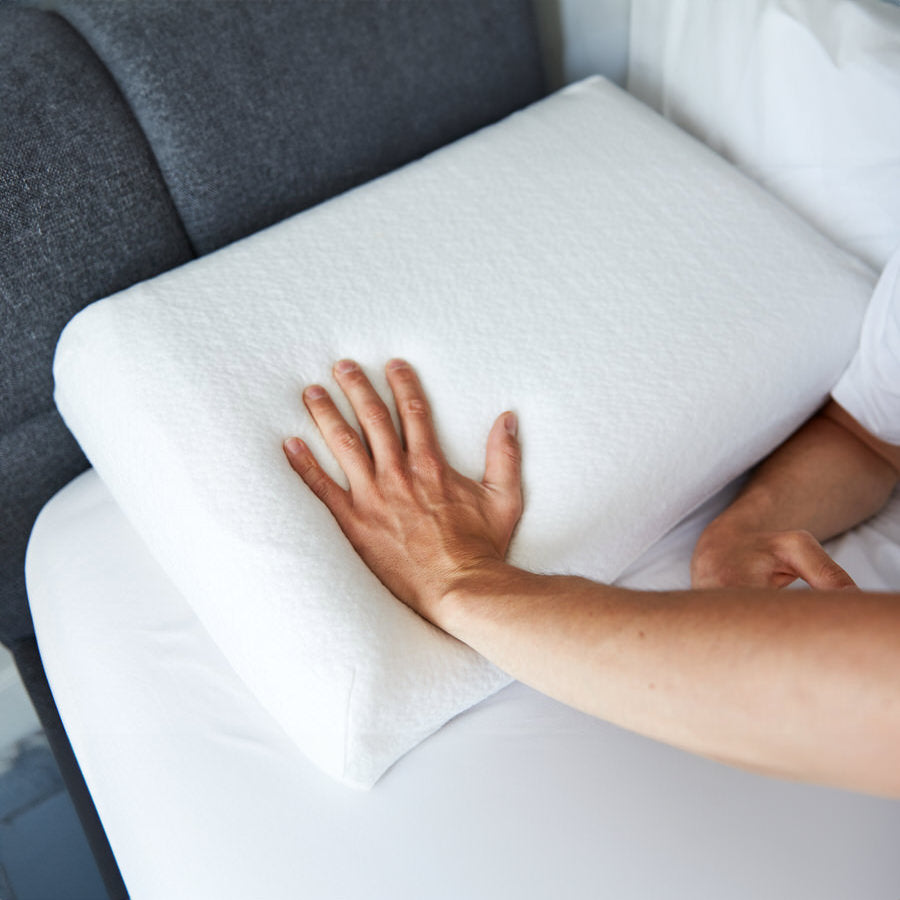
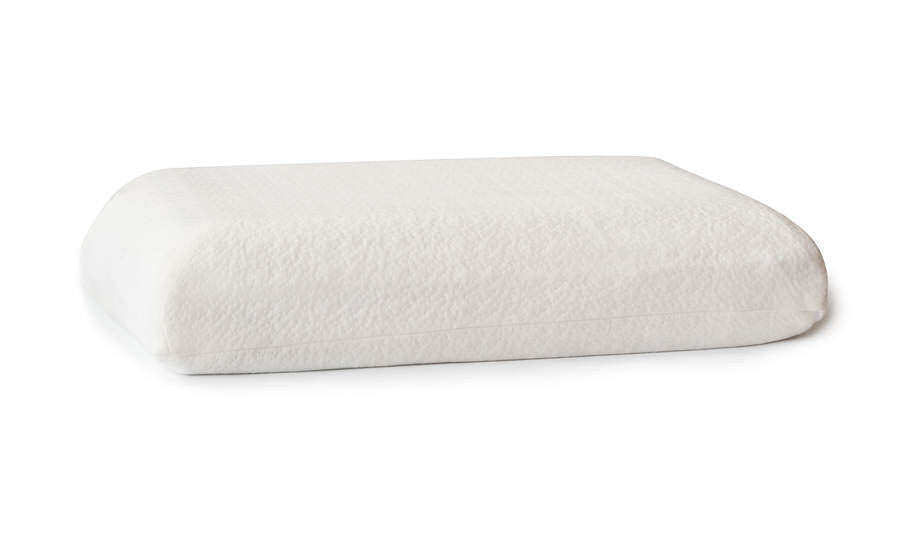
For example, an unsupportive pillow can lead to neck strain, creating a low-grade physical stress that keeps your body tense. Investing in a pillow that properly aligns your spine can make a massive difference. It removes a source of physical irritation, making it easier for your body to fully relax. The same logic applies to your mattress and even your bedding. Your physical comfort is foundational to your mental calm.
A common mistake is to see sleep aids as the solution. Instead, think of them as tools that help create the right conditions for your mind and body to relax. A weighted blanket doesn't "make" you sleep; it helps calm your nervous system so your own sleep drive can take over.
The Pitfalls of Over-Reliance and Data Overload
While some products are helpful, others can backfire if you’re not careful. The goal is always to reduce anxiety, not create new sources of it.
One of the biggest culprits can be sleep-tracking apps and wearables. While the data they provide can seem insightful, it can also lead to a condition known as orthosomnia. This is an unhealthy obsession with achieving "perfect" sleep metrics, where the stress of not hitting your goals ironically becomes the very thing that ruins your sleep.
Constantly checking your "sleep score" can create performance anxiety around something that should be natural. Remember, these trackers are not perfectly accurate and can’t capture the full picture of your sleep quality. Use them as a general guide if you must, but don't let the numbers dictate how you feel.
If you’re interested in exploring what truly works, we have a helpful guide on effective sleep aids that really work that separates the hype from the helpful. Ultimately, the best tool is one that helps you feel calmer and more comfortable without adding another layer of stress to your bedtime routine.
Knowing When to Seek Professional Support
While all the strategies we've talked about can be game-changers for managing nighttime anxiety, it's just as crucial to know when you might need to call in professional backup. Think of these techniques as a powerful toolkit. They can absolutely make a huge difference, but they aren't a substitute for clinical care when anxiety digs its heels in and becomes severe.
Taking that step to seek help isn't a sign of failure. Far from it. It’s a sign of strength and knowing you deserve to feel better.
So, how do you know when you've hit that point? There are a few clear signs that your sleep anxiety might need a more structured, expert-led approach.
Key Indicators It's Time for Help
Take a hard, honest look at your situation. If any of the following feel familiar, it’s probably time to talk to someone.
- Your Days Are Falling Apart: The sleepless nights are consistently making it a struggle to function. Maybe you're zoning out at work, snapping at your partner, or just can’t keep up with daily life anymore.
- You've Tried Everything: You’ve been diligently practicing breathing exercises, reframing your thoughts, and optimizing your bedroom for weeks, but the anxiety and sleep problems are either stuck in place or getting worse.
- Nighttime Panic Attacks: You're experiencing those intense, overwhelming waves of panic specifically at night or as you're trying to drift off. This is a big one.
- The Pre-Bedtime Dread: The thought of going to bed fills you with a deep sense of dread or fear, sometimes hours before your head even hits the pillow.
If you’re nodding along to any of these, a simple conversation with a healthcare professional can open the door to proven treatments that offer real, lasting relief.
Seeking professional help isn’t about giving up. It’s about adding an expert to your team who can provide specialized tools, like Cognitive Behavioral Therapy for Insomnia (CBT-I), which is considered the gold-standard treatment for chronic sleep issues.
A great first step is just talking to your primary care doctor. They can rule out any underlying medical issues that might be contributing and give you a referral to a therapist or sleep specialist. These pros can offer targeted therapies like CBT-I, which gives you the skills to rewire the anxious thoughts and habits that are sabotaging your sleep.
Remember, you don't have to figure this out alone. Help is available, and you absolutely deserve a peaceful night's rest.
Still Have Questions About Anxiety and Sleep?
Even after you’ve tried a few strategies, it's normal to have some lingering questions when you're figuring out how to get your sleep back on track. Getting straight answers can clear up those final nagging doubts and give you the confidence to stick with your new routine.
Let’s be honest, the relationship between anxiety and sleep is a tangled one. It's a frustrating cycle where one feeds the other, but understanding the mechanics behind it is the first step to breaking that loop for good.
Can Anxiety Actually Wake Me Up in the Middle of the Night?
It absolutely can. While most people think of sleep anxiety as that feeling of staring at the ceiling, unable to drift off, it's just as likely to cause those jarring nocturnal awakenings. Your body’s stress response doesn’t just clock out when you fall asleep.
If your cortisol (the stress hormone) levels are high, your nervous system stays on high alert. This state of hyper-arousal makes you much more likely to wake up, often with a racing heart and a sense of panic. This is the classic "wide awake at 3 AM" scenario that so many of us know too well.
This is why managing your stress during the day is just as crucial as your bedtime routine. When you work on lowering your overall anxiety levels from morning to evening, your body is far less likely to sound those false alarms in the middle of the night.
I’ve Been Lying Here Forever. Should I Stay in Bed or Get Up?
If you’ve been tossing and turning for more than 20 minutes or so, the expert consensus is clear: get out of bed. The longer you stay in bed feeling anxious and frustrated, the more you train your brain to see your bed as a place of worry, not rest. It creates a powerful negative association that can be tough to break.
Instead, try this:
- Head to another room. Keep the lights as dim as possible.
- Do something quiet and boring. Think reading a dull book, listening to soft ambient music, or doing a few gentle stretches. Whatever you do, stay off your phone.
- Only go back to bed when you feel sleepy again. Not just tired, but actually sleepy.
This technique is a cornerstone of cognitive behavioral therapy for insomnia (CBT-I) and is known as stimulus control. It’s all about re-establishing your bed as a cue for one thing and one thing only: sleep.
Does a Bad Night's Sleep Really Make Anxiety Worse?
Yes, without a doubt. Sleep deprivation throws a wrench into the parts of your brain that manage emotions, especially the amygdala and the prefrontal cortex. When you're running on fumes, your amygdala—your brain’s internal alarm system—goes into overdrive, making you much more reactive to even minor stressors.
At the same time, your prefrontal cortex, which handles logic and keeps impulses in check, gets sluggish. This combo is the perfect storm for heightened anxiety, emotional reactivity, and just plain bad decision-making. Making sleep a non-negotiable priority is one of the single best things you can do for your mental health.
At DubsLabs, we know that calming an anxious mind often starts with creating the right environment. Our products, from the paper-thin Bedphones that let you listen to guided meditations without bulky earbuds, to our total-darkness sleep masks, are designed to help you control your sensory world. Taming your environment is a powerful way to finally find some peace at night. Explore our sleep solutions and start your journey to better rest.