If you’re tired of empty promises and magic pills, let’s get straight to it: sleep aids only work when they match the reason you can’t sleep.
There isn't one perfect solution. The real secret is a targeted approach that lines up the right tool—whether it’s a habit change, a natural supplement, or a medical option—with the root cause of your sleepless nights.
The Honest Truth About Finding Sleep Aids That Work
Sleepless nights feel like a lonely battle, and it's easy to get desperate for a quick fix. But the world of sleep aids is a confusing maze of options. The key isn't just finding a product; it's about understanding the problem you're trying to solve.
Think of it like a toolbox. You wouldn't use a sledgehammer to hang a picture frame, right? In the same way, taking a powerful sedative when your internal body clock is simply out of whack won't give you the lasting results you need.
This guide is designed to cut through all that noise. We’ll lay out an evidence-based roadmap to help you make a smart decision and find what genuinely works for your body and your situation.
Four Paths to Better Sleep
Before we get into the specifics, it helps to understand the four main avenues for tackling sleep problems. Each one has its own purpose, its own strengths, and a right time and place to be used.
- Behavioral Strategies: This is the foundation of healthy sleep. Honestly, it's the most powerful long-term solution you can find. Techniques like Cognitive Behavioral Therapy for Insomnia (CBT-I) and simply improving your daily habits get to the root of the thoughts and behaviors that are sabotaging your rest.
- Natural Supplements: Things like melatonin or magnesium can be incredibly effective for very specific issues. Think of them for course-correcting your body clock after a long flight or for helping to calm a racing mind before bed.
- Over-the-Counter (OTC) Options: These are easy to get, but they often come with baggage like next-day grogginess. They're best kept for occasional, short-term use—not a nightly habit.
- Prescription Medications: These are the heavy hitters, reserved for more severe or acute cases of insomnia. They require a doctor's supervision and are typically used as a temporary bridge while you work on fixing the underlying problems.
The most effective and sustainable approach almost always starts with your lifestyle and habits. You can't supplement your way out of a chaotic sleep schedule. Building that strong foundation is non-negotiable. You can learn more about these core practices in our detailed guide on what is sleep hygiene.
This framework helps you move beyond just slapping a band-aid on the symptoms. When you can pinpoint your specific challenge—whether it's anxiety keeping your mind spinning, a jet-lagged body clock, or just some bad pre-sleep habits—you can pick a solution that actually solves the problem.
This isn't just a list of products; it's a strategy for reclaiming your nights and finally getting the deep, restorative rest you deserve.
Quick Guide to Common Sleep Aids
To make things even clearer, here's a quick rundown of some common sleep aids, what they do, and who they're best for. Think of this as your cheat sheet for understanding the options at a glance.
| Sleep Aid Type | How It Works | Best For | Key Consideration |
|---|---|---|---|
| Melatonin | A hormone that regulates the sleep-wake cycle. | Resetting your body clock (jet lag, shift work). | Start with a very low dose (0.5-1 mg). |
| Magnesium | A mineral that calms the nervous system. | People with anxiety or muscle tension at night. | Look for forms like magnesium glycinate for better absorption. |
| Valerian Root | An herb thought to increase calming brain chemicals. | Mild insomnia and stress-related sleeplessness. | Can cause vivid dreams for some people. |
| Antihistamines | OTC aids like diphenhydramine (Benadryl). | Occasional, short-term use for a single bad night. | Often causes significant next-day grogginess and dry mouth. |
| CBT-I | A behavioral therapy that retrains your brain for sleep. | Chronic insomnia; addresses root thoughts and habits. | The gold-standard, non-drug treatment. Requires commitment. |
This table should help you start connecting the dots between your specific sleep issue and a potential solution. Remember, the goal is always to find the right tool for the job.
Before you even think about reaching for a sleep aid, you need to play detective.
Trying to fix your sleep without understanding what’s actually broken is like trying to fix a car by randomly swapping out parts. You might get lucky, but you'll probably just waste time and get more frustrated. To find a real solution, you have to pinpoint the root cause of the problem first.
Think of your sleep system as a complex piece of machinery. Is the 'on switch' jammed, making it impossible to fall asleep? Is the 'power supply' faulty, causing you to wake up all night? Or is your 'internal clock' just completely out of sync? Figuring this out is the first step toward getting real, lasting relief.
Uncovering the Common Culprits
For millions of us, sleeplessness isn't some random fluke. It’s a direct result of specific triggers—both inside our bodies and in our environment—that throw our natural sleep cycles off the rails. Let's take a look at some of the most common offenders.
One of the biggest is stress. When you’re stressed out, your body pumps out extra cortisol, the "stress hormone." Cortisol is designed to keep you alert and ready for action. While that's great for escaping danger, high levels at night are like a shot of espresso, actively fighting your body's attempts to wind down.
Then there's poor sleep hygiene. This has nothing to do with being clean; it’s all about the habits and environment around your bedtime. A few seemingly small things can have a massive impact.
- Blue Light Exposure: The light from our phones, tablets, and TVs is a master trickster. It fools your brain into thinking it's still daytime, which slams the brakes on melatonin production—the very hormone that tells your body it's time to sleep.
- Late-Night Caffeine: That afternoon cup of coffee or soda can stick around in your system for hours. Its stimulant effects not only make it harder to doze off but can also lead to fragmented, lower-quality rest once you finally do.
- An Irregular Schedule: Going to bed and waking up at different times every day throws your internal body clock, or circadian rhythm, into total confusion. Your body loves routine, and without it, it simply doesn't get the signal that it's time to initiate sleep.
A single rough night is frustrating, but when it becomes a recurring pattern, it might be something more serious. To learn more about this condition, check out our detailed guide on what is insomnia and how to deal with it.
Matching the Problem to the Solution
Identifying your specific challenge is incredibly empowering. Once you know what you’re up against, you can choose a targeted strategy instead of just taking shots in the dark.
For example, if late-night anxiety and a racing mind are keeping you up, a powerful prescription sedative might be total overkill. Something gentler, like a calming magnesium supplement or a relaxation technique, could be far more effective and sustainable for you.
On the other hand, if you're dealing with jet lag from a cross-country flight, the problem is your body's internal clock. In that case, a supplement like melatonin, which helps reset that clock, is a perfect fit. Using a sedating antihistamine wouldn't do a thing to fix the underlying timing issue.
By taking a moment to diagnose your sleep issue first, you shift from being a passive victim of sleeplessness to an active problem-solver. This one step is foundational. It ensures you pick the sleep aids that will actually work for your specific needs, setting you on a path to finally getting the restorative rest you deserve.
Navigating Natural Supplements And OTC Options
When a few bad nights turn into a week of staring at the ceiling, the supplement aisle at the pharmacy can feel like a godsend. Lined with bottles promising a quick fix for sleeplessness, over-the-counter (OTC) options and natural supplements are usually the first things people reach for. But this is where you have to get smart and separate the science from the marketing hype.
Think of these aids less as a universal solution and more as specialized tools in a toolkit. Some are designed to gently signal to your brain that it’s time to wind down, while others work to get a haywire internal clock back on track. The trick is to understand what each one does so you can pick the right tool for your specific sleep problem.

Melatonin: The Body Clock Regulator
Melatonin is easily one of the most popular sleep supplements, but it’s also one of the most misunderstood. A lot of people pop a melatonin gummy thinking it's a sedative that will knock them out. It’s not. In reality, melatonin is a chronobiotic—a fancy word for a "time-shifter." It’s the hormone your brain naturally releases to signal that night has fallen and it's time to prepare for sleep.
Because of how it works, melatonin shines in very specific situations:
- Jet Lag: Flying across time zones throws your internal clock completely out of whack. Melatonin helps it sync up to the new local time much faster.
- Delayed Sleep Phase: If you’re a classic "night owl" who can't seem to fall asleep before 2 a.m., melatonin can help shift your bedtime to an earlier hour.
- Shift Work: For anyone with an irregular work schedule, it can bring a little order to a chaotic sleep pattern.
Since it’s not a sedative, taking more of it won’t make you sleepier. In fact, a low dose of 0.5 to 3 milligrams taken about 90 minutes before your target bedtime is usually the most effective approach. Taking it right as you climb into bed won't give it enough time to work its magic. To dive deeper, you can learn more about unlocking the potential of melatonin and collagen for better sleep and its broader impacts.
Other Popular Natural Options
Beyond melatonin, a few other natural supplements have earned a reputation for their calming and sleep-promoting effects. Each one works on a slightly different piece of the sleep puzzle.
Magnesium This mineral is a powerhouse for calming the nervous system. It helps regulate the neurotransmitters that tell your body and mind to relax. If you're deficient in magnesium—and many people are—it can contribute to anxiety and restless nights. Supplementing with a bioavailable form like magnesium glycinate can help quiet a racing mind and even ease muscle tension before you hit the sheets.
Valerian Root This is an old-school herbal remedy that’s been used for centuries. Valerian root is thought to increase the levels of a brain chemical called GABA (gamma-aminobutyric acid). GABA has a calming, sedative-like effect, which can help you fall asleep a bit faster. It's often a good choice for mild insomnia that’s fueled by stress.
L-Theanine Found naturally in green tea, L-theanine is an amino acid that’s great at promoting relaxation without making you drowsy. It encourages alpha brain waves, which are linked to a state of "wakeful relaxation"—think of how you feel during a peaceful meditation. This makes it an excellent option if anxiety is what’s keeping you awake at night. We cover this and other soothing herbs in our guide to the 10 best bedtime teas for sleep and relaxation.
Here’s a quick comparison of some of the most common options you'll find on the shelf.
Comparing Popular Natural & OTC Sleep Aids
| Supplement | Primary Use | Evidence Strength | Common Side Effects |
|---|---|---|---|
| Melatonin | Circadian rhythm issues (jet lag, shift work) | Strong for rhythm disorders; Moderate for general insomnia | Drowsiness, dizziness, headache |
| Magnesium | Relaxation, muscle tension, anxiety | Moderate (especially if deficient) | Digestive upset (with certain forms) |
| Valerian Root | Mild insomnia, reducing sleep latency | Mixed to Moderate | Headache, dizziness, stomach upset |
| L-Theanine | Promoting relaxation without drowsiness | Moderate | Generally well-tolerated; rare headache |
| Diphenhydramine | Short-term insomnia (sedative effect) | Strong for short-term use | Grogginess, dry mouth, constipation |
| Doxylamine | Short-term insomnia (sedative effect) | Strong for short-term use | Next-day drowsiness, dizziness |
This table can help you weigh the pros and cons, but always remember that individual results can vary.
The global market for sleep supplements is massive, valued at over $8 billion and projected to grow. Studies show melatonin can shorten the time it takes to fall asleep by 7–12 minutes and increase total sleep time, but the industry's rapid growth has a downside. The supplement market is largely unregulated, and independent testing often finds that the actual dosage in a bottle doesn't match the label, or that products contain unlisted ingredients. Read more about the sleep aid supplements market to understand these trends.
The Wild West Of Supplement Quality
That lack of regulation is the single biggest issue when choosing a natural sleep aid. It’s a bit like the Wild West—you could be getting far more, or far less, of the active ingredient than the label claims. To make a smart choice, you have to become a savvy shopper.
Here’s what to look for on the label to find a high-quality product:
- Third-Party Testing: Look for seals from organizations like NSF International, USP (U.S. Pharmacopeia), or ConsumerLab.com. These seals mean the product has been independently tested to verify its purity and potency. It's the best assurance you have that what's on the label is actually what's in the bottle.
- Clear Dosages: Reputable companies are transparent about what’s inside. Be suspicious of "proprietary blends" that hide the specific amounts of each ingredient.
- Minimal Extra Ingredients: A good supplement should be clean. Avoid products loaded up with unnecessary fillers, artificial colors, and sugars.
By doing a little homework before you buy, you can navigate the supplement aisle with confidence and find a product that will genuinely support your journey back to restful nights.
When Prescription Sleep Medications Make Sense
When sleeplessness is severe, relentless, and just won't quit, sometimes natural supplements and lifestyle changes don't cut it—at least not right away. This is where prescription sleep medications come into the picture. They’re often seen as the last line of defense, and for good reason. These are powerful tools, but they demand respect, caution, and a clear understanding of what they're truly for.
Think of a bad bout of insomnia like a house fire. You don’t need a gentle sprinkle; you need firefighters with a powerful hose to put it out now. Prescription sleep aids, like the non-benzodiazepine "Z-drugs" such as zolpidem (Ambien), are that powerful hose. They get to work directly on your brain's chemistry, targeting specific neurotransmitter receptors to knock you out quickly and effectively.
These medications can be a godsend for people whose sleeplessness is causing major distress or making it unsafe for them to function during the day. But let's be crystal clear: they are not a long-term fix for what's actually causing the problem.
The Real Purpose of a Prescription Aid
The goal of a prescription sleep aid isn't to solve chronic insomnia forever. Not even close. Its real job is to act as a temporary bridge. It's designed to break a debilitating cycle of sleepless nights and exhausted days, giving you immediate rest so you can catch your breath.
This break gives you the stability and mental space you need to start working on the real root causes of your sleep issues. While the medication handles the immediate crisis, you can finally focus your energy on sustainable, long-term strategies like Cognitive Behavioral Therapy for Insomnia (CBT-I).
A doctor might prescribe a sleep medication in a few common scenarios:
- Acute Insomnia from Trauma: After a major life event, like a death in the family or a sudden job loss, sleep can completely fall apart.
- Severe Jet Lag or Shift Work: For extreme disruptions to your body clock, a short course of medication can help force a reset.
- Medical or Psychiatric Conditions: Some health issues can make sleep feel almost impossible without a little help from modern medicine.
In situations like these, the medication has a very specific, time-limited mission. It’s all about restoring function, not creating a nightly habit.
Understanding the Risks and Benefits
While these medications work, they come with significant risks that you have to weigh against the benefits. The very same mechanisms that make them so powerful also make them prone to side effects and dependency.
It's also important to have realistic expectations. While these drugs are heavily studied, their benefits at a group level can be surprisingly modest. Research shows that prescription sleep aids like zolpidem can help people fall asleep about 10–25 minutes faster and add roughly 20–60 minutes of total sleep time compared to a placebo. Those gains, however, come with very real risks, including next-day drowsiness, poor coordination, and a higher risk of falls, especially for older adults. You can explore the research on the global sleep aids market for more detailed clinical data.
Prescription medications are not a cure for insomnia; they are a tool for managing its most acute symptoms. Their use should always be short-term and part of a broader, doctor-supervised plan that includes behavioral therapy as the primary, long-term solution.
Here are some of the common risks you need to be aware of:
- Dependence: Your body can get used to the medication and start relying on it to fall asleep, making it tough to stop.
- Tolerance: Over time, you might find you need a higher dose to get the same effect, which only increases the risk of side effects.
- Next-Day Impairment: Even after a full night's sleep, you can feel groggy, dizzy, or "hungover" the next morning. This can seriously affect your ability to drive or do other daily tasks safely.
- Complex Sleep Behaviors: In rare cases, people have engaged in activities like sleep-walking, sleep-driving, or making phone calls while not fully awake.
The Essential Role of Your Doctor
Because of these serious concerns, prescription sleep medications should only ever be used under the close supervision of a healthcare professional. Your doctor is your most important partner here for a few key reasons.
First, they'll do a thorough evaluation to make sure an underlying condition, like sleep apnea or restless legs syndrome, isn't the real culprit behind your insomnia. Second, they'll look at your full health history and any other drugs you're taking to decide if you're a safe candidate for these medications.
Finally, your doctor will map out a responsible treatment plan. This means prescribing the lowest dose that works for the shortest possible time—usually just a few weeks. They'll also monitor you for side effects and, most importantly, help you create a plan to safely taper off the medication while you build up the behavioral strategies that will give you a true, lasting solution to your sleep problems.
The Most Powerful Sleep Aid Is Not A Pill
After going down the rabbit hole of supplements and medications, it might surprise you to learn that the single most effective, long-term fix for insomnia doesn't come in a bottle. It's a structured program designed to completely retrain your brain for sleep. This approach builds such a strong foundation that it can often reduce or even eliminate the need for any other sleep aids.
This gold-standard treatment is called Cognitive Behavioral Therapy for Insomnia (CBT-I).
Think of chronic insomnia like a bad habit your brain has picked up. Over time, your bed might have morphed from a place of rest into a battleground for anxiety and frustration. CBT-I is a systematic process for unlearning those negative patterns and swapping them out for healthy, sleep-promoting ones. It's not a quick fix, but the results are built to last because it gets right to the root of the problem.
When you're looking at non-drug options, comprehensive strategies for improving sleep hygiene and managing insomnia are a huge piece of the puzzle. CBT-I provides the framework to put all those changes into action in a way that actually works.
Retraining Your Brain For Sleep
CBT-I is built on a few core principles that work together to completely reset your internal sleep system. While it's most effective when guided by a trained therapist, you can start applying some of these ideas tonight.
First up is stimulus control. This is all about breaking the negative connection your brain has made with your bedroom. If you spend hours tossing and turning every night, your brain learns that your bed is a place for worry and wakefulness, not rest.
The rule is simple but powerful: your bed is for sleep and intimacy, period. If you’re not asleep within about 20 minutes, get out of bed. Go to another room, do something calming until you feel sleepy again, and only then return to bed. This action slowly but surely re-establishes the bed as a trigger for sleep.
Improving Sleep Efficiency
Next comes a technique that sounds totally backward but is incredibly effective: sleep restriction. This involves temporarily limiting your time in bed to match the average number of hours you're actually sleeping. So, if you're in bed for eight hours but only asleep for five, you'd restrict your total time in bed to just five hours.
This creates a bit of sleep deprivation, which ramps up your "sleep drive" and makes it easier to fall asleep faster and stay asleep longer. As your sleep gets more solid and efficient (meaning less time awake in bed), you gradually add more time back in until you hit a healthy, restorative amount. It's a short-term sacrifice for a massive long-term gain in sleep quality.
The third key component is cognitive restructuring. This is where you learn to challenge all those anxious, catastrophic thoughts that keep your mind racing and fuel your insomnia.
- The Thought: "If I don't get eight hours of sleep tonight, I won't be able to function tomorrow."
- The Challenge: "I’ve survived on less sleep before. It won't be fun, but I'll get through the day. One bad night doesn't ruin my whole week."
- The Thought: "I've been awake for an hour. I'm never going to fall asleep."
- The Challenge: "Worrying about this is only making it worse. I'm going to get out of bed for a bit and try again when I actually feel tired."
This process is all about identifying, questioning, and replacing those negative thought loops with more realistic, balanced ones. By changing your mindset, you dismantle the anxiety that keeps you wide awake. It's this combination of behavioral and mental shifts that makes CBT-I one of the most powerful tools there is for lasting change.
Building Your Personal Sleep Improvement Plan
Okay, so you've learned about all the different ways to tackle sleepless nights. But turning that knowledge into real action is what actually gets you a good night's rest. This isn't about throwing everything at the wall and seeing what sticks. It's about building a smart, layered plan that starts with the most powerful stuff first.
Think of it like building a house. You wouldn't hang pictures before the walls are up, and you definitely wouldn't put up walls before pouring the foundation. Your sleep plan works the same way. You start with the concrete foundation, and only add the other pieces if you really need them.
Start with a Solid Foundation
The absolute, non-negotiable starting point for anyone serious about better sleep is changing your behavior. This is the foundation of your whole strategy. The most effective, evidence-backed tools for this come from a field called Cognitive Behavioral Therapy for Insomnia, or CBT-I.
Before you even think about a pill or supplement, you need to get these core habits locked in:
- Establish a Consistent Schedule: This is huge. Go to bed and wake up at the same time every single day. Yes, even on weekends. Nothing stabilizes your internal body clock more effectively.
- Optimize Your Environment: Your bedroom needs to be a sanctuary for sleep. Make it cool, pitch-black, and quiet. It should be reserved for only two things: sleep and intimacy.
- Practice Stimulus Control: If you're still awake after about 20 minutes, get out of bed. Go to another room and do something relaxing until you feel sleepy again, then return to bed. This simple step retrains your brain to associate your bed with sleep, not frustration.
This decision tree gives you a great visual of how the key parts of CBT-I work together to get to the root of insomnia.
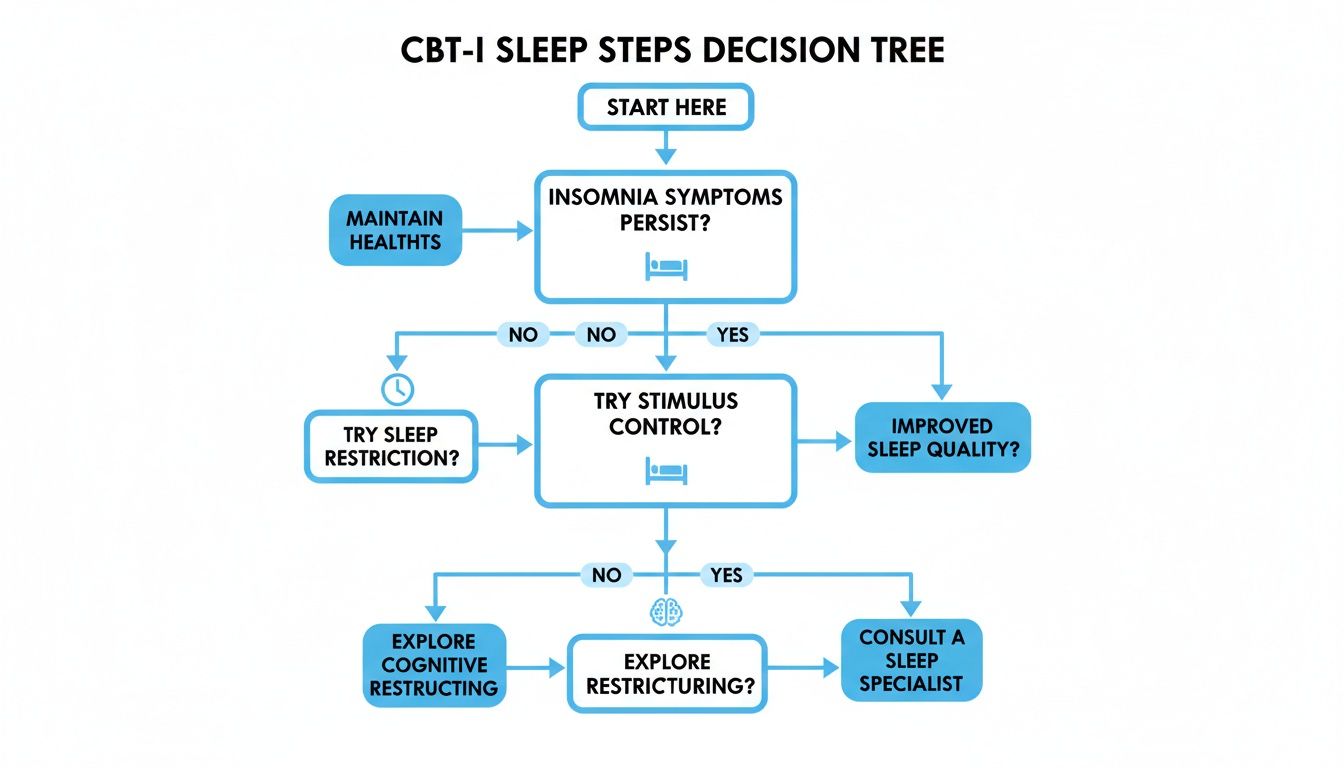
As you can see, tackling your habits and behaviors is always step one. It addresses the real reasons you're not sleeping before you start looking for other aids.
Layer in Targeted Support
Once your behavioral foundation is solid, then you can think about adding supplements for specific issues. Is your body clock all out of whack from jet lag? A small dose of melatonin could help reset it. Is anxiety keeping your mind racing? Magnesium or L-theanine might help quiet your nervous system.
Remember: Supplements are not a replacement for good sleep hygiene. They're tools to fine-tune your system once the foundational work is underway.
Know When to Seek Medical Guidance
Finally, if you're doing everything right but severe insomnia just won't let up, it's time to talk to a doctor. Prescription sleep medications can act as a temporary bridge. They offer immediate relief while you continue to work on the underlying behavioral issues. Think of them as a powerful, but short-term tool—not a nightly solution.
By following this tiered approach—foundation first, targeted support second, and medical help as a last resort—you build a truly personal and effective plan. It’s a method that puts you back in control, letting you systematically address the environmental, behavioral, and biological factors standing between you and a great night's sleep.
Got Questions About Sleep Aids? We’ve Got Answers.
When you’re trying to solve a sleep problem, you’re bound to run into questions. Getting clear, practical answers is the only way to use these tools safely and find what actually works for you. Let's tackle some of the most common ones.
Can I Get Addicted To Over-The-Counter Sleep Aids?
While you're not going to develop a true chemical addiction to common OTC sleep aids like antihistamines, you absolutely can develop tolerance and psychological dependence. Tolerance means you need more and more to get the same sleepy effect. Psychological dependence is when you start believing you just can't fall asleep without one.
Natural supplements, like melatonin, aren't considered addictive. Still, the goal should always be to use any sleep aid to fix a specific, temporary problem—not to create a nightly habit you can't kick.
How Long Does It Take For A Sleep Aid To Work?
This really depends on what you're taking, and timing is everything if you want to see results.
- Fast-Acting Sedatives: Prescription "Z-drugs" and most OTC antihistamines get to work quickly. You’ll usually feel their effects within 30-60 minutes.
- The "Time-Shifter": Melatonin isn't a sedative that knocks you out. It's a hormone that helps reset your internal clock. For it to work best, you need to take it about 1-2 hours before your target bedtime.
- The Long-Game Fix: Behavioral strategies like Cognitive Behavioral Therapy for Insomnia (CBT-I) don't work overnight. It can take several weeks to see a real difference, but the results stick because you're fixing the root of the problem, not just patching over it.
A crucial word of caution: mixing different types of sleep aids without a doctor's okay is a dangerous game. Combining prescription meds with OTC products, supplements, or alcohol can lead to over-sedation, breathing problems, and other serious, unpredictable side effects. Always, always talk to a healthcare professional before you start combining anything that makes you drowsy.
This kind of careful approach means you're not just putting a band-aid on a problem. You're actively solving it, which is the only way to get truly restorative sleep for the long haul.
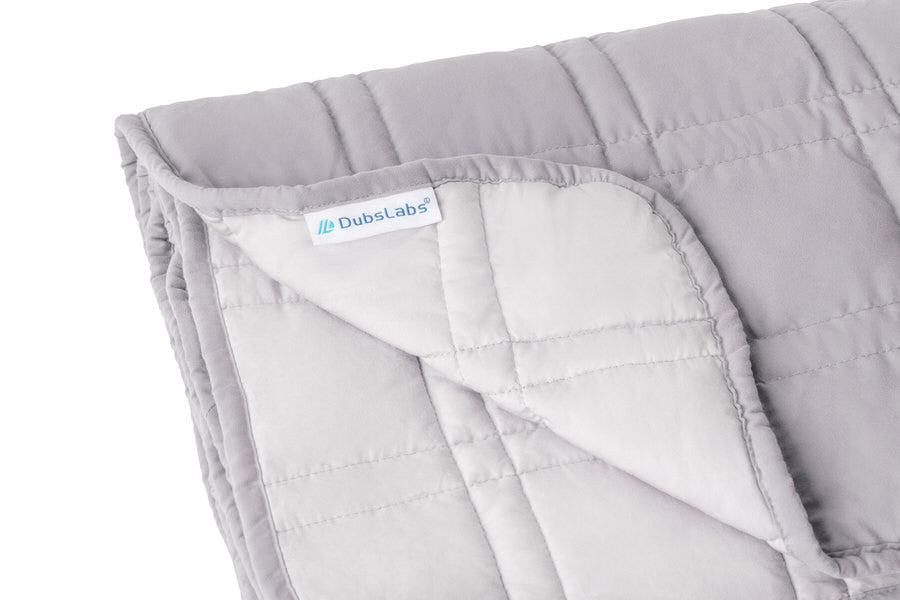
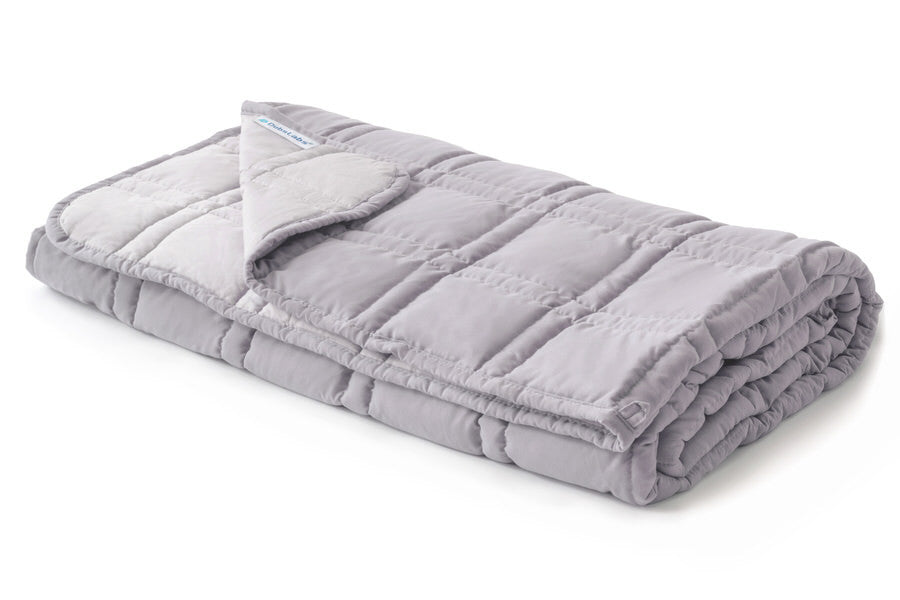
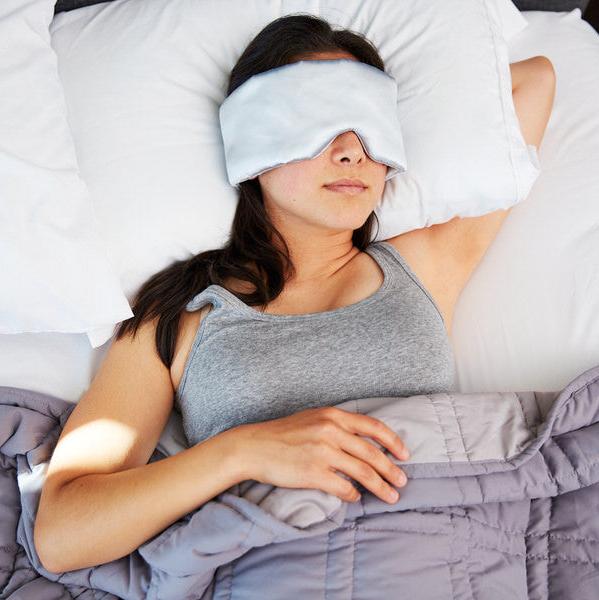
Finding the right environmental support is a huge part of any sleep improvement plan. From the total darkness of a sleep mask to the gentle pressure of a weighted blanket, DubsLabs offers a range of products designed to create the perfect conditions for deep, restorative sleep. Explore our solutions at https://www.dubslabs.com.