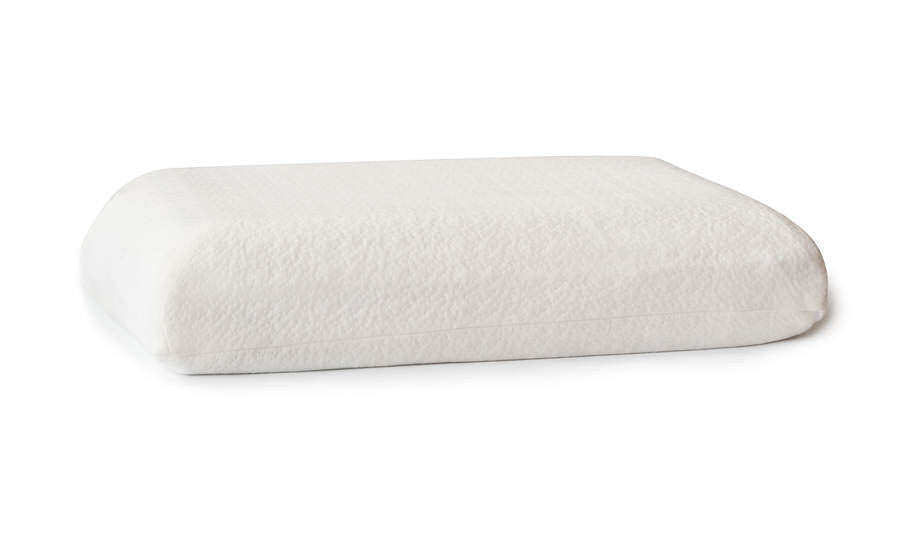
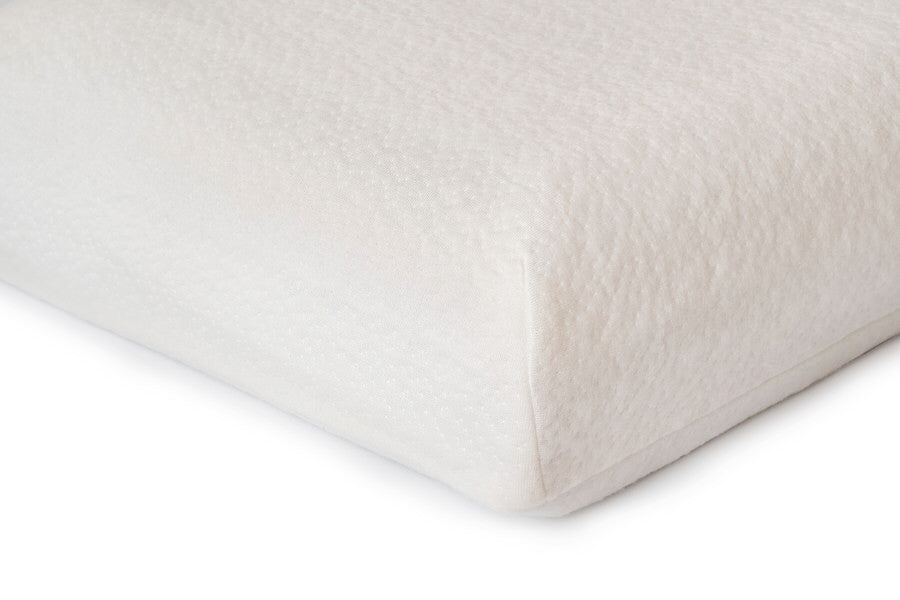
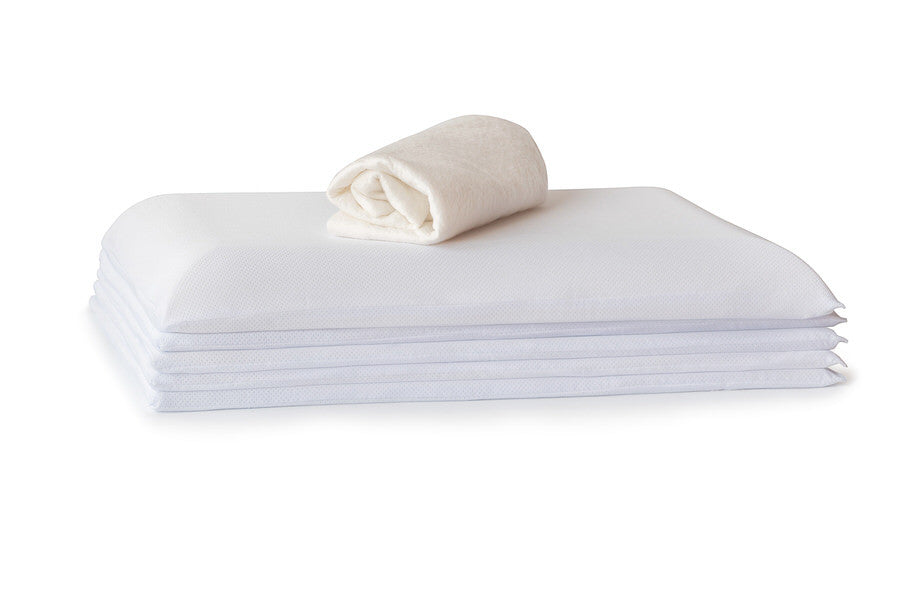
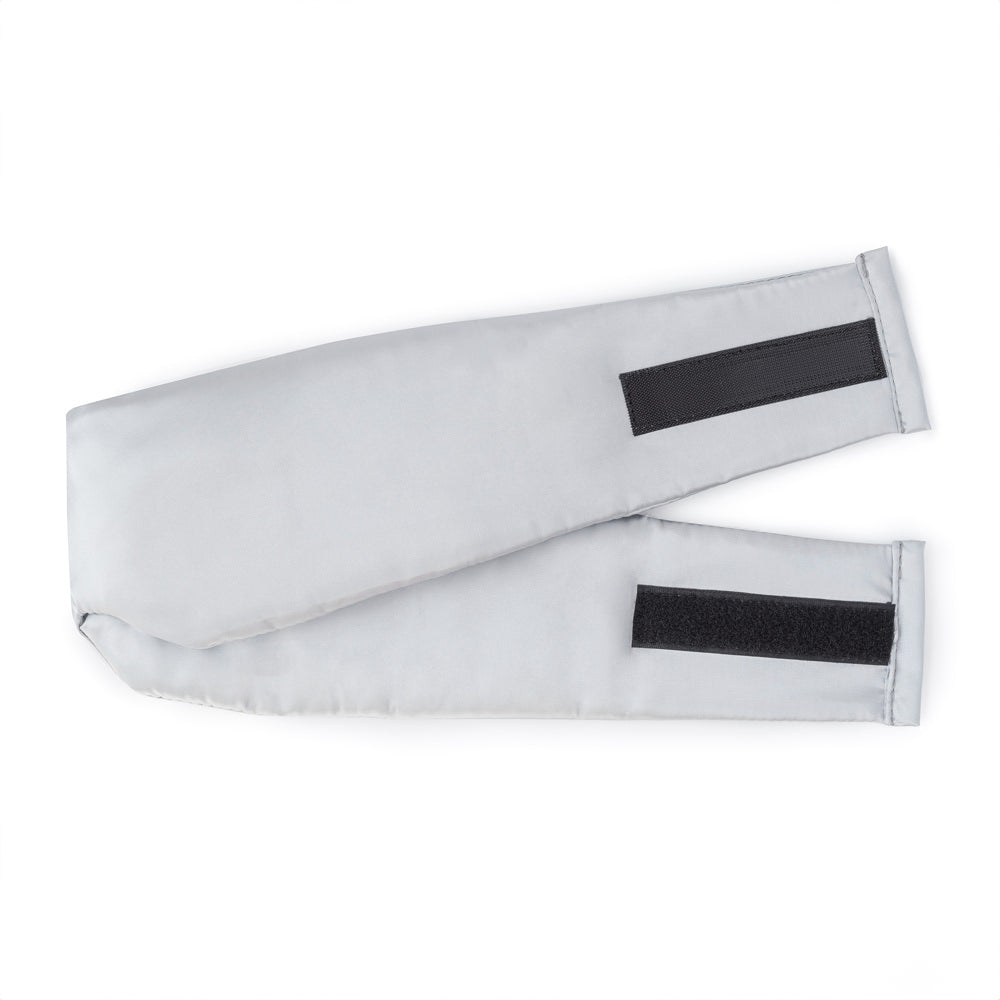
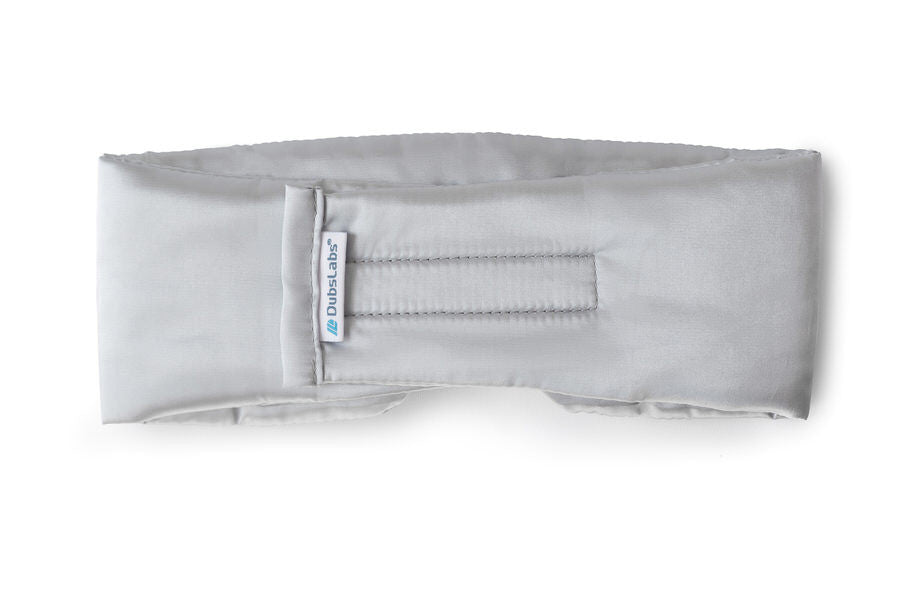
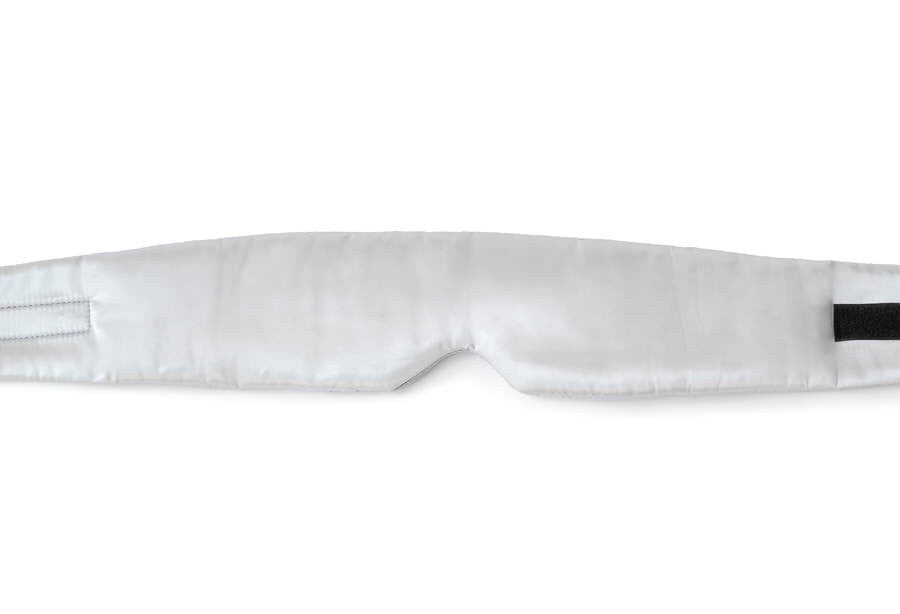
If you're a side sleeper, you know the struggle is real. Waking up with a stiff neck isn't just a minor annoyance—it’s a sign that something is seriously wrong with your sleep setup. A specialized cervical pillow isn't just a luxury item; it's a critical tool for keeping that morning neck pain at bay. Unlike your average flat pillow, a cervical pillow is engineered to fill the gap between your head and the mattress, keeping your spine perfectly aligned all night.
Why Side Sleepers Need a Specialized Pillow
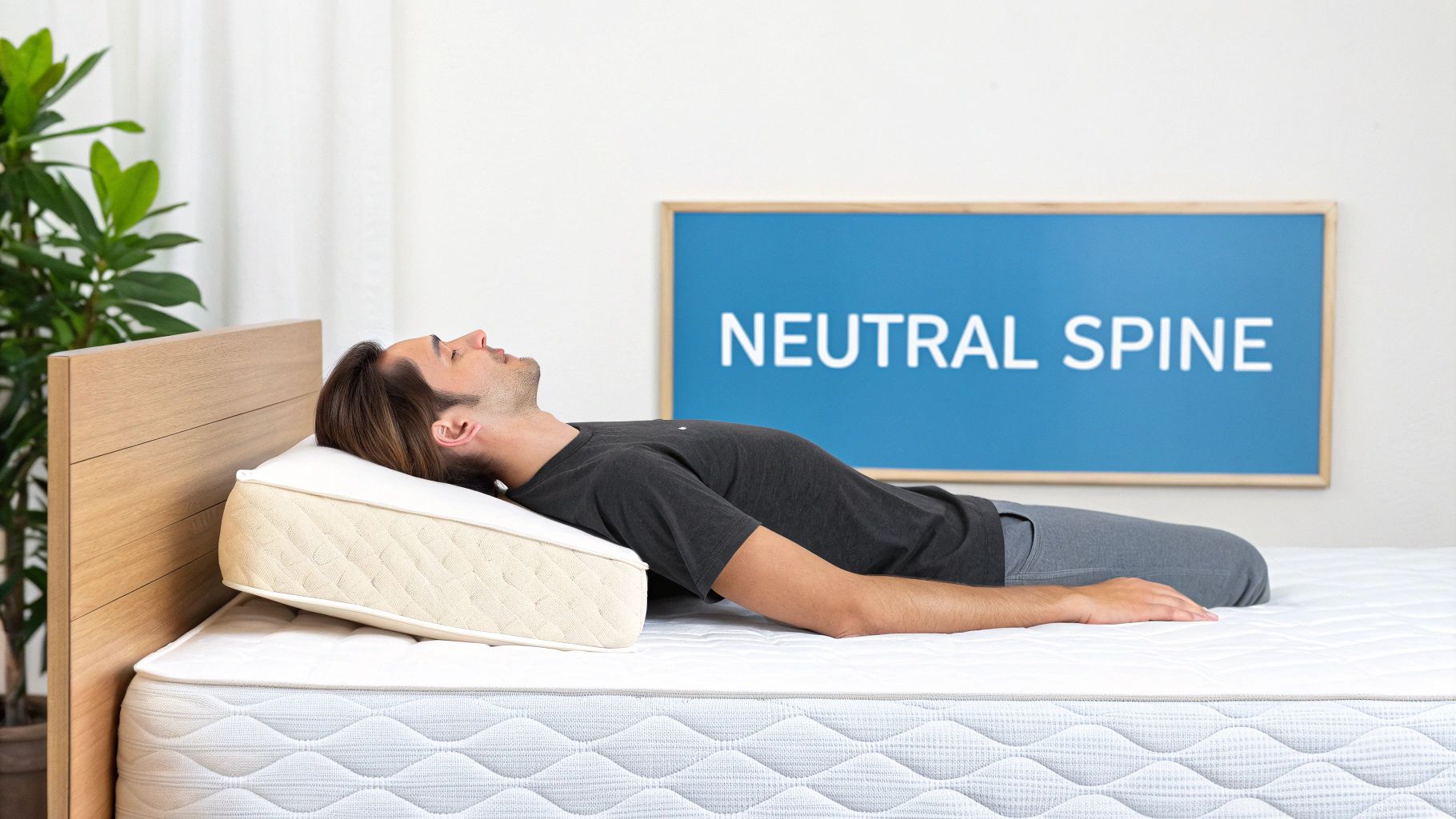
Think of your spine as a perfectly straight bridge. When you lie on your side with a standard, squishy pillow, your head inevitably dips downward. This causes that "bridge" to sag, putting a ton of strain on the delicate muscles and vertebrae in your neck. The result? That all-too-familiar morning stiffness, sore shoulders, and even tension headaches.
The problem comes down to simple anatomy: there's a significant space between your ear and the outside of your shoulder. A standard pillow just can't hack it; it collapses under the weight of your head, leaving that crucial gap unsupported. Night after night, this misalignment disrupts your sleep and can lead to chronic pain.
The Goal is Neutral Spine Alignment
The whole point of a good pillow is to maintain what experts call neutral spine alignment. It just means your spine should stay in a straight, natural line from your head down to your hips—the same way it looks when you're standing with good posture. For side sleepers, getting this right requires a pillow with enough height (or "loft") to hold the head perfectly level with the spine.
A cervical pillow is specifically engineered to provide this support. Its contoured shape is designed to cradle the head while its elevated sides fill the neck-shoulder gap, effectively preventing the "bridge" from sagging and allowing your muscles to fully relax.
This targeted support is why so many people are ditching their old flat pillows. In fact, the global market for cervical pillows swelled to over USD 3.6 billion in 2023, and it's expected to hit USD 5.6 billion by 2032. This boom is driven almost entirely by side sleepers—who make up about 60% of the population—finally getting fed up with waking up in pain.
Comparing Standard vs Cervical Pillows for Side Sleepers
Let's break down the key differences. Here's a quick look at how a standard flat pillow stacks up against an ergonomic cervical pillow in providing the support side sleepers critically need.
| Feature | Standard Flat Pillow | Ergonomic Cervical Pillow |
|---|---|---|
| Shape & Design | Rectangular, uniform flatness | Contoured with curves to fit the head and neck |
| Spine Alignment | Often causes the head to sag, creating a spinal curve | Maintains a straight, neutral spine |
| Neck & Shoulder Gap | Collapses, leaving the gap unsupported | Fills the space between the ear and shoulder |
| Support | Inconsistent; loses shape and support throughout the night | Provides firm, targeted support that lasts |
| Pain Relief | Can contribute to neck, shoulder, and back pain | Designed to alleviate pressure and reduce pain |
| Best For | General use, but not ideal for specific alignment needs | Side and back sleepers needing precise ergonomic support |
As you can see, a cervical pillow isn't just a different shape—it's built with a completely different purpose in mind: to actively support your body's natural alignment.
Beyond Just Neck Pain
When your alignment is off, the strain doesn't just stop at your neck. It can radiate down into your shoulders and upper back, creating a cascade of discomfort. This often leads to tossing and turning all night, which fragments your sleep cycle and keeps you from reaching those deep, restorative stages of sleep. To get the most out of your position, you can explore our guide on how to sleep on your side for even better alignment.
While a cervical pillow is a game-changer, think of it as one piece of a bigger puzzle. Pairing it with other natural remedies for better sleep can create a powerful routine. At the end of the day, a quality pillow is a direct investment in your nightly recovery and overall well-being.
Decoding the Ergonomic Design of Cervical Pillows
At first glance, a cervical pillow can look a little strange, maybe even complicated. With all its unique curves and contours, it’s not what most of us picture when we think of a pillow. But every dip and rise is there for a reason, engineered to give your neck and head the best possible support. It’s a smart solution to a very common problem: spinal misalignment while you sleep.
Think of it like this: a race car driver’s seat isn’t just a comfy cushion. It’s a piece of performance equipment, molded to hold the driver’s body in the perfect posture against powerful G-forces. A cervical pillow for side sleepers does the exact same thing for your neck, keeping it stable and preventing strain all night long.
Purpose-Built Contours for Side Sleepers
The most obvious feature is the pillow's varied height. The sides are intentionally built higher, creating a supportive loft that perfectly fills the gap between your ear and the tip of your shoulder. This is crucial because it stops your head from tilting down—the number one cause of neck strain for anyone who sleeps on their side.
At the same time, the middle section is lower and has a gentle dip designed to cradle your head. This thoughtful design keeps your head secure without pushing it up too high. It’s this simple combination of high sides and a lower center that makes the design so effective.
The whole idea behind a cervical pillow's shape is to "fill the gap." By supporting the natural curve of your neck and accounting for your shoulder width, it allows the muscles in your neck and shoulders to finally, completely relax. This prevents the tension and knots that build up when your posture is out of whack.
This isn't just about propping your head up; it's about helping your muscles let go. When your neck is properly aligned, your trapezius and levator scapulae muscles—the ones that always feel tight and sore—don't have to work overtime trying to hold everything in place.
Key Anatomical Design Features
Once you understand the specific parts of the design, it all starts to make sense. Each curve is a direct response to your body's anatomy when you're lying on your side.
- Elevated Side Rails: These are the most important feature for side sleepers. They provide the height needed to keep your spine straight, directly addressing that big gap your shoulder creates.
- Central Head Cradle: This dip makes sure your head stays put and doesn't roll into an awkward position. It gives you a secure, nested feeling.
- Cervical Ramp: This is the gentle slope that leads up to the main supportive areas. It supports the natural curve of your neck, making sure there are no pressure points or unsupported spots.
If you're struggling to find that "just right" fit, checking out an adjustable pillow for neck pain can be a total game-changer. These pillows let you add or remove fill to change the height, taking all the guesswork out of finding support that matches your unique body shape.
More Than Just a Pillow
Ultimately, the smart design of a cervical pillow turns it into more than just a place to rest your head. It becomes a therapeutic tool for nightly postural correction, working to undo the stress your spine deals with all day long. By creating a stable and aligned sleeping environment, it helps you toss and turn less, leading to deeper, more restorative sleep. Once you see the design not as weird, but as a functional solution, you're one step closer to waking up pain-free.
How to Choose the Right Cervical Pillow for Your Body
Picking out the perfect cervical pillow isn't like grabbing a decorative cushion off a shelf. It’s a highly personal choice that depends entirely on your unique body shape, shoulder width, and what feels good to you. The right one will feel like it was custom-made, while the wrong one can actually make your neck pain worse.
Think of it like getting fitted for a good pair of running shoes. You wouldn't just grab any size; you'd measure your foot and think about the arch support you need. A cervical pillow for side sleepers demands that same level of attention to detail to keep your neck happy and healthy. Let's walk through the three most important factors to consider: loft, firmness, and material.
Find Your Perfect Pillow Height or Loft
For side sleepers, the single most critical factor is loft—which is just a fancy word for the pillow's height.
If the loft is too low, your head will droop down, putting a nasty strain on the top of your neck and shoulder. If it's too high, your head gets pushed up at an awkward angle, creating a painful curve in the opposite direction. The goal is simple: fill the gap between your ear and the mattress perfectly. This keeps your spine in a straight, neutral line all night long.
So, how do you figure out the right loft? You can get a pretty good estimate with a quick measurement:
- Stand up straight with your shoulders relaxed.
- Ask a friend to measure the distance from the base of your neck to the outer edge of your shoulder.
- This number is a fantastic starting point for the loft height you should look for.
It's a straightforward concept: broader shoulders need a higher loft, and narrower frames need a lower one. Taking a minute to do this can save you a ton of guesswork.
The Firmness Factor and Your Comfort
Once you've got the height figured out, the next piece of the puzzle is firmness. The ideal pillow has enough backbone to support your head without collapsing under the weight, but it also needs to be comfortable enough to actually sleep on. For most side sleepers, a medium-firm to firm pillow hits that sweet spot.
- Too Soft: A pillow that’s all fluff will compress too much overnight. Before you know it, your head is sagging, and you've lost that crucial neutral alignment.
- Too Firm: On the other hand, a pillow that feels like a brick will create pressure points on your ear and jaw, leading to a night of tossing and turning.
This is where the unique design of a cervical pillow really shines.
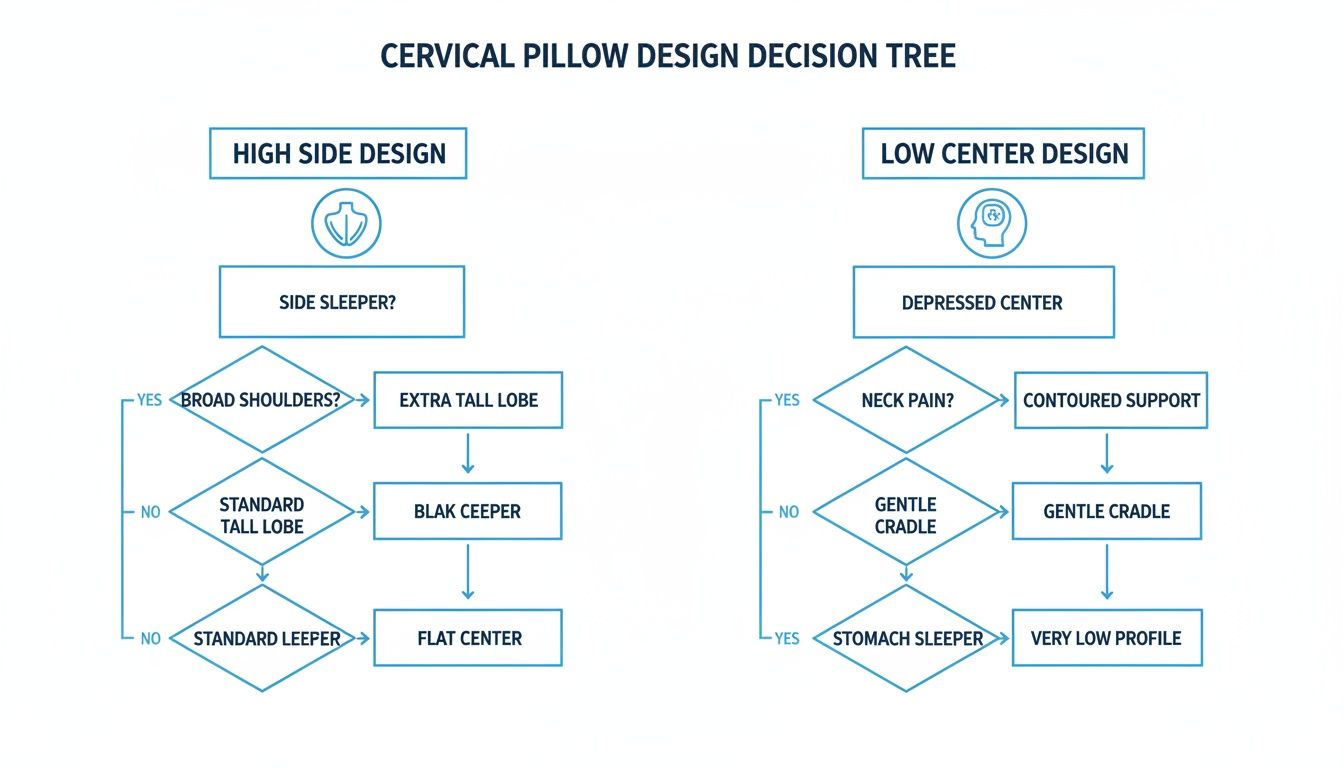
The contoured shape isn't just for looks. The higher curve is designed to fill that shoulder gap, while the lower center cradles your head, making it effective even if you switch positions.
The ultimate goal is a perfect balance between support and comfort. Your pillow should be firm enough to hold its shape but soft enough to cushion your head and relieve pressure.
Choosing the Right Pillow Material
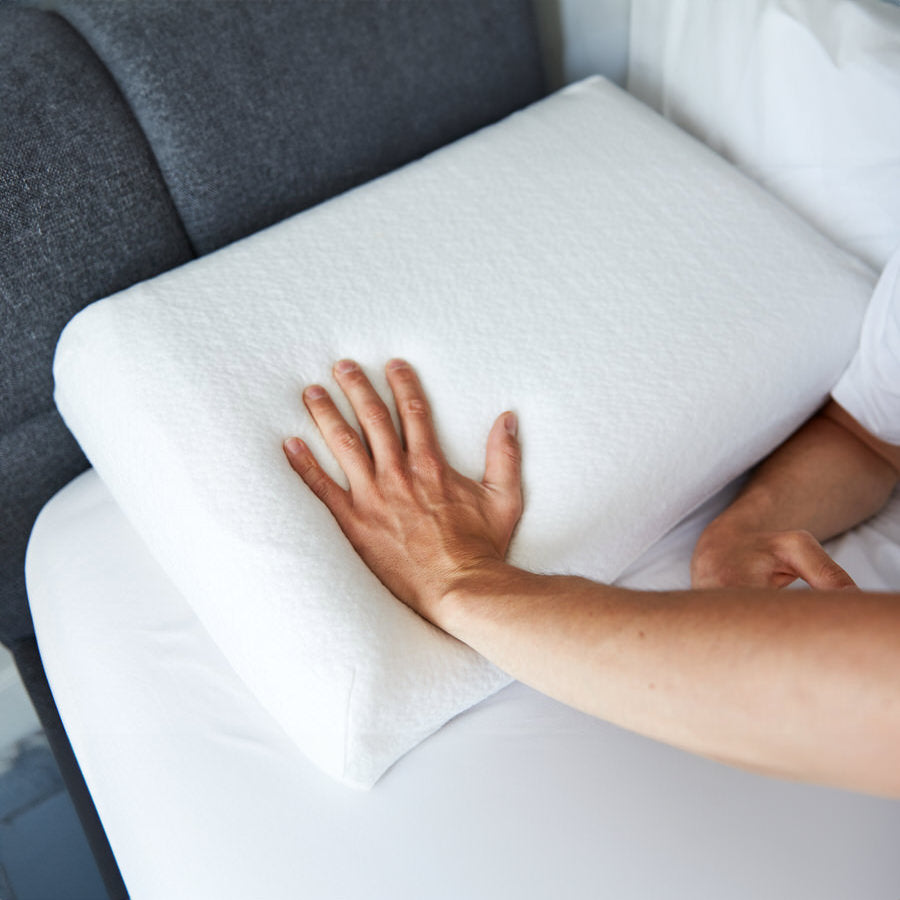
The material inside your pillow directly impacts its firmness, how well it breathes, and its ability to contour to your body. For ergonomic pillows, memory foam is the most common choice, and for good reason. It’s brilliant at molding to the specific shape of your head and neck, offering personalized support that other materials just can't replicate.
The numbers back this up. Standard cervical pillows accounted for over 42% of the global market revenue in 2023, mainly because they offer superior support. Memory foam is a huge part of that success, holding a 31.8% material share thanks to its contouring magic. This is a big deal when you consider that spinal misalignment is linked to 25% of chronic neck pain cases.
Here’s a quick rundown of common materials:
| Material | Pros | Cons |
|---|---|---|
| Memory Foam | Excellent contouring, pressure relief, and support. | Can retain heat; some find it too firm initially. |
| Latex | Responsive, durable, and naturally hypoallergenic and breathable. | Can be bouncy; often more expensive. |
| Water-Based | Highly adjustable firmness and provides cool, consistent support. | Can be heavy and may produce noise when you move. |
The Ultimate Solution: Adjustable Pillows
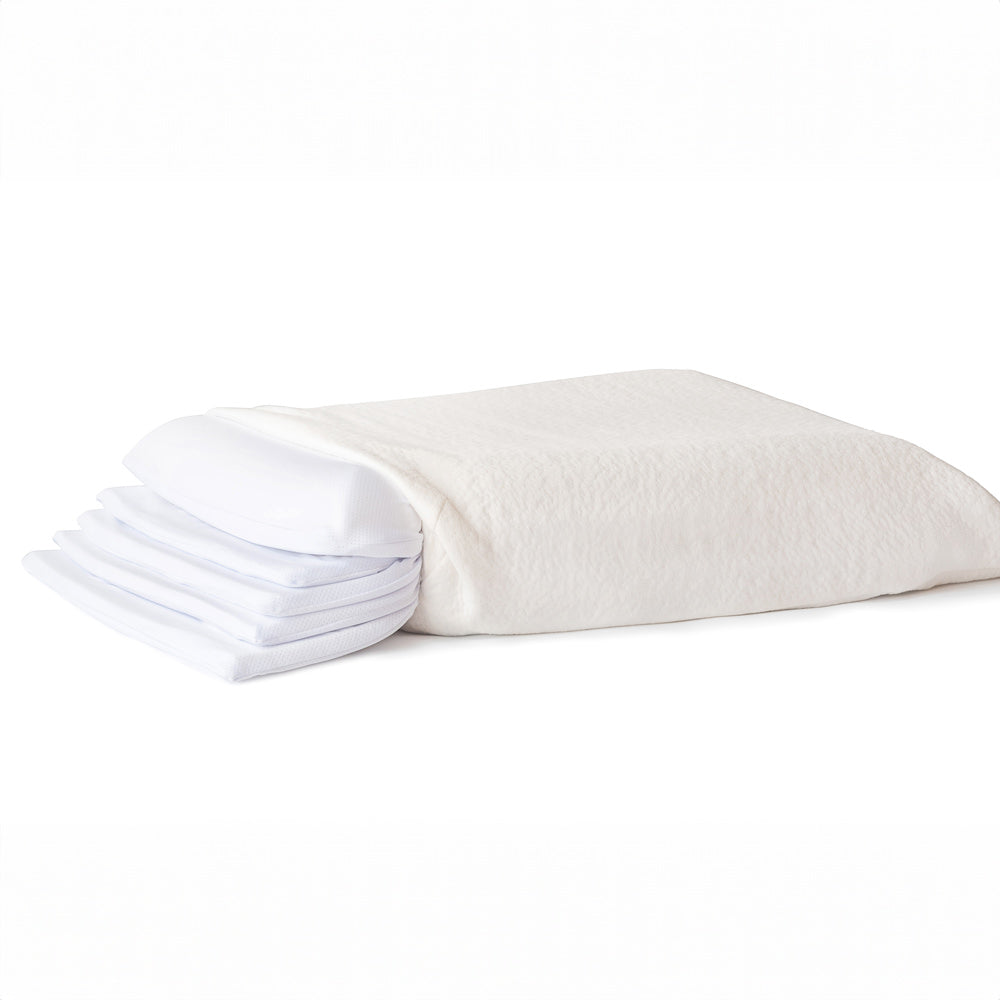
Trying to find the one perfect loft and firmness can sometimes feel like a game of chance. That’s where adjustable pillows, like the DubsLabs adjustable memory pillow, change the game. These pillows let you add or remove the fill—usually shredded memory foam—to customize the height and feel to your exact needs.
An adjustable pillow takes the risk out of buying a product that's almost right. You get to be the designer, fine-tuning the support until you hit that flawless alignment and comfort. This adaptability is a lifesaver if your needs change over time or if you switch between sleeping on your side and your back.
For a deeper dive into finding the perfect support system for your neck, check out our guide on the best pillow for neck support. It’s an investment in getting consistently great sleep, night after night.
Mastering Your Sleeping Position for Maximum Relief
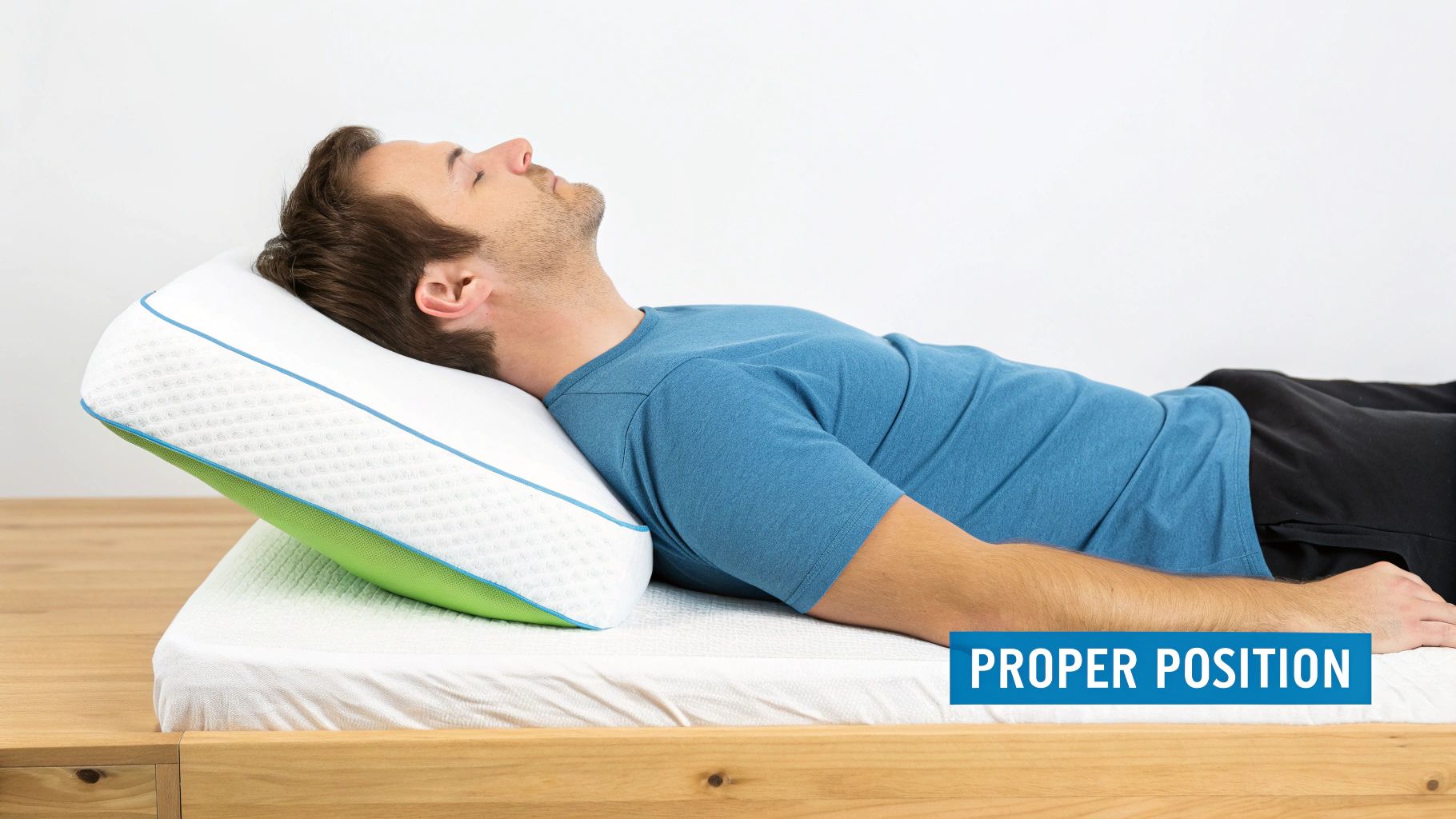
Just having the right cervical pillow for side sleepers is only half the battle. Think of it like buying a pro-level camera—you won't get amazing photos until you learn how to use the settings. Mastering your sleeping position is what truly unlocks the pain-relieving magic of your new pillow, turning it from a simple headrest into a powerful tool for spinal alignment.
It’s not complicated, but it does take a bit of intention. The whole point is to create that perfectly straight, neutral spine we’ve been talking about, and every curve and contour of your pillow is there to guide you. Getting it right is the difference between a restless night and waking up feeling fantastic.
The Step-by-Step Guide to Perfect Alignment
When you flop into bed, your first instinct is probably to just toss your head down anywhere. Instead, take a moment to get settled with purpose. This tiny nightly ritual can have a massive payoff for your sleep quality and how you feel in the morning.
Here’s how to set yourself up for success:
- Position the Pillow Correctly: First, orient the pillow so the higher contour, or "side rail," is facing you. That taller section is specifically engineered to support your neck.
- Tuck it in Snugly: Gently pull the pillow down so that higher curve fits right into the nook between your neck and your shoulder. You want to eliminate any gaps; it should feel like the pillow is securely cradling your neck.
- Center Your Head: Let your head relax into the lower, central dip of the pillow. This little cradle is designed to keep your head from tilting up or down, which is a crucial part of maintaining that neutral alignment.
- Check Your Spine: Picture a straight line running from the middle of your forehead, down your nose, and all the way to your hips. Your pillow should be holding your head in a way that keeps this line perfectly horizontal and parallel to your mattress.
When you nail this position, you might feel an immediate sense of relief. Your neck and shoulder muscles finally get a break from straining to hold your head up all night, allowing them to fully relax and recover.
Common Mistakes to Avoid
Even with the world’s best pillow, a few simple positioning mistakes can completely cancel out its benefits. These are easy habits to fall into, but they're just as easy to fix once you know what to look for.
- Resting Your Shoulder on the Pillow: This is probably the most common mistake people make. Your pillow is for your head and neck, not your shoulder. Shoving your shoulder up onto the pillow pushes your head too high and creates a painful upward bend in your spine.
- Leaving a Gap Under Your Neck: If you don't tuck the pillow in snugly, your neck is left hanging in mid-air. This allows your head to sag, which is the exact problem a cervical pillow is meant to solve.
- Using a Pillow That's Too High or Low: Even with perfect positioning, you won't achieve alignment if the pillow's loft doesn't match your shoulder width. This is where an adjustable pillow really shines, since you can tweak the height for a truly personalized fit.
Correct positioning is not about rigid discomfort; it's about creating an effortless support system. Your head should feel cushioned, your neck should feel supported, and your spine should feel straight and relaxed.
The Final Touch for Full-Body Comfort
Proper alignment doesn't stop at your neck. For a truly complete support system, grab a second pillow and stick it between your knees.
This simple trick is a game-changer. It aligns your hips and stops your top leg from sliding forward and twisting your lower back out of whack. By keeping your hips, pelvis, and spine in a straight line, you reduce strain all the way down your body. It's the final piece of the alignment puzzle, creating a comfortable and sound sleeping posture from head to toe.
The Ripple Effect of a Well-Supported Neck
Making the switch to a proper cervical pillow does a lot more than just get rid of that annoying stiffness you feel every morning. The benefits create a powerful ripple effect, reaching far beyond your neck to genuinely transform your overall health and how you feel day-to-day. Think of it like fixing a cracked foundation; when your neck is finally supported correctly, your entire well-being gets a whole lot stronger.
It all starts with tackling the real reason for those restless nights: physical discomfort. When your neck is out of whack, your body subconsciously tries to fix it, which leads to all that tossing and turning. This constant movement keeps you from dropping into the deep, restorative stages of sleep where your mind and body actually recover.
A well-designed cervical pillow for side sleepers finally gives your body the stability it’s been craving. By locking your spine into a neutral position, it cuts out the need for those unconscious adjustments. The result? A much calmer night with way less movement, letting you sink into longer, uninterrupted periods of deep sleep.
From Better Sleep to a Better Day
This newfound quality of sleep is where the magic really starts to happen. Waking up actually feeling refreshed isn't just a nice-to-have; it has a direct impact on your brainpower, mood, and energy all day long.
When you consistently get the kind of sleep your body needs, you’ll start to notice real improvements in:
- Cognitive Performance: Your focus sharpens, thinking becomes clearer, and you can recall things much more easily.
- Mood Regulation: A well-rested brain is just better at handling stress and keeping your mood on an even keel.
- Daily Energy: You'll feel more alive and ready to take on the day without needing that third cup of coffee to function.
This chain reaction of benefits proves your pillow is more than just a place to rest your head—it’s a crucial tool for optimizing how you perform and feel every single day.
Breaking the Cycle of Tension Headaches
One of the most life-changing effects of proper neck support is its power to fight off chronic tension headaches. For so many people, these headaches are a direct result of muscle strain from sleeping in a bad posture, night after night.
When your neck muscles have to work overtime to make up for a lack of support, they get tight and exhausted. This tension can radiate straight up into your head, triggering those nagging headaches that seem to come out of nowhere. A cervical pillow gets right to the root of this painful cycle.
By maintaining proper alignment, a supportive pillow allows the muscles in your neck and shoulders to fully relax and let go of all that built-up tension. For many, this makes it a powerful, drug-free way to dramatically reduce how often and how intensely their headaches strike.
This is a game-changer for side sleepers. While neck pain is a huge problem affecting 20-30% of adults each year, it hits side sleepers particularly hard. The natural 55-65 degree angle of a side sleeper’s shoulder creates a big gap between their head and the mattress, demanding serious support to keep the spine from straining. This is where support pillows shine, relaxing tense muscles and distributing weight evenly, which can slash shoulder pressure by an incredible 40%. You can dig into more data on the cervical pillows market to see just how many people are catching on to these benefits.
Ultimately, getting the right pillow isn't just about dodging pain. It's an investment in deeper sleep, sharper focus, a better mood, and more energy to live your life. It’s one of the most fundamental things you can do to upgrade your overall well-being.
Common Questions About Cervical Pillows, Answered
Making the switch to a new pillow, especially an ergonomic one, is a big deal. It’s a change to your nightly routine, and it’s smart to get all the facts before you commit. We get it.
Let's walk through some of the most common questions people have about using a cervical pillow for side sleepers. The goal here is to give you clear, straightforward answers so you can feel confident you're making the right move for your sleep and health.
How Long Does It Take to Get Used to a Cervical Pillow?
There's almost always an adjustment period, which can last anywhere from a few nights to about two weeks. This is totally normal. Your body, especially the muscles in your neck and shoulders, has gotten used to your old pillow’s posture—even if it was the wrong one.
Think of it like getting a new pair of supportive shoes after years in worn-out sneakers. At first, that arch support feels a bit strange, maybe even a little uncomfortable. Your body is simply re-learning what proper alignment feels like.
That initial "different" feeling is actually a good sign. It means your neck and spine are adapting to a healthier, more supportive posture. A little patience now is a small investment for some serious long-term pain relief.
To make the transition a bit smoother, try these tips:
- Ease Into It: Use the new pillow for just an hour or two on the first night, then swap it out for your old one. Gradually increase the time you use it over the next week.
- Start Lower: If your pillow is adjustable, begin with a lower height. As your neck gets more comfortable with the new alignment, you can add more support until it feels just right.
Can I Use a Cervical Pillow if I Also Sleep on My Back?
Absolutely. In fact, many of the best cervical pillows are designed with combination sleepers in mind. They’re engineered to provide the right kind of support whether you're on your side or your back.
The secret is in their "dual-profile" or "multi-position" shape. They typically have:
- A lower, shallower dip in the center to cradle your head and keep the natural curve of your neck when you’re on your back.
- Higher, firmer sides that provide the loft needed to fill that crucial gap between your ear and shoulder when you roll onto your side.
This versatility makes them a fantastic choice for anyone who shifts around at night. An adjustable pillow is a game-changer here, as it lets you fine-tune the overall height to find a sweet spot that works perfectly in both positions, so you never have to compromise.
How Should I Clean My Memory Foam Cervical Pillow?
Proper care is key to making your memory foam pillow last and keeping things hygienic. The number one rule is to never put the memory foam core in a washing machine or dryer. The intense spinning and high heat can wreck the foam’s structure, causing it to crumble and lose all its supportive magic.
Instead, stick to this simple cleaning process:
- Wash the Cover Regularly: Most cervical pillows have a removable, machine-washable cover. Toss it in with your other bedding every few weeks to keep it fresh.
- Spot-Clean the Foam: If the foam core itself gets a stain, just spot-clean it. Use a cloth dampened with a mild soap and water solution, and dab the area lightly without soaking it.
- Air Dry Completely: After spot-cleaning, let the pillow air dry completely in a well-ventilated spot. Make sure it's 100% dry before you put the cover back on to prevent any moisture buildup.
Always double-check the manufacturer's care instructions that came with your pillow, as different materials might have slightly different needs. A little proper maintenance goes a long way.
Are Cervical Pillows Really Worth the Cost?
For anyone wrestling with neck pain, morning stiffness, or just plain bad sleep—especially side sleepers—a quality cervical pillow is a huge investment in your long-term health. While the price tag might be higher than a standard, fluffy pillow from a big-box store, the benefits usually far outweigh the cost.
Try to think of it less as a pillow and more as a nightly therapeutic tool for your spine. The cost of chronic pain isn’t just physical; it messes with your mood, your productivity, and your overall quality of life. When you factor in the potential costs of pain meds, doctor visits, or lost workdays, a preventative tool like a truly supportive pillow often turns out to be the more cost-effective choice. It actively works to address the root cause of discomfort, helping you wake up feeling restored and ready to go.
Ready to invest in pain-free mornings and truly restorative sleep? The DubsLabs adjustable memory pillow is designed to provide the personalized support your neck needs.
Discover the difference and start your journey to better sleep today.