That nagging ache in your neck when you wake up? It’s more than just a sign of a rough night—it's a clear signal from your body that your pillow is failing you. The best pillow for neck support isn't a luxury; it’s a critical piece of sleep equipment. It’s the difference between waking up refreshed and waking up rigid.
Why Your Pillow Is the Real Cause of Neck Pain

Think of your pillow as a bridge. Its one job is to perfectly span the gap between your head and shoulders, keeping your neck in a straight, neutral line with the rest of your spine. When that bridge is too high (a pillow that's too thick) or sags too low (one that’s gone flat), your neck muscles are forced to compensate all night long. The result is strain, stiffness, and pain come morning.
This isn't just a minor inconvenience; it's a huge health issue. The global market for neck pillows is expected to jump from USD 5.1 billion in 2025 to a whopping USD 7.8 billion by 2035. This boom is largely thanks to more people working from home and traveling again. With studies showing that 20-30% of adults deal with neck pain every year, it's obvious that finding a real solution is a top priority for millions.
The Core Elements of Neck Support
Finding the right "bridge" for your body really comes down to three key features. These are the building blocks for a pain-free morning:
- Loft (Height): This is simply the pillow's thickness. It has to perfectly fill the space under your neck to keep your head from tilting up or down.
- Firmness: This is all about how much the pillow pushes back. You need something firm enough to hold its shape under the weight of your head, but soft enough to gently contour to your unique curves.
- Material: The fill—whether it's memory foam, latex, or down—is what creates the overall feel and determines how the pillow supports you through the night.
Your pillow’s main job is structural support, not just cushy comfort. A pillow that can't maintain neutral spinal alignment is actively working against you, contributing to the very neck pain you're trying to escape.
Of course, while your pillow is a massive part of the puzzle, persistent neck pain can also be tied to your daily habits. Looking into strategies to reduce neck pain in your daily routine can offer a more complete approach to feeling better.
Pillow Feature Quick Guide for Neck Support
To help you get started, we've put together a simple chart matching key pillow features to the most common sleeping positions. Think of this as your cheat sheet for finding what you should be looking for.
| Sleep Position | Ideal Loft (Height) | Recommended Firmness | Best Pillow Shape |
|---|---|---|---|
| Side Sleeper | Medium to High | Medium-Firm to Firm | Contoured or Gusseted |
| Back Sleeper | Low to Medium | Medium | Cervical or Traditional |
| Stomach Sleeper | Very Low (or None) | Soft | Thin and Flat |
Use this table as a starting point. It’ll point you in the right direction as you begin the hunt for the perfect pillow to finally give your neck the support it deserves.
Decoding Pillow Loft, Firmness, and Fill
Walking into the world of pillows can feel like you're learning a whole new language. You're hit with terms like "high loft," "medium-firm," and "shredded memory foam," but what does any of that actually mean for your neck? Let's cut through the jargon and translate it into real-world advice you can actually use.
Think of these three things—loft, firmness, and fill—as your pillow's unique DNA. They're the building blocks that determine its height, its feel, and whether it can actually hold your neck in a healthy position all night long. Getting how they work together is the secret to picking a pillow that doesn't just feel comfy for five minutes, but actively helps your spine.
Understanding Pillow Loft
In simple terms, pillow loft is just a fancy word for its height or thickness as it sits on your bed. It’s probably the single most important piece of the puzzle for keeping your spine in a neutral, happy alignment, but it's so often overlooked. A high-loft pillow isn't automatically better than a low-loft one; the best loft is the one that perfectly bridges the gap between your head and the mattress.
Picture your head, neck, and spine as a single, straight road. A pillow with way too much loft shoves your head upward, creating a nasty uphill bend. Too little loft, and your head slumps downward into a ditch. Both are a recipe for strained neck muscles and a rough morning. The right loft keeps that road perfectly level from dusk till dawn.
Finding the right loft is like adjusting a car seat. It’s not about finding the highest or lowest setting, but the exact position that allows you to operate comfortably and without strain for a long period. Your pillow must do the same for your spine.
The Role of Pillow Firmness
If loft is the height of the support, firmness is the strength behind it. It’s all about how much the pillow pushes back against the weight of your head. You could have a super high-loft pillow that's incredibly soft and flattens like a pancake under pressure. On the flip side, you can find a low-loft pillow that’s as hard and unyielding as a brick.
The trick is finding that sweet spot of consistent support without creating uncomfortable pressure.
- Too Soft: It might feel like sinking into a cloud at first, but a pillow that’s too soft will probably collapse halfway through the night. You'll be left with zero support and a sagging head.
- Too Firm: This can feel like you’re trying to sleep on a cinder block. It won’t mold to the natural curve of your neck, creating pressure points and keeping your muscles tense.
The perfect firmness works hand-in-hand with the loft, gently cradling your head while holding it in the correct alignment. This is what finally allows your neck and shoulder muscles to completely relax and recover.
Exploring Different Pillow Fill Materials
The fill is the stuff inside the pillow, and it’s the ingredient that determines both its firmness and its ability to contour to your shape. Every material brings something different to the table when it comes to neck support.
Memory Foam: The Contouring Champion
Memory foam is a dense, viscoelastic material that softens and molds in response to your body heat and pressure. This unique quality makes it a rockstar for providing personalized support and taking the pressure off sensitive areas.
Pillows with ergonomic memory foam designs are particularly effective. This material, which already commands a 55% market share in some areas, is specifically engineered to follow the neck’s natural C-curve. This kind of targeted support has been shown in posture correction trials to reduce pressure points by 40-50%. When you consider that up to 70% of neck pain is tied to bad pillow support, it’s easy to see why so many people are turning to memory foam for real relief.
Latex: The Responsive Supporter
Natural latex foam has a bit more spring or "bounce" to it compared to memory foam. It still contours to your head and neck, but it snaps back into shape much faster. This makes it a solid choice if you're an active sleeper who changes positions a lot. As a bonus, latex is also naturally hypoallergenic and tends to sleep cooler than traditional memory foam.
Down and Feathers: The Luxurious Cloud
There's no denying the classic, cloud-like softness of a down and feather pillow. For pure luxury, they're hard to beat. But when it comes to providing consistent, reliable neck support, they often come up short. These natural fills tend to compress a lot during the night and need constant fluffing to hold their shape, which isn't ideal for anyone dealing with chronic neck pain.
For someone struggling with neck pain, knowing how these different fills perform is a game-changer. We take an even deeper dive into what makes a great memory foam pillow for neck pain in one of our other guides. Once you get the combination of loft, firmness, and fill right, you're not just buying a pillow—you're building a sleep system that actively works to get rid of pain.
How Your Sleep Position Dictates Your Pillow Choice
Of all the factors that go into choosing a pillow, your go-to sleep position is, without a doubt, the most important one. A pillow that feels like a cloud for a side sleeper could be an absolute nightmare for someone who sleeps on their back.
The goal is always the same: keep your spine in a nice, neutral line. But how you achieve that changes completely depending on how you're lying down.
Think of it this way: your sleep position creates a specific gap between your head and the mattress. Your pillow’s only job is to fill that space—perfectly. Too much or too little, and you're forcing your neck into an awkward angle. That strain builds up all night and is the number one reason people wake up with a stiff, aching neck.
Side Sleepers: The Widest Gap to Fill
When you sleep on your side, you create the biggest possible gap between your head and the mattress. That space, which runs from your ear to the outside of your shoulder, needs some serious support to stop your head from drooping down. A pillow that's too thin or too soft is a one-way ticket to a strained neck.
To hit that neutral sweet spot, side sleepers almost always need:
- A higher loft pillow: You're looking for something thick enough to match the width of your shoulder.
- A medium-firm to firm feel: The pillow has to be substantial enough to hold its shape all night and keep your head properly elevated.
Without this kind of structure, your neck will be bent at an uncomfortable angle for hours. For a much deeper dive into this, our guide on the best memory foam pillows for side sleepers has even more targeted advice.
This quick visual guide breaks down how your sleep style should point you toward the right pillow.
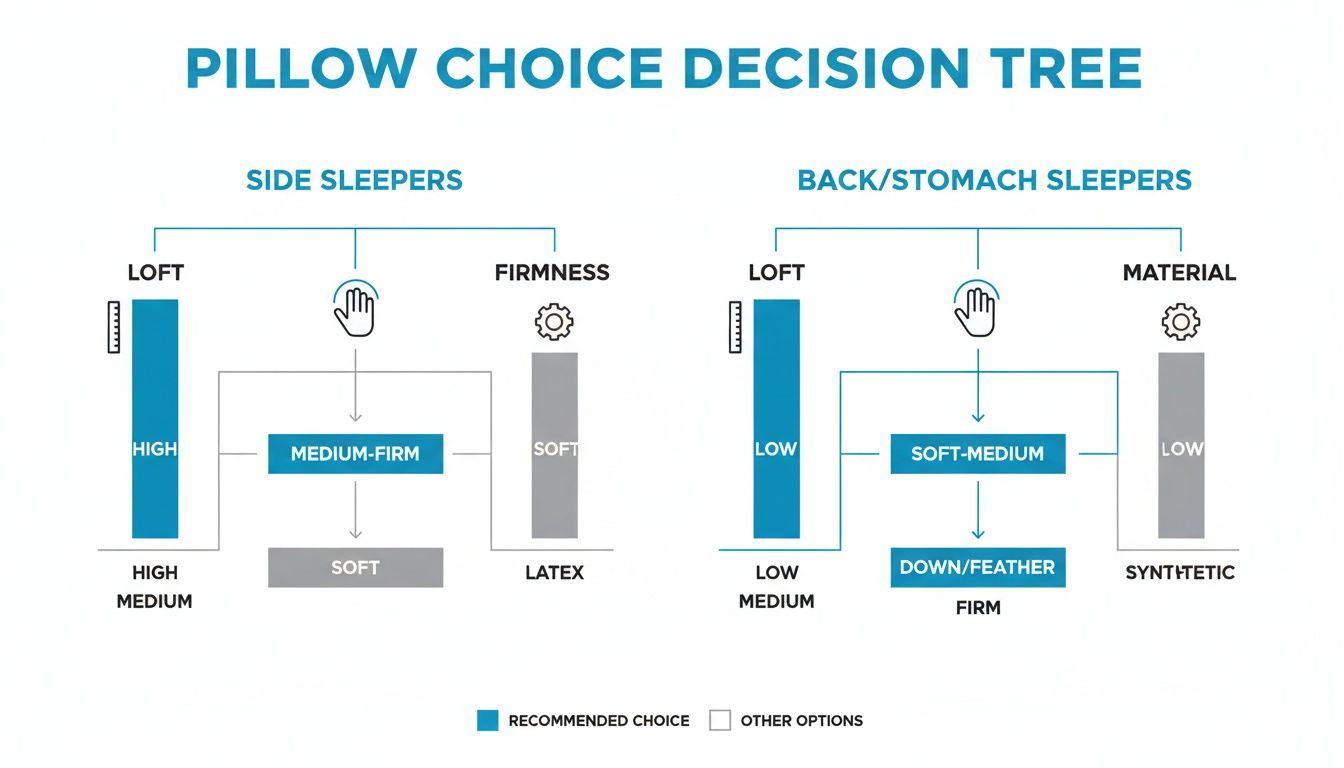
As the decision tree shows, letting your sleep position guide your choices in loft, firmness, and material is the key to getting proper neck alignment.
Back Sleepers: The Quest for Gentle Cradling
Back sleepers need a much more delicate balance. Here, the gap between your head and the mattress is pretty small, so a high-loft pillow is a huge mistake. Pushing your head too far forward tucks your chin toward your chest, which puts a ton of strain on the muscles in the back of your neck.
The perfect pillow for a back sleeper is one that gently cradles the head while giving just enough support to the natural curve of the neck.
To nail this, back sleepers should be looking for:
- A low to medium loft: This keeps your head from being pushed forward and out of alignment.
- A medium firmness: You want something that will contour to your neck's curve but not be so soft that your head just sinks straight through to the mattress.
This careful combination is what keeps your spine in a straight, relaxed line all the way from your head to your hips.
Stomach Sleepers: The Flattest Pillow Possible
Let's be blunt: chiropractors and sleep experts pretty much all agree that stomach sleeping is the absolute worst position for your neck. When you lie on your stomach, you have to twist your head completely to one side just to breathe. That puts a massive amount of torsion on your cervical spine for hours on end. It's a leading cause of chronic neck pain.
If you just can't break the habit, your pillow choice becomes an exercise in damage control. You need the flattest pillow you can possibly find—or maybe even no pillow at all. The goal is to keep your head and neck as close to a neutral alignment with your spine as possible, which is incredibly difficult with any kind of loft.
Pillow Material Feature Comparison
The fill inside your pillow plays a huge role in how it supports your neck. Each material has its own unique personality when it comes to support, pressure relief, and durability. Here's a quick comparison of the most common options.
| Fill Material | Support Level | Pressure Relief | Breathability | Lifespan |
|---|---|---|---|---|
| Memory Foam | Excellent | Excellent | Varies (gel-infused is better) | 2-3 years |
| Latex | Very Good | Good | Excellent | 3-4 years |
| Down/Feather | Fair to Good | Good | Good | 1-3 years |
| Polyester Fill | Fair | Fair | Good | 6-24 months |
| Buckwheat | Excellent | Fair | Excellent | 5-10 years |
Ultimately, materials like memory foam and latex often come out on top for neck support because they excel at both contouring and holding their shape. Down and polyester are softer and more traditional, but they can collapse under weight and lose their supportive qualities much faster.
The DubsLabs Solution for Adjustable Neck Support
We’ve all been there. You find a pillow that feels like a cloud in the store, only to get it home and realize it’s too high, too low, or turns into a pancake after a few weeks. It's a frustrating, expensive game of trial and error.
But what if you didn't have to search for a pillow that fits you? What if you could build a pillow that was made for you, and could be remade every single night?
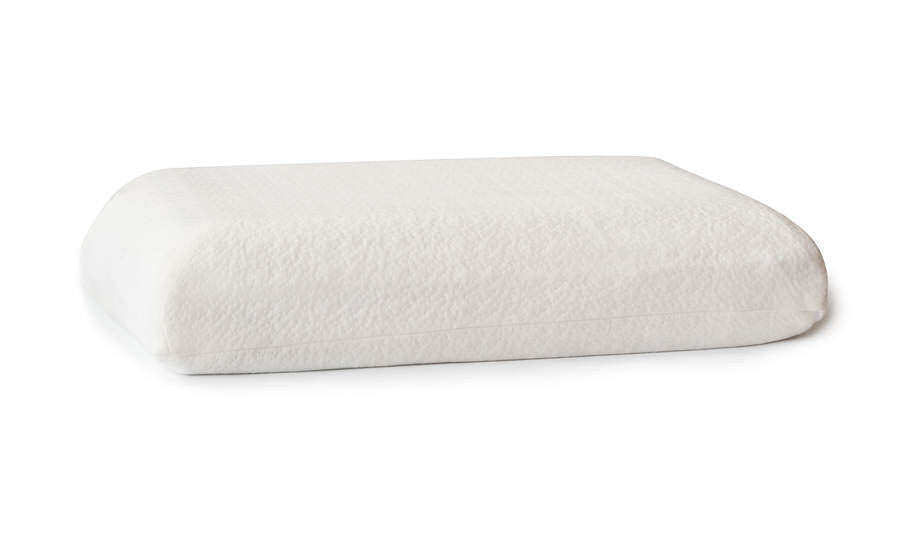
That’s exactly the problem we set out to solve with the DubsLabs Adjustable Pillow. It puts you in the driver's seat, tackling the biggest challenge in sleep comfort: getting the loft just right for your unique body and sleep style. This isn't just another pillow; it's a personalized sleep tool.
Build Your Perfect Pillow Nightly
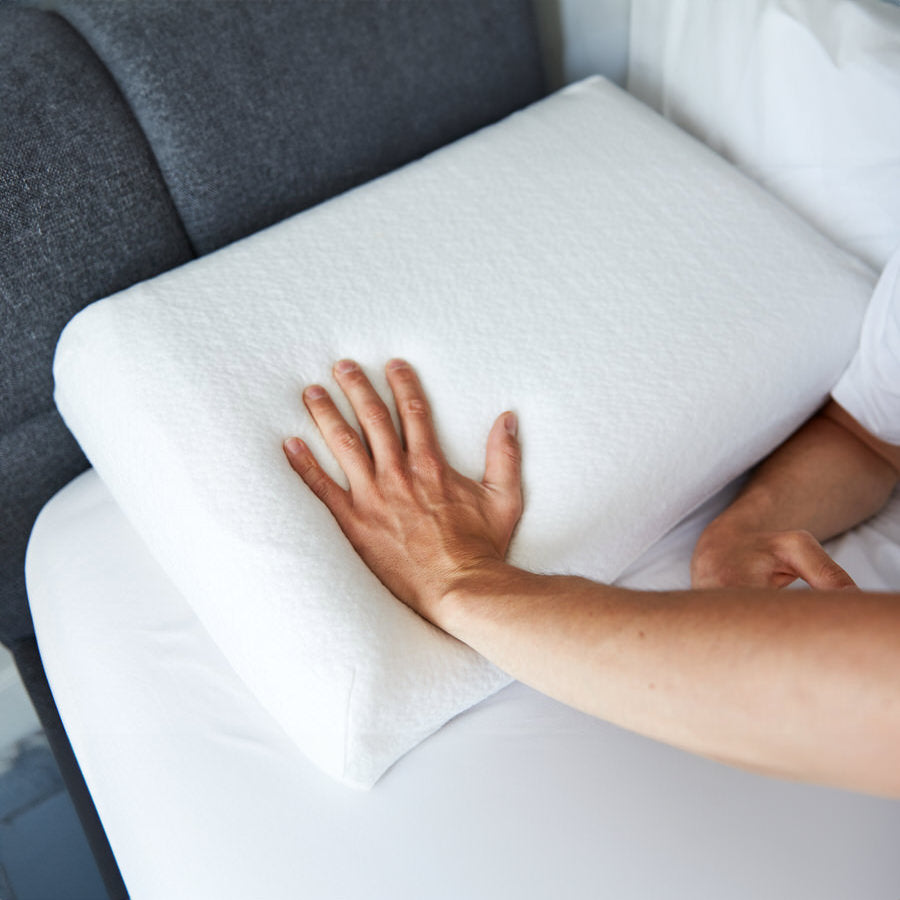
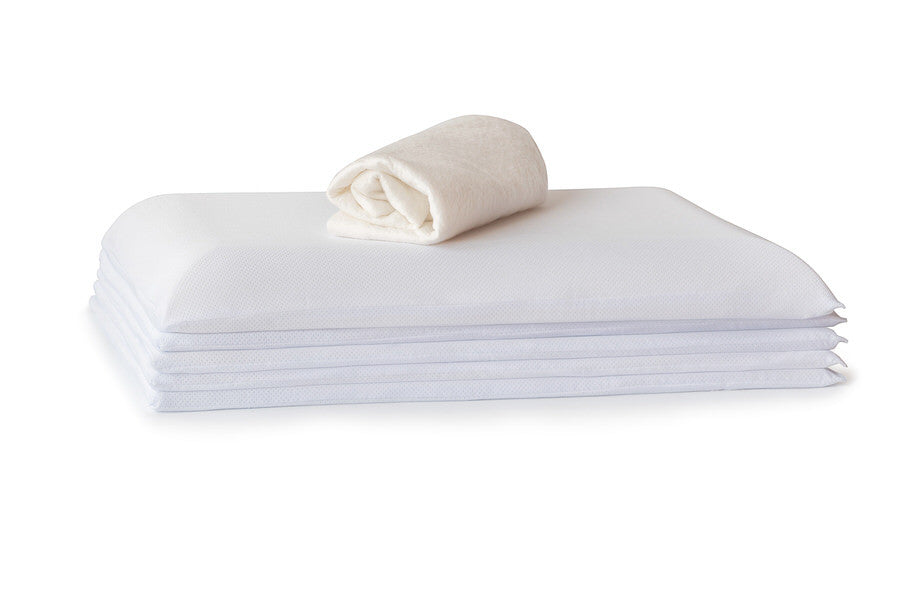
The magic of the DubsLabs pillow lies in its customizable fill. It comes overstuffed with high-quality, shredded memory foam, giving you the freedom to add or remove handfuls until you hit that sweet spot—the exact height and firmness your neck needs for perfect alignment.
This simple but powerful feature makes it the best pillow for neck support for anyone who has struggled with one-size-fits-all options:
- Combination Sleepers: If you roll from your side to your back, your support needs change instantly. An adjustable pillow lets you find a happy medium that keeps your spine aligned in both positions.
- Those with Fluctuating Pain: Some mornings your neck is stiffer than others. With this pillow, you can make tiny tweaks to give yourself more gentle or firm support depending on how you feel.
- People with Unique Body Shapes: Everyone's shoulder width and neck curve are different. Adjustability takes the guesswork out of the equation and guarantees a perfect fit.
Instead of forcing your body to adapt to a static pillow, an adjustable pillow adapts to your body. This shift from a one-size-fits-all approach to a personalized solution is the key to finally achieving consistent, pain-free sleep.
If you want to dive deeper into how this works, our guide on using an adjustable pillow for neck pain breaks down all the benefits of a truly customized sleep surface. This adaptability is what makes it a smart investment—it continues to serve you even as your body and needs change over time.
More Than a Pillow—An Entire Sleep System
Getting your physical alignment right is a huge step, but we all know that truly restorative sleep involves both body and mind. Aches and pains are one thing, but a racing mind or the neighbor's barking dog can be just as disruptive.
This is where the DubsLabs pillow really comes into its own, not just as a product, but as the foundation of a complete sleep ecosystem.
It’s designed to work in sync with our other sleep aids to create a sanctuary for rest. Picture this:
- Physical Support: First, you adjust your pillow's fill to the perfect loft. Your neck is cradled in a neutral position, and you can feel the strain melt away.
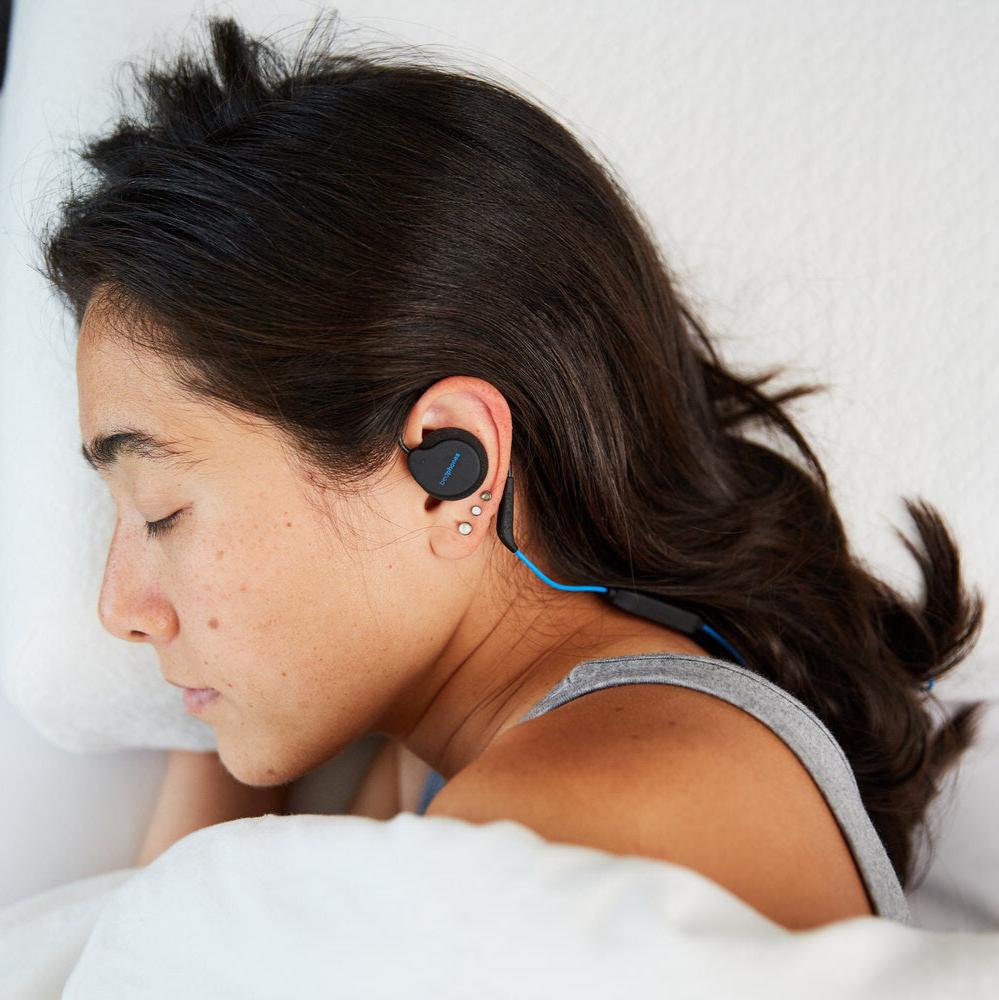
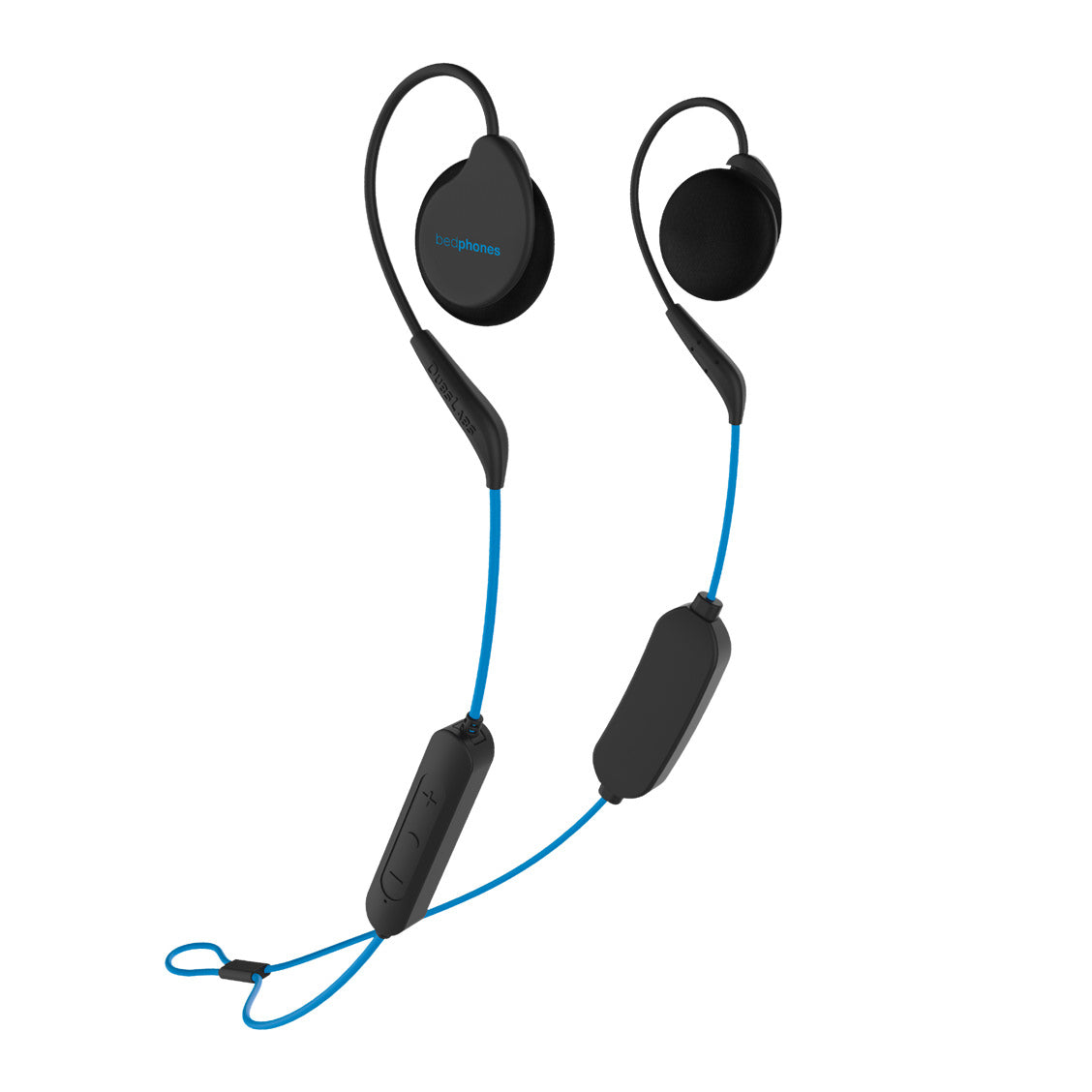
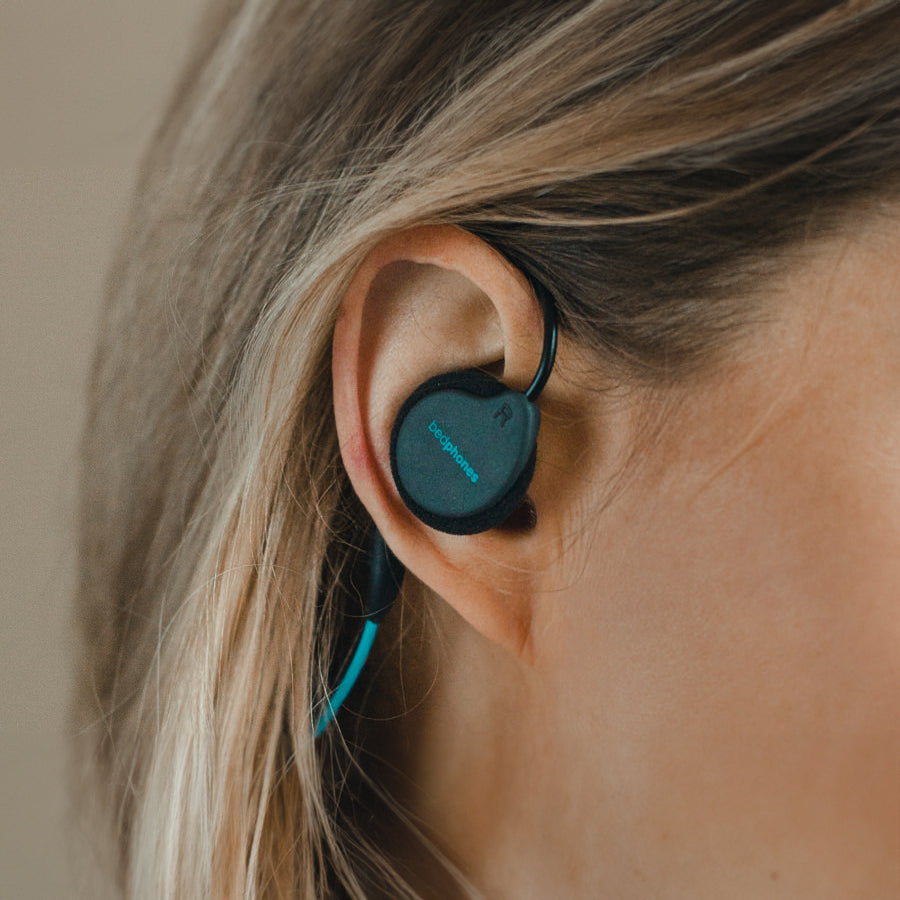
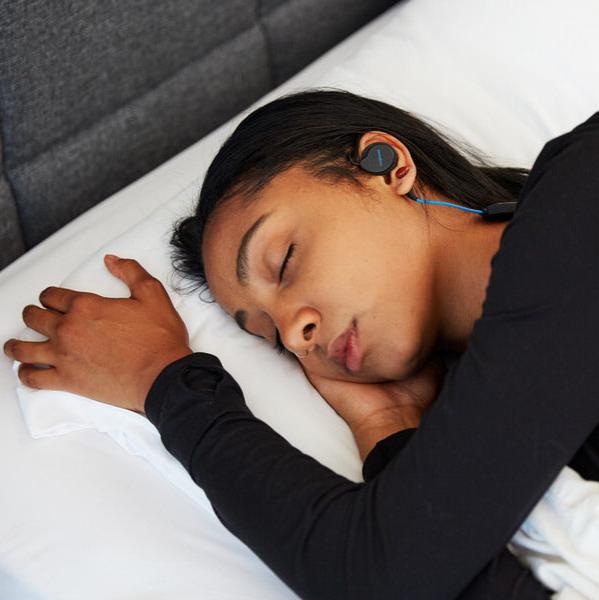
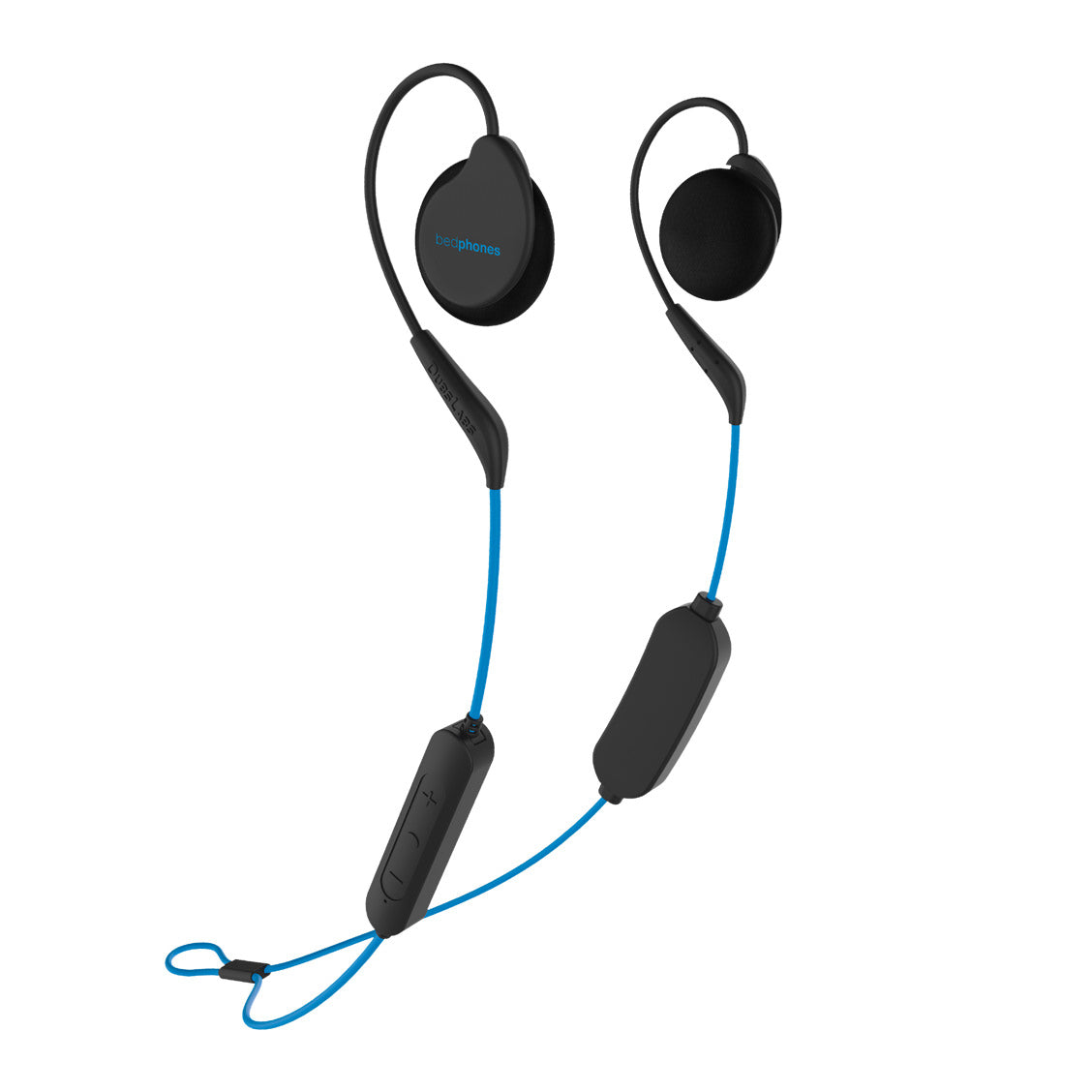
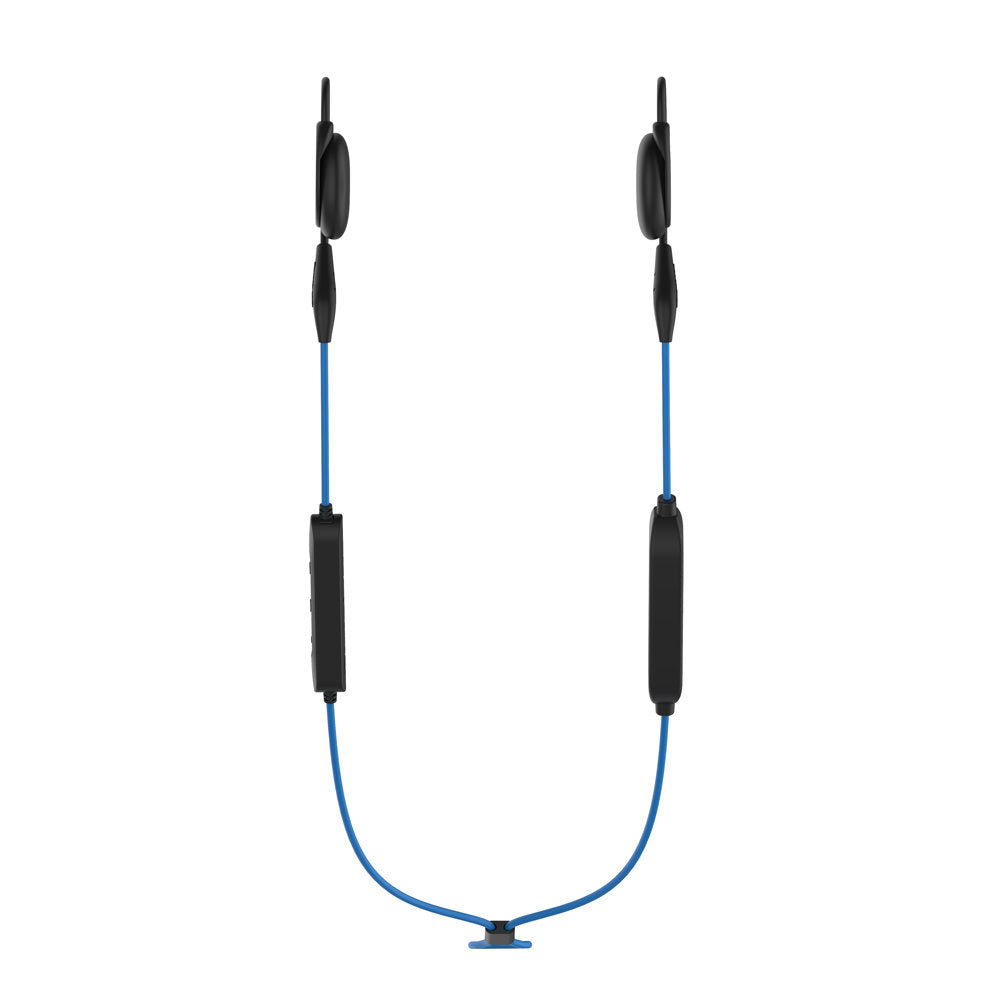
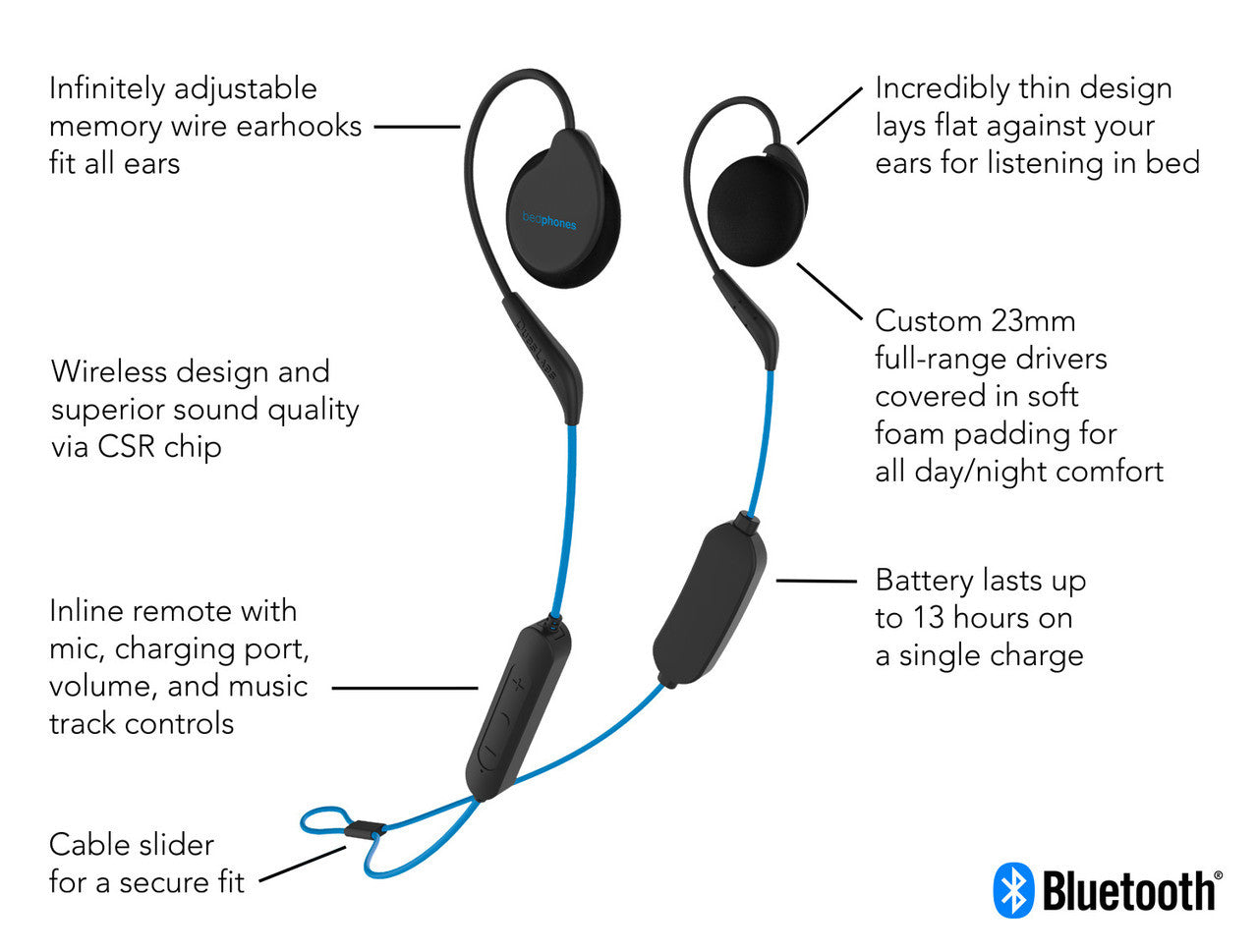
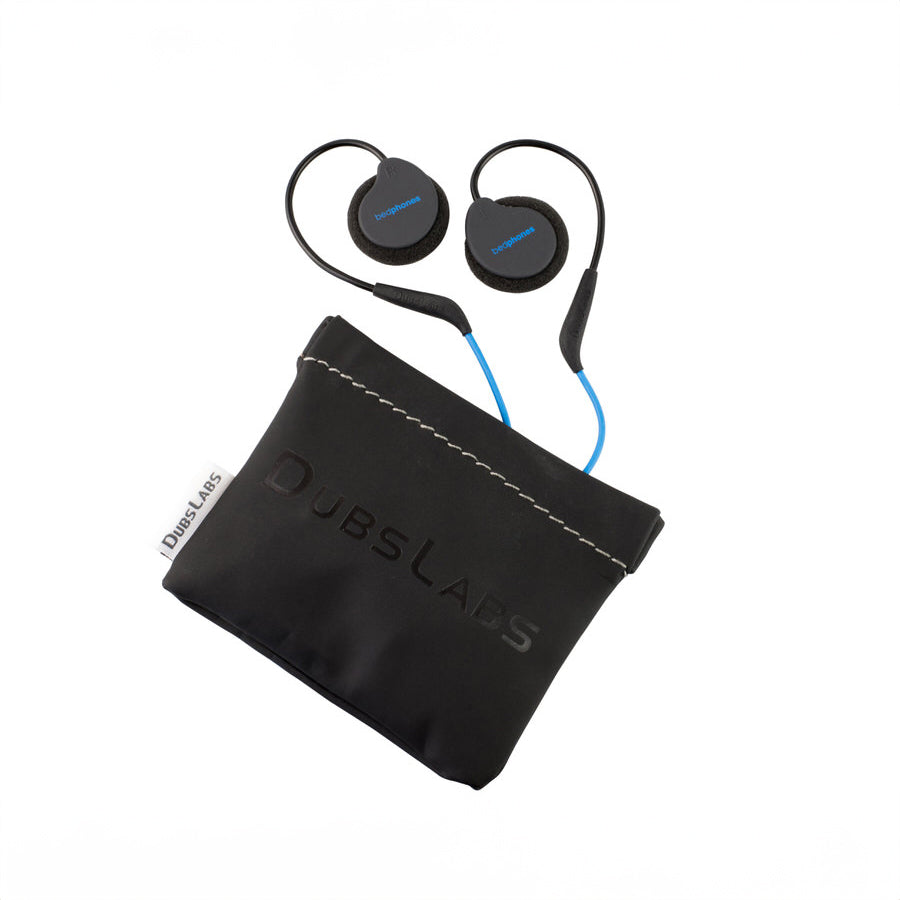
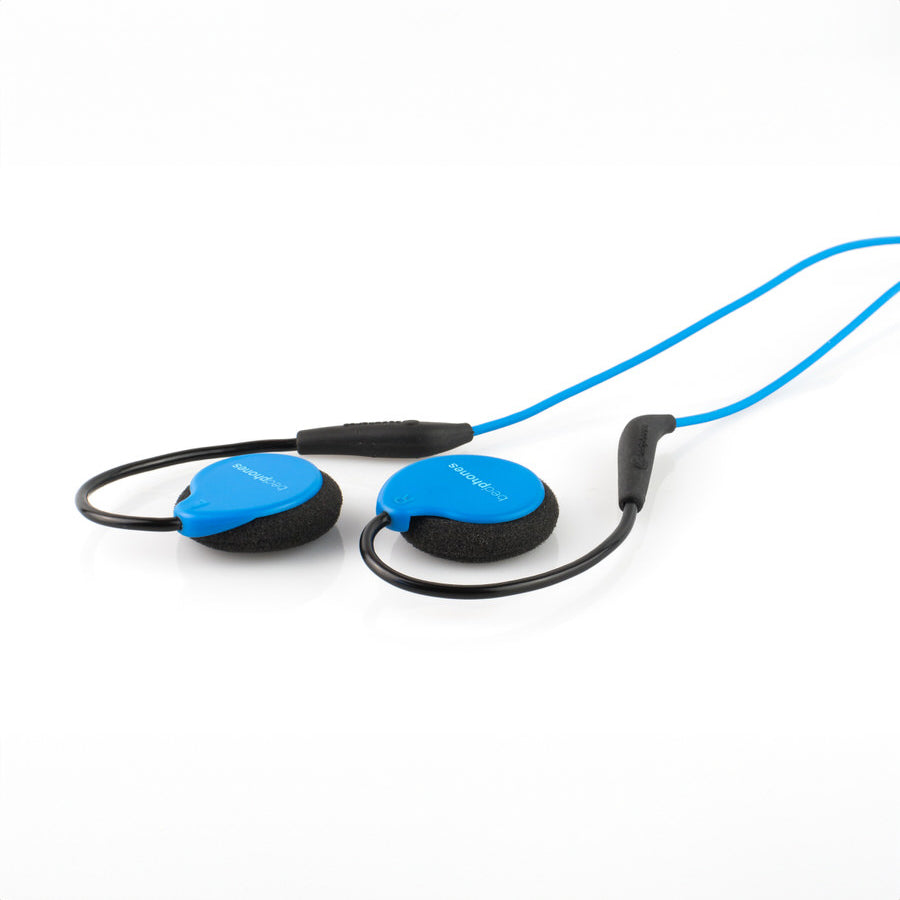
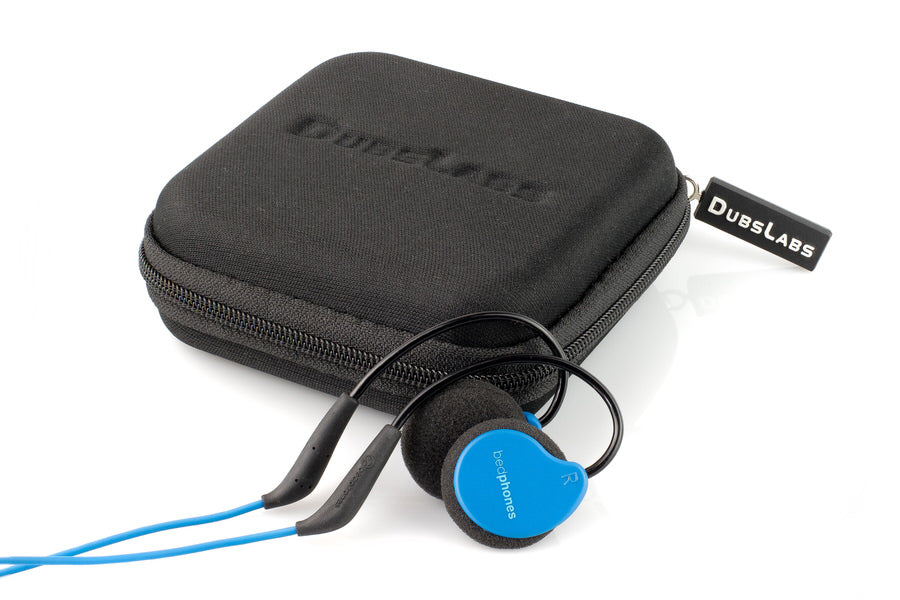
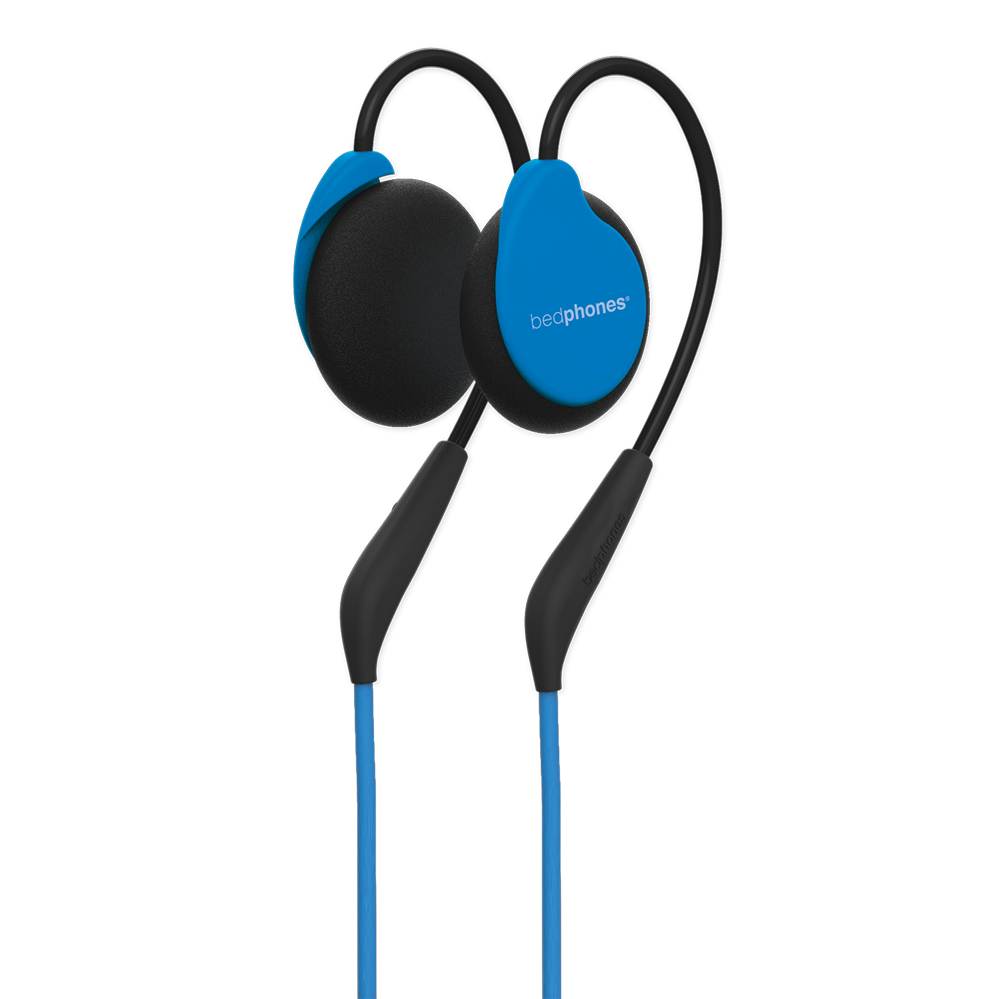
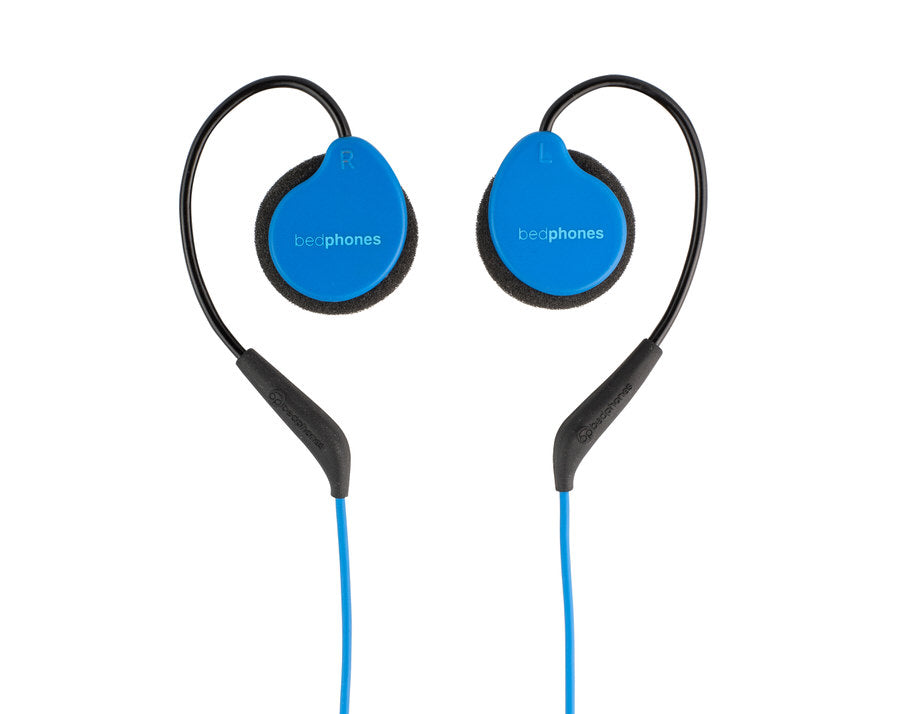
- Mental Relaxation: Next, you slip on your ultra-thin Bedphones. A calming podcast, soothing music, or a guided meditation helps your mind let go of the day's stresses.
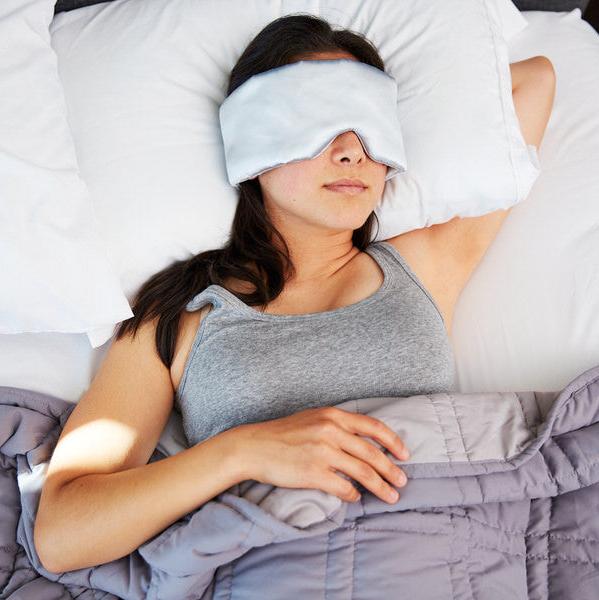
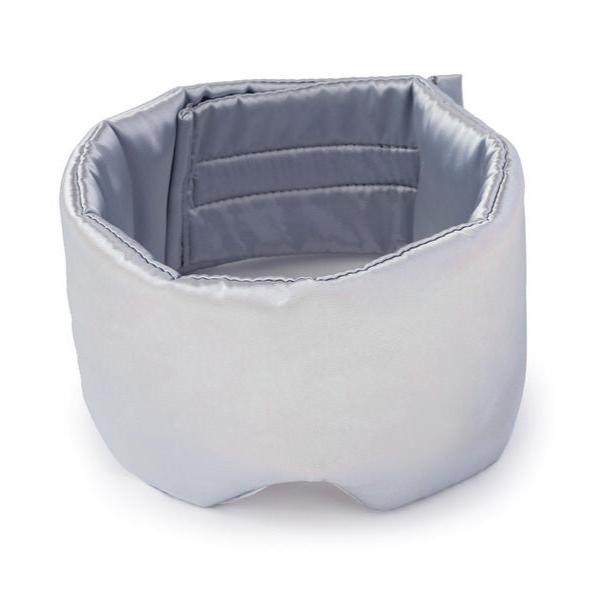
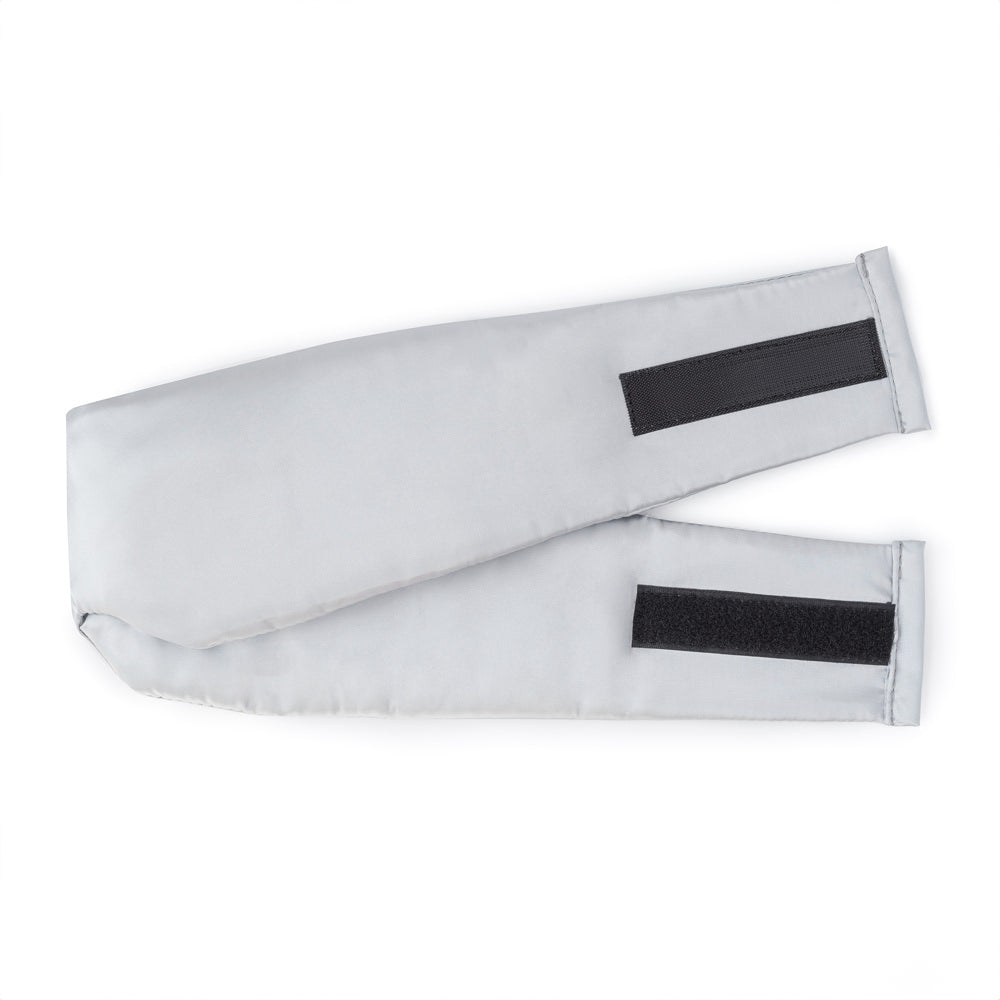
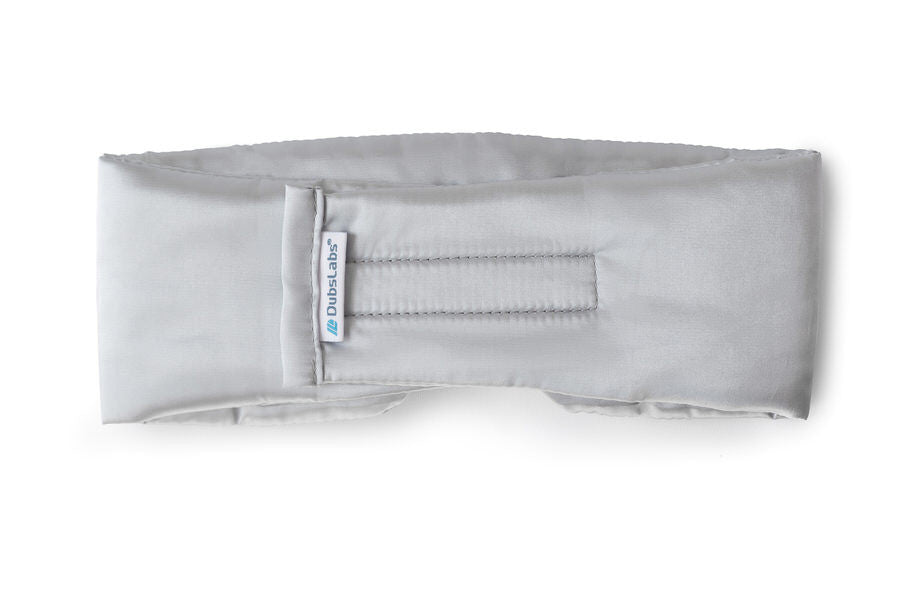
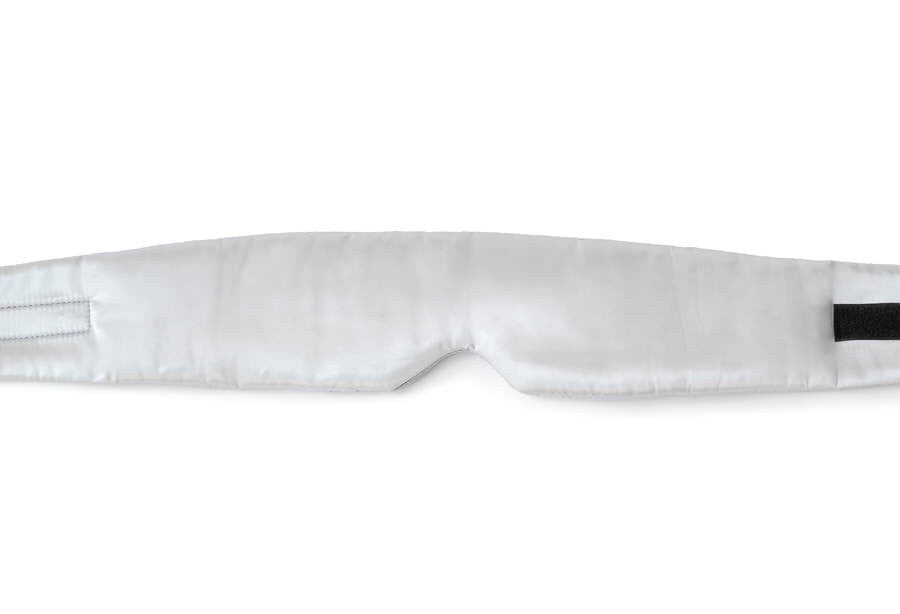
- Total Darkness: Finally, you pull on a total-darkness sleep mask. Blocking out all ambient light signals your brain that it’s time to produce melatonin and sink into a deep, uninterrupted sleep cycle.
This multi-layered approach tackles the most common sleep disruptors all at once. By combining perfect physical support with tools for mental calm and sensory deprivation, you create the ideal environment for your body to repair itself. The pillow isn't just an accessory; it's the supportive base for a truly transformative night's sleep.
Pillow Care and Knowing When to Replace It

Finding the right pillow is a huge win, but that's only half the battle. Think of it like a high-performance piece of gear—it needs a little maintenance to keep delivering the support you need, night after night.
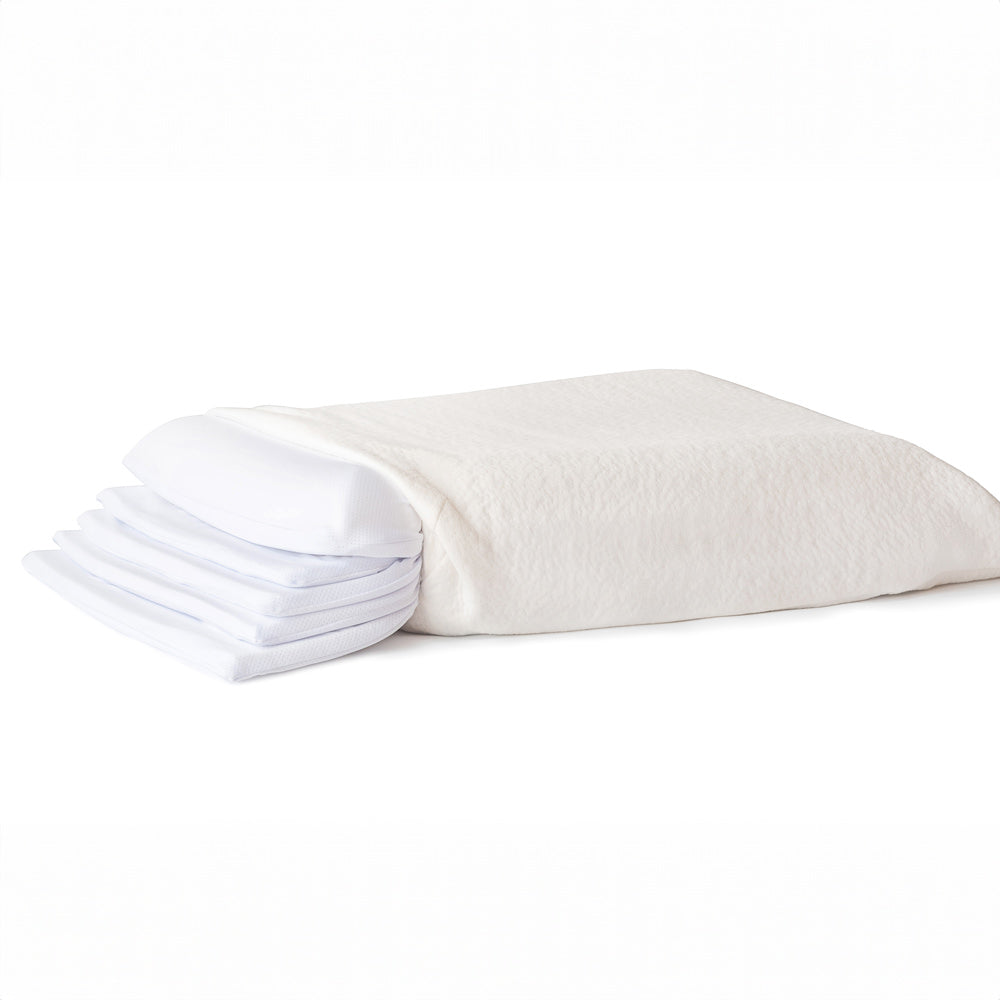
Taking care of your pillow not only helps it last longer but also keeps your sleep space clean and healthy. Most memory foam pillows can't just be tossed in the wash, but you can easily spot-clean spills with a mild detergent and let them air out regularly. Honestly, the single best thing you can do is use a good pillow protector. It's your first line of defense against sweat, oils, and allergens.
Is It Time for a New Pillow?
Your pillow is a lot like a running shoe. It might look perfectly fine on the outside, but over time, its internal structure breaks down. The materials get compressed and lose their bounce, which means they can no longer hold your head and neck in proper alignment. Sound familiar? That's often when the morning stiffness starts creeping back in.
Learning to spot the signs of a worn-out pillow is key to protecting your neck. While most experts suggest replacing your pillow every 1 to 2 years, the pillow's material and your own body are better indicators than a date on the calendar.
A pillow that’s lost its structural integrity is no longer a tool for support; it's a direct cause of misalignment. Waking up with discomfort is the clearest sign that your pillow’s supportive life is over, regardless of its age.
The Pillow Fold Test and Other Red Flags
So, how can you tell for sure if your pillow has given up the ghost? Beyond the obvious return of neck pain, there are a few dead giveaways that it's time to start shopping.
Here are the key warning signs to watch for:
- Visible Lumps or Divots: If the filling is getting clumpy or you can feel a permanent crater where your head usually rests, the internal structure has failed.
- Loss of Shape: Does your pillow look flat, sad, and deflated? A pillow that can't hold its original loft won't be able to hold up your neck, either.
- The Fold Test: For most pillows (this doesn't work for solid memory foam), you can perform a simple test. Fold it in half and see if it springs back. If it just lies there, limp and folded, its supportive core is shot.
- Stains and Odors: Significant discoloration or funky smells that won't go away are signs your pillow has absorbed too much sweat and oil, which can become a breeding ground for allergens and bacteria.
When you start noticing these issues, take it as a clear signal. Hanging onto a failing pillow is a direct threat to your spinal health and will quickly undo all the good you did by finding the right one in the first place.
Still Have a Few Questions?
Choosing a new pillow is a big deal for your sleep, and it's totally normal to have a few last-minute questions before you commit. You’re making a change that can completely reshape how you feel every morning. We get it.
Here are the most common questions we hear, with straight-up answers to help you feel confident that a pain-free morning is right around the corner.
How Long Does It Take to Get Used to a New Pillow?
Give it about three to seven nights. Think of it as a "break-in" period. Your neck and shoulder muscles have been working overtime, compensating for a lack of support for who knows how long. It takes them a little time to learn they can finally relax into a healthier, properly aligned position.
This initial adjustment phase is completely normal. It’s exactly why a risk-free trial period is so critical—it gives your body enough time to adapt and for you to be sure this new pillow is the real deal for your long-term comfort.
Can the Right Pillow Really Fix My Neck Pain?
For a lot of people, the answer is a huge "yes." If your neck pain comes from poor sleep posture and nightly muscle strain, getting the right pillow can make a massive difference, often eliminating the problem entirely. It gets to the root of the issue by keeping your spine aligned all night.
But let's be real—a pillow is a powerful tool, not a magic cure-all. If your pain is from an injury, arthritis, or another underlying medical condition, a great pillow should be just one part of a bigger treatment plan you've discussed with your doctor or chiropractor.
A supportive pillow is a key part of your daily health routine. It can absolutely solve posture-related pain, but it's meant to complement, not replace, professional medical advice for more serious conditions.
Is a Firmer Pillow Always Better for Support?
This is probably one of the biggest myths out there. The goal isn't to find the hardest pillow you can stand; it’s all about achieving neutral spinal alignment. A pillow that’s too firm can be just as bad as one that’s too soft. It creates nasty pressure points and shoves your head out of alignment, which is the last thing you want.
The perfect firmness is all about you—your body, and how you sleep. A side sleeper might need a pretty firm pillow to fill that big gap between their ear and the mattress. But that same pillow would be a disaster for a back sleeper, cranking their head forward and straining their neck. The sweet spot is a pillow that's firm enough to hold its shape but soft enough to contour to your head and neck.
What Exactly Is a Cervical Pillow?
A cervical pillow, which you might also hear called a contour pillow, is specifically designed with an ergonomic shape to support the natural curve of your neck. Most have a sort of wavelike design—a higher curve fits right into your neck, while a lower dip cradles your head.
This unique shape is all about maintaining the natural "C-curve" of your cervical spine. While a standard memory foam pillow uses its material to mold to you, a cervical pillow uses both its material and its structure to give you that targeted, anatomical support. This makes them a go-to choice for people dealing with more significant neck issues.
Ready to stop guessing and start building the perfect pillow for your unique needs? The DubsLabs Adjustable Pillow puts you in control, letting you add or remove fill to achieve the exact loft and firmness that will finally give you a pain-free morning.