That ache you feel first thing in the morning? It’s not just a sign you got up on the wrong side of the bed—it’s a blaring signal that your pillow is failing you. A good memory foam pillow for neck pain is more than just a place to rest your head; it’s designed to give you custom-fit support, keeping your spine happy and preventing that stiffness that kills your morning vibe.
Why Your Pillow Is the Secret to a Pain-Free Morning

Waking up with a stiff, achy neck is something millions of us just accept as normal. But here’s the truth: it's almost always the direct result of a bad pillow forcing you into poor sleep posture. For about eight hours every night, your pillow has one critical job: maintaining neutral spine alignment.
Think of your spine as a perfectly straight line from your head down to your tailbone. If your pillow is too high, it cranks your neck upward, creating tension. Too low, and your head droops down, straining the muscles. Both scenarios knock that line out of whack, putting stress on the muscles and ligaments in your neck and upper back all night long.
The Foundation of Good Sleep
This is where neutral alignment becomes a complete game-changer. When your spine is properly supported, your muscles can finally relax and repair themselves overnight. Without that support, you’re basically holding a stressful, awkward position for hours on end, which leads to:
- That classic morning stiffness and not being able to turn your head.
- Nagging tension headaches that seem to start at the base of your skull.
- Tossing and turning all night as your body tries to get comfortable.
- Making any existing neck issues feel a whole lot worse.
It's no surprise that the market has caught on. With so many people struggling with neck pain, the U.S. neck pillow market was valued at a whopping USD 1.6 billion in 2025. Memory foam is leading the way, capturing a huge 43.8% market share because of its unique ability to react to your body heat and pressure, perfectly cradling your neck and keeping that strain at bay.
A supportive pillow isn’t a luxury; it’s a crucial part of your daily wellness routine. When your pillow is the source of pain and stiffness, it’s actively sabotaging your body's natural ability to heal and recharge.
Let's quickly break down how memory foam's key features directly tackle neck pain.
Quick Benefits of Memory Foam for Neck Pain
This table shows how memory foam's unique properties translate into real relief and better sleep quality.
| Benefit | How It Helps Your Neck Pain |
|---|---|
| Pressure Relief | The foam evenly distributes the weight of your head, which means no single spot bears all the pressure. This lets your neck and shoulder muscles fully relax. |
| Adaptive Contouring | It softens with your body heat, molding perfectly to the curve of your neck. This fills the gap between your head and the mattress, ensuring your spine stays straight. |
| Spinal Alignment | By conforming to your unique shape, memory foam prevents your neck from bending at awkward angles, maintaining that all-important neutral alignment all night. |
| Motion Isolation | If you share a bed, memory foam absorbs movement. This means less disturbance and a more stable, supportive surface for your head and neck. |
Ultimately, these benefits work together to create a supportive sleep environment where your body can truly rest and recover.
Your Pillow as a Specialized Tool
It's time to stop thinking of your pillow as just a fluffy square. A high-quality memory foam pillow is an ergonomic tool, engineered with one specific function: to perfectly fill the space between your head and the mattress. It’s built to stop those tiny, repetitive strains that add up night after night.
Of course, your pillow is only part of the equation. The state of your mattress plays a huge role in how you feel when you wake up, too. It’s worth looking into how expert mattress and furniture care impacting your mornings can complete the picture for a truly pain-free start. When you fix the root cause of bad alignment, you're not just getting temporary relief—you're setting yourself up for better mornings, day after day.
How Memory Foam Actually Cradles Your Neck
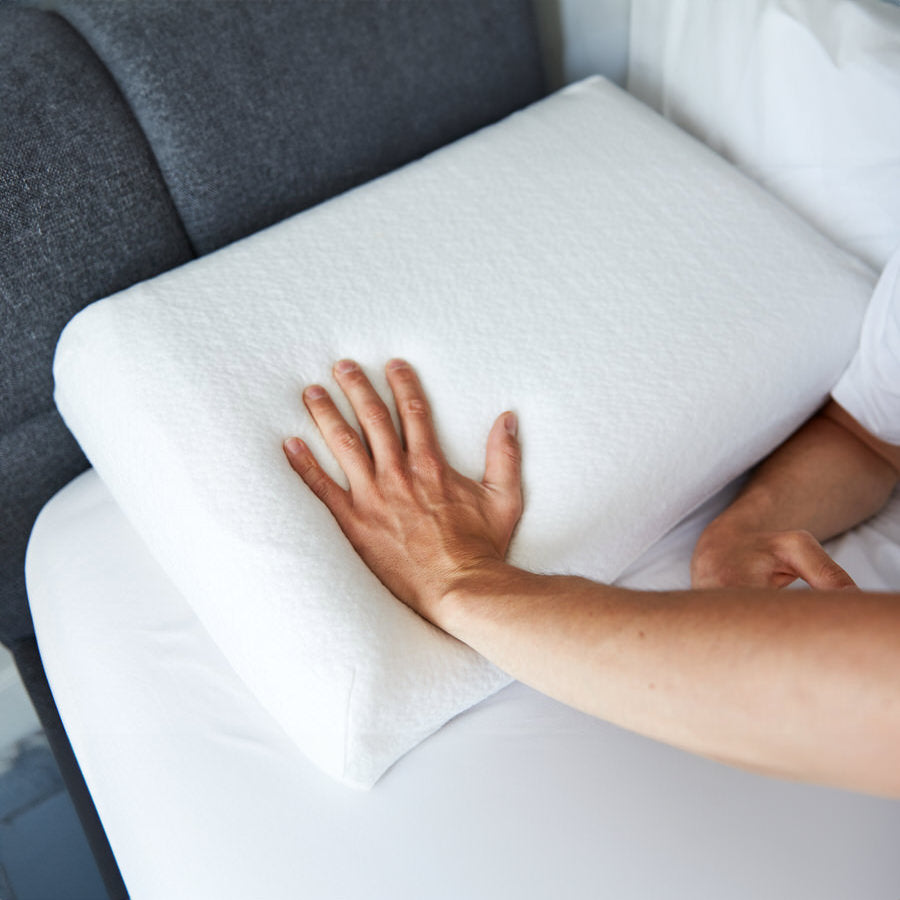
To get why a memory foam pillow can be such a game-changer for neck pain, let's start with a simple picture. Think about pressing your hand into a block of soft, fresh clay. When you lift your hand, the clay holds a perfect, detailed impression. That’s pretty much exactly what memory foam does for your head and neck.
The material has a unique property called viscoelasticity. It sounds complicated, but it just breaks down into two simple actions. "Visco" means it slowly changes shape when you apply pressure, and "elastic" means it bounces back to its original shape when you remove that pressure.
It’s this slow, conforming action that feels like a bit of magic. A traditional pillow just flattens out or bunches up under your head. But memory foam yields to the specific weight and warmth of your body, creating a custom-fit cradle that’s perfectly molded to your unique shape.
The Science of Personalized Support
This personalized fit is the secret sauce for kicking neck pain to the curb. The main goal is always to fill that gap between your head and the mattress, which keeps your spine in a straight, stress-free line. A memory foam pillow does this with near-scientific precision.
As your body heat softens the foam, it contours even more deeply around your neck and head. This does two critical things for pain relief:
- Even Weight Distribution: It spreads the weight of your head out across the whole pillow. This gets rid of the concentrated pressure points on your neck and shoulders that make muscles tense up and ache.
- Targeted Neck Support: The foam gently rises up to support the natural curve of your cervical spine. This stops your head from tilting too far up or down—a classic reason for waking up stiff and sore.
This isn't just about feeling cozy; it's about applying solid ergonomic principles right where you sleep. You can dive deeper into the full range of memory foam pillow benefits in our detailed guide.
From Astronauts to Your Bedroom
The search for better sleep is on the rise, mostly because neck pain has become an epidemic. One study revealed that a staggering 42.9% of people working from home on computers reported neck and upper back pain. This is a huge reason the global memory foam pillow market is growing so fast. The technology itself was actually developed by NASA back in the 1960s to protect astronauts from extreme G-forces. Now, those same pressure-relieving qualities are used to ease the strain that leads to chronic neck pain.
By creating a personalized mold of your head and neck, a memory foam pillow doesn't just cushion you—it actively holds your spine in its ideal alignment, allowing your muscles to fully relax and recover overnight.
Why This Matters for Neck Pain Sufferers
If you're one of the many people struggling with neck pain, this cradling effect can feel revolutionary. It directly fights the poor alignment that strains your muscles and ligaments all night long. Think of it as giving your neck a stable, supportive foundation so it doesn't have to work overtime while you're trying to rest.
Instead of fighting with a pillow that’s too firm, too soft, or just the wrong shape, your body can finally relax into a neutral position. This means you’re less likely to toss and turn all night looking for that one comfortable spot. The result? Deeper, more restorative sleep and, best of all, mornings that start with relief instead of pain.
Finding The Right Pillow For How You Sleep
Choosing the right memory foam pillow is a lot like getting fitted for the perfect pair of running shoes. It’s not just about the fancy material; it’s about finding a design that matches the unique way your body moves and rests. The perfect pillow for a side sleeper could be a total nightmare for someone who sleeps on their back, and vice-versa.
The whole game is about finding a pillow that perfectly fills the space between your head and the mattress. Get this right, and your spine stays in a straight, happy, neutral line. Your sleep position is what determines how much space there is to fill.
Let’s break down exactly what you need based on how you sleep.
The Best Pillow For Side Sleepers
If you’re a side sleeper, you’ve got the biggest gap to fill between your ear and the mattress. Your pillow’s one job is to bridge that space so your head doesn’t droop down, which is a surefire way to strain your neck muscles all night long.
This is why side sleepers almost always need a higher loft (meaning thicker) and firmer pillow. This combo gives you the elevation and strong support needed to keep your head perfectly aligned with the rest of your spine. A pillow that’s too thin or soft will just collapse under the weight, forcing your neck into a painful angle.
Here’s a quick look at how memory foam actually pulls this off.
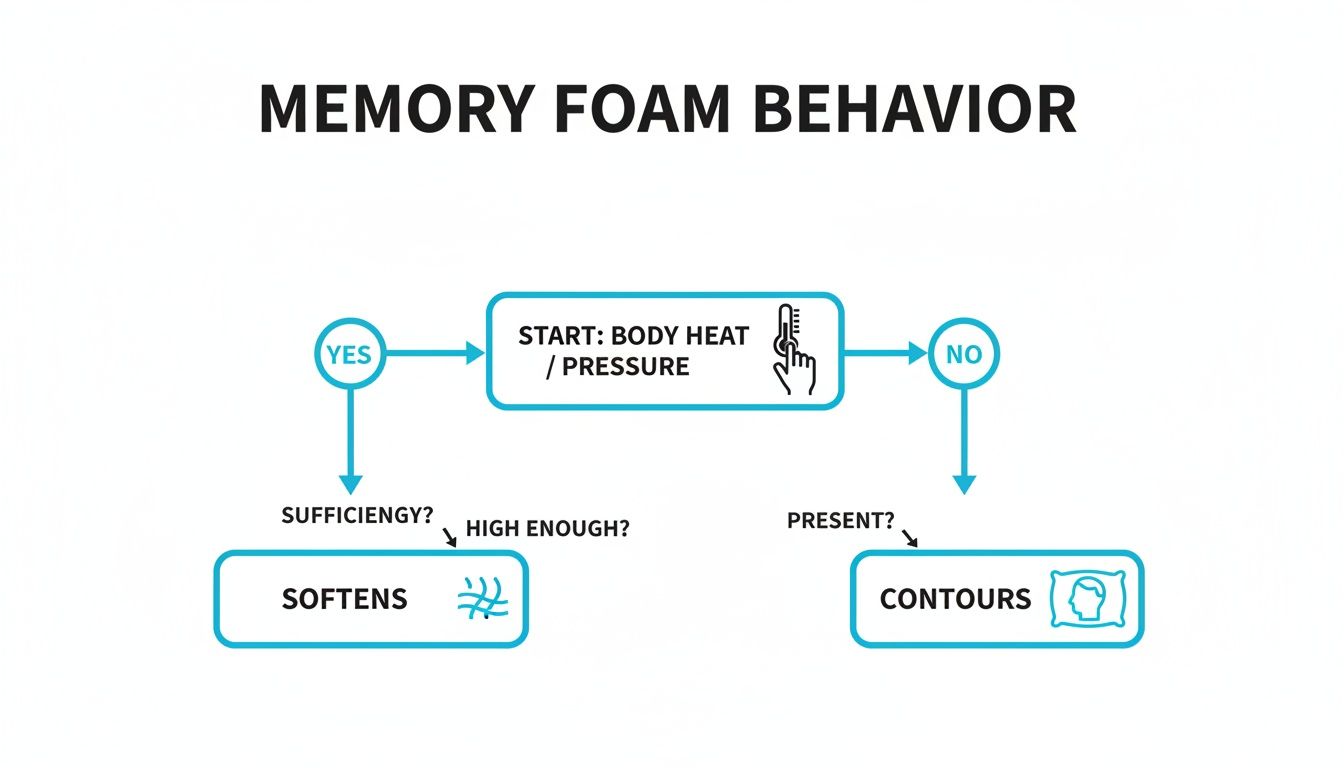
As you can see, the foam uses your own body heat and pressure to soften and mold itself around you, creating a custom-made cradle for your head and neck.
Contoured memory foam pillows often work wonders here. Those raised edges are specifically designed to support the neck while the dip in the middle cradles the head. Since this is such a common sleep style, we put together a dedicated guide on finding the best memory foam pillows for side sleepers to help you dial in your setup.
The Best Pillow For Back Sleepers
Back sleepers need to find a very delicate balance. Your pillow can't be so high that it shoves your chin toward your chest, but it can’t be so low that your head tilts backward, either. The goal is simple: support the natural curve of your neck.
A medium-loft pillow is usually the sweet spot. It's just thick enough to provide that crucial support without pushing your head into a weird position. The ideal design is often one that's a bit firmer around the edges to cradle the neck, with a slightly softer and lower center for your head to rest in.
For back sleepers, the pillow should feel like it's gently holding your head in place, not propping it up. The ideal memory foam will contour to your neck's curve, filling the gap without creating any upward pressure.
Get this right, and your airway stays open (which can help with snoring!), and your entire spine can finally relax in a neutral alignment from head to toe.
The Best Pillow For Stomach Sleepers
Pretty much any chiropractor or sleep expert will tell you that stomach sleeping is the absolute worst position for your neck and spine. It forces your head to be cranked to one side for hours on end, which is a fast track to stiffness and chronic pain. If you just can’t break the habit, your pillow choice is critical.
Stomach sleepers need a very thin, low-loft pillow—or maybe even no pillow at all. The goal is to keep your head as close to the mattress as possible to minimize how much your neck has to twist. A thick pillow will wrench your neck backward into a dangerous arch.
A soft, almost-flat memory foam pillow can give your head a little cushion without wrecking your alignment too badly. Some people even find relief by placing a thin pillow under their stomach or pelvis, which can help keep the lower back from arching too deeply.
Pillow Loft and Firmness Guide by Sleep Position
To make it even simpler, here's a quick cheat sheet to match your sleeping style with the right memory foam pillow features.
| Sleep Position | Ideal Pillow Loft (Height) | Recommended Firmness | Why It Works |
|---|---|---|---|
| Side Sleeper | High Loft (5-7 inches) | Medium-Firm to Firm | Fills the large gap between the ear and shoulder, keeping the head and neck aligned with the spine. |
| Back Sleeper | Medium Loft (3-5 inches) | Medium | Supports the natural curve of the neck without pushing the head too far forward. |
| Stomach Sleeper | Low Loft (Under 3 inches) | Soft | Minimizes the angle of the neck and head to prevent strain and hyperextension. |
No matter how you sleep, understanding these core principles empowers you to find a pillow that actually works with your body, not against it.
Decoding the Features of a High-Quality Pillow
Diving into the world of memory foam pillows can feel a bit overwhelming. Every brand claims to have the magic bullet for neck pain, but how do you cut through the marketing noise? It really comes down to becoming a savvy shopper who knows what features actually make a difference.
Forget the hype. We need to look at the nuts and bolts—the design, materials, and tech that work together to give your neck the support it deserves. Not all pillows are created equal, and a few key characteristics separate a genuinely helpful tool from just another fluffy cushion.
By focusing on these specifics, you'll be able to choose a memory foam pillow for neck pain that brings real, lasting relief.
Pillow Shape: Contoured vs. Traditional
Right off the bat, you’ll probably notice two main shapes: contoured cervical pillows and the classic, traditional rectangle. Each is built for a different purpose and suits different sleepers. Figuring out this difference is the first major step toward finding your perfect match.
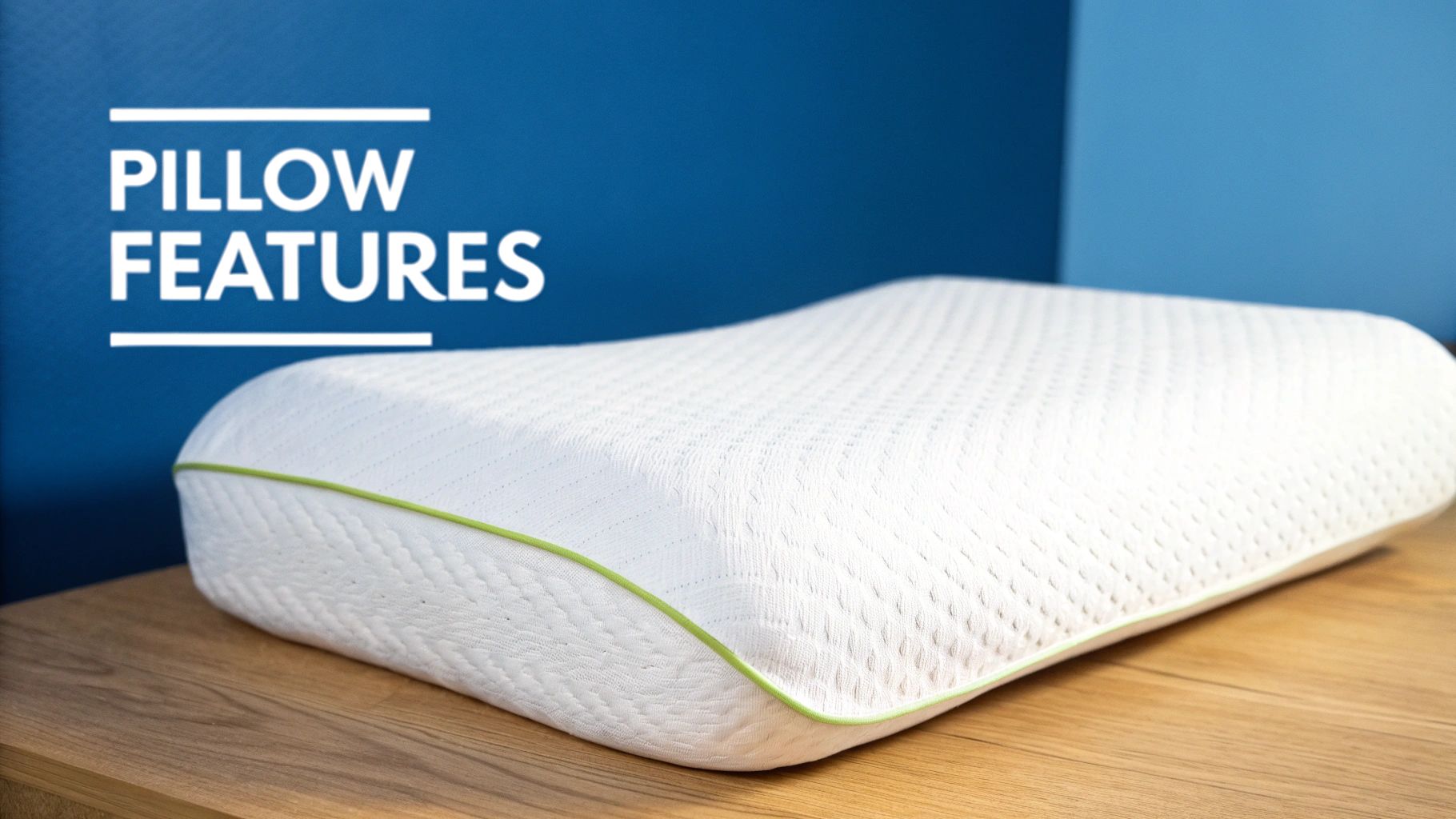
- Contoured Cervical Pillows: These are the ones with the wave-like design—two raised edges with a valley in the middle. That shape is no accident; it’s engineered to follow the natural curve of your spine. It cradles your head and supports your neck, keeping everything in alignment. They are almost always the top choice for back and side sleepers dealing with chronic stiffness.
- Traditional Pillows: A standard rectangular pillow offers a more uniform, even surface. While it's less specialized, a good memory foam pillow in this shape can be fantastic for combination sleepers who toss and turn all night. Its versatility provides comfortable support whether you land on your side, back, or even briefly on your stomach.
So, which is right for you? It really boils down to your go-to sleep position and whether you need that targeted, almost corrective support or a more forgiving, all-purpose surface.
Foam Density: The Secret to Durability
Beyond the shape, the foam itself is where the magic happens. Foam density, measured in pounds per cubic foot (PCF), is one of the most crucial indicators of a pillow's quality and how long it will last. It tells you how much memory foam material is actually packed into the pillow, which directly impacts both support and durability.
A higher density foam—think 4-5 PCF—is going to give you more robust, consistent support. It’s also much slower to develop those dreaded permanent body impressions. On the other hand, a lower density foam (around 3 PCF or less) might feel wonderfully soft at first, but it will break down much faster, losing its ability to hold your neck in the right position.
For anyone trying to beat neck pain, a higher-density pillow is simply a smarter investment for the long haul.
A pillow with high-density foam acts like a strong foundation, preventing your head from sinking too low and ensuring your neck remains in a neutral position throughout the night. It's the difference between temporary comfort and true ergonomic support.
Cooling Technologies: Solving the Overheating Problem
One of the classic complaints about old-school memory foam is its tendency to trap body heat, making for a sweaty, uncomfortable night. Thankfully, modern pillows have tackled this issue head-on with some pretty clever cooling features that promote airflow and regulate your temperature.
When you're shopping, keep an eye out for these technologies:
- Gel-Infused Foam: This is foam with tiny gel beads or swirls mixed right in. These little beads work to absorb and pull heat away from your head and neck, helping you stay cooler all night long.
- Ventilated Designs: Some pillows have small holes or channels running through the foam. This simple design trick creates pathways for air to circulate freely, stopping heat from getting trapped and making the whole pillow more breathable.
These kinds of ergonomic innovations have completely changed the game. Memory foam's unique ability to mold to your neck's curve, combined with these advanced cooling features, has made it a multi-billion dollar solution for reducing neck pain. Learn more about these developments and how to find the best pillows that keep you cool in our complete guide.
By getting a handle on these three core features—shape, density, and cooling—you'll be able to confidently size up any pillow you come across. This knowledge gives you the power to pick a product that offers genuine relief, not just another temporary fix.
The Adjustment Period: What to Expect
Making the switch to a truly supportive memory foam pillow can feel a little strange at first. That's not just normal—it's actually a good sign. Your body has probably spent years, maybe even decades, getting used to an old, worn-out pillow that was likely contributing to your neck pain in the first place. Now, it has to unlearn all that bad posture.
Think of it like getting a new pair of prescription glasses. For the first few days, the world might seem a bit off or even distorted as your eyes adjust to finally seeing clearly. Your new pillow does the exact same thing for your neck and spine. It's actively correcting your alignment, and that correction can feel unfamiliar before it starts to feel amazing.
That initial awkwardness is just your muscles and ligaments adapting to a healthier, neutral position. It's the feeling of your body finally letting go of old tension patterns and learning how to truly relax into proper alignment.
Your First Week With a New Pillow
The first week or two are the most critical. During this time, your body is recalibrating its sense of "normal." You might notice the pillow feels too firm or has a weird shape compared to what you’re used to. Stick with it. This is the period where the pillow is doing its most important work.
To make the transition a little smoother, here are a few practical steps to take from night one:
- Let It Breathe: Your new pillow will likely arrive compressed in its packaging. Let it expand to its full size for a few hours before you use it. This ensures it performs exactly as it was designed to.
- Check Your Position: Make sure you're using it correctly. For contoured designs, the larger curve should typically be tucked right under your neck, allowing your head to rest comfortably in the central dip.
- Give It Time: This is a big one. Commit to using the pillow exclusively for at least seven nights before making a final call. Switching back and forth between your old pillow and the new one will just confuse your body and drag out the adjustment period.
Fine-Tuning for Maximum Comfort
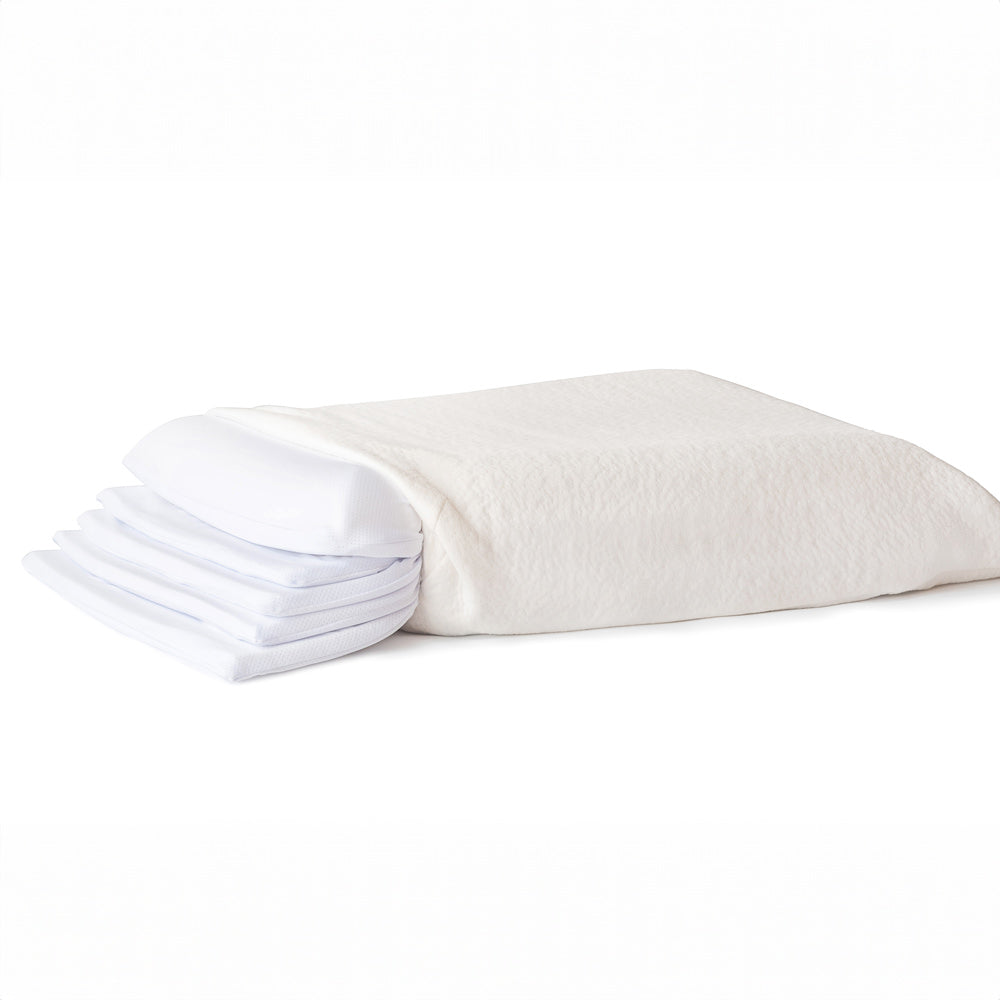
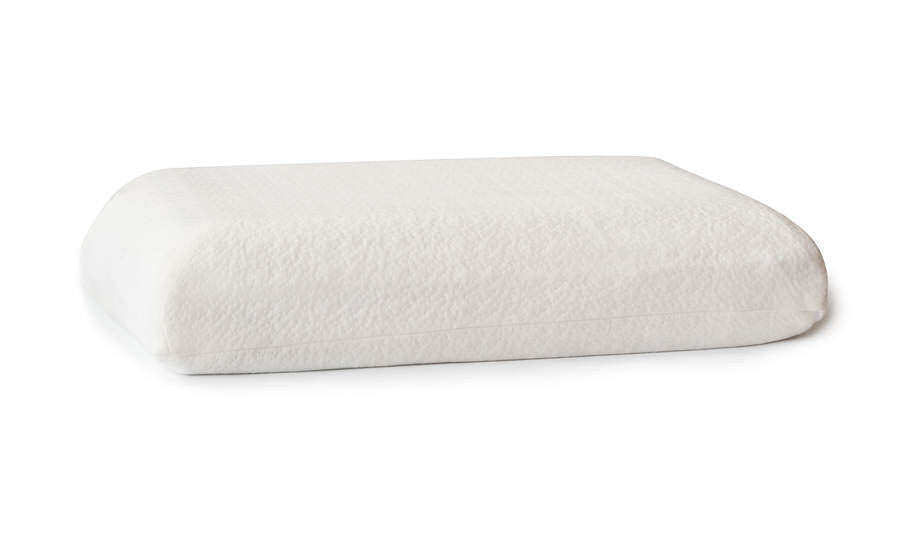
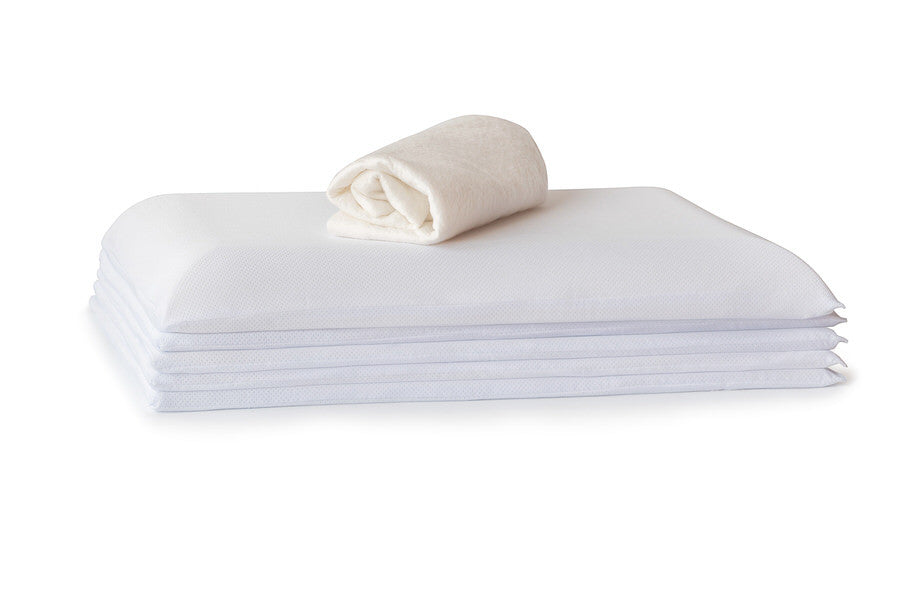
If you’re still feeling like something is a bit off after a few nights, a few small tweaks can make a massive difference. This is where an adjustable memory foam pillow, like the one from DubsLabs, really shines. It puts you in control, letting you customize the support to your exact needs.
The goal isn't to find a pillow that feels like your old one. The goal is to find one that holds your neck in a neutral, straight line. That new feeling is the foundation for waking up without pain.
Here’s how you can fine-tune your setup for the best possible results:
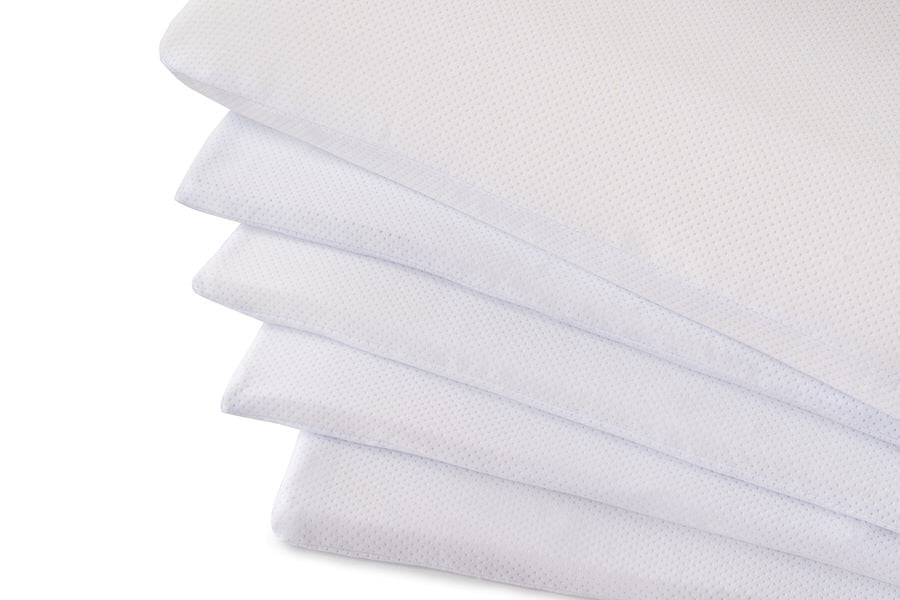
- Adjust the Fill: If the pillow feels too high or firm, just unzip the cover and remove a small amount of the shredded memory foam fill. Keep the extra fill in a bag in case you need to add it back later.
- Test and Re-Test: Sleep on the adjusted pillow for a night or two to see how it feels. If it's now too low, add some of that fill back in. This little bit of trial and error is the key to creating a pillow that feels like it was made just for you.
- Use Body Pillows for Support: This is a great tip, especially for side sleepers who are transitioning to a better posture. Placing a pillow between your knees helps align your hips and lower back, which takes a surprising amount of strain off your neck.
Taking this proactive approach really sets you up for success. By understanding what to expect and knowing how to make these minor adjustments, you can push through that initial "weird" phase and unlock the profound, pain-relieving benefits of sleeping with proper spinal support.
Keeping Your Pillow Clean and Supportive
You’ve invested in a great memory foam pillow to sort out your neck pain—think of it as a commitment to your health. To get the most out of that investment, you'll need to give it a little TLC. Proper care keeps it hygienic and ensures it provides the support you need for years to come. It’s less like a regular pillow and more like a specialized piece of equipment that needs a bit of maintenance to perform at its best.
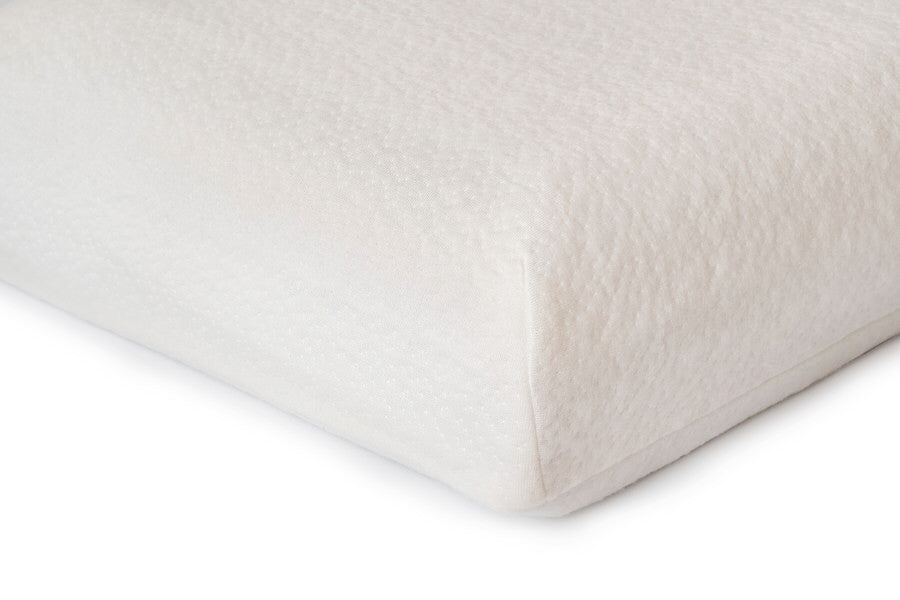
Most quality memory foam pillows, including our adjustable models here at DubsLabs, come with a removable, machine-washable cover. This cover is your first line of defense against dust, skin oils, and allergens. Tossing it in the wash regularly—at least once a month—is the single best thing you can do to keep your sleep space fresh.
Caring for the Foam Core
Now for the important part: the memory foam core itself should never go in the washing machine or be soaked in water. The material is basically a super-dense sponge. Drenching it will break down its internal structure, completely ruining the contouring and supportive qualities you bought it for.
If you have a spill, don’t panic. You can spot-clean it safely:
- Blot, Don't Rub: Grab a clean, dry cloth and blot up as much of the liquid as you can right away.
- Gentle Soap Mix: Mix a tiny bit of mild detergent with some water and dampen a fresh cloth.
- Dab the Spot: Gently dab the stain. Avoid scrubbing like you would a carpet—that force can tear the foam.
- Air It Out: Let the pillow air dry completely in a spot with good airflow, far from direct heat or sunlight. Make sure it's 100% dry before you use it again.
A pillow’s lifespan is directly tied to how well it supports you. Even a clean pillow is useless if it has lost its ability to maintain neutral spinal alignment.
Knowing When to Say Goodbye
Even the best memory foam pillows won't last forever. Over time, the foam's cell structure naturally begins to break down, losing its bounce-back and ability to give you consistent support. As a rule of thumb, most experts recommend replacing your memory foam pillow every 2 to 3 years.
Keep an eye out for these tell-tale signs that your pillow is past its prime:
- A Permanent "You" Spot: If the pillow has a permanent head-shaped dent that doesn't spring back, the foam's resilience is gone.
- The Slow Rebound: Press your hand firmly into the pillow and lift it. If the foam takes forever to return to its original shape, its supportive structure is compromised.
- Lumps and Bumps: If the surface feels lumpy or uneven, it's a clear sign the foam is breaking down internally.
Once you start noticing these issues, it’s time to find a replacement. This ensures you’re always getting the proper neck alignment you need to wake up feeling great, not achy.
Common Questions About Pillows for Neck Pain
Even with all the facts laid out, sometimes a few nagging questions are all that stand between you and the perfect pillow. We get it. So, we’ve rounded up the most common concerns people have right before they commit to a memory foam pillow for their neck pain.
Let's clear up any lingering confusion so you can make your final choice with total confidence.
How Long Does It Take to Get Used to a New Memory Foam Pillow?
Give it about 3 to 7 nights. That’s usually how long it takes for your body to unlearn its old, likely unhealthy, sleep posture and adapt to proper spinal alignment.
At first, the pillow might feel a little strange—maybe firmer than you’re used to or just an odd shape. Honestly, that’s a good sign. It means the pillow is actively correcting your alignment and doing its job. Just be patient through that initial phase. A few nights of feeling "different" is a tiny price to pay for the long-term relief you'll get once your neck and spine finally recalibrate.
Are Contoured Pillows Actually Better for Neck Pain?
For many back and side sleepers, a contoured (or cervical) pillow is a game-changer. The signature wave-like design is specifically engineered to cradle your head while perfectly filling the gap under your neck. This provides targeted support right where you need it, which can make a world of difference for chronic stiffness.
That said, a high-quality, traditional-shaped pillow can work just as well, especially for stomach or combination sleepers. It all comes down to whether it has the right loft (height) for your body and sleep style. The shape is secondary to achieving that sweet spot of neutral alignment.
The "best" pillow shape is simply the one that keeps your spine in a straight, neutral line from your head all the way down to your hips. For some, a contoured design does this best; for others, a well-chosen traditional shape is the perfect fit.
Can the Wrong Pillow Make My Neck Pain Worse?
Oh, absolutely. A pillow that’s too high or too firm will force your head upward, creating a whole new set of tension points. On the flip side, a pillow that’s too low or too soft won’t give you any support, letting your head droop and strain your neck muscles all night long.
This is exactly why matching the pillow’s loft and firmness to your sleep position is so critical. An adjustable pillow completely takes the guesswork out of the equation. You can customize the height for a perfect fit, ensuring you get relief, not more pain.
How Do I Know When It’s Time to Replace My Pillow?
Your pillow will tell you. Look for visible signs of wear and tear. If it has permanent body indentations, feels lumpy, or doesn’t spring back to its original shape right away when you press on it, its supportive structure is shot.
A high-quality memory foam pillow will typically give you optimal support for about 2 to 3 years. Don't try to stretch it beyond its lifespan—using a worn-out pillow will just bring back the very neck pain you worked so hard to get rid of.
Ready to stop guessing and start experiencing comfort that’s actually designed for you? The DubsLabs Adjustable Memory Pillow lets you fine-tune your support for a perfect night's sleep. Take control of your neck pain and discover your ideal pillow at DubsLabs.