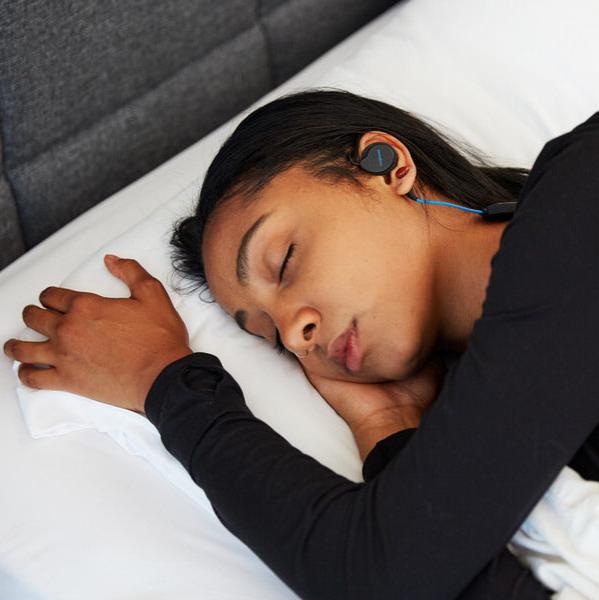
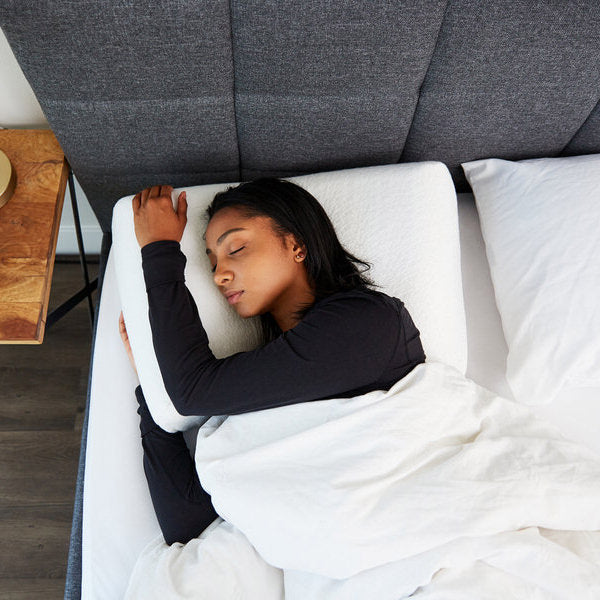
To really master sleeping on your side, the goal is simple: keep your spine in a neutral, straight line. Think of it like good standing posture, but lying down. A supportive pillow under your head and another tucked between your knees is the quickest way to get there. This setup stops your hips and back from twisting overnight, which is a major reason people wake up with aches and pains.
Why Side Sleeping Is a Game-Changer for Your Health
Switching to your side is way more than just a comfort preference; it’s the most popular sleep position for a good reason. Nailing this posture can unlock some serious health benefits that ripple out into your overall well-being. From breathing easier to helping your digestive system, the advantages are pretty compelling if you're looking to get more out of your nightly rest.
One of the biggest wins for many people is how it cuts down on snoring. When you sleep on your back, gravity isn’t your friend—it can cause your tongue and soft palate to slump into the back of your throat. This blocks your airway just enough to cause those familiar snoring vibrations. Just by shifting to your side, you can help keep those airways open. We dive deeper into this in our guide on how to stop snoring naturally.
Key Benefits of Sleeping on Your Side
But it’s not just about keeping things quiet. This position offers a few other crucial perks:
- Improved Digestion: Sleeping on your left side, specifically, can be a huge relief for anyone dealing with acid reflux. In this position, gravity helps keep stomach contents where they belong, making digestion a much smoother process.
- Enhanced Brain Health: Interesting research suggests that side sleeping might help your brain clear out waste products more effectively than other positions. This nightly "rinse cycle" is vital for long-term cognitive health.
- Reduced Back and Neck Pain: When you get the alignment right, side sleeping takes a ton of pressure off your spine. It helps you avoid the unnatural curves that often come from stomach sleeping or sleeping on your back without proper support.
For a lot of folks, making the switch to side sleeping is the single best change they can make for pain-free mornings and deeper, more refreshing sleep. It just aligns the body in a way that lets your muscles truly relax.
It’s really no surprise that this is the go-to position for most people. In fact, research shows that around 69% of U.S. adults typically sleep on their side, making it the clear favorite.
What's really fascinating, though, is how practical things can influence our habits. A study found that 75% of Americans said their preferred side of the bed would be determined by which side is closer to things like an electrical outlet. You can find more of these kinds of insights into American sleep trends over at ClinicAdvisor.com. Ultimately, adopting this position is all about finding what feels both natural and right for your body.
To help you get there, here's a quick cheat sheet for getting your posture just right.
Quick Guide to Proper Side Sleeping Posture
Getting your alignment dialed in is the key to unlocking all the benefits of side sleeping. This table breaks down the essentials for a healthy, pain-free posture.
| Body Part | Alignment Goal | Quick Tip |
|---|---|---|
| Head & Neck | Maintain a straight line with the spine. | Your pillow should fill the gap between your ear and the mattress perfectly—no tilting up or down. |
| Spine | Keep it neutral and elongated. | Imagine a straight line running from your head all the way down to your tailbone. |
| Hips | Stack them directly on top of each other. | A pillow between your knees prevents the top leg from pulling your spine out of alignment. |
| Knees | Keep them slightly bent and stacked. | Avoid pulling your knees up too high (fetal position), which can round your back. |
Focusing on these key points will help train your body to settle into the right position naturally, leading to better sleep and happier mornings.
Mastering Your Alignment for Pain-Free Mornings
Waking up stiff and sore is a miserable way to start the day. More often than not, it's a clear signal that your body isn't properly aligned while you're asleep. Getting this right is all about creating a straight, neutral line from your head all the way down to your hips. It’s the secret to unlocking truly restorative rest and finally saying goodbye to those morning aches and pains.
This diagram gives you a quick visual guide for nailing that optimal spine support, which is really the foundation of pain-free side sleeping.
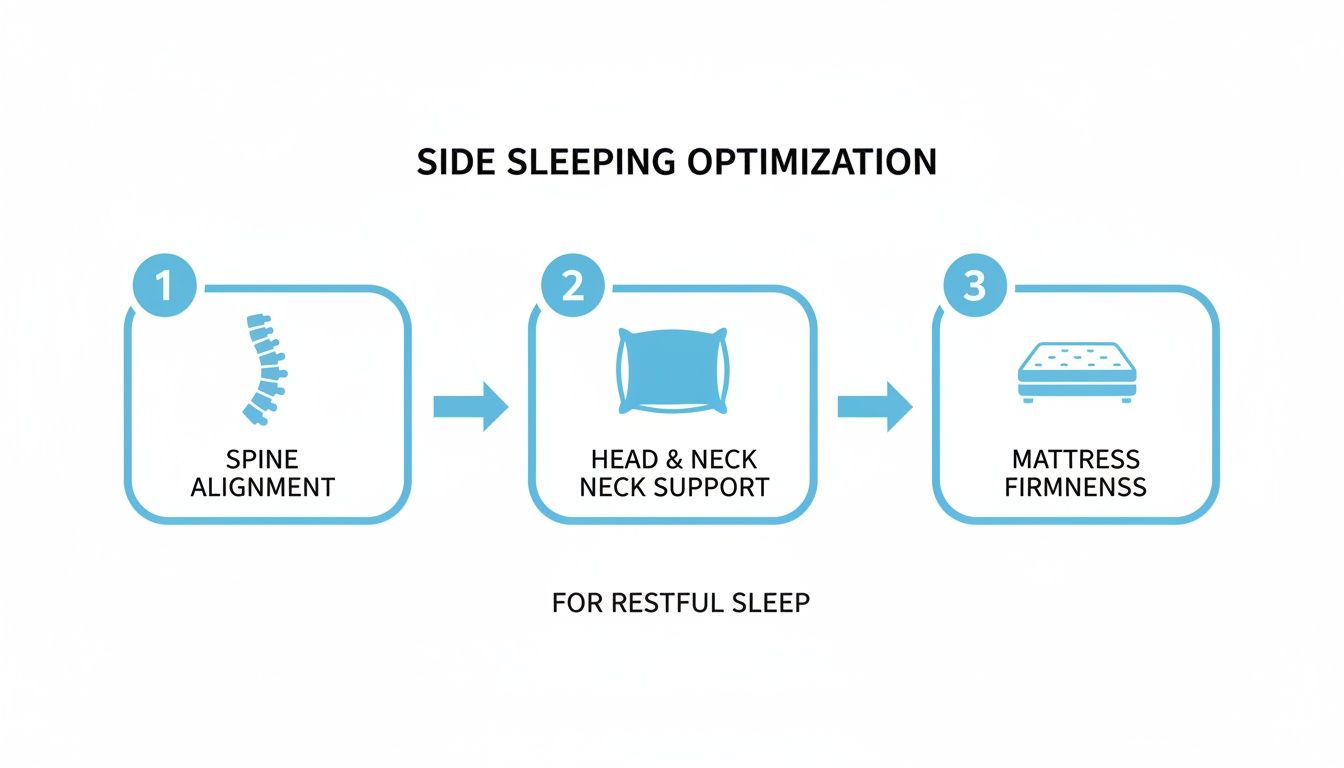
As you can see, it boils down to getting your spine, pillows, and mattress to work together as a team. You'd be surprised how even a small tweak can make a massive difference in how you feel when your alarm goes off.
The Head and Neck Connection
Your head and neck are basically the command center for your entire alignment. If your pillow is too high or too low, it's forcing your neck into an awkward, unnatural bend for hours on end. No wonder you wake up feeling like you've been in a wrestling match.
The goal is simple: fill the space between your ear and the mattress, keeping your neck perfectly in line with the rest of your spine.
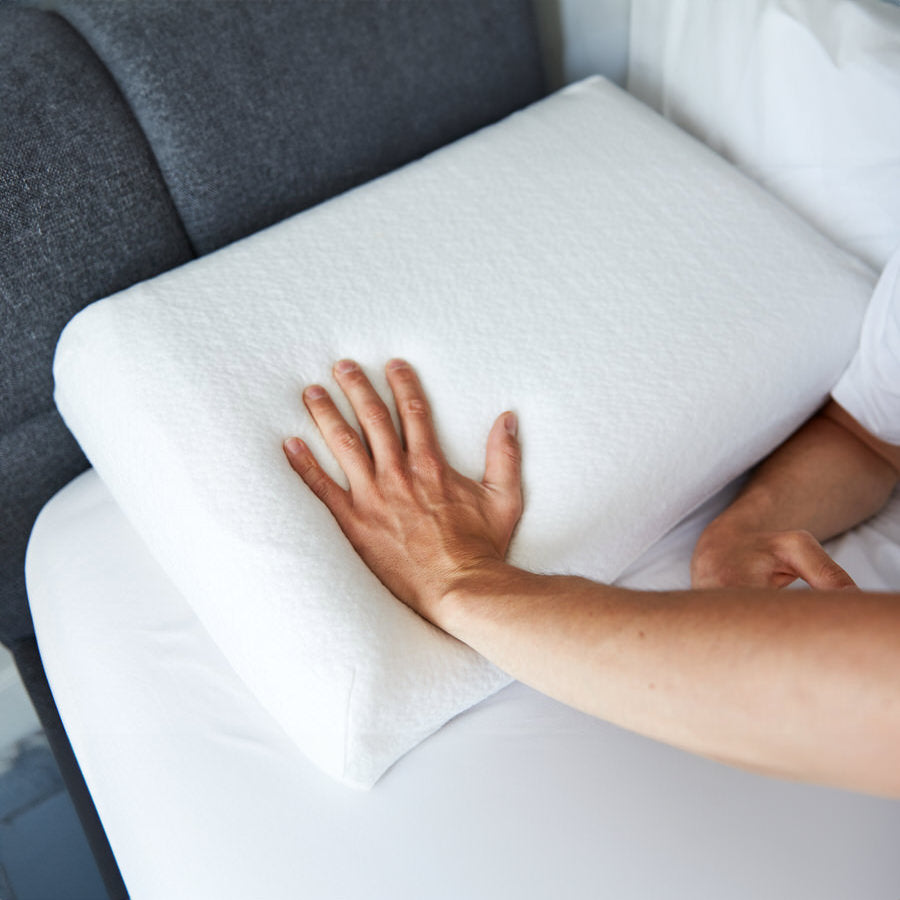
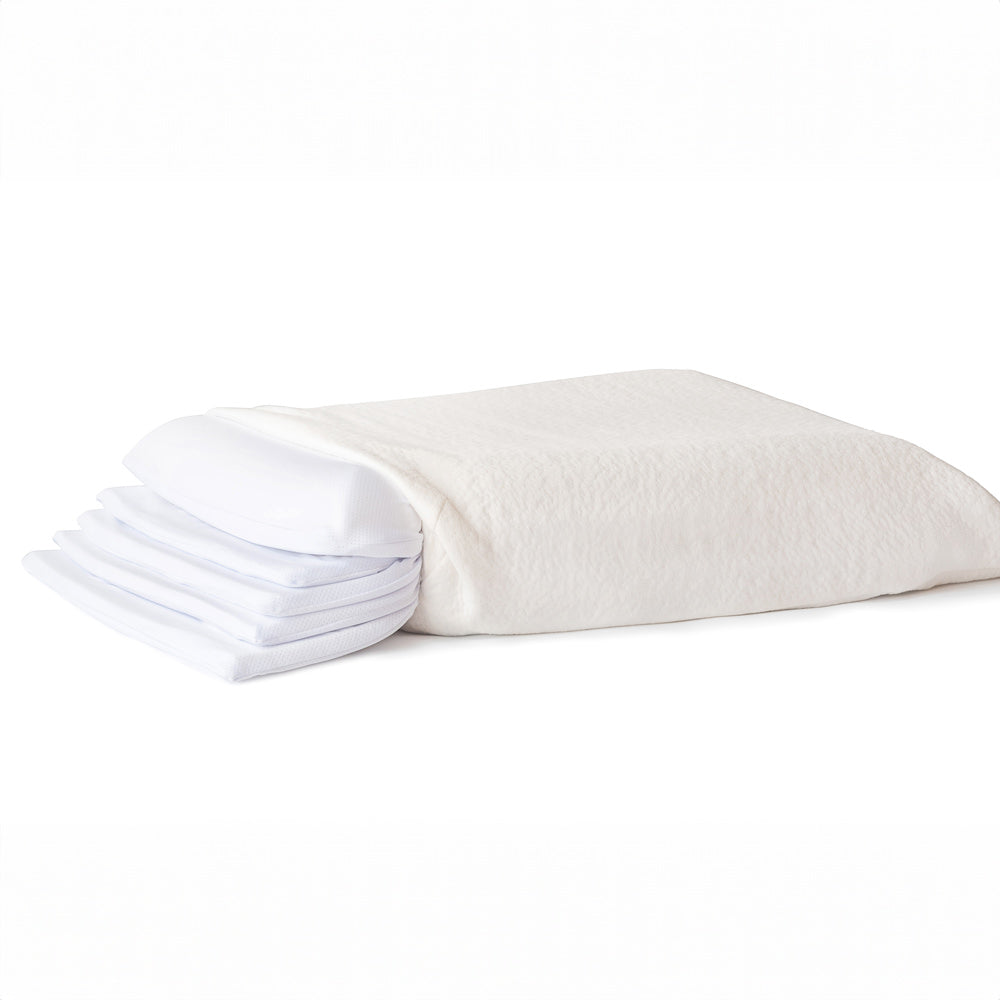
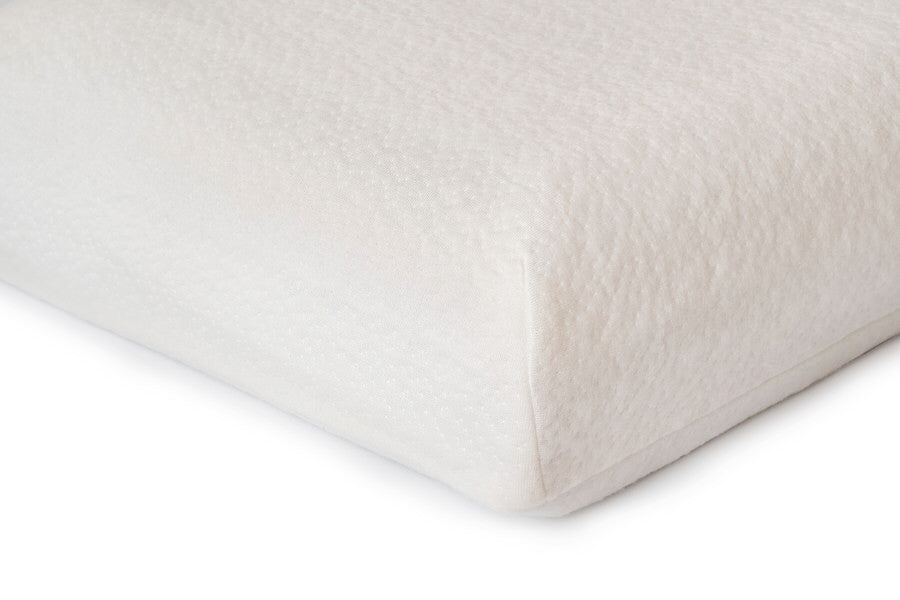
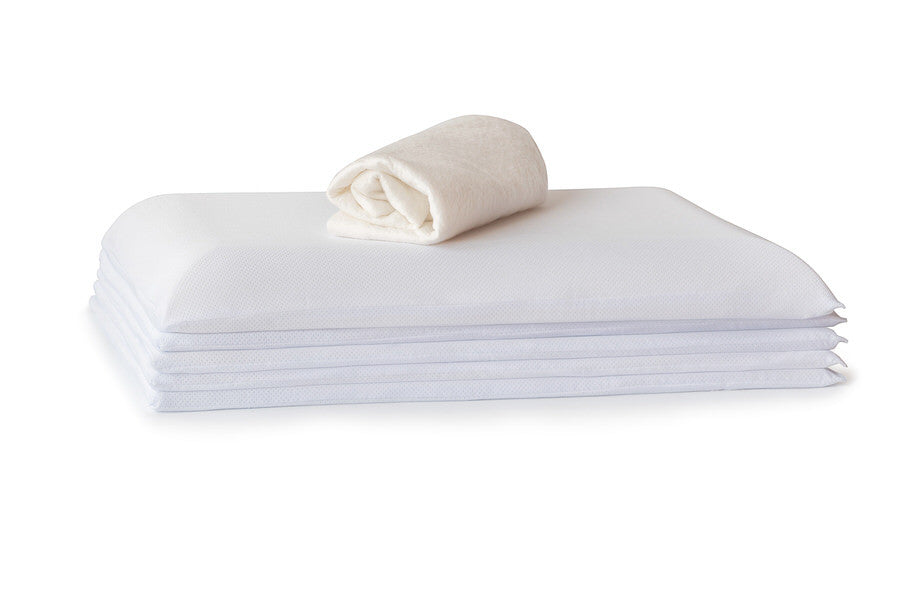
Picture your head tilting down toward the mattress—that's a classic sign your pillow is too flat. If it's being pushed up at an angle, your pillow is too thick. This is where an adjustable memory foam pillow can be a game-changer, since you can add or remove fill to find that "just right" height for your body.
A correctly supported neck doesn't just prevent stiffness. It also helps maintain an open airway, which can seriously cut down on snoring and improve your breathing all night long.
Stabilizing Your Hips and Lower Back
Once your head is in a good spot, the next critical area to address is your lower body. When you're on your side, your top leg has a natural tendency to slide forward and down. It might not seem like a big deal, but this small movement pulls on your pelvis and twists your lower back out of alignment.
This is exactly why a pillow between your knees is non-negotiable for side sleepers. It acts as a spacer, keeping your hips stacked neatly over one another and your pelvis in a neutral position. Honestly, this simple addition might be the single most effective thing you can do to prevent lower back and hip pain.
Ready to try it? Here are a few tips to put into practice tonight:
- Pick the right knee pillow: A firm pillow is your best bet here. A soft, squishy one will likely compress too much as the night goes on. You can grab a dedicated knee pillow, but a firm couch cushion can also work in a pinch.
- Check your leg position: Try to keep your knees slightly bent. Pulling them up too high into a tight fetal position can actually round your spine and create more tension.
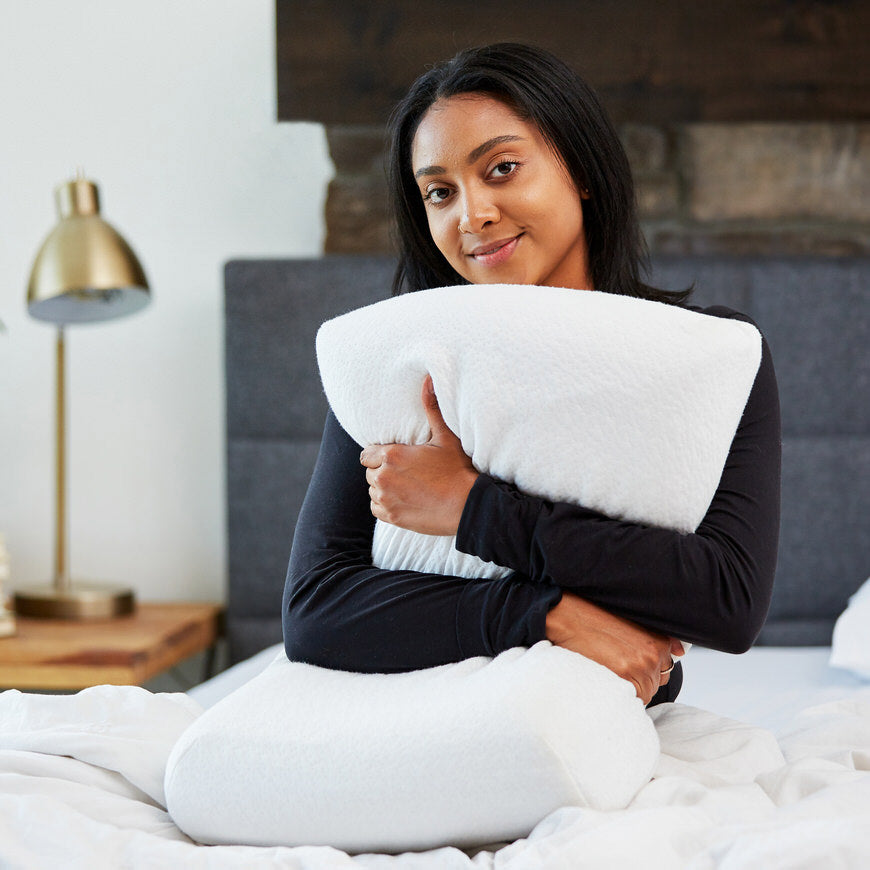
- Watch your arms: Avoid tucking your bottom arm under your head or pillow. That's a surefire way to wake up with numbness or shoulder pain. Instead, stretch it out in front of you. You can even hug another pillow to keep your top arm supported and comfortable.
Perfecting your side-sleeping alignment takes a little trial and error, but the payoff is huge. By focusing on these specific adjustments, you’re creating a supportive posture that lets your muscles and joints fully recover. The result? Waking up energized and completely pain-free.
Choosing the Right Gear for Your Side Sleeping Setup
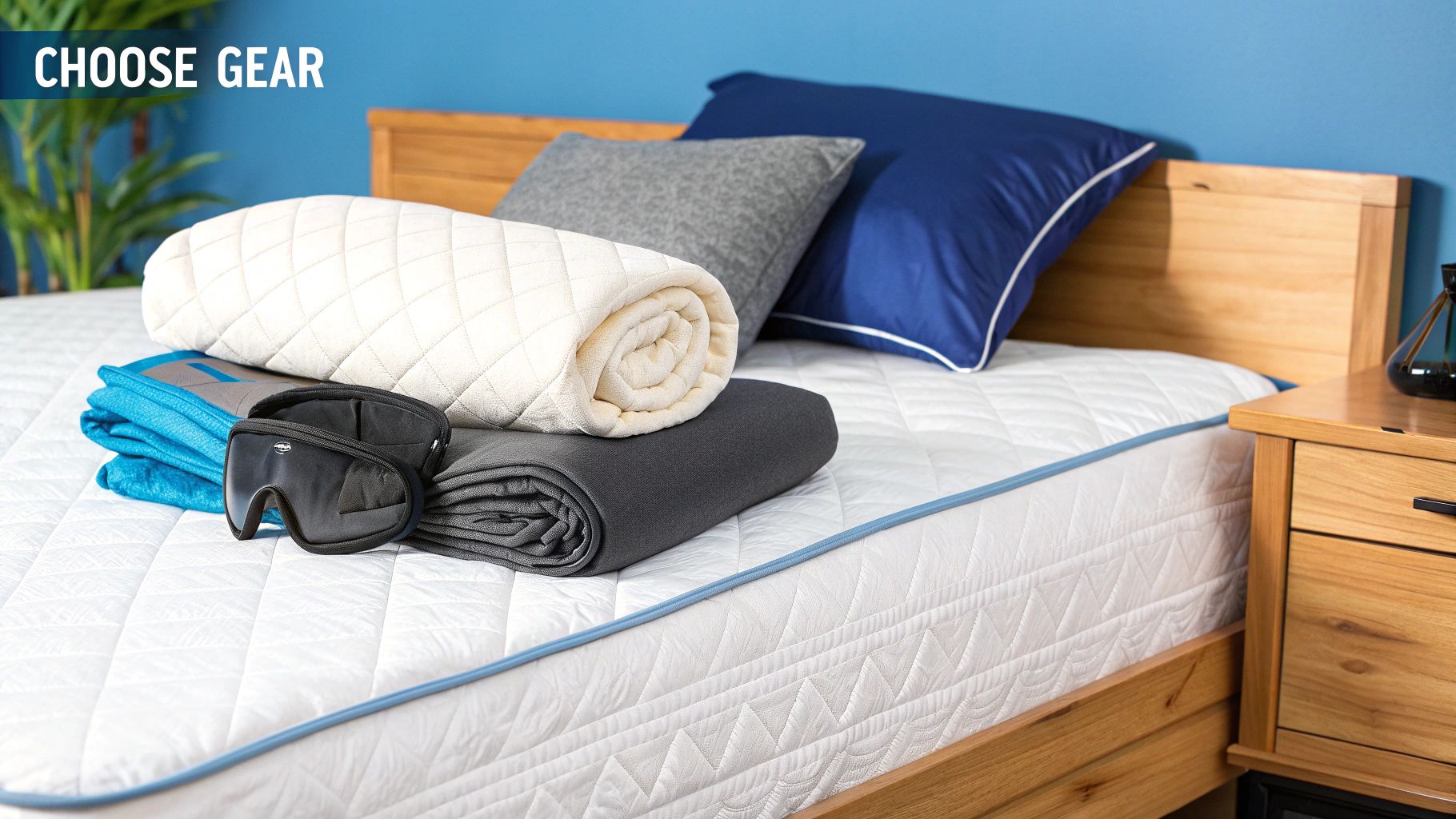
Getting your body into the right position is step one, but staying there all night? That's a different game entirely. Trying to achieve perfect side-sleeping alignment without the right gear is like trying to build a house without a hammer—frustrating and ultimately ineffective.
Your mattress and pillows are the most critical pieces of your sleep arsenal. They're not just for comfort; they're the tools that directly influence your posture for a third of your life. Getting this part right can dramatically change how you feel when you wake up.
Think of your bedding as an active support system. The right setup doesn't just feel good; it works hard all night to keep your spine straight, cushion your pressure points, and let your muscles finally, truly relax. Investing here is a direct investment in waking up refreshed and pain-free.
Selecting the Perfect Side Sleeper Pillow
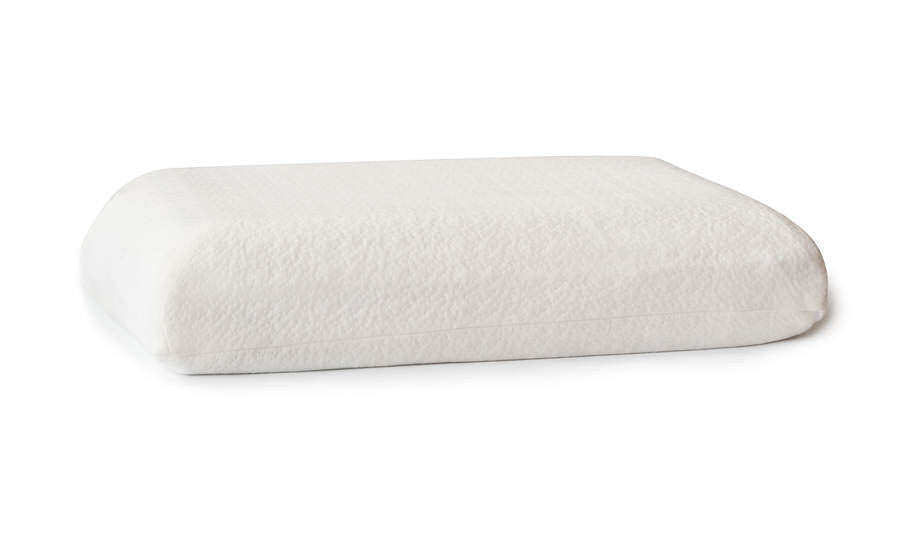
For a side sleeper, a pillow isn't just a fluffy afterthought. It's a crucial piece of structural support. Its main job is to perfectly fill that gap between your ear and the mattress, keeping your neck in a straight line with the rest of your spine.
If your pillow is too thin, your head droops down, creating an awful kink in your neck. Too thick, and your head is pushed up at an awkward angle. Both will leave you feeling stiff and sore in the morning.
This is where pillow loft, or its height, becomes the single most important factor. The right loft for you boils down to your unique body shape—specifically, your shoulder width—and how firm your mattress is. Someone with broader shoulders will naturally need a thicker pillow. Likewise, if you sink into a soft mattress, you might need a thinner one to compensate.
Finding that "just right" balance can feel like an endless cycle of buying and returning pillows. This is exactly why an adjustable pillow is a game-changer. It lets you add or remove fill to customize the height and firmness, guaranteeing a perfect fit for your body.
As you hunt for the perfect pillow, you'll find memory foam is a fantastic choice. It contours to the specific shape of your head and neck, offering consistent support that won't go flat halfway through the night. To get a better feel for what's out there, you can explore some of the best memory foam pillows for side sleepers and see how different designs work for different needs.
A quick reference can help you dial in the right height before you even buy.
Pillow Loft Guide for Side Sleepers
Your shoulder width and mattress firmness work together to determine your ideal pillow loft. A wider frame needs more support, while a softer bed lets you sink in more, reducing the space the pillow needs to fill.
| Shoulder Width | Mattress Firmness | Recommended Pillow Loft |
|---|---|---|
| Narrow | Soft | Low Loft (3-4 inches) |
| Narrow | Medium | Medium Loft (4-5 inches) |
| Narrow | Firm | Medium Loft (4-5 inches) |
| Average | Soft | Medium Loft (4-5 inches) |
| Average | Medium | High Loft (5+ inches) |
| Average | Firm | High Loft (5+ inches) |
| Broad | Soft | Medium Loft (4-5 inches) |
| Broad | Medium | High Loft (5+ inches) |
| Broad | Firm | High Loft (5+ inches) |
This table is a great starting point, but remember that personal comfort is king. Use it to narrow down your options, then fine-tune from there.
Finding the Right Mattress for Pressure Relief
Your mattress plays an equally vital role, particularly for your hips and shoulders. When you sleep on your side, these two areas bear the brunt of your body weight. A mattress that’s too hard will feel like sleeping on a board, creating painful pressure points. But one that's too soft will let your hips sink way too far, throwing your spine completely out of alignment.
This is why a medium-firm mattress is so often hailed as the holy grail for side sleepers. It provides that perfect blend of contouring support and pressure-relieving cushion.
Here’s a quick breakdown of the most common types to help you find your match:
- Memory Foam: This material is famous for conforming closely to your body's curves. It offers exceptional pressure relief, which is a huge win for shoulders and hips.
- Latex: If you want pressure relief but don't love the "sinking" feeling of memory foam, latex is your answer. It has a more responsive, buoyant feel while still cushioning your joints.
- Hybrid: Can't decide? A hybrid might be perfect. It combines the sturdy support of innersprings with the top-layer comfort of foam or latex, offering a balanced feel that works wonders for many side sleepers.
Ultimately, the goal is to find a surface that lets your shoulders and hips sink in just enough to keep your spine perfectly straight. When your mattress and pillow work together in harmony, you've unlocked the secret to a comfortable, healthy, and restorative night's sleep on your side.
Troubleshooting Common Side Sleeping Problems
So you’ve done everything right—you’ve got your alignment dialed in and invested in some good gear, but you’re still running into trouble. Waking up with a numb, tingly arm or a sore shoulder can make you wonder if side sleeping is even worth the effort.
Trust me, it is. The good news is that these common complaints usually have simple, practical fixes. Think of these pains not as a sign that side sleeping is bad for you, but as your body sending you a signal that it needs a small tweak. By addressing these specific pressure points, you can fine-tune your position and finally get the restorative, pain-free sleep you've been chasing.
Getting Rid of Shoulder and Hip Pressure
Shoulder pain is, without a doubt, the number one complaint I hear from side sleepers. It’s what happens when you let too much of your body weight crush that delicate joint for hours on end. Your bottom shoulder feels the squeeze, and your top one tends to slump forward, creating even more strain.
The key is to create space and spread your weight out a bit. A surprisingly effective trick is to hug a firm pillow. This simple move props up your top arm, stopping your shoulder from rolling forward and causing your chest to collapse. You can also try shifting your weight back just a tiny bit, so you’re resting more on your shoulder blade instead of directly on the joint itself.
When it comes to hip pain, the solution almost always comes back to that all-important pillow between your knees.
Don't skimp here. The pillow needs to be thick and firm enough to hold your top leg perfectly parallel to the mattress. If it's too flimsy, your hip will still dip down, putting stress right back on the joint and your lower back.
Waking Up to Numb Arms and Pins and Needles
That alarming "pins and needles" sensation when you wake up to a dead arm is both scary and annoying. It's usually caused by compressing a nerve or cutting off blood flow, and the main culprit is almost always tucking your bottom arm under your head or pillow.
To break this habit, you have to be conscious about where your arms are before you drift off.
- Your Bottom Arm: Extend it out in front of you on the mattress, slightly bent. Whatever you do, don't put it under your pillow.
- Your Top Arm: Let it rest on the body pillow you're hugging, or just drape it comfortably over your side.
This setup keeps your circulation moving freely and stops your body from putting pressure on the sensitive nerves in your armpit and shoulder. It might feel a little awkward at first, but it won't take long for your body to get used to the new, much healthier position.
Using Your Position to Quiet Snoring
While we’ve been focused on solving problems, side sleeping is actually a powerful solution for another common issue: snoring. It's one of the best natural remedies out there and can even help manage the symptoms of mild sleep apnea. The magic is just gravity—this position helps keep your airway from becoming obstructed.
Snoring is incredibly common, affecting roughly 57% of men and 40% of women in the United States. For many, it's more than just a noisy habit; up to 70% of snorers also have sleep apnea, a serious condition. You can dig into more of these stats over at NapLab.
By simply shifting to your side, you stop the base of your tongue from falling back and blocking your throat. That one change is often enough to open up your airway, leading to quieter nights and better oxygen flow for both you and anyone you share a bed with.
Optimizing Your Bedroom for Distraction-Free Sleep

Getting your body aligned is a huge step toward mastering side sleeping, but it's only half the battle. Your environment—especially sound and light—plays a massive part in whether you can actually relax enough to drift off and stay asleep. A quiet, dark room is a powerful signal to your brain that it’s time to power down.
Think of it this way: creating the right sleep environment is just as important as your physical setup. It's all part of implementing good sleep hygiene practices. For a lot of us, the biggest hurdle is sound—whether it’s a snoring partner, city traffic, or the neighbor’s late-night TV habit.
Managing Sound Without Discomfort
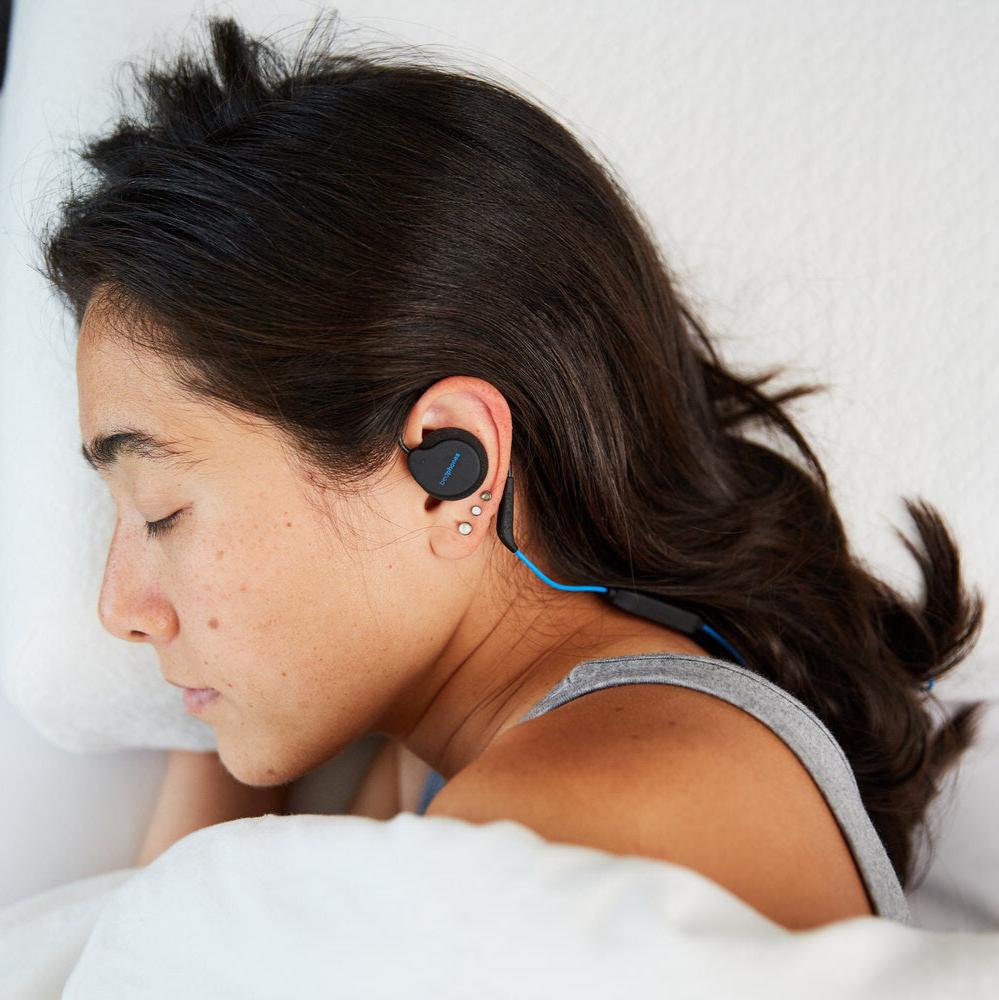
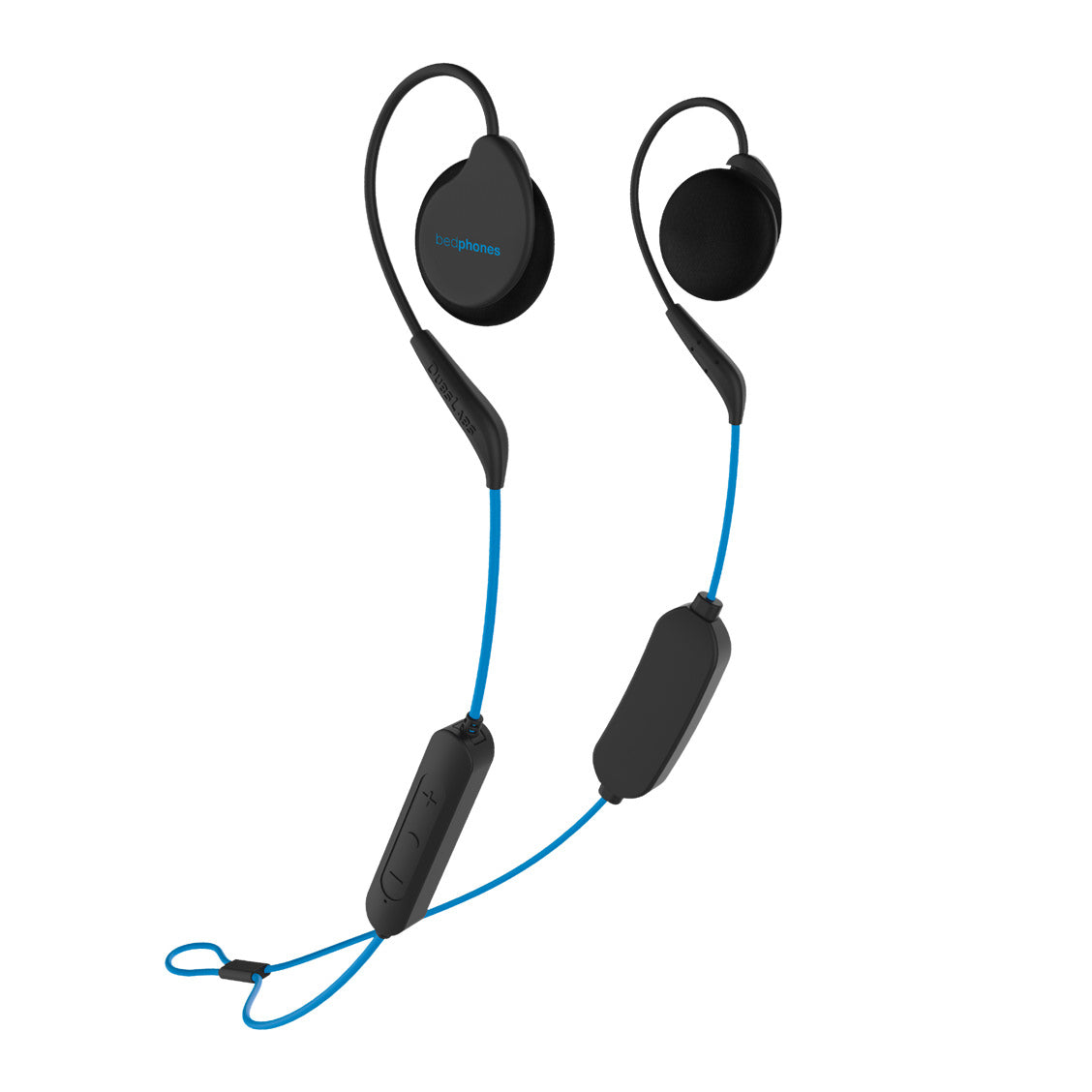
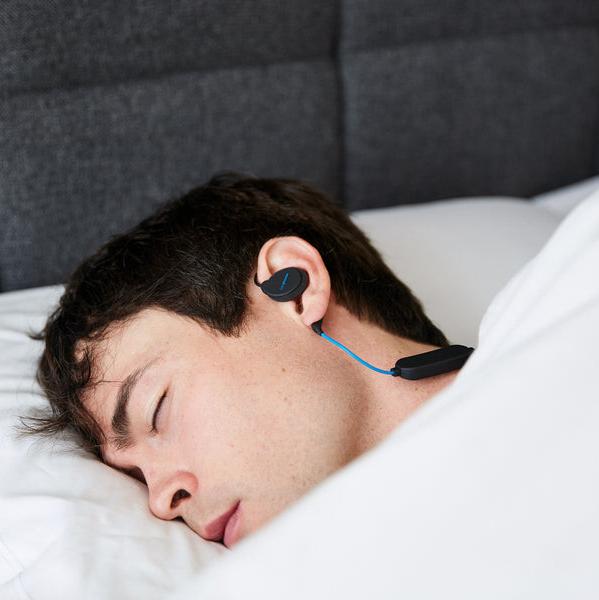
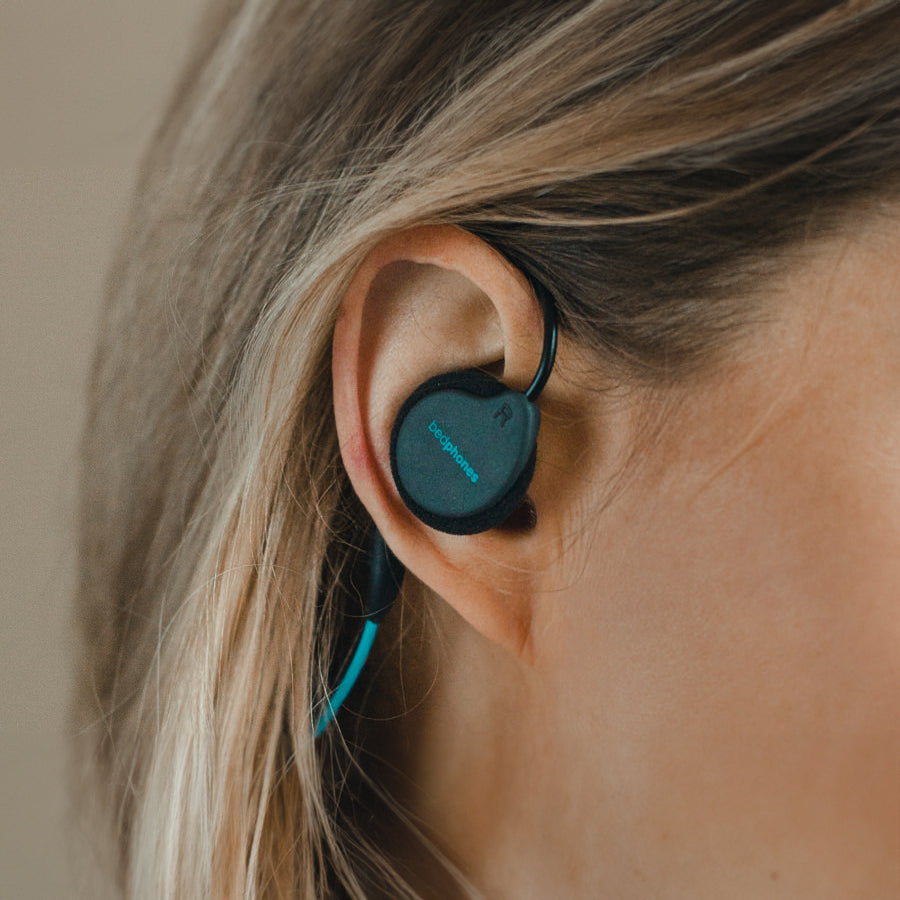
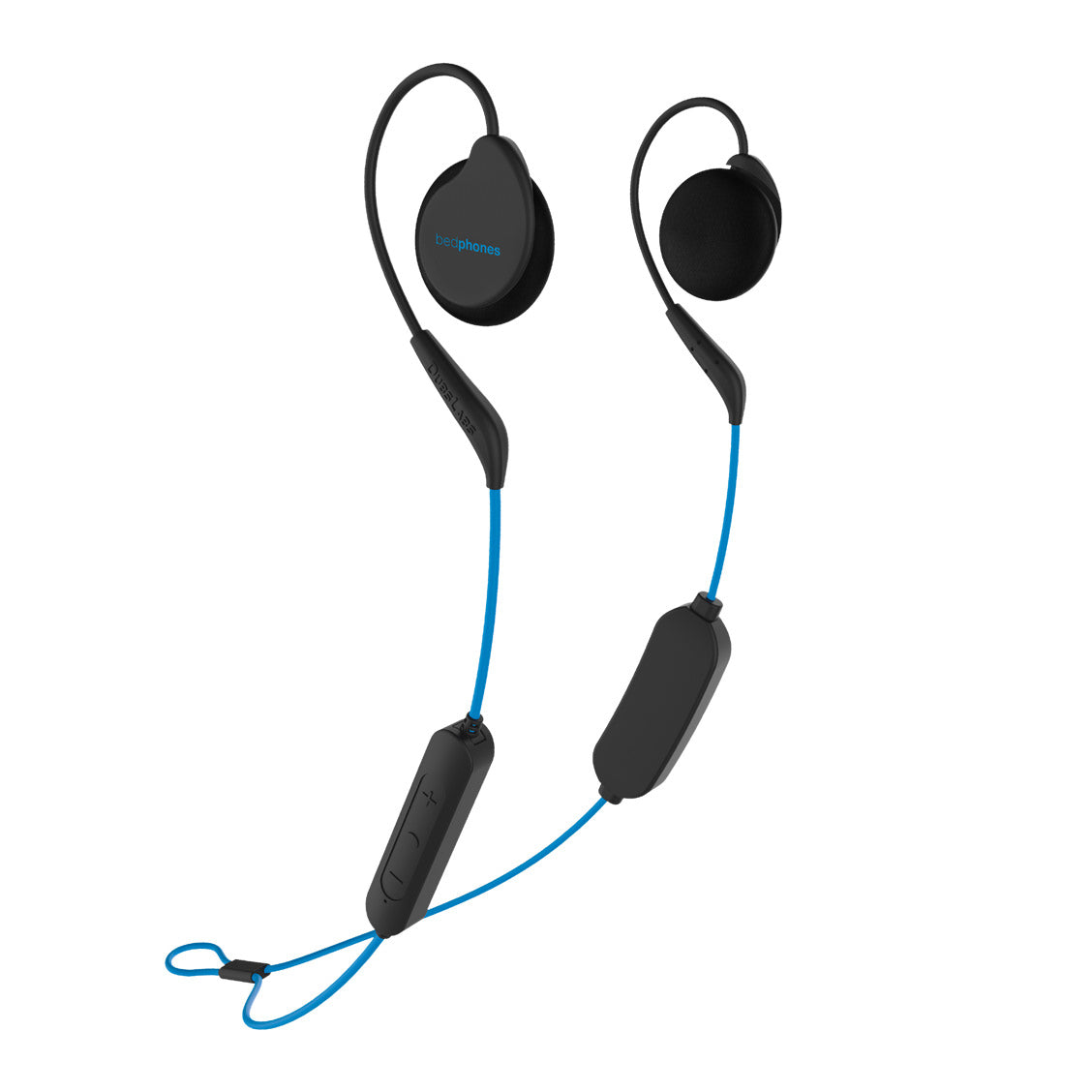
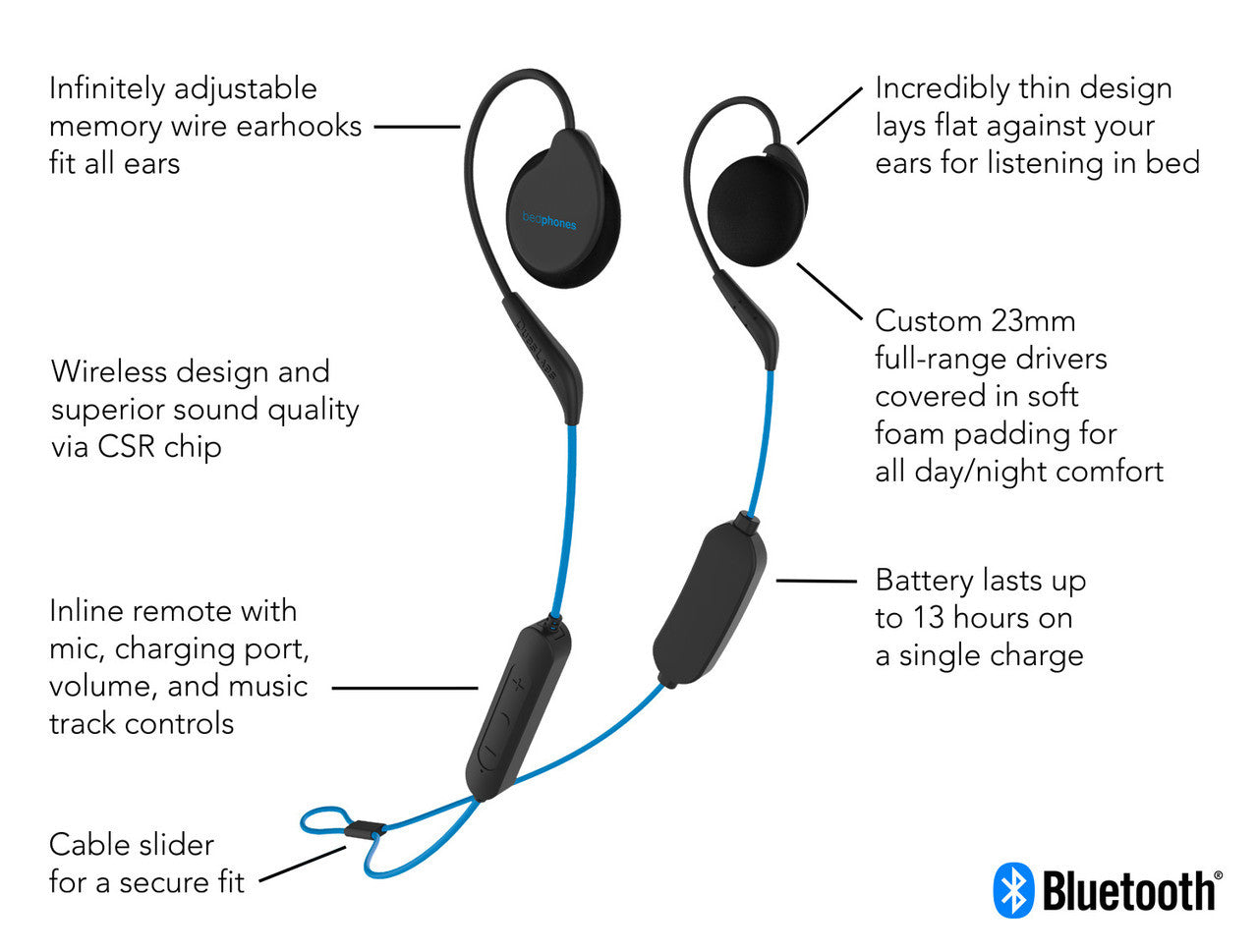
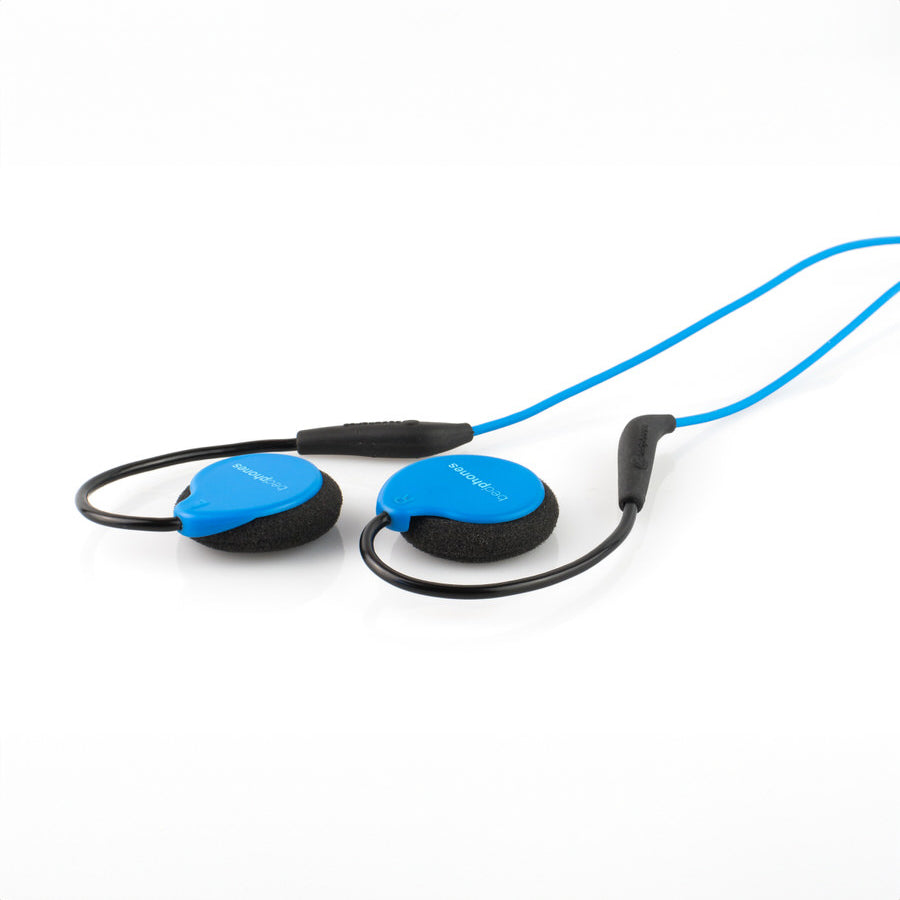
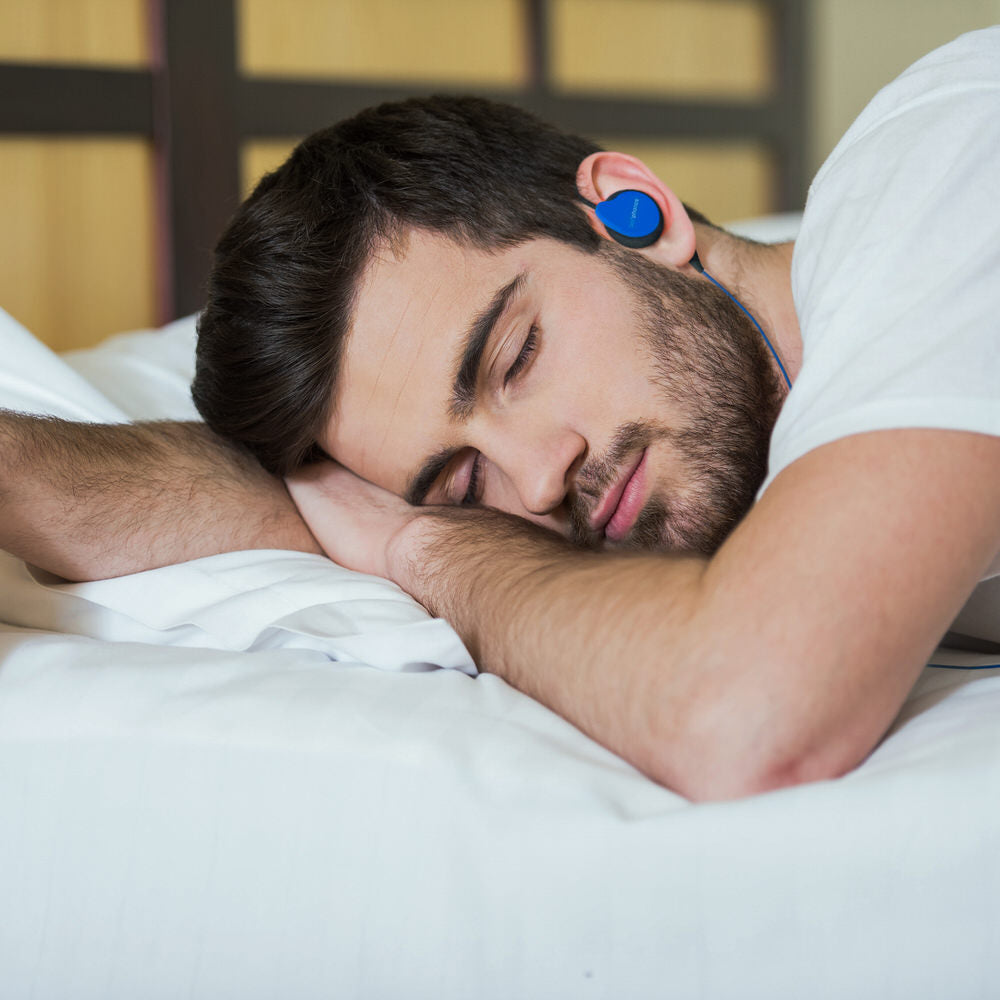
Many people reach for headphones to block out noise or play something calming, but this creates a whole new problem for side sleepers. Traditional earbuds dig painfully into your ear canal, and bulky over-ear headphones make it flat-out impossible to lie on your side comfortably. The pressure they create can lead to sore ears in no time, completely defeating the purpose.
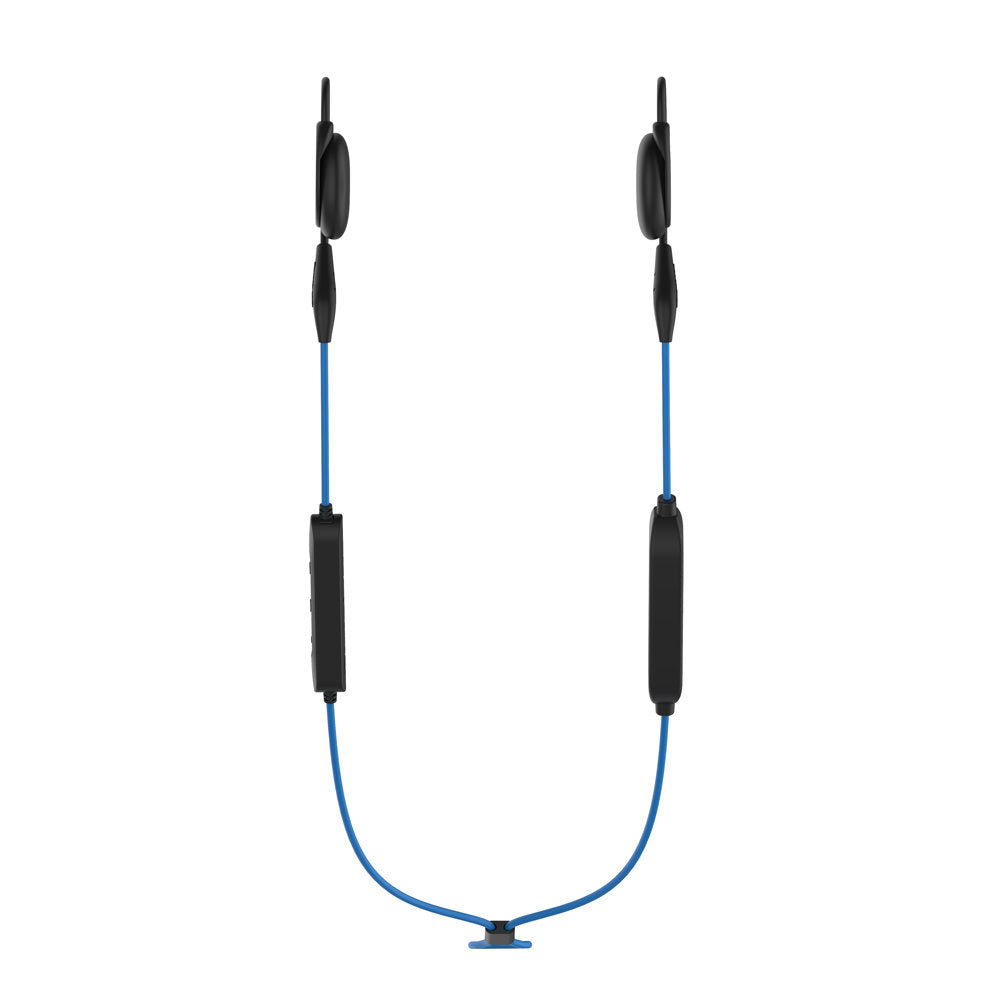
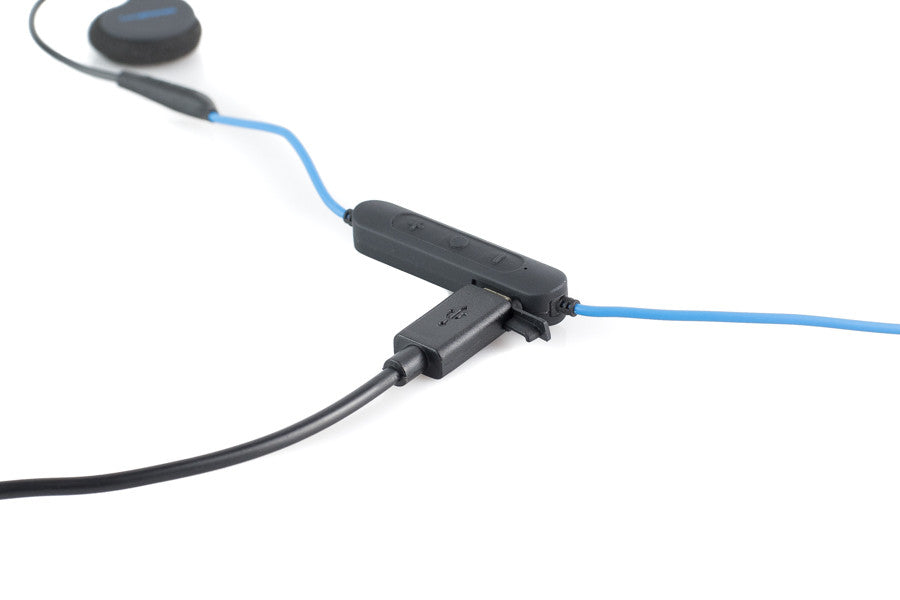
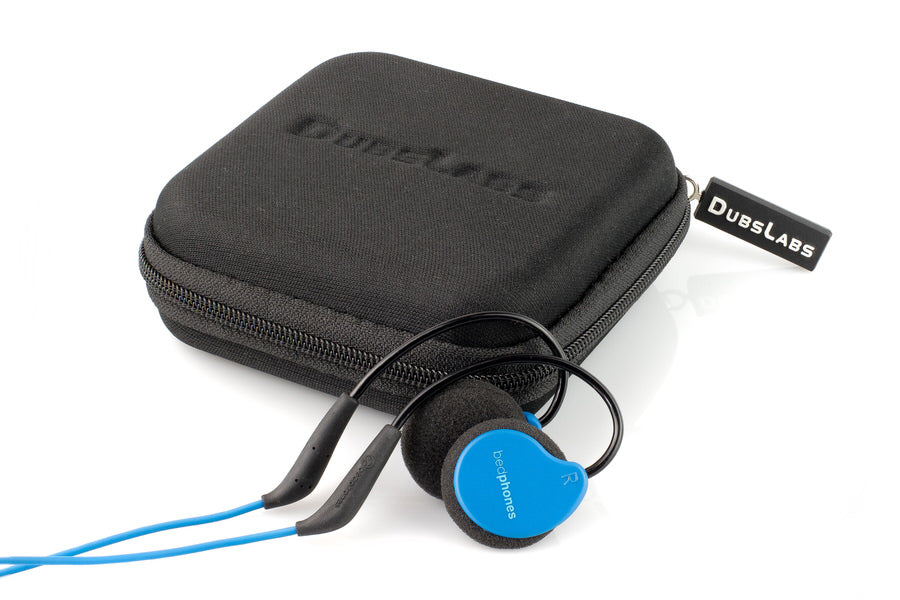
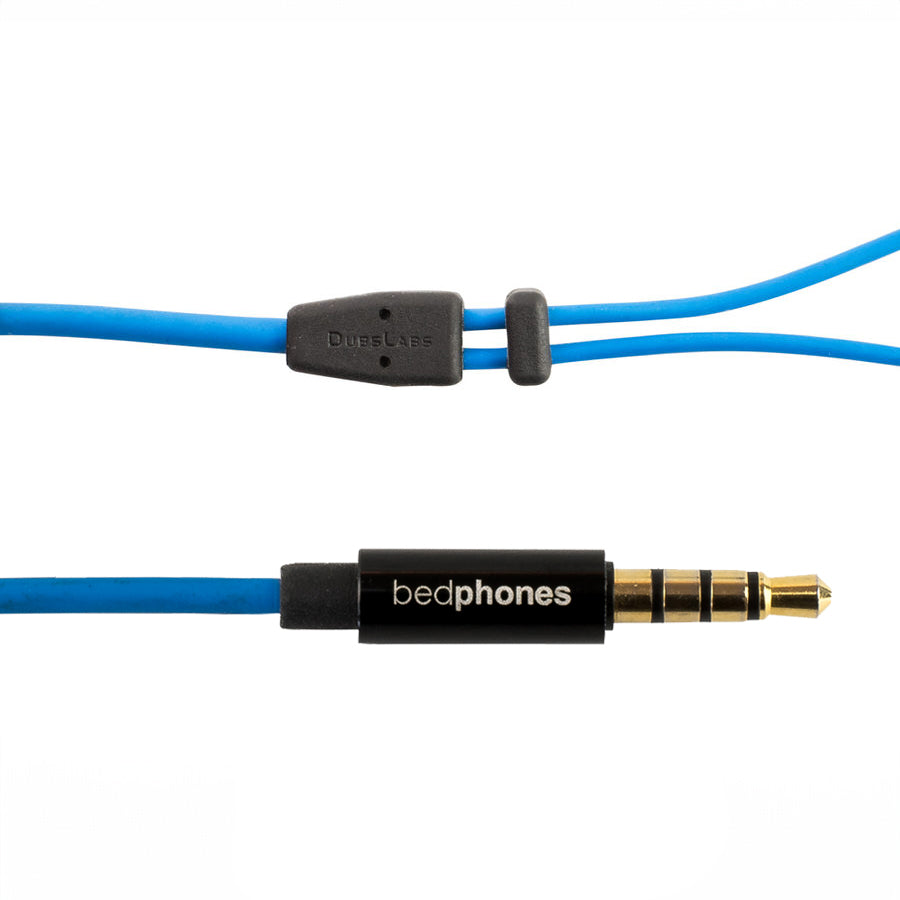
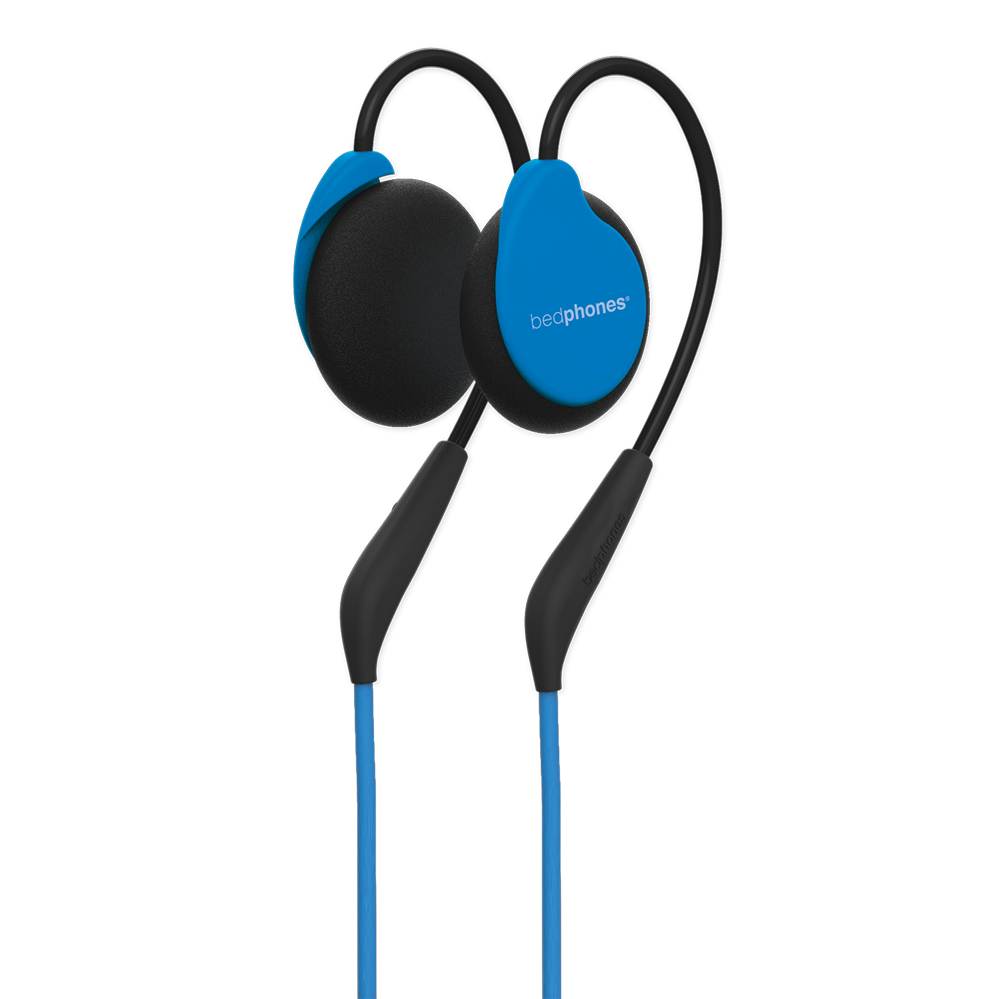
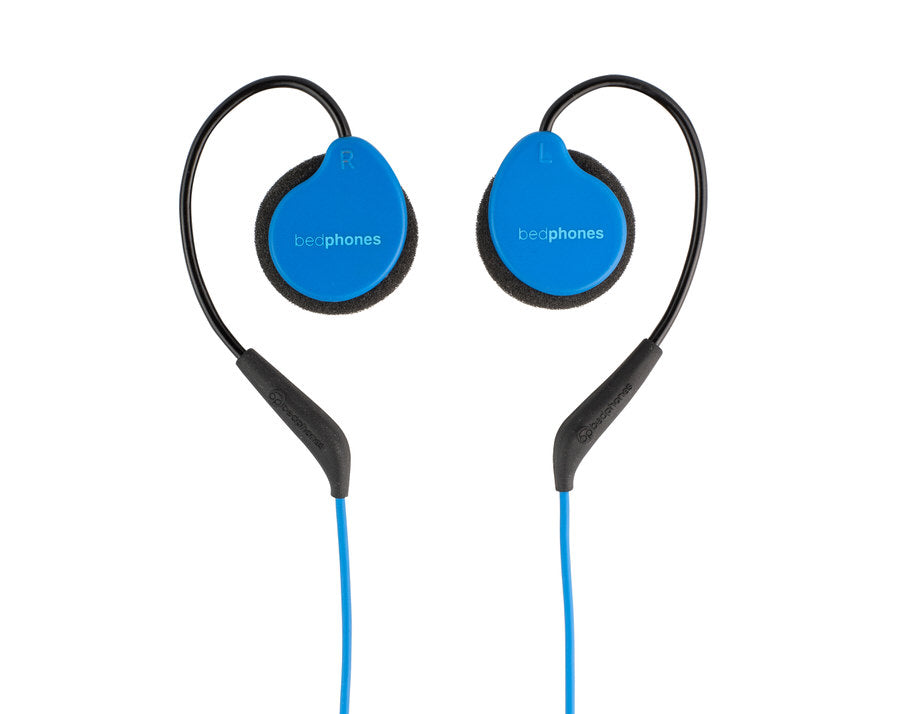
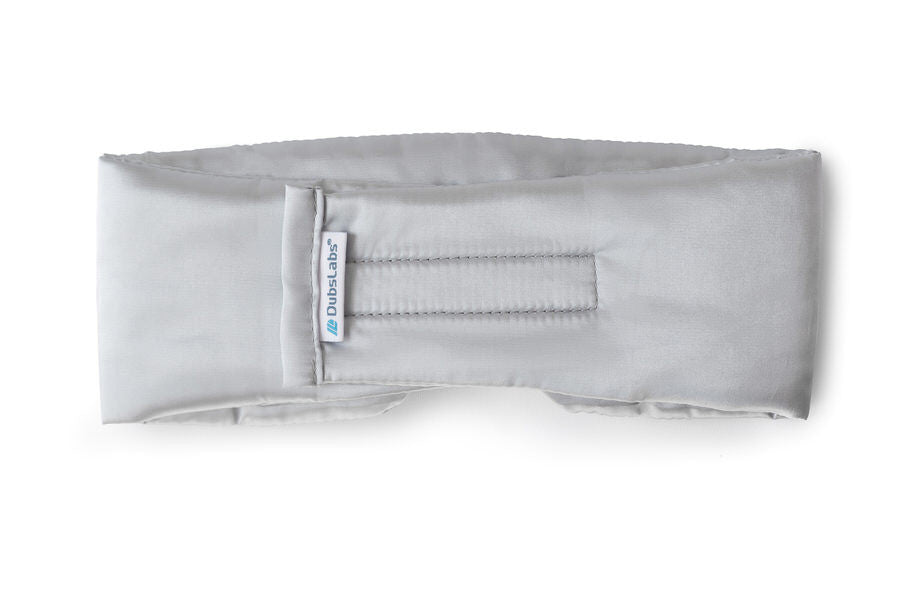
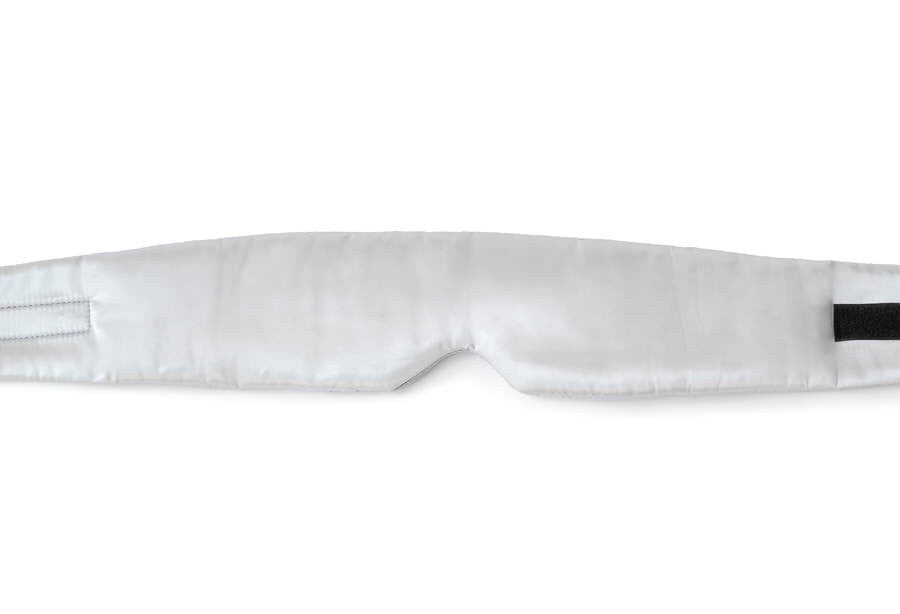
This is exactly where ultra-thin sleep headphones like DubsLabs Bedphones come in. They were designed specifically for this problem, with incredibly thin, cushioned earpieces that lie flat against your ear. You can listen to white noise, a podcast, or a guided meditation without feeling any of that uncomfortable pressure against your pillow.
The ability to comfortably block out distractions is a game-changer for side sleepers. It allows you to create a personal sound oasis, helping your mind switch off and your body relax into a deep, restorative sleep.
If you’re someone who prefers pure silence, you’ve still got options. For a deep dive, check out our guide on the best earplugs for side sleepers, where we explore different materials and designs that won't cause that dreaded ear pain.
Achieving Total Darkness
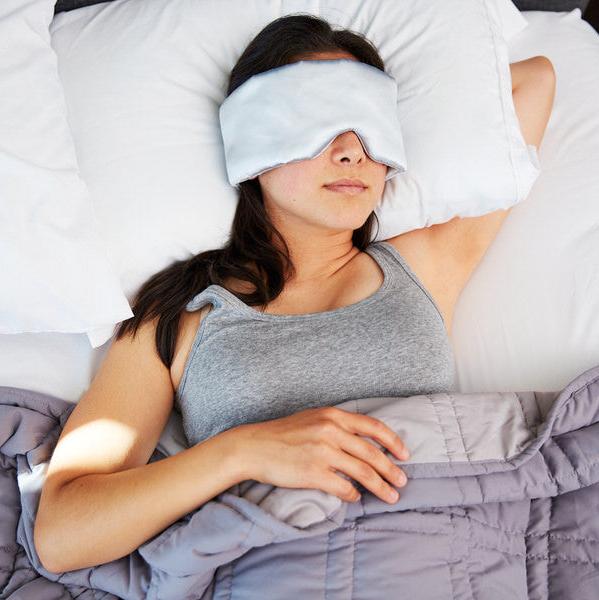
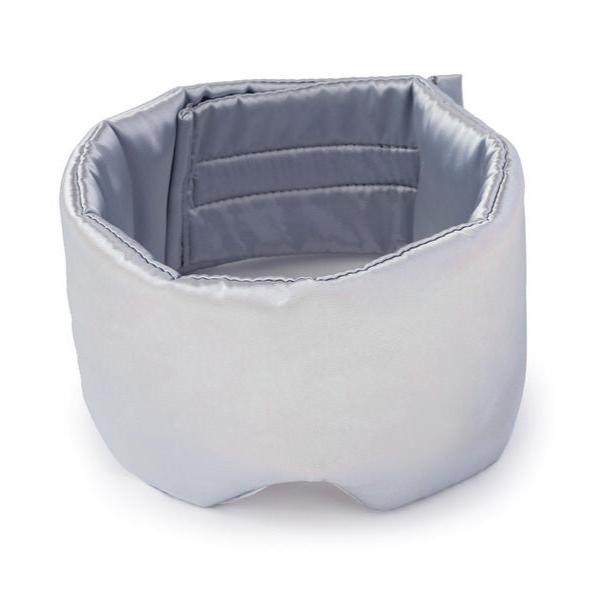
Just as crucial as sound is light. Even a tiny bit of light peeking through—from streetlamps, electronics, or an early sunrise—can mess with your sleep cycle. Pairing your audio solution with a great sleep mask can create a complete sensory deprivation experience that encourages much deeper rest.
When you're shopping for a mask, look for one that offers:
- Total Blackout: It needs to block all ambient light without squishing your eyelids.
- Comfortable Fit: A soft, adjustable strap is key to making sure it stays put without feeling like a headband from the 80s.
- Molded Eye Cups: These are fantastic because they create space around your eyes, allowing for natural REM movement while you dream.
By taking control of both the sound and light in your room, you’re not just optimizing your space—you're building a sleep sanctuary. This complete approach helps ensure that once you’ve found that perfect side-sleeping position, nothing will get in the way of a truly peaceful night.
Got Questions About Side Sleeping? We've Got Answers.
Even after you've got the basics down, a few nagging questions always seem to pop up. Think of this as your quick-reference guide for troubleshooting those last few hurdles on your journey to becoming a master side sleeper. We've tackled the most common ones we hear.
Left Side vs. Right Side: Does It Matter?
While your personal comfort is always king, health experts often give the nod to sleeping on your left side. Why? This position can actually help with digestion and improve circulation. It’s especially recommended during pregnancy to make sure blood flow is optimal for both mom and baby.
On the flip side, snoozing on your right side can sometimes make issues like heartburn worse, especially if you're prone to acid reflux.
Ultimately, the best advice is to just listen to your body. If you feel any pain or discomfort on one side, don't be a hero—switch to the other. The real goal is to keep that spine nice and straight, no matter which side you end up on.
How Do I Stop My Arm from Falling Asleep?
Ah, the dreaded "pins and needles." Waking up with a dead arm is a classic side-sleeper problem, and it’s a sign you’re compressing a nerve or cutting off blood flow. Usually, the culprit is tucking your arm directly under your head or pillow.
Luckily, the fix is pretty simple. You just have to get your arm out of that awkward spot.
- Free your bottom arm: Instead of trapping it under your pillow, try extending it out in front of you.
- Support your top arm: This is where a body pillow is your best friend. Hugging one props up your top arm and stops your shoulder from collapsing forward into a painful position.
Play around with a few different positions. You'll quickly find what feels natural and keeps the circulation going all night long.
How Long Does It Take to Get Used to Sleeping on My Side?
This really varies from person to person, but most people can adapt to a new sleeping position within a few days to a couple of weeks. Consistency is everything when you're trying to make a new habit stick.
The faster you can make the new position comfortable, the quicker you'll adjust. Using the right pillows from night one—one with the perfect height for your head and another wedged between your knees—makes a world of difference.
If you wake up and find you've rolled back to your old position, don't get frustrated. Just gently guide yourself back to your side. Be patient with yourself. You're teaching your body to unlearn years of old habits and recognize this healthier posture as its new normal for rest.
Ready to build your perfect sleep sanctuary? DubsLabs offers a whole suite of products designed for ultimate comfort, from our adjustable memory foam pillows to our ultra-thin Bedphones for side sleepers. Find your best night's sleep at https://www.dubslabs.com.