Picture your mind as a busy city street, humming with the fast-paced energy of the day. A delta binaural beat is like a skilled traffic controller, gently slowing everything down to a calm, steady flow, guiding you into the deep, quiet avenues of restorative sleep. This guide is your map to understanding how this simple audio tool can become your best ally for getting profound rest.
Your Path to Restorative Sleep Starts Here
Here's the core idea: by playing two slightly different sound frequencies in each ear, your brain creates a third, phantom beat. This beat is tuned to the delta brainwave state—the exact frequency needed for deep healing and rest. We’ll unpack this process, called brainwave entrainment, in a way that makes sense. You'll see exactly how sound can help you quiet a restless mind and get the sleep your body is craving.
Think of your brain like it has different gears for different activities. When you're awake and focused, it's in a high gear, like Beta. But when you’re in your deepest sleep, it shifts down to the slowest gear—Delta.
A delta binaural beat track essentially helps your brain downshift smoothly into that deep sleep gear, which hums along between 0.5 to 4 Hz. This is the sweet spot where your body gets down to its most important work, like repairing tissues and locking in memories.
To give you a quick overview, here are the key facts about delta binaural beats.
Delta Binaural Beats Quick Facts
| Concept | Explanation | Primary Benefit |
|---|---|---|
| Binaural Beats | An auditory illusion where the brain perceives a third "beat" from two different frequencies played in each ear. | Gently guides brain activity towards a desired state (e.g., sleep). |
| Delta Waves | The slowest brainwaves (0.5-4 Hz), dominant during the deepest, most restorative stages of sleep. | Facilitates physical healing, cell repair, and memory consolidation. |
| Brainwave Entrainment | The process where the brain's electrical activity naturally synchronizes with an external rhythmic stimulus, like sound. | Encourages the brain to enter and stay in the delta state for longer. |
| How It Helps Sleep | Listening to delta binaural beats nudges the brain to slow down, mimicking the natural process of falling into deep sleep. | Reduces the time it takes to fall asleep and increases the duration of deep sleep. |
These beats offer a powerful, science-backed way to improve your sleep, right from the first listen.
Unlocking Deeper Rest with Sound
Listening to delta waves isn't about adding more noise to your night. It’s about giving your brain a subtle, consistent signal that encourages it to slow down on its own. This simple process can lead to some huge improvements in your nightly rest:
- Fall Asleep Faster: The gentle rhythm helps quiet the endless mental chatter that often keeps you staring at the ceiling, shortening the time it takes to drift off.
- Promote Deeper Sleep: By coaxing your brain into the delta state, these beats can help you spend more time in the most physically and mentally restorative stages of sleep.
- Wake Up Refreshed: More quality time in deep sleep means your body and mind get a real chance to recover, helping you wake up feeling genuinely energized and ready for the day.
While binaural beats offer a unique neurological shortcut to better rest, they work best as part of a holistic approach. For a wider look at creating a solid sleep routine, check out these practical tips for improving sleep quality. In this guide, though, we’ll focus specifically on how a delta binaural beat can be the star player in your quest for a better night's sleep.
The Science Behind Binaural Beats and Brainwaves
To get a handle on how a binaural beat delta track works, think of your brain's activity like the gears in a car. When you’re laser-focused on a tough problem, your brain is in fifth gear—firing off high-alert Gamma waves. But deep, restorative sleep? That requires shifting all the way down to first gear, into the slow, powerful rhythm of Delta waves. These beats are simply a tool to help your brain make that downshift smoothly.
The magic behind this is a fascinating neurological quirk known as the frequency-following response. It’s not woo-woo science; it’s a well-documented tendency of the brain to sync up its own electrical cycles with the rhythm of an outside stimulus, like sound.
How Your Brain Creates the Beat
It all starts when you listen to two slightly different tones through headphones, one for each ear. For example, your left ear might hear a pure tone at 100 Hz, while your right ear gets one at 104 Hz. On their own, they’re just simple sounds.
But your brain, trying to make sense of these two separate inputs, does something remarkable. It creates a third, phantom beat—an auditory illusion that pulses at the precise difference between the two frequencies. In our example, that’s 4 Hz, which falls right in the sweet spot for the Delta brainwave range (0.5-4 Hz). Your brain then starts to gently align its own activity with this new rhythm it created.
This diagram breaks down how those two separate sounds get processed into one binaural beat inside your head.
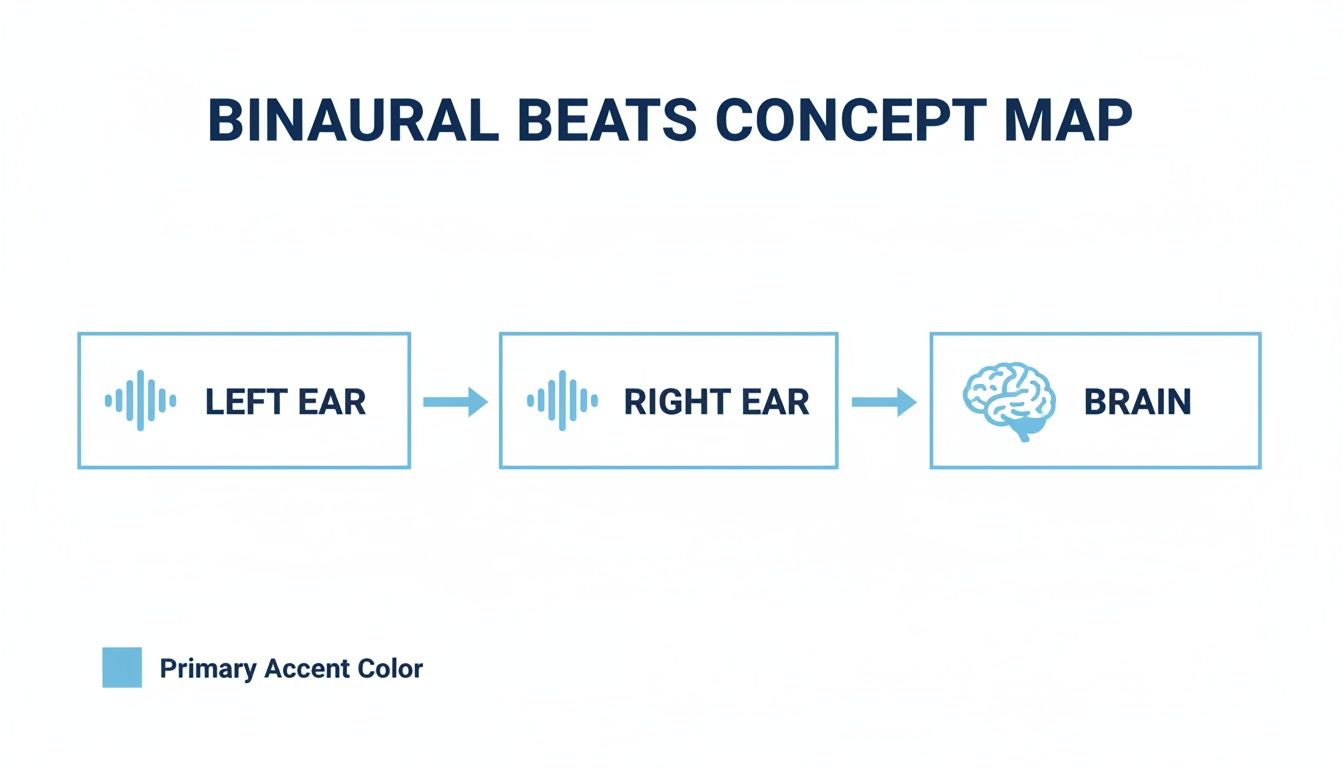
As you can see, the whole process relies on stereo separation. That’s why you absolutely need headphones for this to work.
The Neurological Shift into Deep Sleep
This gentle auditory nudge helps guide your brain into the N3 stage of non-REM sleep, which is hands-down the most restorative part of your entire night. During N3, your body gets down to some serious maintenance work:
- Physical Repair: Growth hormone is released, helping to repair tissue and build muscle.
- Immune System Support: Your immune system gets a tune-up, getting ready to fight off whatever might be coming its way.
- Memory Consolidation: The brain gets to work sorting through the day's information, filing important memories away for long-term storage.
By nudging your brain toward this state, a delta binaural beat doesn't force you to sleep. Instead, it creates the ideal neurological environment for deep, natural rest to happen on its own.
Think of it like tuning a guitar. When your mind is "out of tune" with stress and racing thoughts, that steady 4 Hz signal provides a perfect pitch, allowing your brainwaves to resonate and find the right frequency for rest.
And this isn't just theory. A compelling study looking at a 3-Hz binaural beat showed some pretty remarkable improvements in people's sleep. Researchers found that delta wave activity shot up while participants were listening. Even better, the deep sleep (N3) stage lasted longer, and people got into that stage much faster. You can dig into the full 3-Hz binaural beat study on sleep quality to see the data for yourself. The science shows a clear path from a simple sound to more profound rest.
Proven Benefits of Using Delta Waves for Sleep
Understanding the science is one thing, but what can a binaural beat delta track actually do for you? Let's get practical. The benefits go way beyond simple relaxation, targeting the common frustrations that keep so many of us from getting the deep, restorative sleep we desperately need.
Think of it this way: by gently encouraging your brain to sync up with its natural deep sleep frequency, these audio tracks offer tangible, research-backed improvements to your night.
The most immediate change you'll likely notice is falling asleep faster. For so many people, the moment their head hits the pillow, their mind starts racing—anxious thoughts, worries, and endless replays of the day. A delta wave track acts like a steady, calming anchor for your mind, giving it a simple rhythm to focus on instead of all that internal chaos. This helps quiet an overactive brain, slashing the time you spend just tossing and turning.
Less Tossing and Turning
One of the biggest hurdles to a good night's sleep is something called sleep latency—it's the technical term for how long it takes you to actually fall asleep. When this drags on, it's a classic sign of insomnia and general restlessness. This is where binaural beats really shine.
Clinical research has shown some pretty stunning results here. One study, for instance, found that listening to delta binaural beats cut the time it took for participants to fall asleep from over 19 minutes down to just 7 minutes.
That's a 62% reduction in sleep latency. For anyone who dreads that long, frustrating wait for sleep to come, that's a total game-changer. You can learn more about these sleep quality findings and how they highlight the real power of sound.
But it’s not just about falling asleep; it's also about staying asleep. Nighttime awakenings are sneaky sleep thieves. They constantly disrupt your sleep cycles, pulling you out of those deep, restorative stages before your body and brain can finish their essential repair work.
By promoting a stable delta wave state, binaural beats can help smooth out these disruptions, leading to longer stretches of uninterrupted rest. This means fewer moments of waking up at 3 AM and struggling to get back to sleep.
In fact, the very same study that saw the huge drop in sleep latency also found that the number of nightly awakenings fell by nearly 49% when participants used delta binaural beats. This translates directly to more consistent, solid sleep all night long.
Waking Up Truly Refreshed
At the end of the day, the real goal is to wake up feeling genuinely restored and ready to go. The single most important factor in achieving that feeling is the amount of time you spend in deep, slow-wave sleep. This is the stage where the magic happens—where your body does most of its physical and mental recovery.
By guiding your brain into that sweet spot of the 0.5-4 Hz delta frequency, these beats help you spend more time in this absolutely crucial sleep stage.
The result is a much deeper sense of restoration. You’re not just waking up; you’re waking up feeling like your mind and body have been fully recharged, ready to take on the day with clarity and energy.
How to Create Your Perfect Delta Sleep Session
Putting together an effective sleep session with a binaural beat delta track is a bit like brewing the perfect cup of tea—it's all about getting the right ingredients and setup. This is your practical, step-by-step guide to building a powerful sleep ritual that creates the ideal conditions for deep, restorative rest.
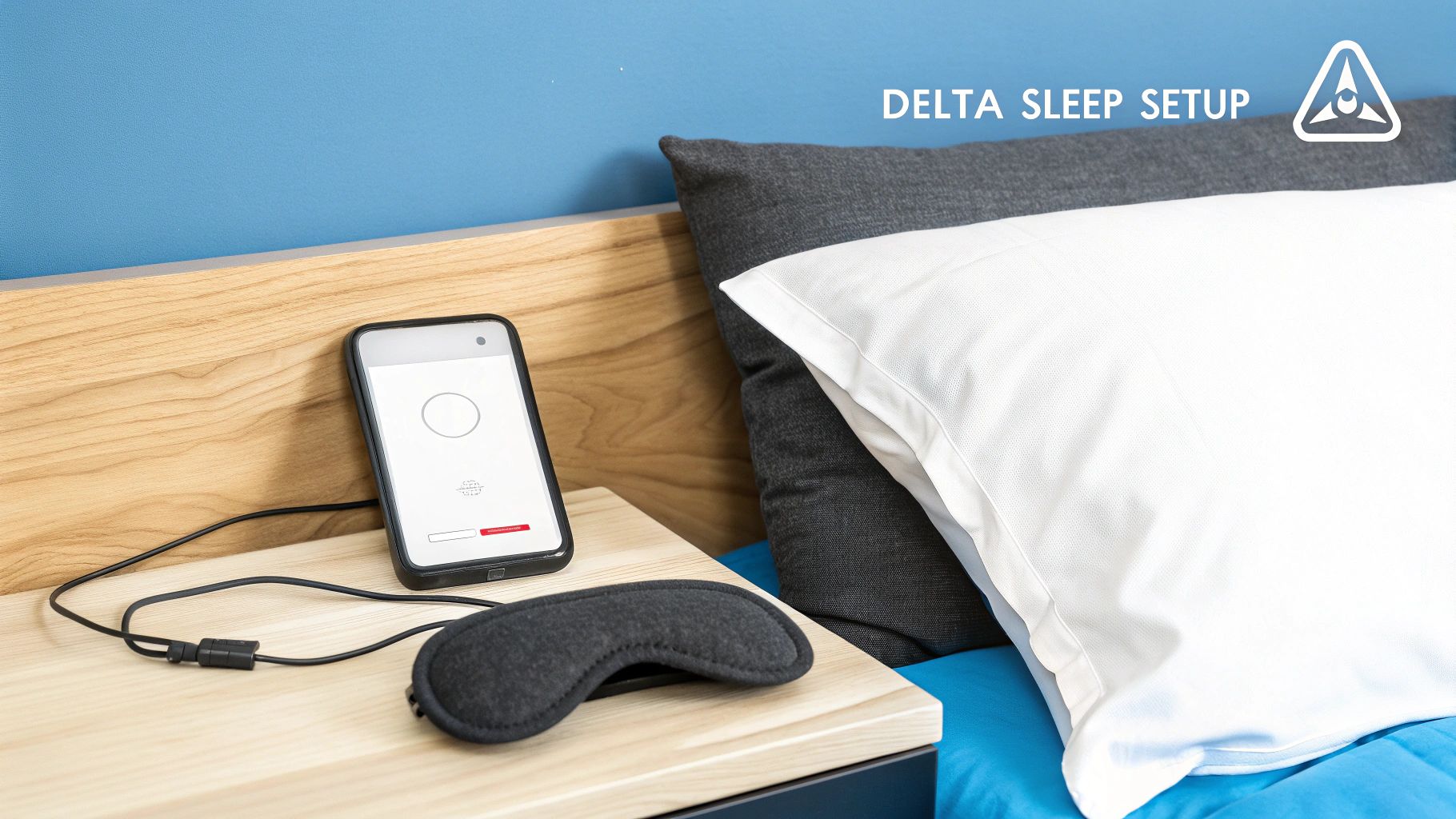
It all starts with picking the right audio. While any track in the delta range can help, different frequencies have slightly different vibes.
Step 1: Select Your Delta Frequency
The delta range covers 0.5 to 4 Hz. This isn't a one-size-fits-all deal, so feel free to experiment and find what your brain responds to best.
- For Deepest Physical Restoration (1-2 Hz): Think of this as the heavy-duty stuff. This lower end of the spectrum is where your body gets down to the business of physical repair and healing.
- For Calming an Overactive Mind (3-4 Hz): If your thoughts are racing at a hundred miles an hour, the higher end of the delta range can act as a gentle brake, easing you into a state of deep relaxation before sleep.
A good starting point is a track around 3 Hz. If you still feel a bit restless after a few nights, try dropping down to a lower frequency like 1 or 2 Hz to encourage an even deeper brainwave state.
Step 2: Set the Right Duration and Volume
When it comes to brainwave entrainment, consistency beats intensity every time. You don't need to listen all night long to feel the benefits, especially when you're just getting started.
Set a listening duration of 15 to 30 minutes as you're settling into bed. This is usually plenty of time for the entrainment process to take hold and guide you toward sleep. Most apps have a timer so the audio can fade out after you’ve drifted off.
Volume is just as important. The goal here is subtlety. The binaural beats should be just audible enough to perceive, almost like a background hum. If the sound is distracting you, it’s too loud. You want it to be a gentle whisper to your brain, not a shout.
Step 3: Use the Right Gear for Comfort and Effect
This part is non-negotiable: you must use headphones. The whole magic of binaural beats depends on sending two slightly different frequencies to each ear. Without headphones, the sounds just mix in the air before they reach you, and the effect is completely lost.
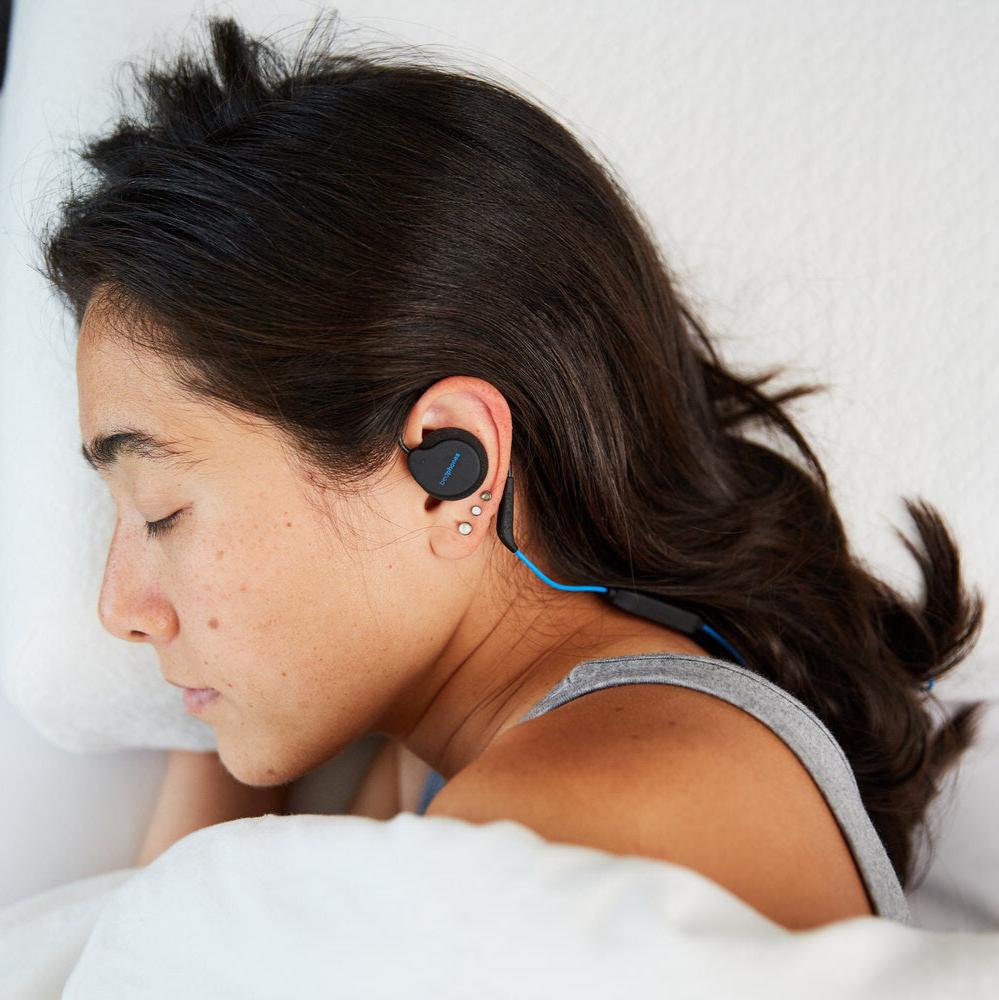
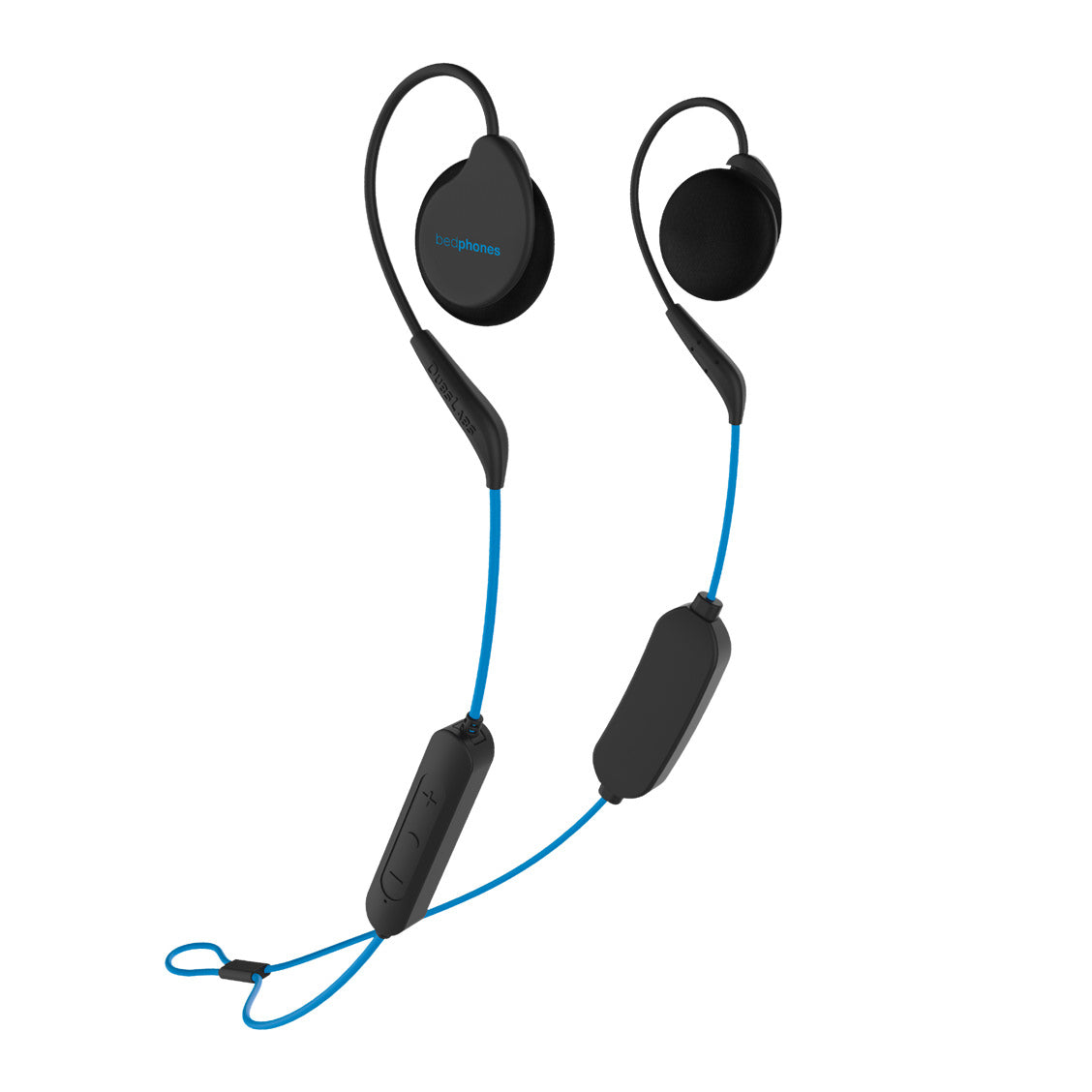
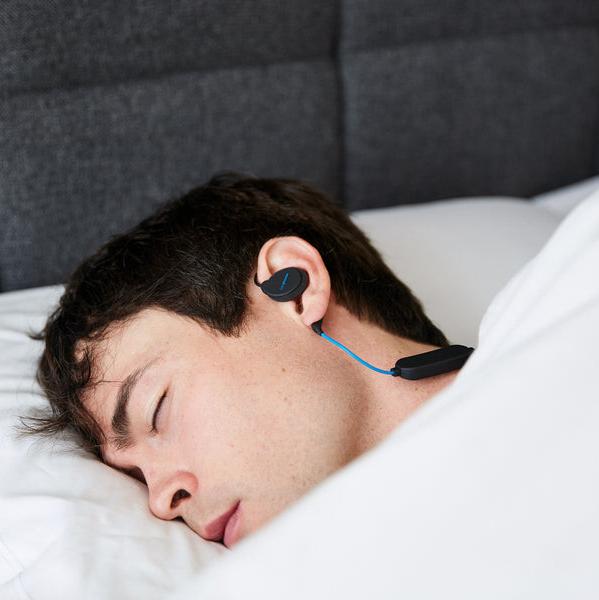
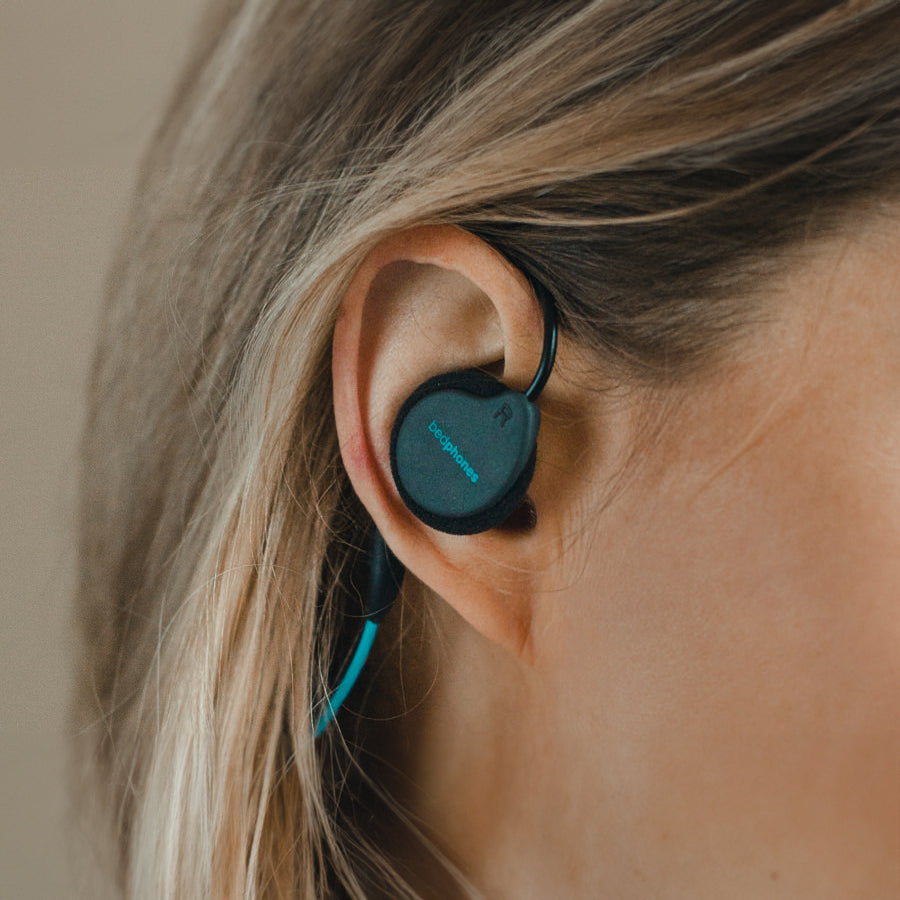
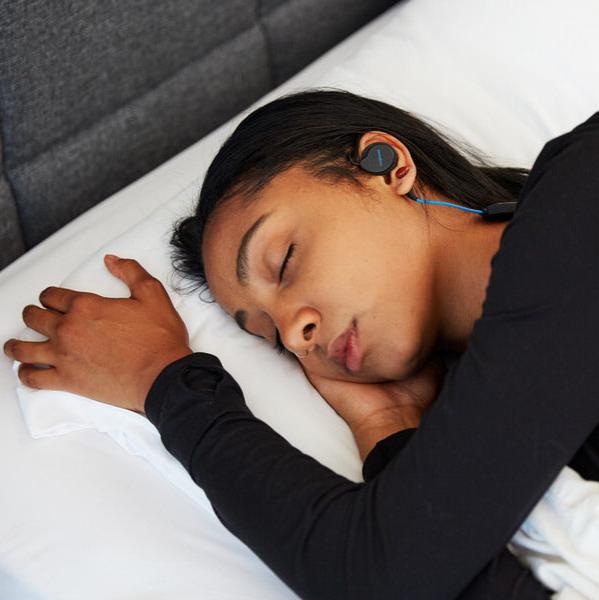
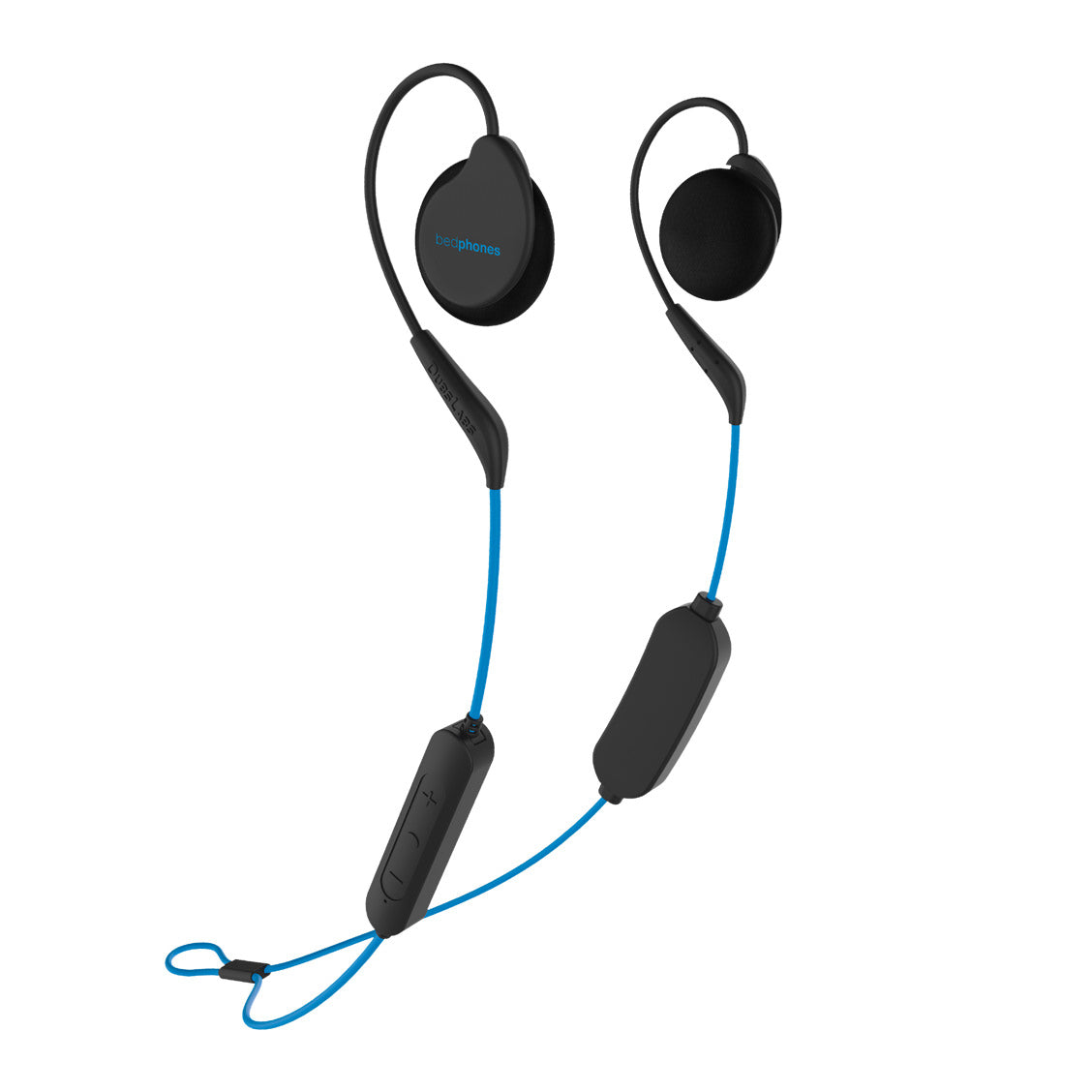
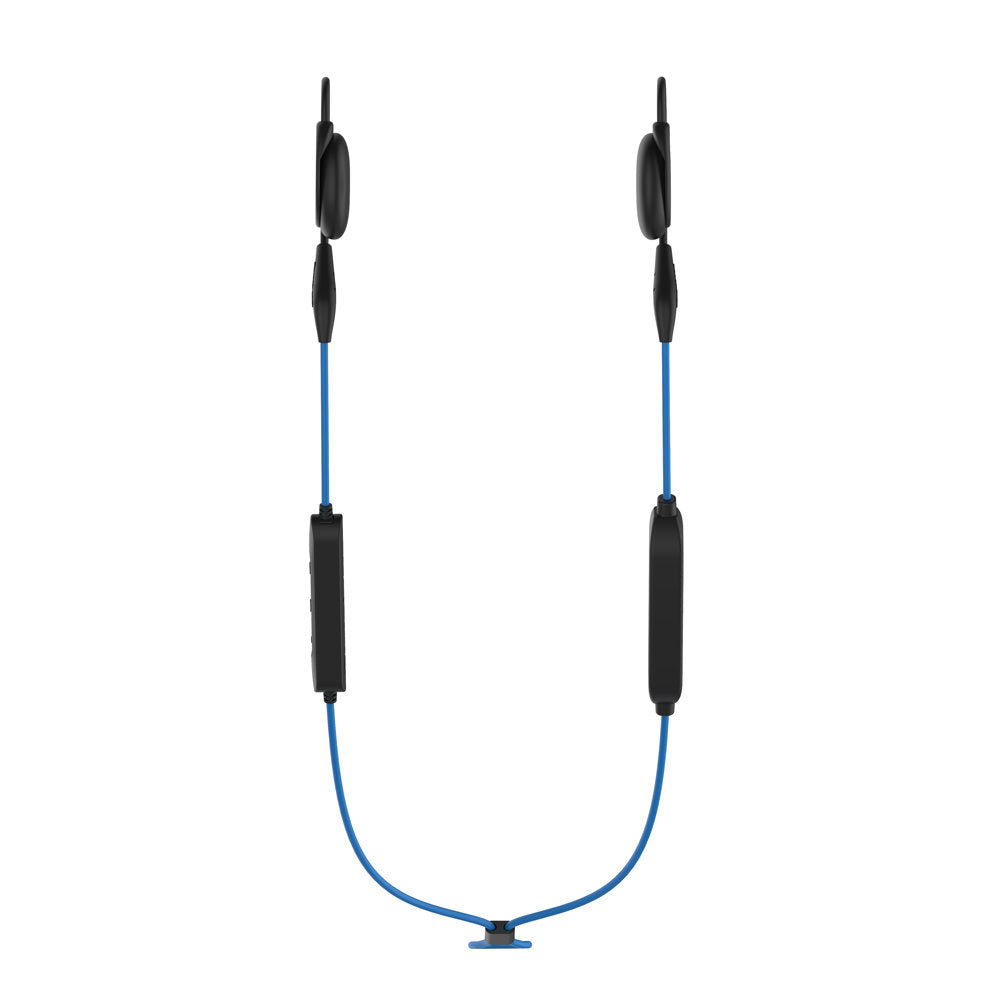
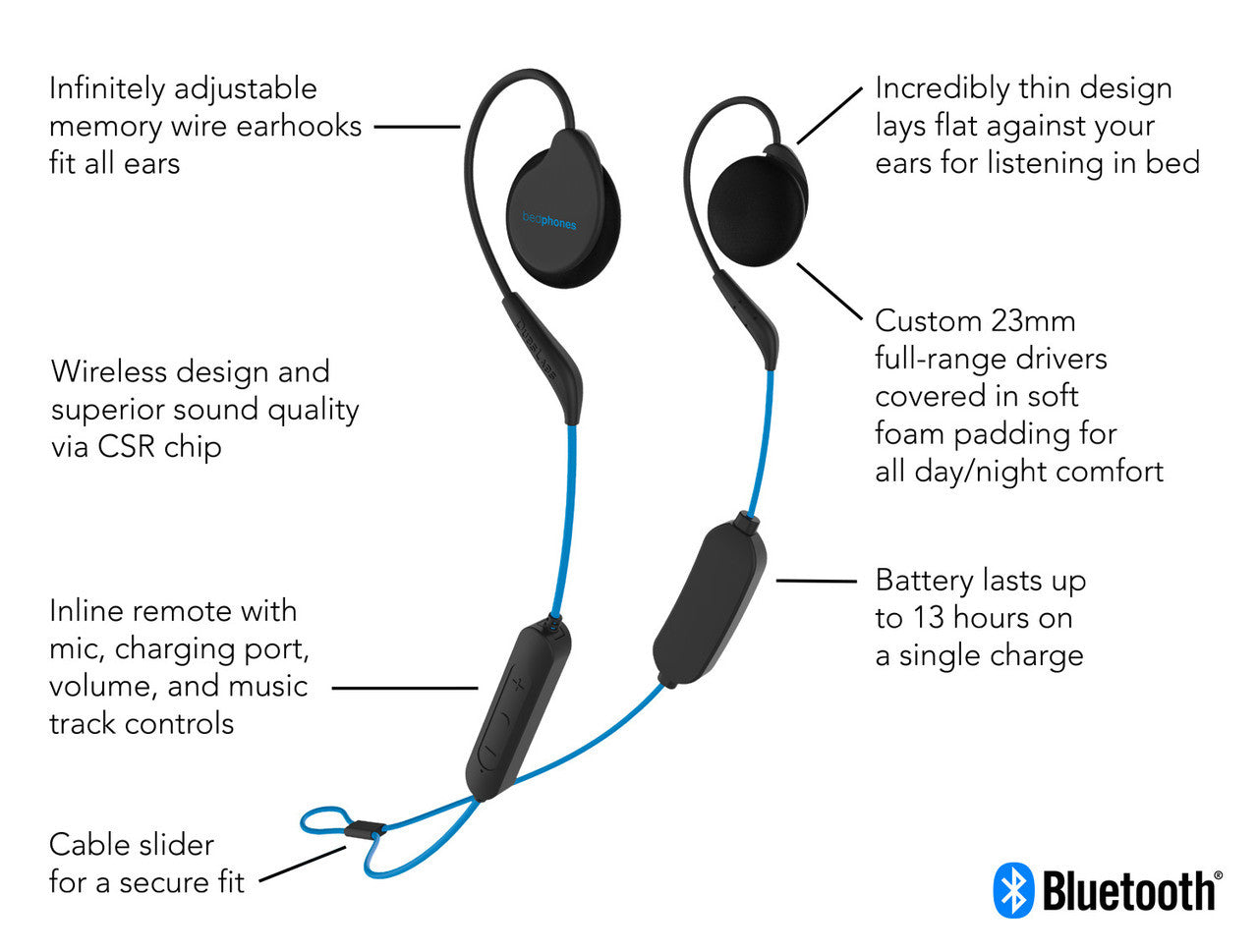
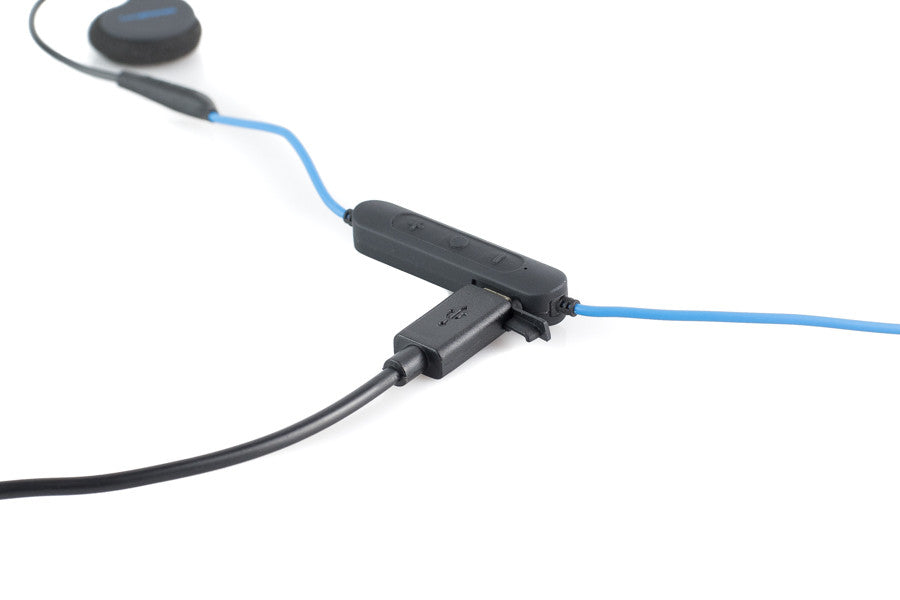
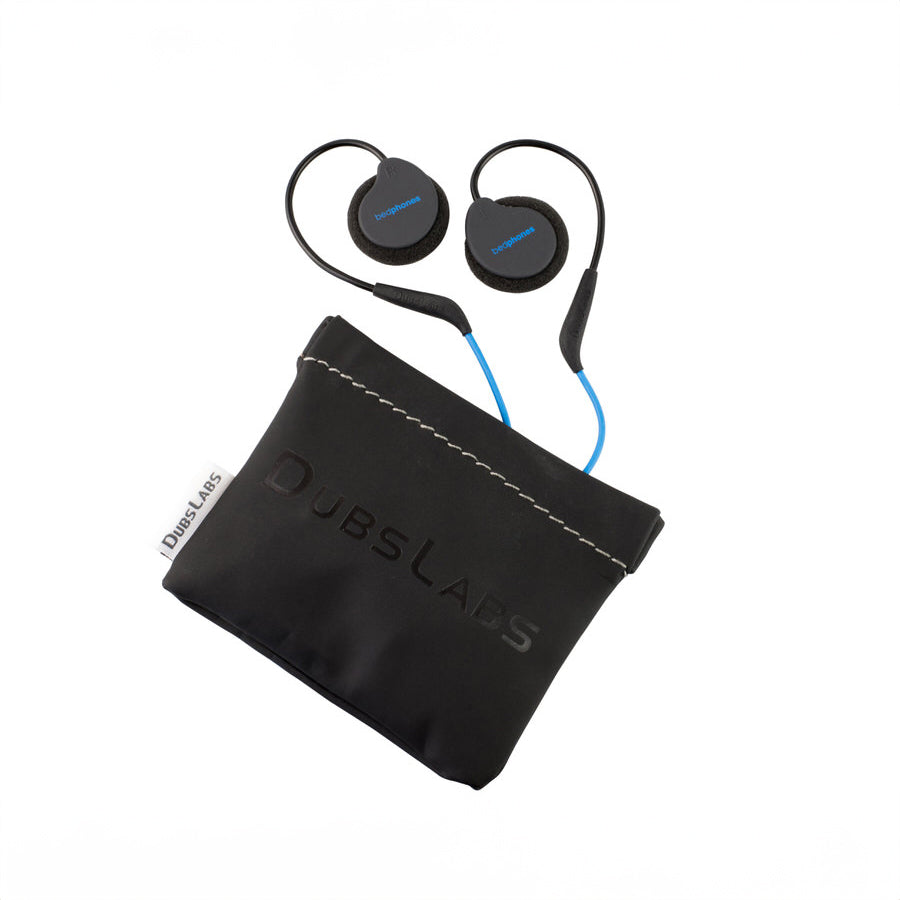
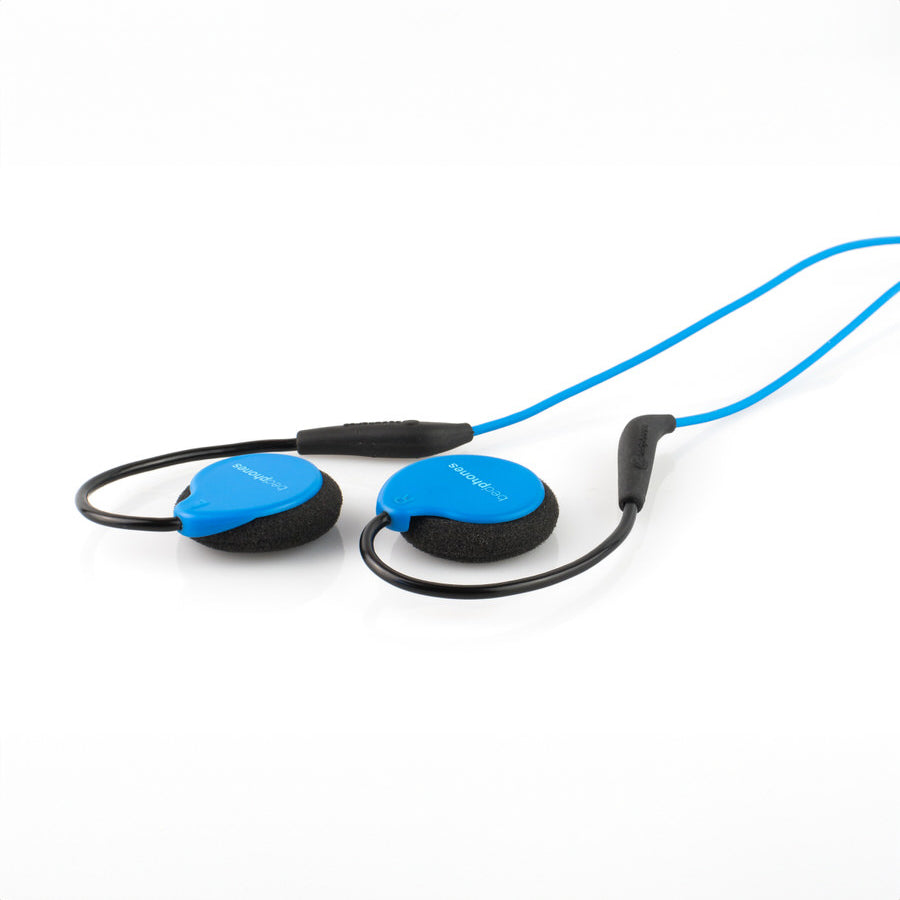
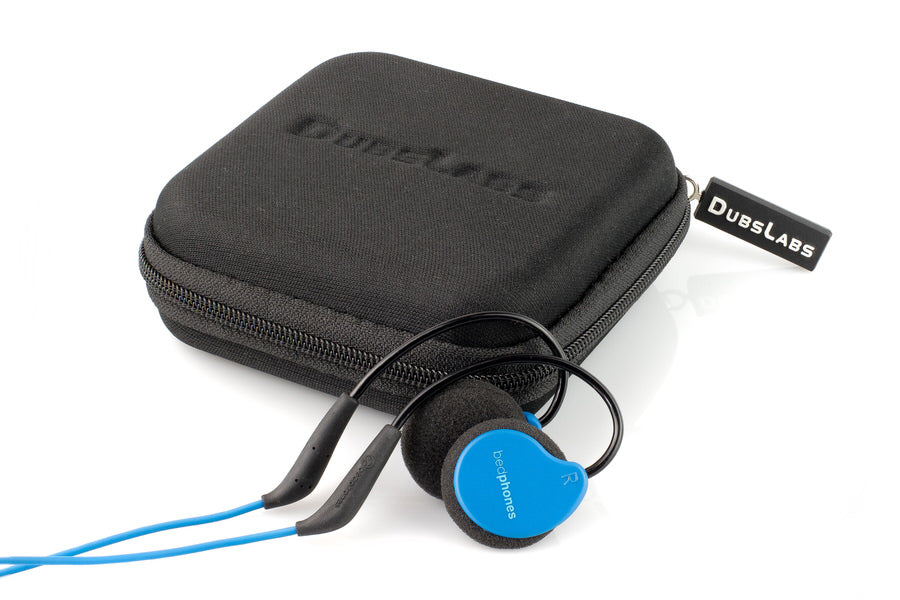
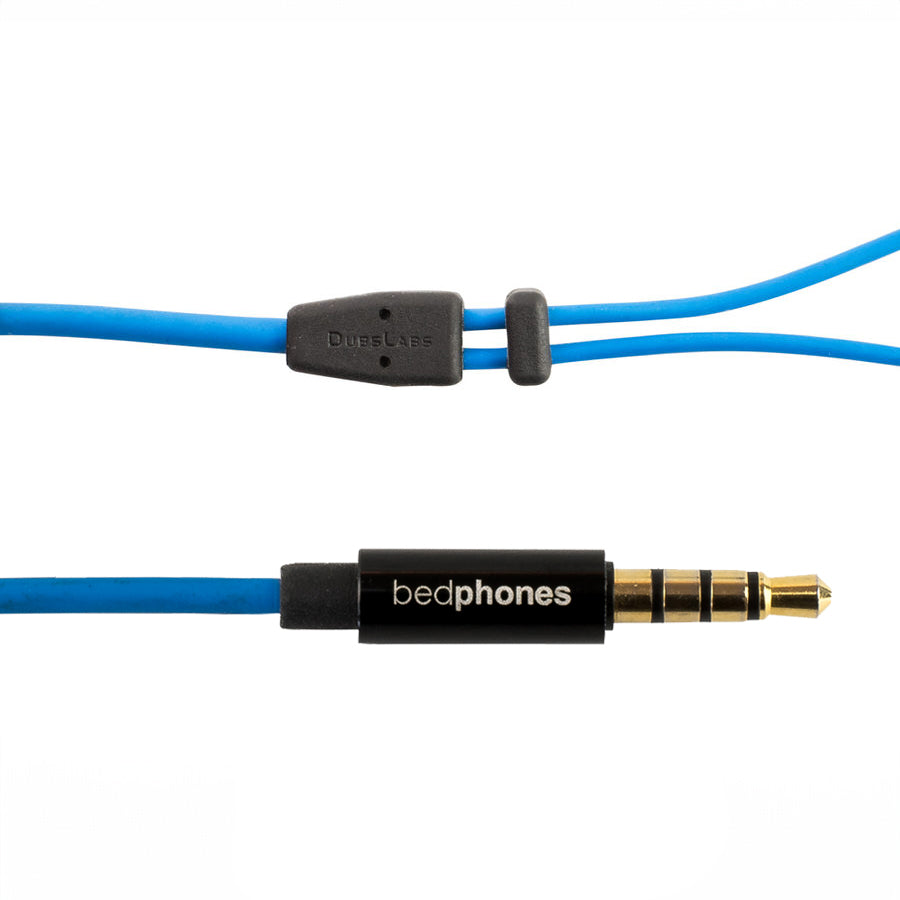
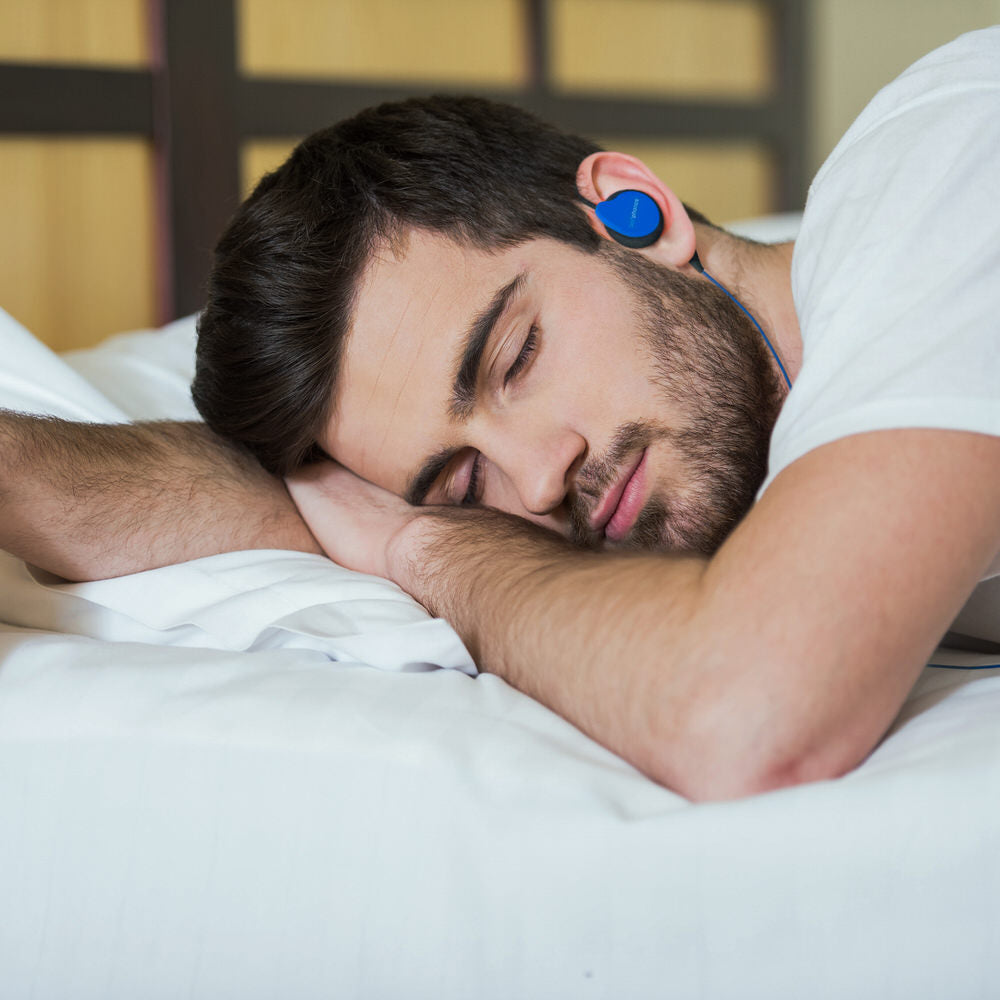
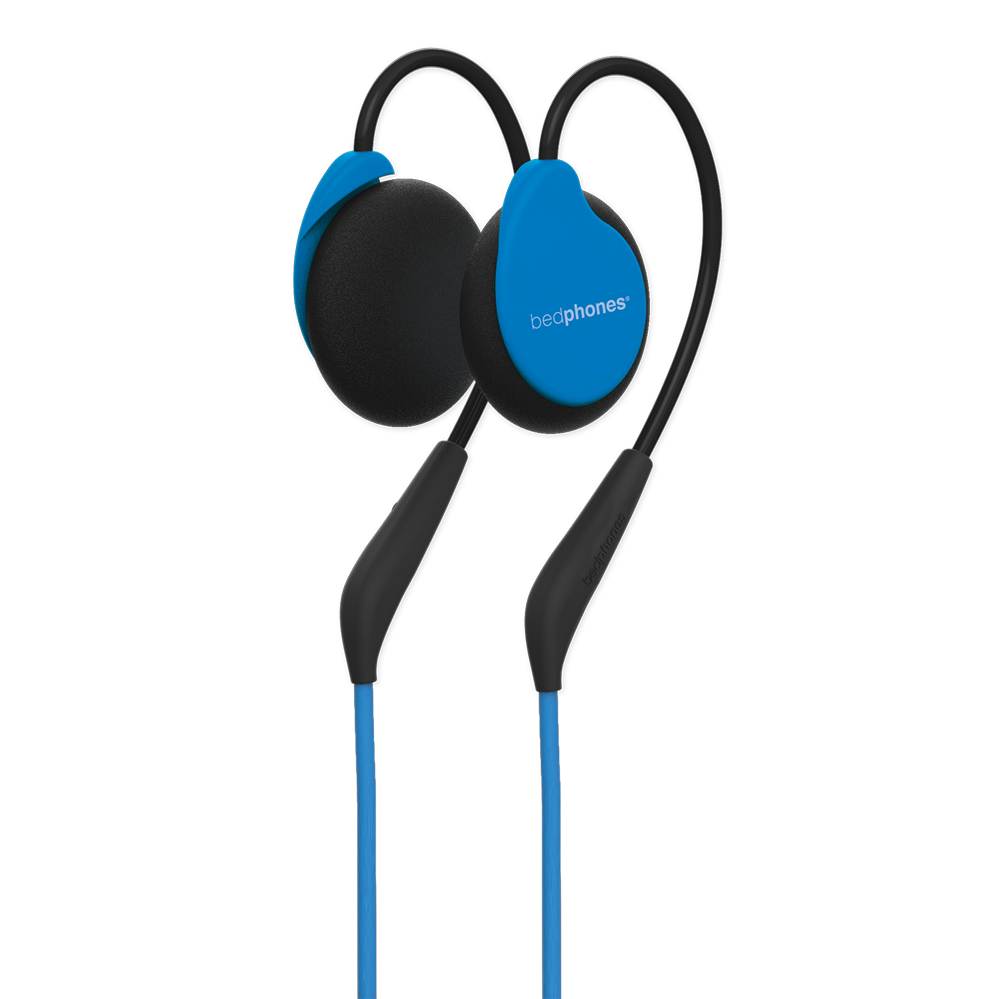
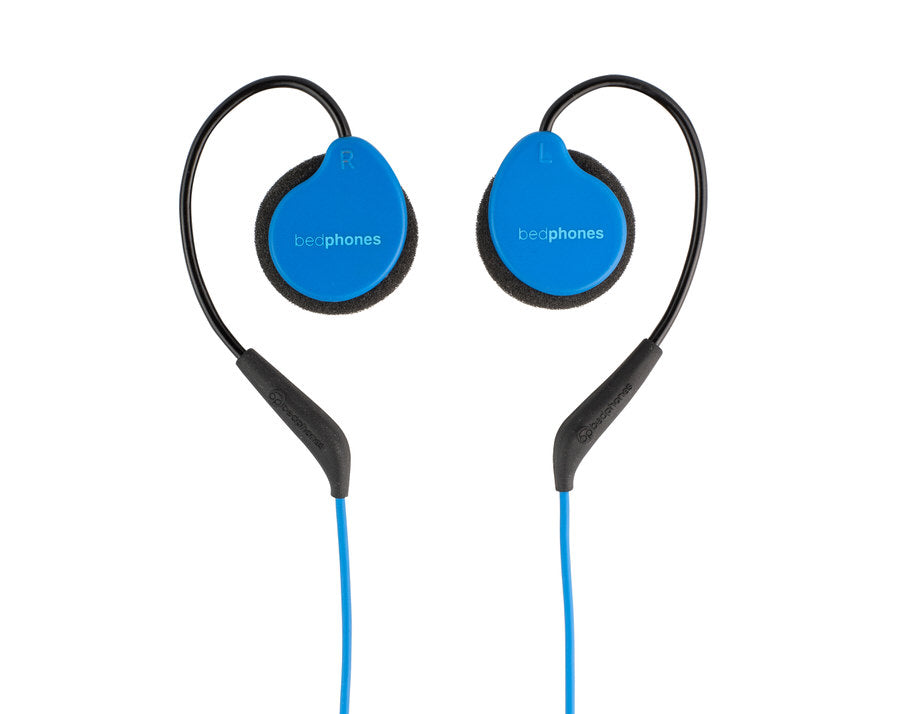
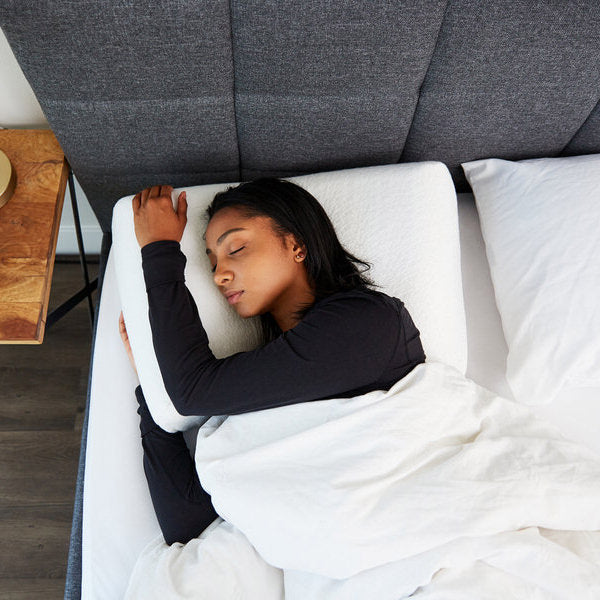
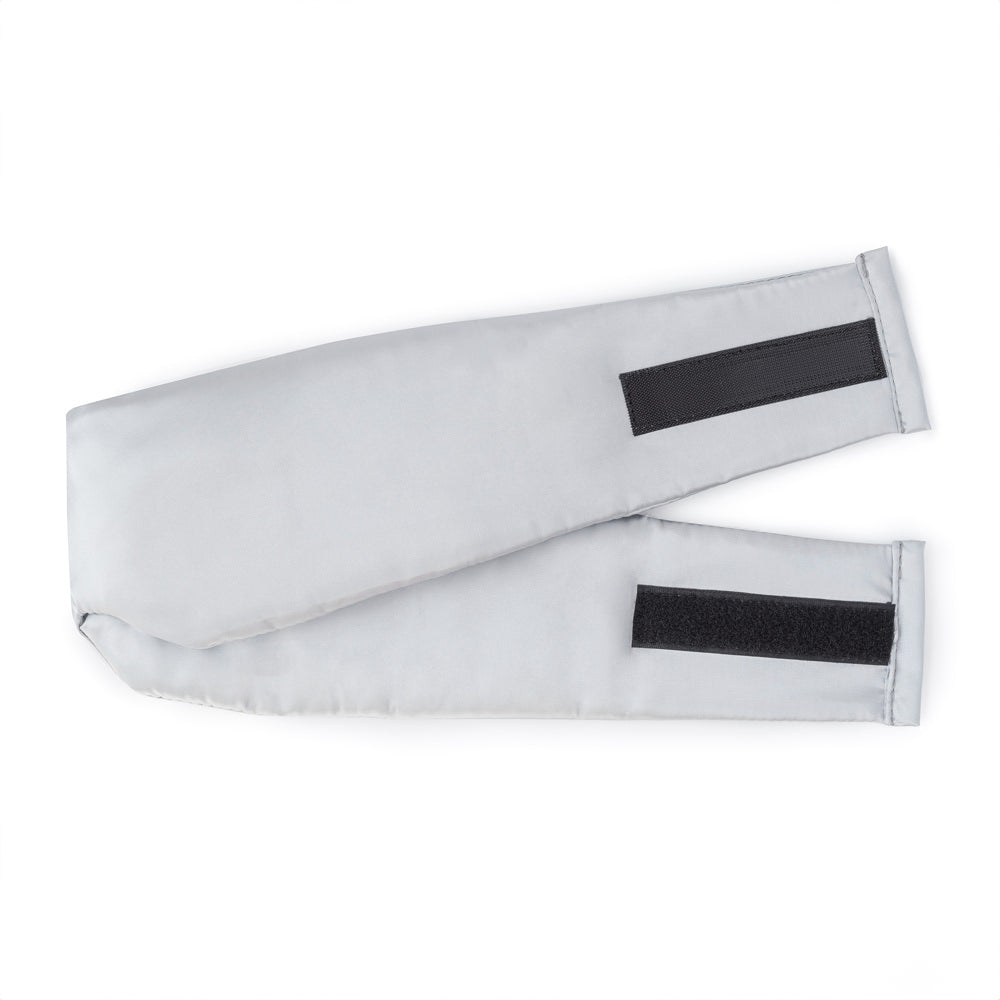
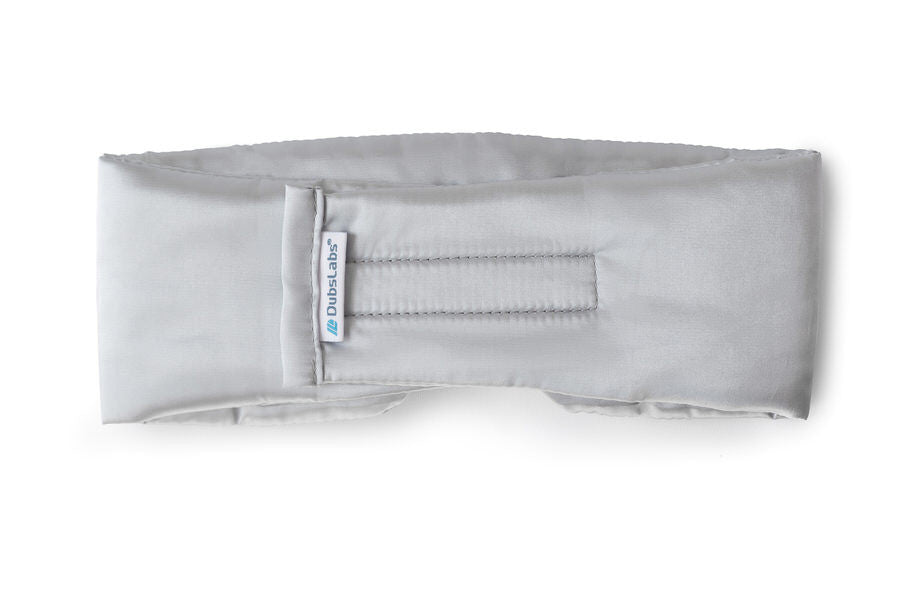
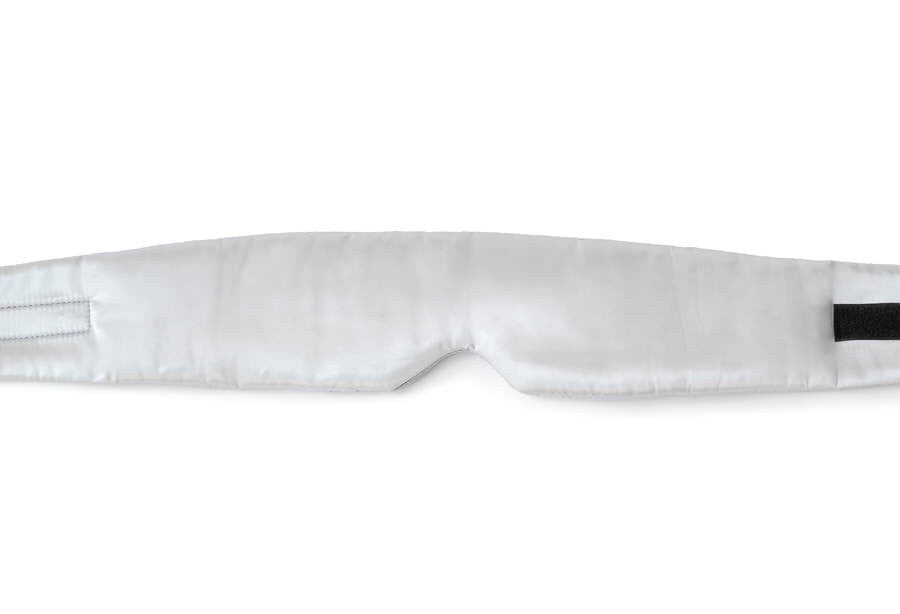
Of course, trying to sleep with traditional headphones can be a painful, awkward mess. This is where gear designed for sleep makes a world of difference. Products like DubsLabs Bedphones have ultra-thin, cushioned earpieces that let you lie comfortably on your side without any painful pressure. Their design makes sure you get the stereo separation needed for the delta binaural beat to work its magic. For a deeper dive, check out our guide on how to sleep with headphones for more tips.
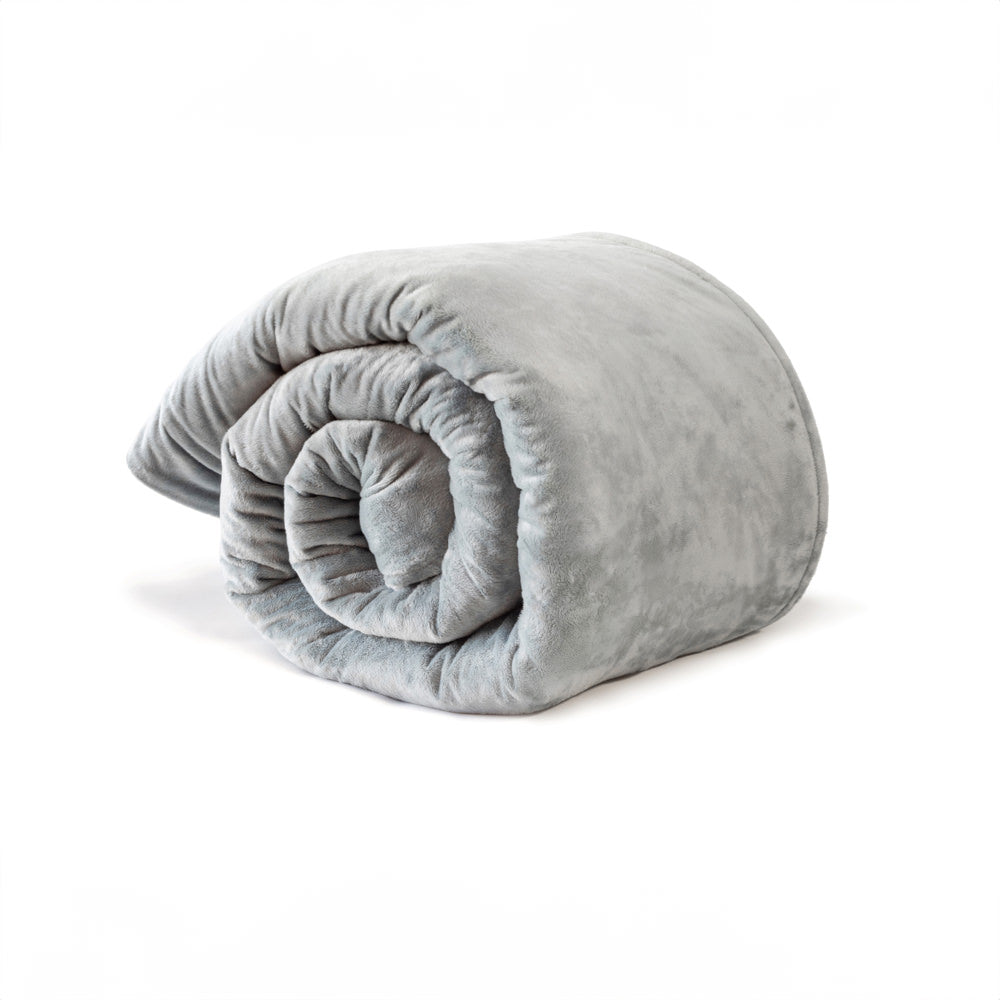
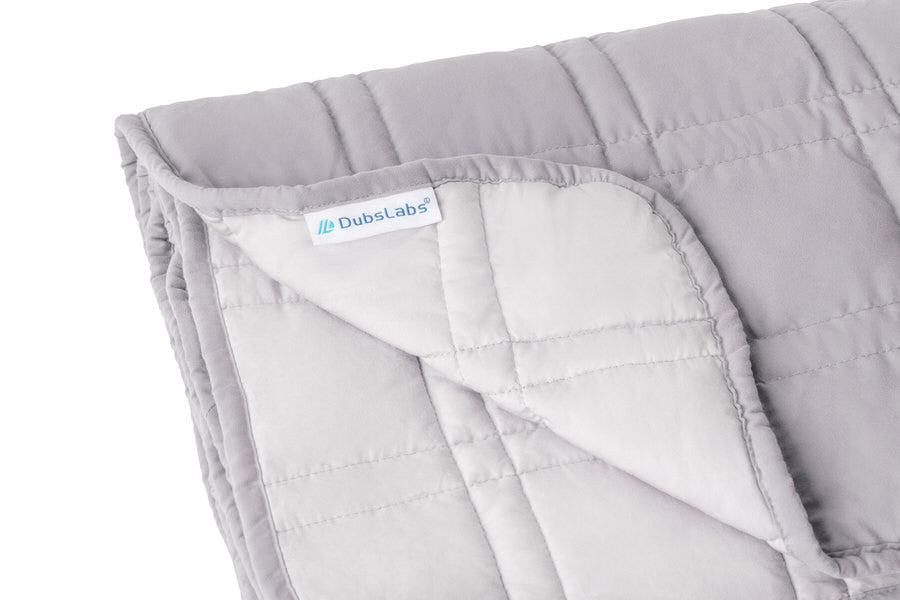
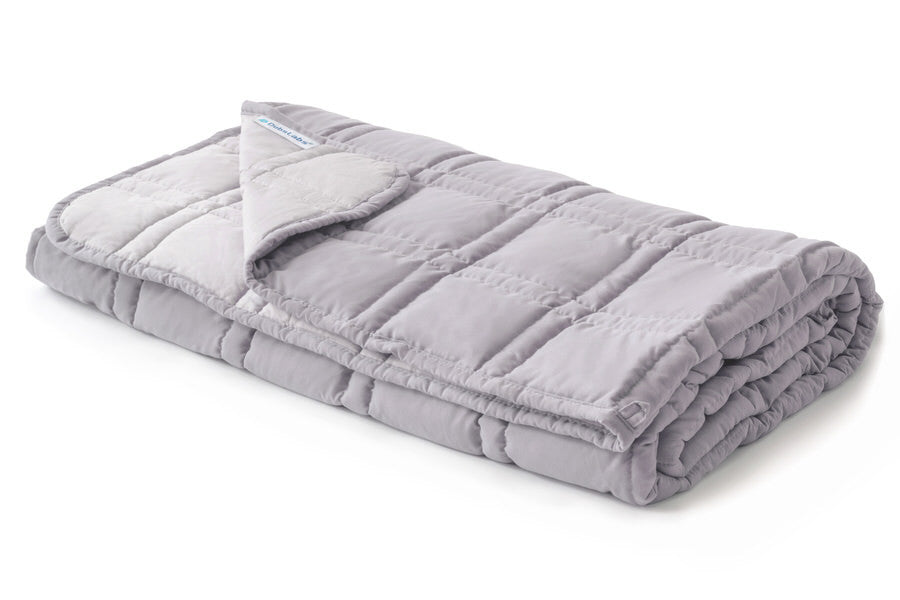
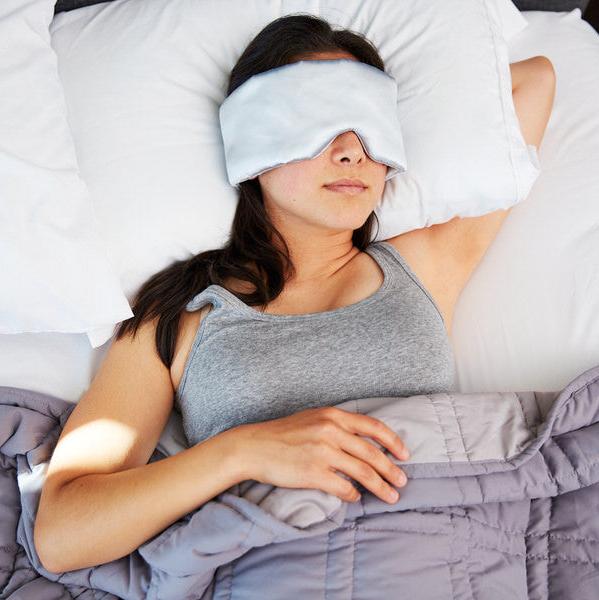
To really complete your setup, think about creating a total sensory sanctuary. Pair the audio with a total dark sleep mask to block out every last bit of light, which is a key signal for your brain to start producing melatonin. Add a calming weighted blanket into the mix for gentle, deep pressure that helps soothe the nervous system. This multi-layered approach combines sound, sight, and touch cues to create an environment where deep sleep isn't just possible—it's practically inevitable.
Optimizing Your Experience With a Holistic Sleep System
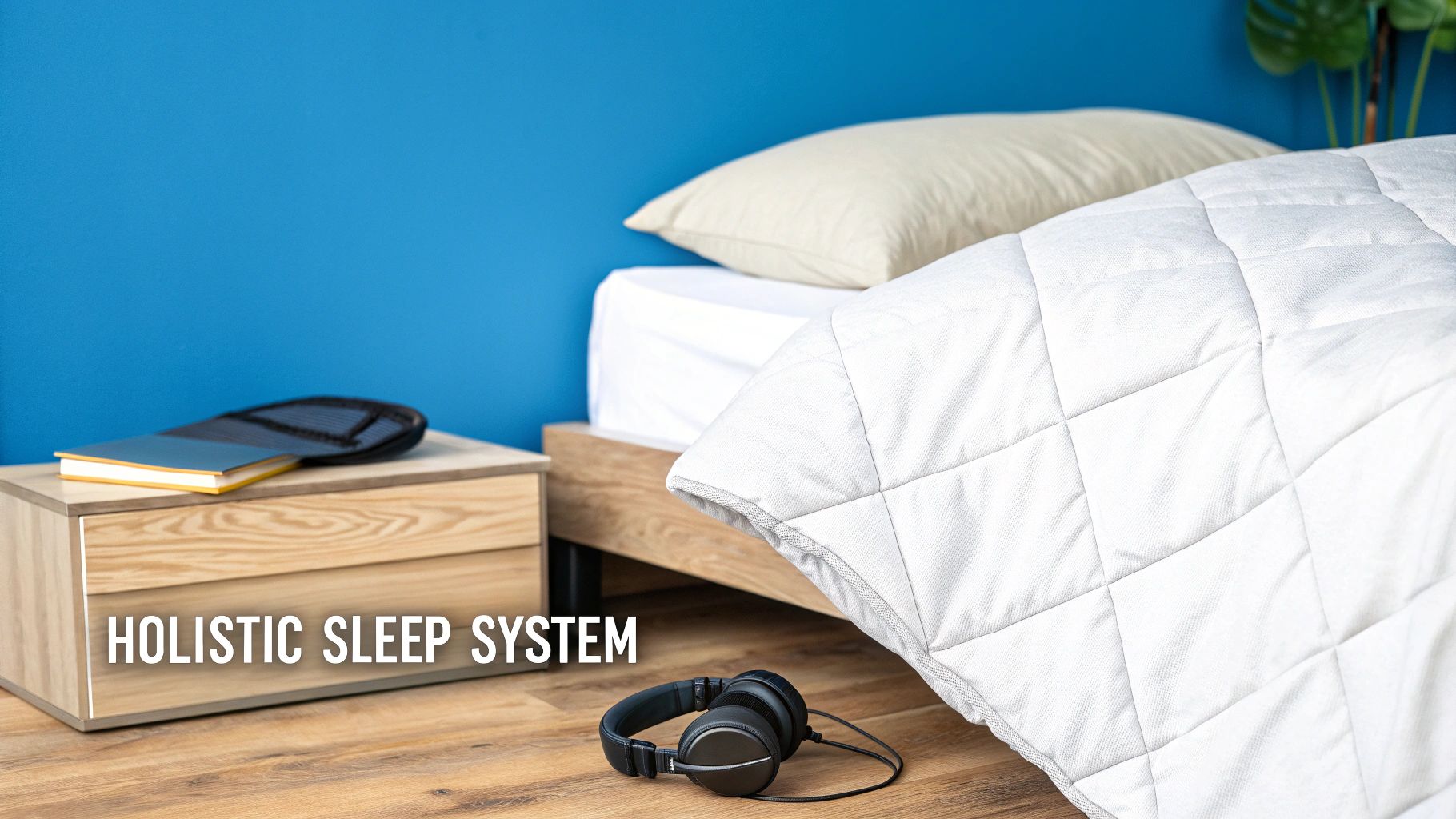
A binaural beat delta track is a powerful tool on its own, but you can dial up the effectiveness by building a complete sleep environment around it. Think of it like putting together the perfect "sleep recipe" for your brain and body, where every ingredient works together to make deep, restorative rest almost inevitable.
This isn't just about using individual products; it's about creating a total sensory sanctuary. Each piece of the puzzle amplifies the others, sending a clear, consistent message from every angle that it’s time for profound rest.
Creating Your Deep Restoration Ritual
Let's walk through a sample recipe. We'll call it "The Deep Restoration Ritual," a simple but powerful combination of auditory, visual, and tactile cues designed to completely soothe your nervous system.
Here's how it works:
-
The Auditory Layer: Start with your foundation—a low-frequency 1 Hz binaural beat delta track. You'll want to listen through a comfortable pair of Bedphones. This ensures you get the proper stereo sound delivery without that painful ear pressure, which is a must for side sleepers. This is what handles the brainwave entrainment.
-
The Visual Layer: Next, block out every last bit of light with a total dark sleep mask. This step is non-negotiable. Even tiny amounts of light pollution can mess with your melatonin production and disrupt your natural sleep cycles.
-
The Tactile Layer: Finally, add a weighted blanket to the mix. The gentle, deep pressure stimulation feels like a comforting hug, calming your nervous system right down. It's fantastic for soothing anxiety and can actually make your brain more receptive to the sleep-inducing delta waves.
See how they all work together? The blanket calms your body, making your brain more open to the audio cues from the Bedphones. At the same time, the total darkness from the mask ensures your internal clock gets the right signals for sleep. It’s a powerful feedback loop.
A holistic sleep system isn't just a collection of gadgets; it's a carefully constructed environment that supports your biology. By addressing sound, light, and touch, you create an undeniable signal for your body to power down and enter its deepest restorative state.
The science backs this up, especially the auditory part. A pilot study found that when participants listened to 1-4 Hz binaural beats for just 30 minutes during sleep, the amount of time they spent in N3 deep sleep showed a statistically significant increase. The researchers also noted improvements in total sleep time and efficiency. This just goes to show how delta binaural beats can be a true cornerstone of any solid sleep system.
Of course, this is just one part of an integrated approach to better nights. It's also worth looking into other elements, like the blue light glasses benefits for better sleep, to round out your routine. When you take these steps, you stop just hoping for good sleep and start actively designing it. For more strategies, check out our full guide on how to improve sleep quality.
Got Questions About Delta Binaural Beats? We’ve Got Answers.
As you start exploring how a binaural beat delta track might help you sleep, it's totally normal to have some questions. Getting a handle on the practical side of things can make you feel more confident and help you get the best results. Let's tackle the most common questions people ask, with clear, straightforward answers.
Our goal here is to cut through the confusion, address any worries you might have, and clarify the best way to make this tool a seamless part of your nightly routine.
Are There Any Risks or Side Effects?
For most healthy adults, listening to delta binaural beats at a low, comfortable volume is perfectly safe. Honestly, it’s about as risky as listening to any other kind of calming audio. That said, there are a few specific situations where you'll want to be cautious.
If you have a neurological condition, especially epilepsy or a history of seizures, you absolutely should chat with your doctor before trying any form of brainwave entrainment. In rare cases, the rhythmic audio could act as a trigger. The same advice goes for anyone with a pacemaker or pre-existing hearing conditions—get a medical opinion first.
For the average person, the biggest "risk" is simply that it might not work for them. How we respond to brainwave entrainment is very individual. The most important thing you can do to stay safe is simply keep the volume low.
How Long Does It Take to Notice the Effects?
This is one of those "it depends" answers, because the time it takes to feel the benefits of a binaural beat delta track is highly personal. Some people feel more relaxed and find themselves drifting off faster the very first night. Their brains just seem to be more receptive to the frequency-following response right out of the gate.
For others, the effects build up over time. It might take a week or two of consistent nightly listening before you really notice a difference in your sleep quality.
Think of it like training a muscle or learning a new skill. The more you do it, the stronger those neural pathways become. We suggest sticking with it for at least 15-30 minutes every night to give your brain a real chance to adapt. Consistency is what really unlocks the long-term benefits.
Can I Listen to Binaural Beats With Music?
Yes, you can—and honestly, that's how most of the best binaural beat tracks are made. Let’s face it, pure binaural tones on their own can sound a bit sterile, almost like a science experiment. Embedding them within a more pleasant audio landscape makes the whole experience far more enjoyable and relaxing.
Many of the most effective tracks layer the delta frequencies underneath things like:
- Calming ambient sounds like soft rain or ocean waves.
- White, pink, or brown noise which is great for masking other noises in your room.
- Soothing instrumental music, as long as it doesn’t have distracting lyrics or melodies.
The only thing that really matters is that the underlying binaural beat delta frequencies are mixed properly to keep that stereo separation intact. As long as you're using a track from a good source that confirms it contains a delta frequency (0.5-4 Hz), the extra sounds won't get in the way. Just be sure to avoid pairing it with anything stimulating, like a podcast or your favorite pump-up playlist.
Do I Really Need Headphones for This to Work?
This is a big one, and the answer is a firm, absolute yes. You have to use headphones for the binaural effect to happen. The entire principle relies on delivering a slightly different frequency to each ear independently.
Your brain does the magic trick here, taking those two separate signals and creating the perception of a third, phantom beat inside your head. If you just play the audio through speakers, the sound from the left and right channels mixes in the air before it even gets to your ears. That completely short-circuits the process, and you’ll just hear two separate tones instead of the intended binaural beat.
This is the exact reason DubsLabs created products like Bedphones. They give you the perfect stereo separation needed for a delta binaural beat to do its job, while being comfortable enough to wear all night long. To build your own perfect sleep sanctuary, you can explore our full range of sleep-enhancing solutions at https://www.dubslabs.com.