Ever notice how the low hum of a fan or the gentle sound of rain can make you feel instantly calmer? Our brains are wired to respond to sound, and that's the simple idea behind binaural beats. The magic happens through a process called brainwave entrainment, which sounds complicated but is actually your brain's natural ability to sync up with outside rhythms. It doesn't take any special focus or gear, just a good pair of headphones.
How Sound Can Rewire Your Brain for Sleep
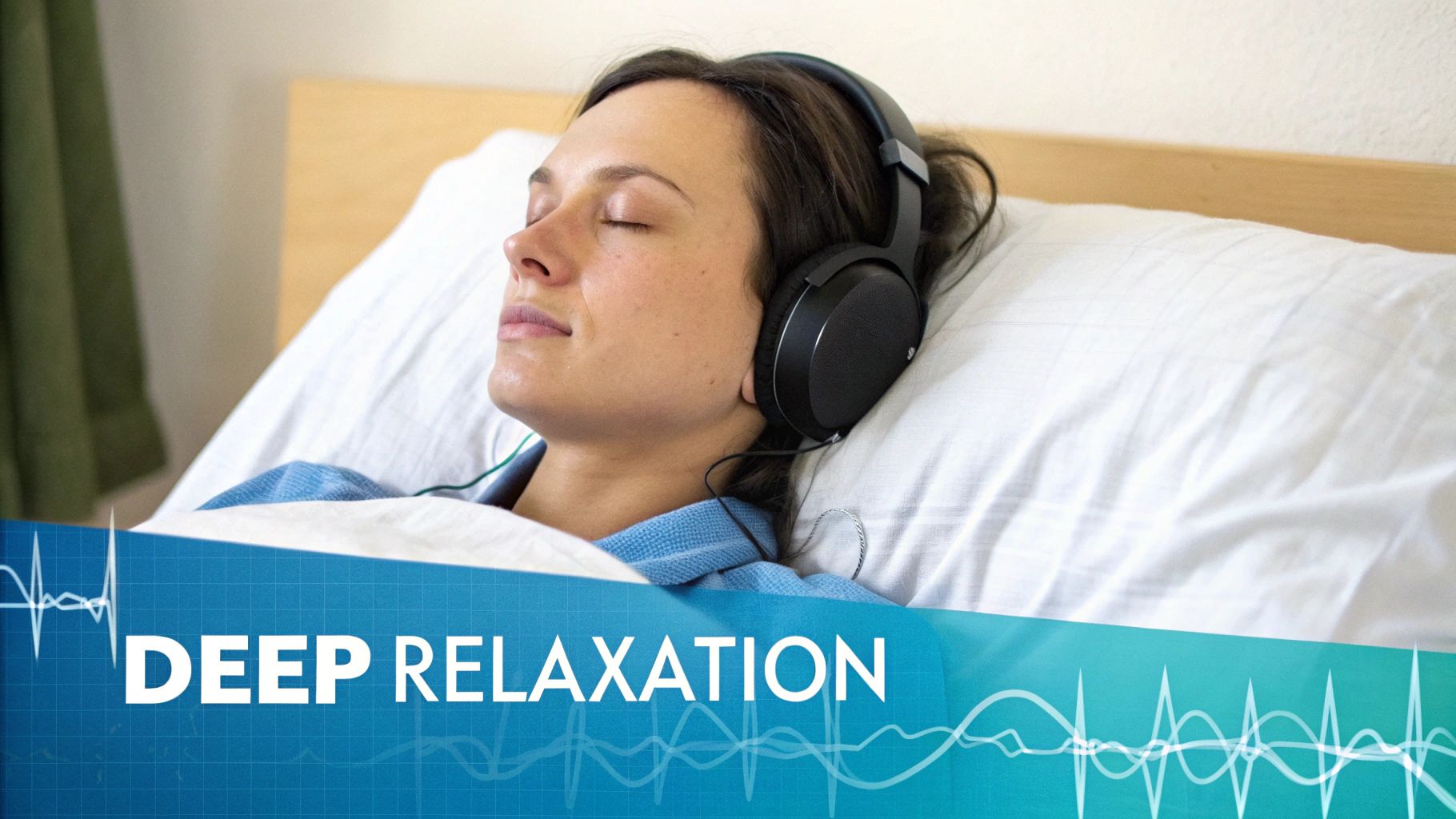
When you listen through stereo headphones, your brain gets to work on a clever auditory trick. One ear might hear a tone at 100 Hz, while the other hears a slightly different tone at 103 Hz. Your brain can't quite place these two separate sounds, so it creates a third, phantom beat that pulses at 3 Hz—the exact difference between the two frequencies.
And here’s where it gets interesting. That 3 Hz frequency falls right into the delta wave range (1-4 Hz). This is your brain's signature frequency during the deepest, most restorative stages of sleep. It's a non-invasive way to gently nudge a racing mind toward a state of rest.
The Science of Slowing Down
Your brain operates on different wavelengths all day long. When you’re focused and alert at work, you're in a beta or gamma state. As you wind down in the evening, you naturally shift into a more relaxed alpha state. Binaural beats for sleep are designed to help guide your brain activity down through these states, all the way to the slow-wave delta state that’s crucial for physical and mental repair.
Think of it like rocking a baby to sleep. The steady, gentle rhythm signals to the nervous system that it’s safe to power down and rest. Binaural beats offer a similar, more direct signal straight to your brain.
The goal isn't just to fall asleep faster but to improve the quality of your sleep. By encouraging more time in the delta wave stage, you're giving your body a better opportunity to heal, consolidate memories, and wake up feeling truly refreshed.
To help you get started, here's a quick guide to the different brainwave frequencies and what they do.
Matching Brainwave Frequencies to Your Sleep Goals
| Frequency Range | Brainwave State | How It Helps Your Sleep |
|---|---|---|
| 8-13 Hz | Alpha | Promotes light relaxation, perfect for winding down before bed. |
| 4-7 Hz | Theta | Encourages drowsiness and the transition into the first stages of sleep. |
| 1-4 Hz | Delta | Guides your brain toward deep, restorative, slow-wave sleep. |
This table gives you a roadmap. If you're just looking to de-stress after a long day, Alpha waves are your friend. If you need help getting over the finish line into sleep, Theta and Delta are what you're looking for.
Evidence of Deeper Sleep
This isn't just wishful thinking; there's real science backing this up. Research has shown that binaural beats in the delta frequency range can have a measurable impact on sleep patterns.
For instance, one study found that participants who listened to a 3-Hz binaural beat showed a significant increase in delta brainwave activity after just a few nights. This suggests that listening to these specific sounds might actually help you access deeper stages of sleep by encouraging more slow-wave activity. You can dig into some of the findings over at Healthline.com.
By understanding this simple "why," you can feel more confident using sound to create a better nightly routine. For even more practical tips, check out our guide on using delta wave music to enhance your sleep.
Setting Up Your Space for Audio-Enhanced Rest
Picking the right frequency is only half the battle. To really get the benefits of binaural beats for sleep, you have to create an environment that tells your brain and body it's time to power down. The most critical piece of this puzzle is your audio setup.
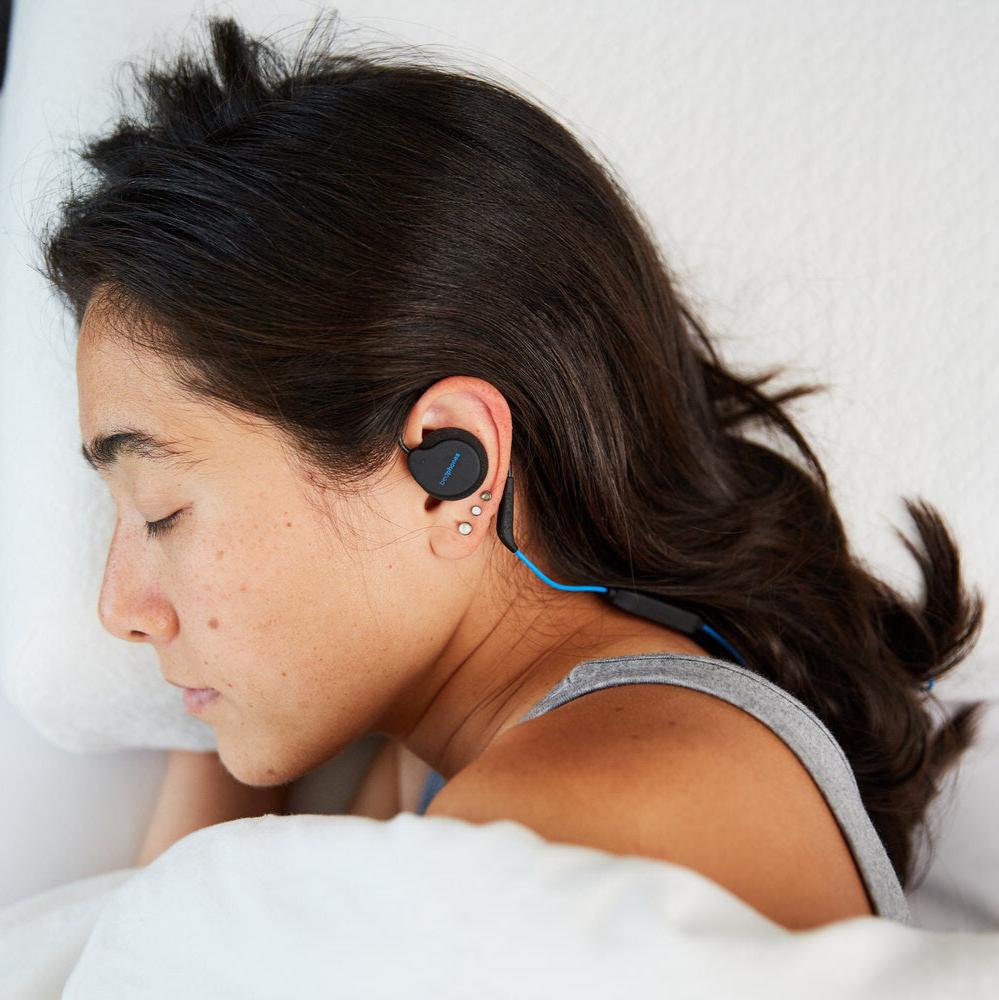
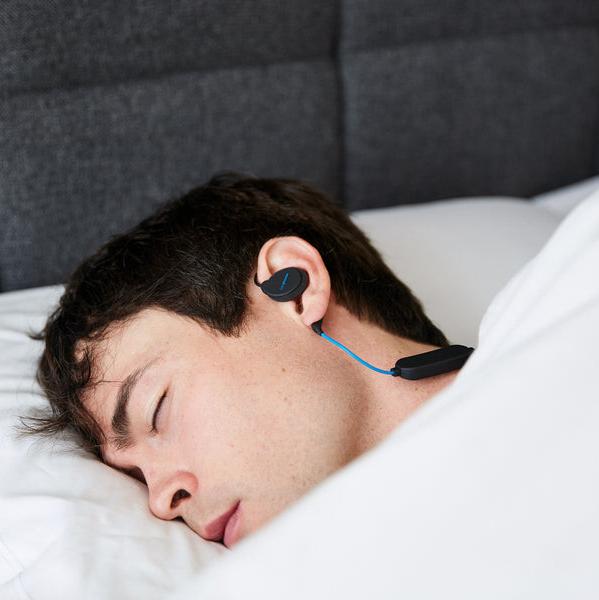
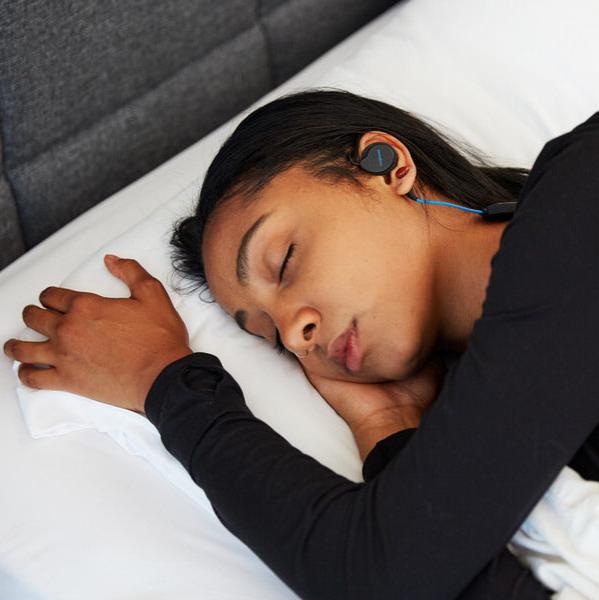
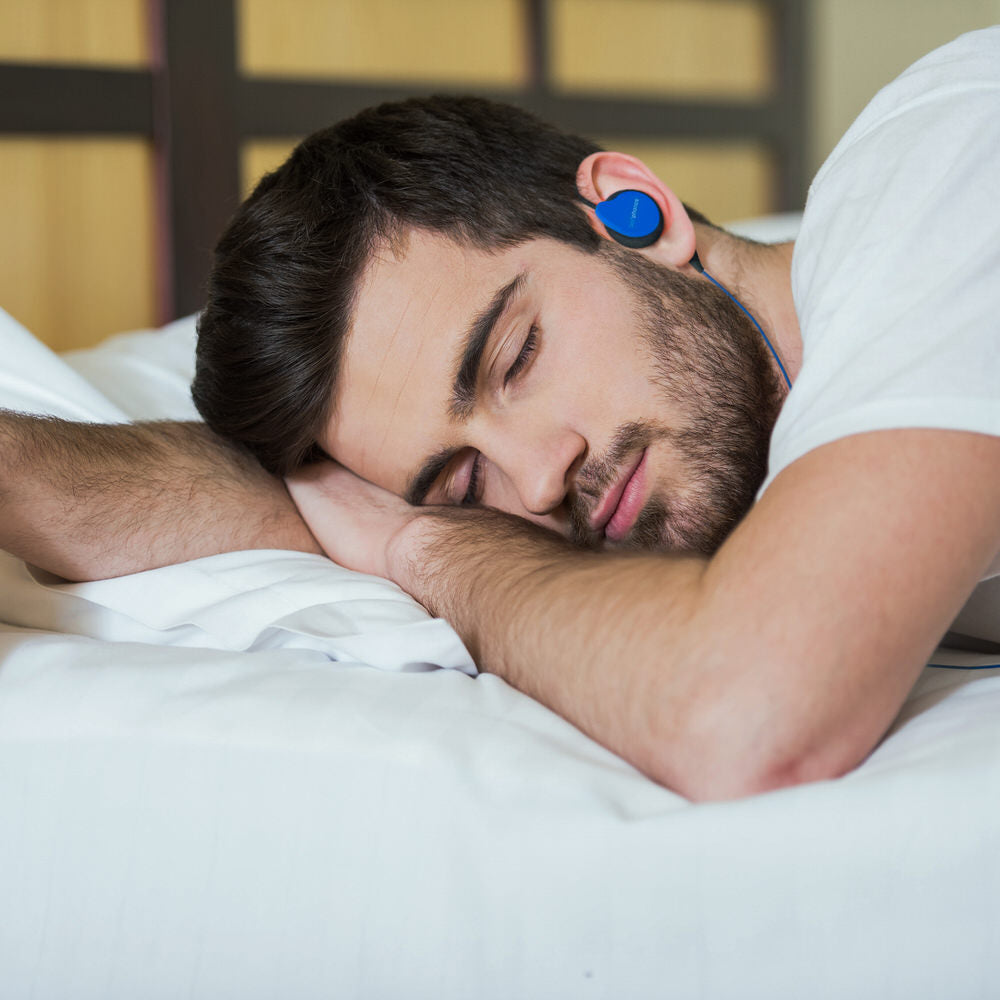
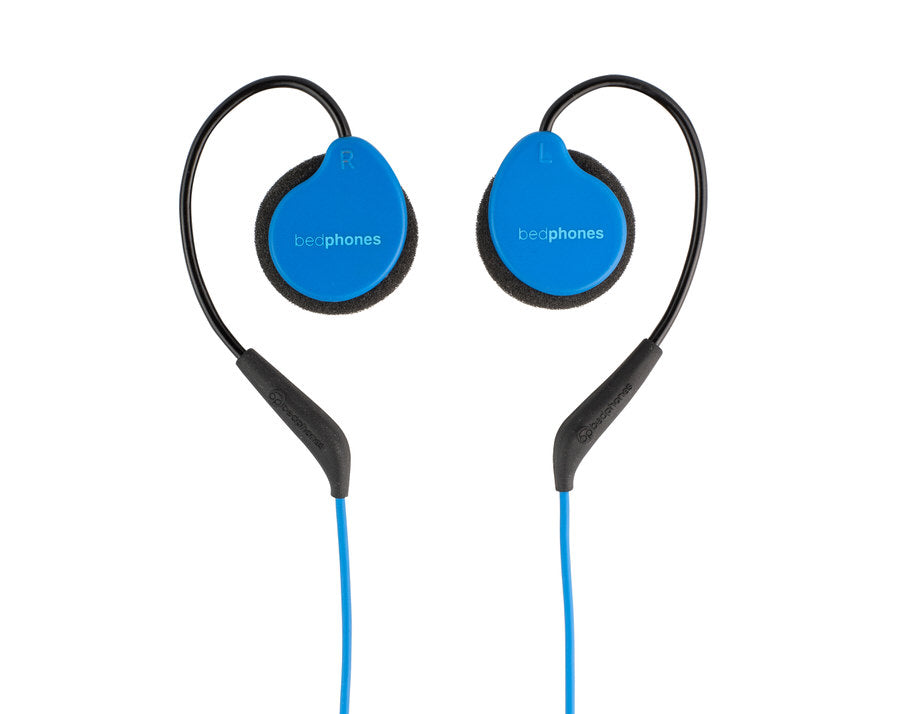
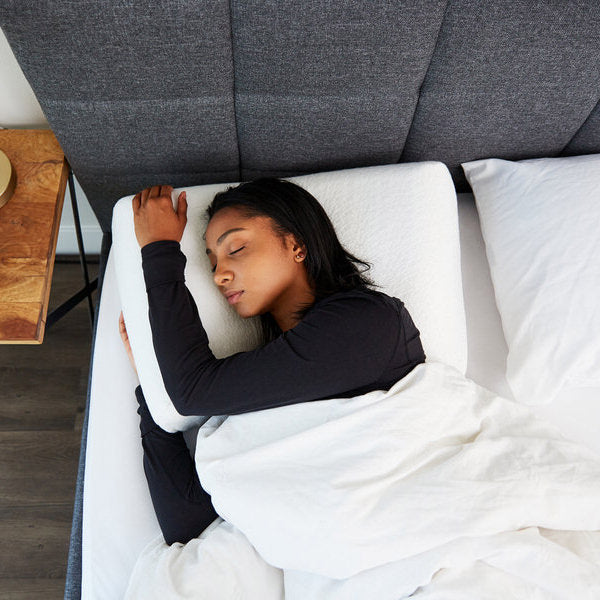
Because this whole process works by sending two slightly different tones to each ear, stereo headphones are non-negotiable. If you just play the audio out of speakers, the tones mix in the open air before they even get to you. The brain can't create that therapeutic "phantom" beat, and the whole effect is lost. This is where your standard earbuds often fail; they can get painful or just fall out, which is a huge issue if you're a side sleeper.
Choosing Your Audio Gear
Your everyday headphones might do the job in a pinch, but if you're trying to make this a nightly habit, comfort is everything. Waking up in the middle of the night with a hard piece of plastic digging into your ear is the last thing you want.
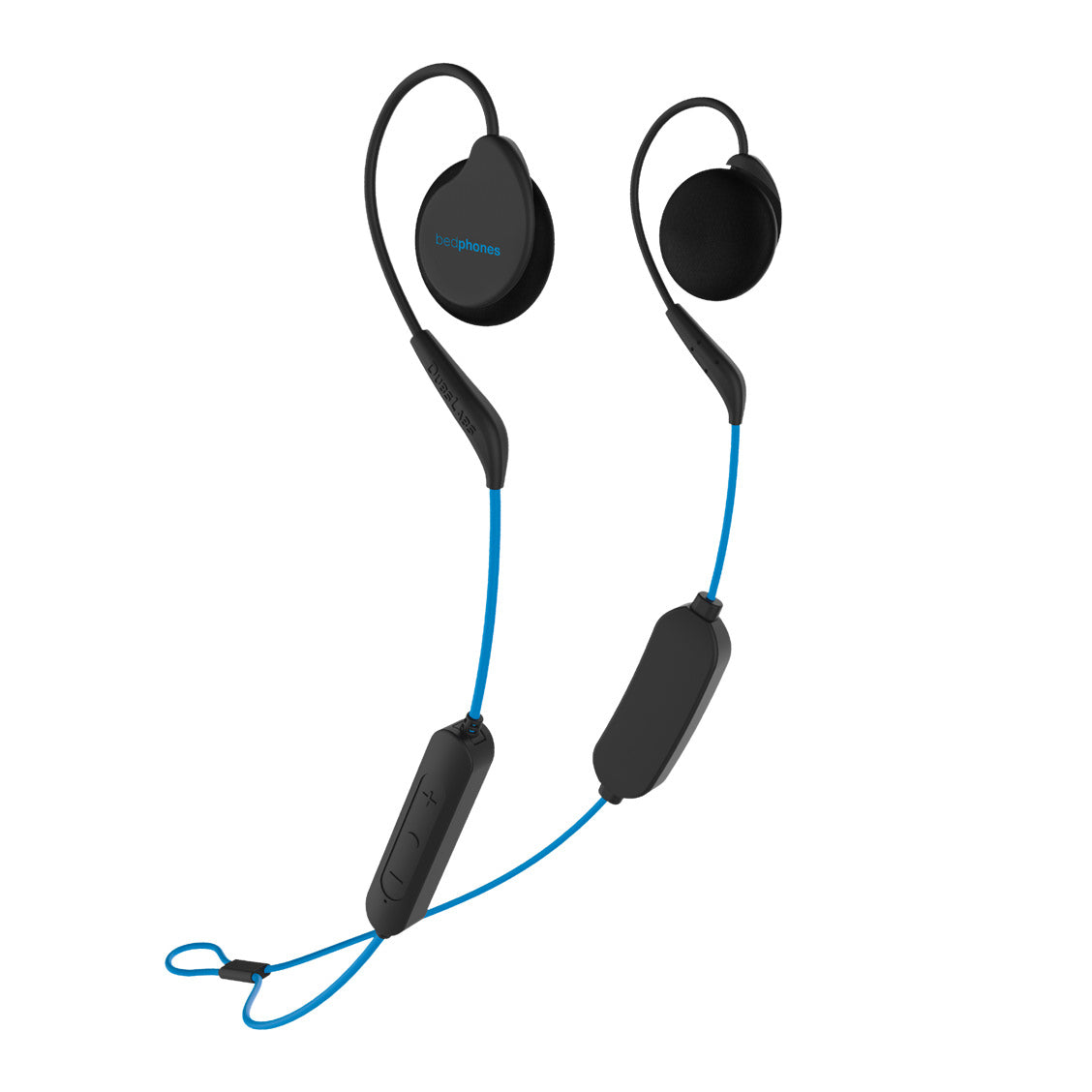
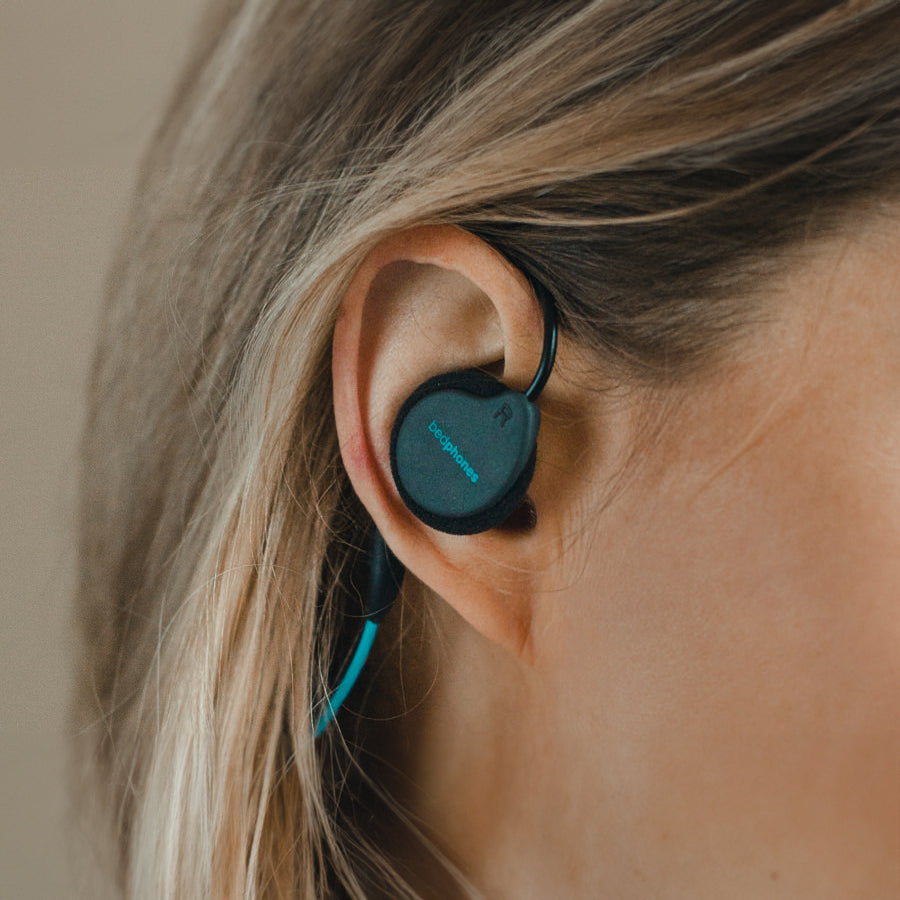
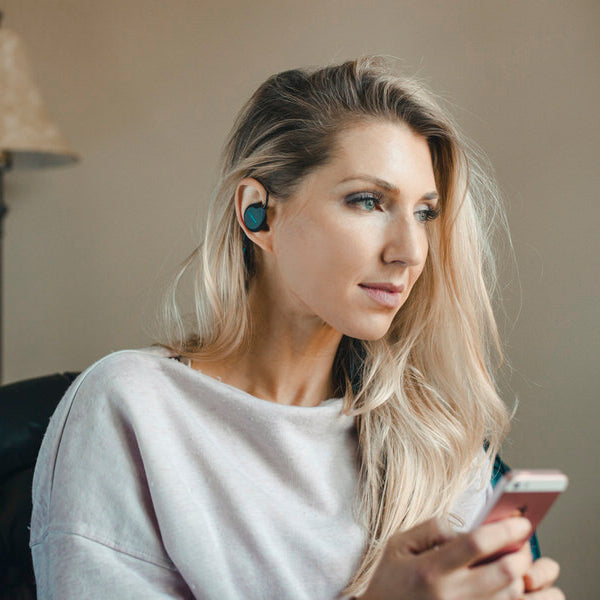
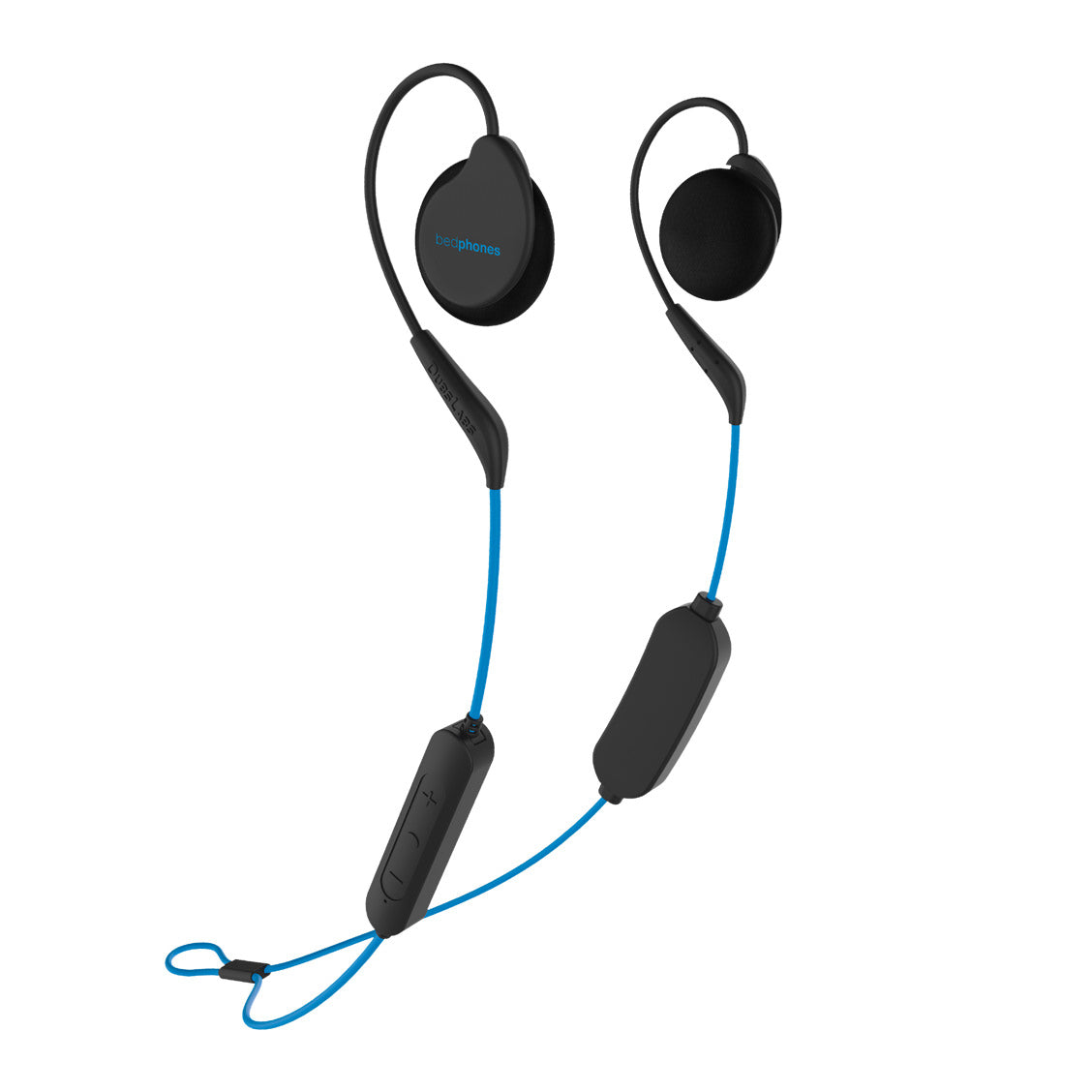
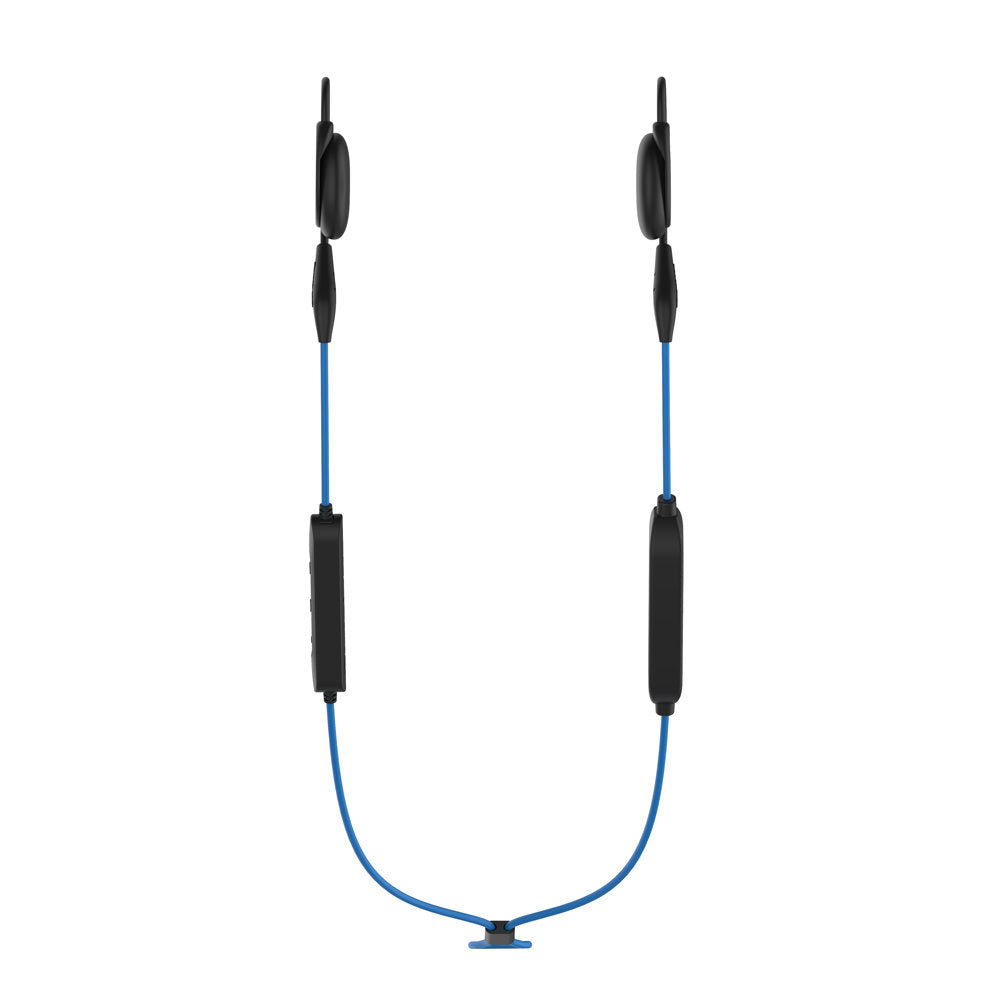
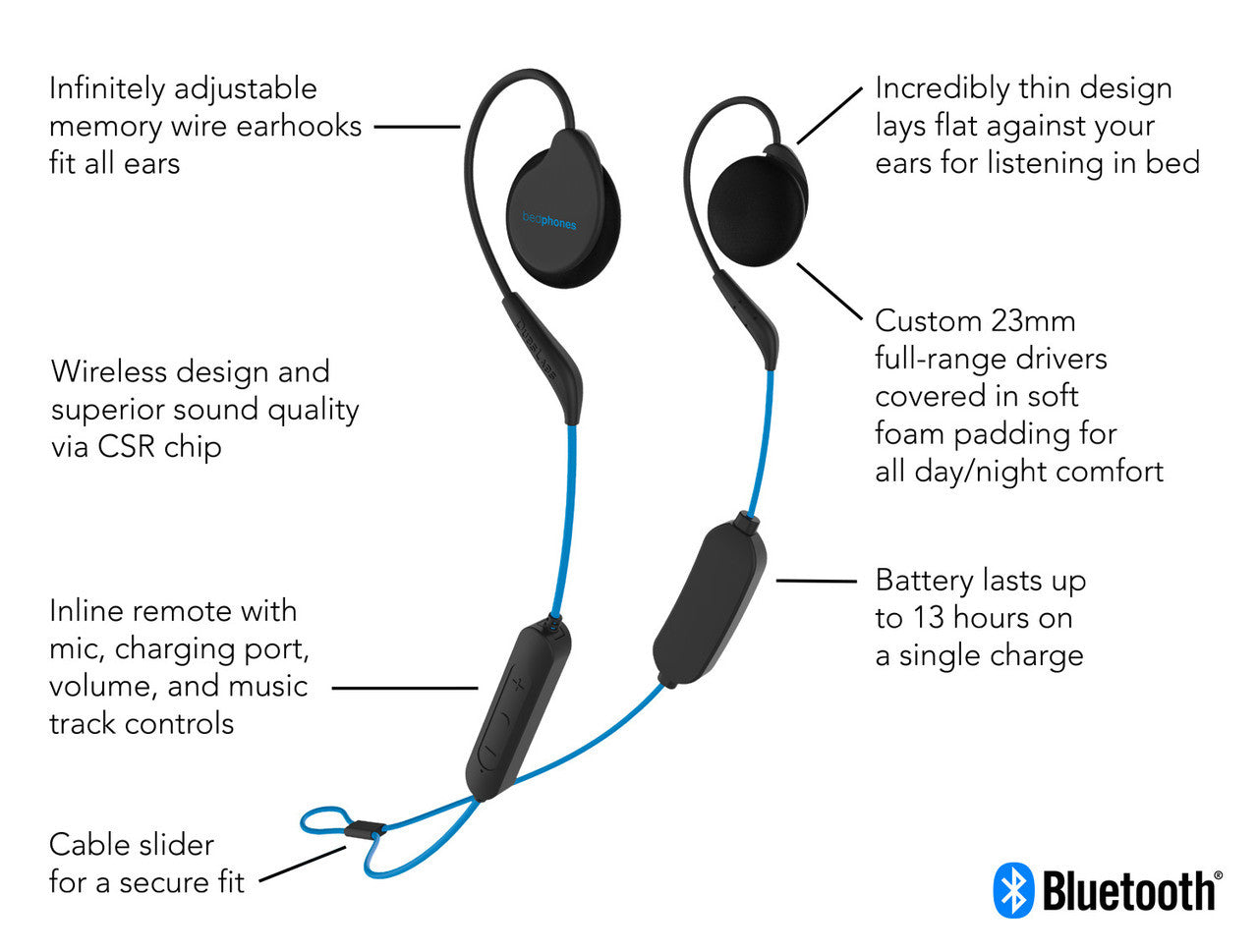
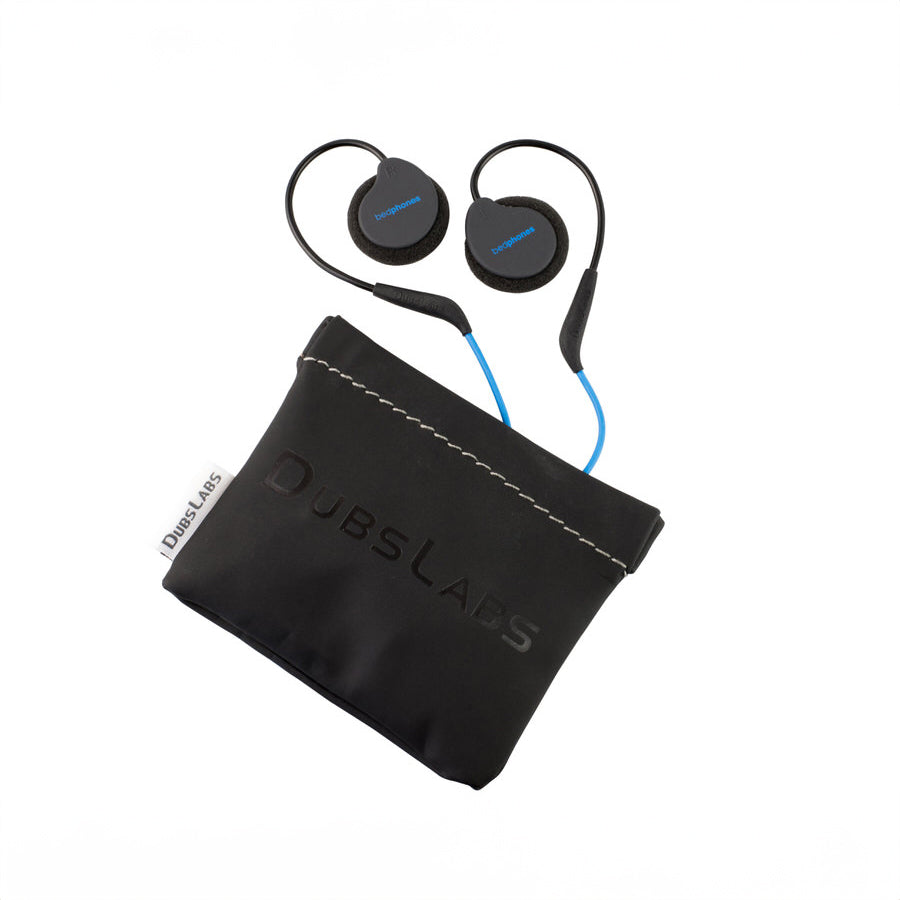
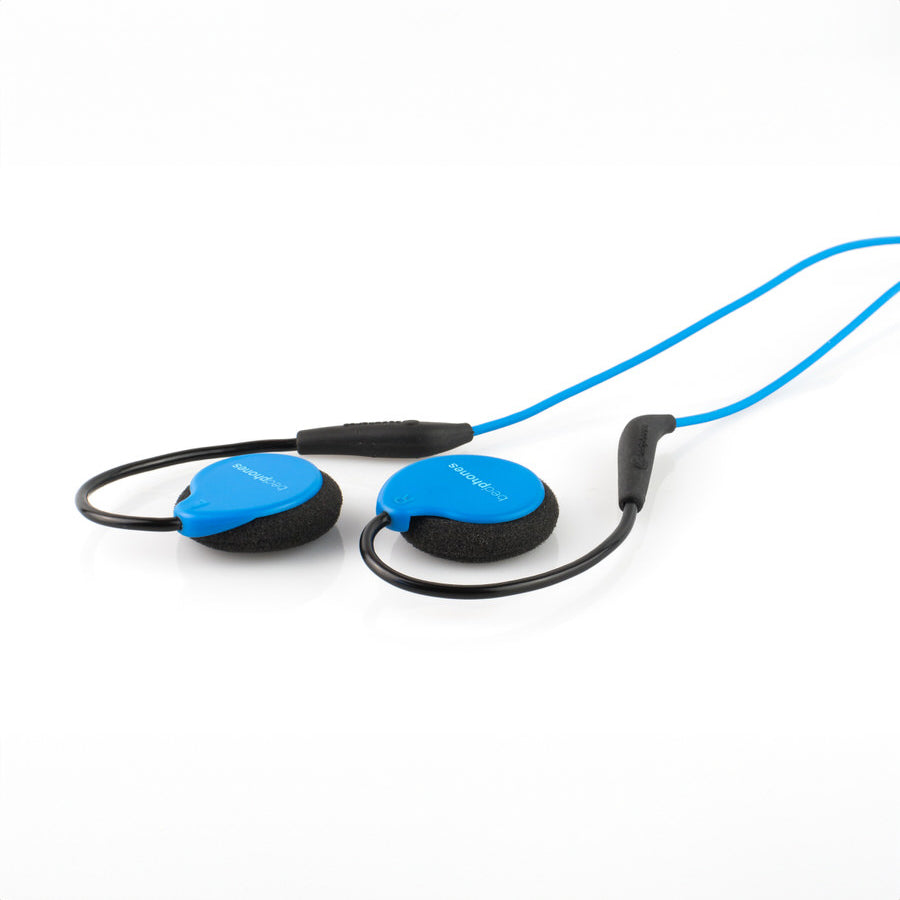
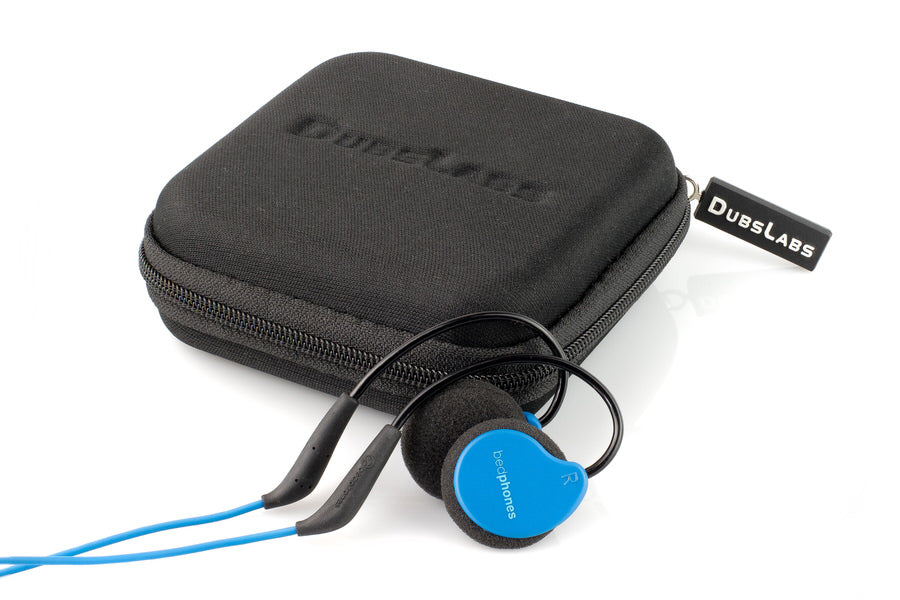
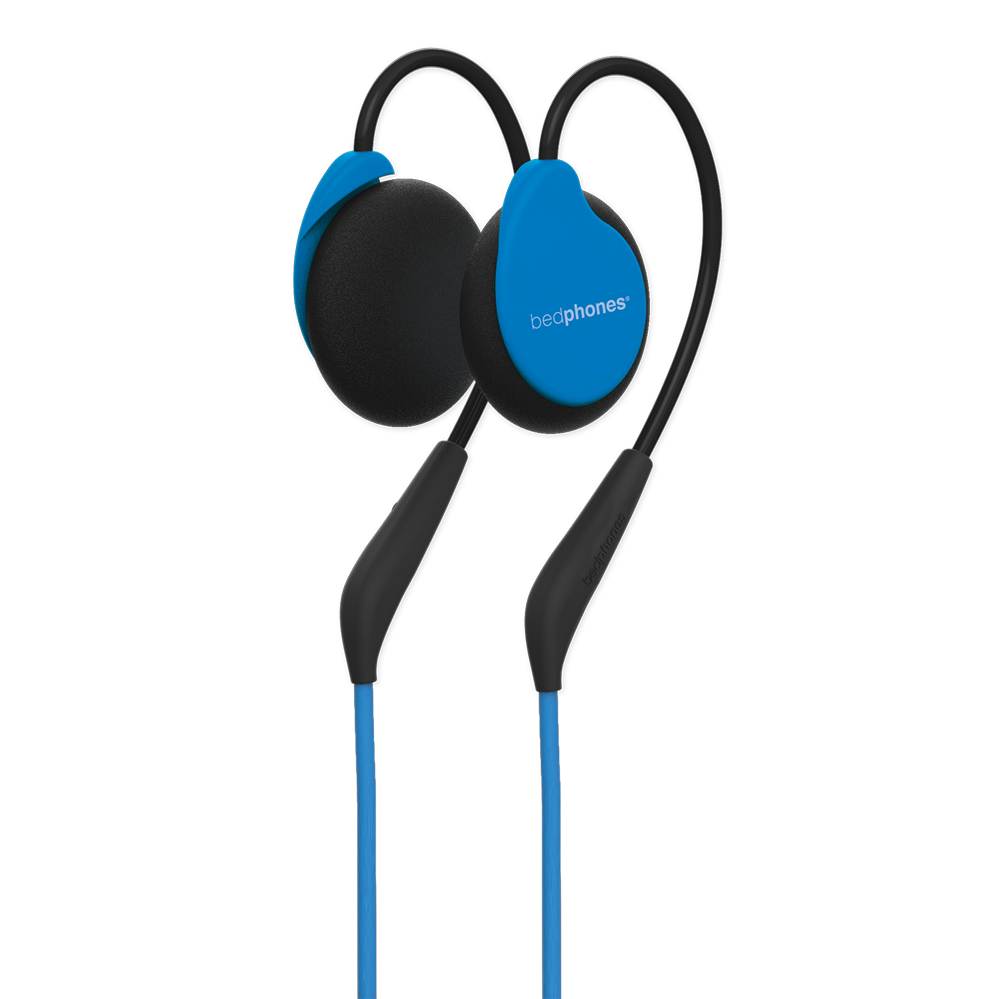
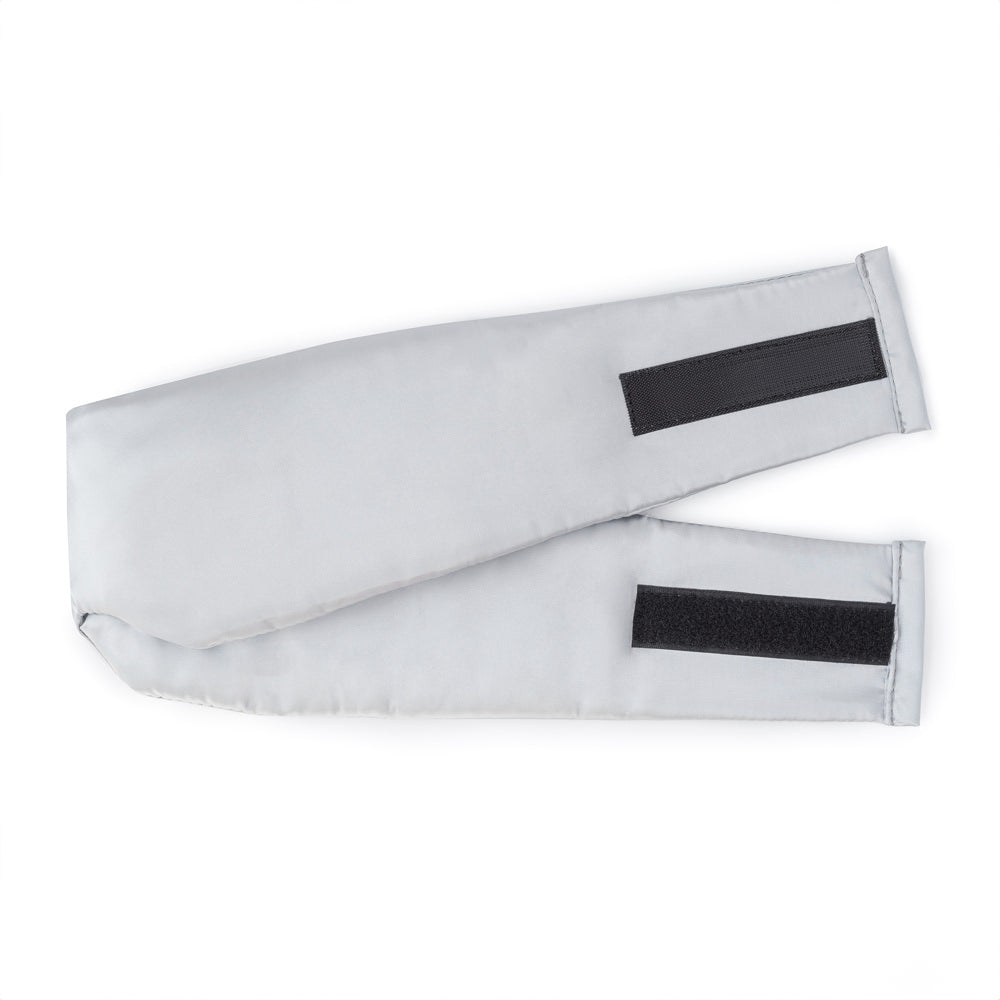
- Sleep-Specific Headphones: This is where gear like Bedphones really shines. They're designed with super-thin, cushioned earpieces that lie almost completely flat, making them perfect for literally any sleeping position.
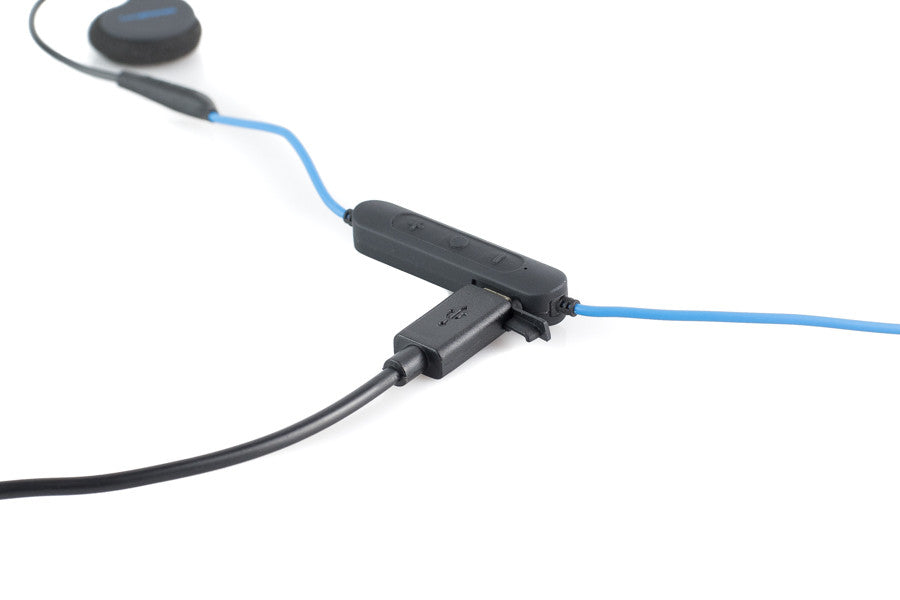
- Wireless vs. Wired: Going wireless is a huge plus. No more getting tangled up in cords when you shift positions. Just make sure your headphones have enough juice to last through your session or the entire night.
- Noise Cancellation: While not strictly necessary, noise-canceling headphones can be a game-changer. They help block out distracting background noise—like city traffic or a snoring partner—and let the binaural beats do their thing without interruption.
For a deeper dive into finding the perfect pair, check out our complete guide on how to sleep with headphones. We cover all the bases, from comfort to safety.
Crafting a Sleep Sanctuary
Your environment is more than just what you hear. The main goal here is to cut down on all sensory input and create a true sanctuary for rest. Start by finding a comfortable, quiet spot where you know you won't be disturbed.
Next, figure out your sound source. It could be a dedicated app on your phone, a YouTube playlist, or audio files you've downloaded. Whatever you land on, make sure your device is on silent. A random notification buzzing you awake can completely derail the process.
Pro Tip: Find the right volume. It should be just loud enough for you to hear, but not so loud that it's distracting. Think of it as a gentle background hum, not the main event. If it's too loud, it can be agitating; too quiet, and it won't work.
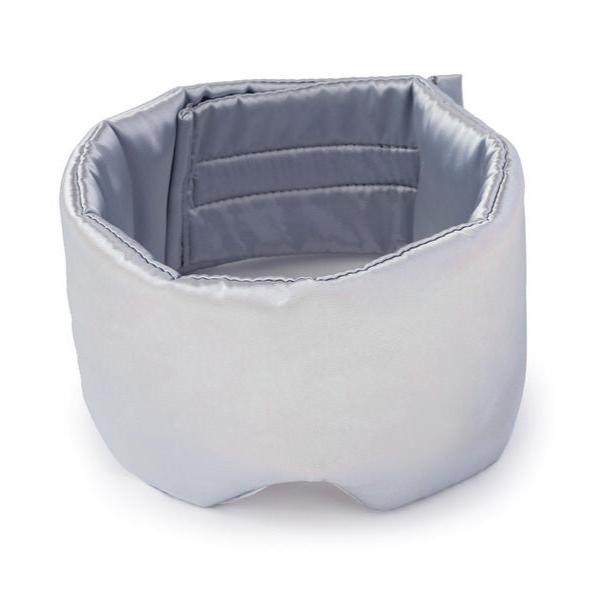
Finally, let's talk visuals. A dark room is absolutely essential for producing melatonin, the hormone that runs your sleep-wake cycle. Invest in some good blackout curtains or a quality sleep mask to block out every last bit of ambient light.
Beyond sound, the visual vibe of your room is key. If you're looking for a great resource on how to create a relaxing atmosphere with candles and soft lighting, you can find some great tips for signaling to your brain that it's time to unwind, even before the headphones go on. Just remember to safely put out any candles before you actually drift off. By nailing these small details, you set the stage for the binaural beats to work their magic.
Finding the Right Beats and Session Length
Alright, now that your space is set up for a great night's sleep, let's talk about what you're actually going to listen to. Think of binaural beat frequencies like different radio stations for your brain—and for sleep, you want to tune into the channels broadcasting pure relaxation.
The two frequencies you’ll want to focus on are delta (1-4 Hz) and theta (4-8 Hz). Delta waves are your ticket to that deep, restorative sleep where all the magic happens. Theta waves are perfect for that initial wind-down, helping you drift off as your mind quiets down. It’s less about finding one "perfect" number and more about discovering what feels most calming to you.
Your First Binaural Beats Session
If you're just getting started, ease into it. There's no need to dive into an eight-hour track on your first night. A shorter, focused session is a fantastic way to introduce your brain to this new sensation without it feeling overwhelming.
Here’s a simple game plan for your first time:
- Target Frequency: Start with a 3 Hz delta wave track. I've found this is a real sweet spot for encouraging deep sleep.
- Session Length: Go for a 30-minute session. That’s plenty of time to guide your mind into a relaxed state as you're falling asleep.
- Timing: Press play right as you get into bed and are ready to close your eyes.
The real key here is consistency. Try this out for a few nights in a row and just notice how you feel. Are you getting drowsy faster? Does the sound feel soothing, or is it a bit distracting? Use that feedback to make small adjustments.
Building Your Audio Library
You'll quickly find that not all tracks are created equal. A pure 3 Hz tone might sound a bit jarring to you, but another track with the same frequency layered under gentle rain could feel like a lullaby. This is exactly why a little experimentation is so important.
A lot of people have great success with tracks that gradually lower the frequency, almost like they're mimicking the brain's natural journey into sleep. A good track might start in the theta range (around 7 Hz) and slowly transition down to the delta range (around 2 Hz) over the course of 20-30 minutes.
This quick flowchart can help you double-check that your audio setup is ready to go.
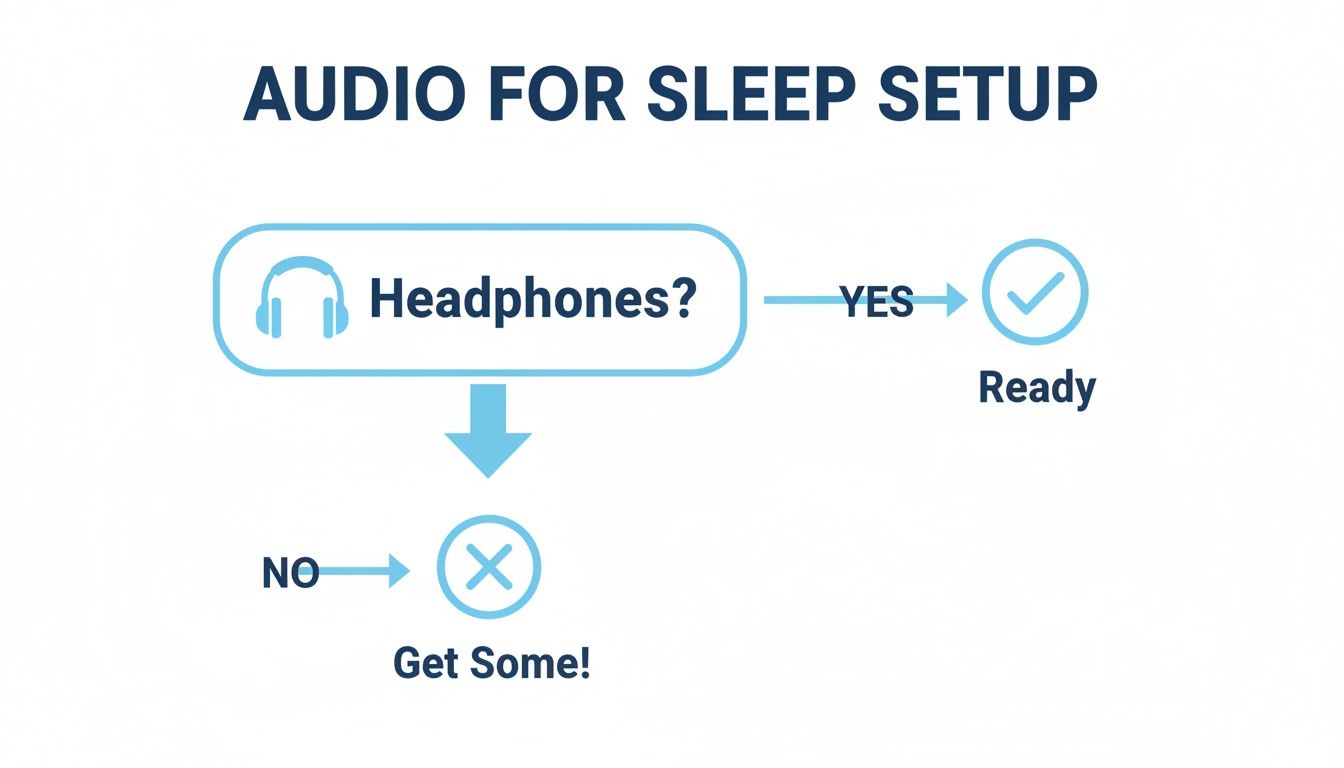
As the chart makes clear, you absolutely need stereo headphones for the binaural effect to work. It’s non-negotiable!
The science is always evolving, too. Recent research on "dynamic" binaural beats, where the frequencies vary slightly, found they helped people fall asleep significantly faster. The effect seems to be linked to a calming of the nervous system, which suggests these shifting sounds might be even more powerful for winding down before bed.
As you explore, you might also want to check out similar sound-based apps like Brain.fm, which offers music specifically engineered to help your brain focus, relax, or sleep. The goal is to build a small, go-to playlist of tracks that you know will help you unwind and drift off peacefully.
Building a Powerful Sensory Sleep Routine
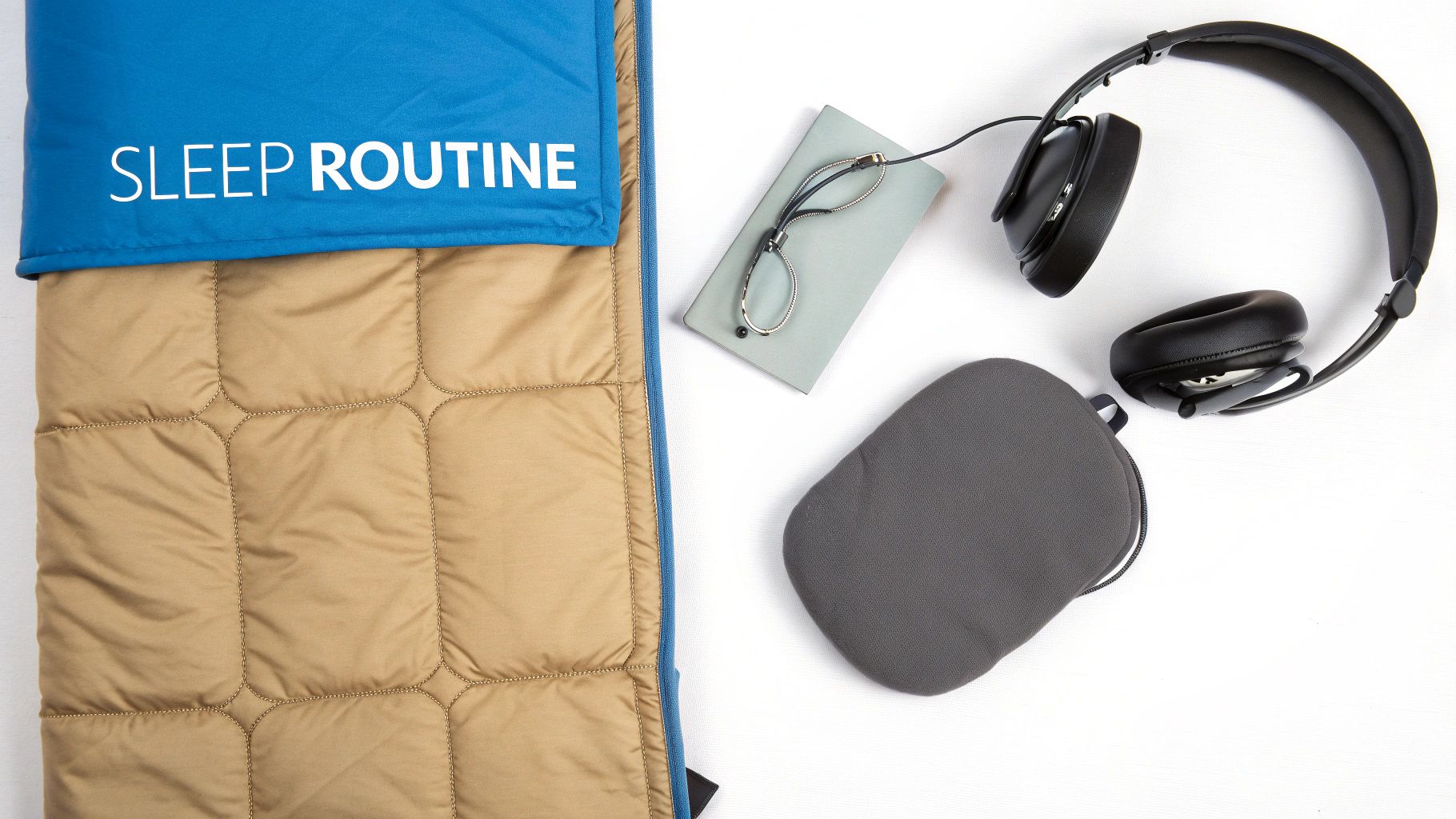
Binaural beats are a fantastic tool all on their own, but if you really want to unlock their full potential, you need to think bigger. It's all about creating a holistic sensory environment. Think of it as synergy—you're layering different comfort signals to send one loud, clear message to your body: it’s time for some serious rest.
This approach helps build a powerful ritual that your brain quickly learns to associate with sleep. When you combine the audio cues from your headphones with physical sensations, your mind becomes far more receptive to those sleep-inducing frequencies. You're creating an entire experience that preps your nervous system for a night of deep, restorative sleep.
Amplifying Comfort with Physical Cues
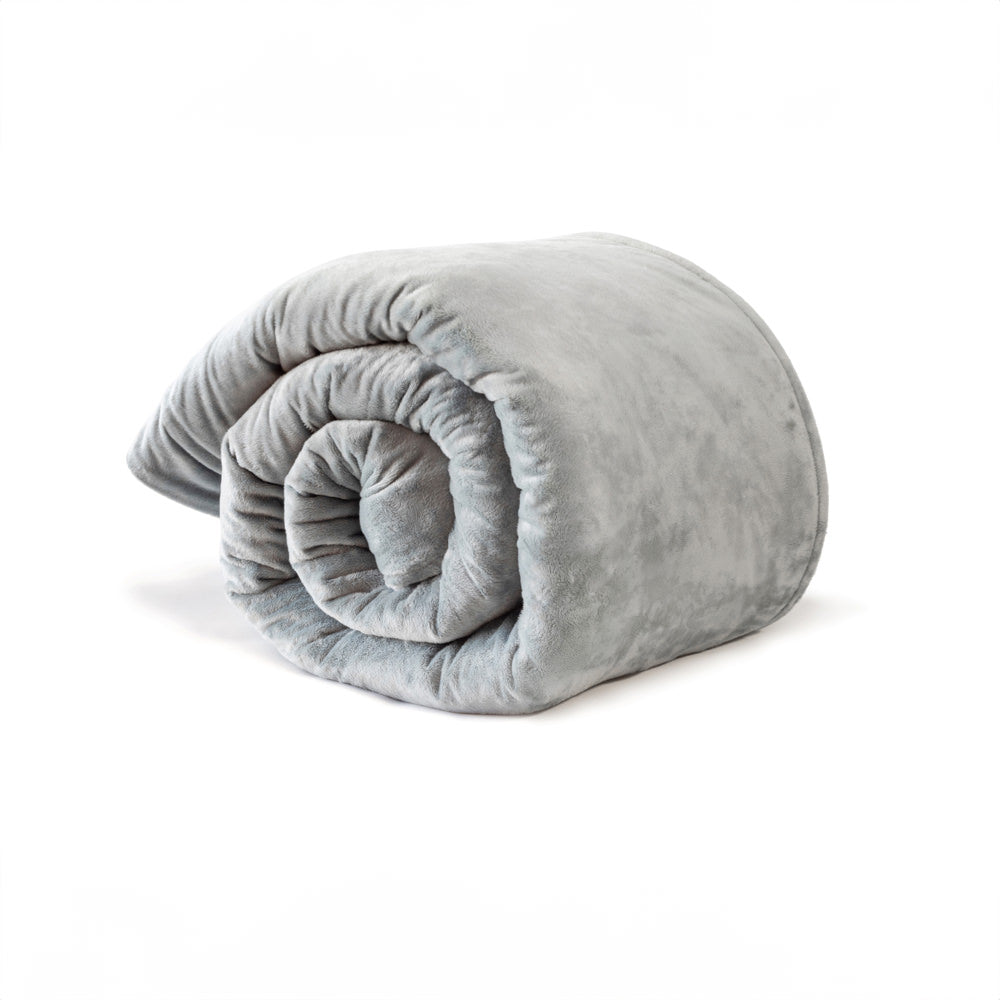
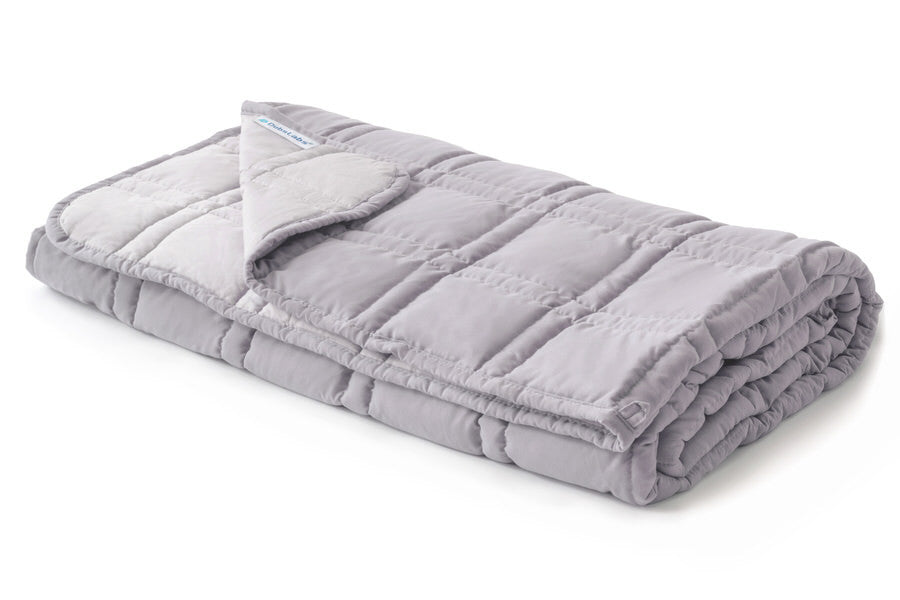
Imagine this: you're listening to calming delta waves through your Bedphones while simultaneously feeling the gentle, even pressure of a weighted blanket. That deep-touch pressure is incredible for soothing an overactive nervous system, making it so much easier for your body to relax and your mind to quiet down. This combo is a game-changer on those nights when you feel particularly restless or anxious.
Another powerful pairing? Sound and total darkness.
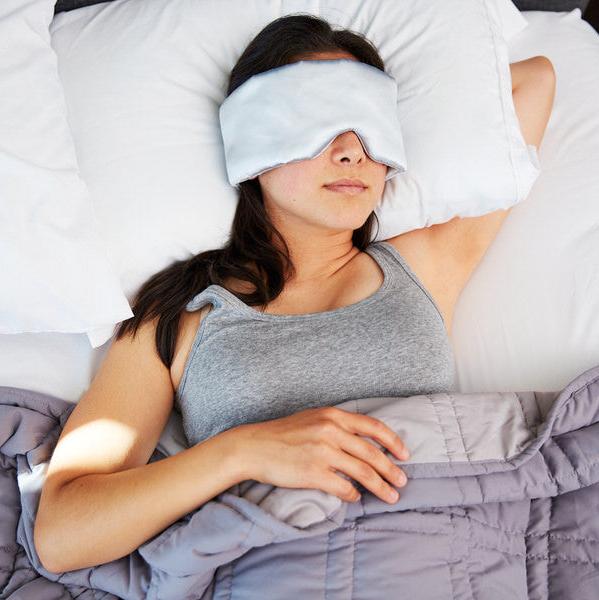
When you use a high-quality sleep mask to block out every last bit of ambient light, you're signaling your brain to ramp up melatonin production—the natural hormone that governs your sleep-wake cycle. Combine that complete darkness with the brain-guiding audio of binaural beats, and you’ve basically built yourself an immersive sanctuary for sleep.
Research has even shown that combining binaural beats with other sensory inputs, like calming scents, can lead to improved sleep quality. This highlights the power of a layered approach—each element supports the others, creating a result that is greater than the sum of its parts.
Building Your Multi-Sensory Sleep Plan
Crafting your ideal sensory routine is a personal journey, but a great starting point involves layering a few key elements. The goal is to systematically dial down external stimuli while introducing calming sensory inputs that signal it's time to power down for the night.
Here’s a simple routine you can make your own:
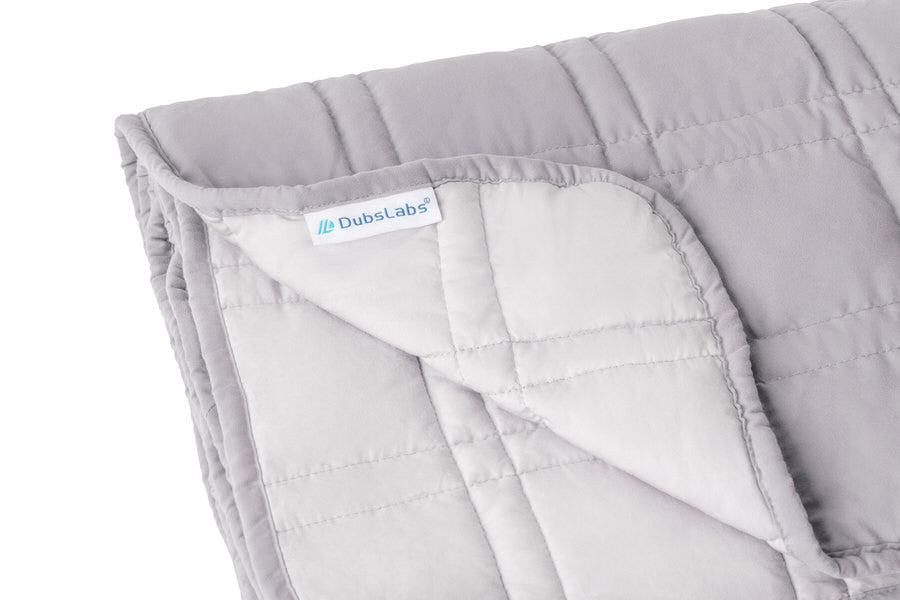
- Touch: About 30 minutes before you plan to sleep, get comfortable under a DubsLabs weighted blanket. This is the first step to calming your body.
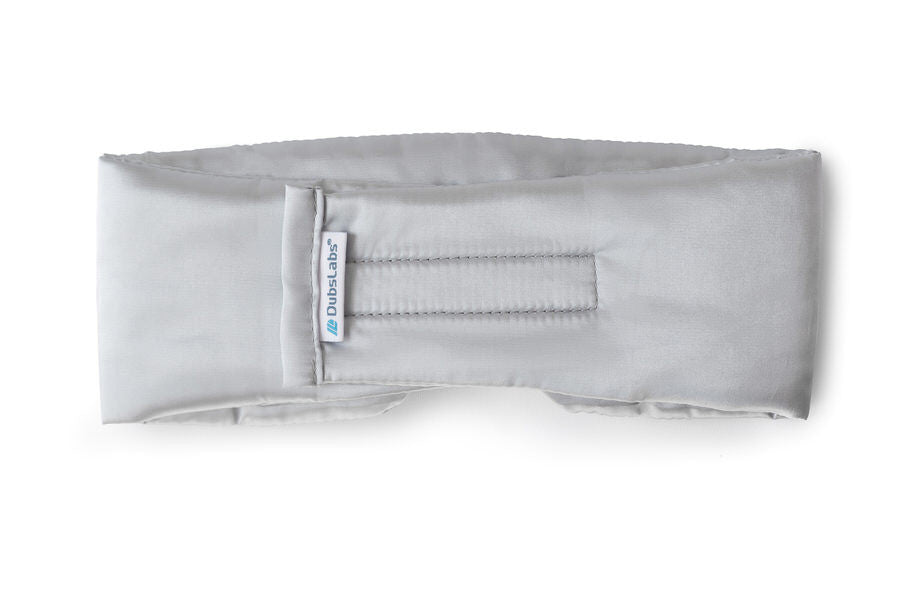
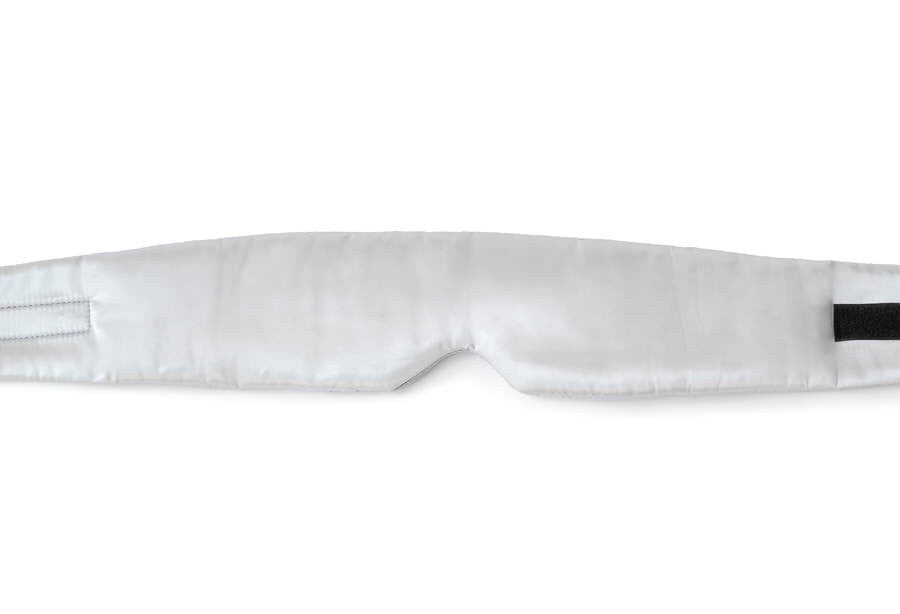
- Sight: Next, put on a total dark sleep mask. This eliminates all light and kicks natural melatonin release into high gear.
- Sound: Finally, as you settle into your favorite sleep position, put on your Bedphones and start your chosen binaural beats track.
This simple, three-part sensory approach trains your body to recognize a consistent pattern. Before you know it, just starting this ritual will be enough to trigger a relaxation response.
For more ideas on crafting the perfect evening wind-down, check out our detailed guide on creating a bedtime routine for your best sleep. Remember, consistency is what transforms these individual actions into a powerful habit that delivers deep, restorative rest, night after night.
Solving Common Problems and Practical Pro Tips
So, you’ve given binaural beats a shot for a few nights, but you're not exactly drifting off into a deep, peaceful sleep yet. Don't sweat it. That's actually pretty normal.
Your brain is learning a new skill here—syncing up with an external rhythm. Just like starting a new workout routine, you can't expect to see major results after one session at the gym. It can take a week or more of consistent practice for your brain to get the hang of it and become more receptive. Consistency is your best friend.
When the Sound Is More Irritating Than Relaxing
What if the sound itself is the problem? Let’s be honest, a raw, pulsing binaural beat can sound mechanical, and for some people, it's just plain annoying. That’s the last thing you want when you’re trying to wind down.
If that sounds like your experience, the fix is usually simple: find a better track.
Look for binaural beats that are layered under more pleasant, ambient sounds. Many of the best sleep tracks mask the core frequency with calming audio that your brain can relax into, like:
- Gentle rainfall
- Soft, ambient music
- White or pink noise
This way, you get all the brainwave entrainment benefits without the distracting hum. The goal is to find a soundscape that your mind finds genuinely soothing, letting the beats do their work in the background.
Pro Tips for Deeper Results
Once you've found a sound you can vibe with, you can start layering in other techniques to make your sessions even more effective. This is where you can really personalize your routine and fast-track your way to better sleep.
For instance, try pairing your binaural beats with a guided sleep meditation. The combination is incredibly potent. The meditation helps quiet your racing thoughts while the delta wave audio coaxes your brain into a state of deep relaxation. You're tackling both the mental and physical sides of restlessness at the same time.
A great way to build the habit is to set a simple, week-long listening schedule. Just commit to a 20-minute session every single night for seven days straight. This kind of dedicated practice trains your brain, making the relaxation response faster and more automatic over time.
Another classic issue is being woken up when the audio stops. If your track is only 30 minutes long, the sudden silence can be jarring enough to pull you out of sleep. The easy solution here is to loop a longer track or build a playlist that runs for a few hours. This creates a continuous, soothing soundscape that can guide you back to sleep if you happen to stir in the middle of the night. You want the whole experience to be as seamless as possible.
Got Questions About Using Binaural Beats? We’ve Got Answers.
Even with the perfect setup, it's totally normal to have a few questions floating around. Getting the hang of a new sleep tool takes a minute, so let's tackle some of the most common things people wonder about when they start using binaural beats.
Can I Really Use These Every Single Night?
For most healthy adults, absolutely. Binaural beats are a non-invasive way to guide your brain toward sleep, but the golden rule is to keep the volume low and comfortable. You've got to protect your hearing for the long haul.
That said, if you have a history of seizures or any other neurological conditions, it's always a smart move to have a quick chat with your doctor before you dive in. Just to be safe.
Ultimately, you have to be your own guide. Listen to your body. If something feels off, take a night off. The whole point is to build a sustainable routine that genuinely feels good to you.
So, How Long Does It Take for This to Actually Work?
This is one of those "it depends" situations. Some people feel a wave of calm almost immediately. For others, it might take a week or more of consistent listening before they notice a real shift in their sleep quality. You're asking your brain to learn a new trick, and that takes a little time.
Think of it like this: your brain is adapting to a new way of winding down. Patience and consistency are your best friends here. Don't get bummed out if you don't have a miracle night on day one.
Give it at least a solid week of nightly use. That's usually enough time to get a real sense of how your sleep patterns are responding.
Do I Have to Use Headphones?
Yep, this one's a non-negotiable. Headphones are essential. The magic of binaural beats relies on sending a slightly different frequency into each ear. Your brain then creates the "beat" internally.
If you just play them through speakers, the two tones mix in the air before they ever get to your ears. When that happens, the brain-guiding effect is lost completely. This is exactly why finding comfortable sleep headphones is such a game-changer—they make sure the tech works as it's supposed to, without you having to sacrifice comfort, especially if you're a side sleeper.
What's the Difference Between Delta and Theta Waves for Sleep?
It helps to think of them as different gears you shift into on your way to deep sleep.
-
Theta waves (4-8 Hz): This is your cruising gear for drifting off. It's associated with that amazing in-between state of light sleep and dreaming (REM sleep). It's the perfect frequency to start with when you first hop into bed and want to quiet your mind.
-
Delta waves (1-4 Hz): This is first gear, the real deep-sleep powerhouse. Delta is the frequency of profound, restorative sleep, where your body gets to work on physical repair and recovery.
You'll find that a lot of the best sleep tracks are designed to follow a natural sleep cycle. They often kick off with theta waves to ease you into relaxation and then gently transition down into delta waves to guide you into that truly deep, restful state.
Ready to build your own sensory sanctuary for sleep? The DubsLabs collection, from our ultra-thin Bedphones to our calming weighted blankets, is designed to work together to help you get the kind of deep, restorative rest you deserve.
Explore the DubsLabs Sleep Collection and start your risk-free trial today at dubslabs.com