Delta wave music is a gentle, surprisingly powerful way to nudge your brain toward the kind of deep, restorative sleep that leaves you feeling refreshed. This isn't just background noise; it's specialized audio that uses specific sound frequencies to encourage your brain's own natural production of delta waves—the very slowest brainwaves we have, the ones tied to dreamless, healing rest.
Think of it as a lullaby for your neurons, a subtle guide that helps you unlock a more profound state of relaxation and recovery.
What Are Delta Waves, Anyway?
Imagine your brain is a complex radio receiver, constantly tuning into different frequencies all day long. When you’re awake, focused on a task, or solving a problem, your brain is humming along on faster frequencies, like beta waves. As you start to wind down for the evening, it naturally shifts to slower alpha and then theta waves.
Finally, in the deepest, most restorative stages of sleep, it tunes into the slowest, most powerful frequency of them all: delta waves.
This is where the real magic happens—the physical and mental repair shop opens for business. Delta wave music is designed to help your brain make this crucial shift more easily and consistently through a process called brainwave entrainment. It might sound technical, but it’s a totally natural phenomenon where your brain synchronizes its own electrical patterns to the rhythm of an external stimulus, like a specific sound.
A great way to picture it is pushing a child on a swing. You don't force the swing into motion. You just give it a gentle push at the right moment, and soon enough, it’s moving in a steady, powerful rhythm all on its own. Delta wave audio does the same for your brain, using carefully designed auditory patterns to gently "nudge" your brainwaves toward the slow, steady rhythm of deep sleep.
The Science Behind the Sound
So how does the audio actually do this? There are two main methods used to create these effective sound patterns:
- Binaural Beats: This technique is pretty clever. It sends a slightly different frequency to each ear through headphones. For instance, your left ear might hear a tone at 100 Hz, while your right ear hears one at 103 Hz. Your brain, in processing these two separate tones, actually perceives a third "phantom" tone at the difference between them—in this case, 3 Hz, which is right in the sweet spot of the delta wave range. Want to dive deeper? Check out our guide on the best sleep frequency for binaural beats.
- Isochronic Tones: These are a bit different. They consist of a single tone that pulses on and off very quickly. The speed of this pulsing creates the desired frequency. Unlike binaural beats, headphones aren't absolutely essential to get the effect, though they can help block out distractions.
Both of these methods are engineered to help guide your brain from an awake, alert state into the deeply restorative delta state. This transition isn't just about feeling sleepy; it triggers some profound biological benefits.
Research has shown that amplifying these slow brainwaves can encourage the release of crucial hormones like melatonin and DHEA during sleep. Enhanced delta activity is also connected to significant reductions in inflammation and better cognitive processing. Some studies have even noted a 15-20% improvement in attention and reaction times after a night filled with quality, delta-rich sleep. You can learn more about these delta brainwave findings on tryhealium.com.
When you understand the process, you can see that delta wave music isn't some kind of magic pill. It’s a tool that works with your brain's natural tendencies, giving it a clear, reliable signal to follow on its way to the deep, healing sleep you need to feel your best.
The Science-Backed Benefits for Your Sleep Cycle
So, how does the science of brainwaves actually translate into better sleep? This is where delta wave music really delivers. The biggest win is its ability to boost Stage 3 sleep, what experts call slow-wave sleep.
Think of Stage 3 as your body's dedicated nightly pit crew. It's the deepest, most physically restorative part of your sleep, and it’s when the real magic happens. During this phase, your body gets to work repairing muscles, solidifying memories, balancing hormones, and giving your immune system a much-needed tune-up.
By encouraging your brain to settle into those slow, powerful delta waves, you're essentially giving that pit crew more time to do its job. The result? You wake up feeling not just rested, but genuinely restored.
Falling Asleep Faster and Staying Asleep Longer
One of the first things people tend to notice is a drop in sleep latency—that's the technical term for how long it takes you to actually drift off. Instead of tossing and turning with a racing mind, the steady, low frequencies of delta wave audio can help quiet the mental chatter, making the journey into sleep much smoother and faster.
This isn't just wishful thinking; there's solid research to back it up. A fascinating 2022 study looked at university students who listened to auditory stimulation with 3 Hz delta binaural beats for a week. The results were impressive.
Participants saw their sleep latency drop, woke up far less during the night, and slept longer overall. They also reported feeling more refreshed and satisfied with their sleep, with a noticeable decrease in anxiety levels. The evidence strongly suggests that this kind of auditory input helps stabilize sleep patterns.
The chart below breaks down some of the key biological upgrades that come from getting more quality delta wave sleep.
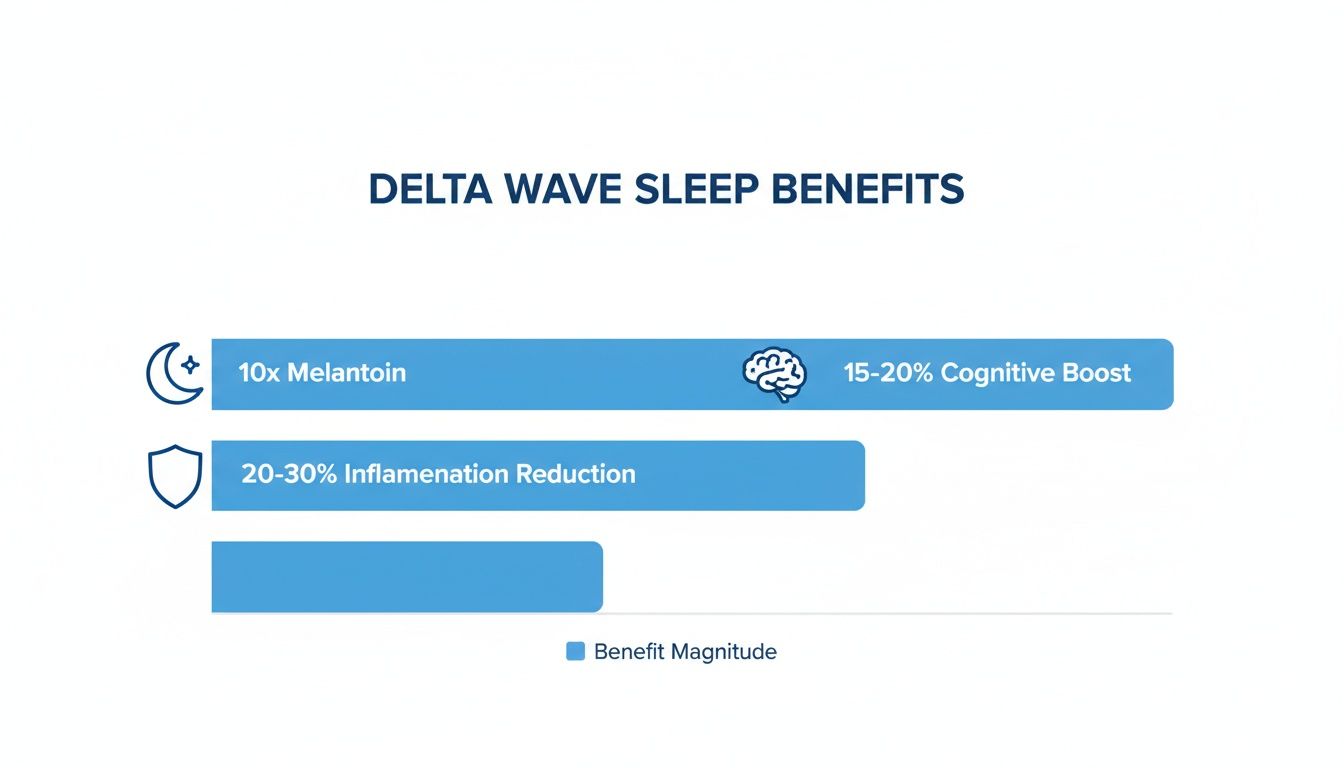
As you can see, deeper sleep isn't just about feeling good. It’s linked to major physiological improvements, like boosting melatonin, reducing inflammation, and sharpening your cognitive edge.
The studies on delta wave auditory stimulation point to some very specific, measurable improvements in sleep quality. Here’s a quick summary of what the research has found.
Key Sleep Improvements from Delta Wave Music
| Sleep Metric | Observed Improvement | Primary Benefit |
|---|---|---|
| Sleep Latency | Significant reduction in time to fall asleep. | Less tossing and turning; quicker transition to sleep. |
| Sleep Duration | Increase in total time spent asleep. | More time for the body's restorative processes. |
| Sleep Efficiency | Fewer awakenings during the night. | More consolidated, uninterrupted, and higher-quality rest. |
| Slow-Wave Sleep | Increased time spent in Stage 3 deep sleep. | Enhanced physical recovery, memory consolidation, and hormone regulation. |
| Subjective Quality | Higher self-reported ratings of sleep satisfaction. | Waking up feeling more refreshed and less groggy. |
These findings show a clear pattern: guiding the brain toward its natural deep-sleep frequency can have a profound impact on how well we rest.
Deeper Sleep for a Sharper Mind and Calmer Mood
The perks of better sleep don't just stop when your alarm goes off. Because delta-rich sleep is absolutely vital for memory consolidation, making it a consistent part of your routine can lead to better focus, mental clarity, and improved cognitive performance throughout your day. You'll find you're better equipped to learn new things, solve tricky problems, and handle whatever life throws at you.
By activating the parasympathetic nervous system—our "rest and digest" mode—delta wave audio helps lower stress hormones like cortisol. This creates a powerful positive feedback loop: you sleep better, which lowers your stress, which then makes it even easier to get great sleep the next night.
This process helps you build what I like to call "sleep momentum," where good rest begets more good rest.
Of course, delta wave music is a fantastic tool for building a long-term foundation of restorative sleep. But for those times when you're in the thick of it and need immediate relief, it's also helpful to learn how to cope with sleep deprivation, particularly for new parents or anyone in a demanding phase of life.
Ultimately, using delta wave audio is about more than just logging hours in bed. It’s about fundamentally upgrading the quality of those hours for a healthier, more vibrant life.
How to Build Your Delta Wave Sleep Routine
So, how do you go from just knowing about delta wave music to actually making it a part of your life? The key is building a simple, repeatable routine. Think of it less like taking a pill and more like cultivating a garden for your sleep—it thrives with consistency and the right conditions.
The goal isn't complicated: create a ritual that tells your brain and body it's time to power down for some serious rest. Let's walk through the practical steps to make a delta wave routine that actually sticks.
Timing Your Session for Maximum Impact
When you press play is more important than you might think. You want to start listening about 30-45 minutes before you actually plan to be asleep. This isn’t about just having music on as you drift off; it’s about creating a "wind-down" buffer zone.
Think of it like an airplane descending for a landing. It doesn't just drop out of the sky—it follows a slow, steady glide path. Starting your delta wave music early creates that same gentle descent for your mind, easing you out of the buzzing, alert beta-wave state of a busy day and into the slow, calm frequencies of sleep.
Finding the Right Duration and Volume
How long should a session last? For most people, 45 to 60 minutes is the sweet spot. This is usually enough time to guide your brain into the early stages of deep sleep. You can set a sleep timer on your phone so the audio shuts off automatically, preventing it from waking you up later.
Some people, however, find that letting the audio play all night on a barely-audible volume helps them stay asleep if they’re prone to waking up. Experiment and see what works for you.
Your volume should be just loud enough to hear, but quiet enough to fade into the background. A good rule of thumb is to set it at a level where you can still notice the other ambient sounds in your room. The brainwave entrainment effect doesn't need to be loud to work its magic.
This isn't just theory, either. One study found that college students who listened to relaxing audio with delta wave frequencies for 45 minutes at bedtime saw a big improvement in their sleep quality. Brainwave scans (EEG) confirmed it—they spent more time in restorative deep sleep and less time tossing and turning in light sleep.
Adding delta wave music is just one piece of the sleep puzzle. To see the bigger picture, you can learn how to improve sleep quality naturally with other simple lifestyle changes. And if you're curious about other audio options, we've got a great article on different kinds of deep sleep music to help you rest.
Creating the Ultimate Environment for Deep Sleep
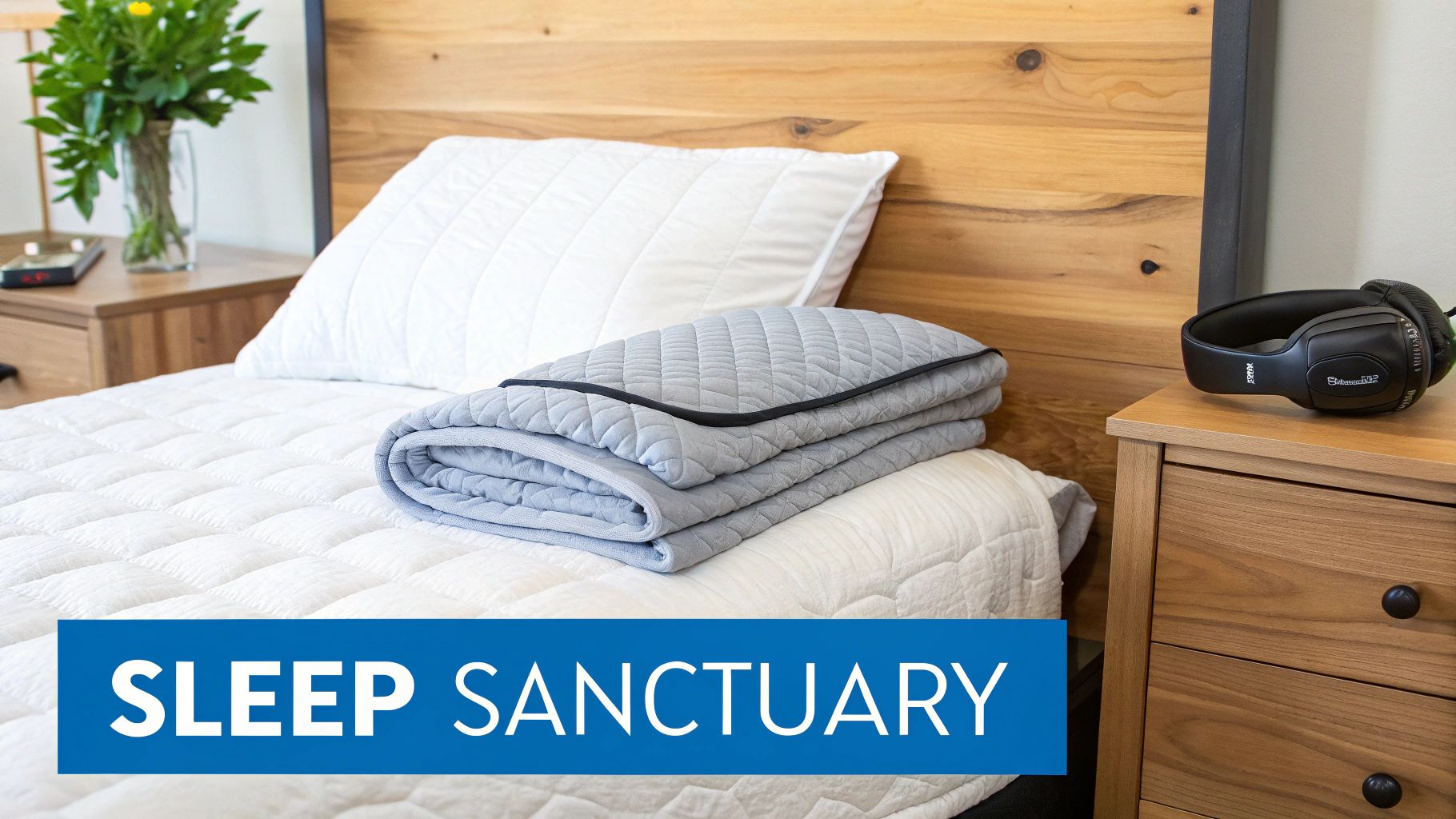
Just putting on some delta wave music is a great first step, but to really tap into its full power, you need to think bigger. You need to build a complete sleep sanctuary. Your environment sends constant signals to your brain, and those signals can either support your quest for deep rest or completely sabotage it.
Think of it this way: optimizing your surroundings turns a simple listening session into a deeply immersive, restorative experience. It’s the difference between hearing the music and feeling it work.
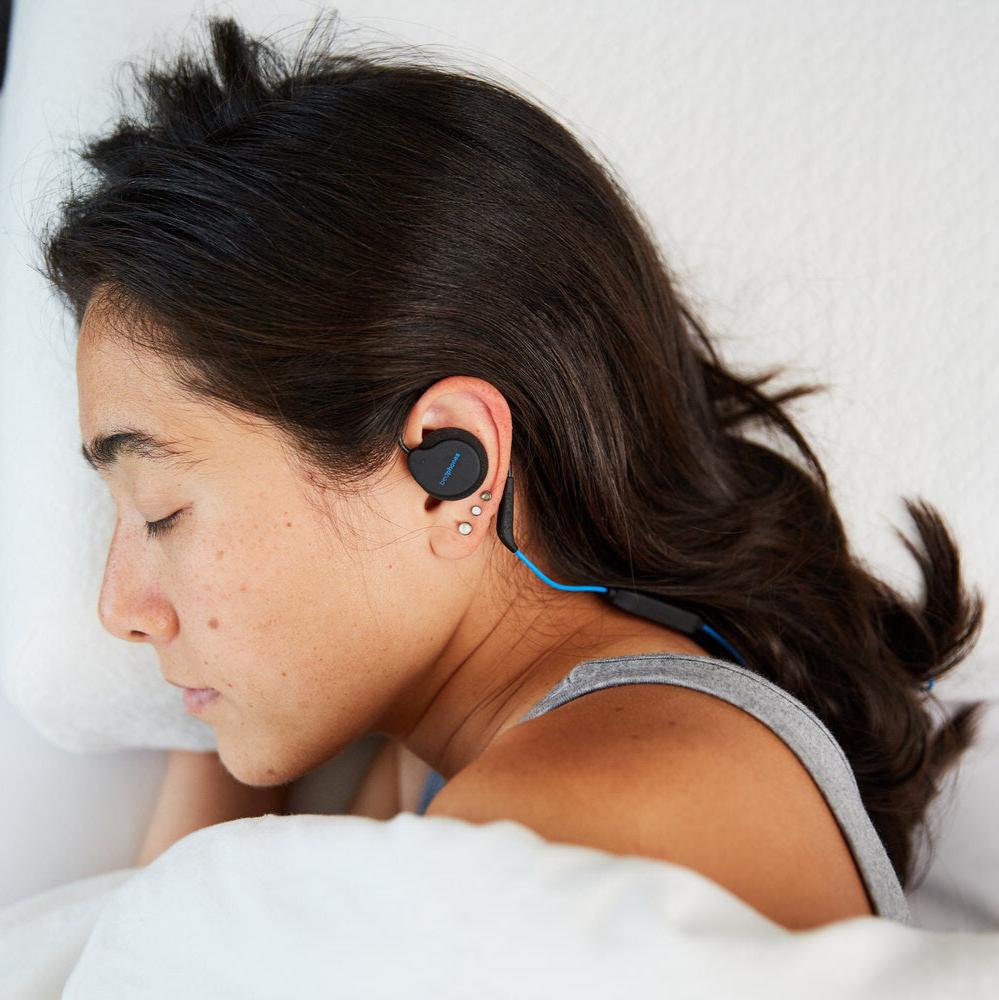
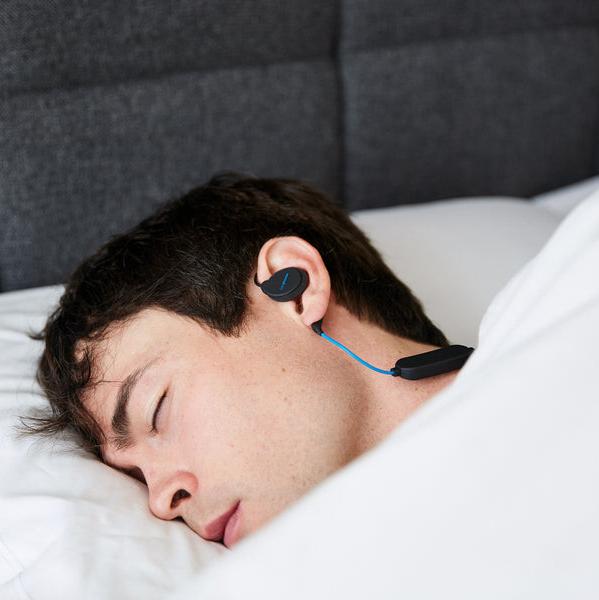
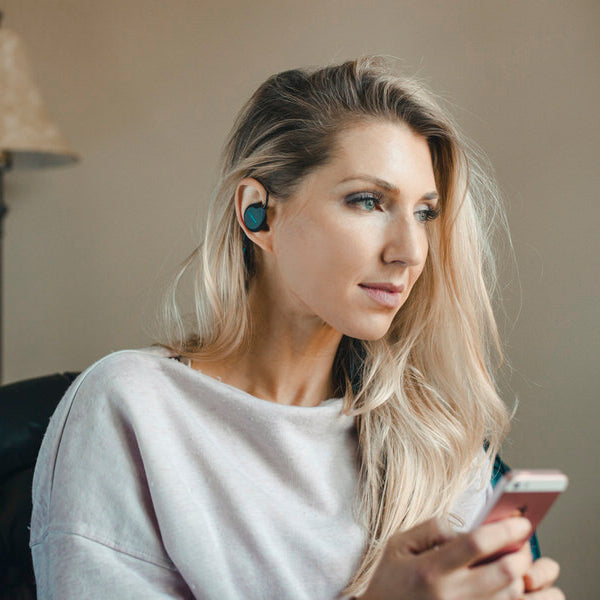
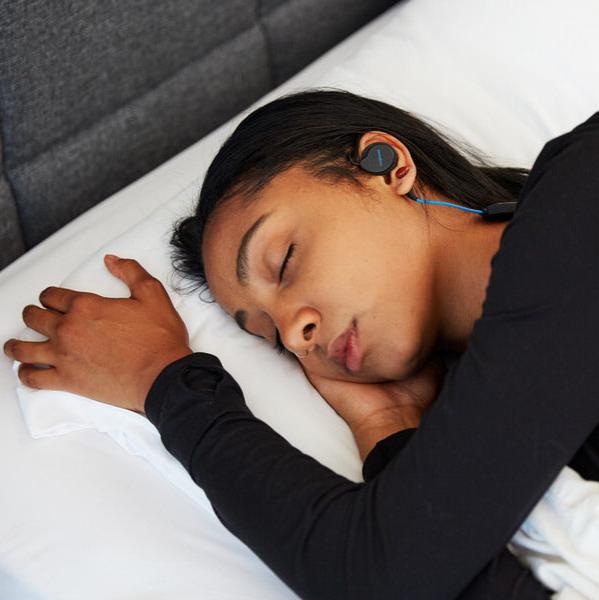
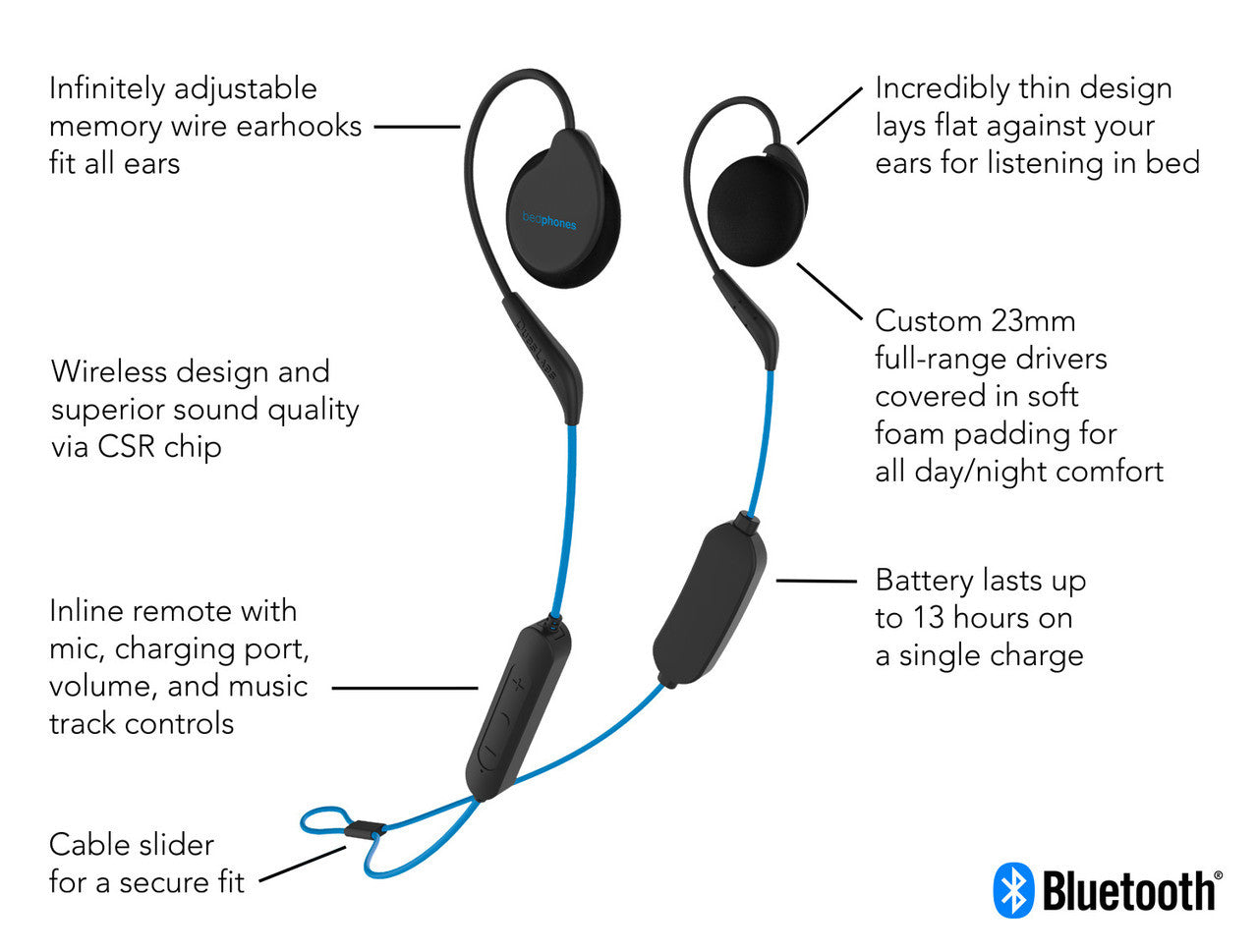
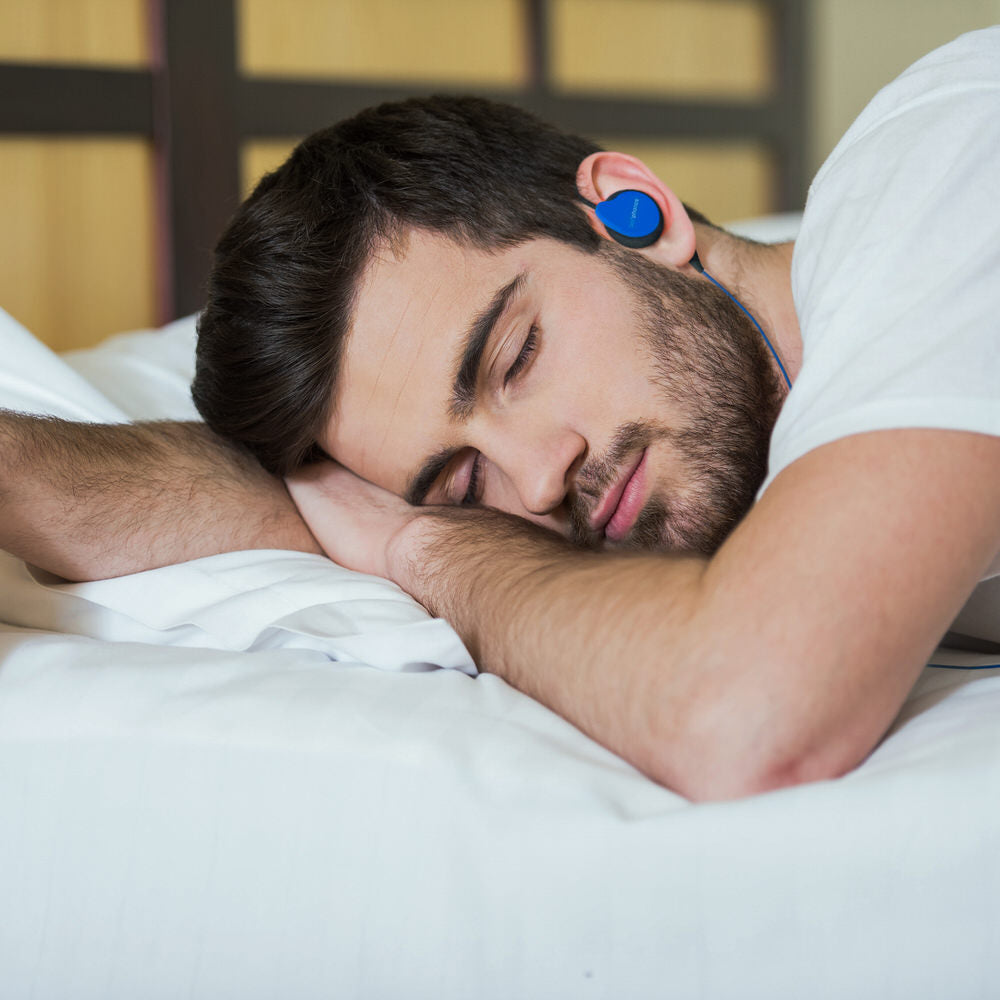
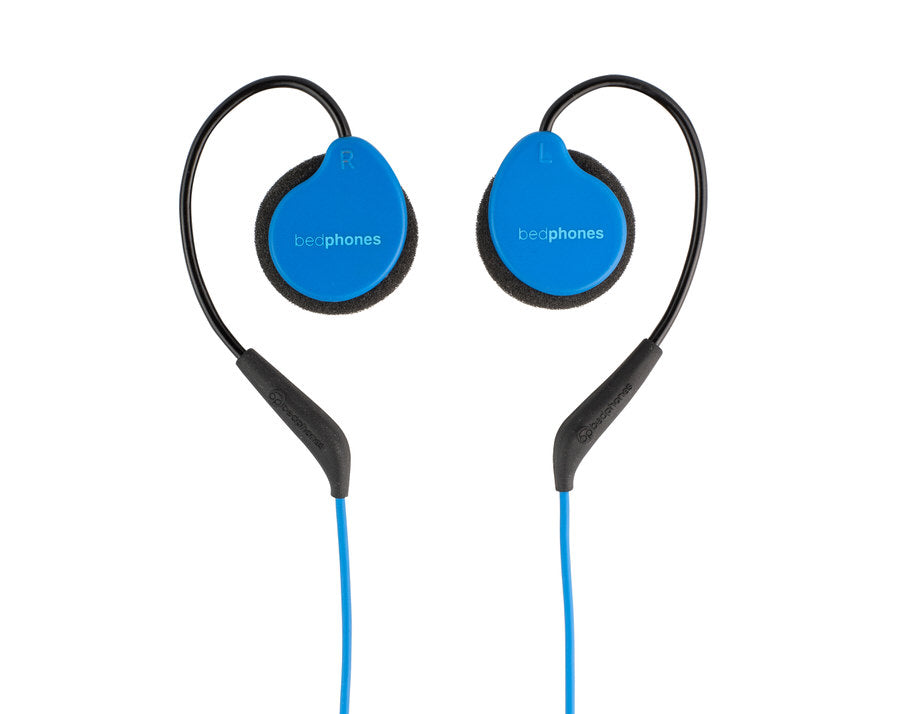
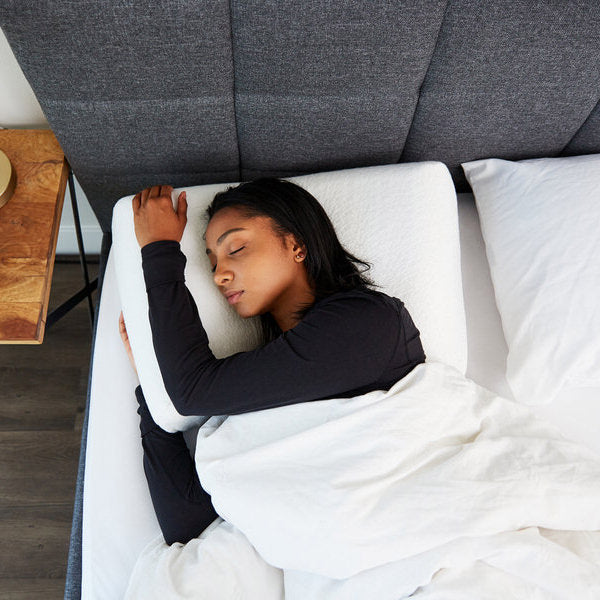
The single biggest roadblock? How you listen. Standard earbuds dig into your ears and become painful, especially if you're a side sleeper. Bulky over-ear headphones are just not practical for a full night of tossing and turning. Any kind of discomfort is a major distraction that yanks you right out of that relaxed state you’re working so hard to achieve.
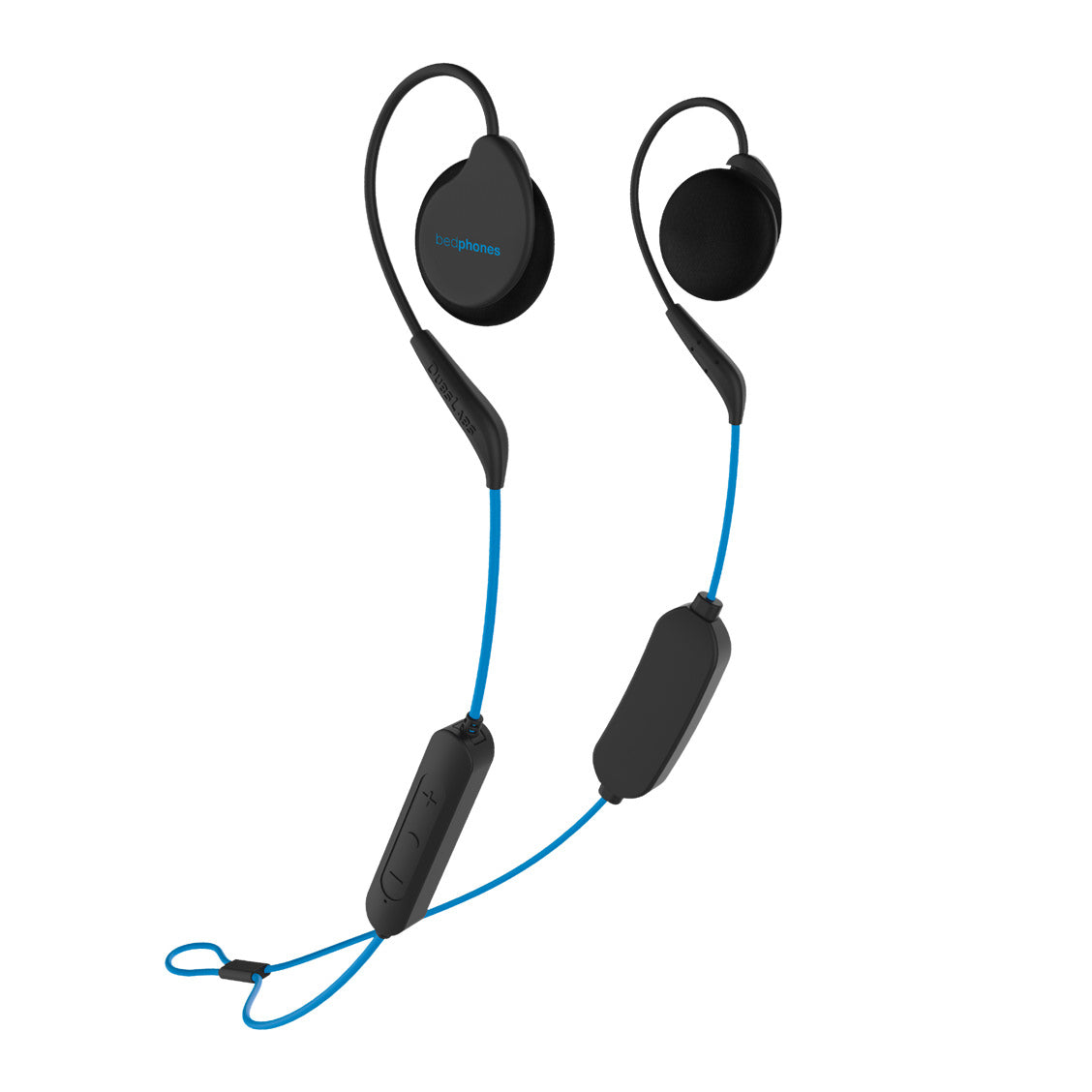
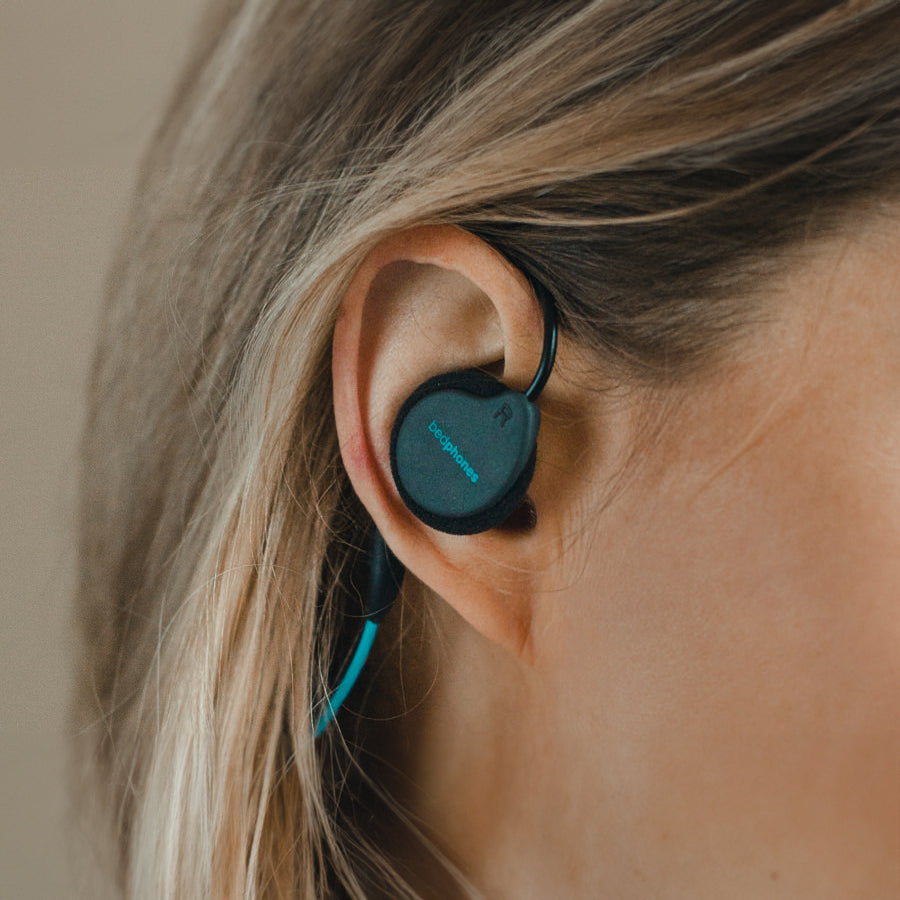
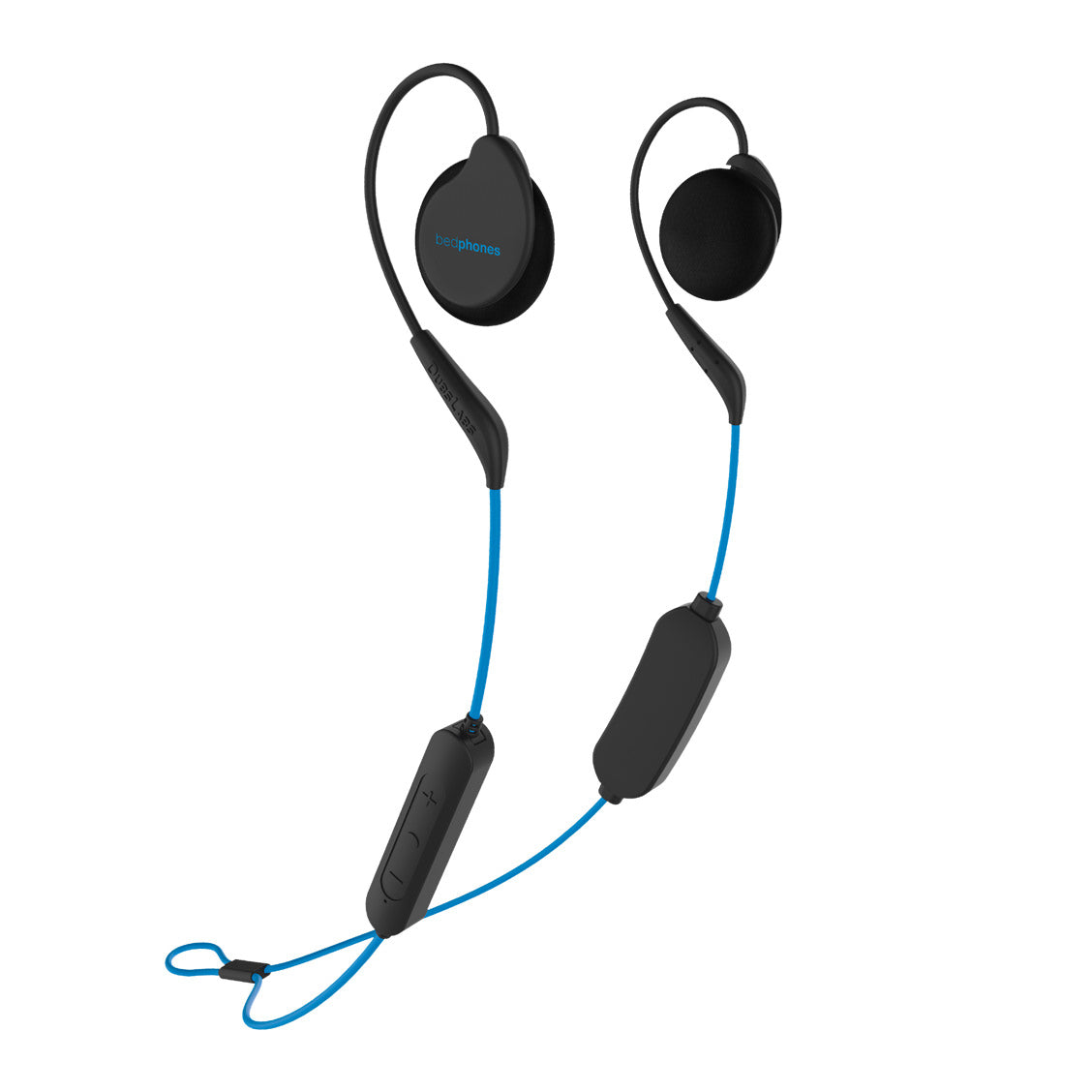
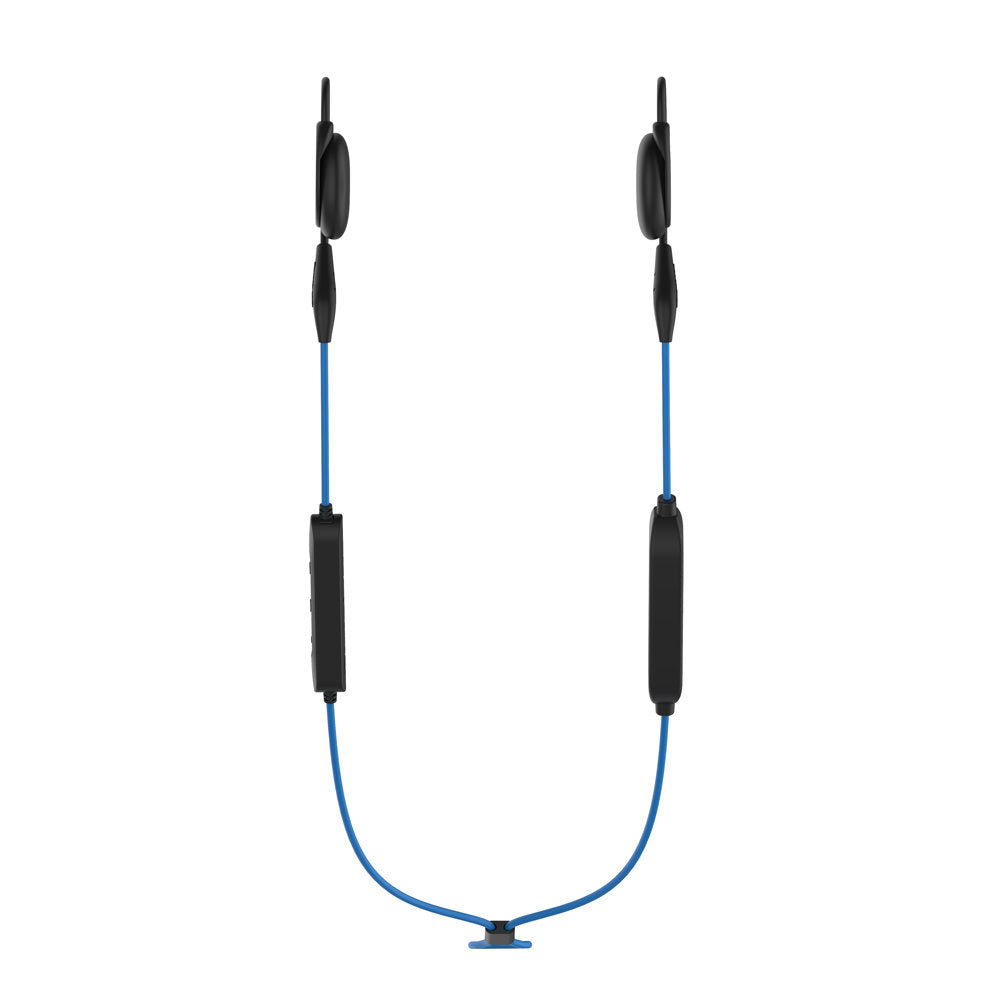
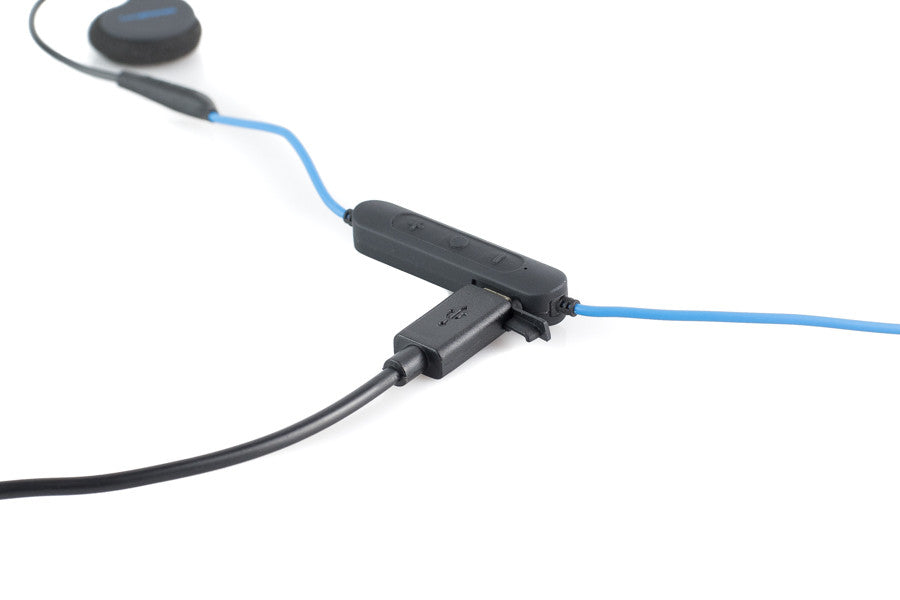
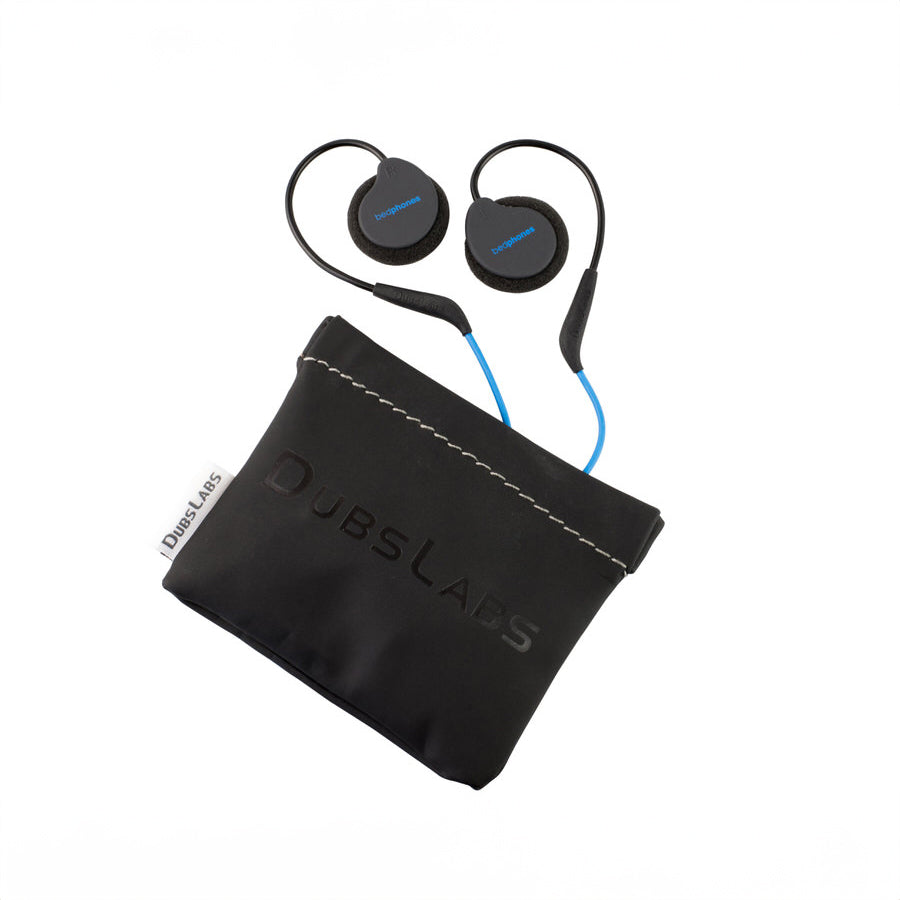
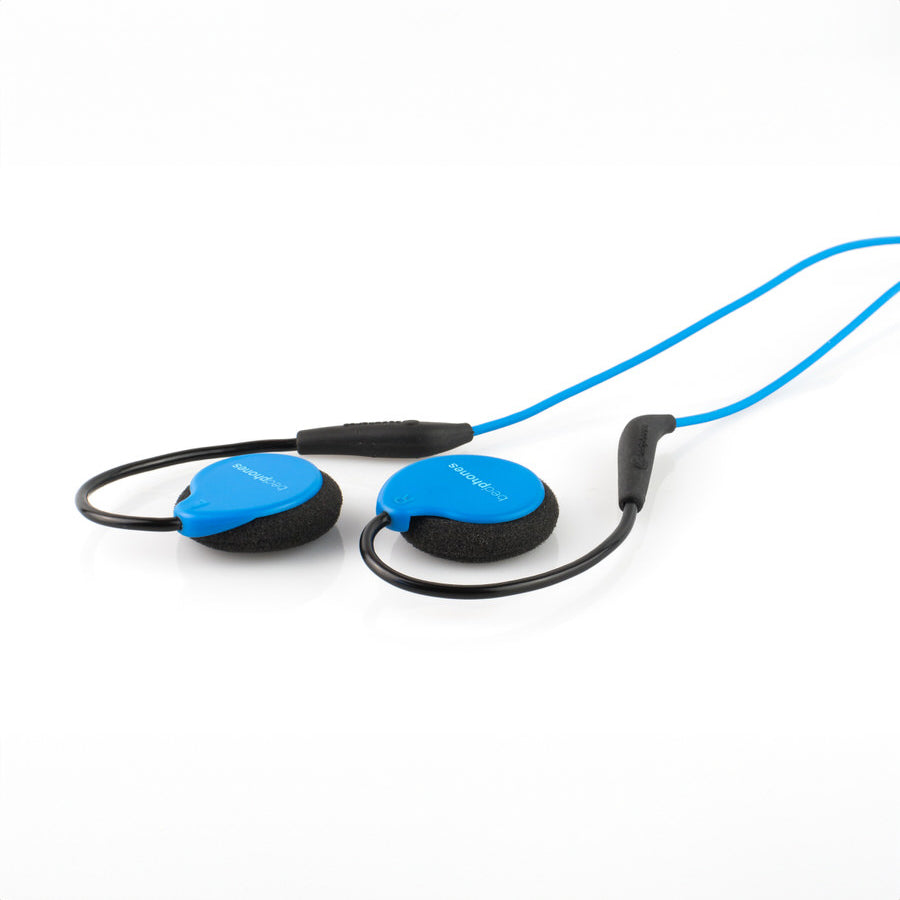
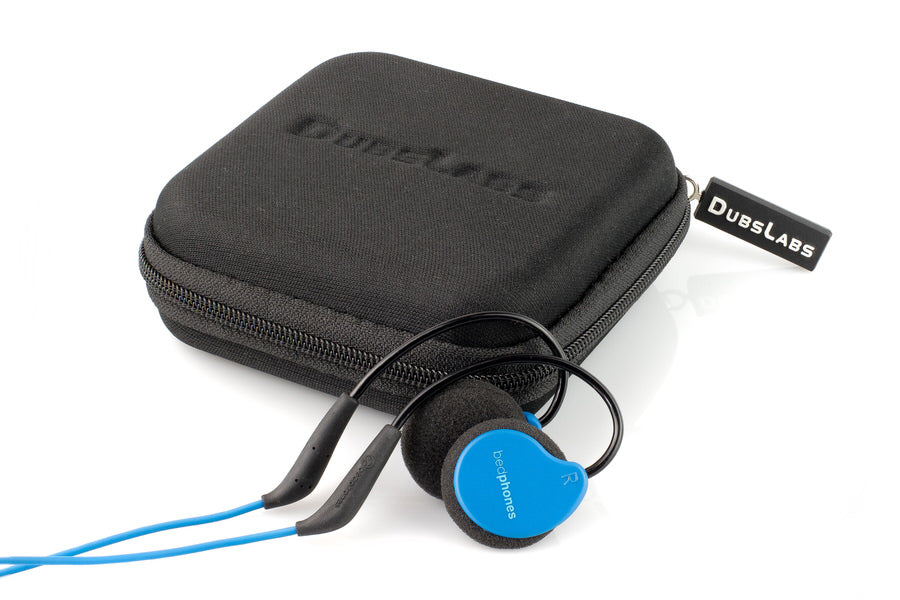
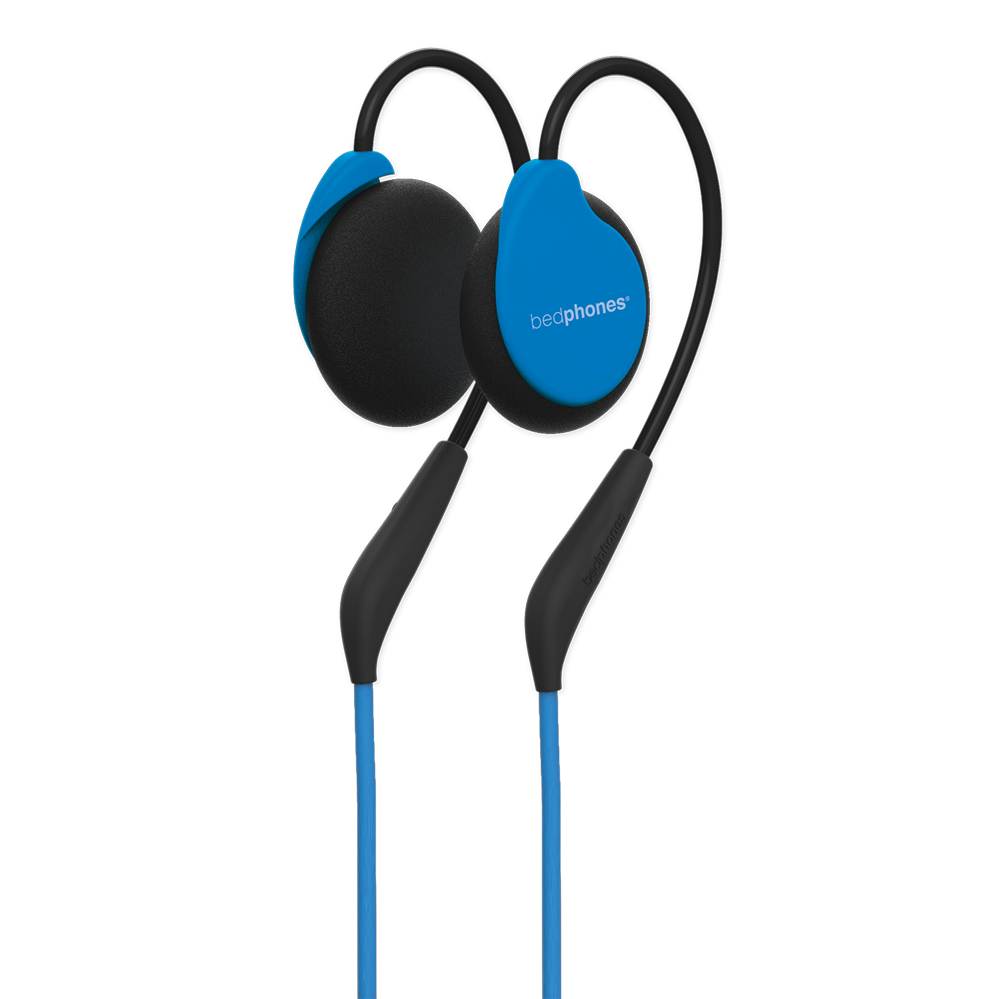
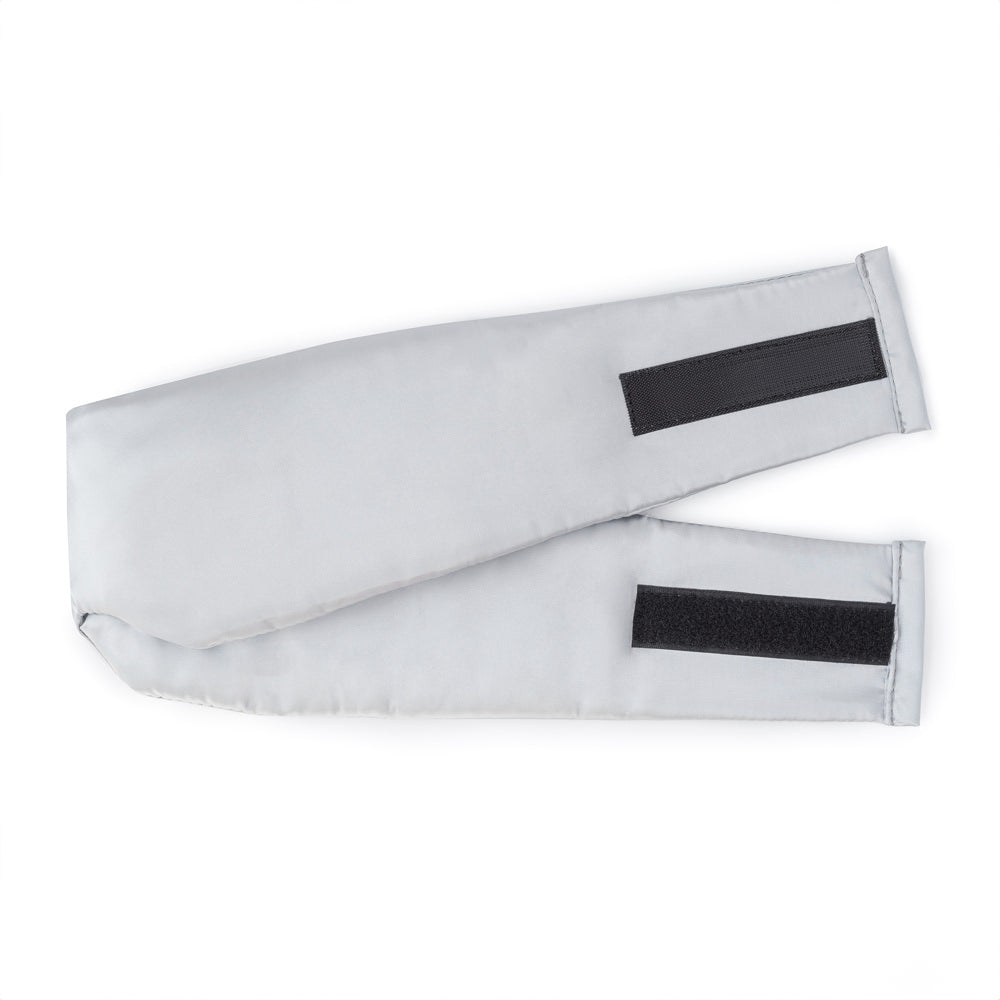
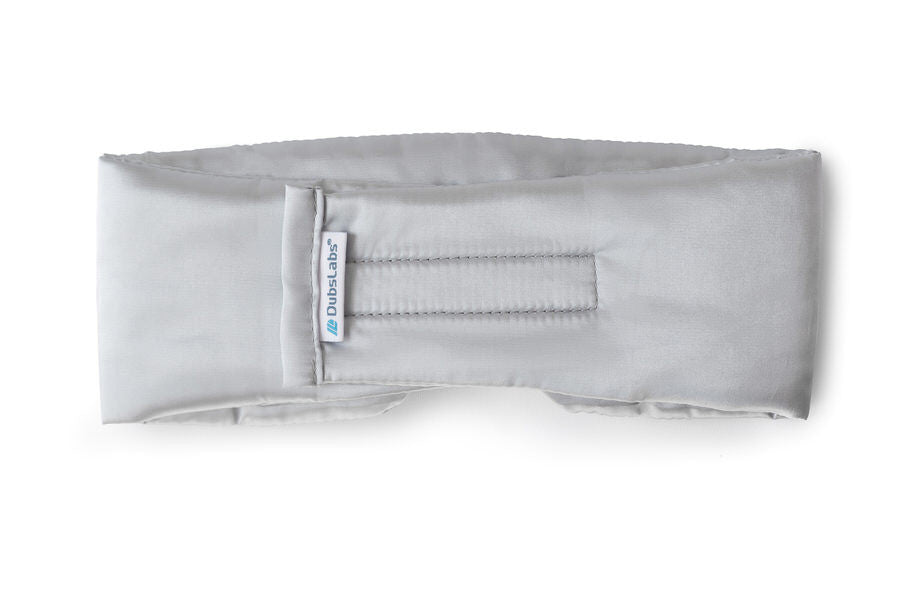
This is exactly why comfort-first solutions are so critical. Ultra-thin, sleep-engineered headphones are designed for this specific purpose. They let you lie in any position you want without creating painful pressure points. When you use the right gear, the audio becomes a gentle guide, not a physical annoyance.
Amplifying the Effects with Sensory Layering
Once you've got the comfort piece figured out, you can take things to the next level by layering in other sensory sleep aids. The goal is to create a multi-sensory cocoon that shuts out the world and signals profound safety and calm to your nervous system.
When you engage multiple senses, you create a powerful synergy that deepens relaxation far more than any single tool could alone.
Here are a few combinations that work wonders:
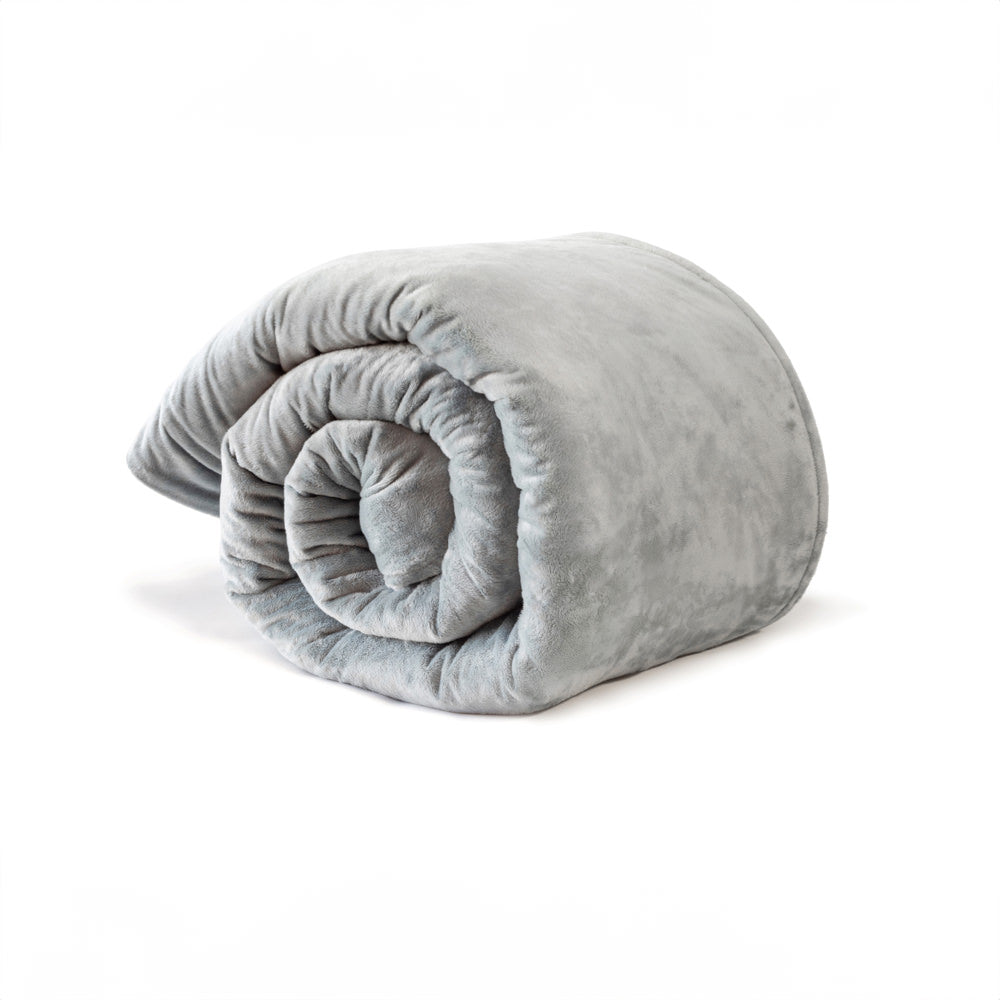
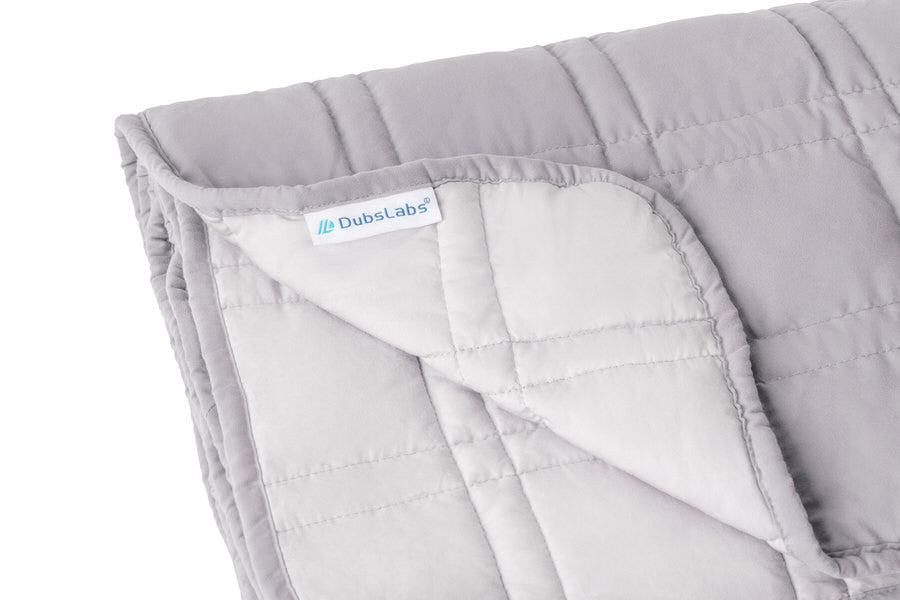
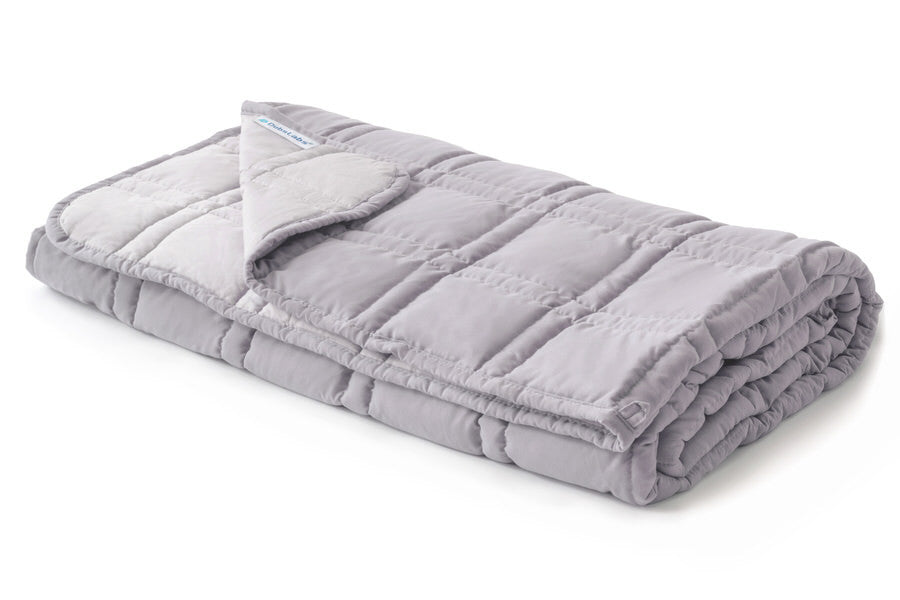
- Auditory + Tactile: Pair your delta wave audio with the gentle, consistent pressure of a weighted blanket. This combo is incredibly grounding, perfect for easing anxiety and physical restlessness. The sound guides your mind while the pressure soothes your body.
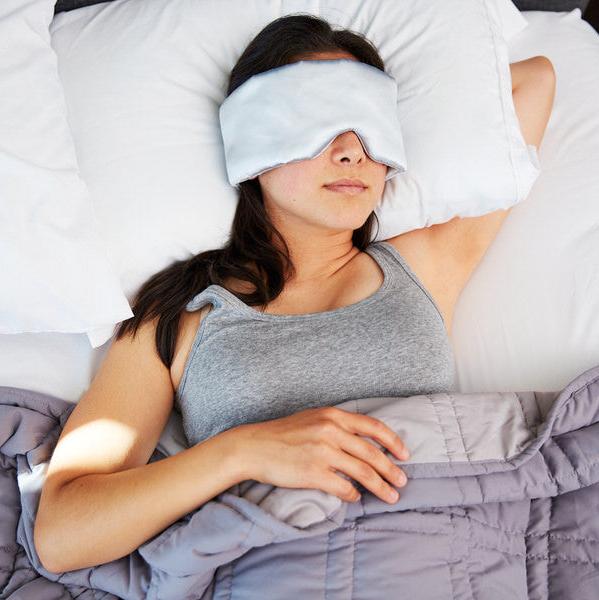
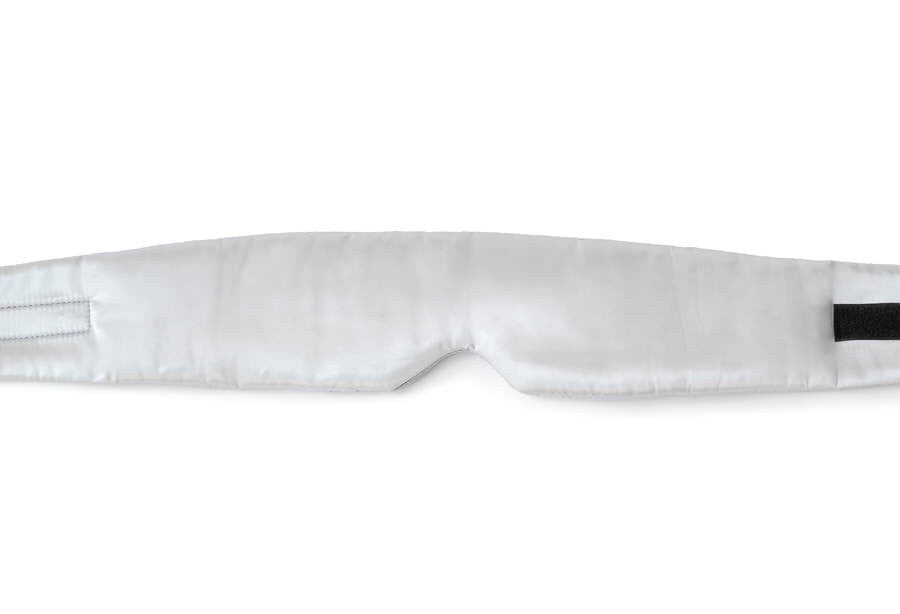
- Auditory + Visual: Combine your listening session with a high-quality blackout sleep mask. Total darkness is a powerful signal to your brain to ramp up melatonin production, the hormone that runs your sleep-wake cycle. When you eliminate all light pollution, you make it much easier for your brain to focus on the audio cues.
By thoughtfully combining these elements, you’re not just listening to music in your bedroom. You are constructing an optimized environment designed from the ground up to promote the deepest, most healing stages of sleep.
This holistic approach transforms your nightly routine. It’s no longer a passive activity but an active practice of deep restoration. Each element works together, helping you get the absolute most out of every session and achieve the kind of profound rest that recharges you completely.
Common Questions About Brainwave Entrainment Safety
It’s totally natural to have questions when you’re trying something new—especially when it involves your brain. So, is listening to delta waves safe?
The short answer is yes. For the vast majority of people, listening to delta wave music is a remarkably safe, non-invasive way to encourage relaxation and deeper sleep.
This technique, called brainwave entrainment, works by giving your brain an external rhythm to sync up with. Think of it less like a forceful command and more like a gentle, guiding drumbeat. It doesn't pump any foreign substances into your body or permanently change your brain chemistry; it simply nudges your brain toward its natural state of rest.
Most people only report positive effects, like feeling less stressed, falling asleep faster, and enjoying a general sense of calm. That said, a little knowledge goes a long way in feeling confident and secure.
When to Exercise Caution
While brainwave entrainment is safe for most, there are a few specific cases where it’s smart to be cautious. The rhythmic pulses in certain types of delta wave audio, especially isochronic tones, could potentially be a trigger for individuals with a history of seizures or epilepsy.
This is a very rare consideration, but an important one. For those who are susceptible, the repetitive nature of these sounds might affect neurological activity in ways we don't want.
For this reason, if you have a known seizure disorder, are photosensitive, or have any other significant neurological condition, it's always best practice to consult with your healthcare provider before starting a brainwave entrainment routine. They can offer personalized advice based on your specific health profile.
It’s also crucial to protect your hearing by listening at a responsible volume. A low, barely-there level is all you need for the entrainment effect to kick in. For more tips on getting your setup just right, you can learn more about how to sleep with headphones without sacrificing comfort or ear health.
Debunking Common Myths
Let's clear the air on a few common misconceptions that pop up. Listening to delta wave music isn't a form of hypnosis or mind control. You are always in the driver's seat and can stop listening whenever you want.
-
Myth: Brainwave entrainment will permanently change my brain.
-
Fact: The effects are temporary. Your brainwaves naturally go back to their usual patterns after the audio stops, just like your heart rate returns to normal after a jog.
-
Myth: It can be used to plant subliminal messages.
-
Fact: Reputable delta wave tracks are focused purely on sound frequencies designed for relaxation. There are no hidden messages—just pure, simple tones.
At the end of the day, delta wave music is just a tool. It's designed to support your body's innate ability to rest, relax, and recover. By keeping these simple safety guidelines in mind, you can explore all the benefits with complete peace of mind.
Your Questions About Delta Wave Music Answered
As you get ready to dive into the world of delta wave music, it’s totally normal to have a few practical questions. Think of this as your quick-start guide, filled with straightforward answers to the stuff we hear about most. We’ve pulled together the top questions to give you the details you need to start your journey to deeper sleep with confidence.
Can I Listen to Delta Wave Music All Night?
Yes, and for some people, it's a great strategy. If you're someone who wakes up a lot during the night, letting the audio play continuously can act like a stable anchor, helping you drift back to sleep more easily if you get disturbed.
The two most important things for all-night listening are comfort and volume. You'll definitely want headphones designed for sleep to avoid any physical discomfort that could wake you up. Also, keep the volume super low—just barely audible—so it fades into the background instead of becoming a distraction.
You can loop a track all night or set a timer for a few hours just to guide you through those initial deep sleep cycles. The best way to figure it out is to experiment for a few nights and see what your body responds to.
What Is the Difference Between Binaural Beats and Isochronic Tones?
Both are fantastic ways to encourage your brainwaves to sync up with a certain frequency, but they go about it in different ways. Knowing the difference can help you pick the one that feels right for you.
Binaural beats need headphones to work their magic. They play two slightly different frequencies in each ear—say, 100 Hz in your left ear and 104 Hz in your right. Your brain hears these two separate sounds and creates a third, "phantom" beat at the difference between them. In this case, that’s 4 Hz, a perfect delta frequency.
Isochronic tones, on the other hand, use a single tone that pulses on and off very quickly. The speed of that pulse creates the frequency you're aiming for. Because they don’t rely on stereo sound, they can work just fine without headphones.
Many people find the immersive, three-dimensional sound of binaural beats to be more deeply relaxing. Others prefer the clear, rhythmic pulse of isochronic tones. Honestly, it just comes down to personal preference and what you find most soothing.
How Long Until I Notice a Difference?
This really varies from person to person. Some people feel more relaxed and fall asleep faster the very first night they try it. If you're particularly responsive to sound, that calming effect can be almost immediate.
For others, it might take a little more time. Think of it like teaching your brain a new skill. It might take up to a week of consistent listening for your brain to really get the hang of responding to the audio. The key is to be patient and stick with it.
Try to make it a non-negotiable part of your wind-down routine for at least seven consecutive nights. That gives you a solid trial period to see how it's really impacting your sleep quality.
Is Delta Wave Music Safe for Children?
Generally, yes. Delta wave music can be a wonderful, gentle tool to help kids relax and settle down for the night. The predictable, soothing rhythms can be incredibly calming for a child’s nervous system, especially for little ones who have a hard time switching off after a busy day.
The most critical factor here is volume. A child's hearing is incredibly sensitive, so you have to keep the volume extremely low. It should be just a faint, background sound, nothing more.
It can be a fantastic addition to a bedtime routine that helps create a peaceful sleep environment. That said, if your child has a known neurological condition or if you have any specific concerns, it's always a good idea to check in with their pediatrician before introducing any new sleep aid.
Ready to create your ultimate sleep sanctuary? The right gear makes all the difference. DubsLabs offers ultra-thin Bedphones designed for all-night comfort, along with weighted blankets and total-dark sleep masks to amplify your relaxation. Experience the difference for yourself by visiting https://www.dubslabs.com.