Improving your sleep isn't about finding some magic pill. It's about building a solid foundation based on a consistent routine, an optimized environment, and a calm mind. By nailing these three areas, you can stop chasing temporary fixes and start creating real habits that lead to truly restorative rest.
Why Feeling Tired Has Become the New Normal

If you feel like you're in a constant battle with exhaustion, you're not alone. The feeling of being "always tired" has gone from an occasional complaint to a cultural norm. Modern life, with its endless pings, demanding schedules, and the pressure to always be switched on, has systematically chipped away at our ability to get deep, refreshing sleep.
This isn’t just a feeling; the numbers back it up. A huge report analyzing over 105 million nights of sleep revealed a stark picture: in 2024, the world saw a 0.46% decline in average sleep quality, dropping to just 73.92%. Some places, like the Netherlands, seem to be holding up well, but many others are struggling, highlighting a massive collective sleep debt.
The Modern Pressures Undermining Our Rest
It’s easy to point a finger at one late night, but the truth is, this chronic fatigue usually comes from a cocktail of modern pressures. Our brains are constantly being zapped by blue light from screens, which tricks our internal clocks into thinking it’s still high noon. Crazy work hours throw our natural circadian rhythms completely out of whack, making a consistent sleep-wake cycle feel impossible.
This constant state of high alert means that by the time we actually lie down, our minds are still running a marathon. We drag the day's stress and anxieties into the bedroom with us, turning what should be a sanctuary into a nightly battleground. To really get to the bottom of this, it's worth exploring the common causes of chronic fatigue and tiredness to see how it might be affecting your daytime energy.
Moving Beyond Surface-Level Advice
Let’s be honest: "get more sleep" is terrible advice. It’s not helpful when you’re lying awake for hours, your mind buzzing with tomorrow's to-do list. This guide is designed to go way beyond those generic tips and give you a practical, actionable roadmap.
We're going to tackle the three core pillars of great sleep:
- Your Environment: How to transform your bedroom into the ultimate sleep sanctuary.
- Your Routine: Building a wind-down ritual that actually signals to your body that it's time to rest.
- Your Mindset: Techniques to quiet a racing mind and ease that pre-sleep anxiety.
By focusing on these fundamentals, you can build a sustainable foundation for better sleep. It's not about a quick fix, but about making small, consistent changes that add up over time. This is how you reclaim your nights and wake up feeling genuinely ready for the day.
Design Your Ideal Sleep Environment
Think of your bedroom as a sanctuary for sleep. Right now, it might be more of an extension of your office, your living room, or your daily life, complete with all the stress and distractions that come with it. Transforming this space is one of the most powerful things you can do for your sleep. This goes beyond just tidying up—it's about deliberately managing what your brain sees, hears, and feels.
We’re going to get into the specific, actionable tactics for mastering the big three: light, sound, and temperature. Each one sends a potent signal to your body, either nudging it toward rest or pushing it toward wakefulness. Getting them right can be a total game-changer.
Master the Darkness
True, pitch-black darkness isn't just a nice-to-have; it's a biological command. Even a sliver of light from a streetlamp or the tiny glow from a phone charger can sneak past your eyelids. This disrupts your body's production of melatonin, the hormone that runs your internal sleep-wake clock. When your brain registers light, it hits the brakes on melatonin, assuming it's time to be awake.
That’s why creating a completely dark environment is so critical.
- Blackout Curtains Are Your First Line of Defense: They're non-negotiable for blocking external light from streetlights or the early morning sun. Make sure they're wide enough to cover the entire window frame, otherwise you'll get that annoying light halo around the edges.
- Cover or Kill the Electronics: That tiny blue standby light on your TV or air purifier might seem harmless, but it's surprisingly disruptive to your brain. A little piece of electrical tape works wonders. Better yet, just unplug them before you turn in.
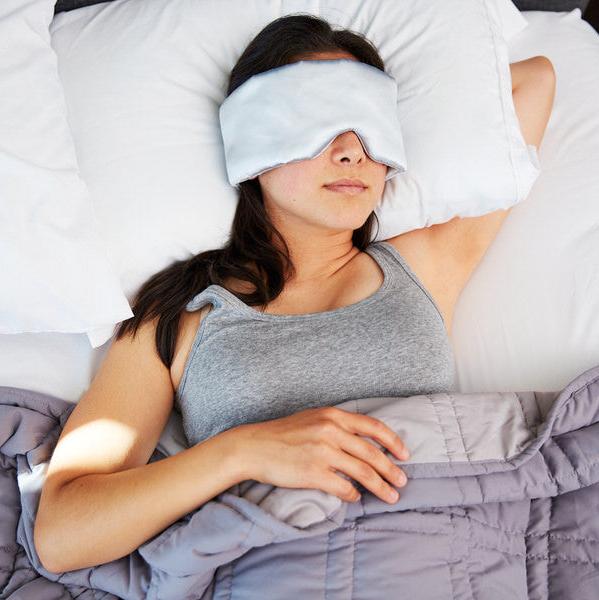
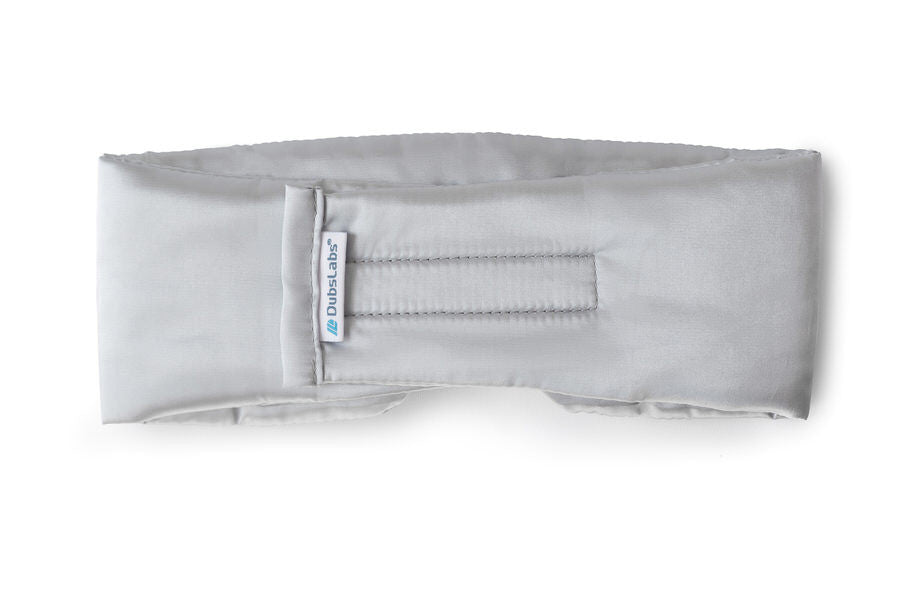
- A High-Quality Sleep Mask is Your Ace in the Hole: For ultimate control, a great sleep mask is your best friend. Something like the DubsLabs Total Dark Sleep Mask is engineered to block 100% of light, effectively creating a personal blackout zone no matter where you are. This is a lifesaver for travel or if your partner is on a different schedule.
When you make your room truly dark, you're sending an unmistakable signal to your brain: it’s time to shut down. This one change can help you fall into a deeper, more restorative sleep by letting your melatonin levels rise naturally and stay high all night.
Curate Your Soundscape
Just like light, unexpected sounds can wreck your sleep. A sudden car horn, a neighbor's dog barking, or a door slamming can jolt you out of deep sleep, even if you don't fully wake up and remember it. The aim here is to create a consistent, predictable audio backdrop.
For some lucky people, that means total silence. If you live somewhere quiet, you might be able to achieve this. But for most of us, especially in a city, absolute silence is a fantasy.
This is where sound masking becomes so useful. Instead of trying to eliminate every possible noise, you can introduce a steady, soothing sound that masks those jarring interruptions. Think of it as creating a blanket of sound. A white noise machine, a simple fan, or a calming app can make sudden noises much less likely to startle you awake.
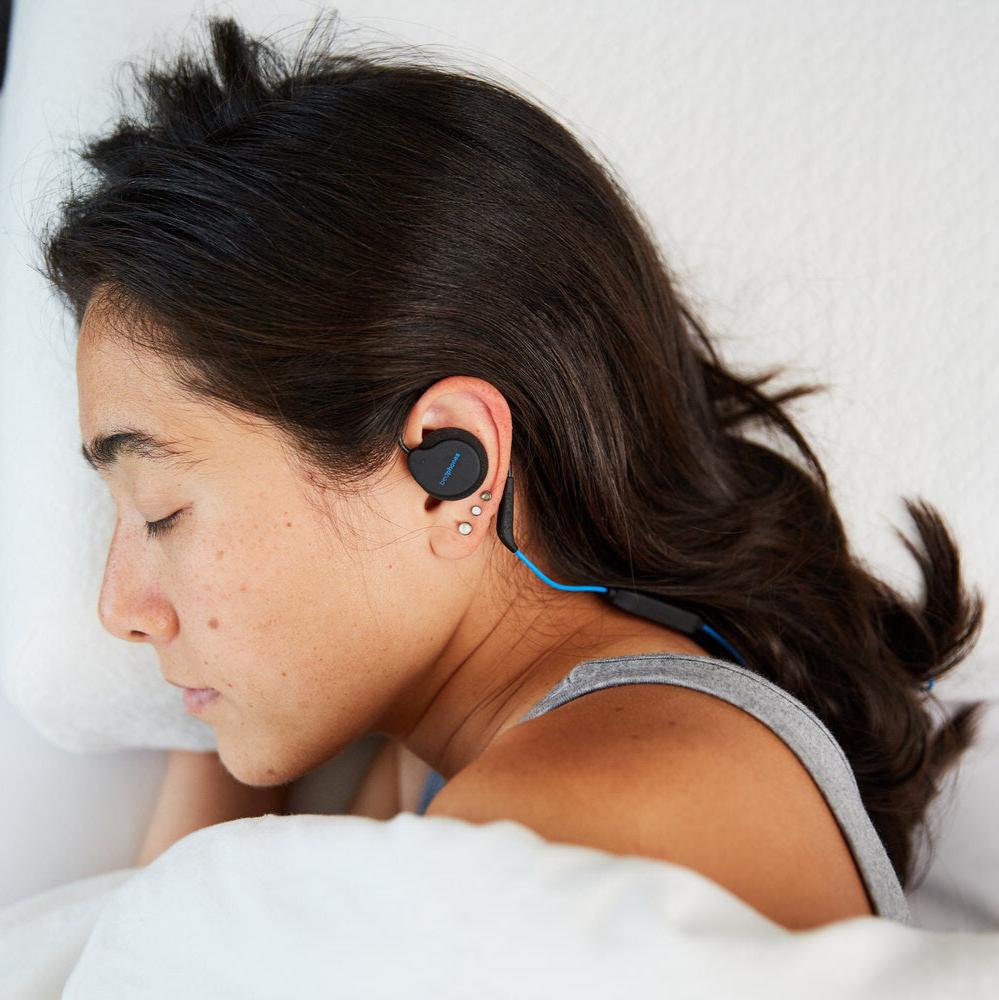
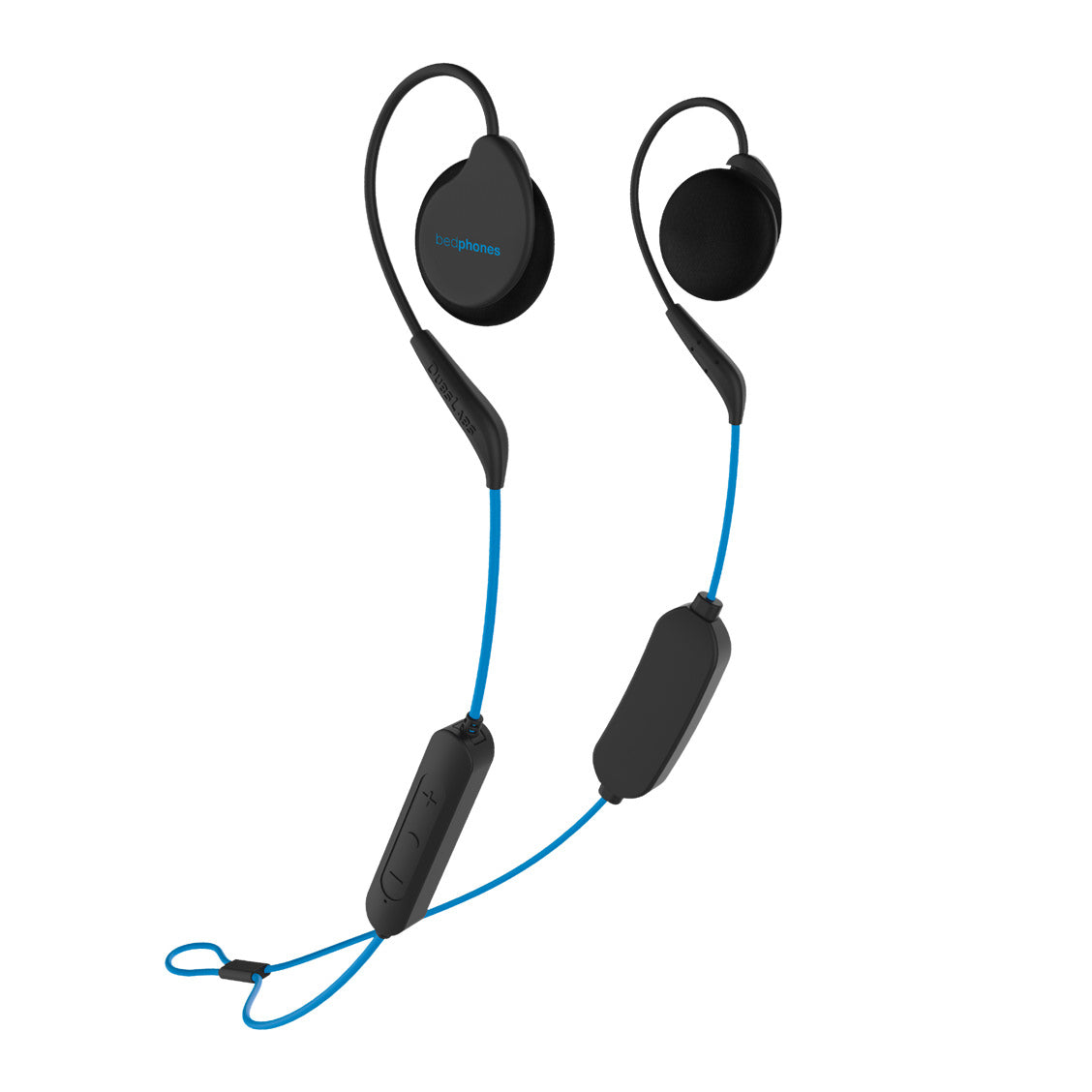
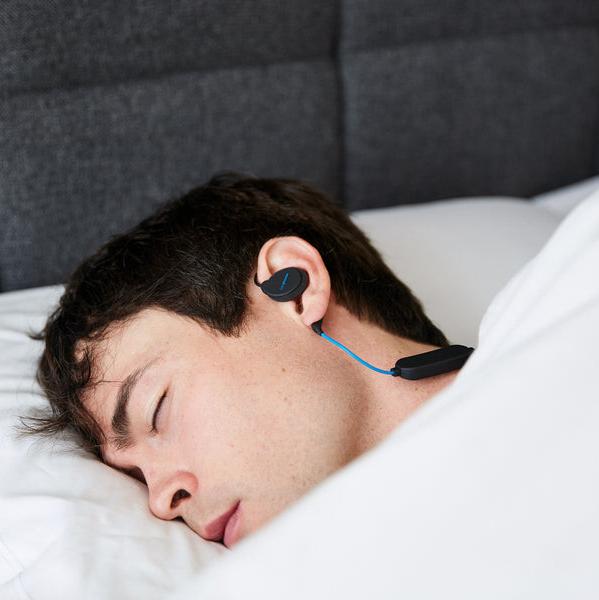
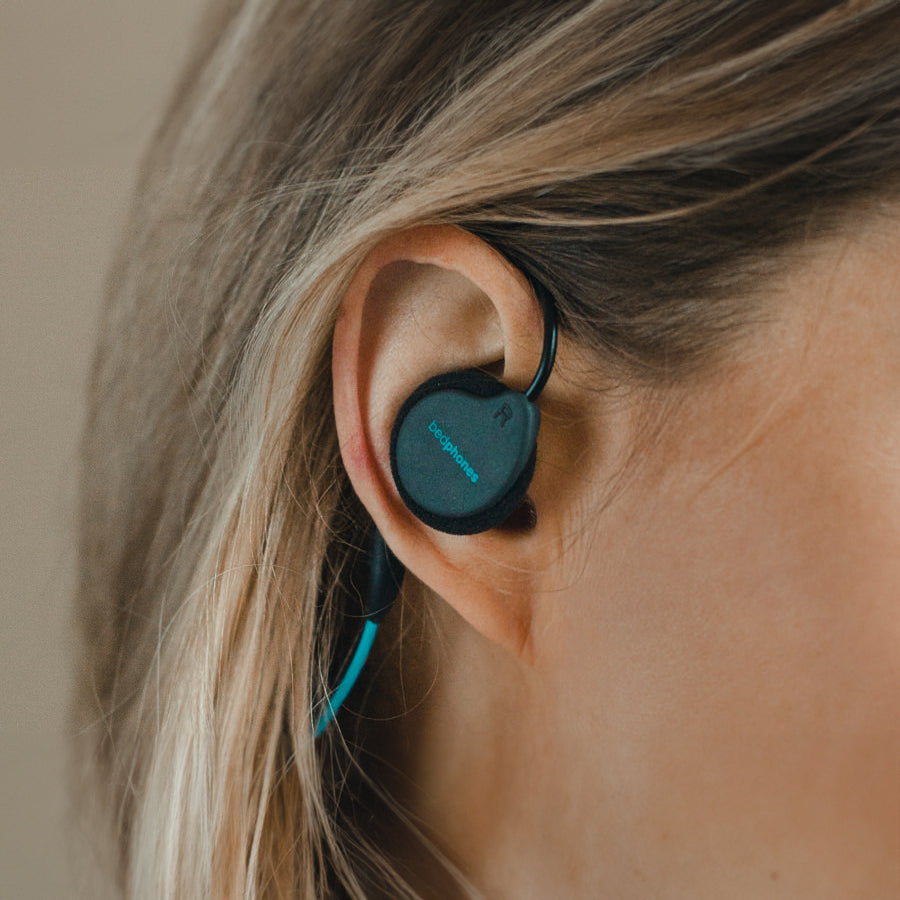
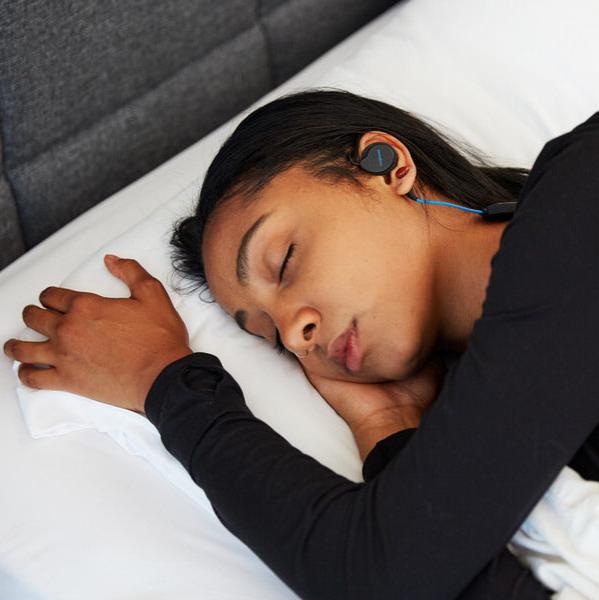
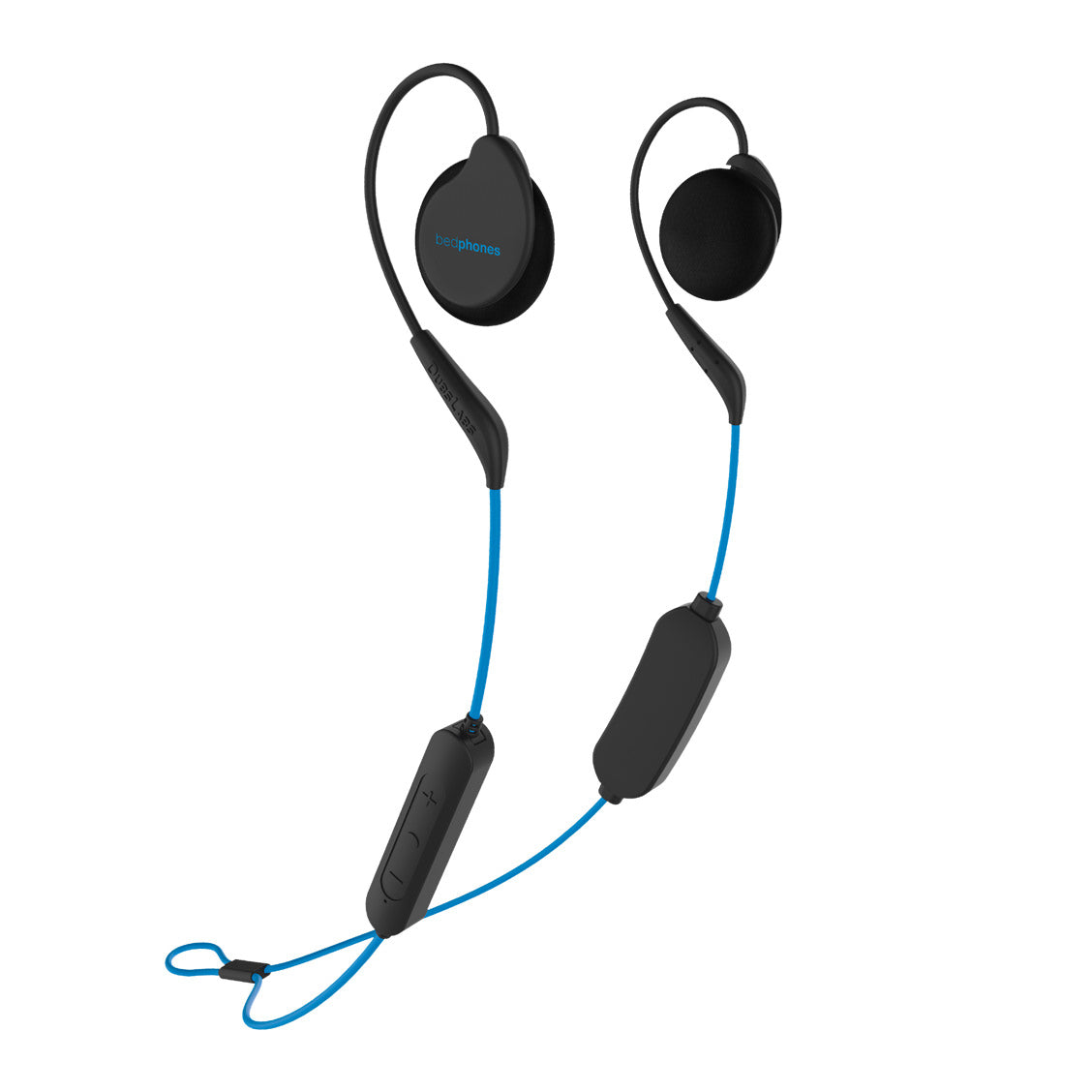
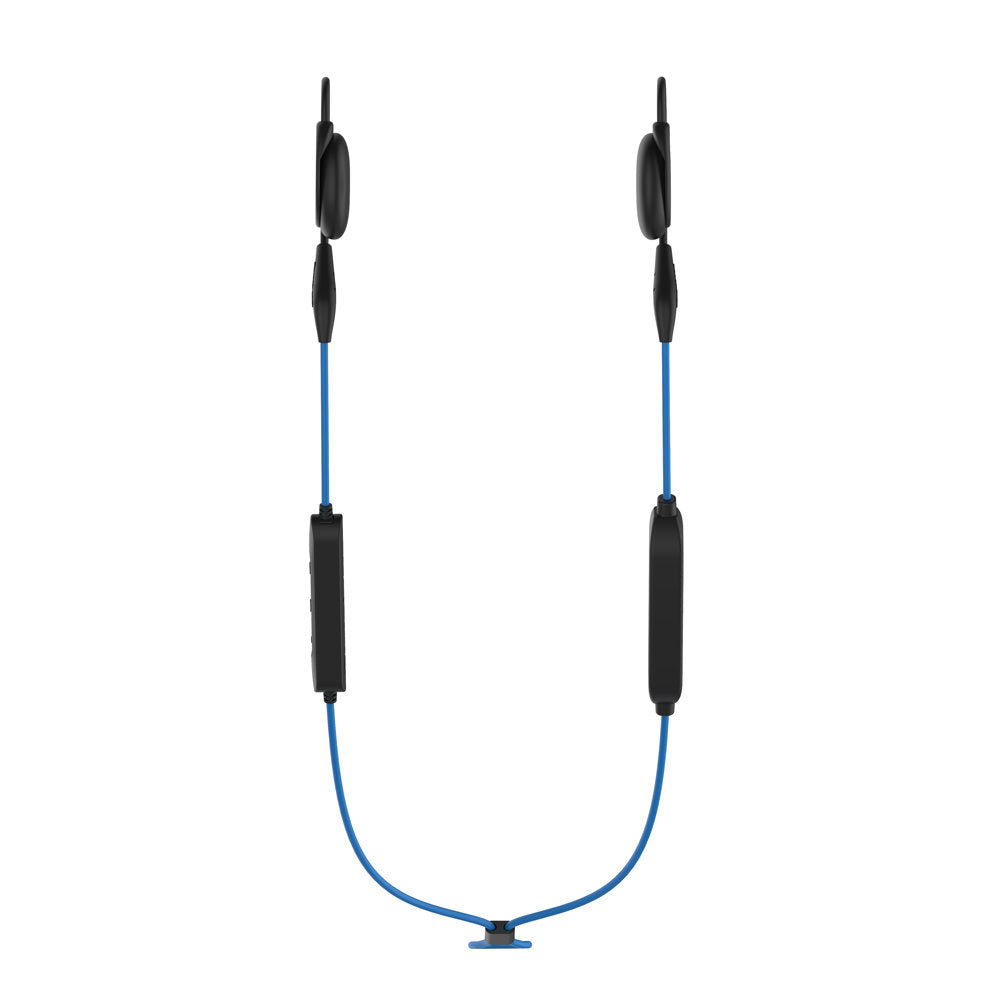
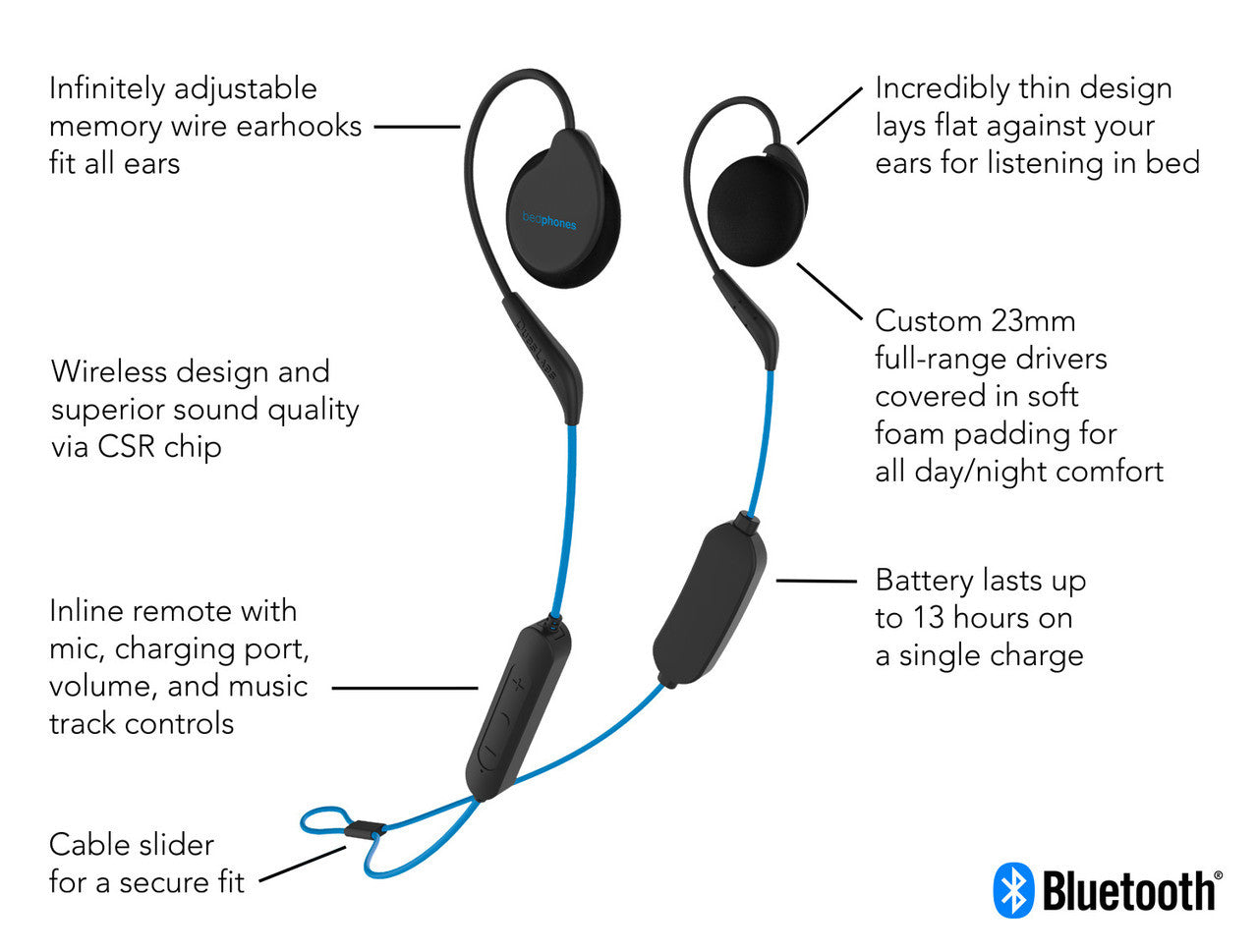
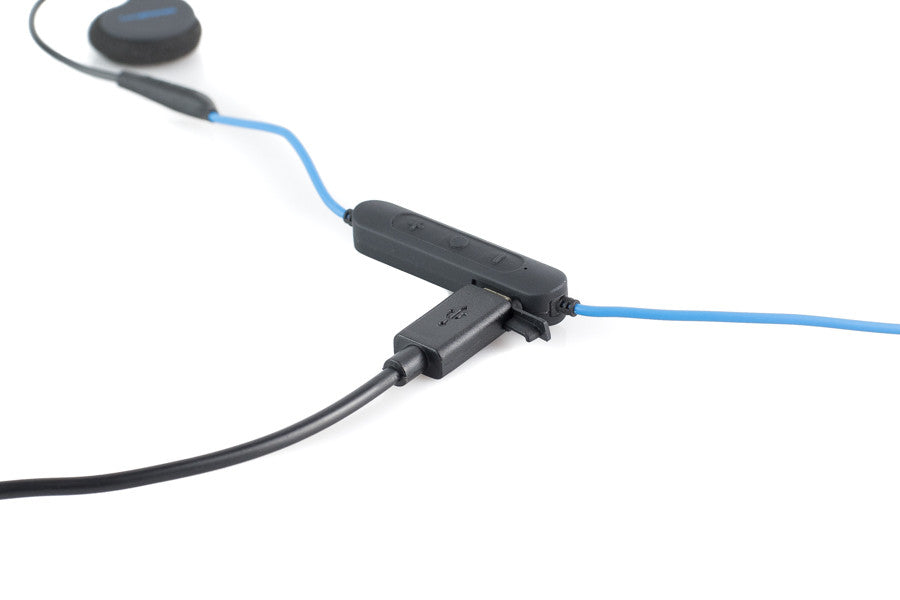
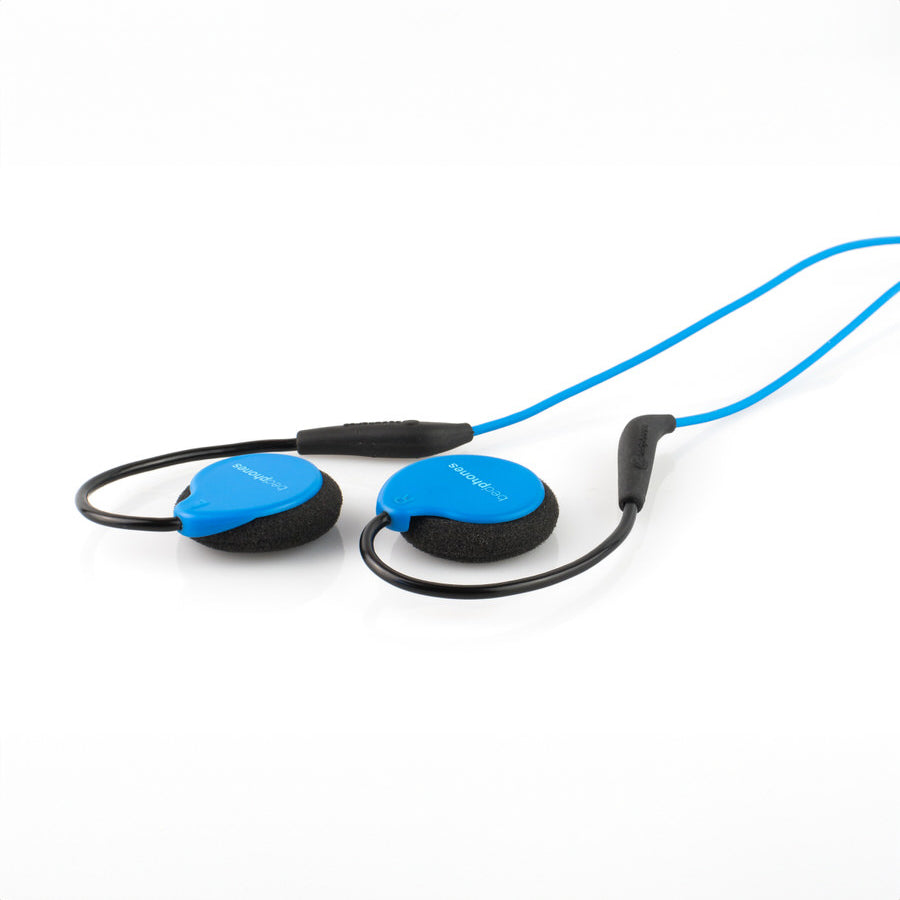
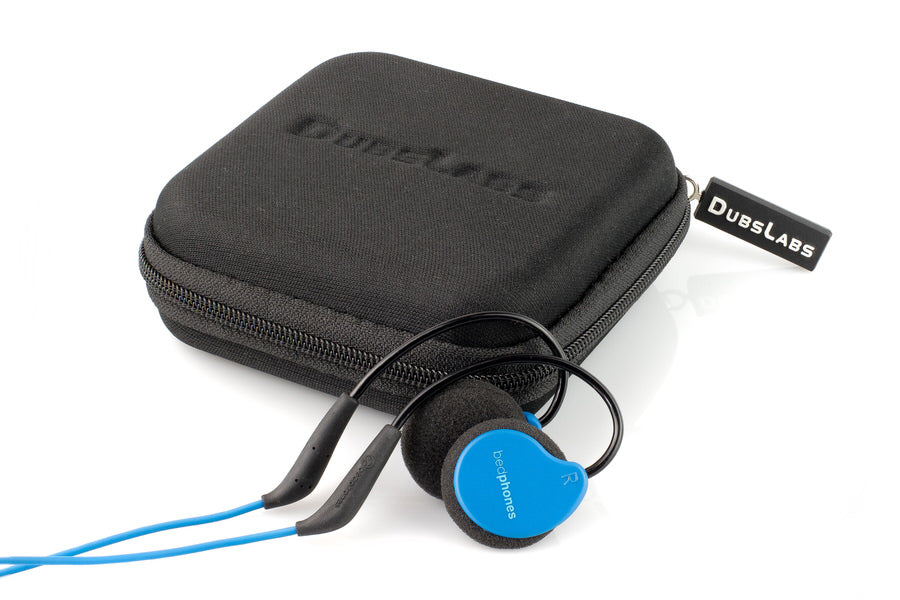
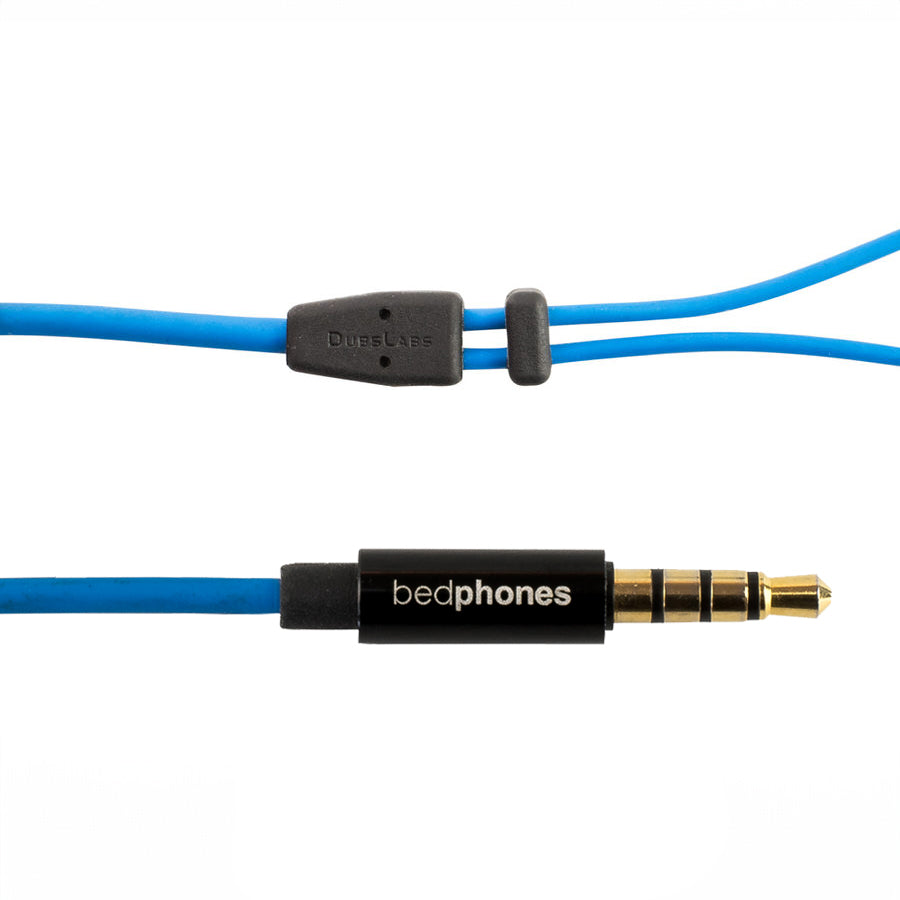
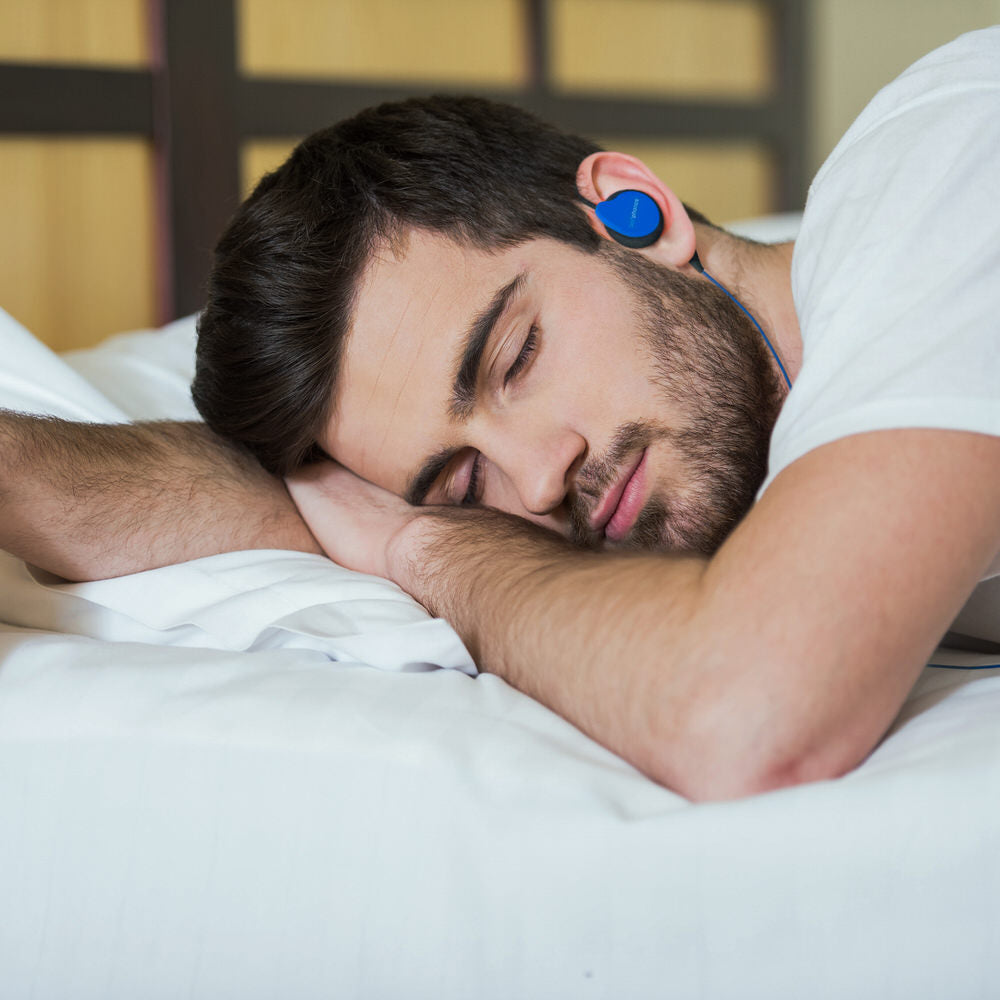
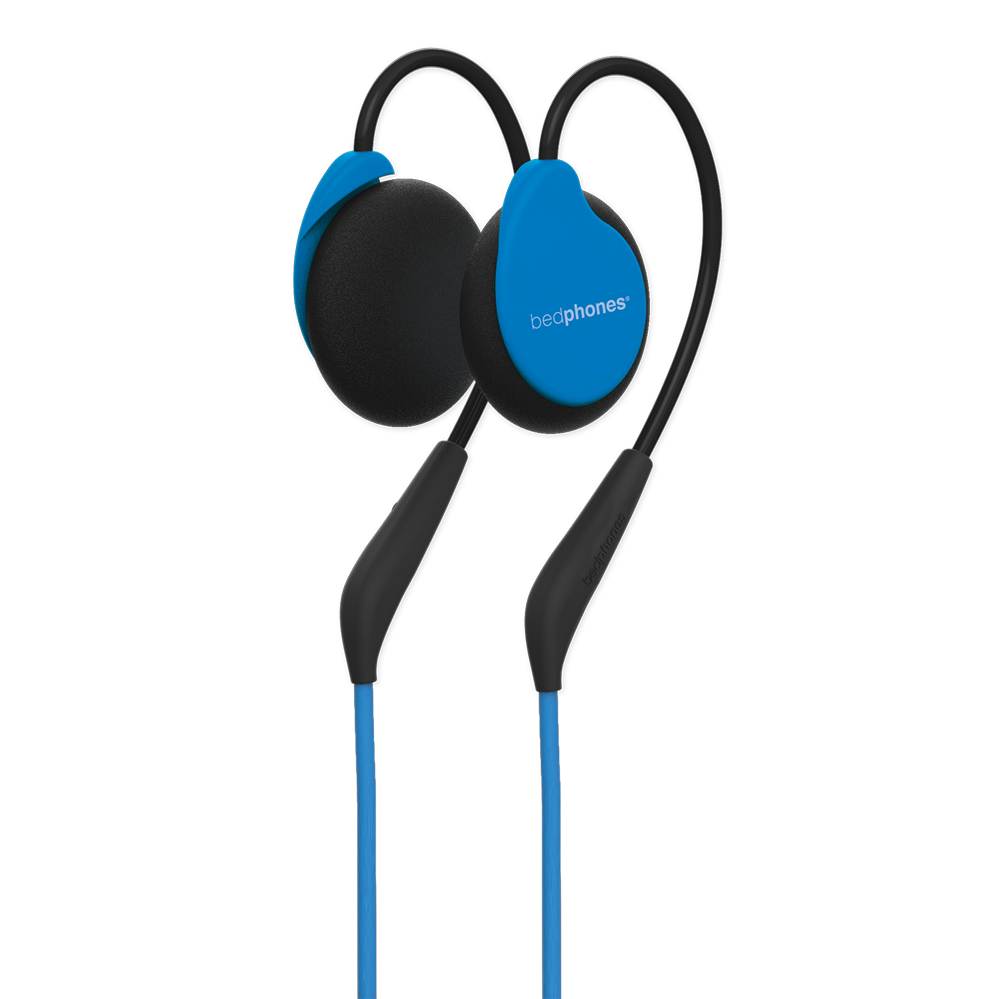
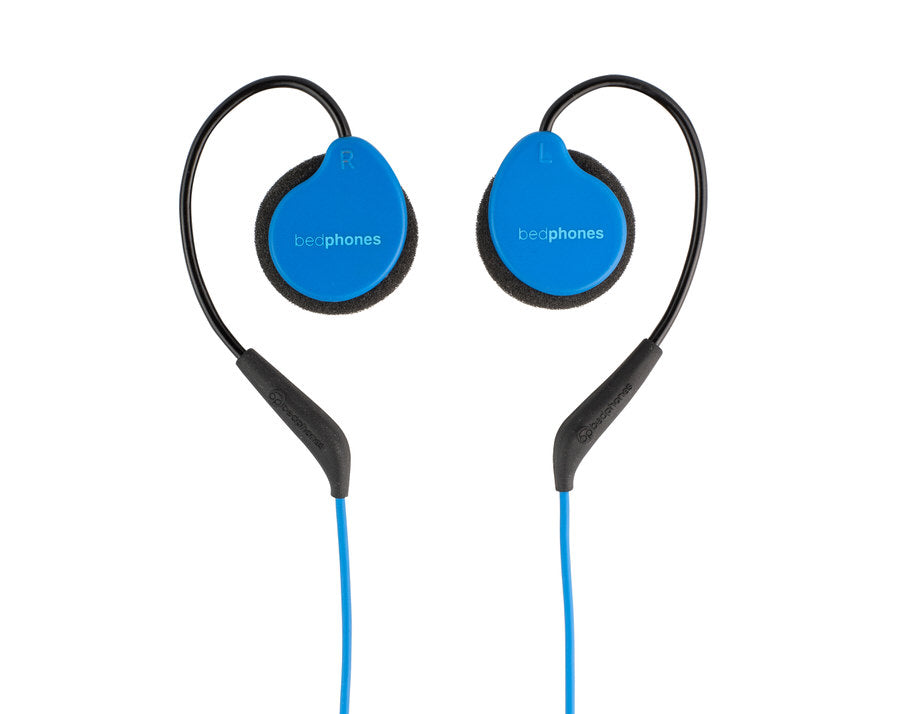
On the other hand, maybe you prefer to drift off to something specific, like an audiobook, a guided meditation, or calming music. If that's you, comfortable headphones are a must. Traditional earbuds are brutal for side sleepers. That's why products like DubsLabs Bedphones were created—they have ultra-thin, padded speakers that let you lie on your side without any painful pressure.
For a deeper dive into this, check out our guide on how to craft the perfect sleep environment to enhance your sleep quality.
Regulate Your Room Temperature
The final piece of the puzzle is temperature. Your body’s core temperature naturally needs to drop as you get ready for sleep, and a cool room helps that process along. While everyone's perfect temperature is a little different, most research points to 65–68°F (18–20°C) as the sweet spot for optimal sleep.
A room that’s too hot is a recipe for restless nights and waking up frequently. Here’s how to keep things cool and comfortable:
- Set Your Thermostat: Program it to start cooling down an hour or so before you plan to go to bed.
- Use Breathable Bedding: Natural fibers are your friend here. Cotton, linen, or bamboo breathe much better than synthetic materials like polyester, which can trap heat.
- Turn on a Fan: A fan is a great two-for-one solution. It circulates the air to keep you cool and provides a consistent hum of white noise, tackling two of our environmental factors at once.
By methodically dialing in the light, sound, and temperature, you can transform your bedroom from just a place where you crash into a space that's actively engineered for deep, uninterrupted rest.
Create a Wind-Down Ritual That Actually Works
A great night of sleep rarely just happens the moment your head hits the pillow. It’s actually a process that begins an hour or two earlier, built on a sequence of actions that signal to your body and brain that the day is over. This is your wind-down ritual, and creating one you’ll actually stick with is one of the most powerful things you can do for your sleep.
Forget rigid, complicated schedules. The best routine is one that feels restorative, not like another chore on your to-do list. The whole point is to create a buffer zone between the stress of your day and the calm required for sleep, helping you fall asleep faster and more consistently.
The Power of Going Screen-Free
If there’s one change that makes the biggest difference, it’s this: put away your screens—phone, tablet, laptop, and TV—at least 60 to 90 minutes before bed. It’s not just about the distraction; the blue light they blast out directly suppresses your body's melatonin production. This essentially tricks your brain into thinking it’s still daytime, keeping you wired when you should be winding down.
This screen-free period isn't about deprivation. It's about opening up space for activities that actively calm your nervous system. You’re not just avoiding a negative; you’re replacing it with a positive.
- Read a Physical Book: There’s a reason this is a classic. Unlike the stimulating glow of a screen, reading a paper book under dim, warm light lets your mind focus on a single narrative, gently pulling it away from the day's worries.
- Journal to Clear Your Head: If your mind races the second it gets quiet, journaling can be a release valve. Spend ten minutes just writing down whatever is on your mind. This "brain dump" helps get anxious thoughts out of your head so they don't follow you into bed.
- Try Gentle Stretching: Light, restorative movements can release the physical tension we all store in our muscles, especially in the neck, shoulders, and back. Think slow, mindful stretches, not a full workout. The goal is to help your body unwind.
A consistent pre-sleep routine isn't about perfection; it's about conditioning. By repeating the same calming activities each night, you create powerful cues that train your brain to associate these actions with sleep.
Integrating Calming Audio Intelligently
While the visual stimulation from screens is a definite no-go, auditory input can be an incredible tool for relaxation. The right sounds can help slow your heart rate, ease muscle tension, and guide your mind away from those looping, anxious thoughts. This is where you can build another layer into your wind-down routine.
This timeline shows how the core elements of a great sleep environment—darkness, sound, and temperature—should be managed in the hours leading up to bedtime.
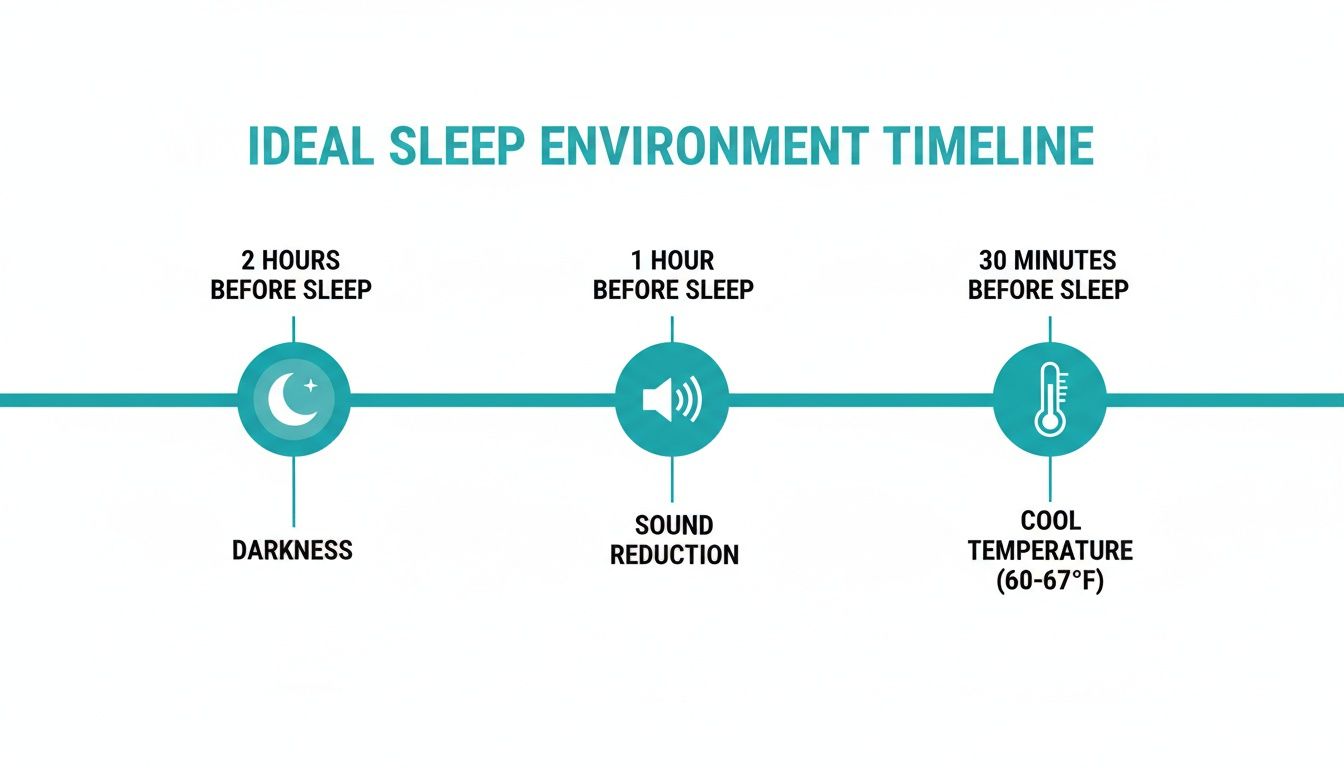
As you can see, preparing for sleep is a gradual process. It’s about slowly reducing stimulation and creating a calm, consistent environment that tells your body it's time to rest.
Lots of people find that listening to a guided meditation, a soothing audiobook, or a calming podcast is the perfect way to make that final transition to sleep. But there's a practical problem: lying on your side with traditional earbuds can be painful and distracting. This is exactly why products like DubsLabs' Bedphones are so effective. Their ultra-thin, padded speakers let you listen comfortably in any position, making audio a truly seamless part of your ritual instead of a clumsy afterthought.
Building Your Personalized Routine
There’s no one-size-fits-all solution here. The best way forward is to experiment with a "menu" of relaxing activities and see what feels right for you. Try combining two or three things to create a sequence you genuinely look forward to each night. For a deeper dive into structuring this time, our complete blueprint on getting ready for bed has tons of extra ideas.
Here's a sample timeline to give you a concrete idea of how this could look.
Your Evening Wind-Down Blueprint
| Time Before Bed | Activity | Purpose & Tips |
|---|---|---|
| 90 Minutes | Put screens away & dim the lights. | Kicks off melatonin production by reducing blue light exposure. |
| 60 Minutes | Take a warm bath or shower. | The post-bath cool-down of your body temperature is a natural sleep signal. |
| 30 Minutes | Journal or read a book. | Moves your focus away from daily stressors and into a calmer headspace. |
| 15 Minutes | Gentle stretching or meditation. | Releases physical tension and quiets the mind before lying down. |
| Bedtime | Listen to calming audio. | Use comfortable headphones like Bedphones to mask noise and guide you to sleep. |
By creating a consistent and enjoyable sequence of events, you are not just hoping for good sleep—you are actively designing it. This deliberate practice tells your body and mind that rest is imminent, paving the way for a quicker, deeper, and more restorative night.
Build Smarter Sleep Habits Throughout Your Day
Great sleep doesn't just happen by magic the second your head hits the pillow. It’s actually the grand finale of a day filled with smart, consistent choices you’ve made since the moment you woke up.
Think of it like training for a race. You wouldn't just roll up to the starting line without putting in the work beforehand. In the same way, you can’t expect your body to just switch into sleep mode if you’ve spent the whole day sending it "stay awake!" signals.
The good news? You don't need a massive life overhaul. It's more about making small, deliberate tweaks to your daily schedule that work with your body's natural rhythms instead of fighting against them. By getting a few key things right during the day, you're setting the stage for a much easier night.
Anchor Your Body Clock with a Consistent Wake-Up Time
If there’s one golden rule for better sleep, this is it. Waking up at the same time every single day—and yes, I mean every single day, even weekends—is the most powerful thing you can do to stabilize your internal clock, or circadian rhythm.
When your body knows exactly when to expect the "start" of the day, it gets much better at regulating everything else. It learns when to release hormones like cortisol to get you going in the morning and when to pump out melatonin to make you sleepy at night. A chaotic schedule just leaves your body guessing, which is a recipe for feeling groggy and "off."
Even if you have a terrible night's sleep, fight the temptation to sleep in for hours. It’s a trap. A short power nap later in the day is a far better strategy to beat fatigue without throwing your entire rhythm out of whack.
Time Your Caffeine and Alcohol Intake Carefully
What you drink—and when—can have a massive impact on the quality of your sleep. Caffeine and alcohol are two of the biggest culprits that quietly sabotage a good night's rest, often hours after you've finished your last sip.
Here’s how to handle them:
- Caffeine Cut-Off: Caffeine has a surprisingly long half-life, sticking around in your system for 6-8 hours. That 3 PM latte can easily be the reason you're tossing and turning at 10 PM. A solid rule of thumb is to have your last caffeinated drink no later than 2 PM.
- The Alcohol Illusion: A glass of wine might feel like it helps you drift off, but it’s a trick. Alcohol absolutely wrecks the second half of your night's sleep. It suppresses REM sleep—the stage critical for memory and emotional regulation—and often leads to you waking up repeatedly, feeling completely drained the next morning.
Try to finish your last alcoholic drink at least three hours before you plan to hit the hay. This gives your body a chance to metabolize it, minimizing the damage to your most restorative sleep stages.
Optimize Your Meal and Exercise Timing
Just like your brain, your digestive system has its own clock. Eating a huge, heavy meal right before bed forces your body to work overtime on digestion when it should be powering down for rest. This can lead to indigestion, discomfort, and a restless night. Aim to finish your last big meal at least 2-3 hours before you lie down.
Exercise is fantastic for sleep, but timing is everything. A high-intensity workout jacks up your core body temperature and heart rate, which is the exact opposite of what your body needs to do to fall asleep.
Keep your tough workouts to the morning or afternoon. If you're an evening exerciser, stick to something gentle like a relaxing yoga session or a slow walk. These can actually help you unwind and prepare for bed.
Making these daily adjustments pays off in a big way. The benefits are undeniable, with 42% of people reporting a better mood and 41% noticing sharper concentration after improving their sleep. It’s a ripple effect that touches every part of your life. By mastering these daytime habits, you're not just crossing your fingers for good sleep—you're actively building it from the ground up.
Calm a Racing Mind and Ease Sleep Anxiety
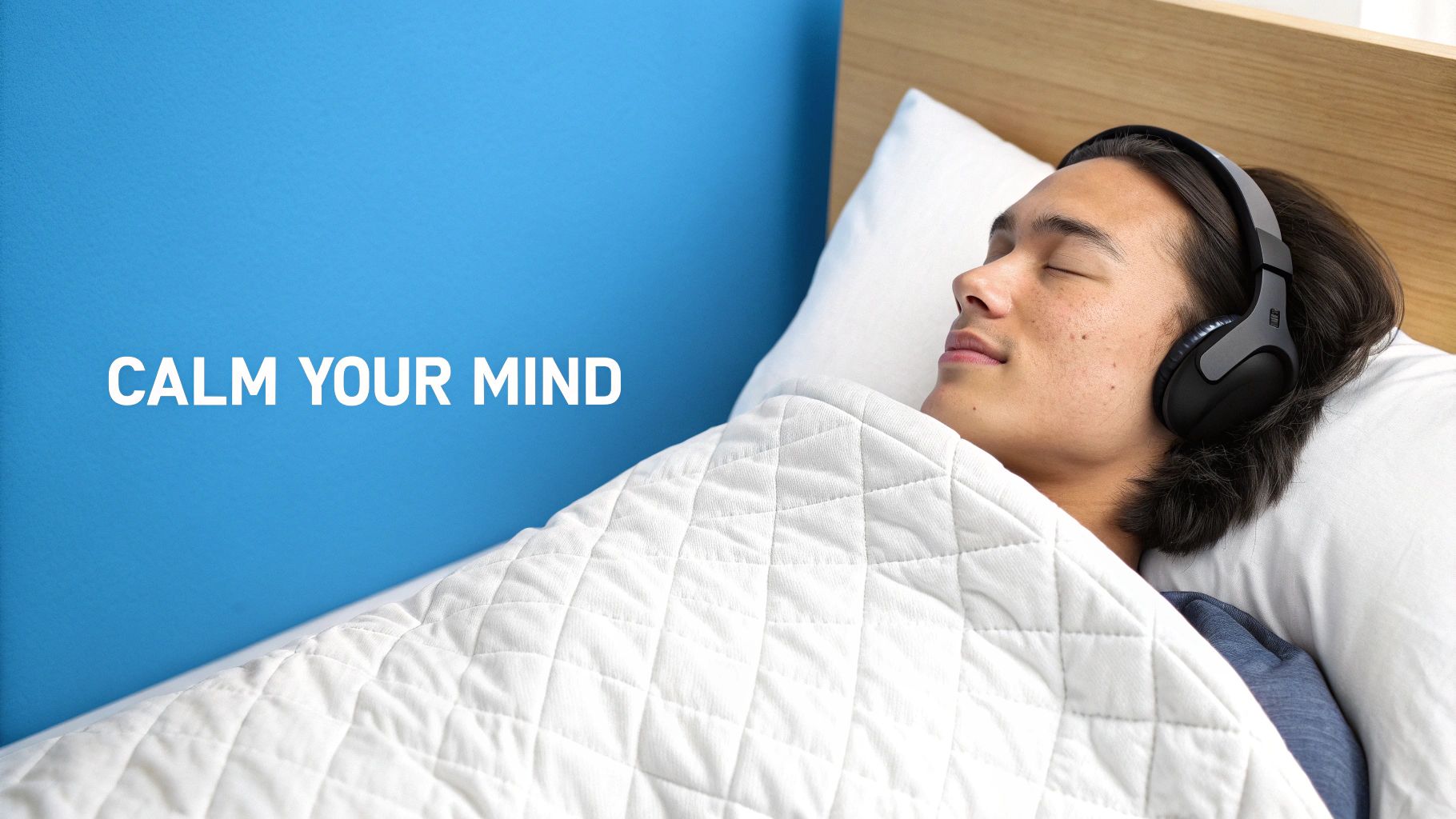
Sometimes, the most perfectly crafted sleep environment in the world can’t compete with the one obstacle inside your own head. For many of us, the biggest barrier to getting good sleep is a mind that simply won't switch off. The moment your head hits the pillow and things get quiet, the mental chatter turns up to full volume, replaying the day's events or rehearsing tomorrow's to-do list.
This isn't just a minor annoyance; it's a major roadblock to deep, restorative rest. A huge challenge for anyone struggling with sleep is figuring out how to stop overthinking everything—it's often the first crucial step toward ending the nightly struggle.
This mental static, which often fuels sleep anxiety, has become a massive wellness hurdle. In fact, a staggering 67% of adults worldwide report some kind of nightly sleep disturbance. Research also shows that people with good sleep satisfaction are nearly 90% more likely to be flourishing in life compared to those who sleep poorly. To get there, you need practical tools to quiet the noise.
Mindfulness Practices for a Quiet Mind
Instead of trying to fight your thoughts—which usually just makes them louder—mindfulness teaches you to simply observe them without judgment. These techniques are incredibly effective at bedtime because they anchor you in the present moment, pulling your focus away from past regrets and future worries. They also help activate your body's parasympathetic nervous system, which is its natural "rest and digest" mode.
Here are a few simple practices to get you started:
- Box Breathing: This one is simple but powerful. Inhale for a count of four, hold your breath for four, exhale for four, and hold again for four. This rhythmic pattern is a fantastic way to slow a racing heart and signal to your nervous system that you're safe.
- Guided Body Scan: As you're lying in bed, bring all your awareness to your toes. Just notice any sensations without trying to change them. Slowly, move that focus up through your feet, legs, torso, and all the way to the top of your head, gently acknowledging each body part as you go.
- Mindful Listening: Pop on a pair of comfortable headphones, like our DubsLabs Bedphones, and play some calming ambient sounds—rain, waves, or white noise. Instead of just letting it be background noise, actively listen. Pay attention to the different layers and textures of the sound, letting it fill your mental space.
The goal here isn't to force an empty mind—that's nearly impossible. The idea is to give your brain something calm and simple to focus on, gently nudging it out of that repeating stress loop.
Ground Yourself with Deep Touch Pressure
Sometimes, mental anxiety shows up as a very physical feeling of restlessness, like you just can't get comfortable or settled. This is where the science of Deep Touch Pressure (DTP) can be a game-changer. DTP is the gentle, evenly distributed weight that creates a calming, grounded sensation, a lot like a firm, reassuring hug.
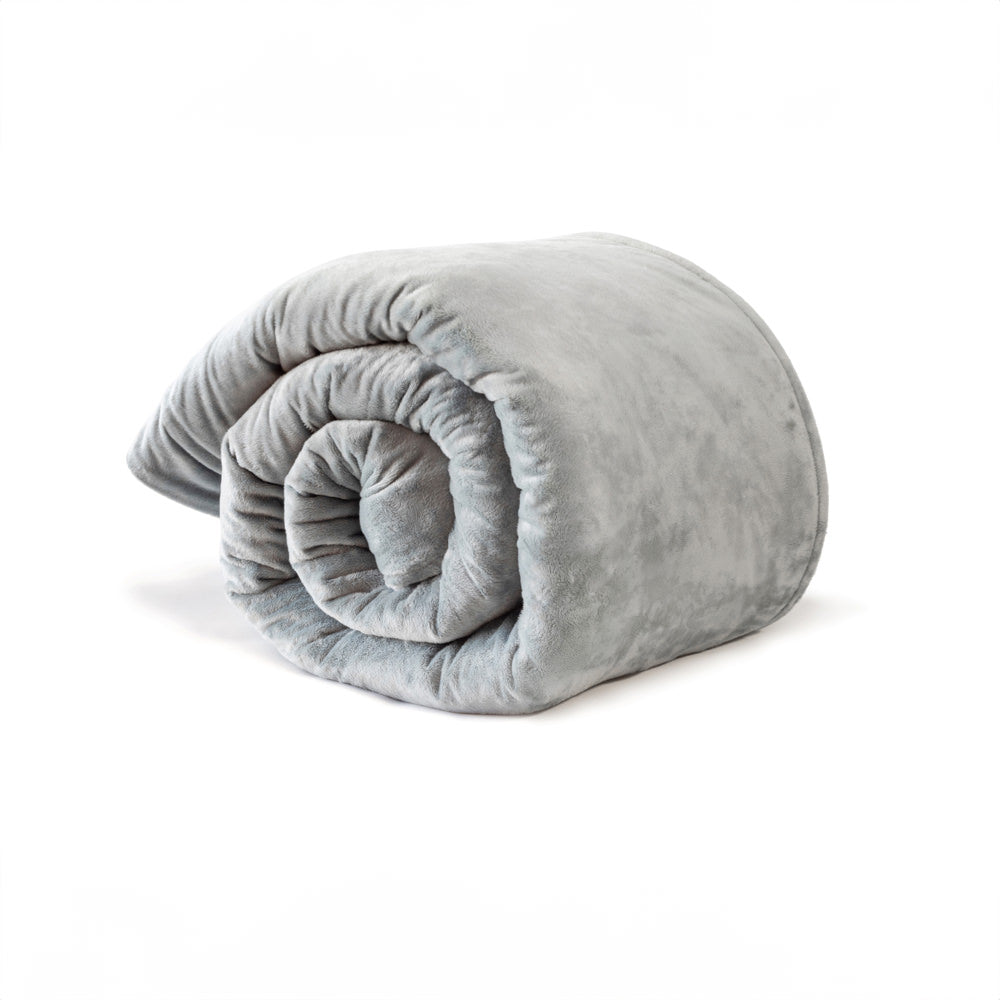
This gentle pressure helps your body release serotonin, a neurotransmitter that promotes feelings of calm and well-being. A DubsLabs Weighted Blanket is an incredible tool for this. The consistent, gentle pressure helps soothe an overstimulated nervous system, making it easier for both your body and your mind to finally relax into sleep. It gives you a tangible, physical anchor when your thoughts feel like they're spiraling.
Cognitive Strategies to Park Your Worries
If you tend to use bedtime as your personal "worry hour," it’s time to reschedule. One of the most effective cognitive tricks I've come across is called "constructive worry."
About an hour or two before you plan to go to bed, set a timer for 15 minutes. During that time, write down every single thing that's on your mind. For each item on the list, jot down one small, actionable step you can take to address it tomorrow. When the timer goes off, close the notebook and put it away. You're done for the night.
This simple act accomplishes two critical things: it validates your concerns by giving them dedicated time and space, and it reassures your brain that there's a plan in place. Later, when those same worries try to creep back in as you're trying to sleep, you can gently tell yourself, "I've already dealt with that. The plan is in the notebook."
Looking for more ideas? You can build out your mental toolkit by exploring these additional relaxation techniques for better sleep. By combining these mindfulness, physical, and cognitive strategies, you can learn to calm that racing mind and make your bed a place of peace again.
Got Questions About Improving Your Sleep? We've Got Answers
Even with the best game plan, questions always come up when you're building new habits. It's totally normal. So, I've put together answers to some of the most common questions we hear from people trying to get better rest.
Think of this as your quick-reference guide for those "what if" moments. Let's clear up any doubts so you can move forward with confidence.
How Long Does It Take to Actually See Results?
This is the big one, and the honest answer is: it really depends. You might feel a little calmer after your very first wind-down routine, which is great! But making deep, lasting changes to your sleep patterns is more like training for a marathon than a quick sprint.
Consistency is everything. If you stick with the new routine, optimize your bedroom, and keep a regular schedule, most people start feeling a real, noticeable difference within two to four weeks. That’s about how long it takes your body’s internal clock—your circadian rhythm—to sync up with your new habits.
Don't sweat it if you have an off night here and there. That happens to everyone. The goal is progress, not perfection. Focus on the overall trend and trust that your daily efforts are adding up.
Is It Okay to Nap During the Day?
Absolutely. Napping can be an incredible tool for beating that afternoon slump, but you have to be smart about it. A short power nap can boost your mood and alertness without wrecking your nighttime sleep.
If you’re going to nap, just follow these two simple rules:
- Keep It Short and Sweet: Aim for a nap that's 20-30 minutes long. This is the sweet spot. It's long enough to refresh you but short enough to prevent you from falling into deep sleep, which is what causes that groggy, out-of-it feeling called sleep inertia.
- Time It Right: The best time for a nap is usually in the early afternoon, somewhere between 1 PM and 3 PM. If you nap any later, you risk draining your "sleep drive," making it a lot harder to fall asleep when your actual bedtime rolls around.
Naps are a great supplement, just not a replacement for a full night of quality sleep.
Will These Strategies Work if I Have a Real Sleep Disorder?
The habits we've covered in this guide are the foundation of what's called good sleep hygiene, and they can be a game-changer for almost anyone. They can definitely help manage symptoms and improve your overall sleep, even if you have mild sleep issues.
However—and this is important—sleep hygiene is not a substitute for medical treatment if you have a diagnosed sleep disorder like obstructive sleep apnea (OSA) or chronic insomnia. While a better routine will certainly help, these conditions often need specific medical care.
If you're making all these changes but still find yourself snoring loudly, waking up gasping for air, or feeling exhausted all day, it's time to talk to a doctor or a sleep specialist. They can figure out if there’s an underlying issue that needs to be addressed.
What if My Partner’s Sleep Habits Are Totally Different From Mine?
This is a classic problem. Sharing a bed with someone on a different schedule or with different habits can be tricky, but it’s nothing a little communication and a few clever tools can't solve.
For example, if your partner likes to read with the light on while you're trying to sleep, a good sleep mask is a relationship-saver. A DubsLabs Total Dark Sleep Mask blocks out all the light, creating your own personal blackout zone so you can drift off in peace.
What if they snore or like to listen to podcasts? Headphones designed specifically for sleep can make a massive difference. Our DubsLabs Bedphones are thin and comfortable enough for side sleepers, allowing you to listen to white noise or calming music to mask any disruptions. The key is finding solutions that let both of you get the rest you need without driving each other crazy.
Ready to build your ultimate sleep toolkit? At DubsLabs, we design products that solve the real-world challenges of getting great rest. From our ultra-comfortable Bedphones to our Total Dark Sleep Masks and calming weighted blankets, we have everything you need to create your perfect sleep sanctuary. Explore our collection and start your journey to better sleep tonight.