The moment your head hits the pillow should be a signal for your body to power down. But for so many of us, it’s the exact moment our brain decides to run a marathon. If you’re tired of just hoping for sleep to arrive, it's time to get intentional with relaxation techniques for better sleep. These aren’t just old wives’ tales; they are active ways to calm your nervous system and quiet the mental chatter that keeps you tossing and turning.
Why Your Mind Races When Your Head Hits The Pillow
It’s one of the most frustrating parts of modern life. You get through a packed day, finally crawl into bed, and suddenly your mind is flooded with to-do lists, worries from the week, and that one embarrassing thing you said seven years ago.
You're not alone in this. This mental overdrive isn't some personal failing; it's what happens when your nervous system is stuck in the "on" position after a day of constant demands and stimulation.
When you're constantly on the go, your brain is in a state of high alert, processing information and managing stress. The second things go quiet, all the thoughts you pushed aside during the day come roaring back. It’s your mind’s way of trying to sort through everything it didn’t have a chance to address earlier.
The Link Between Daily Stress And Poor Sleep
The connection between stress and sleeplessness is a powerful one. Chronic stress keeps your body swimming in hormones like cortisol and adrenaline—great for escaping a tiger, but terrible for trying to get some rest. When those stress hormones are still pumping through your system at night, they block your body from shifting into the deep, restorative sleep it desperately needs.
This kicks off a nasty cycle:
- Stress wrecks your sleep. Anxious thoughts and a tense body make it tough to fall asleep and even harder to stay asleep.
- Bad sleep makes you more stressed. When you’re sleep-deprived, your ability to handle daily pressures plummets. You’re more reactive, more anxious, and the smallest things feel overwhelming.
- The cycle just keeps going. Each night of poor sleep sets you up for a more challenging day, which then feeds back into another night of wrestling with your thoughts. This is just one piece of the puzzle; there are plenty of other unexpected reasons you cant sleep that can make this cycle even worse.
Intentional Relaxation Is The Antidote
This is where you can take back control. Instead of passively waiting for sleep to maybe happen, you can learn active skills to consciously downshift your mind and body. These techniques directly counter the physical effects of stress by slowing your heart rate, deepening your breath, and telling your muscles it’s okay to let go.
The goal here isn't to force your mind to go blank—that’s basically impossible and just adds more pressure. It’s about giving your mind something calm and gentle to focus on, gently guiding it away from the chaos of anxious thoughts.
This isn’t just a personal problem; it’s part of a massive global sleep crisis. A recent survey found people are losing almost three nights of good sleep every week, with only 51% of Americans saying they sleep well. The fallout is huge, costing the US economy up to $411 billion a year in lost productivity. You can see more on these global sleep trends over at ResMed.com.
By learning these relaxation techniques, you’re doing more than just trying to get a better night's sleep. You’re building a crucial skill for navigating the pressures of modern life.
Using Your Breath to Calm The Nervous System
Your breath is the single most powerful tool you have for shifting your nervous system out of high alert. Think of it as a remote control for your body’s stress response. Learning to use it intentionally is a game-changer for anyone trying to get better sleep.
When you consciously slow and deepen your breath, you’re sending a direct signal to your brain that everything is okay. This is your cue to exit "fight or flight" mode—that hyper-alert state that keeps you staring at the ceiling. It’s not just about taking a few deep breaths; it’s about using specific patterns that fire up the parasympathetic nervous system, the one responsible for "rest and digest." This simple act helps lower your heart rate, reduce blood pressure, and quiet the mental chatter that always seems to get loudest when your head hits the pillow.
The cycle is vicious: daily stress causes your mind to race, which tanks your sleep quality.
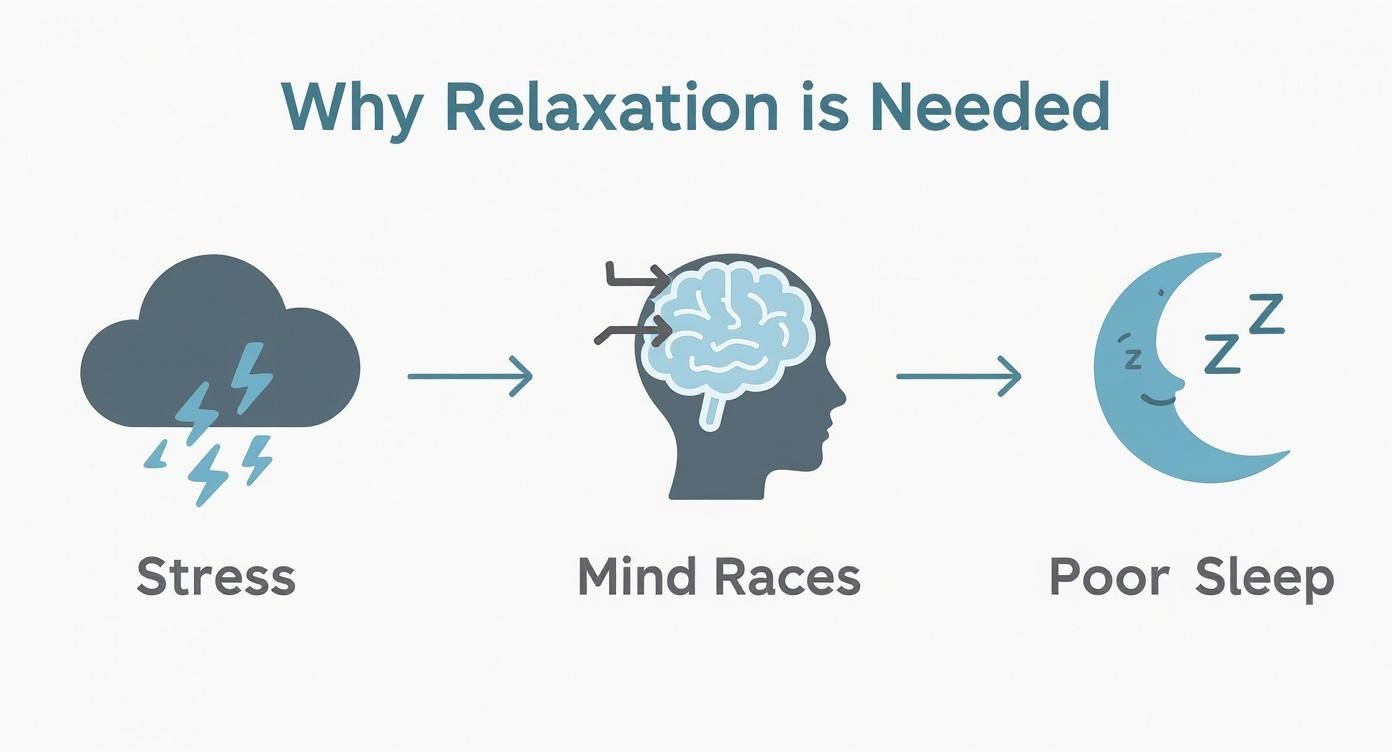
This is precisely why slotting in a relaxation practice like focused breathing is so crucial. It’s how you break that cycle and finally get some real, restorative rest.
Deep Diaphragmatic Breathing: The Foundation
Most of us, especially when we’re stressed, are chest breathers. It's a shallow, inefficient way to breathe that can actually keep anxiety simmering. Diaphragmatic breathing, or "belly breathing," is the antidote. It engages the large muscle at the base of your lungs (the diaphragm) for a much deeper, more calming exchange of air.
Here’s how to do it. Lie comfortably on your back, maybe with your knees slightly bent. Put one hand on your upper chest and the other on your belly, just below your ribs.
- Slowly inhale through your nose. Your main goal is to feel the hand on your belly rise as you fill your abdomen with air. The hand on your chest should barely move.
- Exhale slowly through your nose or mouth, feeling your belly gently fall.
- Keep this up for 5 to 10 minutes.
The magic is in that gentle rise and fall of your abdomen. This movement directly stimulates the vagus nerve, a key player in your "rest and digest" system, which helps slow your heart rate and wash a sense of calm over you.
The 4-7-8 Breathing Technique For Deep Relaxation
Developed by Dr. Andrew Weil, the 4-7-8 technique is a more structured practice that acts like a natural tranquilizer for your nervous system. It’s incredibly effective for calming a racing mind and a tense body, all thanks to the specific ratio of inhaling, holding, and exhaling.
The real power here is in that long exhale. Holding your breath for a moment boosts oxygen, and the extended, controlled exhale purges carbon dioxide, which has a deeply sedative effect on the body.
Ready to try it? Here’s the pattern:
- Start by exhaling completely through your mouth with a gentle whoosh sound.
- Close your mouth and inhale quietly through your nose for a count of four.
- Hold that breath for a count of seven.
- Exhale completely through your mouth—making that whoosh sound again—for a count of eight.
That’s one full cycle. Do it three more times for a total of four breaths. It's surprisingly potent, so just start with a few rounds and see how your body responds.
Finding Balance With Box Breathing
Also known as four-square breathing, this is the technique used by Navy SEALs, elite athletes, and anyone who needs to stay cool under pressure. It's incredibly grounding when your thoughts are spiraling out of control—perfect for those 2 AM wake-ups fueled by a jolt of anxiety.
The symmetry makes it super easy to remember.
- Inhale through your nose for four seconds.
- Hold your breath for four seconds.
- Exhale through your nose for four seconds.
- Hold your breath for four seconds.
Each side of the "box" is equal, creating a steady, predictable rhythm that your brain can easily latch onto. This rhythmic pattern helps regulate your autonomic nervous system, pulling you out of an anxious state and back into a place of balance and calm. You can find more great techniques in our guide on how to meditate for better rest.
There’s solid science behind this. Cognitive behavioral therapy for insomnia (CBT-I), a leading treatment for sleep disorders, almost always includes breathing exercises as a core component. And with 74% of Americans blaming stress for their disrupted sleep, it's clear these tools are more important than ever.
Releasing Physical Tension Before Bed
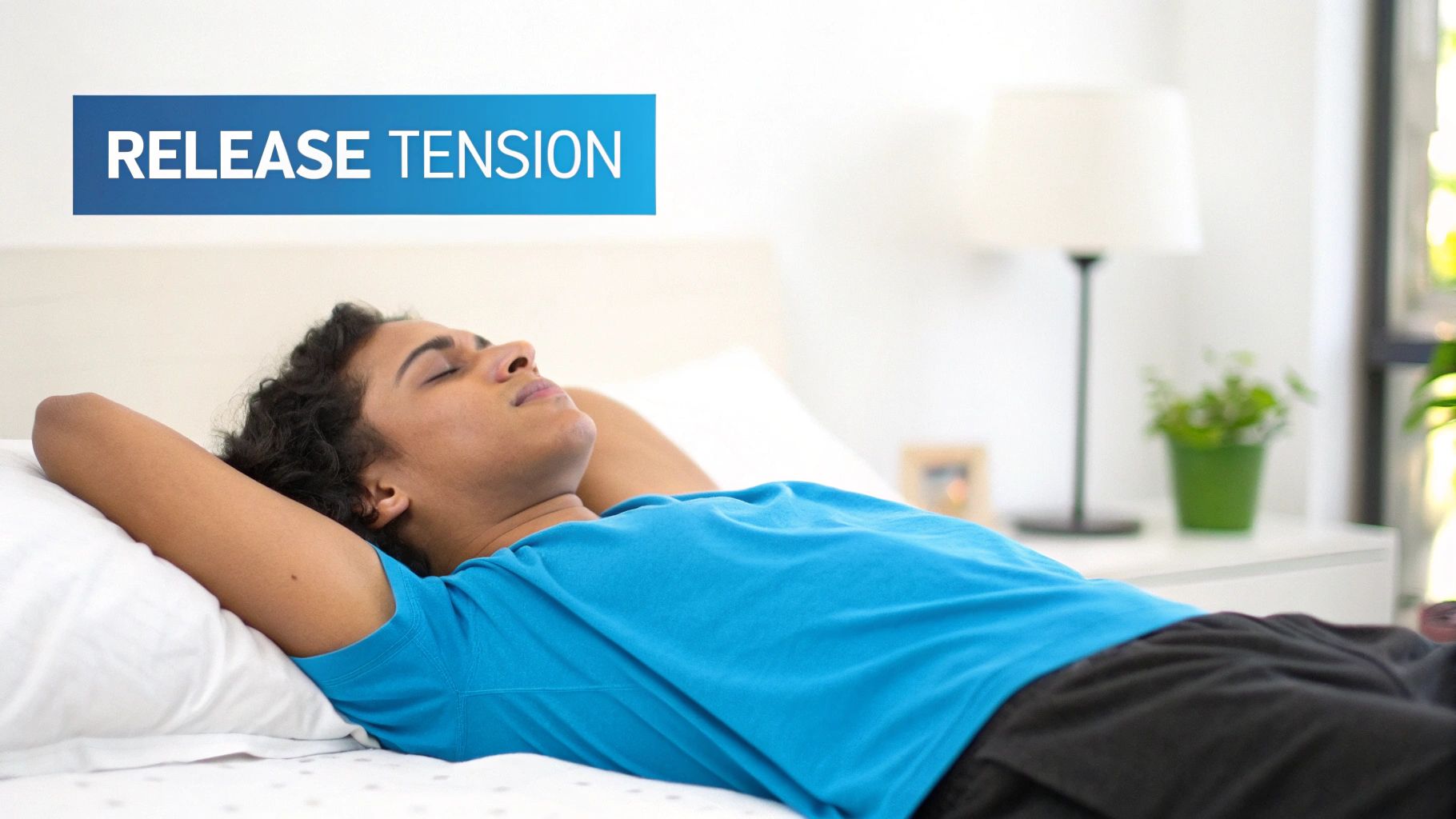
Sometimes, the real roadblock to a good night's sleep isn't a mind buzzing with worries, but a body that's still carrying the weight of the day. You might not even notice it at first—the clenched jaw, the shoulders hiked up to your ears, that nagging tightness in your lower back.
This leftover physical stress keeps your nervous system on high alert, making it almost impossible to truly relax and drift off. The good news? You can consciously let it all go.
By tuning into your body, you give your mind a tangible anchor, pulling it away from anxious thought spirals and grounding it in the here and now. Two of the most effective relaxation techniques for better sleep are Progressive Muscle Relaxation and the Body Scan Meditation.
Progressive Muscle Relaxation Your Path to Release
Progressive Muscle Relaxation (or PMR) is a surprisingly powerful exercise. It's built on a simple idea: you systematically tense and then release different muscle groups throughout your body. This process does more than just loosen you up; it sharpens your awareness of what tension and deep relaxation actually feel like, giving you more control over your physical state.
Think of it like stretching a rubber band just before letting it go completely slack. By intentionally creating that tension for a few seconds, the release that follows feels so much deeper and more complete.
Ready to try? Find a comfortable spot lying on your back and take a few slow, deep breaths to settle in. You'll move through your body one muscle group at a time.
- Tense each muscle group for about five seconds. You're not aiming for pain, just a noticeable tightening.
- Release the tension all at once as you exhale.
- Pause and feel the difference. Notice the warmth and heaviness in the relaxed muscles for 10-15 seconds before moving on.
A great way to start is with your feet and work your way up. Curl your toes tightly, hold... and then let go completely. Feel the tension drain out. Next, flex your calves, hold, and release. Continue this pattern up through your thighs, glutes, abdomen, chest, arms, hands, shoulders, neck, and even the tiny muscles in your face.
One common mistake is to hold your breath while you're tensing up. Instead, try to link your breath to the movement. Inhale as you gently tighten the muscles, and exhale fully as you release, imagining the tension flowing right out of your body with that breath.
The Gentle Power of The Body Scan Meditation
If the active tensing of PMR feels like too much effort, the Body Scan Meditation is a gentler, but just as potent, alternative. Rather than creating tension, this technique is all about bringing a soft, non-judgmental awareness to each part of your body. You simply notice whatever sensations are there without trying to change a thing.
This practice is less about "doing" and more about "being." It's an incredible way to reconnect with your body and quiet a chattering mind. You aren't looking for a specific feeling; you're just checking in.
Lie down, get comfortable, and close your eyes. Start by bringing your attention all the way down to the toes of your left foot. You don't need to move them at all. Just notice what you feel. Is it warmth? Coolness? A slight tingle? The pressure of the blanket? Maybe you feel nothing at all, and that's perfectly okay.
From there, slowly guide your awareness up your body:
- Move from your toes to the sole of your foot, your ankle, and up your calf.
- Continue your journey up to your knee, thigh, and hip.
- Then, repeat the entire process on your right side.
- Keep going, scanning up through your torso, back, arms, and finally to your neck and head.
Your mind will wander—that's what minds do. When you notice it's drifted off, gently and without frustration, just guide it back to the part of the body you were focusing on. The goal isn't perfect, unbroken concentration. The real practice is in the gentle act of returning, again and again, to the physical sensations of the present moment.
Enhancing Your Practice With Guided Audio
When you're just starting out with these techniques, following a guided audio track can be a game-changer. Having a calm voice walk you through the steps takes the pressure off. You don't have to remember "what comes next," which allows you to sink much more deeply into the experience. This is a huge help on nights when you're already feeling exhausted or overwhelmed.
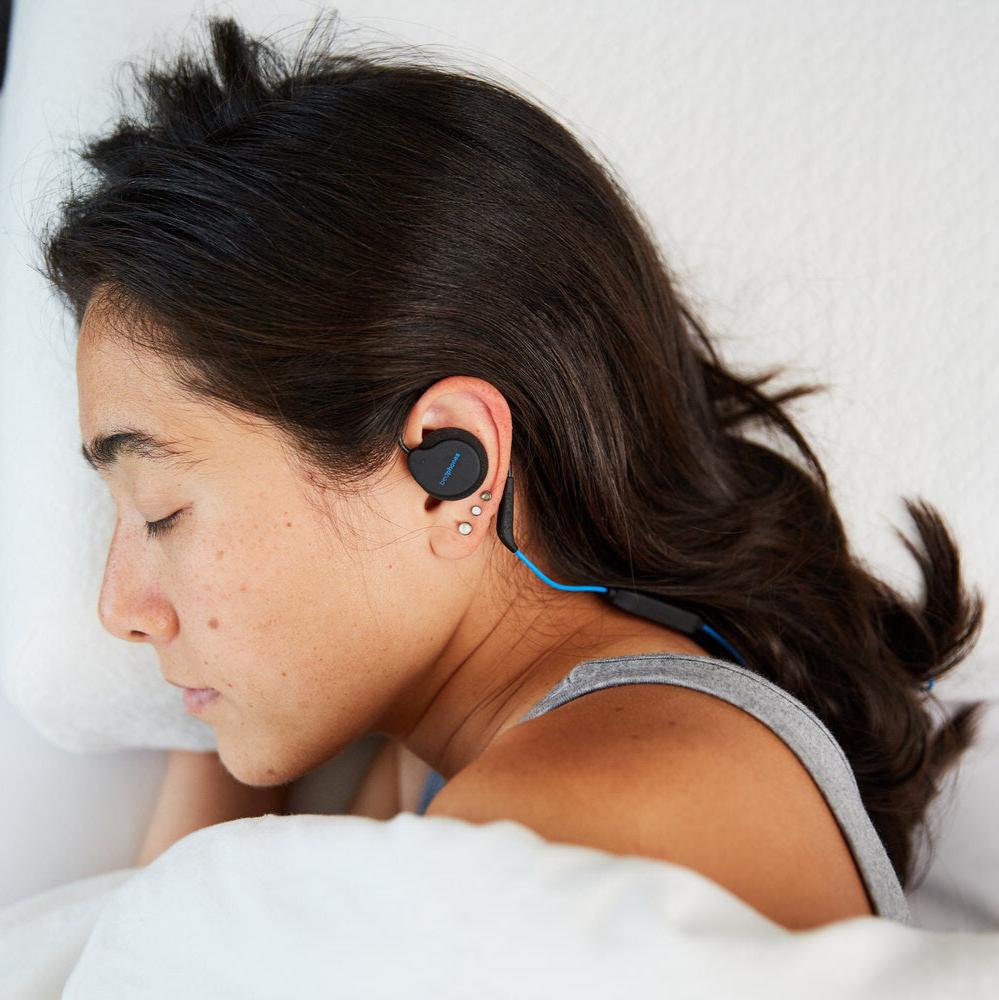
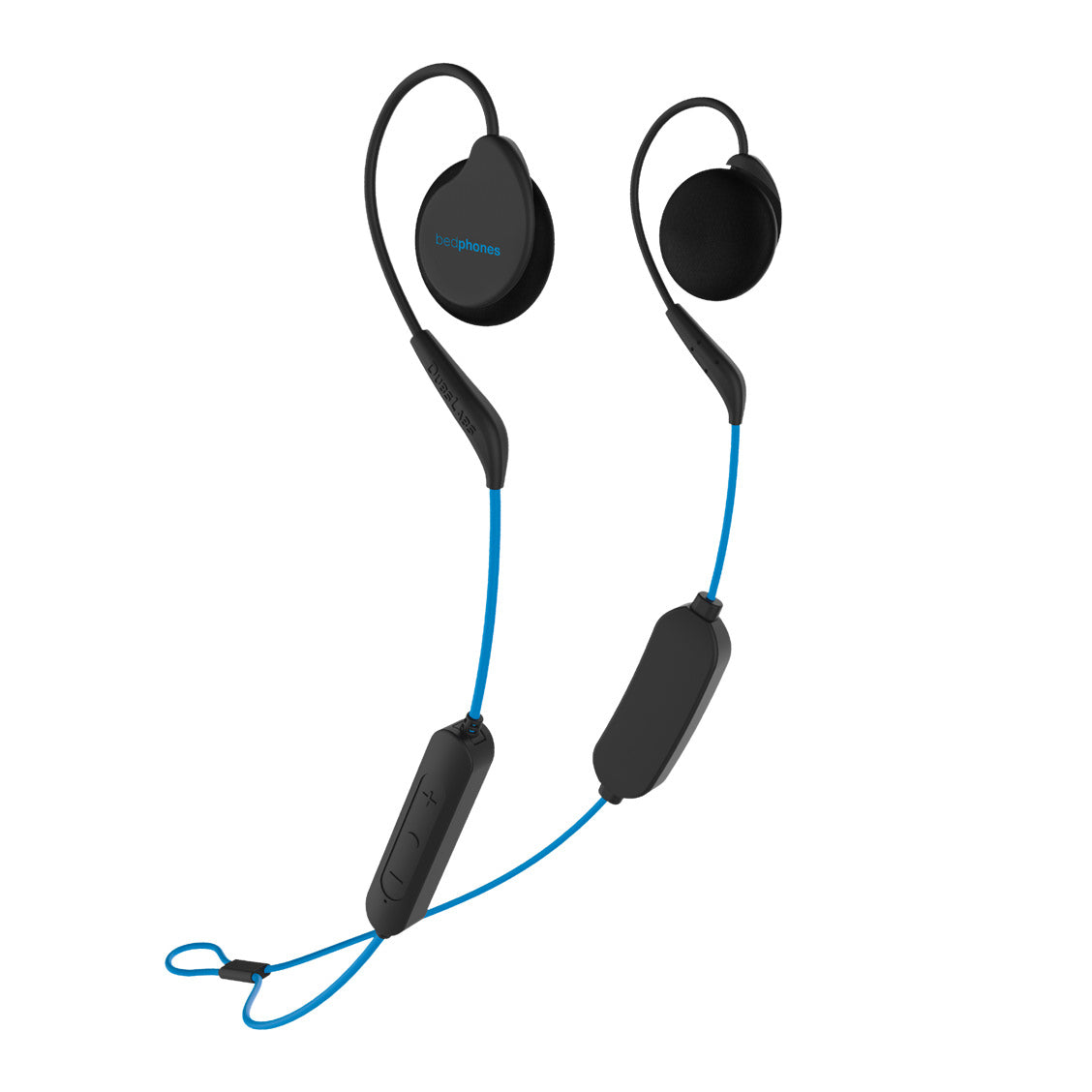
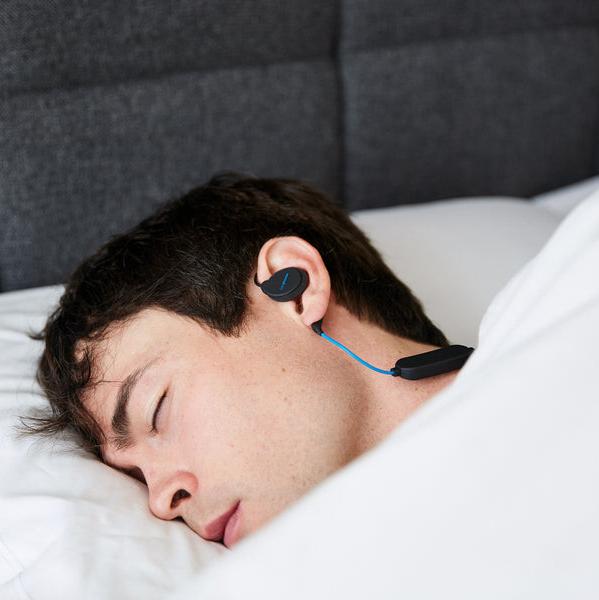
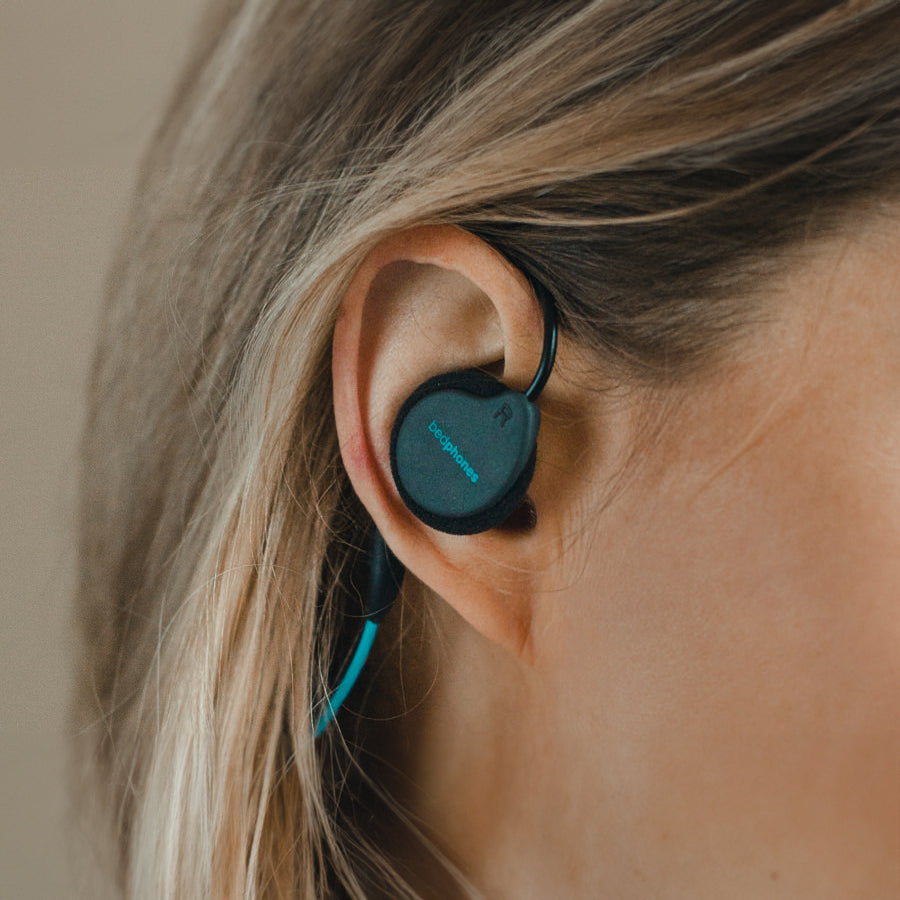
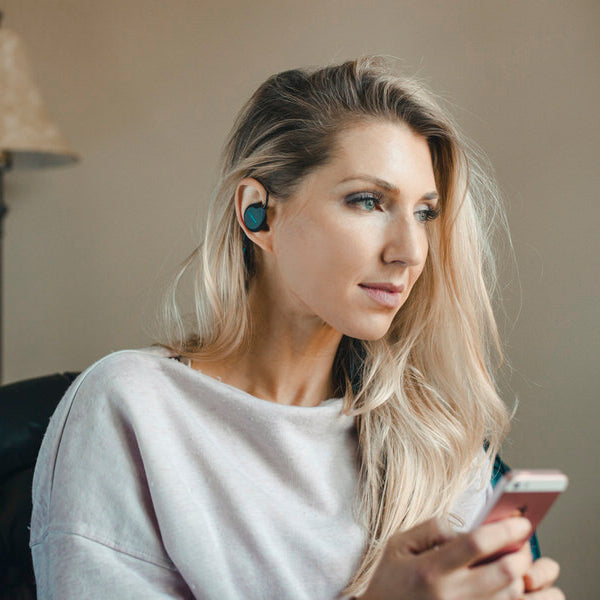
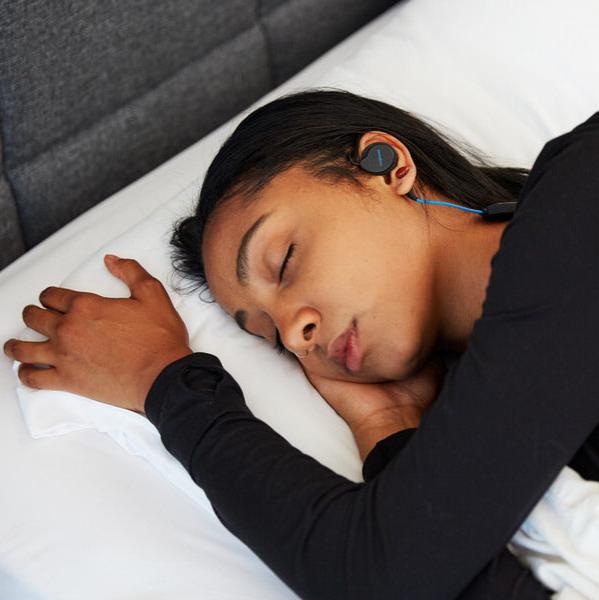
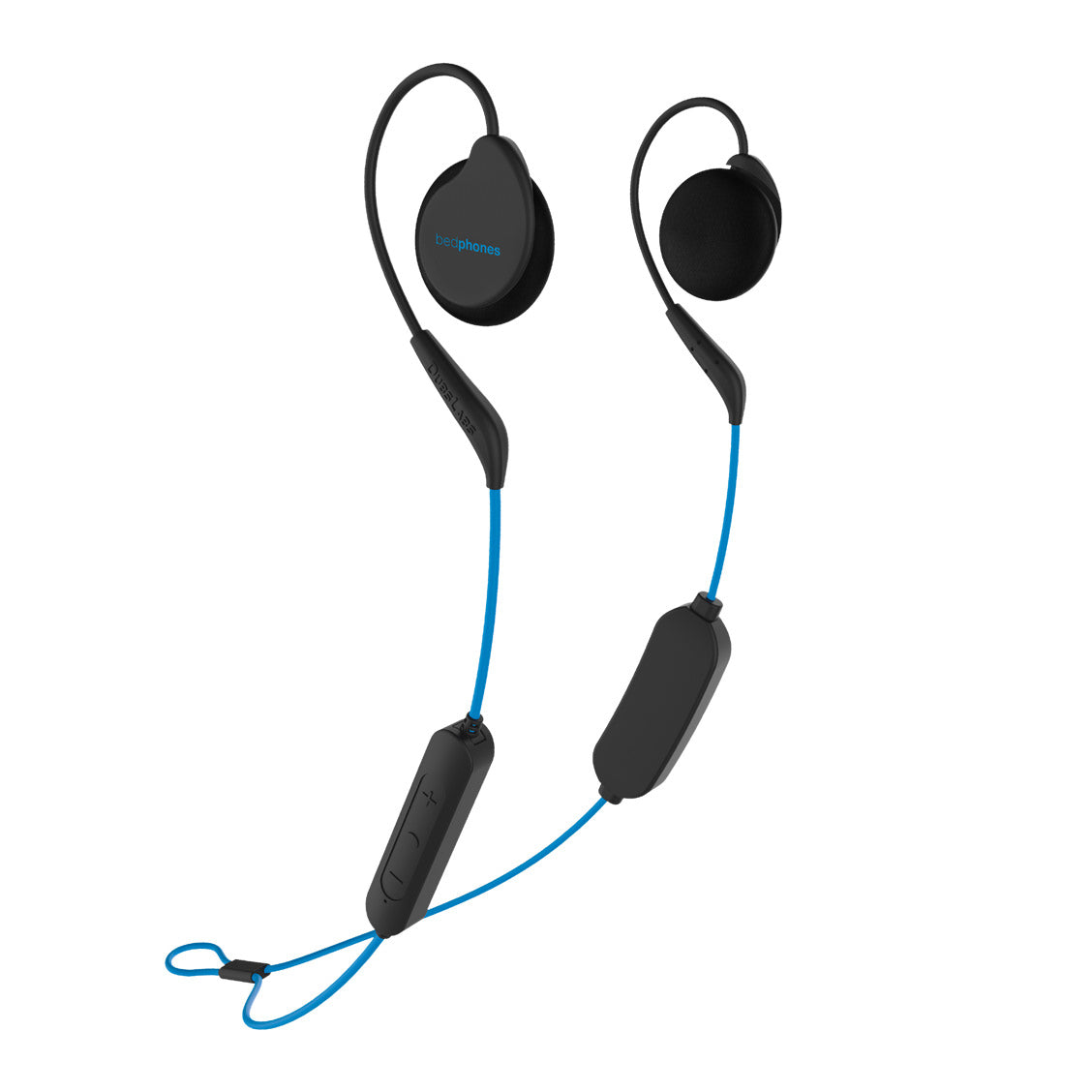
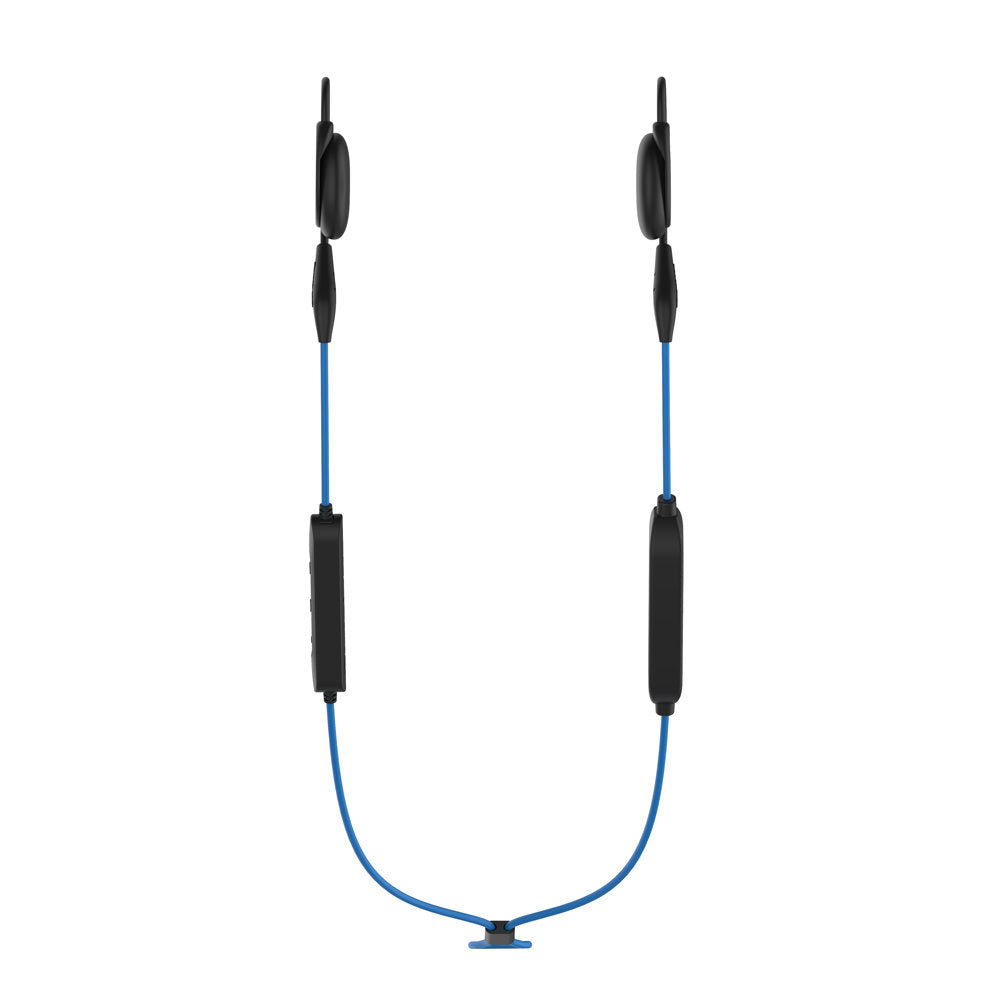
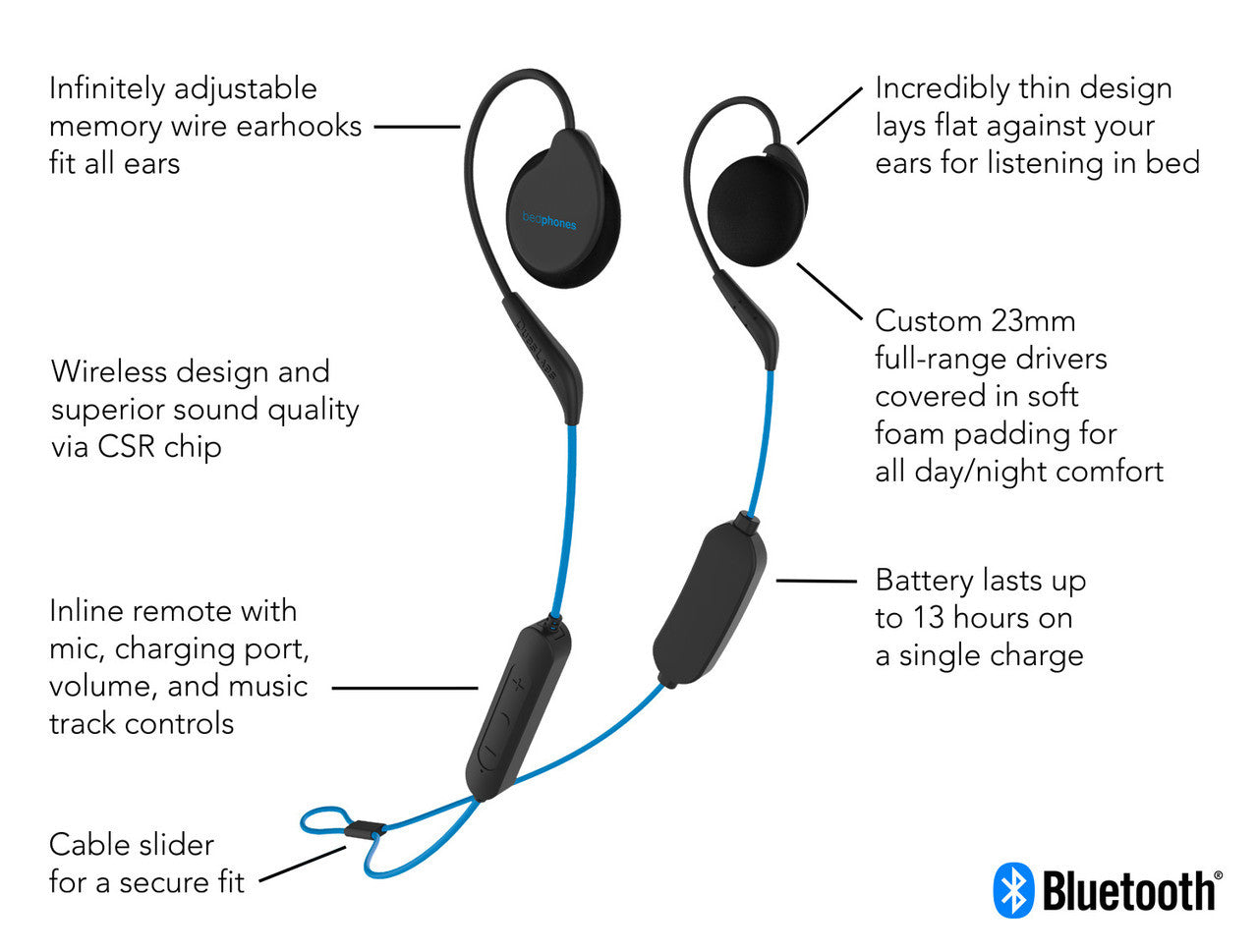
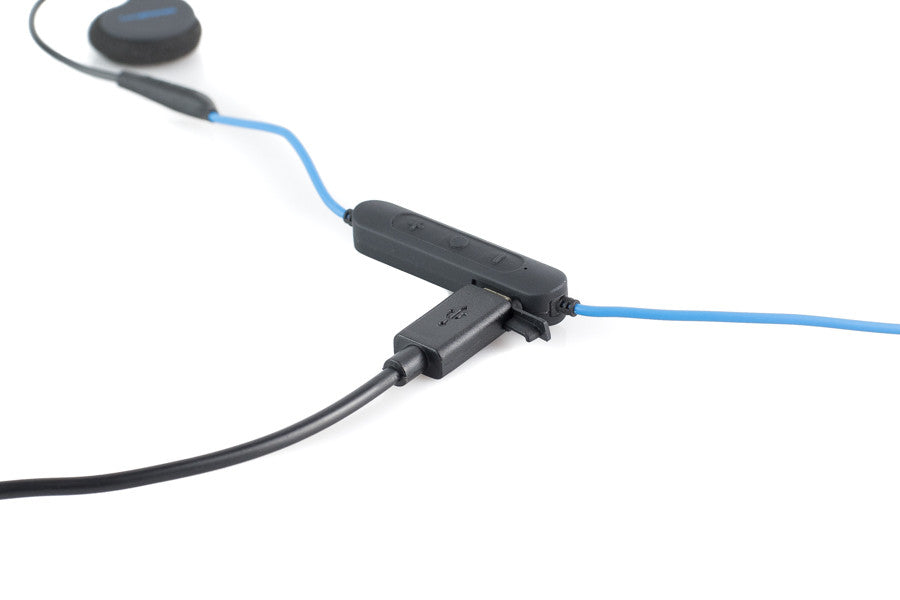
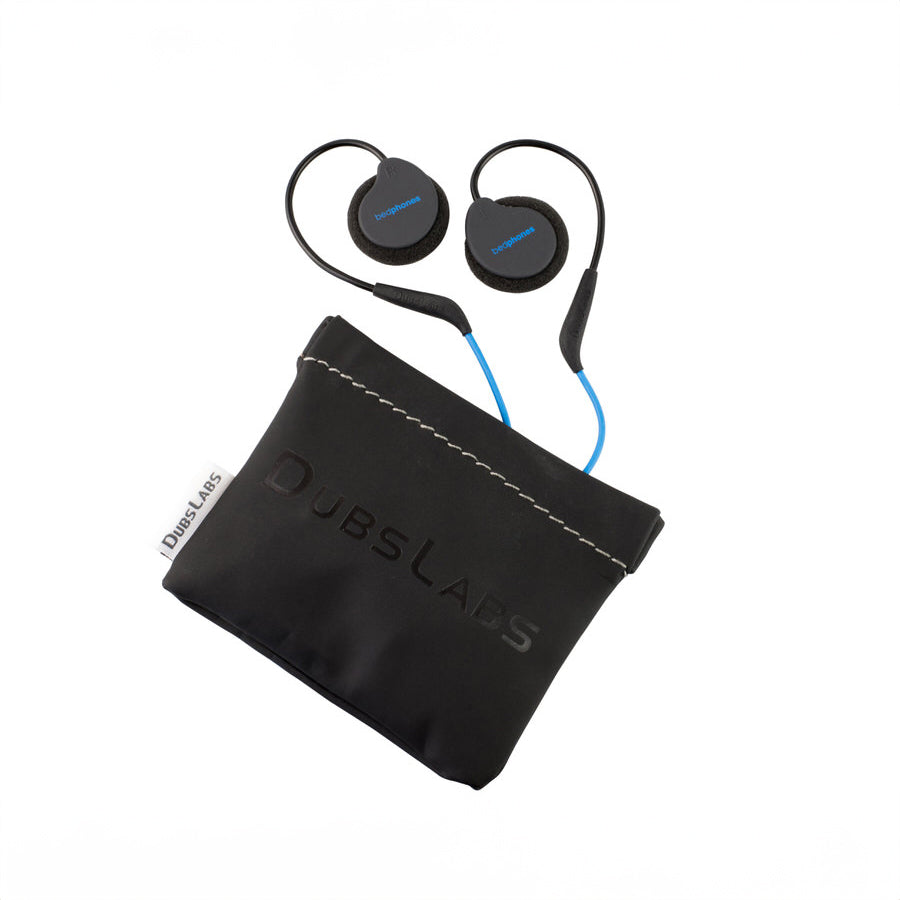
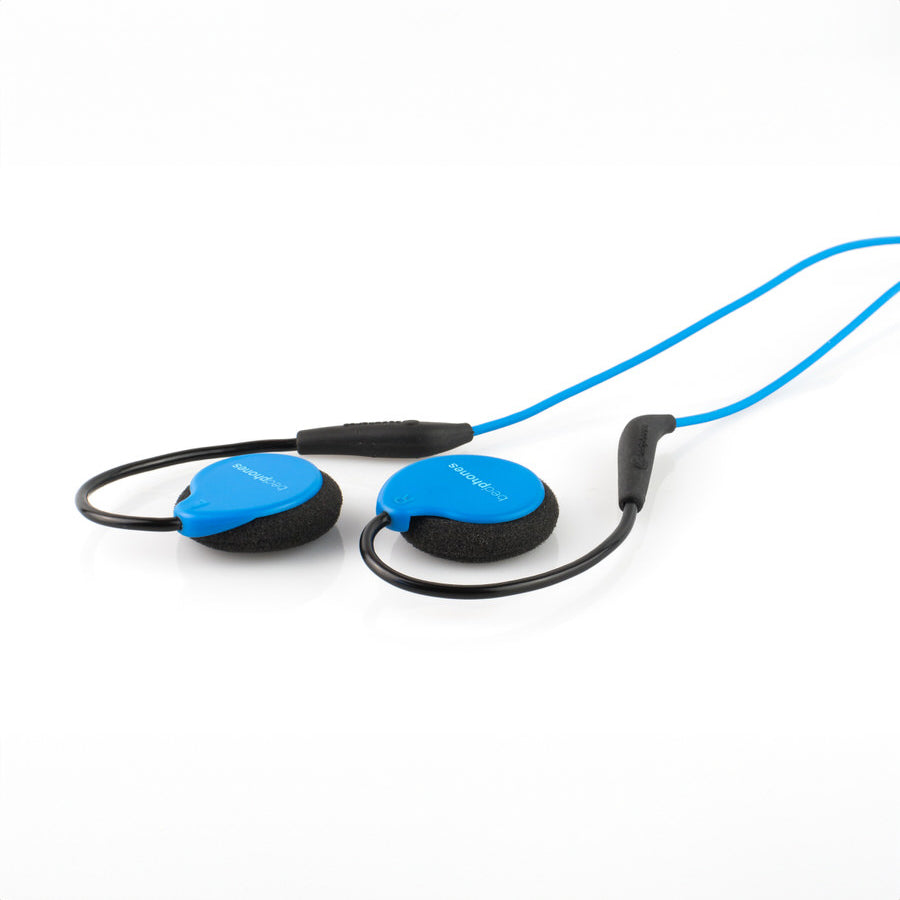
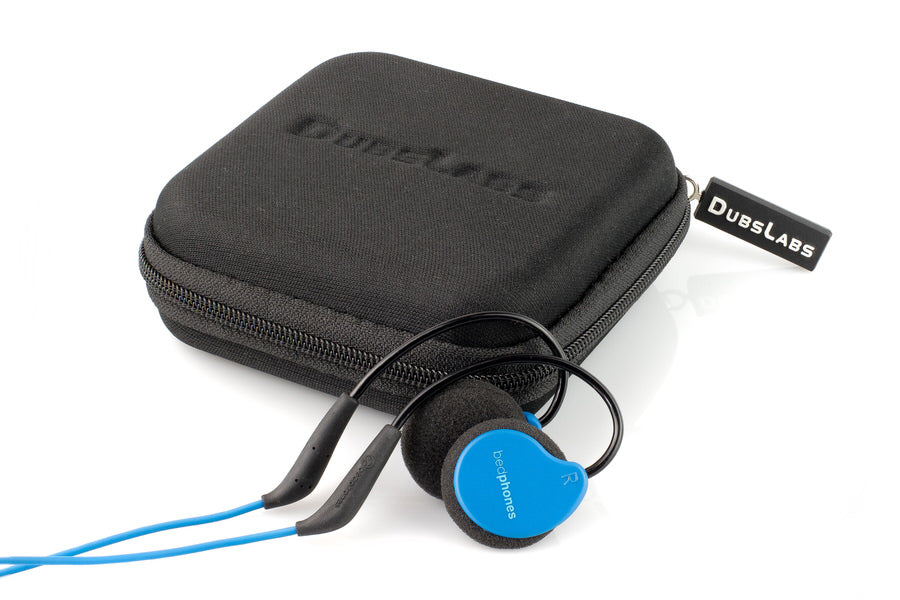
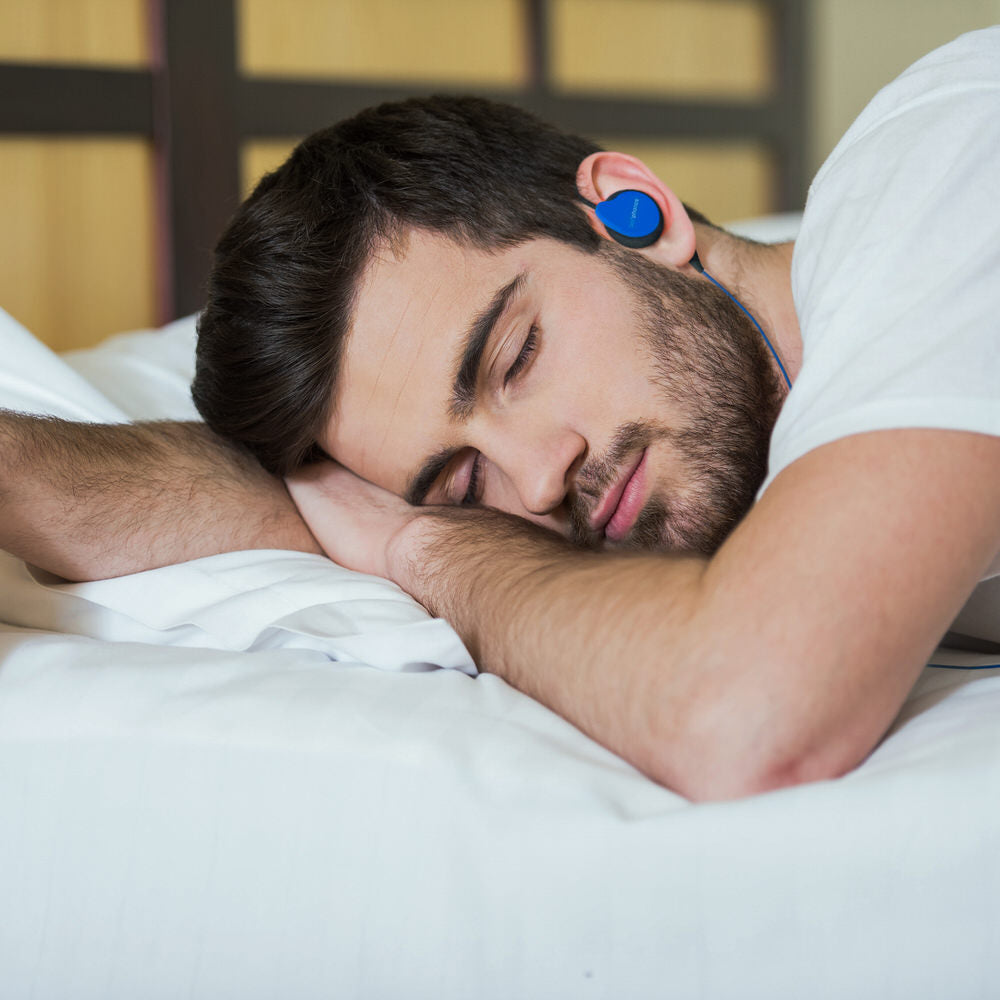
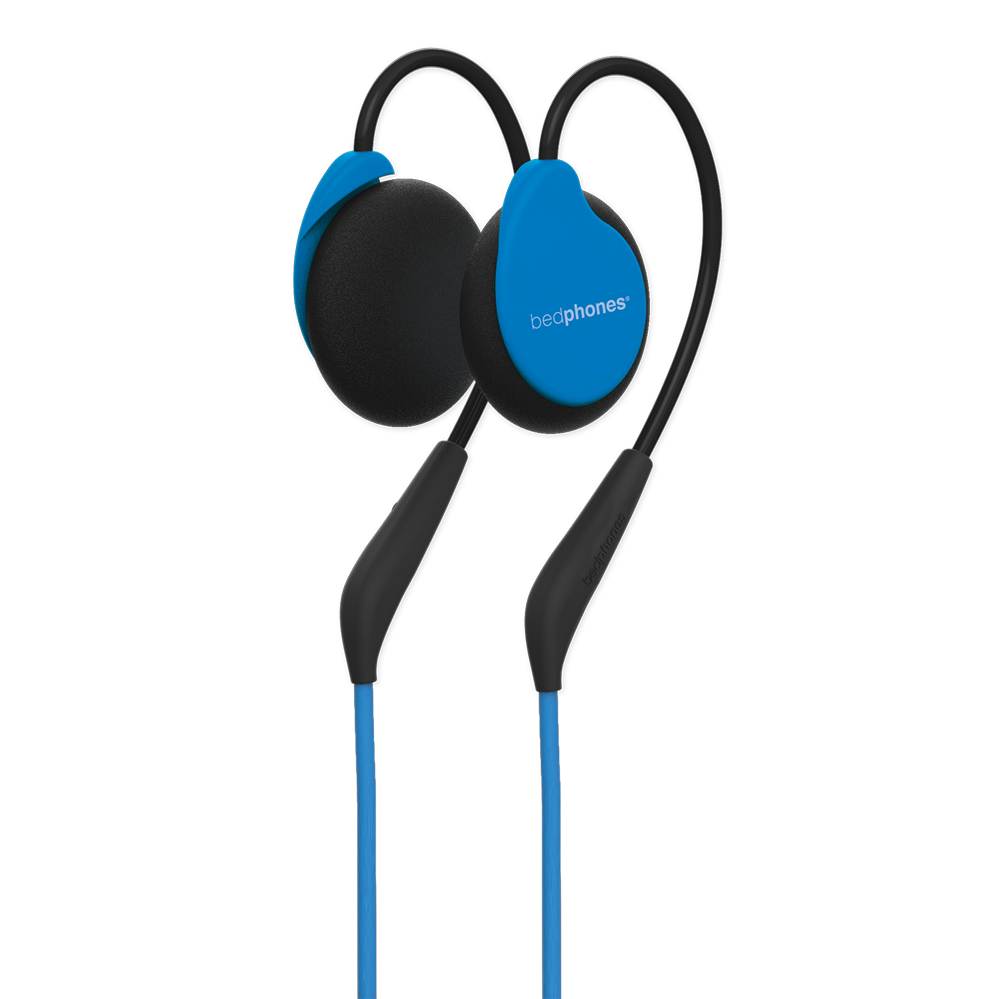
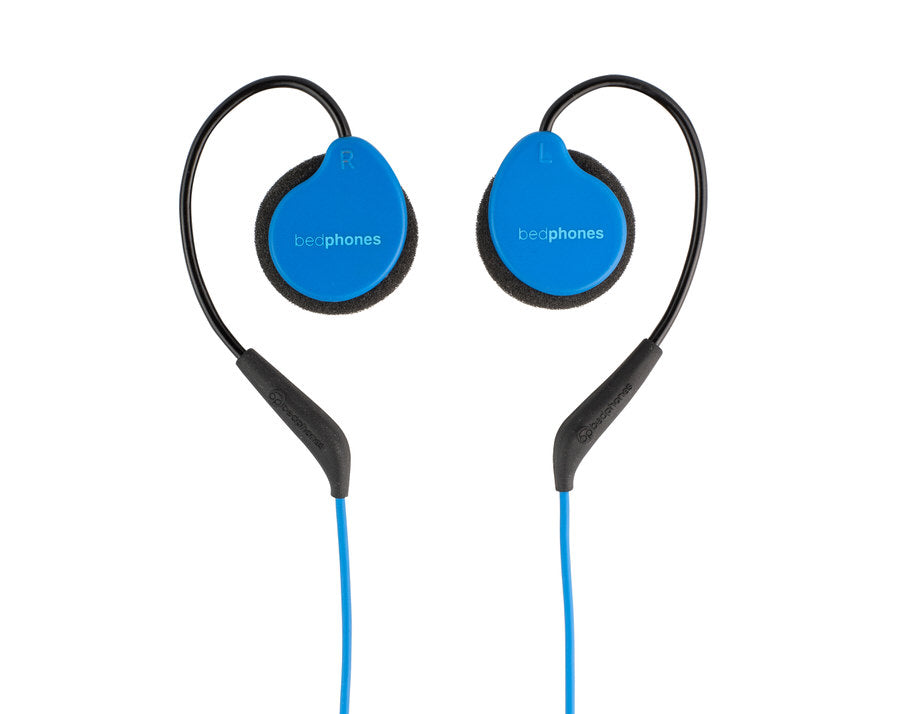
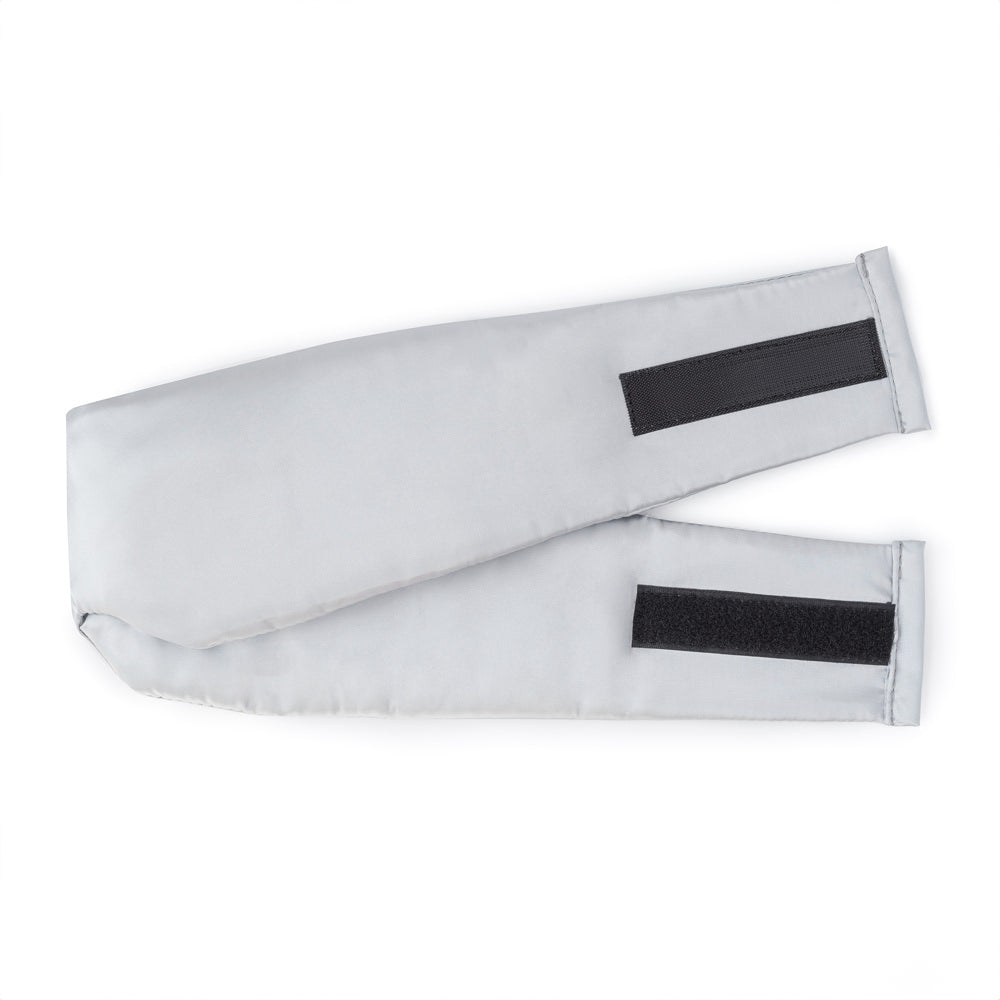
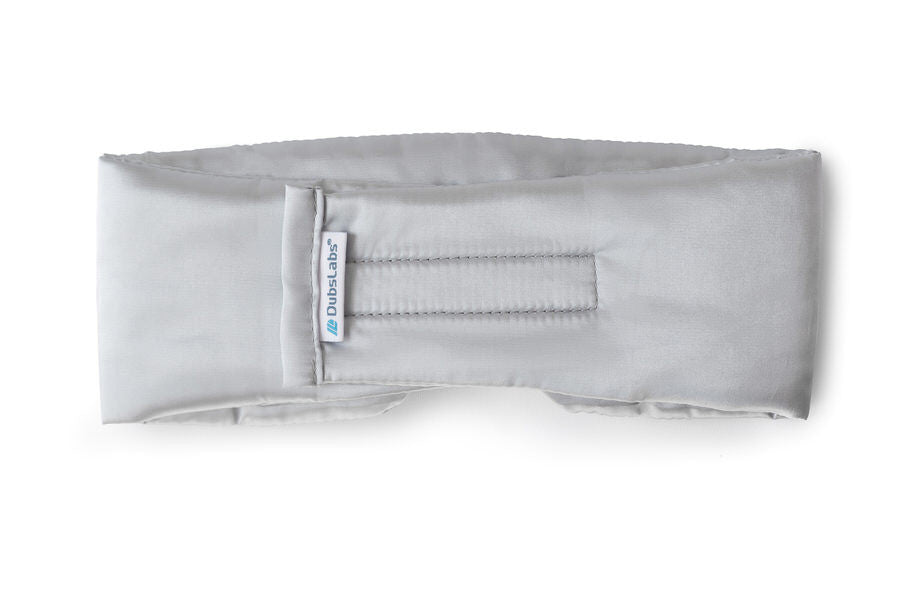
Using a comfortable pair of headphones, like the ultra-thin Bedphones from DubsLabs, creates a truly immersive bubble. The audio feels closer and more present, helping to block out distracting noises and keeping you locked in on the instructions. The guide’s voice becomes a soothing anchor, leading you step-by-step toward a state of profound physical and mental calm.
Using Imagery And Sound To Escape Anxious Thoughts
While breathing exercises and muscle relaxation bring you back into your body, sometimes the best way to escape a racing mind is to, well, escape. Give your mind a new destination, and you’ll find that anxious thoughts don't have a ticket to get there.
Your imagination and sense of hearing are incredibly powerful tools for this. When you intentionally fill your mind with vivid scenes and soothing sounds, there’s simply less room for worry to take over. It’s like switching the channel in your brain from a chaotic news report to a peaceful nature documentary.
Building Your Mental Sanctuary With Guided Imagery
Guided imagery is more than just daydreaming. It’s a focused practice of creating a peaceful, detailed scene in your mind, engaging all your senses to make it feel as real as possible. The more immersive you can make your mental getaway, the better it is at silencing the noise from the outside world.
Your mental sanctuary can be anywhere you feel genuinely safe and calm. Maybe it’s a secluded beach at sunset, a cozy cabin in a quiet, snowy forest, or a sun-drenched meadow. The only rule is that the place has to resonate with you.
Once you've picked your spot, start layering in the sensory details:
- What do you see? Notice the deep blues of the water, the rough texture of tree bark, or the way sunlight filters through leaves.
- What do you hear? Is it the gentle rhythm of waves, the soft crunch of snow underfoot, or a distant bird call?
- What do you feel? Imagine the warmth of the sun on your skin, a cool breeze against your cheek, or the soft wool of a blanket.
- What do you smell? Can you pick up the scent of salty air, pine needles, or damp earth just after it rains?
By concentrating on these sensory inputs, you're giving your brain a peaceful job to do. This simple act effectively crowds out the intrusive, anxiety-fueled thoughts that keep you from sleeping.
A lot of people get hung up on feeling like they "can't visualize" perfectly. Let that pressure go. You’re not trying to direct a cinematic masterpiece in your head—you’re just gently holding your focus on these peaceful sensory cues.
Creating A Soothing Soundscape For Sleep
Just as imagery can occupy your mind, the right sounds can create a protective bubble, shielding you from both internal chatter and external disruptions. A good soundscape can mask startling noises like traffic or a snoring partner, providing a calm, predictable backdrop that signals to your brain that it’s safe to power down.
Different sounds work for different people and different situations, so it pays to understand your options. This is one area where many relaxation techniques for better sleep get a serious boost from modern tools.
Exploring what’s out there is half the fun. Our guide to calming sounds for sleep is a great place to start, covering things like binaural beats and ASMR. And if you want something truly personal, you can even learn how to create free audio nature sounds with AI.
Choosing The Right Auditory Sleep Aid
So, how do you pick the right sound for you? Start by thinking about the specific sleep challenge you’re facing. Are you trying to block out your noisy neighbors, or are you trying to calm a mind that won’t quit?
This table breaks down some of the most common options to help you decide.
| Sound Type | Best For | How It Works | Example Scenario |
|---|---|---|---|
| White Noise | Masking inconsistent, sharp noises | Contains all audible frequencies at equal intensity, creating a "wall of sound" that makes sudden noises (like a car horn) less jarring. | A light sleeper in a noisy city apartment who is frequently woken up by street sounds or neighbors. |
| Pink Noise | A gentler, more balanced sound environment | Similar to white noise, but with lower frequencies being more prominent. Many find it less "hissy" and more natural, like steady rainfall. | Someone who finds white noise too harsh but still needs a consistent sound to block out household noises. |
| Nature Sounds | Reducing stress and promoting mental relaxation | The natural, non-repeating patterns of sounds like rain, rivers, or wind are inherently calming to the human nervous system. | An anxious sleeper whose mind races with to-do lists and worries. The sound of a gentle stream gives their mind a peaceful anchor. |
| Ambient Music | Creating a tranquil atmosphere to wind down | Slow-tempo, instrumental music without jarring changes in volume or rhythm helps slow brainwave activity, encouraging a transition to sleep. | A person who needs to build a relaxing pre-sleep ritual and finds that music helps them disengage from the day's stresses. |
Experiment a little to find what helps you drift off most easily. The goal is to find a sound that your brain can latch onto and use as a gentle guide into sleep.
Building Your Personalized Pre-Sleep Ritual
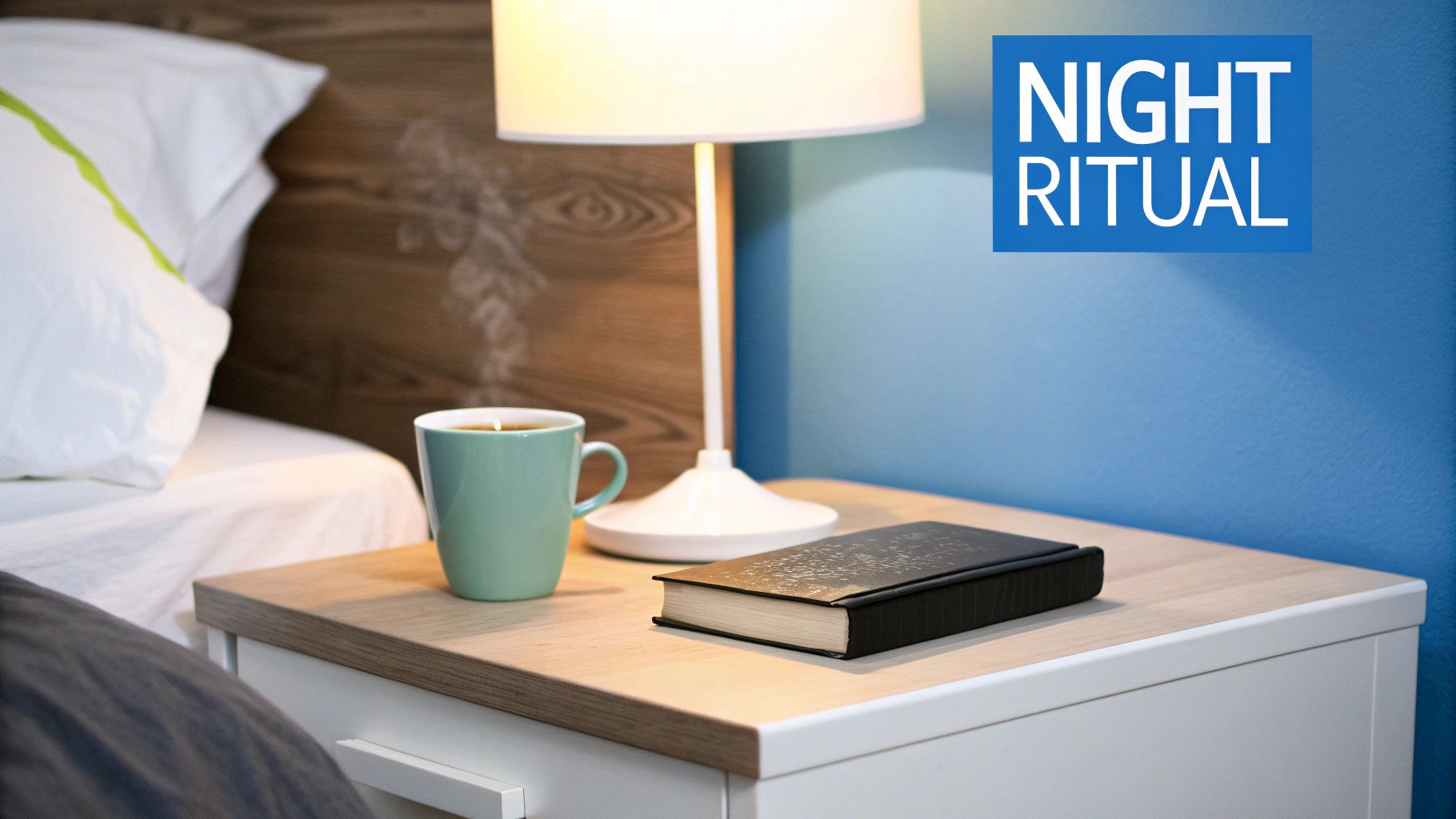
Knowing a few relaxation exercises is a great start. But the real magic happens when you string them together into a consistent pre-sleep ritual. This isn't just about going through the motions; it's about sending a powerful signal to your brain and body that the day is officially over and it's time to power down.
Think of it like the house lights dimming in a theater. It’s a cue that tells everyone—in this case, your nervous system—what's coming next. Your nightly ritual does the exact same thing, creating a predictable, comforting bridge from the chaos of your day to the calm you need for sleep.
Consistency is what turns these simple actions into a powerful habit. Over time, your brain begins to crave this routine and associates these specific activities with sleep, making the entire process of drifting off feel much more automatic.
Setting The Stage For Successful Sleep
Before you even jump into a breathing exercise or body scan, getting your environment right is half the battle. A calm setting can dramatically boost the effectiveness of any technique you choose. Your bedroom should feel like a sanctuary for rest, not just a satellite office or a mini movie theater.
Try making a few of these simple environmental tweaks:
- Cool It Down: Your body temperature naturally drops to kickstart sleep. Setting your thermostat to around 65°F (18°C) helps this process along.
- Dim The Lights: Bright light, especially the blue light glaring from our screens, hits the brakes on melatonin production. Switch to warm, soft lighting for at least an hour before you plan to turn in.
- Ditch The Screens: The endless scroll and constant pings from our phones and TVs keep our minds buzzing. Put them away at least 30-60 minutes before you want to be asleep.
A warm, calming drink can also be a fantastic part of setting the mood. If you're looking for the right blend, this ultimate guide to tea for bedtime has some great ideas.
Crafting Routines For Your Reality
Look, your pre-sleep ritual doesn't need to be some elaborate, hour-long production. The best routine is the one you'll actually do. Here are a couple of templates you can steal and tweak to fit your own schedule and stress levels.
The 15-Minute Unwind (For Busy Nights)
This is the perfect quick reset when you're short on time but your brain won't shut off.
- 5 Minutes of Focused Breathing: Sit on the edge of your bed and do some deep belly breathing or a few rounds of box breathing. It’s a fast way to hit the brakes on your body's stress response.
- 10 Minutes of a Quick Body Scan: Lie down and gently bring your attention to your body, starting from your toes and working your way up. Don't stress about hitting every single spot; just focus on letting go of any obvious tension in big areas like your legs, back, shoulders, and jaw.
The 30-Minute Deep Dive (For High-Stress Days)
When you feel completely wired, anxious, or overwhelmed, a longer, more immersive routine can feel like a lifesaver.
- 10 Minutes of Progressive Muscle Relaxation: Work your way through your body, tensing and then releasing each muscle group. This is a fantastic way to physically squeeze out the tension that's built up all day.
- 20 Minutes of Guided Imagery: Once your body is feeling more relaxed, pop in your Bedphones and let a guided audio track take your mind somewhere peaceful. This gives your brain something calming to latch onto, making it much harder for those racing, anxious thoughts to take over.
Don't aim for perfection. If you doze off in the middle of an exercise, that's a win! It means the technique is working. Just pick up where you left off the next night.
More and more people are recognizing just how crucial good sleep is, and it shows. The calming and sleeping market is on track to hit USD 55,000 million by 2025 as people actively seek out structured ways to improve their rest. By building your own personalized ritual, you're tapping into the same powerful principle: creating a structured, intentional approach to getting the great sleep you deserve.
Common Questions About Sleep Relaxation Techniques
When you first start trying these practices, it's completely normal to have some questions. Think of this as your troubleshooting guide—a place to find some clarity and confidence as you weave these powerful relaxation techniques into your nightly routine.
Getting started is usually the toughest part, but knowing what to expect can make the journey feel a lot smoother. Let's tackle some of the most common hurdles people run into.
How Long Until These Relaxation Techniques Start Working?
This is the big one, and the honest answer is: it's different for everyone. Some people feel a noticeable wave of calm during their very first session of deep breathing. For others, it might take a week of consistent practice before they see a real difference in how quickly they drift off.
The key here is consistency over intensity. It’s less like a magic pill and more like training a muscle. The more you practice the art of relaxation, the quicker your body learns the drill. Your goal isn't just to fall asleep faster tonight, but to teach your nervous system how to downshift on command. Better sleep is just the welcome result of that consistent effort.
What If I Fall Asleep During an Exercise?
That's a win! The entire point of these exercises is to guide your mind and body into a state of rest so deep that sleep can take over. If you nod off halfway through a body scan or guided imagery session, it just means the technique did its job perfectly.
There’s no need to "finish" an exercise for it to be effective. Falling asleep is the ultimate goal, so chalk it up as a success. If you happen to wake up later, you can always restart a technique to help you drift off again.
Can I Use These If I Wake Up in The Middle of The Night?
Absolutely. Waking up at 3 a.m. is the perfect time to put these skills to use. Instead of reaching for your phone or starting to stress about what time it is, make your first move a gentle relaxation practice.
A few rounds of the 4-7-8 breath or a quick, informal body scan right where you are can be incredibly effective. It’s a far better strategy than trying to force yourself back to sleep, and it can stop a brief awakening from spiraling into a long night of tossing and turning. Having a go-to technique ready is a powerful tool against middle-of-the-night insomnia.
Is It Better To Use Guided Audio or Practice from Memory?
This really comes down to what works for you and how comfortable you are with the techniques.
- If you're just starting out: Guided audio is a fantastic launching point. It takes the mental load off of remembering what comes next, letting you fully sink into the process. The soothing voice gives a wandering mind something to anchor to.
- If you're more experienced: You might prefer the quiet and simplicity of guiding yourself. This gives you more flexibility and can be done anywhere, anytime, without needing your phone.
Honestly, there’s no right or wrong answer here. Play around with both and see what feels most restful for you on any given night.
Creating a calm, immersive environment is key to making these techniques work. DubsLabs offers products like our ultra-thin Bedphones that make listening to guided audio in bed a seamless, comfortable experience. Explore our sleep solutions and take the next step toward reclaiming your nights at https://www.dubslabs.com.