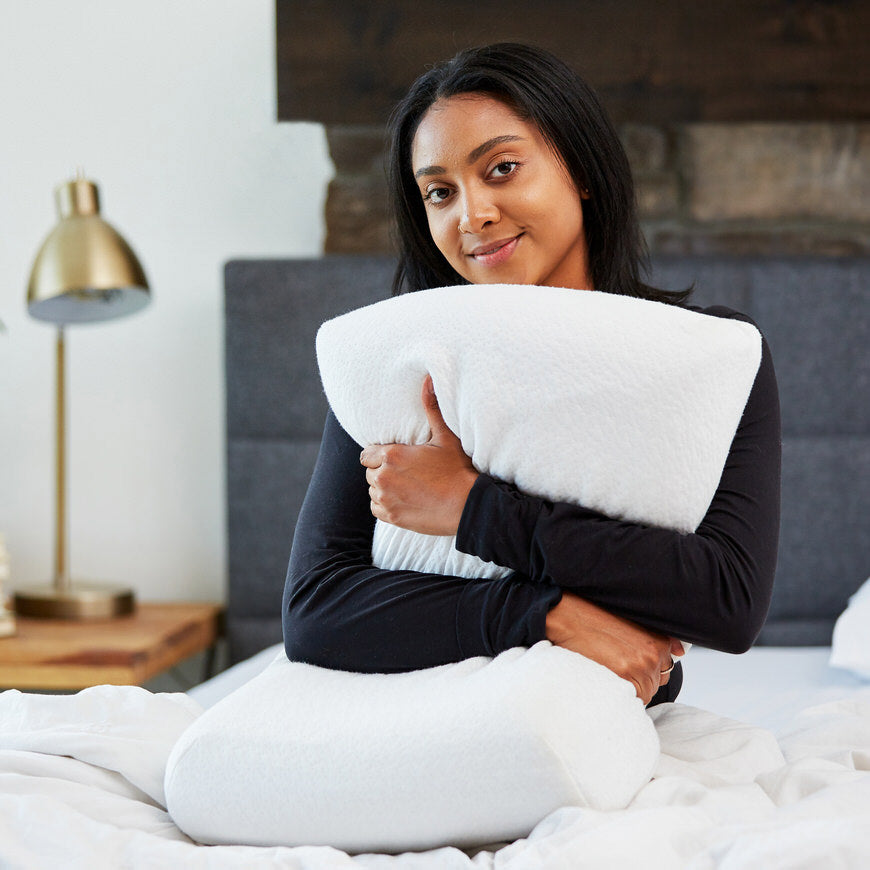
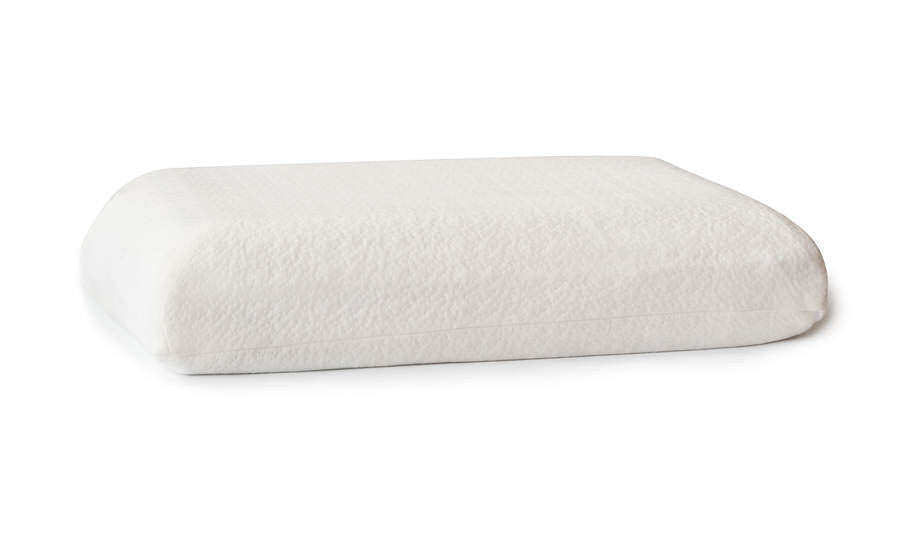
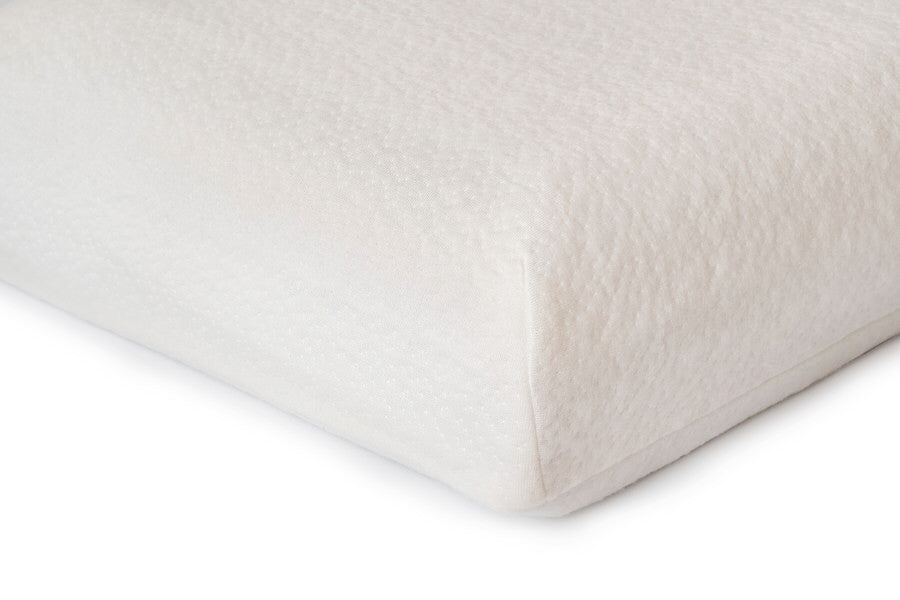
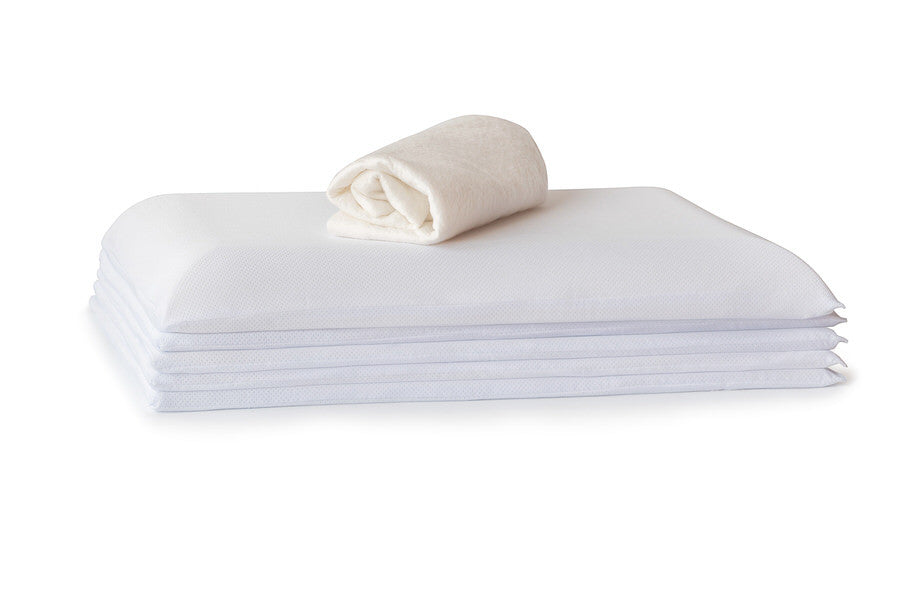
At their core, memory foam pillows deliver on three key promises: superior neck support, pressure relief, and proper spinal alignment. By perfectly contouring to your head and neck, they cradle your body’s unique shape. The result? Fewer aches and pains, and a much deeper, more restorative night's sleep.
Unpacking the Science of Memory Foam Pillows
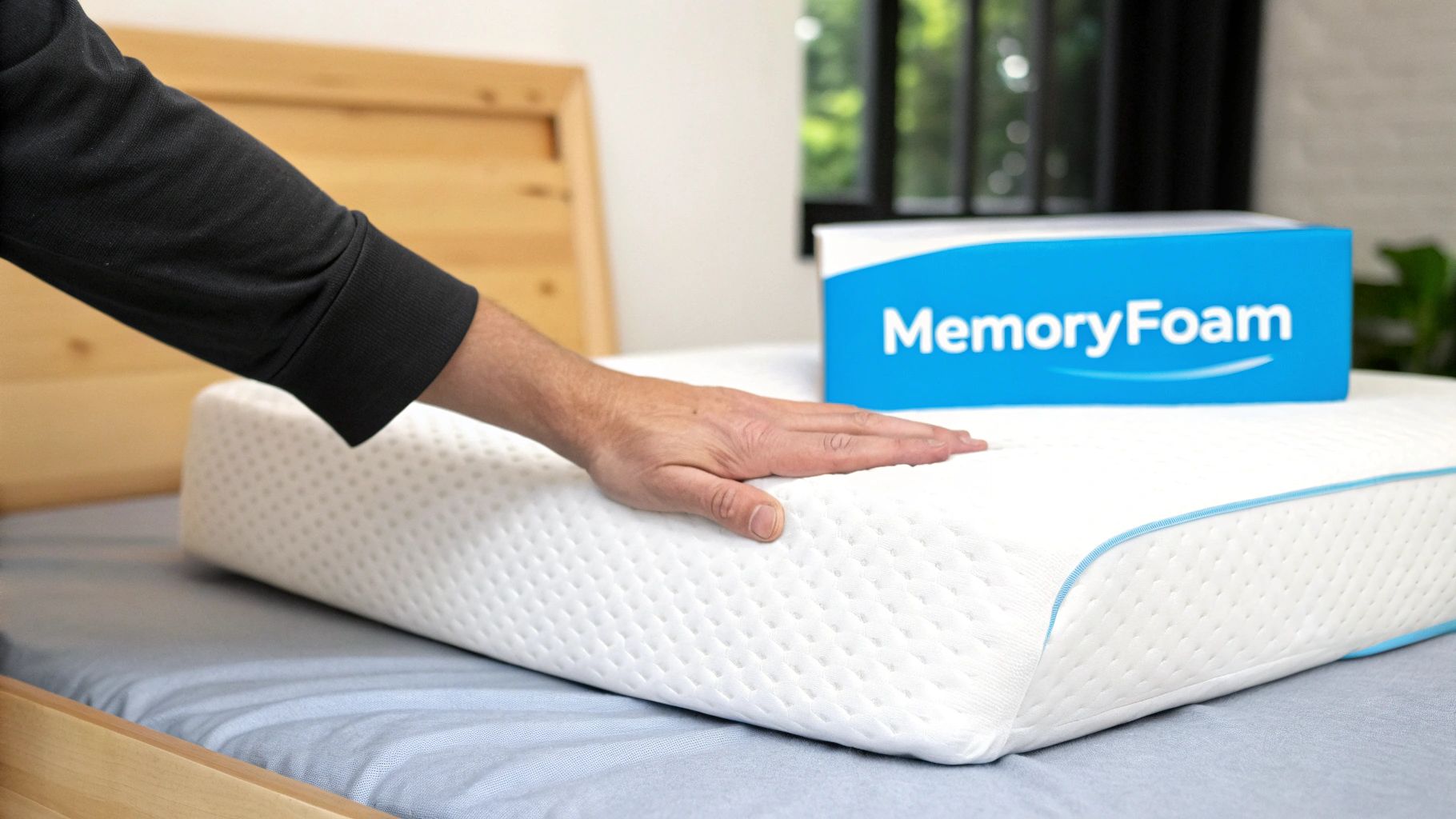
Ever wondered what makes a memory foam pillow feel so fundamentally different from a fluffy feather or cotton one? The secret is in the material itself, a wild-sounding substance called viscoelastic polyurethane foam. It wasn’t originally designed for bedrooms, though. NASA actually cooked it up back in the 1960s to make aircraft cushions safer.
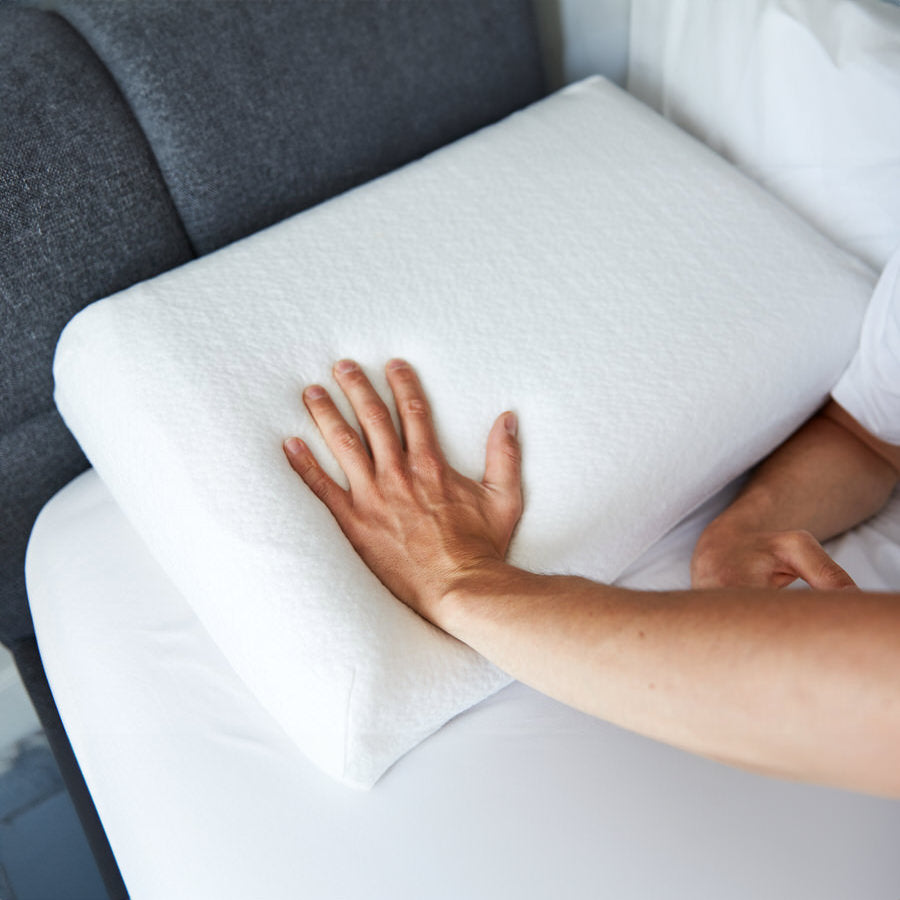
Think of it like this: when you press your hand into soft dough, it leaves a perfect impression. Memory foam acts in a similar way, but with a satisfying, slow-motion spring-back. It’s smart stuff—it reacts to your body's heat and pressure, softening and molding itself to the exact contours of your head, neck, and shoulders.
The Power of Adaptive Support
Here’s where it really separates itself from the pack. A standard pillow just squishes down under your head. Memory foam, on the other hand, provides adaptive support. It actively fills the gap between your neck and the mattress, an area that’s often left hanging with traditional pillows. This contouring action is crucial for maintaining a neutral spine, which helps prevent those awkward angles that leave you feeling stiff and sore in the morning.
This isn't just a pillow; it's a personalized support system. It actually remembers your shape to provide consistent comfort night after night, which is a key reason so many people finally find relief from chronic neck pain.
This personalized fit is exactly why the technology has exploded in popularity. The memory foam market in the U.S. alone hit USD 12.23 billion in 2020 and is on track to reach USD 17.69 billion by 2026. This isn't just hype; it's driven by real people looking for effective solutions for pain and better sleep, especially considering the 50-70 million U.S. adults with sleep disorders.
More Than Just Comfort
The perks of a memory foam pillow go way beyond just feeling soft. The unique properties of the material translate into real, tangible improvements in your sleep quality. Let's break down what makes it so effective:
- Viscoelasticity: It’s a fancy word, but it just means the foam can change shape under pressure (that's the "visco" part) and then return to its original form (the "elasticity" part).
- Heat Sensitivity: Your own body warmth softens the foam, allowing it to create that perfect, custom cradle for your head.
- Energy Absorption: It eats up movement, which is a game-changer if you share a bed and want to isolate motion from a restless partner.
This is the kind of technology that serves as the foundation for advanced sleep products, including our own DubsLabs' adjustable pillows that let you fine-tune the support to your exact liking. Once you understand the core principles of how a memory foam pillow for sleeping actually works, it’s easy to see why it offers such incredible comfort.
Unlock Better Spinal Alignment and Pressure Relief
Let’s get straight to the point: the two biggest reasons people switch to memory foam pillows are spinal alignment and pressure relief. These aren't just buzzwords for comfort; they're the bedrock of truly restorative sleep. When your pillow nails these two things, you wake up feeling refreshed and ready to go, not stiff and sore.
Think of your spine like a garden hose. If there's a kink in it, water can't flow through properly. It's the same with your neck. If it's bent at a weird angle all night, it can strain muscles and pinch nerves, which is a recipe for pain. This is where traditional pillows often fall short—they're either too flat, letting your head droop, or too puffy, forcing it upwards.
Achieving a Neutral Spine
Memory foam's superpower is creating what experts call a "neutral spine." This simply means your head, neck, and spine form a straight line, just like they do when you're standing with good posture. The pillow's unique viscoelastic material perfectly molds to fill the gap between your neck and the mattress, keeping your head from tilting.
This contouring support is a game-changer. It allows the muscles in your neck and shoulders to finally relax instead of working all night just to keep your head stable. Over time, that consistent, proper alignment can make a huge difference in reducing chronic neck pain and stiffness. We dive deeper into this connection in our guide on using a memory foam pillow for neck pain.
The Magic of Pressure Relief
The second key benefit is how it handles pressure. Ever tried lying on a hard floor? You immediately feel pressure points on your hips, shoulders, and the back of your head. A traditional pillow can create similar, though less intense, hot spots on your ear or the side of your head, causing you to toss and turn all night trying to get comfortable.
Memory foam solves this problem by distributing the weight of your head evenly across its entire surface. Instead of just one or two points taking all the load, the pressure is spread out, which gets rid of those painful spots. This also means better blood circulation and a chance for your muscles to finally let go of built-up tension.
By cradling your head instead of fighting against it, a memory foam pillow allows your body to enter a deeper state of relaxation. This reduction in physical stress is a key ingredient for uninterrupted, high-quality sleep.
People are catching on to these ergonomic benefits, and it's fueling a massive shift in the market. The global memory foam pillow market was valued at $2.48 billion in 2025 and is still climbing as more of us look for real sleep solutions. User surveys even show these pillows can slash reports of sleep-related back pain by 25-40%, while some studies suggest they offer up to 55% better pressure point relief than old-school pillows. You can check out more insights on the rise of ergonomic sleep products at datainsmarket.com.
The difference really stands out when you put memory foam side-by-side with conventional pillow fillings.
Memory Foam vs Traditional Pillows Support and Comfort
Here’s a quick breakdown of how memory foam stacks up against the pillows most of us grew up with, like those filled with feathers or polyester fiberfill.
| Feature | Memory Foam Pillow | Traditional Pillow (Feather/Polyester) |
|---|---|---|
| Spinal Alignment | Excellent; contours to your unique shape to maintain a neutral spine. | Poor to fair; often creates unnatural angles for your neck. |
| Pressure Relief | Superior; distributes weight evenly to eliminate pressure points. | Lacking; concentrates pressure on small areas, causing discomfort. |
| Support | Consistent and adaptive; holds its supportive shape all night. | Inconsistent; flattens out quickly and needs constant re-fluffing. |
| Durability | High; keeps its supportive qualities for several years. | Low; loses its loft and support structure within a few months. |
At the end of the day, it's this powerful duo—perfect alignment and pressure relief—that helps you stop fighting with your pillow. Instead, you can finally get the deep, healing sleep your body needs to recover and recharge for whatever comes next.
Discover Other Powerful Sleep-Enhancing Advantages
Keeping your spine straight and melting away those painful pressure points are huge wins, but the benefits of memory foam pillows really shine when you look at the bigger picture of your sleep environment. These extra advantages all work together, creating a foundation for rest that's more peaceful, clean, and built to last.
This chart breaks down how core benefits like spine alignment and pressure relief domino into better sleep overall.
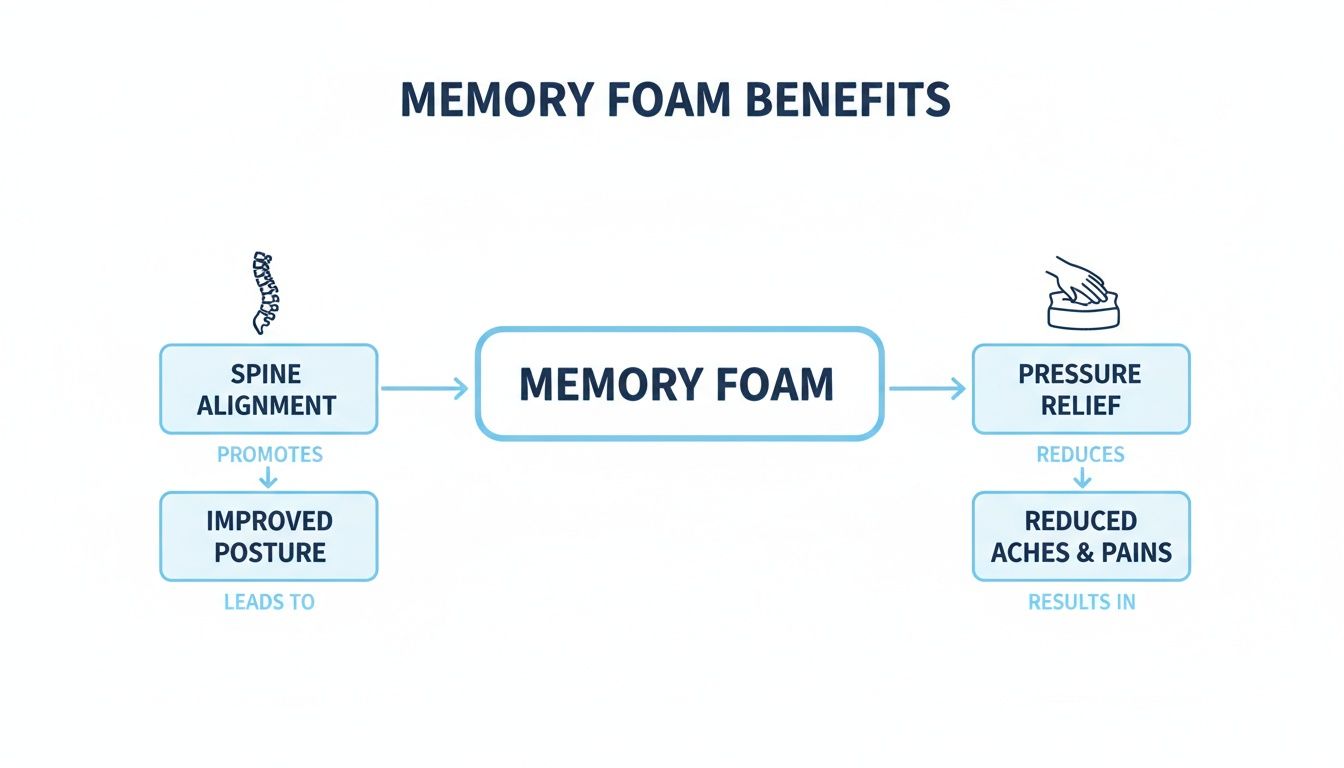
As you can see, a supportive foundation is the first step toward improved posture and fewer aches, showing just how central the right pillow is to your well-being.
Experience Undisturbed Sleep
If you share a bed with someone who tosses and turns, you know exactly how disruptive every little movement can be. Traditional pillows act like a tiny trampoline, transferring every shift and jolt right over to your side of the bed. This is where memory foam’s dense structure becomes a game-changer.
It excels at motion isolation, which is a fancy way of saying it absorbs energy instead of spreading it. Think of it like dropping a bowling ball onto a bouncy trampoline versus a thick gym mat. The trampoline sends vibrations everywhere, but the mat just absorbs the impact right where it lands. Your partner’s midnight adjustments stay on their side, letting you sleep soundly through the night.
A Cleaner Sleep Environment
Another huge plus is memory foam's naturally hypoallergenic quality. The material’s dense, tightly packed cell structure is basically an unwelcome mat for common allergens.
- Dust Mites: These microscopic critters love the open, airy spaces in traditional feather and fiberfill pillows—it’s prime real estate for them. Memory foam’s solid structure leaves no room for them to burrow in and multiply.
- Pet Dander and Pollen: The dense surface also makes it much harder for airborne allergens to work their way deep into the pillow's core, which can help you breathe a whole lot easier.
This makes memory foam a fantastic choice for anyone with allergies, asthma, or other sensitivities. It’s a simple way to create a healthier, more hygienic place to rest your head.
Invest in Long-Lasting Durability
Finally, let's talk about longevity. We’ve all been there: a standard pillow that feels great for a few weeks, only to flatten out, get lumpy, and lose all its support in a matter of months. Constantly replacing them isn't just annoying—it gets expensive over time.
High-quality memory foam, on the other hand, is built to last. Its resilient structure is designed to bounce back to its original shape, day after day, for years. There's a reason the global sleeping pillow market is booming and memory foam commands a dominant 35.2% share—its support is simply unmatched.
Industry tests show these pillows keep their shape 2-3 times longer than down pillows. Plus, studies have even reported 40% fewer awakenings for people using memory foam compared to feather pillows, all thanks to its adaptive, long-lasting nature. You can read more about the growing pillow market at market.us.
Find the Perfect Pillow for Your Sleep Style
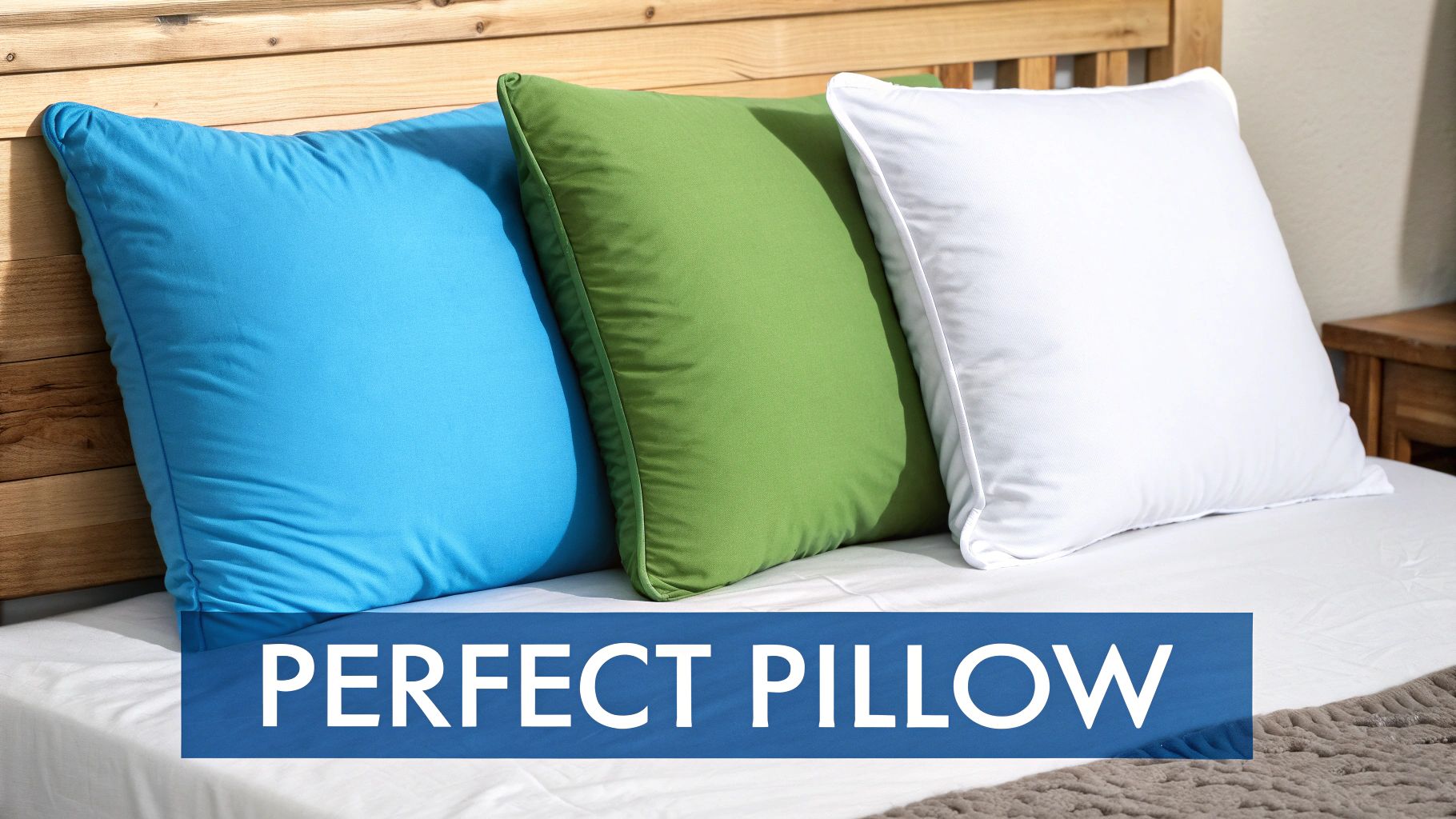
While the core benefits of a memory foam pillow apply to everyone, actually getting those benefits hinges on one crucial detail: your sleep position.
The perfect pillow for a side sleeper could be a total nightmare for someone who snoozes on their stomach. Think of it like buying a pair of running shoes—the right fit and support are everything. A marathon runner wouldn't grab a pair of basketball high-tops, right?
Your main goal is to keep your spine in a nice, neutral line. Your sleep style dictates exactly what kind of support you need to make that happen. Using the wrong pillow height, or loft, can completely cancel out all the perks of memory foam, leading to the exact neck and back pain you were trying to fix.
Matching Pillow Loft to Your Position
Choosing the right memory foam pillow is all about understanding the simple mechanics of how you sleep. Each position creates a different amount of space between your head and the mattress, and your pillow needs to fill that space just right.
-
Side Sleepers
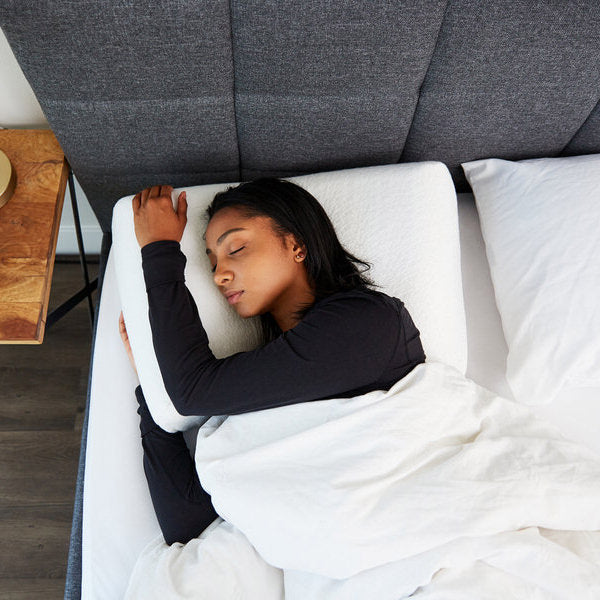
This is the most common way to sleep, and it requires the most support. Side sleepers need a higher-loft, firmer pillow to bridge that significant gap between their ear and the outside of their shoulder. This is key to preventing the head from sagging down, which puts a ton of strain on your neck muscles all night long. For a deeper dive, check out our guide to the best memory foam pillows for side sleepers. -
Back Sleepers
If you sleep on your back, your needs are a bit more in the middle. You should be looking for a medium-loft pillow that cradles the natural curve of your neck without shoving your head too far forward. The idea is to keep your chin aligned with your chest, not tucked down into it. -
Stomach Sleepers
Sleeping on your stomach is generally the toughest position on your spine. To minimize the strain, you need a low-loft, soft pillow—or you might even be better off with no pillow at all. A thin pillow keeps your head and neck as close to a neutral position as possible, preventing that unnatural upward bend.
The Ultimate Solution: Adjustable Pillows
So, what happens if you're a combination sleeper who tosses and turns all night? Or maybe you just aren't sure what loft is perfect for you. This is where an adjustable memory foam pillow, like the ones from DubsLabs, really shines.
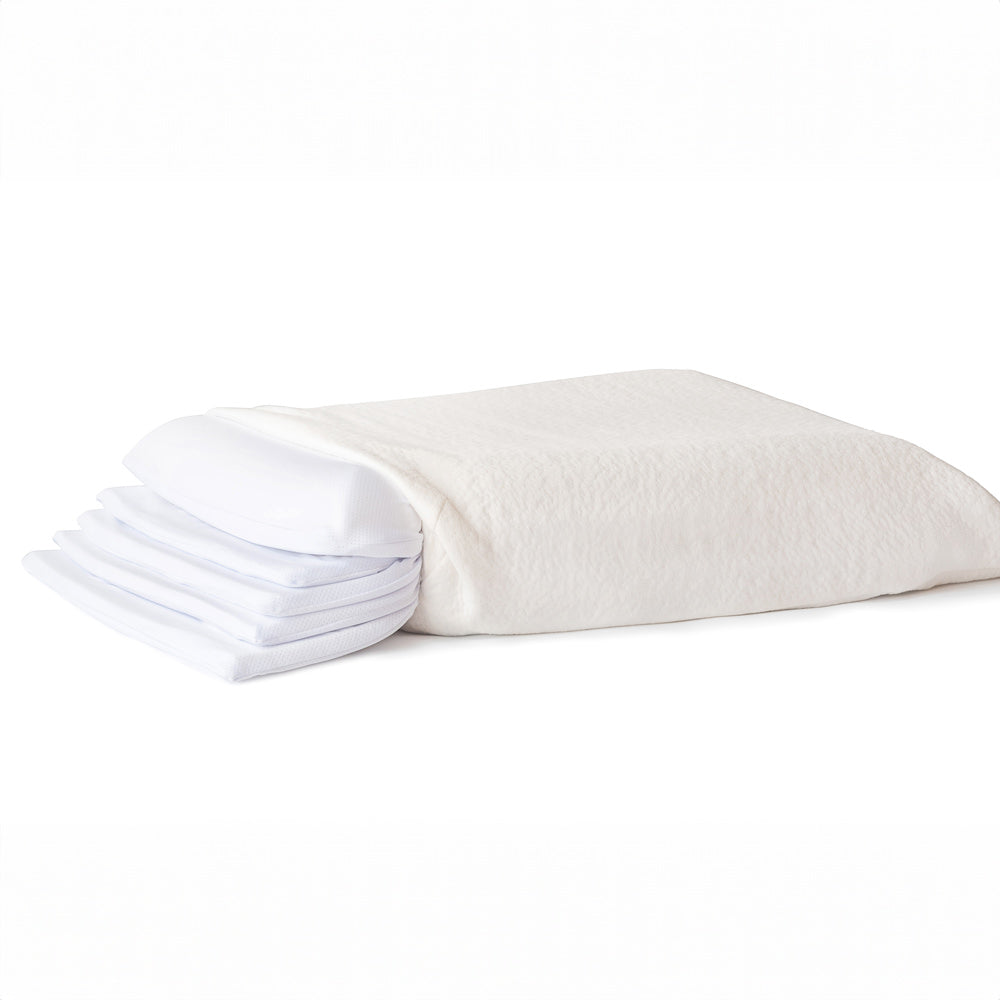
An adjustable pillow puts you in the driver's seat of your own comfort and support. By adding or removing the shredded memory foam fill, you can fine-tune the loft and firmness to perfectly match your body and sleep style.
This level of customization completely takes the guesswork out of the equation. Instead of buying and trying multiple pillows hoping to find "the one," you can create a personalized pillow that adapts to you. It’s the most practical way to ensure you get every single pressure-relieving, spine-aligning benefit that memory foam has to offer, tailored specifically for you.
How to Choose and Care for Your Pillow
Getting the most out of a memory foam pillow really comes down to two things: picking the right one in the first place, and then taking good care of it. A little know-how upfront ensures your investment pays off with years of incredible, supportive sleep.
When you're shopping around, it's easy to get fixated on the price tag, but the real magic is in the details. Key factors like foam density, loft, and shape are what truly determine how a pillow will feel and perform for you night after night.
- Foam Density: Think of this as the number one indicator of quality and durability. Higher-density foam, measured in pounds per cubic foot, feels more substantial and will hold its shape and supportive qualities for much longer than its lower-density counterparts.
- Loft (Height): We've touched on this already, but it's worth repeating—your pillow's height is non-negotiable. It has to match your go-to sleep position to keep your spine happy and aligned.
- Shape: You'll see two main types out there: the classic rectangular pillow and contoured designs that have a dip in the middle for your head. Those contoured pillows are often a game-changer for back and side sleepers who need that extra bit of cradling for their neck.
Keeping Your Pillow in Top Condition
The good news is that proper care is simple, but it's absolutely vital for extending your pillow’s lifespan. With just a few straightforward habits, you can keep it feeling fresh, clean, and supportive.
One thing you might notice with a brand new memory foam pillow is a slight scent, which people often call "off-gassing." Don't worry, this is harmless and almost always disappears within a few days. The easiest fix is to just let the pillow air out in a well-ventilated room before you sleep on it.
When it comes to cleaning, the foam itself should not be machine washed. Tossing it in the washer can break down its delicate structure. Instead, if you have a spill, just spot-clean it with a bit of mild detergent and water. The removable cover, on the other hand, is almost always machine washable—but always double-check the care tag to be sure.
Regular maintenance is your best friend for longevity. While a high-quality memory foam pillow can last for years, you should plan to replace it when you notice it's not springing back into shape like it used to, or if it develops permanent lumps and bumps.
By taking the time to choose a pillow that truly fits your body and giving it some basic TLC, you're setting yourself up for the consistent pressure relief and alignment you need for genuinely restorative rest.
Build Your Ultimate Sleep Sanctuary
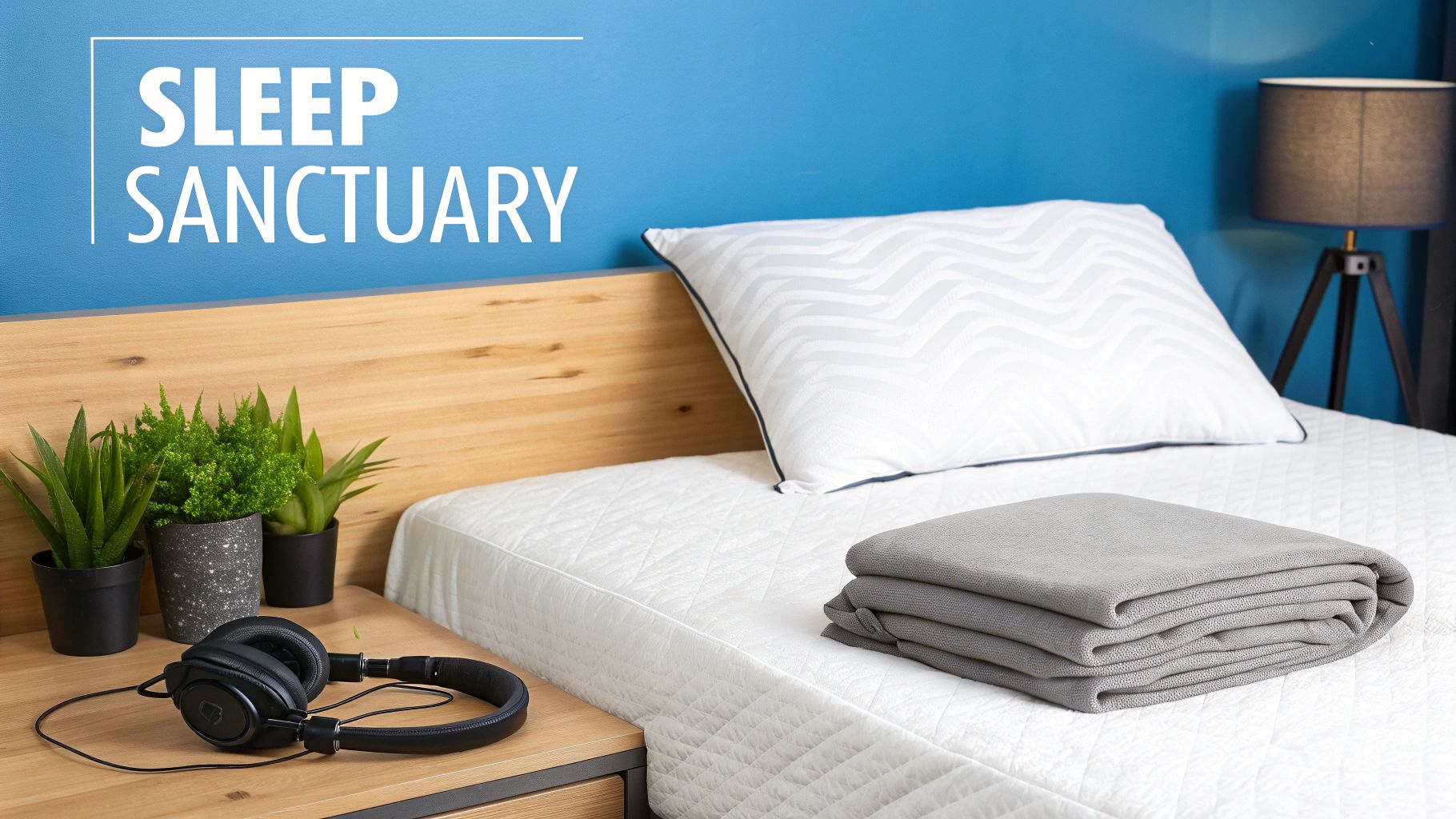
A great memory foam pillow is the cornerstone of truly restorative sleep, but it’s just the beginning. Think of it as the foundation you build your personal sleep haven on. Once your head and neck are perfectly supported, you can start layering in other elements to deepen your relaxation and create a system for better rest.
The goal is to design an environment that sends a clear signal to your body and mind: it's time to unwind. This is about more than just a comfy surface; it's about engaging all your senses to bring on a feeling of tranquility and calm.
Creating a Multi-Sensory Sleep Environment
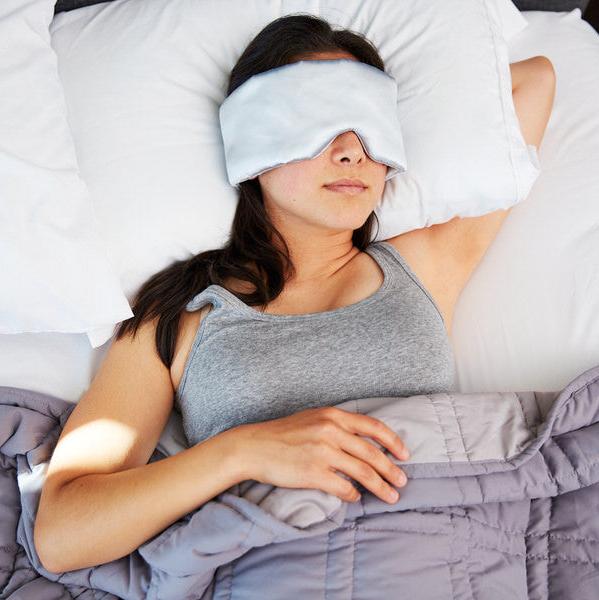
Your pillow sets the stage for physical comfort, but what about mental calm? This is where smart sleep tools can make a huge difference. You can pair your pillow's pressure-relieving support with other products designed to soothe a busy mind.
-
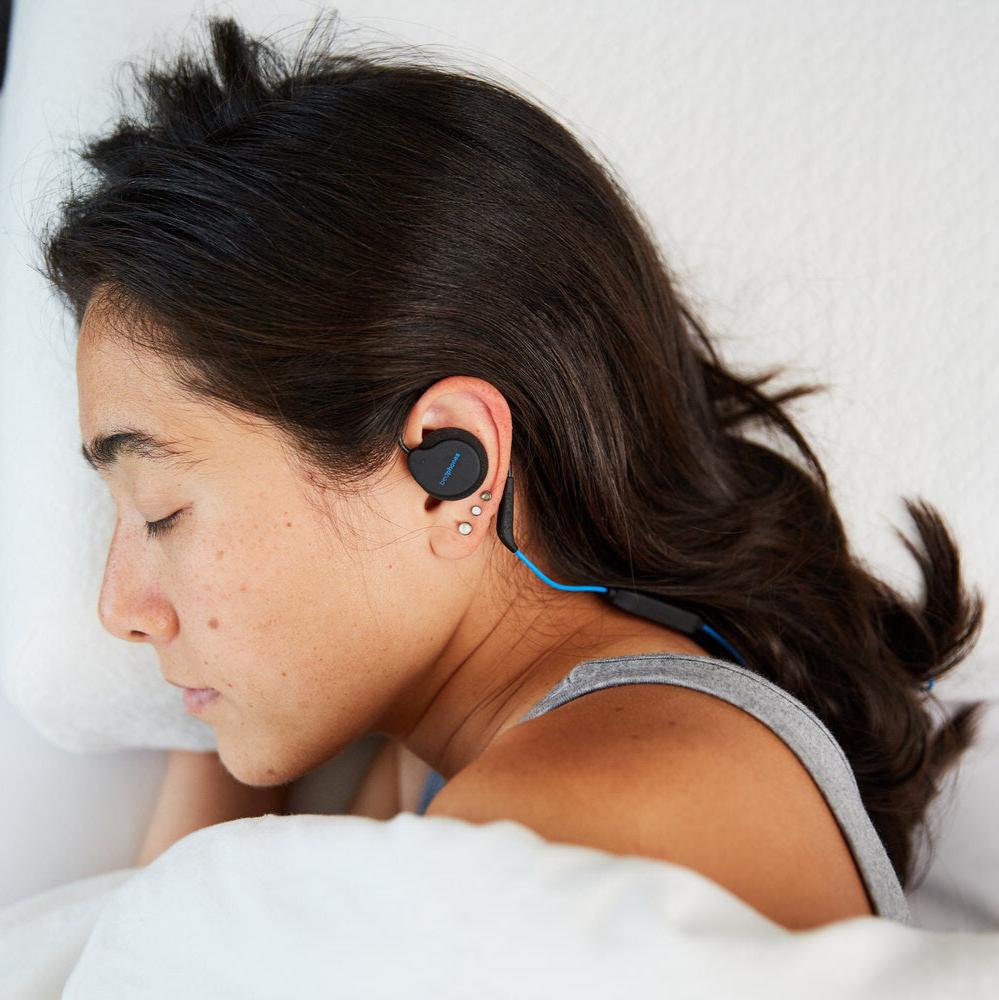
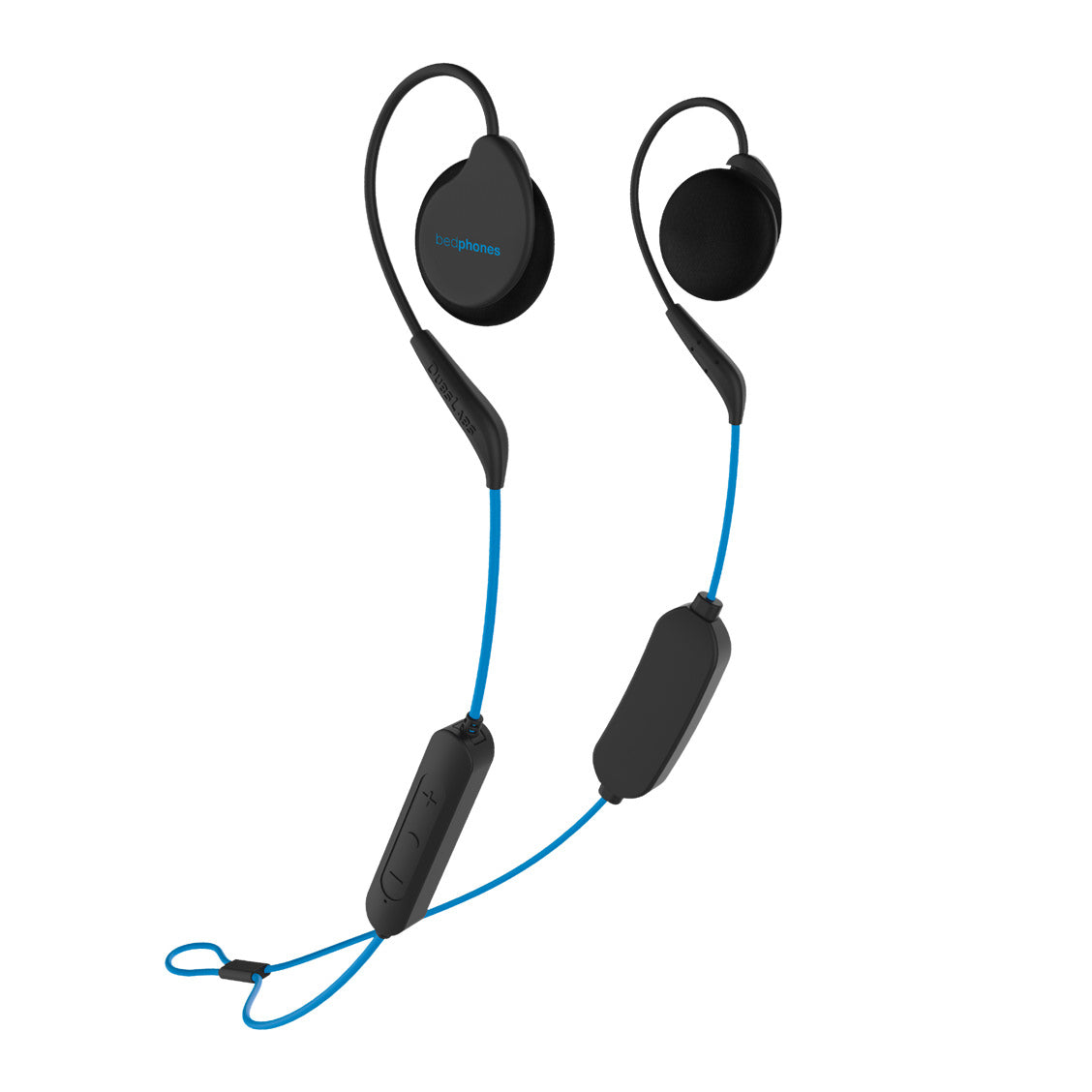
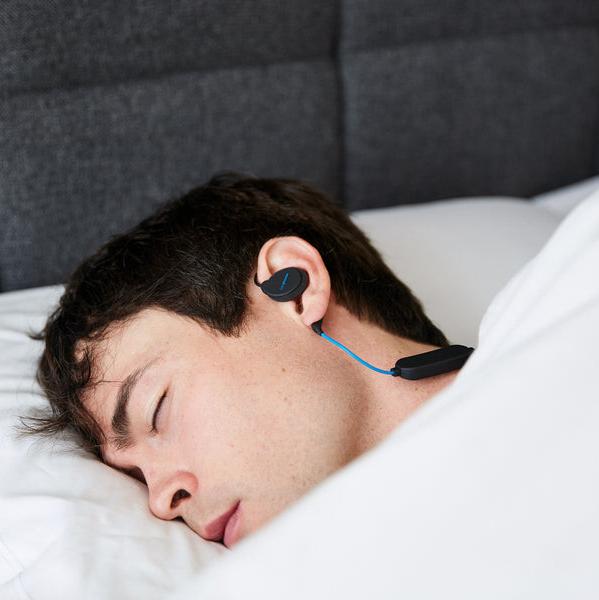
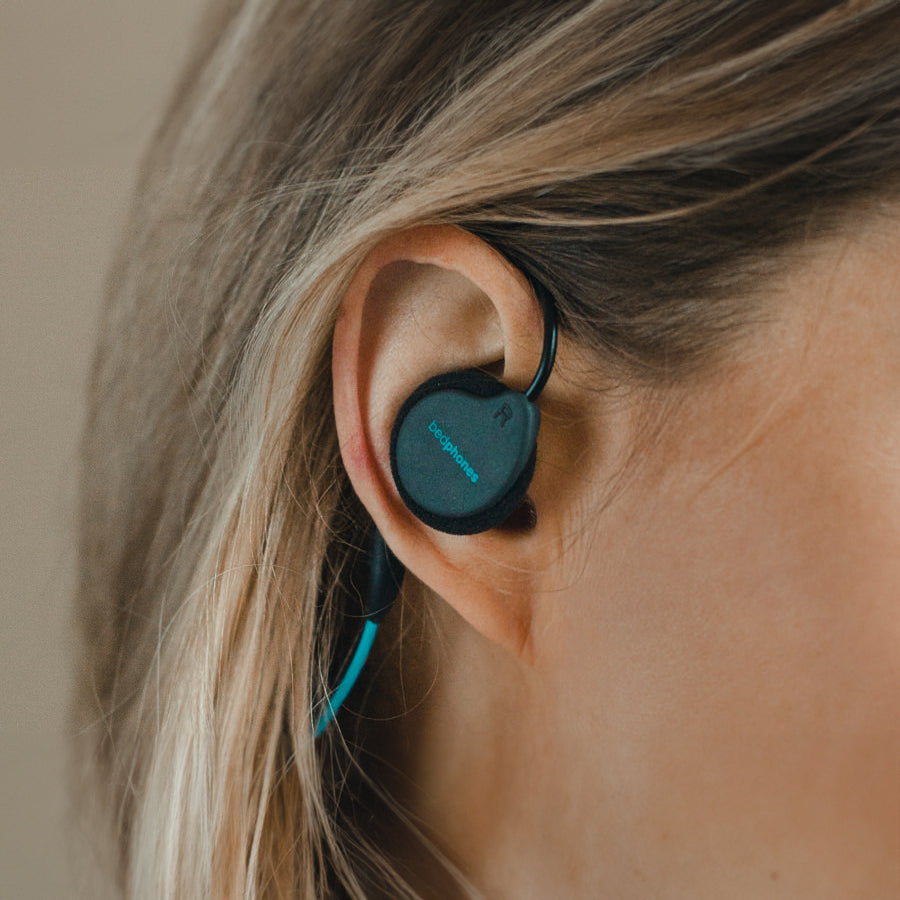
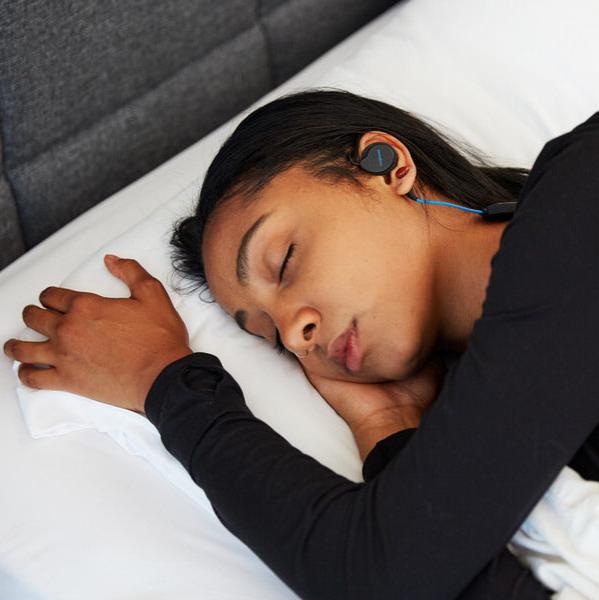
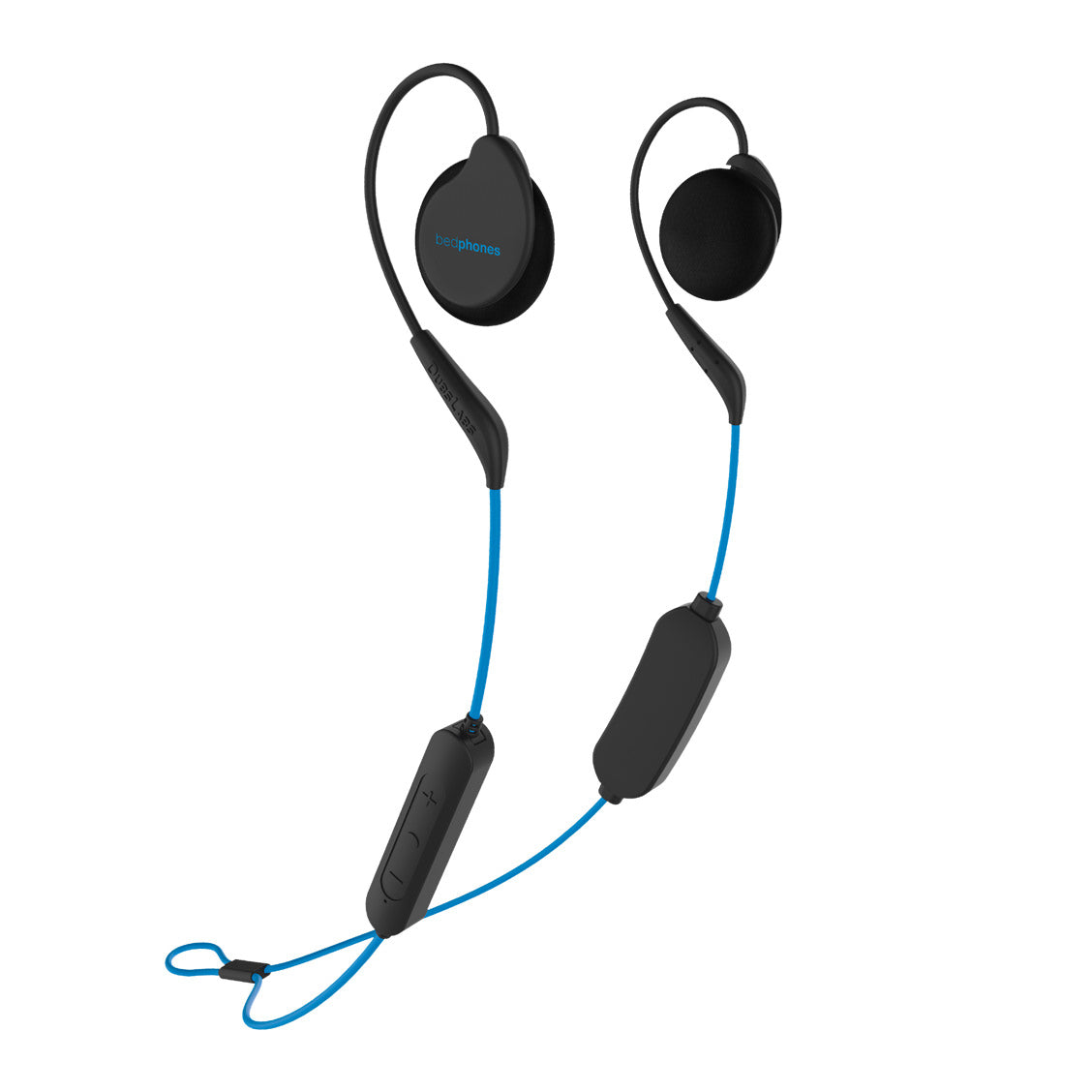
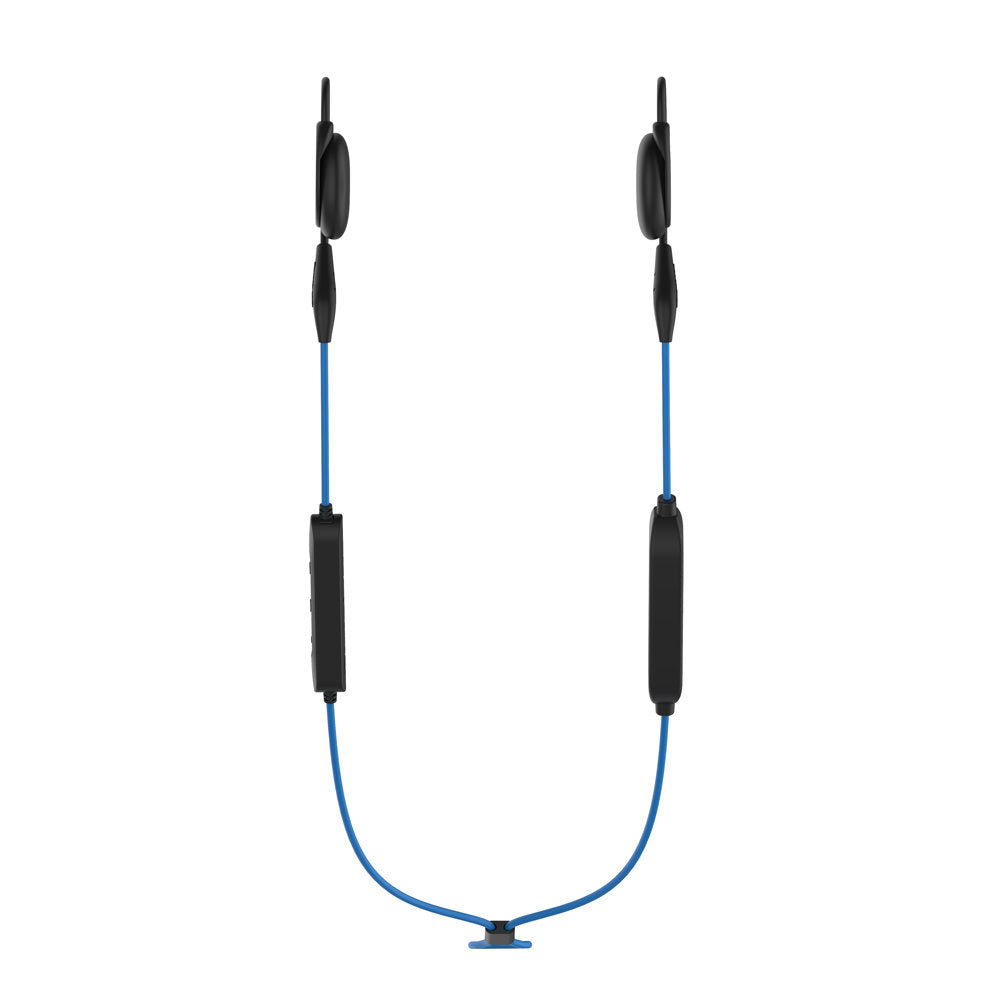
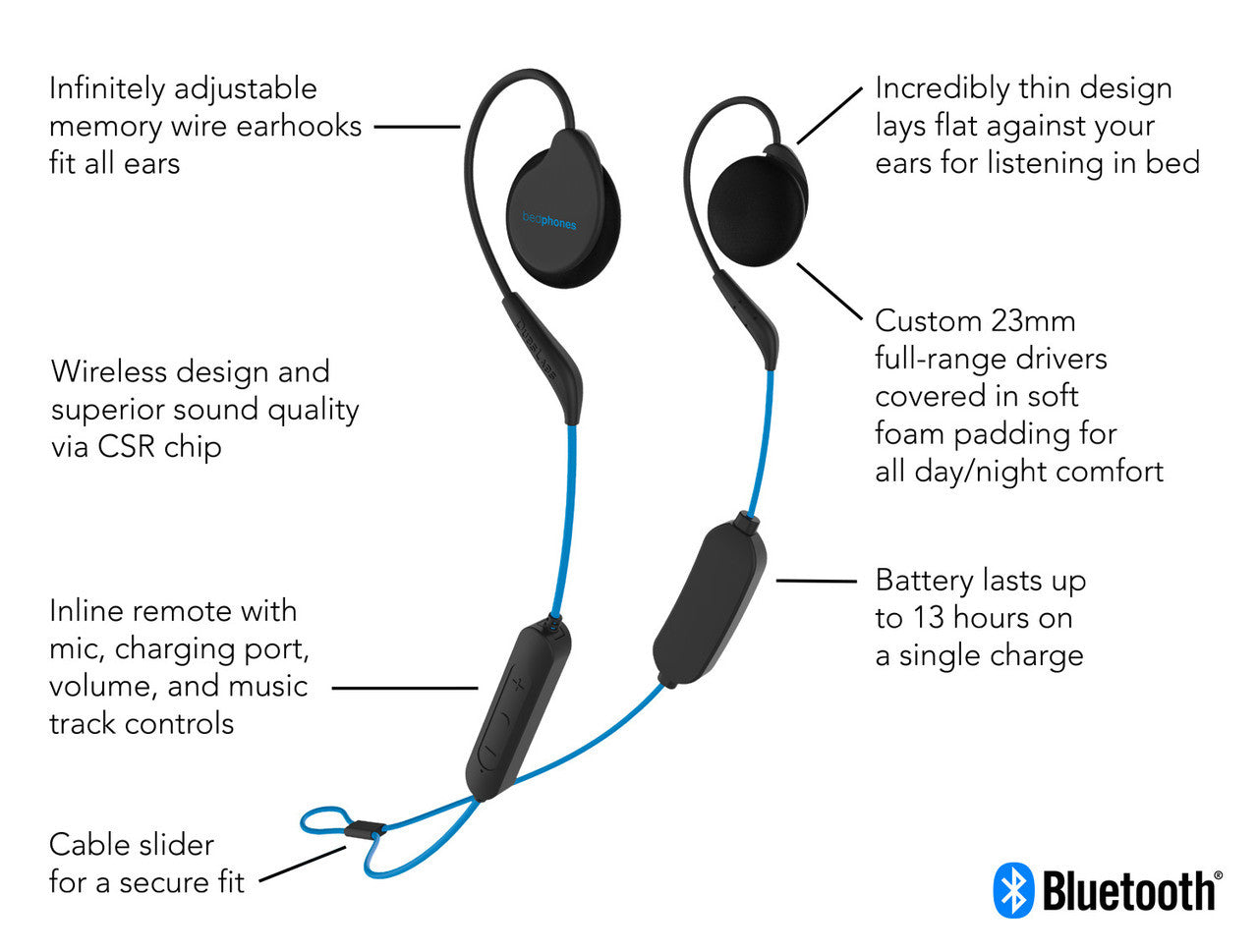
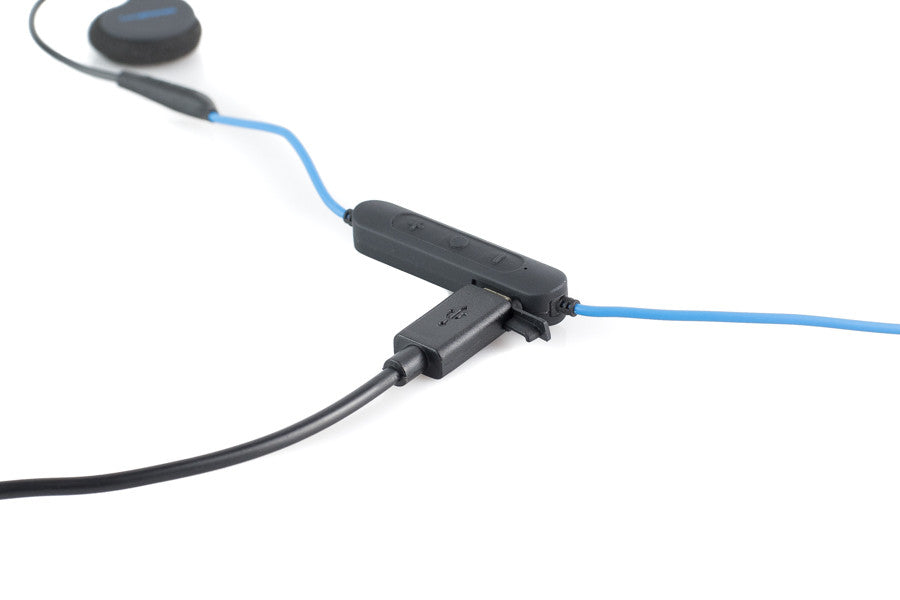
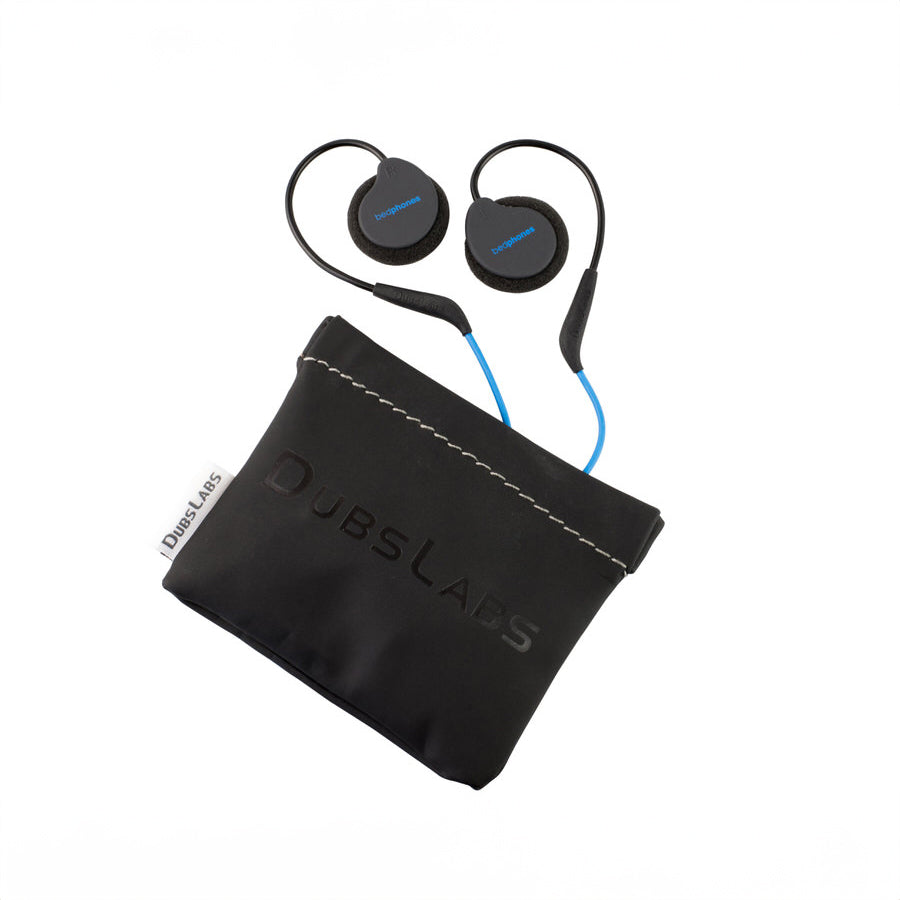
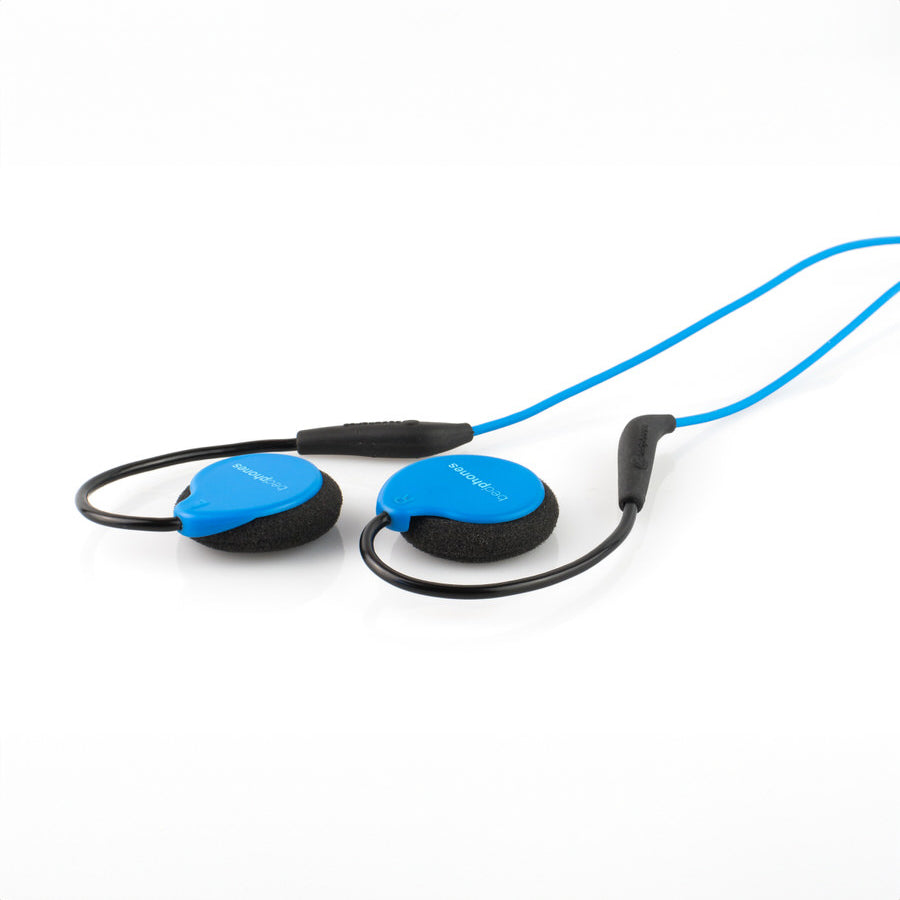
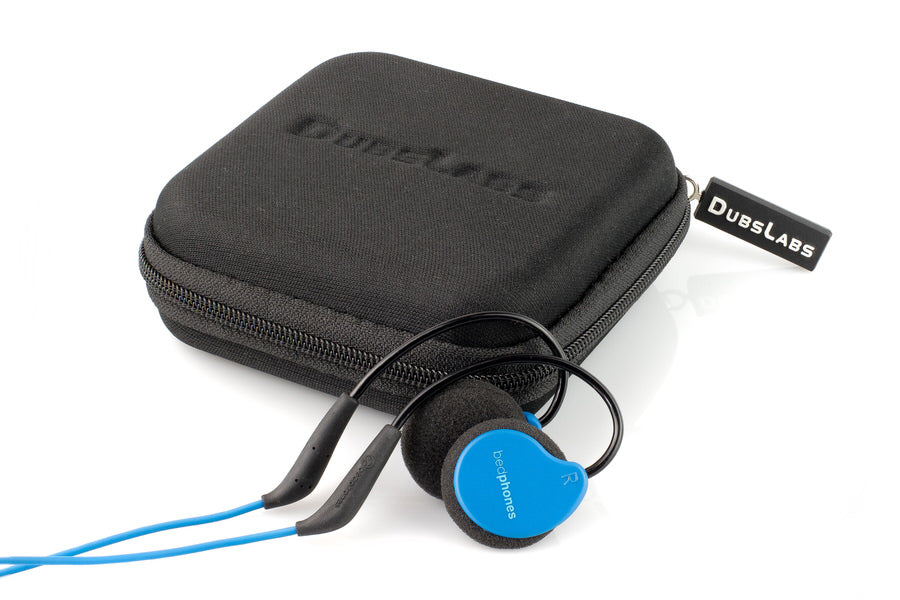
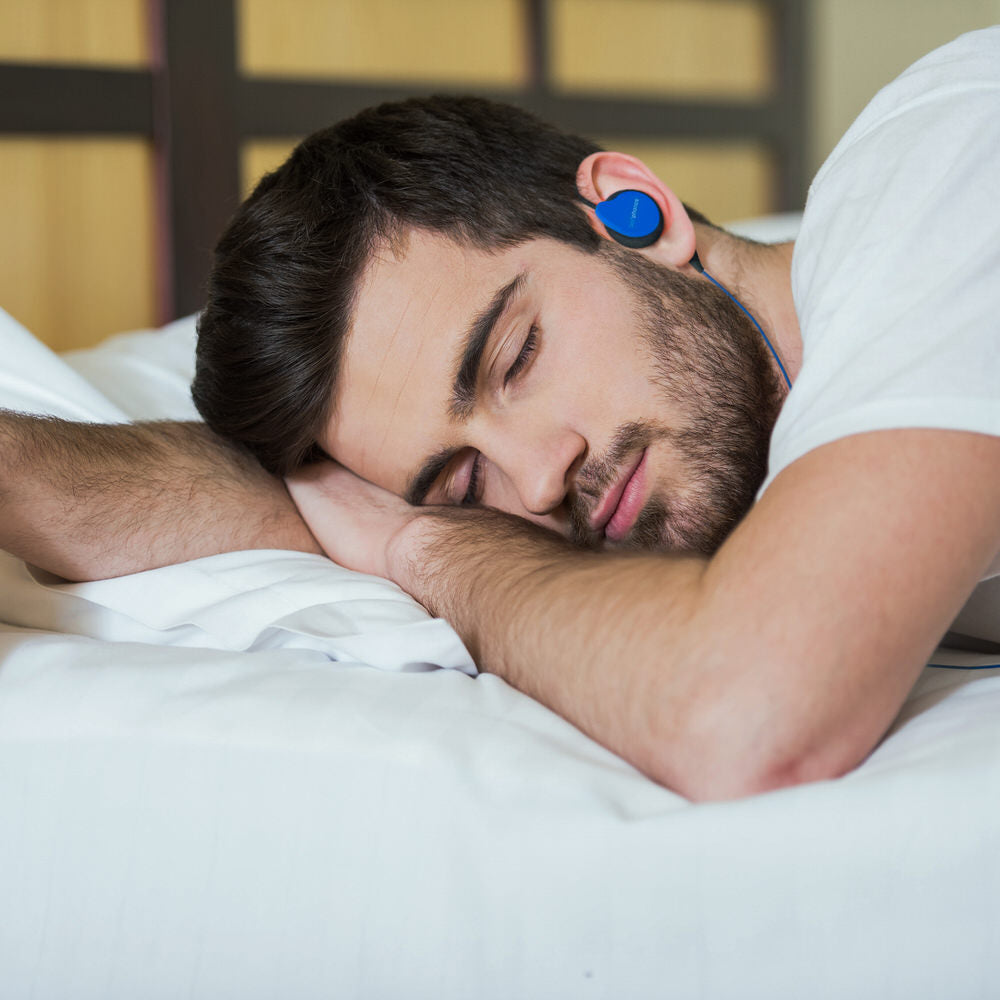
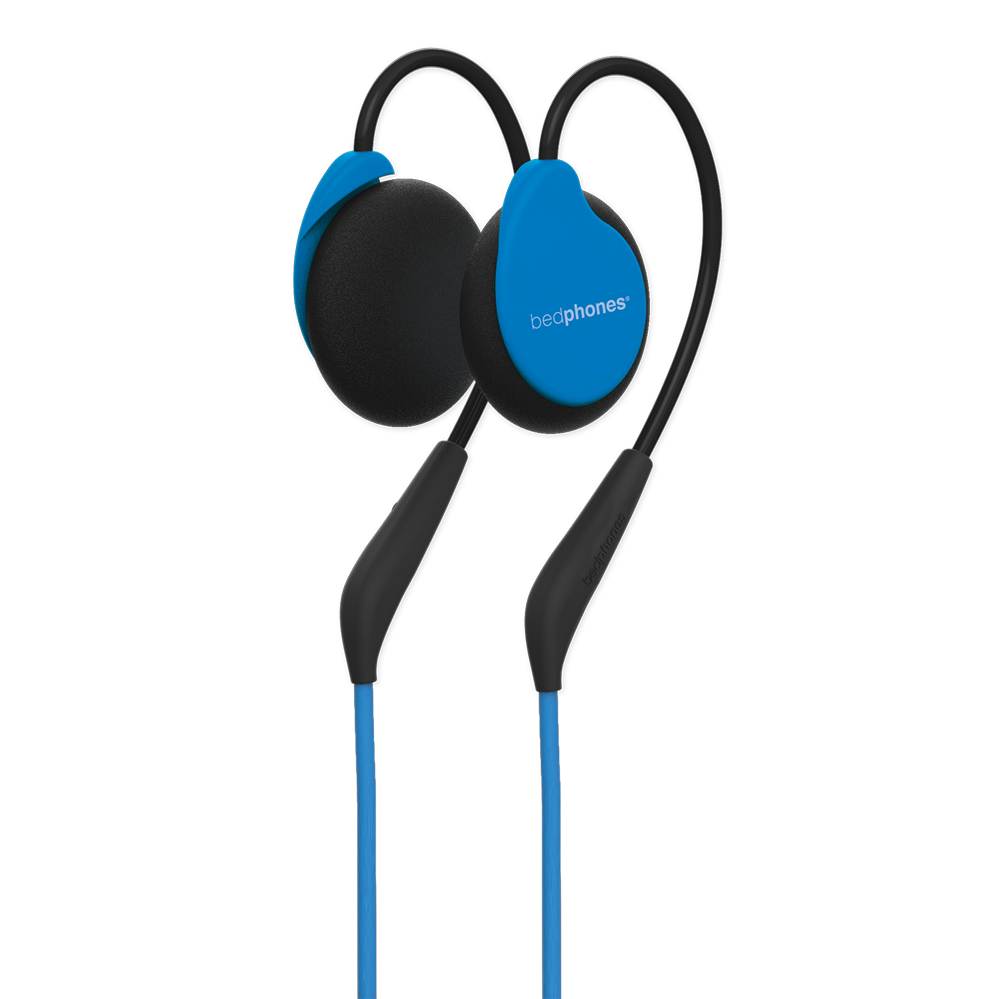
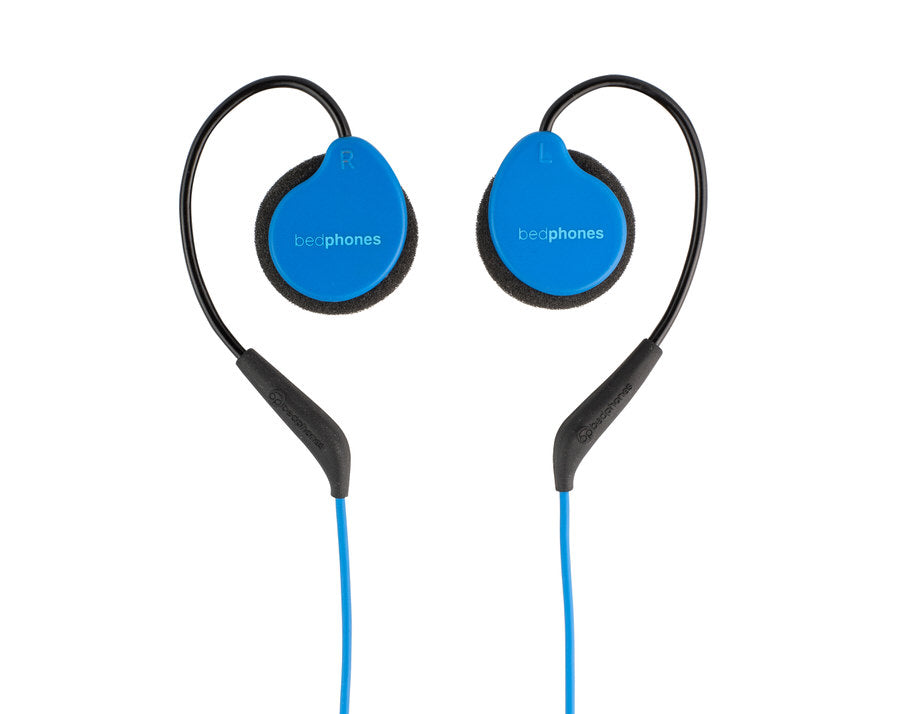
Audio for Relaxation: So many people find that calming audio—like music, podcasts, or white noise—is the key to drifting off. The problem is, traditional earbuds are bulky and downright painful, especially if you're a side sleeper. Pairing your pillow with DubsLabs' ultra-thin Bedphones lets you listen comfortably without anything digging into your ears.
-
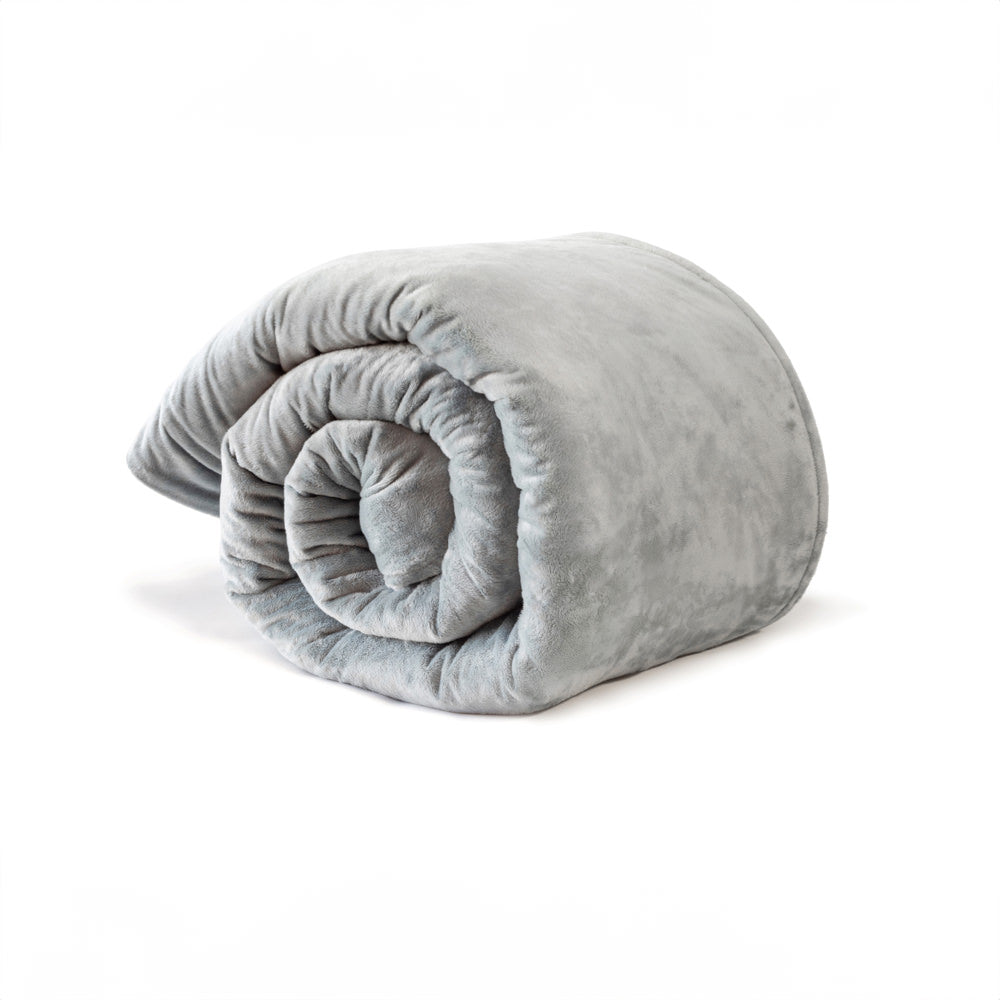
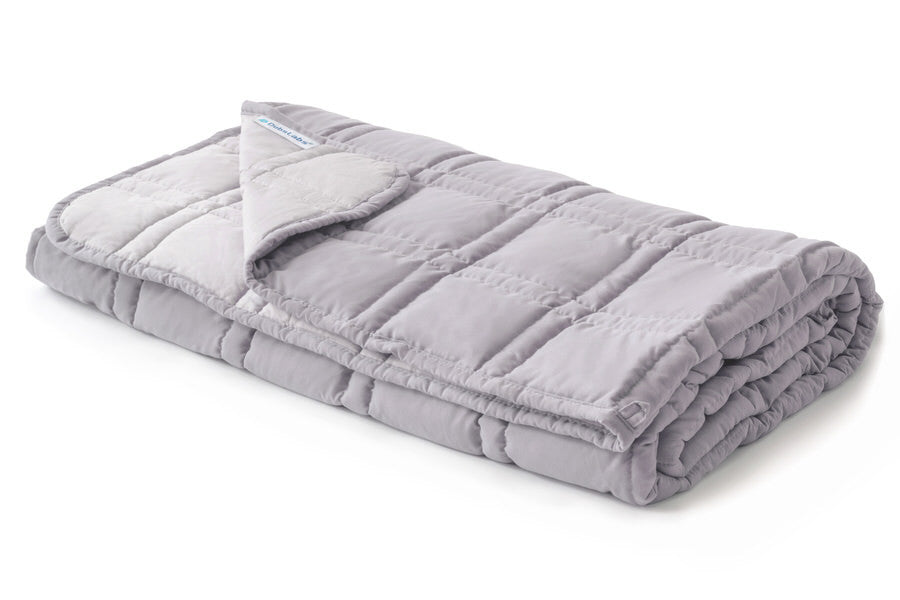
Calming Anxious Thoughts: For anyone who struggles with a racing mind at night, the gentle, firm pressure of a weighted blanket can be a game-changer. Combining this with your memory foam pillow creates a secure, cocoon-like feeling that can ease anxiety and help you feel safe.
By layering these tools, you're not just sleeping; you're actively building a sanctuary. Each element works with the others to tackle different barriers to rest, from physical discomfort to mental stress, creating a complete solution for better sleep.
If you’re sensitive to allergens, investing in good air filtration can completely transform your sleep quality. To take it a step further, check out this complete guide to the best air purifiers for allergies and make your sanctuary even cleaner.
Ultimately, fantastic sleep is about curating an experience that works for you. With DubsLabs, you can build this system with confidence, knowing each product is designed to work in harmony and is backed by a risk-free trial.
Got Questions About Memory Foam?
Making the jump to a memory foam pillow is a great move for your sleep, but it's natural to have a few questions before you dive in. Let's tackle some of the most common ones we hear.
First up, the adjustment period. If you’ve spent years sleeping on a pillow that’s flatter than a pancake, giving your neck and shoulders proper support is going to feel... different. It usually takes a few nights for your body to get used to what correct alignment actually feels like. Hang in there; it's worth it.
How Long Until I Feel the Difference?
You’re not going to have to wait long. Most people start noticing a real difference within the first week. Be a little patient as your muscles learn to relax into this new, healthier posture. Before you know it, you’ll wonder how you ever got by without it.
Another big question is about snoring. While a pillow isn't a magic cure, it can absolutely help. By keeping your head and neck in a straight line, it helps prevent your airway from being constricted—and that obstruction is exactly what causes the vibrations we call snoring.
Heat is another common concern. It’s true, the memory foam of yesteryear had a reputation for trapping heat. But technology has come a long way since then. Modern designs often include cooling gel infusions or are built with an open-cell structure that lets air flow freely, so you stay comfortable all night long.
Finally, people want to know how long their new pillow will last. A high-quality memory foam pillow is a real investment in your sleep, and you can expect it to keep doing its job for 18 to 36 months before it starts to lose its supportive magic.
Once you get past these common questions, it's pretty clear that today's memory foam pillows are engineered for serious comfort, support, and durability. They're a simple, effective upgrade for your nightly rest.
Ready to experience personalized comfort? The DubsLabs adjustable memory foam pillow allows you to fine-tune your support for the perfect night's sleep. Discover the difference at https://www.dubslabs.com.