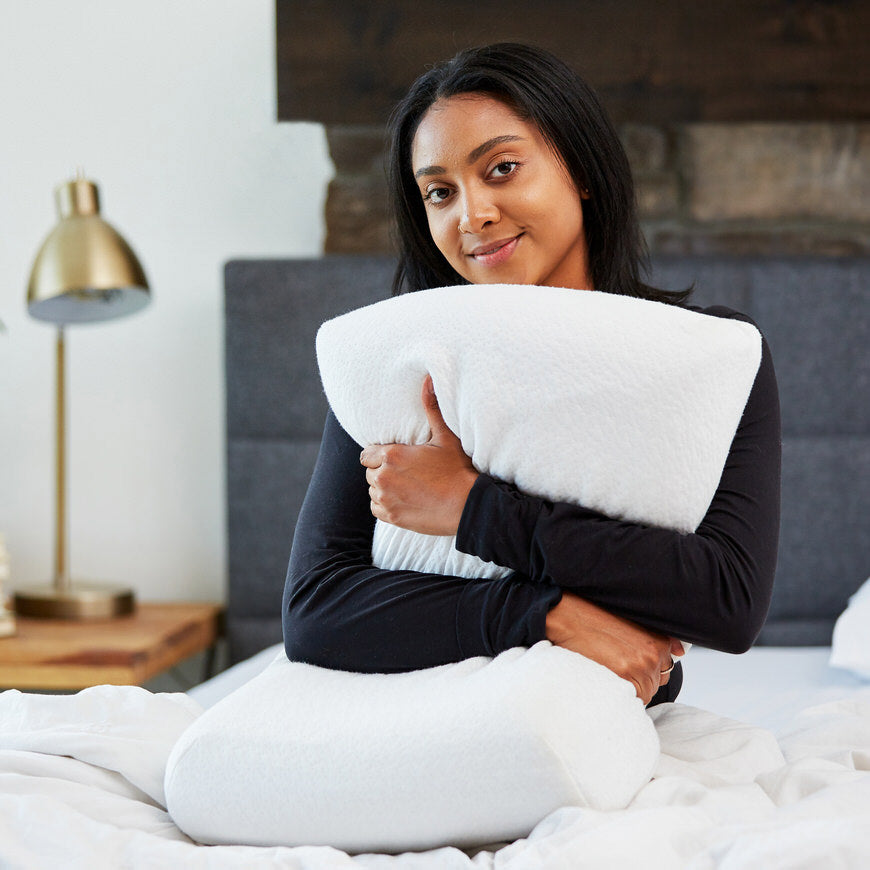
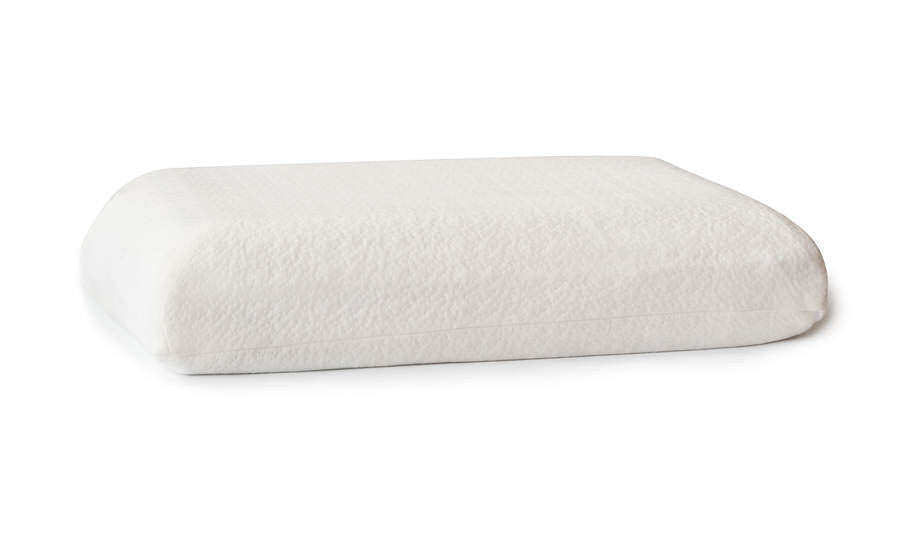
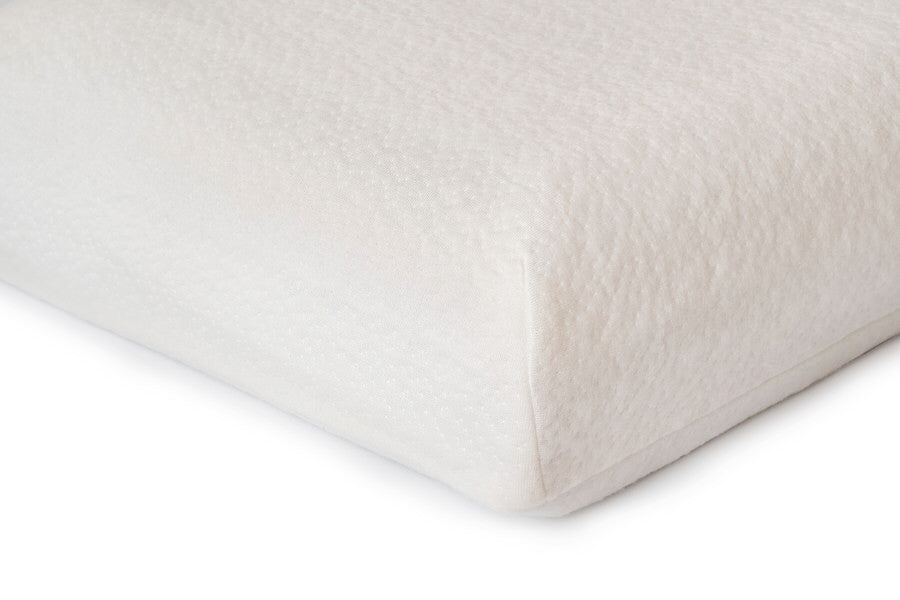
Waking up with a stiff, aching neck is more than just an annoyance—it's a clear signal that your pillow just isn't cutting it. A memory foam pillow for sleeping is built to solve this exact problem. It acts less like a simple cushion and more like a personalized support system for your head and neck, creating the foundation for truly restorative rest.
Your Journey to Better Sleep Starts Tonight

The search for better sleep can feel overwhelming, but sometimes the answer is as simple as what you rest your head on. We’ve all had those traditional pillows that go flat, forcing our necks into awkward angles and guaranteeing a painful morning. Memory foam was engineered to prevent that.
Think of it as a custom mold for your head and neck. The unique viscoelastic foam responds to your body heat and pressure, contouring perfectly to fill the space between your head, neck, and shoulders. This adaptive support is what keeps your spine in proper alignment all night long.
Why Your Pillow Is the Foundation of Good Sleep
Your pillow isn't just a bedroom accessory; it's a critical tool for your health. A truly supportive pillow does more than just feel comfortable—it sets the stage for your body’s nightly repair cycle.
When your spine is properly aligned, amazing things happen:
- The muscles in your neck and shoulders can finally, truly relax.
- Painful pressure points that cause you to toss and turn are eliminated.
- Your airways can remain more open, which can even help reduce snoring.
The demand for these benefits is skyrocketing. The global memory foam pillow market, valued at USD 3.12 billion in 2025, is on track to hit USD 5.77 billion by 2033. This surge isn't just a trend; it's a worldwide shift toward people prioritizing high-quality sleep.
At DubsLabs, we believe that solving sleep problems starts with having the right tools. We've seen firsthand how the right pillow can fundamentally change how you feel each morning—transforming groggy starts into energized, pain-free days.
Of course, the journey to better sleep often involves tackling mental hurdles, too. Intrusive thoughts can keep you tossing and turning, which is why it's also helpful to build emotional resilience for improved sleep. This guide will walk you through everything you need to know, from choosing the right pillow to creating a complete sleep sanctuary.
So, How Does Memory Foam Actually Work?
To really get why a memory foam pillow is such a game-changer for sleep, you first have to understand what separates it from your old-school feather or cotton pillow. At its heart, memory foam is a type of polyurethane that has unique viscoelastic properties. That sounds super technical, but the concept is actually pretty simple.
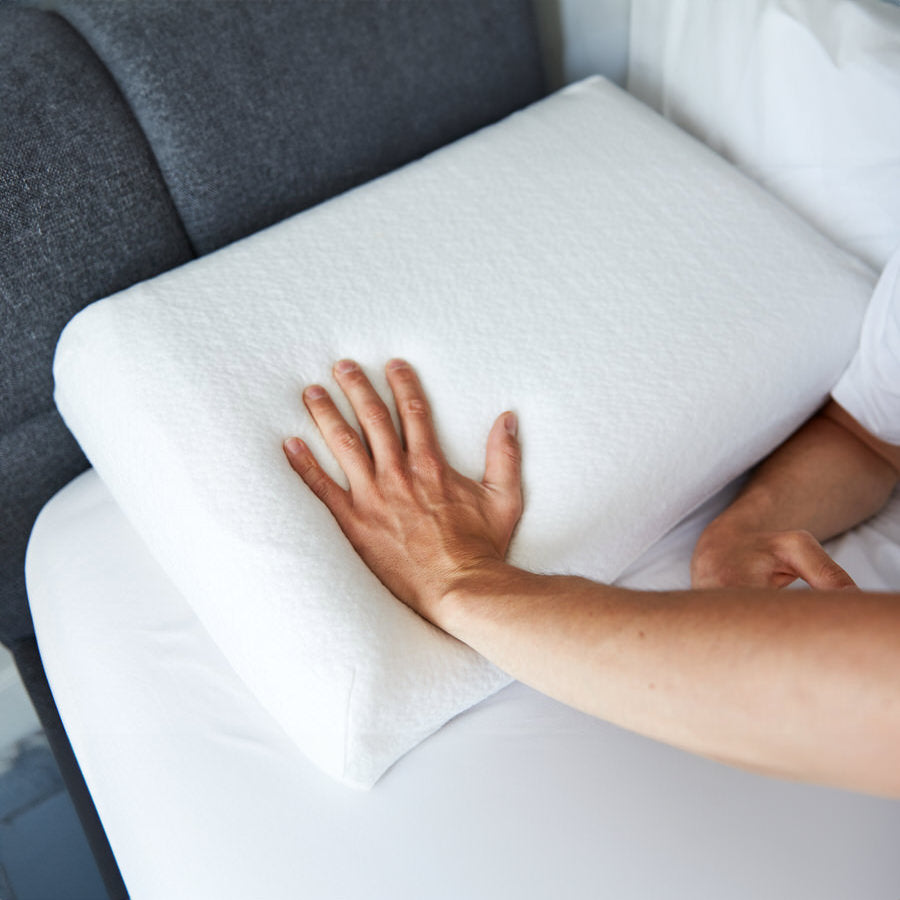
Think about pressing your hand into a piece of fresh, soft dough. It molds perfectly to your palm and fingers, creating an exact impression. When you pull your hand away, the dough slowly, almost lazily, returns to its original shape. That’s memory foam in a nutshell—it reacts to your body’s heat and pressure to create a custom cradle just for you.
This is what makes its support so personal. A regular pillow just squishes down under your head. A memory foam pillow, on the other hand, actively contours to your shape, distributing your weight evenly and helping keep your spine in a straight, natural line.
Not All Memory Foam Is Created Equal
Over the years, sleep science has cooked up a few different flavors of memory foam, each one designed to tackle a specific sleep problem. Knowing the difference will help you zero in on the right one for you.
You'll generally run into three main types:
- Traditional Memory Foam: This is the original stuff, famous for its dense, supportive feel. It's fantastic for pressure relief and motion isolation, so if you want that classic "sinking-in" feeling and don't want to be bothered by a partner tossing and turning, this is your go-to.
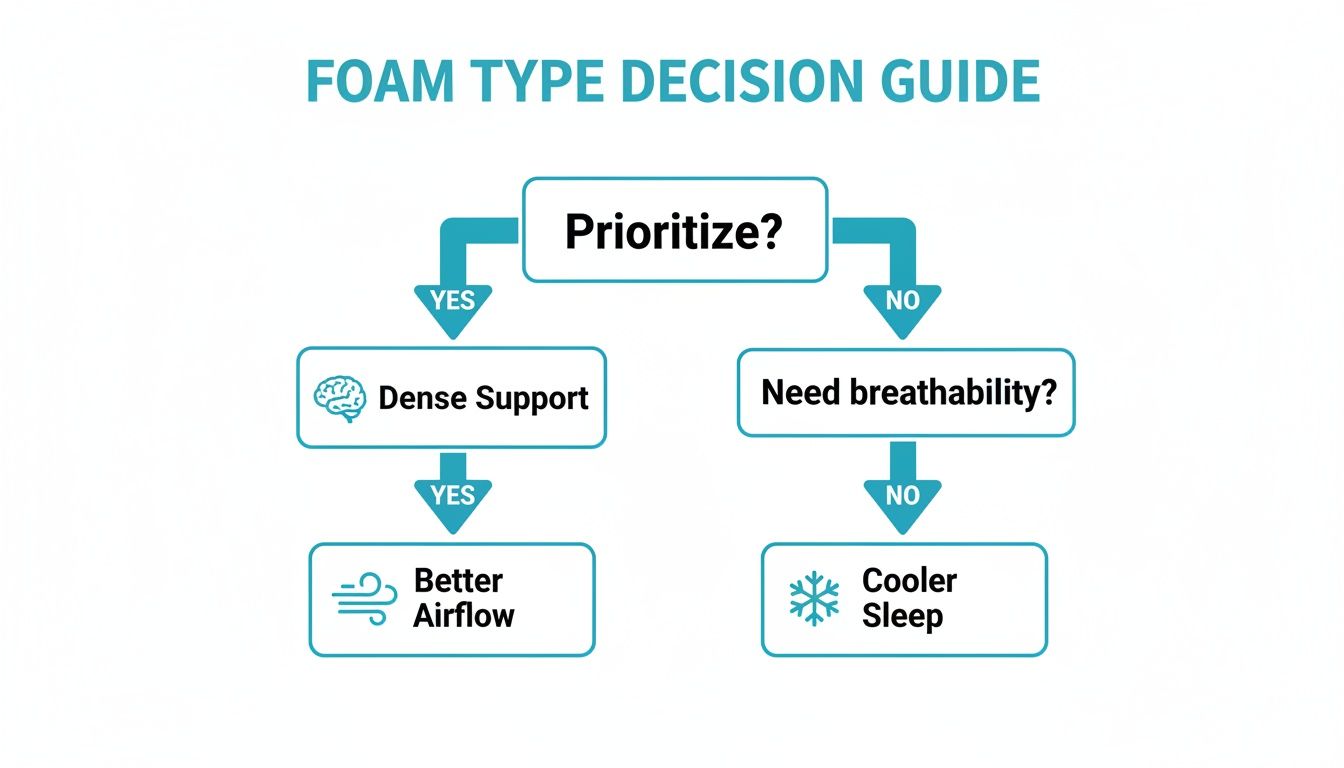
- Open-Cell Memory Foam: One of the early complaints about memory foam was that it could sleep a bit hot. Open-cell foam was the answer. Its internal structure is different—imagine a sponge with bigger, more connected air pockets. This allows air to flow through it much more freely, leading to a cooler night's sleep.
- Gel-Infused Memory Foam: This version takes the cooling concept even further. Tiny gel beads or swirls are mixed right into the foam itself. These little beads actively absorb heat and pull it away from your body, helping to regulate your temperature while you rest.
The real magic of memory foam is its ability to adapt. It doesn't try to force your head and neck into some pre-set shape; it conforms to your unique shape, giving you support exactly where you need it. This is the secret to waking up feeling refreshed, not stiff.
Picking the right type really comes down to what you prioritize. If you’re constantly kicking off the covers because you’re too warm, gel-infused or open-cell foam is probably your best bet. But if you live for that deep, cradled support above all else, traditional foam might be your perfect match. Getting this basic knowledge down is the first real step toward finding your ideal pillow and unlocking way better sleep.
How to Choose the Right Memory Foam Pillow
Finding the perfect memory foam pillow isn’t about grabbing the one with the best reviews; it's about finding the one that’s just right for you. Think of it like a custom-tailored suit—a generic one might get the job done, but one made for your specific measurements feels incredible. The same idea applies here, and it all boils down to three things: your sleep position, the pillow's loft, and its firmness.
Your go-to sleep position is the single most important part of this puzzle. It determines the amount of space between your head and the mattress, and the pillow’s job is to fill that gap perfectly to keep your spine in a happy, neutral line. Nail this, and you can say goodbye to that morning neck-and-shoulder stiffness.
Match Your Pillow to Your Sleep Style
The ultimate goal is to maintain a neutral spine, meaning your head isn't tilting up or craning down. Each sleeping position creates a different gap for the pillow to fill.
Here's a quick rundown:
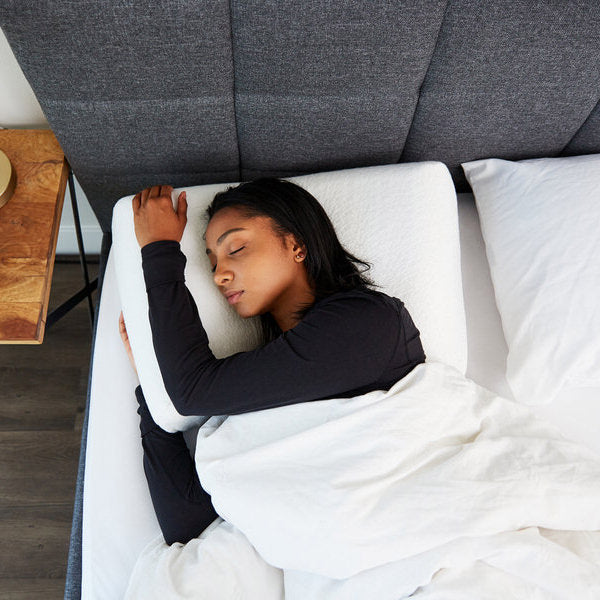
- Side Sleepers: You’ve got the biggest gap to fill between your head and the mattress, thanks to the width of your shoulder. You’ll need a higher loft (thicker) and firmer pillow to bridge that space and stop your head from drooping.
- Back Sleepers: Your job is to find a pillow that cradles your head without shoving it too far forward. A medium loft with medium firmness is usually the sweet spot, supporting the natural curve of your neck just right.
- Stomach Sleepers: The biggest challenge here is avoiding neck strain from having your head turned to the side all night. You need a low loft (super thin) and soft pillow—or maybe even no pillow at all—to keep your spine as flat as possible.
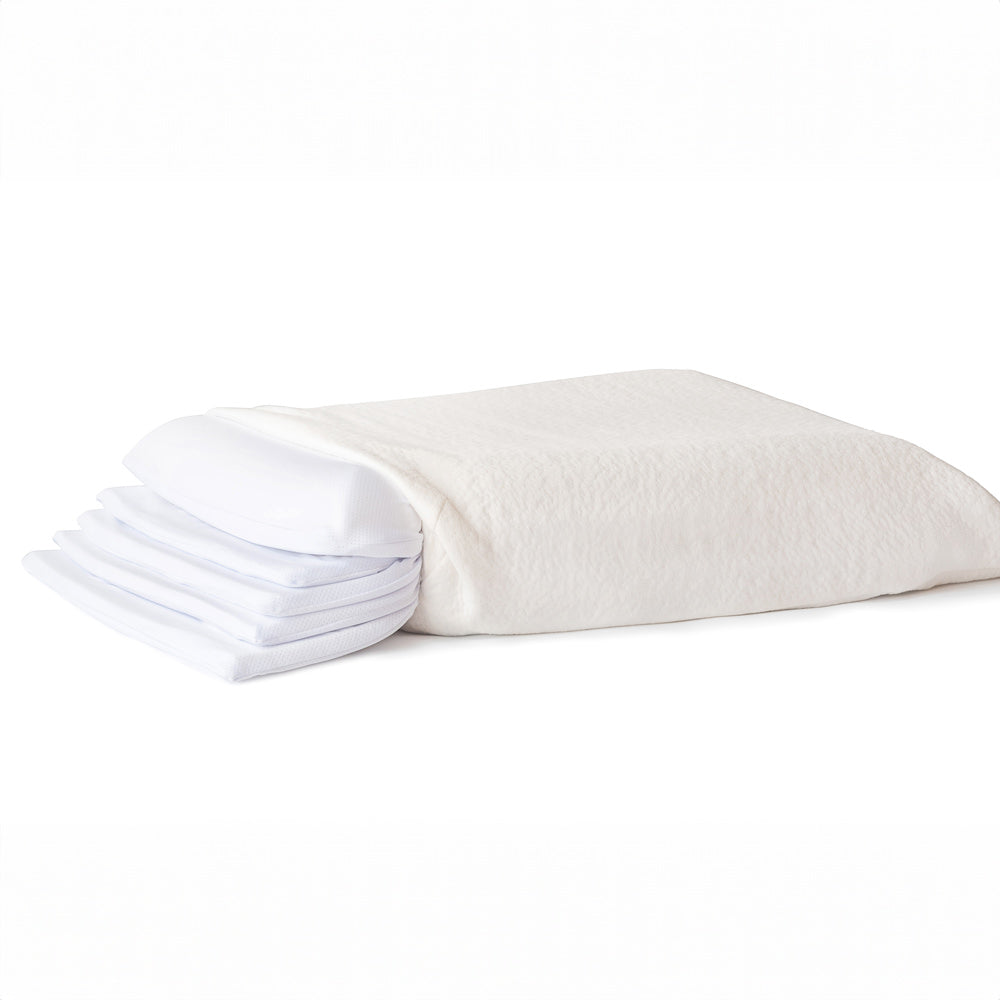
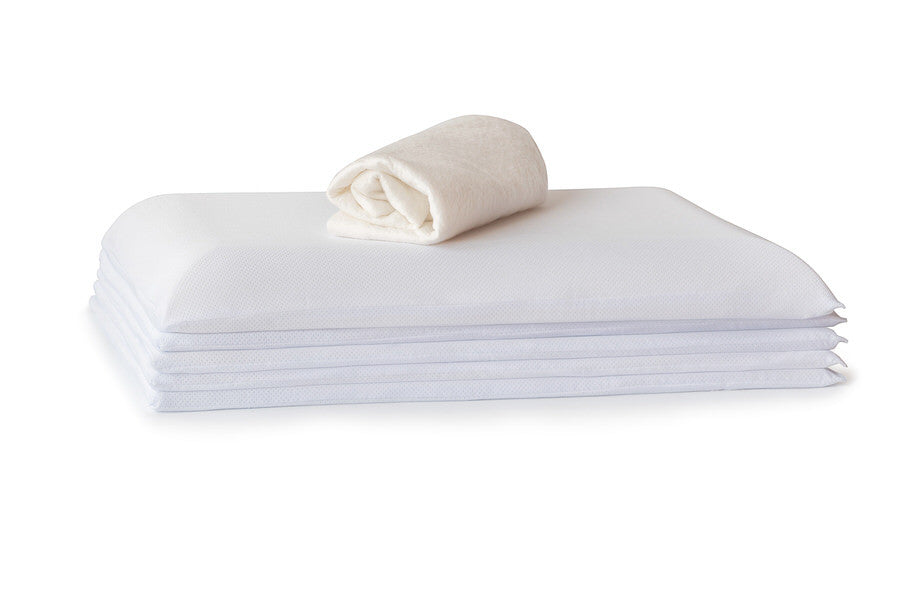
This is exactly where an adjustable pillow, like the one from DubsLabs, really shines. Instead of being locked into one height, you can add or remove the shredded memory foam fill until you've created the perfect loft and firmness for your body. It completely takes the guesswork out of finding "the one."
Understanding Loft and Firmness
Loft and firmness are a team; they have to work together to give you proper support. Loft is simply the pillow's height, while firmness is all about how much it pushes back when you lie on it.
A pillow with the wrong loft is like wearing shoes that are the wrong size. It might seem okay for a little while, but eventually, it will cause discomfort and alignment issues that lead to pain.
Think about it: a side sleeper trying to use a low-loft pillow will feel their head sink way down, straining their neck muscles all night long. It's a recipe for a bad morning. Our detailed guide on the best memory foam pillow for side sleepers dives much deeper into this relationship, giving you specific advice for finding that perfect fit.
To make it even simpler, here's a table to guide you:
Pillow Loft and Firmness Guide by Sleep Position
Use this table to find the ideal memory foam pillow characteristics based on your primary sleeping position to ensure proper spinal alignment.
| Sleep Position | Recommended Loft | Recommended Firmness | Why It Works |
|---|---|---|---|
| Side Sleeper | High | Firm to Medium-Firm | Fills the significant gap between the head and shoulder, preventing the neck from bending downwards. |
| Back Sleeper | Medium | Medium | Cradles the head and supports the natural curve of the neck without pushing the chin to the chest. |
| Stomach Sleeper | Low | Soft | Keeps the head and neck as close to a neutral alignment with the spine as possible, reducing strain. |
| Combination | Medium (Adjustable) | Medium (Adjustable) | An adjustable pillow offers the versatility needed to support shifts between different positions. |
Making the right choice here is absolutely fundamental to getting truly restorative sleep. It’s not just about comfort—it's about waking up feeling aligned, refreshed, and ready for the day.
The Real Health Benefits of a Better Pillow
A great pillow does a lot more than just feel good—it can actually make you healthier while you sleep. While comfort is where it starts, the real magic of a quality memory foam pillow for sleeping is in the tangible wellness benefits that help you wake up feeling genuinely restored, not just rested.
The biggest game-changer is proper spinal alignment. Picture your spine as a straight line running from your lower back all the way up to your head. Your old-school pillow might be forcing your neck into a weird angle, creating all sorts of strain. But memory foam is different. It perfectly cradles your head and neck, filling in all the unique gaps to keep that line straight and neutral.
This kind of consistent support is what helps ease chronic neck, shoulder, and back pain. Your muscles finally get a chance to fully relax instead of working overtime all night to make up for bad posture.
Beyond Just Alignment
But keeping your spine straight is just the beginning. The unique way memory foam works unlocks a few other health perks that lead to a better night's sleep and a more energized you.
Another huge win is pressure point relief. The viscoelastic foam distributes the weight of your head evenly, so no single spot is taking all the heat. This is a lifesaver for side sleepers who are tired of waking up with sore ears or shoulders from a pillow that’s just too firm.
By molding to your shape instead of pushing back against it, a memory foam pillow gets rid of the discomfort that makes you toss and turn. This lets you sink into deeper, more uninterrupted sleep cycles.
It's no surprise that people are catching on to these advanced materials. With 30-40% of adults around the world dealing with sleep disorders, innovations like breathable open-cell foams are becoming more popular, improving airflow and comfort for a much better night's rest.
Creating a Healthier Sleep Environment
The good stuff doesn't stop with physical support. A supportive pillow can help out in a few other surprising ways:
- Reduced Snoring: When your neck is properly aligned, your airway stays more open. This can cut down on the vibrations that cause you to snore.
- Hypoallergenic Properties: Memory foam has a dense structure that naturally keeps common allergens like dust mites and mold from moving in, creating a cleaner, healthier place to rest your head.
- Mitigating Other Issues: It's not just about comfort. The right alignment can also help with things you might not expect, like how to prevent teeth grinding at night, making for an all-around more peaceful sleep.
All these pieces work together, turning your pillow from a simple headrest into a powerful tool for your nightly recovery. To dig a little deeper, check out our full guide on the benefits of a memory foam pillow.
Building Your Ultimate Sleep Sanctuary
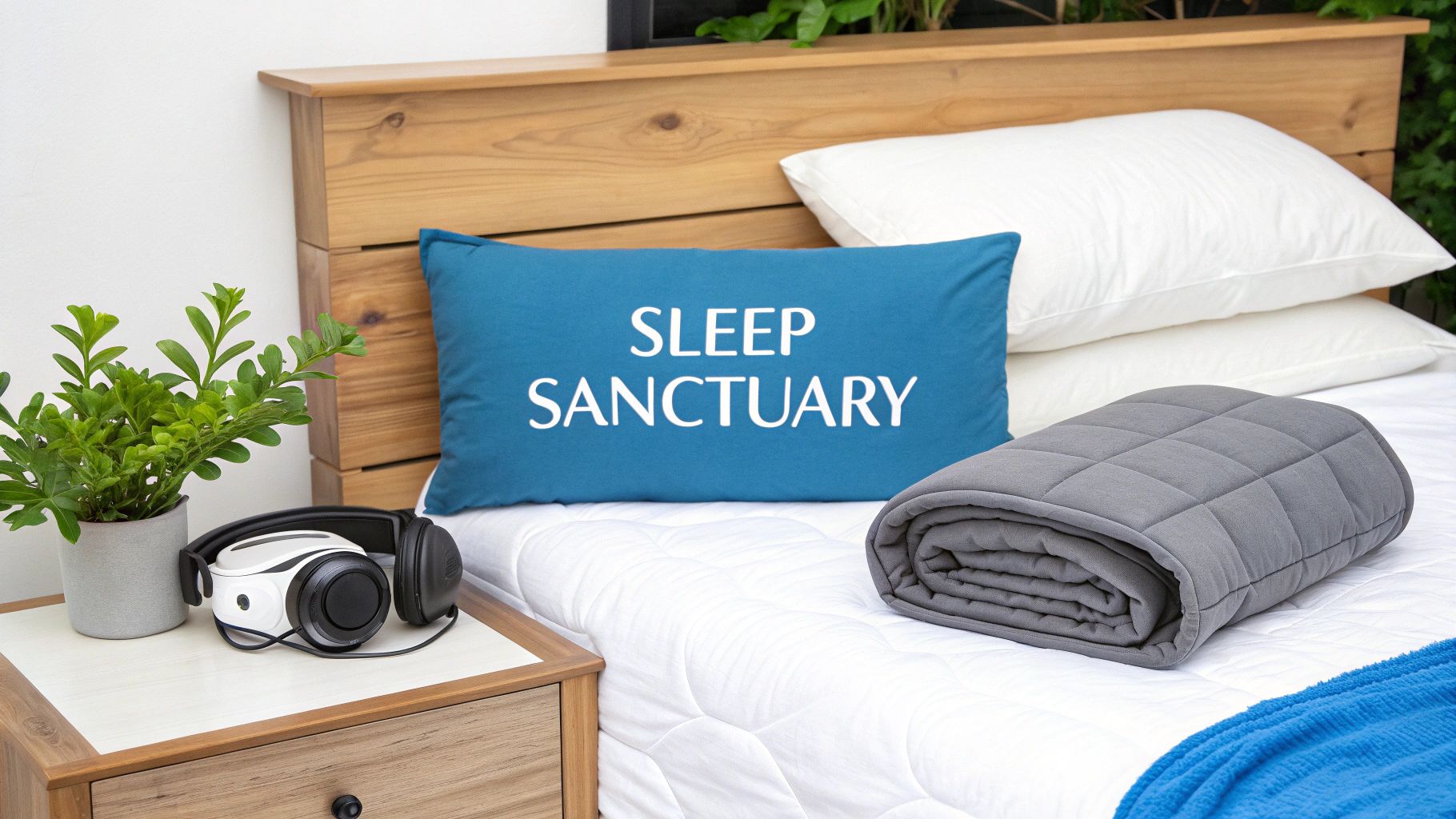
While your memory foam pillow for sleeping is the cornerstone of a great night's rest, the real magic happens when you create a complete sleep sanctuary. Think of it like a perfect meal: your pillow is the fantastic main course, but the right atmosphere and side dishes are what make the experience truly memorable.
When you pair your pillow with other specialized sleep tools, you’re creating a powerful, layered system. It’s about building a holistic environment where every element works together, sending a clear signal to your body and mind that it's time to switch off and sink into deep, uninterrupted rest. This moves you beyond just falling asleep and into a state of genuine recovery.
Creating a Synergistic Sleep System
Building out your sanctuary doesn't have to be some huge, complicated project. It's about thoughtfully combining a few key items to tackle multiple sleep barriers at once, from an aching neck to a racing mind. This simple approach can transform your bedroom from just a place to crash into a space engineered for total relaxation.
Your sleep environment should actively work for you, not against you. Combining sensory soothers with physical support creates an undeniable cue for your brain to switch off and enter rest mode.
Here’s how you can combine DubsLabs products to create an unmatched sleep experience, piece by piece:
- The Foundation: It all starts with the DubsLabs Adjustable Memory Pillow. Get in there and customize the fill until you have the absolute perfect loft and firmness for your body. This guarantees your spine is perfectly aligned and pressure points are gone before you even close your eyes.
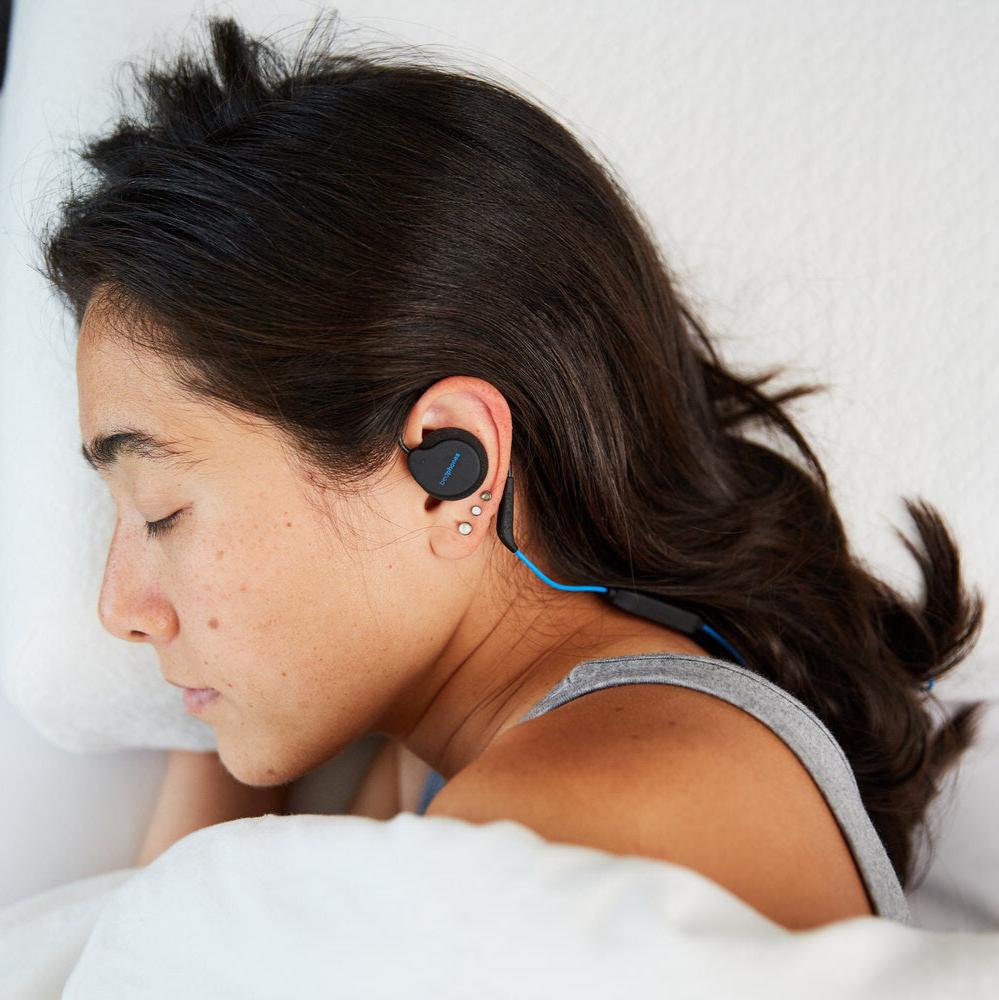
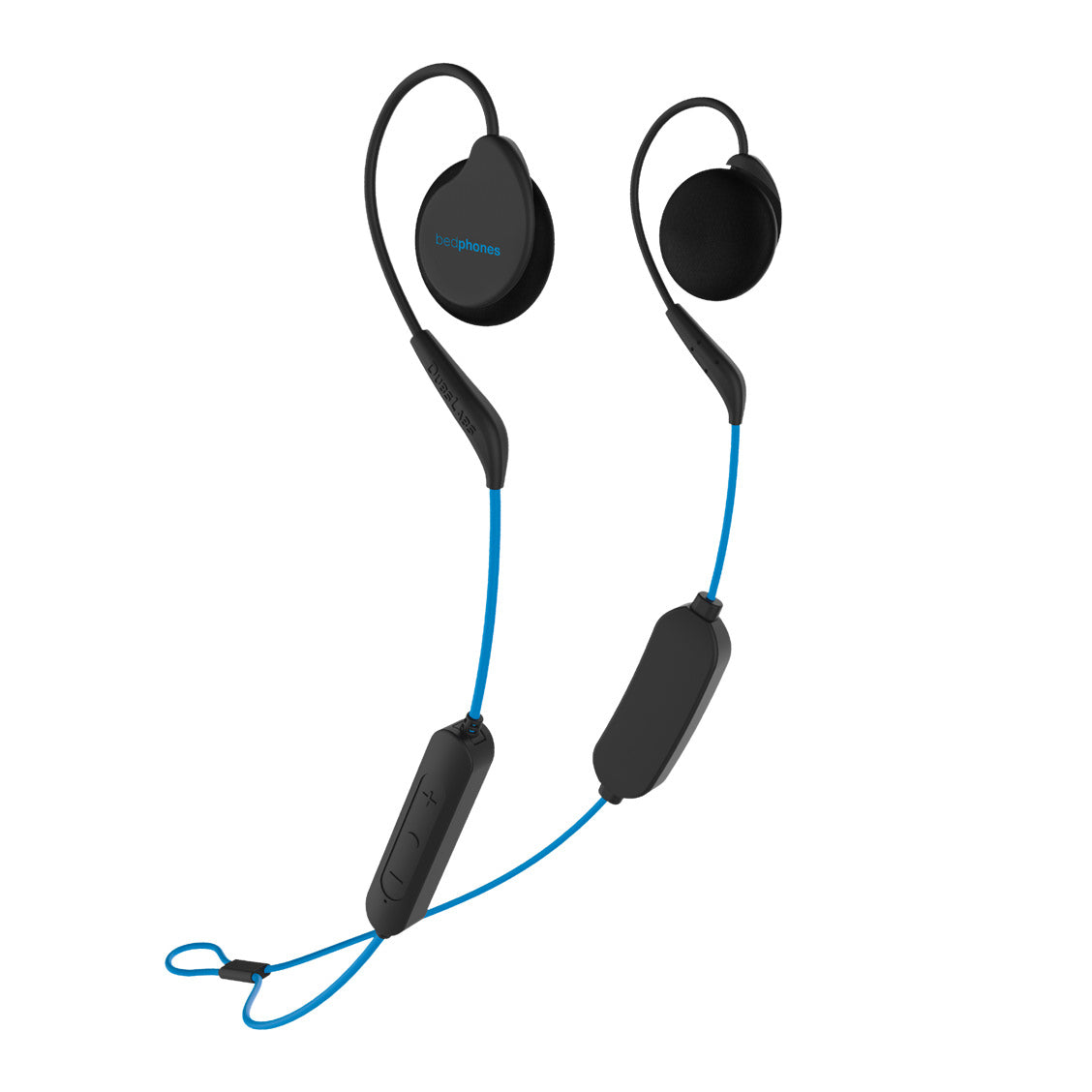
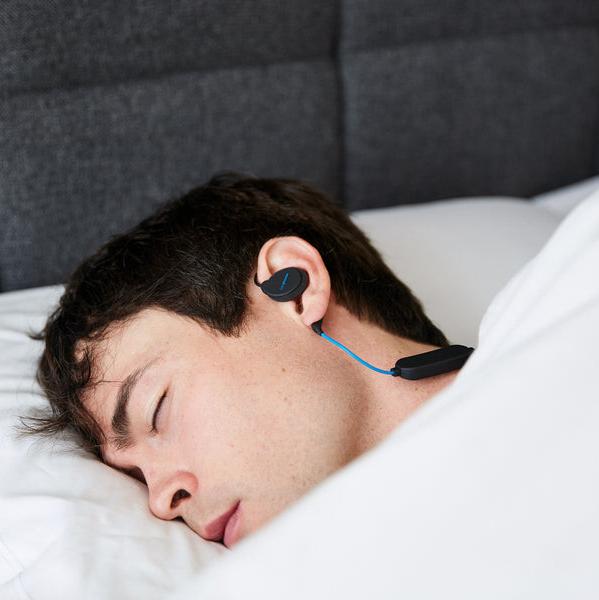
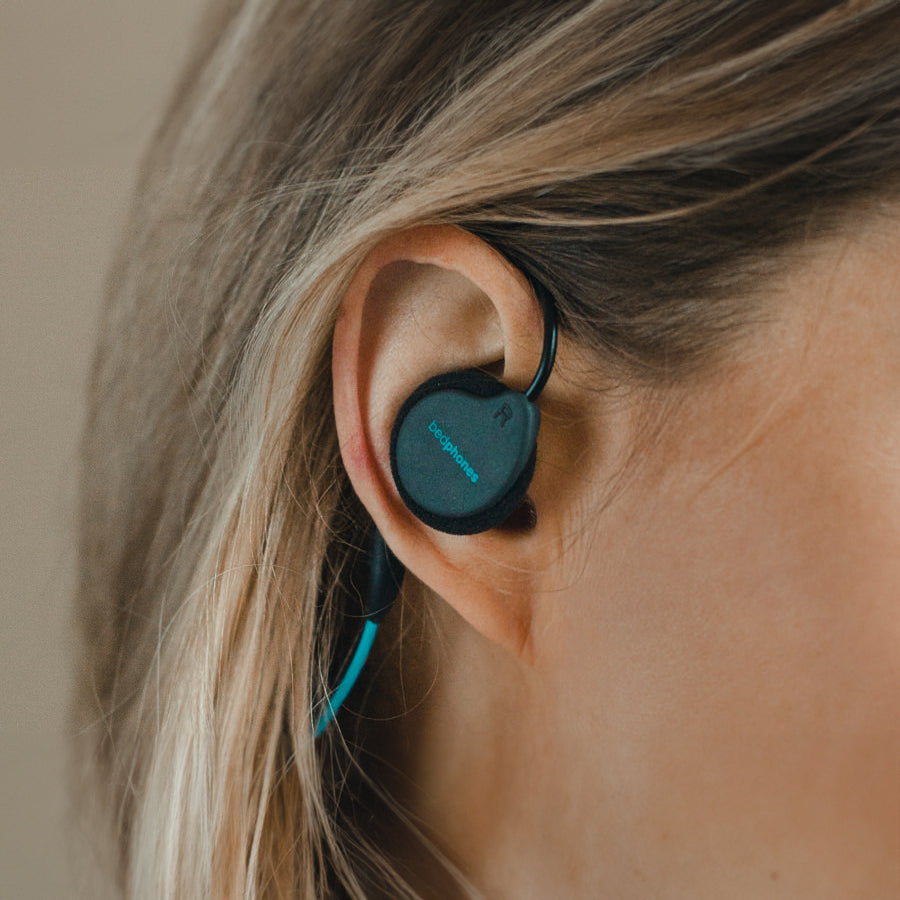
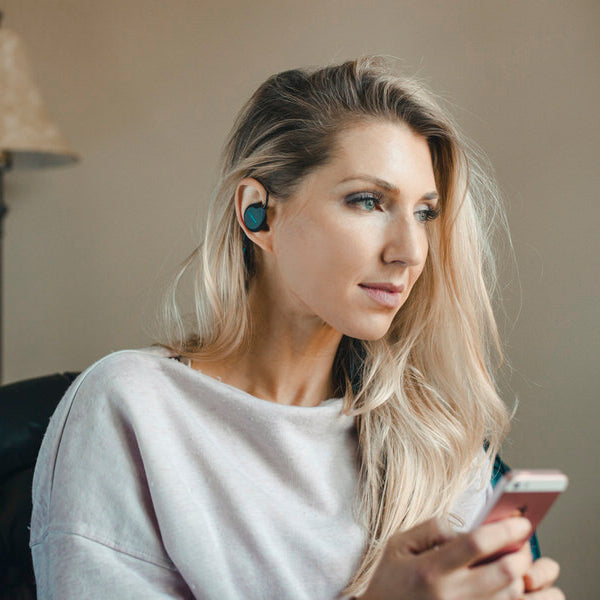
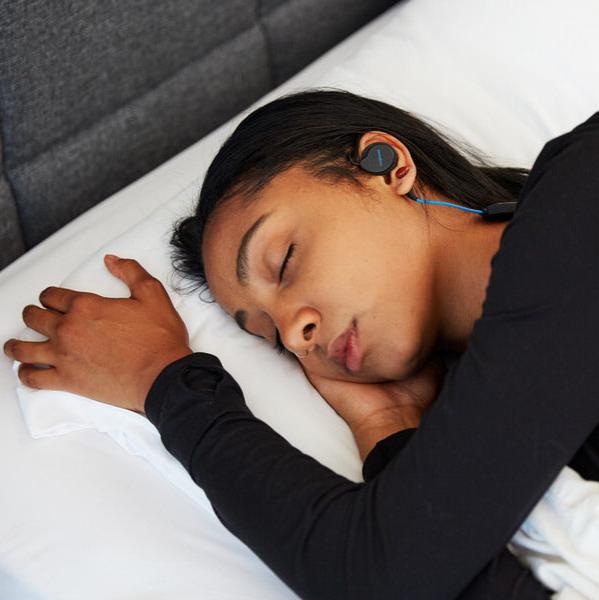
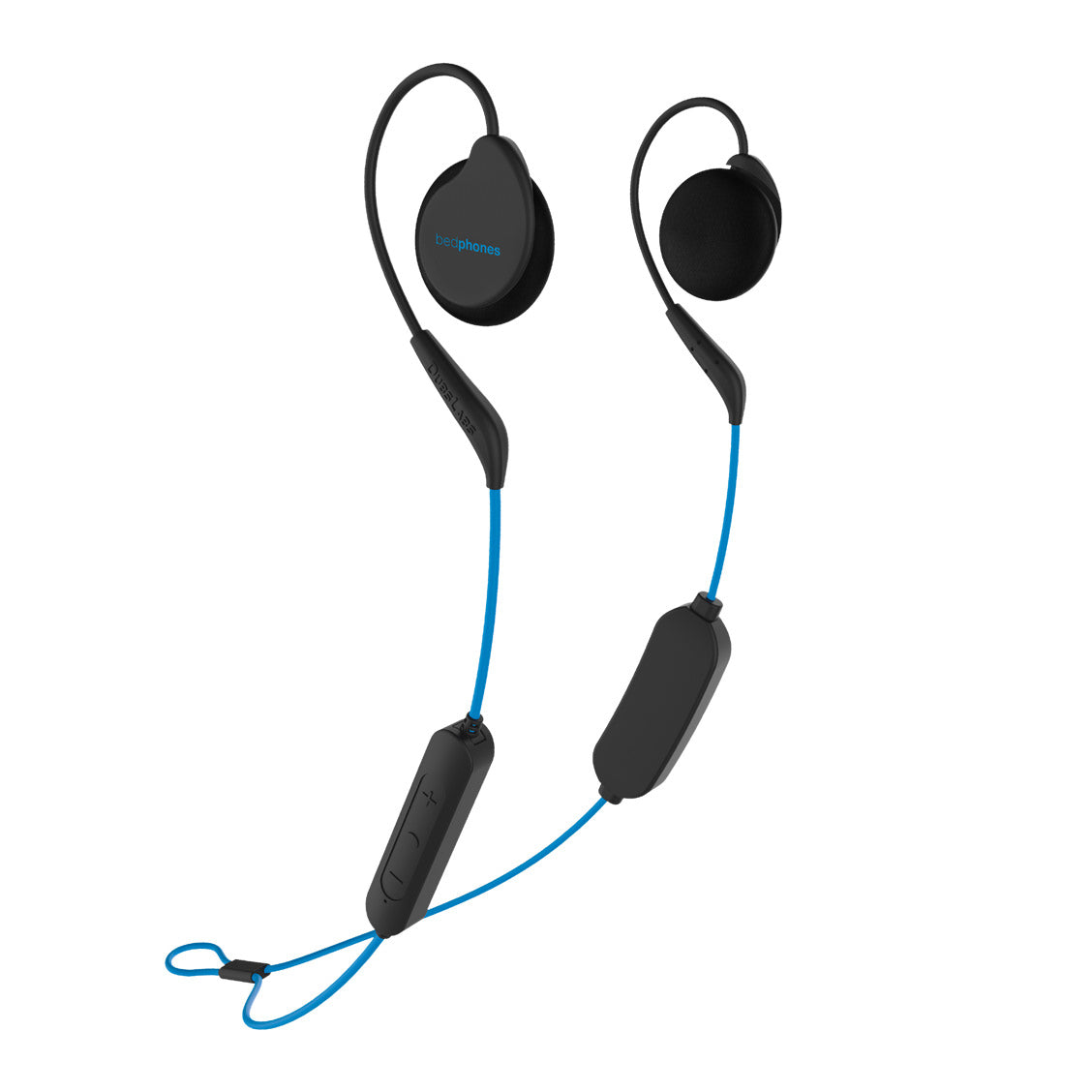
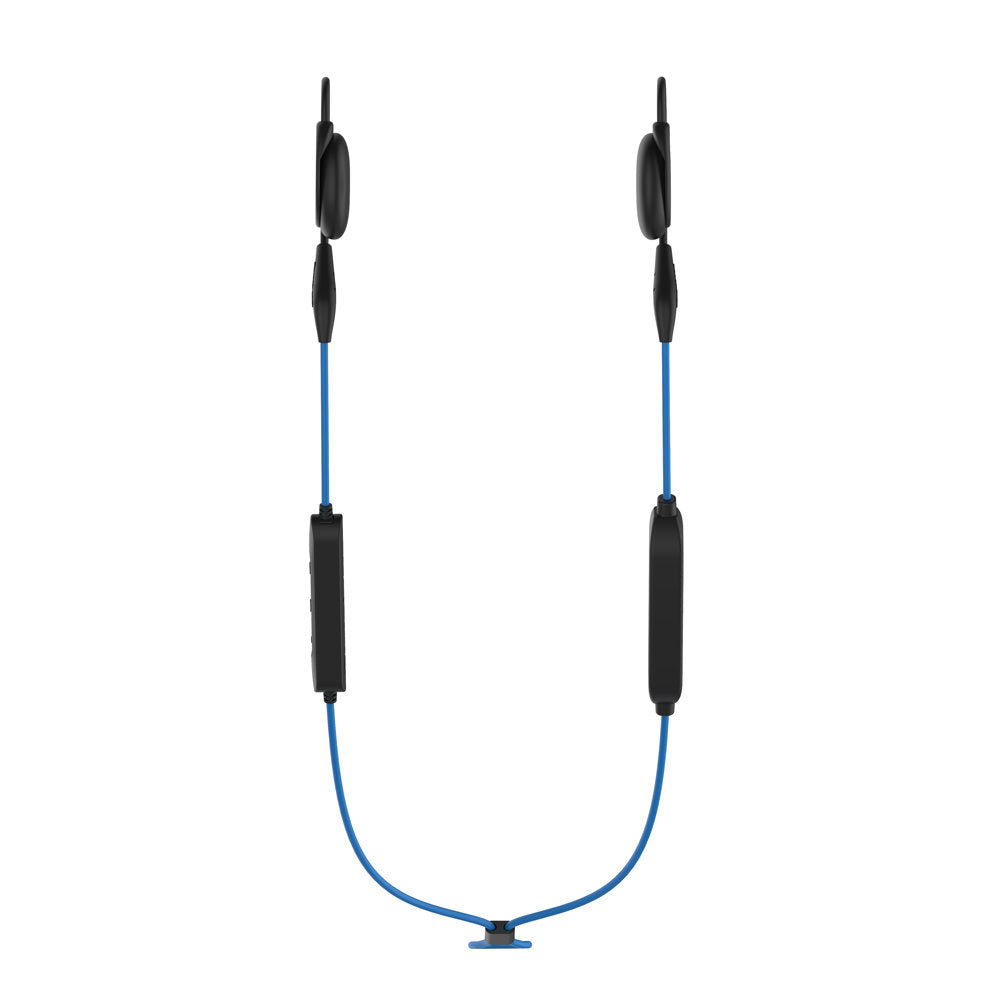
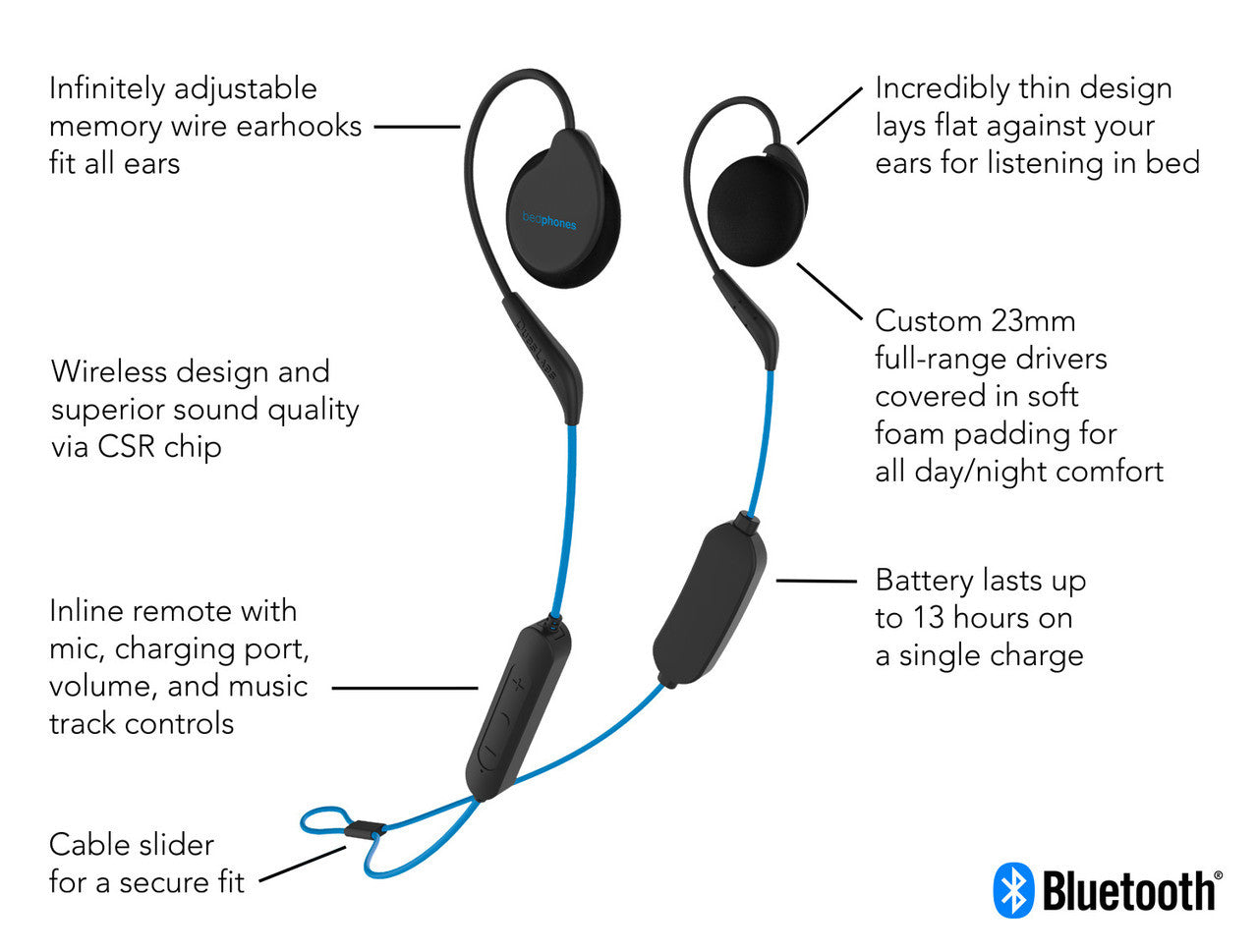
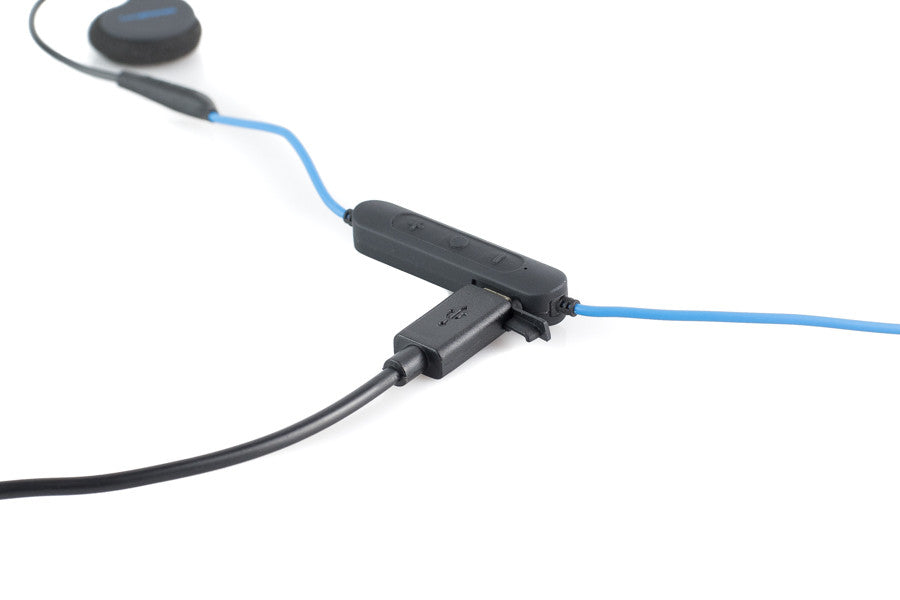
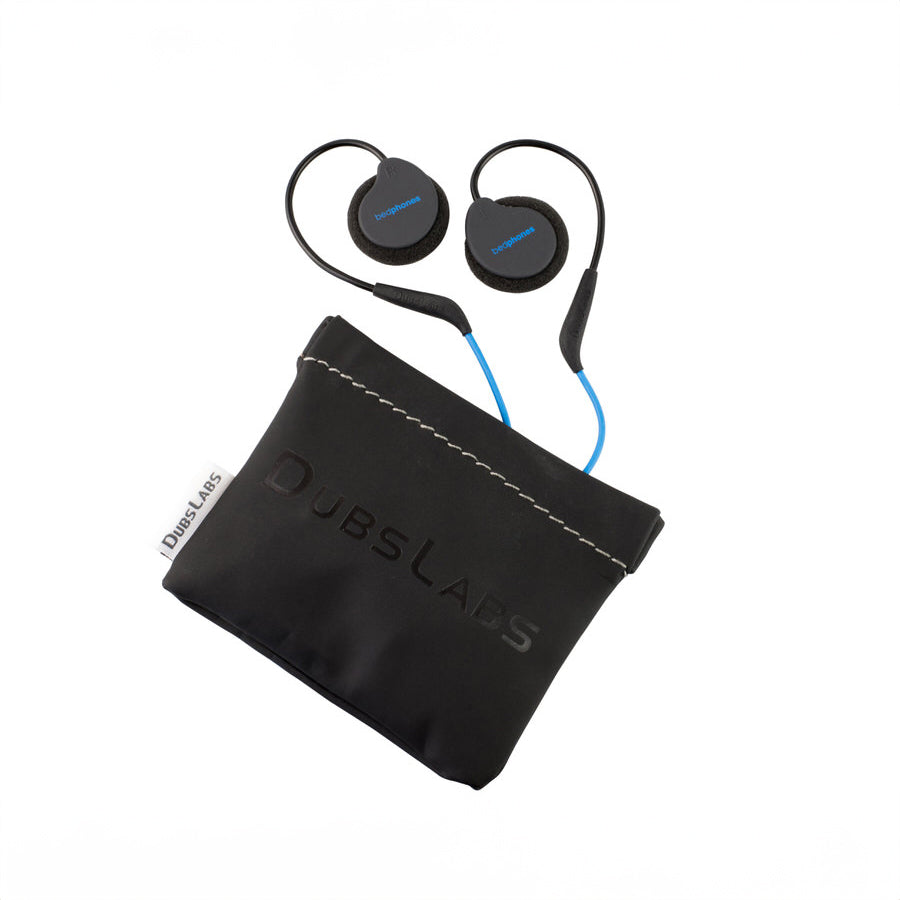
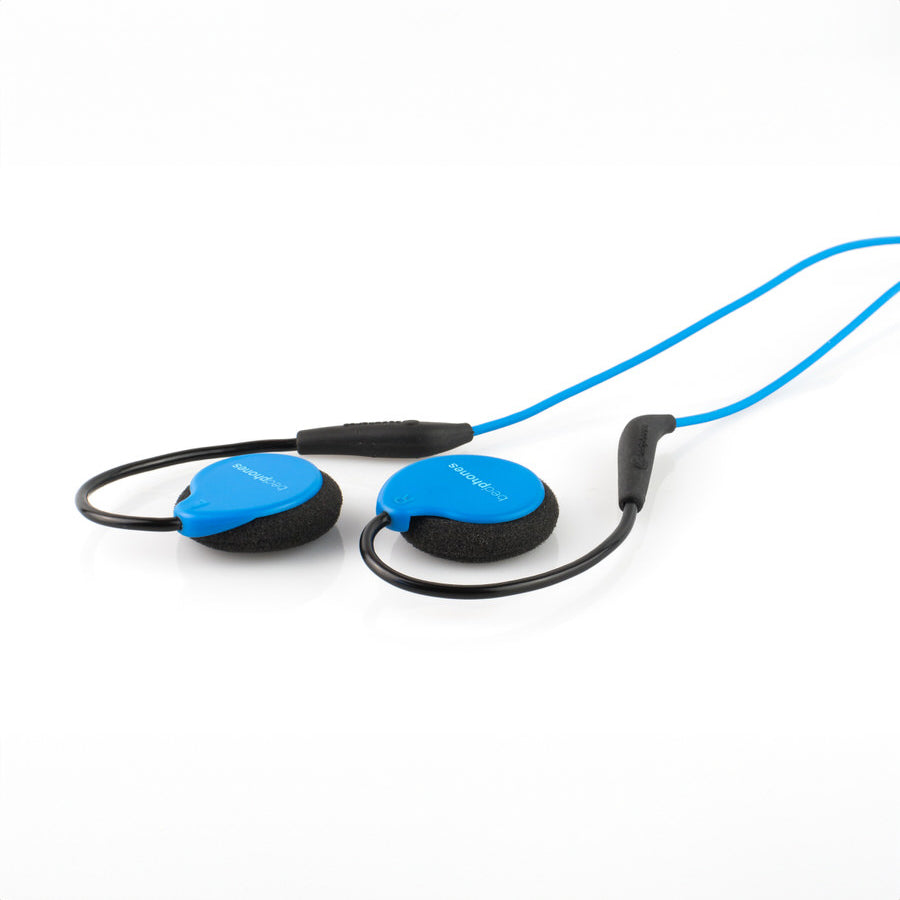
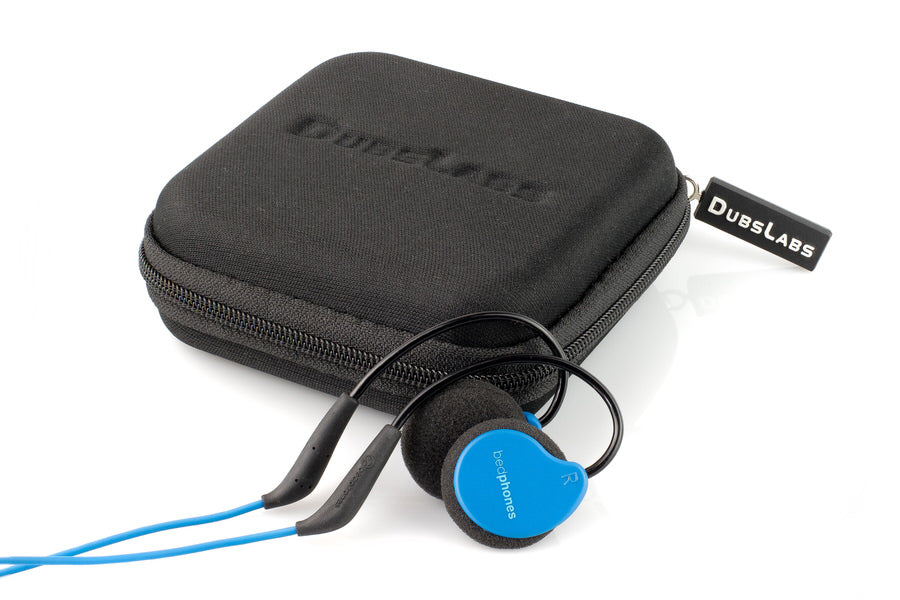
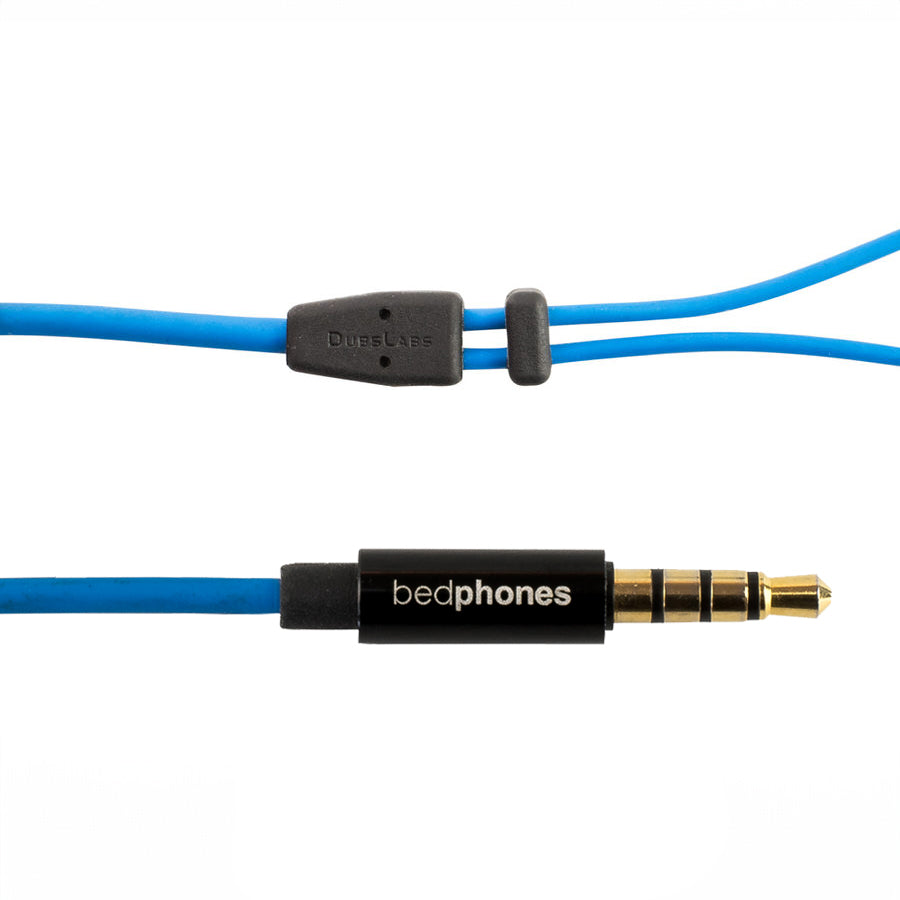
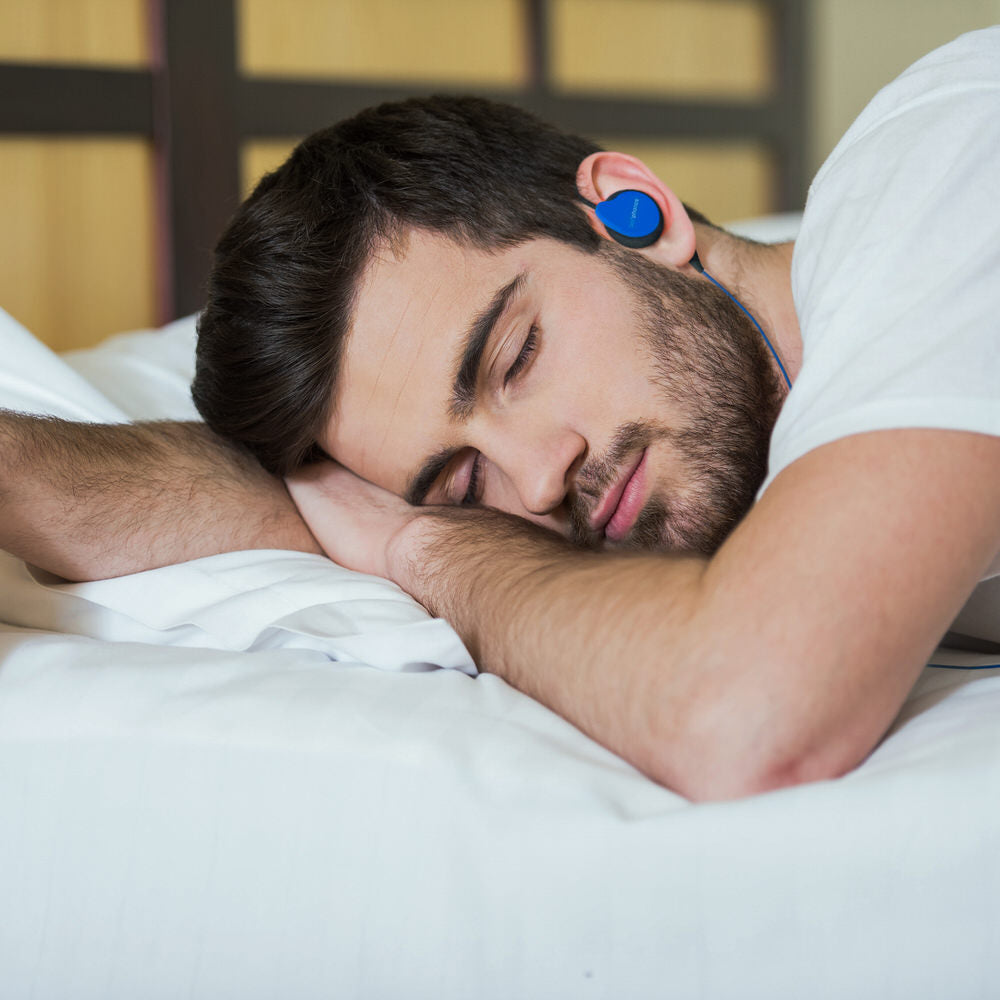
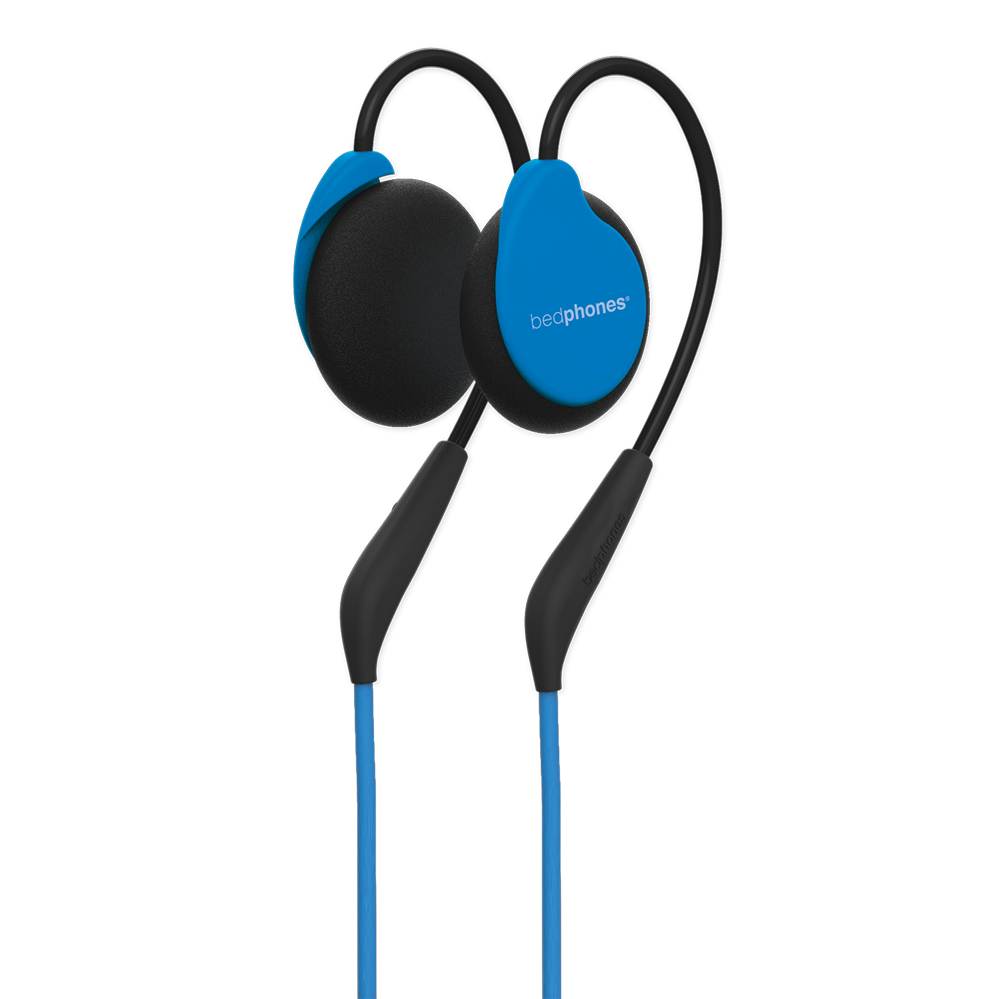
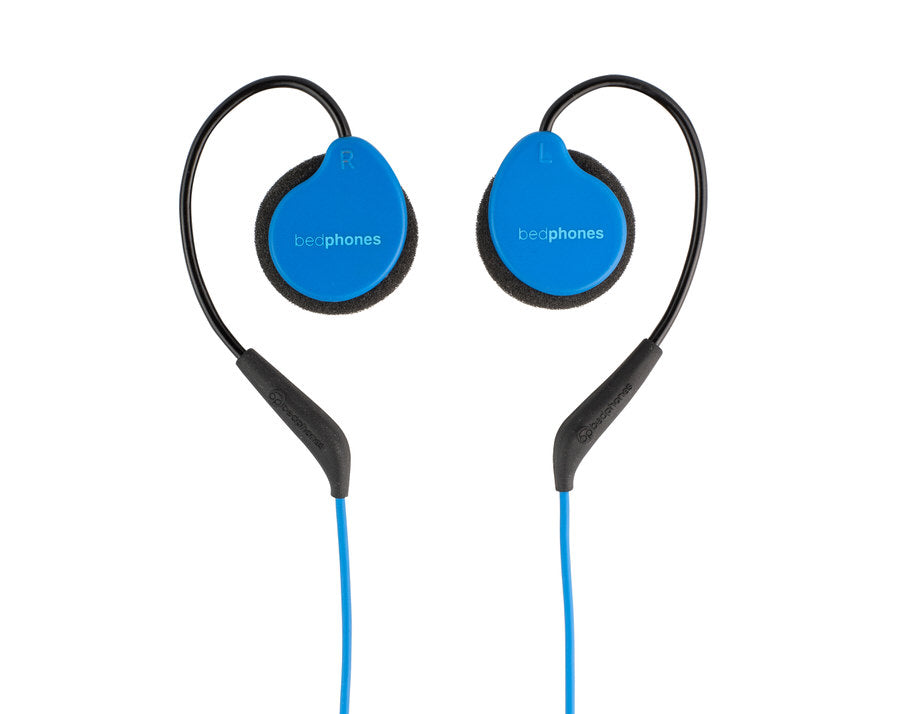
- Audio Ambiance: Next, slip on a pair of Bedphones. These paper-thin headphones let you comfortably tune into a calming sleep story, guided meditation, or gentle white noise. You won't feel any bulky or painful pressure on your ears, even if you’re a dedicated side sleeper.
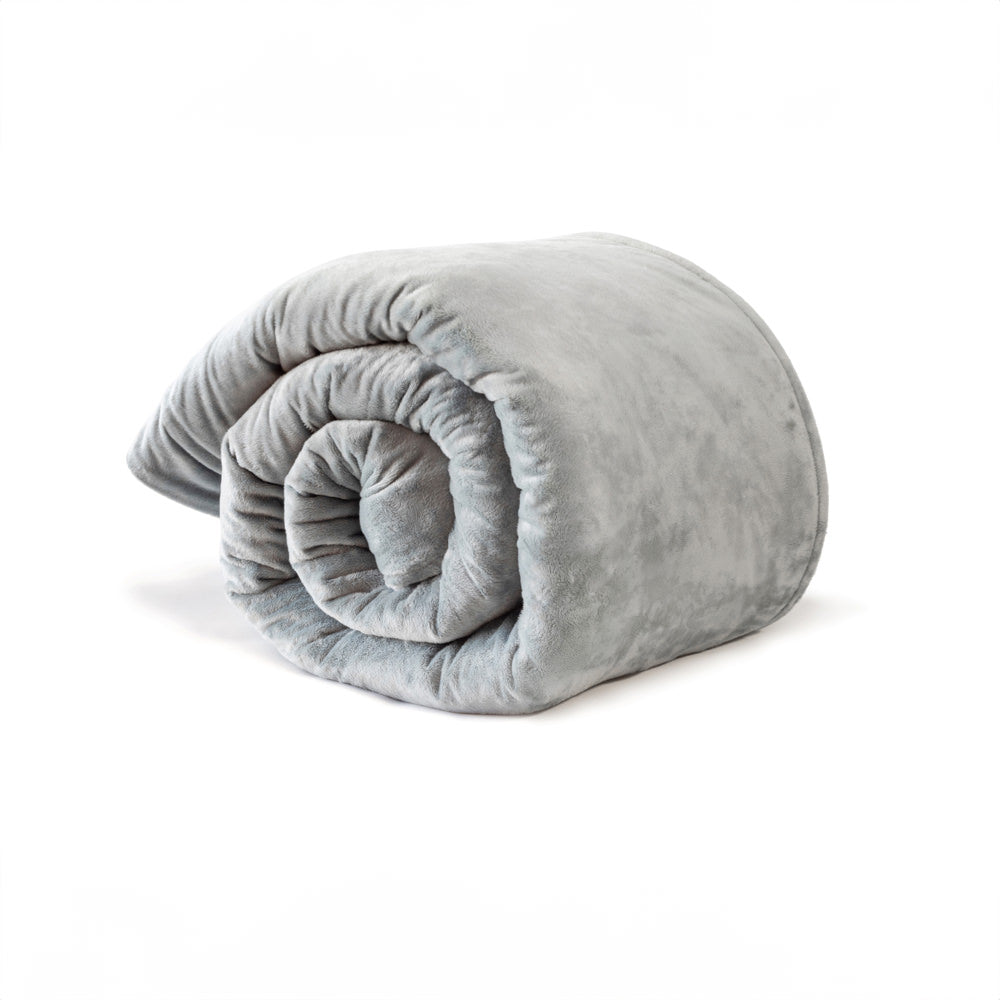
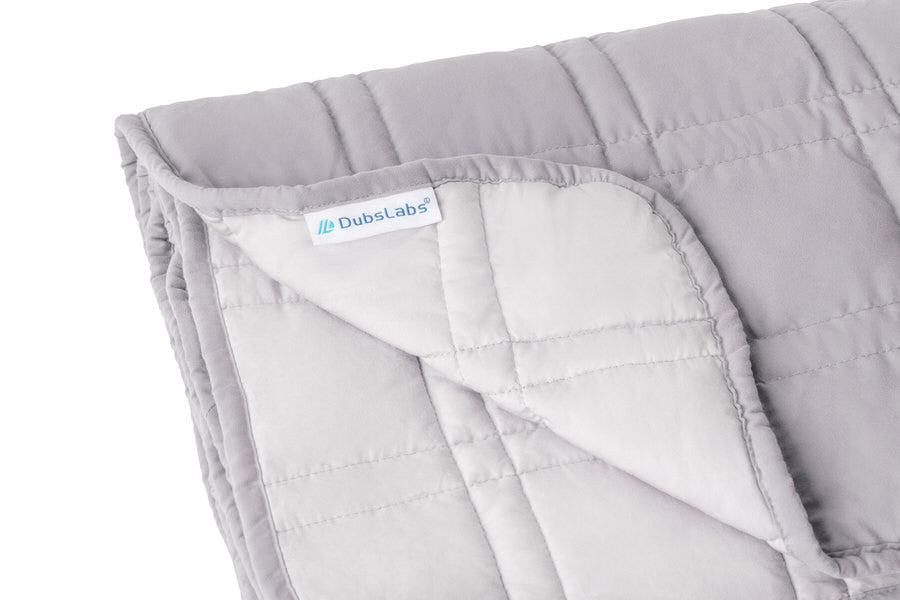
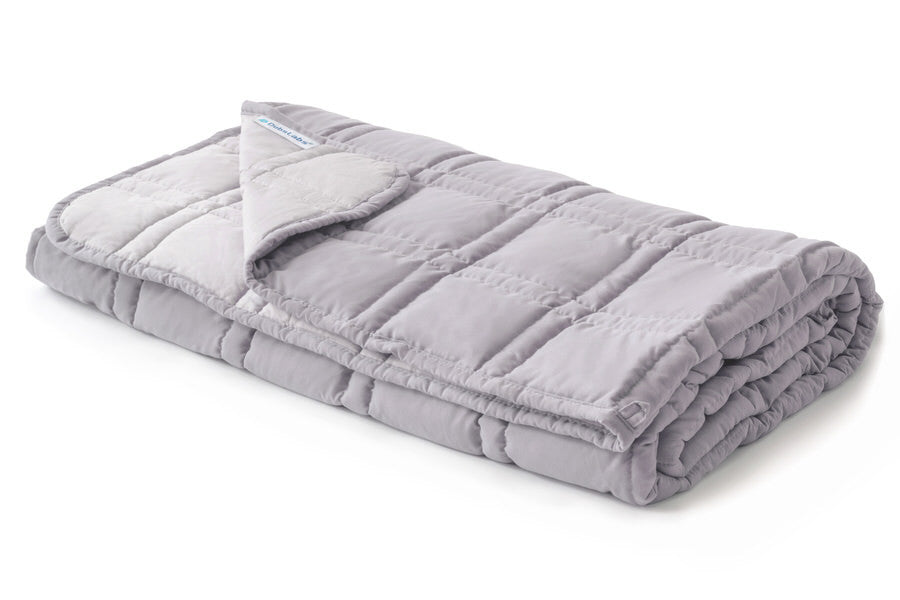
- Deep-Pressure Calm: For those nights when stress and anxiety just won't quit, layer on a DubsLabs Weighted Blanket. The gentle, deep-pressure stimulation works wonders on the nervous system, helping to ease a restless mind and cut down on tossing and turning. It pairs beautifully with your pillow's supportive embrace.
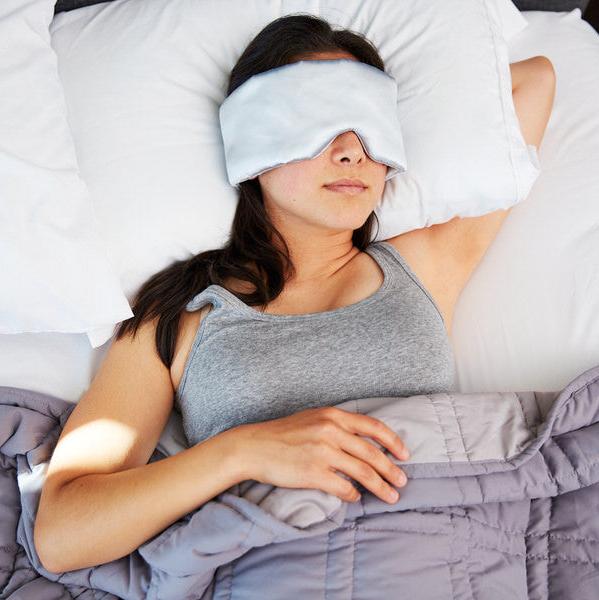
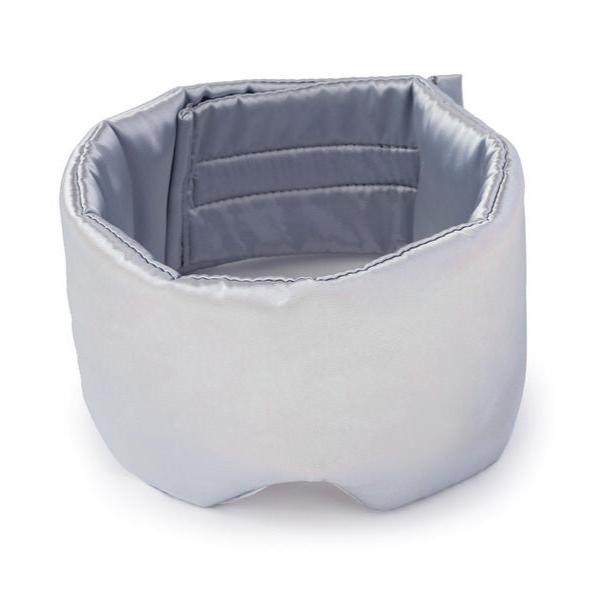
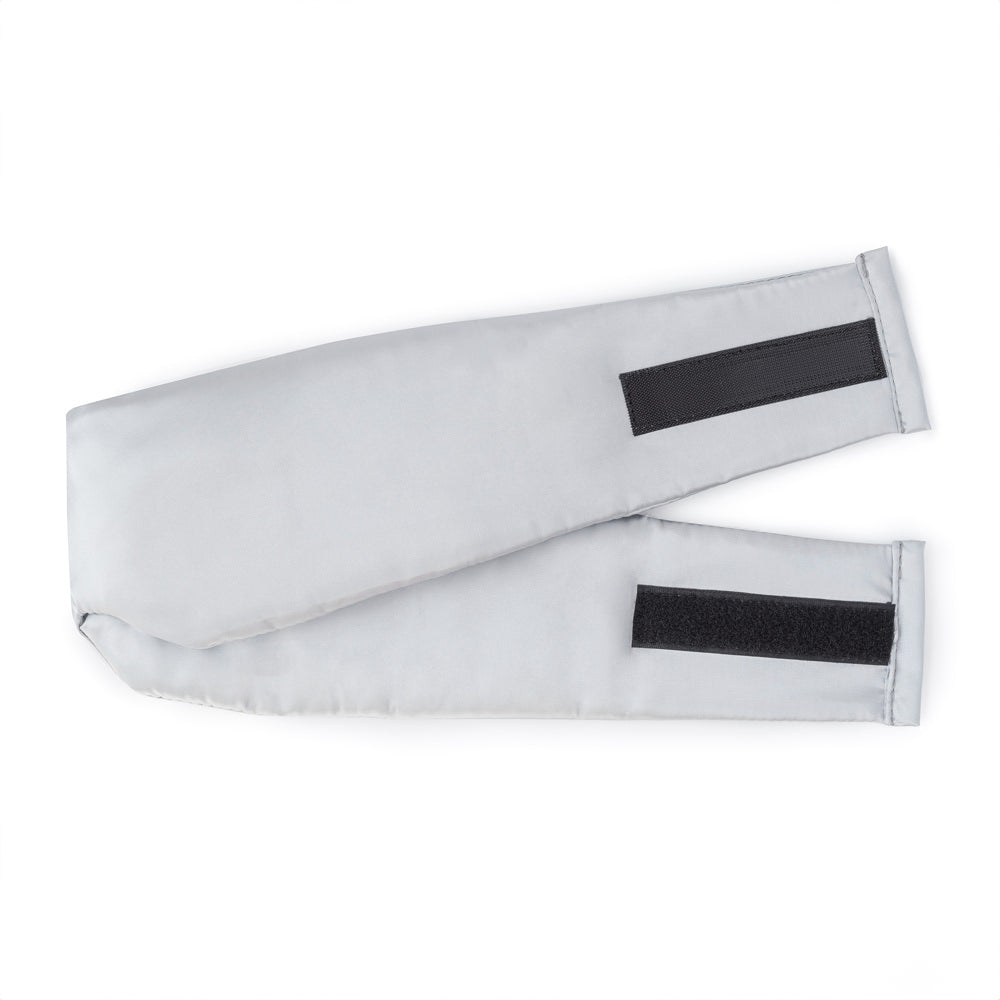
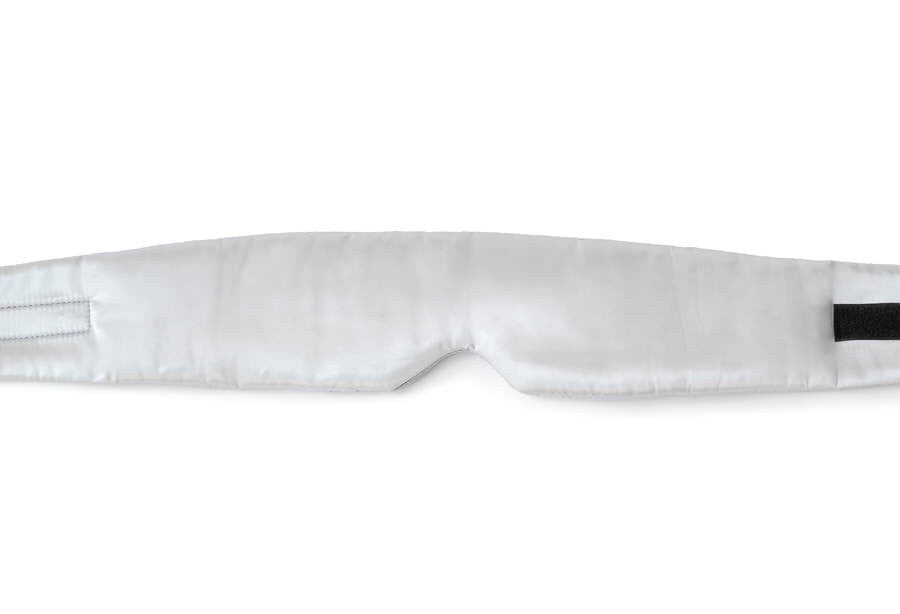
- Total Darkness: Finally, if even the tiniest bit of light messes with your sleep, a Total Dark Sleep Mask is the final piece of the puzzle. It creates a pure blackout environment, helping your body produce melatonin and ensuring light from alarm clocks or streetlights doesn't sabotage your sleep cycle.
By putting these elements together, you’re no longer just "going to bed." You are stepping into a carefully crafted sanctuary designed for optimal recovery. Each piece supports the others, transforming your nightly routine into a powerful ritual that delivers deeper, more restorative sleep, night after night.
Pillow Care and Other Common Questions
Alright, you've invested in a fantastic memory foam pillow for sleeping—the first big step toward better rest. Now, how do you make sure it stays amazing for years to come? Taking care of it is surprisingly simple, but it's a little different from your old-school pillows.
The most important rule? Never, ever submerge the memory foam core in water. Think of it like a delicate sponge; soaking it can break down that amazing structure you love. Don't worry, keeping it clean is still a breeze.
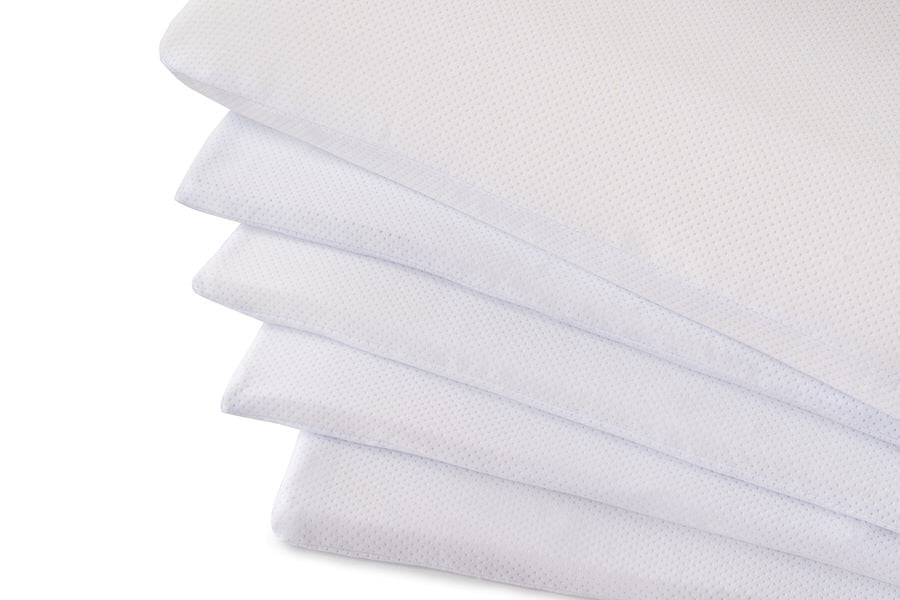
Most high-quality memory foam pillows have a removable cover you can just zip off and toss in the wash. Stick to a cool cycle and tumble dry on low heat. Doing this regularly is the single best way to keep your pillow fresh and hygienic, preventing any buildup of skin oils or allergens.
If you happen to spill something on the foam itself, spot-cleaning is your best friend. Just grab a cloth, dampen it with a bit of mild soap and water, and gently dab the spot. Let it air dry completely before you put the cover back on, and you're good to go.
What's That "New Pillow" Smell?
So you've just unboxed your new pillow and noticed a faint chemical-like odor. Don't panic! This is a totally normal and harmless process called off-gassing.
It's just the release of harmless compounds called VOCs (volatile organic compounds) that were used when the foam was made. They get trapped inside the airtight packaging during shipping.
While the smell might be a little noticeable at first, it's not harmful and fades pretty quickly on its own. If you want to speed things up, here’s what to do:
- Let It Breathe: Take the pillow out of its packaging and let it air out in a well-ventilated room for about 24 to 72 hours.
- Get the Air Moving: An open window or a fan will help that scent dissipate even faster.
This initial airing-out period is a small, one-time step that ensures your pillow is fresh and ready for countless nights of supportive sleep. It's a normal part of getting acquainted with your new sleep tool.
A little bit of care goes a long way. It protects your investment and ensures that pillows like the DubsLabs adjustable memory foam pillow can deliver that consistent, body-cradling comfort you expect, night after night.
Common Questions About Memory Foam Pillows
Thinking about making the switch? It's natural to have a few questions before you commit. We get it. So, we've gathered some of the most common things people ask to help you feel confident you're making the right move.
How Long Does a Memory Foam Pillow Last?
A high-quality memory foam pillow should give you solid support for about 2 to 3 years. After that, you might notice the foam isn't bouncing back like it used to, and that amazing contouring support starts to fade.
If your pillow is looking a little lumpy, feels flat, or just isn't giving you that "ahh" feeling anymore, that's your cue. It's probably time for a new one. A good tip? Using a pillow protector from day one is a fantastic way to shield it from spills and dirt, helping you get the most out of its lifespan.
Can This Pillow Really Help Reduce Snoring?
Yes, for a lot of people, it absolutely can. Snoring often happens because your neck isn't properly aligned, which can cause your airway to get partially blocked. It's a simple physics problem, really.
A memory foam pillow molds directly to the unique curve of your head and neck, which helps keep your spine straight and your airway open. This is a game-changer, especially for back and side sleepers, and can make a real difference in how much you (or your partner) snore.
The right pillow doesn't just make you comfortable; it supports healthier breathing patterns while you sleep, which is a key component of restorative rest.
Why Does My New Pillow Feel So Firm?
That's a super common experience! It's totally normal for a new memory foam pillow to feel a bit stiff right out of the box. The material is temperature-sensitive by design—it's made to soften up and mold to you using your own body heat.
Give it a few nights to break in. As the pillow gets used to your warmth and the specific shape of your head, you’ll feel it become much more comfortable and responsive. And if you have an adjustable pillow, you have a shortcut—you can just remove some of the fill to soften it up immediately.
Ready to feel the difference personalized comfort can make? The DubsLabs Adjustable Memory Pillow lets you build the perfect support for your body and sleep style. Find your perfect night's sleep at DubsLabs today.