That feeling of waking up just as exhausted as when you went to bed is frustratingly common. This isn't about some rare, mysterious sleep disorder; it's the nightly battle of tossing, turning, and waking up that slowly chips away at your energy and focus day after day.
The consequences go far beyond just feeling a bit groggy. Over time, poor sleep can have a serious impact on your overall well-being. It's crucial to understand the broader implications, including how poor sleep can increase fall risk and limit mobility.
To help you get to the bottom of it, let’s quickly break down the most common culprits behind restless nights.
A Quick Look at What Causes Restless Sleep
This table is your cheat sheet for restless sleep. It summarizes the main triggers, helping you quickly identify potential reasons for your nightly struggles.
| Cause Category | Common Triggers | What It Feels Like |
|---|---|---|
| Lifestyle Choices | Late-night caffeine, heavy meals, alcohol, intense exercise too close to bed, inconsistent sleep schedule. | You feel wired, jittery, or uncomfortably full. It's hard to initially fall asleep. |
| Sleep Environment | A room that's too hot, bright, or noisy. Uncomfortable mattress or pillows. | You keep waking up from small disturbances—a car alarm, a partner snoring, or feeling too warm. |
| Mental & Emotional State | Stress from work or life, anxiety, racing thoughts, worrying about the next day. | Your mind won't shut off. You lie there replaying conversations or making to-do lists. |
| Underlying Health Issues | Sleep apnea, restless legs syndrome (RLS), chronic pain, hormonal changes, medication side effects. | An irresistible urge to move your legs, waking up gasping for air, or persistent pain that keeps you awake. |
Each of these categories plays a huge role, and often, they overlap. By understanding which ones might be affecting you, you can start making targeted changes to finally get the rest you need.
Unpacking the Four Pillars of Restless Sleep
To truly understand what's wrecking your sleep, we need to look beyond the surface. Think of your sleep quality like a building supported by four key pillars. If even one is shaky, the whole structure becomes unstable, leaving you feeling rundown and unrested.
We'll dig into each of these pillars to help you pinpoint the real reasons behind your restless nights:
- Your Daily Habits: How your daytime choices—from that 3 p.m. coffee to late-night screen time—directly sabotage your ability to rest.
- Your Sleep Environment: The sneaky ways light, noise, and temperature in your bedroom can either be your best friend or your worst enemy for sleep.
- Your Mental State: The powerful, undeniable link between stress, anxiety, and a mind that just refuses to switch off when your head hits the pillow.
- Underlying Health Factors: When that restlessness is actually a symptom of something more, like sleep apnea, chronic pain, or restless legs syndrome.
This guide is your practical roadmap to figuring out why your body just won't settle down. We’ll connect these common issues to real, actionable solutions. For more targeted advice, you can learn more about practical strategies for how to stop tossing and turning at night. By identifying the root cause, you can finally move from knowing the problem to actually solving it.
How Your Daily Habits Affect Your Sleep

It’s easy to assume sleep is something that just happens when we turn off the lights. But the truth is, our bodies are preparing for a good night's rest all day long. The choices we make from the moment we wake up act like instructions, telling our brains when to feel sharp and when it’s time to power down.
Think of your internal body clock, your circadian rhythm, as a finely tuned instrument. When your daily habits are consistent, it plays a perfect melody that leads to deep, restorative sleep. But when your routine is all over the place, that instrument falls out of tune, creating the jarring noise of a restless night.
This is why looking at your daily patterns is such a critical first step. You might be surprised to find that simple, seemingly harmless choices are sabotaging your sleep long before your head ever hits the pillow.
The Caffeine and Alcohol Trap
That afternoon coffee might feel non-negotiable, but its effects hang around much longer than you'd think. Caffeine is a powerful stimulant that can block the sleep-inducing chemicals in your brain for hours, making it incredibly difficult to wind down when you want to.
Alcohol causes a different kind of trouble. While a glass of wine might make you feel drowsy at first, it wreaks havoc on your sleep quality later in the night. It actually suppresses deep REM sleep and often jolts you awake as your body metabolizes it, leaving you with fragmented, unsatisfying rest.
Both caffeine and alcohol can lock you into a frustrating cycle. Poor sleep makes you tired, so you reach for more caffeine to get through the day, which only disrupts your next night of sleep even more.
Why Your Screens Are a Major Cause of Restless Sleep
Scrolling through your phone or watching TV in bed is one of the most common culprits behind restless nights. The bright blue light from these screens is particularly disruptive; it’s like shining a dose of morning sun directly into your brain. This signals your body to stop producing melatonin, the essential hormone that tells you it's time for sleep.
Poor lifestyle habits, especially too much screen time, are a massive contributor to fragmented rest. In fact, studies show that a staggering 88% of American adults lose sleep because of late-night TV binges. This is because LED exposure from phones and tablets directly suppresses melatonin.
It isn't just the light, either. It’s the constant stream of information, notifications, and emotionally charged content that keeps your mind buzzing, preventing it from shifting into the calm state it needs for sleep.
Creating a Routine That Signals Rest
Building a consistent routine is about more than just having a set bedtime. It's about creating a series of predictable cues that gently guide your body toward sleep. This practice is the very foundation of good sleep hygiene.
Here are a few practical habits that can make a world of difference:
- Set a "Digital Sunset": Power down all your screens at least an hour before you plan to sleep. This gives your brain the time it needs to start producing melatonin without any interference from blue light.
- Create a Winding-Down Ritual: Swap screen time for something genuinely calming. Reading a physical book, doing some gentle stretching, or listening to quiet music can be powerful signals to your brain that the day is officially over.
- Keep Your Schedule Consistent: Try to wake up and go to bed around the same time every day—yes, even on weekends. This reinforces your body's natural sleep-wake cycle, making it much easier to fall asleep and wake up feeling refreshed.
By becoming more mindful of these daily habits, you can start to take back control of your nights and pave the way for deeper, more restorative rest.
Uncovering the Medical Reasons for Your Restless Nights
Sometimes, even with perfect sleep habits, a good night’s rest just feels impossible. If you feel like you've tried everything and you're still just tossing and turning, it might be time to look a little deeper.
Often, restless sleep isn't about a bad habit or a stressful day—it's your body's way of signaling that an underlying medical condition needs attention. These issues can be sneaky, messing with your sleep in ways you might not even realize until you wake up feeling completely drained. They get in the way of your body's natural sleep cycle, keeping you from the deep, restorative stages your mind and body desperately need.
The Unseen Disruptors: Sleep Apnea and RLS
Two of the most common culprits are Restless Legs Syndrome (RLS) and sleep apnea. These conditions are masters of disguise, causing major sleep fragmentation without you always being aware of what's happening.
Think of these conditions as hidden alarms going off all night. Even if you don't fully wake up, each "alarm" pulls you out of deep sleep, resetting your progress and leaving you feeling unrested and depleted by morning.
RLS, for instance, creates an overwhelming urge to move your legs, often paired with creepy-crawly or tingling sensations. This feeling usually gets worse at night when you’re trying to relax, making it incredibly difficult to fall asleep or stay asleep.
Sleep apnea is a different beast. It causes you to repeatedly stop and start breathing while you sleep. These brief pauses jolt your brain awake just enough to get you breathing again, but this can happen hundreds of times a night without you even knowing it, completely wrecking your sleep quality.
Medical conditions like these are a huge cause of restless sleep, yet so many people don't realize they have them. Up to 10% of U.S. adults suffer from RLS. Meanwhile, obstructive sleep apnea affects around one billion adults globally, with a shocking 80-90% of cases going undiagnosed. You can dig into more data on how widespread these disorders are in this in-depth overview from The Recovery Village.
Other Hidden Health Factors
Beyond sleep-specific disorders, a few other health issues can throw a wrench in your nightly rest. Connecting the dots between your daytime health and your nighttime struggles is key.
-
Chronic Pain: Conditions like arthritis, fibromyalgia, or back pain don't just switch off when the lights go out. Nagging discomfort can make it nearly impossible to get comfortable, leading to frequent wake-ups.
-
Acid Reflux (GERD): When you lie down, stomach acid can flow back into your esophagus, causing heartburn and serious discomfort. This can jolt you awake with a burning sensation or a nasty coughing fit.
-
Hormonal Fluctuations: Big hormonal shifts during perimenopause, menopause, or pregnancy can trigger night sweats, hot flashes, and a general sense of restlessness that makes consistent sleep feel like a distant dream.
Recognizing these signs is the first step. If your restless nights just won't quit, and they're paired with symptoms like loud snoring, gasping for air, or that uncontrollable urge to move your legs, it’s a clear signal to talk to your doctor.
When Your Mind Refuses to Power Down

For a lot of us, the biggest thing keeping us from a good night's rest isn't a bad mattress or a snoring partner—it’s our own mind. If you’ve ever found yourself staring at the ceiling, replaying conversations, or worrying about tomorrow's to-do list, you know exactly what I'm talking about.
Think of your brain’s “fight or flight” response like a light switch. During the day, it flicks on to help you power through deadlines and navigate traffic. But at night, that switch is supposed to flick off so your body can finally relax and repair itself.
When you're dealing with stress and anxiety, however, that switch can get jammed in the 'on' position. Your body gets flooded with alertness hormones like cortisol and adrenaline, making it feel almost impossible for your mind to power down and get the restorative sleep it desperately needs.
The Cycle of Stress and Restless Nights
Stress is a huge reason for restless sleep, and it loves to create a vicious cycle that’s tough to escape. The pressures of daily life can seriously mess with your natural sleep patterns, causing you to wake up throughout the night. It's a massive issue—surveys show that around 43% of U.S. adults say stress messes with their sleep every single month.
This creates a frustrating feedback loop. A stressful day leads to a restless night. That restless night leaves you exhausted, making it even harder to handle the next day’s stress. Before long, just the thought of going to bed can become a source of anxiety.
You start to dread climbing into bed, anticipating another night of tossing and turning. This performance anxiety around sleep only ramps up your stress levels, reinforcing the very cycle you’re trying to break.
Practical Ways to Calm a Racing Mind
Breaking this cycle means actively telling your nervous system that it's safe to power down. Instead of trying to fight your racing thoughts—which usually just makes them louder—the goal is to gently guide your mind toward a calmer state. We dive deep into this in our guide on how to stop overthinking at night.
Here are a few actionable strategies you can start tonight:
- Guided Breathing: Simple exercises like the 4-7-8 method can work wonders. Just inhale for 4 seconds, hold your breath for 7, and exhale slowly for 8. It's a direct way to slow your heart rate and tell your body it's time to chill.
- Mindfulness Meditation: Try focusing on the sensation of your breath or the feeling of your body against the mattress. This helps pull you into the present moment instead of getting swept away by worries about the future or regrets about the past.
- Journaling: Give yourself 10 minutes for a "brain dump." Grab a notebook and write down everything swirling around in your head—worries, tasks, random ideas. Getting it on paper can clear up mental space and give your brain permission to rest.
By creating these small, simple rituals, you can help flip that 'fight or flight' switch back to 'off' and finally pave the way for a truly peaceful night.
Building Your Ultimate Sleep Sanctuary
Your bedroom environment sends powerful signals to your brain, telling it whether it’s time to power down or stay alert. Think of your room as the stage manager for your sleep; if the lighting is harsh or the set is noisy, the star of the show—your brain—can’t perform its role. Turning your space into a true sleep sanctuary is one of the most immediate and effective ways to fight back against restless nights.
This whole process boils down to three key pillars: darkness, quiet, and cool temperatures. These aren't just minor preferences; they are biological necessities your body relies on for deep, uninterrupted rest. Nail these three elements, and you'll be amazed at the difference it makes in your ability to fall and stay asleep.
Mastering Darkness and Quiet
Even a tiny sliver of light can throw your sleep cycle off track. Any light exposure, whether it’s from a streetlamp peeking through the blinds or the glow of your phone charger, suppresses the production of melatonin. That’s the critical hormone that governs your sleep-wake schedule, so you want to aim for total darkness.
It’s a similar story with sound. Your brain continues to process noises even when you're fast asleep. A passing car, a partner’s snoring, or even a humming appliance can pull you out of the deeper stages of sleep without you ever realizing it. This constant fragmentation is a huge, often hidden, cause of restless sleep.
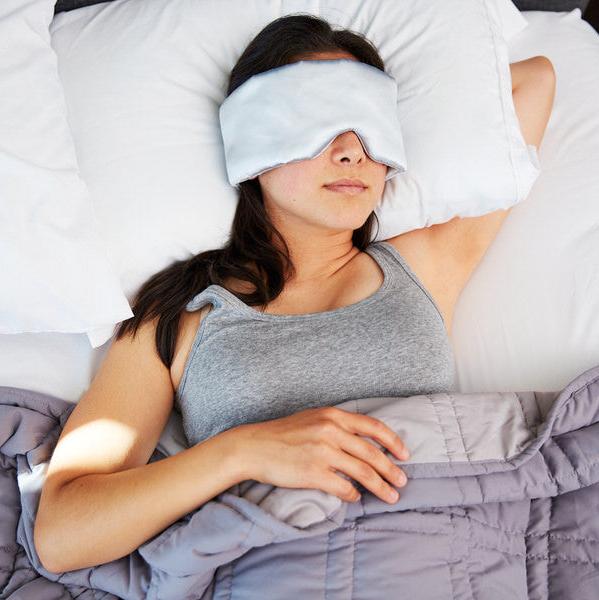
- Block Out Light: Blackout curtains are a game-changer. A high-quality sleep mask works wonders, too. Don't forget to cover or unplug the small LED lights on your electronics—they can be surprisingly disruptive.
- Manage Noise: If you live in a noisy area, earplugs or a white noise machine can create a consistent, soothing soundscape that masks those sudden, jarring sounds.
Finding Your Ideal Temperature and Comfort
Ever notice how you feel cozier under the covers when the room is a bit chilly? There’s a biological reason for that. Your body's core temperature naturally drops to initiate sleep, and a warm room can get in the way of that process, leading to a night of tossing and turning. Most sleep experts recommend a cool room, somewhere between 60 and 67 degrees Fahrenheit, to support this natural temperature dip.
Of course, the thermostat is only part of the equation. Your physical comfort is paramount. An old, lumpy mattress or the wrong kind of pillow can create pressure points and aches that keep you from ever truly settling in. A huge piece of the puzzle is knowing how to choose mattress firmness for better sleep so that it’s tailored specifically to you.
Creating a sleep sanctuary is about controlling the controllables. You may not be able to eliminate work stress or a medical condition overnight, but you can ensure your bedroom is an environment that actively promotes rest, not fights against it.
By taking charge of these environmental factors, you're clearing the most common roadblocks to good rest. You're giving your body the best possible chance to get the deep, restorative sleep it's craving.
Your Action Plan for Achieving Deeper Sleep
Figuring out what's causing your restless nights is a huge first step. But knowledge is only powerful when you actually use it. This simple plan breaks everything down into four key areas, giving you a clear roadmap to reclaim your sleep.
This isn't about some massive, overnight life overhaul. It's all about making small, consistent tweaks that build on each other and create real momentum.
Mind and Body Reset
You can't separate your mental state from your physical readiness for sleep. They're completely intertwined. A mind that's racing or a body that's tense can easily derail your best efforts to get some rest.
Start by dedicating a little time each evening to a calming ritual. This could be as simple as five minutes of guided breathing to slow your heart rate, or maybe some gentle stretching to release the physical tension you've built up during the day. The goal here is simple: send a clear signal to your body that it's time to power down.
Habits and Environment Optimization
The routines you follow every day and the setup of your bedroom have a direct line to your sleep quality. Tiny adjustments in these areas can have a surprisingly big impact on cutting down those nighttime disturbances.
Create a "digital sunset" by putting away all your screens at least an hour before you plan to sleep. At the same time, you'll want to dial in your sleep environment for optimal rest. This decision tree is a great way to tackle the three core pillars of a sleep sanctuary: light, noise, and temperature.
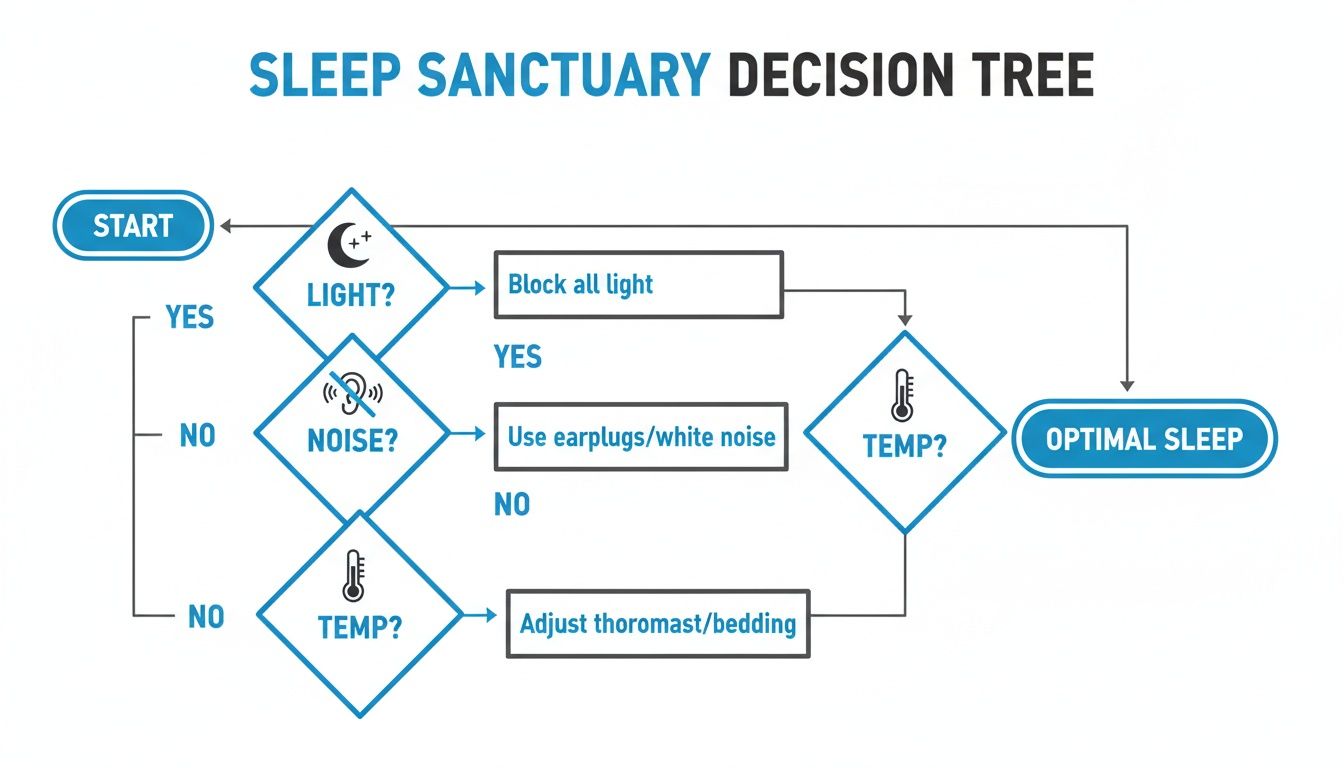
This visual guide shows how systematically tackling disruptions is the fastest route to a better sleep environment. When you take control of these factors, you create a space that actively encourages deep, uninterrupted rest.
Remember, consistency is way more important than perfection. Just start with one or two small changes, like using a DubsLabs Total Dark Sleep Mask to get complete darkness or setting a consistent bedtime. Once those become second nature, you can build from there.
Your journey to deeper sleep starts with these simple, actionable steps. By focusing on your Mind, Body, Habits, and Environment, you're giving yourself the practical tools you need to finally get the restful nights you deserve.
Your Questions About Restless Sleep, Answered
Working your way toward better rest often brings up a few questions. Let's tackle some of the most common ones we hear about what causes a rough night and how to finally get some solid sleep.
How Long Does It Take to Improve My Sleep?
This is the big one, right? While some changes offer instant gratification—think blackout curtains or a quality sleep mask—the real, lasting improvements are built on new habits.
You might start feeling a noticeable difference within a week of being consistent. But to truly reset your body's internal clock, you're probably looking at several weeks. Remember, patience is your best friend here.
The key is consistency. Small, steady changes compound over time. This approach leads to much more significant and lasting improvements than trying to overhaul your entire life overnight.
Can Certain Foods Really Cause a Bad Night's Sleep?
Without a doubt. Caffeine is the most obvious culprit; it's a powerful stimulant that can hang around and disrupt your sleep for up to 10 hours after you have it. And while a glass of wine might make you feel sleepy at first, alcohol actually sabotages your sleep later in the night, preventing you from getting into those deep, restorative stages.
It’s not just about what you drink, either. Heavy, spicy, or super sugary meals too close to bedtime can lead to indigestion and general discomfort, which is a surefire recipe for waking up all night.
When Should I See a Doctor?
If your restless nights come with loud snoring, gasping for air, or an overwhelming urge to move your legs, it's time to talk to a professional. These could be signals of an underlying issue like sleep apnea or Restless Legs Syndrome (RLS).
Bottom line: when poor sleep starts seriously messing with your daily life, professional guidance is the next logical step.
For those nights when your sleep sanctuary needs an extra layer of comfort and darkness, explore the sleep-enhancing products from DubsLabs. Discover how our tools can support your journey to deeper, more restorative rest at https://www.dubslabs.com.