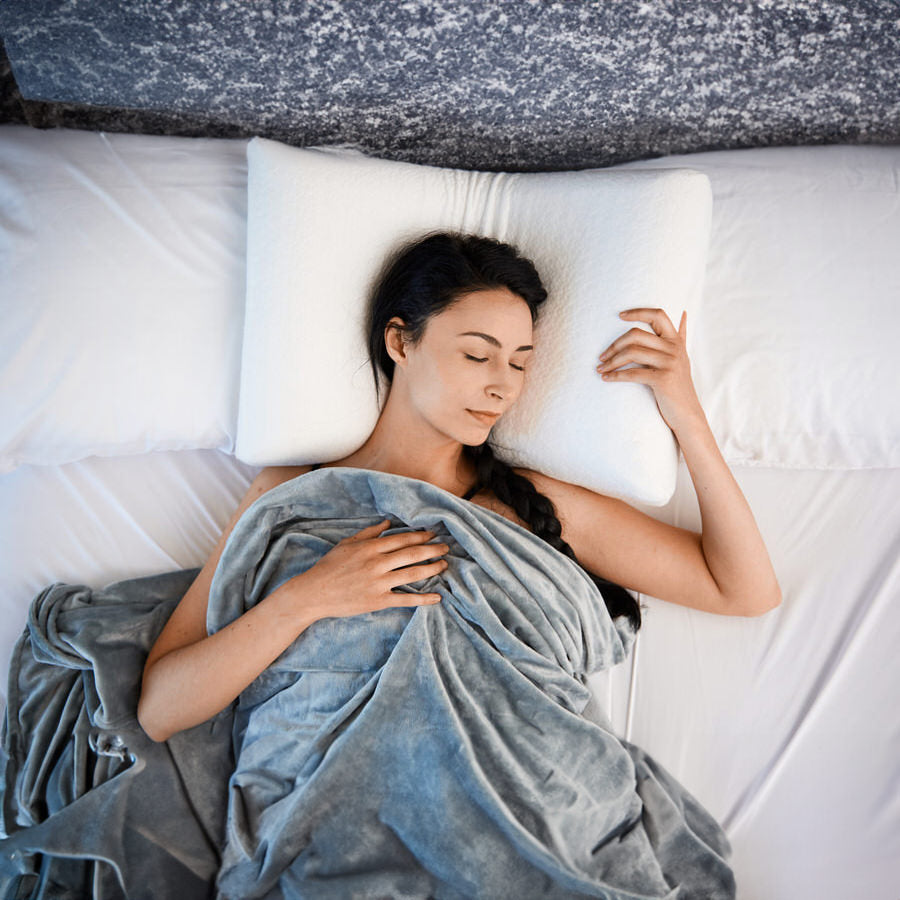
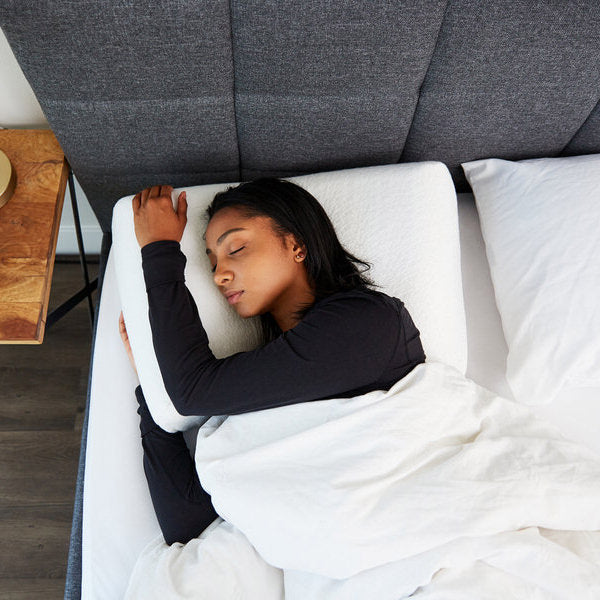
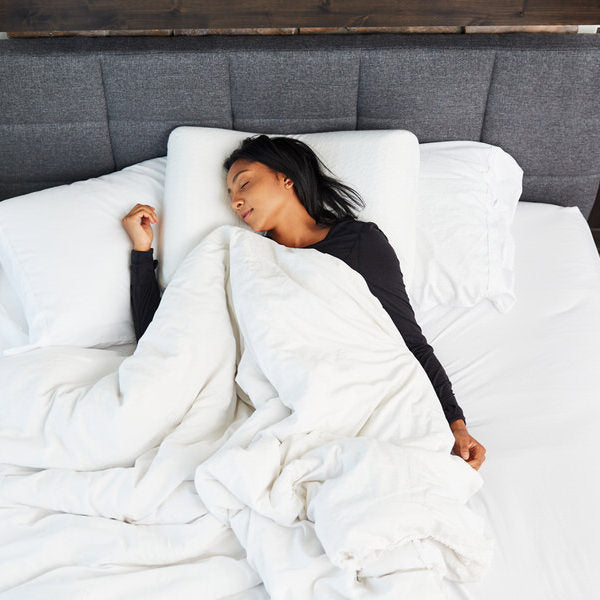
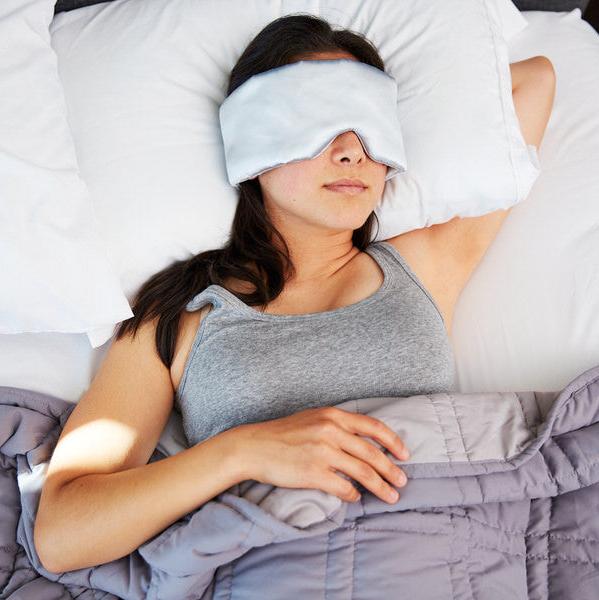
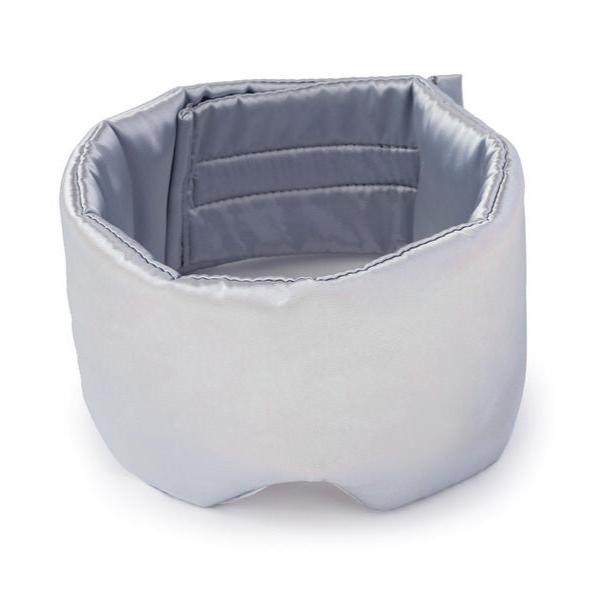
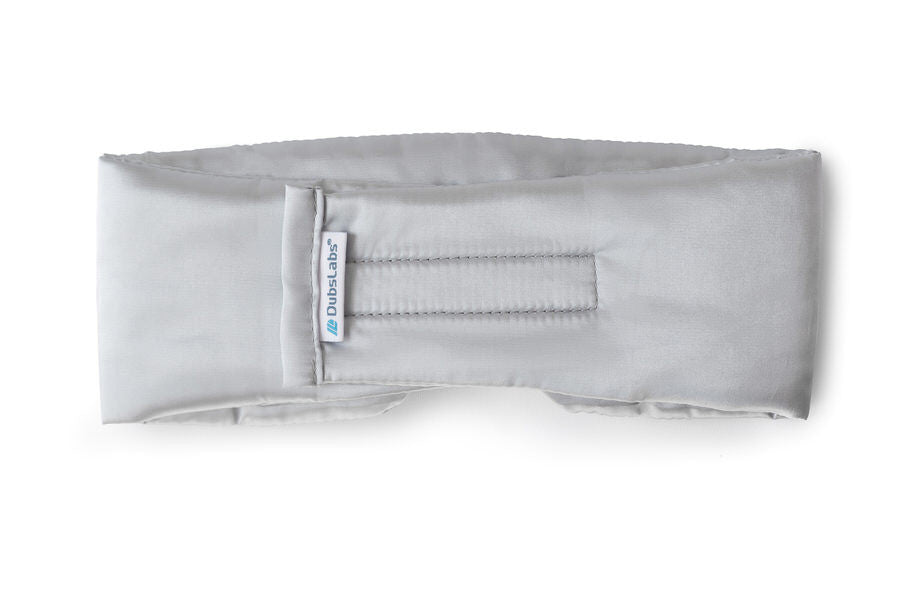
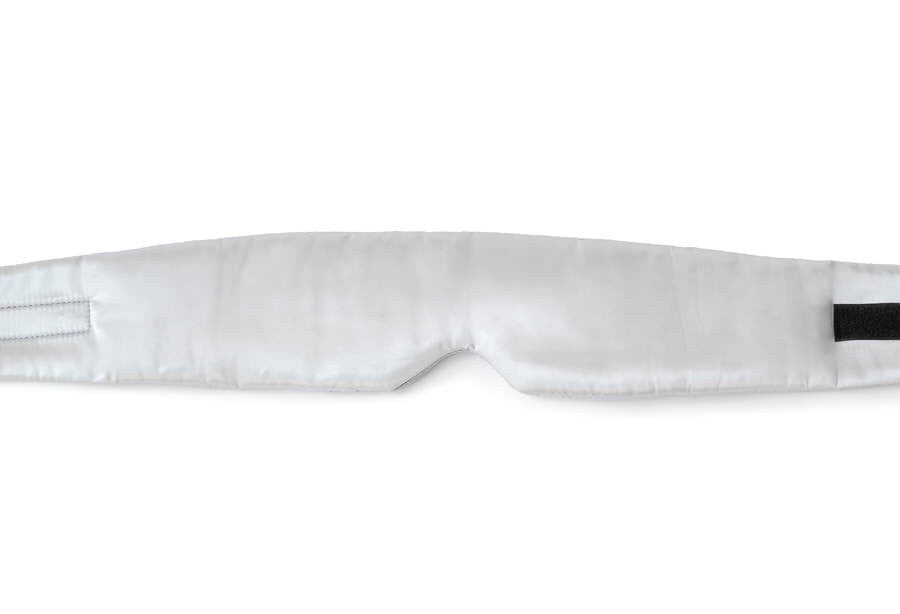
A sleep mask with headphones is exactly what it sounds like: a hybrid sleep aid that marries a light-blocking eye mask with a pair of super-thin, integrated speakers. It’s a clever tool that tackles the two biggest enemies of quality rest—light and noise—by wrapping you in your own private sensory bubble. The goal is simple: block out 100% of distracting light while you listen to calming audio, helping you drift off faster and stay asleep longer.
The Modern Fix for Interrupted Sleep
In a world buzzing with artificial light and non-stop noise, getting deep, restorative sleep can feel like a losing battle. We’ve all been there, trying everything from bulky headphones that make your ears ache to flimsy masks that let light seep in around the edges. You end up more frustrated than rested. The sleep mask with headphones was born to solve both problems at once, creating a personal cocoon that signals to your brain it’s finally time to switch off.
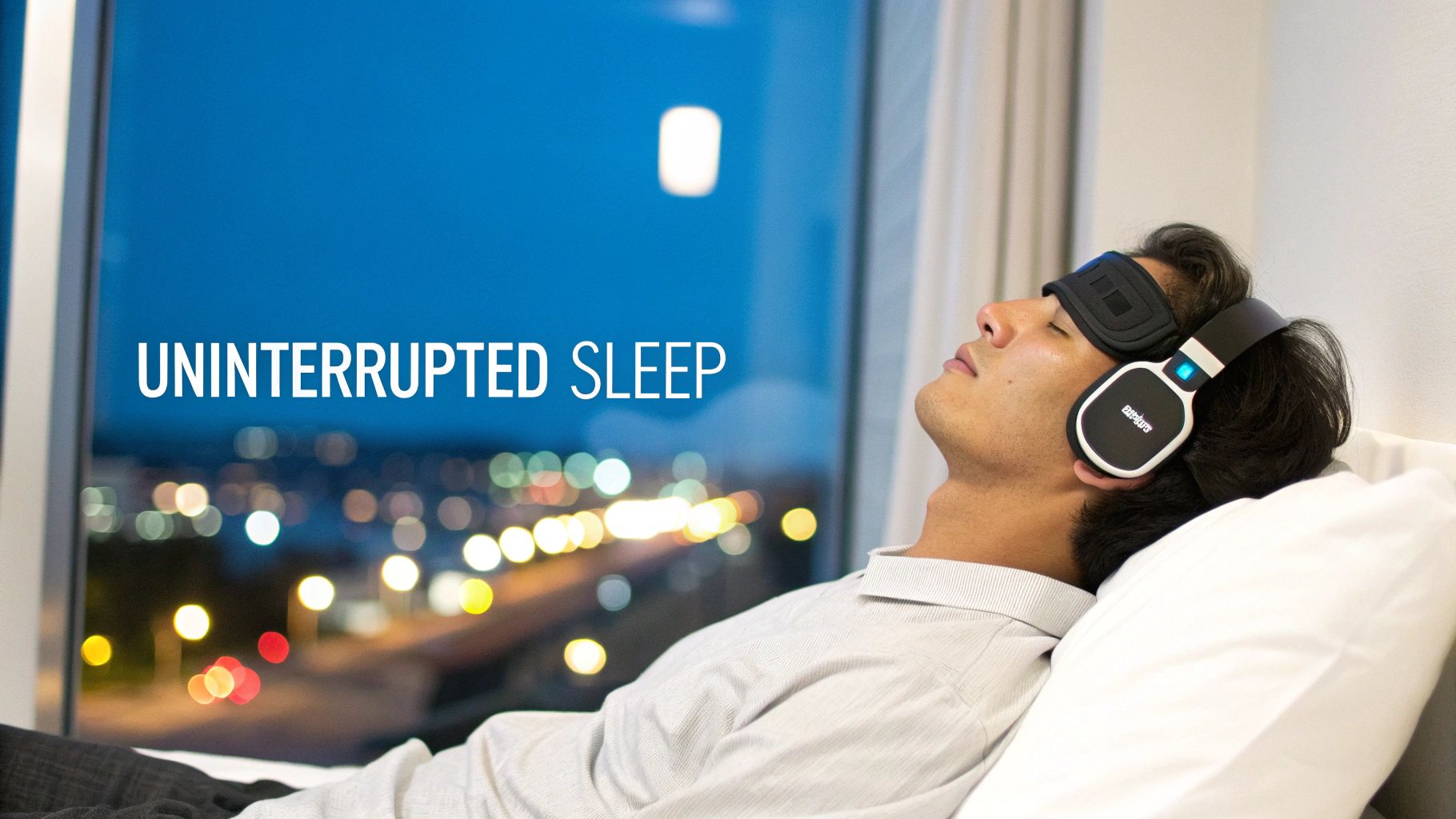
This dual-action approach is surprisingly effective. By shutting out all light, the mask helps your brain naturally produce melatonin, the hormone that governs your sleep-wake cycle. At the same time, the built-in headphones can play soothing audio—think white noise, guided meditations, or gentle music—to drown out jarring sounds from the outside world.
A Growing Demand for Better Sleep
This isn't just some niche gadget; it’s a direct response to a worldwide need for better rest. As more of us learn about sleep hygiene, the hunt for effective solutions has exploded. The global market for Bluetooth sleep masks, valued around $250 million in 2025, is expected to grow at a compound annual rate of 15% through 2033. That kind of growth shows a real collective shift toward making rest a priority in our hectic lives.
While a sleep mask with headphones is a fantastic tool for managing light and noise, it works best as part of a larger sleep strategy. You can also explore proven techniques for natural and restful sleep to build a solid nighttime routine. By understanding how all these pieces fit together, you can finally reclaim your nights and wake up feeling genuinely refreshed.
How Light and Sound Blockouts Enhance Your Sleep
Think of your brain as a super-sensitive control center. Before it can hit the "sleep" button, it needs clear, unmistakable signals from your environment. A sleep mask with headphones is designed to send those exact signals by creating a personal sensory cocoon, taking on the two biggest enemies of deep rest: unwanted light and disruptive sound.
It’s a powerful one-two punch that works with your body's natural rhythms, not against them. By creating total darkness, the mask tells your brain it's time to pump out melatonin. At the same time, the audio from the headphones masks any sudden noises, letting your mind relax without being constantly jolted back to high alert.
The Power of Total Darkness
Your body runs on an internal 24-hour clock called a circadian rhythm, and its main cue is light. When your eyes detect darkness, it’s the trigger for your brain’s pineal gland to release melatonin, the hormone that makes you feel sleepy. The problem is, even tiny bits of light from a digital clock, a streetlamp, or your phone can throw a wrench in that whole process.
A good sleep mask basically creates an artificial nighttime, right over your eyes, ensuring 100% light blockage. This sends a powerful, non-stop signal to your brain to max out its melatonin production.
This isn't just about feeling cozy; it's about biology. By guaranteeing complete darkness, you're directly helping your body do its job to prepare for and maintain deep, restorative sleep.
The result? You fall asleep faster and are much more likely to stay in those deep sleep stages that are so critical for feeling sharp and rested the next day. You can learn way more about the incredible benefits of sleeping in total darkness and what it does for your health.
Quieting the World with Auditory Masking
While darkness gets your body ready for bed, a quiet environment lets your mind settle down. But let’s be real—our world is almost never truly quiet. A car horn, a snoring partner, or a dog barking can all trigger a "startle" response that yanks you right out of a light sleep.
This is where auditory masking comes into play.
Imagine trying to have a private chat in a dead-silent library versus a busy coffee shop. In the library, you can hear every little whisper. But in the coffee shop, the constant hum of conversation and espresso machines—the "white noise"—drowns out individual sounds, making them way less distracting.
A sleep mask with headphones works on that exact same principle. By playing a consistent, gentle sound, it raises the baseline level of noise your brain is paying attention to.
- Steady Sounds: Think of white noise, pink noise, or ambient sounds like rainfall as a constant sonic blanket.
- Masking Effect: This blanket makes sudden, jarring noises (like a door slamming) much less likely to startle you awake.
- Mental Focus: It gives your racing mind a calm, predictable sound to latch onto, which can be a huge help in quieting anxious thoughts.
Beyond just blocking sound, you can also actively manage your sound environment to seriously upgrade your sleep. It might be worth looking into something like a dedicated white noise sleeping aid instrument to build that perfect, tranquil space.
By taking control of both your light and sound, you create the ideal conditions for your body and mind to finally surrender to sleep, night after night.
Finding Your Perfect Sleep Mask Companion
Picking out a sleep mask with headphones is a lot like choosing a mattress—what’s a dream for one person can be a total nightmare for another. It isn't about finding the absolute "best" one on the market. It's about finding the one that fits you—your sleep style, your needs, and whatever challenges keep you up at night.
The right mask becomes an invisible part of your routine, something you don't even notice. The wrong one? It's just a constant, nagging distraction.
This guide will break down the must-have features so you can cut through the marketing fluff and focus on what really matters. We’ll look at everything from the freedom of going wireless to why the thickness of the headphones is a dealbreaker, especially if you're a side sleeper. By the end, you'll have a clear checklist to find a mask that feels like it was made just for you.
This decision tree gives you a simple way to map out your main sleep hurdles and find the right path to fixing them.
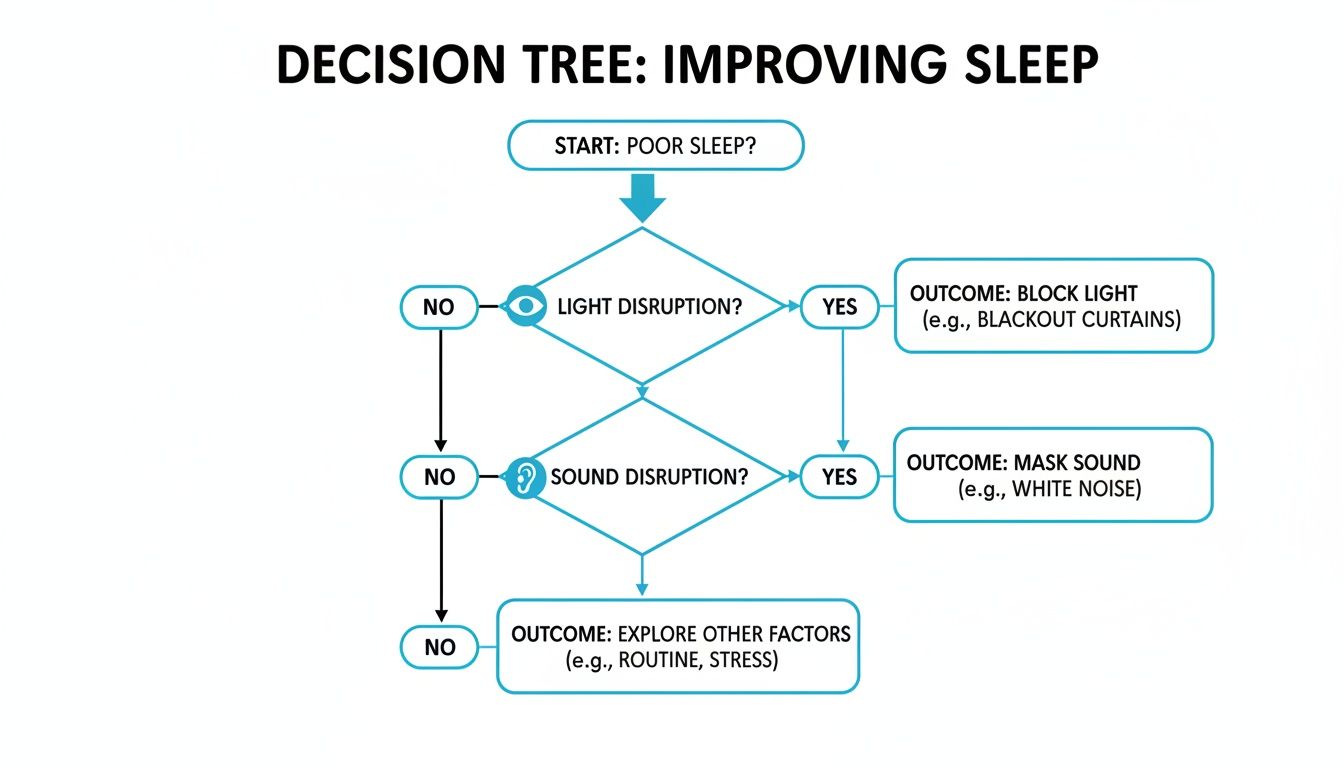
As you can see, most sleep issues circle back to the same two culprits: light and sound. And that's exactly what these masks are built to handle.
Wired Freedom Versus Wireless Simplicity
One of the first forks in the road you'll hit is choosing between wired and wireless. This decision really shapes your nightly experience with the mask, so it’s worth thinking about your own habits. It’s kind of like the difference between a trusty old landline that’s always ready and the grab-and-go ease of a smartphone.
To help you decide, let's break down the pros and cons of each.
Feature Comparison for Wired vs Wireless Sleep Headphones
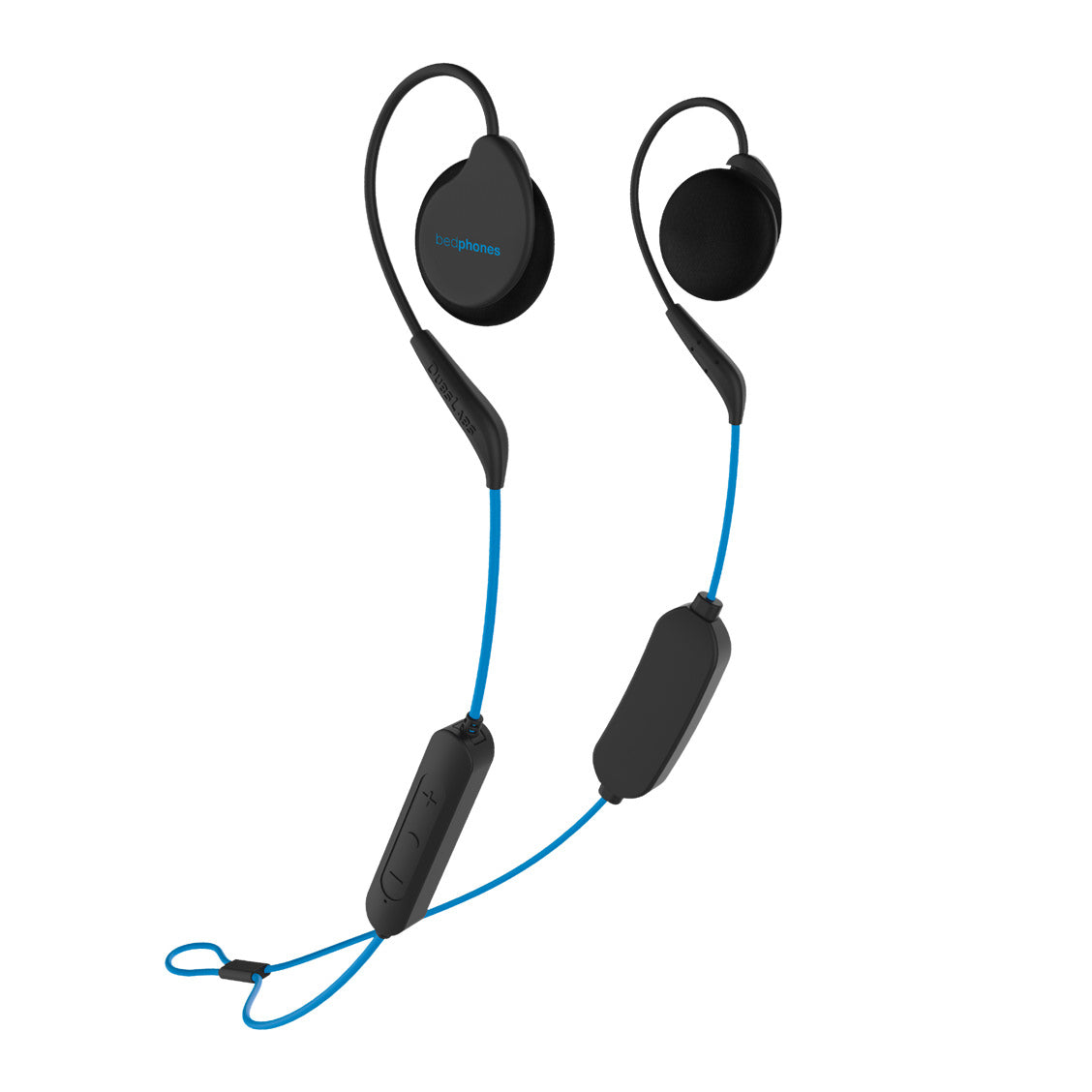
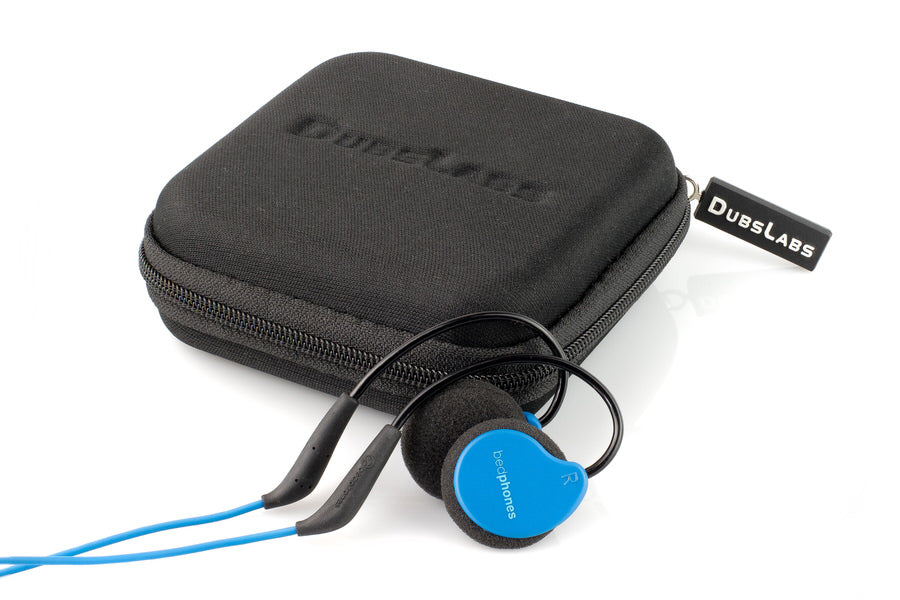
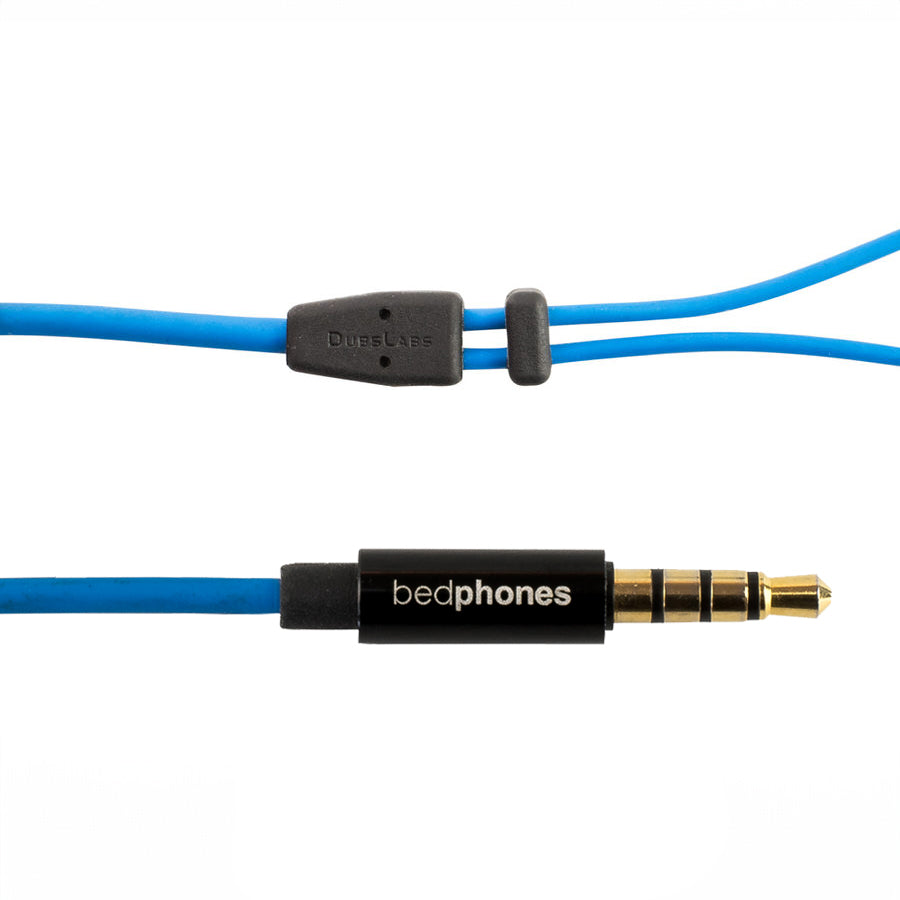
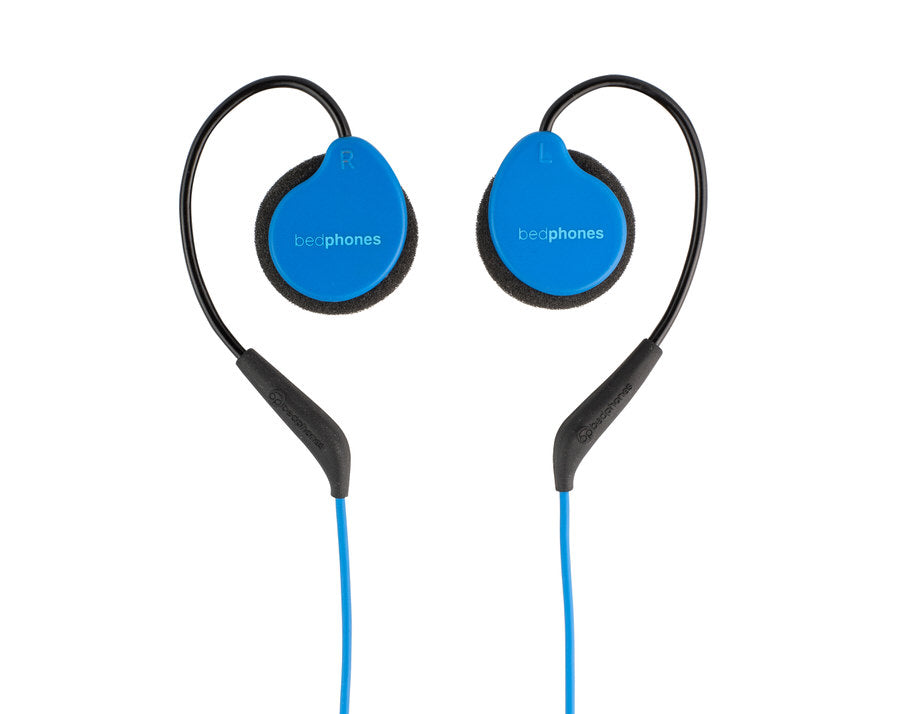
| Feature | Wired Sleep Headphones (e.g., DubsLabs Bedphones Wired) | Wireless (Bluetooth) Sleep Headphones |
|---|---|---|
| Reliability | Always on. No battery to charge or die mid-slumber. | Requires charging. A dead battery means a silent, music-free night. |
| Convenience | Plug and play. No pairing, no connection drops, just instant audio. | Cable-free. Total freedom to toss, turn, and move without getting tangled. |
| Sound Quality | Can offer slightly better, more consistent audio quality. | High-quality audio, but susceptible to occasional Bluetooth interference. |
| Best For | People who value reliability and simplicity, and don't move a lot at night. | Side sleepers, restless sleepers, and anyone who hates cable clutter. |
| Potential Downside | The cord can get tangled if you're a very active sleeper. | You have to remember to charge it. Look for models with 10-12 hours of battery life. |
Ultimately, the market is voting with its wallet. The preference for untethered rest is clear—the global sleep headphones market was valued at $92 million in 2024 and is expected to hit $160 million by 2032. Wireless Bluetooth models are leading the charge, making up a massive 79.60% of that market, largely thanks to the tangle-free experience they offer.
The Make-or-Break Detail for Side Sleepers
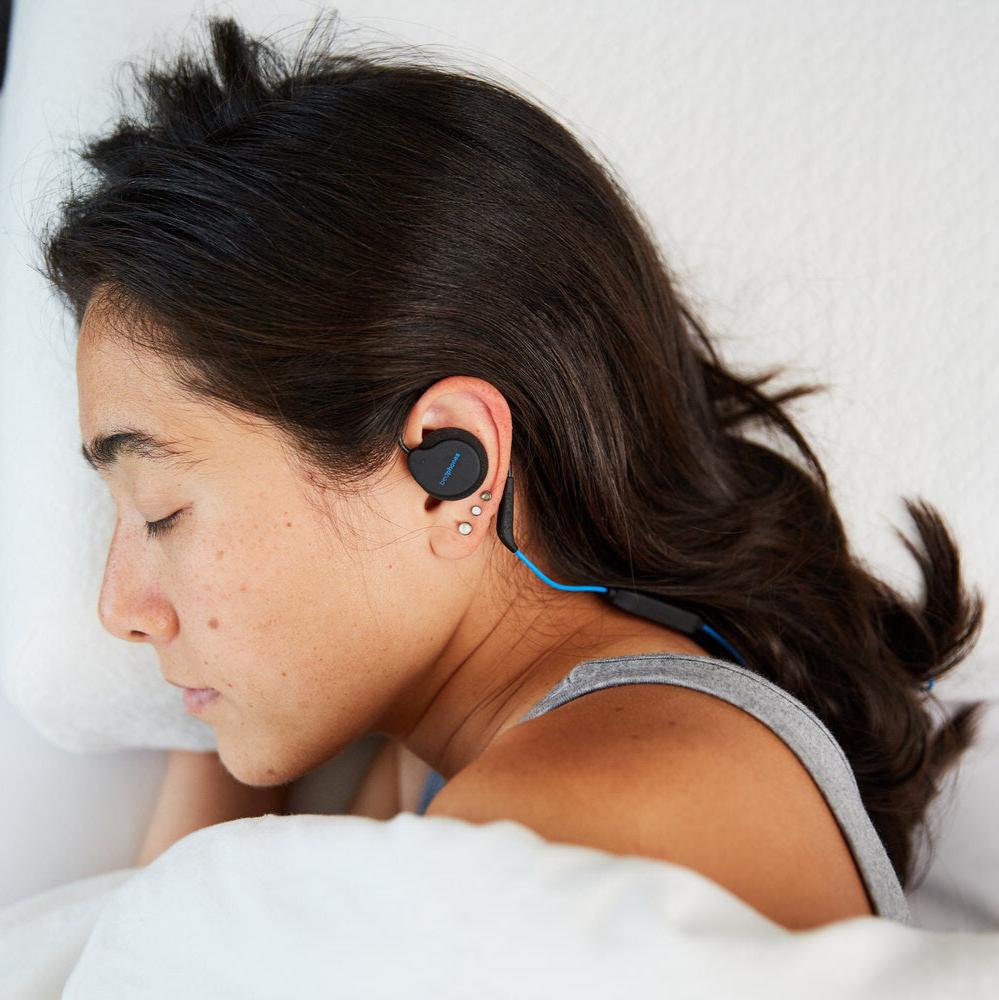
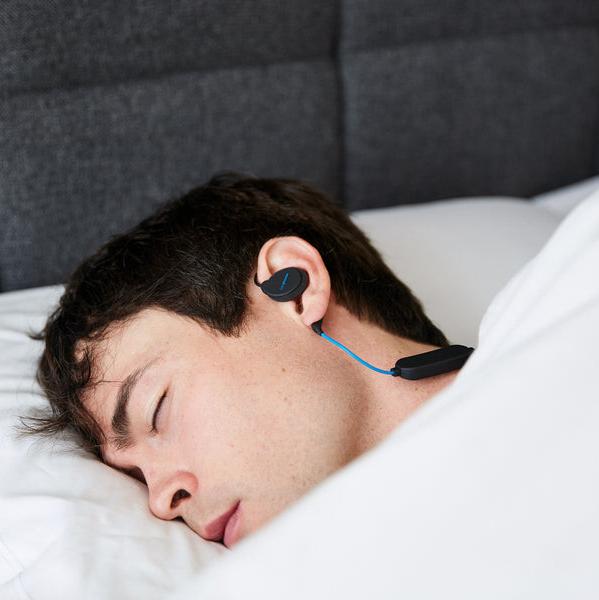
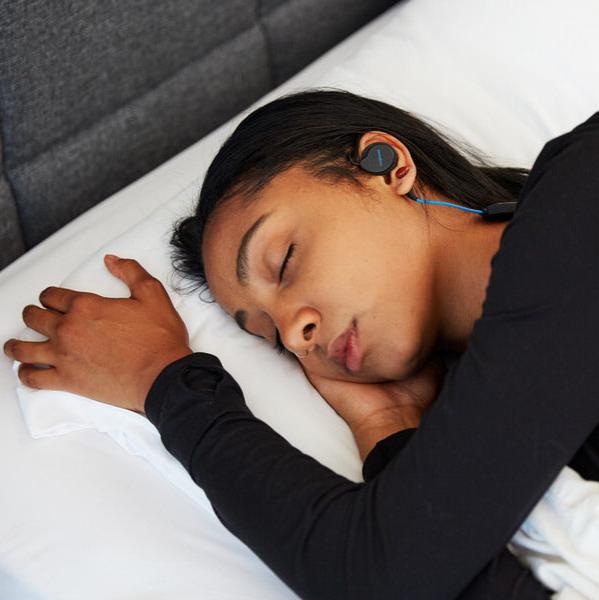
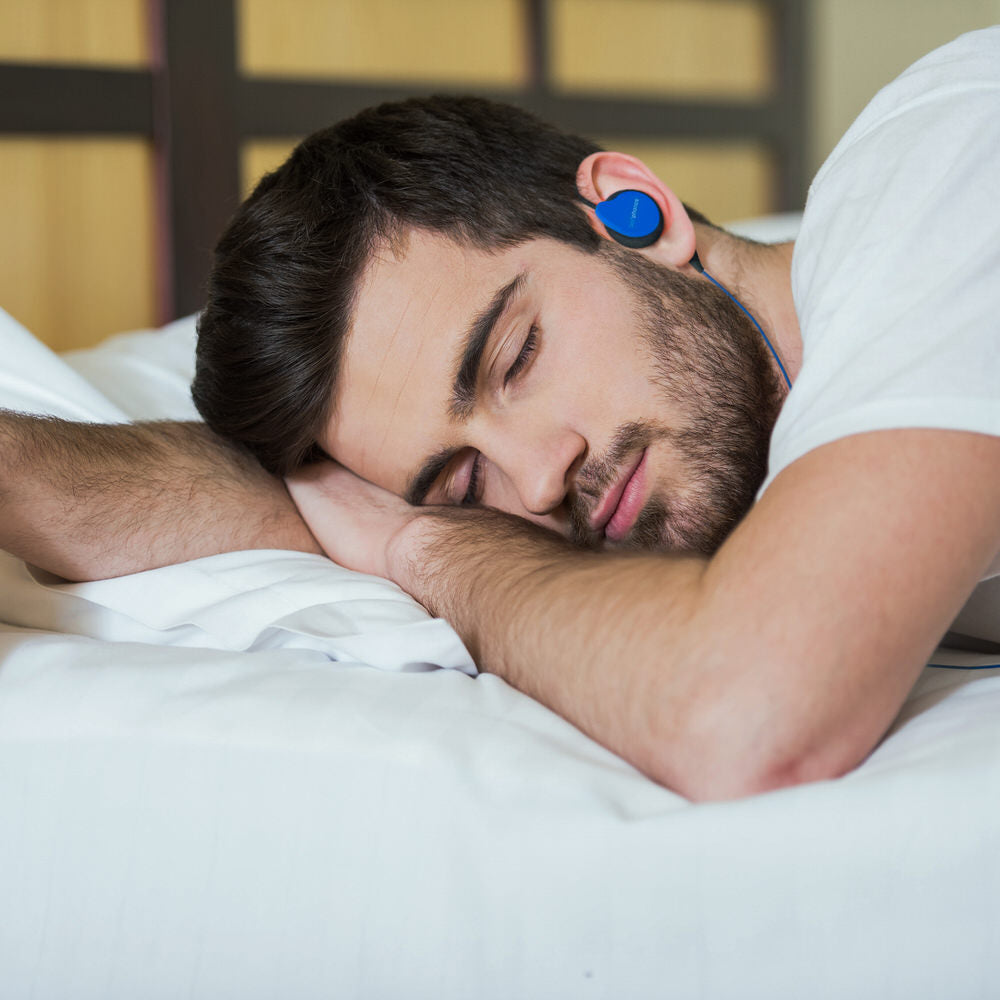
For anyone who sleeps on their side, one feature trumps all others: the thinness of the headphones. This is a non-negotiable. Traditional earbuds, or even slightly bulky on-ear speakers, will create a painful pressure point between your ear and the pillow. The result is soreness and a night of tossing and turning.
A great sleep mask with headphones for a side sleeper should make you forget the speakers are even there. The goal is zero pressure and complete comfort, no matter how you position your head.
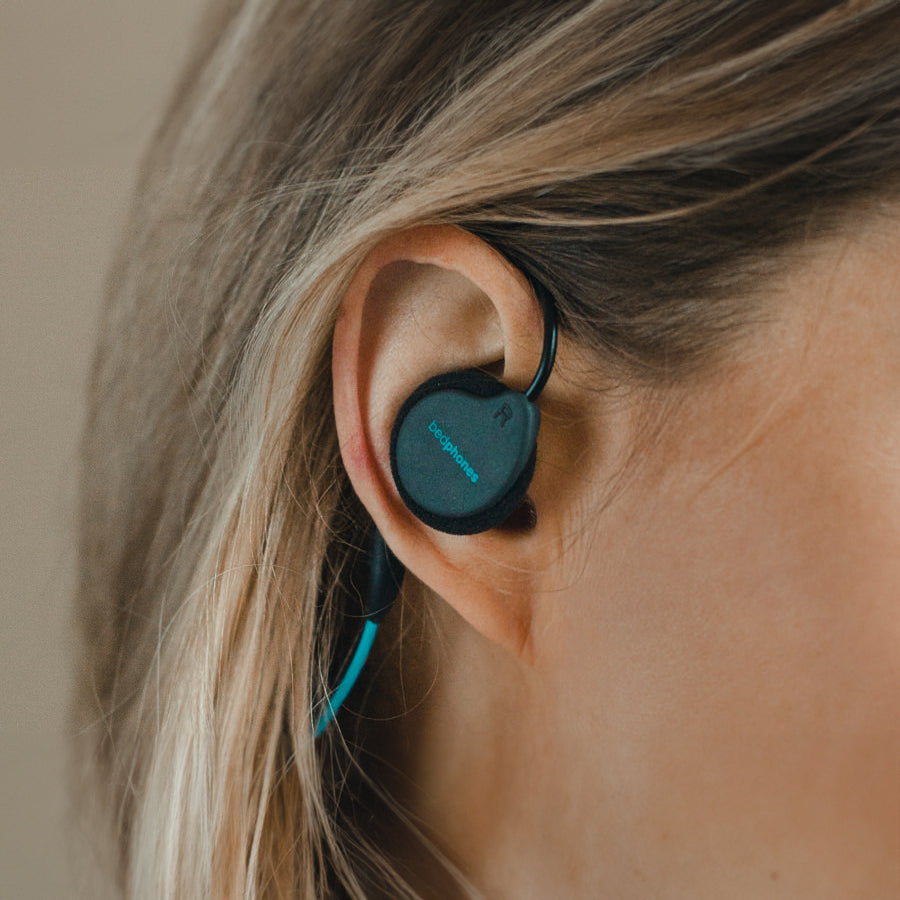
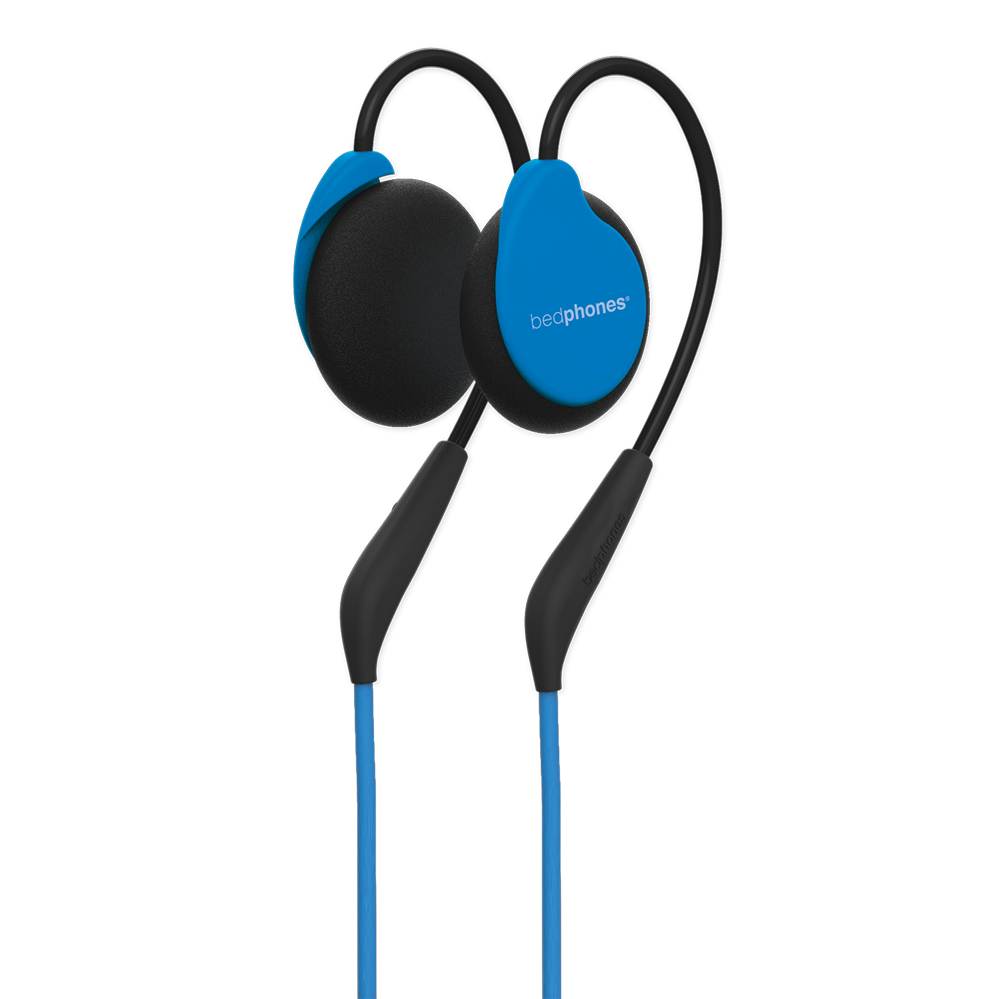
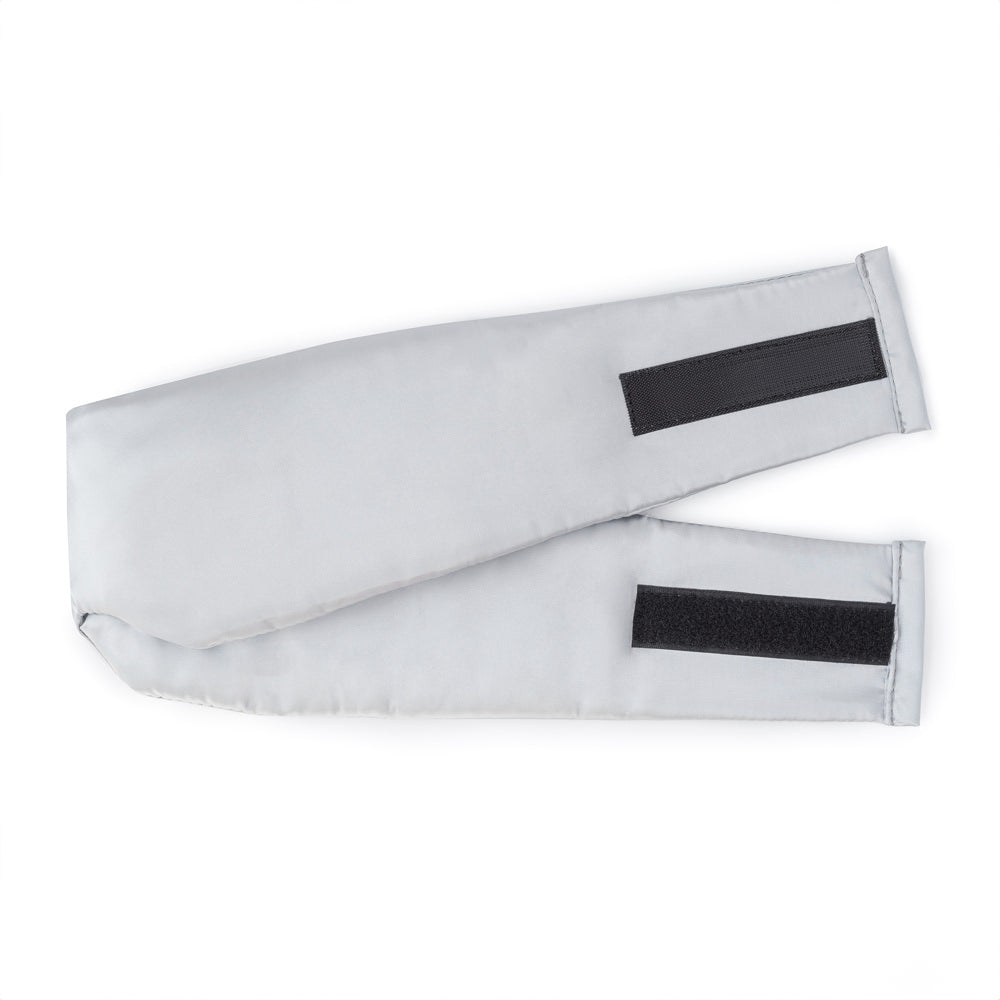
You want to look for headphones described as ultra-thin, flat, or heavily cushioned. These speakers are usually just a few millimeters thick and are nestled inside soft fabric or foam, letting them compress without digging into your ear. The best masks also let you slide the speakers around inside the headband to get them positioned perfectly for your ears.
Materials and Fit: The Foundation of Comfort
Beyond the tech, the mask itself has to be ridiculously comfortable. The materials touching your face for eight hours a night and the overall design are critical. An ill-fitting mask that puts pressure on your eyes or lets light creep in is pretty much useless, no matter how good the audio is.
For a complete breakdown, check out our guide on finding the best eye mask for sleep.
But here are the two key elements to look for:
-
Breathable, Soft Fabrics: Materials like memory foam create a plush, contouring seal that blocks out light without feeling constricting. Silk is another fantastic choice, especially for sensitive skin, because it reduces friction and stays cool to the touch.
-
A No-Pressure Design: The best masks have molded, concave eye cups. These create a little dome over each eye, which means you can blink freely and there's zero contact with your eyelids or lashes. This is a huge deal for protecting your natural REM sleep cycle.
Finding the Right Sleep Mask for Your Lifestyle
A sleep mask with headphones isn't a one-size-fits-all gadget. Think of it more like a specialized tool that can solve a whole host of sleep challenges. The real magic happens when you match its features to what’s actually keeping you up at night. It's about personalizing your path to better rest, whether you're battling anxiety or just trying to find some peace on a noisy flight.
The key is to understand what your main obstacles to rest are. Once you nail that down, you can pinpoint the features that will make the biggest difference, turning a simple accessory into a non-negotiable part of your nightly routine.
For the Anxious Mind That Races at Night
If your brain kicks into overdrive the moment your head hits the pillow, you know how maddening that cycle of anxious thoughts can be. For you, a sleep mask with headphones is more than just a sleep aid—it’s a tool for creating a calm, mindful space where your brain can finally switch off.
By combining total darkness with soothing audio, you’re essentially building a buffer against those intrusive thoughts. The complete light blockage helps trigger your body’s natural melatonin production, while the audio gives your mind something peaceful to focus on. This is a huge deal, especially when you consider that a staggering 27% of people worldwide suffer from sleep disorders. For those struggling with anxiety, studies show this combination can lead to a 15% improvement in sleep scores. It's no surprise that wireless models now hold an 80% share of a rapidly growing market, as detailed in this analysis of the global sleep crisis at Accio.com.
Look for these specific features:
- Seamless Bluetooth Connectivity: A rock-solid connection is a must. You need to stream guided meditations, calming podcasts, or ASMR without frustrating dropouts.
- Intuitive Controls: The last thing you want is to be fumbling for your phone and getting blasted with bright screen light just to adjust the volume. Easy-to-reach controls on the mask are essential.
- Plush, Comfortable Materials: A soft, memory foam mask provides a gentle, comforting pressure that can actually enhance feelings of security and relaxation.
For the Frequent Traveler Seeking Consistency
If you practically live out of a suitcase, you know that consistent sleep is a rare luxury. Unfamiliar hotel rooms, buzzing airplane cabins, and jet lag can completely wreck your internal clock. A sleep mask with headphones becomes your portable sleep sanctuary, letting you create a familiar and restful environment no matter where you are.
The real trick for travelers is to replicate the sensory cues of their home bedroom. By blocking out the blinking lights of hotel electronics and masking the sounds of hallway chatter, you can trick your brain into feeling like it’s in a safe, familiar space.
This consistency helps you fall asleep faster and adjust to new time zones more easily. It’s all about taking back control of your environment instead of being at its mercy.
Your travel-ready checklist should include:
- Long Battery Life: Look for a model with at least 10-12 hours of playtime. You need it to last through a long-haul flight without dying mid-journey.
- A Compact, Durable Case: A protective case is non-negotiable. It keeps your mask clean and prevents it from getting crushed in your carry-on.
- Superior Light Blocking: A mask with a contoured nose baffle is key for blocking out the stubborn light leaks in an airplane cabin or a poorly curtained hotel room.
For the Light-Sleeping Parent or Partner
When you share your space with others, your sleep is often at the mercy of their schedule and noise levels. A snoring partner, a restless child, or someone else's early-morning alarm can be constant sources of disruption. For you, a sleep mask with headphones offers a way to selectively tune out disturbances without completely disconnecting from your surroundings.
The goal here isn't total noise cancellation, but effective noise masking. You want to muffle the jarring sounds that wake you up, but still be able to hear important things, like a crying baby or a smoke alarm.
Focus on these crucial elements:
- Ultra-Thin Speakers: This is the single most important feature, especially if you're a side sleeper. Thin, cushioned speakers won't create painful pressure points on your ears.
- Adjustable Volume Control: Precise volume control lets you find that sweet spot where disruptive noises are drowned out, but you still remain aware of your environment.
- Breathable, Washable Fabric: Let's be real—a mask that gets used every night needs to be easy to clean. Look for models with removable electronics and machine-washable fabric to keep things fresh.
Getting the Most from Your Sleep Headphones
Unboxing your new sleep mask with headphones is just the beginning. To really turn it from a neat gadget into an essential part of your nightly wind-down, you have to know how to set it up for perfect comfort, build a soothing audio library, and take care of it properly. Think of it like breaking in a new pair of shoes—a little effort up front makes all the difference.
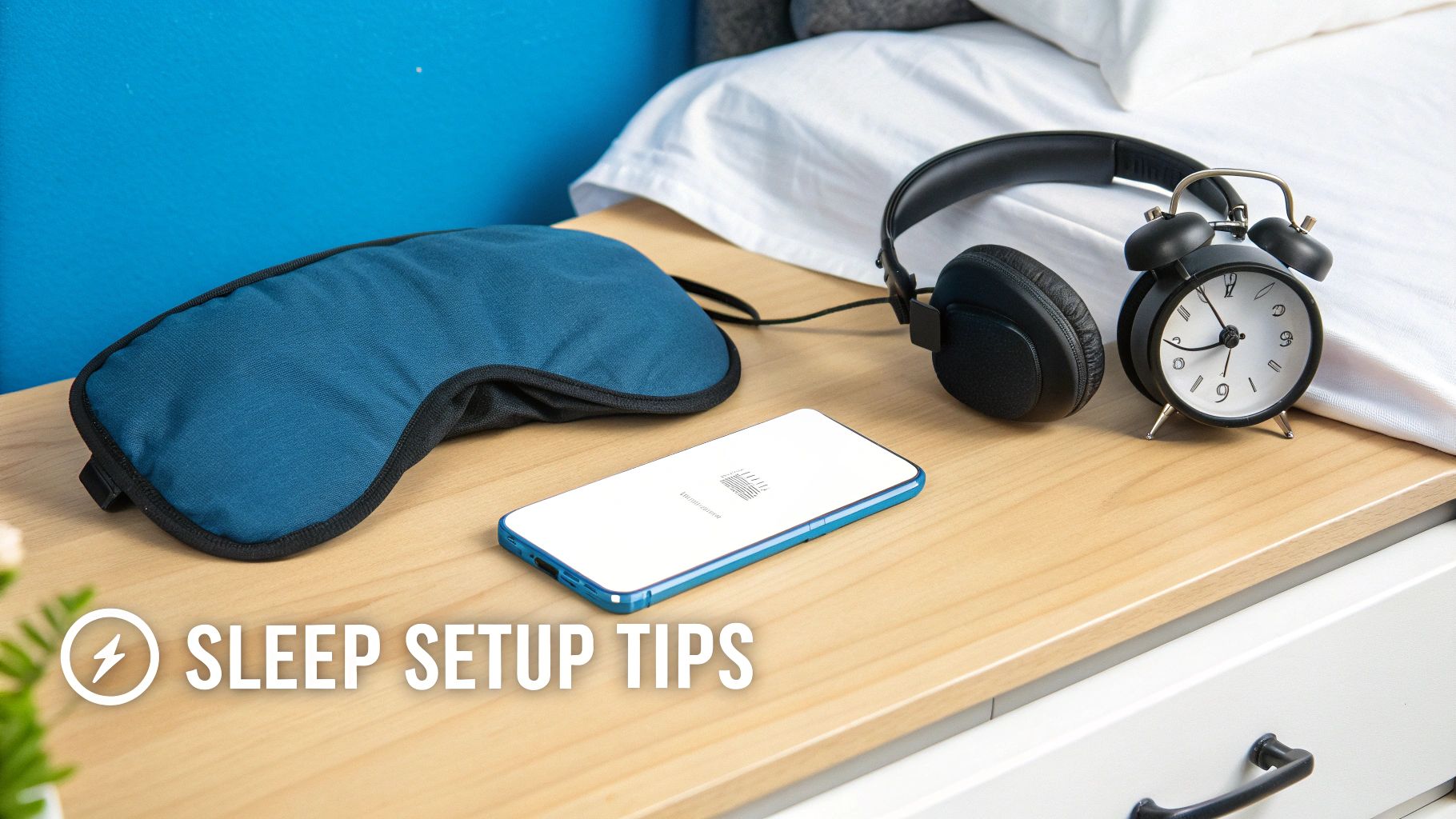
This guide will walk you through the essentials, from the first time you put it on to long-term maintenance. Following these tips ensures your mask stays a reliable, comfy, and effective ally in your quest for deeper, more restorative rest every single night.
Your Initial Setup for Perfect Comfort
Getting your sleep mask dialed in correctly from day one is everything. Seriously, a few minutes of adjustment can be the difference between a frustrating gadget and a seamless sleep experience. The goal is a fit so perfect you forget you’re even wearing it.
First, let's get it paired. Most modern masks use Bluetooth 5.0 or higher for a rock-solid connection. Just press and hold the power button on the mask for a few seconds until you see a little light blink, then find and select it in your phone’s Bluetooth menu. Easy peasy.
Next, let’s tackle the physical fit:
- Adjust the Strap: You want it snug, but not tight. The strap should rest comfortably around the base of your skull, holding the mask in place without squeezing.
- Position the Eye Cups: If your mask has adjustable cups, shift them around until they create a complete blackout seal around your eyes with zero pressure on your eyelids.
- Place the Speakers: This is crucial, especially for side sleepers. Slide the little internal speakers until they sit perfectly over your ears. This makes sure the sound is clear without creating annoying pressure points.
Building Your Ideal Sleep Soundtrack
What you listen to is just as important as the mask itself. You’re looking for sounds that relax your mind without being so interesting that they keep you awake. It’s worth experimenting a bit to find what really works for you.
A well-curated sleep library gives your mind a peaceful, predictable soundscape to latch onto, which helps quiet the mental chatter that keeps so many of us up at night. You’re essentially replacing disruptive noise with intentional calm.
Not sure where to start? Try these popular options:
- White or Brown Noise: These steady, constant sounds are fantastic for masking sudden noises like a barking dog, city traffic, or a snoring partner.
- Guided Meditations or Hypnosis: Apps like Calm or Headspace have entire libraries of tracks designed specifically to ease anxiety and gently guide you into sleep.
- ASMR (Autonomous Sensory Meridian Response): For some people, gentle sounds like whispering, soft tapping, or crinkling paper are incredibly relaxing.
- Nature Sounds: You can't go wrong with the classics. The sound of gentle rain or ocean waves is a timeless way to create a serene atmosphere.
Care and Safety Best Practices
Taking proper care of your mask keeps it hygienic and working like new, while being mindful of volume protects your hearing. For a deeper dive, our guide on how to sleep with headphones has even more tips.
Most quality masks are designed to be washable, but you must remove the electronics first. Look for a small opening and gently slide the control module and speakers out. Then, you can hand wash the fabric part with a mild detergent and let it air dry.
Finally, a quick word on volume. The audio should be just loud enough to mask outside sounds, not blast them away. Listening at low levels is better for your long-term hearing and ensures you can still hear important things, like a smoke detector. It’s also a good idea to set your primary morning alarm to play through your phone’s main speaker, not the mask, just to be sure you wake up on time.
Got Questions? We've Got Answers
Even after digging into all the details, you might still have a few practical questions about bringing a sleep mask with headphones into your nightly routine. That's perfectly normal. Anytime you mix comfort, tech, and sleep, a few specific "what ifs" are bound to pop up.
This is where we tackle the most common questions head-on. We'll give you clear, straightforward answers to help you feel totally confident about how these masks actually work in the real world, from washing them to whether you'll still hear your alarm.
Are Sleep Masks With Headphones Actually Comfortable for Side Sleepers?
Absolutely, but this is where the design of a sleep mask with headphones is make-or-break. For side sleepers, it all comes down to how thick the built-in speakers are and where they sit. The best ones have ultra-thin, flat, or heavily cushioned speakers that are specifically made to avoid creating a painful pressure point on your ear when you're lying on your side.
Cheaper, bulkier headphones will almost certainly leave you with a sore ear. It's so important to look for products that are explicitly marketed for side sleeping, because those manufacturers have prioritized this feature above all else.
A huge feature to look for is adjustability. Many top-tier masks let you slide the speakers around inside the headband. This little bit of customization means you can find that perfect, pressure-free sweet spot for your ear, ensuring a comfortable night no matter how you toss and turn.
Can I Wash My Sleep Mask if It Has Electronics Inside?
Yes, most quality sleep masks with headphones are designed to be washable, which is a must for good hygiene. The trick is that the electronic guts—the speakers, wires, and the main control module—are almost always removable. This is a crucial design feature that separates a well-made mask from a disposable one.
Usually, you'll find a small, discreet opening somewhere in the mask's lining. Through that little slot, you can carefully slide out all the electronic bits. Once they're safely out of the way, you can get to cleaning the fabric part.
- Hand Washing is Best: Gently hand wash the fabric mask with a mild detergent in cool water. This is the safest way to keep its shape and softness intact.
- Air Dry Completely: After rinsing it out, lay the mask flat on a towel to air dry. Whatever you do, don't throw it in a machine dryer; the high heat can wreck the fabric and elastic.
- Reassemble Carefully: Once the mask is 100% dry, just slide the electronics back in, making sure you get the speakers positioned correctly over your ears again.
Always give the manufacturer's specific care instructions a quick read before the first wash. It's the best way to protect your investment and make sure it lasts.
Will I Still Hear My Alarm in the Morning?
This is a really common and totally valid concern. For most people, the answer is a reassuring yes. Unlike noise-canceling earbuds that create a tight seal in your ear canal, the speakers in a sleep mask just rest gently on or over your ear. This design gives you passive noise isolation, not complete sound blocking.
Because of this, a loud alarm from your phone or a bedside clock should still cut through. That said, its effectiveness can depend on a few things: how loud your alarm is, how loud the audio is playing in the headphones, and just how deeply you personally sleep.
If you absolutely cannot be late, it’s a good practice to set your alarm to play through your phone's main speaker instead of just relying on the Bluetooth connection. It's always smart to do a test run on a weekend or a non-essential morning first to figure out what setup works best for you.
Is an Integrated Mask Better Than Separate Components?
This choice really boils down to personal preference, weighing convenience against customization. An integrated sleep mask with headphones is an awesome all-in-one solution that's simple to use and perfect for travel. You don't have to worry about separate pieces to forget or lose; you just grab it and go.
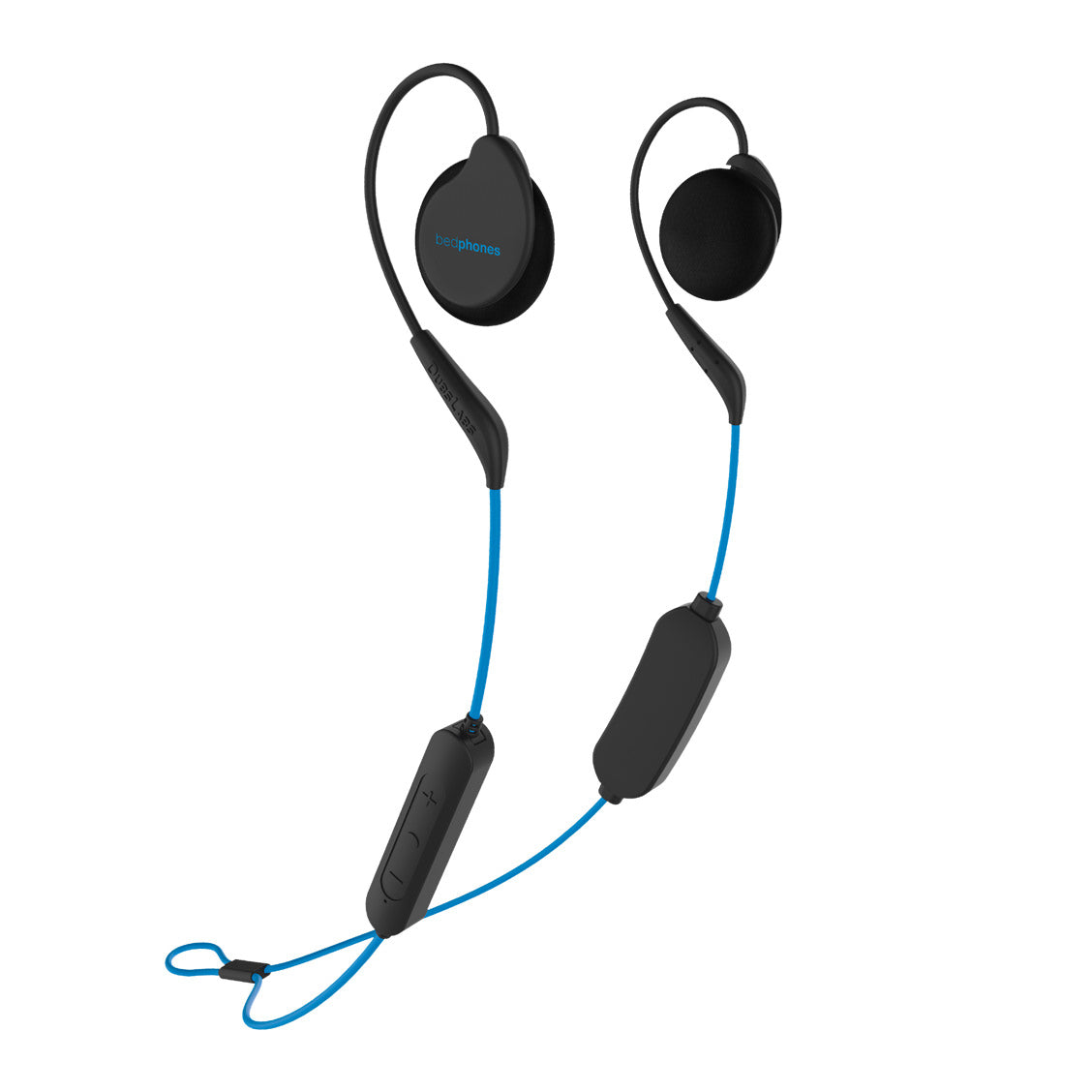
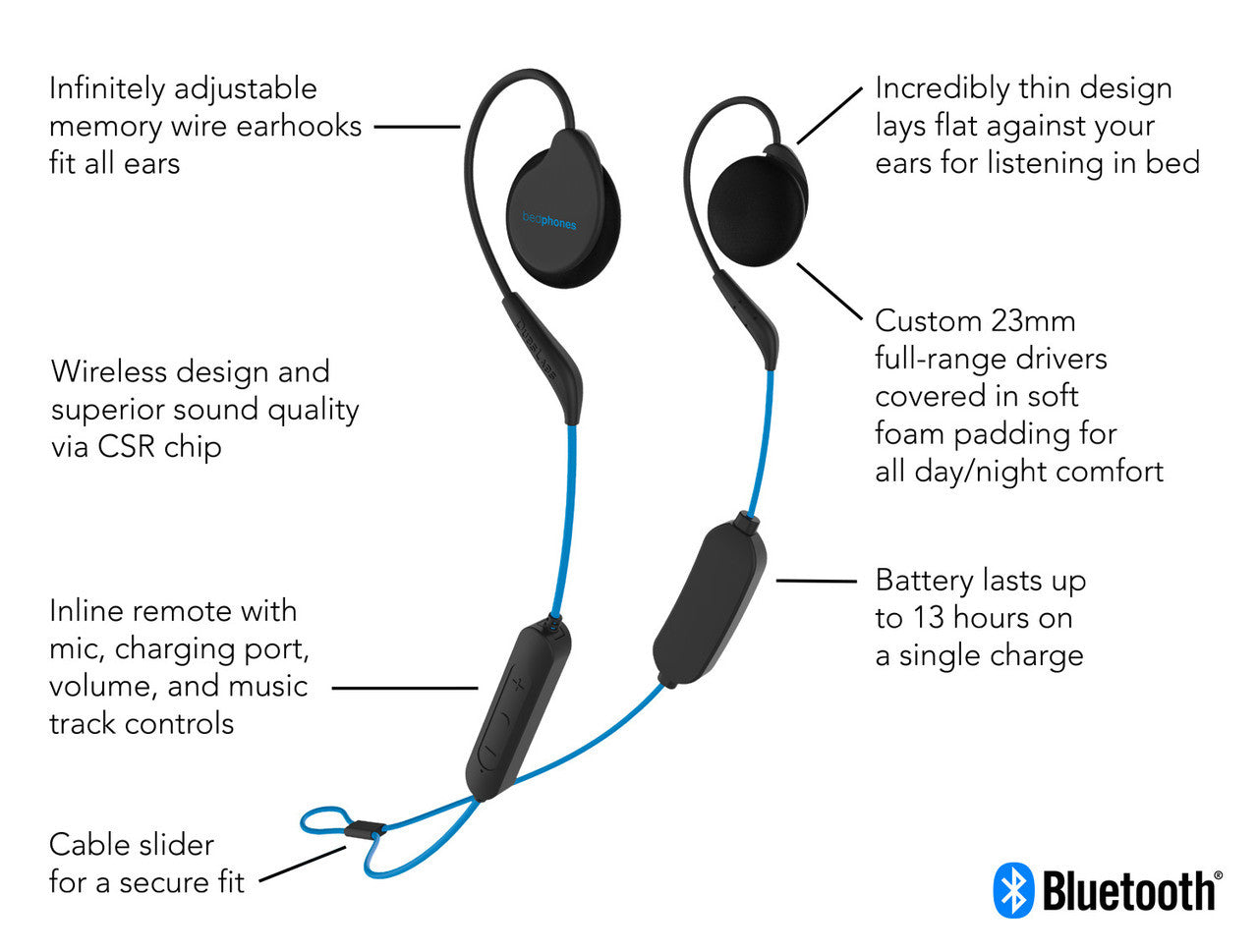
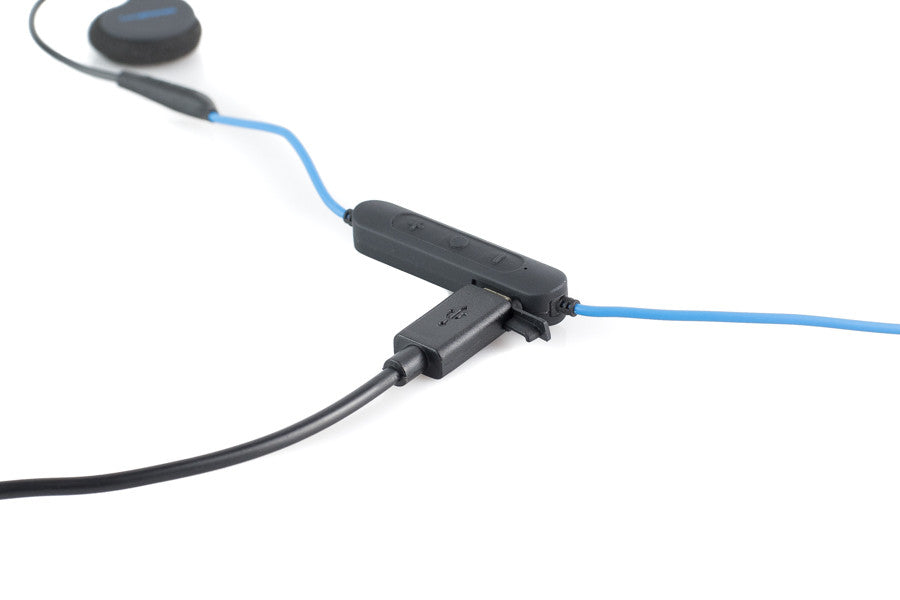
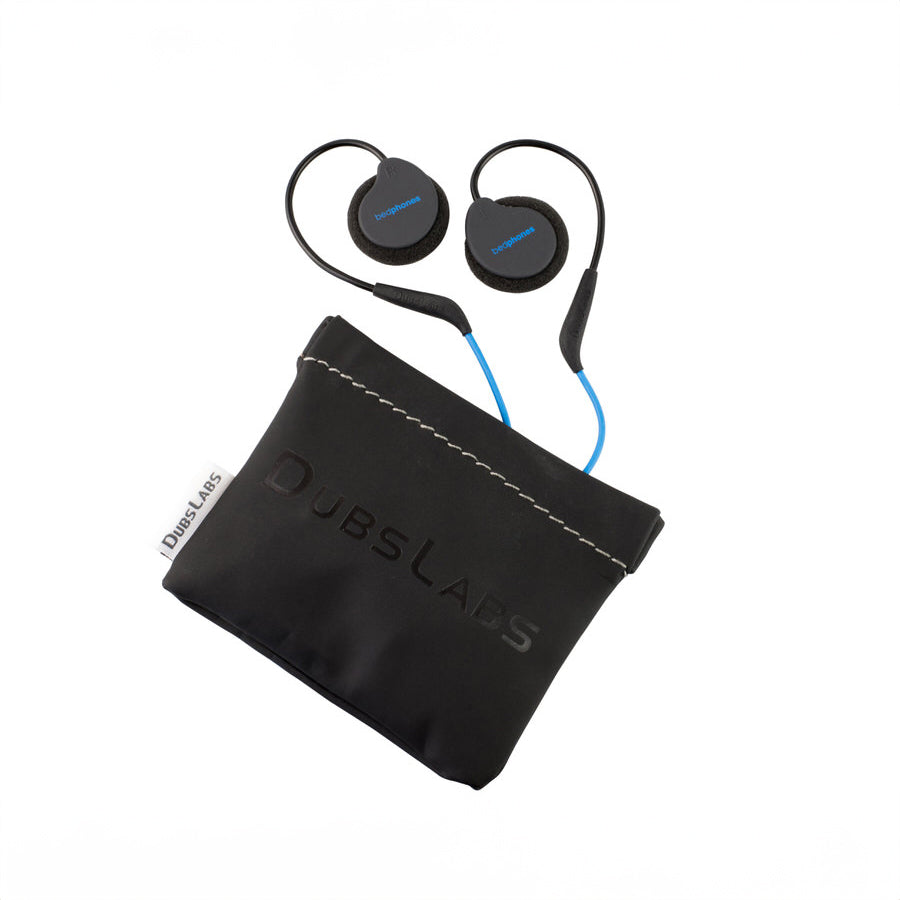
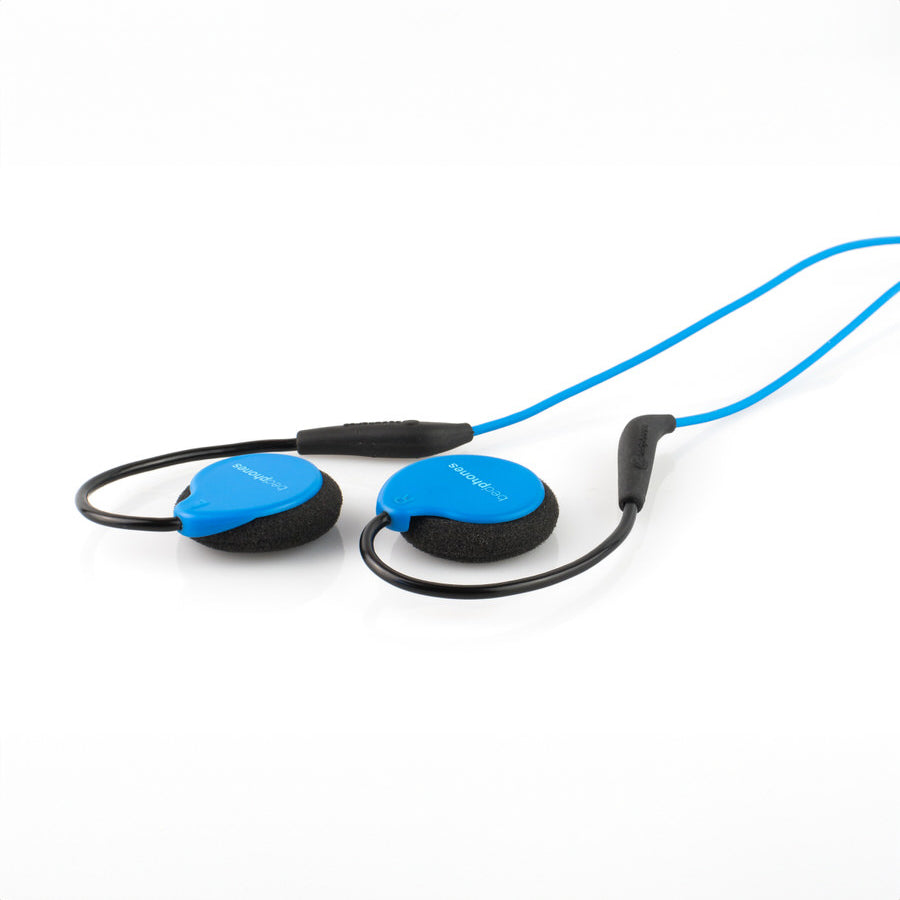
On the other hand, going with a modular approach—using separate ultra-thin headphones like Bedphones with your favorite standalone sleep mask—gives you way more flexibility. This lets you pick the absolute perfect mask for your unique face shape and then pair it with headphones known for their best-in-class comfort. It also means you can replace just one part if it wears out and gives you the option to use the headphones or the mask on their own.
So, what's the verdict? Choose an integrated mask for simplicity and convenience. Go for a modular setup if you want a perfectly customized fit and more control over each piece of the puzzle. Both are fantastic paths to a more peaceful night's sleep.
Ready to create your personal sleep sanctuary? At DubsLabs, we specialize in tools designed for deep, restorative rest. Explore our collection of Bedphones, total dark sleep masks, and other sleep-enhancing products to build your perfect nightly routine. Discover better sleep today at https://www.dubslabs.com.