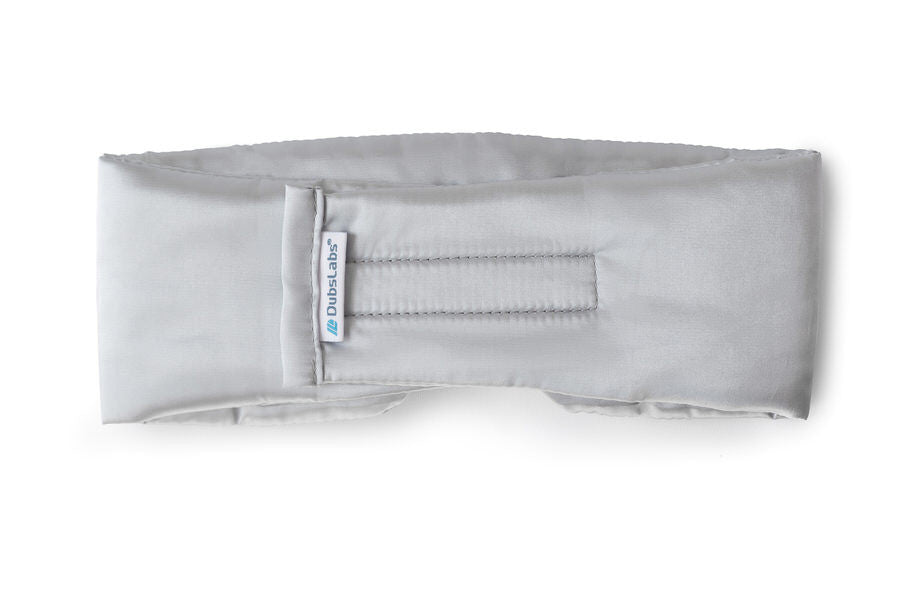
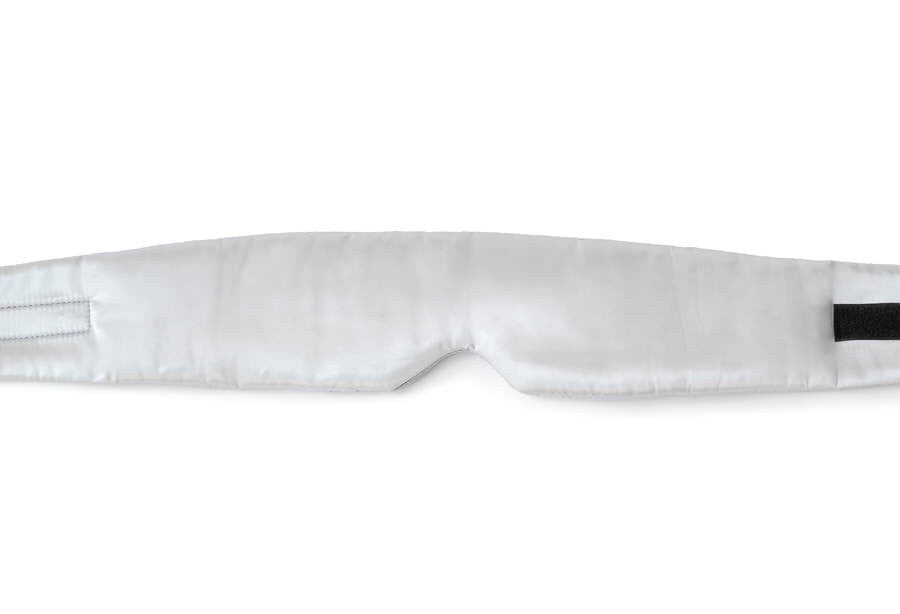
The perfect eye mask is a game-changer. It’s got to deliver 100% light-blocking capability, fit your face without any annoying pressure (no matter how you sleep), and be made from materials that feel good against your skin. A mask that actually creates total darkness isn't just an accessory; it’s a powerful tool for kicking your brain's natural sleep cycle into gear.
Why a Sleep Mask Is Your Secret Weapon for Better Rest
In the world we live in now, finding true, absolute darkness is surprisingly hard. We're surrounded by light pollution, from the glow of our phone screens and digital clocks to the streetlights that manage to sneak past our blinds. All this stray light can seriously mess with one of the most important parts of getting good sleep: melatonin production.
Think of melatonin as your body's internal "lights out" signal. Your brain starts pumping it out when it gets dark, which tells every cell in your body it’s time to power down for the night. The problem is, even a tiny bit of light can hit the brakes on this process, leaving you tossing and turning instead of sinking into that deep, restorative sleep you need.
Creating Your Own Personal Blackout
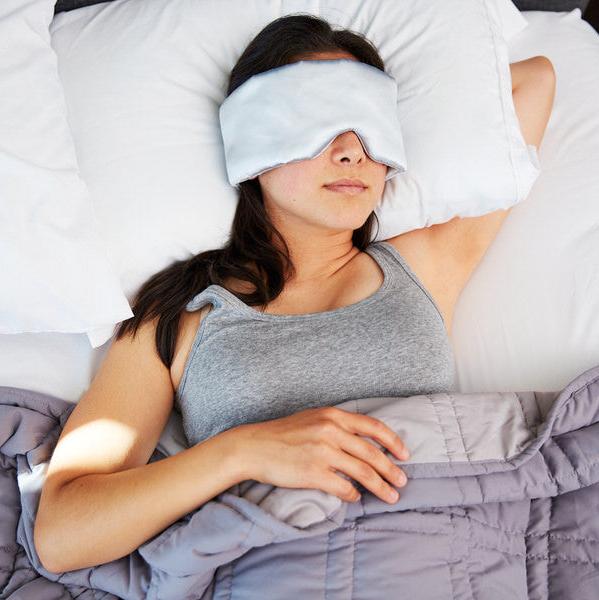
A high-quality sleep mask is basically your own personal set of blackout curtains, right on your face. It carves out a pocket of pure darkness, sending a loud and clear message to your brain that it's bedtime, no matter what's going on around you. This simple act can make a huge difference in your sleep quality.
- Fall Asleep Faster: By giving melatonin the green light, a mask can help you drift off more quickly.
- Deeper, Uninterrupted Sleep: Total darkness helps you stay asleep, so you won't be woken up by the early morning sun or your partner flipping on the bathroom light.
- Better Quality Sleep: Blocking light supports a healthier sleep cycle, meaning more time spent in the crucial deep and REM stages of sleep.
It's no surprise that as more people get serious about their sleep, the demand for effective sleep aids is growing. The global sleep mask market hit about USD 19.7 million in 2024 and is expected to climb to USD 31.1 million by 2033. It’s clear people are ready to invest in better rest. Of course, a mask is just one piece of the puzzle. For a more well-rounded approach, you can explore other strategies for enhancing your bedtime rituals, too.
What’s the Best Material for a Sleep Mask?
Picking the right material for your sleep mask is a lot like choosing your favorite t-shirt. It all comes down to feel, breathability, and what’s most comfortable for you. The fabric that sits on your face for 8 hours a night is going to make or break your sleep, so it’s worth knowing what you’re getting into with each option.
The goal is to find a mask that feels like a natural extension of your bedding—not something foreign or annoying. It should complement your sleep setup, whether that means giving you a cool touch on a hot night or a plush cushion that melts away pressure.
At its core, a good mask simply blocks light, which is the first and most important signal to your brain that it's time for restorative sleep.
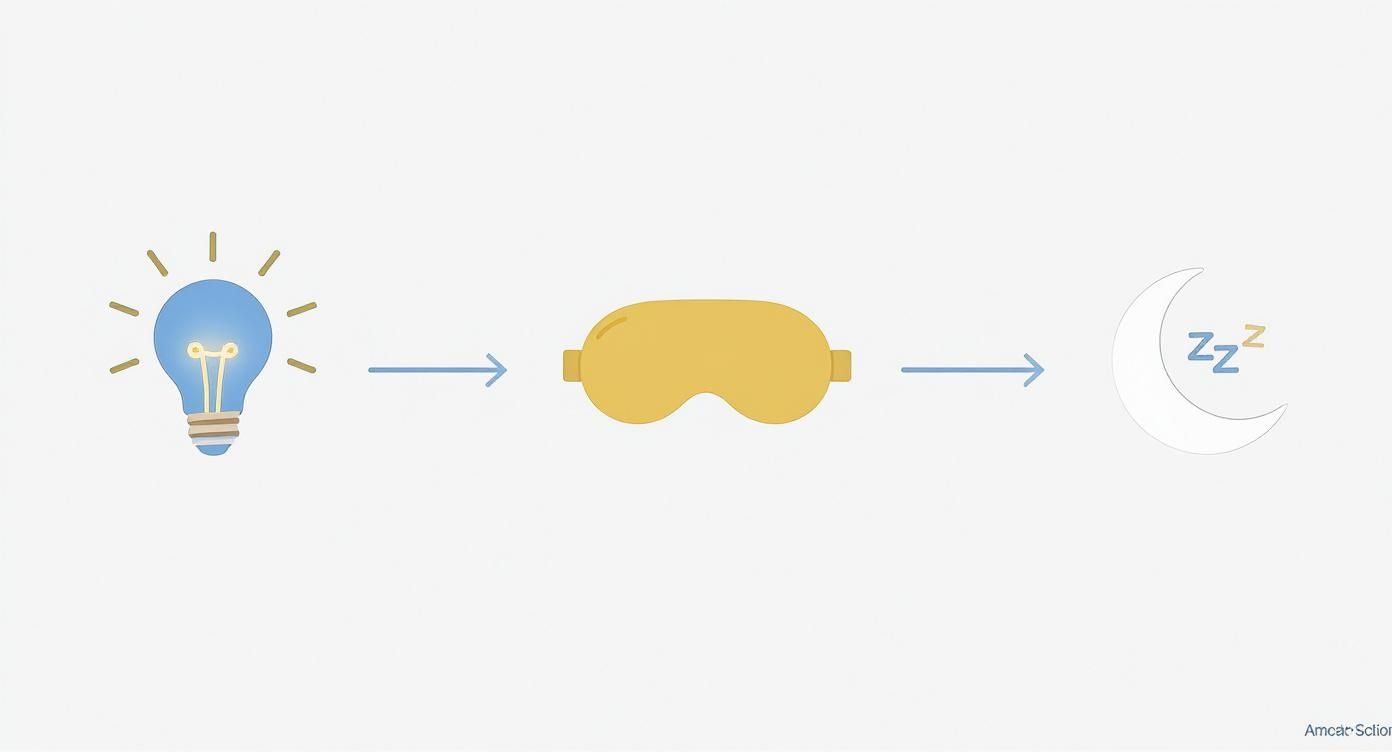
This simple process is incredibly powerful. By taking control of your light exposure, you’re paving the way for deeper, more consistent rest.
Comparing Common Sleep Mask Fabrics
Every material brings something different to the table. Let’s look at the main players so you can find a fabric that feels like it was made just for you.
Here's a quick rundown of the most common sleep mask materials to help you decide what fits your needs.
Sleep Mask Material Comparison
| Material | Best For | Key Benefit | Potential Drawback |
|---|---|---|---|
| Silk | Sensitive or acne-prone skin | Incredibly smooth, hypoallergenic, and gentle on skin | Higher price point and requires delicate care |
| Cotton | Hot sleepers and everyday use | Breathable, absorbent, and easy to wash | Can absorb skin's natural oils and creams |
| Memory Foam | Total-darkness seekers | Contours to the face for a perfect, pressure-free seal | Can retain heat more than natural fibers |
| Synthetics | Budget-conscious shoppers | Durable and mimics the feel of silk at a lower cost | Less breathable than natural materials |
Ultimately, the right material boils down to what you value most. If you have sensitive skin, go with silk. If you tend to sleep hot, cotton is a fantastic choice. But if you're after that perfect, light-blocking, pressure-free fit, memory foam is the undisputed champion.
For anyone who really struggles with temperature, it might be worth exploring the world of cooling eye masks. They can offer extra relief, especially during summer or for those who naturally run hot.
Think of the material as the foundation of your comfort. Getting it right is your first step on the nightly journey into total darkness and deep rest.
The Science of Achieving Total Darkness
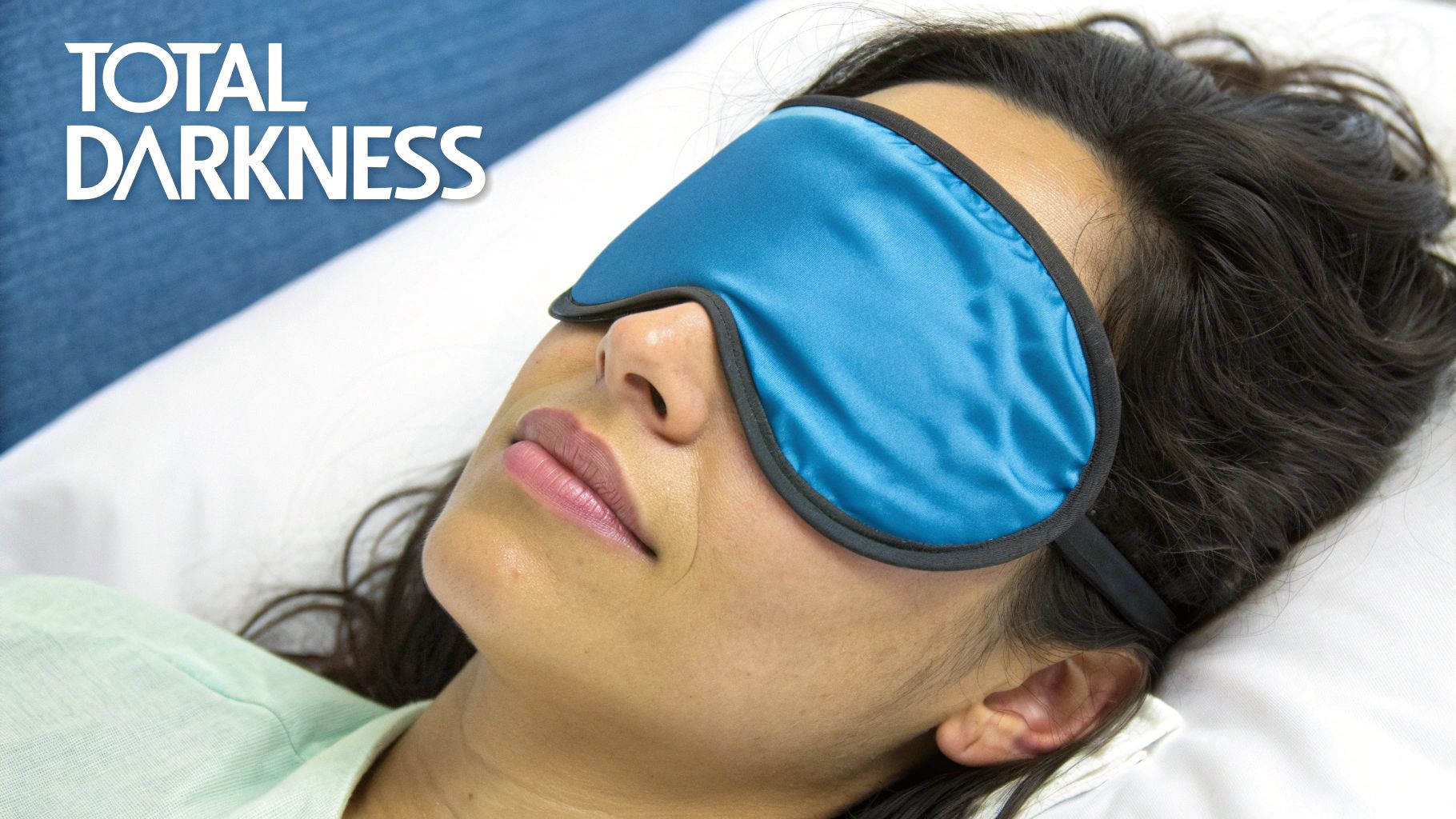
The number one job of any sleep mask is simple but absolutely critical: create total darkness. You’re essentially creating a personal eclipse over your eyes. This is the signal your brain needs to start producing melatonin, the hormone that kicks off the whole process of deep, restorative sleep.
This is where most masks just don't cut it. They let in those annoying slivers of light around the edges, constantly poking your brain and disrupting that delicate biological dance.
That’s why 100% light-blocking capability isn't just a fancy feature—it’s the entire reason for wearing a mask in the first place. Anything less is a compromise on your sleep quality. This dedication to true darkness is what separates a gimmick from a genuine sleep tool.
Engineering Your Personal Darkness Chamber
Getting to total darkness is really an engineering problem. You have to design something that molds perfectly to the unique landscape of a human face, sealing off every possible light leak without feeling tight or uncomfortable.
It all comes down to a few key design choices that make a world of difference.
- Contoured Eye Cups: Forget those flat, flimsy masks that press directly on your eyelids. A modern, well-designed mask has molded, concave cups that create a protective chamber around each eye. This lets you blink naturally and allows for the rapid eye movement (REM) that’s crucial for healthy sleep. Just as important, the raised edges are built to sit flush against your brow bone and cheekbones, forming the first part of the seal.
- A Perfect Nasal Seal: The bridge of the nose is the Achilles' heel for most sleep masks. It's the spot where light loves to sneak in. The best masks solve this with a soft, padded nose baffle that gently conforms to the shape of your nose, closing that final gap and plunging you into complete darkness.
When these features work together, no amount of ambient light stands a chance—not from your partner's phone, the alarm clock, or the sun creeping up in the morning. To see how these elements come together in a true blackout design, you can dive deeper in our guide to the best blackout sleep mask.
The Supporting Cast: Adjustability and Fabric
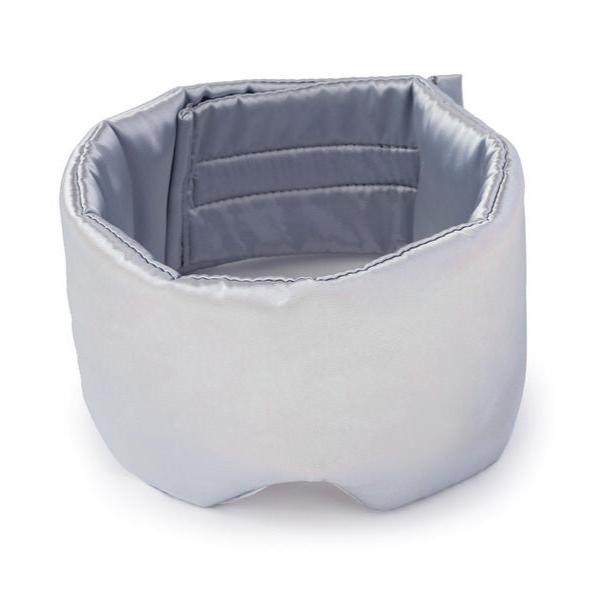
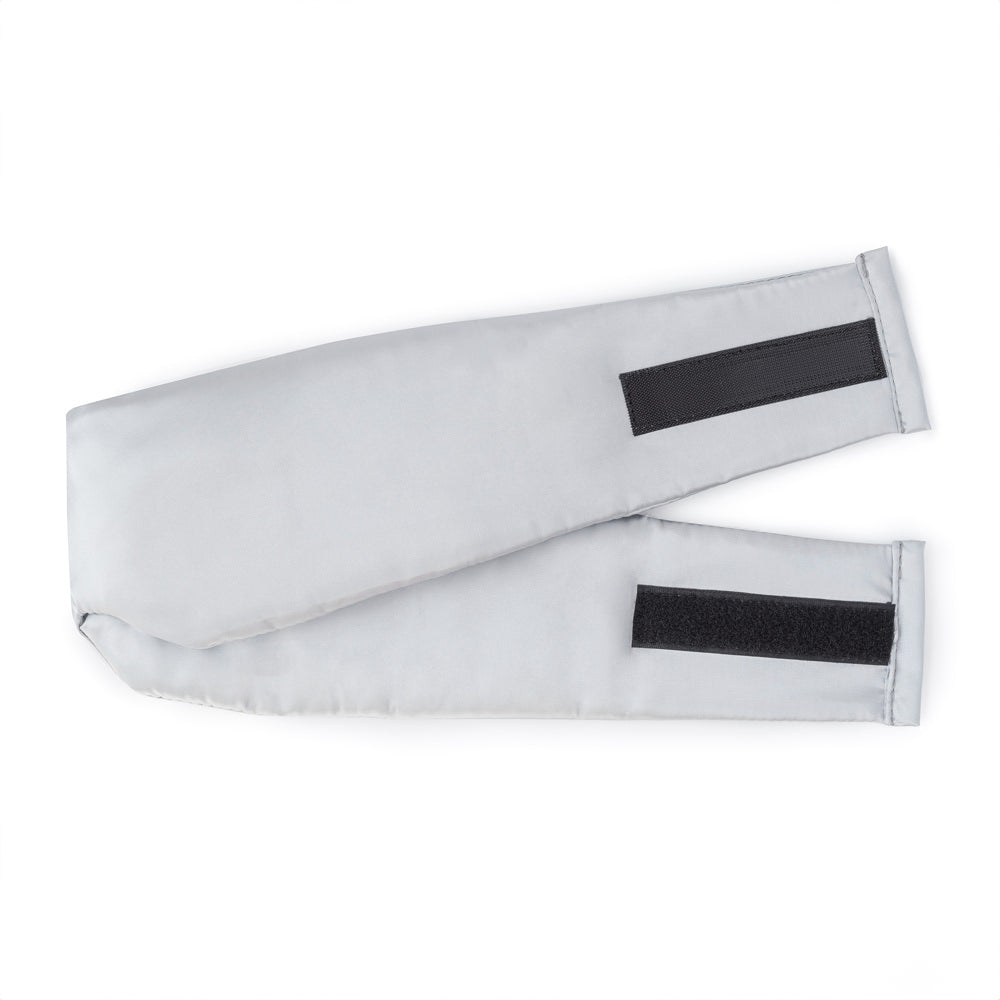
Of course, even the most brilliantly contoured design is useless without the right support system. A fully adjustable strap is non-negotiable. It lets you dial in the exact amount of tension needed to keep the mask in place without giving you a pressure headache. It has to stay put whether you sleep on your back, side, or stomach.
The fabric itself has to be completely opaque. Some materials might look dark, but they can still let bright light filter through like a thin curtain. A high-quality mask uses layered or tightly woven fabrics to guarantee zero light ever gets through.
While a great sleep mask gives you immediate, personal darkness, you can double down on the benefits by creating a darker room. Using the best blackout window treatments can be a perfect partner to your mask. By combining these strategies, you're building a powerful, multi-layered defense against light pollution, ensuring your body gets the uninterrupted darkness it craves.
How to Find a Perfect Fit for Your Sleep Style
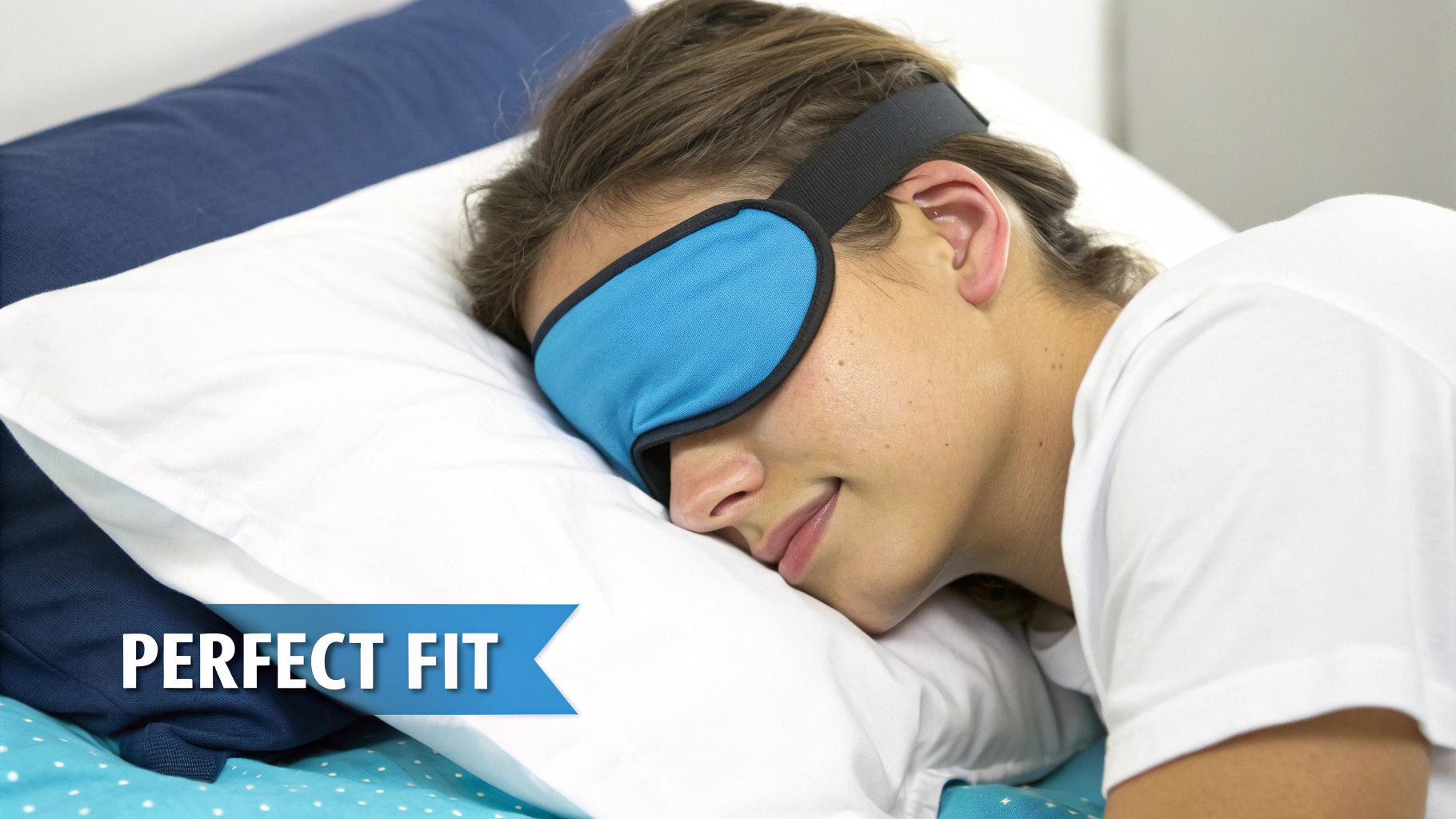
A truly great sleep mask is one you completely forget you're wearing. It shouldn't feel like a piece of equipment you've strapped to your head, but more like a natural part of your sleep setup. The secret to this "barely-there" feeling is finding a fit that syncs up perfectly with your unique face shape and sleeping habits.
What feels amazing for a back sleeper might create annoying pressure points for someone who sleeps on their side. The best eye mask for sleep is absolutely not a one-size-fits-all deal; it’s a personal choice that requires a little know-how to get right.
Accommodating Different Sleep Positions
Your go-to sleep position is the biggest factor when choosing a mask. Each style comes with its own set of challenges, and a well-designed mask is built to solve them.
- Back Sleepers: You guys have the most flexibility since pressure from a pillow isn't a huge deal. You can use almost any style, but your focus should be on getting a solid nose seal to stop light from creeping in from below.
- Side Sleepers: This is the trickiest position, hands down. You need a mask with a slim profile and a flat, unobtrusive strap. Anything bulky—especially a big buckle—will dig right into your temple and become an instant distraction. For a deeper dive, check out our complete guide on sleep masks for side sleepers.
- Stomach Sleepers: Much like side sleepers, you need a streamlined design that won't get pushed around or feel bulky against the pillow. A mask that contours tightly to the curves of your face is essential.
No matter how you sleep, the mask has to stay put all night long. And that’s where the strap design becomes absolutely critical.
The Importance of Straps and Eye Cavities
A bad strap can ruin an otherwise perfect mask. If it's too tight, you'll get headaches. Too loose, and the mask will be on your pillow by morning. Look for straps that offer precise, snag-free adjustability, like a smooth Velcro slider instead of a clunky plastic buckle. The band itself should be soft and wide enough to spread the pressure out evenly.
A key feature that elevates a good mask to a great one is the presence of 'no-pressure' eye cavities. These molded cups create a protective chamber around your eyes, serving two crucial functions.
First, they keep any fabric from touching your eyelashes. This is a non-negotiable for anyone with extensions and a massive comfort boost for everyone else. Second, they allow for natural REM (Rapid Eye Movement) during your deep sleep cycles, which is a vital part of healthy rest that flat masks can actually get in the way of. This ensures your eyes can move freely, just as they would without a mask on at all.
By zeroing in on these fit-related details—your sleep style, the strap, and the eye cavities—you can find a mask that truly disappears, leaving you with nothing but pure, uninterrupted darkness.
Enhancing Your Sleep Sanctuary
Think of your sleep mask as the star player on a team dedicated to your rest. While it’s absolutely your most important tool for getting total darkness, its true power gets unlocked when it works together with other elements to create a complete sleep sanctuary. A great mask doesn't just block light; it becomes part of a multi-sensory environment built for deep, restorative sleep.
This holistic approach is all about layering different sleep aids. For many of us, sound is just as big a deal as darkness. This is where the actual design of the best eye mask for sleep becomes critical, especially if you use audio to unwind.
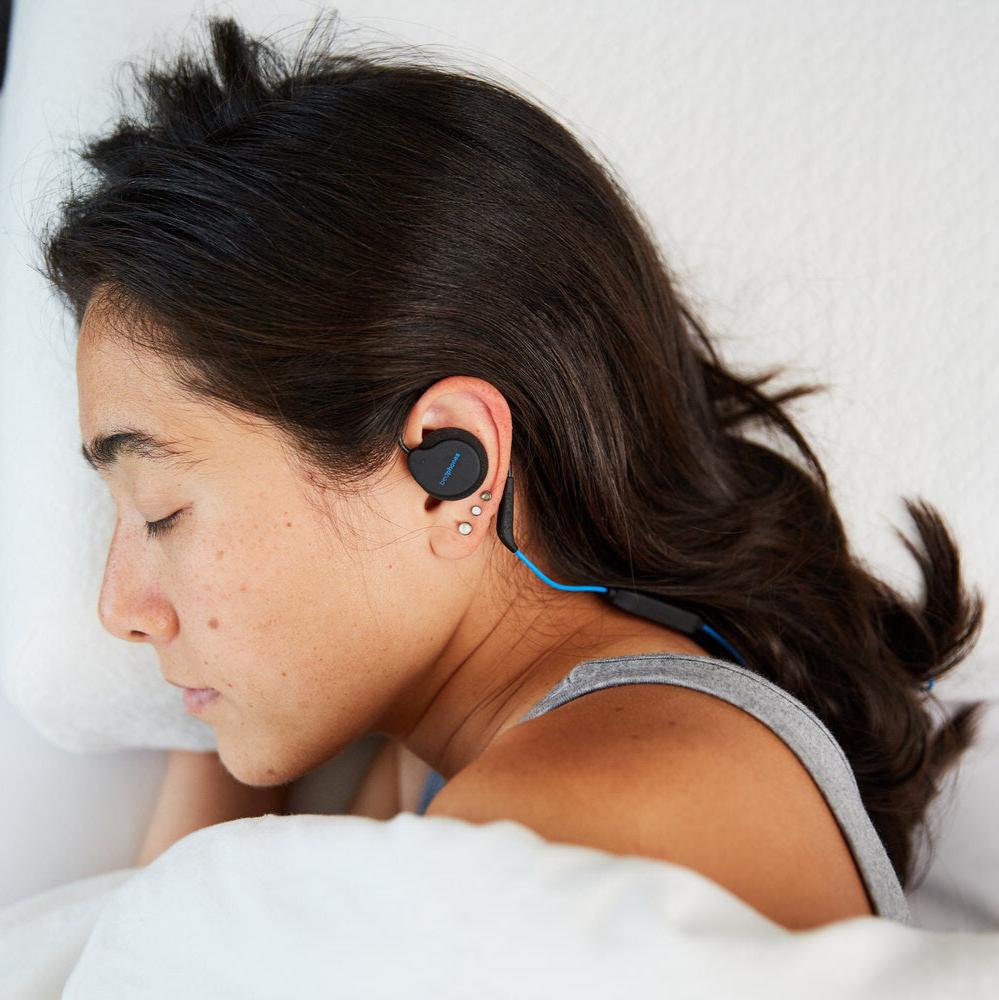
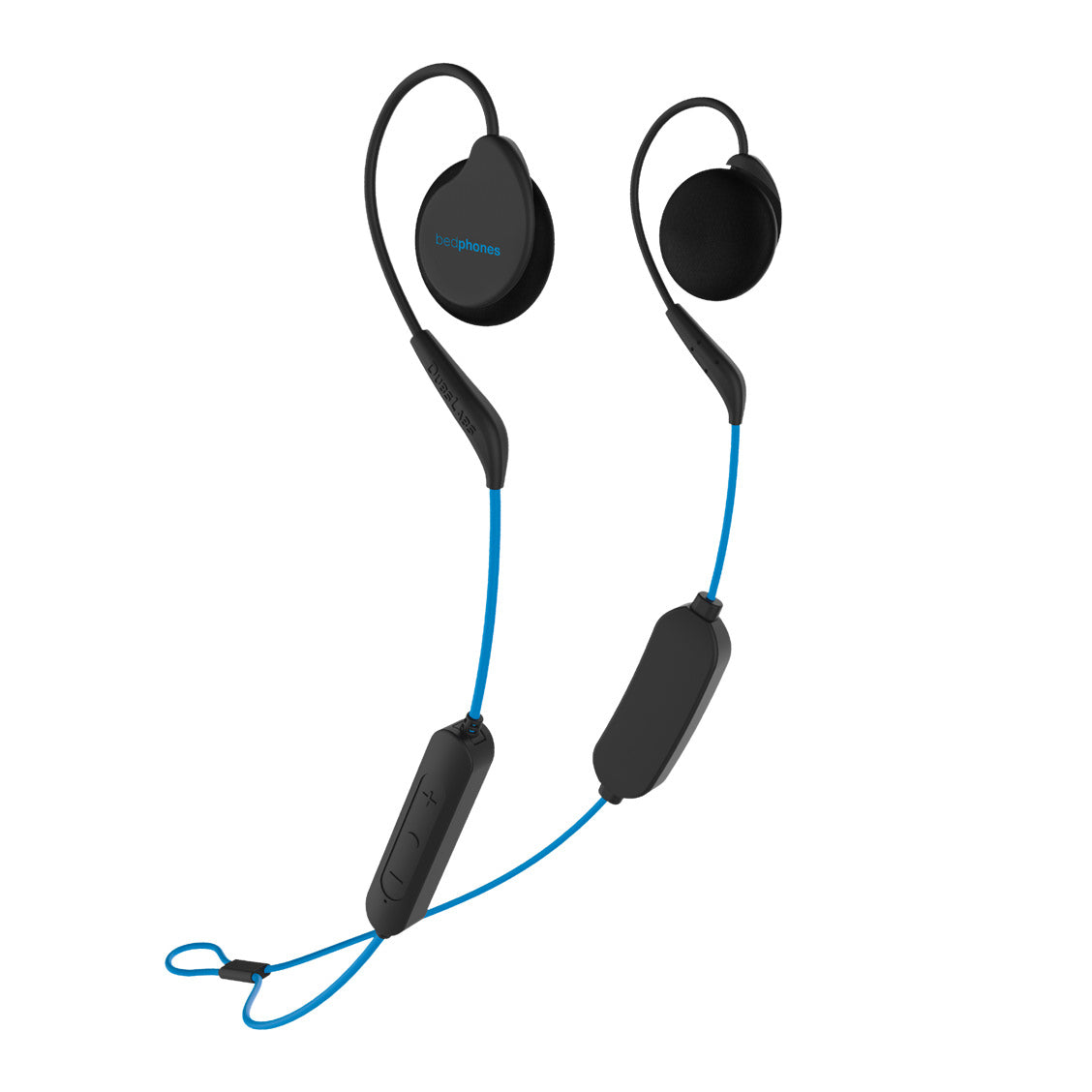
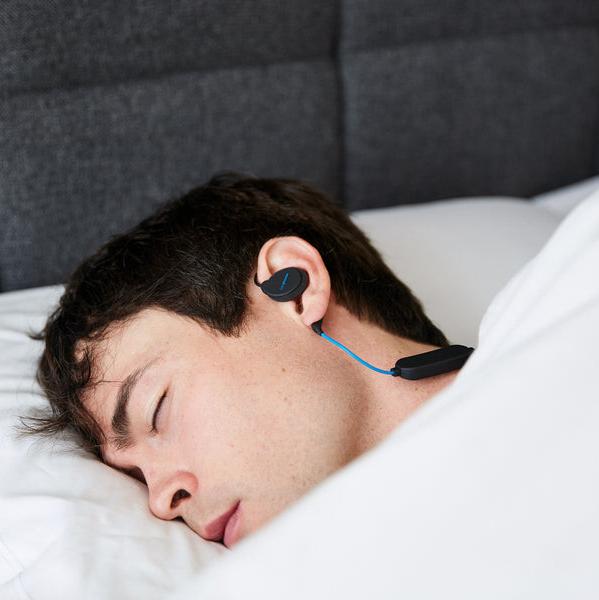
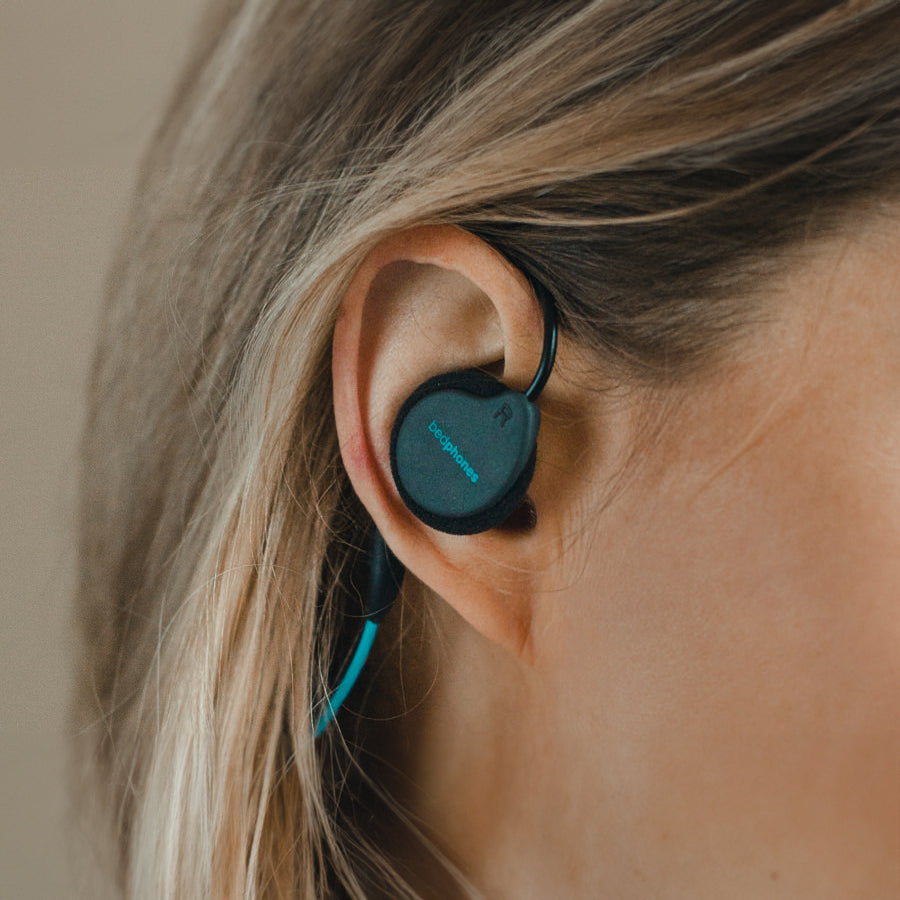
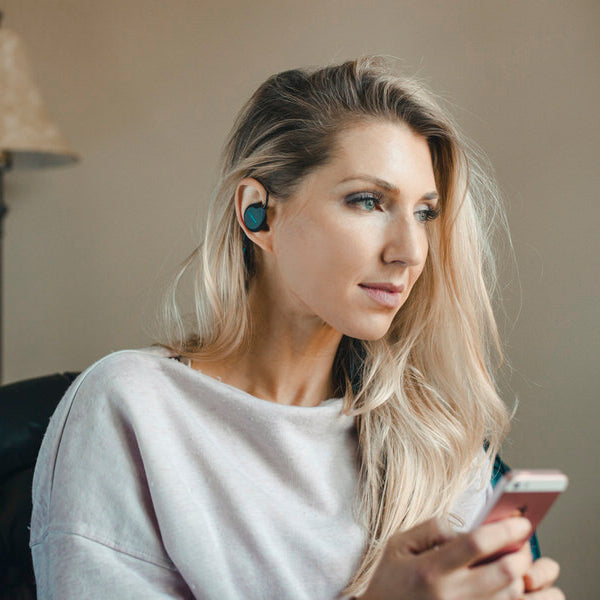
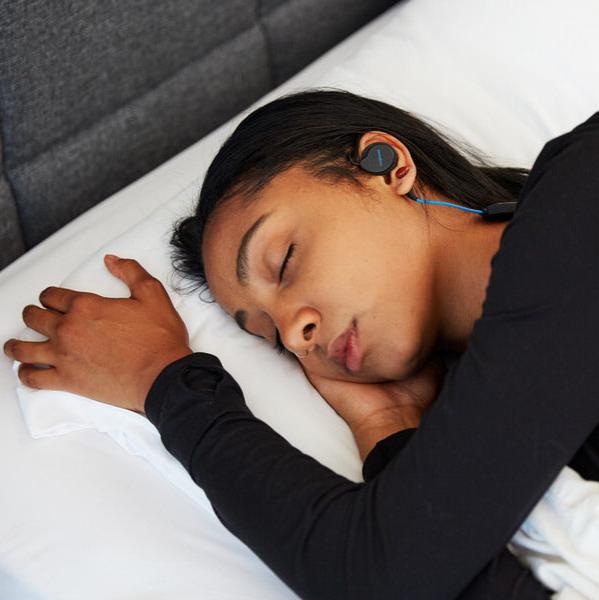
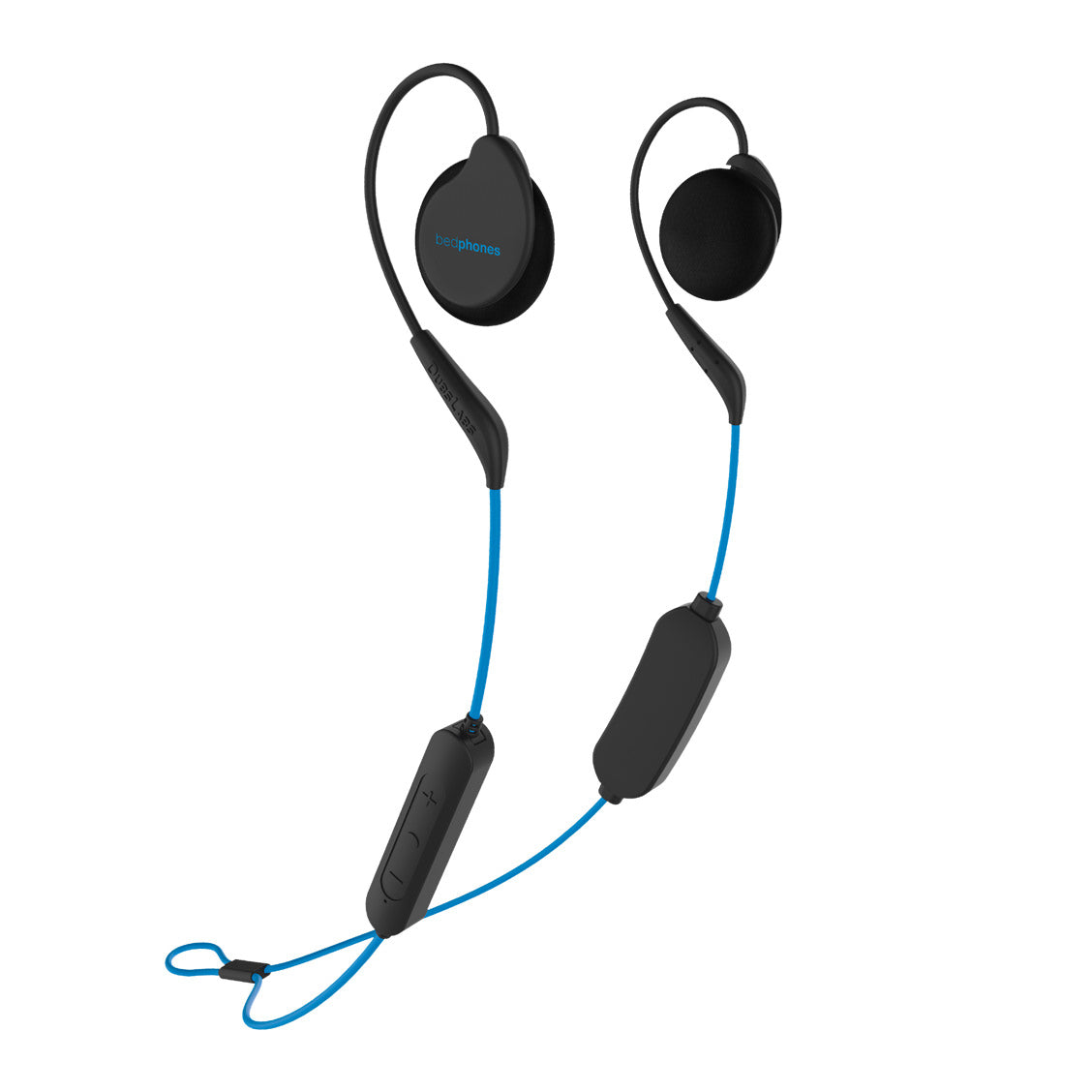
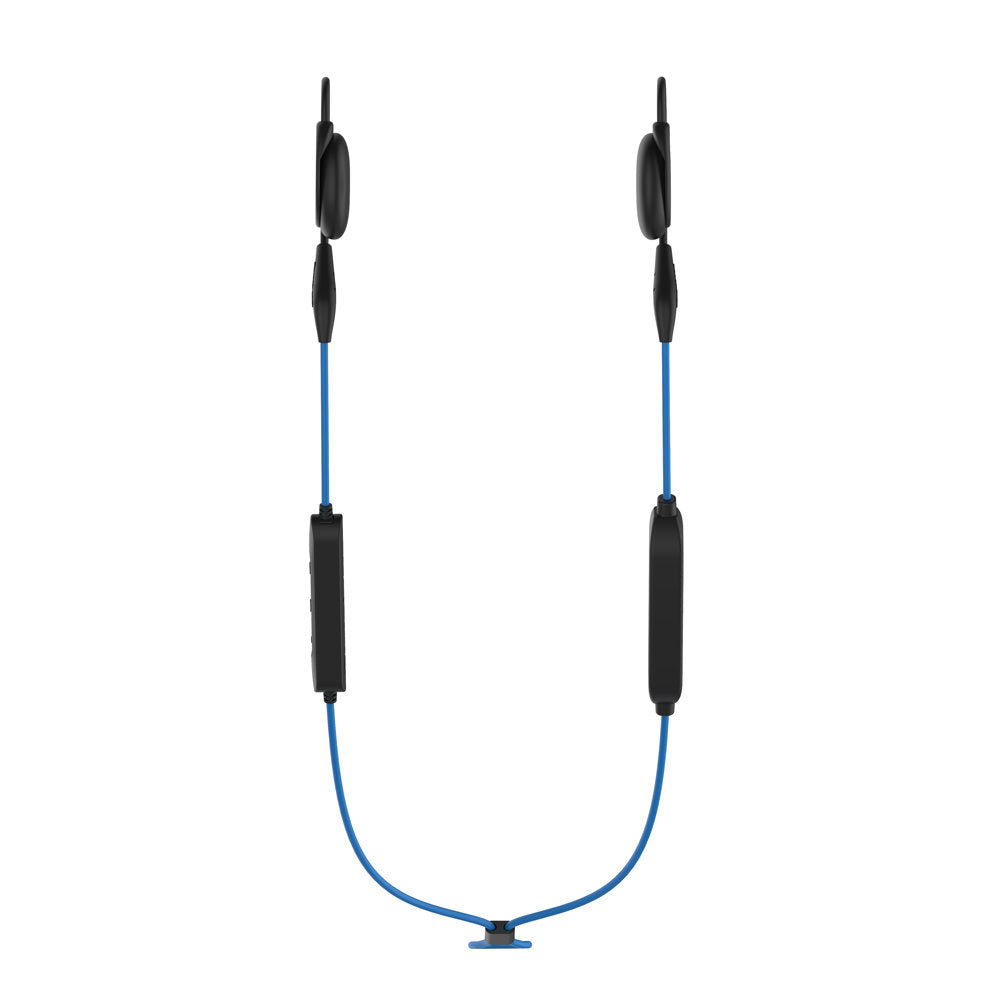
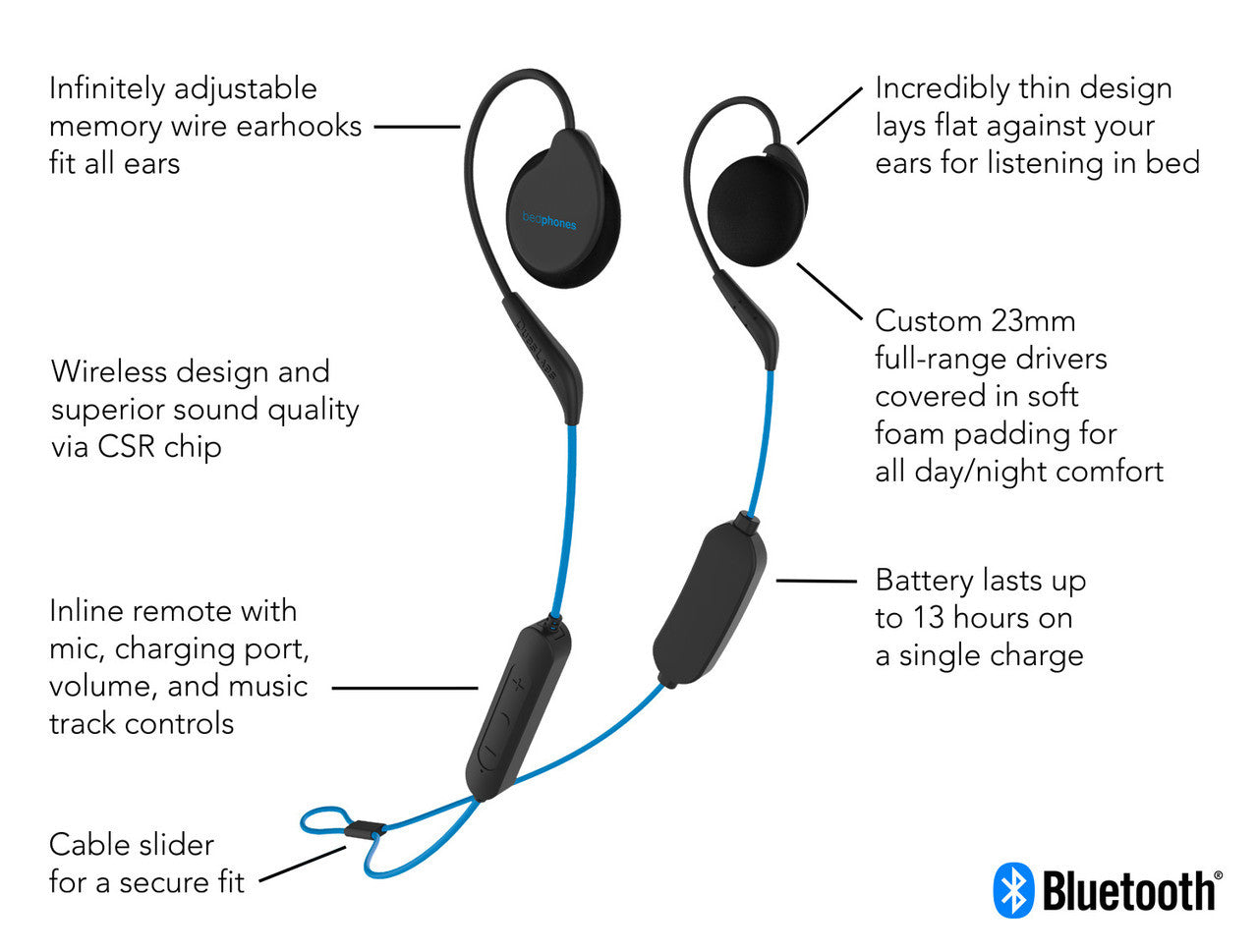
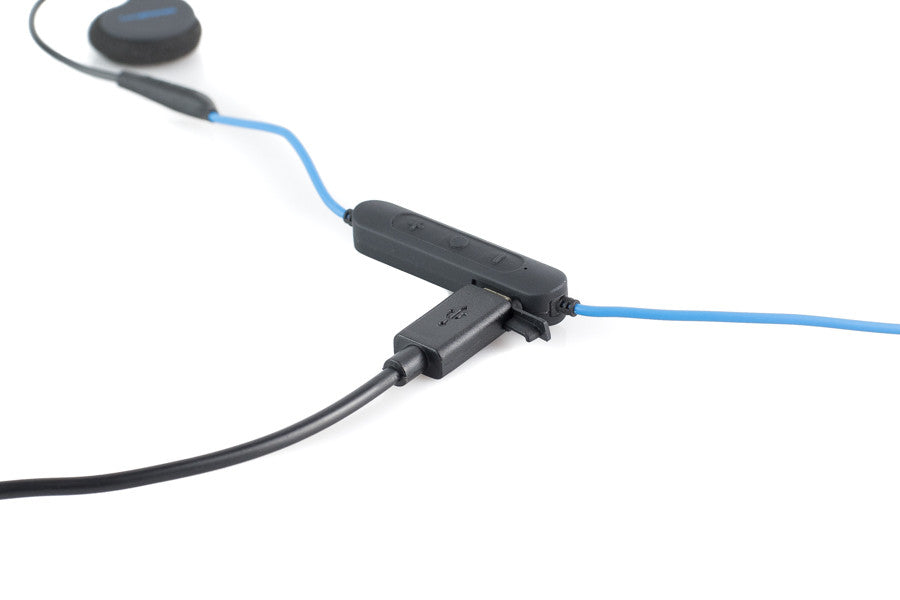
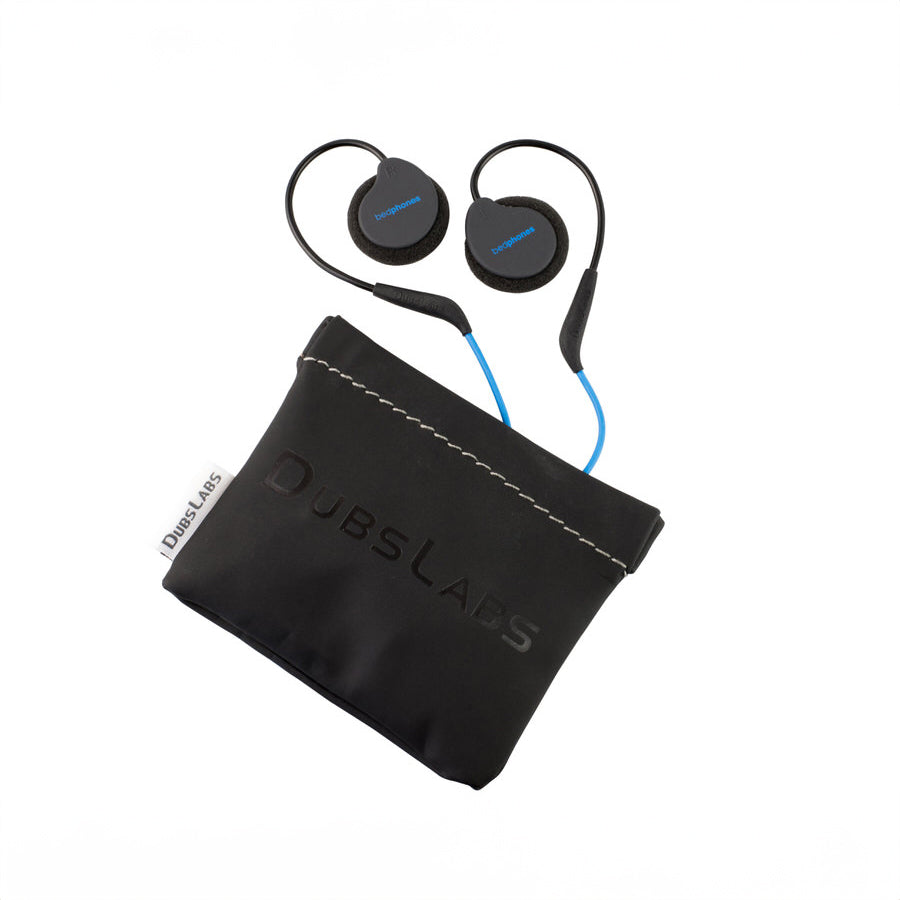
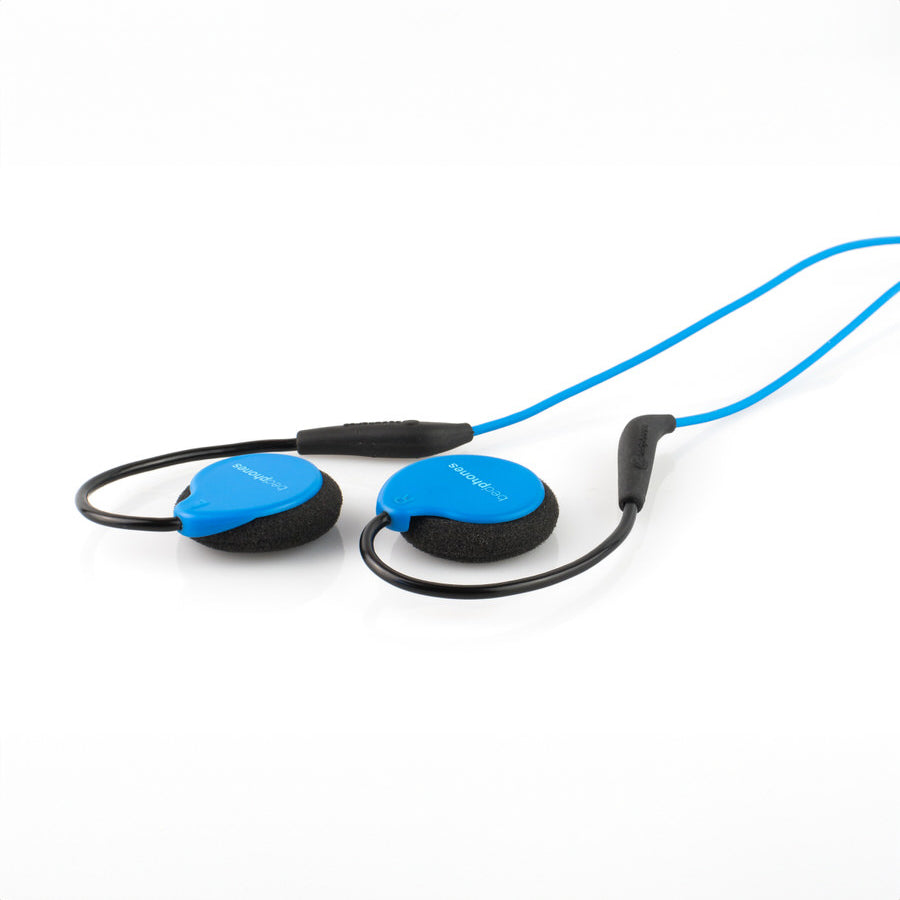
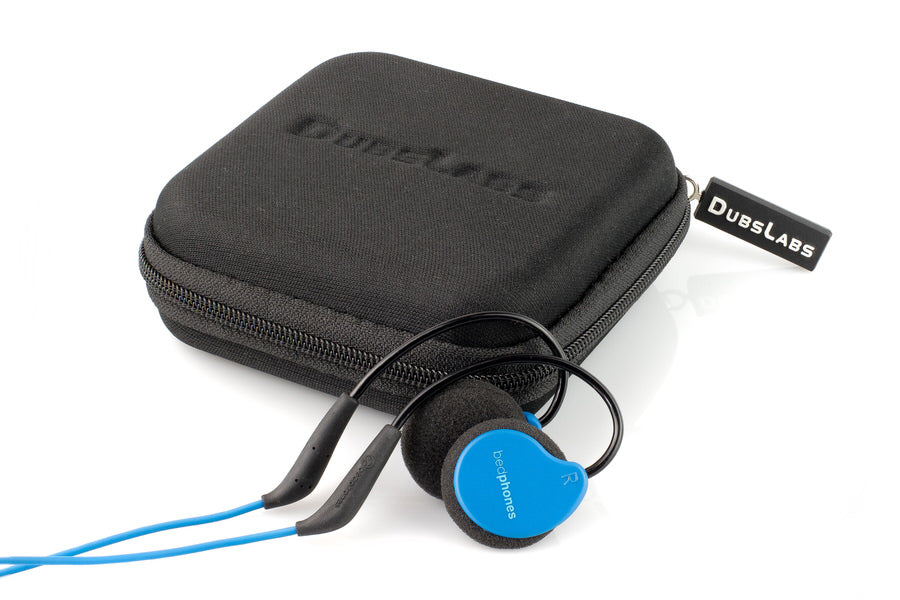
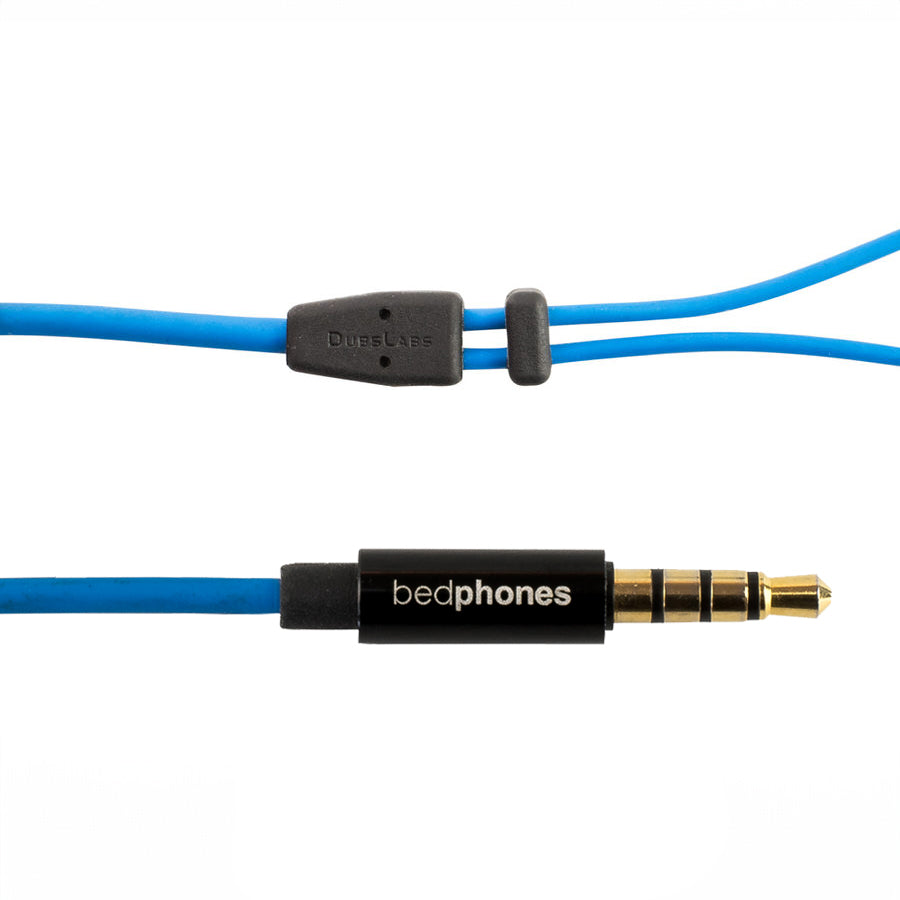
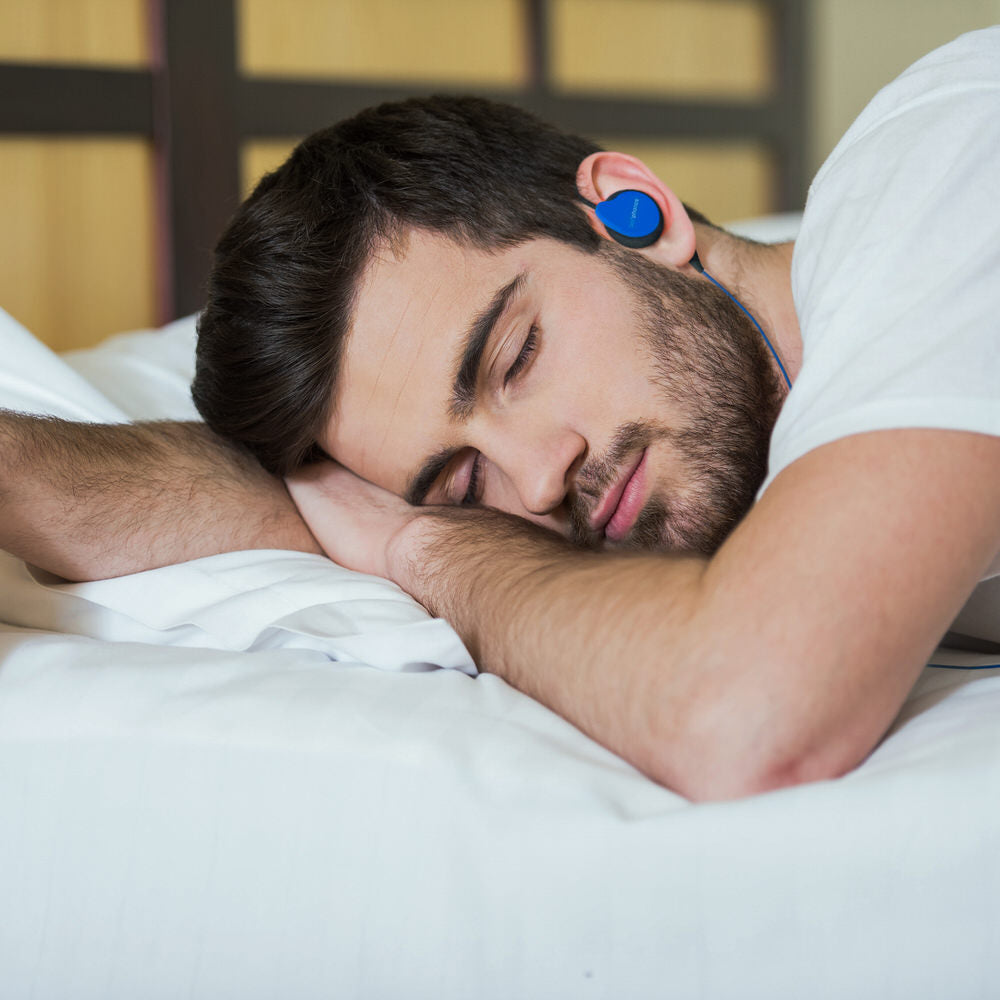
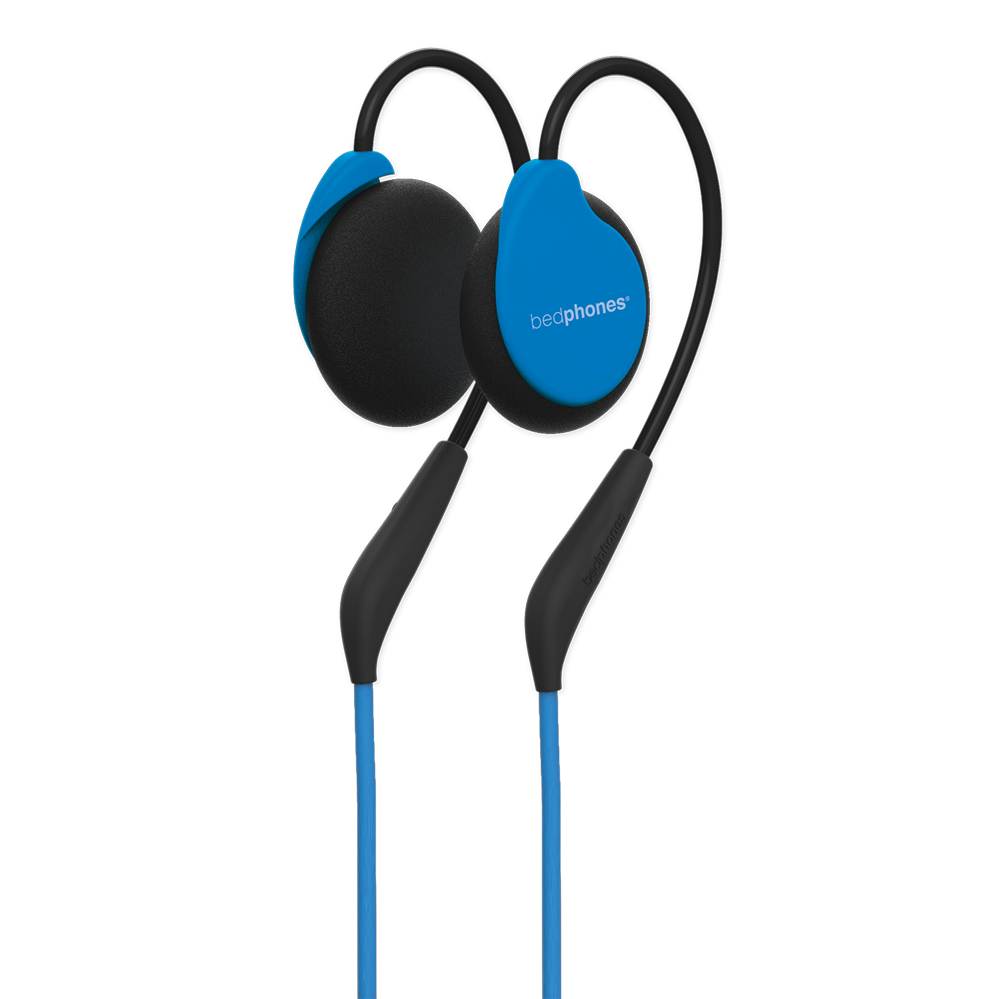
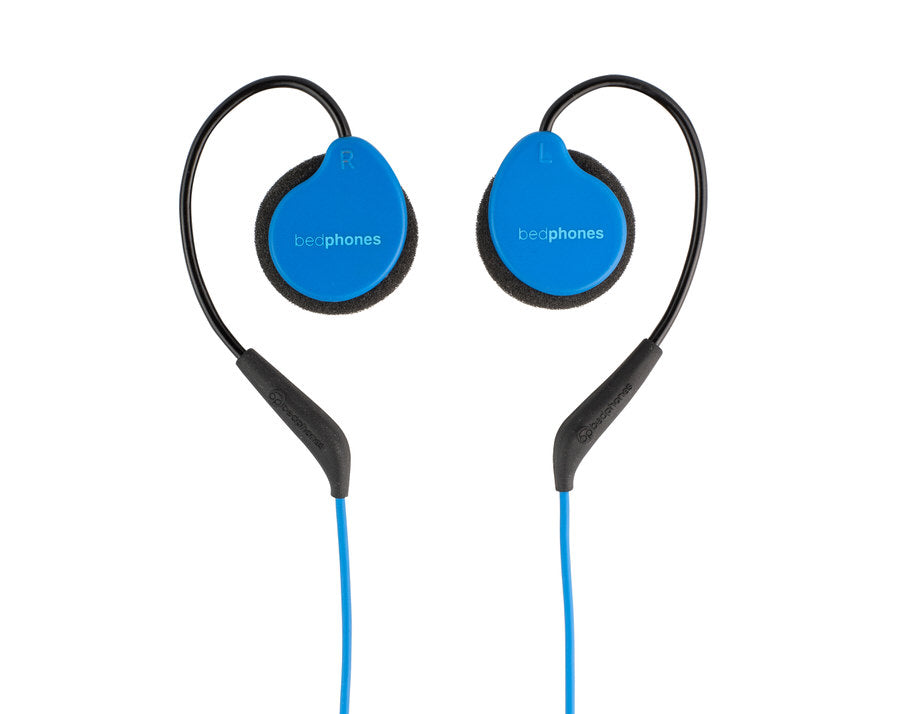
A big, bulky mask will just get in the way of your headphones, but a thoughtfully designed one works right alongside them. For instance, a slim-profile mask pairs perfectly with ultra-thin sleep headphones like Bedphones. This lets you layer calming music, podcasts, or white noise over your personal darkness chamber without any uncomfortable pressure or bulk.
Building Your Multi-Sensory Sleep Environment
When you combine total darkness with other sensory cues, you're sending an undeniable signal to your body that it’s time to shut down. Each piece reinforces the others, creating a powerful synergy that leads to better rest.
Your ideal sleep sanctuary should include:
- Total Darkness: This is the foundation, provided by your high-quality, 100% light-blocking eye mask.
- Controlled Sound: Use white noise machines or thin sleep headphones to blot out disruptive sounds like traffic or a snoring partner. This creates a consistent, calming audio backdrop.
- Cool Temperature: A cool room is scientifically proven to help you sleep better. Aim for somewhere between 60 to 67 degrees Fahrenheit (15.6 to 19.4 degrees Celsius) to help lower your core body temperature.
- Comfortable Bedding: Soft, breathable sheets and a pillow that actually supports you complete the physical comfort you need for deep relaxation.
This combined approach has really taken off as more people focus on their overall wellness. It's not just a hunch; the global eye mask market was valued at a huge USD 5.2 billion in 2023 and is expected to soar to USD 15.7 billion by 2032. This boom reflects a growing demand for products that support both sleep and health. If you're curious, you can discover more insights about the eye mask market growth and see just how big this trend is becoming.
By curating your environment, you elevate your sleep mask from a simple accessory to the central component in a comprehensive strategy for achieving consistently great sleep. Each piece of your sanctuary works together, ensuring every night is an invitation to rest deeply.
Keeping Your Sleep Mask Fresh and Effective
Think of your sleep mask like your favorite t-shirt or your pillowcase. It’s right up against your skin every single night, which means it’s soaking up natural oils, sweat, and any lingering skincare products. Keeping it clean isn't just about making it last longer—it's crucial for keeping your skin happy and healthy.
Just like you wouldn't throw a silk shirt in a hot wash with your jeans, different masks need different care. Always, always check what the manufacturer recommends first. Materials like delicate silk or anything with memory foam inserts need a gentle touch to keep their shape and feel.
Simple Cleaning and Care Instructions
The good news is that keeping your mask in top shape is pretty straightforward. For most of them, a quick hand wash is the safest bet.
- Hand-Washing: Fill your sink with some cool water and add a tiny bit of mild, pH-neutral soap (the kind you'd use for delicates is perfect). Let the mask soak for a few minutes, give it a gentle swirl, and then rinse it thoroughly with more cool water.
- Drying: Whatever you do, never wring out your mask! That's a surefire way to ruin its shape. Instead, gently squeeze out the extra water, then lay it flat on a clean towel to air dry. Keep it away from direct sunlight or heat, which can damage the fabric.
- Machine-Washing: If your mask is made from a tougher material like cotton, you can probably toss it in the washing machine. Just be sure to put it in a mesh laundry bag first and use a delicate, cold-water cycle.
A clean mask is just good sleep hygiene, plain and simple. Washing it regularly stops bacteria from building up, which can help prevent annoying skin irritation or breakouts.
Over time, you might run into little issues like a stretched-out strap. A few quick stitches can usually bring it right back to a snug fit. Storing it properly helps, too—just keep it in a clean, dry spot. That way, your mask stays in great shape and is always ready to deliver that perfect, pitch-black sleep you're looking for.
Common Questions About Sleep Masks
Even after you've done your research, a few questions always seem to pop up when it's time to actually choose an eye mask. Getting good, straight answers can make all the difference, giving you the confidence that you’re investing in something that will genuinely improve your sleep. Let's tackle some of the most common ones we hear.
Are Sleep Masks Actually Good for Your Eyes and Skin?
Yes, they absolutely can be—but only if you pick the right one. A mask made from a soft, hypoallergenic fabric like high-quality silk can actually protect the delicate skin around your eyes from the friction of your pillowcase. More importantly, masks with deep, contoured eye cups are fantastic for your overall eye health.
These cups create what’s essentially a pressure-free zone, so the mask never actually touches your eyelids or lashes. This is huge because it allows for natural REM (Rapid Eye Movement) to happen without restriction, which is a critical part of a healthy sleep cycle. Just remember that hygiene is key; you’ve got to clean it regularly to prevent any bacteria from building up and causing skin irritation.
How Do I Choose a Mask if I Am a Side Sleeper?
Side sleepers probably have the toughest time finding a comfortable mask, but the solution is simpler than you might think: look for a slim profile and a flat, adjustable strap. Any bulky designs or masks with big plastic buckles on the sides will dig into your temple the second you lay your head on the pillow. It’s an instant deal-breaker.
The perfect mask for a side sleeper has a thin, flexible frame that just melts onto your face. The strap should be soft and wide, with a low-profile clasp like a smooth slider that sits flat at the back of your head, not on the side.
A classic mistake is getting fixated on the front of the mask. For side sleepers, the design of the strap is every bit as important as the eye cups if you want that "barely-there" feeling all night long.
Can I Wear a Sleep Mask with Eyelash Extensions?
You sure can! The non-negotiable feature here is a mask with deep, molded eye cups. These are specifically engineered to create a protective bubble around your eyes, making sure the mask material never even grazes your eyelids or lashes.
This "no-pressure" design is essential if you have extensions, as it stops them from getting crushed, bent, or snagged while you toss and turn. You’ll want to steer clear of flat-style masks completely—they will almost certainly damage your lashes. The best sleep masks always balance total darkness with protecting your eyes and lashes.
Ready to finally experience total darkness and uninterrupted rest? The DubsLabs Total Dark Sleep Mask is engineered with deep, no-pressure eye cups and a fully adjustable, side-sleeper-friendly strap, making it perfect for every sleep position. Find your perfect fit and transform your sleep at DubsLabs.