Staring at the ceiling at 3 AM is a frustratingly common experience, isn't it? If you're tired of these unwelcome middle-of-the-night wake-up calls, you've come to the right place. Learning to sleep through the night isn't about finding a single magic bullet; it's about understanding what's waking you up in the first place and building a strategy to fix it.
This usually means tackling the root causes—things like stress and less-than-ideal habits—instead of just treating the symptom of waking up.
Understanding Why You Wake Up at Night
First things first: if you're struggling with interrupted sleep, you are far from alone. Modern life has created a perfect storm of sleep disruptors that prevent our bodies from getting the deep, restorative rest we need to actually feel good during the day. This isn't just a minor inconvenience; it's a global issue.
Believe it or not, people around the world are losing an average of nearly three nights of quality, restorative sleep every week. A recent global sleep survey revealed that a staggering 57% of people point to stress as the main reason. Anxiety and financial pressures weren't far behind.
The Core Culprits of Interrupted Sleep
So, what’s really going on when your eyes pop open hours before your alarm? The reasons are often layered, combining both psychological and environmental factors. For many of us, our brain simply gets stuck in the "on" position, replaying the day's events or endlessly scrolling through tomorrow's to-do list.
This constant mental chatter keeps your nervous system on high alert, making deep, uninterrupted sleep almost impossible. It's a vicious cycle that almost guarantees you'll wake up feeling drained. We actually dive deeper into this connection in our guide covering why you might be waking up tired.
Beyond a racing mind, several other key factors contribute to these nighttime awakenings:
- An Inconsistent Sleep Schedule: Going to bed and waking up at different times confuses your body's internal clock, also known as your circadian rhythm. Consistency is king here.
- A Poor Sleep Environment: A bedroom that's too warm, too bright, or too noisy is a recipe for broken sleep. Even small disruptions can pull you out of a deep sleep cycle.
- Certain Lifestyle Habits: That late-afternoon coffee, a heavy meal right before bed, or even an intense evening workout can throw your natural sleep patterns completely out of whack.
By identifying these specific triggers in your own life, you can begin to build a targeted strategy for how to sleep through the night without interruption. It starts with understanding the "why" before moving to the "how."
To help you get started, we've put together a quick checklist. Use it to take stock of your current habits and pinpoint where you can make the most impactful changes.
Your Personalized Sleep Improvement Checklist
This isn't about overhauling your entire life overnight. It's about finding the small, manageable tweaks that will make the biggest difference for you. Look through the list and see what stands out.
| Sleep Area | Key Action Item | Why It Matters |
|---|---|---|
| Schedule | Go to bed and wake up within the same 30-minute window every day, even on weekends. | This stabilizes your circadian rhythm, training your body to expect sleep at a certain time. |
| Environment | Make your room completely dark, cool (60-67°F), and quiet. | Light, heat, and noise are the top three environmental sleep disruptors. Control them, and you control your sleep. |
| Evening Habits | Stop eating 2-3 hours before bed and avoid caffeine after 2 PM. | This gives your digestive system time to work and ensures stimulants are out of your system before bedtime. |
| Mindset | Create a 30-60 minute "wind-down" routine without screens (e.g., reading, gentle stretching, listening to calming audio). | This signals to your brain that it's time to shift from "go" mode to "slow" mode, reducing anxiety and mental chatter. |
| Comfort | Assess your mattress, pillows, and bedding. Are they comfortable and supportive? | Physical discomfort from a lumpy mattress or a flat pillow can cause you to toss, turn, and wake up. |
Think of this table as your personal sleep audit. Once you've identified one or two areas that need attention, you can start applying the specific strategies we'll cover in the next sections to get back to enjoying full, uninterrupted nights of rest.
Designing Your Ultimate Sleep Sanctuary
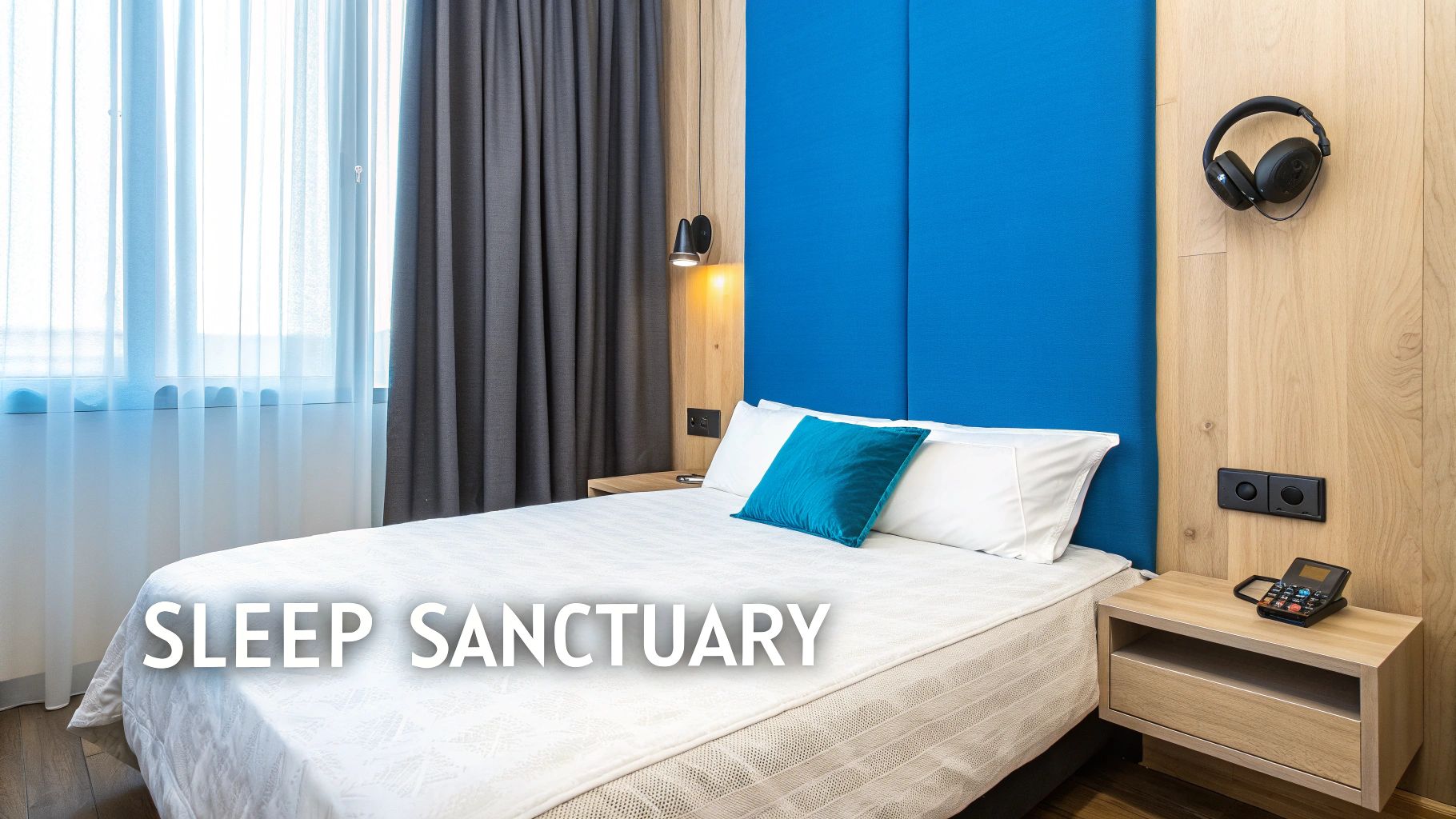
Your bedroom should be more than just a place to crash; it should be an environment engineered for deep, uninterrupted rest. You’ve probably heard the generic advice to "make it dark," but that barely scratches the surface. If you really want to solve the puzzle of sleeping through the night, you have to get serious about creating a true sleep sanctuary.
This means taking control of the three big environmental factors that dictate sleep quality: temperature, light, and sound. When you dial these in, you're sending a powerful signal to your brain that it's safe to power down completely, paving the way for the restorative rest you’ve been missing.
Fine-Tuning Your Room's Temperature
Ever kicked the covers off in the middle of the night, feeling overheated? That’s your body telling you the room is too warm. It's not just a feeling; research consistently shows that a cool environment is crucial for both falling asleep and staying asleep. Your body's core temperature has to drop to initiate the sleep process.
For most people, the sweet spot is somewhere between 60 and 67 degrees Fahrenheit (15.6 to 19.4 Celsius). This cooler temperature helps your body with its natural cool-down process. Play around within this range to find what feels perfect for you.
Achieving Total Darkness
Even a sliver of light from a streetlamp, a charging indicator, or a clock can mess with your sleep cycles. Your brain is incredibly sensitive to light, which can slam the brakes on melatonin production—the very hormone that governs sleep. The goal here isn't just dimness; it's a complete blackout.
Getting there is easier than you think:
- Blackout Curtains: These are an absolute game-changer for blocking light from outside.
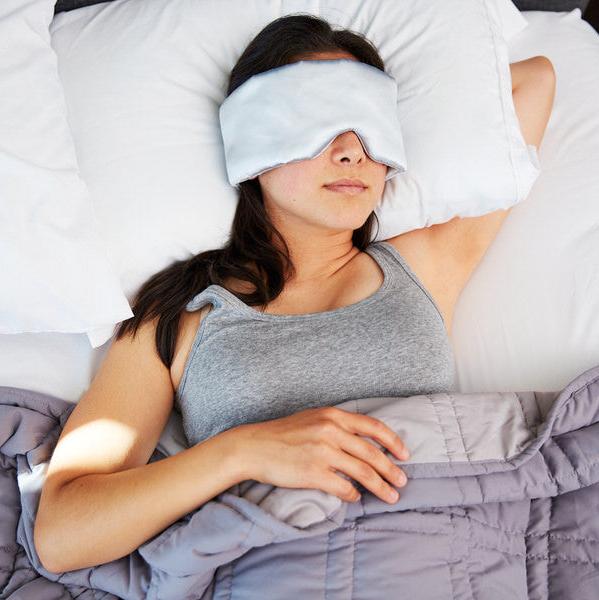
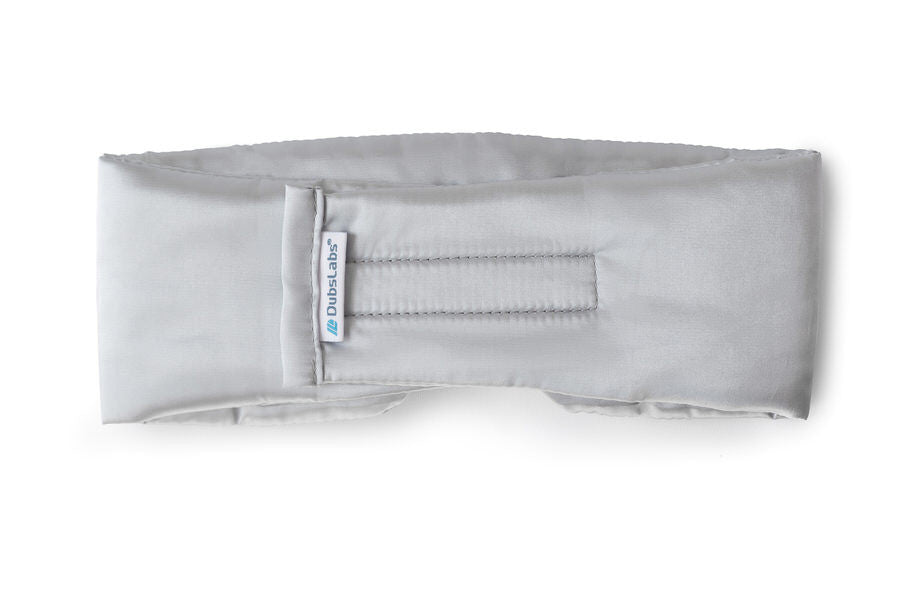
- A Quality Sleep Mask: A comfortable, contoured mask like the DubsLabs Total Dark Sleep Mask creates your own personal blackout zone, no matter where you are.
- Cover Electronics: A small piece of electrical tape over those tiny LED lights on your TV, chargers, and other gadgets makes a surprising difference.
If you want to go even deeper on this, our guide on how your sleep environment affects sleep quality has more strategies to explore.
Think of your bedroom as a cave when it's time for sleep—cool, dark, and quiet. This is the primal signal your brain needs to shut down and recharge without interruption.
Managing Disruptive Noise
Sound is often the trickiest variable to control, especially if you live in a noisy apartment building or have a partner who snores. The key isn't silence, but masking those unpredictable, jarring noises with a consistent, soothing soundscape. White, pink, or brown noise is fantastic for drowning out sudden sounds like a car alarm or a neighbor's dog.
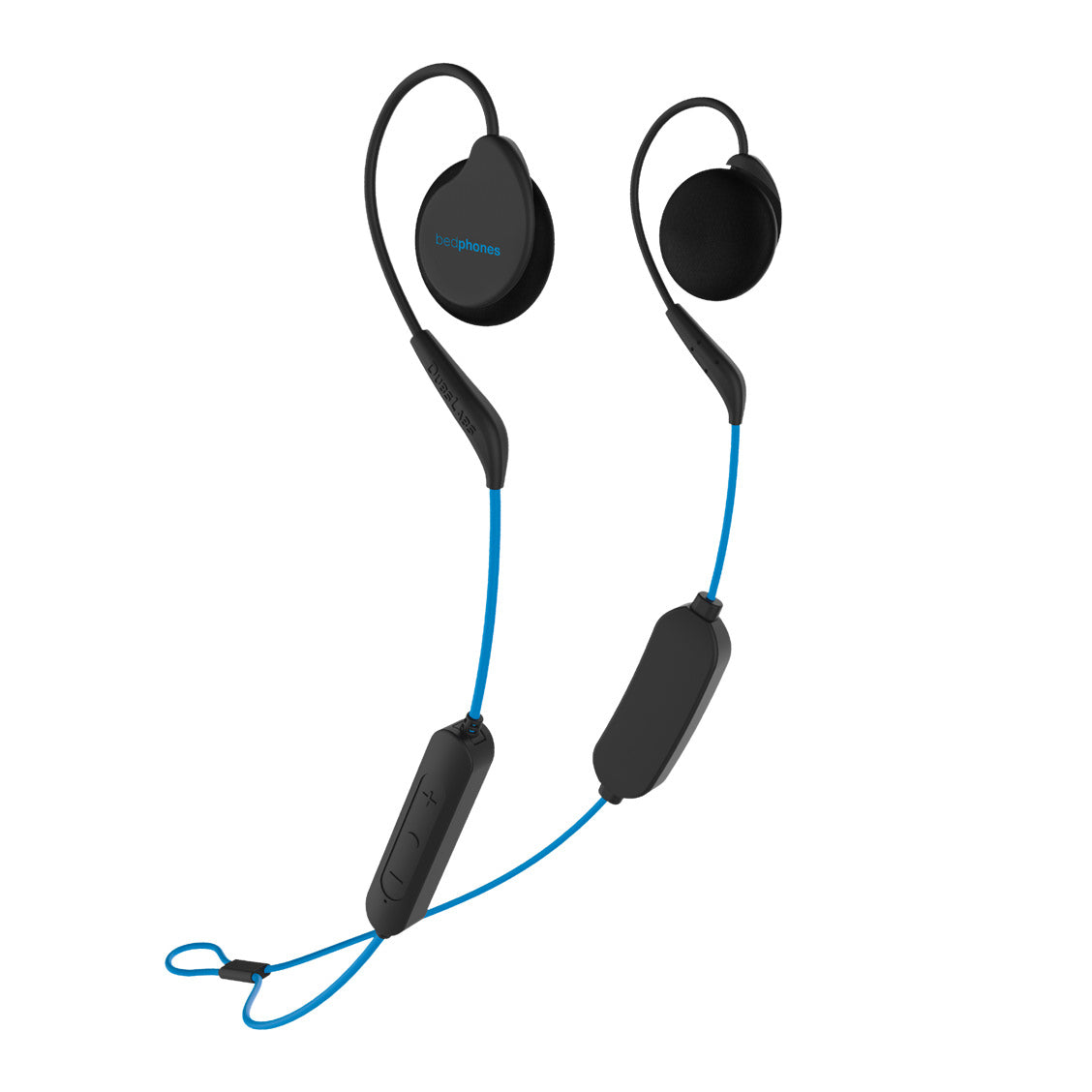
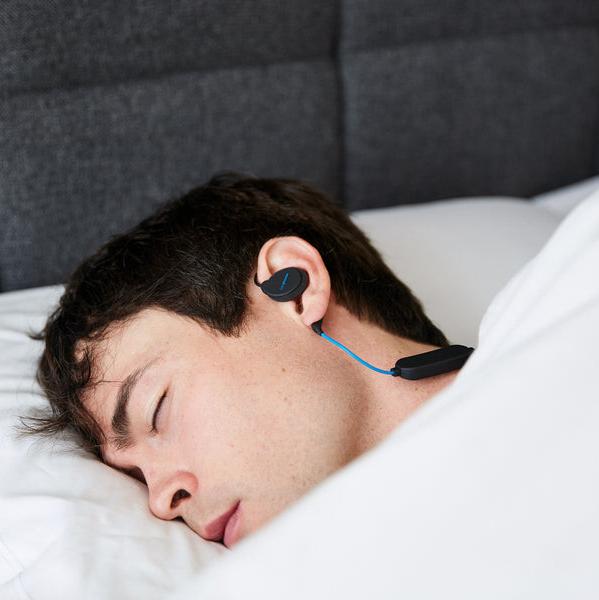
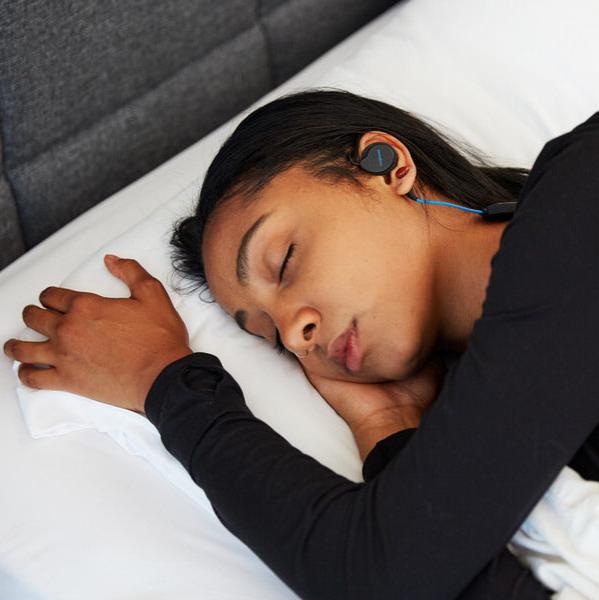
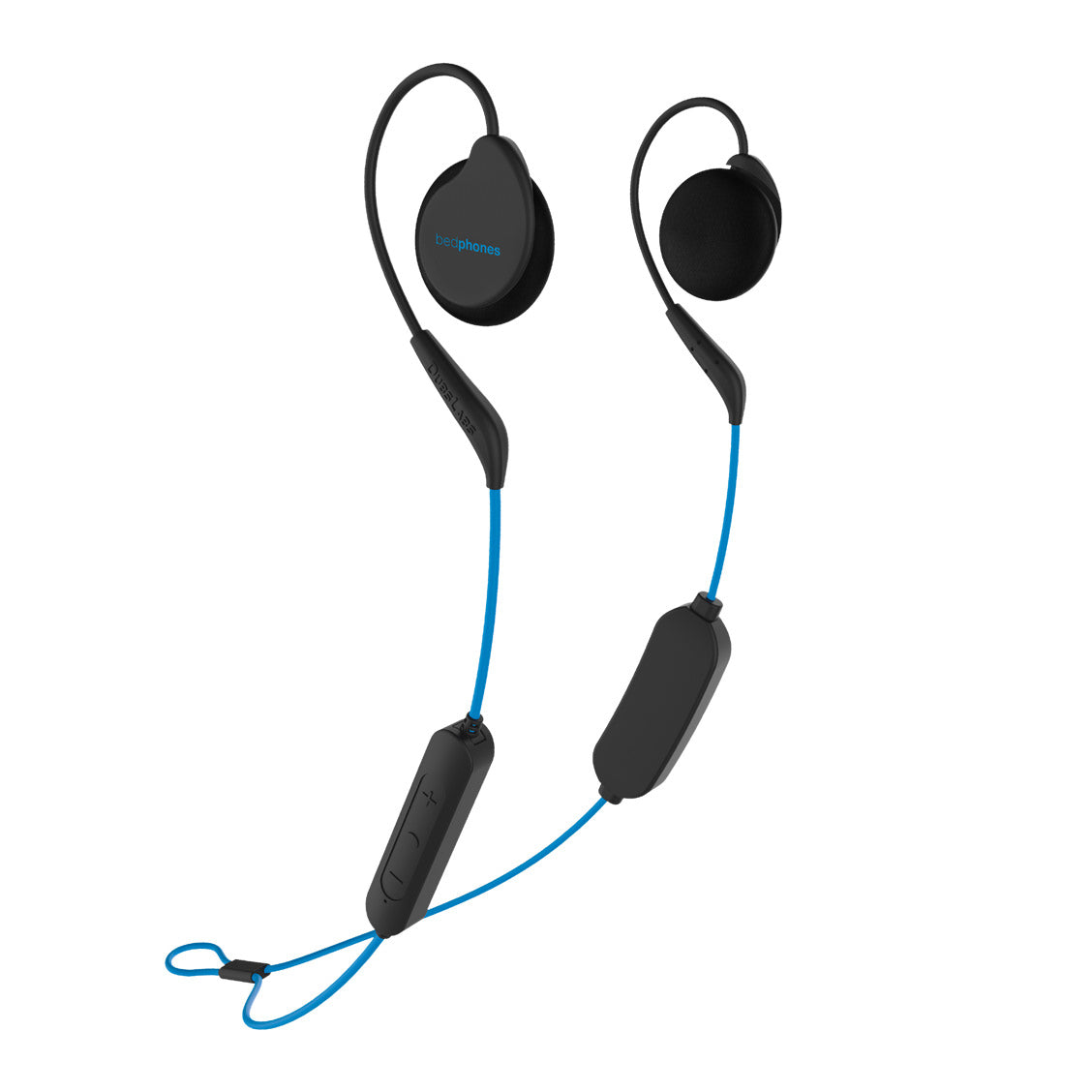
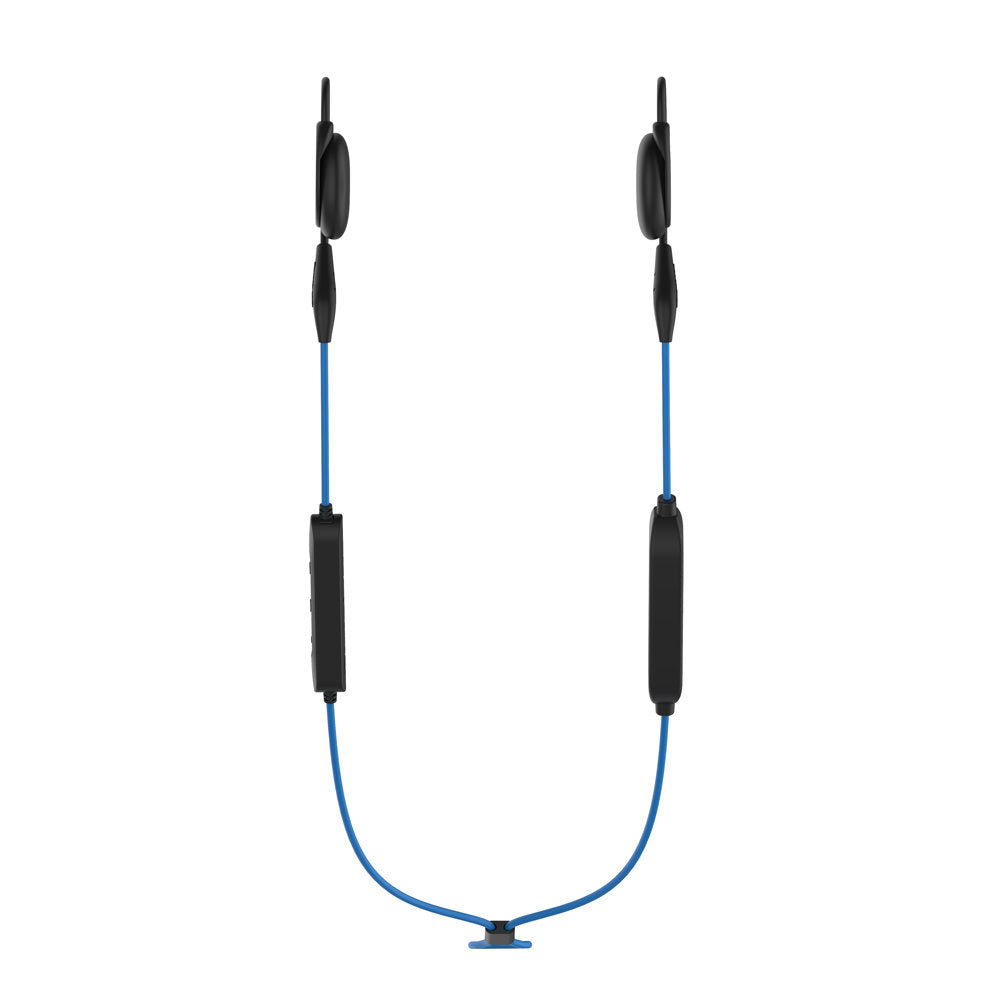
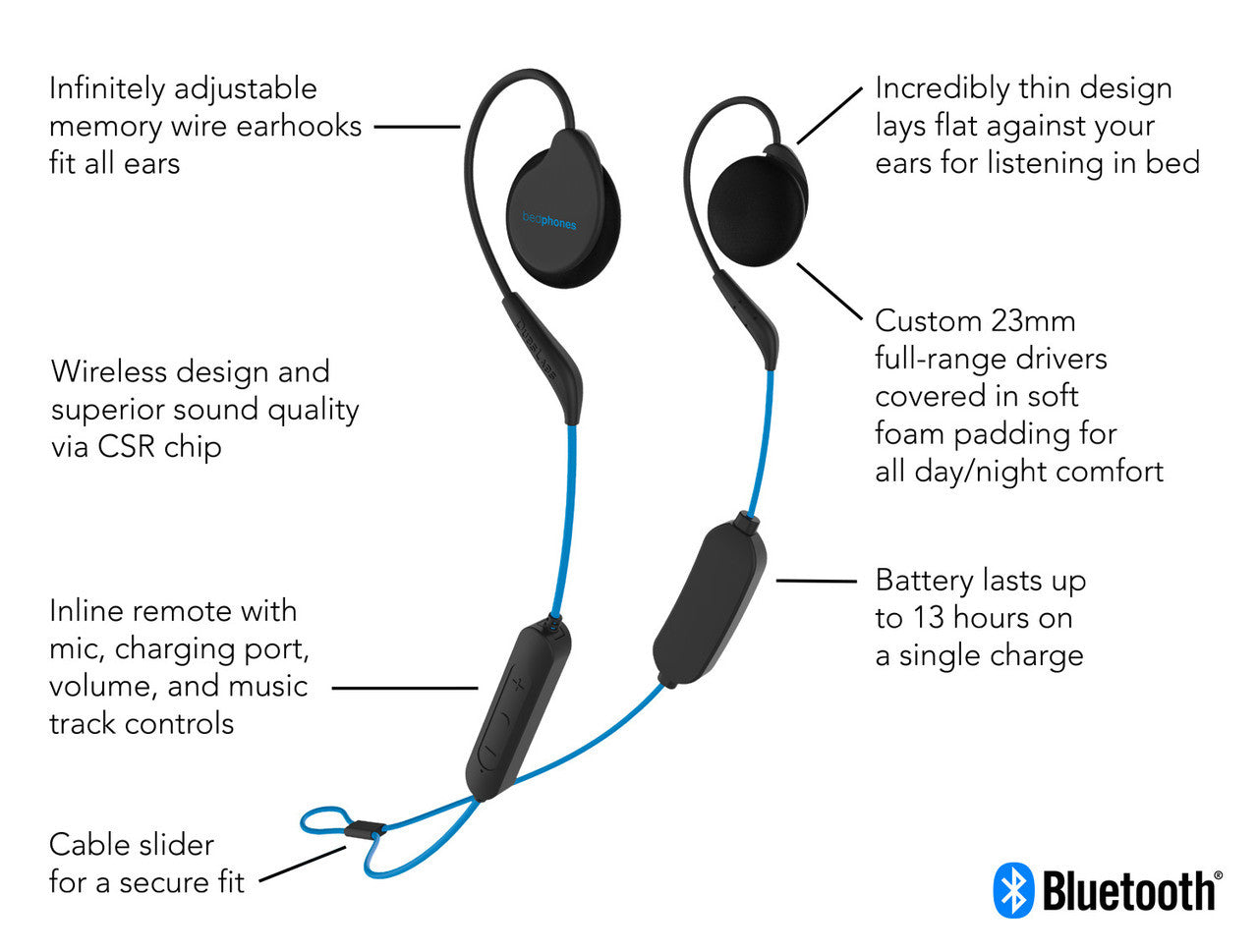
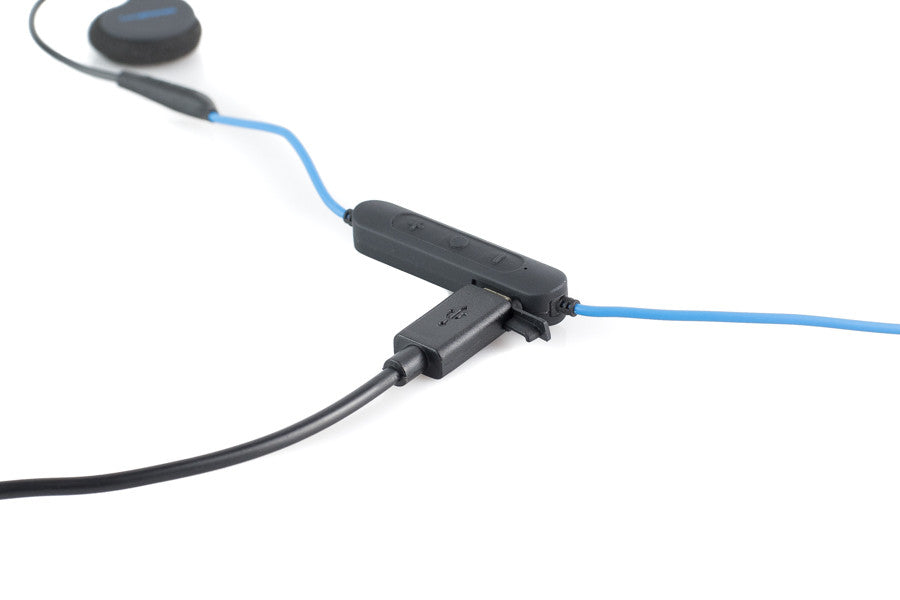
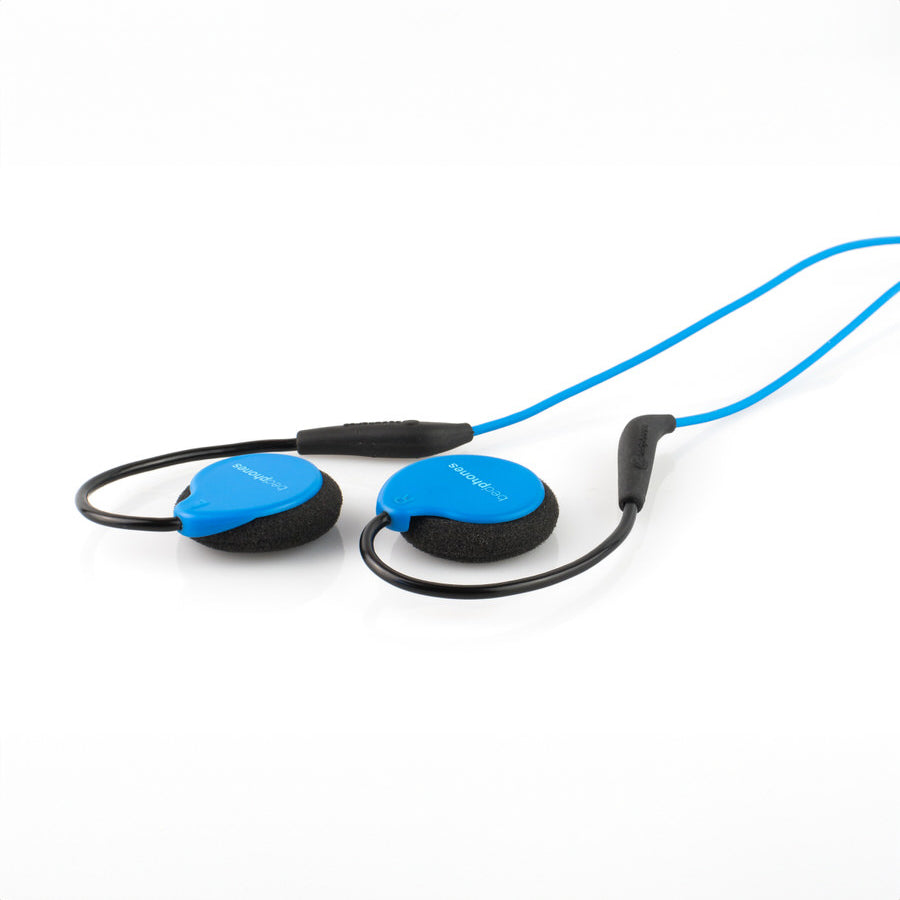
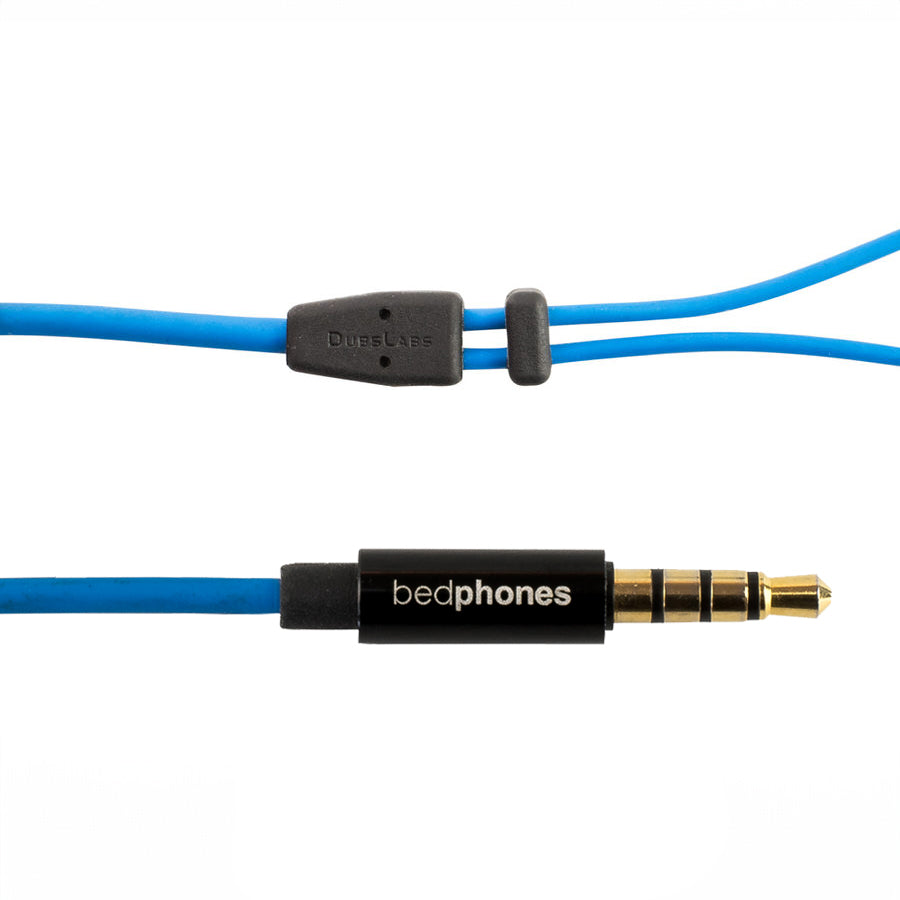
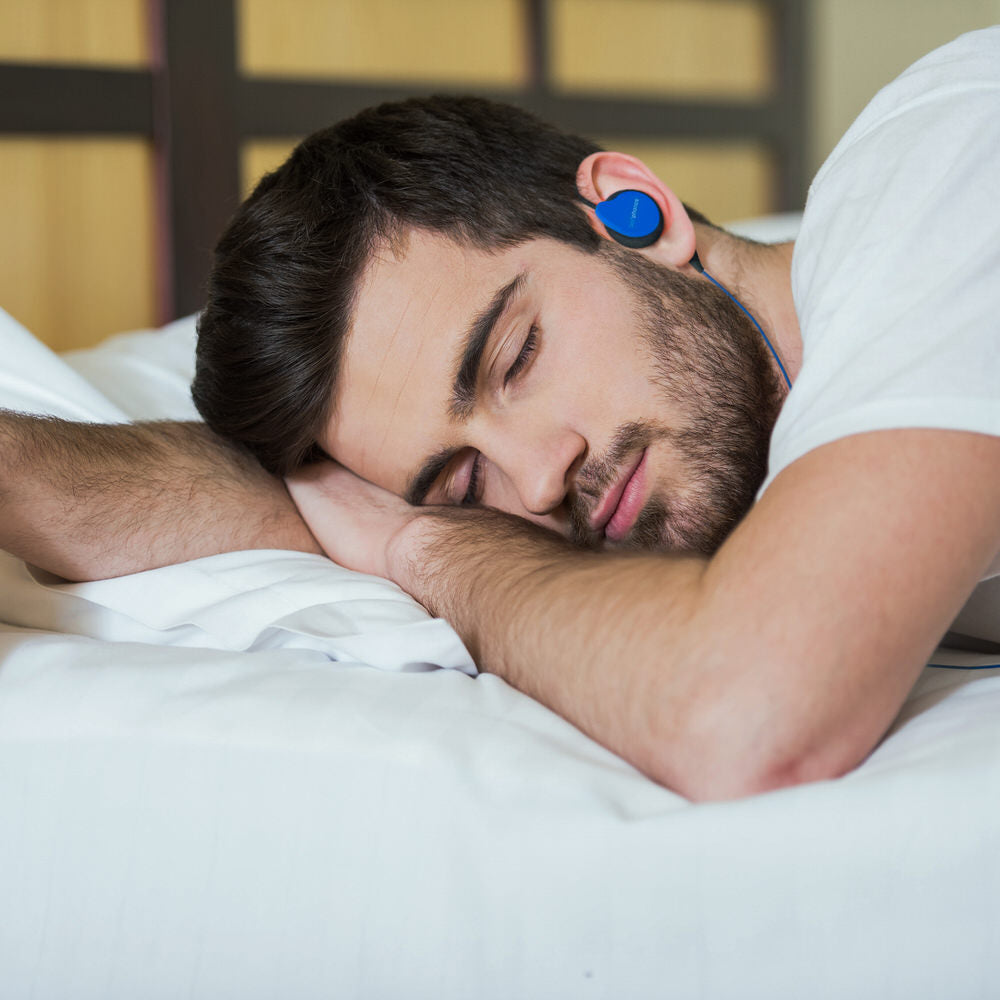
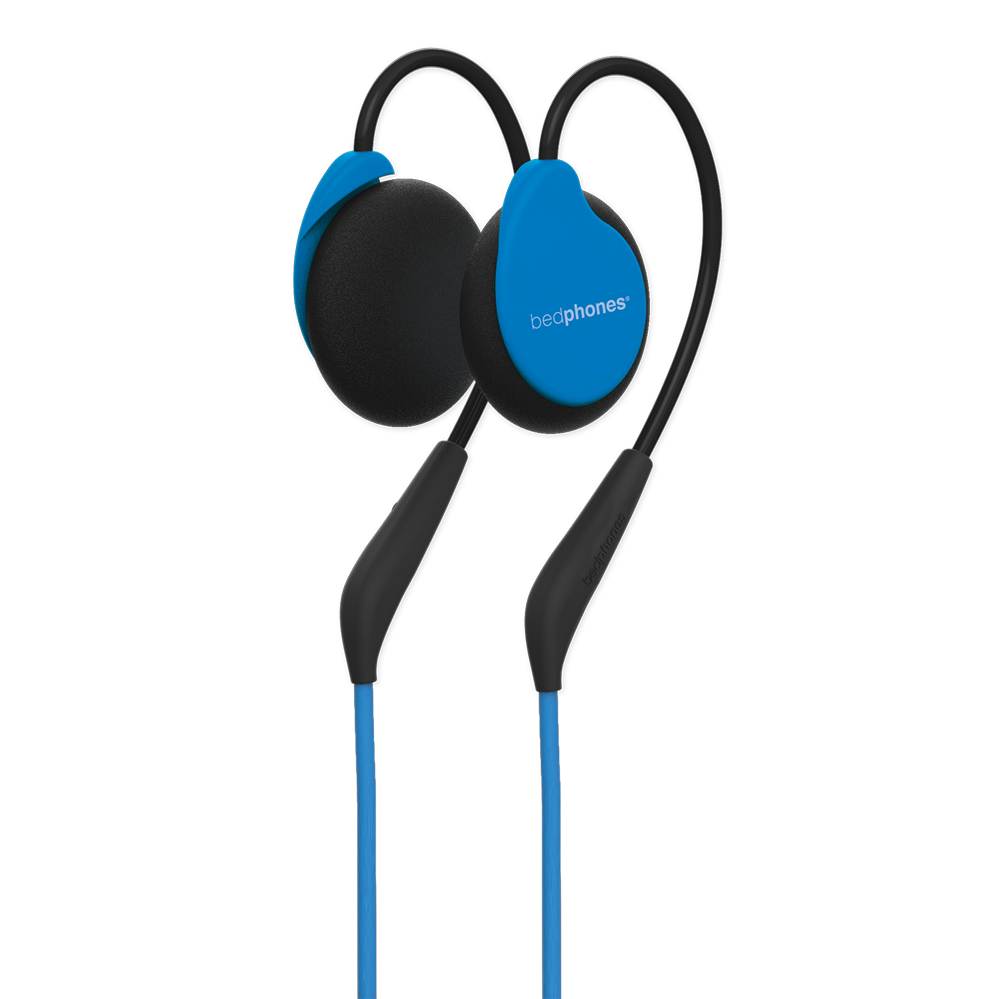
This is where a tool like Bedphones becomes so valuable. These ultra-thin headphones let you comfortably listen to calming soundscapes, guided meditations, or white noise, even if you sleep on your side. You can create a private audio bubble that shuts out the world without bothering your partner.
And for an extra layer of sensory calm, you might want to explore the best essential oils for relaxation. A soothing scent can be the final touch that transforms your bedroom into a true sanctuary. By deliberately managing temperature, light, and sound, you turn your room from a place you just sleep in into a powerful tool for getting a full night of rest.
Building a Wind-Down Routine That Actually Works
The hour before you go to bed is your most powerful tool for teaching your body it’s time to sleep. Think of it as a gentle off-ramp from the high-speed highway of your day, guiding you toward the deep, restorative rest of the night. A successful wind-down routine isn't about rigid rules; it's about finding a personalized ritual you genuinely look forward to and can stick with.
This routine acts as a clear signal to your brain. It dials down stress hormones like cortisol and ramps up calming ones like melatonin. It’s the polar opposite of doom-scrolling on your phone until your eyes burn. Instead, you're intentionally creating a buffer zone between your busy day and a peaceful night.
Unplugging from the Digital World
Honestly, the single most impactful change you can make is giving yourself a digital curfew. Set a non-negotiable time—ideally 60 to 90 minutes before bed—when all screens go dark. The blue light blasting from our phones, tablets, and TVs is a notorious sleep thief because it directly suppresses your body's melatonin production.
Swapping your phone for a physical book or a simple e-reader without a backlight is a classic for a reason. It engages your mind just enough to pull you away from the day's worries without getting you all wound up again. This simple switch can make a dramatic difference in how fast you fall asleep and how well you stay asleep.
Calming Your Nervous System
Once the screens are off, it’s time to actively calm your mind and body. This is where simple relaxation techniques can work absolute wonders, helping your nervous system shift from a "fight or flight" mode to a much calmer "rest and digest" state.
Breathing exercises are a fantastic place to start because they have an immediate physiological effect. They slow your heart rate, lower your blood pressure, and can quiet a mind that just won't stop racing.
- The 4-7-8 Method: Inhale quietly through your nose for a count of 4. Hold that breath for a count of 7. Then, exhale completely through your mouth with a whooshing sound for a count of 8. Repeat this cycle three or four times. You'll feel the difference.
- Progressive Muscle Relaxation (PMR): This one feels amazing. Starting with your toes, consciously tense a muscle group for about five seconds, then release it completely for ten. Slowly work your way up your body—feet, calves, thighs, and so on. This process makes you incredibly aware of the difference between tension and true relaxation.
Your pre-sleep ritual is a promise you make to yourself. It's an acknowledgment that rest is not a luxury but a fundamental part of a healthy, productive life.
For more guidance, check out our deep dive into various breathing exercises for falling asleep.
Another great tool is journaling. Spending just five minutes jotting down whatever is on your mind—worries, to-do lists for tomorrow, or things you're grateful for—can offload that mental clutter so it doesn’t follow you into bed.
To help solidify your transition into slumber, explore this guide on creating a bedtime routine for adults that actually works. By consistently practicing these calming activities, you're not just preparing for one good night's sleep; you're building a solid foundation for a lifetime of restorative rest.
Troubleshooting Mid-Night Awakenings
Even with the perfect sleep sanctuary and a rock-solid wind-down routine, waking up in the middle of the night can still throw a wrench in your plans. The key isn't to prevent it from ever happening, but to know exactly what to do when it does, without letting frustration take over.
If you find yourself staring at the ceiling at 3 AM, just know you're in good company. Trouble staying asleep is an incredibly common issue.
A recent poll found that nearly half of all adults in the U.S. struggle to stay asleep at least three nights a week, with over 70% reporting some difficulty. And it’s not just an American problem; about one-third of people globally face the same challenge. You can dig into the full research on these sleep trends to see just how widespread this is.
Common Culprits and Quick Fixes
Let's run through the most frequent reasons people wake up and, more importantly, what to do about them. These are the small, practical tweaks that often make the biggest difference in finally sleeping through the night.
- Late-Night Bathroom Trips: If you're constantly up for a trip to the loo, try cutting back on liquids in the two hours before bed. Have that last big glass of water with dinner instead of right before you turn in.
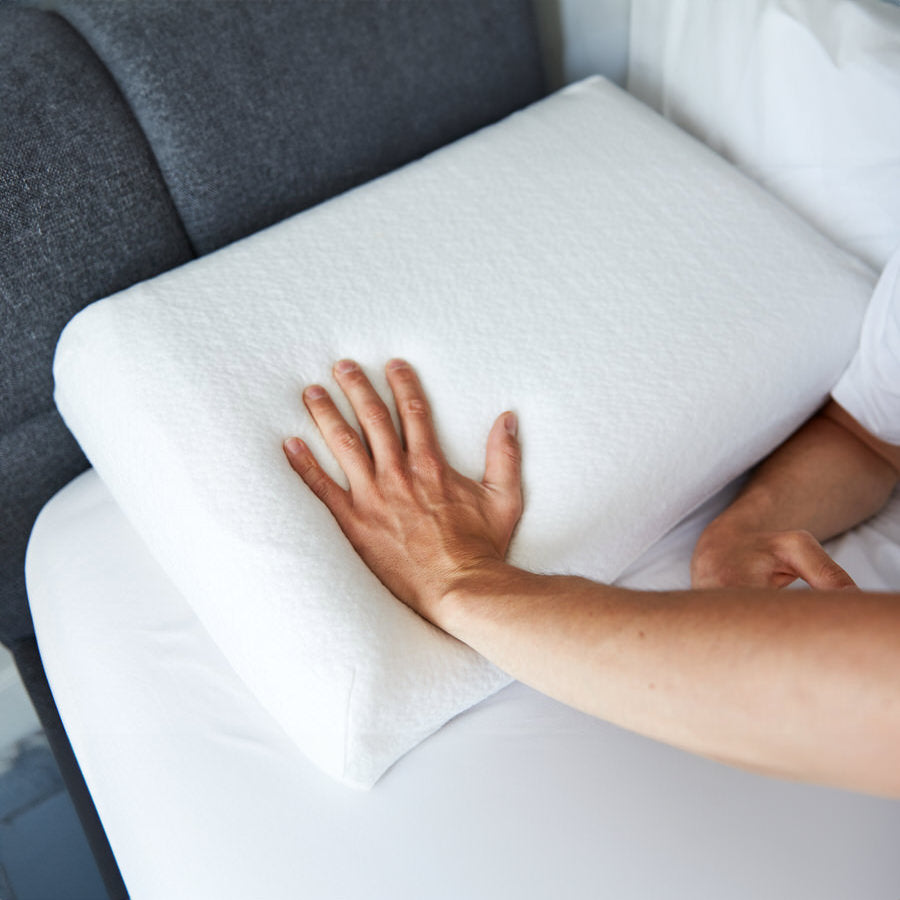
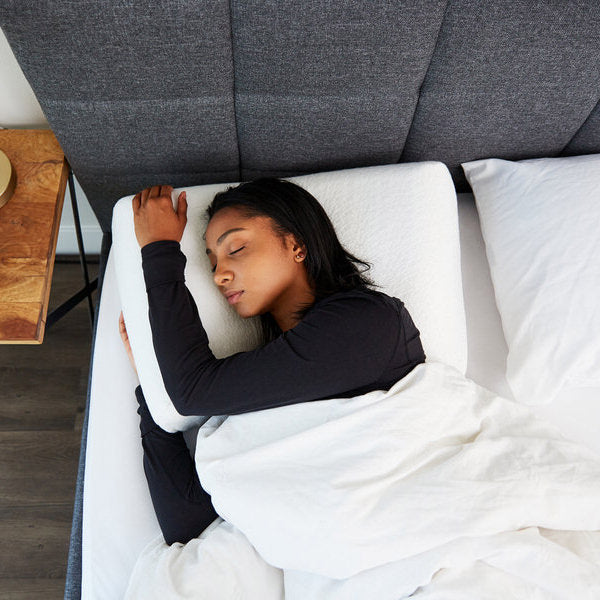
- Physical Discomfort: Waking up sore or stiff? Your pillow or sleeping position is the likely culprit. A quality adjustable pillow can make all the difference, giving your neck the right support whether you're a side, back, or stomach sleeper.
- A Partner's Disruptions: If your partner's snoring or restless movements are jarring you awake, you need a way to create your own peaceful space. This is where something like DubsLabs Bedphones can be a lifesaver. These ultra-thin headphones let you create a personal sound bubble with white noise or calming audio, effectively masking disturbances without digging into your ears.
The 15-Minute Rule
Here's the most critical strategy for handling a nighttime awakening: whatever you do, don't just lie there tossing and turning. Lying in bed feeling stressed about not sleeping is a recipe for disaster. It literally trains your brain to associate your bed with anxiety, not rest.
Instead, follow the 15-minute rule. If you've been awake for what feels like 15-20 minutes and you aren't feeling sleepy, it’s time to get out of bed.
The goal isn't to "try harder" to sleep. It's to break the cycle of anxiety. Getting out of bed for a short period resets the process, giving you a better chance of falling back asleep when you return.
Go to another room and do something calm and quiet in very dim light. The activity should be boring enough that it doesn't wake your brain up too much. Think reading a dull book (no thrillers!), listening to soft music, or doing some gentle stretches. As soon as you start to feel drowsy again, head back to bed.
This simple decision tree nails the core idea behind the 15-minute rule.
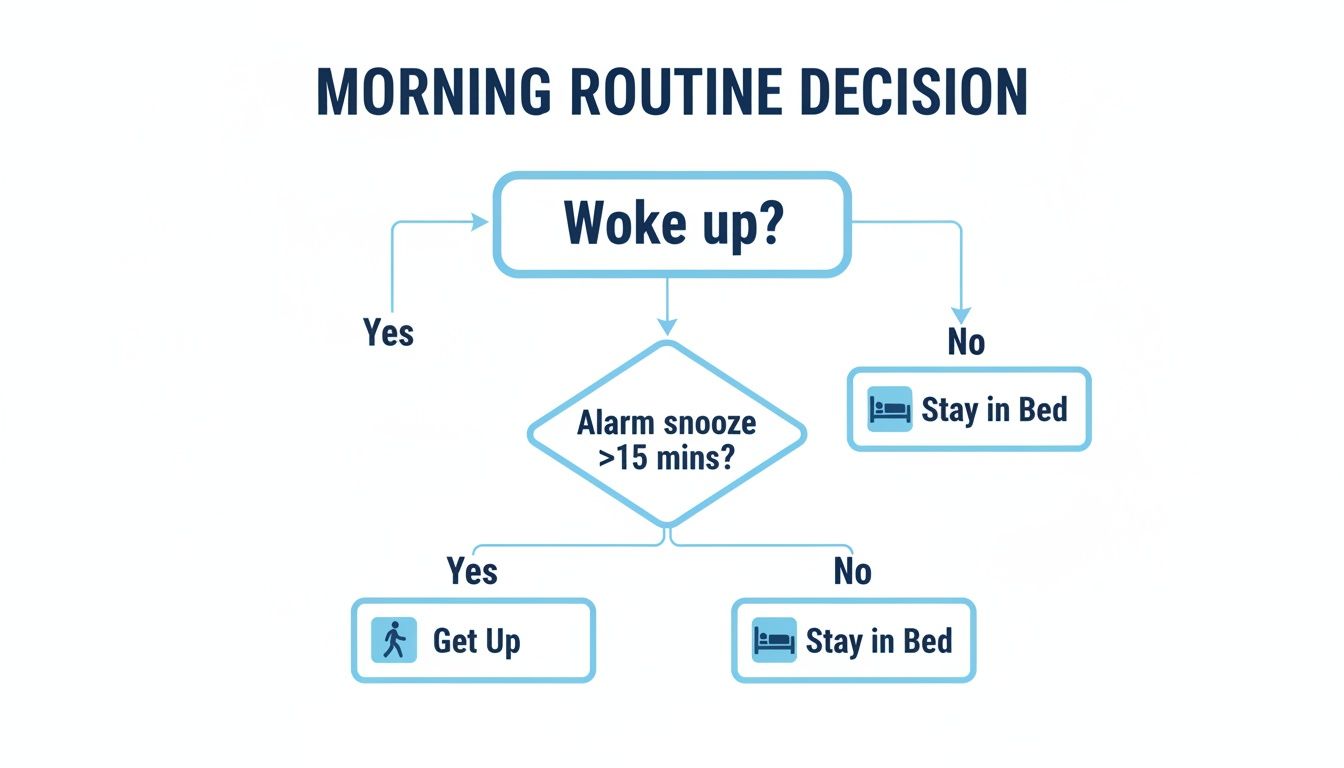
The main takeaway is to stop associating your bed with the frustration of being awake. Choose a proactive, calming response instead.
Taming Your Racing Mind and Nighttime Anxiety
It's one of the most frustrating parts of a bad night's sleep. You're physically exhausted, completely drained, yet your mind is running a full-on marathon. This classic "tired but wired" feeling is often the handiwork of stress and anxiety, which can completely hijack your body’s ability to power down.
When you’re stressed, your body is busy pumping out cortisol. This is the hormone that puts you on high alert, ready for action—the exact opposite of what you need to drift off.
This isn’t just a hunch; it’s a massive problem. Sleep-related anxiety is especially common among younger generations. A recent report on global wellness trends found that nearly 40% of Gen Z adults deal with this multiple times a week. And it's not just them—across all age groups, 46% of people point to anxiety as the main reason they can't sleep through the night.
To break out of this cycle, you need more than just physical relaxation. You need practical mental tools to quiet the storm.
Grounding Yourself with Mindfulness
Mindfulness is really just the practice of paying attention to what's happening right now, without judging it. It's a seriously powerful way to pull your focus away from the downward spiral of anxious thoughts about yesterday's blunders or tomorrow's to-do list.
One of the best mindfulness exercises for sleep is a body scan meditation. Instead of fighting your thoughts, you just gently redirect your attention somewhere else.
Here’s how it works:
- Lie down comfortably in bed and take a few slow, deep breaths.
- Bring your awareness to the toes on your left foot. Just notice any sensations you feel—warmth, coolness, the weight of the blanket—without trying to change a thing.
- Slowly, deliberately, move your focus up your body: to your foot, ankle, calf, knee, and thigh. Spend about 15-20 seconds on each part.
- Continue this all the way up your body. When your mind wanders (which it absolutely will), just gently guide it back to where you left off.
The point of a body scan isn't to force yourself to sleep. It’s about anchoring your mind to the physical sensations of the present moment. When you're focused on your body, it's a lot harder for anxious thoughts to take over.
Rewiring Your Thoughts About Sleep
Sometimes, the biggest source of your nighttime anxiety is... well, sleep itself. You start to worry about not sleeping, which makes you more anxious, which makes sleep even harder to find. It’s a vicious cycle.
This is where some basic principles from Cognitive Behavioral Therapy for Insomnia (CBT-I)—the gold standard for treating insomnia—can be a game-changer. The core idea is to catch those negative thoughts and reframe them.
So, when your brain starts screaming, "I'll be useless tomorrow if I don't sleep right now!" you can learn to challenge that script.
- Catch the Thought: "If I wake up in the middle of the night, I'll never get back to sleep."
- Challenge It: "Is that really true? Sometimes I do wake up and fall right back to sleep. And even if I don't, I’ve handled a tough day on less sleep before. It won't be fun, but it won't be a disaster."
- Replace It: "Even just resting in bed is good for my body. I'm still recovering, even if my mind is awake. I can handle tomorrow no matter what."
This mental shift takes the pressure off. By creating a calmer internal environment, you make sleep much more likely to happen. When you combine mindfulness with these simple reframing techniques, you can start to feel back in control and finally get the peaceful night's rest you deserve.
Common Questions About Sleeping Through the Night
As you start tweaking your habits, a few questions are bound to pop up. It's totally normal. Think of this as your go-to guide for those "what if" moments that can make or break your journey to finally sleeping through the night.
Let's dive into some of the most common hurdles people face when they get serious about their sleep.
How Long Until I See Results?
This is the big one, right? The honest answer is: it really depends. Some people feel a difference after just a few nights of dimming the lights and sticking to a new bedtime. For others, especially if you're trying to undo years of bad habits, it might take a couple of weeks to really feel a consistent shift.
The real magic is in consistency. Sticking with your new schedule and wind-down routine—yes, even on weekends—is what actually retrains your brain and body for solid, uninterrupted sleep. Be patient with yourself. You're teaching your body a new rhythm, and that takes a little time.
Progress isn't always a straight line. You might have a few amazing nights and then a rough one. Don't let it throw you off. That's a completely normal part of the process. Just focus on the overall trend, not one bad night.
What If My Kids Are the Ones Waking Me Up?
Ah, parenthood. It adds a whole new layer of complexity to getting a full night's rest. When a child wakes up, it can completely shatter your own sleep cycle. The game plan here is twofold: you need to help your child sleep better while also giving yourself the best shot at getting back to sleep quickly.
For the little ones, a consistent bedtime routine is just as crucial as it is for you. A predictable series of events—maybe a bath, a story, then some quiet cuddles—sends a powerful signal that sleep is on its way. Making sure their room is dark, cool, and quiet also helps prevent them from waking up in the first place.
When you do get that nighttime visit, your goal is to handle it with as little fuss and stimulation as possible.
- Keep the lights low. A dim nightlight is your best friend. Avoid flipping on that bright overhead light at all costs.
- Keep your voice soft. Use a quiet, soothing tone.
- Get back to your own routine. Once your child is settled again, do a mini-version of your own wind-down. Even just a few deep, slow breaths can help ease you back into sleep mode.
Is It Okay to Nap During the Day?
Napping can be a tricky thing. On one hand, a short power nap can be a fantastic way to recharge and get through an afternoon slump. On the other hand, a long nap—or one taken too late in the day—can absolutely sabotage your efforts to fall asleep at night.
If you feel like you really need a nap, just follow a couple of simple rules to make sure it doesn't mess with your nighttime sleep:
- Keep it short. We're talking 20-30 minutes, max. This little catnap is just enough to refresh you without letting you slip into the deeper stages of sleep that cause that post-nap grogginess.
- Keep it early. The sweet spot for a nap is in the early afternoon, ideally before 3 PM. Napping any later than that can seriously interfere with your body's natural drive to sleep in the evening.
Think of naps as a helpful tool, not a replacement for a full night's rest. Used wisely, they can support your goal of sleeping right through the night.
Ready to create the ultimate sleep sanctuary? DubsLabs offers a range of products designed to help you get the deep, uninterrupted rest you deserve. Explore our collection of Bedphones, weighted blankets, and sleep masks to find the perfect tools for your journey to better sleep.