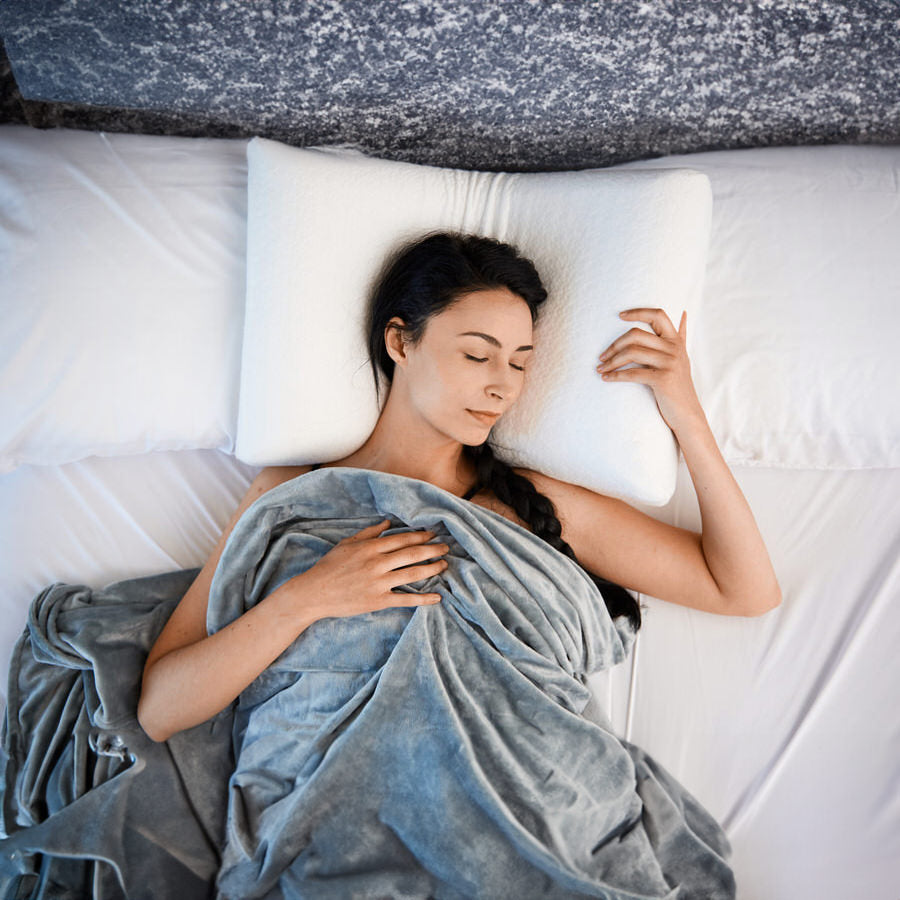
Lying awake with a racing mind is one of the most frustrating feelings in the world. If you're here, you probably know it well. But learning how to sleep better with anxiety starts with understanding why it’s happening in the first place. This isn't some personal failing; it's a completely normal biological response where stress kicks your 'fight or flight' system into high gear, making rest feel totally out of reach.
Let's walk through some real, actionable strategies to finally break this cycle.
Understanding Why Anxiety Keeps You Awake
Ever found yourself staring at the ceiling at 2 AM, heart pounding while your mind replays every single worry on a loop? You've just met the powerful, frustrating connection between anxiety and sleeplessness. This isn't just in your head. When you feel anxious, your body gets flooded with stress hormones like adrenaline and cortisol.
These chemicals are designed to keep you alert and ready for danger—great for escaping a tiger, terrible for drifting off into a deep, restorative sleep.
Your sympathetic nervous system—think of it as your body's gas pedal—gets stuck in the "on" position. This triggers very real physical symptoms that make sleep a constant battle:
- A rapid heartbeat or palpitations that you can feel in your chest.
- Tense muscles, especially that familiar tightness in your neck and shoulders.
- Shallow, quick breathing that feels like you can't get a full breath.
- A general feeling of being "on edge" or hyper-aware of every little sound.
This physiological state is the exact opposite of what your body needs to relax and fall asleep.
The Frustrating Cycle of Sleep Anxiety
As if that wasn't enough, this whole situation often gives birth to a specific type of anxiety: sleep anxiety. This is the cruel irony where you start worrying about not being able to sleep... and that very worry becomes the thing that keeps you awake.
Thoughts like, "If I don't fall asleep right now, I'll be useless tomorrow," or "What if I can't sleep all night?" are like pouring gasoline on the fire, triggering yet another wave of stress hormones. Your bed, which should be a sanctuary, starts to feel like a place of frustration and failure. Before you know it, you've created a conditioned response where just getting into bed can make you feel more anxious.
The link between these two is undeniable. Research shows that people with insomnia are a staggering 17 times more likely to struggle with clinically significant anxiety. It’s clear these issues don't just coexist; they actively fuel one another.
Key Takeaway: Poor sleep doesn't just result from anxiety; it actively makes anxiety worse. Breaking the cycle requires addressing both the mental worries and the physical tension that keep you wide awake.
Taking Back Control of Your Nights
A huge part of taking back control is recognizing how our modern habits contribute to the problem. Constant scrolling through social media, for instance, is a recipe for mental overstimulation right when you should be winding down. The undeniable social media detox benefits often include huge improvements in sleep and reduced anxiety. Just having that awareness is a powerful first step.
This guide is designed to give you a clear path forward with practical, evidence-based strategies. To get started, here's a quick look at the core approaches we'll dive into.
Quick Guide to Calming Nightly Anxiety
This table gives you a snapshot of the key strategies we'll explore. Think of it as your cheat sheet for getting started tonight.
| Strategy Area | Key Action | Primary Benefit |
|---|---|---|
| Cognitive Techniques | Schedule "Worry Time" earlier in the day to process anxious thoughts. | Prevents anxieties from ambushing you at bedtime, clearing your mind for rest. |
| Relaxation Exercises | Practice deep breathing or progressive muscle relaxation before sleep. | Directly counteracts the 'fight or flight' response by lowering heart rate and easing tension. |
| Sleep Environment | Optimize your bedroom to be cool, dark, and quiet. | Sends powerful cues to your brain that it's time for sleep, reducing sensory stimulation. |
| Nightly Routine | Create a consistent 60-minute wind-down routine without screens. | Signals to your body that sleep is approaching, making the transition to rest smoother. |
Each of these areas plays a crucial role in unwinding the knot of sleep and anxiety. Let's dig into how you can put them into practice.
How to Tame a Racing Mind Before Bed
Telling someone with anxiety to "just relax" is a bit like telling someone caught in a downpour to "just get dry." It's not helpful because it completely misses the powerful thought loops that keep your mind spinning out of control.
Instead of trying to fight those thoughts head-on, the real key is to give them a structured outlet and then gently redirect your mental energy. These methods, many of which are inspired by Cognitive Behavioral Therapy for Insomnia (CBT-I), are practical ways to quiet that racing mind. It's not about forcing your brain to be empty, but about managing your thoughts so they don't hijack your sleep.
Schedule a Time for Productive Worry
One of the best ways to keep anxieties from ambushing you at 2 AM is to give them your undivided attention much, much earlier. This technique is called Productive Worry Time, and it works wonders.
It might sound backward, but by setting aside a specific, limited time for your worries, you're essentially training your brain to keep them contained within that window.
Here’s how you can put it into practice:
- Set a Timer: Block out a 15-20 minute window in the late afternoon or early evening. Just make sure it's at least two hours before you plan to go to bed.
- Write It All Down: Grab a notebook and just dump everything that's making you anxious onto the page. No filtering, no judging. Just get it all out.
- Separate and Solve: Now, divide your list into two columns. In the first, put the worries you can actually do something about. In the second, list the ones totally outside of your control. For that first column, quickly jot down one simple "next step" for each item. For the second column, the act of just writing it down is often enough to help you consciously let it go for the night.
Later, when a worry pops into your head at bedtime, you can gently remind yourself, "I've already dealt with that today. I'll get back to it during my next worry time." This simple boundary can feel incredibly freeing. If your mind is still buzzing, our guide on how to calm anxiety before bed has a few more tricks up its sleeve.
By scheduling a "meeting" with your anxiety, you take back control. You get to decide when and where to deal with these thoughts, rather than letting them ruin your night.
Disrupt Anxious Thoughts with the Cognitive Shuffle
Ever feel like your mind is a broken record, stuck replaying the same anxious thought? The Cognitive Shuffle is a unique and surprisingly effective way to break that pattern. It works by giving your brain a task so random that the anxiety simply can't keep up.
The process is refreshingly simple:
- Pick a Neutral Letter: Think of any letter that doesn't carry much emotional weight for you. Let's say you pick "B."
- Visualize Random Objects: Begin to visualize totally unrelated objects that start with that letter. For example: Balloon... Bicycle... Book... Bridge... Butterfly.
- Keep it Slow and Visual: Don't rush. Spend a good 5-10 seconds vividly picturing each item before moving on to the next. The goal is to hold the image, not to race through a list.
- Change Letters When You Run Out: Once you can't think of any more "B" words, just switch to a new letter and keep going.
This technique essentially scrambles the brain's ability to hold onto a coherent, anxious story. The mental work required to conjure up these random images effectively derails the anxious thought train, giving your mind the space it needs to drift off to sleep.
Challenge and Reframe Your Sleep Beliefs
Sometimes, the very thing keeping us awake is anxiety about sleep itself. We've all been there. Thoughts like, "I'll never fall asleep," or "If I don't sleep now, tomorrow is going to be a disaster," become self-fulfilling prophecies. This is where you can challenge those thoughts and reframe them into something more realistic.
When a negative thought about sleep pops up, gently question its validity:
- What's the evidence? "Is it really true that I'll be completely useless tomorrow? I've had rough nights before and still managed to function."
- Is there another way to see this? "Maybe just resting my body in bed is still beneficial, even if I'm not fully asleep."
- What would I tell a friend? "I'd tell them to be kind to themselves, and that one bad night doesn't define their whole week."
This isn't about toxic positivity. It’s about shifting away from catastrophic thinking toward a more compassionate and realistic mindset. By consistently challenging these automatic negative thoughts, you slowly strip them of their power and start to rebuild a healthier, less stressful relationship with sleep.
Designing Your Pre-Sleep Sanctuary and Routine
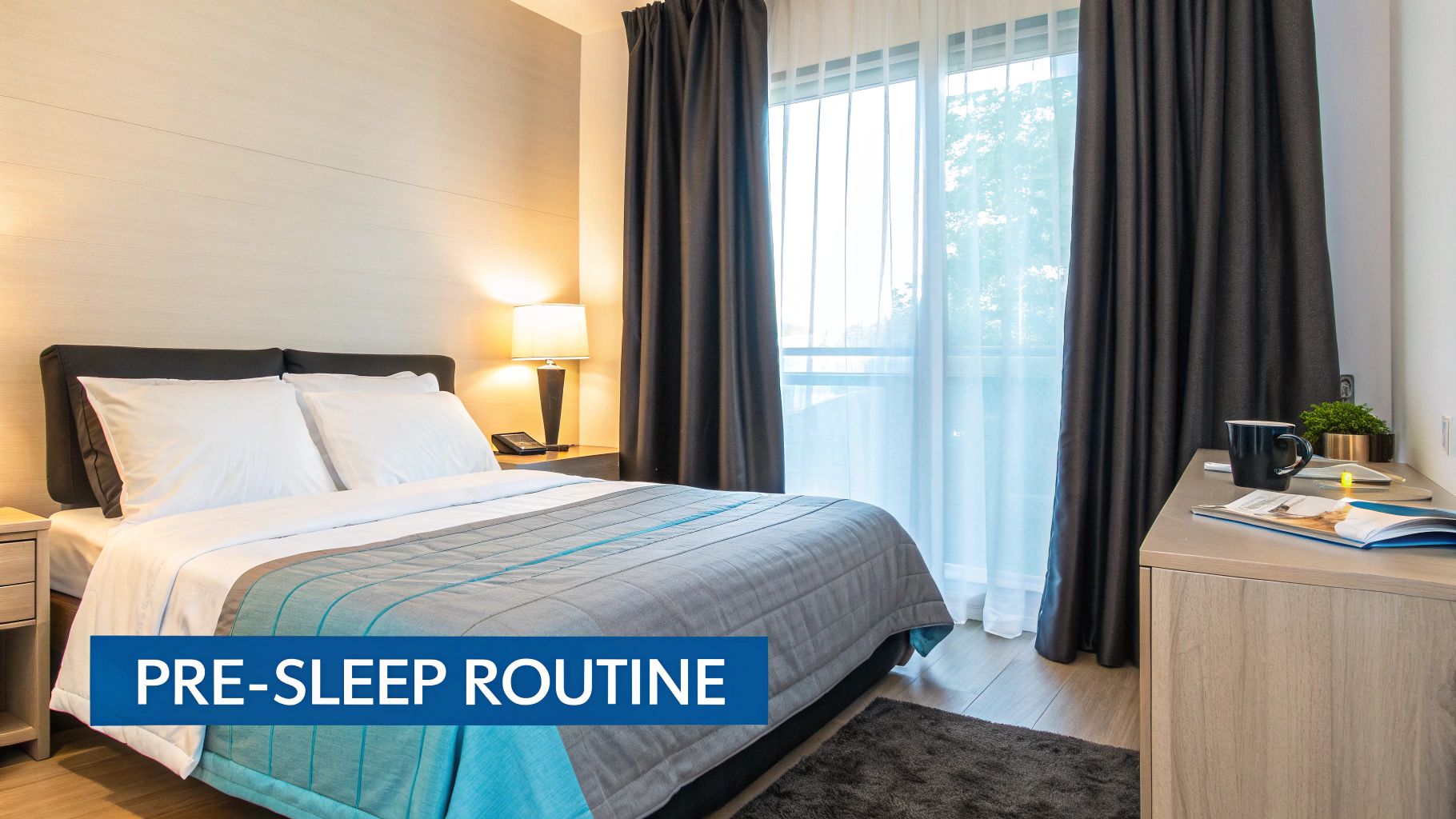
Your bedroom environment and your nightly habits are constantly sending signals to your brain. For someone dealing with anxiety, those signals can either sound the alarm, keeping you on high alert, or gently guide you toward rest. The key is to create a deliberate "buffer zone"—a dedicated time before bed where you consciously shift gears from the day's stress to a state of calm.
This isn't about adding more tasks to an already full plate; it's about actively subtracting stimulation.
This wind-down period should ideally last 60-90 minutes. Think of it as your nightly declaration that the day is officially over. No more checking work emails that kick your professional anxiety into overdrive. No more scrolling through stressful news headlines. And definitely no more glowing screens that actively suppress your body's melatonin production. Your brain needs clear, consistent cues that it's time to power down.
Crafting Your Wind-Down Ritual
A great pre-sleep routine is deeply personal, but the goal is universal: lower your heart rate, quiet your thoughts, and relax your body. The most critical ingredient? Consistency. When you perform the same sequence of calming activities night after night, you build a powerful psychological trigger that tells your brain, "Ah, it's time to prepare for sleep."
Try to pick activities that are sensory and soothing, pulling you away from the digital world and back into your own physical space. Some ideas I've seen work well for people include:
- Gentle Stretching: Don't go for a full workout. Just focus on releasing tension in those classic stress spots—your neck, shoulders, and lower back. Slow, mindful movements can make a huge difference.
- Reading a Physical Book: Pick something you can get lost in, but maybe not a heart-pounding thriller that will leave you wired. The simple act of turning physical pages is far less stimulating than scrolling on a screen.
- Listening to Calming Audio: This could be anything from an instrumental playlist to a guided meditation, a sleep story, or even a podcast with a particularly soothing host.
- Journaling: Give yourself just ten minutes to unload whatever is rattling around in your head. Getting those worries out and onto paper can stop them from playing on an endless loop the second your head hits the pillow.
Optimizing Your Bedroom Environment
Your bedroom needs to be a sanctuary for rest. It's not your office, your movie theater, or the place you have stressful conversations. When you're trying to figure out how to sleep better with anxiety, optimizing this space is a non-negotiable step. The mission is to eliminate any potential disruption that could jolt you out of a relaxed state.
Think about it through the lens of your five senses. How can you make the room as tranquil as possible? Every small tweak adds up, creating a more powerful sleep-promoting atmosphere. For a deeper look at building an effective schedule, check out our guide on creating a bedtime routine for your best sleep.
Key Insight: Your bedroom is a tool. When optimized correctly, it actively works for you, sending constant, subconscious signals to your brain that this space is for peace and rest.
The Core Elements of a Sleep Sanctuary
To really transform your room into the ultimate sleep haven, you need to dial in on three core pillars of sleep hygiene: temperature, light, and sound.
- Keep It Cool: A slight drop in your core body temperature is one of nature's biggest sleep signals. The sweet spot for most people is right around 65°F (18°C). A room that’s too warm is a recipe for restless, fragmented sleep.
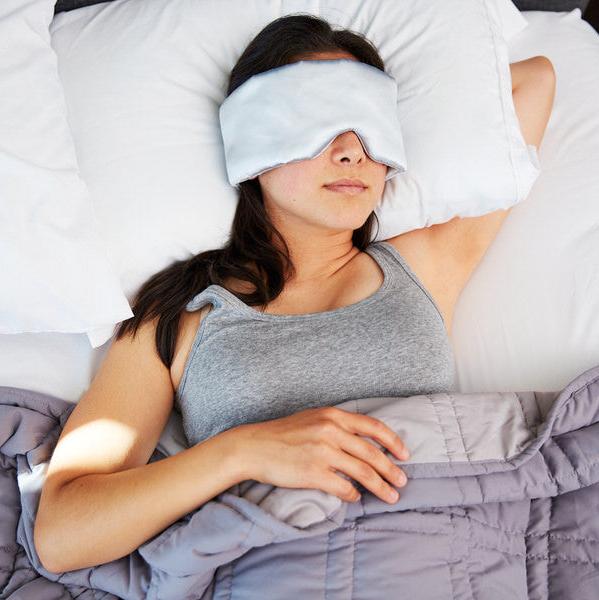
- Embrace Darkness: Light is the most powerful cue for telling your brain to be awake. Use blackout curtains or a good sleep mask to block every photon you can—from streetlights to the sliver of morning sun. Even tiny amounts of light can throw your sleep cycles out of whack.
- Manage Sound: For an anxious mind, unpredictable noises are poison. A white noise machine, a simple fan, or even an app can create a steady, soothing audio backdrop. This masks jarring sounds like traffic, a neighbor's dog, or a snoring partner, giving your brain a stable soundscape to relax into.
Using Your Body to Calm Your Mind
Anxiety isn't just a battle of racing thoughts; it's a deeply physical experience. When you're anxious, your body goes on high alert. Your muscles tense up, your breath gets shallow, and your heart feels like it's pounding out of your chest. If you really want to learn how to sleep better with anxiety, you need tools that speak directly to your body.
The techniques we're about to cover work by activating your parasympathetic nervous system—think of it as your body's built-in "rest and digest" mode. You're essentially flipping a switch from high-stress to calm. By consciously relaxing your body, you send a powerful signal to your brain that the threat has passed, making it so much easier to drift off.
Master the 4-7-8 Breathing Technique
One of the fastest ways to hijack your body’s stress response is to get a handle on your breathing. The 4-7-8 breathing method, sometimes called "relaxing breath," is a surprisingly powerful exercise that acts like a natural tranquilizer for your nervous system.
It forces you to slow down your breathing, which in turn directly lowers your heart rate and blood pressure. The best part? You can do this right in your bed the moment you feel anxiety start to creep in.
Here’s how it works:
- Breathe out completely through your mouth, making a gentle whoosh sound.
- Close your mouth and inhale quietly through your nose for a count of four.
- Hold that breath for a count of seven. This is the most crucial part of the exercise.
- Exhale completely through your mouth—making that whoosh sound again—for a count of eight.
Repeat this cycle three or four times. It might feel a little awkward at first, but with practice, it becomes an incredibly reliable tool to ground yourself when you feel panic setting in.
Dissolve Tension with Progressive Muscle Relaxation
Anxiety often makes us clench muscles we don't even realize we're using, from our jaws to our toes. Progressive Muscle Relaxation (PMR) is a simple practice that teaches you to notice and release this pent-up tension, one muscle group at a time.
The idea is straightforward: you purposefully tense a group of muscles, hold it for a few seconds, and then release it completely. As you release, you pay close attention to the feeling of relaxation that rushes in. This contrast makes you acutely aware of where you're holding stress.
Practical Tip: Don't tense any muscle to the point of pain. The goal is a clear contrast between tension and release, not a cramp. A good strategy is to start with your feet and slowly work your way up your body.
For example, you could start by curling your toes tightly for five seconds, then releasing them for thirty seconds, just soaking in that feeling of warmth and looseness. From there, move up to your calves, thighs, abdomen, and so on, until you've worked through your entire body.
Ground Yourself with a Body Scan Meditation
A body scan is a mindfulness practice where you bring a gentle, non-judgmental awareness to each part of your body. Unlike PMR, you aren't tensing anything. Instead, you're just noticing the sensations as they are—warmth, tingling, pressure, or even a lack of feeling—without trying to change a thing.
This exercise is incredibly effective for anxiety because it pulls your focus away from worrying about the future and plants it firmly in the present moment. It helps you reconnect with your physical self in a calm, observant way. You can find countless guided body scan meditations online that will walk you through the process step-by-step.
Bringing your awareness back to your body is a powerful way to quiet a busy mind. You can find even more strategies by exploring powerful mindfulness exercises for stress relief.
Some people also find that pairing these physical relaxation methods with tools that provide gentle, calming pressure can be a game-changer. For instance, looking into the weighted blanket benefits for adults can show you how deep pressure stimulation works with these exercises to create a profound sense of security and calm.
5. Choosing the Right Sleep Aids for Anxiety
While building better mental habits is the foundation for long-term relief, sometimes you just need a little extra help to quiet the noise. This is where physical sleep aids come in, and I'm not talking about medication.
Think of them less as a magic fix and more as powerful tools to amplify the benefits of your relaxation techniques and sleep hygiene. The real goal here is to thoughtfully manage the sensory overload that often pours gasoline on the anxiety fire. When your mind is racing, things like light and sound can feel like a direct assault. By carefully curating your environment, you give your nervous system a much-needed break, making it easier to find that elusive state of calm.
Creating a Soothing Sensory Cocoon
For so many people struggling with anxiety at night, the world simply feels too loud and too bright. Sensory deprivation tools are designed to counteract this, creating a personal sanctuary where your mind has fewer things to latch onto and worry about.
A few of my go-to recommendations include:
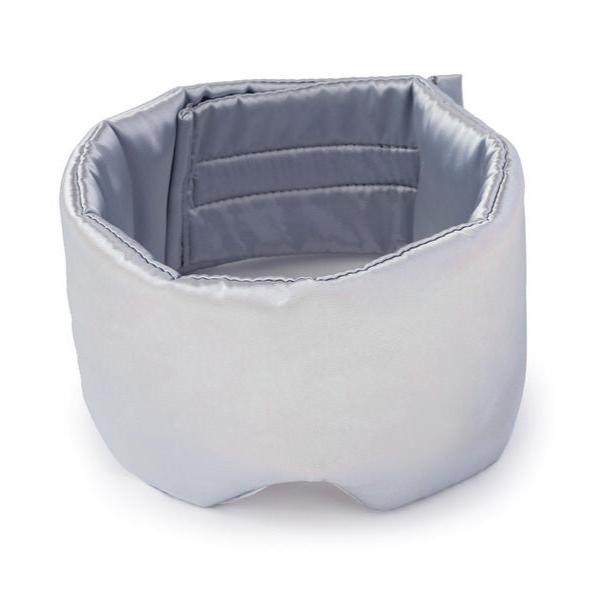
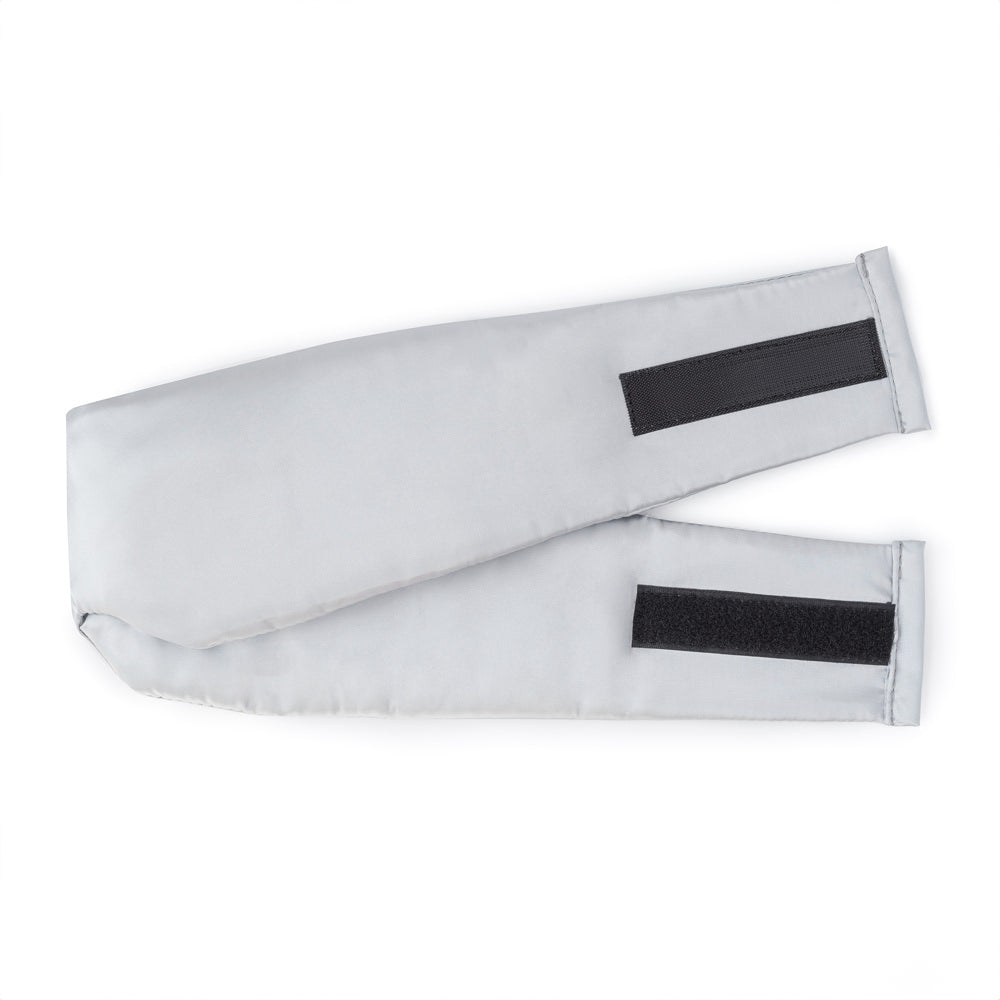
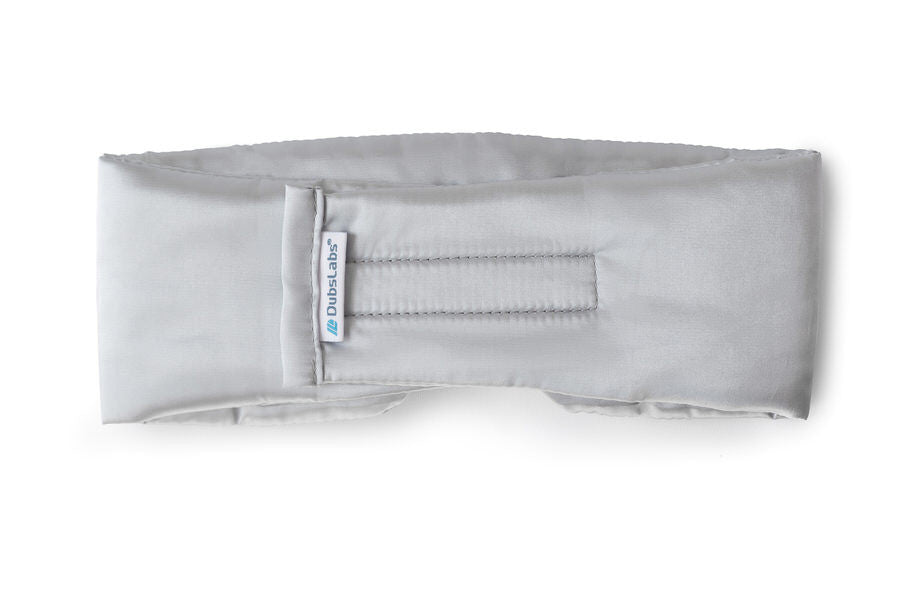
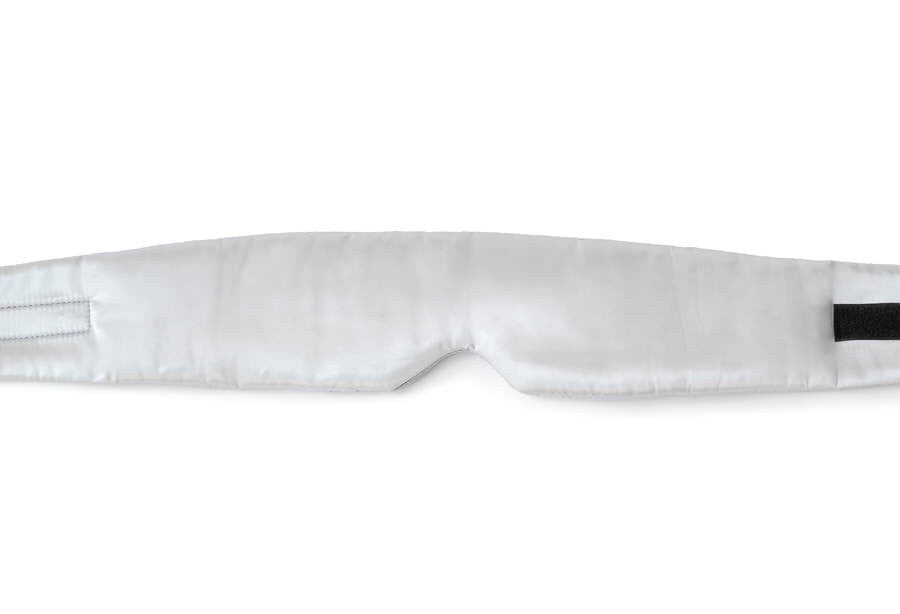
- Total Dark Sleep Mask: Even a tiny sliver of light from your alarm clock or a streetlight can mess with your body's natural melatonin production. A high-quality, comfortable sleep mask creates pure darkness, sending a powerful signal to your brain that it’s officially time to power down.
- Earplugs or White Noise: Unpredictable sounds—a neighbor's door slamming, a car alarm—can put an anxious mind on high alert. Simple earplugs can do the trick, or a white noise machine can provide a steady, soothing hum that masks those jarring sounds, creating a consistent audio backdrop.
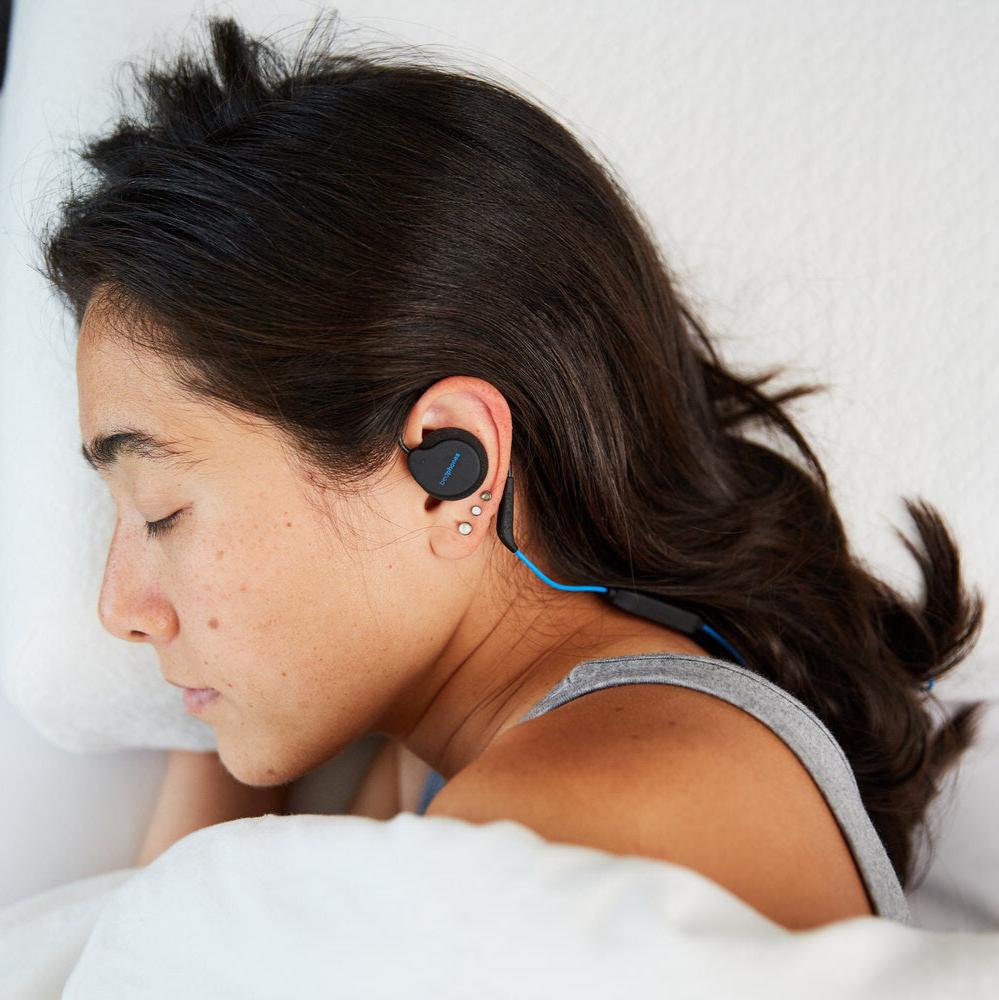
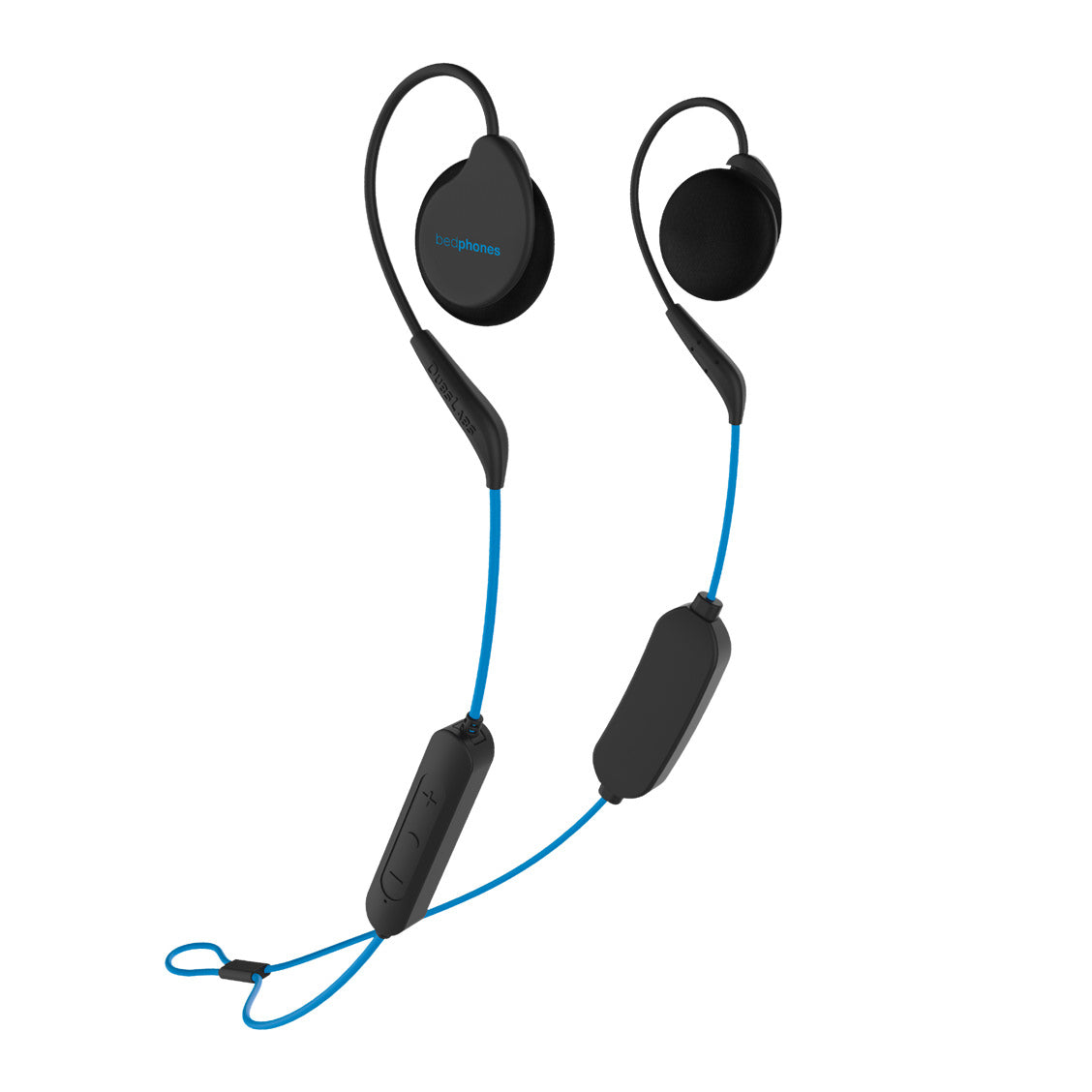
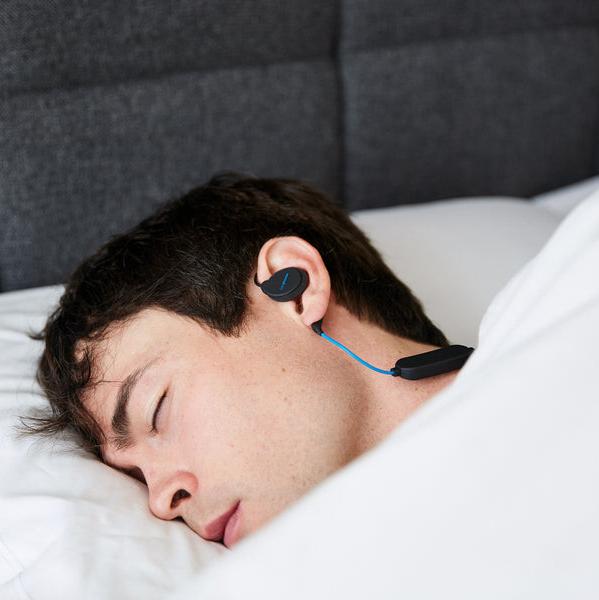
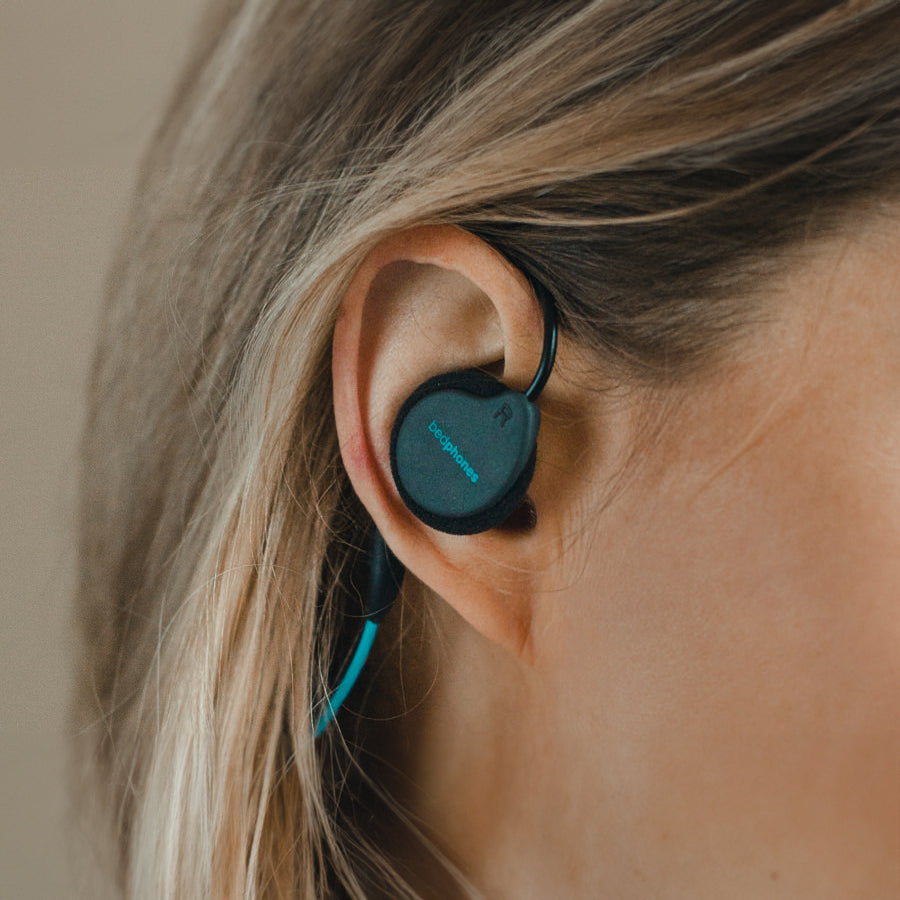
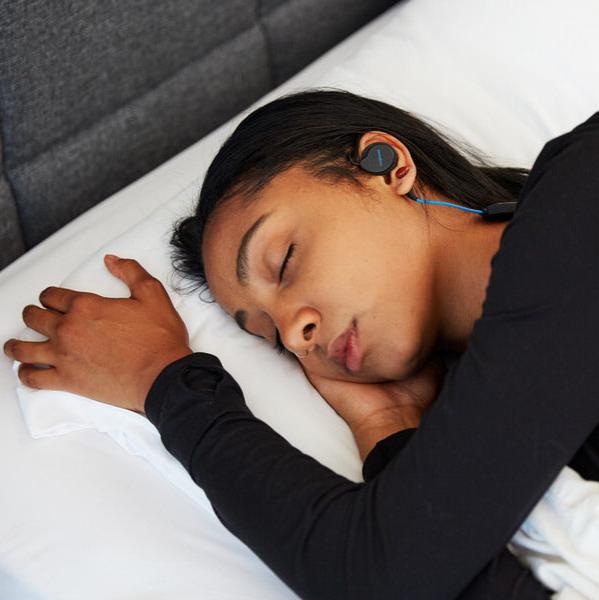
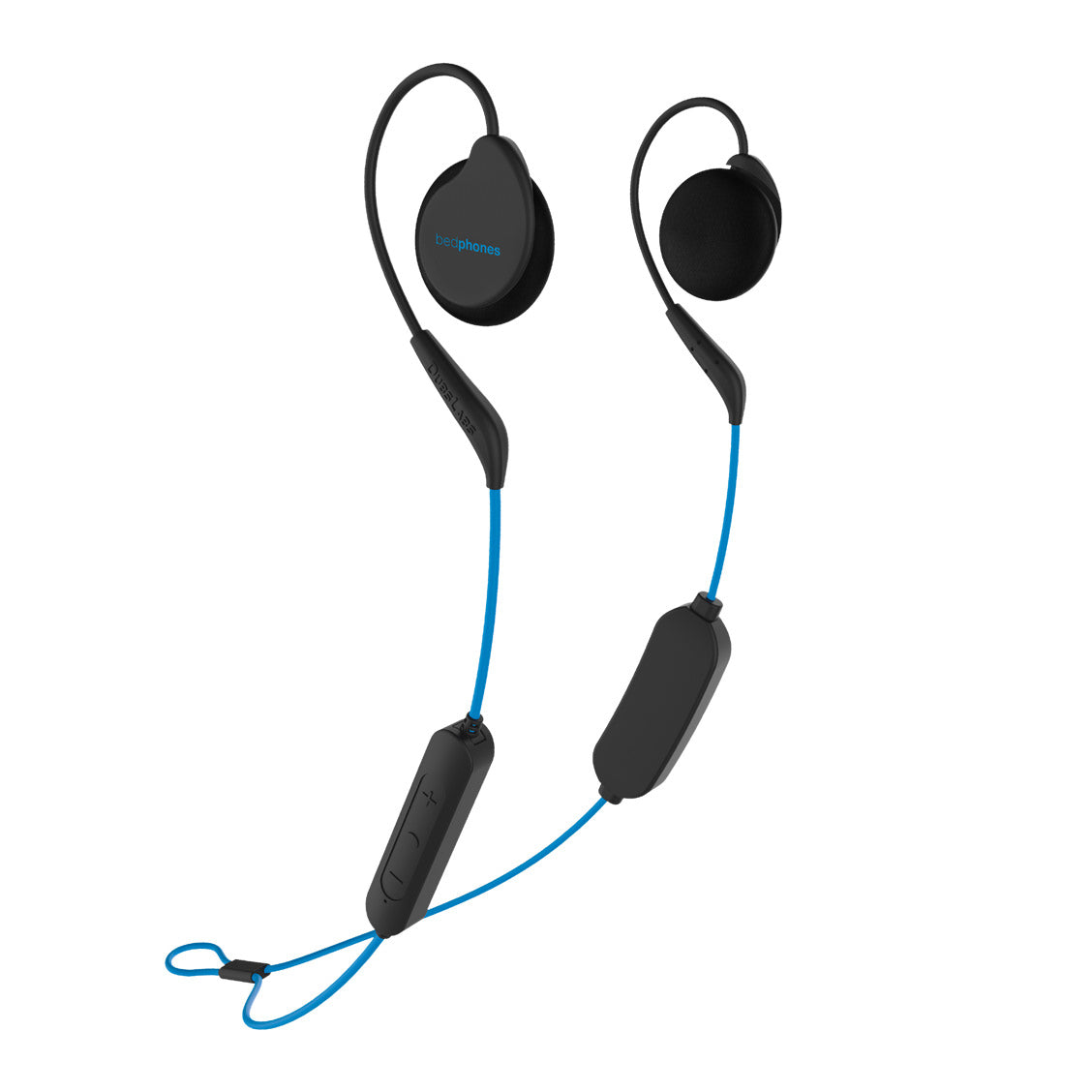
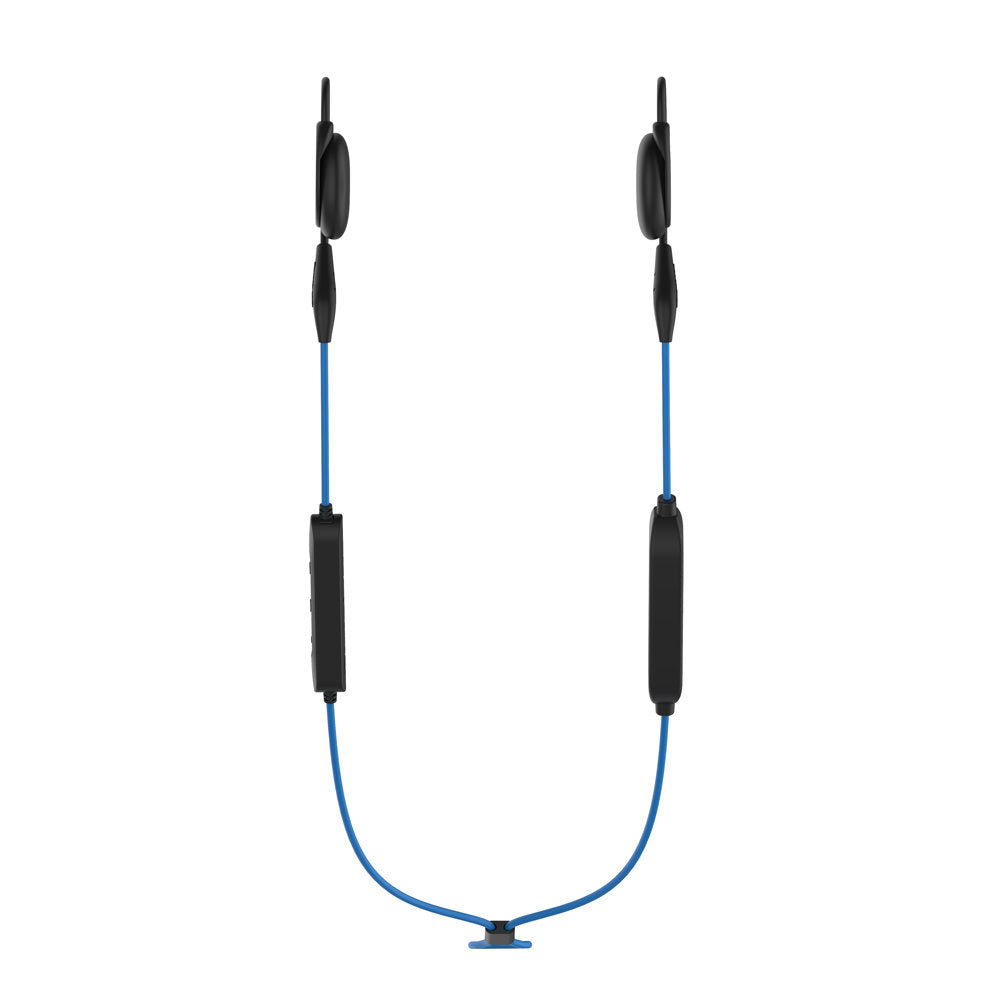
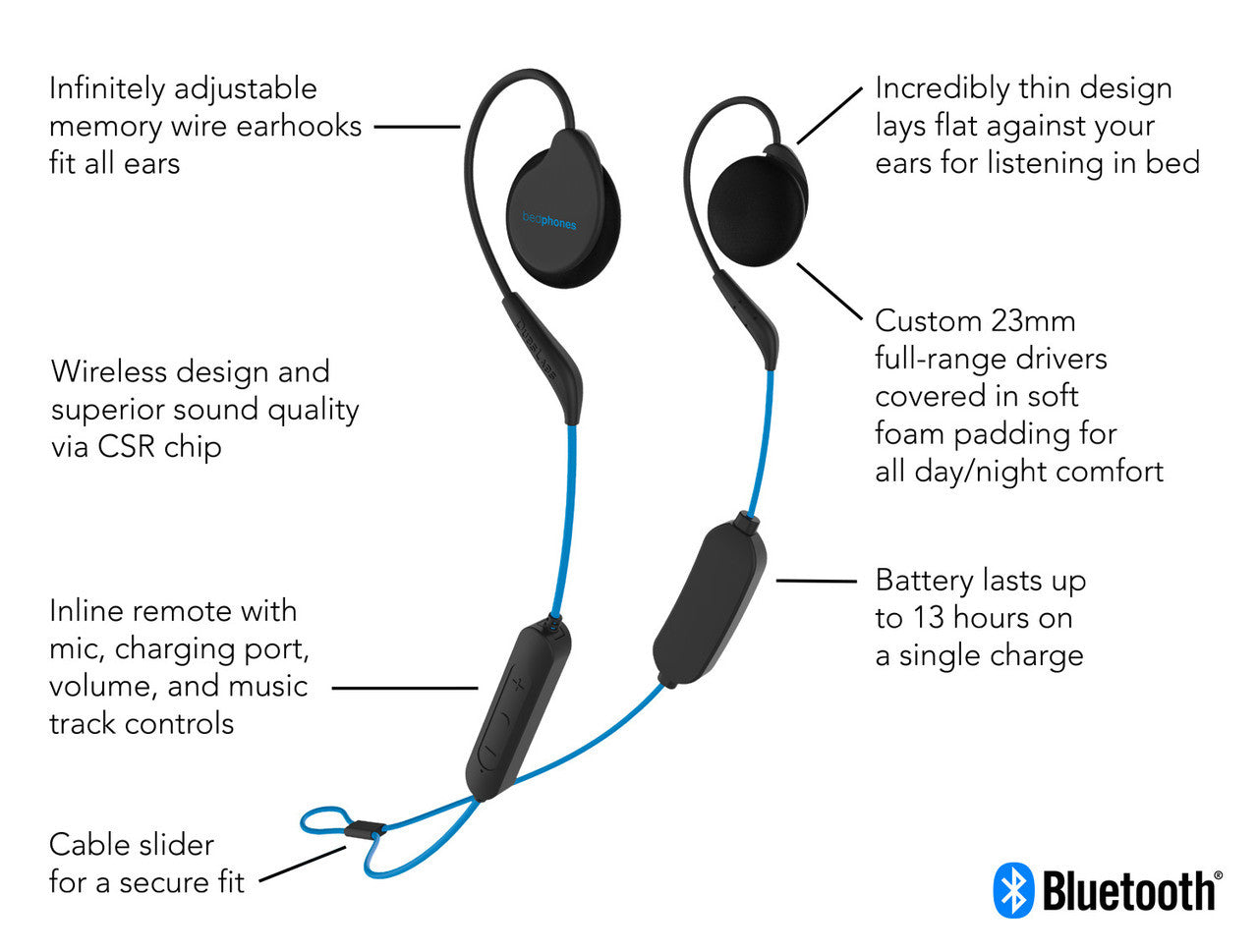
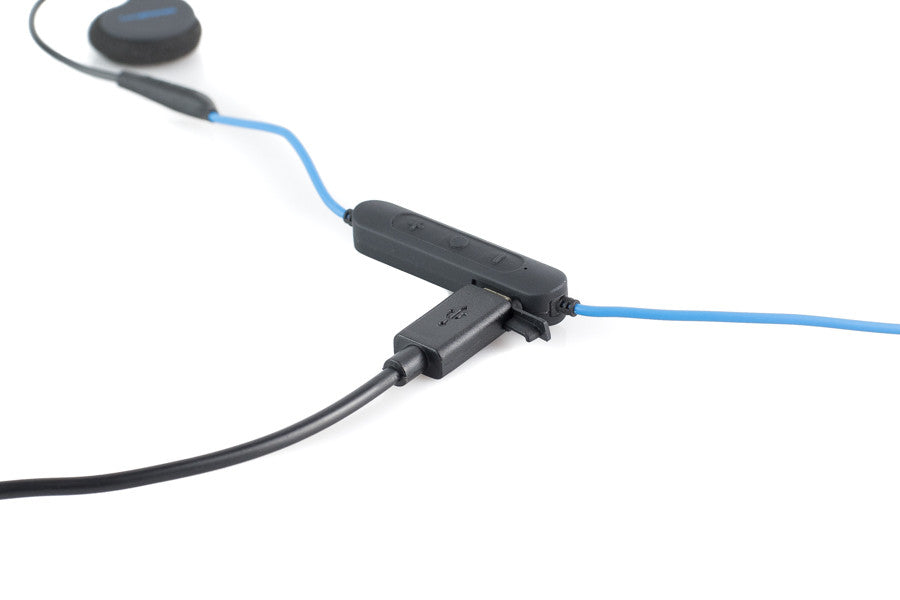
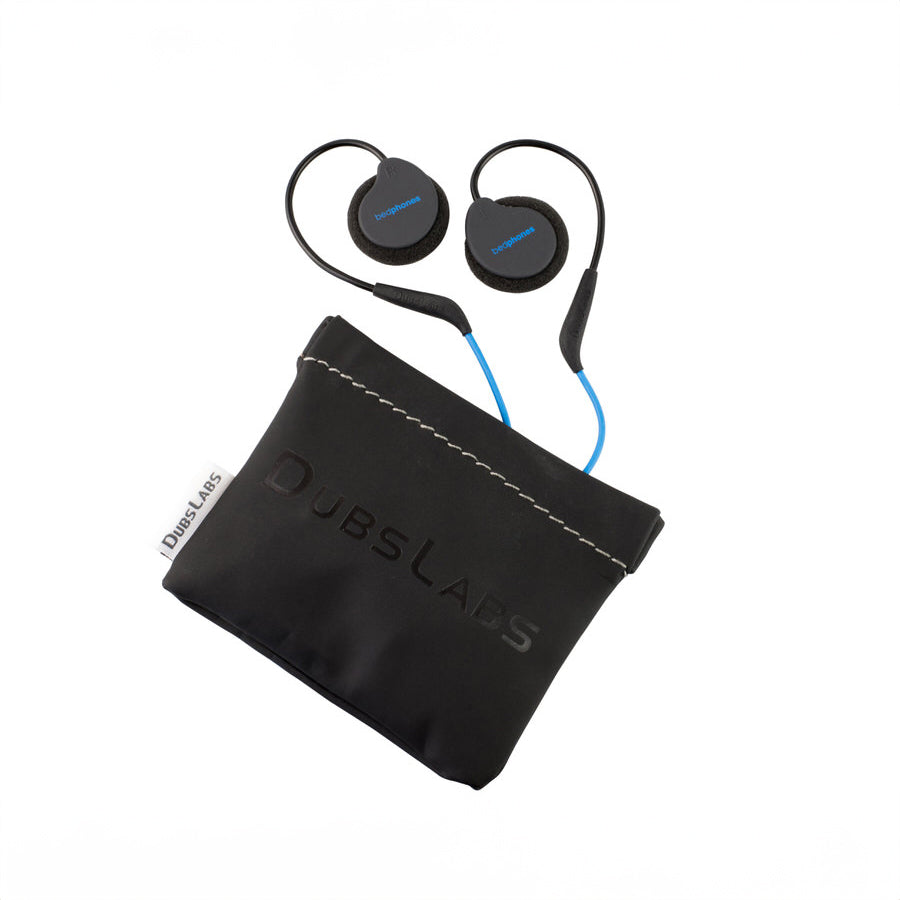
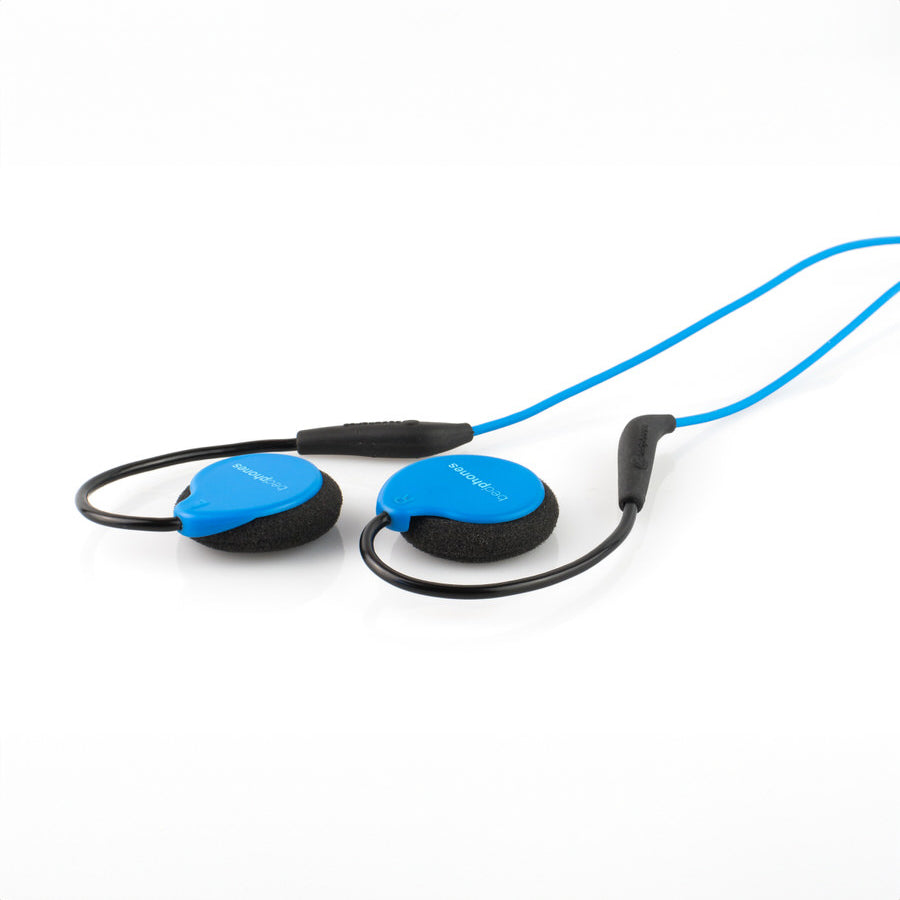
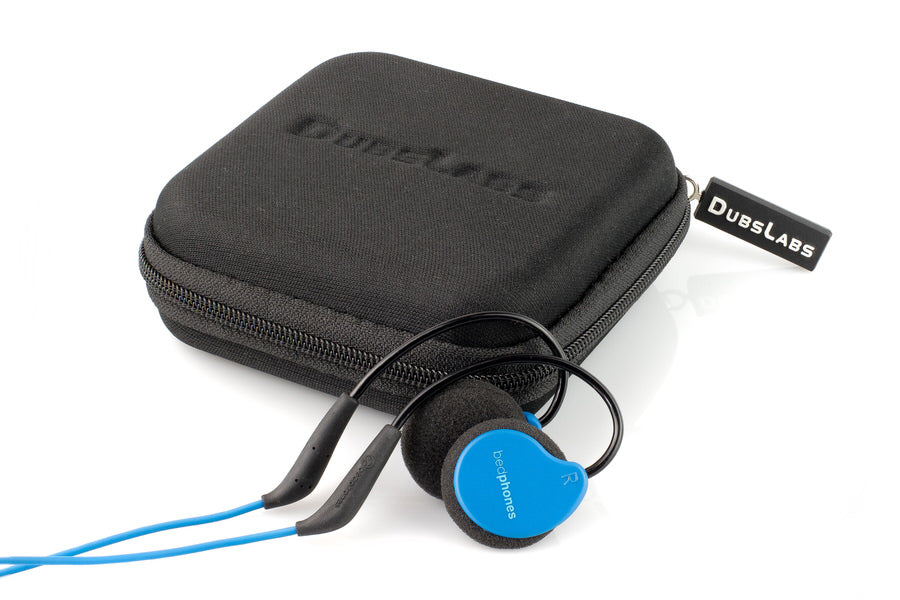
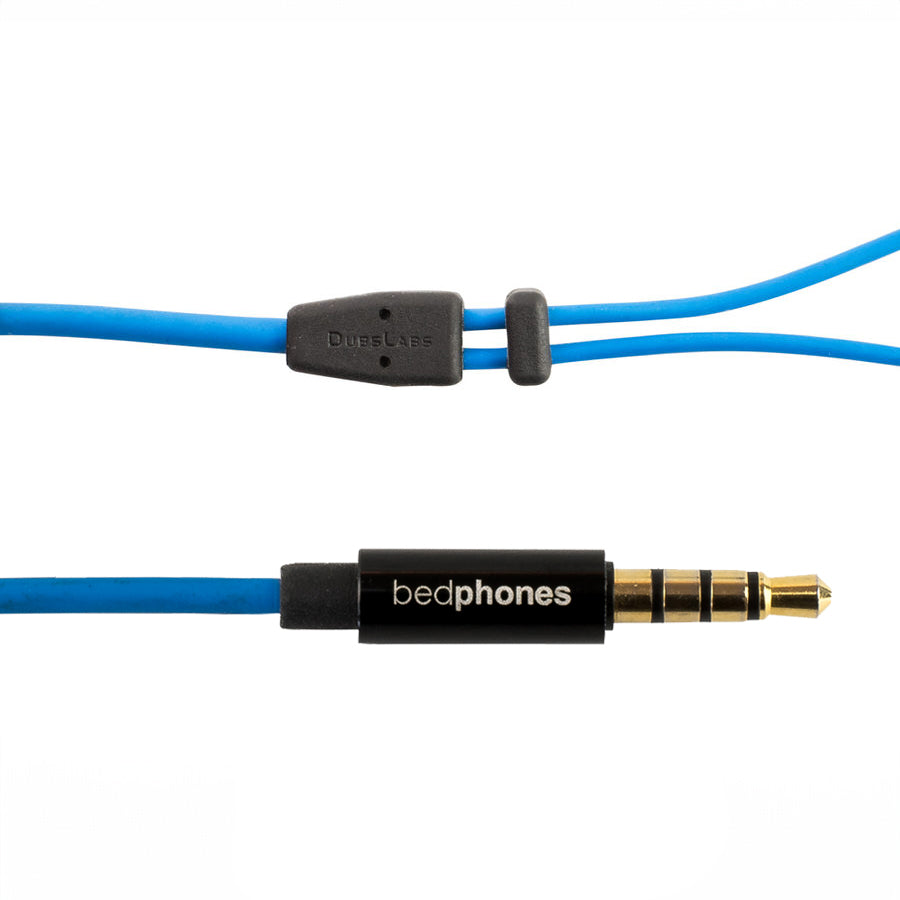
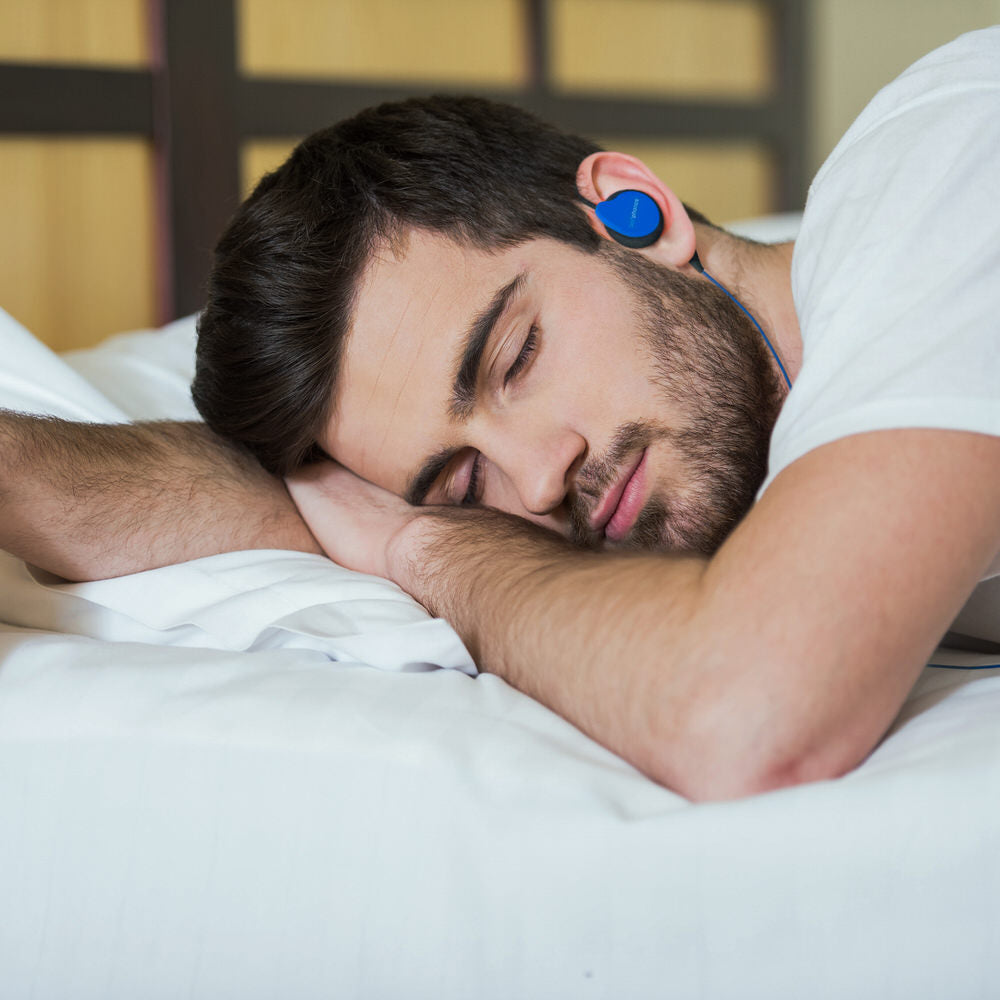
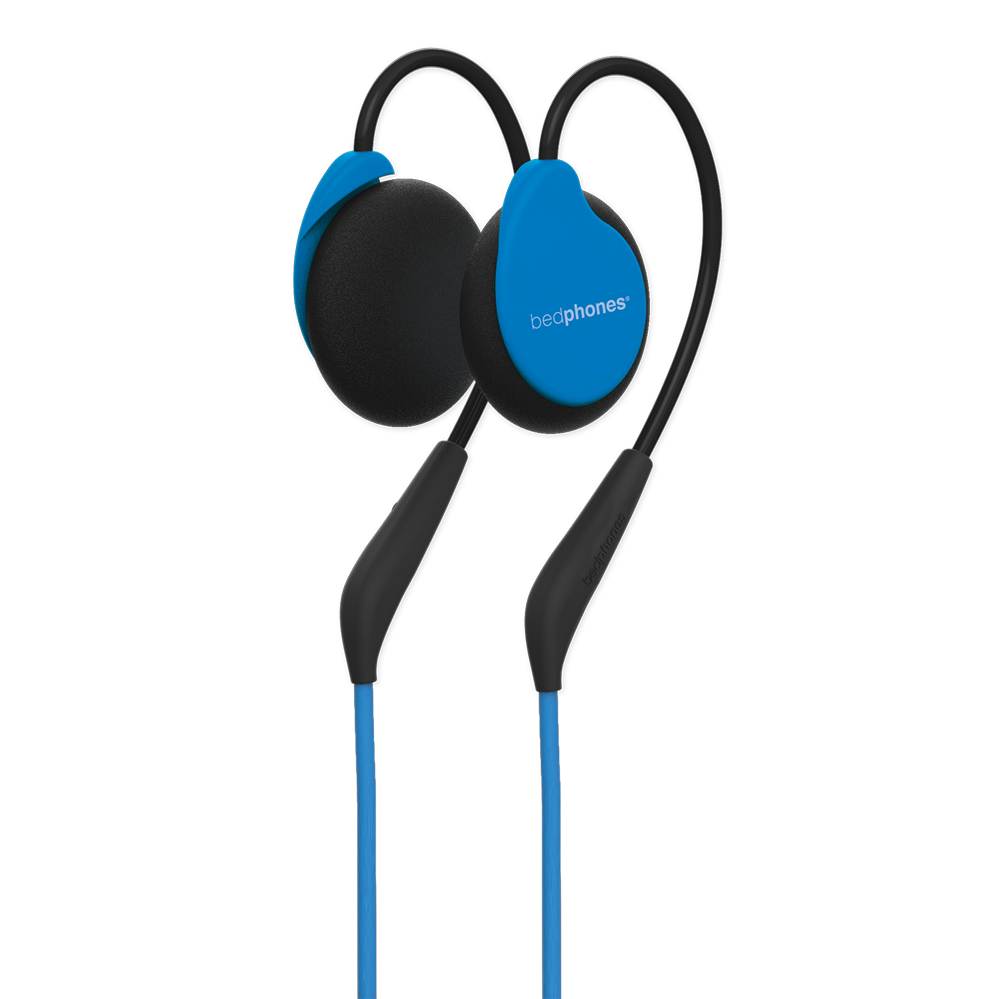
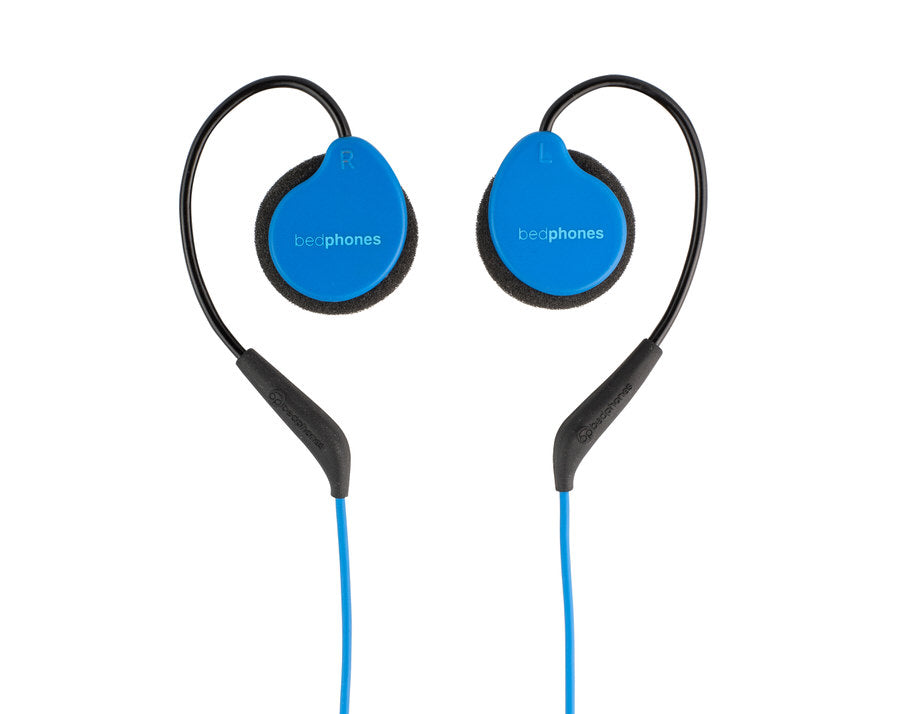
- Comfortable Sleep Headphones: For some, total silence is just as unsettling as noise. Products like Bedphones are designed specifically to be worn while lying down, allowing you to listen to calming music, guided meditations, or sleep stories without bulky headphones digging into your ears.
This little flowchart is a great way to quickly identify a starting point based on how anxiety is showing up in your body at that moment.
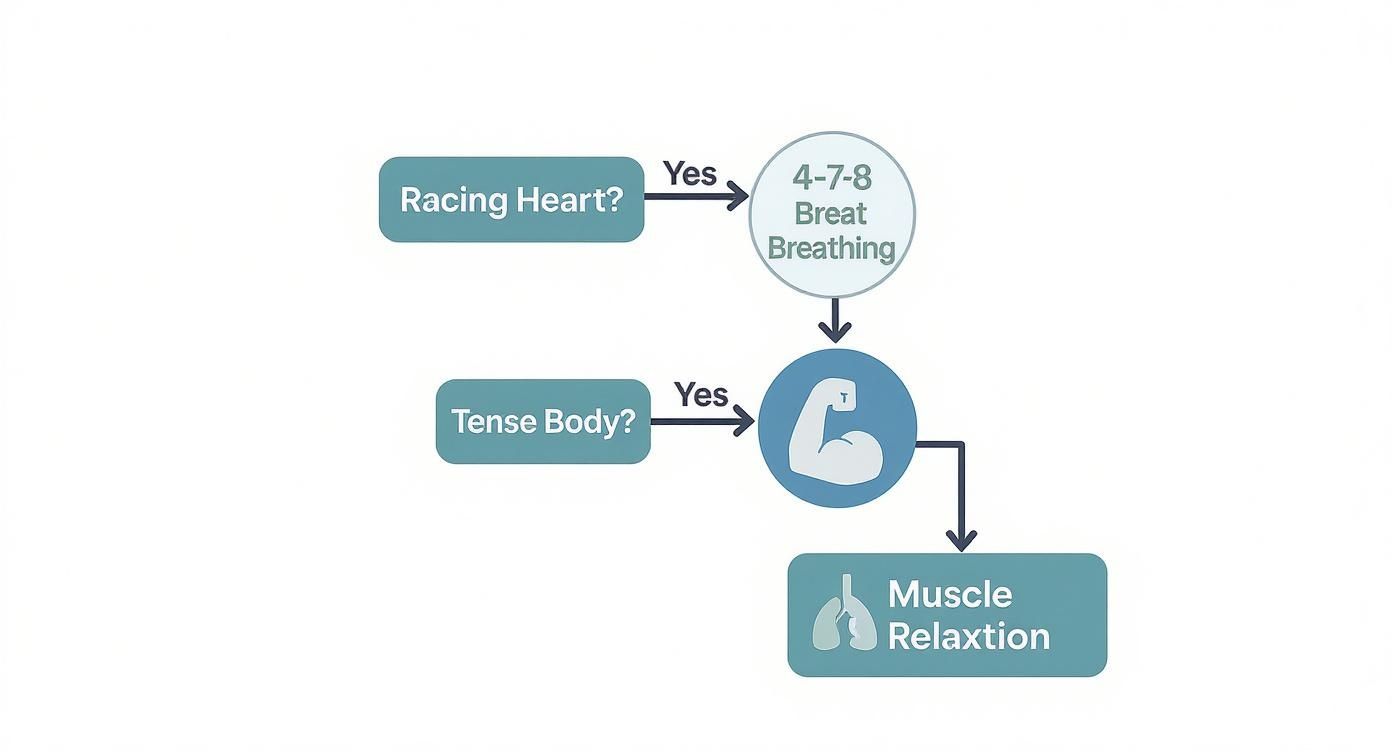
It’s a simple decision tree: if you feel this, try that. It helps take the guesswork out of your response when you're already feeling overwhelmed.
The Power of Gentle Physical Pressure
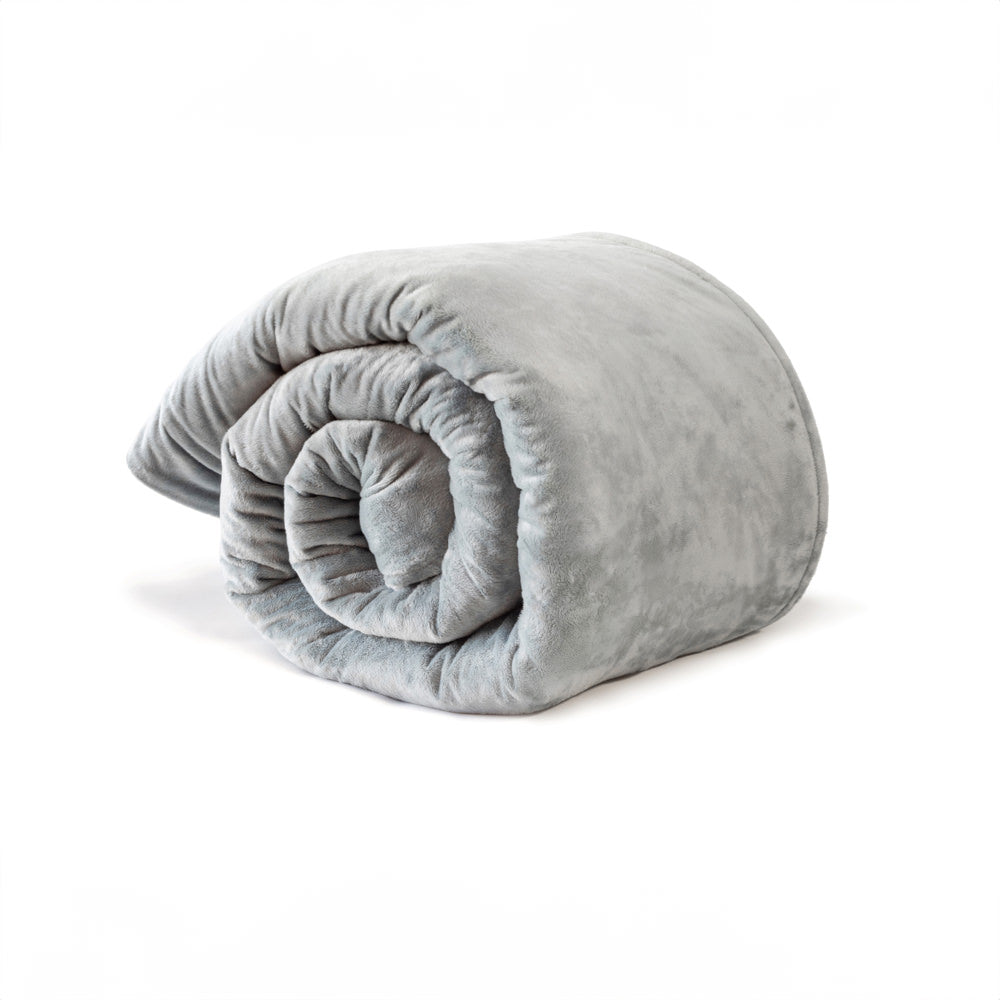
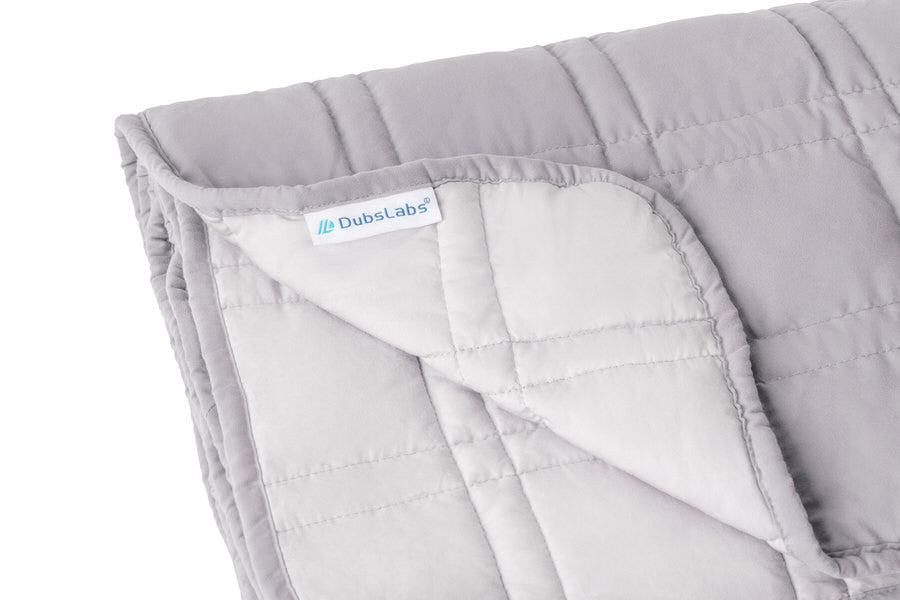
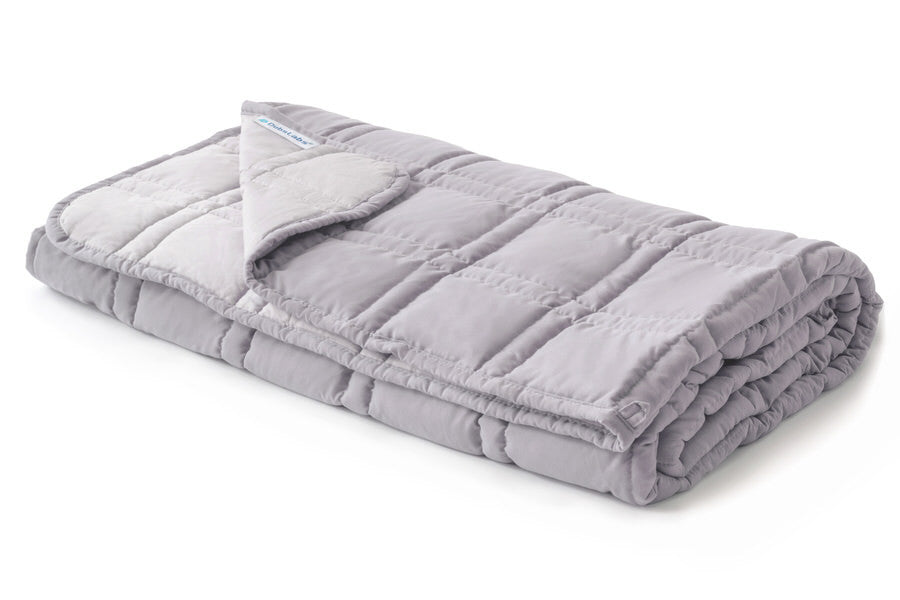
Another incredibly effective tool is the weighted blanket. It works on a principle called Deep Pressure Stimulation (DPS), which is a fancy way of saying the gentle, consistent pressure across your body feels like a firm, comforting hug.
This sensation helps your nervous system switch from its hyper-alert "fight or flight" mode to its calm "rest and digest" state. It encourages the release of calming neurotransmitters like serotonin and dopamine while reducing cortisol, the notorious stress hormone.
It's no surprise that a global sleep survey from ResMed found that anxiety was a primary cause of sleep difficulties for a whopping 46% of people. It underscores just how badly we need effective, non-pharmaceutical calming strategies. You can discover more insights from the global sleep survey on their site.
A weighted blanket isn't just about warmth; it's about providing a grounding physical sensation that can help quiet a spiraling mind, making it an excellent partner for practices like 4-7-8 breathing or body scan meditations.
Matching the Product to Your Anxiety
The most effective sleep aid is the one that targets your specific challenge. Instead of just buying everything on a list, take a moment to consider what keeps you awake most often. Is it noise? Light? A feeling of restlessness?
The table below is a quick guide to help you find the right fit for your unique needs.
Choosing the Right Sleep Product for Your Anxiety
| Product | Best For... | How It Helps with Anxiety |
|---|---|---|
| Weighted Blanket | Feeling restless, tense muscles, or needing a sense of security. | Provides Deep Pressure Stimulation, which calms the nervous system and can reduce feelings of physical restlessness. |
| Sleep Mask | Sensitivity to light or being easily distracted by visual stimuli. | Creates total darkness, which promotes melatonin production and removes visual triggers that can keep your mind active. |
| Earplugs/Headphones | Being easily startled by noise or living in a loud environment. | Blocks or masks disruptive sounds, preventing your nervous system from going on high alert due to sudden noises. |
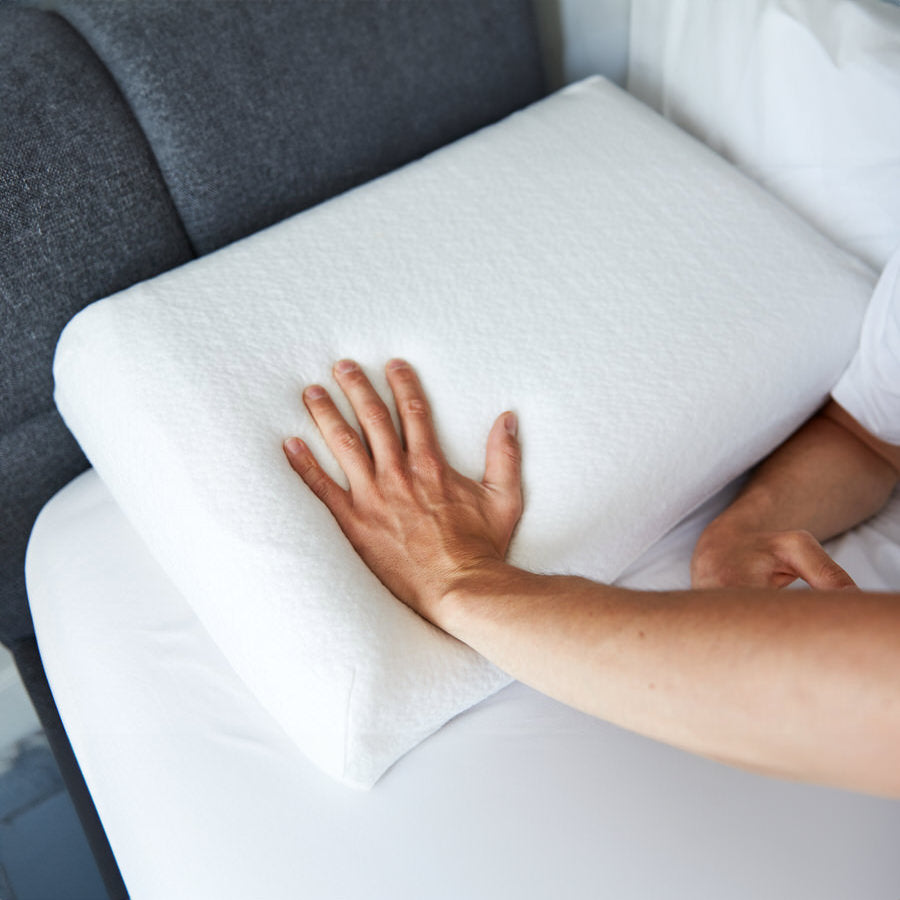
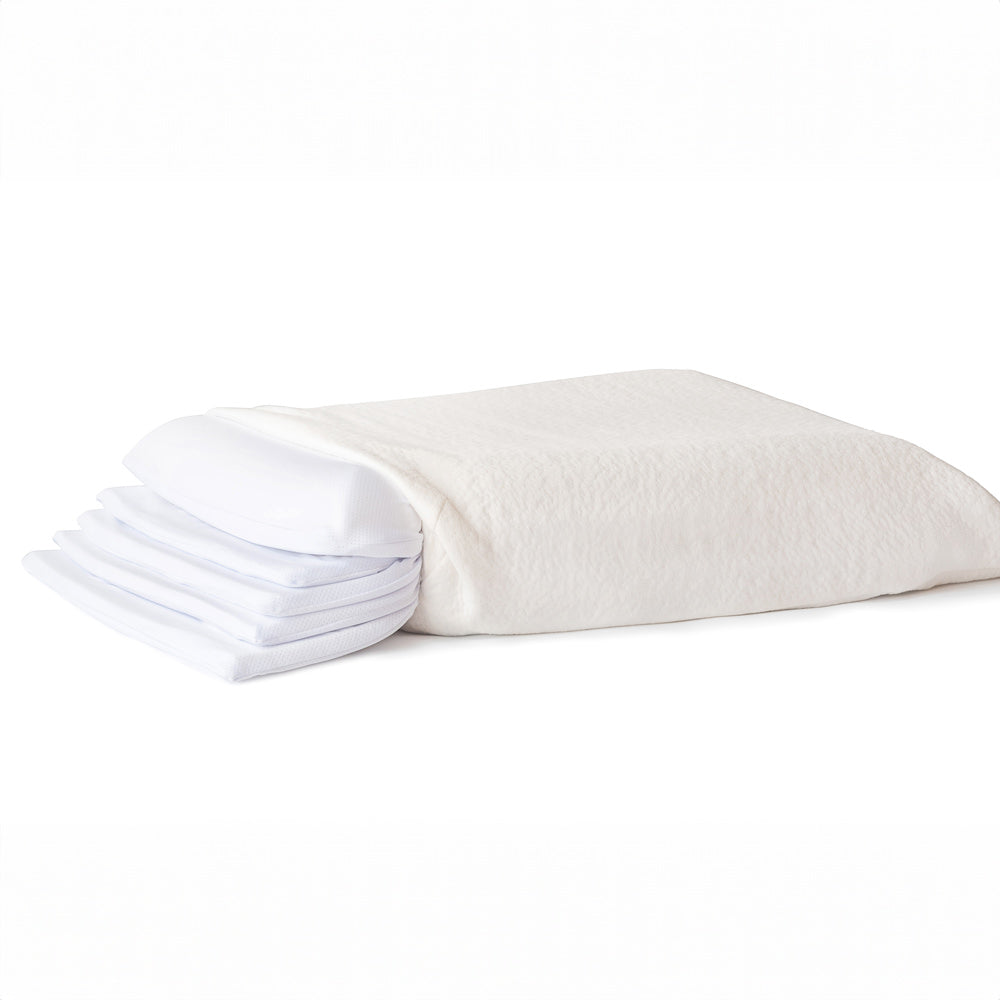
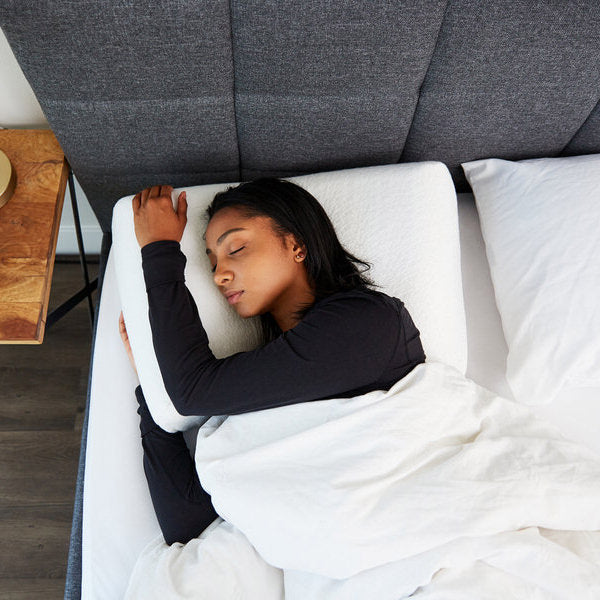
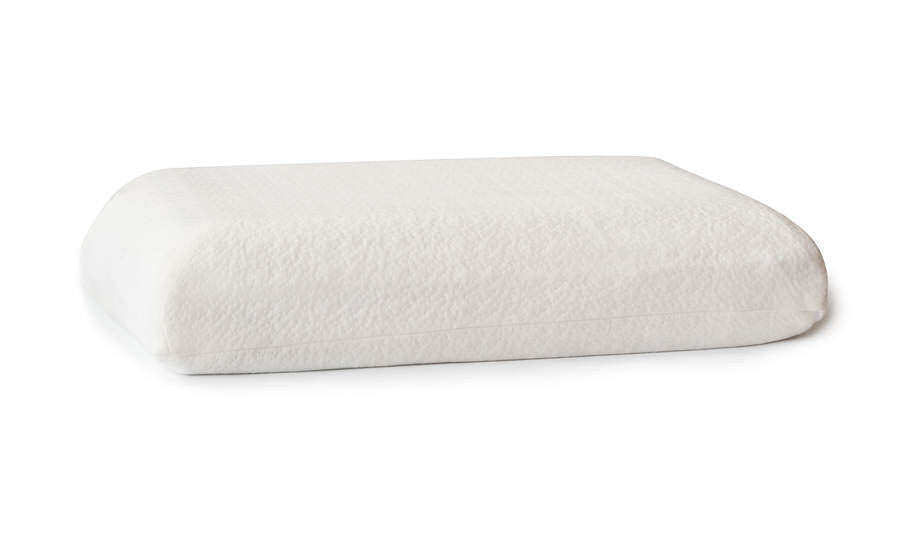
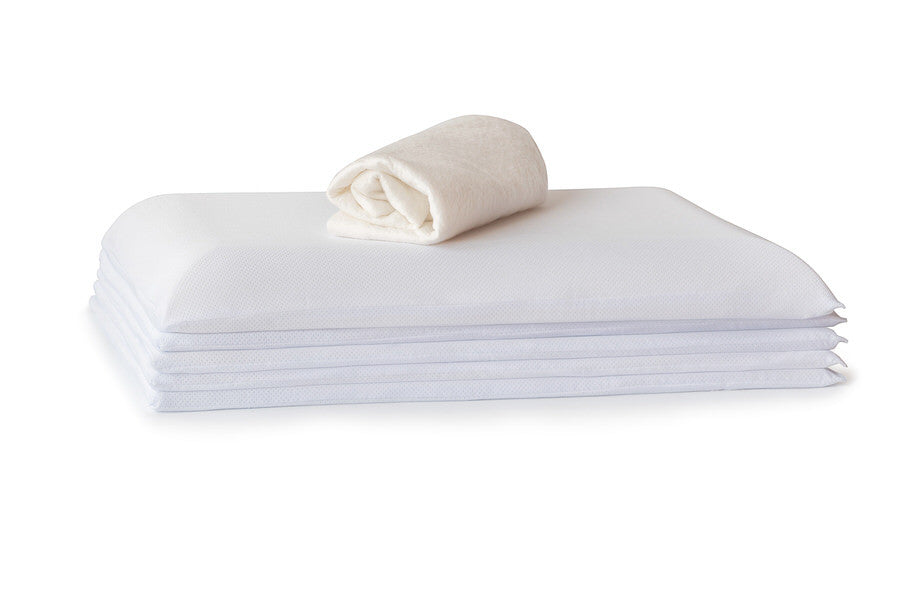
| Supportive Pillow | Neck and shoulder tension that builds up throughout the night. | Promotes proper spinal alignment, which can help release physical tension that is often a symptom of chronic anxiety. |
By being intentional with your choices, you can create an environment that actively works with your body and mind to foster rest, rather than fighting against them.
When to Seek Professional Support
All the strategies we've covered in this guide can make a world of difference when you're learning how to sleep with anxiety. But it’s just as important to know when doing it on your own isn’t cutting it anymore.
Deciding to talk to a professional isn't a sign of failure. Far from it. It's an act of strength and a really smart move toward getting lasting relief.
If your sleepless nights are becoming the new normal, stretching on for weeks or even months, it’s probably time to consider getting some help. A few rough nights here and there happen to everyone, but a persistent pattern usually points to a deeper issue that needs a more structured game plan.
Key Signs It's Time to Reach Out
Pay close attention to how the anxiety and lack of sleep are spilling over into your daytime hours. If any of this sounds familiar, it’s a clear signal to reach out to a doctor or mental health professional:
- Your Days Are Falling Apart: The exhaustion is making it tough to focus at work, keep up with your responsibilities, or even just be present in your relationships.
- Your Mood is Tanking: You're feeling more and more irritable, hopeless, or just disconnected. The anxiety that used to just show up at bedtime is now your constant companion.
- You're Relying on Sleep Aids: You find yourself needing over-the-counter pills or other substances just to scrape together a few hours of rest.
Reaching out for help is simply the next logical step in your wellness journey. It means you're committed to finding what works, and you're ready to use every tool available to get there.
Effective Treatment Options to Explore
Once you take that step, you'll discover there are proven, evidence-based treatments designed specifically for this vicious cycle of anxiety and insomnia. Two of the most effective are:
- Cognitive Behavioral Therapy for Insomnia (CBT-I): This is widely considered the gold-standard treatment for chronic insomnia. A therapist works with you to pinpoint and change the negative thoughts and habits that are keeping you awake.
- Anxiety Therapy: A therapist can also help you tackle the root causes of your anxiety. They might use methods like standard Cognitive Behavioral Therapy (CBT) to give you the tools to manage worry and calm your nervous system for good.
Taking this step gives you a personalized roadmap and the support of an expert who is 100% dedicated to helping you reclaim your nights.
Of course, even when you have a solid game plan, questions are going to pop up as you figure out this whole sleeping-with-anxiety thing. Let's tackle some of the most common challenges people run into.
What Should I Do If I Wake Up Anxious in the Middle of the Night?
You jolt awake, heart pounding. The absolute worst thing you can do right now is lie there and fight it. All that does is teach your brain that your bed is a battleground for anxiety.
Instead, get up. Just get out of bed.
Go to another room, keep the lights dim, and do something mind-numbingly boring for 15-20 minutes. Read a user manual, listen to a sleep story, or do a few gentle stretches. The key is to only head back to bed when you feel genuinely sleepy again—not just because the clock says it's time.
How Long Does It Take for These Techniques to Work?
This is a game of patience and consistency. Some of the physical tricks, like the 4-7-8 breathing exercise, can bring you down from an anxiety spike almost immediately. You can literally feel your heart rate slowing down in minutes.
But for the bigger stuff—rewiring cognitive habits and building new routines—you're looking at a few weeks of dedicated practice. Don't let a bad night throw you off course; setbacks are just part of the process.
Key Takeaway: The goal here is gradual progress, not an overnight miracle. I always recommend keeping a simple sleep diary. It's incredibly motivating to look back and see the small but real improvements you've made over time.
Can My Diet Really Affect Anxiety at Night?
Absolutely. What you eat and drink, especially in the last few hours of your day, has a direct line to your nervous system and your ability to sleep.
- Ditch the Stimulants: Caffeine and big hits of sugar are like fuel for an anxious mind. They can mess with your natural sleep cycle and make you feel jittery. My rule of thumb? No caffeine after early afternoon.
- Rethink That Nightcap: A glass of wine might feel like it helps you drift off, but alcohol actually wrecks the quality of your sleep in the second half of the night. This often leads to those dreaded 3 a.m. anxious awakenings.
- Watch Your Meal Timing: A huge, heavy meal right before lying down can cause heartburn and physical discomfort, making it impossible to relax. Try to finish your last big meal at least two to three hours before your head hits the pillow.
It's a similar story with exercise. Daily movement is a fantastic way to burn off anxiety, but a super intense workout right before bed can leave you feeling amped up from the adrenaline rush.
Here at DubsLabs, we're all about creating that perfect sleep sanctuary to help you quiet your mind. Our ultra-thin Bedphones, weighted blankets, and total-darkness sleep masks are all designed to help you take control of your sensory environment, giving you the peace you need for truly restorative rest.