The first step to calming anxiety before bed is surprisingly simple: create a consistent routine that tells your brain it's time to switch off. This isn't about grand gestures. It's about small, intentional actions—like putting your phone away, doing some gentle breathing exercises, and making sure your bedroom is dark and cool—that build a buffer between a chaotic day and a peaceful night.
Why Your Mind Races at Night
Does this sound familiar? Your body is exhausted, you finally get into bed, and the moment your head hits the pillow, your mind decides to run a marathon. If so, you're definitely not alone. The quiet and darkness of a bedroom can quickly become a stage for all the day's worries, to-do lists, and what-if scenarios to come flooding in.
During the day, we're constantly bombarded with distractions. Work emails, family needs, and the endless scroll of social media keep those anxious thoughts pushed to the back of our minds. But at night, when all those distractions disappear, your brain finally gets a chance to process everything. The result? A torrent of racing thoughts that feel completely out of your control.
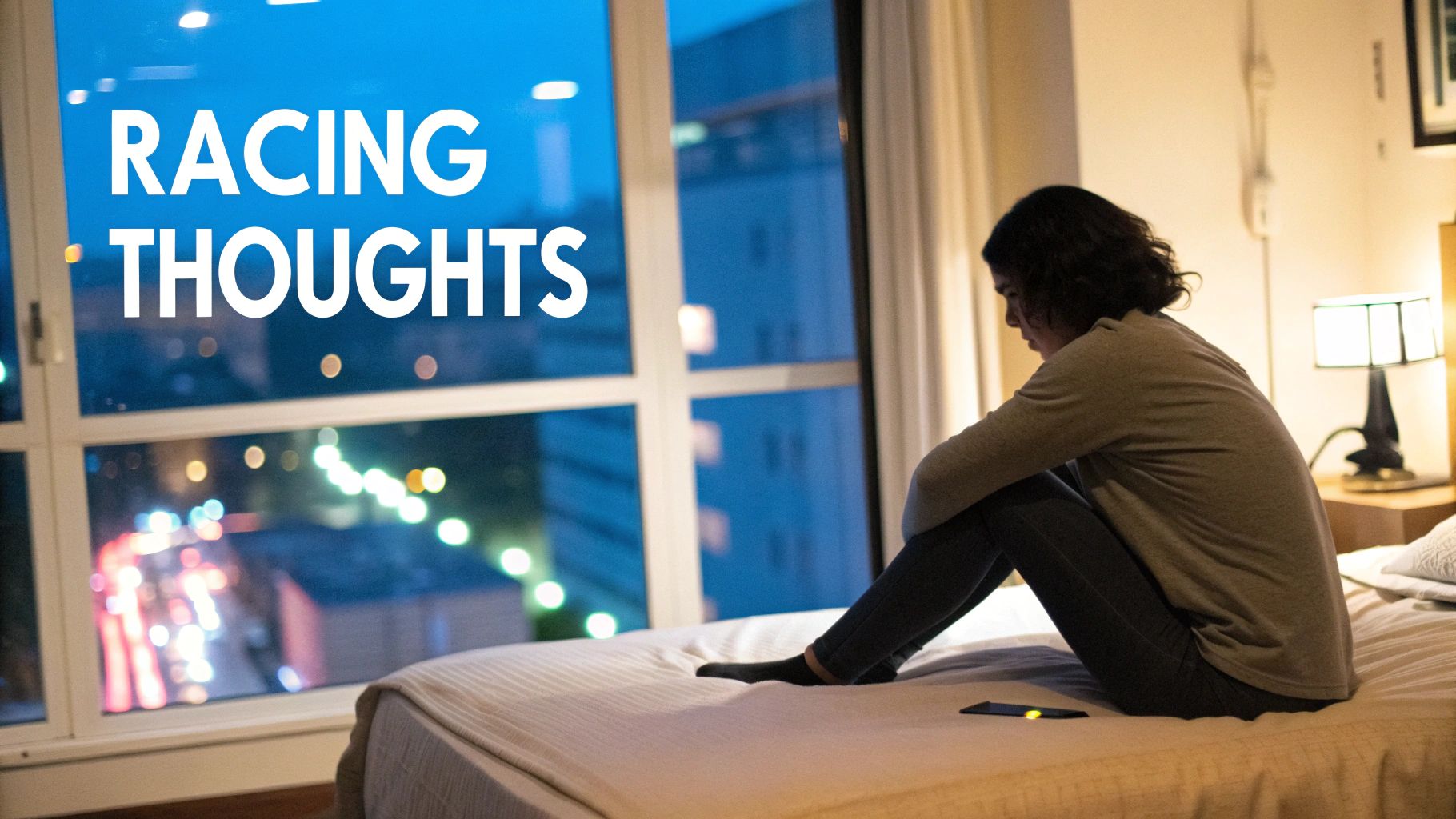
This isn't some personal weakness; it’s a very common response to the pace of modern life. The pressure to always be "on" keeps our nervous systems in a state of high alert long after we've clocked out. It’s that classic "tired but wired" feeling—your body is begging for rest, but your mind is buzzing with nervous energy.
The Science of Stress and Sleep
Your body has a built-in stress response system run by hormones like cortisol and adrenaline. It's designed for short-term threats, like slamming on the brakes to avoid an accident. The problem is, chronic daily stress keeps this system switched on, which messes with the production of melatonin—the hormone that tells your body it's time to sleep.
When your cortisol levels stay high into the evening, it becomes physically harder for your body to wind down. This kicks off a nasty cycle: anxiety ruins your sleep, and the lack of sleep makes you even more prone to anxiety the next day. It's a huge issue, affecting millions of people.
A global sleep survey from ResMed really drives this point home. Of the one-third of people who reported sleep struggles, 46% blamed anxiety, and a staggering 57% pointed to stress as the main reason they couldn't rest.
Unpacking the Triggers
Figuring out what's fueling your specific brand of bedtime anxiety is the key to getting your nights back. While everyone is different, the triggers usually fall into a few common buckets:
- Lingering Daily Stress: Did you have a tense meeting at work? Are you worried about bills? These issues don't just vanish when you leave the office. They tag along and love to replay in your mind right when you're trying to sleep.
- Anticipatory Anxiety: Sometimes, it’s not about today, but tomorrow. Worrying about a big presentation, a tough conversation you need to have, or even just the fear of not getting enough sleep to function can be enough to keep you awake.
- Poor Sleep Hygiene: Habits like scrolling on your phone in bed or having that late-afternoon coffee can overstimulate your brain, making it much harder to settle down. There are also plenty of other unexpected reasons you can't sleep that might be contributing to the problem.
Realizing that a racing mind is a biological and psychological response—not a personal flaw—is the first step. From there, you can start tackling the problem with compassion and practical strategies.
Now, let’s get into the actionable steps you can take to address these triggers, calm your mind, and finally get the restorative sleep you deserve.
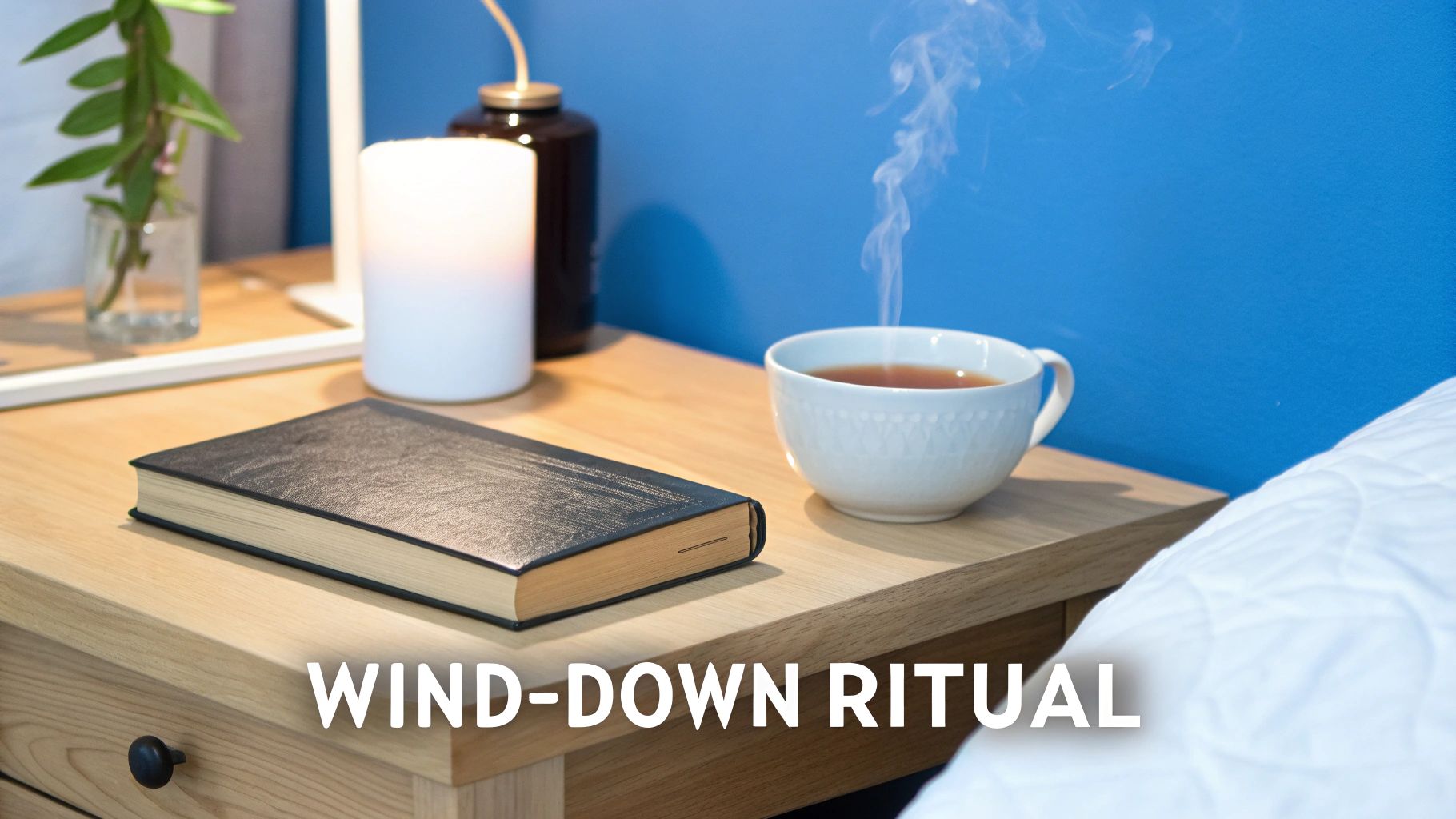
Build Your Personalized Wind-Down Ritual
A solid wind-down routine is your best defense against bedtime anxiety. Think of it less as a strict checklist and more as a personalized buffer zone—a clear signal to your body and mind that the day is officially done and it's time to rest. The whole point is to consciously choose a few small, calming actions that genuinely work for you.
You're essentially helping your nervous system shift gears, moving from the high-alert state of a busy day to a place of calm. When you do these things consistently, you train your brain to associate them with sleep, which makes winding down feel much more automatic over time.
This intentional transition is more critical than ever. Sleep anxiety is on the rise globally, especially among younger adults. In fact, a recent study showed that nearly 40% of Gen Z adults struggle with sleep-related anxiety at least three times a week. That's a huge jump from previous years, largely fueled by our 24/7 digital lives that have completely blurred the lines between being "on" and "off."
Establish a Digital Sunset
One of the most impactful things you can do is create a "digital sunset." This just means putting away all your screens—phone, tablet, laptop, TV—at least 60 to 90 minutes before you want to be asleep. The blue light from these devices messes with melatonin, the hormone that tells your body it's time to sleep, making it much harder to feel tired.
But it’s not just the light. The content we're consuming is usually stimulating. A stressful news headline, a last-minute work email, or an endless social media scroll keeps your brain fired up when it should be powering down.
Creating a screen-free buffer is non-negotiable if you're serious about calming your mind before bed. It cuts out a massive source of mental and physiological disruption, letting your brain naturally start the unwinding process.
So, what are you supposed to do with all that screen-free time? This is your opportunity to layer in some genuinely relaxing activities.
Swap Scrolling for Soothing Activities
Once the screens are off, you can fill that time with things that actively dial down your stress levels. The trick is to pick stuff you actually enjoy and find relaxing. Here are a few ideas to get you started:
- Read a Physical Book: Unlike an e-reader or phone, a real book doesn’t blast your eyes with sleep-killing blue light. Pick something light and enjoyable—now is not the time for a nail-biting thriller or a dense textbook that will get your mind racing.
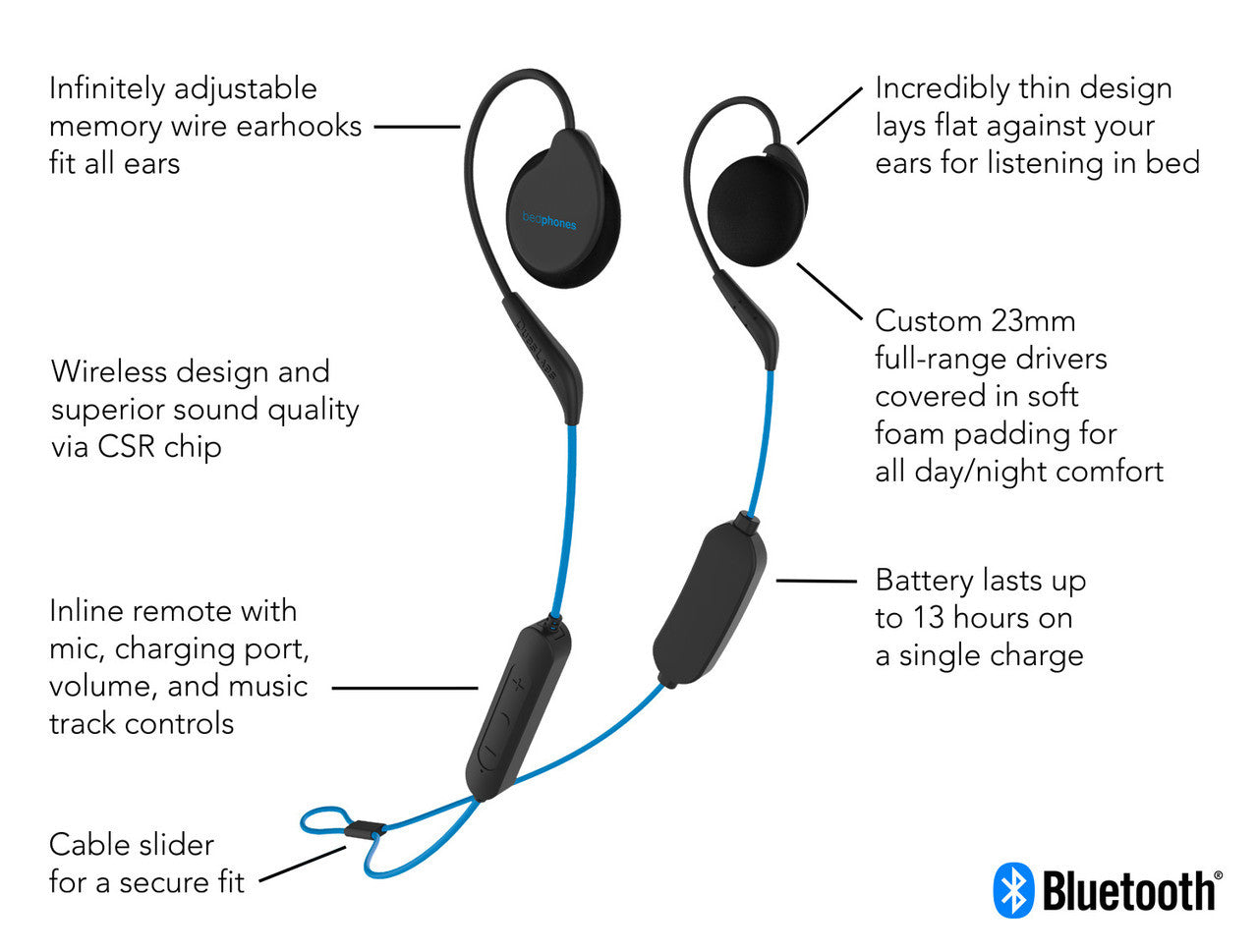
- Listen to a Sleep Podcast or Calming Music: Audio is a fantastic tool for this. You can find podcasts specifically designed for sleep, with soothing stories or ambient sounds. Or, just create a dedicated "sleep playlist" with slow, instrumental tracks.
- Do Some Light, Restorative Stretching: Gentle stretching helps release all the physical tension you’ve been carrying around from the day. Focus on slow, deliberate movements and deep breaths. Just be sure to avoid any intense exercise that would get your heart rate up.
- Journal It Out: If racing thoughts are the main problem, getting them out of your head and onto paper can be a huge relief. Try a "brain dump"—just write down everything that's on your mind without judging it. Worries, to-do lists, random ideas... externalizing them can make them feel way less powerful.
Exploring proven techniques for natural and restful sleep can also give you more great ideas for building an effective routine.
Engage Your Senses to Dismantle Stress
Your environment has a huge impact on how you feel. By bringing sensory triggers into your ritual, you can create a space that actively melts away stress and cues your brain for sleep.
Think about adding a few of these sensory touches:
- Brew a Calming, Caffeine-Free Tea: A warm mug of something like chamomile or peppermint tea feels incredibly comforting. The simple act of preparing and sipping it is a mindful ritual in itself.
- Try Aromatherapy: Scents like lavender and sandalwood have been shown to have a calming effect on the nervous system. An essential oil diffuser or a spritz of pillow spray can instantly make your bedroom feel more tranquil.
- Dim the Lights: As bedtime gets closer, start lowering the lights around your home. This helps your body’s natural melatonin production kick in. Switching to warm-toned, low-wattage bulbs in your bedroom lamps can make a surprisingly big difference.
For a deeper dive into building the perfect evening schedule, check out our detailed guide on creating a bedtime routine for your best sleep. Just remember, consistency is what turns these small actions into a powerful, anxiety-busting ritual.
Mindfulness Exercises for a Quiet Mind
When your wind-down routine is set but your mind is still running a marathon of anxious thoughts, it's time to bring in the heavy hitters. This is where mindfulness exercises become your secret weapon.
These aren't complicated, hour-long meditation sessions. Think of them as simple, practical tools designed to pull you out of that thought-loop and anchor you in the present moment, actively calming your nervous system. The idea isn't to fight your racing thoughts—that usually just gives them more power. Instead, these techniques help you gently shift your focus, creating just enough mental space for the anxiety to die down.
Harness the Power of Your Breath
Pay attention to your breathing the next time you feel anxious. It's almost certainly faster and shallower than normal. This is your body's alarm system, telling your brain to stay on high alert. Good news is, you can manually override it.
The 4-7-8 breathing technique is a game-changer for this. It’s incredibly simple but acts like a natural tranquilizer for your nervous system. Focusing on the count pulls your attention away from whatever you're worrying about, and the long exhale stimulates the vagus nerve, signaling to your body that it's safe to shift into "rest and digest" mode.
Here’s the breakdown:
- Find a comfortable position, either sitting up or lying down. Place the tip of your tongue on the ridge of tissue right behind your upper front teeth. Keep it there through the whole exercise.
- Exhale completely through your mouth with a gentle whoosh sound.
- Close your mouth and inhale quietly through your nose for a count of four.
- Hold your breath for a count of seven.
- Exhale completely through your mouth, making that same whoosh sound, for a slow count of eight.
That's one cycle. Do it three more times for a total of four breaths. You might feel a little lightheaded the first few times, but that's normal. With a bit of practice, this becomes an instant-calm button you can press anytime, anywhere.
Release Tension with a Body Scan Meditation
Anxiety isn't just in your head; it lives in your body. You might be clenching your jaw, hiking your shoulders up to your ears, or tensing your stomach without even realizing it. A body scan meditation is a fantastic way to tune into that hidden physical tension and let it go.
The goal isn't to force yourself to relax, but simply to notice what's there without judgment. This gentle awareness grounds you in your physical self, giving you an anchor to hold onto when your thoughts feel chaotic and overwhelming.
A body scan teaches you to be an observer of your body's sensations rather than a prisoner of your mind's worries. It builds the crucial skill of noticing without reacting—a cornerstone of managing anxiety.
To start, get comfortable in bed, lying on your back with your arms resting by your sides. Close your eyes and just notice your breath for a moment. Then, begin to slowly guide your attention through your body.
- Start at your feet. What do you feel in your toes, the soles of your feet, your heels? Are they warm? Cold? Tingly? Just notice.
- Slowly move up your legs. Bring your awareness to your calves, knees, and thighs. Notice any sensations of tightness, heaviness, or maybe nothing at all.
- Continue through your torso. Scan your hips, stomach, chest, and back. Feel the gentle rise and fall of your belly with each breath.
- Finish with your arms and head. Shift your focus to your fingers, hands, and arms. Finally, move to your neck, jaw, face, and the very top of your head, consciously softening any tense spots you discover along the way.
Externalize Your Worries with a Journal
Sometimes the only way to get anxious thoughts out of your head is to... well, get them out. Physically. Keeping a "worry journal" next to your bed can be a surprisingly effective way to do just that.
When thoughts are just swirling around in your brain, they feel huge and shapeless. The act of writing them down forces you to define them, making them feel more concrete and manageable. You can see them for what they are: specific problems or fears, not a vague, overwhelming sense of dread.
This isn't about solving every problem before you go to sleep. It’s about creating a "parking lot" for your worries so you can deal with them in the morning. This simple ritual sends a powerful message to your brain: "I see you, I've logged you, and I will handle you at a better time." It gives you permission to let go for the night.
Try this structured approach:
- About 30 minutes before you plan to sleep, grab a notebook.
- Draw a line down the middle to create two columns: "Worries" and "Next Action Step."
- In the "Worries" column, do a brain dump of everything that's making you feel anxious. No filter.
- Then, for each worry, identify a single, tiny next step you can take tomorrow. For example, if you’re stressed about a work deadline, the next action might be, "Email Sarah for the report first thing."
This process provides a sense of control and closure that can work wonders for calming anxiety before bed.
Turn Your Bedroom Into a Sleep Sanctuary
Your environment sends powerful signals to your brain. If your bedroom is cluttered, bright, or filled with reminders of daytime stress—like a work laptop staring at you from the corner—it’s actively working against your goal of getting restful sleep. I’ve found that transforming this space into a true sanctuary is one of the most practical steps you can take to calm a racing mind before bed.
The connection here isn't just a feeling; it's backed by research. The National Sleep Foundation has pointed out how improving sleep quality can significantly lower anxiety and boost overall well-being. With nearly 40% of adults struggling to fall asleep multiple nights a week, creating an optimal sleep space has never been more important.

Master the Three Pillars of a Sleep Environment
To really create a sanctuary, you need to focus on three core elements that have the biggest impact on sleep: darkness, silence, and temperature. Getting these right can make a world of difference for an anxious mind.
Darkness: Even tiny amounts of light from streetlamps or electronics can disrupt the production of melatonin, your body's natural sleep hormone.
- Actionable Tip: Invest in a pair of quality blackout curtains. Trust me, they are far more effective than standard blinds at blocking out that annoying streetlight.
- Pro Tip: Cover or remove any electronics with glowing lights. That tiny blue or red light from a charger might seem harmless, but it can be surprisingly disruptive. A small piece of electrical tape works wonders.
Silence: Anxious minds are often hyper-vigilant to sound. Unpredictable noises like a neighbor’s door slamming or passing traffic can jolt you right back into a state of high alert.
- Actionable Tip: A white noise machine or even just a simple fan can create a consistent, soothing soundscape that masks those sudden, jarring noises.
- Pro Tip: There are also some fantastic white noise apps for your phone. Just be sure to put the phone face down and out of reach after you hit play.
Temperature: Your body temperature naturally drops as you prepare for sleep. A cool room helps this process along, signaling to your body that it’s time to rest.
- Actionable Tip: The ideal temperature for sleep is surprisingly cool, generally between 60 and 67 degrees Fahrenheit (15 to 19 degrees Celsius).
- Pro Tip: Experiment within this range to find what feels best for you. What’s perfect for one person might feel like an icebox to another.
Declutter Your Space and Your Mind
A cluttered room often leads to a cluttered, anxious mind. Piles of clothes, stacks of papers, and disorganized surfaces create a subtle sense of chaos and unfinished business—the last thing you need when trying to wind down.
Taking just 10-15 minutes each evening to tidy up can become a powerful, calming ritual. This isn't about deep cleaning; it’s about resetting the space so it feels calm and orderly when you walk in. It provides a sense of control and closure to your day.
Your bedroom should be a retreat from the world, not just another room filled with tasks and obligations. By decluttering, you are physically and psychologically clearing the slate for a night of rest.
To really cultivate that sanctuary feeling, you might also consider how the best color schemes for bedrooms can instantly shift the mood. Soft blues, muted greens, and earthy tones are known to have a calming effect on the nervous system.
Redefine the Purpose of Your Bed
Here’s one of the most powerful psychological shifts you can make: reserve your bed for only two things—sleep and intimacy. When you work, eat, scroll on your phone, or watch TV in bed, your brain starts to build a strong association between your bed and wakeful, stimulating activities.
This creates a confusing signal. Instead of seeing your bed and thinking "rest," your brain thinks "work," "entertainment," or "stress." To calm anxiety at night, you have to break that association and retrain your brain.
If you find yourself lying awake and anxious for more than 20 minutes, get out of bed. Go to another room and do something quiet and calming, like reading a book under dim light, until you feel sleepy again. This reinforces the idea that your bed is a place for successful sleep, not for tossing and turning.
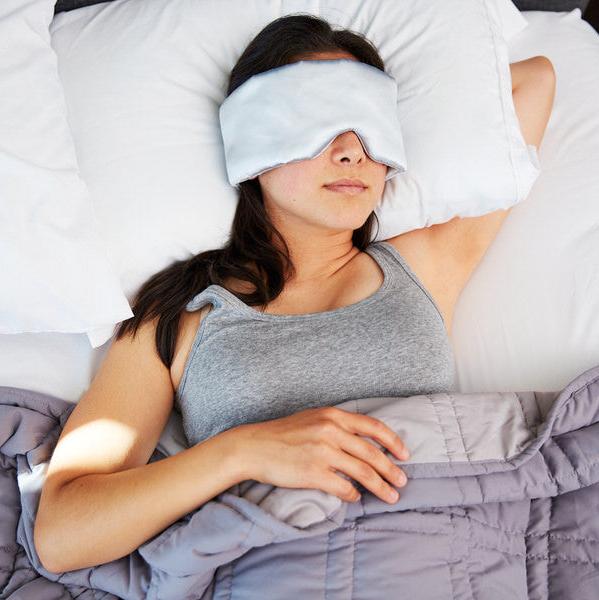
Adding sensory comforts like weighted blankets can also provide a wonderful sense of security. It's worth exploring how deep pressure therapy for anxiety can be a great next step in making your bed a true haven.
Daytime Habits for Calmer Nights
How you feel when your head hits the pillow is often a direct result of choices you made hours earlier. It's a tough pill to swallow, but true. Learning how to calm anxiety before bed isn't just about what you do in that final hour—it's about laying a foundation for calm from the moment you wake up.
By making a few small, deliberate tweaks to your daily habits, you can dramatically lower your baseline stress levels. This makes the transition into a peaceful night's sleep feel so much easier. You don’t need a complete life overhaul, either. It’s about being more intentional in three key areas: caffeine, physical activity, and nutrition.
Think of it as proactively managing your body's energy and stress hormones so they aren't still running wild at 11 p.m.

Strategically Time Your Caffeine Intake
That morning cup of coffee feels non-negotiable, I get it. But its effects stick around a lot longer than you might think. Caffeine works by blocking adenosine, a brain chemical that signals sleepiness. While that’s great for a 9 a.m. meeting, it can be a major source of restlessness and anxiety hours later.
Here's the kicker: caffeine has a half-life of about five to six hours. This means if you have a 200mg coffee at 3 p.m., you could still have 100mg of that stimulant zipping through your system at 9 p.m. For anyone prone to anxiety, this can feel like a low-level hum of nervous energy that makes relaxing impossible.
The most effective rule of thumb is to set a hard caffeine cutoff time. For most people, 2 p.m. is a safe bet. This gives your body at least eight hours to metabolize most of the caffeine before you even think about winding down.
This one simple change can be one of the most powerful you make for better sleep. Set a daily reminder on your phone until it becomes second nature.
Harness the Power of Mindful Movement
Regular exercise is one of the best natural anxiety-busters out there. It helps burn off excess cortisol (the stress hormone) and triggers a flood of endorphins, your body's natural mood lifters. The secret is to be strategic about when and how you move.
High-intensity workouts like HIIT or heavy lifting are amazing for daytime stress, but they can be way too stimulating in the evening. A vigorous workout jacks up your core body temperature and heart rate—the exact opposite of what your body needs to do to prepare for sleep.
For the best anxiety-reducing results, try these approaches:
- Morning or Afternoon Movement: Get your more intense workouts in earlier in the day. A morning run or a lunchtime gym session can set a calmer tone for your entire day.
- Evening Restorative Exercise: If evenings are your only time to move, stick to something gentle and restorative. Think of things like a slow walk around the block, gentle yoga, or some deep stretching. These activities help release physical tension without revving up your nervous system.
The goal is to use movement as a tool to regulate your energy, not to pump yourself full of it right before bed.
Fuel Your Calm with a Supportive Diet
The link between your gut and your brain is incredibly strong. The food you eat can either fuel feelings of anxiety or help promote a sense of calm. By focusing on a diet rich in certain nutrients, you give your body the raw materials it needs to manage stress more effectively.
Two micronutrients, in particular, play a starring role in relaxation: magnesium and tryptophan.
| Nutrient | Role in Promoting Calm | Food Sources |
|---|---|---|
| Magnesium | Often called "nature's relaxant," magnesium helps regulate neurotransmitters that promote calm. | Leafy greens (spinach, kale), almonds, avocados, bananas, dark chocolate. |
| Tryptophan | This amino acid is a precursor to serotonin and melatonin, which are essential for mood and sleep cycles. | Turkey, chicken, nuts, seeds, oats, and dairy products. |
You don't need to meticulously track every bite. Just focus on weaving more of these whole foods into your daily meals. A handful of almonds as an afternoon snack or a small bowl of oatmeal an hour before bed can provide a gentle, natural dose of these calming nutrients.
Making these small, sustainable changes to your daytime habits creates a powerful ripple effect, laying the groundwork for a truly peaceful, anxiety-free night.
Your Questions on Bedtime Anxiety Answered
Even with the best game plan, you're bound to have questions about how to handle anxiety before bed. Getting a handle on the specifics can help you troubleshoot those common hurdles and feel more in control of your nights.
Let's dig into some of the most frequent questions I hear about tackling nighttime anxiety.
What if I Wake Up With Anxiety in the Middle of the Night?
Waking up with a jolt of panic in the dead of night is awful. The number one rule here is don't look at your phone and don't look at the clock. Seeing that it's 3 AM can instantly send you into a spiral about how little sleep you're going to get.
Instead, immediately pivot to a relaxation technique. Try the 4-7-8 breathing exercise we talked about earlier, or do a quick body scan meditation without even leaving your bed. The goal is to get your nervous system to calm down before your mind has a chance to fully spin up.
If you’re still wide awake after 20 minutes or so, it's time to get out of bed. Head to another room with dim lighting and do something quiet and screen-free, like reading a boring book or listening to some soft music. Only head back to bed when you feel genuinely sleepy again. This is a critical step to stop your brain from associating your bed with being a place of stressful wakefulness.
How Long Will It Take for These Techniques to Work?
This is the million-dollar question, and honestly, the timeline is different for everyone. Some people feel a shift the very first night they try a new breathing exercise or commit to a wind-down routine. For others, it might take a few solid weeks of practice to notice a real, lasting change.
The most important thing here is consistency. You're essentially building a new habit and retraining your brain to see bedtime as a time for relaxation, not stress. Stick with your chosen strategies every single night—even on weekends—to give them the best shot at working.
Can Certain Foods Really Help Reduce My Bedtime Anxiety?
Yes, what you eat can absolutely play a supporting role in managing anxiety. While it’s not a magic bullet, certain foods have nutrients that are known to help calm the nervous system.
- Magnesium-Rich Foods: People often call magnesium "nature's relaxant" for a reason. You can find it in foods like almonds, spinach, and bananas.
- Tryptophan Sources: This is an amino acid that helps your body produce serotonin and melatonin, which are key for relaxation and sleep. Turkey, nuts, and seeds are great sources.
Try having a light, sleep-friendly snack like a small banana with a handful of almonds about an hour before you plan to sleep. Just be sure to steer clear of heavy meals, spicy foods, or anything with caffeine close to bedtime. Those are notorious sleep disruptors.
When Should I See a Doctor About My Sleep Anxiety?
While these self-care strategies are powerful, sometimes they aren't quite enough. It's a good idea to chat with a healthcare professional if your anxiety before bed is:
- Severe and persistent, sticking around for several weeks or more.
- Significantly impacting your daily life, whether it's at work or in your relationships.
- Happening alongside other symptoms that are worrying you.
A doctor can help rule out any underlying medical issues and might recommend highly effective treatments like Cognitive Behavioral Therapy for Insomnia (CBT-I). Please don't hesitate to seek professional help if you feel like what you're dealing with is more than you can manage on your own.
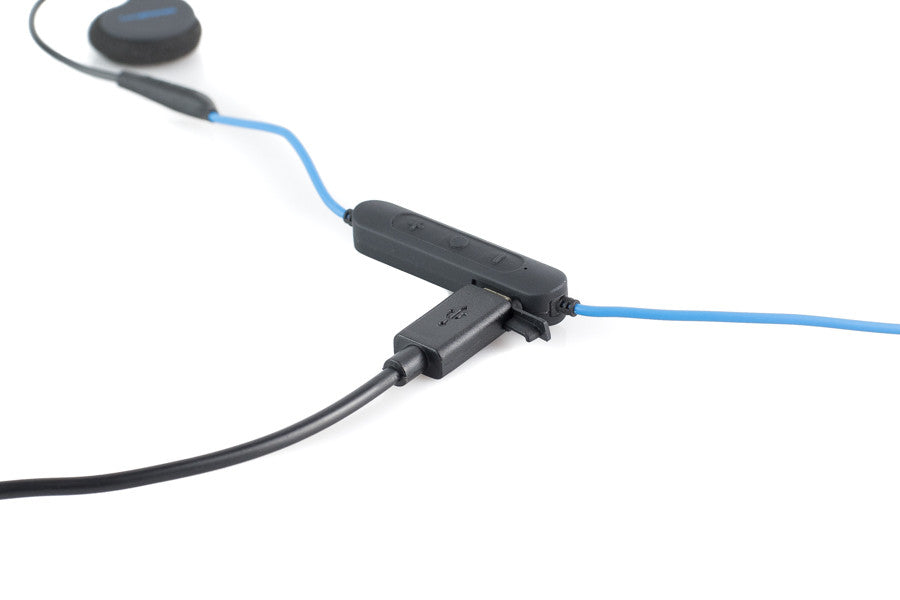
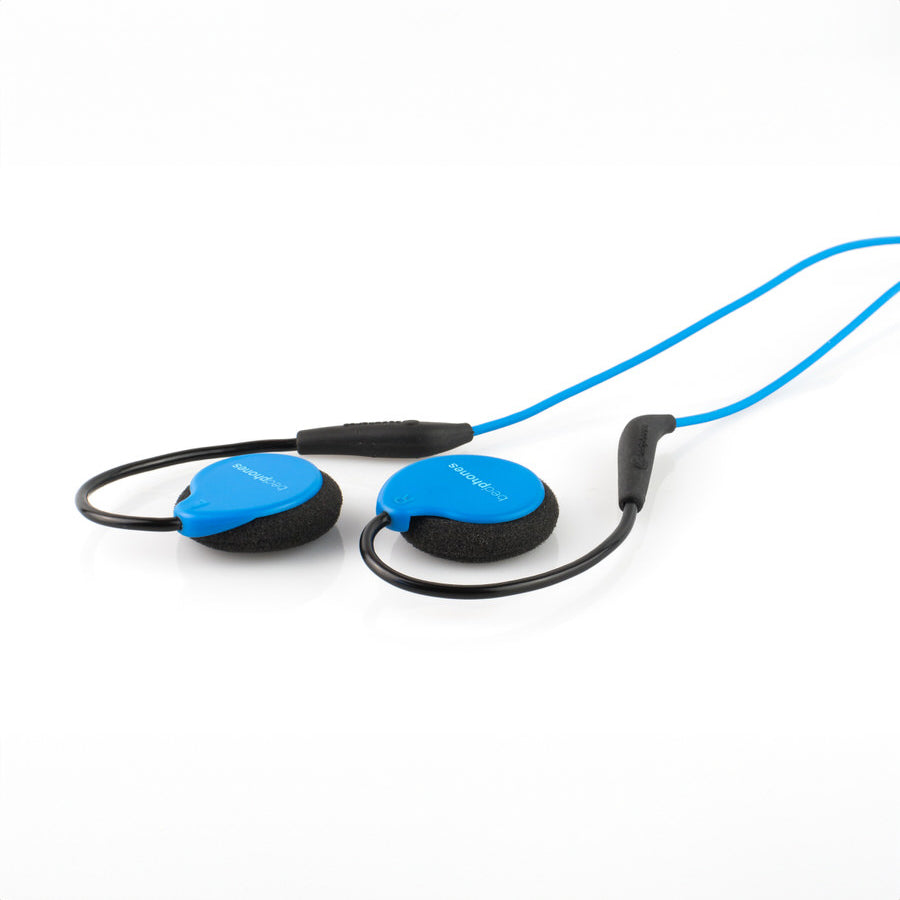
Creating a calm environment is the foundation for a peaceful night. At DubsLabs, we design products like our ultra-thin Bedphones and soothing weighted blankets to help you build the ultimate sleep sanctuary. Discover how our sleep solutions can become a key part of your wind-down ritual at https://www.dubslabs.com.