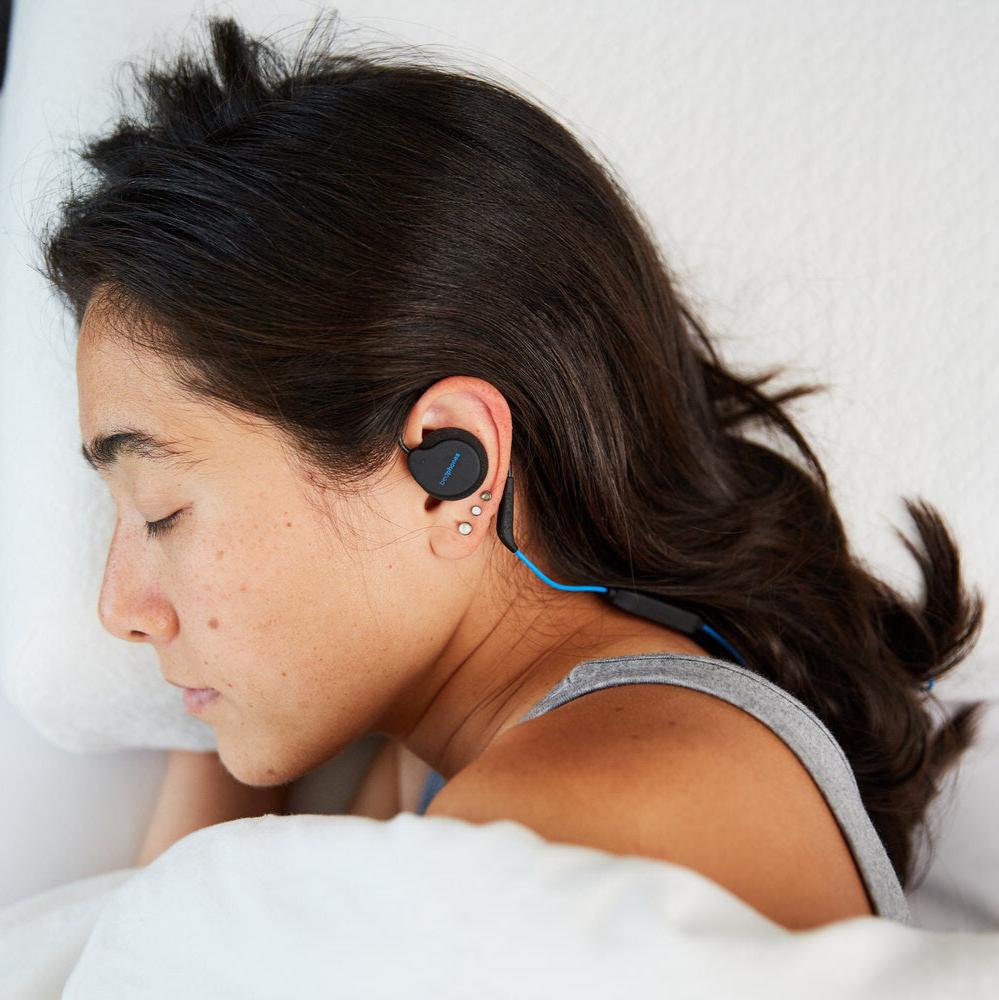
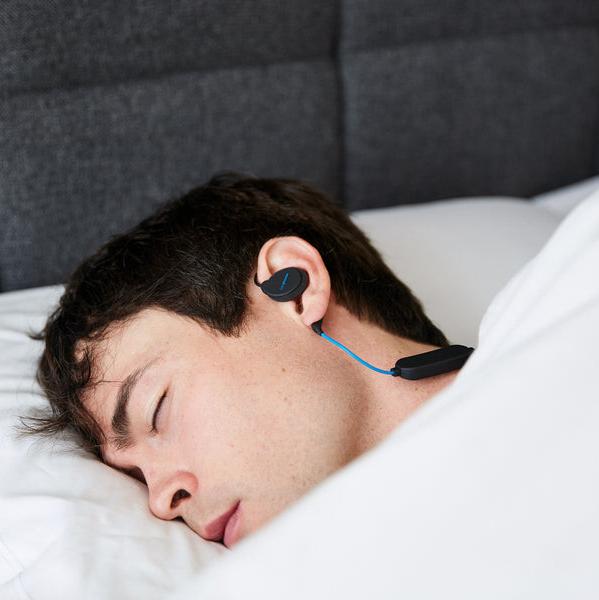
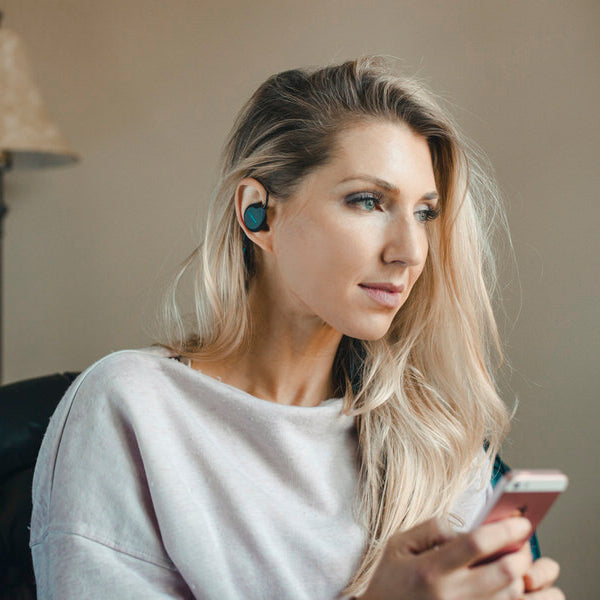
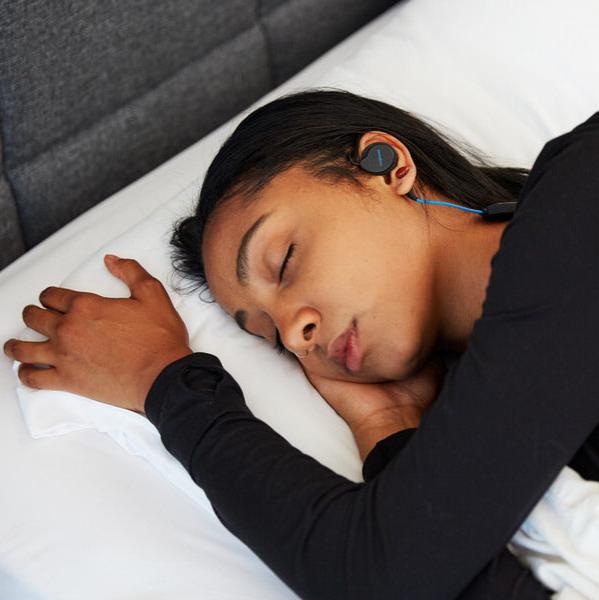
If you’ve ever tossed and turned all night, desperate for just a little peace and quiet, you already know how precious—and sometimes impossible—a good night's sleep can feel. That's where specialized headphones for sleep come in. They’re designed to create your own personal sanctuary of sound, letting you drift off to calming music, white noise, or a guided meditation without the digging, poking, and general awfulness of trying to sleep with regular earbuds.
Your Journey to a Quieter Night Starts Here
Sleepless nights can feel like a battle. Sometimes it's against the world outside—a partner's snoring, traffic noise, the neighbor's dog. Other times, the fight is with your own racing thoughts. For a lot of us, using audio to drown out those distractions is the obvious answer, but jamming regular headphones into your ears at bedtime just creates a whole new set of problems.
They’re bulky. They create painful pressure points. And if you're a side sleeper? Forget about it.
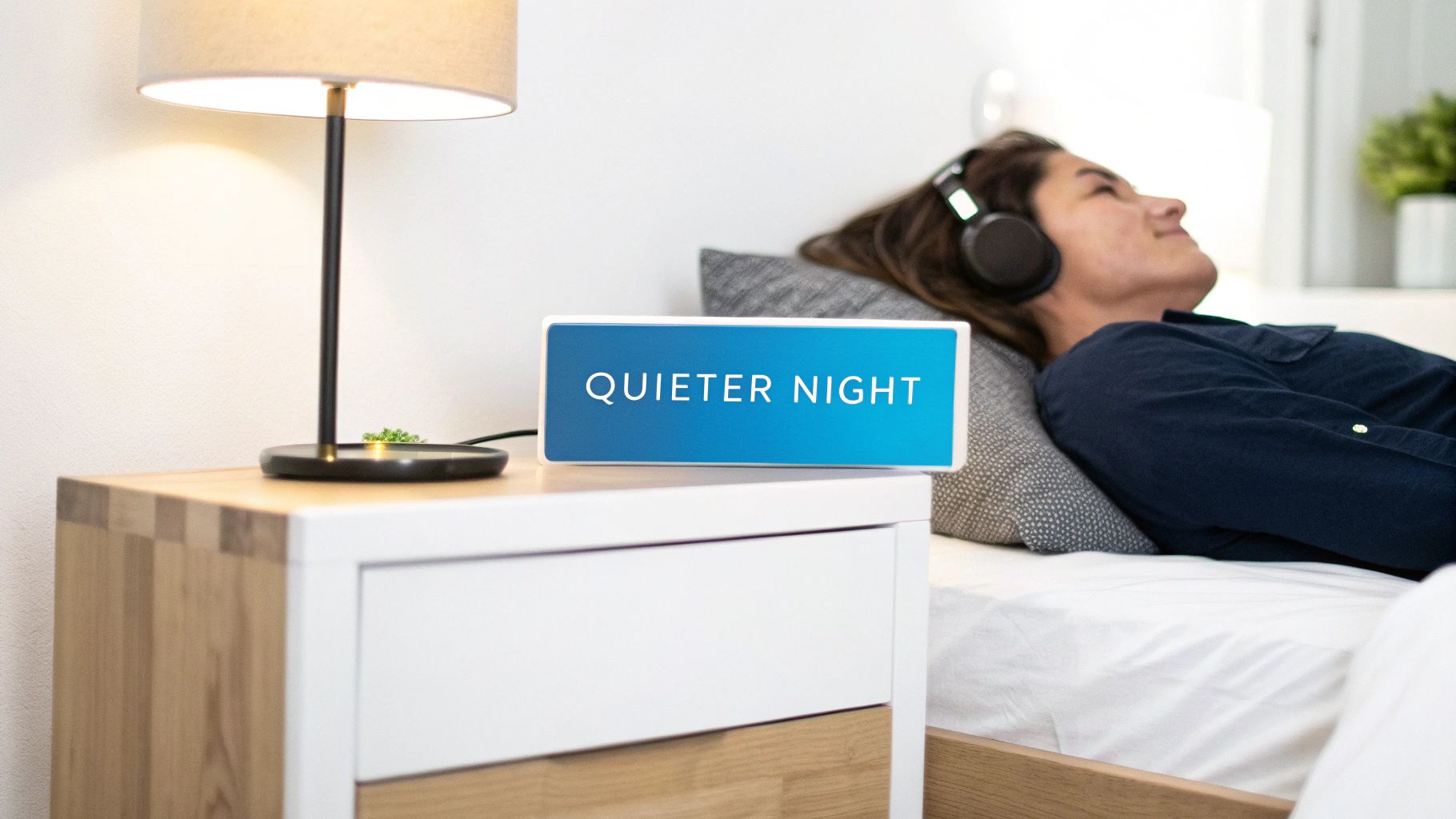
This is exactly why headphones designed specifically for sleep are such a game-changer. They’re built from the ground up to solve the unique challenges of listening to something while you’re lying down.
The Purpose-Built Solution for Rest
Unlike the headphones you use at the gym or on your commute, sleep headphones focus on a totally different set of priorities. This guide is going to walk you through everything that actually matters when you're trying to find the right pair.
We'll get into the details, like:
- Unmatched Comfort: We'll look at why ultra-thin, soft materials are an absolute must, especially if you sleep on your side.
- Targeted Audio: You'll learn how the sound is tuned for things like spoken-word podcasts, ambient soundscapes, and white noise—not bone-rattling bass.
- Practical Design: We'll also cover the little things that make a big difference, like minimal sound leakage so you don't end up bothering your partner.
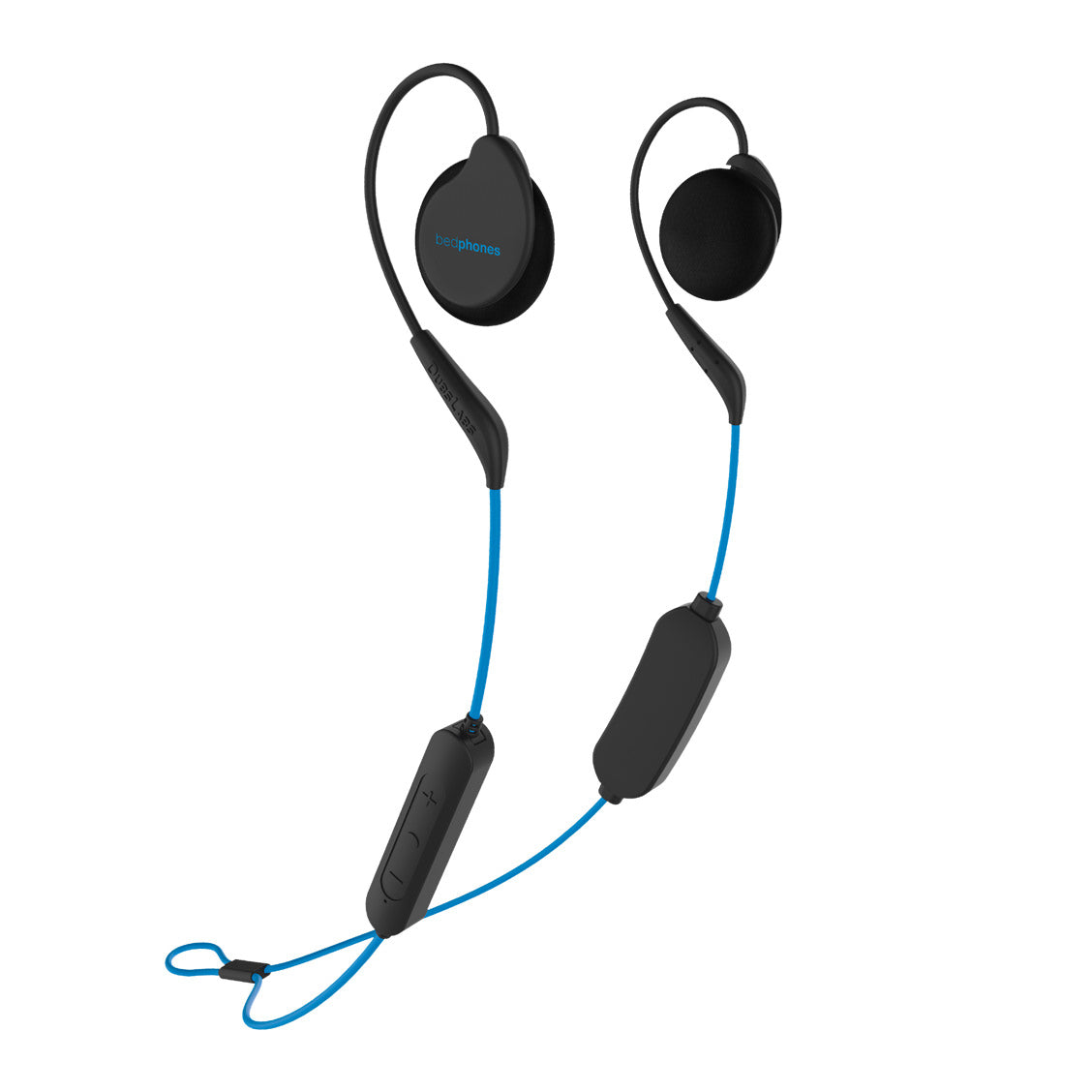
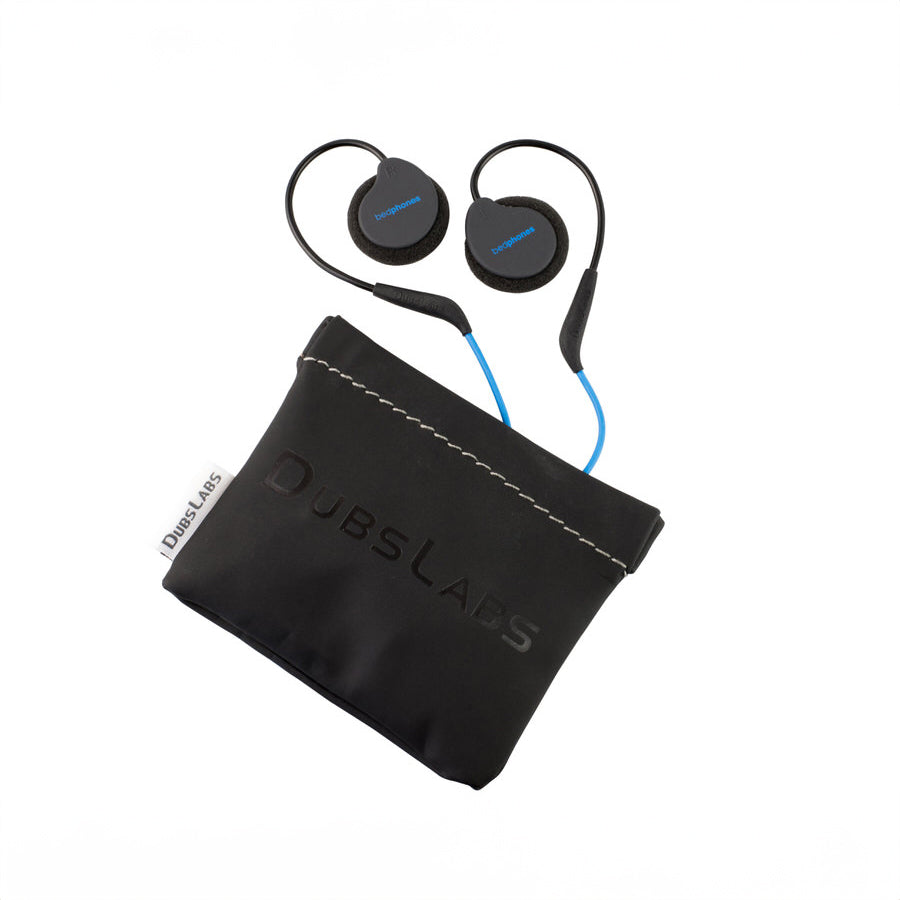
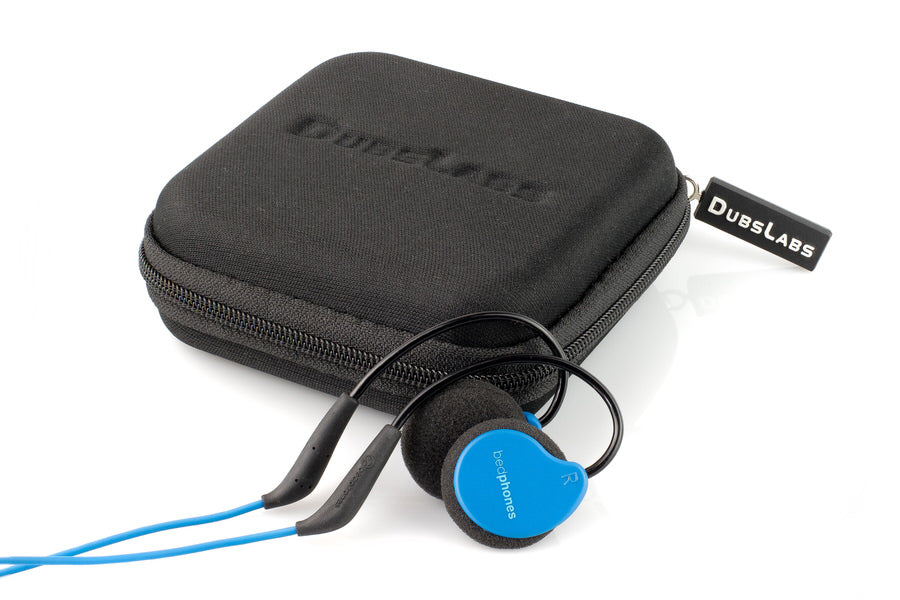
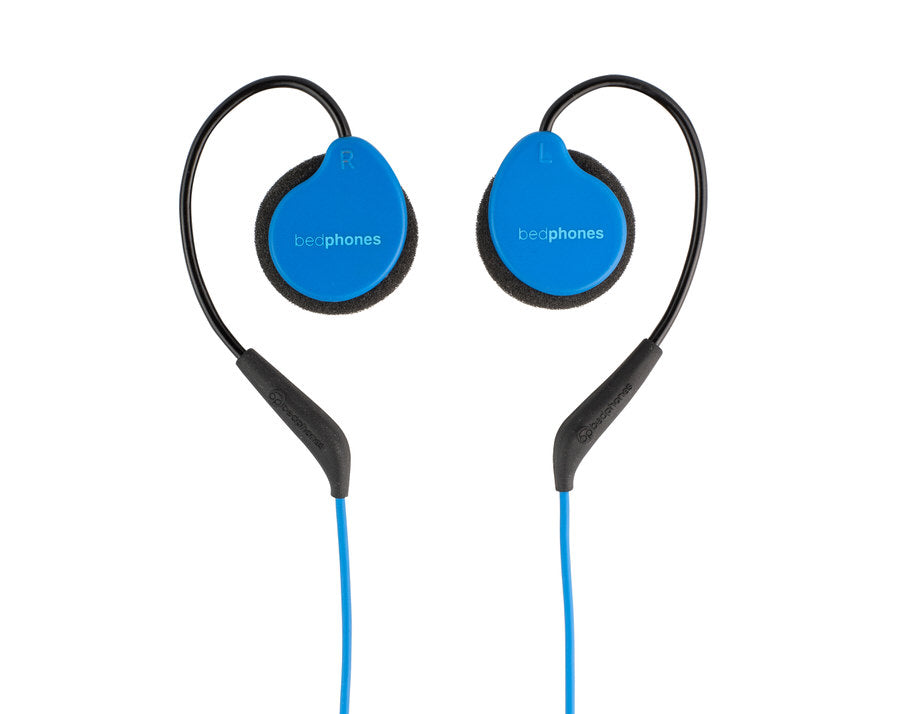
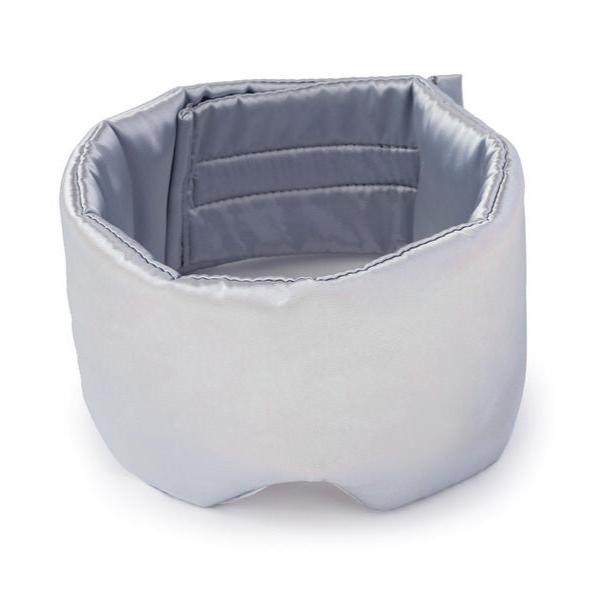
The goal isn’t just to hear audio in bed; it’s to create an immersive, comfortable experience that actually helps you rest. Purpose-built options like DubsLabs Bedphones are engineered to feel like they aren't even there, letting you focus on your audio and drift off peacefully.
This guide will show you how to pick them, use them, and get the most out of them. Of course, headphones are just one piece of the puzzle. For a bigger-picture look at improving your sleep, you can also explore these proven techniques for natural and restful sleep.
Ready? Let’s start the journey to a better night's rest.
Why Your Regular Earbuds Won't Work for Sleep
Trying to use your everyday headphones for sleep is like attempting to run a marathon in a pair of dress shoes. Sure, they're both footwear, but one is built for a very specific, demanding job. The other will just leave you sore, frustrated, and full of regret.
The problem boils down to comfort. Regular earbuds and over-ear headphones are designed for when you're upright and active—walking, working out, or sitting at your desk. They usually have hard plastic shells and silicone tips that stick out from your ear canal, which is perfectly fine until your head hits the pillow.
For side sleepers, this is an immediate deal-breaker. The pressure from the pillow shoves the hard plastic of a standard earbud deep into your ear, creating a sharp, nagging pain. It’s not just uncomfortable; it’s a surefire way to get a terrible night's sleep and maybe even some ear irritation. We actually dive deeper into the specific risks in our guide on whether you can safely sleep with earbuds in.
The Three Pillars of Sleep Headphone Design
Beyond the obvious pain points, regular headphones completely miss the mark in three key areas where purpose-built headphones for sleep shine. These are the core design principles that separate a frustrating night from a restful one.
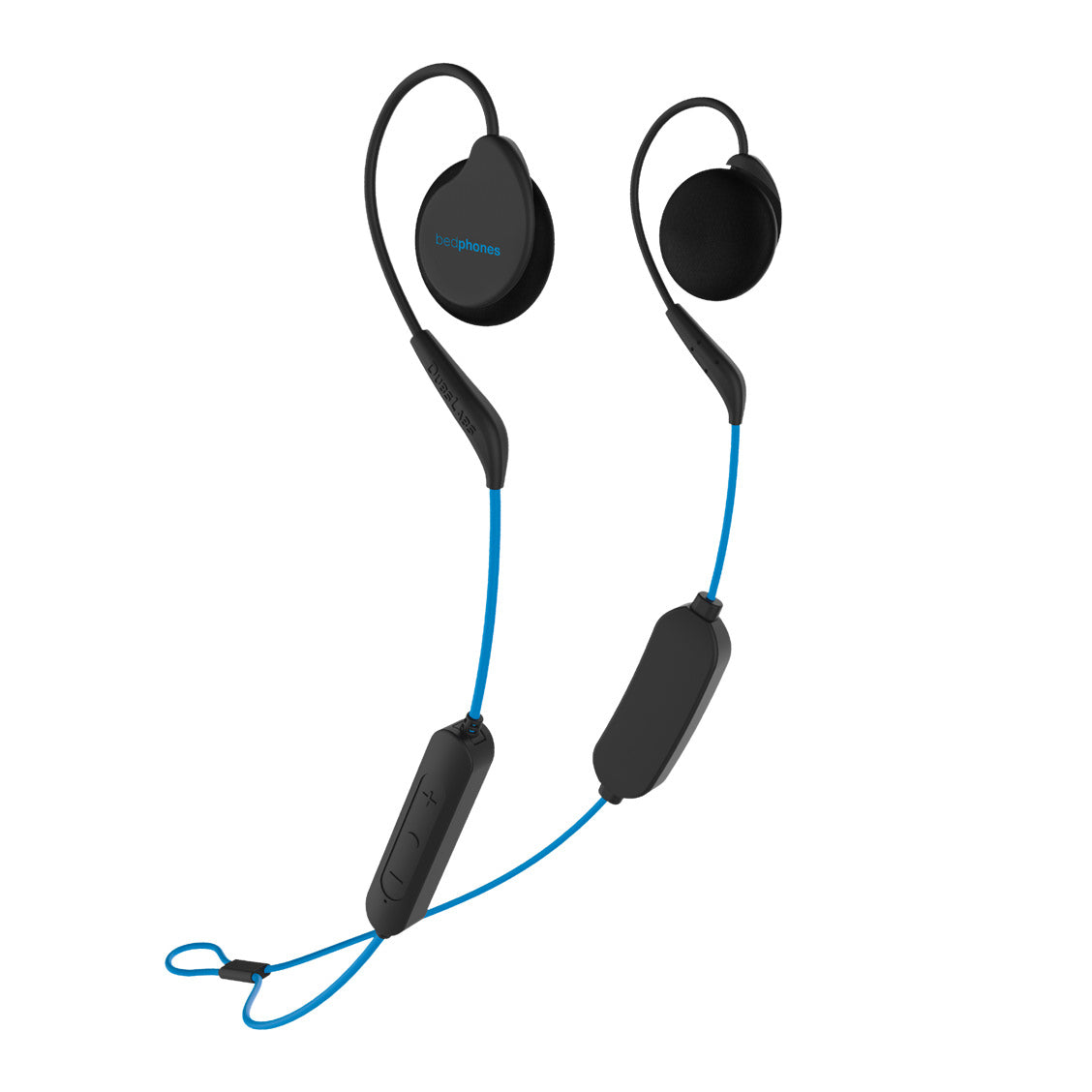
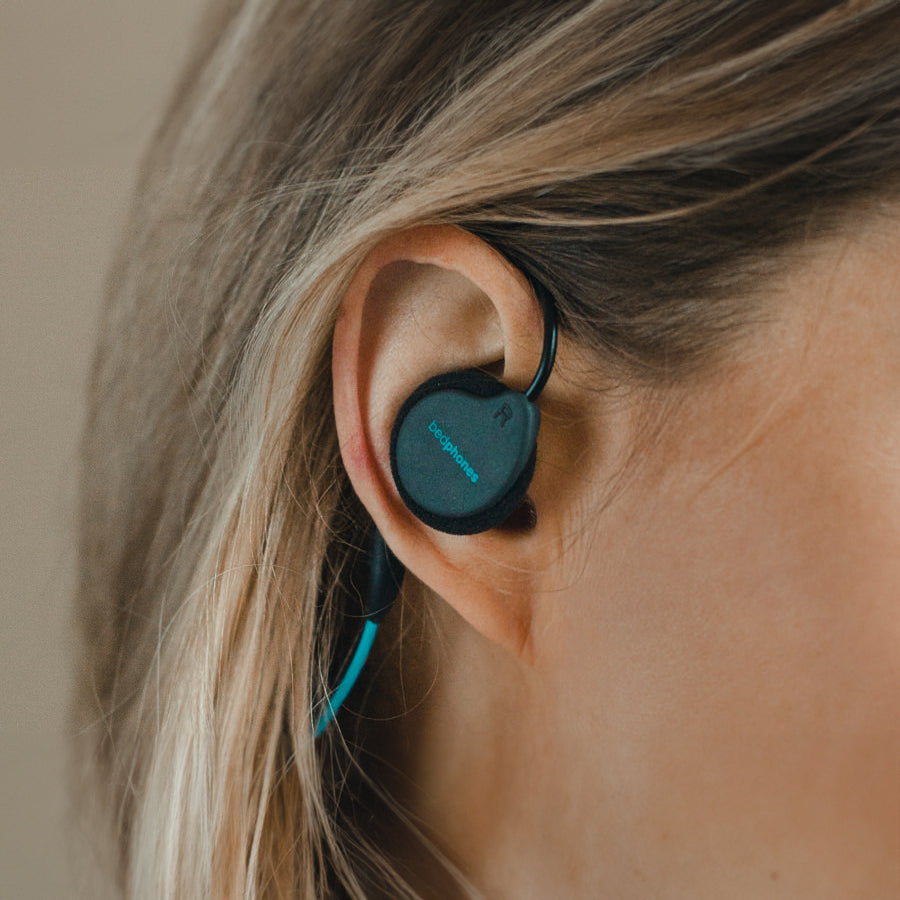
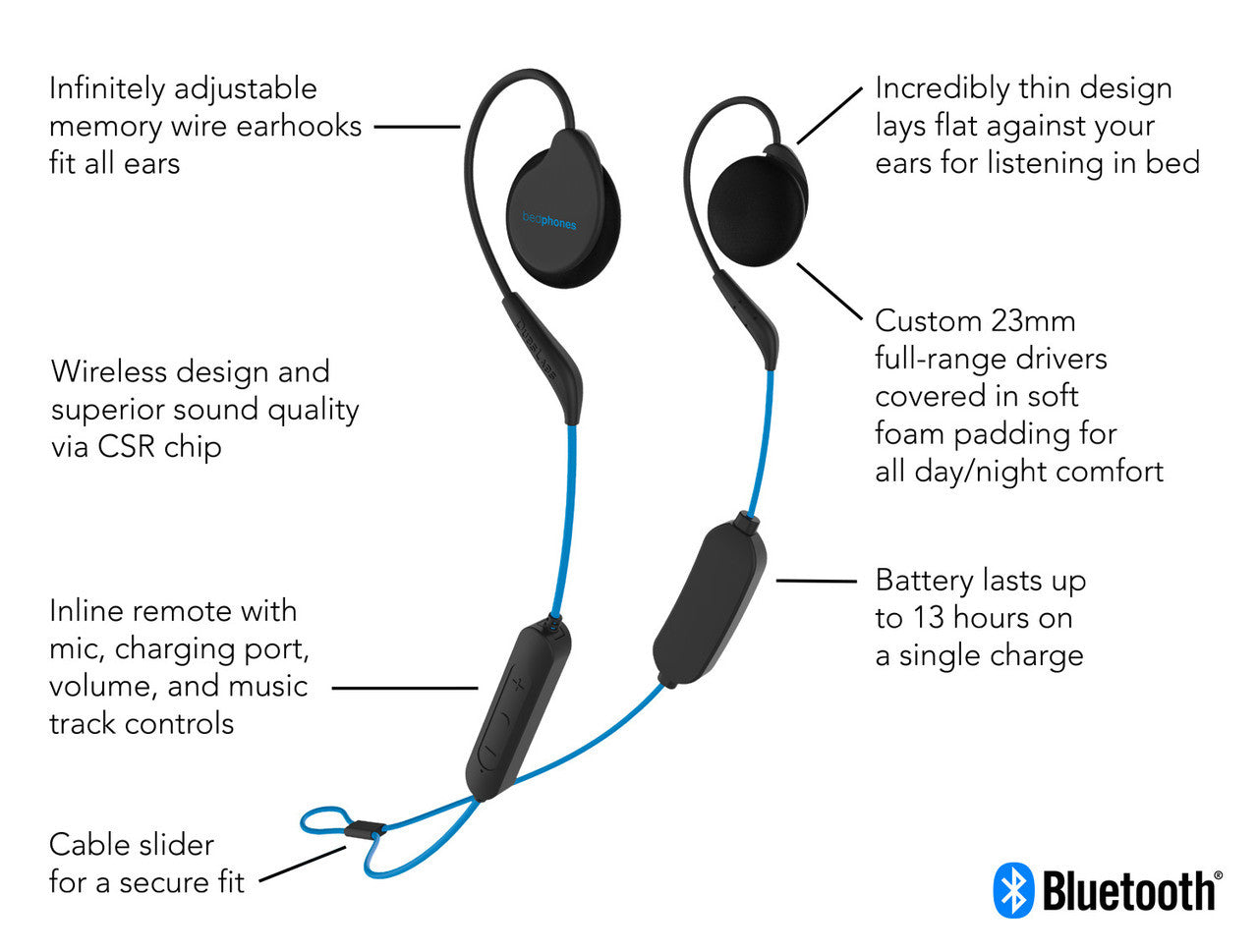
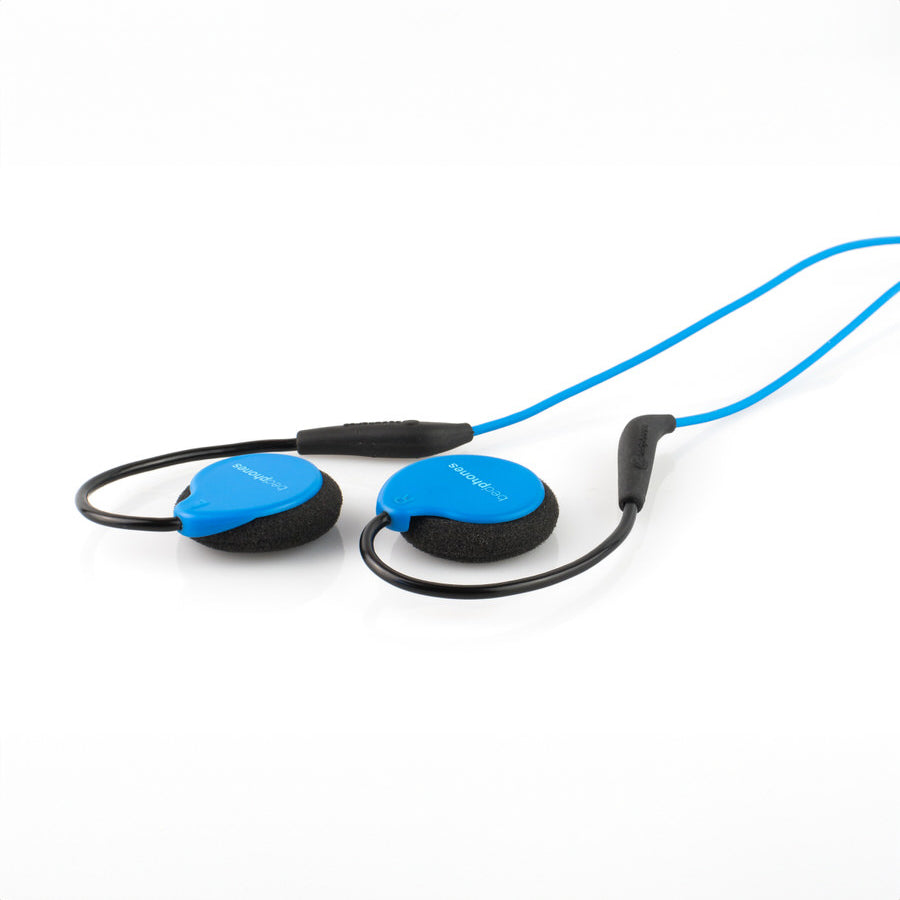
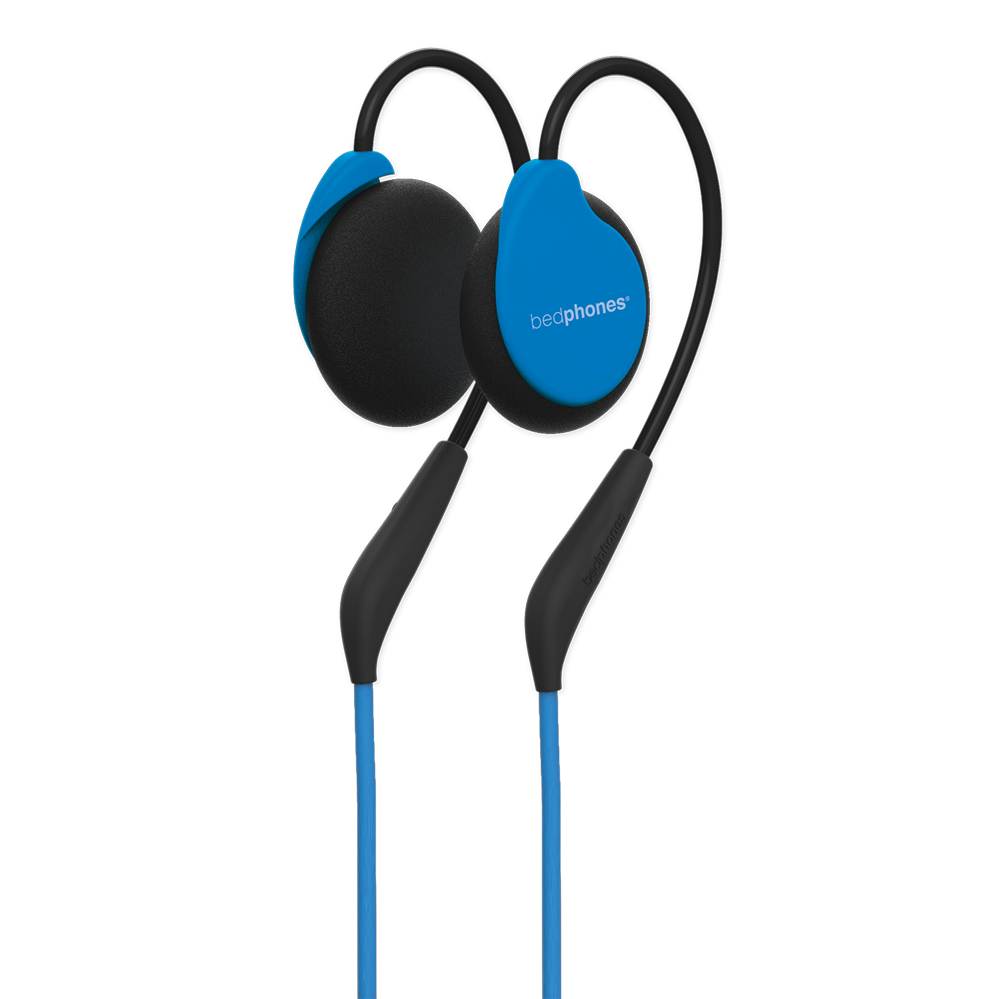
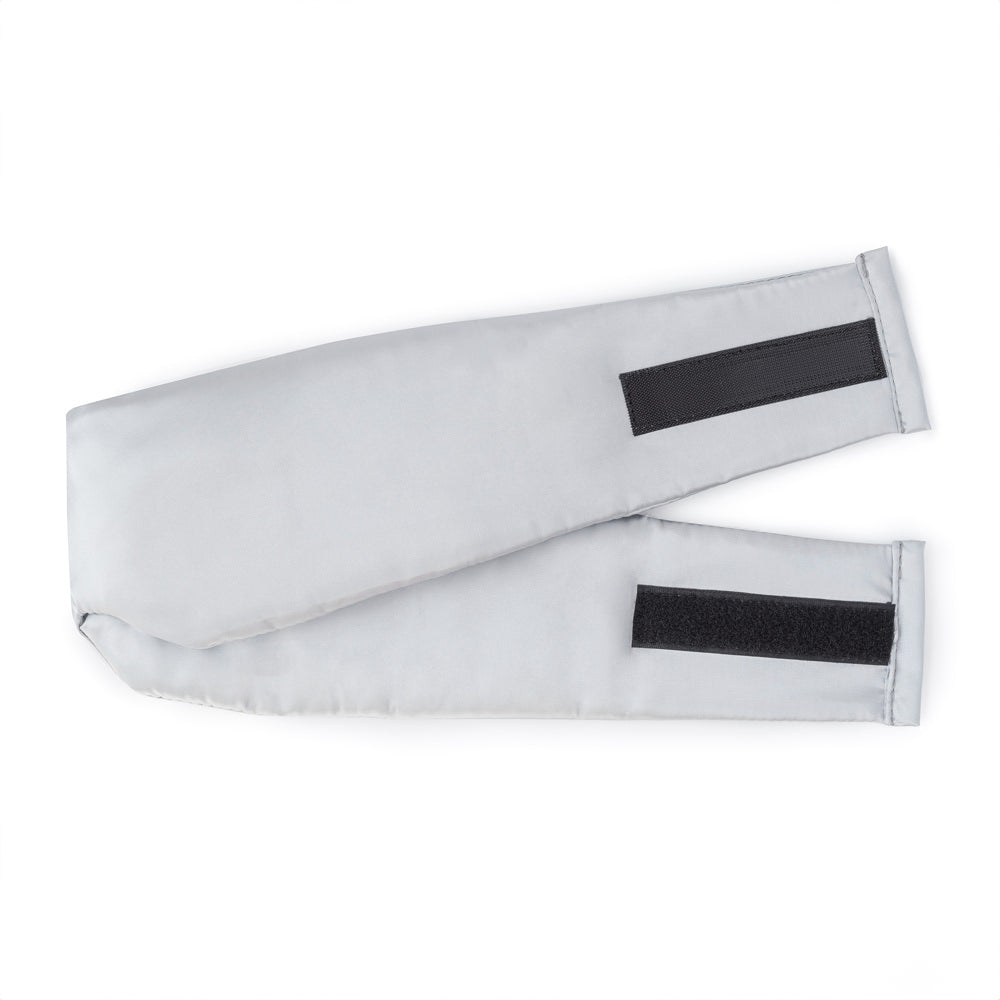
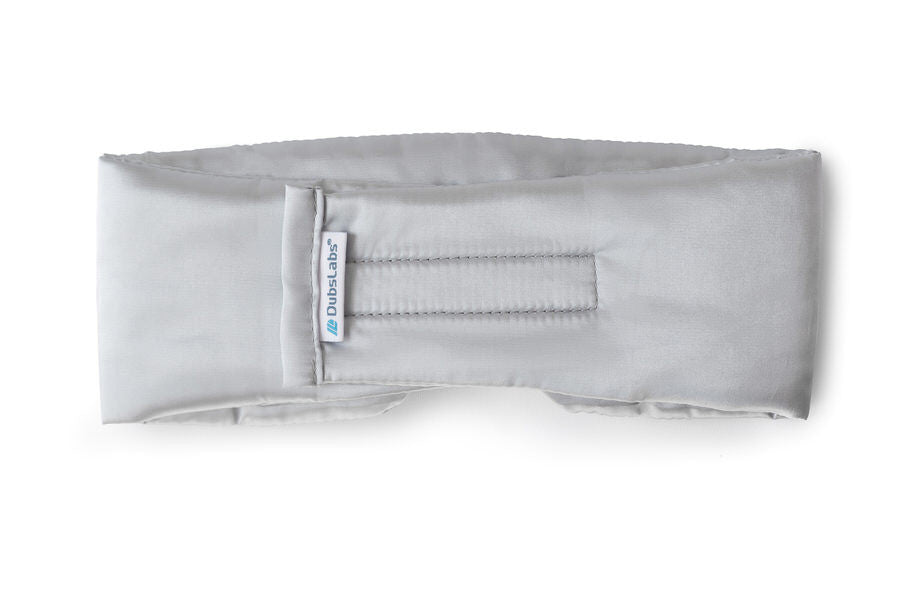
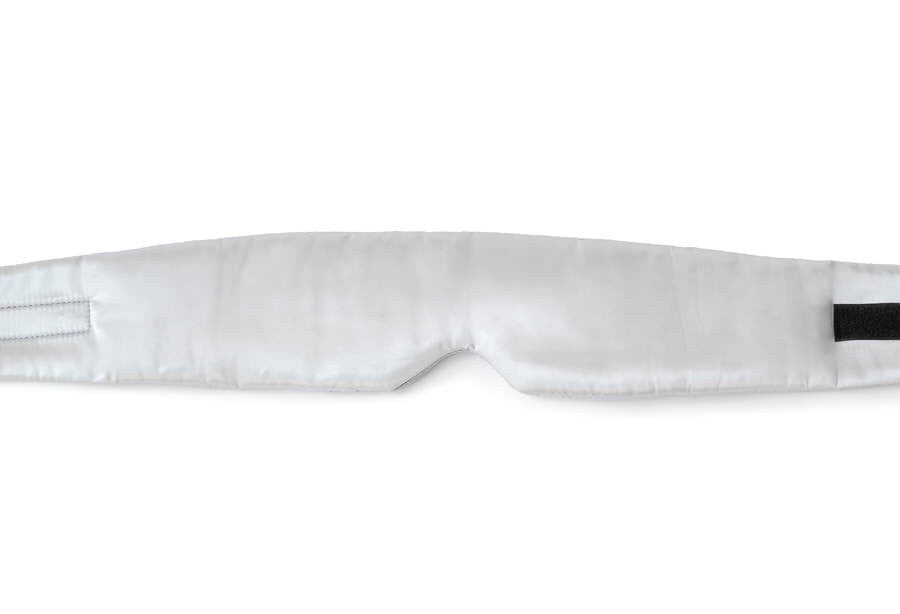
- Unparalleled Comfort and Profile: Sleep headphones are all about a low-profile, flexible design. Products like our DubsLabs Bedphones use incredibly thin, on-ear drivers wrapped in soft foam. They’re made to lie flat against your ear, which gets rid of those painful pressure points you get from in-ear models when you’re on your side.
- Minimal Sound Leakage: Let's face it, your gym headphones are built to blast powerful bass, and they don't really care who else can hear it. Sleep headphones, on the other hand, are engineered to keep sound contained. This means your calming audio won't turn into a nuisance for a sleeping partner right next to you.
- Optimized Audio Tuning: The sound profile is completely different, too. Instead of the thumping bass and sharp treble needed for music, sleep headphones are fine-tuned for the subtle details of sleep content—the gentle frequencies of white noise, the clear narration of a guided meditation, or the soothing tones of ambient soundscapes.
This intense focus on sleep-centric design is what’s fueling major market growth. The sleep headphones market was valued at USD 1,120 million and is projected to hit USD 2,030 million by 2030. This trend makes it clear: more and more people are realizing that their generic earbuds just can’t handle the unique demands of getting quality rest. You can read more about this growing wellness market on Deep Market Insights.
At the end of the day, while you can technically try to sleep with regular earbuds, they're simply the wrong tool for the job. Investing in a pair of headphones designed specifically for sleep isn't a luxury; it's a necessity for anyone serious about using sound to get a better night's rest.
How to Choose the Right Headphones for Sleep
Finding the perfect headphones for sleep is a whole different ballgame than picking a pair for the gym. Forget about bone-rattling bass and sweat resistance. When you're trying to drift off, the rules change completely, and a new set of priorities takes over.
First and foremost is comfort, especially if you're a side sleeper. Your number one goal is finding something with an ultra-thin, low-profile design. The last thing you want is a bulky earbud creating a painful pressure point when your head hits the pillow. Materials are everything here; think soft foam padding and flexible bits and pieces. These aren't just nice-to-haves—they're non-negotiable for a good night's rest.
This little decision tree can help you figure out if your current headphones are up to the task, cutting right to the chase on the most common deal-breakers: pain and bulkiness.
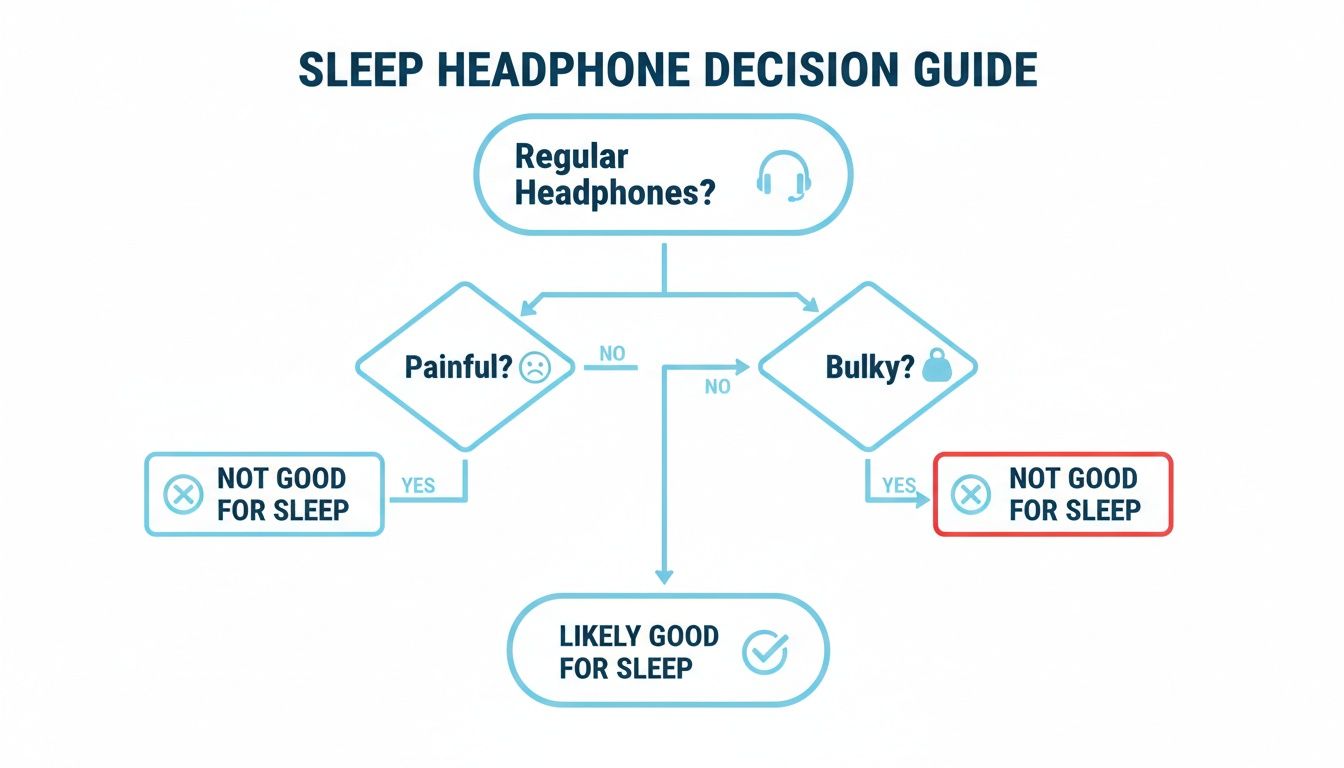
As you can see, the main reasons regular headphones just don't work for sleep are pretty straightforward. They're either physically uncomfortable or just too big to allow for natural sleeping positions.
Evaluating Key Features for Restful Audio
Once you've settled on a pair that feels like you could wear it all night, it's time to dig into the other features that matter. The best sleep headphones are a careful mix of smart design choices made specifically for a quiet, relaxing environment.
To help you sort through the options, we've put together a table that breaks down the most important features to look for when you're shopping.
Key Features of Sleep Headphones Compared
| Feature | Why It Matters for Sleep | What to Look For (Ideal Scenario) |
|---|---|---|
| Comfort & Form Factor | The absolute top priority. Bulky or hard headphones cause pain, especially for side sleepers, and will ruin your night. | An ultra-thin, lightweight design with soft, flexible materials. You should barely notice you're wearing them. |
| Audio Quality | You're listening to podcasts, meditations, or white noise—not club anthems. Clarity is more important than heavy bass. | A balanced sound profile that delivers clear vocals and soothing ambient tones without harsh highs or distracting rumbles. |
| Sound Leakage | If you share a bed, your relaxing soundscape can quickly become your partner's annoying noise machine. | A design that keeps audio contained. In-ear styles or well-fitted headbands are usually best for this. |
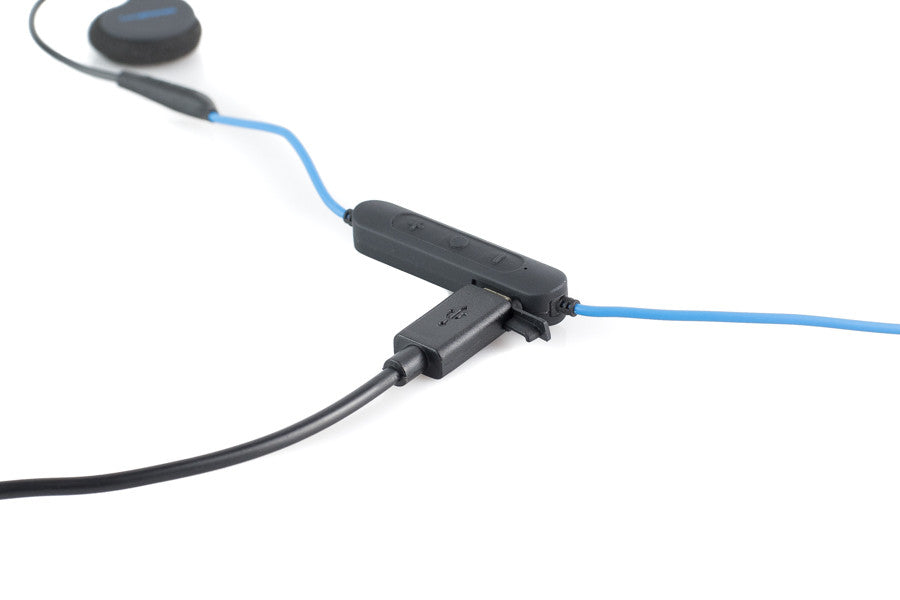
| Connectivity | This comes down to personal preference: the security of a wire or the freedom of wireless. | Wired: Eliminates battery anxiety. Wireless (Bluetooth): No risk of tangling in cords while you toss and turn. |
| Hygiene | Anything you wear for 8 hours a night is going to need a good cleaning now and then. | Removable, washable components like foam covers. Easy-to-wipe surfaces are a big plus. |
| Safety | Protecting your hearing is crucial, especially when you're exposed to sound for an entire night. | A built-in volume limiter that caps the sound at a safe level (around 75 dBA). |
By focusing on these specific areas, you can move past the flashy marketing and find a pair of headphones that will genuinely help you sleep better.
Prioritizing Safety and Practicality
Safety should be at the top of your list when you're choosing a device you'll have in or on your ears all night long. A built-in volume limiter is a feature you really shouldn't skip. According to the Occupational Safety and Health Administration (OSHA), listening at levels up to 82 dBA is generally considered safe for up to 16 hours.
Purpose-built sleep headphones often cap their maximum volume well below this threshold, typically around 75 dBA. This feature is designed to protect your hearing while still being effective enough to mask external noises like traffic or a snoring partner.
When you carefully weigh comfort, audio profile, hygiene, and safety, you can confidently pick a pair of headphones that will become a true ally in your quest for better sleep. Products like DubsLabs Bedphones are a great example of this thinking in action. They were designed from the ground up to address these points, with an incredibly thin profile for side sleepers, clear audio perfect for spoken word, and washable parts. They really set the benchmark for what to look for.
Who Benefits Most from Using Sleep Headphones?
Sleep headphones are way more than just another gadget; they're a personalized tool designed to tackle some of the most common and frustrating sleep challenges out there. While pretty much anyone can get a more peaceful night's sleep with them, certain groups find these things to be an absolute lifesaver.

From side sleepers who are tired of sore ears to people with anxious minds that just won't quit, these headphones offer targeted relief that generic solutions just can't touch. Let's look at who really stands to gain the most.
The Side Sleeper Seeking Comfort
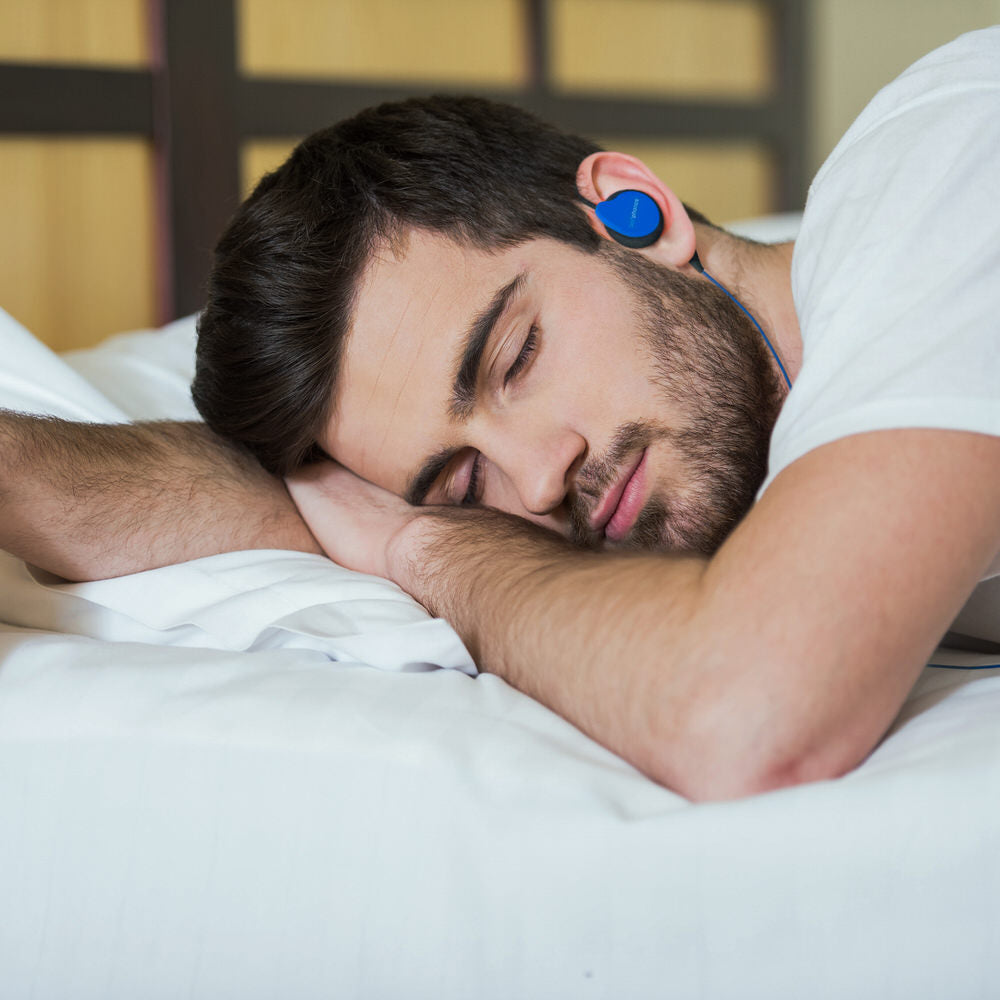
For the millions of us who sleep on our side, traditional earbuds and bulky over-ear headphones are a complete non-starter. The constant pressure creates a sharp, nagging pain in the ear, making it impossible to relax. This is where the ultra-thin design of headphones for sleep becomes a total game-changer.
Imagine finally being able to listen to your favorite audiobook or podcast without constantly shifting around or waking up with a sore ear. That level of comfort is the number one reason so many people make the switch.
The Anxious Mind Needing Calm
At 2 AM, when the world is quiet, an anxious mind can be incredibly loud. Racing thoughts, worries, and stressors often feel magnified in the dead of night.
Sleep headphones offer a direct path to a calmer headspace. They let you immerse yourself in guided meditations, soothing soundscapes, or gentle music, effectively building a buffer against your own internal noise. This helps your brain shift its focus from stressful thoughts to calming audio, making it much easier to drift off.
Those Dealing with External Noise
Whether it's a partner who snores like a gentle chainsaw or the relentless sounds of city traffic, outside noise is a major sleep thief. Earplugs can feel uncomfortable and only muffle sound, while a white noise machine might just end up bothering your partner, too.
Sleep headphones provide a private sound sanctuary just for you. By delivering masking sounds like white or pink noise directly to your ears, they can effectively cancel out disruptive noises without impacting anyone else in the room.
This growing need for personalized sleep solutions is reflected in the global market. North America currently dominates the sleep headphones market, driven by high consumer awareness and a willingness to invest in wellness. Europe follows, accounting for 30% of the market share, with a strong focus on ergonomic design and noise-cancellation. The fastest-growing market, however, is the Asia Pacific region, fueled by changing lifestyles and increasing health awareness. Discover more insights about these global sleep trends on Strategic Revenue Insights.
Ultimately, these devices serve a huge range of people, from those with tinnitus looking for relief through sound therapy to light sleepers who wake up at the slightest disturbance. By connecting innovative technology with these deeply human needs, sleep headphones have proven they're an indispensable tool for anyone serious about reclaiming their rest.
Building a Complete Sleep Sanctuary
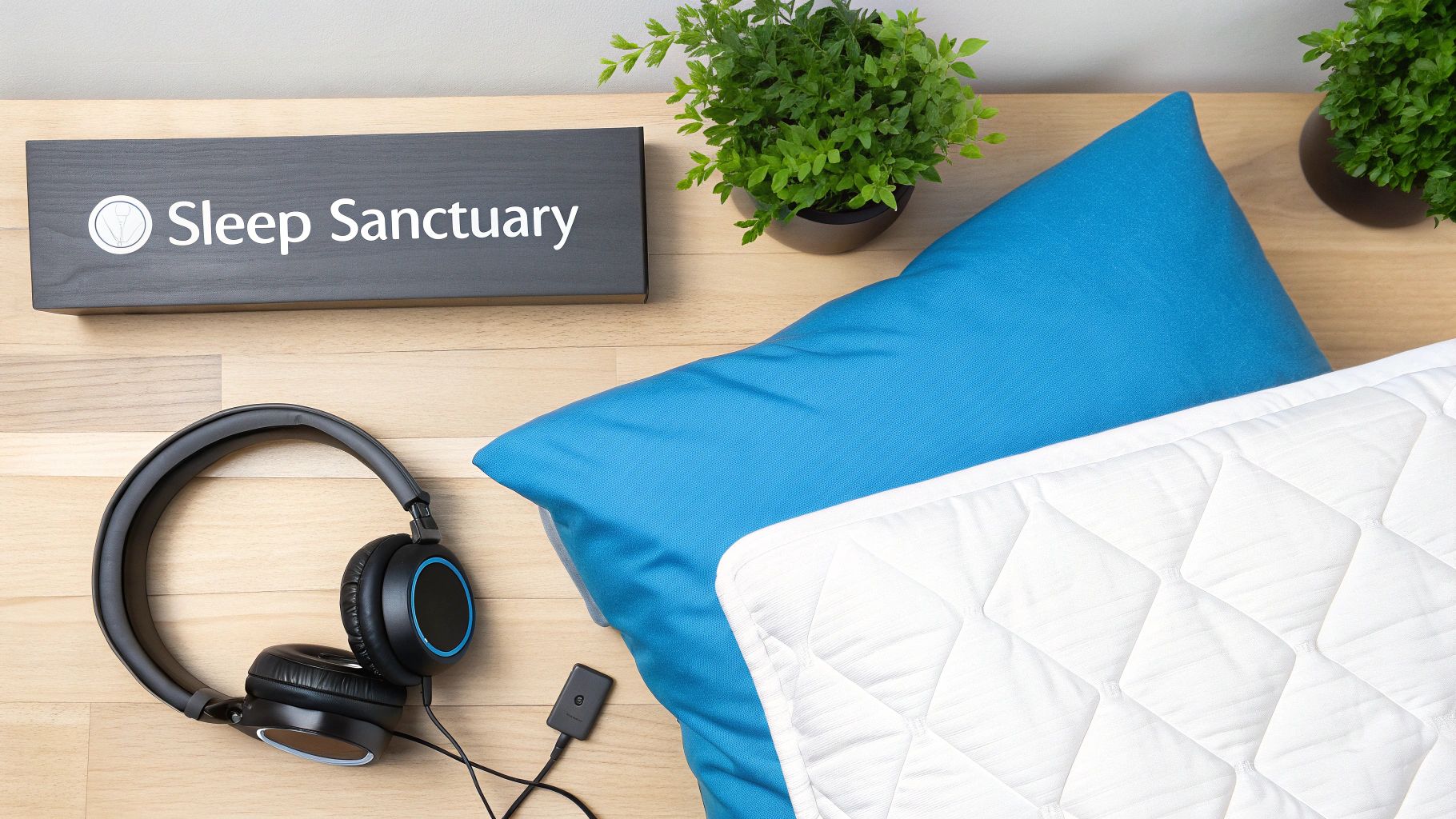
While the right headphones for sleep are a game-changer, they really shine when they're part of a bigger picture. Think of them as the star player on a team that's entirely dedicated to getting you the best rest possible. When you combine them with other smart sleep aids, you create an immersive experience that tells your body and mind, "Okay, it's time to power down."
This is all about layering your solutions to tackle different senses. Your headphones have the sound covered, but what about touch and sight? That’s how you go from just having a bedroom to building a true sleep sanctuary.
Layering Comfort for Deeper Rest
Creating this kind of holistic ecosystem means pairing your go-to audio solution with products that boost physical and visual calm. Each piece supports the others, making the whole setup far more effective than any single item on its own.
Here’s how you can stack different sleep aids for the ultimate effect:
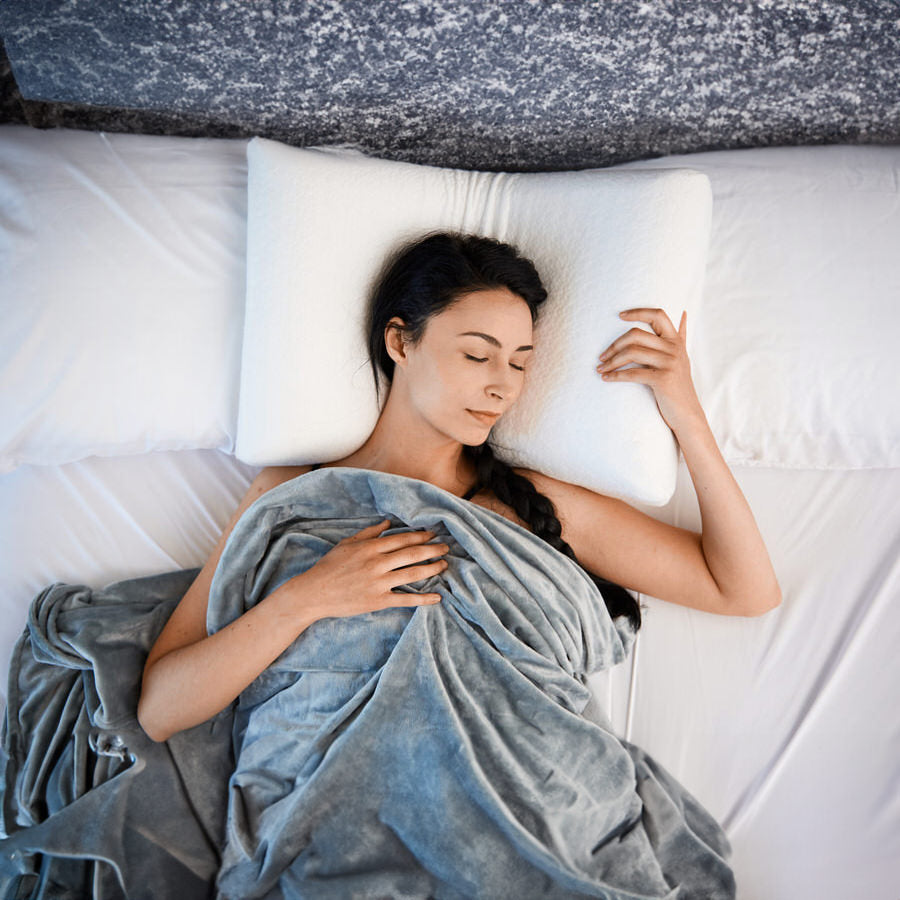
- Weighted Blankets: Imagine combining the audio bliss from your headphones with the deep, grounding pressure of a weighted blanket. It's an incredible duo for melting away anxiety. The gentle, steady pressure helps soothe your nervous system while your audio blocks out distracting noises.
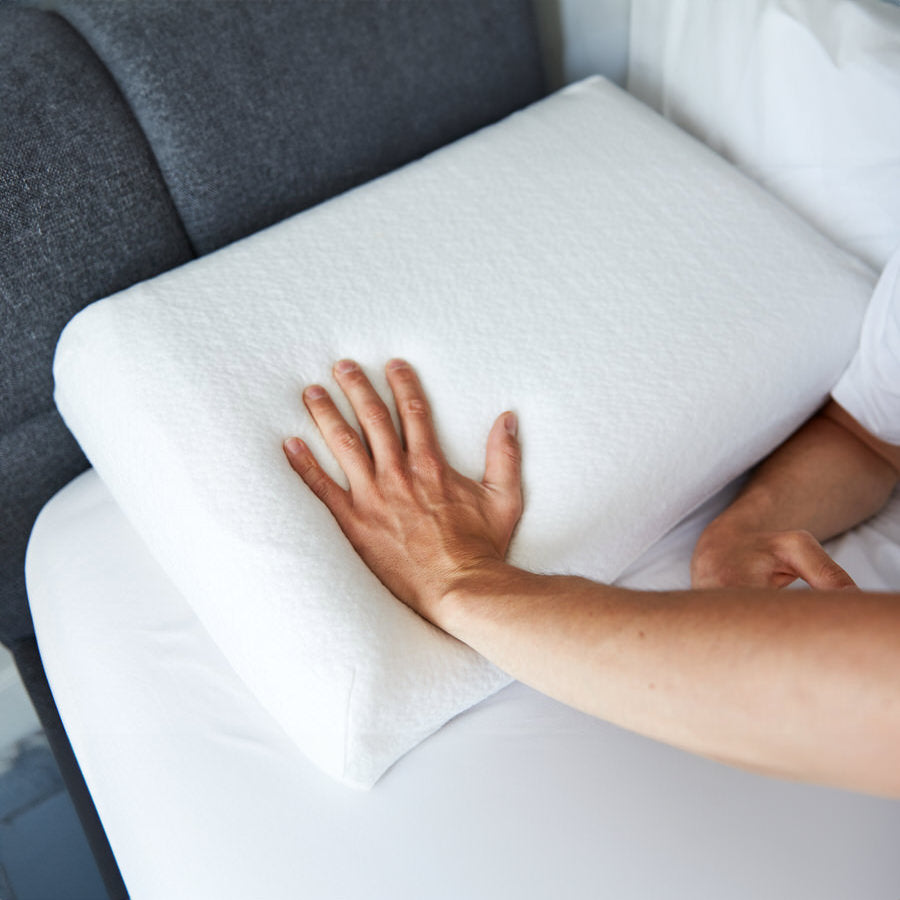
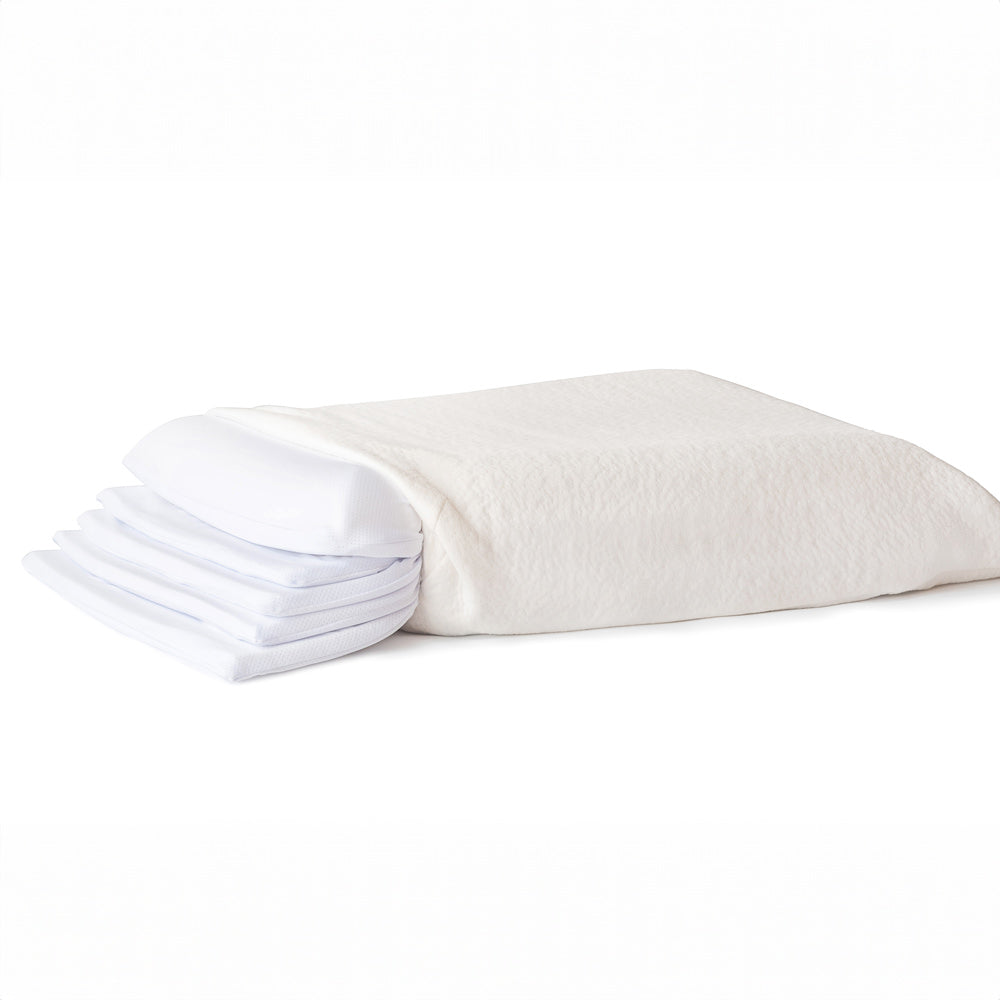
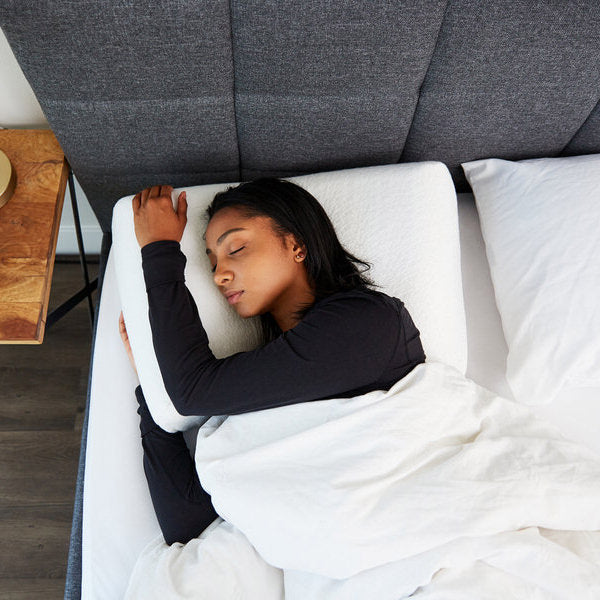
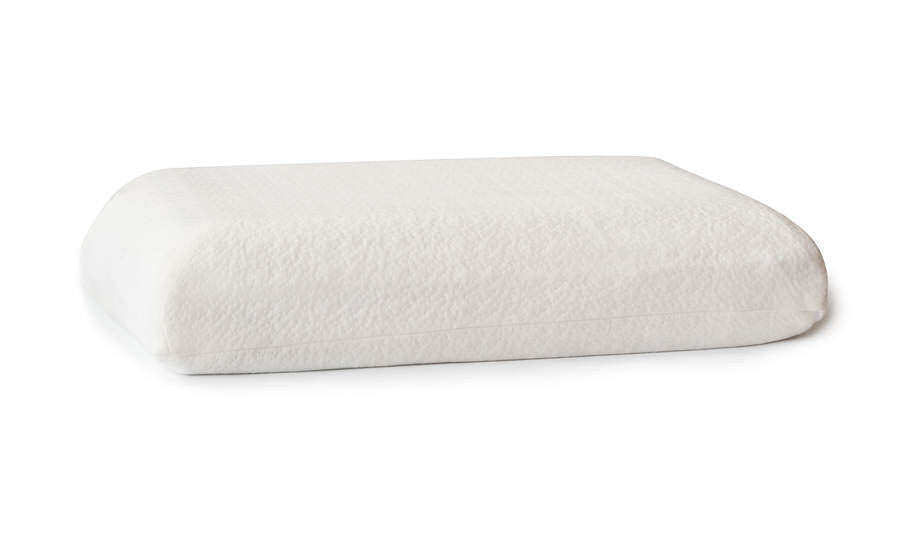
- Memory Foam Pillows: A great memory foam pillow isn’t just about neck support—it also makes wearing Bedphones even more comfortable. It perfectly cradles your head, which lets the ultra-thin headphones lie completely flat without creating annoying pressure points. You get perfect alignment all night long.
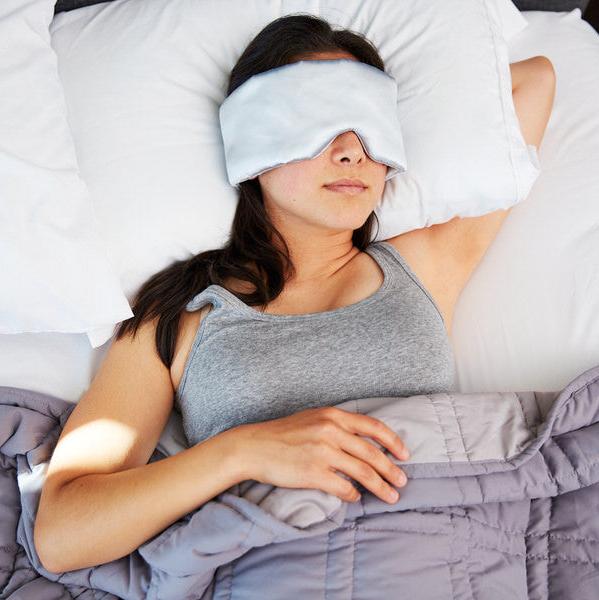
- Total-Dark Sleep Masks: To complete your sensory haven, add a sleep mask that blocks out every last bit of light. With your hearing shielded by calming sounds and your sight in total darkness, you’ve effectively neutralized the two most common things that wreck a good night's sleep.
By thoughtfully curating these elements, you're not just getting ready for bed; you're performing a deliberate ritual that encourages deep, uninterrupted rest. You can learn more about how to optimize your surroundings in our guide to crafting the perfect sleep environment for better sleep quality.
Beyond these physical tools, things like a sound machine can also be a huge help in creating a peaceful vibe, especially for an entire room. For parents, figuring out the nuances of using a sound machine for sleeping can be a real lifesaver for the kids' rooms. This layered approach turns your bedroom from just a place where you sleep into a sanctuary truly engineered for restoration.
Common Questions About Headphones for Sleep
Even when you see all the benefits laid out, it's totally normal to have a few lingering questions. The idea of wearing an audio device all night is new for a lot of people, so let's clear up some of the most common concerns before you jump in.
This little FAQ will give you direct, clear answers to help you feel confident about using headphones for sleep. We’ll cover everything from safety to cleaning, and even how they stack up against those bulky noise-cancelling headphones you might already own.
Are Sleep Headphones Safe to Wear All Night Long?
This is usually the biggest question on everyone's mind, and it tends to break down into three specific worries: volume, batteries, and EMFs. The good news is that any reputable sleep headphones are designed from the ground up with these exact issues in mind.
- Volume Safety: Your hearing is precious. That's why purpose-built sleep headphones often have a built-in volume limiter. The Occupational Safety and Health Administration (OSHA) says listening at levels up to 82 dBA is generally safe for long periods. Most sleep headphones cap their volume well below that, usually around 75 dBA, to make sure your ears are protected while still masking outside noise.
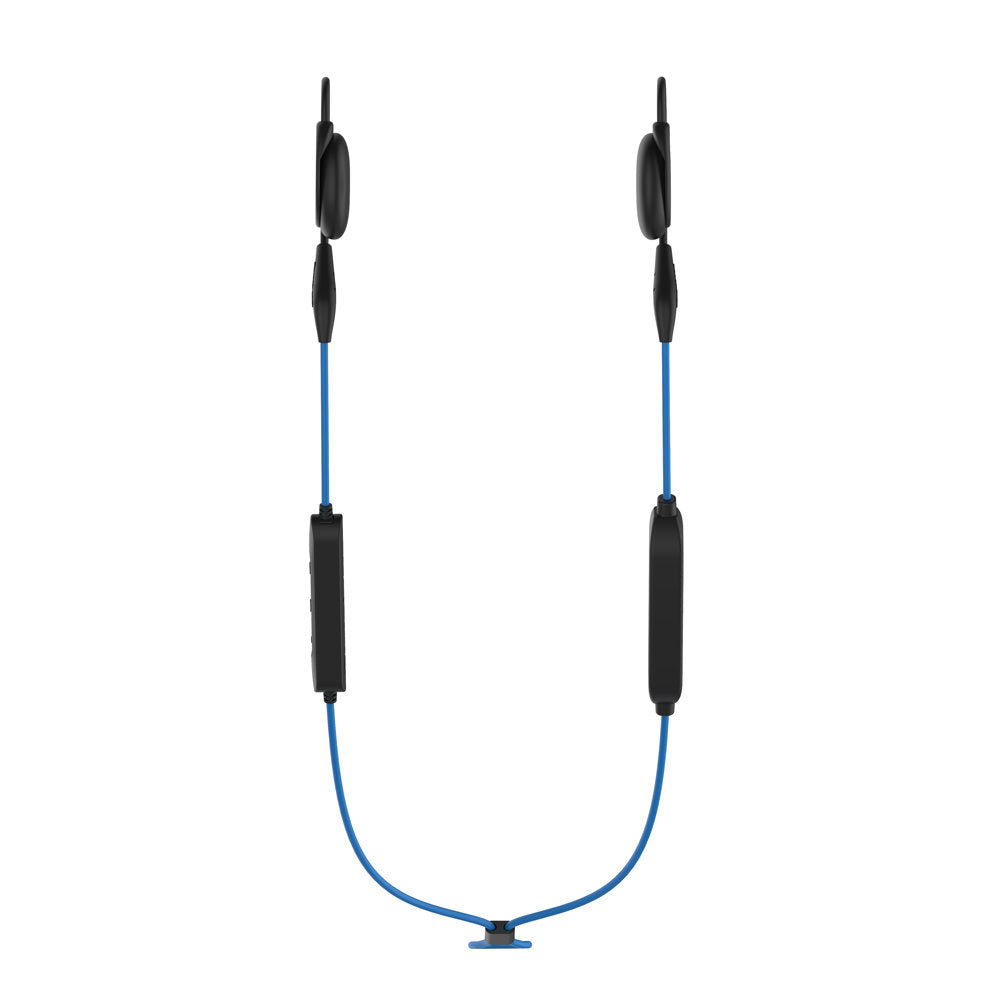
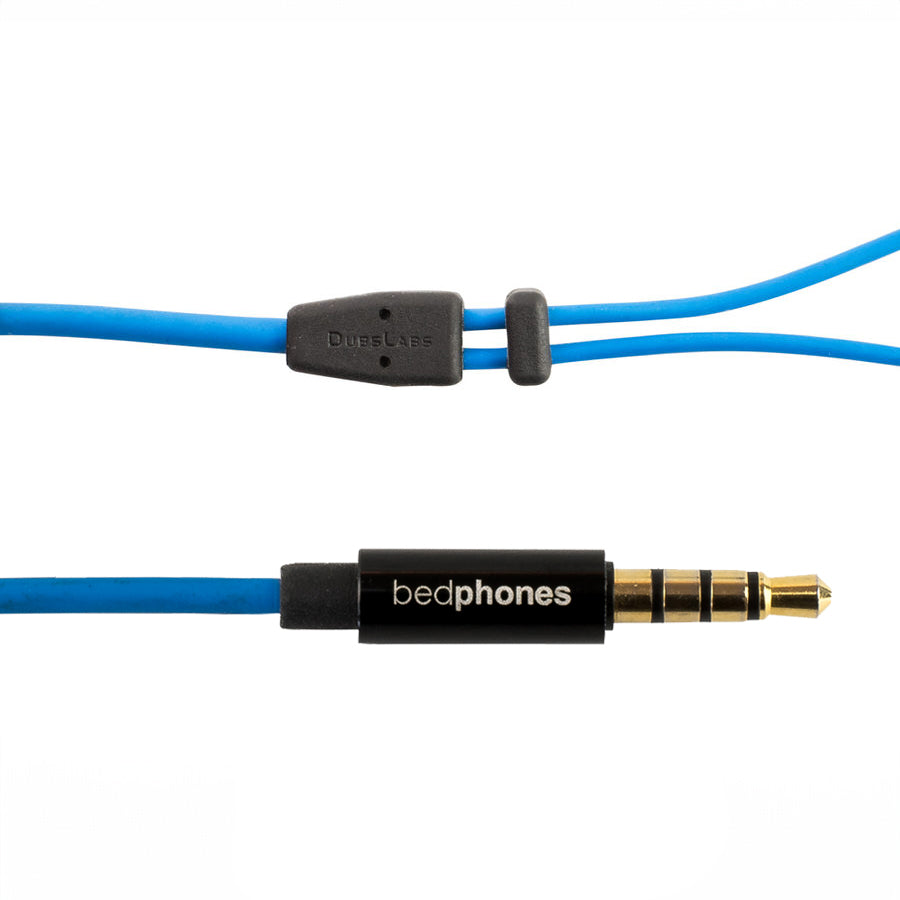
- Battery and Wires: If you go wireless, the batteries are tiny and built for low-power, long-term use, so they don't pose a significant risk. For wired versions like our classic Bedphones, the cable is intentionally thin but durable, designed to be unnoticeable and safe to prevent any tangling.
- EMF Exposure: This is a common worry with any wireless device you wear near your head. High-quality wireless sleep headphones use Bluetooth Low Energy (BLE), which cuts EMF exposure dramatically compared to your smartphone. Some models even shut off all connectivity after a few minutes, meaning there's no active signal while you sleep.
How Should I Clean My Sleep Headphones?
Hygiene is a big deal for anything you wear for eight hours a night. A quick, regular cleaning routine prevents ear irritation and keeps your headphones feeling fresh. Luckily, good sleep headphones are designed to be super easy to maintain.
Most high-quality models, like Bedphones, come with removable foam covers that you can just pop off and hand-wash with some mild soap and water. Let them air dry completely before putting them back on. For the electronic parts, a simple wipe-down with a dry, soft cloth is all that's needed.
As a rule of thumb, try to clean the washable parts once every week or two, depending on how often you use them. This simple habit keeps them hygienic and comfortable night after night.
For a deeper dive into best practices, our guide on how to sleep with headphones has extra tips on both safety and cleanliness to make sure you get the most out of your device without a worry in the world.
Can They Help with Snoring or Tinnitus?
Absolutely. This is where a cool concept called sound masking comes into play. Instead of trying to physically block sound with pressure like earplugs, sleep headphones introduce a consistent, soothing sound that makes jarring noises much less noticeable.
For a partner's snoring, a steady stream of white or pink noise can effectively "cover up" the fluctuating sounds, stopping your brain from fixating on them. It works similarly for tinnitus sufferers; the constant internal ringing can be masked by external audio, which can provide huge relief and make it much easier to drift off.
Why Not Just Use My Noise-Cancelling Headphones?
While your fancy noise-cancelling headphones are champs at blocking out the drone of a plane engine or office chatter, they just aren't built for sleep. Their biggest flaw is comfort. They're typically bulky, rigid, and create painful pressure points the second you turn on your side.
They also create a tight seal to work properly, which can get uncomfortably warm and sweaty over a full night. Sleep headphones, on the other hand, prioritize a low-profile, soft, and breathable design above all else. They are made to be comfortable enough to wear for hours in any sleeping position—the right tool for the specific job of getting a peaceful night's rest.
Ready to feel the difference a purpose-built solution can make? The DubsLabs Bedphones were designed from the ground up to solve every one of these common problems, delivering unparalleled comfort and clear audio for a truly restorative night. Discover the perfect Bedphones for your sleep sanctuary today.