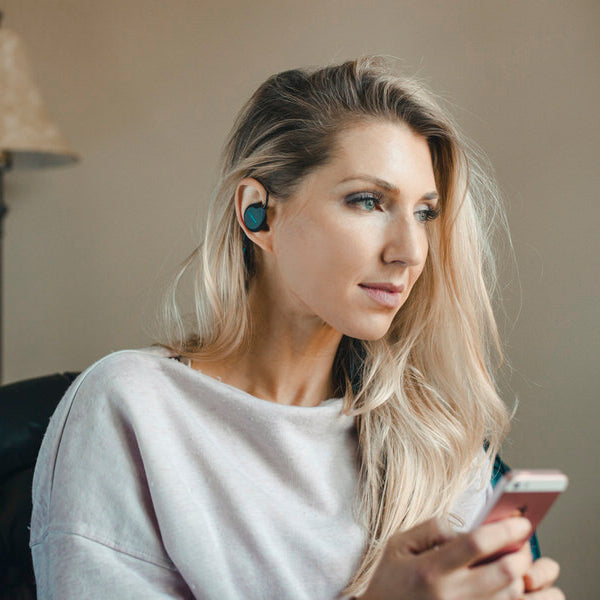
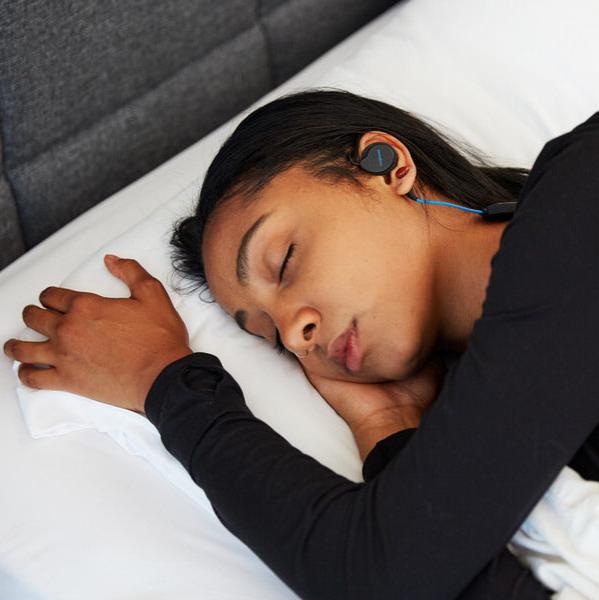
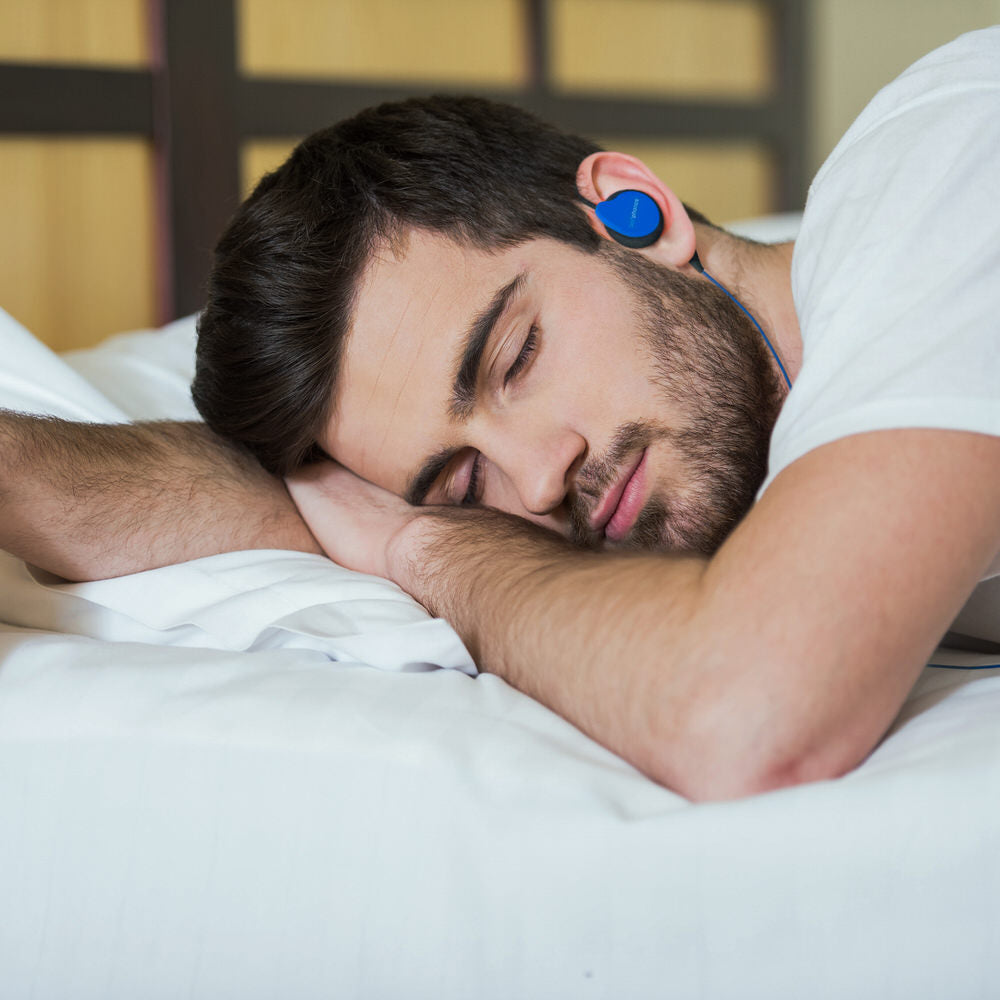
So, can you sleep with earbuds in? Let's get right to it.
While you technically can, most health experts will tell you it's a bad idea. Think of it like leaving your front door unlocked all night—sure, you might be fine, but you're definitely inviting unnecessary risks like potential ear infections and even hearing damage.
The Core Question: Why We Risk It For Better Sleep
For a lot of us, this isn't just about convenience; it’s a desperate search for peace and quiet. Whether you're trying to drown out a snoring partner, silence the noisy neighbors upstairs, or just calm a racing mind with a soothing podcast, audio can be an incredible sleep aid.
This simple habit helps millions of people create a personal sanctuary, making it that much easier to drift off into dreamland.
But this nightly ritual comes with a pretty serious trade-off. Health sources all agree: blocking your ear canal for hours at a time, night after night, poses some significant health risks. This constant obstruction stops earwax from naturally clearing out and traps moisture inside.
You're essentially creating a warm, damp environment that's the perfect breeding ground for bacteria. Research consistently shows this can lead to painful conditions like otitis externa (you probably know it as swimmer's ear) and impacted earwax, which can cause real discomfort and infection. You can dive deeper into the science behind earbud risks on avantree.com.
Sleeping With Earbuds: A Quick Risk And Benefit Comparison
To help you make an informed choice, it's useful to see the potential upsides and downsides side-by-side. The desire for better sleep is completely valid, but understanding the potential consequences is the key to protecting your long-term ear health.
This table breaks down what you're weighing up each night.
| Key Consideration | Potential Risk | Potential Benefit (When Used Carefully) |
|---|---|---|
| Ear Health | Increased risk of infections and earwax buildup | None; risks outweigh direct benefits to ear health |
| Hearing Safety | Potential for noise-induced hearing loss | None; long-term exposure is always a risk |
| Sleep Quality | Physical discomfort can disrupt sleep cycles | Masks disruptive noises, aiding sleep onset and depth |
| Physical Comfort | Pressure sores and irritation inside the ear | Can create a "personal bubble" for light sleepers |
| Nighttime Safety | Inability to hear smoke alarms or emergencies | Helps block out startling noises that could wake you up |
Ultimately, while the short-term benefit of blocking out noise is tempting, the long-term risks to your hearing and ear health are hard to ignore.
What Are the Real Health Risks?
Popping in your earbuds to drift off to sleep might seem like a perfectly harmless habit. But when you do it night after night, you're rolling the dice with a few health risks that are more serious than just a little discomfort. It’s worth understanding what’s actually happening inside your ear canal during those eight hours, and how a simple quest for quiet can turn into a long-term problem.
Let's break down the specific dangers of making earbuds your nightly companion.
The biggest and most immediate concern is Noise-Induced Hearing Loss (NIHL). Even audio playing at what seems like a low volume can damage the microscopic hair cells in your inner ear when it’s playing for hours on end. Think of these cells like blades of grass. If you walk over them once or twice, they'll bounce back. But constant, heavy foot traffic will eventually wear them down for good.
Listening to audio over 85 decibels for eight hours straight is enough to cause permanent hearing loss. Since most of us sleep that long (or longer), and earbuds pipe sound directly into the ear canal, the risk is real even at volumes you might consider moderate.
The Problem With Blocking Your Ear Canal
Your ears are pretty amazing self-cleaning machines, but an earbud acts like a cork in a bottle, completely messing up this natural process. This blockage can kick off a chain reaction of issues affecting both your ear health and your comfort.
- Earwax Buildup: Earbuds can actually shove earwax deeper into your canal, blocking its natural exit route. Over time, this can lead to cerumen impaction—a fancy term for hardened, blocked earwax that causes pain, dizziness, and muffled hearing.
- A Breeding Ground for Infection: By sealing the ear canal, earbuds trap heat and moisture. This creates the perfect warm, damp environment for bacteria to throw a party, dramatically increasing your risk for painful infections like otitis externa (you probably know it as swimmer's ear).
- Skin Irritation and Necrosis: The constant pressure from a hard plastic earbud, especially if you're a side sleeper, can create sores and irritate the delicate skin inside your ear. In rare but serious situations, this prolonged pressure can cut off blood flow and cause tissue to die, a condition called necrosis.
The consistent blockage of the ear canal is one of the primary reasons audiologists caution against sleeping with earbuds. It fundamentally disrupts the ear's natural ventilation and cleaning mechanisms, paving the way for infections and impaction.
Physical Dangers Beyond Your Hearing
Aside from what's happening inside your ear, there are some very real physical dangers to think about, particularly depending on the kind of earbuds you’re using. If you're still rocking a wired pair, the risk is especially sharp.
A cord can easily get tangled around your neck as you toss and turn in your sleep, creating a serious strangulation hazard. While that's not an issue with wireless models, they aren't totally off the hook, either.
Even wireless earbuds can be a literal pain. If an earbud doesn't fit your ear perfectly, it can create agonizing pressure points. Waking up with sore, aching ears is a pretty clear signal that your earbuds are tanking your sleep quality instead of improving it. Plus, an earbud that falls out could become a choking hazard if it ends up near your mouth.
Ultimately, knowing these risks is the first step toward making a healthier choice for your nightly routine. The appeal of blocking out the world is strong, I get it. But the potential damage to your hearing and overall ear health is a steep price to pay for a quiet night.
How Sound Can Actually Improve Your Sleep
Despite all the risks, there’s a powerful reason so many of us are drawn to sleeping with audio: it works. The right kind of sound isn't just a distraction; it actively shapes your sleep environment, helping you drift off faster and stay asleep longer. This isn't just a placebo effect—it’s backed by real science.
Think of your hearing as a kind of built-in security system for the night. When everything is dead silent, this system is on high alert. It’s ready to jolt you awake at the slightest disturbance—a creaking floorboard, a distant car alarm, or your partner’s snoring. That hyper-vigilance is a classic sleep disruptor.
But when you introduce a consistent, low-level sound, you give that security system something steady to focus on. This is called sound masking, and it works by creating an auditory "blanket" that makes sudden, jarring noises fade into the background.
Quieting a Busy Mind
Beyond just blocking out the world, sound also gives your brain a simple, calming task to perform. Let's be honest, a racing mind is one of the biggest enemies of good sleep. It loves to cycle through worries, to-do lists, and random thoughts just when you’re trying to power down.
Listening to gentle audio, like a guided meditation or an ambient soundscape, gives your brain a focal point. It’s a way to gently redirect your attention away from those stressful thoughts, easing your mind into a more relaxed state and making the transition to sleep feel much smoother.
If you're looking for the right soundtrack for your slumber, our guide on the best music to fall asleep to is a great place to start.
"Sound can act as a psychological anchor. A familiar, soothing soundscape signals to your brain that it's time to wind down, helping to establish a powerful and effective pre-sleep routine."
The Evidence Behind Sound Masking
This isn't just theory. Research consistently shows that using sound can measurably improve the quality of your rest. A 2022 clinical trial focused on medical residents, a group notorious for sleep challenges, found that using noise-masking earbuds led to some tangible benefits.
Participants in the study reported a significant 0.5-point improvement in their sleep quality scores. They also saw real reductions in their daily sleepiness and tension levels, which highlights just how effective sound can be at creating a more restful experience. You can read more about the study's sleep improvement findings and its conclusions for yourself.
Of course, the trick is getting these benefits without the risks that come with traditional earbuds. Understanding why sound helps is the first step toward finding safer, more comfortable ways to get the same peaceful result. Beyond audio, you can also explore various natural methods for restorative rest that can seriously upgrade your sleep quality.
Practical Guidelines For Safer Nightly Listening
Look, if you absolutely have to sleep with earbuds in, the best way to think about it is as a harm-reduction exercise. Following a few simple rules can seriously lower the risks to your hearing and overall ear health. These aren't just casual suggestions; they're essential steps for anyone choosing to fall asleep with audio playing directly into their ears.
Think of it this way: your ears need a break. Plugging them up for eight hours straight is just asking for trouble. But with a few deliberate precautions, you can sidestep the most common issues that come with this habit.
Control Volume And Duration
The two biggest factors you can control are how loud the audio is and for how long it plays. Getting these right is non-negotiable if you want to protect your hearing from long-term damage.
-
Set a Safe Volume Level: Your volume should never be louder than 70 decibels (dB). To put that in perspective, that’s about the level of a normal conversation or a running shower. The goal here is to gently mask outside noise, not to throw a private concert in your ear canal. Keep the sound just loud enough to be a soft background hum.
-
Always Use a Sleep Timer: Don't let audio blast all night long. Most podcast and music apps have a sleep timer built right in. Set it to shut off after 30-60 minutes—just enough time to help you drift off. This one simple action drastically cuts down your noise exposure and gives your ears a much-needed rest for the rest of the night.
Protecting your hearing is a long-term game. The damage from prolonged, low-level noise is cumulative and often creeps up on you until it's too late. A sleep timer is your single best defense against this gradual decline.
Prioritize Physical Comfort And Hygiene
Beyond just the sound, the physical object in your ear and its cleanliness play a huge role in preventing pain and infections. An earbud that fits poorly or is dirty can quickly turn what should be a peaceful night into a painful morning.
Try to choose earbuds that are small, lightweight, and made from soft materials like silicone. This will minimize pressure points, which is a big deal if you're a side sleeper. For more specific advice, our guide on how to sleep with headphones comfortably has some extra tips.
Finally, hygiene is everything. You've got to clean your earbuds at least once a week with an alcohol-free wipe or a soft cloth. This gets rid of the earwax and bacteria that can build up and lead to nasty infections like swimmer's ear. Treat your earbuds like you would your toothbrush—regular cleaning is just part of staying healthy. By making these habits routine, you're making a conscious choice to put your safety first.
Time To Look At Safer, Sleep-Friendly Alternatives
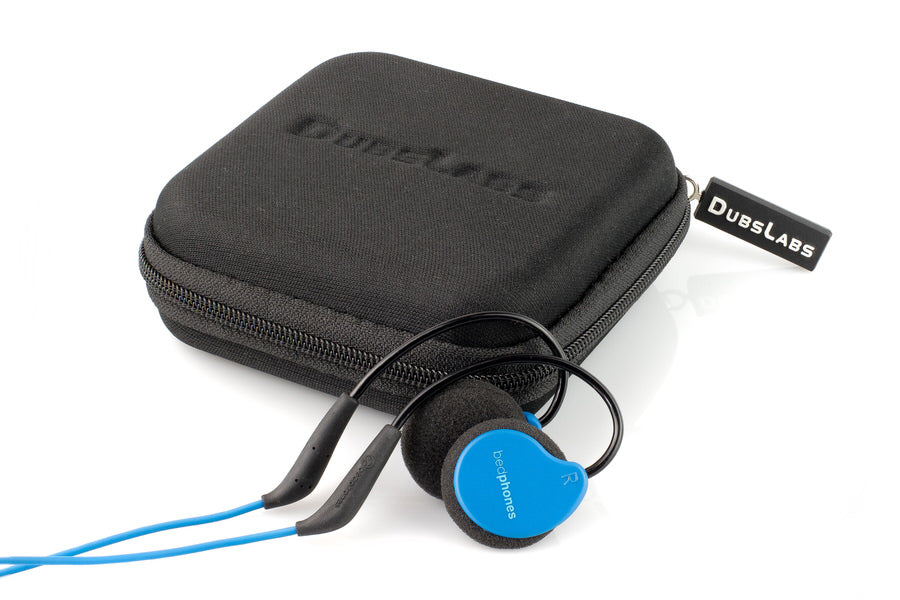
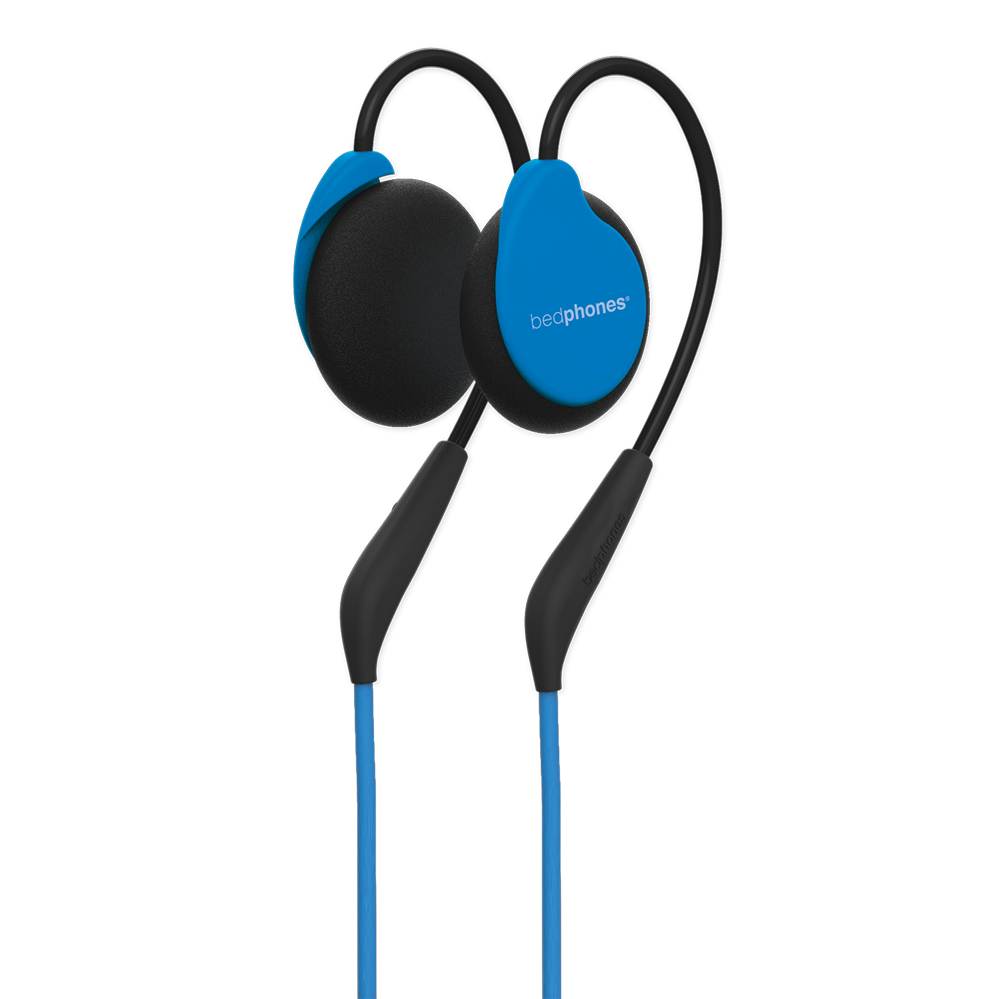
If you're starting to second-guess your nightly earbud habit, you're not alone. The good news is, you don’t have to sacrifice your soothing soundscape for the sake of your ears. A whole world of sleep-focused audio gear exists, designed specifically to dodge the pitfalls of traditional earbuds—think pressure points, infection risks, and potential hearing damage.
The biggest win? Getting the device out of your ear canal. That single change is the first and most important step toward a healthier way to listen while you sleep.
This simple flowchart can help you decide whether to stick with your earbuds (with a few new safety rules) or explore some of the better options out there.
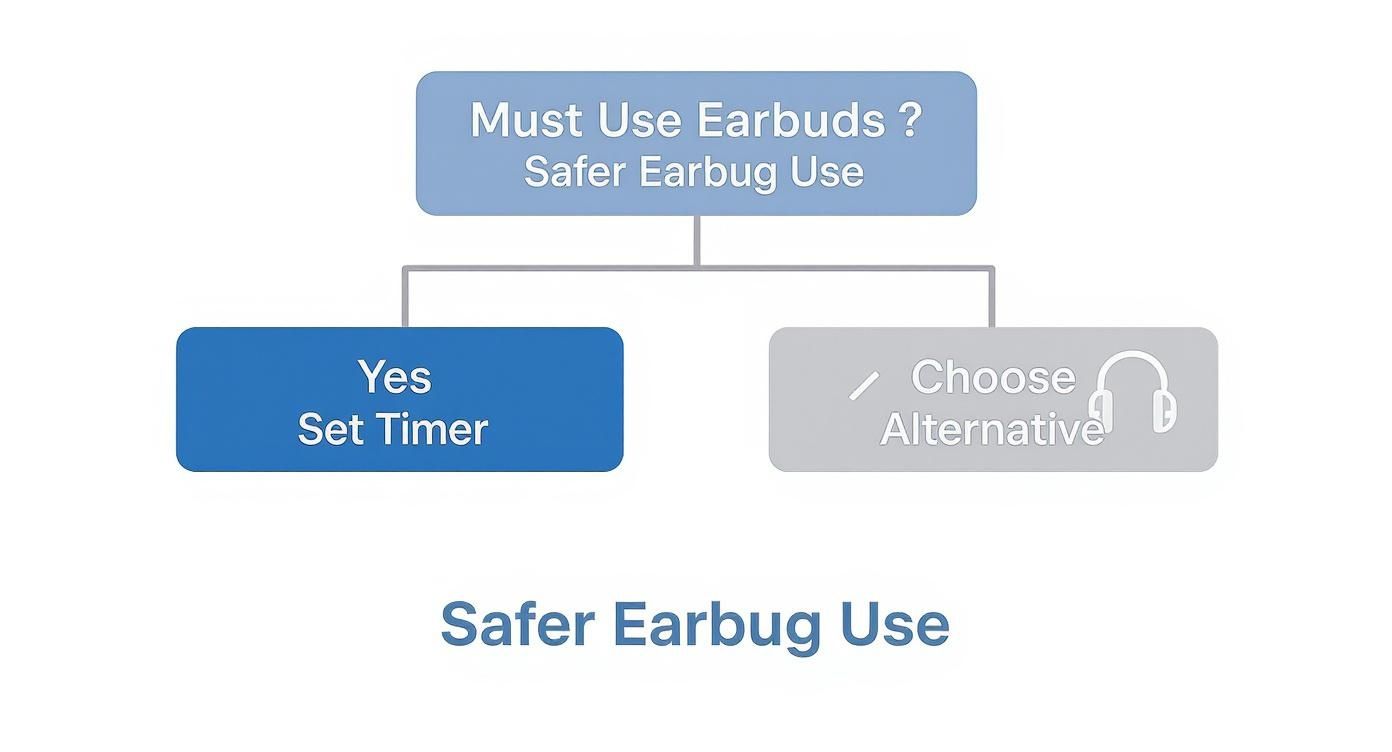
As you can see, while you can make earbuds safer, the best long-term strategy for your ear health is to switch to something made for the job.
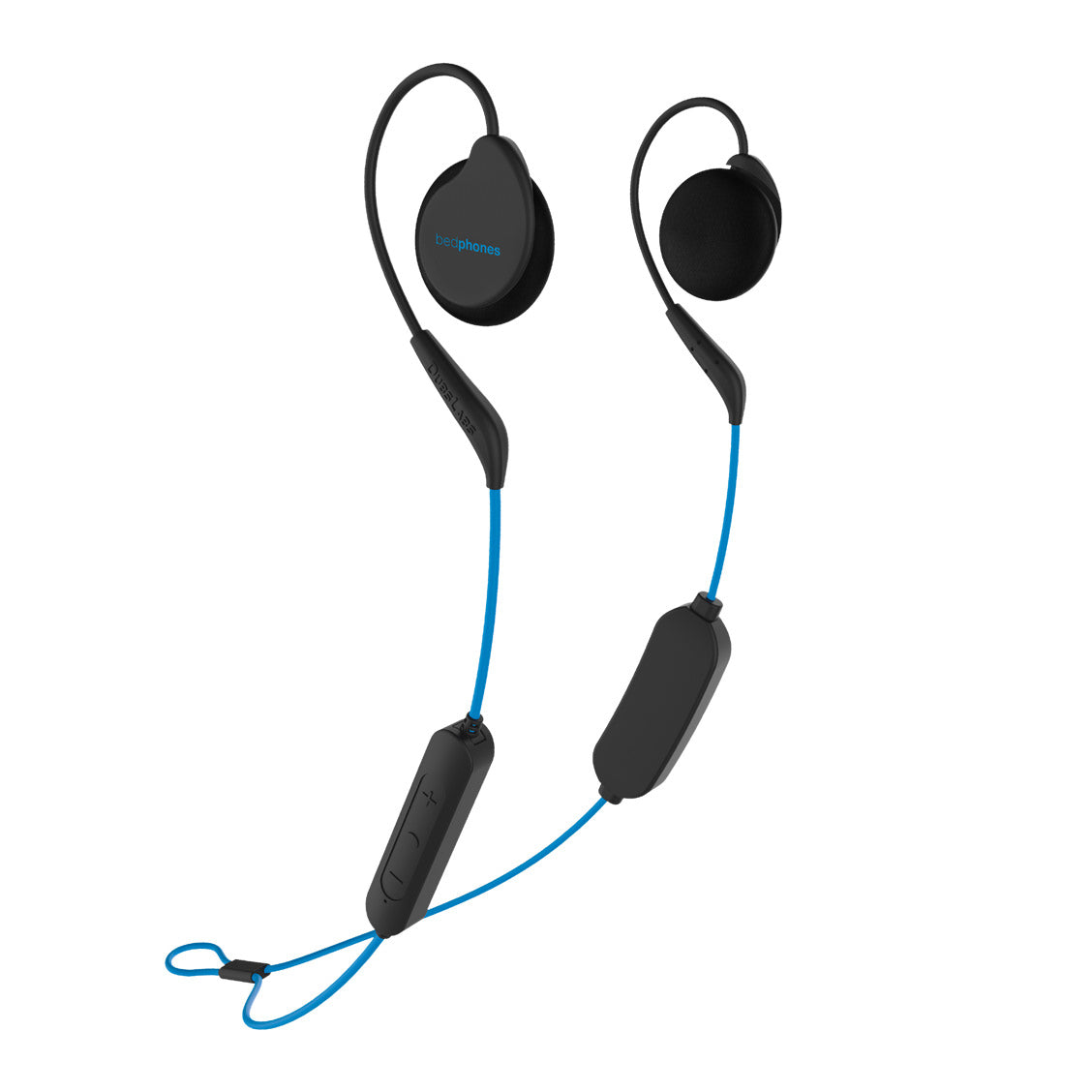
Sleep Headphones and Headbands
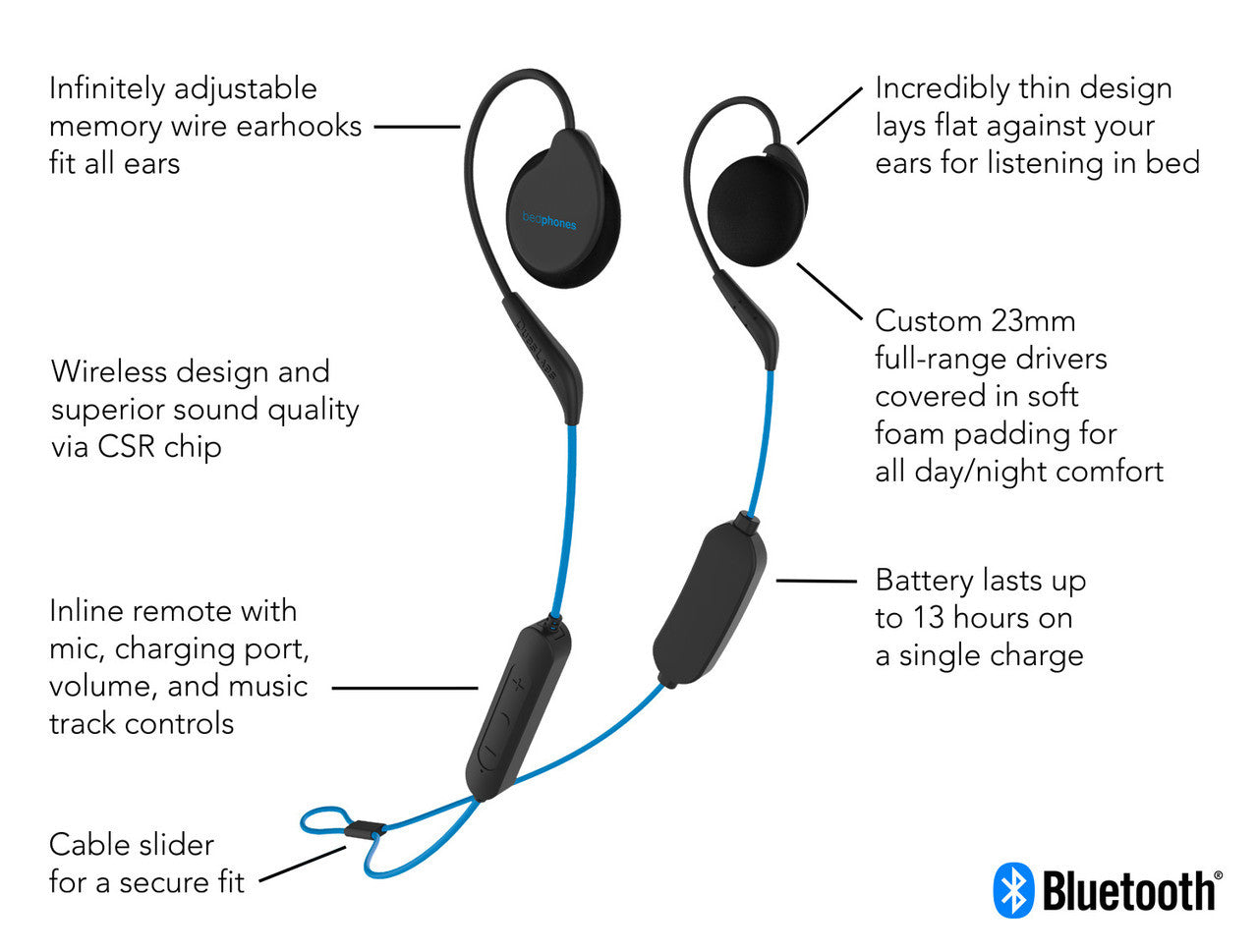
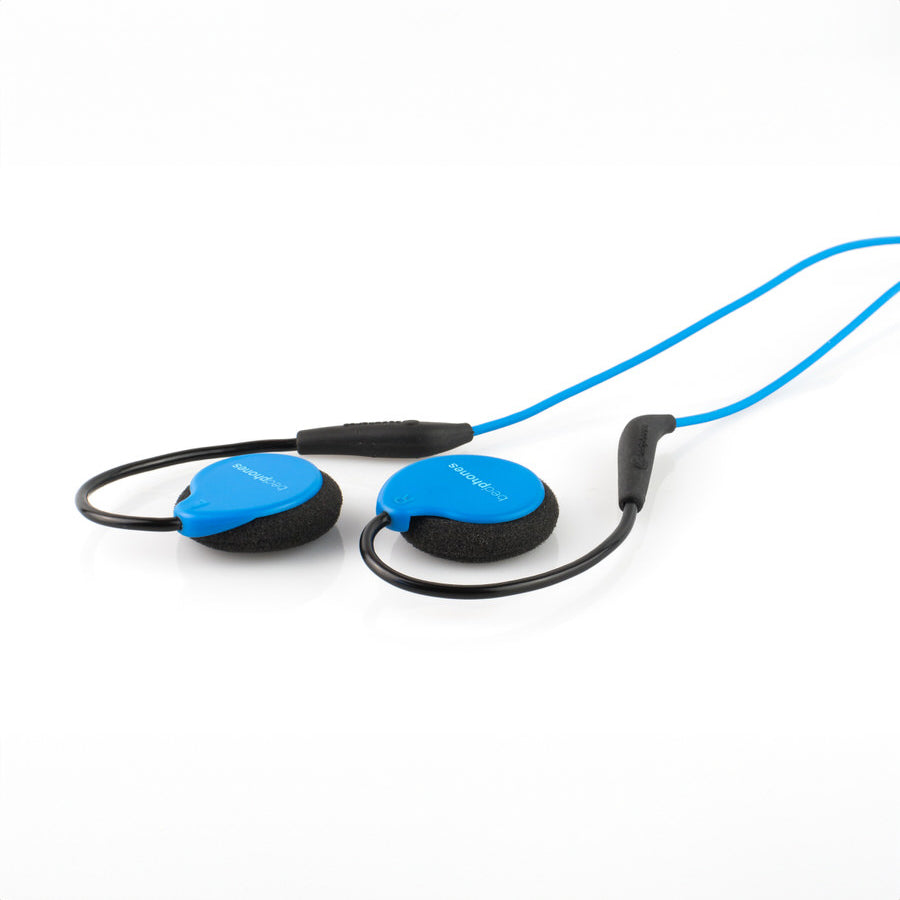
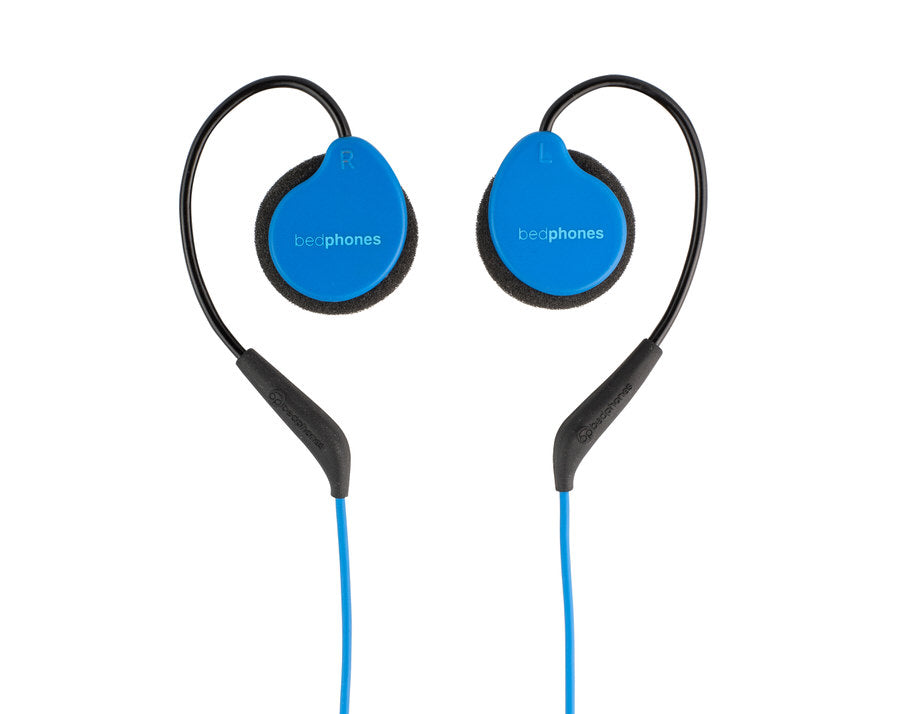
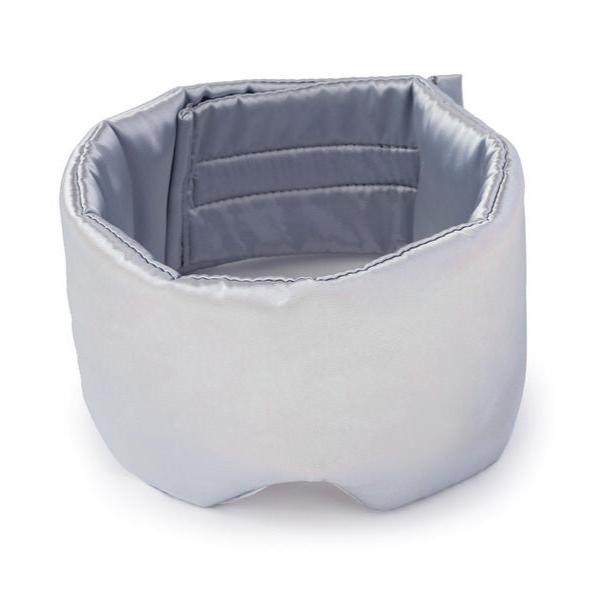
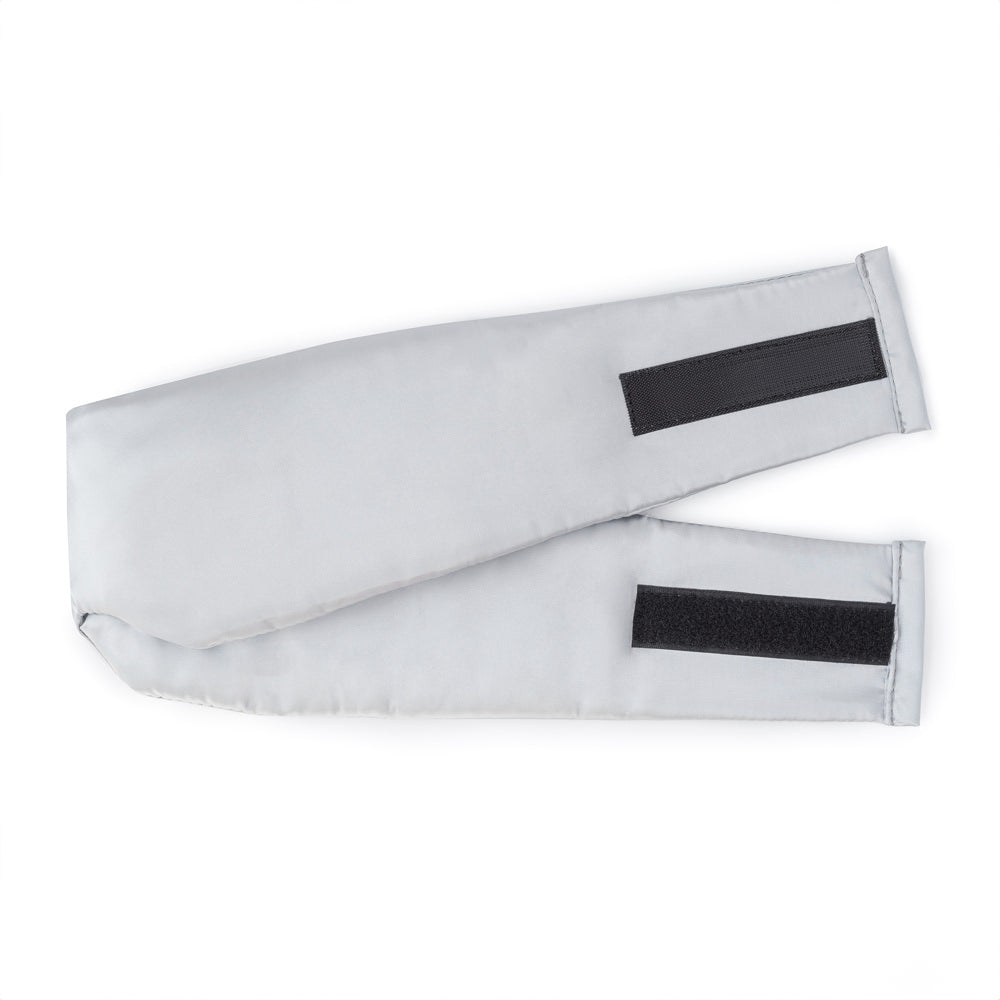
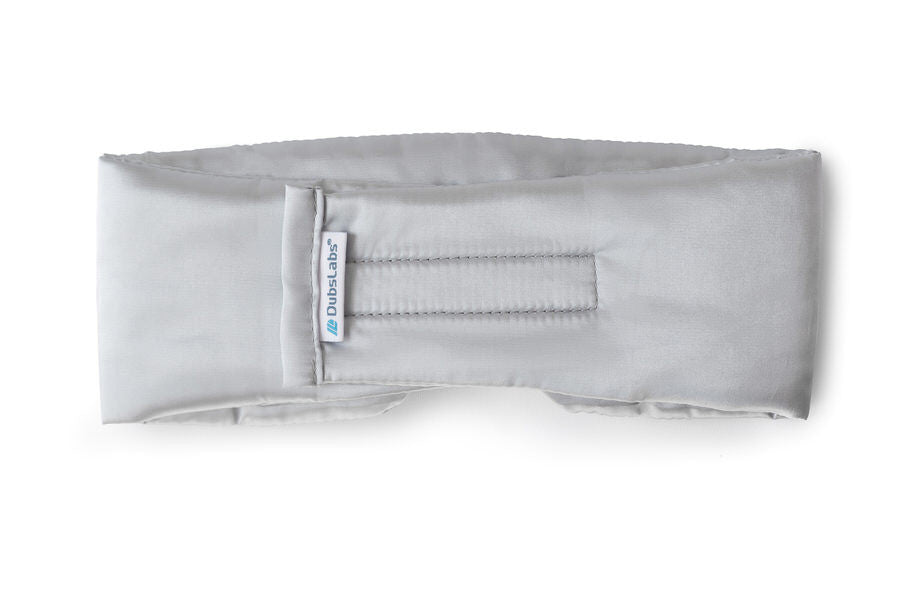
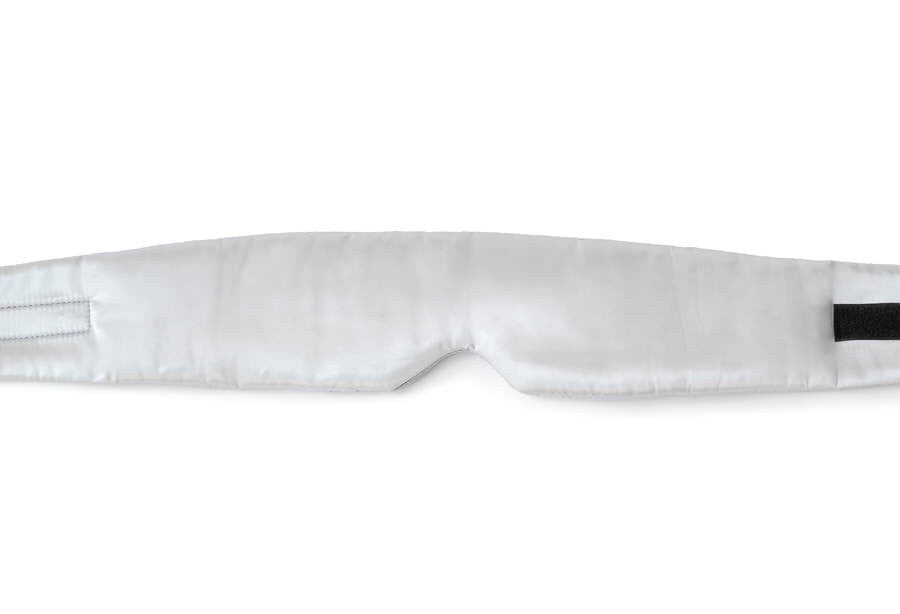
If you’re a podcast addict or music lover, sleep headphones are a total game-changer. Imagine flat, padded speakers tucked inside a soft, stretchy headband. For side sleepers, this design is a revelation—no more waking up with a sore ear from a hard plastic bud digging into your cartilage all night.
Because the speakers sit on your ears instead of in them, they solve a bunch of problems at once:
- No More Blockage: Your ear canals can finally breathe and do their natural self-cleaning thing, which dramatically cuts down the risk of wax buildup and infections.
- Serious Comfort: The soft fabric and ultra-thin speakers mean no more painful pressure points. You can toss and turn all you want.
- Better Safety: With the sound source a bit further from your eardrum, you reduce the risk of damage from direct, non-stop audio.
Pillow Speakers and White Noise Machines
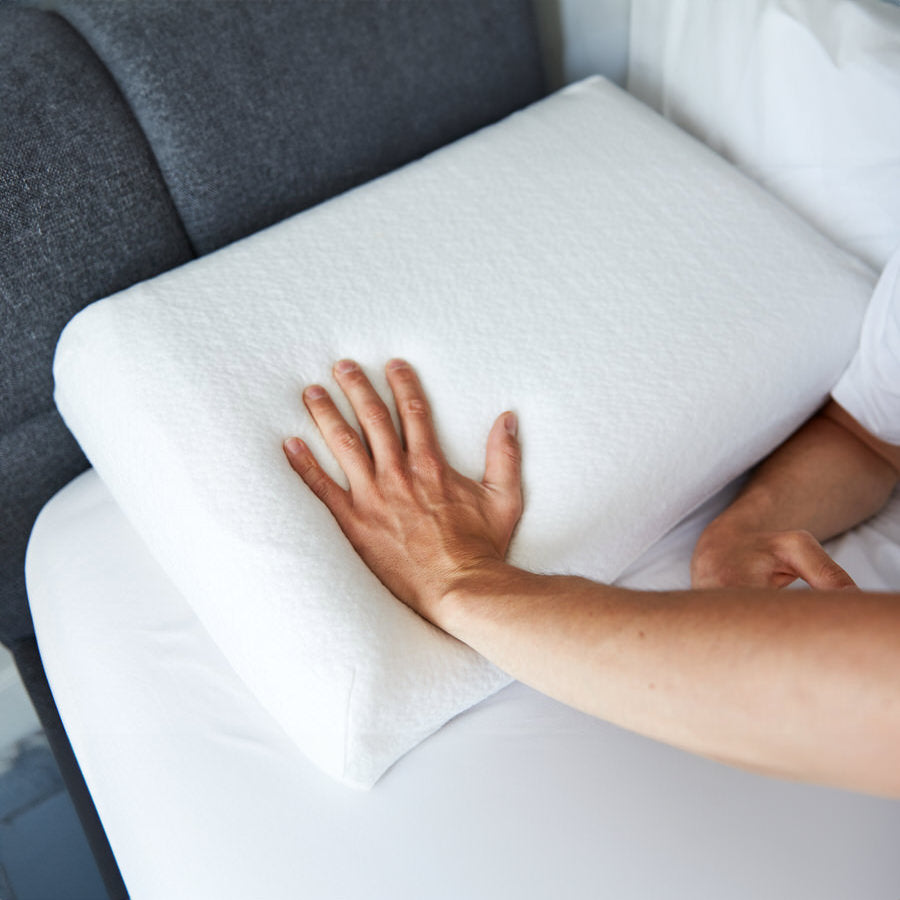
Maybe the idea of wearing anything on your head all night just doesn't appeal to you. No problem. You can still get your audio fix without any physical contact. Pillow speakers are thin, discreet devices you slide under your pillow, creating a private bubble of sound that won’t wake up your partner.
For those just trying to drown out the world—be it city traffic or a snoring partner—a dedicated white noise machine is often the simplest and safest bet. These gadgets produce a steady, soothing sound that smooths over jarring noises. When it comes to finding alternatives for kids, specialized devices like smart white noise sleeping aid instruments are a fantastic and safe option.
The best alternative is one that completely removes the object from your ear canal. Whether it's a headband, a pillow speaker, or a white noise machine, the fundamental benefit is allowing your ears to function as they're meant to, even while you listen.
Comparing The Best Sleep Audio Alternatives
Feeling a little overwhelmed by the options? It's tough to know which alternative is the right fit. This table breaks down the most popular choices to help you find the perfect match for your sleep style and needs.
| Alternative Type | Best For | Key Benefit | Potential Downside |
|---|---|---|---|
| Sleep Headbands | Side sleepers, podcast/music listeners | Total comfort, no ear canal blockage | Can feel warm for hot sleepers |
| Pillow Speakers | People who hate wearing anything to bed | Zero contact with head or ears | Sound can be muffled by the pillow |
| White Noise Machines | Masking ambient noise, light sleepers | Set-it-and-forget-it, room-filling sound | May disturb a partner who prefers silence |
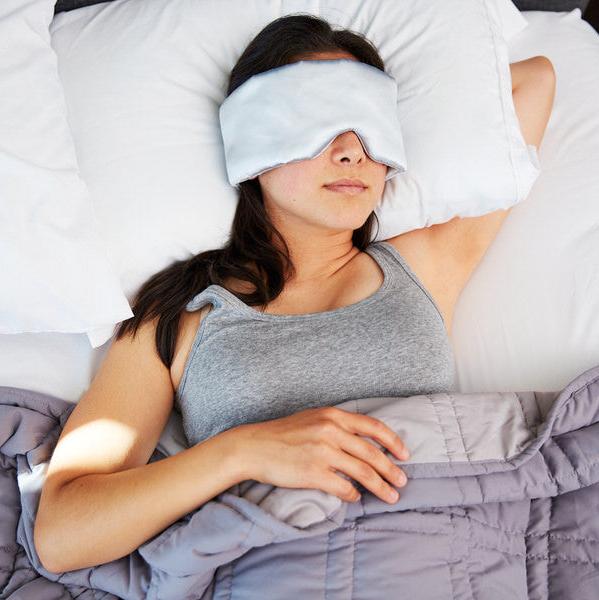
| Sleep Masks w/ Audio | Light-sensitive sleepers who want audio | Combines blackout benefits with sound | Can be bulky for some face shapes |
Each option offers a unique way to enjoy audio without the risks of in-ear buds. By thinking about what matters most to you—comfort, sound quality, or simplicity—you can make a choice that protects your ears and improves your sleep.
No matter which device you land on, a couple of golden rules still apply. Try to keep the volume below 60 dB and use an automatic timer to give your ears a break. By exploring these alternatives, you can get all the amazing, sleep-inducing benefits of sound without compromising your long-term hearing health.
Why The Risks Are Higher For Kids And Teens
While adults certainly face their share of risks from sleeping with earbuds, the conversation gets a lot more serious when we bring kids and teens into the picture. Their developing bodies and listening habits put them in a uniquely vulnerable position, turning what seems like a harmless habit into a potential source of lifelong damage. This isn't about fear-mongering; it's about understanding the real biological factors at play.
A child’s ear canal isn't just a mini-version of an adult's—it's still growing and changing. This makes it far more susceptible to the physical pressure and blockages caused by earbuds. Think of it like trying to jam a standard-sized cork into a smaller bottle; the pressure and irritation are magnified, dramatically increasing the odds of painful sores and infections.
Developing Ears And Louder Volumes
The biggest danger for younger listeners is their increased susceptibility to permanent Noise-Induced Hearing Loss (NIHL). A child's auditory system is still a work in progress, meaning the delicate hair cells in their inner ear are much more fragile. Damage that might be minor for a grown-up can be completely irreversible for a child, setting them up for hearing problems down the road.
What makes this even worse is the simple fact that kids and teens often crank up the volume to dangerous levels, sometimes without even realizing it. They might be trying to block out noisy siblings or get fully immersed in a game, totally unaware of the cumulative damage they're inflicting, hour after hour.
A national study uncovered a sobering statistic: about 12% of children and adolescents in the U.S. have already suffered permanent hearing damage. A significant part of this is due to prolonged earbud use at unsafe volumes, highlighting a critical—and often ignored—public health issue.
This isn't an isolated problem. Research shows that a shocking number of adolescents, around 10%, listen to audio between 90 and 100 dB for long stretches, including while they sleep. This habit puts them at an extremely high risk for future hearing loss. To dig deeper into these findings, you can learn about the link between earbuds and youth hearing loss.
Practical Steps For Parents
Protecting your child’s hearing isn't about banning technology; it's about being proactive and establishing healthy habits that will stick with them for life.
Here are a few practical strategies you can put into place right away:
- Invest in Volume-Limiting Headphones: Look for headphones made specifically for kids. These are designed to cap the maximum volume at a safe level, which is typically around 85 dB.
- Establish Clear "No-Audio" Times: Create some simple house rules around device use, especially in the hour before bed. This helps their brains wind down naturally without audio stimulation.
- Educate Them on the Risks: Have an open, honest chat about why loud sounds are dangerous. You don't need to get technical. Use simple analogies, like explaining that their ears can get "tired" and "sore" just like their muscles if they work them too hard.
For parents who find it tough to get a healthy sleep routine going, exploring different approaches can be a game-changer. If you're looking for fresh ideas, check out our guide on how to help kids fall asleep for more strategies. By setting clear boundaries and offering safer alternatives, you can help protect your child's hearing for years to come.