Ever wonder why a gentle melody can feel like a lullaby for your brain? It’s not just in your head—there’s some powerful biology at play. When you put on the right kind of music, you’re giving your brain a predictable, soothing pattern that basically signals, "Hey, it's safe to relax now."
The best music for sleep usually has a tempo between 60-80 beats per minute. This range is magic because it closely mimics a resting heart rate, which sends a calming message straight to your nervous system.
How Music Coaxes Your Brain Into Sleep Mode
This whole process kicks off in your autonomic nervous system, the command center for all the stuff your body does without you thinking about it, like breathing and your heartbeat. The right tunes help flip the switch from a stressed-out "fight-or-flight" state to a calm "rest-and-digest" mode. As your body physically winds down, your brain gets the message and follows along.
Shifting Brainwaves and Lowering Stress
As you listen, you’re actually encouraging your brain to produce more alpha waves. These are the same brainwaves that pop up when you're in a relaxed, meditative state. From there, as you get closer to dozing off, your brain starts making theta waves—the official gateway to light sleep. Music is like a gentle tour guide, leading your brain through these important stages.
Another huge win is music's ability to lower cortisol, the body's main stress hormone. If you’ve ever laid in bed with a racing mind, high cortisol is often the culprit.
Music gives your busy mind something simple and pleasant to focus on. It’s like sound masking for your thoughts, creating a peaceful bubble that can help drown out both the internal chatter and external noises, whether that's traffic outside or a snoring partner next to you.
This makes it an incredibly effective tool for anyone trying to stop intrusive thoughts at night, helping to quiet the mental noise so you can finally drift off.
The Science of Sound and Serenity
The secret sauce is structure and predictability. Your brain is a pattern-seeking machine, and a simple, repetitive melody doesn't require much mental heavy lifting. This frees up your cognitive bandwidth, allowing your mind to finally switch off for the night.
Here’s a quick look at what’s happening on a deeper level:
- Slowing Your System: That slow tempo naturally nudges your heart rate and breathing to slow down, mimicking the physical state of your body during sleep.
- Releasing Tension: Soothing sounds can help release the physical tension we hold in our muscles after a long day, making your body feel heavy and ready for rest.
- A Dose of Dopamine: Listening to music you enjoy can also trigger a small release of dopamine, the "feel-good" neurotransmitter. This creates a sense of contentment and dials down stress.
Ultimately, music isn't just about blocking out distractions. It's about actively creating the perfect neurological environment for sleep to come naturally.
Finding the Right Sounds for Deeper Sleep
Not all "relaxing" music is going to get you to sleep. I've learned that the secret is in the details—specifically, a tempo that lands somewhere between 60 and 80 beats per minute (BPM). This range is a fantastic mimic of a resting heart rate, and it sends a powerful, subconscious signal to your nervous system that it's safe to power down.
Beyond just picking a slow song, the type of music matters. Instrumental tracks are almost always a better bet than songs with lyrics. Why? Because lyrics can trigger the language centers in your brain, keeping you engaged and mentally active when you’re trying to do the exact opposite.
The Best Genres for Sleep
Over the years, I've found a few genres that consistently do the trick for quieting a busy mind. They're structured perfectly to guide you toward rest without being distracting.
- Ambient Music: This is all about atmospheric soundscapes and a lack of any real rhythm. Ambient music creates a calming environment that doesn't demand your focus. It’s designed to be a background texture, making it perfect for easing anxiety.
- Minimalist Classical: Think gentle piano or soft, sweeping strings. Composers like Erik Satie or Ludovico Einaudi are masters of this, creating pieces with simple, repetitive melodies that are predictable and incredibly soothing. This helps your brain shift down a few gears.
- Lo-fi Hip Hop: There's a reason the whole "lo-fi beats to study/relax to" genre exploded. Its slow, steady beat combined with dreamy, often nostalgic melodies provides a comforting and non-intrusive backdrop for dozing off.
Just as important is knowing what not to play. Anything with complex arrangements, sudden changes in volume, or emotionally heavy lyrics can easily pull you right out of that precious pre-sleep state. The goal is to find something that's just interesting enough to distract you from your own thoughts, but simple enough to fade away.
The incredible growth of the sleep audio industry is a testament to how well this works. The global market for sleep sound music apps has swelled to a value of $1.93 billion USD and is expected to reach $2.13 billion USD in the coming year. It's clear people are finding real value in curating their nightly soundscapes.
Beyond Music: Soundscapes for Sleep
Sometimes, even the gentlest music can feel like too much. If your mind is particularly active, any melody can feel like an intrusion. This is where soundscapes and colored noises really shine.
Unlike music, these are consistent, steady sounds that work by masking disruptive noises from your environment—think traffic, a snoring partner, or the neighbor's barking dog.
This visual can help you figure out if music or sound masking is the better tool for the job on any given night.
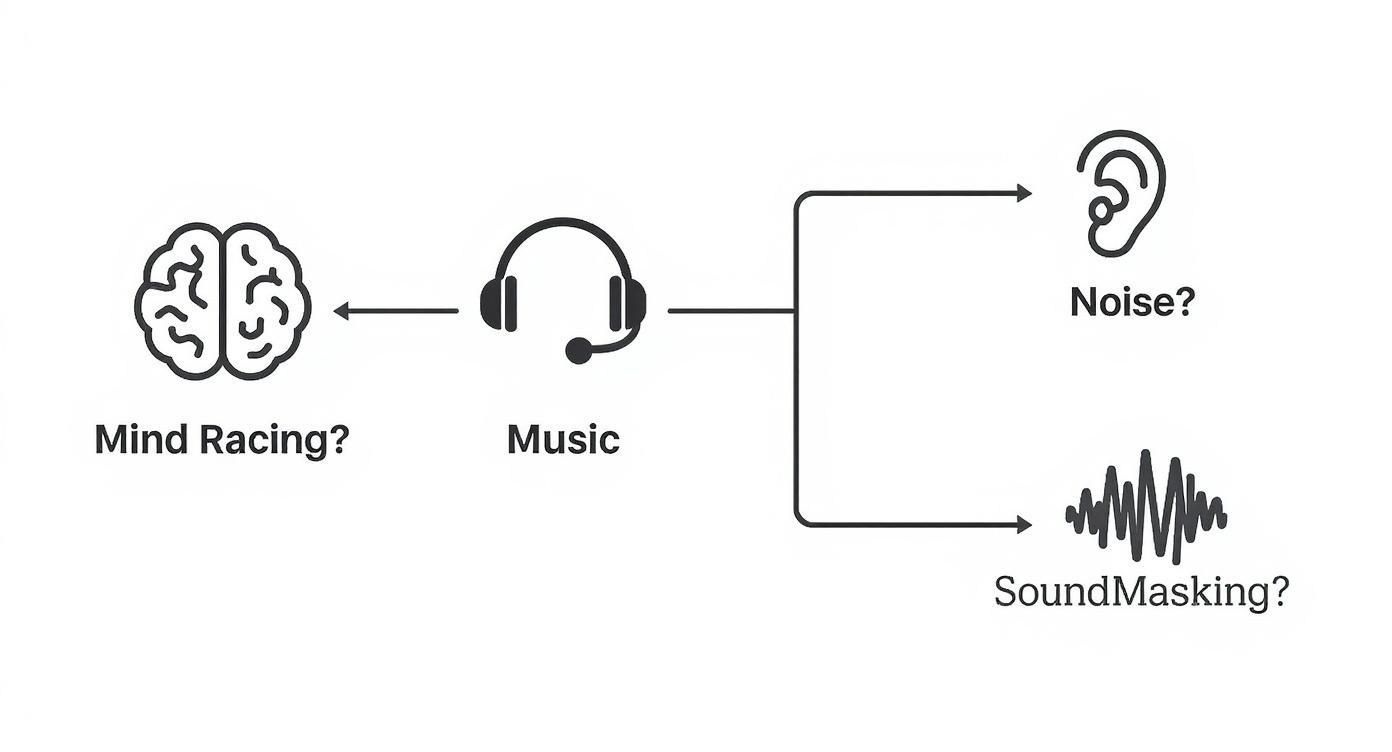
If your mind is racing with thoughts, music provides a gentle distraction. But if outside noise is the problem, a steady soundscape is usually the more effective solution.
My Personal Tip: On nights when my brain won't shut up, I'll often start with a short playlist of minimalist piano to calm my thoughts down. Once I feel myself getting drowsy, I'll switch over to brown noise for the rest of the night. It's a fantastic buffer against any sudden sounds that might wake me up.
To help you choose the right sound for you, here’s a quick breakdown of different audio types and what they're best for.
Comparing Different Types of Sleep Audio
| Audio Type | Key Characteristics | Best For | Avoid If |
|---|---|---|---|
| Ambient Music | Atmospheric, no strong rhythm, texture-focused. | Calming an anxious or racing mind, creating a serene environment. | You find subtle melodic changes distracting. |
| Minimalist Classical | Simple, repetitive piano or string melodies. | Gently guiding your brain into a relaxed state with predictable patterns. | You associate classical music with being alert or focused. |
| Lo-fi Hip Hop | Slow, steady beat with dreamy, simple melodies. | A comforting, rhythmic backdrop that feels modern and unobtrusive. | You find any kind of beat or rhythm too stimulating for sleep. |
| Nature Soundscapes | Sounds of rain, waves, forests, etc. Can be looped or dynamic. | Masking inconsistent noise, creating a natural and immersive feeling. | The specific sounds (like bird calls or thunder) are jarring to you. |
| Colored Noise | Consistent, broadband sound like static or a deep hum. | Masking a wide range of external noises, providing a steady audio "blanket." | You find the sound harsh or unnatural, even at low volumes. |
Ultimately, the best choice really depends on your personal preferences and the specific challenge you're facing on a given night—be it a busy mind or a noisy environment.
The three main types of "colored" noise each have their own unique feel:
- White Noise: This contains all audible frequencies at the same intensity, creating a sound a lot like radio static. It’s a workhorse for masking sharp, sudden noises.
- Pink Noise: A bit more balanced than white noise, with more power in the deeper, lower frequencies. Many people find it less harsh and compare it to things like steady rainfall.
- Brown Noise: This is the deepest of the three, resembling the low rumble of a powerful waterfall or distant thunder. Its deep, rumbling quality is often considered the most soothing and is my personal go-to.
Finding the best sound to fall asleep to is very much a personal journey. Don't be afraid to experiment with different genres, soundscapes, and colored noises to discover what truly works for your brain.
Building Your Perfect Sleep Playlist
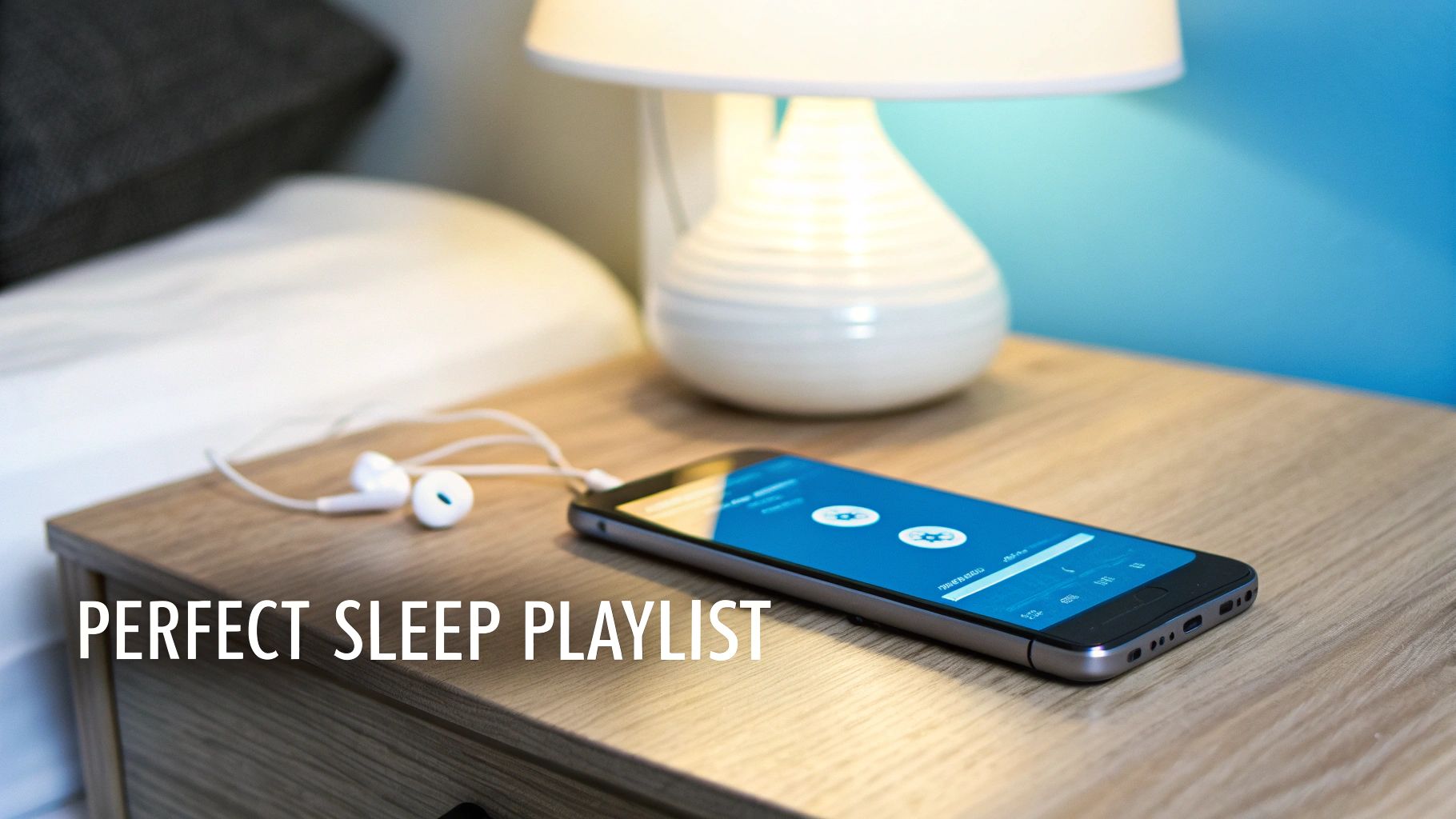
Putting together a playlist that actually helps you fall asleep is more art than science, and it's definitely more than just grabbing a few slow songs. Think of it as crafting an audio journey that guides your brain from buzzing with the day's thoughts to a state of complete rest. A great playlist doesn't just play music; it anticipates what your mind needs as you start to drift off.
My own tried-and-true method is to structure my playlist like a gentle, downward slope. I kick things off with something calming but with a hint of melody—maybe a simple piano piece or an acoustic guitar track. This gives my racing mind something to latch onto right away, keeping it from wandering back to my to-do list or that awkward thing I said in a meeting.
Crafting a Seamless Soundscape
As the playlist moves along, the music needs to get simpler and more atmospheric. The idea is to slowly strip away any elements that demand active listening. For me, the last 15-20 minutes are key; they should be pure ambient sound or minimalist drone music. This creates that perfect, smooth transition into silence or whatever soundscape I’m using for the night.
To make this feel completely seamless, a couple of quick tweaks in your music app are non-negotiable:
- Set a Sleep Timer: Just about every streaming service, from Spotify to Apple Music, has this feature baked in. Setting your playlist to fade out after 45-60 minutes is a game-changer. It stops a new, potentially jarring song from yanking you out of a deep sleep cycle you just worked so hard to get into.
- Enable Crossfade: This little setting is your secret weapon for creating that uninterrupted flow. A crossfade of about 8-12 seconds blends one track into the next, getting rid of any sudden, jarring silence between songs that could pull you right out of your relaxed state.
These tiny adjustments are what turn a basic list of songs into a true soundscape engineered for sleep.
DIY Playlists vs. Dedicated Sleep Apps
You've got two main routes to take for your bedtime audio: build your own playlist or lean on a dedicated app like Calm or Pzizz. Both have their perks.
Creating your own playlist gives you total control. You get to hand-pick every single track you find personally soothing, which means no unpleasant surprises. That personal touch can be incredibly powerful.
But, going the DIY route does take more upfront effort. You have to hunt down the right tracks, arrange them in a logical order, and—if you're on a free service—worry about ads crashing the party. And if you like to mix things up with spoken word, you might find yourself juggling apps. For instance, lots of people find audiobooks just as relaxing, which is something we explore in our guide to the best audiobooks to fall asleep to.
On the flip side, dedicated sleep apps are the more streamlined, "set it and forget it" option.
Comparing Your Options
| Approach | Pros | Cons |
|---|---|---|
| DIY Playlist | Total customization and control. Free with most streaming services. Highly personal. | Can be time-consuming to build. Risk of ads on free plans. Requires self-discipline to perfect. |
| Dedicated App | Curated, science-backed content. Often includes timers and smart fades. Offers variety beyond music. | Usually requires a subscription. Less personal control over specific tracks. |
At the end of the day, the right choice really boils down to your personal preference. If you enjoy the process of discovery and fine-tuning your own experience, a DIY playlist is a fantastic tool. If you'd rather have expertly designed content ready to go at the touch of a button, a subscription app might be a worthy investment in your sleep.
Creating the Ideal Sound Environment for Rest
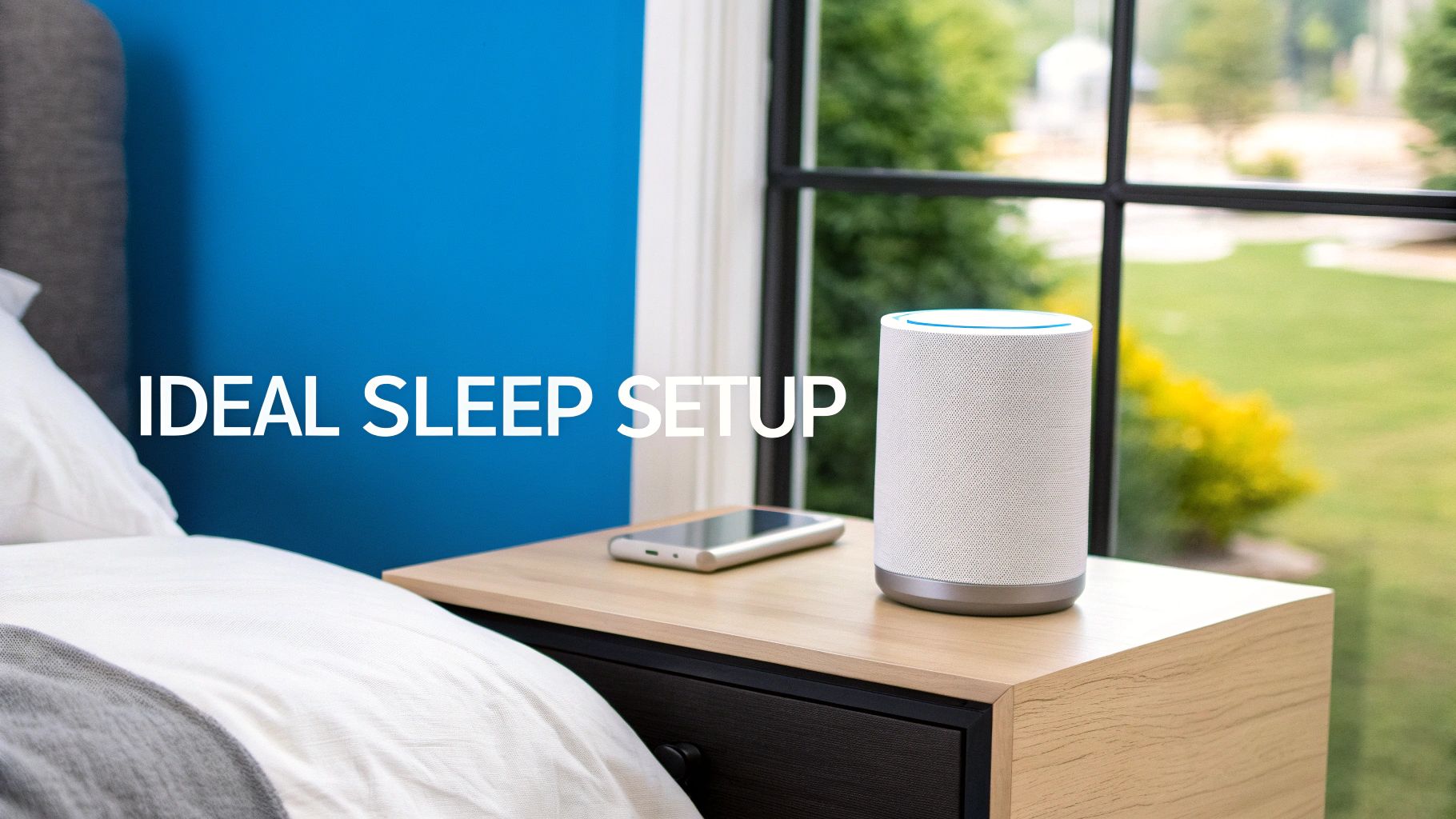
Even the most perfectly engineered sleep playlist can miss the mark if your bedroom isn't set up for success. Crafting the right soundscape is more than just hitting play—it's about picking the right gear, dialing in the perfect volume, and weaving your music into a powerful wind-down ritual.
How you listen to your music to fall asleep to really does make a difference. You've got a few options, each with its own pros and cons. A phone on the nightstand is easy, sure, but the sound quality can often be thin and tinny, which is more distracting than relaxing.
A smart speaker is a solid upgrade, filling the room with a much richer, more immersive sound. But for the best experience, especially if you share a bed or have to contend with outside noise, a more personal listening device is usually the way to go.
Choosing Your Listening Method
The end goal here is simple: deliver sound consistently and comfortably without creating new problems, like a bulky headphone digging into your ear all night.
- Over-Ear Headphones: They offer fantastic sound and noise isolation, but they're often way too clunky for side sleepers.
- Earbuds: While definitely smaller, earbuds can become really uncomfortable—even painful—after a few hours of pressure, especially if you sleep on your side.
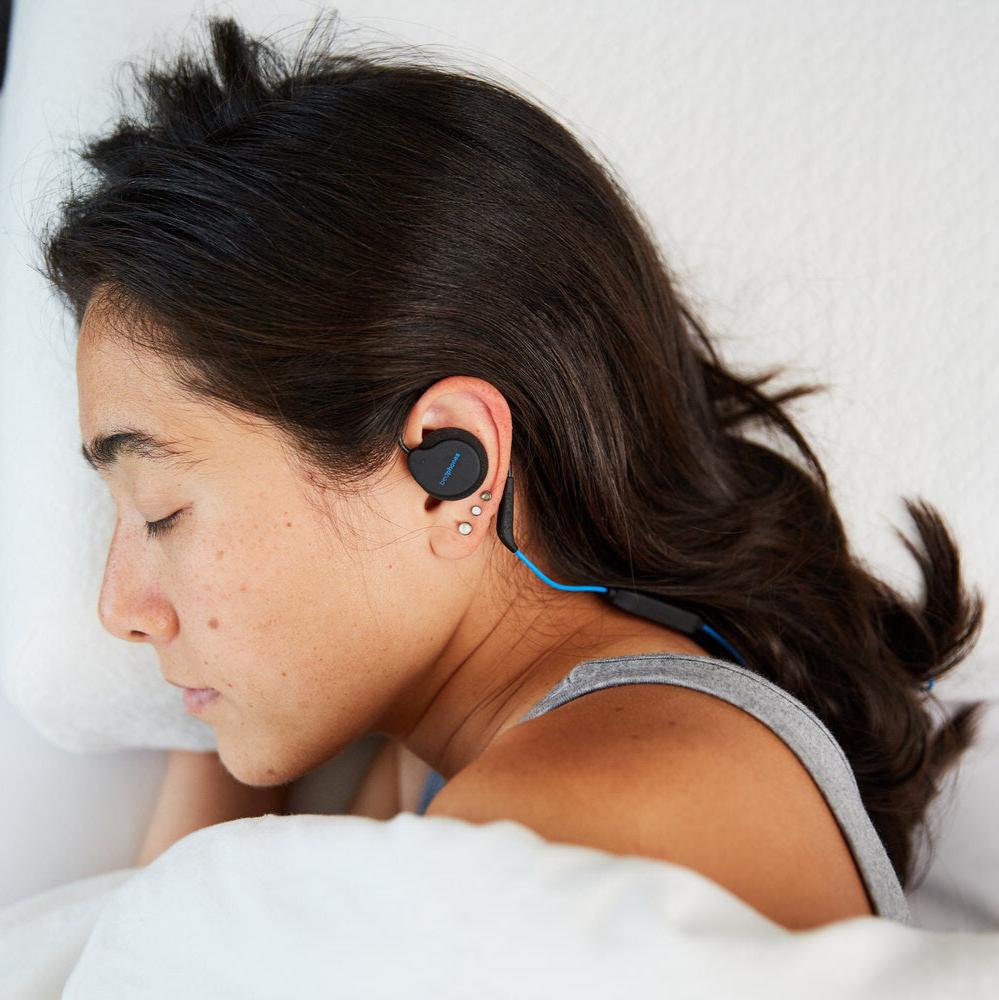
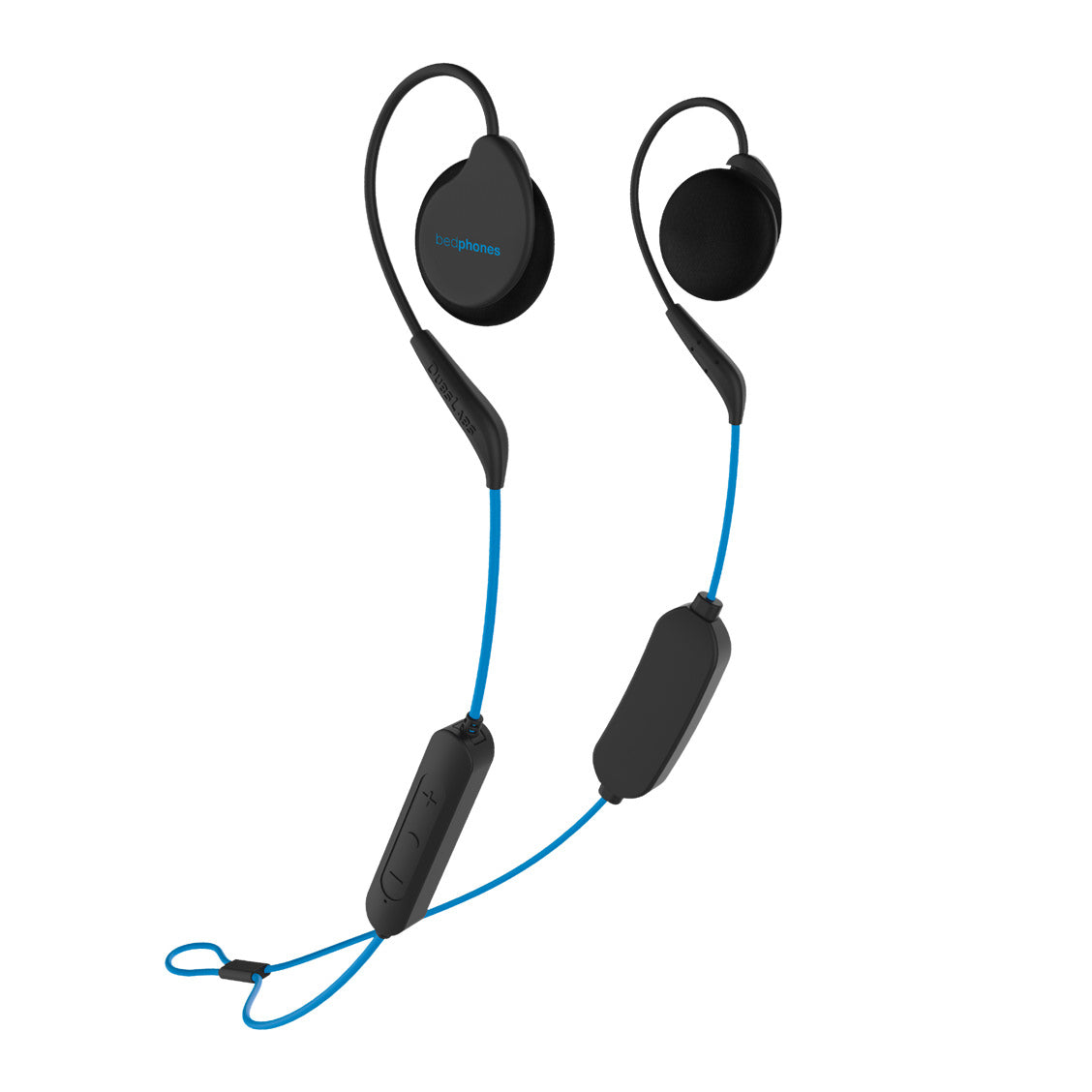
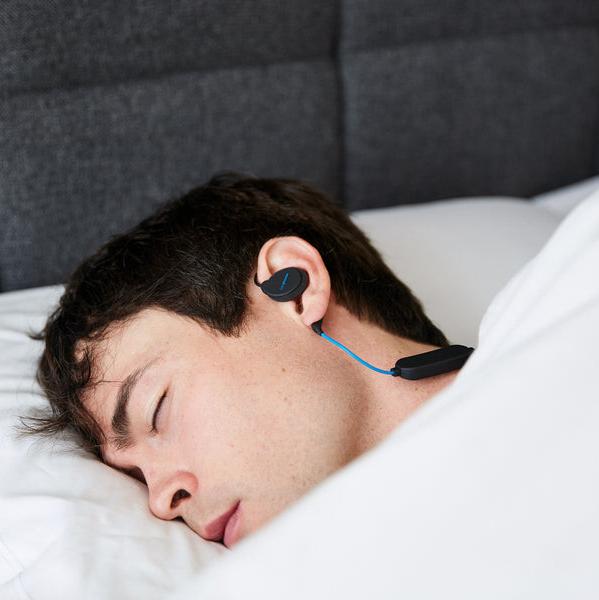
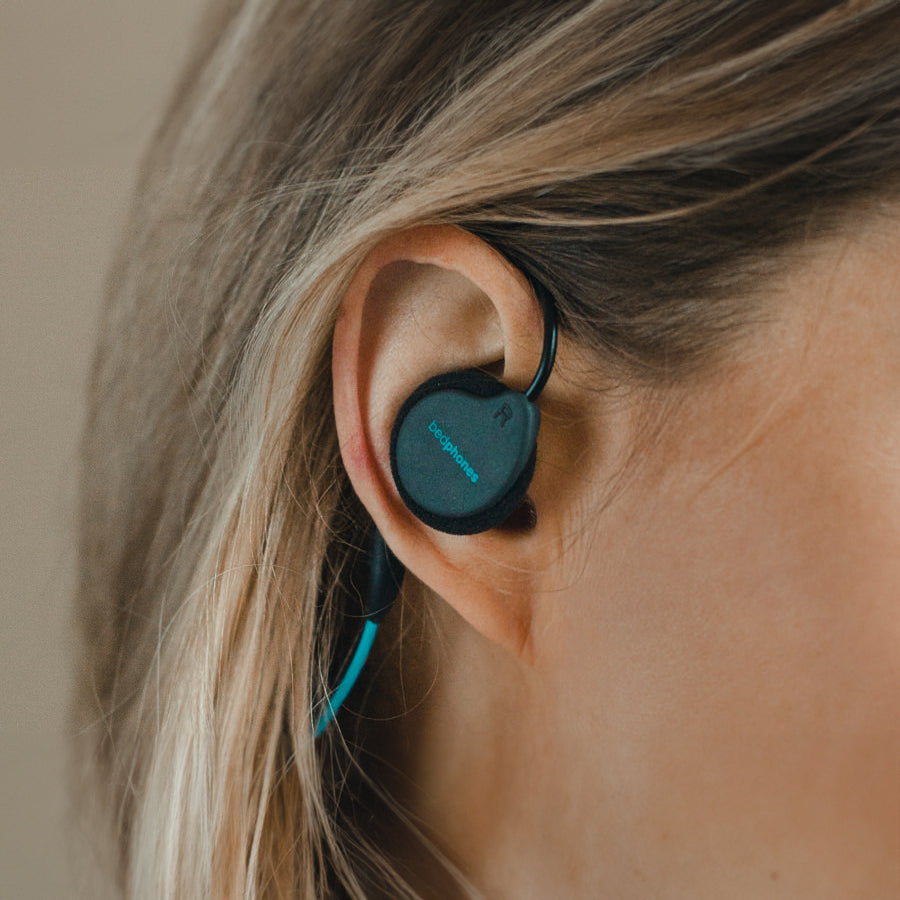
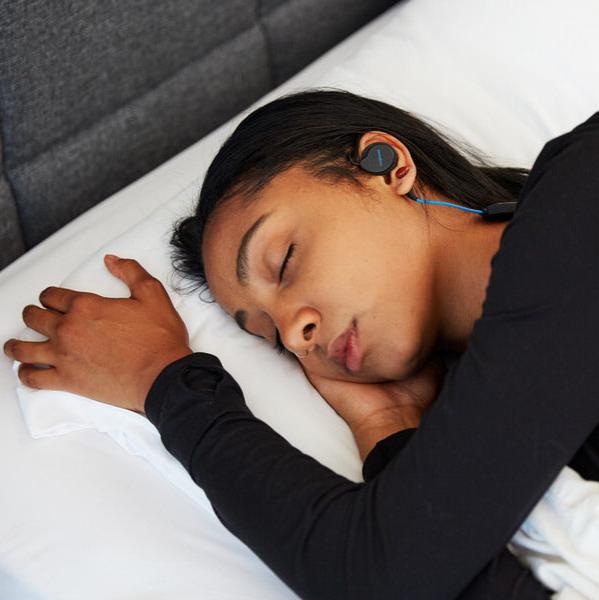
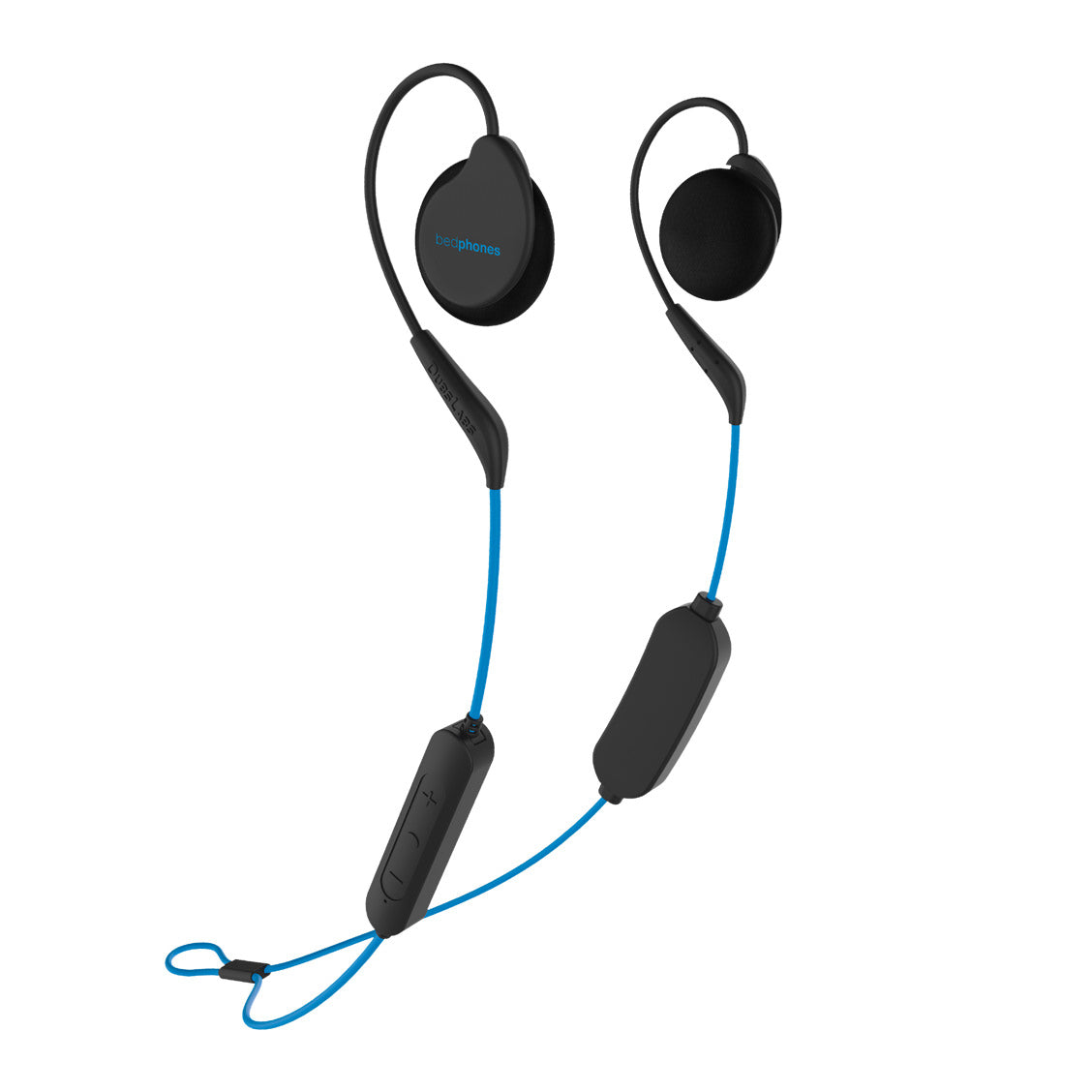
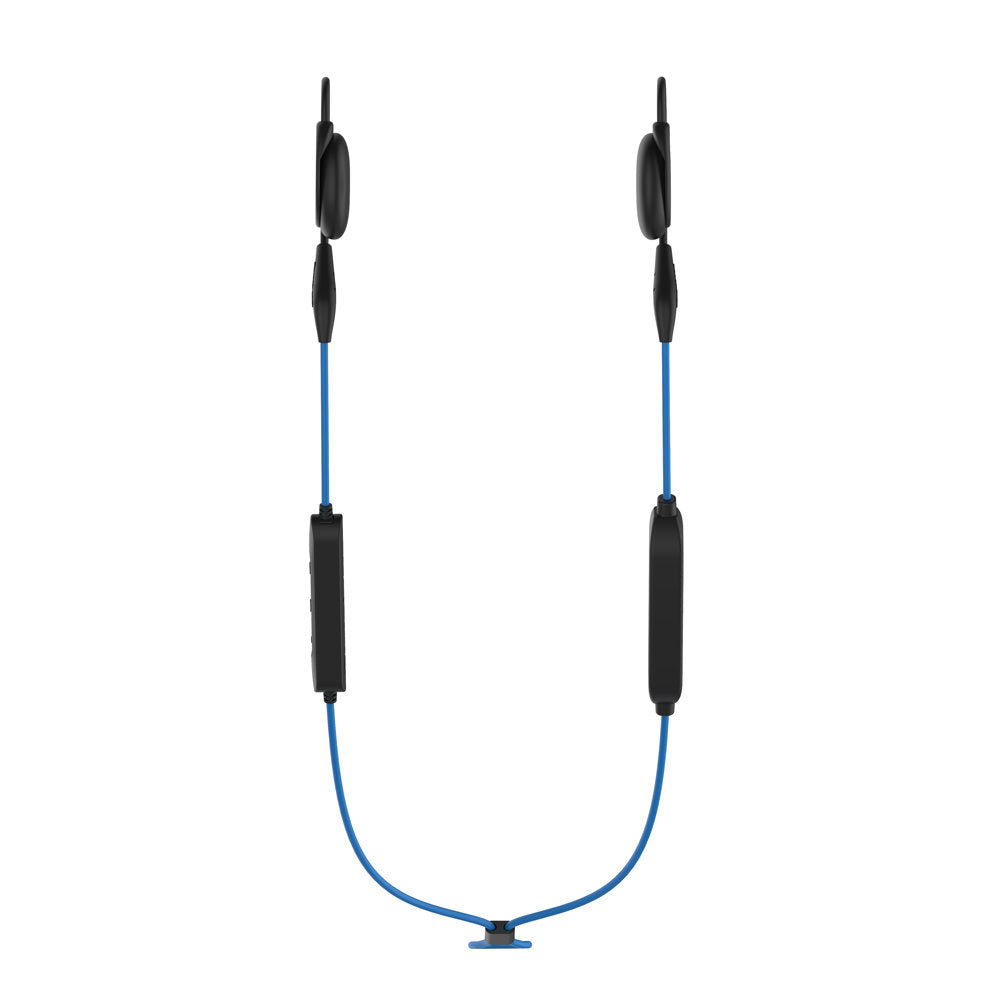
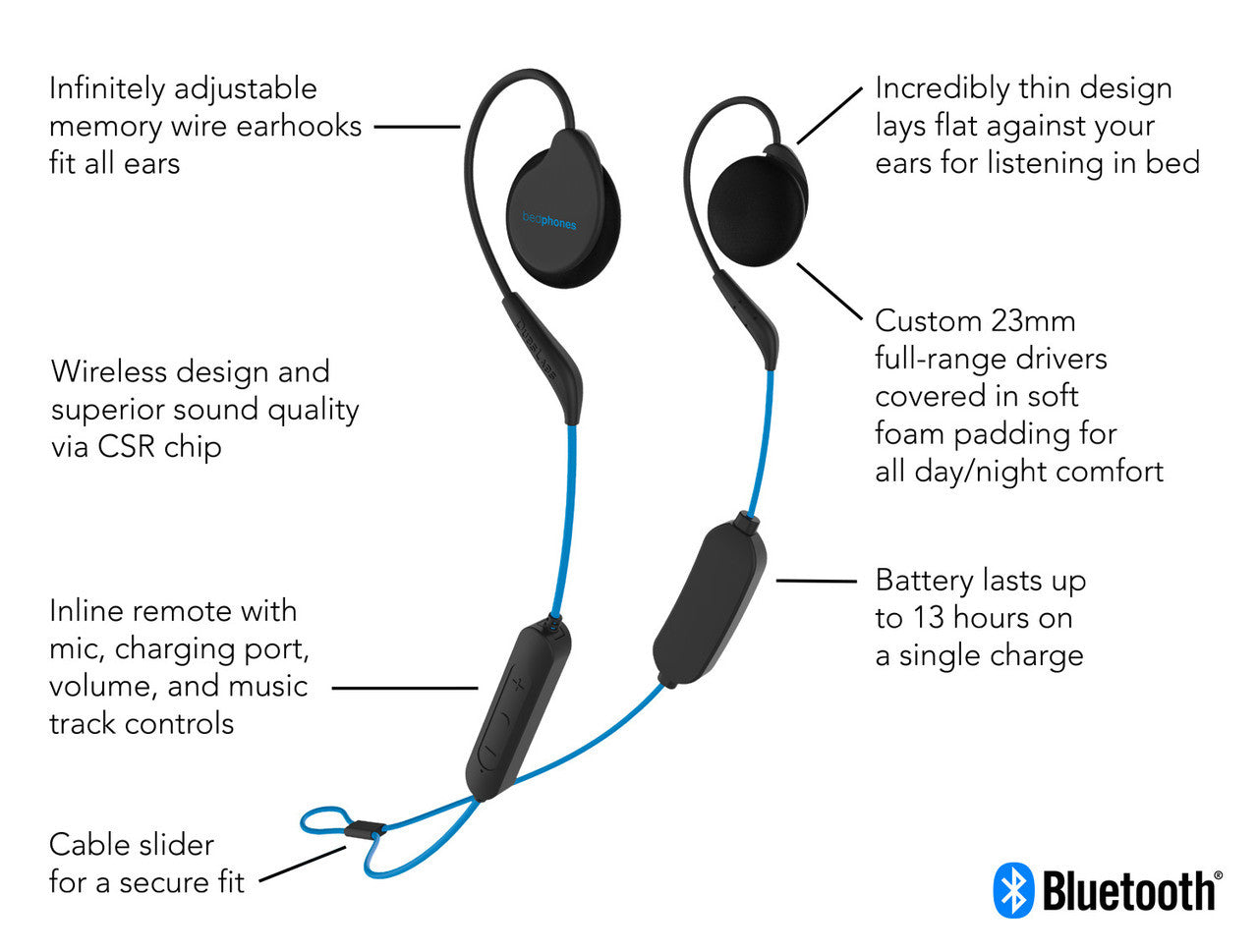
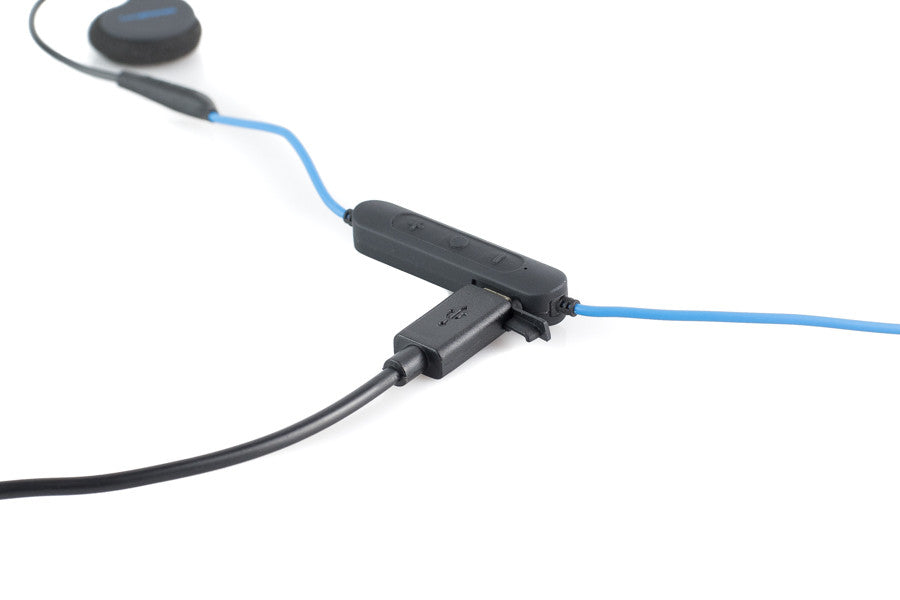
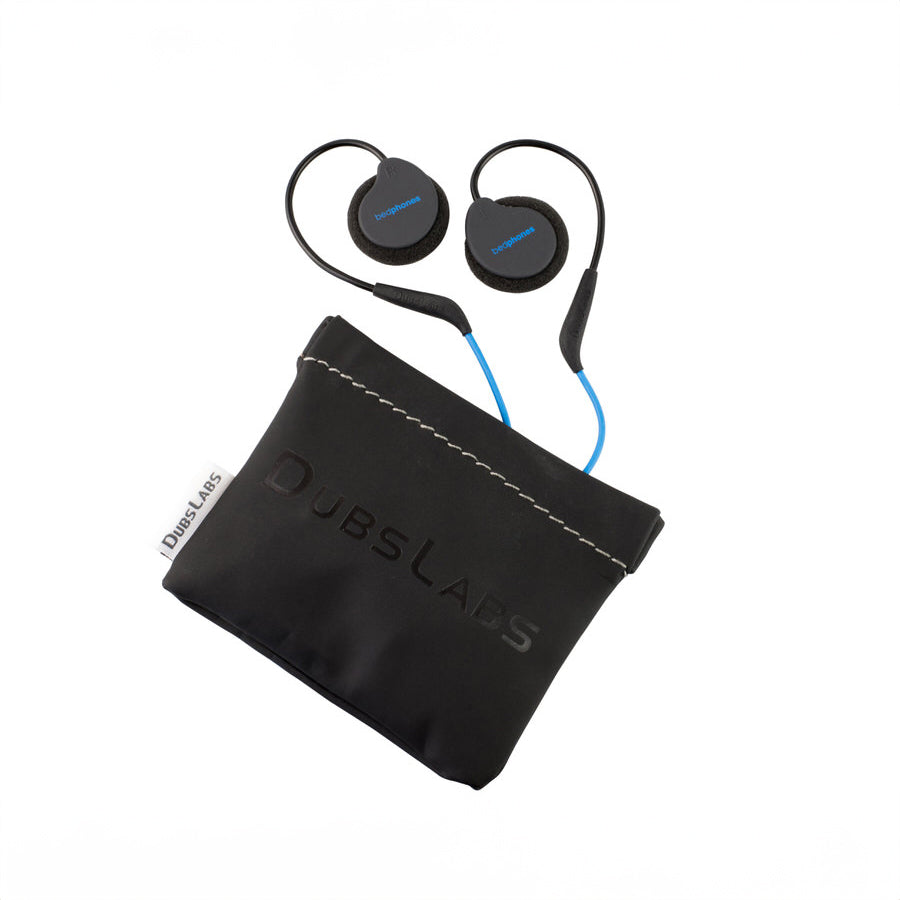
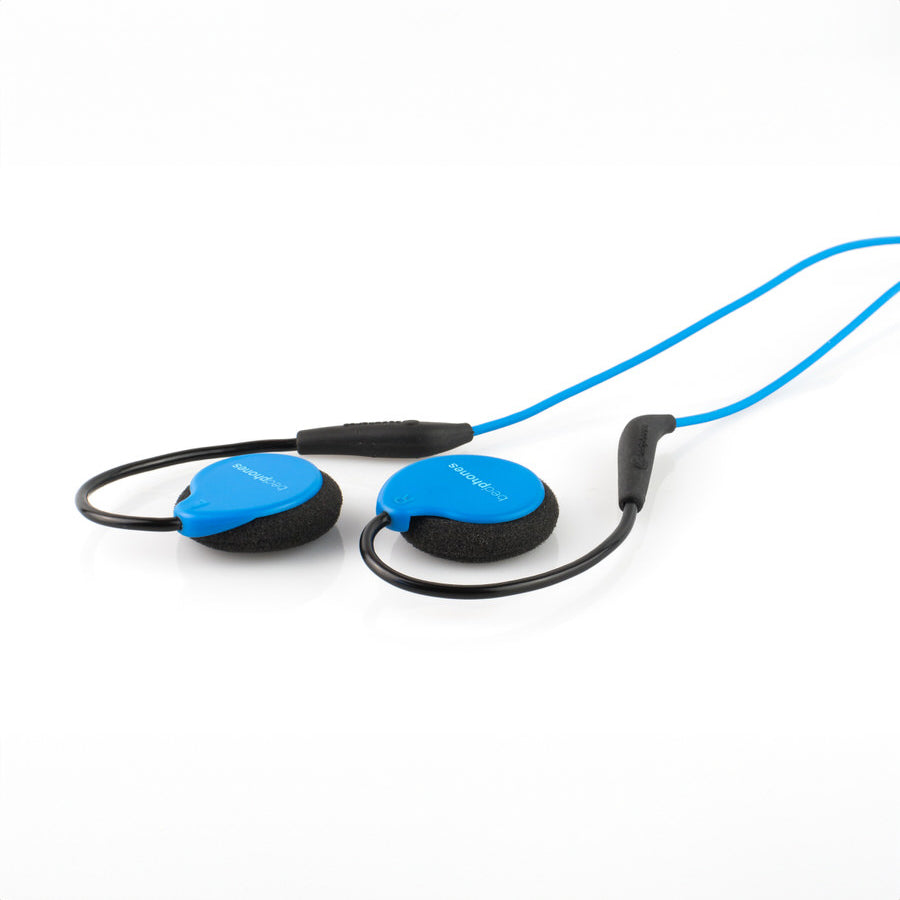
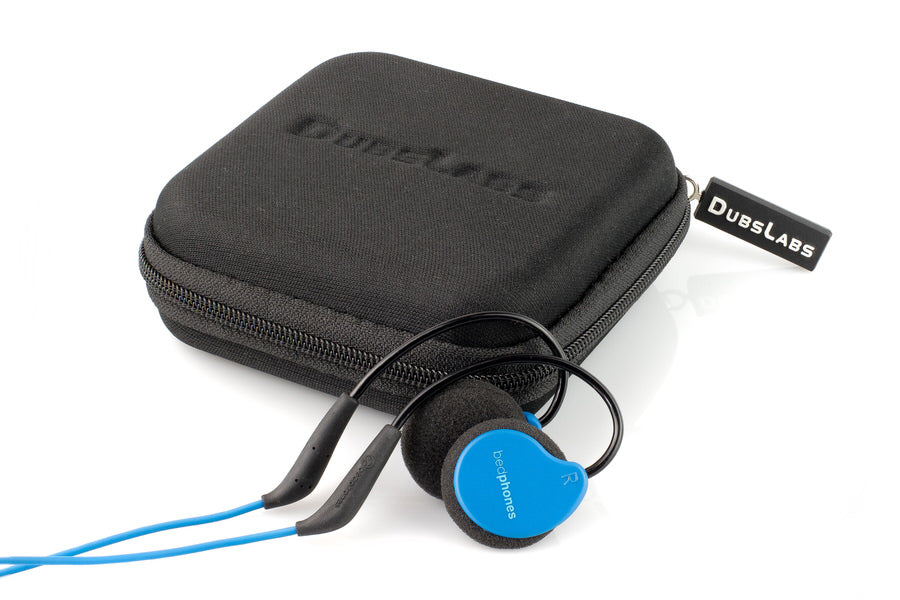
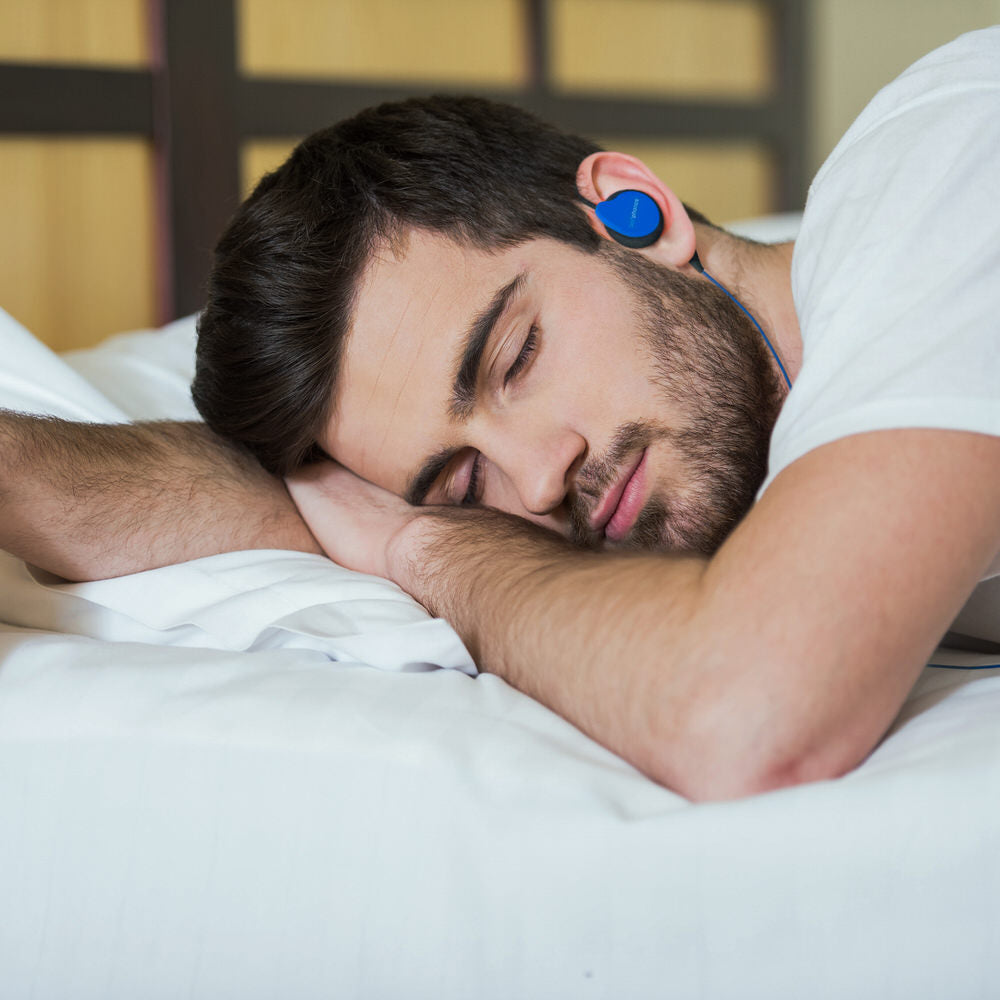
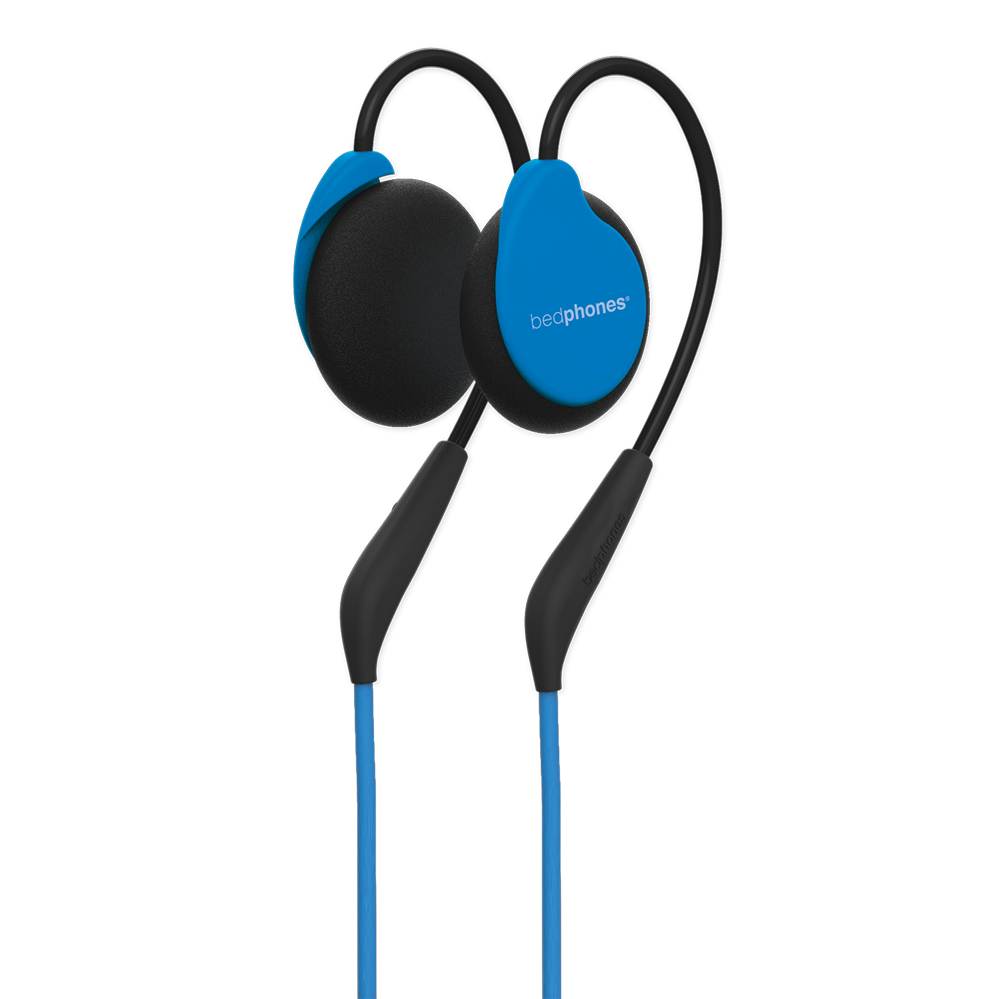
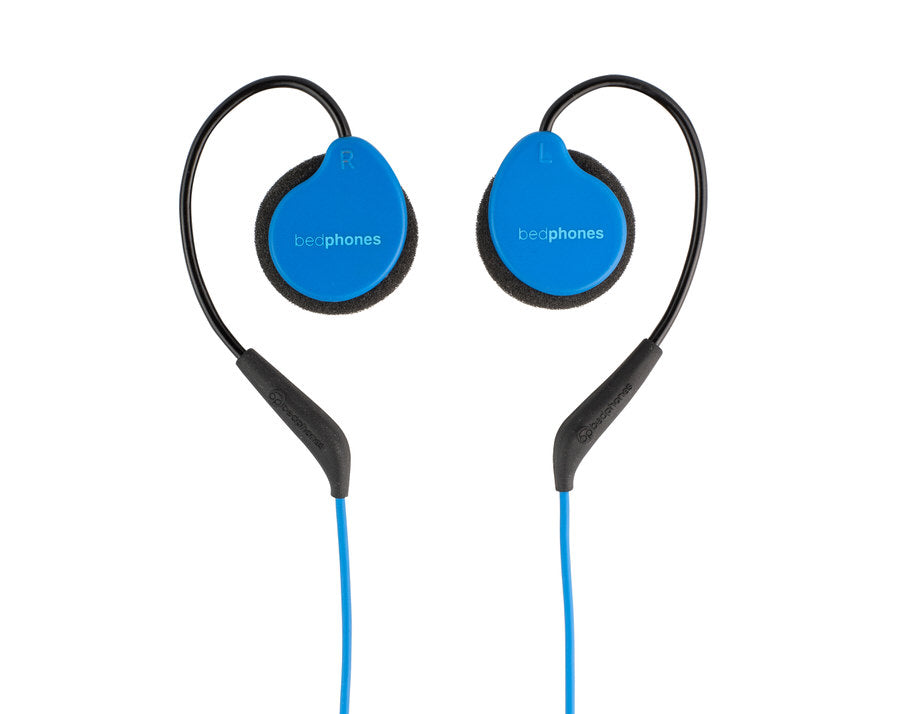
- Sleep-Specific Headphones: This is where devices like Bedphones shine. They're designed with ultra-thin, soft earpieces that stay comfortable even when you're lying right on them, making them perfect for all-night listening without the ache.
If you're trying to block out some serious external noise, it’s worth exploring all the possibilities. We've got a detailed breakdown in our guide to white noise headphones for sleeping that can help you find a solution that's both comfortable and effective at sound masking.
Finding the Goldilocks Volume
Getting the volume right is a delicate balancing act. You need it loud enough to gently cover up distracting background sounds but quiet enough that the music itself doesn't become a stimulating distraction. A good rule of thumb is to set it just a touch above the ambient noise level in your room.
The ideal volume for sleep audio is one you can hear clearly but can also easily ignore. If your brain is actively focusing on the music, it's likely too loud.
Try experimenting over a few nights to find your sweet spot. What sounds perfect when you first climb into bed might feel way too loud once the house settles down and everything gets quieter.
Integrating Music into Your Wind-Down Routine
This might be the most important step of all: making music a consistent part of your pre-sleep ritual. Your brain loves cues. When you pair your sleep playlist with other calming activities, you're building a powerful psychological trigger that tells your brain it’s time for rest.
Press play on your playlist about 30 to 45 minutes before you actually plan to be asleep. This gives your mind and body plenty of time to respond to the music's soothing effects.
Then, layer on other sleep hygiene best practices to make it even more effective:
- Dim the Lights: Lowering the lights is a direct signal to your brain to start producing melatonin, the hormone that governs sleep.
- Put Away Screens: That blue light from phones and tablets? It's a notorious sleep-wrecker. Ditch it.
- Engage in a Quiet Activity: Pick up a physical book, do some light stretching, or run through some simple breathing exercises.
This multi-sensory approach sends an unmistakable message to your brain: the day is done, and it's time to power down. Before long, just starting your playlist will be enough to kickstart that sleepy feeling, turning your music into a reliable and effective natural sleep aid.
What to Do When Your Sleep Music Stops Working
It happens to the best of us. That perfect playlist, the one that used to reliably send you off to dreamland, suddenly feels like just another noise in the room.
When your go-to music for falling asleep loses its magic, it's usually a sign that your brain is just a little too familiar with it. This is a common phenomenon known as habituation.
Essentially, your brain gets so used to the predictable patterns in your playlist that it stops registering the music as a soothing, novel sound. Instead of helping you tune out, your mind might even start anticipating the next song, which is just as distracting as your own racing thoughts.
Refresh Your Soundtrack Without Losing the Magic
The answer isn’t to ditch music entirely. It's about introducing some gentle, strategic variety. You don't need a complete overhaul—just a few small tweaks can make all the difference. The goal is simply to keep the audio soothingly unfamiliar.
- Rotate Your Playlists: Try creating two or three different sleep playlists and cycle through them every few weeks. This simple rotation keeps your brain from memorizing any single one.
- Just Hit Shuffle: An even easier trick is to just shuffle your existing playlist. You get the same calming vibe you're used to, but you break the predictable sequence.
- Explore a New Genre: If you always listen to minimalist piano, maybe try an ambient soundscape or a gentle acoustic guitar playlist for a while. A little change can go a long way.
Sometimes, the problem isn't habituation but a shift in your own mental state. On nights when your mind is particularly busy or anxious, even the softest music can feel agitating. This is a perfect time to pivot to something even simpler.
If a melody feels like it's demanding too much attention, switch to a more passive sound. Brown noise, for example, offers a deep, consistent hum that effectively masks other sounds without having any musical structure for your brain to follow.
Dealing With Common Tech Glitches
Let's be real—sometimes technology is the problem. Nothing derails a peaceful drift-off like a sudden, blaring ad on a free streaming service. It’s one of the most common culprits for jolting you awake.
If ads are a recurring issue, it might be time to consider a premium subscription to your music service. Think of it as a small investment in uninterrupted peace.
Another snag can be a feeling of dependency, where you worry you can't sleep without your tunes. To get ahead of this, try skipping a night here and there. Or, start your music but set a timer for it to turn off after 30 minutes, letting yourself fall asleep in the quiet that follows. This helps build confidence in your natural ability to sleep while still keeping music as a helpful tool in your back pocket.
Got Questions About Sleeping with Music?
Even when you've got the perfect playlist dialed in, a few questions always seem to pop up as you get started. Let's run through some of the most common ones I hear, just to make sure you're using music to get to sleep safely and effectively.
One of the biggest worries is safety, especially around listening all night. Is it actually okay to sleep with headphones on? Generally, yes—but your comfort and the volume level are everything.
Standard earbuds can dig into your ear canal and cause some real irritation after a few hours, especially if you're a side sleeper. This is exactly why sleep-specific headphones, like the super-soft and flat Bedphones, are a much better bet for overnight listening.
How Long Should I Listen to Music?
This is a big one. Does the music need to play all night long? Absolutely not. In fact, it's usually better if it doesn't.
For most people, a 30 to 45-minute window is the sweet spot. That’s typically more than enough time for the music to do its job—slowing your heart rate, quieting your mind, and gently guiding you into the first stages of sleep.
Just set a timer on your music app. This ensures the audio fades out once you’re asleep, so it won’t accidentally disrupt your deeper sleep cycles later in the night. It's a small step that also builds confidence that you can stay asleep on your own.
The goal is to use music as a tool to initiate sleep, not as a crutch you need for the entire night. This helps maintain your brain's natural ability to cycle through sleep stages without constant external sound.
Will I Become Dependent on It?
It's a fair question. If this works so well, will I eventually be unable to fall asleep without my playlist? It's natural to wonder, but true dependency is pretty rare.
Think of it this way: the psychological association you build is part of what makes the routine so effective, but music is a gentle, non-invasive sleep aid.
To keep things in balance, I always suggest trying to fall asleep without any audio every once in a while, especially on nights when you already feel relaxed and ready for bed. This just reminds your brain that it knows how to fall asleep naturally, keeping the music as a helpful tool rather than a strict requirement.
Of course, music is just one piece of the puzzle. For a more complete approach to your rest, you might also look into other aids like the best supplements for better sleep, which can work well alongside your new audio routine.
Ultimately, this is all about finding what works for you. Don't be afraid to experiment with different tracks, timings, and setups until you land on your perfect formula for a peaceful night.
Ready to find the ultimate comfort for your sleep audio routine? DubsLabs designs products like our ultra-thin Bedphones specifically for side sleepers, ensuring you can listen comfortably all night long. Explore our sleep solutions at DubsLabs.com.