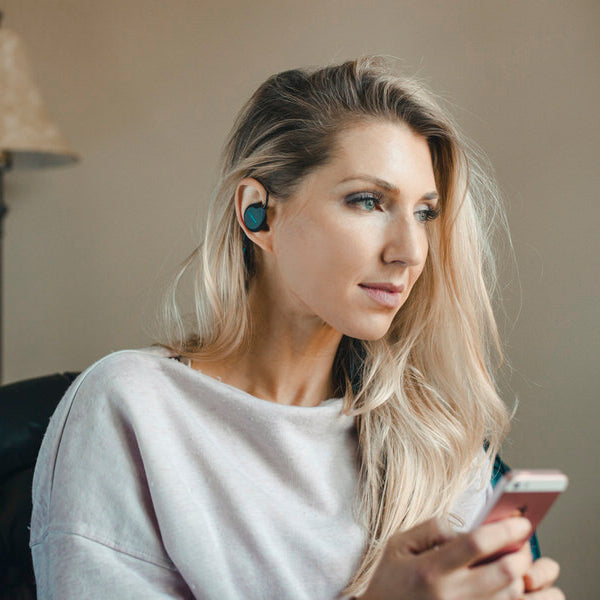
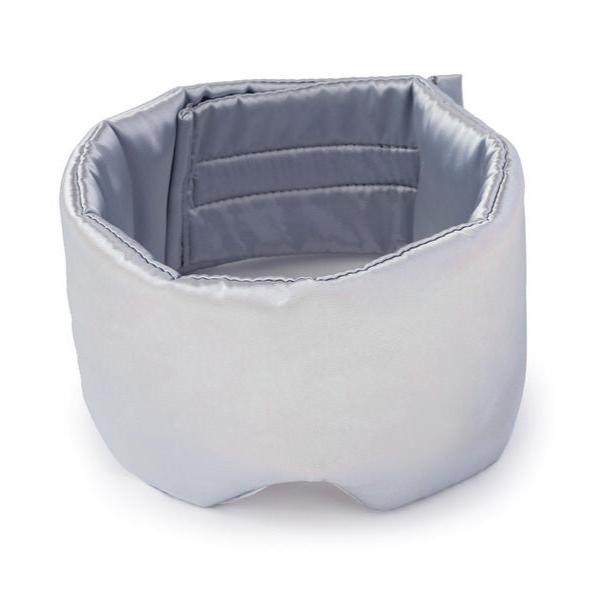
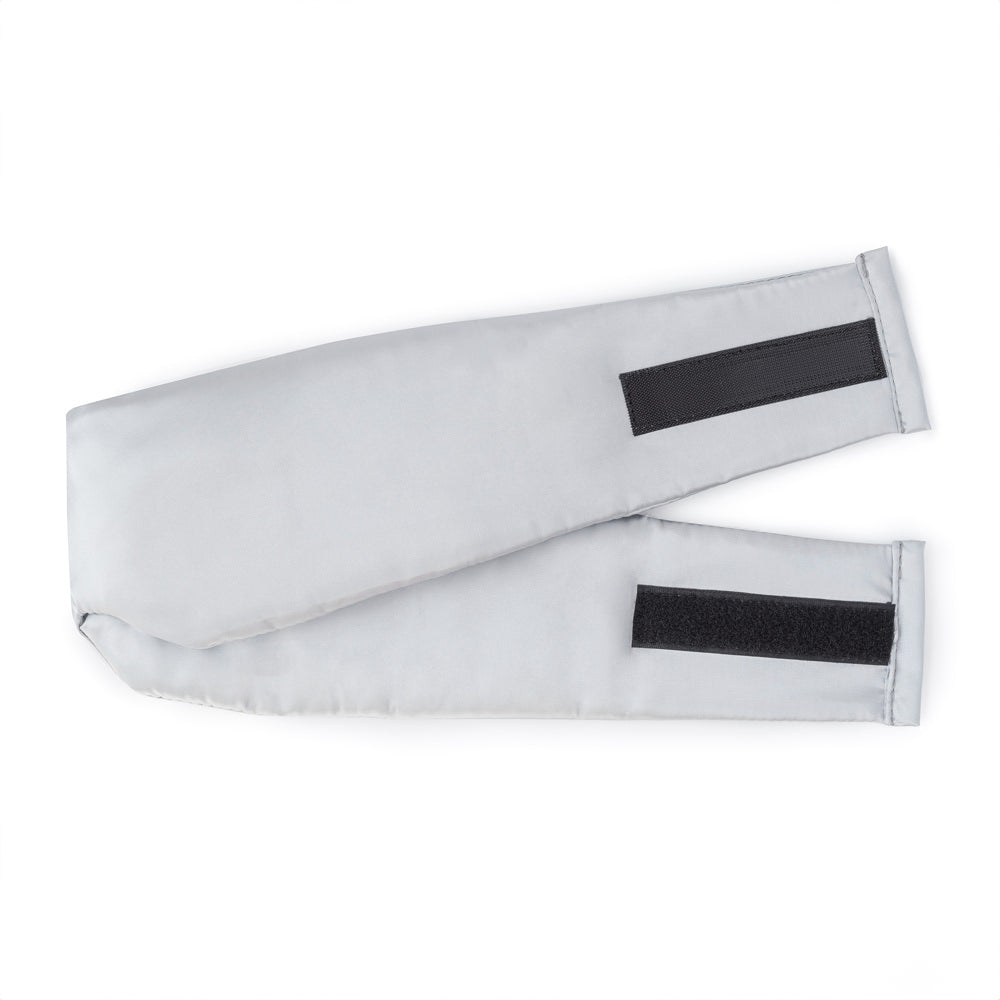
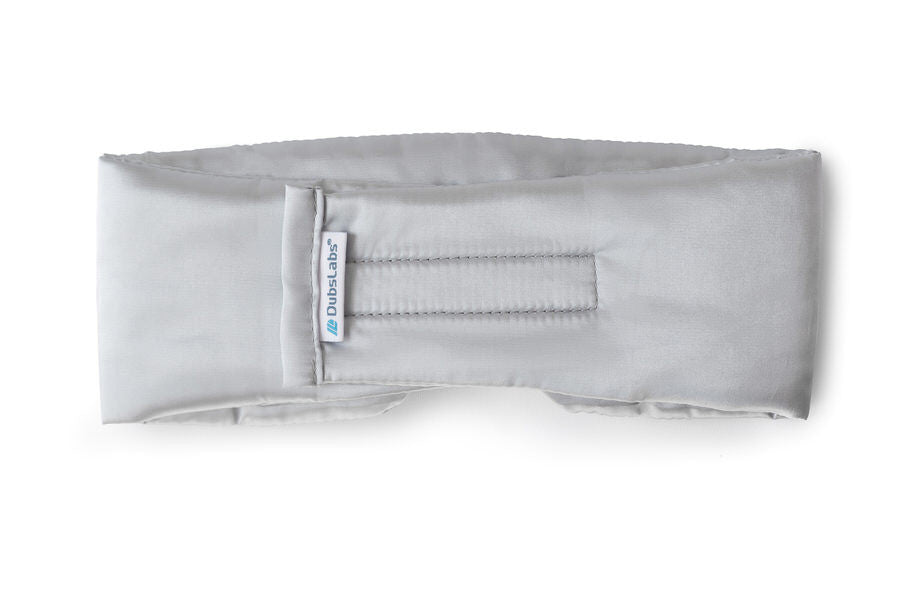
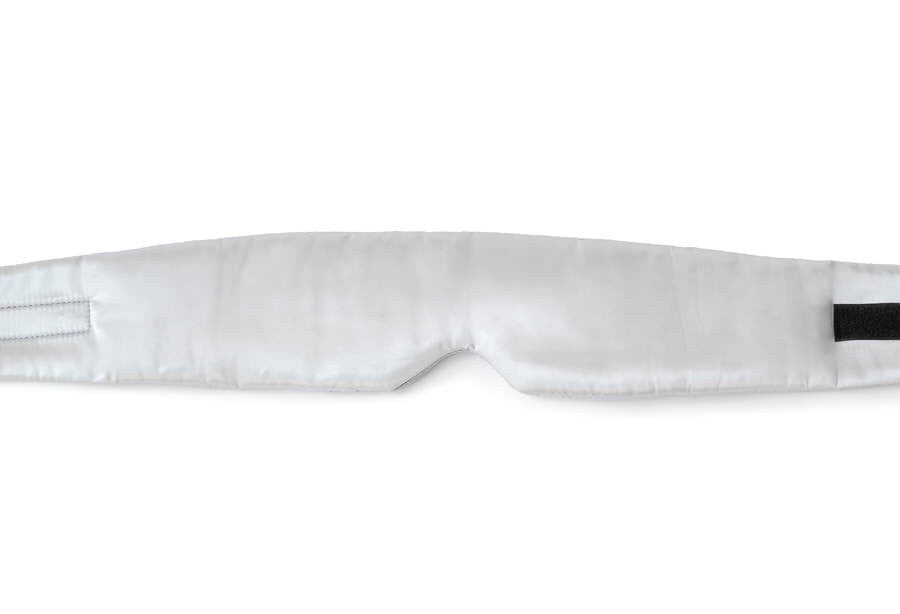
A headphone headband bluetooth is a pretty clever piece of gear: a comfortable, stretchy fabric band with a pair of ultra-thin speakers tucked inside. The whole point is to give you a totally wire-free way to listen to music or podcasts, especially when regular headphones are just too bulky, painful, or annoying.
Think sleeping, relaxing, or even a light workout.
A New Category of Audio Comfort
Anyone who's tried to fall asleep wearing bulky, hard-plastic headphones knows the struggle. It’s just not going to happen. You’ve got the pressure points, the awkward angles, and the constant fidgeting that kills any chance of relaxation. This is exactly the problem that a headphone headband is built to solve.
It's better to think of it less like a traditional gadget and more like a comfort accessory that happens to play sound. The idea is simple but brilliant: combine modern wireless audio with the feel of your favorite beanie or sweatband. Instead of a rigid frame or intrusive earbuds, you get soft, breathable fabric that wraps gently around your head.
The Fusion of Fabric and Sound
The real magic is in the construction. Super-thin, flat speakers and a tiny rechargeable Bluetooth module are tucked away in small pockets inside the headband. This lets you slide the speakers right over your ears for clear audio, but without anything actually pressing into your ear canal or creating those nasty pressure points.
This simple design shift offers some huge advantages over the headphones you’re used to, especially for a few key situations:
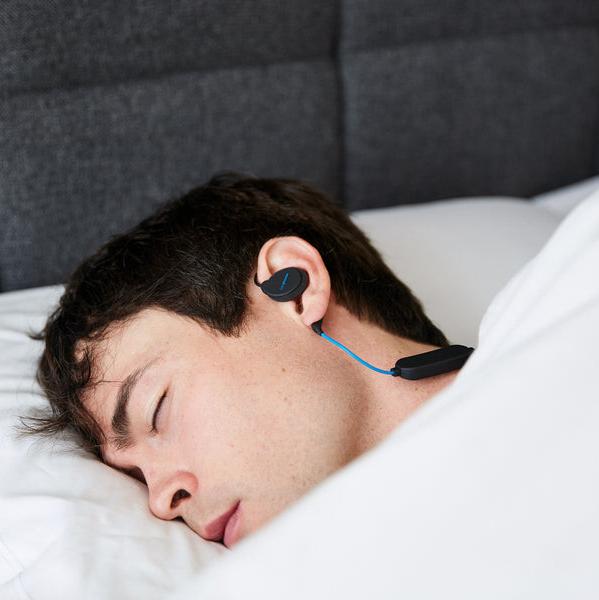
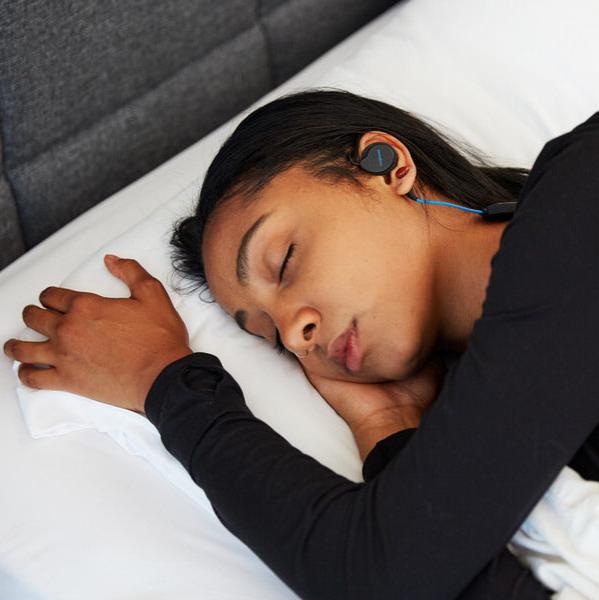
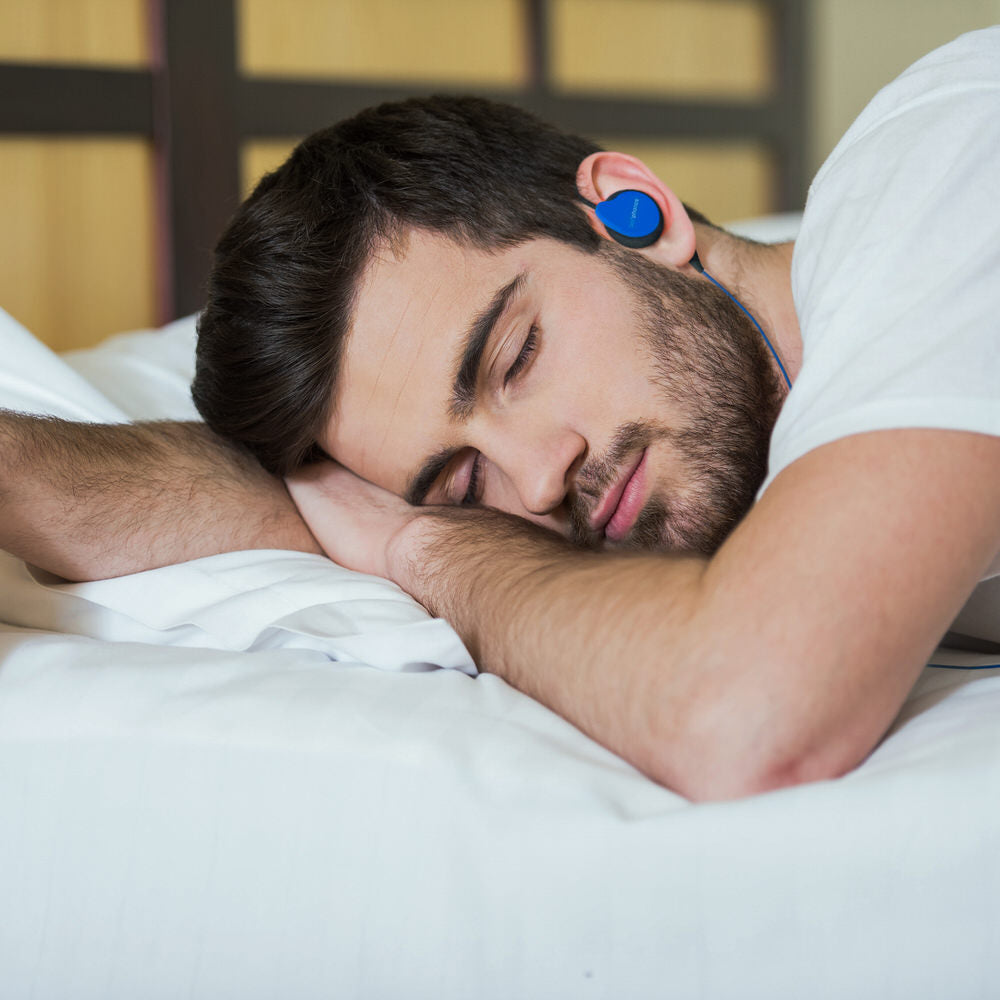
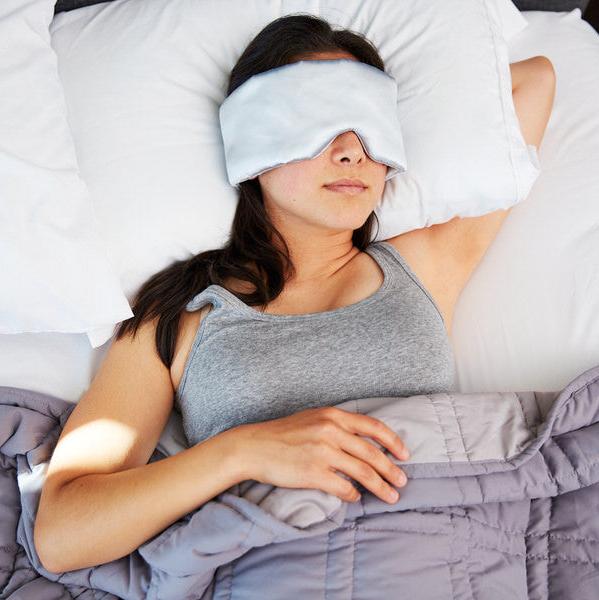
- Unmatched Comfort for Sleep: For side sleepers, these are an absolute game-changer. You can finally lie on your side without a chunk of hard plastic digging into your ear or temple.
- Complete Wireless Freedom: Bluetooth means no more tangled cords. Nothing to get wrapped around your neck or yanked out of your phone in the middle of the night. It's a much safer and more seamless experience.
- Versatile for Relaxation: It's not just for sleep. These headbands are perfect for guided meditation, listening to an audiobook on the couch, or tuning into some calming music during yoga.
A headphone headband isn't just about listening to audio; it's about creating a personal sound bubble without sacrificing an ounce of physical comfort. It turns audio from a clunky accessory into a seamless part of your wind-down routine.
More Than Just Headphones
A headphone headband bluetooth recognizes a simple truth: how you listen is often just as important as what you're listening to. Those high-end, over-ear headphones are fantastic for a serious music session at your desk, but they completely fail the comfort test when you lie down. Earbuds are a bit better, but they can make your ears sore or just fall out, especially if you toss and turn.
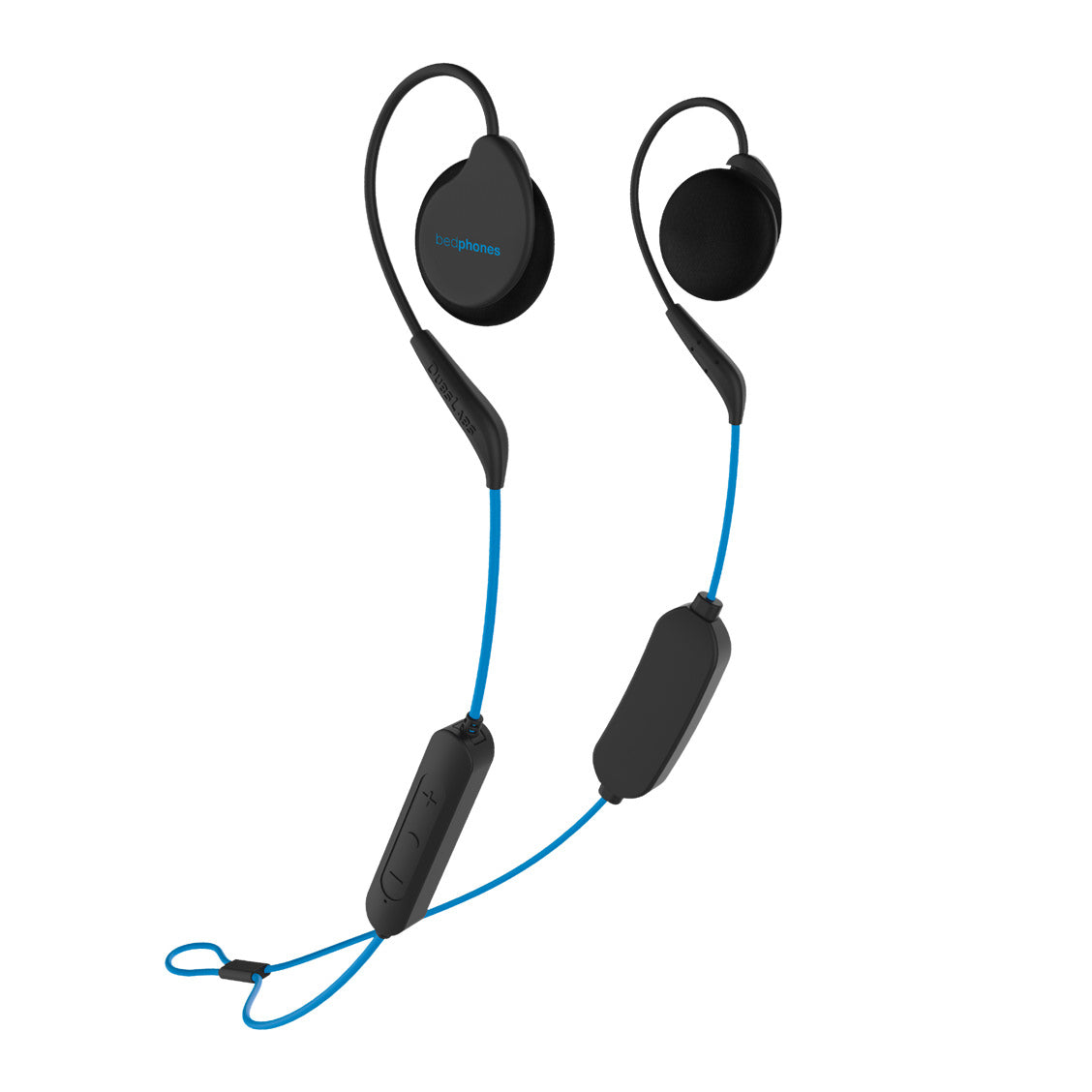
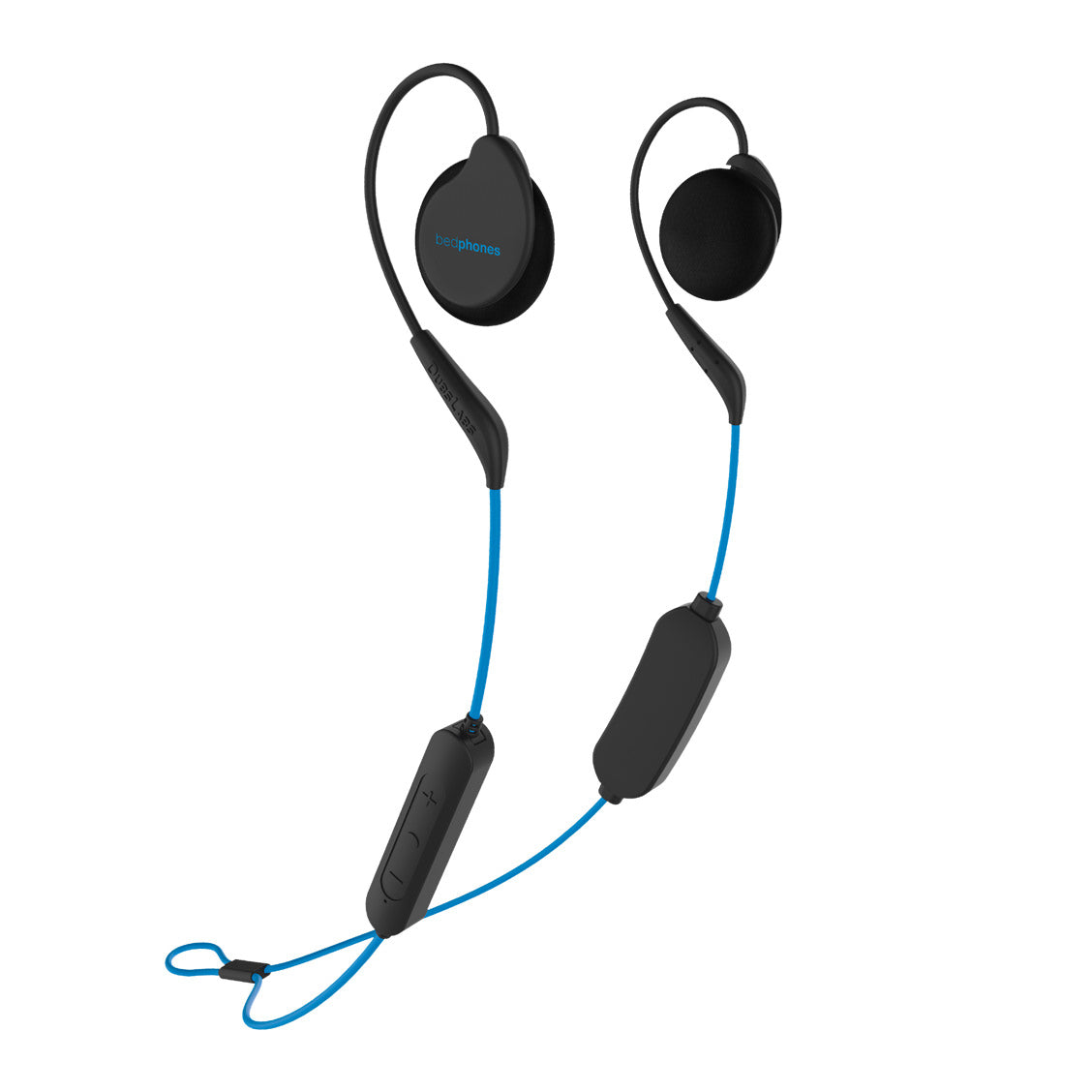
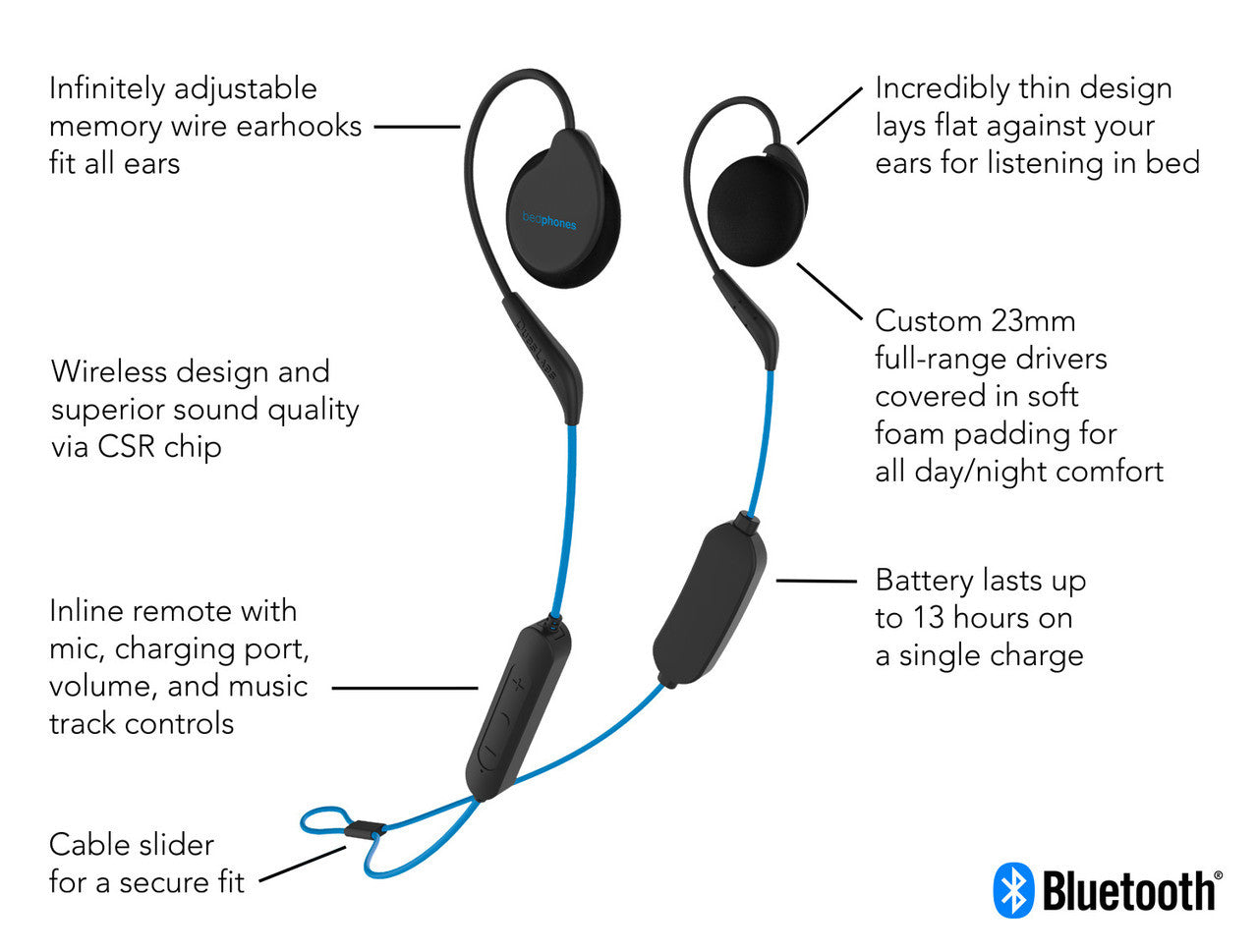
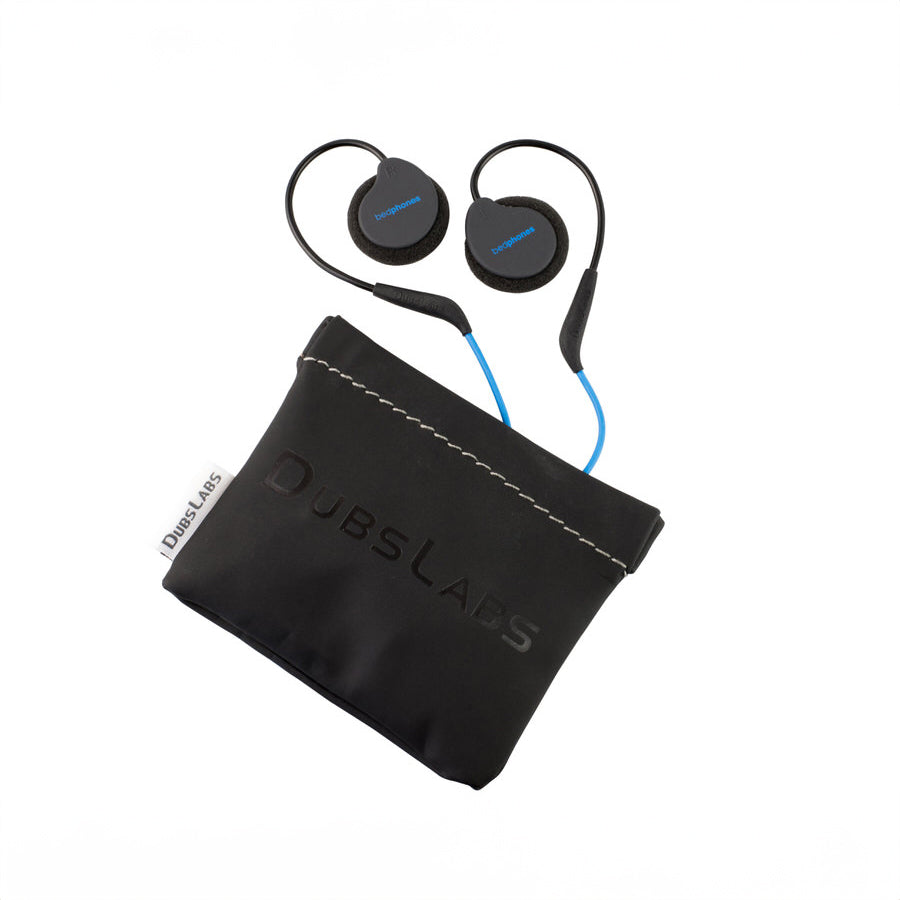
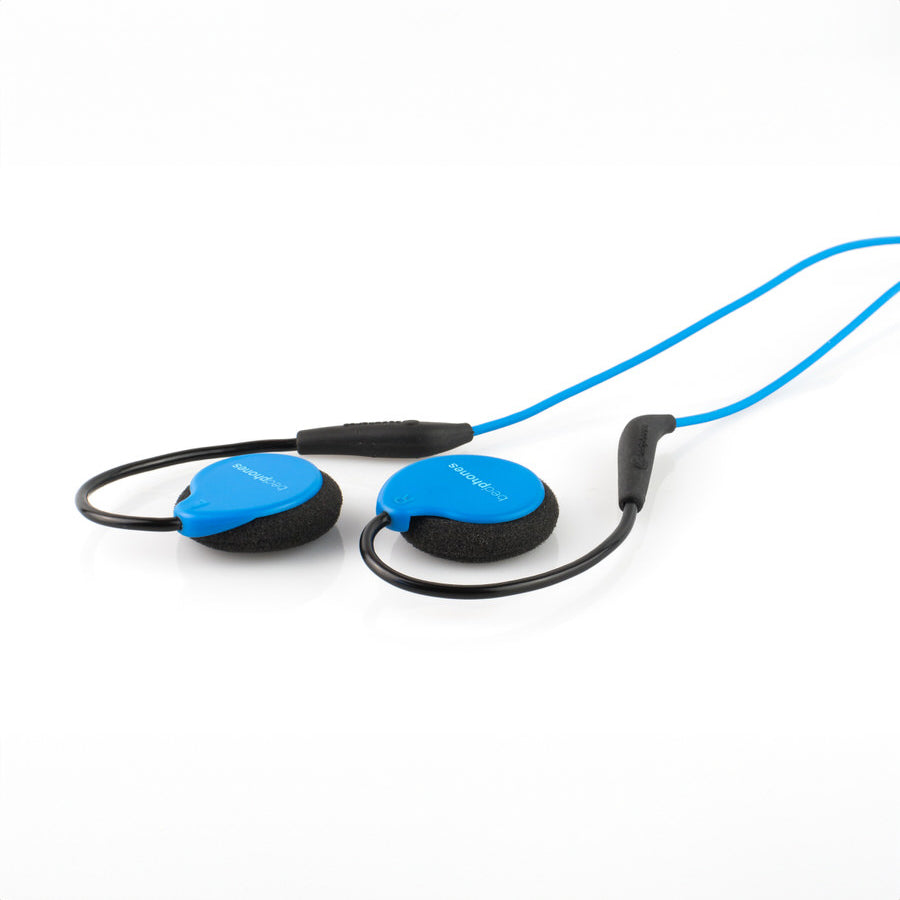
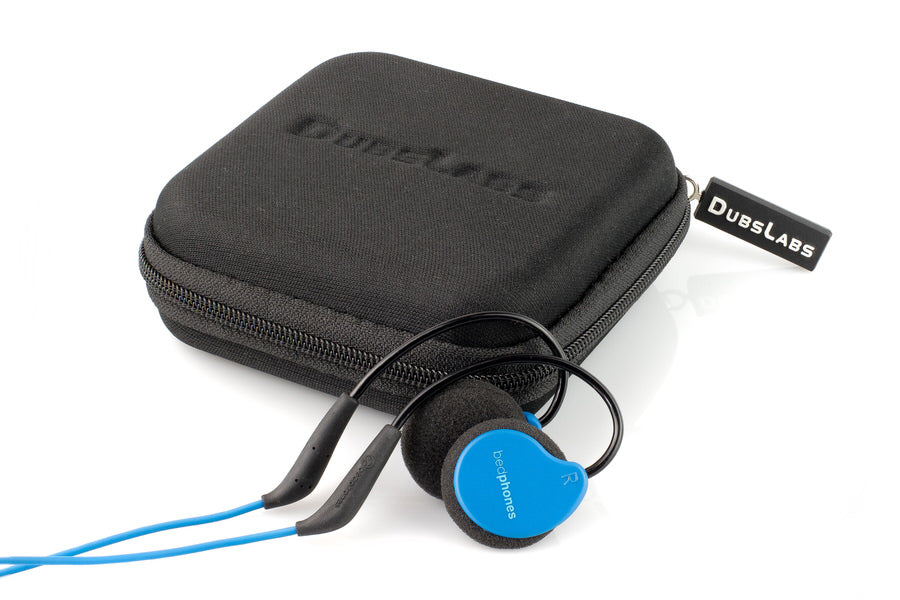
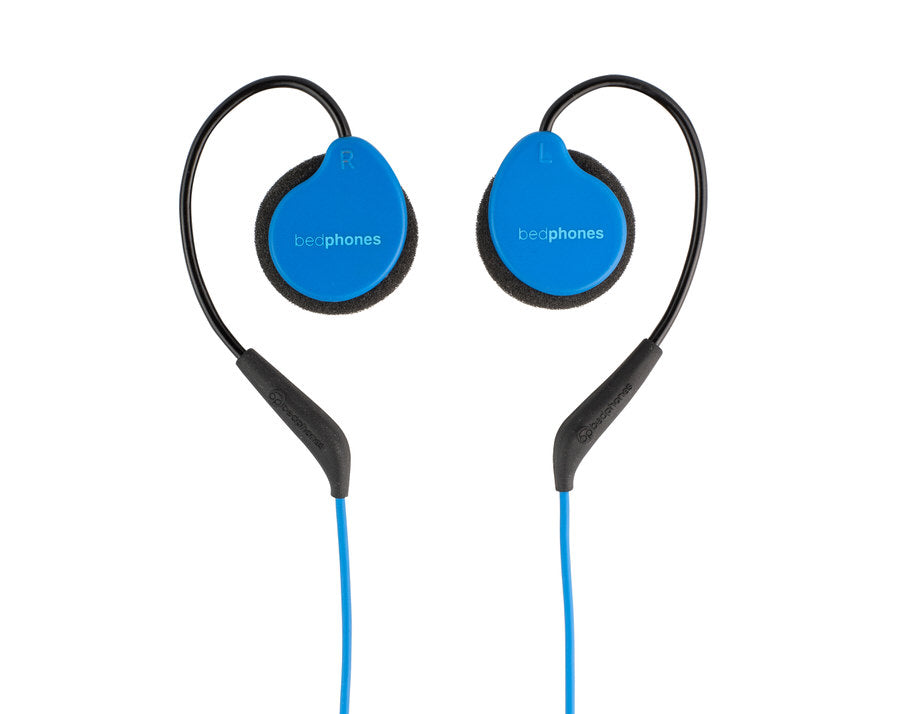
This is where the headband finds its sweet spot. It's designed for all the moments in between—when you want to unwind, block out the world, or just drift off with your favorite podcast. For anyone looking for an effortless way to bring audio into their sleep routine, options like DubsLabs Bedphones have been engineered from the ground up with incredibly thin speakers to be as unnoticeable as possible.
At the end of the day, this whole category of audio gear is about a gentle, unobtrusive experience. It’s the perfect answer for anyone who’s ever wished for a cozy blanket for their ears that also plays their favorite calming sounds.
Real-World Benefits for Comfort and Sleep
Let's be honest, the tech inside a Bluetooth headband is only half the story. The real magic isn't in the specs—it's in how it solves nagging, everyday problems. From finally getting a decent night's sleep to carving out a moment of peace in a chaotic day, these headbands deliver where traditional headphones just can't.
They solve a fundamental problem: when you're trying to relax, comfort is just as crucial as sound quality. This simple design shift turns what looks like an accessory into a powerful tool for rest and wellness. If you’ve ever wrestled with bulky over-ear cans or had an earbud jab you awake, you'll get it immediately.
The Ultimate Fix for Side Sleepers
For the millions of us who sleep on our sides, finding headphones that don't feel like a medieval torture device has been a long, painful search. Earbuds dig into your ear canal, creating a sharp pressure point. Over-ear headphones are even worse, forcing your head into some weird, crooked angle on the pillow. It’s not just annoying; it’s a sleep-killer.
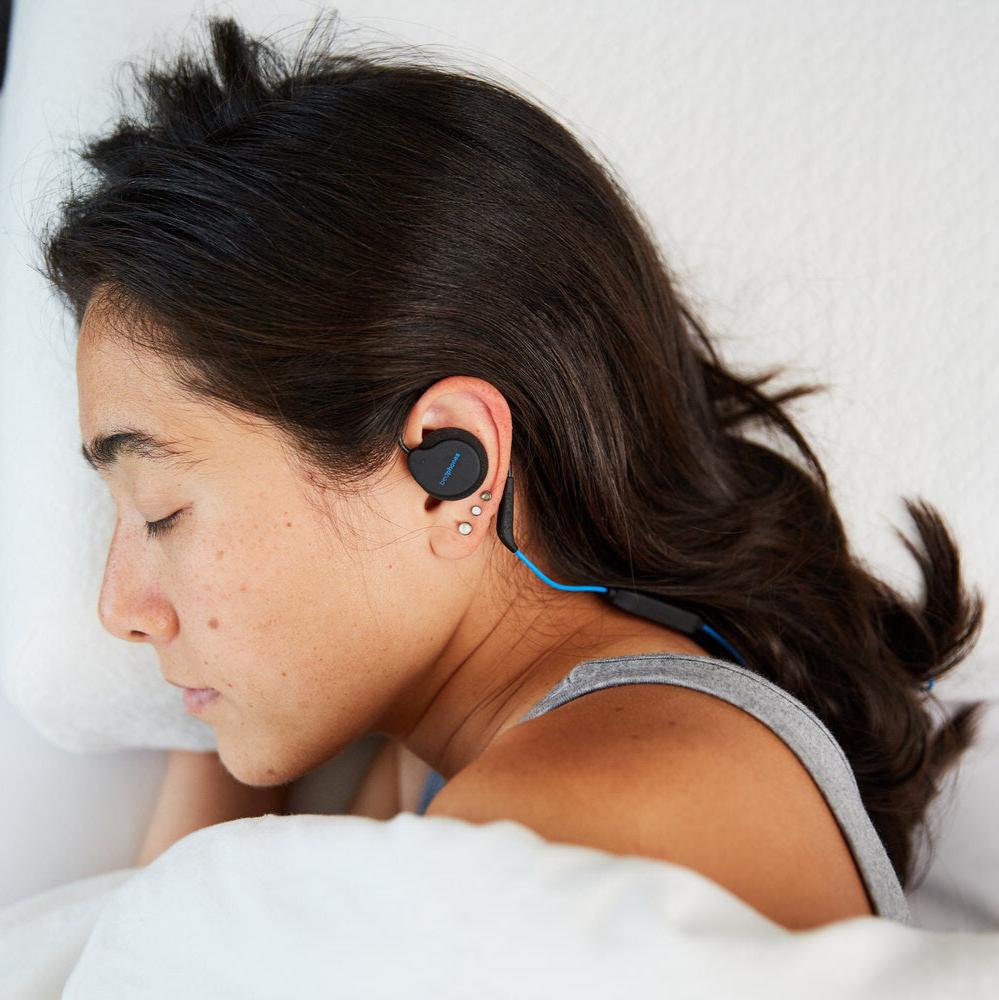
A headphone headband sidesteps this issue completely. The speakers are designed to be ultra-thin, lying flat against your ears inside the soft fabric.
What does this mean for you? You can roll over onto your side and feel nothing but the soft fabric against your pillow. No hard plastic, no sharp edges. It's a game-changer that finally lets side sleepers listen to audio in bed without sacrificing an ounce of comfort.
Honestly, this one benefit is the number one reason many people make the switch. It directly solves the biggest physical barrier to sleeping with headphones.
Create Your Own Personal Sound Sanctuary
Beyond just being comfortable, a headphone headband is an incredible tool for noise masking. It's not the same as the active noise cancellation you'd find in a pair of expensive headphones, but the combination of the fabric band and your chosen audio creates a surprisingly effective shield against the sounds of the outside world.
This comes in clutch in a few all-too-common situations:
- Blocking Out a Snorer: A partner's snoring can ruin a good night's sleep. Playing a little white noise, some ambient rain sounds, or quiet music through the headband can smooth over those jarring sounds.
- Muting City Noise: The constant hum of traffic, loud neighbors, or the wail of a distant siren can make it tough to drift off. Creating your own personal soundscape helps push those disturbances into the background.
- Finding Focus in Shared Spaces: Whether you're trying to meditate in a busy house or catch some sleep on a plane, the headband creates an instant bubble of personal space so you can focus on your audio.
By handing you the remote control for your sound environment, the headband helps you build a pocket of peace wherever you happen to be. For more great ideas on this, check out our guide on how to sleep with headphones for other useful strategies.
A Go-To Companion for Wellness and Activity
While sleep is the headline act, the benefits of a headphone headband stretch way beyond the bedroom. That snug, secure fit makes it a fantastic accessory for all sorts of low-impact activities and wellness practices where normal headphones are just plain awkward.
Think about it:
- Meditation and Mindfulness: The last thing you want during a guided meditation is an earbud popping out and breaking your focus. The headband stays put, letting you stay present.
- Managing Anxiety: For a lot of people, listening to calming soundscapes, ASMR, or guided breathing is a lifeline for managing anxiety. The soft, gentle feel of the headband just adds to that comforting experience.
- Light Exercise and Yoga: The breathable fabric is perfect for things like yoga, stretching, or a brisk walk. The speakers stay secure without bouncing around or slipping out when you start to sweat.
- Travel Comfort: On a long flight or train ride, a headphone headband is perfect. You can lean your head against the window or headrest and doze off to a podcast without an earbud digging into you.
Its do-it-all design makes it a must-have for anyone trying to weave audio into their daily wellness routine. And if you're serious about getting truly restful nights, pairing a headphone headband with some actionable tips to improve your overall sleep quality can make a world of difference. The right tool combined with the right habits is a powerful recipe for better rest.
How To Choose Your Perfect Headphone Headband
Shopping for a headphone headband can feel a bit like dating—you have to find the one that's just right for you. What works for one person might be a total deal-breaker for another. The goal is simple: find that perfect blend of plush, breathable fabric and reliable, clear audio. It's all about balance.
A great headphone headband bluetooth should feel like it isn't even there, becoming a seamless part of your wind-down or sleep routine. A bad one, on the other hand, is just an annoyance—scratchy fabric, bulky speakers digging into your ear, or a battery that quits right in the middle of your favorite podcast.
Let's walk through exactly what you need to look for so you can find your perfect match.
Comfort Is King: The Material and Fit
Before you even glance at the specs for sound quality or battery life, the very first test any headphone headband has to pass is comfort. Seriously, if it's not comfortable enough to wear for hours, nothing else matters. The materials are the foundation of that comfort.
Look for fabrics that are:
- Soft and Breathable: Materials like fleece, lycra, or a soft polyester blend are usually great choices. You want something that feels gentle on your skin and lets air flow, which is crucial for preventing you from overheating during the night.
- Stretchy and Secure: The headband needs enough give to fit snugly without feeling like a pressure clamp. A good fit means it won’t slide off when you toss and turn, but it also won’t give you a headache.
- Washable: This one is non-negotiable for basic hygiene. Check that the electronic bits—the speakers and the Bluetooth module—can be slipped out easily so you can throw the fabric band right into the wash.
When a headband nails these three things, you know you're starting from a good place.
The Heart Of The Headband: Speaker Design
For side sleepers, this is it. The single most important design feature is how thin the internal speakers are. This is where the truly great models stand apart from the cheap knock-offs. Bulky, hard-cased speakers, even if they're only a quarter-inch thick, will create miserable pressure points when you're lying on your side.
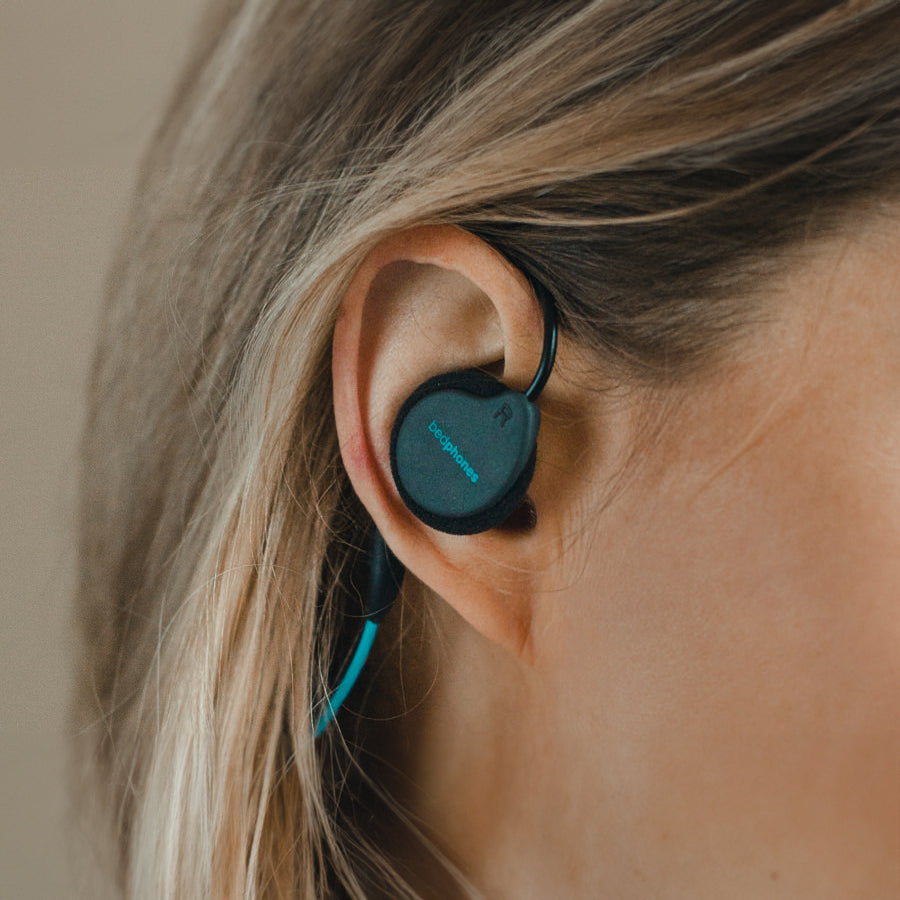
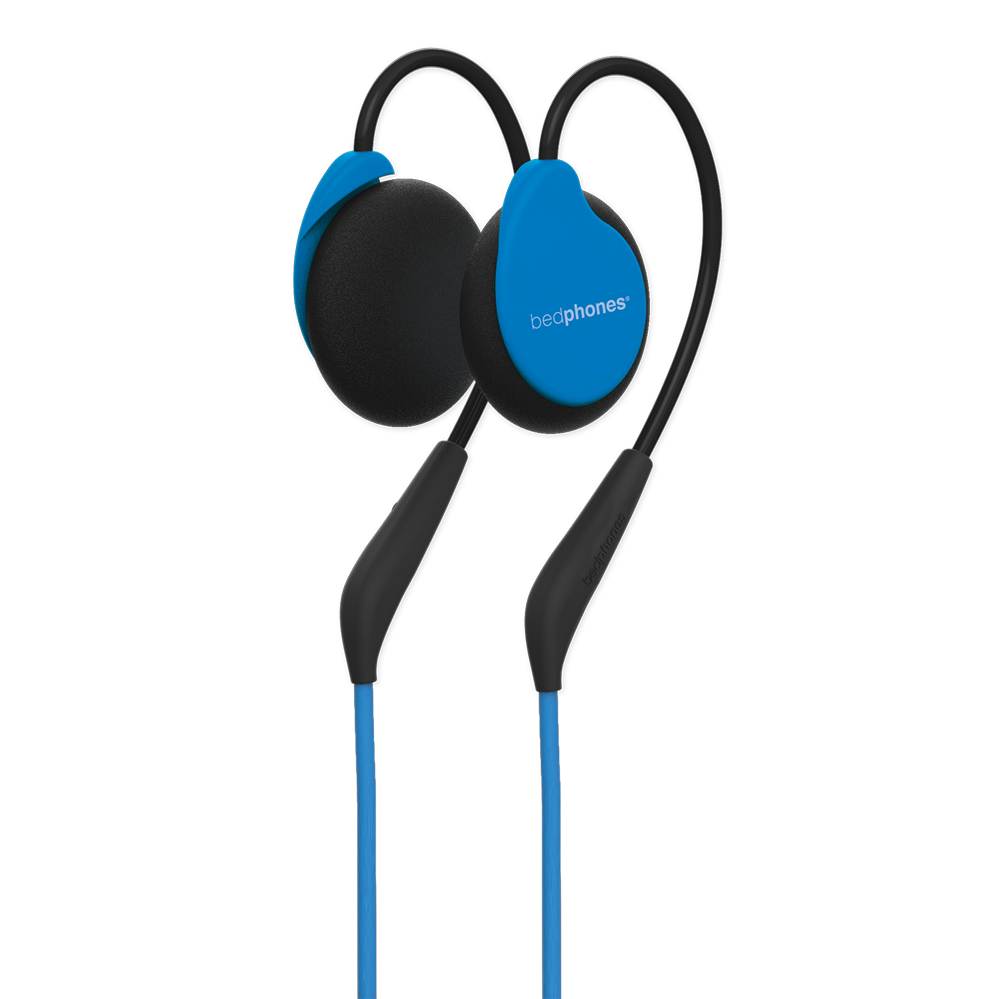
The ideal speakers are ultra-thin, flexible, and wrapped in a soft foam or fabric. When you press on them, they should feel almost completely flat. That's how you know they'll practically disappear against a pillow.
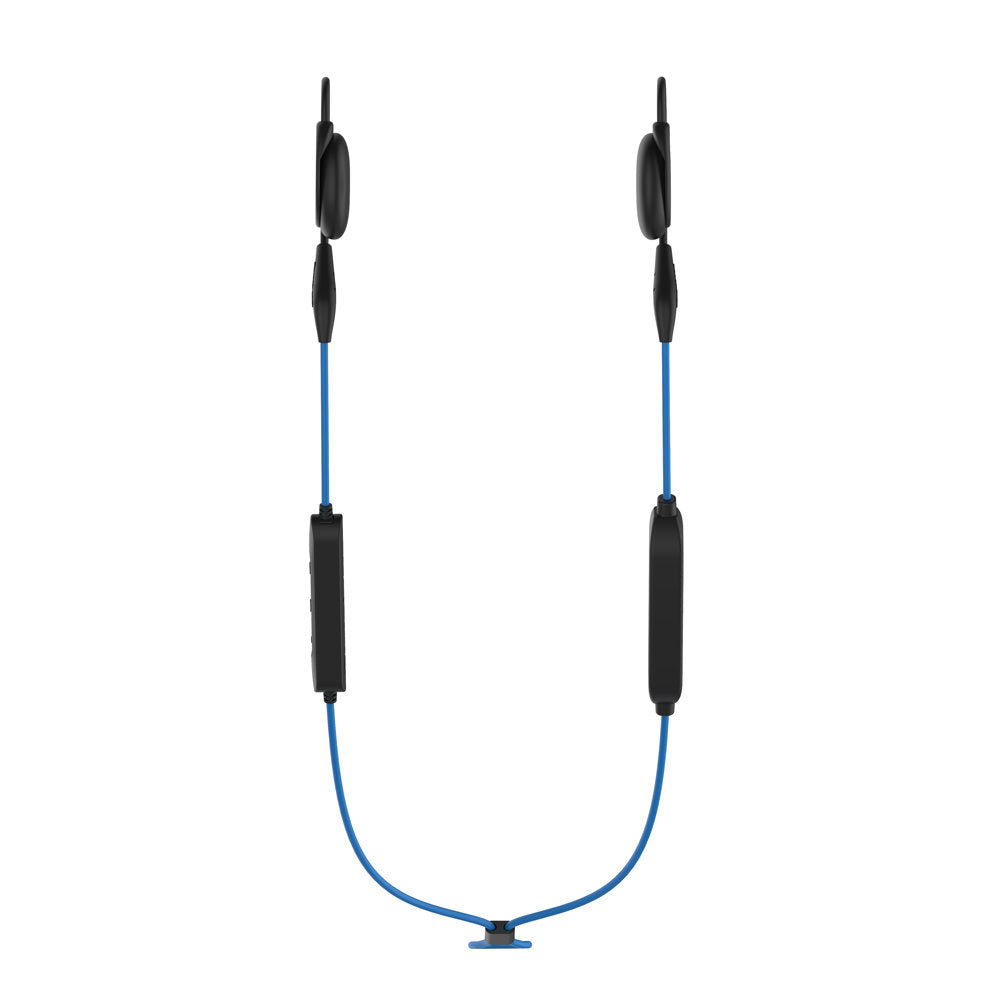
This is exactly the problem products like DubsLabs Bedphones were designed to solve. They were engineered from the ground up with incredibly thin, on-ear speakers that you can actually move around inside the headband for a perfect fit. It’s the difference between a product adapted for sleep and one truly designed for it.
The image below breaks down the key benefits that come from this comfort-first approach.
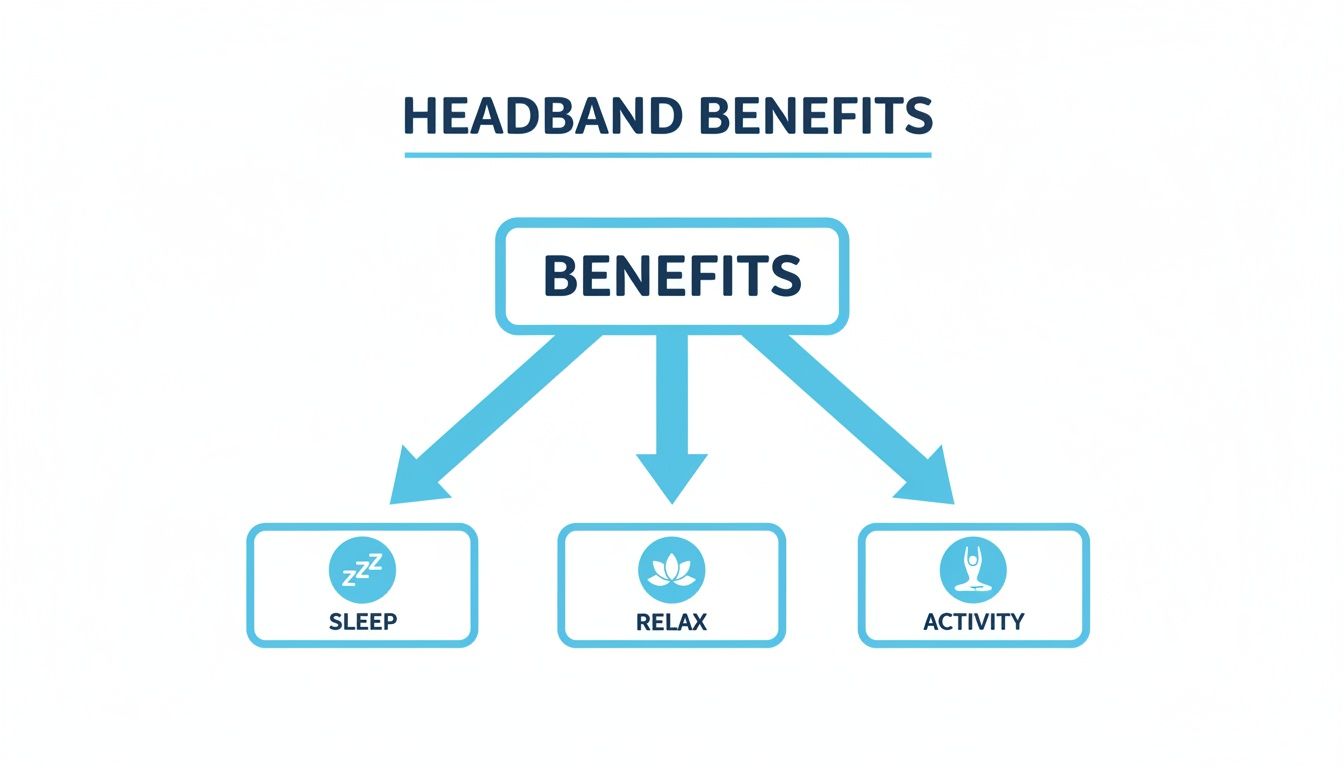
As you can see, a well-designed headband isn't just for sleep. It becomes a versatile tool for relaxation, meditation, and even light activity.
All-Night Power: Battery Life And Charging
Just imagine it: you're drifting off to calming rain sounds, and suddenly... silence. It's 3 a.m. A dead battery can jolt you right out of a deep sleep, completely defeating the purpose of wearing a sleep headband in the first place. That’s why you have to pay close attention to battery performance.
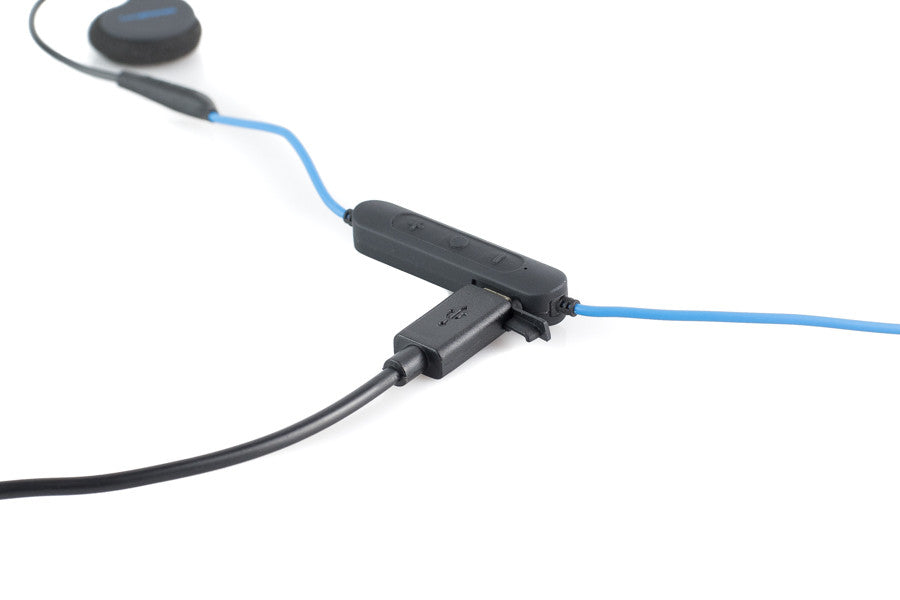
Look for a headband that promises at least 8-10 hours of continuous playback on a single charge. This gives you a full night's sleep without any "battery anxiety." You'll also want to check the charging time. Most will use a micro-USB or USB-C port and should get back to a full charge in about 2-3 hours.
Sound Quality And Connectivity
Let's be real, you're probably not looking for concert-hall audio fidelity in a sleep product. But the sound still needs to be clear, balanced, and free of any annoying static or distortion. The main job is to deliver audiobooks, ambient sounds, or music cleanly—no harsh treble, no muddy bass.
While most headbands do this reasonably well, it's the Bluetooth connection that often separates the good from the bad.
A stable connection is everything. You'll want a model that uses at least Bluetooth 5.0 or newer. This version gives you better range, a more stable signal, and improved power efficiency, which means fewer frustrating dropouts and a battery that lasts longer.
When you start looking, it helps to know what to prioritize. The table below summarizes the key features and why they are so important, especially for getting a good night's rest.
Feature Comparison for Headphone Headband Bluetooth Models
| Feature | What to Look For | Why It Matters for Sleep |
|---|---|---|
| Speaker Design | Ultra-thin, foam-covered, and adjustable speakers | Prevents painful pressure points for side sleepers, ensuring you can sleep in any position comfortably. |
| Fabric Material | Soft, breathable, and moisture-wicking (like lycra or fleece blends) | Keeps you cool and comfortable all night long, preventing overheating and skin irritation. |
| Fit & Adjustability | Stretchy fabric with a secure but gentle hold | Stays in place without slipping or causing headaches, even if you toss and turn. |
| Battery Life | 8-10+ hours of continuous playback | Lasts through an entire night without dying and waking you up. |
| Bluetooth Version | Bluetooth 5.0 or higher | Provides a stable, reliable connection that won't drop out and interrupt your audio. |
| Washability | Easily removable electronic components | Crucial for hygiene, allowing you to keep the headband fresh and clean. |
Ultimately, choosing the right headband comes down to what you need most. If you're a die-hard side sleeper, speaker thinness is your number one priority. If you plan to use it for meditation and yoga, you might focus more on the breathability of the fabric.
For a deeper dive into specific models and comparisons, you can check out our guide on the best wireless headphones for sleeping. By keeping these core features in mind, you'll be able to find the perfect audio companion to help you rest and relax.
Getting the Most from Your Headphone Headband
So, you’ve found the perfect audio sidekick for your chill-out sessions and sleepy nights. Unboxing that new headband is just the first step—learning how to really make it a part of your life is what guarantees you'll get years of reliable, comforting sound.
Think of it like getting a new plant. You don't just stick it on a shelf and hope for the best. You learn what it needs—how much light, how much water—so it can thrive. In the same way, a few simple tricks for pairing, cleaning, and troubleshooting will make your headband a go-to part of your routine you can't live without.
This guide will walk you through all the essentials, from the first time you connect it to keeping it fresh and working perfectly.
Pairing Your Headband: A Simple Walkthrough
Getting your headphone headband bluetooth connected to your phone, tablet, or laptop is usually a quick, no-fuss affair. Most are designed to be super intuitive, but the basic steps are pretty much the same no matter which one you have.
Here’s a simple, step-by-step process to get you connected in minutes:
- Charge It Up: Before anything else, give that headband a full charge. This makes sure the battery is ready to go and prevents weird connection drops right out of the box. A solid indicator light (usually blue) will let you know it's full.
- Enter Pairing Mode: Press and hold the power button on the Bluetooth control module for a few seconds. You’ll probably hear a voice prompt say something like "power on," followed by "pairing." A little light will start flashing, often blinking red and blue.
- Find It on Your Device: Pop open the Bluetooth settings on your smartphone or computer. Scan for new devices, and you should see the headband pop up in the list—it might be named after the brand or have a model number like "BT-FAAH."
- Select and Connect: Just tap on the headband’s name. You'll hear a confirmation chime or a voice saying "connected," and the flashing light will switch to a slow, steady pulse. That's it—you're ready to press play.
Once you’ve done this the first time, your device should automatically reconnect to the headband the next time you power it on, as long as Bluetooth is on.
Essential Care and Maintenance Tips
One of the best things about a fabric headband is that you can actually wash it, which is a must for hygiene if you're wearing it to sleep every night. Keeping it fresh is easy, but it requires one crucial step: taking the electronics out first.
Forgetting to remove the speakers and control module before washing is the number one mistake people make. The electronics are not waterproof, and getting them wet will kill them for good.
To keep your headband in tip-top shape, just follow these maintenance tips:
- Remove All Electronics: Look for the small opening in the back of the headband. Carefully slide out the control module and both speaker discs.
- Wash the Headband: You can hand wash the fabric band with a gentle detergent or toss it in a mesh laundry bag and run it on a delicate, cold cycle in your washing machine.
- Air Dry Completely: Never, ever put the fabric band in the dryer. High heat can mess with the material or make it shrink. Just lay it flat and let it air dry.
- Reinsert the Components: Once the band is totally dry, slide the speakers and control module back into their spots. Make sure the speakers are lined up right over your ears for the best sound.
Troubleshooting Common Problems
Even the best gear has a hiccup now and then. If your headphone headband starts acting strange, don't sweat it. Most problems are minor and can be fixed with a few simple steps.
Here’s a quick guide to solving the usual suspects:
| Problem | Potential Cause | How to Fix It |
|---|---|---|
| Won't Connect | Bluetooth glitch or low battery | Turn the headband off and on again. "Forget" the device in your phone's Bluetooth settings and re-pair it from scratch. Make sure the headband is fully charged. |
| Audio Is Cutting Out | Weak signal or interference | Keep your phone and headband close together. Thick walls or other electronic devices can sometimes mess with the Bluetooth signal. |
| Not Charging | Faulty cable or dirty port | Try a different charging cable and power brick. Check the charging port on the module for lint and gently clean it with a dry toothpick if you see anything. |
| One Speaker Not Working | Speaker wire is disconnected | Open up the headband and check if the wire connecting the silent speaker to the main module has popped out. Plug it back in firmly. |
By following these simple guidelines for pairing, cleaning, and troubleshooting, you’ll make sure your headphone headband stays a reliable and comforting part of your life for years to come.
Why Comfort-Focused Audio Is Everywhere Now
The rise of the headphone headband isn't just a random trend. It's a direct answer to a huge shift in how we think about our tech, our health, and our personal comfort. More and more, we're looking for gadgets that don't just do something, but actually make our lives better—especially when it's time to wind down and get some sleep.
This isn't happening in a bubble. It's the perfect storm of a few massive consumer trends colliding. We've seen the wellness industry explode, a multi-billion dollar "sleep economy" pop up, and an unstoppable demand for everything to be wireless. All of these have created the perfect environment for something like a Bluetooth headphone headband to really take off.
The Wireless Audio Boom
First, you have to look at the massive growth of wireless audio. We’ve enthusiastically ditched the tangled cords, switching to easy Bluetooth connections for just about everything, from gym sessions to Zoom calls. This universal move to wireless has pushed innovation forward and brought prices down, making great audio tech available to everyone.
And the market is huge. The global Bluetooth headphones market was worth around $16.2 billion in 2024 and is expected to hit $24.36 billion by 2030. That kind of growth shows just how deeply we've woven wireless audio into our daily lives. You can read more about this incredible expansion on Grand View Research.
Because wireless is now the standard, people aren't just looking for any old pair of headphones. They want specialized gear that solves a specific problem—like how to listen to a podcast when you're a side-sleeper.
The New "Sleep Economy"
At the same time, we've all woken up to how critical sleep is for our health. An entire industry—the "sleep economy"—has sprung up to help us get better rest. It covers everything from smart mattresses and blackout curtains to meditation apps and, you guessed it, audio gear designed for sleep.
In this new world, tech isn't the enemy of sleep anymore. Instead, it's becoming a tool to actually improve it. A headphone headband fits right in, using technology to create a peaceful sound bubble that can hide distractions and help you relax.
People are actively spending money on products that promise a better night's sleep. A comfortable, barely-there way to listen to calming sounds is an obvious and natural solution.
What's Really Driving the Demand?
A few key things are pushing this comfort-first audio movement into the spotlight. Each one solves a real-world problem that traditional headphones have ignored for years.
- The Wellness Movement: We're all trying to take better care of our mental and physical health. Tools like guided meditations, mindfulness apps, and calming soundscapes are becoming essential for managing stress, and headbands are the perfect way to listen.
- Comfort is King: After putting up with bulky, uncomfortable, and sometimes painful gadgets for years, we're demanding better design. The soft, flat, unobtrusive feel of a headband is exactly what people have been asking for.
- The Tech is Finally Ready: Today's Bluetooth is incredibly reliable and power-efficient. A single charge can easily last through the night, which makes these headbands a practical choice for uninterrupted sleep.
When you get right down to it, the headphone headband is more than just a clever product. It's a sign that companies are finally listening to what we really want: technology that fits seamlessly into our lives and helps us feel better, rest easier, and get a great night's sleep.
Why Bedphones Are Engineered for Better Sleep
Let's be honest: most headphones are made for people who are standing up and moving around. Bedphones started with a completely different question: what would headphones look like if they were built from the ground up just for sleeping?
This question came from the unique challenges of listening to audio while lying down. For side sleepers, in particular, traditional headphones and earbuds just don't work. They're painful, they're bulky, and they're just plain impractical.
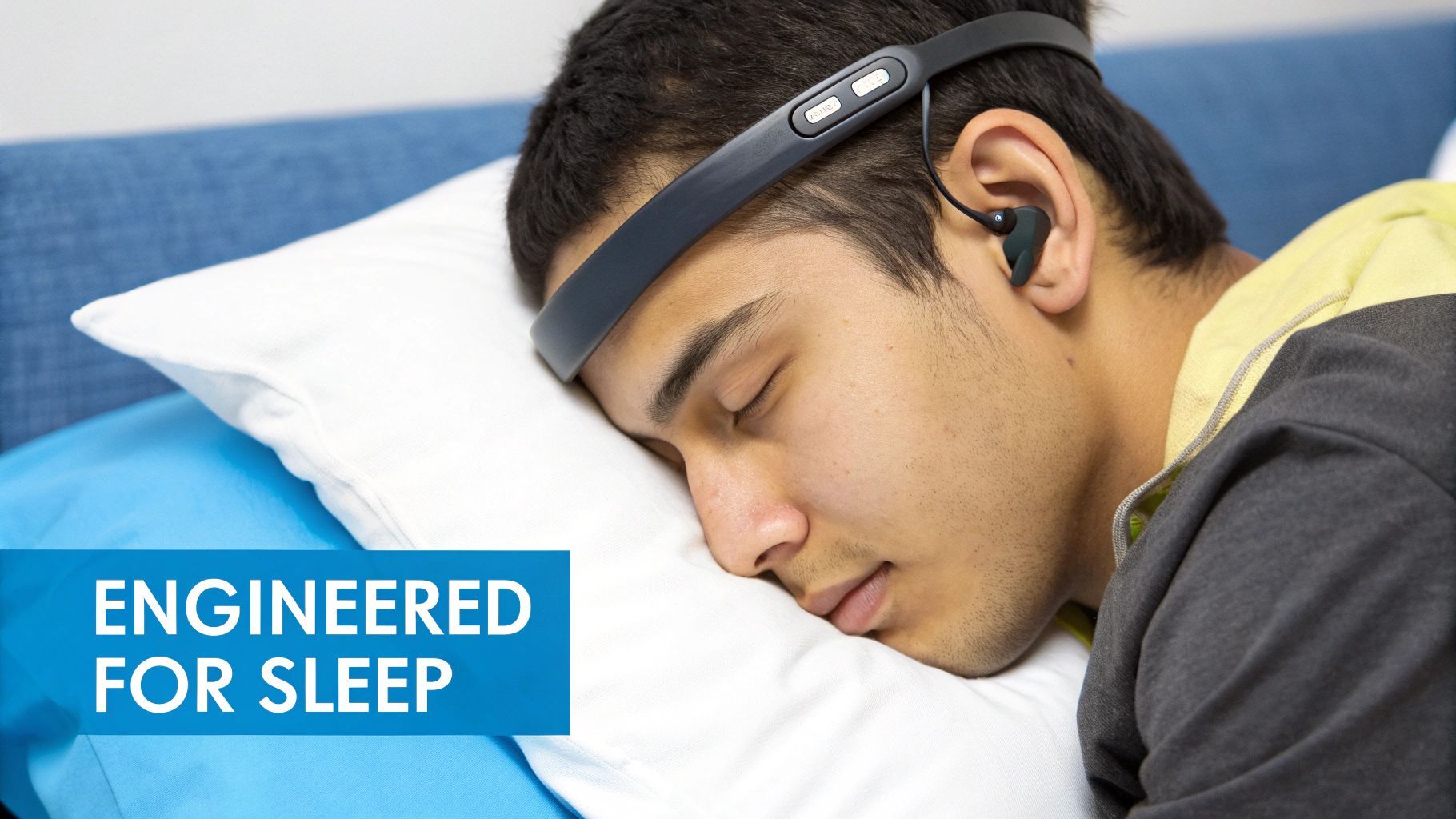
This mission forced us to focus on two things: making them radically thin and completely adjustable. The heart of the Bedphones design isn't just a standard speaker stuffed inside a piece of fabric. It’s a patented, impossibly thin on-ear speaker that’s also incredibly lightweight. This design directly targets the number one complaint from side sleepers—that painful pressure point where bulky plastic digs into your ear and temple.
Designed to Disappear
The true test of great sleep headphones is how quickly you forget you're even wearing them. To make that happen, Bedphones have fully adjustable speakers that you can slide inside the soft, breathable headband to position them perfectly over your ears. This custom fit is all about getting great sound without creating any annoying pressure.
The speakers themselves are really the main innovation here. We designed them to be so flat that when you roll onto your side, they feel like they’re not even there. That’s a huge difference from most generic headband headphones that just use thicker, off-the-shelf speaker parts.
Bedphones aren’t just comfortable for sleep; they are engineered from the experience of sleeping. Every component, from the patented thin speakers to the soft fabric, was chosen to solve a specific problem that interrupts rest.
Powering a Full Night of Rest
The next critical piece of the puzzle is all-night performance. A battery that gives out at 3 a.m. is a rude awakening, and it totally defeats the purpose of a sleep aid. That’s why we made sure Bedphones could easily last over 10 hours of continuous playback on a single charge.
This means your calming soundscape, podcast, or audiobook can play straight through the night without you ever having to worry about the battery dying. The experience is seamless, from the moment you lie down to the moment you wake up.
Finally, we picked materials with long-term comfort and hygiene in mind. The headphone headband bluetooth is made from a premium, moisture-wicking fabric that stays cool all night. Plus, once you pop the electronics out, it's fully machine washable.
Every one of these deliberate choices—from the patented ultra-thin speakers to the all-night battery—comes together to create a solution purpose-built for better sleep. If you've been searching for a truly comfortable way to listen to audio in bed, we invite you to experience the difference for yourself.
Still Have Questions?
Even with all the details, you might still have a few lingering questions about making a headphone headband a part of your routine. Let's tackle some of the most common ones we hear.
Can I Use Them If I'm a Back Sleeper?
Absolutely. While they're a total game-changer for side sleepers, the soft fabric and paper-thin speakers make them incredibly comfortable for back sleepers, too. They stay put without creating any annoying pressure points on the back of your head.
How's the Sound Quality for Music?
The audio is specifically tuned for clarity, making it fantastic for podcasts, audiobooks, and those calming ambient soundscapes. While they won't deliver the heavy bass of premium over-ear headphones, they provide a clean, balanced sound that's perfect for relaxation and drifting off to sleep.
A headphone headband is built for all-night comfort, not audiophile-grade sound. The main goal is clear, pleasant audio that helps you unwind, not critical, analytical listening.
What If the Headband Feels Too Tight or Loose?
Most headbands use a stretchy, flexible fabric that’s designed to fit a wide range of head sizes comfortably. If you're worried about getting the right fit, look for brands that offer different sizes or have adjustable straps for a more personalized feel.
Will the Battery Last the Whole Night?
Yes, any quality headphone headband is designed for all-night use. You'll want to look for models that offer at least 8-10 hours of continuous playback on a single charge. This ensures your audio won't suddenly cut out and jolt you awake before your alarm goes off.
Ready to feel the difference a truly sleep-focused design can make? DubsLabs offers a risk-free trial on our Bedphones, engineered with patented, ultra-thin speakers for comfort you have to feel to believe. Explore Bedphones and find your perfect night's sleep at https://www.dubslabs.com.