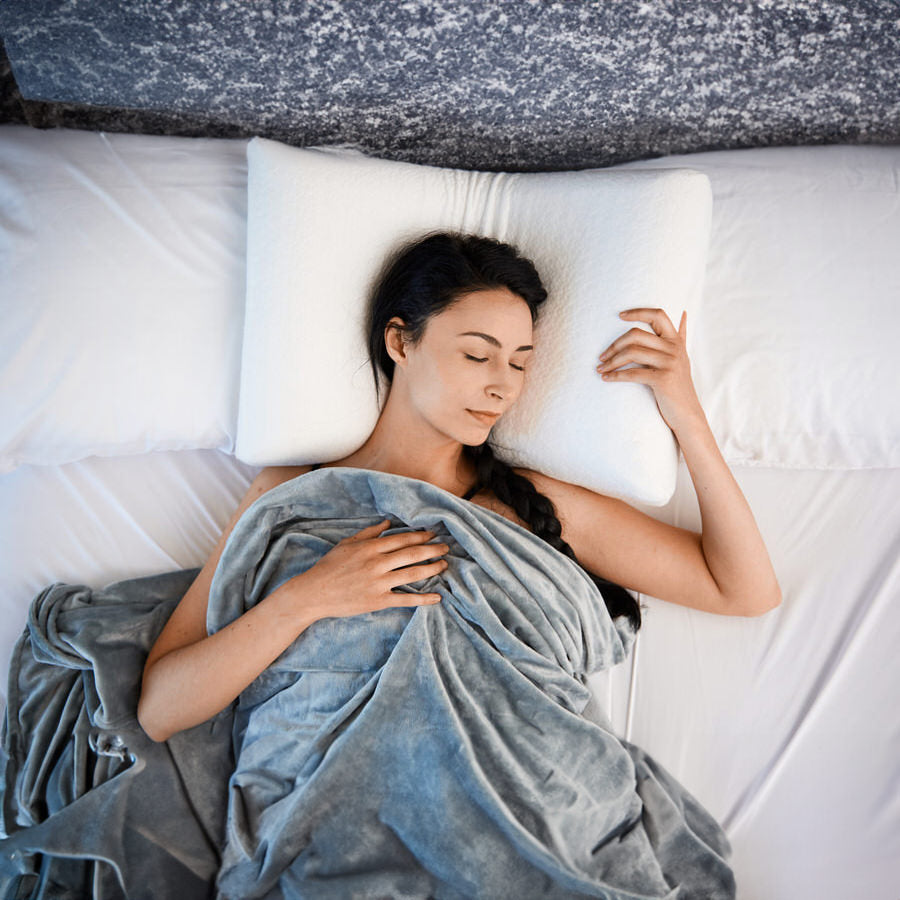
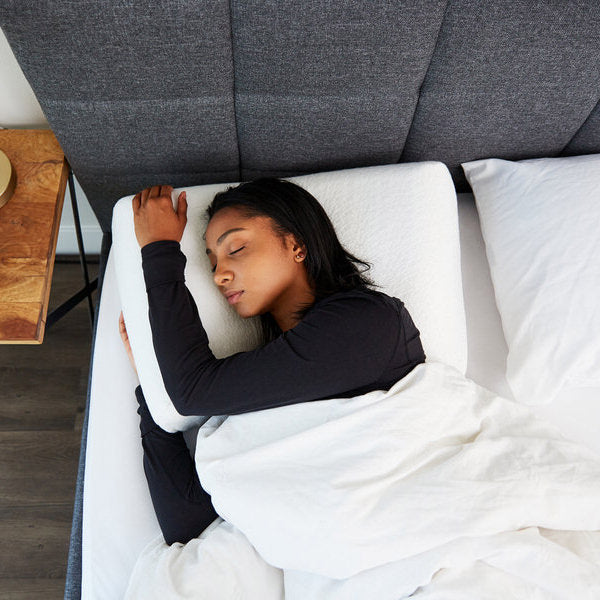
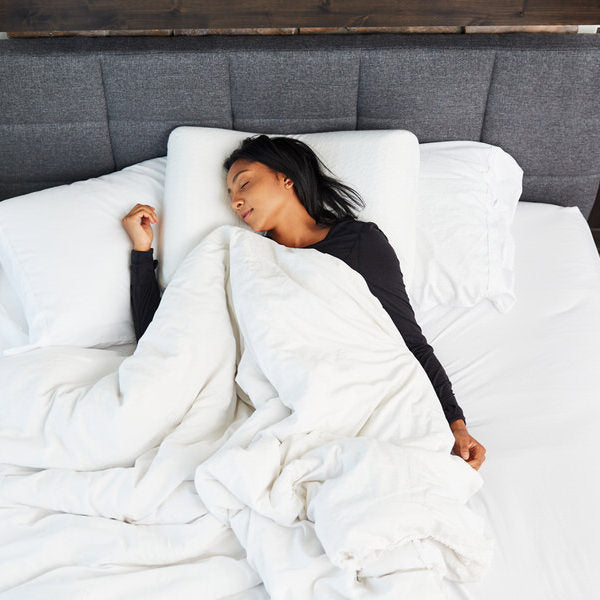
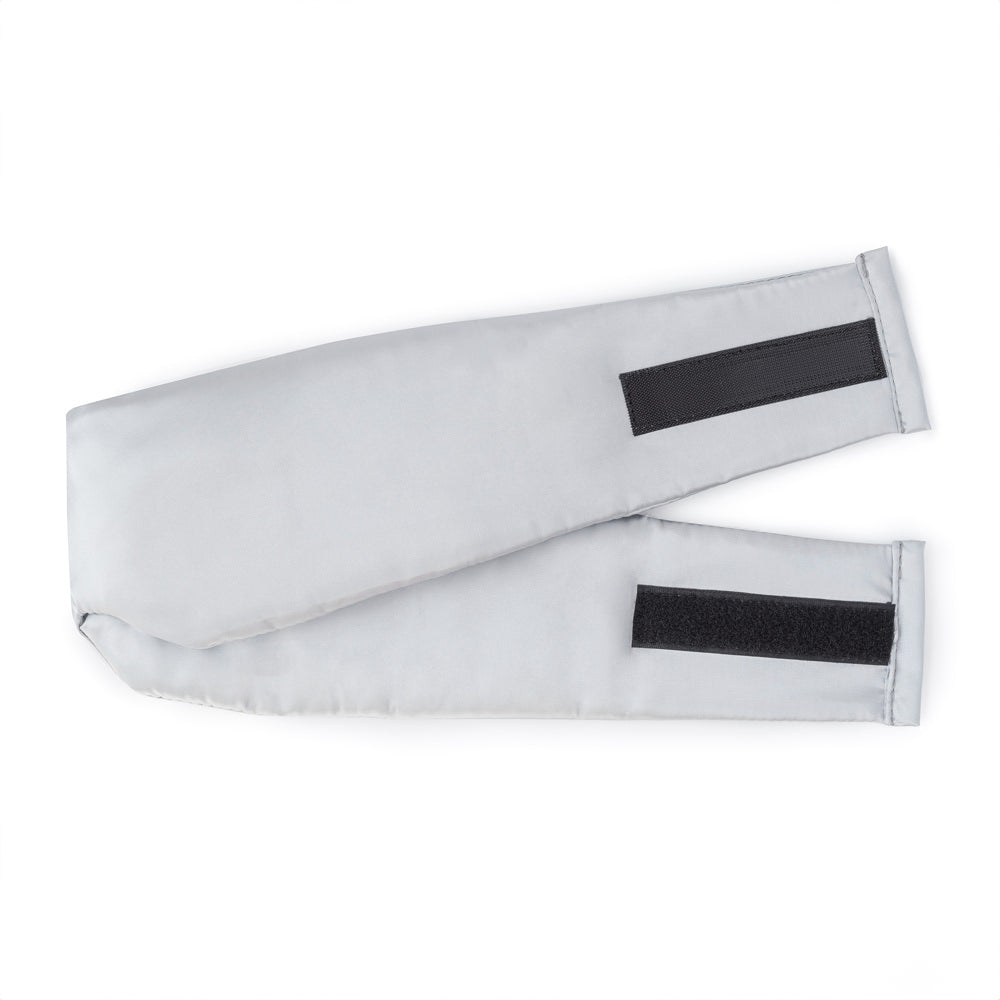
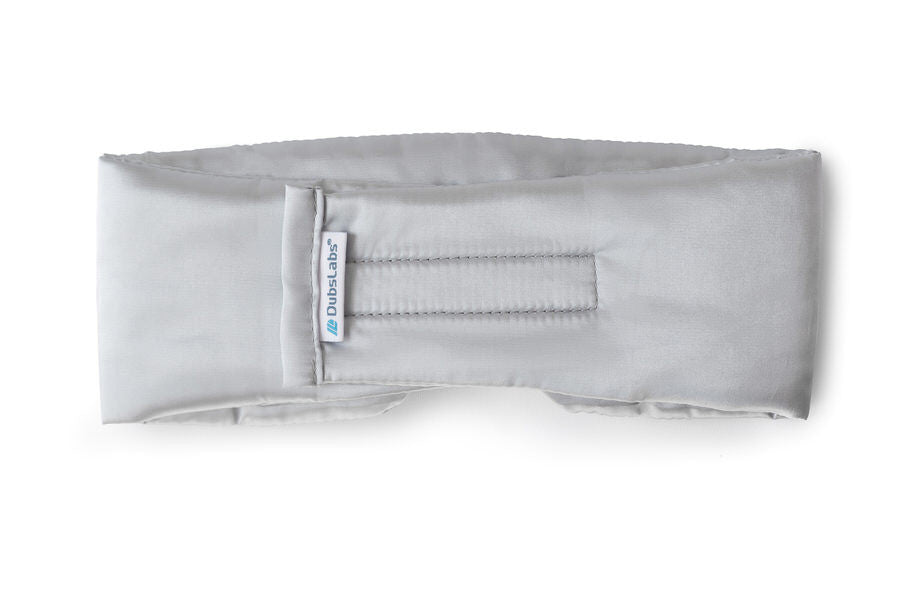
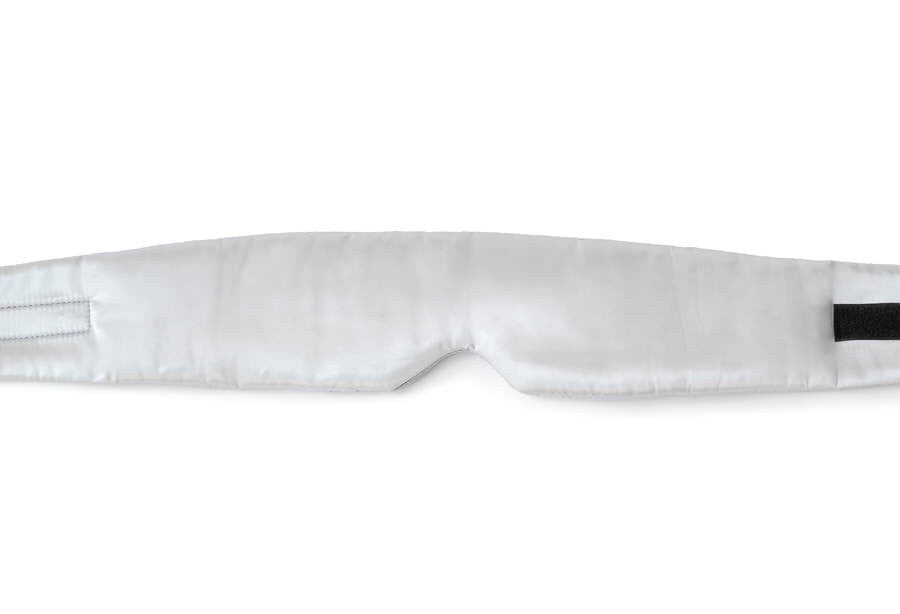
The best earbuds for sleeping on your side share one crucial feature: an ultra-slim, low-profile design. This allows them to sit flush with your ear, preventing that awful, painful pressure when you lie down. Unlike those bulky earbuds you use during the day, these are specifically built for all-night comfort so you can drift off to your favorite audio without being rudely awoken by a plastic jab in the ear.
The Side Sleeper's Dilemma with Earbuds
If you're a side sleeper, you already know the story. The moment your head hits the pillow, that standard-issue earbud turns into a sharp, uncomfortable pressure point. It’s a frustratingly common problem that can turn a relaxing bedtime routine into a source of real irritation.
This isn't just a minor annoyance; it's a fundamental design flaw. Most earbuds are made for daytime use—walking, working out, or sitting upright at a desk. Their shape, size, and hard plastic materials just weren't made for the physics of lying on your side for hours on end. The result is always the same: ear pain, interrupted sleep, and the feeling that you have to choose between comfort and your favorite podcast.
Why Your Current Earbuds Fail the Test
The search for a better solution is a huge deal, driven by a global need for better rest. With sleep disorders affecting billions—roughly 1 in 3 adults don't get enough sleep—and side sleepers making up over 60% of the population, the demand for comfortable nighttime audio has skyrocketed.
In fact, some studies show that up to 55% of people who try sleeping with earbuds eventually give up because of the pressure and pain. This highlights a massive gap in a market that's clearly struggling to meet the needs of a huge chunk of the population. This common struggle leads many of us down a rabbit hole of trial and error, but the core problems don't change.
To find something that actually works, you have to look for features specifically designed to tackle these challenges head-on. For a deeper dive into getting a truly restful night, check out our guide on how to sleep comfortably on your side.
Essential Features for Side Sleeper Earbuds
Before we get into the nitty-gritty, let's quickly cover the most important features to look for. This table breaks down what truly defines a great pair of earbuds for sleeping on your side.
| Feature | Why It Matters for Side Sleepers |
|---|---|
| Low-Profile Design | Prevents the earbud from pressing into your ear canal when your head is on the pillow, which is the number one source of pain. |
| Soft, Flexible Materials | Uses materials like medical-grade silicone that conform to your ear's shape, getting rid of those hard pressure points. |
| Secure and Stable Fit | Ensures the earbuds stay put even if you toss and turn, so they don't fall out and wake you up mid-slumber. |
| All-Night Battery Life | Needs at least 8-10 hours of continuous playback, so your white noise or audiobook doesn't die in the middle of the night. |
This quick list gives you a solid starting point. Now, let’s explore each of these features in a bit more detail to understand why they are so critical for a good night's sleep.
What to Look for in Your Sleep Earbuds
Picking the right earbuds for sleeping on your side has less to do with big brand names and more to do with smart, comfort-focused design. When your ear is smashed against a pillow for eight hours straight, even the tiniest bump or hard plastic edge can turn into a major source of pain. It's time to get specific and figure out what separates a great night's sleep from a miserable one.
Here’s a simple way to think about it: would you rather rest your head on a smooth, flat river stone or a jagged rock? The answer is pretty obvious. The exact same logic applies to what you stick in your ear all night. A bulky, protruding earbud is that jagged rock, creating a nasty pressure point that's guaranteed to wake you up. The ideal sleep earbud is the river stone—sleek, smooth, and designed to sit totally flush with your ear.
Getting this one decision right is the key to finding real comfort. This little guide breaks down the most important choice you'll have to make.
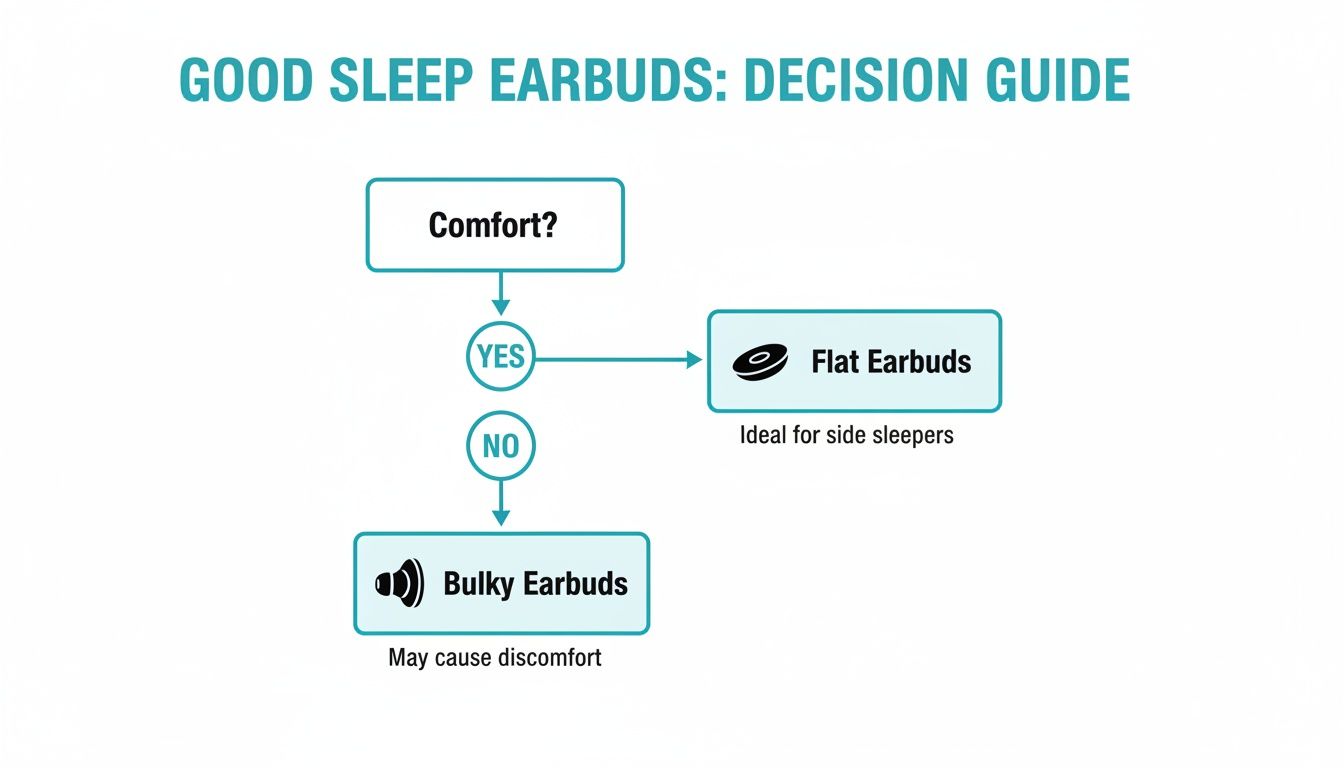
As you can see, the path to a good night's sleep starts and ends with a low-profile design that just gets out of the way.
The Critical Role of Profile and Fit
The single most important factor is the earbud's physical shape, which we call its profile. A low-profile earbud is specifically made to nestle inside the folds of your outer ear (the concha) without sticking out. This is what stops it from getting jammed into your ear canal when your head hits the pillow.
Look for earbuds made from soft-touch silicone instead of hard, unforgiving plastic. That little bit of flex allows the earbud to conform to your ear's unique shape, spreading out the pressure instead of concentrating it. You should also pay close attention to the ear tips. Standard silicone tips are fine, but memory foam tips can be a complete game-changer for side sleepers. They expand gently inside your ear to create a secure seal while offering way more pressure relief.
Beyond Comfort: Key Technical Specs
While a comfy fit is non-negotiable, a few technical details can make or break your nighttime audio experience. These are the features people often forget about, but they're essential for a peaceful, uninterrupted night for both you and anyone sleeping next to you.
- Sound Leakage: This is just a term for how much audio escapes the earbud and can be heard by someone else. A good, tight seal is crucial to keep your podcast or white noise from becoming your partner's new, unwanted soundtrack.
- All-Night Battery Life: This one's simple—your sleep earbuds have to last the entire night. Look for a pair that offers at least 8-10 hours of continuous playback on a single charge. The last thing you want is for them to die at 3 AM.
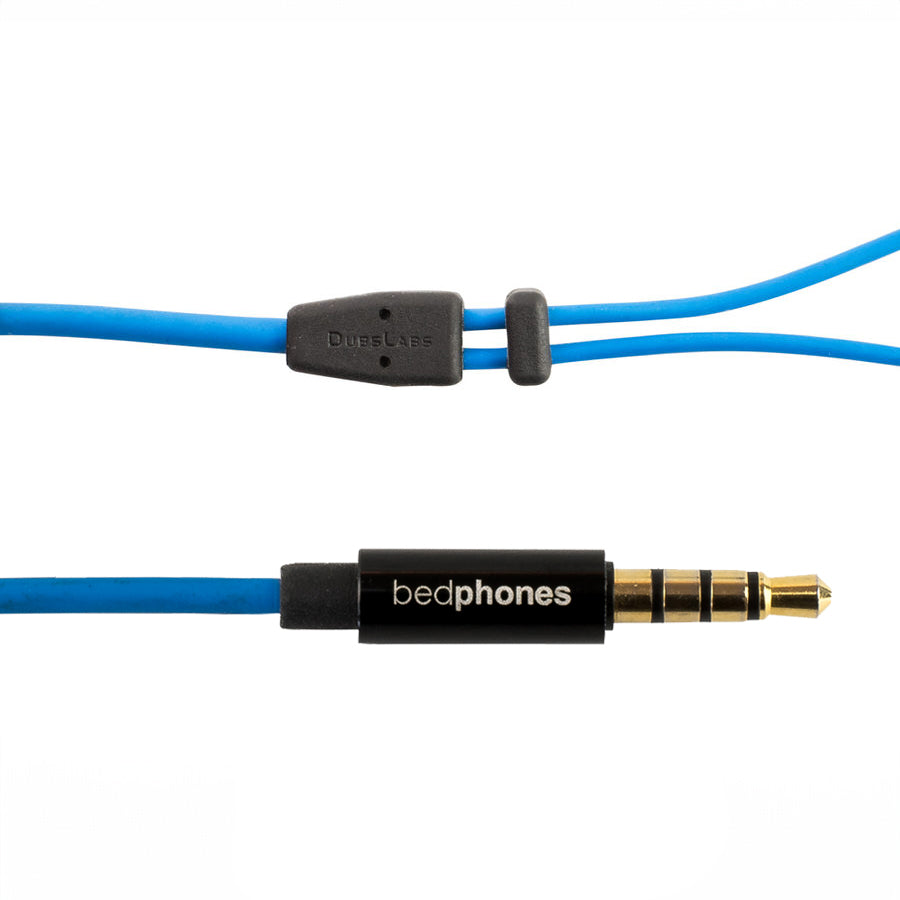
- Wireless vs. Wired: True wireless earbuds completely remove the risk of getting tangled up in cords while you toss and turn. That said, some people still prefer wired options for their plug-and-play simplicity and the fact that they never need charging.
The real goal here is to find a device that just disappears into your sleep environment. It shouldn't just feel comfortable; it should be so unobtrusive that you forget you're even wearing it. True comfort comes from a design that actually understands and respects the unique pressures of side sleeping.
Choosing Your Connection and Controls
Finally, give some thought to usability. Are the controls simple enough to use in the dark? Can you easily pause your audio or change the volume without having to grab your phone and blind yourself with the screen? Some sleep-specific earbuds have simplified controls or dedicated apps designed for sleepy, fumbling fingers.
Whether you go for a wired or wireless model, just make sure it fits your habits. For those who want to see all the options, our guide to comfortable headphones for sleeping takes a broader look at different designs and what they're good for.
Ultimately, the best earbuds for sleeping on your side are the ones that nail the low-profile fit and back it up with the practical features you need for a truly restful night.
Rethinking Earbuds for Ultimate Sleep Comfort
After diving deep into all the features that make or break an in-ear device, it's worth taking a step back and asking a simple question: what if the best solution wasn't putting something in your ear at all? For so many side sleepers, the real villain is the internal pressure created by an earbud, no matter how tiny it is. This realization has sparked a quest for smarter designs in a market that's growing faster than ever.
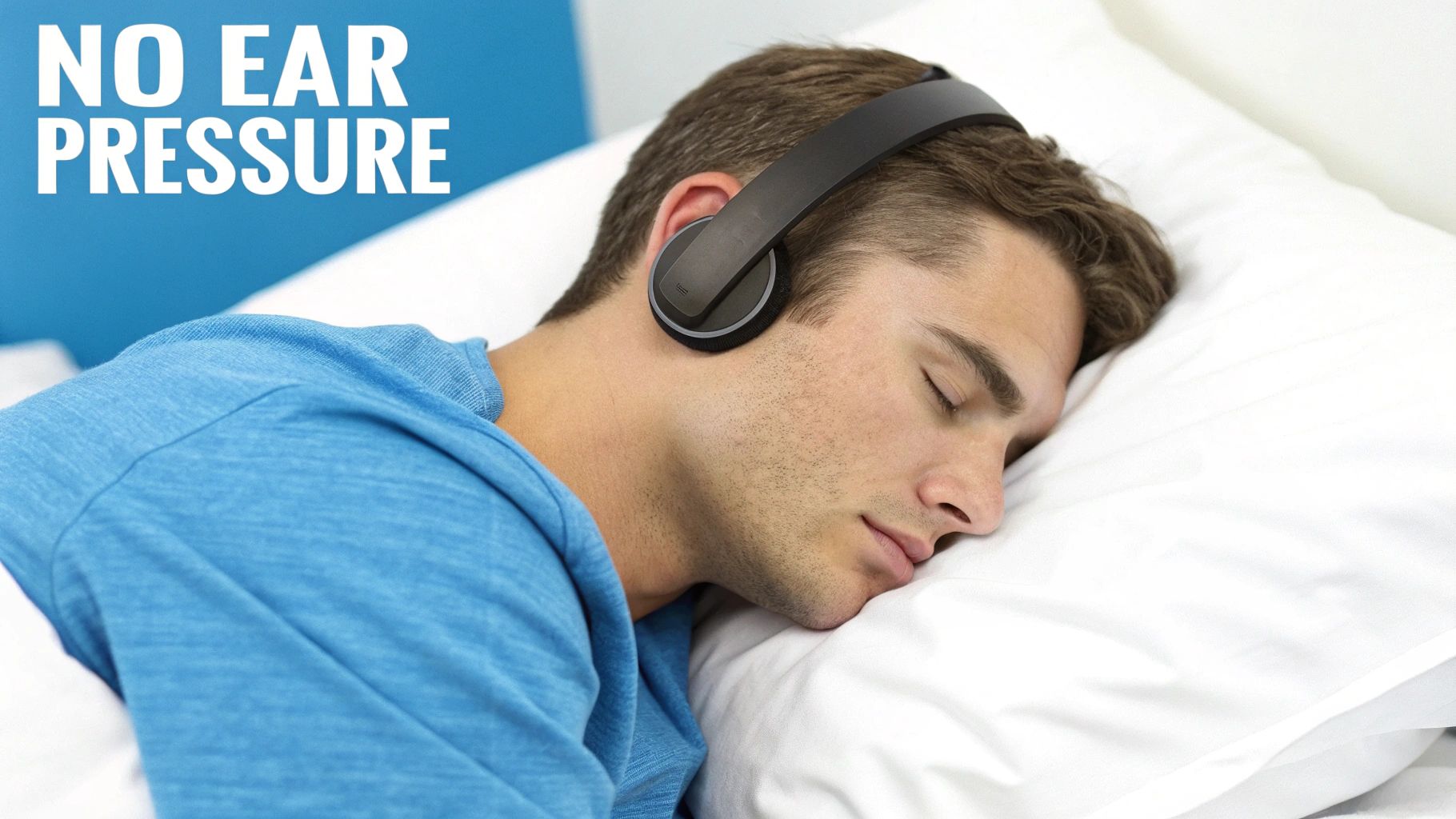
This hunt for uninterrupted rest has created a massive niche. The global market for noise-canceling sleep aids is now valued at a staggering $15.65 billion, which proves people are desperately searching for answers. Side sleepers are in a particularly tough spot, with some wellness reports showing that 62% wake up in the middle of the night from soreness caused by standard buds. Thankfully, innovative designs are finally showing up to tackle this problem head-on. You can discover insights on the sleep earbud market and see just how big this movement has become.
A New Approach to Sleep Audio
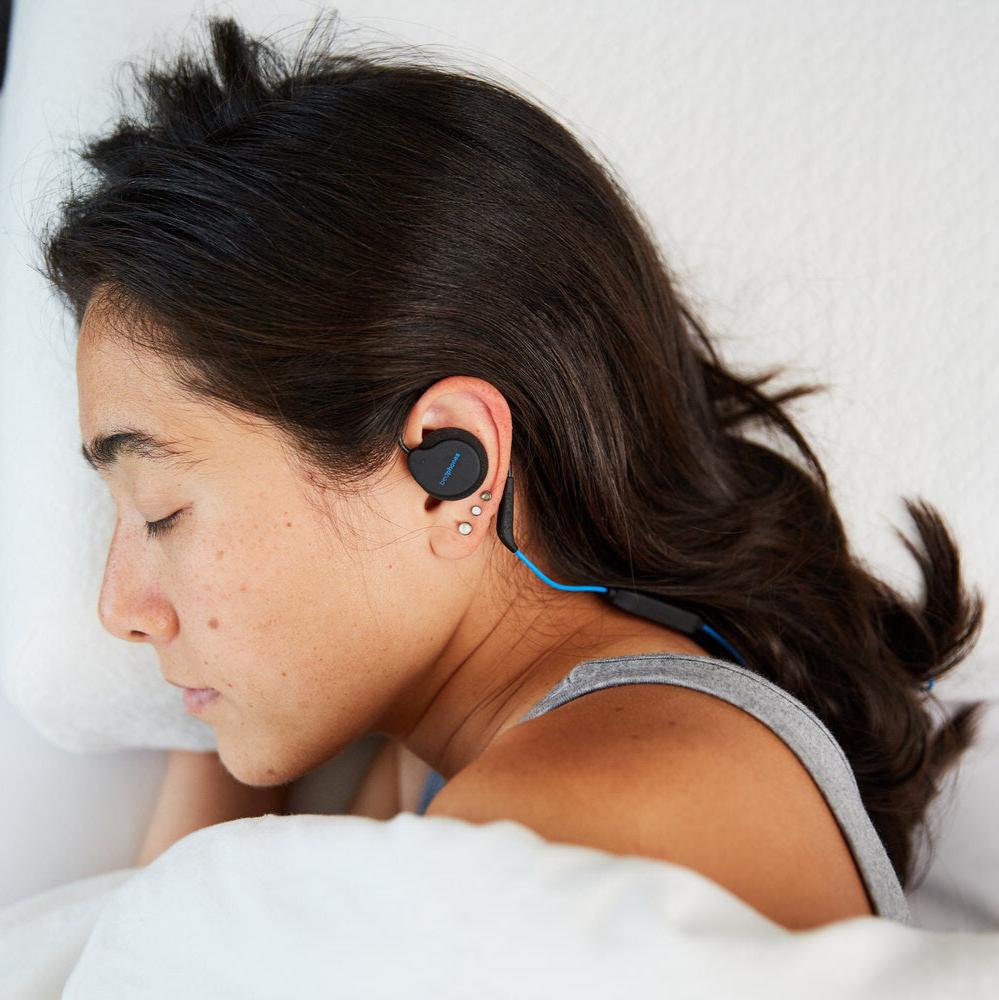
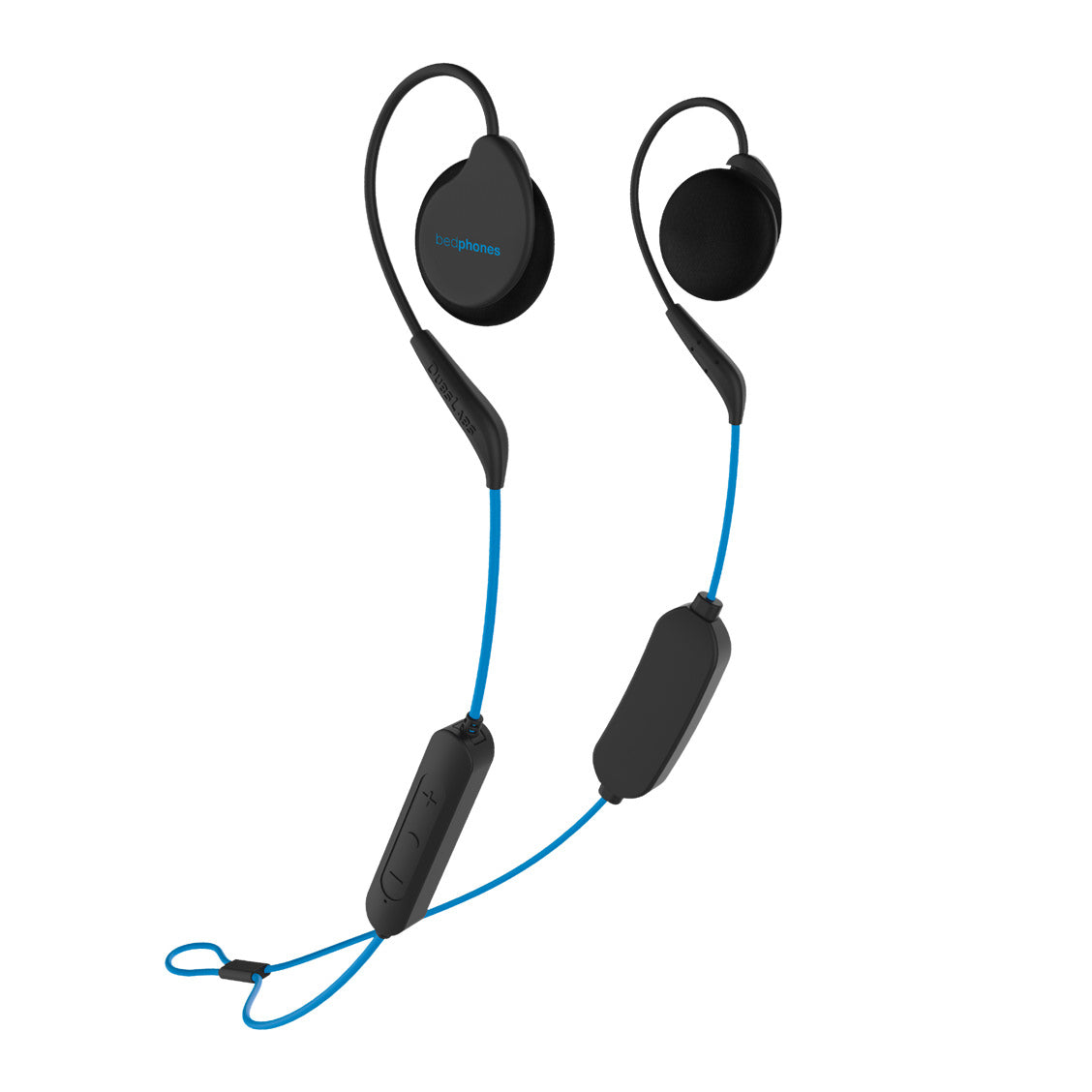
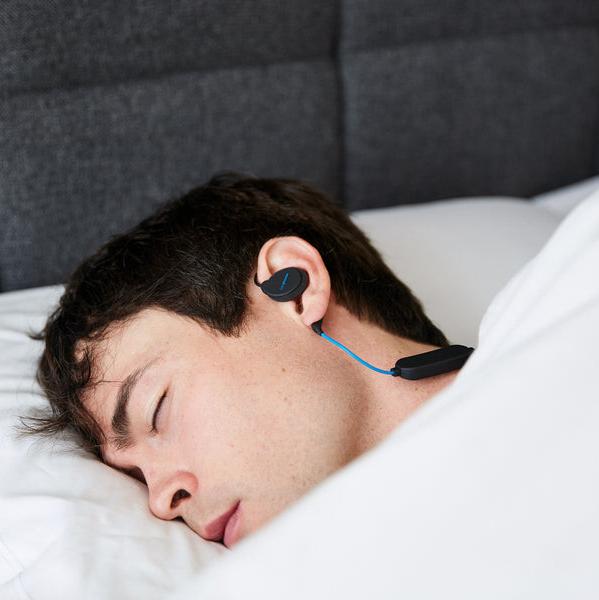
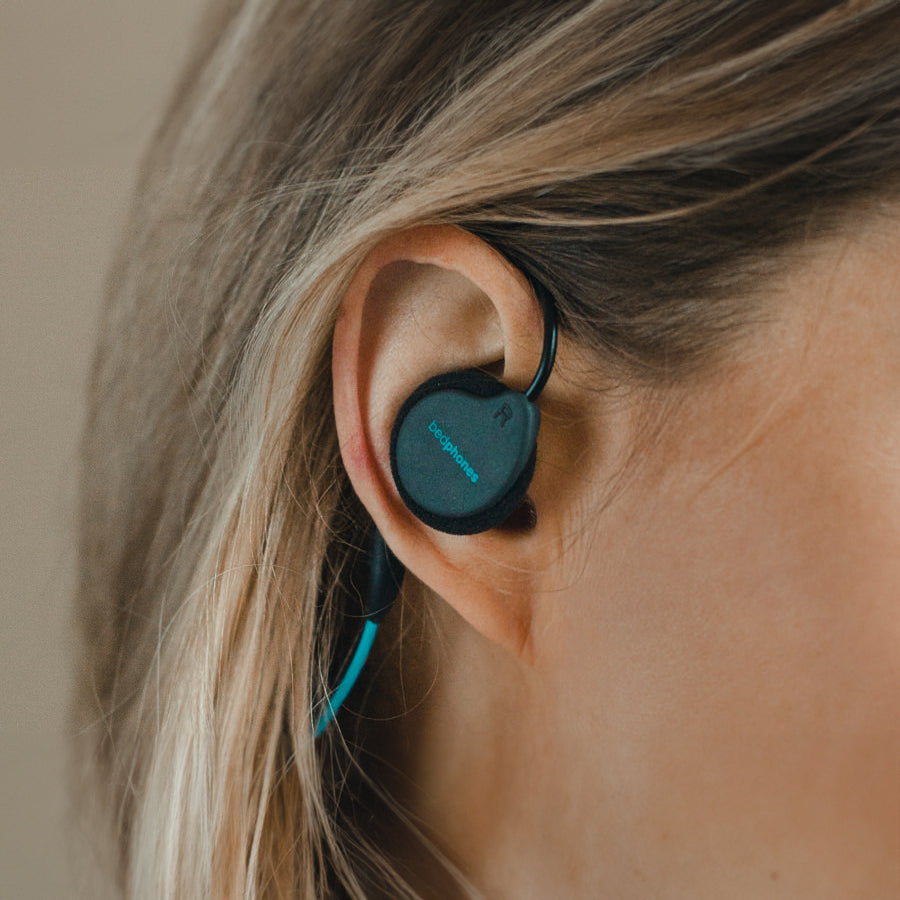
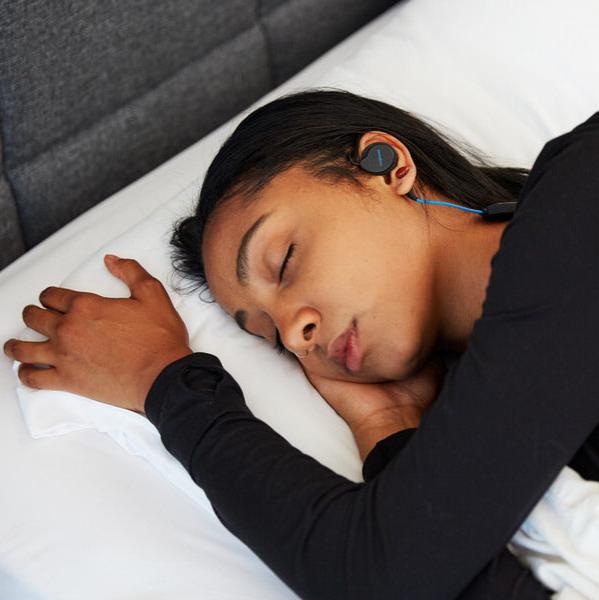
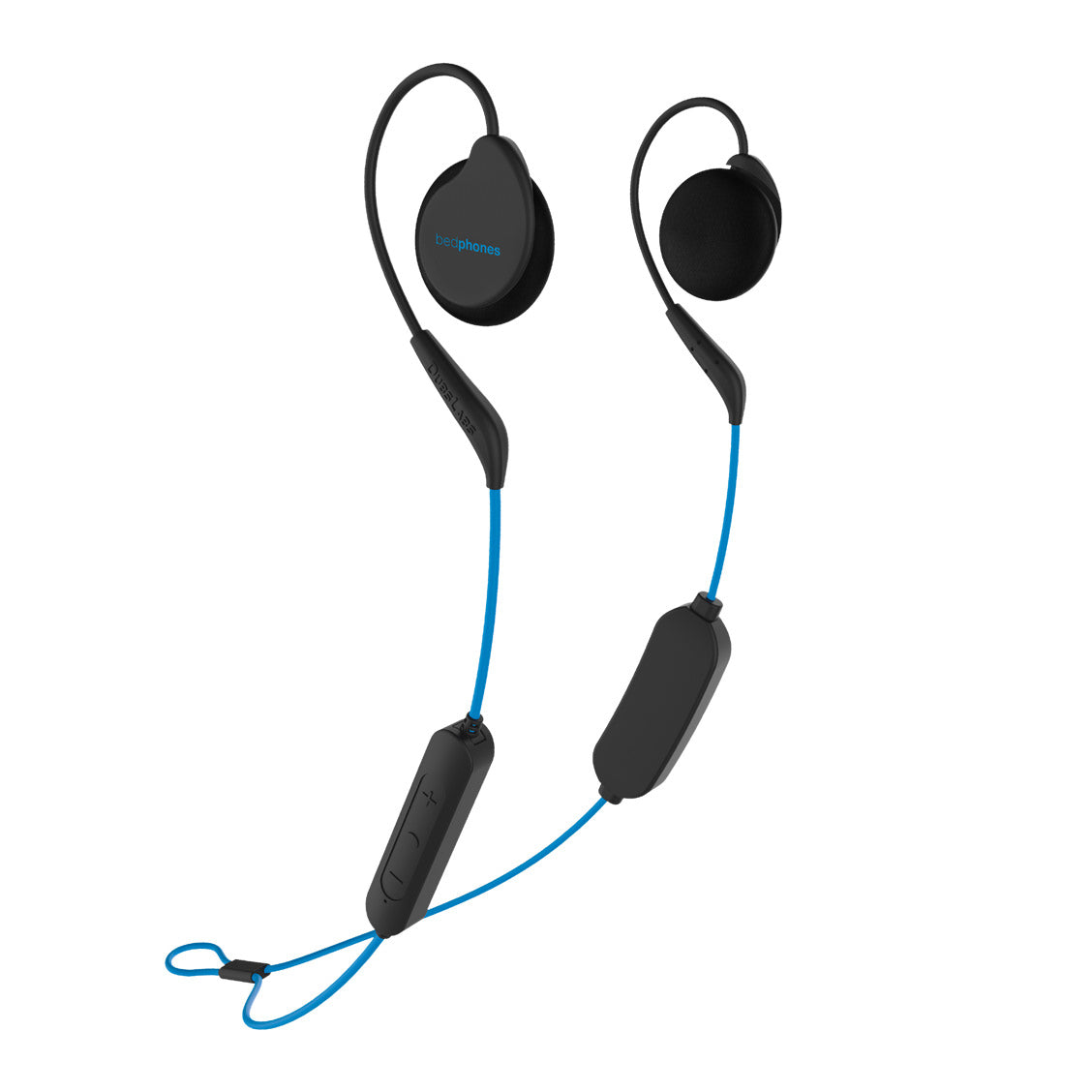
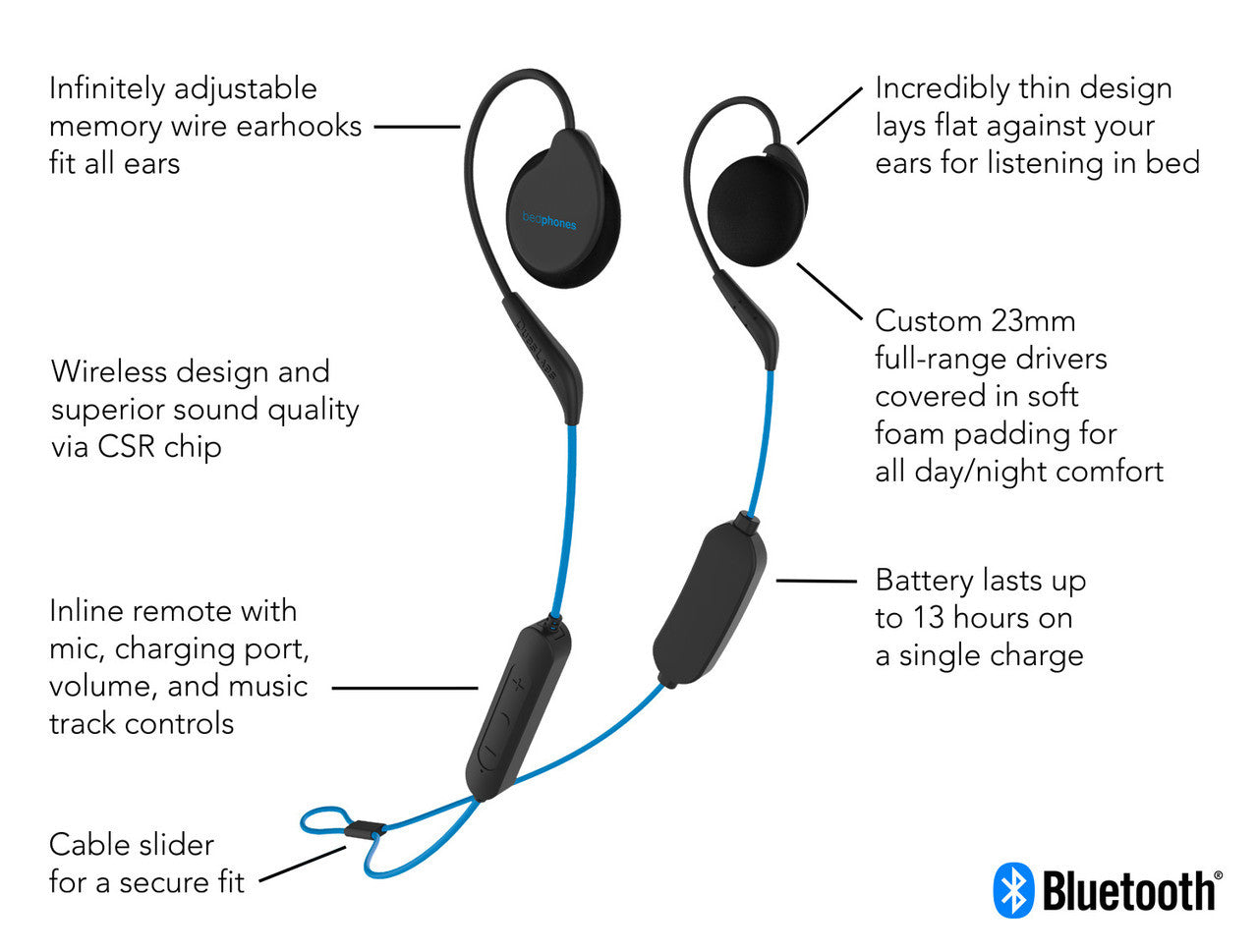
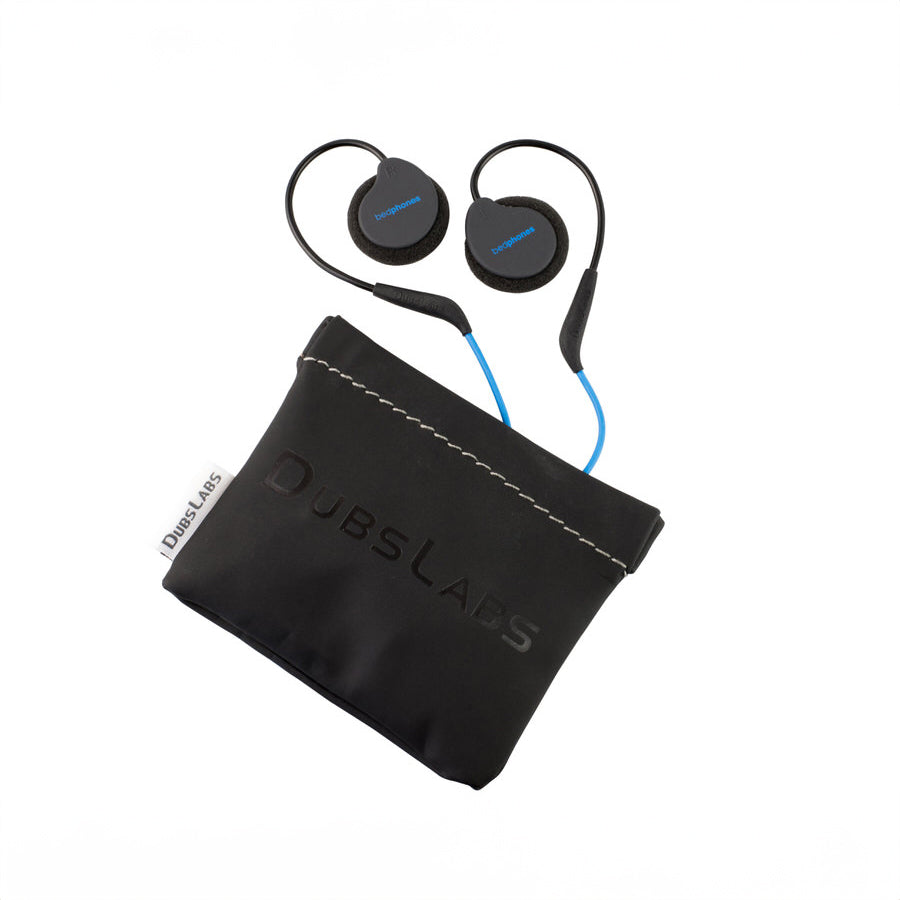
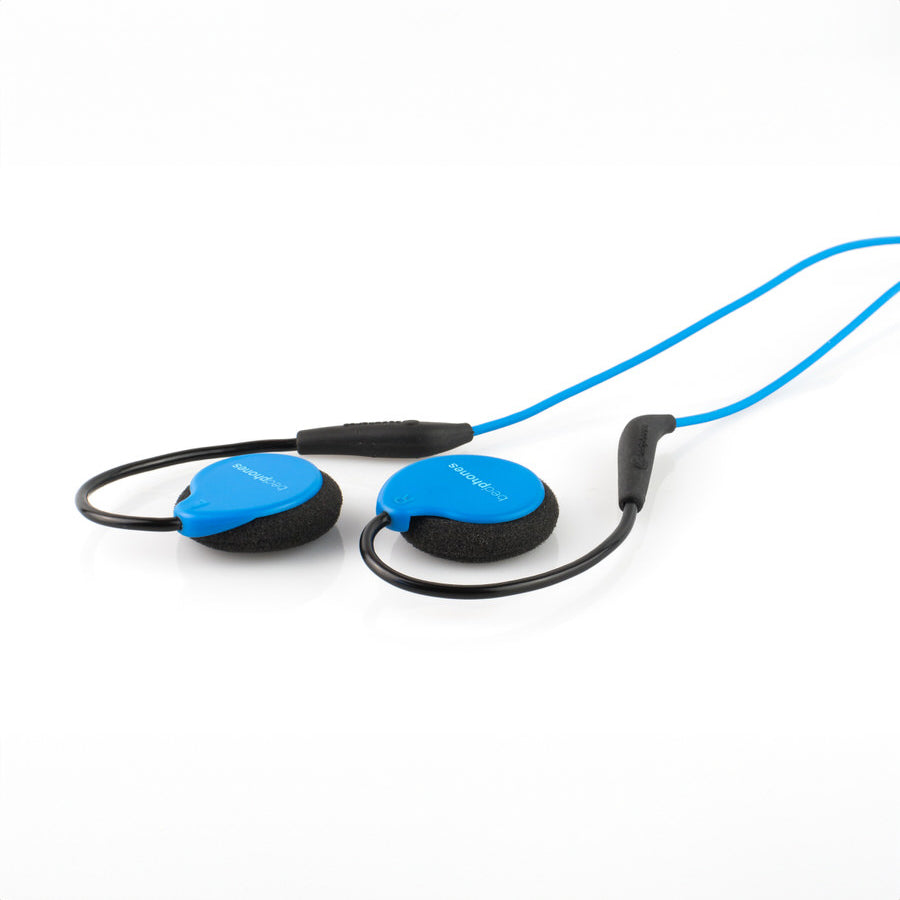
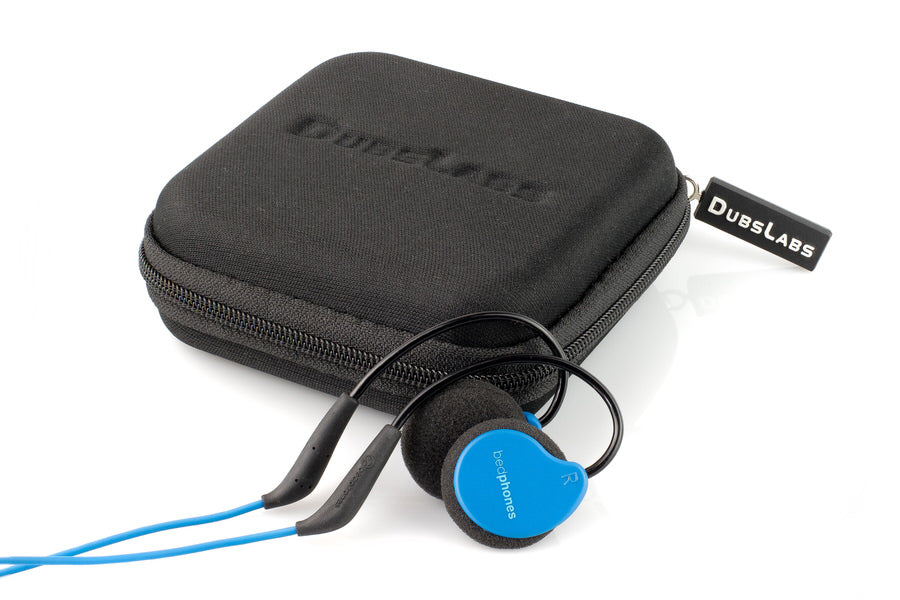
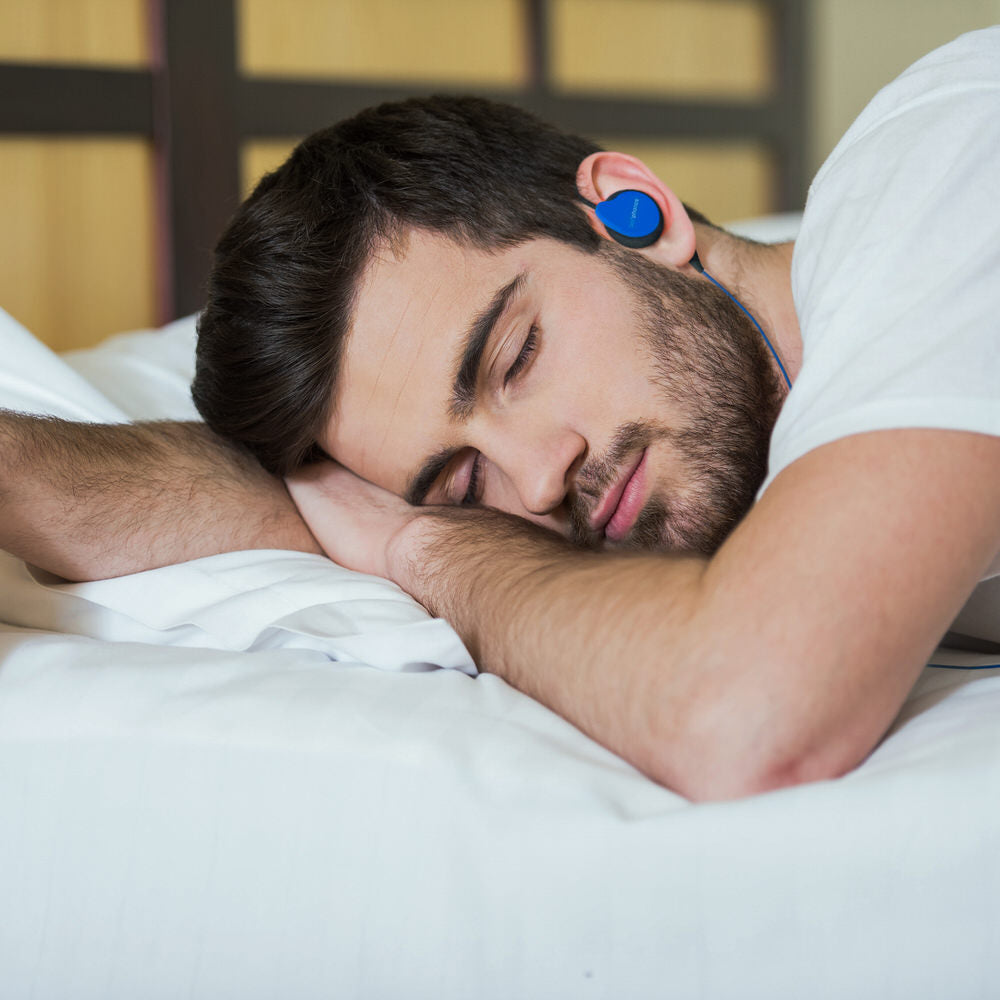
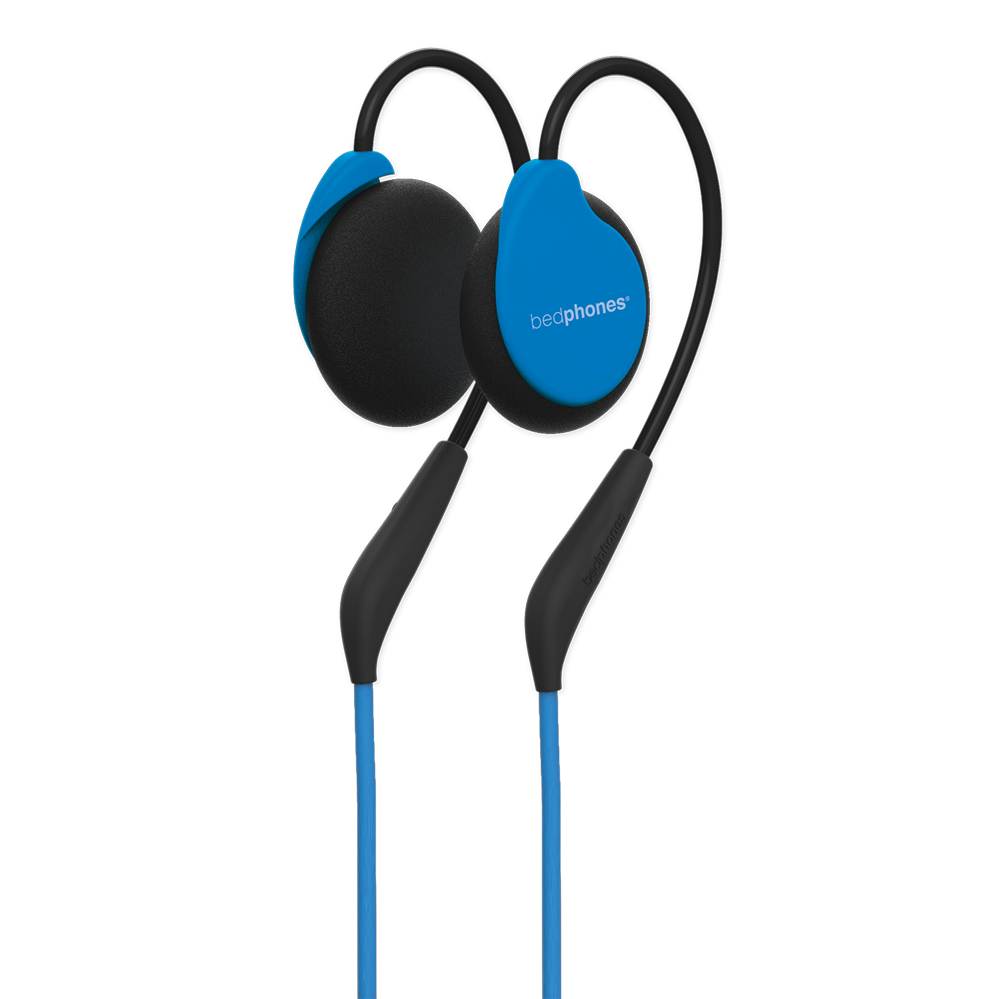
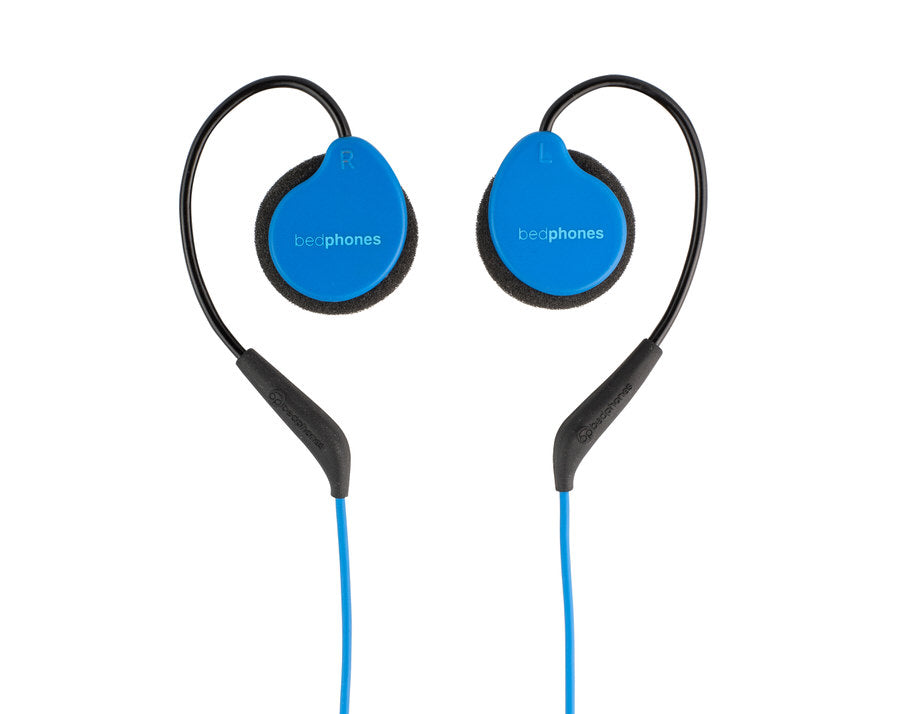
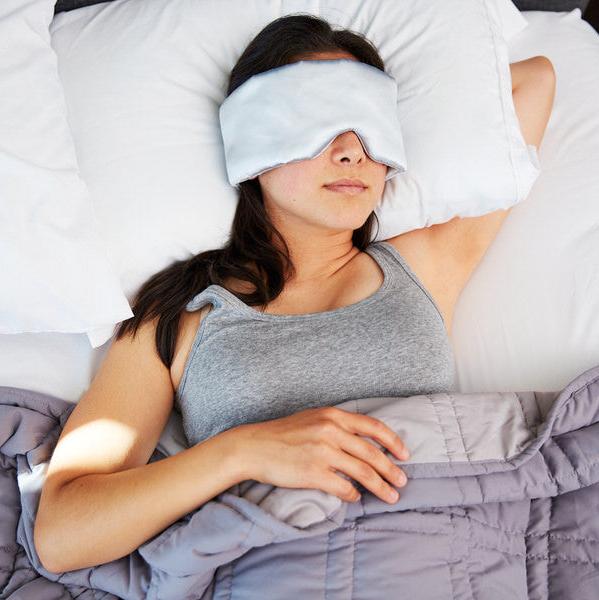
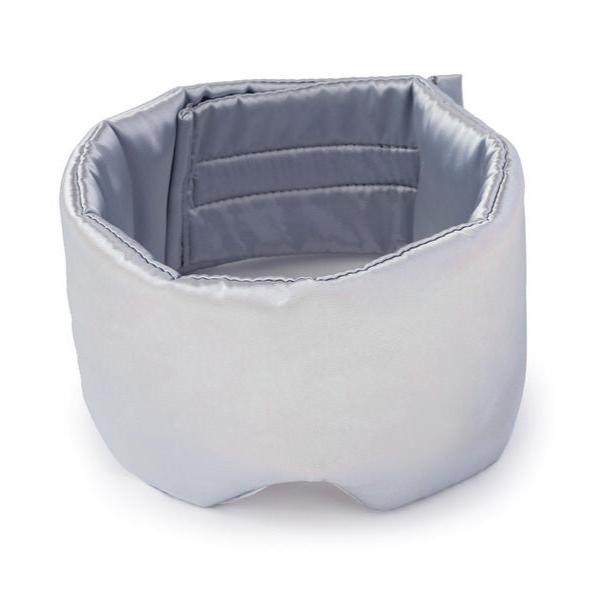
This is where a product like DubsLabs Bedphones completely changes the conversation. Instead of trying to shrink an earbud down to an impossible size, Bedphones sidestep the issue entirely with an ultra-thin, on-ear design. They don't go into your ear canal; they rest gently on top of it.
Think of it like the difference between having a pebble stuck in your shoe and wearing a soft, flat insole. One creates a painful, focused pressure point that you can't ignore. The other distributes weight evenly and is designed for comfort. Traditional earbuds are the pebble. Bedphones are the insole.
This on-ear approach completely eliminates the internal pressure that causes so much grief for side sleepers. It's a simple but brilliant shift in thinking that opens up a whole new category for comfortable sleep audio.
Features Designed for Side Sleepers
Bedphones were built from the ground up with sleep in mind. This isn't just a modified pair of daytime headphones; it's a purpose-built solution for the unique challenges of lying on your side all night.
- Ultra-Thin Speakers: At just over 0.2 inches thick, the speakers are incredibly slim. This allows them to lie almost perfectly flat against your ear, so there's no bulky lump creating pressure between your head and the pillow.
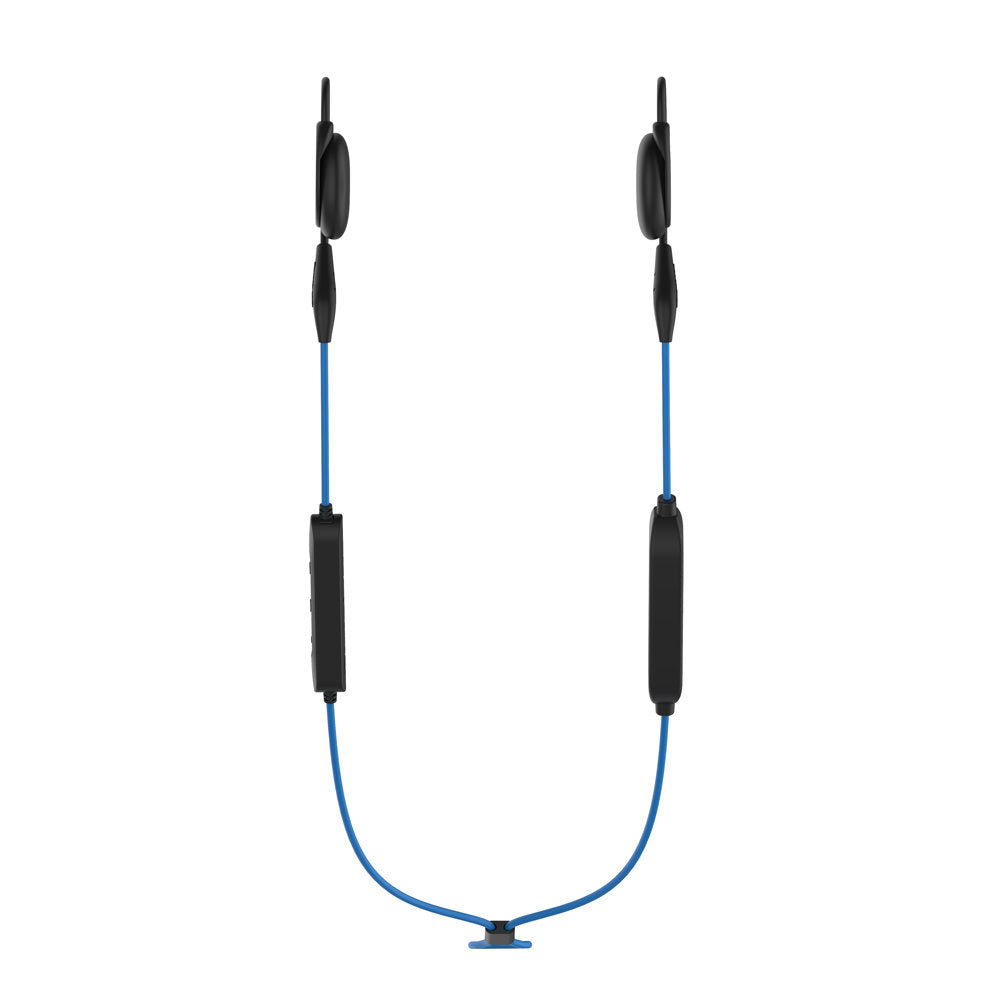
- Adjustable Headband: A soft, flexible headband keeps the speakers securely but gently in place. This is key because it means they won't shift around or fall off when you toss and turn, giving you a consistent audio experience all night long.
- On-Ear Comfort: By resting on the ear instead of in it, the design gets rid of the risk of ear canal irritation, pressure sores, or that gross wax buildup you can get with in-ear devices.
The whole idea behind Bedphones is to deliver sound without the intrusion. By moving the speaker outside the ear canal, the design prioritizes long-term comfort over getting a perfect, tight seal. This makes it a fantastic choice for anyone who just can't stand having anything stuck in their ears.
This unique design makes them a standout option, especially for people who have tried all sorts of earbuds for sleeping on your side and come up empty-handed. They offer a reliable way to enjoy your audio all night without the painful trade-offs, making them a real breakthrough for sensitive sleepers.
Using Sleep Earbuds Safely All Night Long
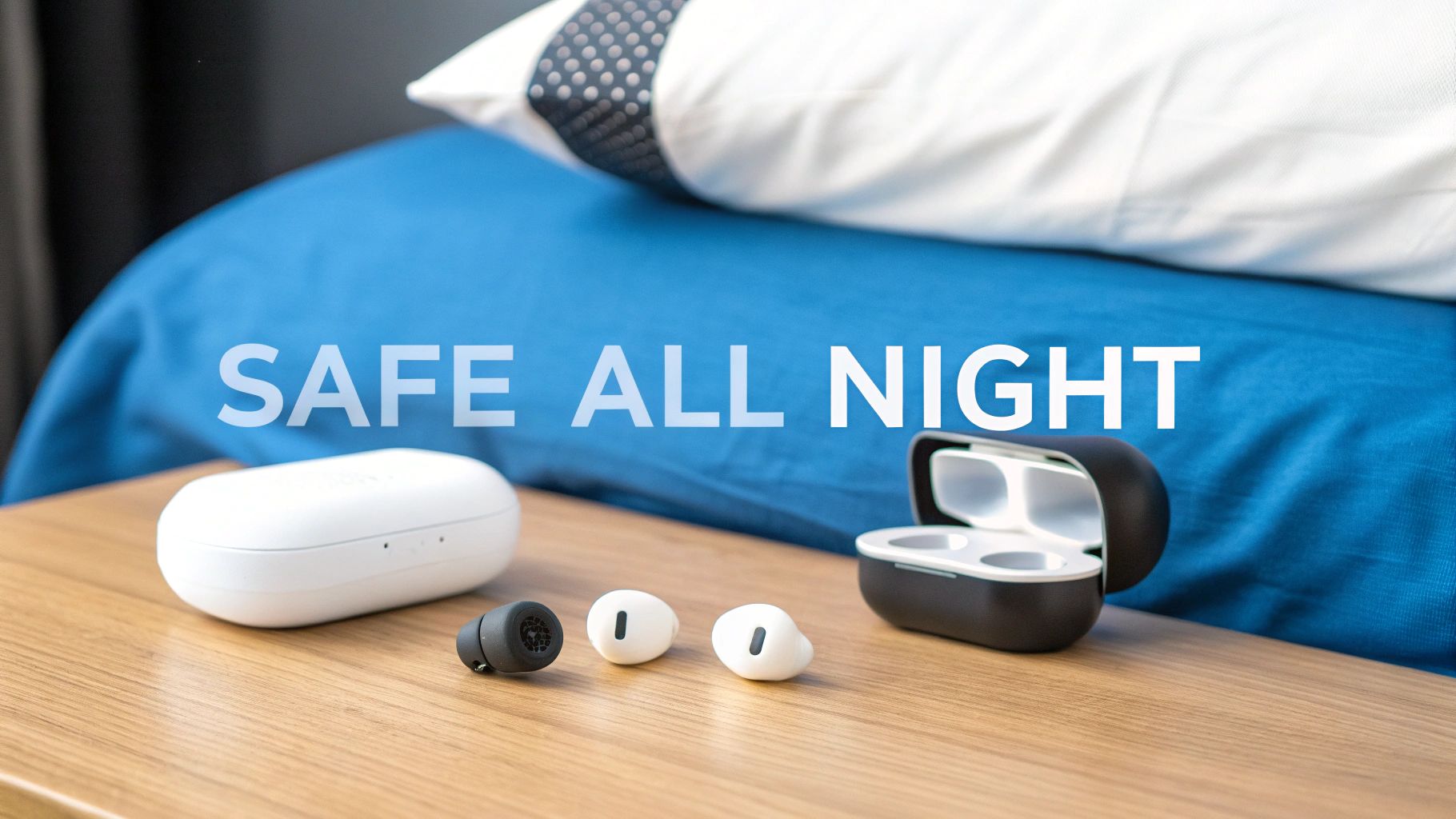
Finding the perfect pair of earbuds for sleeping on your side feels like a huge win, but using them the right way is what really guarantees a safe and restful night. Whenever you bring a new device into your sleep routine, you have to be a little careful, especially when it involves your hearing and overall ear health.
Think of it like breaking in a new pair of shoes. You wouldn't immediately take them on a five-mile hike, right? The same idea applies here. Getting that all-night comfort and safety is all about nailing the small details, from the fit itself to your daily habits.
Finding Your Perfect Fit and Comfort
First things first: you need a gentle but secure seal. Most decent earbuds ship with a few different tip sizes, so take the time to actually try them out. You're looking for a snug fit that blocks out noise without creating painful pressure in your ear canal. If an earbud feels too tight or starts to ache after a few minutes, that’s your cue to size down.
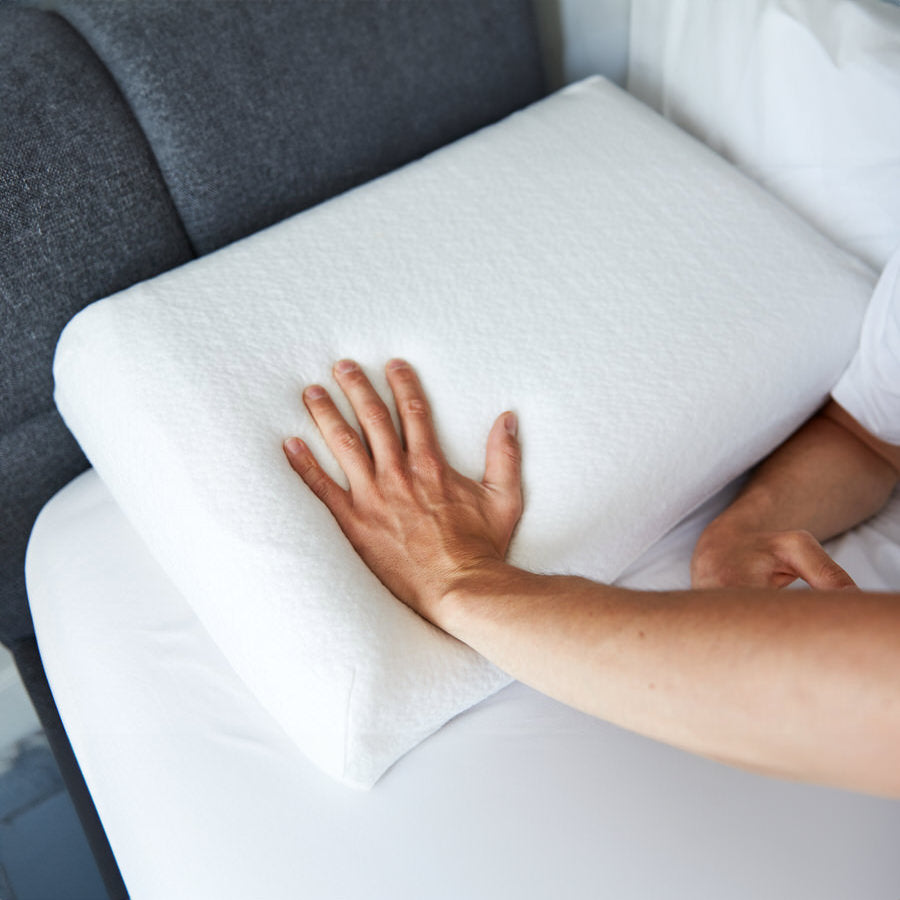
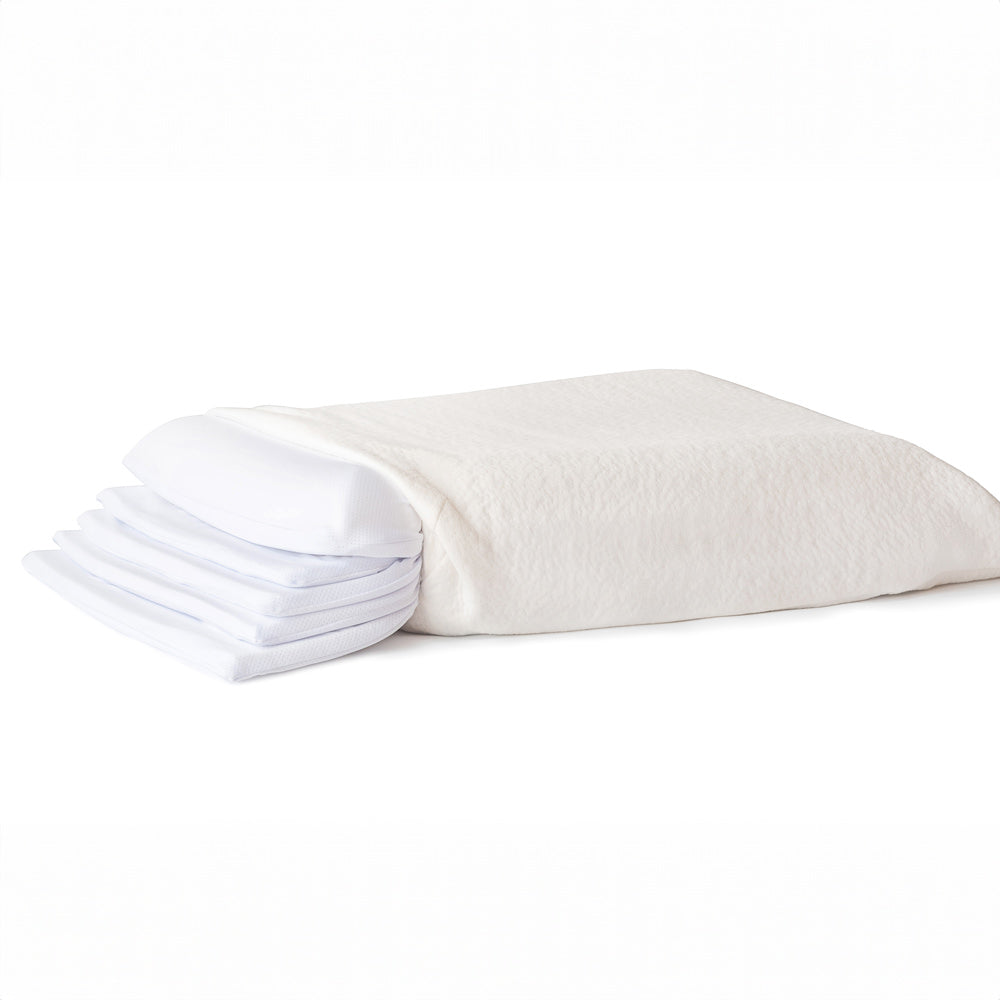
Your pillow makes a bigger difference than you might think, too. A really firm, unyielding pillow can press an earbud into your ear, amplifying any discomfort. A softer memory foam pillow or one designed with an ear cutout can be a game-changer for side sleepers. It creates a little pocket for the earbud to sit in, taking the pressure off completely.
Health and Safety Best Practices
Using earbuds safely all night really boils down to three simple things: managing volume, preventing buildup, and keeping things clean. These aren't complicated habits, but they're absolutely essential for protecting your long-term ear health.
- Mind the Volume: Keep your audio at a low, background level. You're aiming for masking, not overpowering. For context, OSHA guidelines say listening up to 82 decibels is safe for long periods, and most sleep audio tracks are well below that threshold.
- Prevent Earwax Buildup: Wearing anything in your ears for hours can sometimes trap moisture and mess with your ear's natural cleaning cycle. It’s always a good idea to give your ears a break and make sure they're totally dry before you pop your earbuds in for the night.
- Establish a Cleaning Routine: Ear tips can become a breeding ground for bacteria, which can lead to nasty ear infections. Get into the habit of wiping your earbuds down with a soft, dry cloth every morning. Once a week, give the silicone tips a quick once-over with an alcohol wipe to properly sanitize them.
The core idea is to treat your sleep earbuds like any other part of your personal care routine. A few seconds of cleaning each day can prevent significant issues down the line, ensuring your path to better sleep is a healthy one.
If you want to dive deeper into the risks and rewards, you can learn more about the safety of sleeping with earbuds in our comprehensive guide. Following these simple tips lets you drift off peacefully, knowing you’re taking care of your ears while you rest.
Why Sleep-Focused Audio Is a Growing Trend
If you've ever found yourself endlessly scrolling, searching for a way to listen to something—anything—comfortably while you sleep, you're definitely not alone. Your quest for better sleep isn't some niche hobby; it's part of a huge global shift in how we think about our health and well-being. This isn't just about buying another gadget. It's a direct response to a very real, very widespread need for better rest.
The demand for technology built specifically for sleep is exploding. This is fueled by a growing understanding of just how critical a good night's sleep is for everything from mental clarity to physical health. As our days get more stressful and screen-heavy, the quiet sanctuary of sleep feels more precious—and harder to find—than ever. This has kicked open the door for products that actually help us disconnect and recharge.
The Numbers Behind the Need
This isn’t just a gut feeling; the data tells a powerful story. Think about trying to drift off, only to have your bulky earbuds dig painfully into your ear. That common frustration is exactly why the global sleep earbuds market is booming, with a massive 10.5% compound annual growth rate driven by people just like you, desperate for side-sleep-friendly designs. You can learn more about the rapid growth of sleep technology on Accio.com.
This growth points to a fundamental truth: people are done compromising. They're no longer willing to accept that their audio devices should cause pain or ruin their rest. Instead, we're all actively looking for products built for the unique challenges of the bedroom, especially solutions for side sleepers who, it turns out, make up the majority of the population.
The rise of sleep-focused audio is a clear sign that we've moved past one-size-fits-all solutions. It's an admission that what a listener needs at 11 PM is completely different from what they need at 11 AM.
Why Standard Solutions Fall Short
For years, the options were grim: either you put up with the discomfort of regular earbuds, or you gave up on nighttime audio altogether. This left a huge gap in the market that innovators are now racing to fill. The trend is finally shifting away from just slapping a "sleep" label on daytime products and toward creating genuinely purpose-built sleep aids.
Here are the key forces driving this change:
- Increased Awareness of Sleep Health: We now know that bad sleep contributes to serious health problems, making us more willing to invest in things that actually work.
- Rising Stress and Anxiety: Many people rely on audio—podcasts, audiobooks, or ambient sounds—as a tool to quiet a racing mind before bed.
- The Side Sleeper Majority: With most of us sleeping on our sides, the demand for comfortable earbuds for sleeping on your side has finally hit a breaking point.
This whole trend validates your search. You aren't being picky; you're part of a growing movement of people who get that quality sleep requires quality tools. The market is finally listening, and the result is a new wave of specialized products designed to help you rest peacefully, all night long.
Got Questions About Sleeping with Earbuds?
Diving into the world of sleep audio brings up a lot of good questions. Let's be honest, wearing electronics to bed is a new idea for most of us. Here, we'll walk through the most common concerns so you can feel good about finding and using the right pair.
Think of this as your quick-start guide. Just like you'd check the care tag on a new sweater, knowing the best practices for sleep earbuds means they'll last longer and, more importantly, keep you safe and comfortable all night.
Is It Safe to Sleep with Earbuds in Every Night?
Yes, it's perfectly safe—as long as you follow a few simple rules of thumb. The biggest things to keep an eye on are your hearing, your comfort, and basic ear hygiene. If you nail these three, you can make earbuds a safe and genuinely helpful part of your nightly routine.
First, protect your hearing by always keeping the volume low. The goal isn't to blast sound into your ears, but to gently mask distracting noises. Second, for comfort, you absolutely need a low-profile design to avoid painful pressure spots inside your ear. And finally, keeping your earbuds clean is non-negotiable. A quick wipe-down prevents infections and nasty wax buildup.
How Are Sleep Earbuds Different from Regular Earbuds?
The difference is night and day—literally. Your regular earbuds are built for daytime activities. They’re all about high-fidelity sound, powerful bass, and features like noise cancellation for your commute. But that focus on audio power means they’re often bulky and made from hard plastics that become agonizing when you press your head against a pillow.
Sleep earbuds, on the other hand, are designed with one mission: all-night comfort for sleepers. This means they have:
- A smaller, flatter profile that sits flush inside your ear, not sticking out.
- Soft, flexible materials like medical-grade silicone that bend and conform to your ear's shape.
- A focus on battery life that can go the distance for a full 8-10 hours.
They trade booming bass for a barely-there feel, because when you're trying to sleep, physical comfort trumps everything else. It’s a specialized tool for a very specific job.
Can Earbuds Help Block Out Snoring?
They sure can, but how well they work depends on the earbud and the snoring itself. Most sleep earbuds offer what’s called passive noise isolation—they create a physical seal in your ear that muffles outside sounds. For light to moderate snoring, this physical barrier is often enough to take the edge off.
For really loud or unpredictable snoring, your best bet is to combine that physical seal with audio masking. This means playing a consistent, soothing sound like white noise, pink noise, or gentle rain. This sound "covers" the snoring, making it much less likely to startle you awake.
Ready to move beyond the limitations of in-ear designs? DubsLabs offers a groundbreaking alternative with Bedphones, the ultra-thin, on-ear headphones designed specifically for side sleepers. Experience all-night comfort without any internal ear pressure by exploring our innovative sleep solutions at https://www.dubslabs.com.