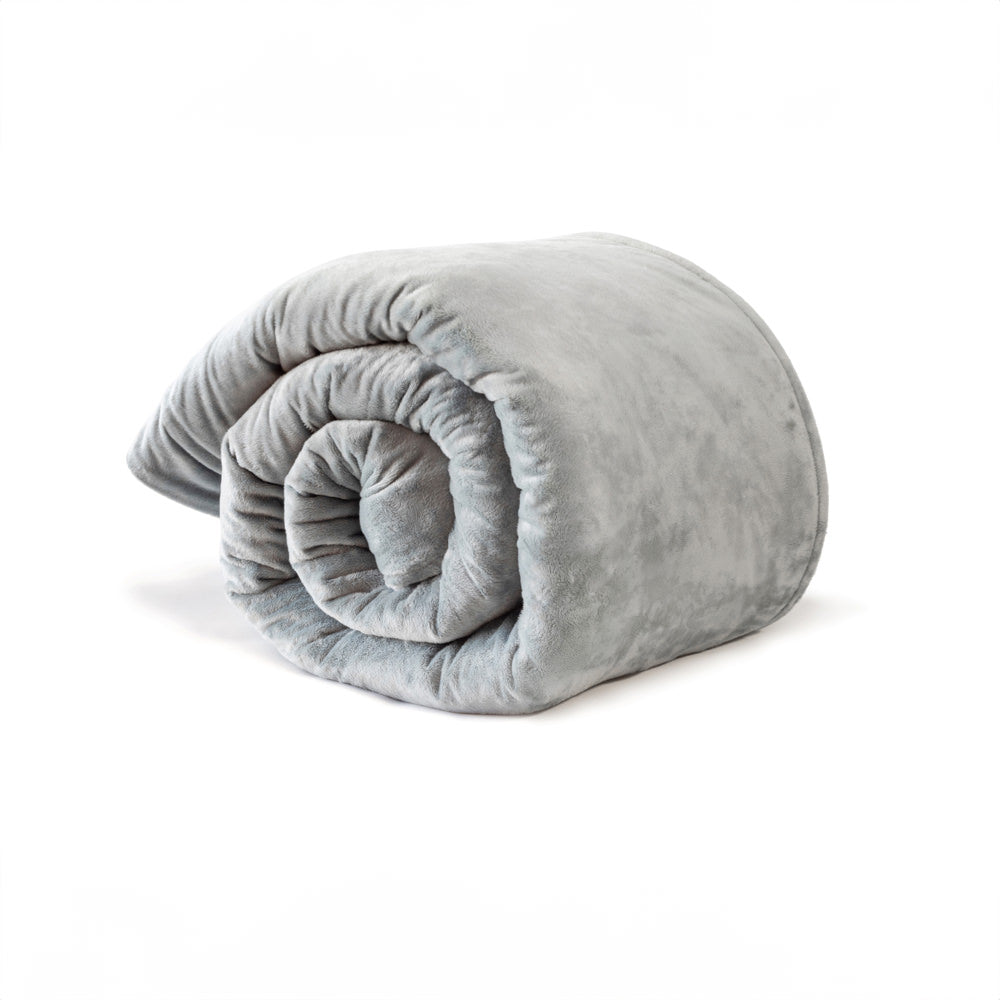
Let's cut right to the chase: Yes, you can absolutely sleep with a weighted blanket all night long. In fact, for a lot of people, it’s a total game-changer for getting that deep, restorative rest we're all after. These blankets were designed for exactly this purpose—to provide a steady, gentle pressure that helps calm your nervous system while you sleep.
The Definitive Guide to All-Night Comfort
It helps to think of a weighted blanket less like a regular old cover and more like a therapeutic tool. It's giving you a gentle, consistent hug that lasts until morning.
This calming effect comes from a science-backed concept called Deep Pressure Stimulation (DPS). When you're under the right amount of weight, it helps your body shift gears from its high-alert "fight-or-flight" response to the much more peaceful "rest-and-digest" mode. This simple switch can make it way easier to not just fall asleep, but stay asleep.
The trust in this simple sleep aid is blowing up. The global market for weighted blankets is valued at $4.8 billion in 2025 and is expected to rocket to $12.3 billion by 2033. This isn't just a fad; it’s driven by people actively looking for effective, non-medicinal ways to tackle their sleep problems, which pretty much confirms that using these blankets overnight is now mainstream.

Key Considerations For Overnight Use
Before we get into the nitty-gritty of the science and how to pick one, it's good to have a quick overview. The main goal here is to make sure the blanket is helping your sleep, not making you uncomfortable. Beyond the basics, there are also specialized insights available for things like weighted blankets for individuals with ADD in adults and children.
Here’s a quick-glance table to summarize what you need to keep in mind for all-night use.
Overnight Weighted Blanket Use At a Glance
This table breaks down the most important factors to consider if you're planning to sleep under a weighted blanket all night.
| Consideration | Quick Guideline | Why It Matters |
|---|---|---|
| Blanket Weight | Aim for one that's about 10% of your body weight. | Too light, and you miss the calming effects; too heavy, and it feels restrictive. |
| User Safety | You must be able to remove it on your own. | This is a non-negotiable safety rule, especially for kids or adults with mobility issues. |
| Material & Temp | Go for breathable fabrics like cotton or bamboo. | This is key to preventing overheating, a real concern for warm sleepers or hot climates. |
Think of these guidelines as your starting point. Getting them right is the first step toward turning your weighted blanket into your new favorite sleep accessory.
How Weighted Blankets Transform Your Sleep
Ever wonder why a deep, firm hug feels so incredibly calming? Weighted blankets tap into that exact same biological response. They work through something called Deep Pressure Stimulation (DPS), which is really just a scientific way of describing gentle, consistent pressure across your body.

This steady pressure acts like a signal to your nervous system. It encourages your body to switch from its high-alert, "fight-or-flight" mode (the sympathetic nervous system) to its calm, "rest-and-digest" mode (the parasympathetic nervous system).
When this shift happens, a powerful and beneficial chemical cascade is triggered within your body, setting the stage for better sleep.
The Science of Calm Explained
The real magic of DPS is how it influences your body's natural chemistry. That gentle weight helps your body recalibrate its hormone levels to create a state of relaxation, making it much easier to fall asleep and stay asleep.
This whole process involves a few key players:
- Cortisol Reduction: The pressure helps dial down your levels of cortisol, often called the "stress hormone." When cortisol is high, your mind races and your body feels tense—the exact opposite of what you need for good sleep.
- Serotonin Boost: At the same time, DPS encourages the production of serotonin. This is a crucial neurotransmitter that plays a huge role in stabilizing your mood and promoting feelings of happiness and well-being.
- Melatonin Production: Here's the kicker: Serotonin is a precursor to melatonin, the hormone that regulates your sleep-wake cycle. More serotonin means your body can produce the melatonin it needs to signal that it's bedtime.
This hormonal rebalancing act is why so many people find relief from anxiety, insomnia, and even restless legs syndrome when they use a weighted blanket. To dig a little deeper into how this works, check out our detailed guide on the weighted blanket benefits for adults.
By applying deep touch pressure, a weighted blanket helps to decrease cortisol while simultaneously increasing serotonin. This creates the perfect biological environment for deep, restorative sleep and is the core reason they are so effective.
This growing understanding is fueling some serious market growth. The therapeutic weighted blankets market, valued at $627.57 million, is expected to surge to $1,707.23 million by 2031. This trend isn't just a fad; it reflects a rising consumer trust in non-drug solutions for managing sleep deprivation and conditions like Alzheimer's and autism. You can read more about these market projections and findings.
Choosing Your Perfect Weighted Blanket
Picking out the right weighted blanket is the most important step to unlocking its incredible calming, sleep-inducing benefits. Think of it like finding the perfect pair of shoes—the right fit makes all the difference, but the wrong one is just uncomfortable and defeats the whole purpose. When you get this part right, you’ll experience that amazing Deep Pressure Stimulation without feeling overwhelmed or pinned down.
The bedrock of this decision is the widely accepted “10% rule.” This simple guideline is your absolute best starting point for finding a blanket that delivers the perfect amount of therapeutic pressure.
The Gold Standard: The 10 Percent Rule
The idea is refreshingly simple: choose a blanket that weighs roughly 10% of your body weight. So, if you weigh 150 pounds, a 15-pound blanket is your sweet spot. This specific ratio is tried and true, providing just enough gentle, consistent pressure to kick-start those calming effects without making you feel constricted.
A blanket that’s too light won't give you enough stimulation, basically making it just another cover. On the flip side, one that's too heavy can feel restrictive and might even be unsafe. The 10% rule is that perfect middle ground, offering a comforting hug that feels secure, not suffocating.
The goal is to feel comfortably grounded, not pinned down. Sticking to the 10% guideline is the most reliable way to make sure your blanket is a therapeutic tool for a great night's sleep.
To make this even easier, you can explore a comprehensive weighted blanket size guide that breaks down the specifics for different body types and even bed sizes, ensuring you get a perfect match.
Beyond Weight: Material And Filler Matter
Once you have the ideal weight figured out, the next thing to look at is the materials. The fabric and filler play a massive role in your overall comfort, especially if you plan on sleeping with your weighted blanket all night long.
Here’s what to keep in mind when looking at your blanket’s construction:
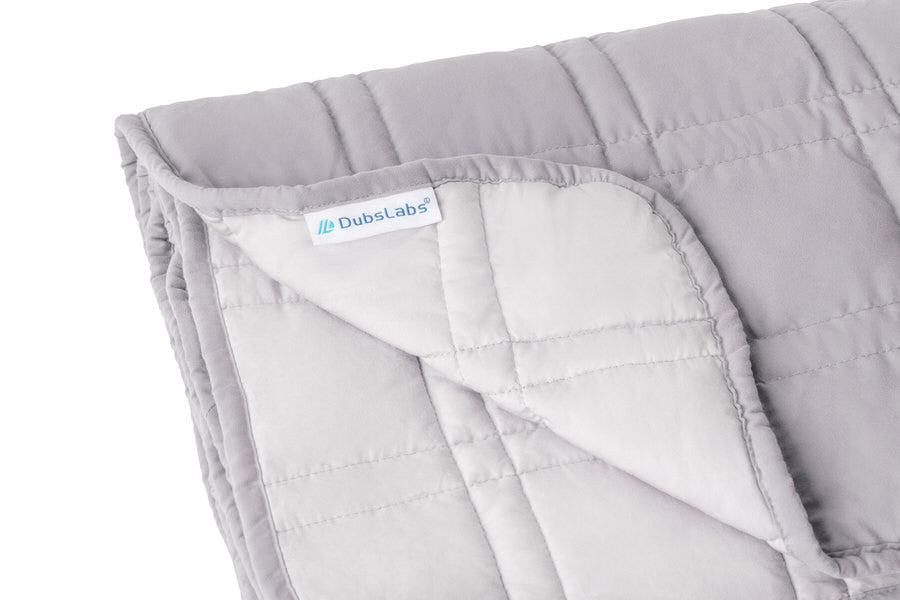
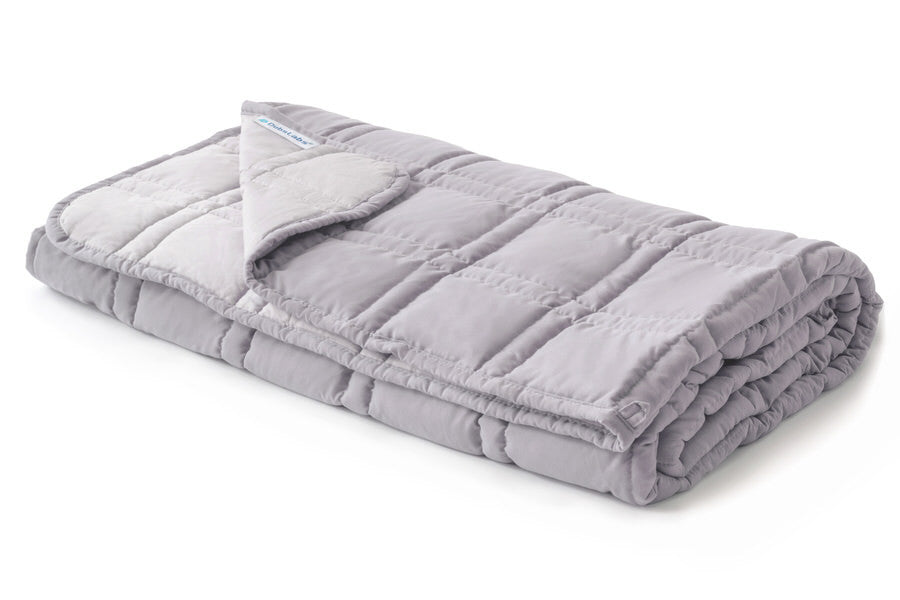
- Exterior Fabric: This is what you'll feel against your skin. If you tend to sleep hot, breathable fabrics like cotton or bamboo are fantastic choices because they help regulate your temperature. But if you're after a cozier, plusher feel, a minky fabric gives you a soft, velvety texture that’s perfect for chilly nights.
- Internal Filler: This is what gives the blanket its heft. The two most common fillers are glass beads and plastic pellets. Glass beads are smaller, denser, and quieter, which leads to a smoother, more even weight distribution. They're generally seen as the premium option. Plastic pellets are a bit larger and can sometimes be noisier when you shift around.
Find Your Ideal Weighted Blanket Weight and Size
Not sure where to start? Use this chart to quickly find the recommended blanket weight based on your own body weight. Think of it as your cheat sheet for applying the 10% rule.
| User's Body Weight (lbs) | Recommended Blanket Weight (lbs) | Common User Profile |
|---|---|---|
| 100-120 lbs | 10-12 lbs | Teenagers, petite adults |
| 120-150 lbs | 12-15 lbs | Average-sized adults |
| 150-200 lbs | 15-20 lbs | Taller or larger adults |
| 200+ lbs | 20-25 lbs | Larger-framed adults |
This table gives you a great starting point, but remember to also consider your personal preference. Some people might like a slightly lighter or heavier feel, and that’s perfectly fine.
Essential Safety Guidelines for All-Night Use
While the benefits are huge, safely sleeping with a weighted blanket all night comes down to a few non-negotiable rules. These guidelines aren't here to scare you, but to make sure you're creating a secure and genuinely comforting sleep space. Think of them as the quick safety check you'd do before a long road trip.
The single most critical rule is that you must always be able to remove the blanket on your own. If you can't easily lift it off yourself, it's too heavy for you. Period. This is the main reason standard weighted blankets are a hard "no" for infants and toddlers, who just don't have the strength to get out from under them.
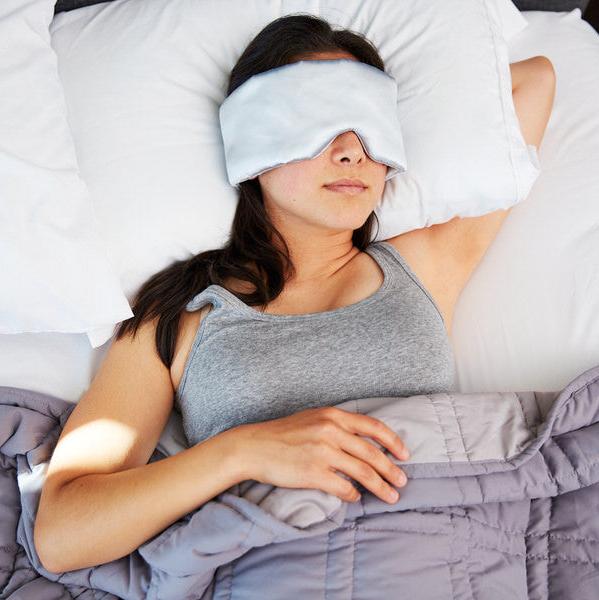
Also, the blanket should never, ever cover your face, head, or neck. It’s designed to rest comfortably from your shoulders down to your feet, giving you that gentle, calming pressure without getting in the way of your breathing.
Who Should Be Cautious
For some people, chatting with a doctor before diving in is a crucial first step. The same gentle pressure that feels like a calming hug to one person might pose a risk to someone with specific health concerns. It’s always smart to have a quick conversation with your doctor if you're managing certain conditions.
It’s highly recommended to get medical advice before using a weighted blanket if you have:
- Respiratory Issues: Conditions like asthma, chronic obstructive pulmonary disease (COPD), or sleep apnea can be made worse by any extra weight on the chest.
- Circulatory Problems: If you deal with poor circulation, diabetes, or peripheral neuropathy, you'll want to be cautious, as the steady pressure could potentially impact blood flow.
- Claustrophobia: While many people find the pressure grounding, it can be a major trigger for those with severe claustrophobia. It's key to know what sets off your anxiety. Our guide on using a weighted blanket for anxiety can offer a bit more insight here.
The core idea behind weighted blanket safety is simple: the blanket should provide comfort, not confinement. If it ever feels restrictive or makes you feel distressed, it’s not doing its job.
This visual guide breaks down the key decisions you'll make to find a safe and effective blanket based on your weight, the climate you live in, and any allergies.
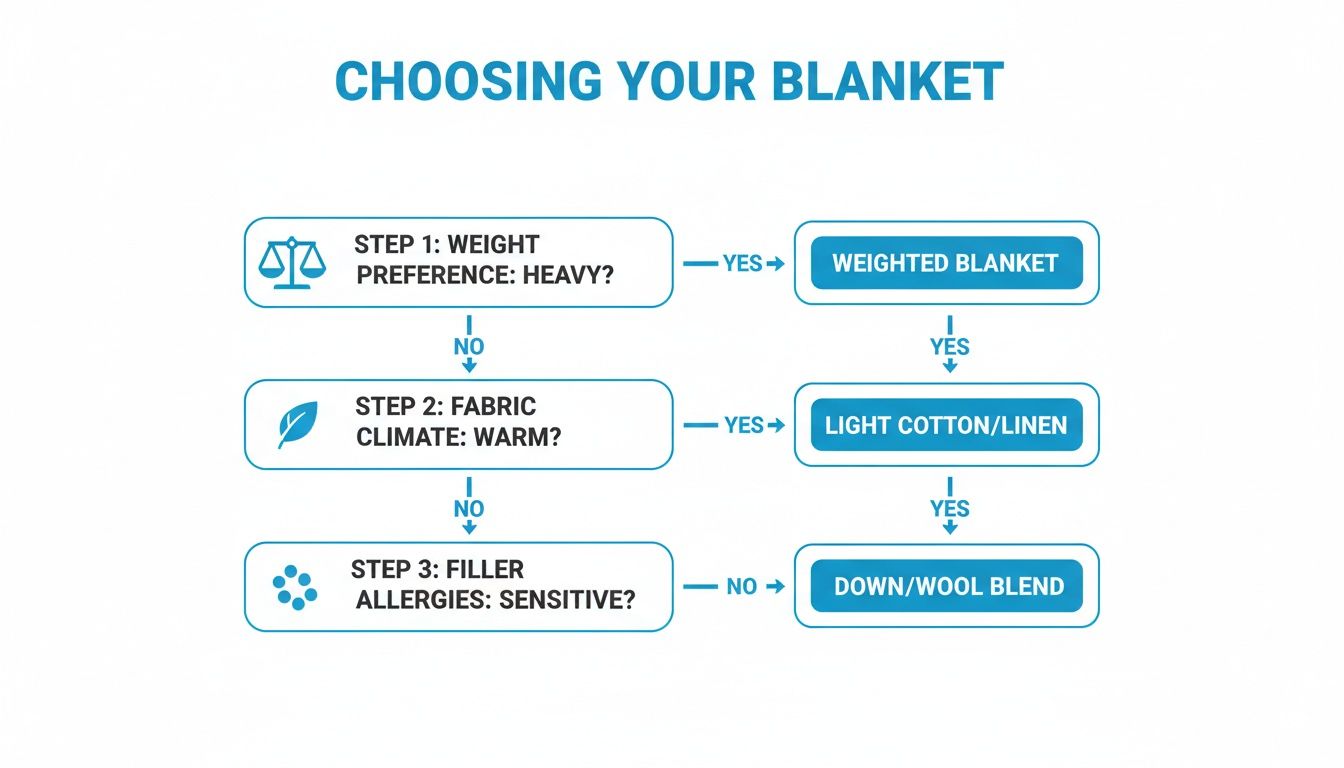
As the decision tree shows, safety really begins with picking the right weight. After that, it's all about choosing materials that match your personal comfort needs.
The massive popularity of these blankets has created a booming market. The therapeutic weighted blankets sector is currently valued at a whopping $501.82 million and is expected to hit $1,306.51 million by 2030. Interestingly, the most popular options are 10-20 lbs blankets, which tells us that when people follow the safety guidelines, they find this weight range to be the sweet spot for a great night's sleep.
Tips for Your First Night and Beyond
Sleeping under a weighted blanket for the first time is a pretty unique sensation. While a lot of people fall in love with it instantly, your body might need a little time to get used to the new feeling of Deep Pressure Stimulation. The best strategy is to just ease into it.

Instead of jumping straight into a full eight-hour night, give your body a chance to get acquainted. Think of it like breaking in a new pair of shoes—you wouldn’t run a marathon on day one. You start with short walks.
Start Slow and Simple
Try using your new blanket for short periods during the day. This is a great, low-pressure way to get comfortable with the feeling without the expectation of a perfect night's sleep right away.
- Take a Power Nap: Use it for a 20-30 minute nap on the weekend. This is a perfect test run to see how your body responds.
- Relax on the Couch: Drape it over your legs or torso while you're reading a book or watching a movie.
- Start with Half the Night: Try sleeping with it for just the first few hours of the night. Keep your regular blanket nearby so you can easily switch if you need to.
After a few days, your body will likely get used to the new sensation, and you’ll be ready to comfortably sleep with a weighted blanket all night long.
Overcoming Common Concerns
One of the most common worries people have is overheating. While any extra layer will add some warmth, a few simple tricks can keep you from getting too hot.
Layering is your best friend here. Just place the weighted blanket over a thin top sheet instead of a heavy comforter. Choosing a blanket made from a breathable fabric like cotton or bamboo also makes a massive difference in keeping things cool.
Taking care of your weighted blanket is key to making it last. Most high-quality blankets now come with a removable, machine-washable duvet cover, which makes cleaning a breeze. Always check the manufacturer's care label first, though.
For the heavy inner part, some can be machine washed on a gentle cycle, but many are spot-clean only. Having that protective cover means you'll really only need to wash the inner blanket if there's a spill.
Finally, a weighted blanket is a fantastic tool, but it works best as part of a solid sleep routine. To really level up your rest, you might want to explore these 12 practical tips for better sleep. Combining good sleep hygiene with your blanket creates a powerful one-two punch for truly restorative rest.
What the Research Says About Weighted Blankets
It's one thing to hear personal stories and read glowing reviews, but what does the science say? Turns out, there's a growing body of research that backs up everything people are feeling. The comfort from a weighted blanket isn't just a placebo effect; it’s a real, physiological response that researchers are starting to understand.
Study after study points to some pretty clear benefits. A big one is that people using weighted blankets often fall asleep faster. They also report less tossing and turning, which means they get more solid, high-quality rest through the night.
Evidence of a Calmer Nervous System
So, what's happening under the covers? The magic is in something called Deep Pressure Stimulation. This is just a clinical term for the gentle, firm pressure the blanket provides, which has some amazing therapeutic effects. Think of it like a steady, calming hug for your entire body.
This gentle pressure helps lower the physical signs of stress. Studies have shown it can actually decrease heart rate and blood pressure right before sleep, creating that perfect state of calm needed to drift off. This biological shift is the key to why so many people can sleep with a weighted blanket and wake up feeling genuinely refreshed.
This calming effect is a game-changer for people dealing with certain conditions. Research has highlighted some impressive outcomes for those with:
- Anxiety and Insomnia: Many studies have found a serious drop in anxiety symptoms and insomnia. One landmark study revealed that people using a weighted blanket were 26 times more likely to see a 50% reduction in their insomnia severity compared to those who didn't use one.
- PTSD and Panic Disorders: The grounding sensation of the blanket can be incredibly soothing for the hypervigilance that often comes with PTSD. It helps create a feeling of safety and security, making it easier to finally relax and let go.
When you look at all the data, the picture is pretty clear. The comfort you feel from a weighted blanket isn’t just in your head—it’s a real, measurable, science-backed response. This gives you the confidence to know you're not just buying a cozy blanket, but a legitimate tool to improve your sleep and well-being.
Got Questions? We’ve Got Answers.
To wrap things up, let's tackle a few of the most common questions we hear from people trying a weighted blanket for the first time. Think of this as the final piece of the puzzle, answering those lingering 'what ifs' so you can rest easy.
Will A Weighted Blanket Make Me Too Hot?
This is a huge concern for anyone who runs warm at night, and it's a totally valid one. While it's true that any extra layer can trap heat, most modern weighted blankets are designed with this exact problem in mind.
Your best bet is to look for blankets made from naturally breathable fabrics like cotton or bamboo. A great pro-tip is to use your weighted blanket with just a top sheet instead of piling it on top of a thick comforter. You still get all that amazing, calming pressure without turning your bed into a sauna.
Can My Child Sleep with a Weighted Blanket?
For many kids, the answer is yes, but safety has to come first, always. The golden rule is that the blanket should be no more than 10% of their body weight. Just as important, the child must be old enough and strong enough to move the blanket off themselves without any help.
Weighted blankets are an absolute no-go for infants and toddlers. It's crucial to have a chat with a pediatrician or an occupational therapist before you even consider adding one to your child's bed.
How Do I Clean My Weighted Blanket?
The first thing you should always do is check the manufacturer's care tag, since the instructions can be surprisingly different from one blanket to the next. The easiest, most hygienic route is to get a blanket that comes with a removable duvet cover that you can just toss in the washing machine.
This way, you can wash the cover as often as you like and only have to deal with cleaning the heavy inner part if there's a major spill. Some inner blankets can be machine-washed on a gentle cycle, but many are spot-clean only.
Is It Okay If I Toss and Turn A Lot?
You might be surprised to hear this, but a weighted blanket could actually be the perfect thing for you. That constant, gentle pressure—what experts call Deep Pressure Stimulation—is known to help calm down a restless nervous system. And what's often behind all that tossing and turning? A restless nervous system.
As long as you can still shift and get comfortable underneath it, the blanket should be totally fine. In fact, you might find it helps you stay put and sleep more soundly through the night.
Here at DubsLabs, our whole world revolves around creating products that help you get the deep, restorative sleep you deserve. From our one-of-a-kind Bedphones to premium weighted blankets built for pure comfort, we're here to help you find your best night's sleep. Come see what you've been missing at https://www.dubslabs.com.