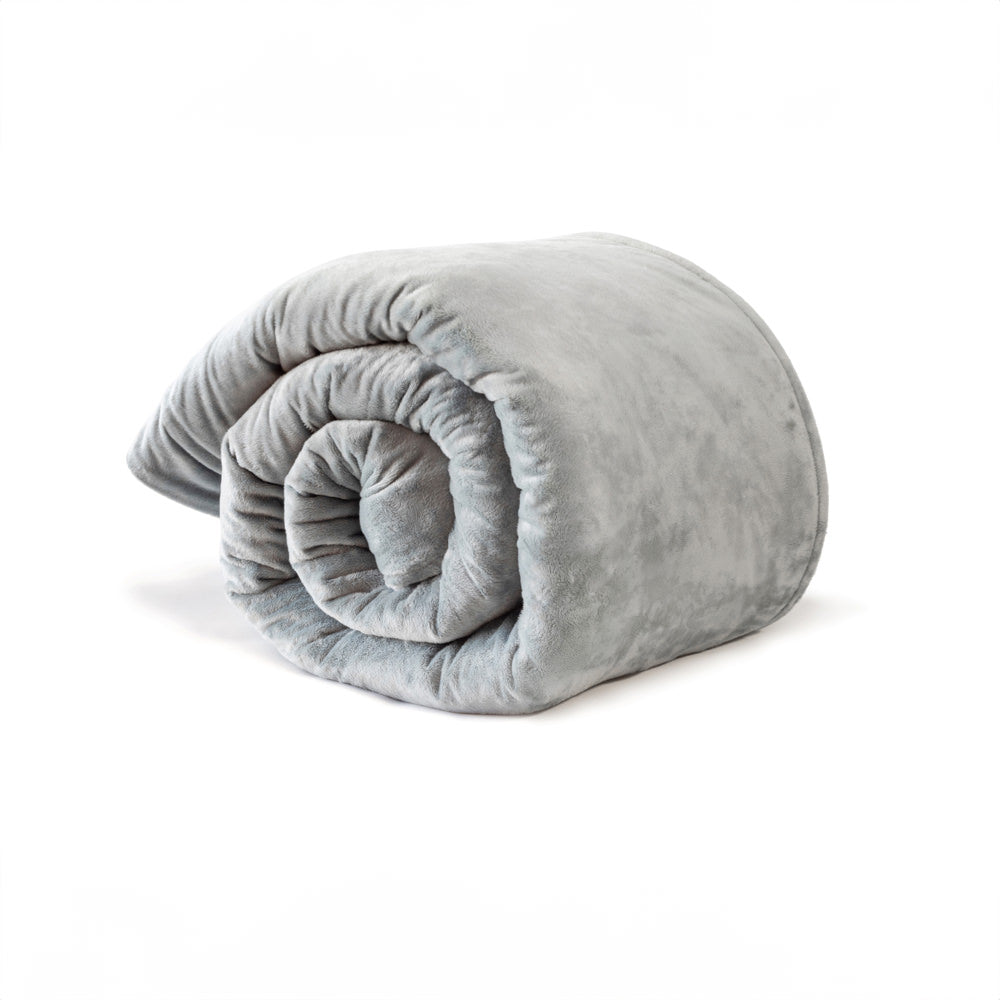
Ever feel like your mind is racing and your body just won't settle down? A weighted blanket can feel like a gentle, consistent hug, using something called Deep Pressure Stimulation (DPS) to help calm your entire nervous system. It's a simple, drug-free way to dial down stress and invite a sense of relaxation, often within just a few minutes.
Your Path to Calm With a Weighted Blanket for Anxiety
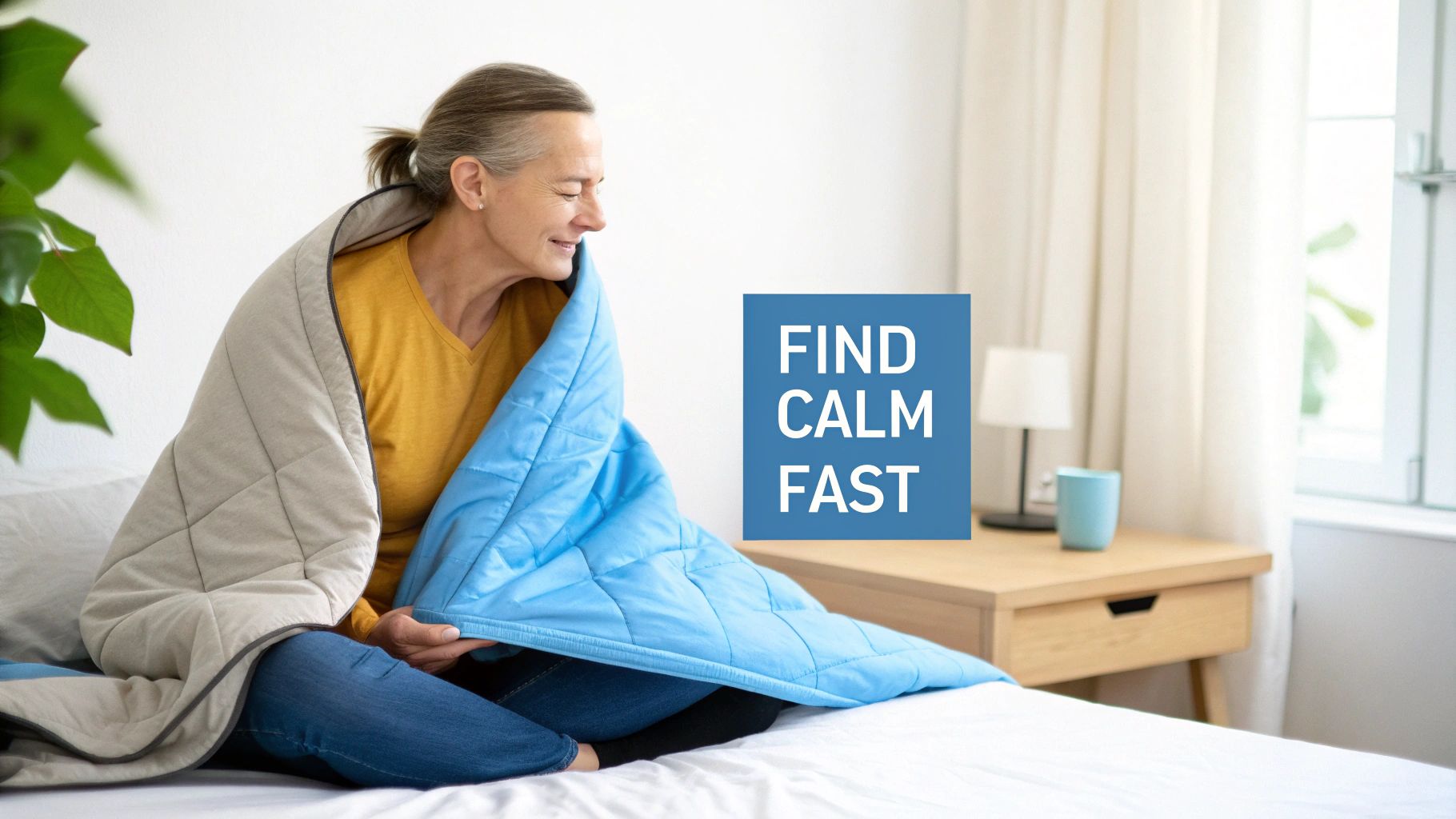
When those feelings of unease start to creep in, having a straightforward, effective tool can feel like a total lifeline. That's exactly what a weighted blanket offers—an easy way to soothe your body and mind without needing a prescription. Its real magic lies in its ability to ground you, providing a comforting, secure sensation that makes a real difference during anxious moments or on those long, sleepless nights.
The idea is surprisingly simple. The blanket's evenly distributed weight simulates a firm but gentle squeeze, very much like a warm embrace. This physical pressure sends calming signals to your brain, helping it shift from "fight or flight" mode into a more relaxed "rest and digest" state.
The Science of Comfort
The benefits of using a weighted blanket for anxiety aren't just anecdotal; there's a growing body of evidence to back it up. Research has shown that they can significantly reduce anxiety in adults, both with and without diagnosed mental health conditions.
What's really remarkable is that even a single session under a weighted blanket can lower anxiety, with the effects being most noticeable in people who start with higher levels of anxiety. You can dig deeper into the scientific findings on weighted blanket effectiveness if you're curious.
This works by tapping into your body’s own natural chemistry. The deep pressure helps to:
- Boost Serotonin: This is often called the "happy chemical." More of it helps promote feelings of calm and well-being.
- Increase Melatonin: This is your body's sleep hormone. A natural increase helps regulate your sleep-wake cycle, making it easier to drift off.
- Reduce Cortisol: By lowering this primary stress hormone, you help dial back your body’s physical stress response.
Who Benefits Most
While pretty much anyone can enjoy the comforting sensation of a weighted blanket, they're especially helpful for people navigating specific challenges.
A weighted blanket is one of the sensory tools commonly used in therapeutic settings. Patients who are in distress may use different sensory activities to try to calm down, and the blanket simulates a comforting hug to help settle the nervous system.
This simple tool can be a game-changer for those dealing with:
- Generalized Anxiety Disorder (GAD)
- Insomnia and other sleep issues
- Sensory processing disorders
- Everyday stress from a demanding job or busy life
Think of it as your personal comfort companion, always ready to give you a moment of peace exactly when you need it most.
Here’s a quick rundown of the key points to help you see how it all comes together.
Weighted Blanket for Anxiety at a Glance
| Key Aspect | Brief Explanation |
|---|---|
| Primary Benefit | Reduces feelings of anxiety and stress by calming the nervous system. |
| Core Mechanism | Deep Pressure Stimulation (DPS) mimics a hug, promoting relaxation. |
| Key Hormonal Effects | Increases serotonin and melatonin while decreasing the stress hormone cortisol. |
| Best For | Individuals with anxiety, insomnia, sensory sensitivities, or high stress levels. |
Essentially, a weighted blanket offers a physical solution to a psychological and physiological problem, giving your body the cues it needs to relax and feel safe.
How Deep Pressure Calms Your Nervous System
Have you ever wondered why a really good, firm hug can feel so grounding during a stressful moment? That powerful sense of comfort isn't just in your head. It’s the same science that makes a weighted blanket so effective for anxiety, and it all comes down to a concept called Deep Pressure Stimulation (DPS). Think of it as a gentle nudge that guides your body from high alert into a state of deep calm.
Your body basically has two competing internal settings. One is the "fight or flight" system, known as the sympathetic nervous system. It's your internal alarm, and when it senses danger or stress, it floods you with adrenaline and cortisol. Your heart races, your thoughts spin—it's preparing you to face a threat.
The other system is for "rest and digest," handled by the parasympathetic nervous system. This is your body's natural brake pedal. It slows your heart rate, relaxes your muscles, and brings a wave of peace. When you're dealing with anxiety, it's like that alarm system is stuck in the "on" position, leaving you feeling perpetually on edge.
Switching From Fight To Rest
The gentle, consistent pressure from a weighted blanket acts like a signal telling your body that you're safe and sound. It's a bit like swaddling a baby; that snug, constant pressure is incredibly reassuring. This sensation helps your brain finally switch off the blaring alarm and activate the calming "rest and digest" response instead.
This isn't just a feeling—it triggers real, measurable biochemical changes. The steady pressure actually encourages your brain to release a cocktail of feel-good neurotransmitters.
- Serotonin: Often called the "happy chemical," serotonin is a powerhouse for promoting calm and well-being. A boost in serotonin helps regulate your mood and directly counteracts feelings of anxiety.
- Dopamine: This is the neurotransmitter linked to pleasure and reward. It adds to that overall sense of contentment and satisfaction you feel under the blanket.
- Melatonin: As the sleep hormone, melatonin is key for regulating your natural sleep-wake cycle, making it easier to drift off and stay asleep.
At the same time, this deep pressure helps lower cortisol, your body's main stress hormone. With less cortisol in your system, your body can finally stand down from that state of high alert. This is why so many people feel an almost immediate sense of relief the first time they settle in under a weighted blanket. To get a better handle on the mechanics, you can explore the fundamentals of deep pressure therapy for anxiety and how it helps ground your body.
In one hospital study, over 85% of participants said that using a weighted blanket helped reduce their anxiety. Many felt the benefits within the first 15 minutes, and the calming effects lasted for up to an hour after the blanket was removed.
This shows just how quickly that physical sensation of weight can translate into real mental and emotional calm. It’s a physical tool that creates a powerful physiological response.
The Grounding Effect On Your Body
Beyond the chemical shifts, deep pressure has a profound grounding effect. When you’re anxious, it can feel like your thoughts are floating away or spiraling out of control. The weight of the blanket provides something called proprioceptive input—a fancy term for your body’s awareness of its own position in space.
This physical feedback helps you feel more present and anchored in your own body. It pulls your focus away from racing thoughts and back to the simple, comforting sensation of being held. The link between physical stability and mental calm is incredibly powerful. When you understand how sleep as an emotional anchor works, you can really appreciate tools that support such a restful state.
By applying this steady, gentle pressure, a weighted blanket helps reset your nervous system. It doesn’t get rid of what's causing your stress, but it gives your body an incredible tool to manage its reaction, creating a peaceful sanctuary where you can finally relax, recharge, and rest.
Finding Your Perfect Match for Anxiety Relief
Choosing a weighted blanket shouldn't add to your stress. Think of it less like a chore and more like finding the perfect key to unlock a calmer state of mind. The whole point is to find a blanket that feels like it was made just for you, delivering that consistent, comforting pressure that melts anxiety away.
Getting it right really comes down to three things: weight, size, and material. Nail these, and you'll have a blanket that delivers the Deep Pressure Stimulation your body craves to shift from "high alert" to "deeply relaxed." Let's break down exactly what you need to know.
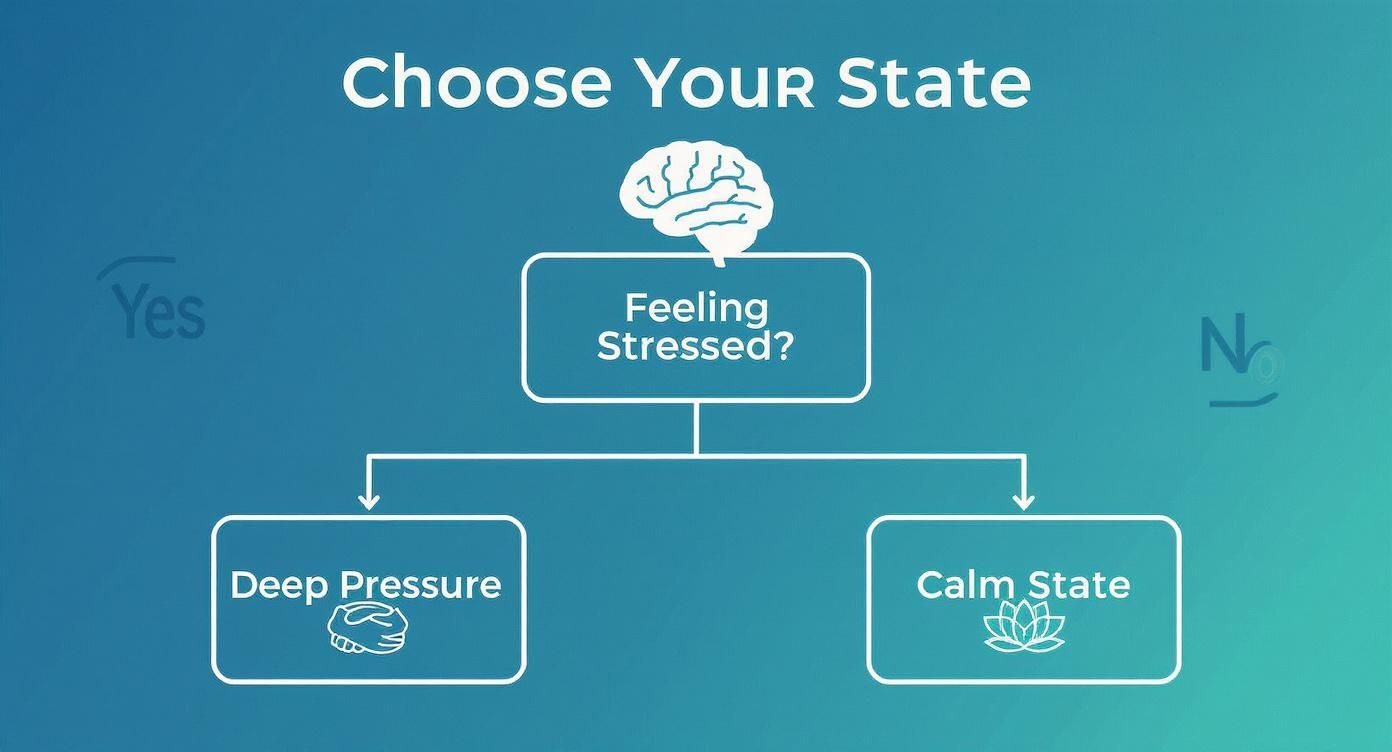
This simple chart gets right to the heart of it: when you're feeling stressed, that gentle, firm pressure is a direct path to guiding your nervous system back to a place of peace.
The Most Important Decision Is Weight
Hands down, the single most critical factor is the blanket's weight. You need the pressure to be firm enough to work its magic, but not so heavy that you feel pinned down. It's a fine balance.
The go-to rule is to pick a blanket that's about 10% of your body weight.
So, if you weigh around 150 pounds, a 15-pound blanket is the ideal starting point. This ratio provides just enough deep pressure to encourage that wonderful serotonin release without feeling uncomfortable. It's the sweet spot for telling your nervous system it's safe to relax.
But what if your weight falls between the standard options?
- If you're between sizes: It’s almost always better to round down to the lighter option. Too much weight can be counterproductive and just feel... well, heavy.
- If you know you love very firm pressure: You could consider rounding up, but only if you're in good health with no underlying conditions.
Getting the weight right is everything. For a deeper dive, check out our complete guide that explores what weight weighted blanket you should get to feel totally confident in your choice.
Size Matters But Not How You Think
When you think about blanket size, your first instinct is probably to match it to your bed—a queen blanket for a queen bed, right? With weighted blankets, you need to flip that thinking on its head. Think smaller.
The goal is to concentrate all that comforting weight on your body, not have it hanging off the sides of the mattress.
A blanket that’s sized to your body’s frame makes sure the pressure is applied right where it needs to be. If the blanket is too big, a good chunk of its weight gets wasted on the empty parts of your bed, which seriously waters down the effect. For most adults, a personal-sized throw or a twin blanket works perfectly, even on a king-sized bed.
Choosing Your Fabric For Ultimate Comfort
The final piece of the puzzle is the material. This might seem like a small detail, but the right fabric can be the difference between a good experience and a truly amazing one. This is especially true if you have any sensory sensitivities or you're a hot sleeper.
Here’s a quick rundown of the most popular options:
- Breathable Cotton: This is a fantastic all-around choice. Cotton is naturally soft and lets air circulate, making it perfect if you tend to get warm at night or live somewhere with warmer weather.
- Cozy Minky: If you crave an extra layer of sensory comfort, minky is your go-to. It's incredibly soft and plush with a velvety texture that just enhances that soothing, cocooned feeling.
- Cooling Bamboo: For anyone who sleeps hot, bamboo fabric is a game-changer. It’s known for its moisture-wicking and temperature-regulating abilities, feeling silky smooth while helping you stay cool and comfortable all night long.
To make it even simpler, here's a quick reference guide to help you put it all together.
Weighted Blanket Selection Guide
| User Body Weight Range | Recommended Blanket Weight | Ideal Size (Example) | Best For |
|---|---|---|---|
| 100-140 lbs | 12 lbs | Twin (48"x72") | Teens, petite adults, or those who prefer a lighter, less intense pressure. |
| 140-190 lbs | 15 lbs | Twin (48"x72") | The most common choice for average-sized adults seeking balanced comfort. |
| 190-240 lbs | 20 lbs | Twin (48"x72") | Larger adults or those who enjoy a distinctly firm, grounding sensation. |
| 240+ lbs | 25 lbs | Queen (60"x80") | For those who need maximum pressure, with a size that offers more coverage. |
By thinking through these three elements—weight, size, and material—you can pick a weighted blanket for anxiety that feels like it was designed just for you. It becomes more than just a blanket; it's a reliable source of comfort you can turn to whenever you need it most.
Safe and Effective Use for Adults and Children
A weighted blanket can feel like a game-changer, a comforting miracle wrapped around you. But to make sure it stays a safe and positive tool for relaxation, it's crucial to use it correctly. After all, your peace of mind is what this is all about.
There's one rule that stands above all others, and it's completely non-negotiable.
The person using the blanket, whether it's an adult or a child, must always have the physical strength and mobility to push it off by themselves. This is the absolute cornerstone of safe weighted blanket use.
If you have any doubt about this whatsoever, the blanket isn't the right fit. This one simple check ensures that comfort never, ever becomes a hazard.
Best Practices for Adults
For most adults, getting started with a weighted blanket is pretty simple. That said, it's a good idea to ease into it. This gives your body a chance to adjust to the new sensation and helps you figure out what feels best for you.
Try using the blanket for short bursts at first, maybe for 20-30 minutes while you’re reading on the couch or just winding down before turning in for the night. This is a great way to gauge how your body responds to the deep pressure.
Once you’re comfortable, feel free to increase the time. Many people end up loving it for a few hours at a stretch or even through the whole night. The most important thing is to listen to your body—if you ever feel uncomfortable, just take it off.
Special Considerations for Children
Using a weighted blanket with kids requires an extra layer of care and attention. While they can be an incredible comfort for children with anxiety or sensory needs, safety has to be the top priority. Sticking to the right sizing and supervising them is absolutely essential.
Here are the non-negotiable safety rules for children:
- Supervision is a Must: A responsible adult should always supervise a child using a weighted blanket, particularly when they're first getting used to it and during naps.
- Never Cover the Head or Neck: The blanket should only ever cover the child’s torso and legs, starting from the shoulders down. It must never be placed over their face, head, or neck.
- Get the Weight and Size Right: For kids, you have to follow the 10% of body weight rule strictly. Using a blanket that's too heavy for their small frame is a serious risk.
- Ensure They Can Get Out Easily: Just like with adults, the child must be strong enough to push the blanket off by themselves without struggling.
Following these rules ensures the blanket remains a source of security and calm, not a risk.
When to Consult a Doctor First
While weighted blankets are perfectly safe for most healthy adults, they aren't for everyone. For people with certain underlying health issues, the extra weight can pose a risk.
It is absolutely essential to talk to your doctor or an occupational therapist before trying a weighted blanket if you have any of the following conditions:
- Respiratory Issues: Conditions like asthma, sleep apnea, or chronic obstructive pulmonary disease (COPD) can be made worse by the pressure of a heavy blanket on the chest.
- Circulatory Problems: Anyone dealing with poor circulation or diabetes should get a medical green light first.
- Mobility Challenges: If you have limited strength or find it hard to move around easily, making sure you can remove the blanket independently is critical.
- Claustrophobia: For some, the gentle pressure is soothing. For others, it can trigger a feeling of being trapped.
Your doctor can help you weigh the potential benefits against any risks tied to your specific health situation. It’s a simple conversation that ensures your path to calm is both effective and completely safe.
Building a Calming Bedtime Routine
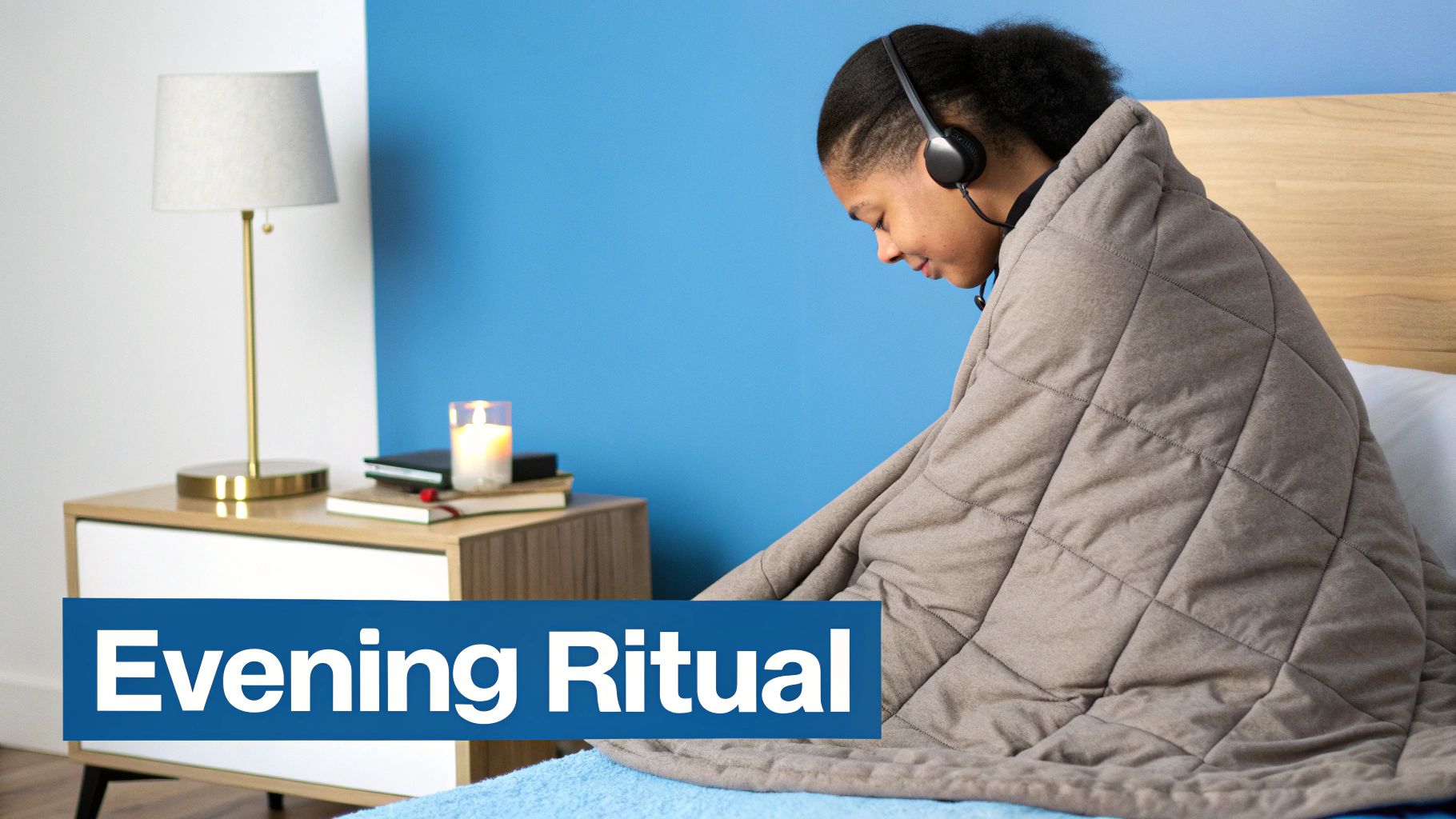
A weighted blanket is a powerful tool all on its own, but you can really unlock its potential when it becomes part of a consistent, calming bedtime ritual. Think of it as the anchor in a routine designed to signal to your body and mind that the day is over and it's time to rest.
Creating this ritual helps maximize the anxiety-reducing benefits, turning your bedroom into a genuine sanctuary for recovery. The goal is to build a sensory environment that actively promotes peace, gently guiding your nervous system away from the day's stress and toward deep relaxation.
Creating Your Sensory Sanctuary
First things first: reduce stimulating input and replace it with calming sensations. This doesn't need to be complicated or expensive. In fact, small, consistent actions are what make the biggest difference over time.
Start by dimming the lights about an hour before you plan to sleep. This simple cue helps your body start producing melatonin, the hormone that governs sleep. At the same time, put away screens like your phone or tablet—the blue light they emit can seriously interfere with this natural process.
Next, layer in other calming sensory elements that work hand-in-hand with your weighted blanket.
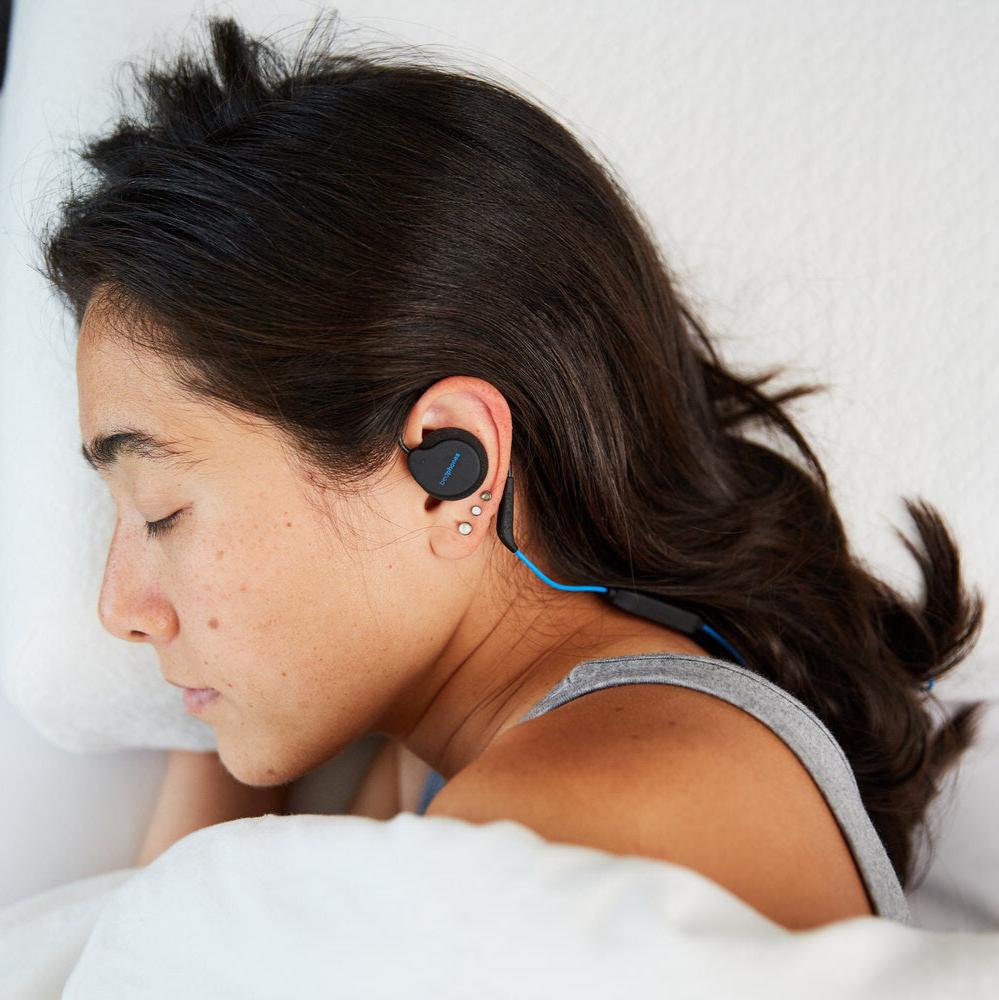
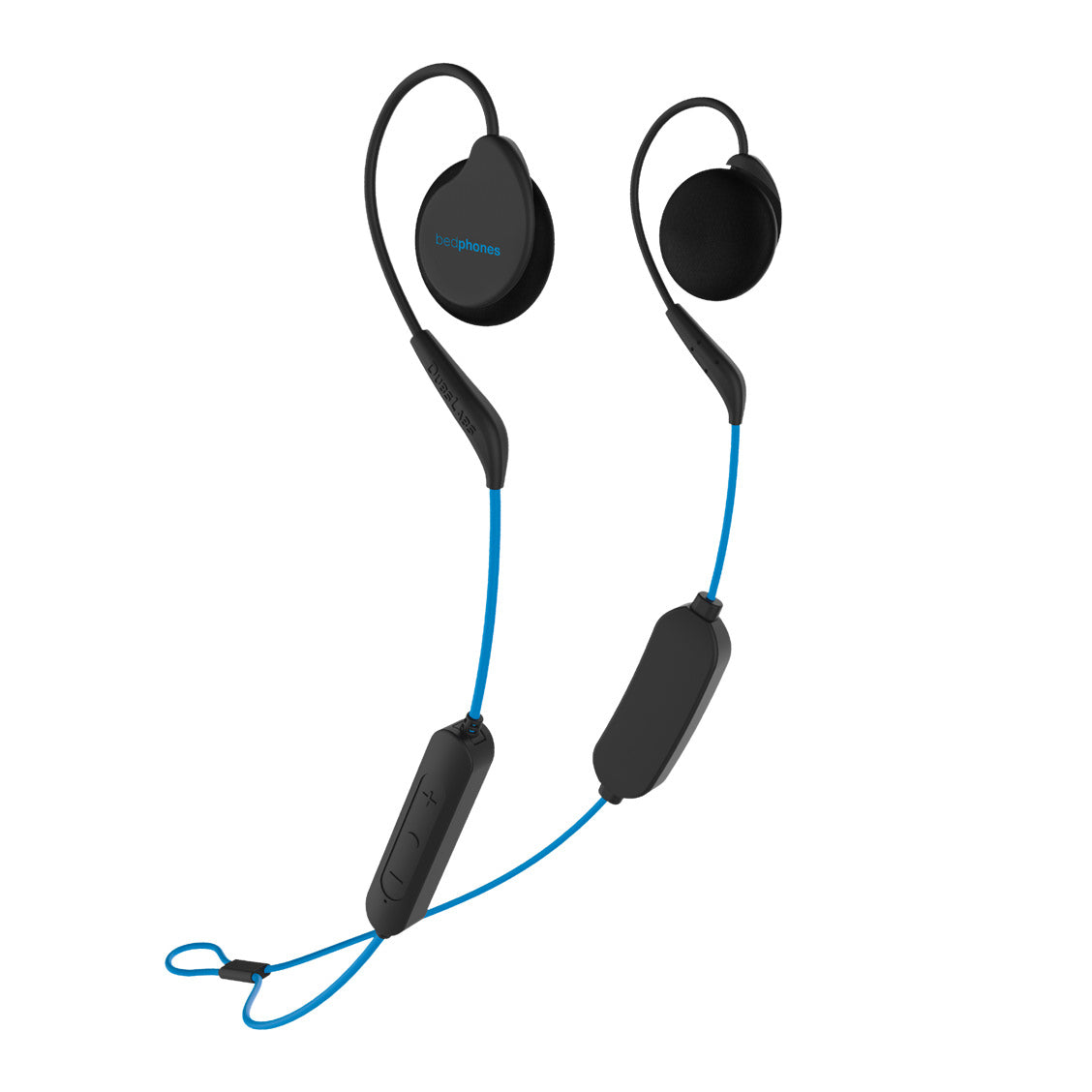
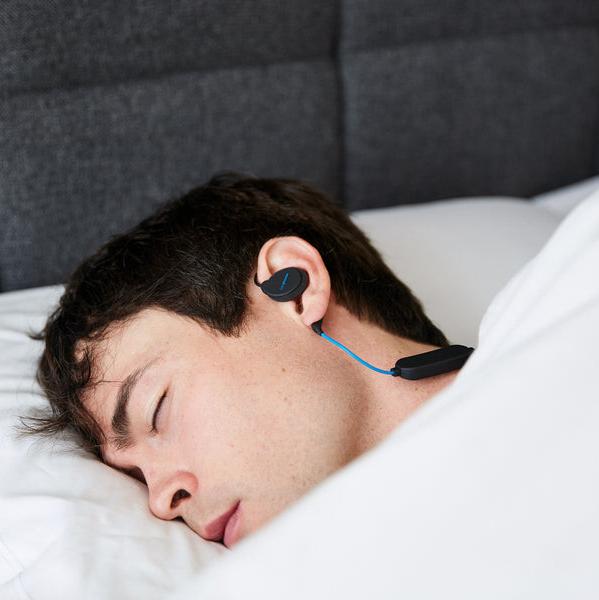
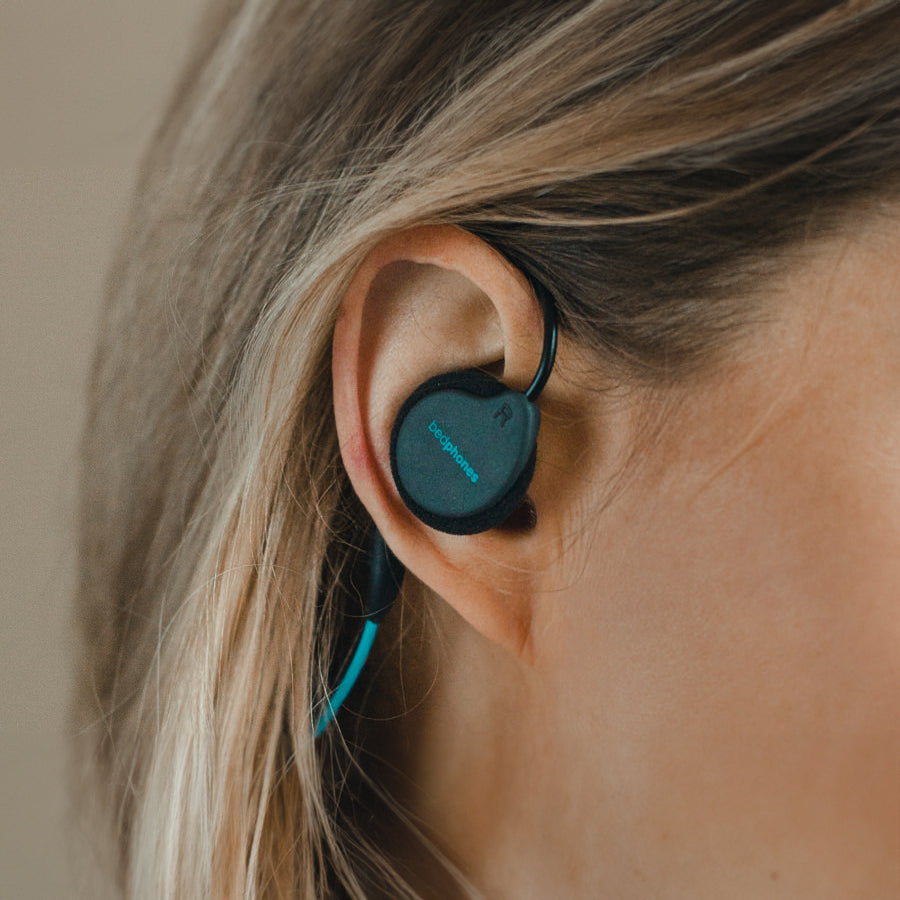
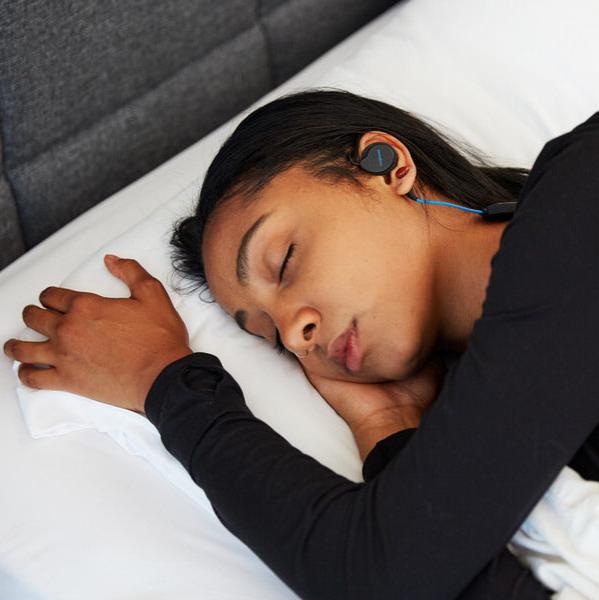
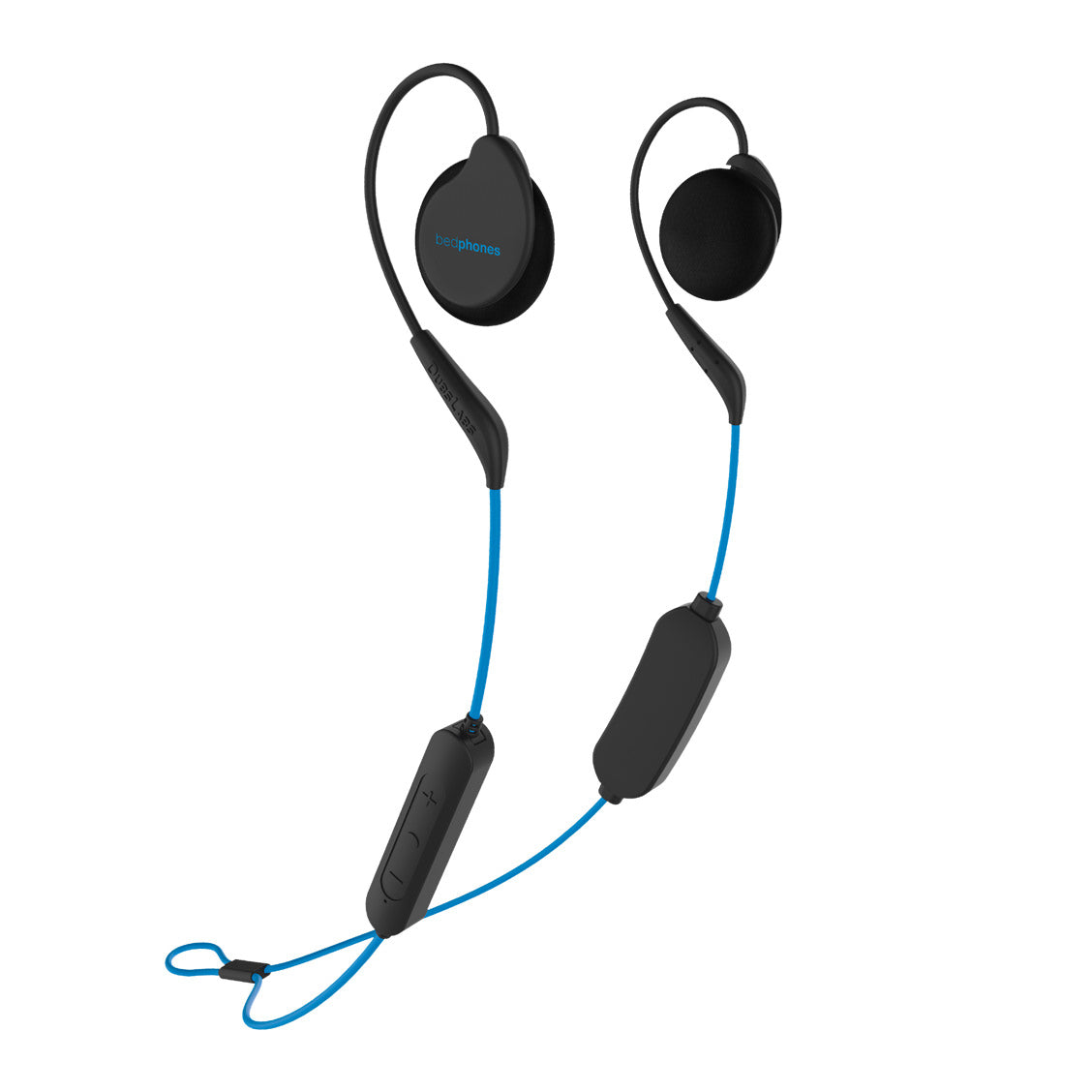
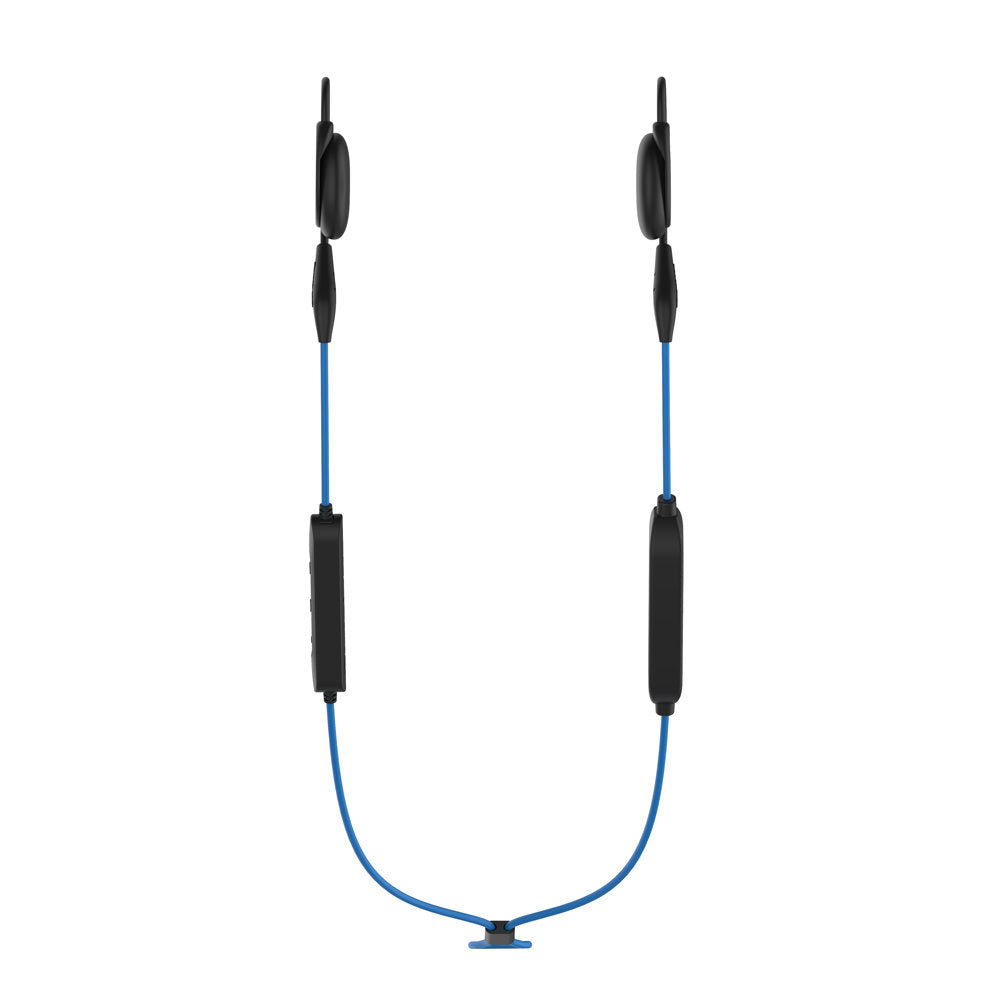
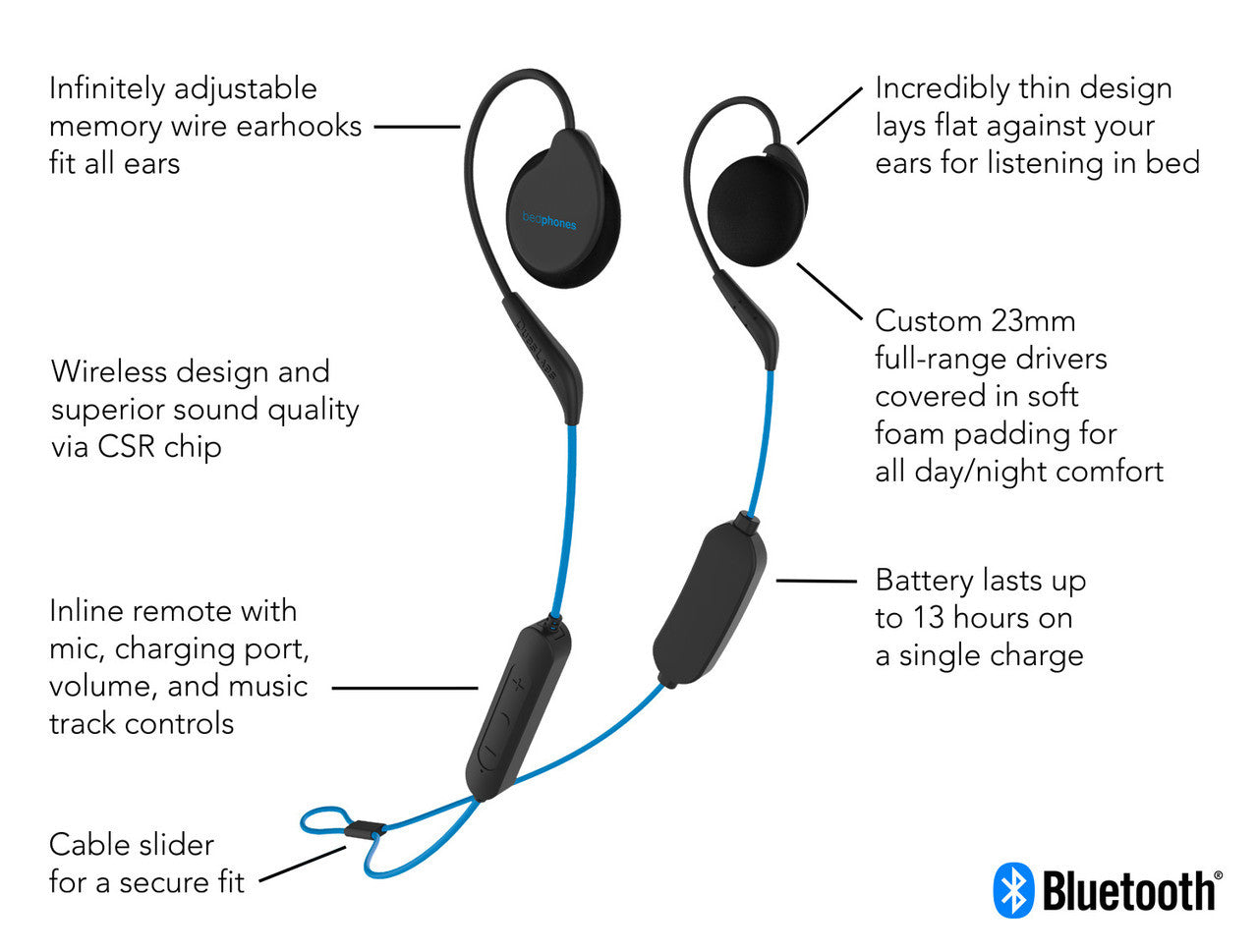
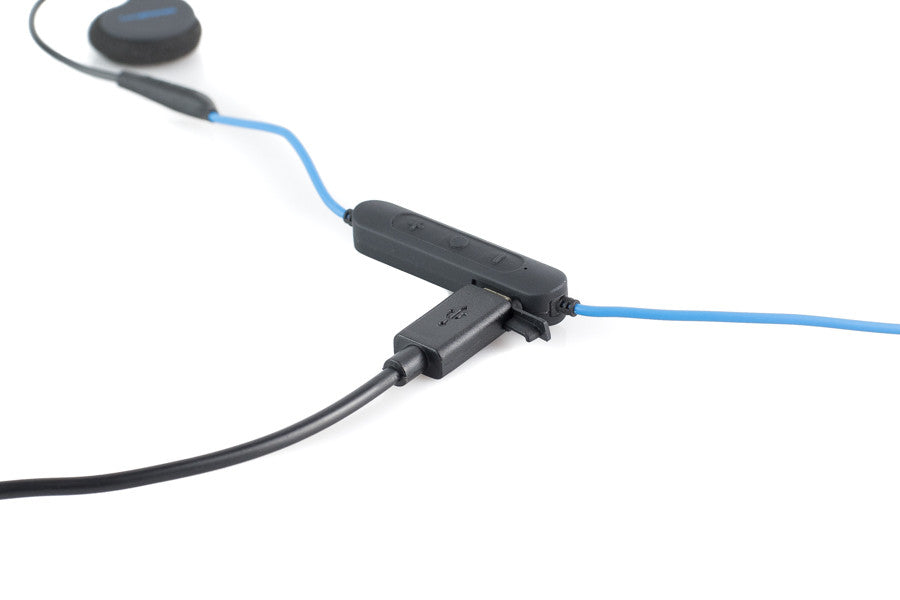
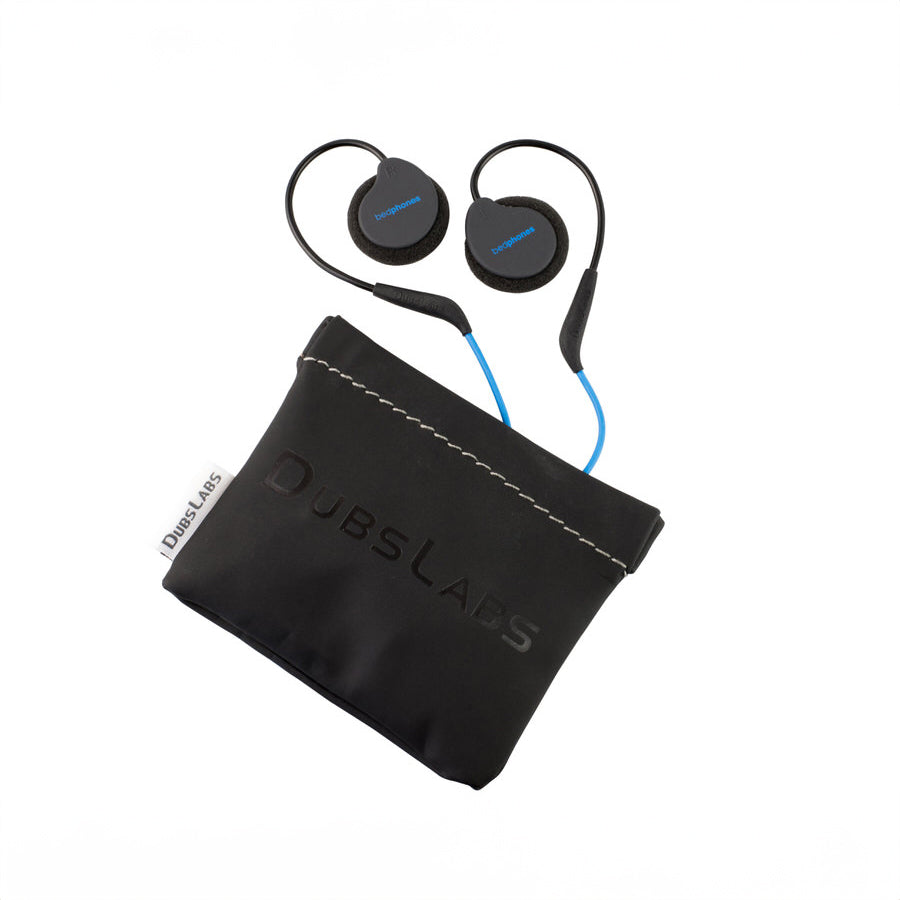
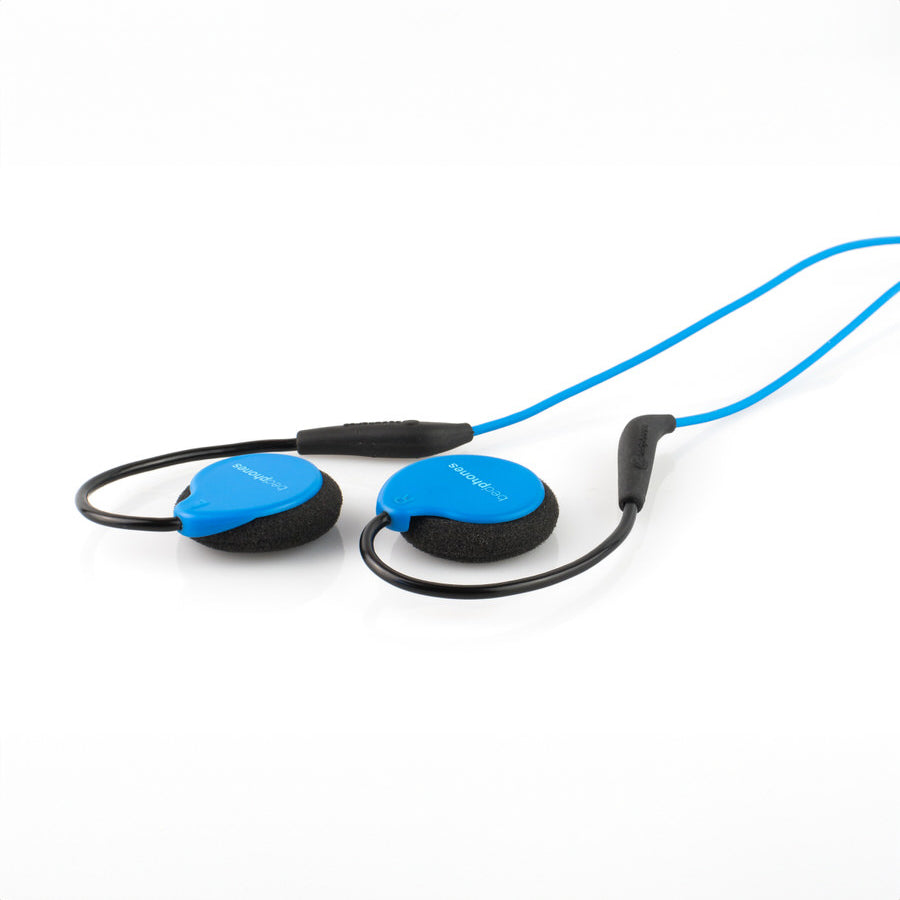
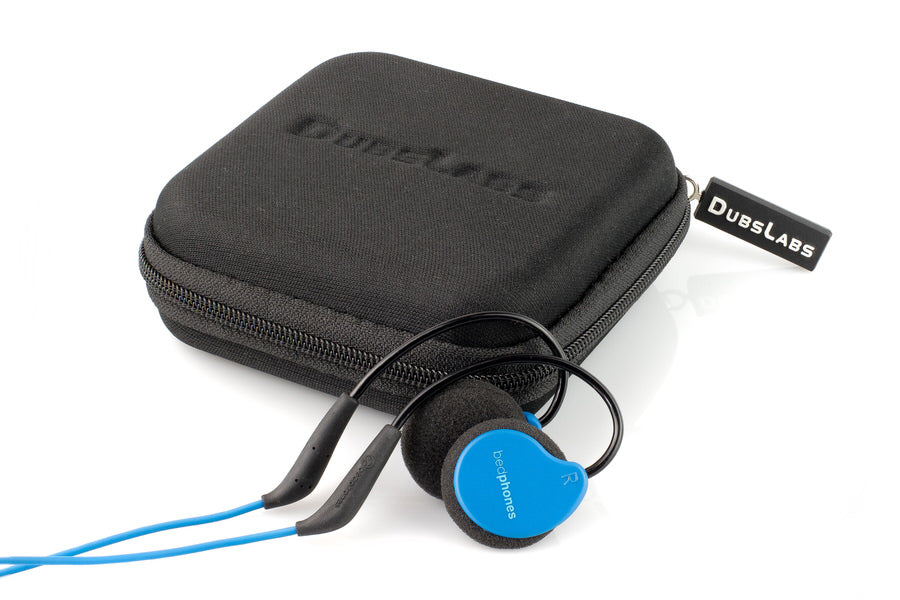
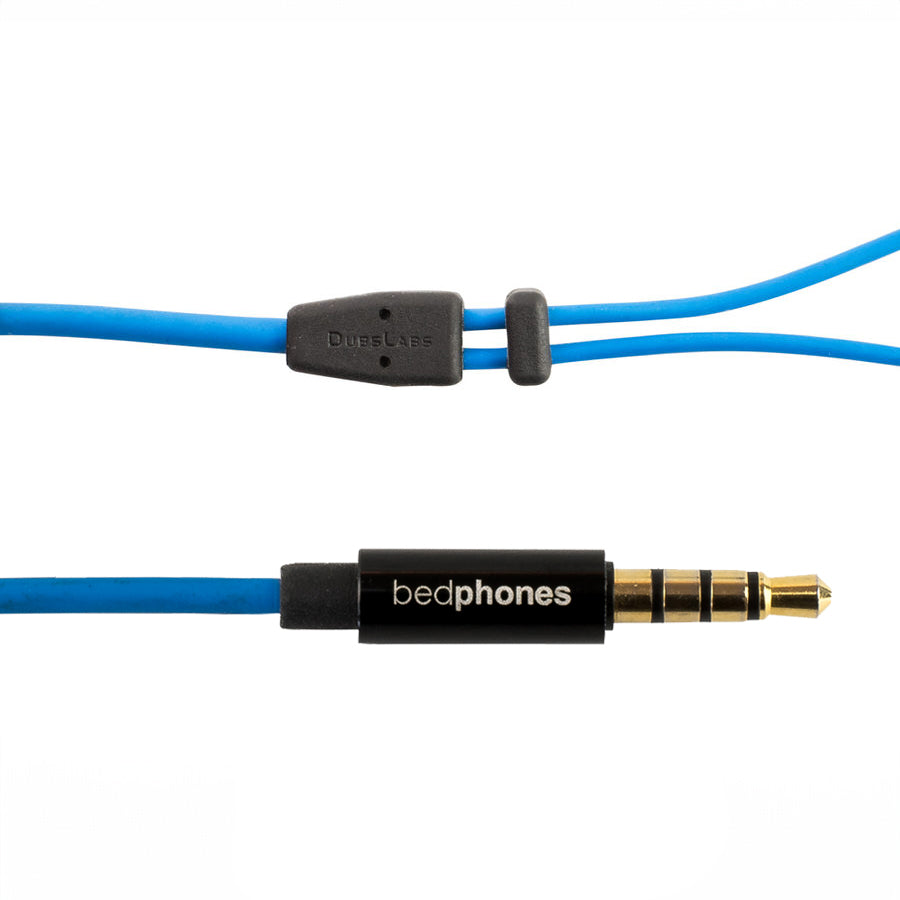
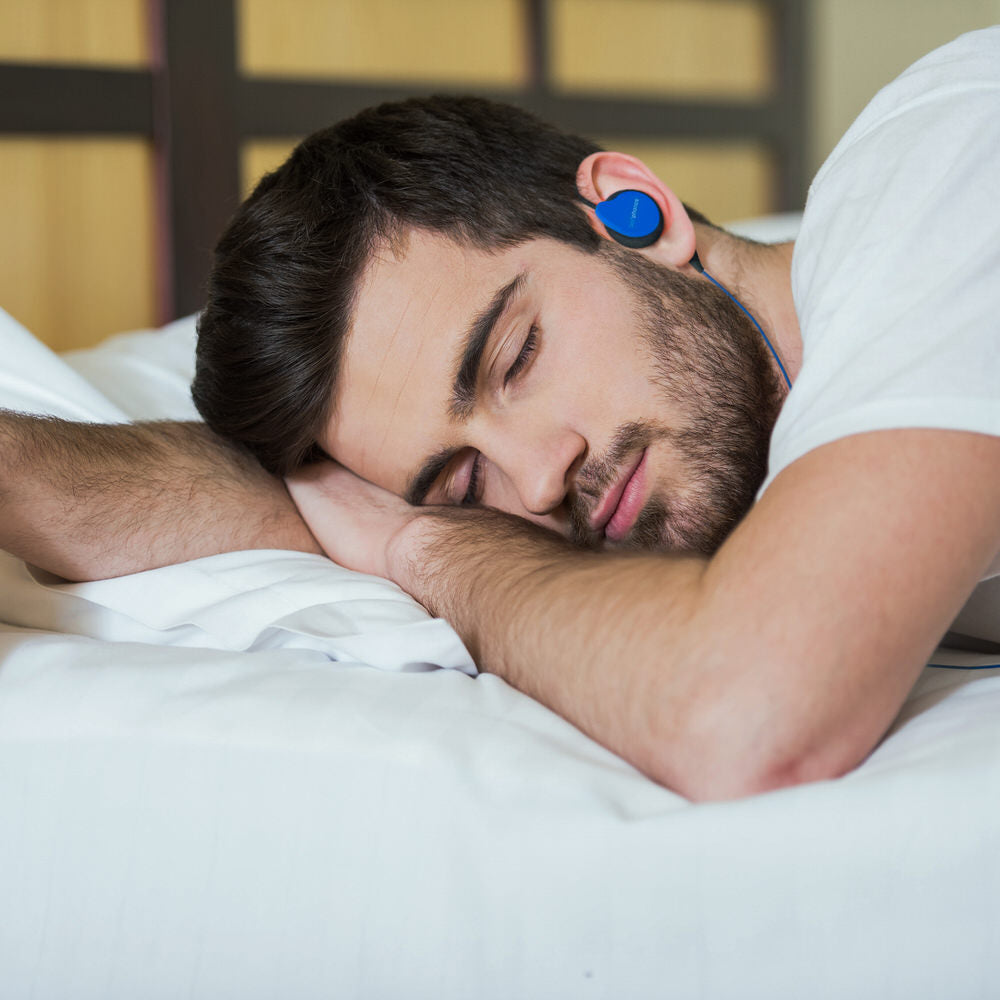
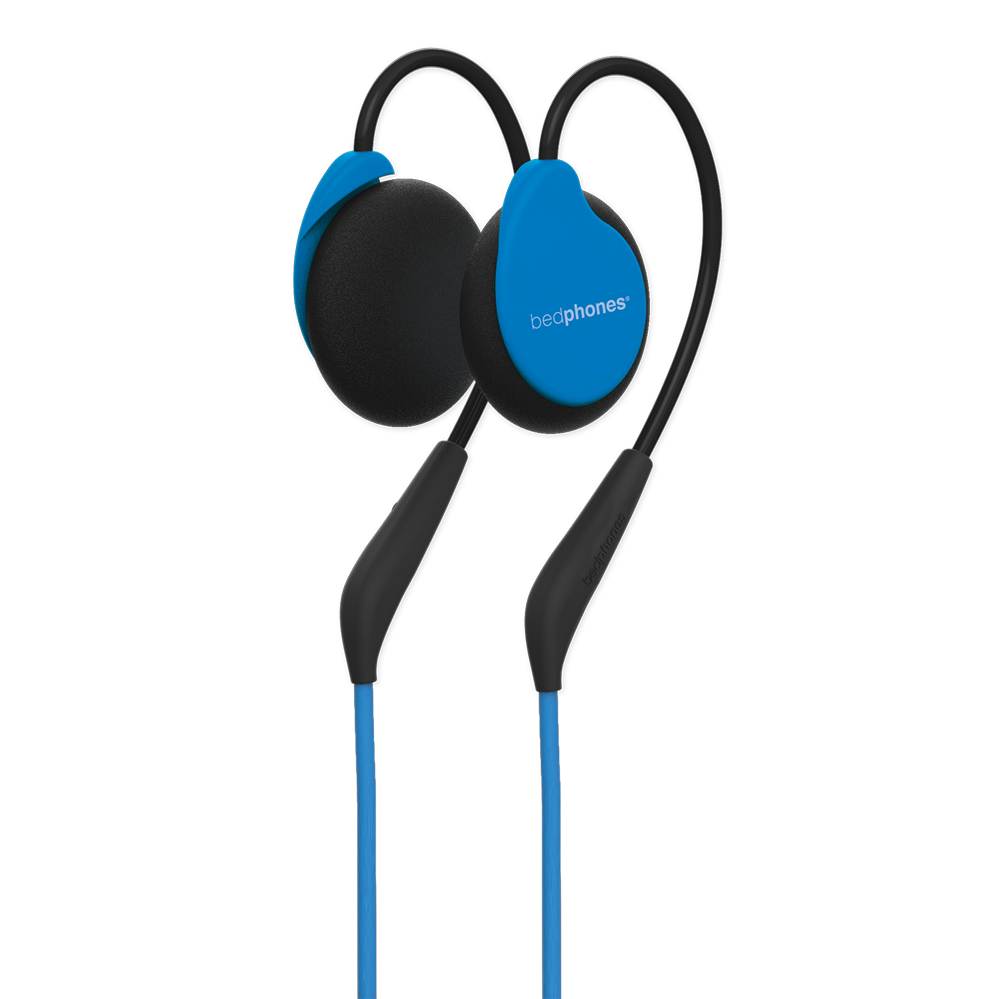
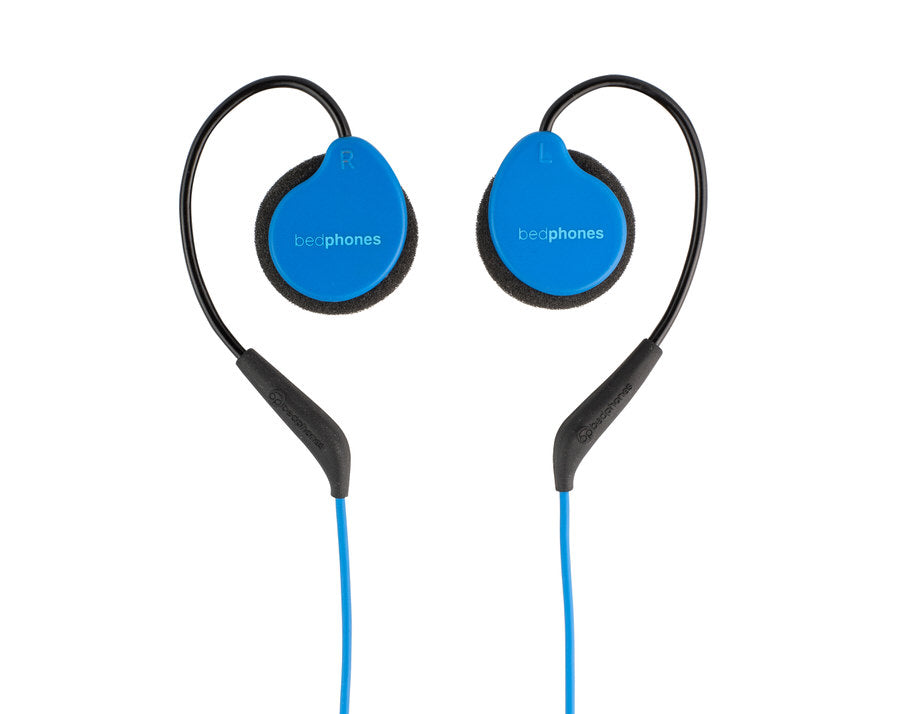
- Soothing Sounds: Pair the deep pressure of your blanket with calming audio. This could be anything from gentle ambient music to a guided meditation or even the soft hum of a fan. Comfortable sleep headphones, like Bedphones, are perfect for this, letting you get lost in the sound without any discomfort.
- Gentle Aromas: Consider using an essential oil diffuser with scents known for their relaxing properties, like lavender or chamomile.
- Comforting Textures: Surround yourself with soft fabrics, from your pajamas to your pillowcase, to boost that overall feeling of security and comfort.
The 20-Minute Wind-Down Ritual
Consistency is everything when it comes to a successful routine. Try to dedicate the last 20-30 minutes before bed to a predictable set of actions that tell your brain it's time to switch off. This creates a powerful psychological association between these activities and sleep.
A consistent pre-sleep routine helps regulate your body's internal clock, or circadian rhythm, making it easier to fall asleep and wake up feeling refreshed. It’s a form of self-care that prepares both mind and body for restorative rest.
Here is a simple but effective ritual you can adapt:
- Prepare Your Space: Dim the lights, turn on your calming audio, and get your room to a comfortable temperature.
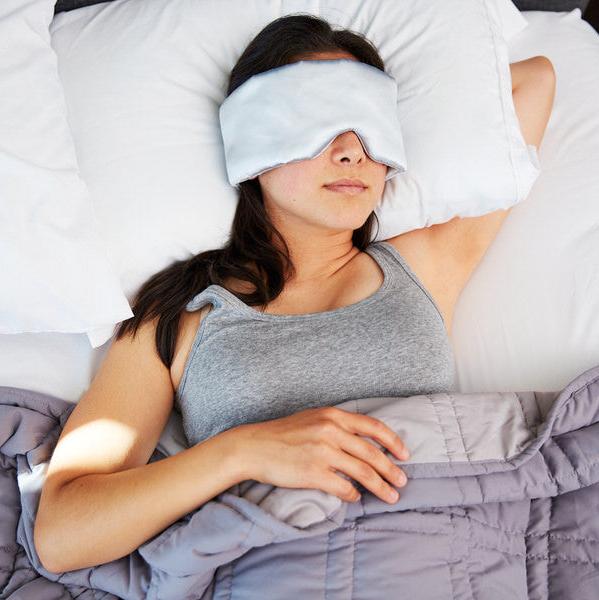
- Settle In: Get into bed and drape your weighted blanket for anxiety over you. Let that gentle pressure start to work its magic.
- Engage in a Quiet Activity: Read a few pages of a book (a real one, not on a screen!), listen to your meditation app, or just focus on your breathing.
- Transition to Sleep: After about 20 minutes, turn off your light and audio. Your body and mind will now be primed for a peaceful night.
This kind of structured wind-down really can improve sleep quality. For instance, one study found that college students using a weighted blanket experienced significantly better sleep, with fewer interruptions and more time spent in deep rest.
Establishing these habits is important at any age. If you're looking for strategies for younger family members, you might even explore guides on gentle toddler sleep training methods. By making this ritual a non-negotiable part of your evening, you transform your weighted blanket from a simple comfort item into a cornerstone of your mental well-being.
Keeping Your Comfort Companion Fresh
To get the most out of your weighted blanket, you'll want to keep it clean. Proper care not only makes it a more hygienic and inviting tool for anxiety relief but also extends its life significantly.
How you clean it really comes down to one thing: does it have a removable cover, or is it an all-in-one design?
Blankets with a duvet-style cover are a breeze to maintain. Just unzip the cover, toss it in the wash with your regular laundry, and you’re set. This handles most of the day-to-day upkeep, meaning the inner weighted part needs washing far less often.
If your blanket doesn’t have a separate cover, you’ll just wash the whole thing. It’s still pretty straightforward, but you’ll want to be a bit more careful, especially with the heavier models.
Washing Your Weighted Blanket
First things first: always check the manufacturer’s care tag for specific instructions. Most weighted blankets are machine washable, but following their guidelines is the best way to protect both the fabric and the weighted fill inside.
For a complete step-by-step guide, you can check out our detailed weighted blanket washing instructions.
But for now, here are the basics for a successful wash:
- Check Your Machine’s Capacity: Most standard home washing machines can handle blankets up to about 20 pounds. If yours is heavier, it’s a good idea to use a large-capacity, commercial machine at a laundromat to avoid putting too much strain on your washer at home.
- Use a Gentle Cycle: Always opt for a cold, gentle cycle. This is kinder to the fabric and helps prevent any damage to the tiny weighted beads packed inside.
- Choose a Mild Detergent: Stick with a mild, bleach-free detergent. Harsher chemicals can break down the material over time, shortening your blanket's lifespan.
Pro Tip: Give your weighted blanket a solo wash. Washing it by itself prevents other items from snagging the fabric and gives the blanket plenty of room to get clean without overloading your machine's motor.
Drying for Longevity
Drying your blanket properly is just as important as washing it. The key is to get it completely dry without damaging the fabric or the filling. High heat is the main enemy here, as it can melt the weighted pellets or cause the material to shrink.
The best method is to tumble dry on a low-heat setting. To help fluff the blanket and keep the weighted fill from clumping up, you can throw in a few wool dryer balls or even some clean tennis balls.
Alternatively, air-drying is a foolproof option. Just lay the blanket flat across a large, clean surface, like a bed or a few chairs pushed together. This ensures it dries evenly without any risk of heat damage. One thing to avoid: never hang a wet weighted blanket. Its own weight will stretch the fabric out and cause the fill to shift around permanently.
Common Questions About Weighted Blankets for Anxiety
Even after you understand the science, you probably still have a few practical questions. It makes sense. Getting clear, simple answers can help you feel completely confident as you start using this powerful tool for calm.
Let's walk through some of the most common things people ask.
Can I Sleep With It All Night?
This is usually the first question on everyone's mind. The short answer? Yes, absolutely—as long as it feels good to you. Many people find that the continuous, gentle pressure helps them not only fall asleep but stay asleep, leading to a much more restful night.
That said, it’s a good idea to ease into it. When your blanket first arrives, try it out for shorter periods. Maybe for 20 minutes while you’re reading on the couch. This gives your body a chance to get used to the new sensation. If it feels calming and comfortable, gradually use it for longer stretches until you're ready for a full night's sleep.
Won't I Overheat?
This is a huge concern, especially for people who already sleep hot. Adding a heavy blanket might seem like the last thing you'd want. Fortunately, the right blanket won't trap heat.
The secret is choosing one made from a breathable fabric. Materials like natural cotton or bamboo are fantastic because they let air circulate, which helps wick away moisture and prevents that stuffy, trapped-in feeling. Steer clear of synthetic fabrics like polyester if you're worried about warmth.
Here are a few other tips to stay perfectly cool:
- Pick a Breathable Cover: A duvet cover made from cooling fabrics like cotton or bamboo will boost the airflow even more.
- Adjust Your Thermostat: Dropping the room temperature by just a degree or two can make all the difference and easily offset any extra warmth.
- Layer Smart: On warmer nights, you might find that the weighted blanket is all you need. Try using it by itself without any other sheets or comforters.
How Quickly Will I Feel the Effects?
Another big question is how fast you can expect to feel that sense of calm. The experience is a bit different for everyone, but a surprising number of people report feeling more relaxed almost immediately.
One hospital study found that over 85% of participants felt the weighted blanket helped lower their anxiety. For most of them, the benefits kicked in within the first 15 minutes of use.
This fast-acting effect comes down to how Deep Pressure Stimulation directly communicates with your nervous system. That gentle, firm pressure is a quick signal to your body that you're safe, which helps dial down cortisol and ramp up serotonin. For some, it creates an instant feeling of being grounded and secure.
For others, the benefits might feel more gradual. It can take a few sessions for your body to fully adapt and respond to the pressure. The key here is consistency. By making the weighted blanket a regular part of your wind-down or bedtime routine, you can teach your nervous system to associate its gentle pressure with a state of deep calm.
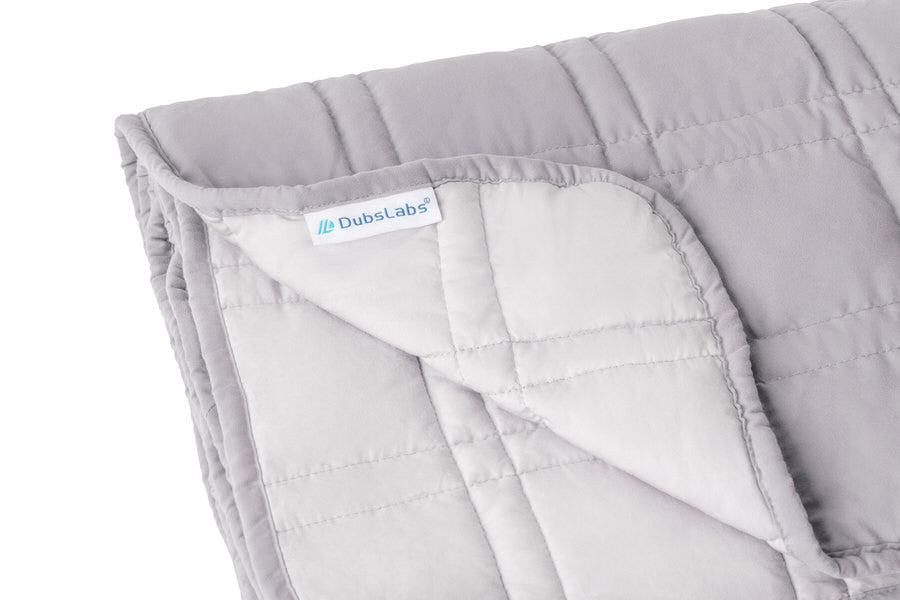
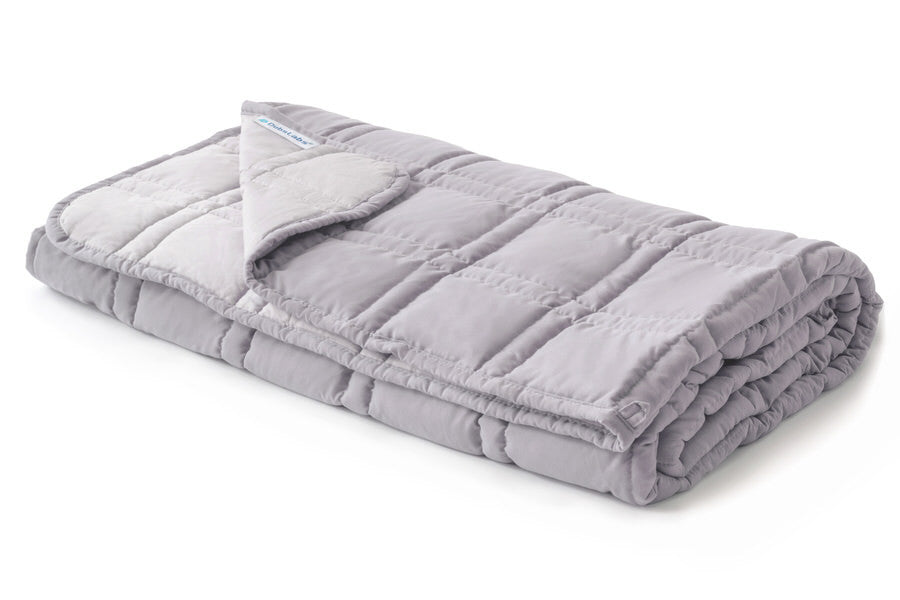
Ready to feel the difference for yourself? The DubsLabs weighted blanket is crafted with premium, breathable materials to give you that soothing pressure without making you overheat. Find your perfect match and see how it can transform your nights with our risk-free trial. Discover a deeper sense of calm by exploring our collection at https://www.dubslabs.com.