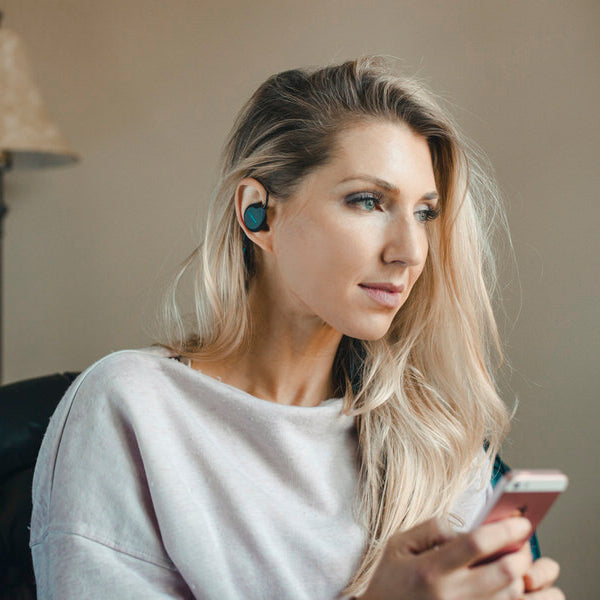
Some of the best audiobooks for lulling you to sleep have two things in common: a calm narrator and a low-stakes, familiar plot. Think Stephen Fry's warm narration of Mythos or Rosamund Pike's gentle reading of Pride and Prejudice. These stories are just enough to give a racing mind a soft place to land, letting you drift off without the harsh blue light from a screen. A soothing voice and a predictable story—that’s the magic formula.
Why Your Brain Loves Audiobooks for Sleep
If you've ever found yourself staring at the ceiling, replaying every moment of your day, you know how a busy mind can totally sabotage a good night's rest. This is where the simple act of listening to a story can be a game-changer. An audiobook gives your brain something pleasant and low-effort to focus on, gently steering it away from anxious thoughts or that endless to-do list for tomorrow.
You can think of it as a grown-up lullaby. A calm, steady voice can actually help slow your heart rate and even out your breathing, guiding your body into a more relaxed state. And unlike scrolling on your phone, which blasts you with stimulating blue light known to suppress melatonin, audiobooks are a screen-free way to wind down.
A Modern Bedtime Ritual
Building a consistent nightly routine is one of the best ways to signal to your brain that it's time to power down. Making an audiobook a part of that ritual can be incredibly comforting. The familiarity of a narrator's voice or a story you already know can create a safe, soothing environment that invites sleep.
This practice is especially powerful if you deal with racing thoughts. We actually have a whole guide with more tips on how to calm anxiety before bed that you might find helpful.
And it’s not just a niche habit; it's a massive trend. The audiobook market in the United States was valued at a whopping USD 2.75 billion in 2023 and is only expected to climb. A huge slice of that comes from listeners who specifically use audiobooks as a sleep aid to manage anxiety and cut down on pre-bed screen time, which is why platforms like Audible have become such big players in the sleep-health world. You can read more about these sleeping statistics and market trends if you're curious.
The Power of Passive Engagement
Here’s the secret sauce: listening to a story requires just enough mental engagement to keep your mind occupied, but not so much that it keeps you wide awake. This "passive engagement" is what makes it work so well. Your brain can follow the narrative without the active effort it takes to read words on a page or process visuals on a screen.
An audiobook for sleep shouldn't be a gripping thriller that leaves you desperate to find out what happens next. Its real job is to provide a gentle, predictable soundscape that allows your conscious mind to step aside and make way for sleep.
Ultimately, the goal is to create a calm mental space where sleep can just… happen. A well-chosen audiobook does exactly that, transforming bedtime from a nightly battle with your own brain into a peaceful transition to a restful night.
The Science of a Sleep-Inducing Voice
Have you ever noticed how some voices can just melt your stress away, while others instantly put you on edge? That’s not a coincidence. It’s all about how our brains process sound, and it’s the secret sauce behind the best audiobooks for sleep.
The real magic isn't in the story itself, but in the specific vocal qualities of the narrator. Think of it as a gentle, rocking cradle for your mind.
A truly sleep-inducing voice sends a powerful signal to your nervous system, telling it to shift from high alert down to rest mode. The key ingredient here is consistency. When a narrator keeps a steady pace, a soft tone, and a predictable rhythm, they create a safe and stable auditory environment. This predictability tells your brain there are no threats, allowing it to finally let its guard down.
The Anatomy of a Soothing Voice
So, what are the specific ingredients that make a voice perfect for lulling you to sleep? It really comes down to a few core elements that work together to create a deeply calming effect. Imagine a narrator's voice like a musical instrument, tuned perfectly for relaxation.
The three most important vocal qualities are:
- A Measured Pace: A slow, deliberate speaking rate helps lower your own heart rate and regulate your breathing. It completely removes any sense of urgency you might feel from a fast-paced conversation.
- A Soft, Low Pitch: Our brains generally perceive lower-pitched sounds as less threatening and more soothing than high-pitched ones. A soft volume is just as crucial, ensuring there are no sudden noises to startle you awake.
- Consistent Rhythm and Cadence: A voice with a predictable, almost hypnotic rhythm is incredibly effective. This consistent cadence becomes a kind of non-arousing white noise, which you can learn more about in our guide to the best sounds to fall asleep to.
Why Dramatic Performances Fail
This is exactly why a dramatic, performance-driven audiobook is the absolute enemy of sleep. While it might be great for a long road trip, a narrator who uses a wide range of volumes, pitches, and emotional tones will keep your brain alert and engaged. Instead of drifting off, your mind will be busy trying to follow the emotional cues and anticipating what happens next.
A sleep-inducing narrator’s goal isn’t to entertain but to soothe. They purposefully strip away dramatic flair, opting for a smooth, monotonous delivery that allows the listener’s mind to gently disengage from conscious thought.
Loud sound effects, multiple character voices, and sudden shifts in tone can trigger a startle response, yanking you right out of the early, delicate stages of sleep. For this reason, a simple, clean audio production without all the bells and whistles is far more effective.
When you're searching for your next sleep audiobook, pay close attention to the narrator's sample. Listen for that steady, calming presence—it’s the most reliable sign that you’ve found a story that will guide you effortlessly into a peaceful night's rest. Your goal is to find a voice so calming it becomes a familiar, comforting background hum.
Choosing the Right Story for Restful Nights
Just as a narrator's voice can lull you into a state of calm, the story itself is just as crucial. Think of the plot as the path your mind walks as it prepares for sleep. You want a gentle, meandering trail, not some steep, adrenaline-pumping climb that leaves you wide-eyed at the top.
When it comes to bedtime, not all stories are created equal. The very best audiobooks for sleep share a common trait: a low-stakes, predictable narrative. This lets your mind gently detach from the day's stresses without getting bored—or worse, fired up.
The Best Genres for Bedtime
The goal here is simple: find stories that soothe rather than stimulate. Look for genres that feel like a warm, familiar blanket, where the plot unfolds slowly without jarring twists or nail-biting cliffhangers.
Here are a few genres that work wonders for winding down:
- Classic Literature: Books like Pride and Prejudice or Little Women often have a gentle rhythm and language from a quieter time. Even better if you’ve read them before—that familiarity is a fantastic tool for relaxation.
- Cozy Mysteries: Forget high-octane thrillers. These stories are set in small, charming towns where mysteries are solved with clever thinking, not car chases. The stakes stay comfortably low.
- Gentle Non-Fiction: You'd be surprised how calming a well-narrated book on history, nature, or even philosophy can be. The idea is to engage in quiet learning and contemplation, not an emotional rollercoaster.
Using audiobooks for sleep is part of a much bigger picture. While 57% of listeners in the U.S. tune in during their daily commute, a growing number are making them part of their bedtime ritual. This trend fits right in with the growth of the global sleep aids market, which is expected to jump from USD 4.98 billion in 2023 to over USD 6.65 billion by 2029. You can learn more about audiobook demographics and habits on PublishDrive.com.
Genres to Avoid Before Sleep
On the flip side, some stories are practically guaranteed to keep you up. Fast-paced, high-energy narratives can kick your brain's fight-or-flight response into gear, making it nearly impossible to relax. You need a story that lets your mind drift, not one that demands its undivided attention.
The purpose of a sleep audiobook isn't to be captivated by every word; it's to provide a pleasant, murmuring backdrop that gives your active mind a soft place to land.
Steer clear of these genres when you’re trying to catch some Zs:
- Thrillers and Horror: Suspense, jump scares, and relentless action are designed to get your heart pounding. That’s the exact opposite of what you want.
- Complex Sci-Fi or Fantasy: Stories with intricate world-building, sprawling family trees, and epic plots require way too much brainpower to follow when you're sleepy.
- High-Drama Fiction: If a story is packed with intense emotional conflict and stressful situations, it’s going to make it that much harder for you to disengage and find your own sense of peace.
With so many genres to consider, it can be tough to know where to start. Here's a quick guide to help you pick the right kind of story for your wind-down routine.
Comparing Audiobook Genres for Sleep
| Genre | Why It Works for Sleep | Why It Doesn't Work for Sleep |
|---|---|---|
| Classic Literature | Gentle pacing and familiar, predictable plots reduce mental strain. | Language can sometimes be dense or archaic, which might be distracting for some. |
| Cozy Mysteries | Low-stakes problems solved with intellect, not action. Comforting and predictable. | The "mystery" element, though mild, could still be too engaging for some minds. |
| Gentle Non-Fiction | Factual and unemotional content (history, nature) can be soothing and educational. | Some topics might be too dry or boring, failing to hold attention just enough to distract. |
| Thrillers/Horror | (Avoid) | High suspense, fast action, and startling events increase heart rate and anxiety. |
| Complex Sci-Fi/Fantasy | (Avoid) | Requires significant mental energy to track worlds, characters, and intricate plots. |
| High-Drama Fiction | (Avoid) | Emotionally charged conflicts can be stressful and prevent relaxation. |
Ultimately, choosing a genre is a personal preference, but sticking with stories that are calm and low-energy will give you the best shot at a peaceful night's sleep.
This handy decision tree shows how to weigh both the narration and the content to find the perfect sleep-inducing audiobook.
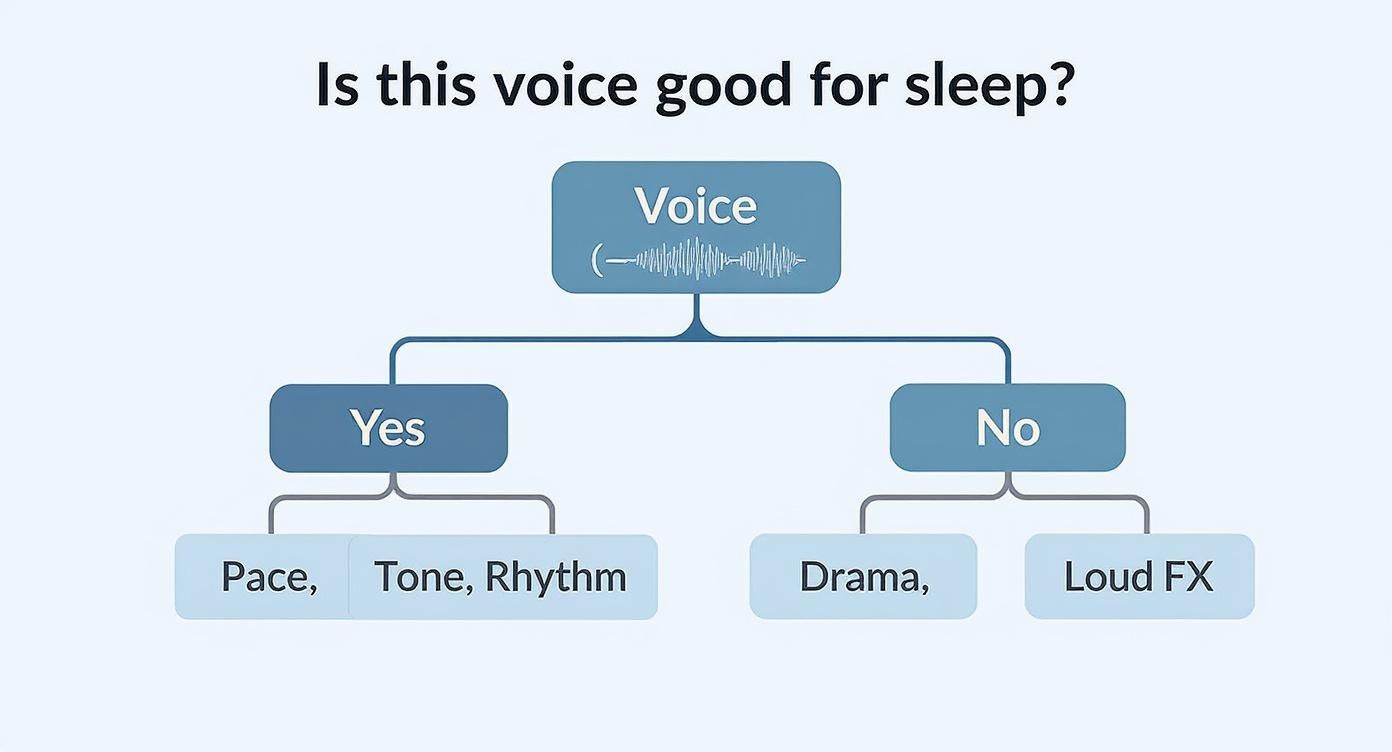
As you can see, the key is to find that sweet spot where a narrator's calm, steady voice meets a story that's interesting enough to distract you but not so thrilling it keeps you awake. Avoid anything with dramatic effects or loud noises, and you'll be well on your way to dreamland.
Our Top Picks for the Best Audiobooks for Sleep
Alright, now that you have a solid idea of what makes a narrator and story the perfect recipe for sleep, let's dive into some of the best audiobooks out there for dozing off. This isn't just a random list; it’s a hand-picked collection of titles known for their almost magical ability to quiet a racing mind.
Think of these as your go-to sleep toolkit. Each one has that perfect blend of a calming voice and a story that won't have you on the edge of your seat—or, in this case, the edge of your pillow.
Classic Literature with Calming Narration
There's something incredibly comforting about stories that have been loved for generations. You probably already know the plot, so there’s no pressure to stay awake. You can just let the gentle language and predictable rhythm wash over you.
-
Pride and Prejudice Narrated by Rosamund Pike: Pike's voice is pure velvet. Her narration is so soft and measured that listening to this classic feels like being wrapped in a warm blanket. Since the story is so famous, your brain won't feel the need to hang on to see what happens next. Her smooth, even tone is the real star here.
-
Anne of Green Gables Narrated by Rachel McAdams: McAdams brings such a gentle warmth to this delightful story. Her delivery is light and sweet without ever being overly dramatic, which perfectly captures the tale's innocence. It’s a fantastic choice if you want to drift off with happy, comforting thoughts.
Engaging Non-Fiction That Soothes
Who said non-fiction is just for daytime learning? The right subject, told by the right voice, can be one of the best sleep aids you'll find. These books are interesting enough to pull your mind away from the day's worries but are structured in a way that doesn't demand your full attention.
A great non-fiction sleep audiobook satisfies your curiosity without triggering your anxiety. It gives your brain a gentle puzzle to ponder—like ancient myths or natural wonders—instead of letting it dwell on your to-do list.
-
Mythos Written and Narrated by Stephen Fry: Stephen Fry's voice is legendary for a reason. It's deep, rich, and has a hypnotic quality that’s hard to resist. He tells the ancient Greek myths with the charm of a cozy, fireside storyteller, making the whole experience both fascinating and incredibly calming.
-
A Short History of Nearly Everything Narrated by Bill Bryson: While Bryson narrates his own work with a lot of enthusiasm, his friendly, conversational style makes even the most complex science feel approachable and gentle. It’s like having a favorite professor calmly explain the wonders of the universe in a way that’s completely reassuring.
Stories Made Specifically for Sleep
Beyond the classics and non-fiction, there's a whole world of audio content engineered from the ground up to help you sleep. These often have super simple plots, a meditative pace, and are sometimes layered with ambient sounds to help you relax.
If you’re looking for something designed to be as soothing as possible, you might want to check out guided meditation audiobooks for calm. These can be a game-changer for winding down.
You’ll also find that apps like Calm have entire libraries of "Sleep Stories." These are often read by people with famously soothing voices, like Matthew McConaughey or Harry Styles, and they mix storytelling with mindfulness to help you drift off without even trying.
Creating Your Perfect Sleep Listening Setup
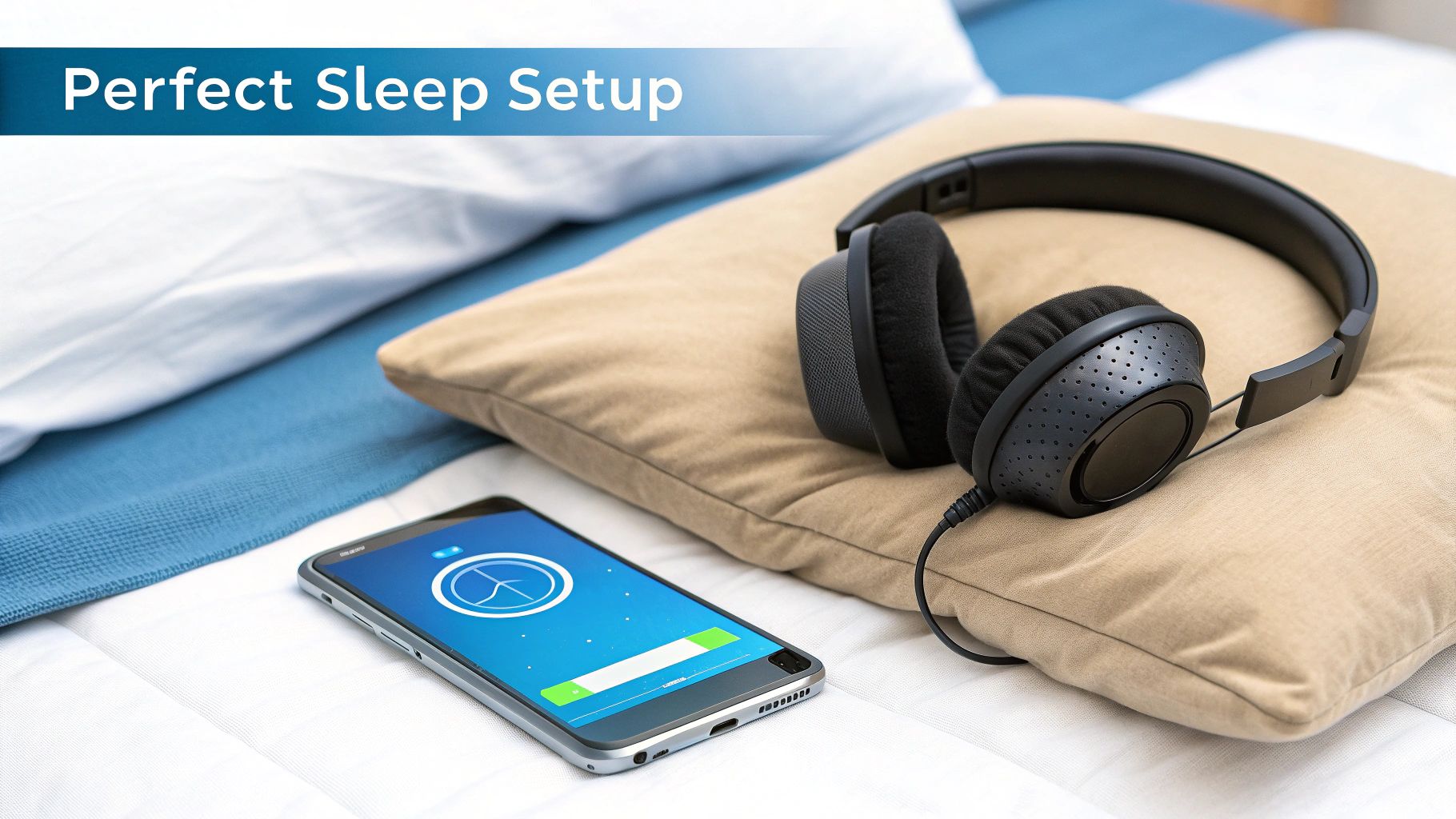
Picking out the right audiobook is a great start, but it's only half the battle. To really get the most out of it, you need to create an environment that tells your body and mind, "Okay, it's time to power down." Your listening setup is every bit as important as the story itself.
Think of it like setting the stage for a performance. With just a few small tweaks, you can turn your nightly listening from a simple distraction into a powerful sleep ritual. This is about more than just pressing play and hoping for the best.
The single most important tool you have is the sleep timer. Just about every audiobook app has one, and it's an absolute must for a good night's sleep. Set it to shut off after 30 or 60 minutes. This prevents a sudden plot twist or a new chapter from jarring you awake hours later when you're in a lighter stage of sleep.
Comfort Is Key for Uninterrupted Rest
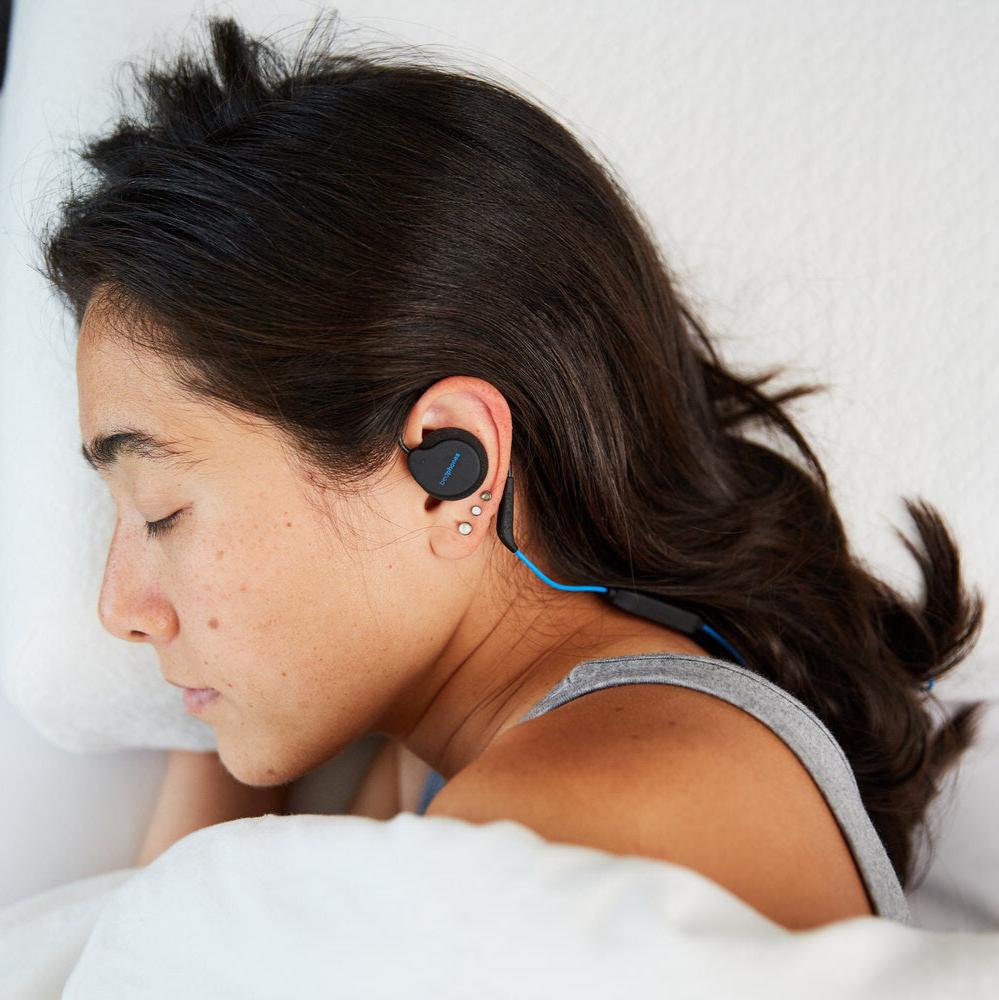
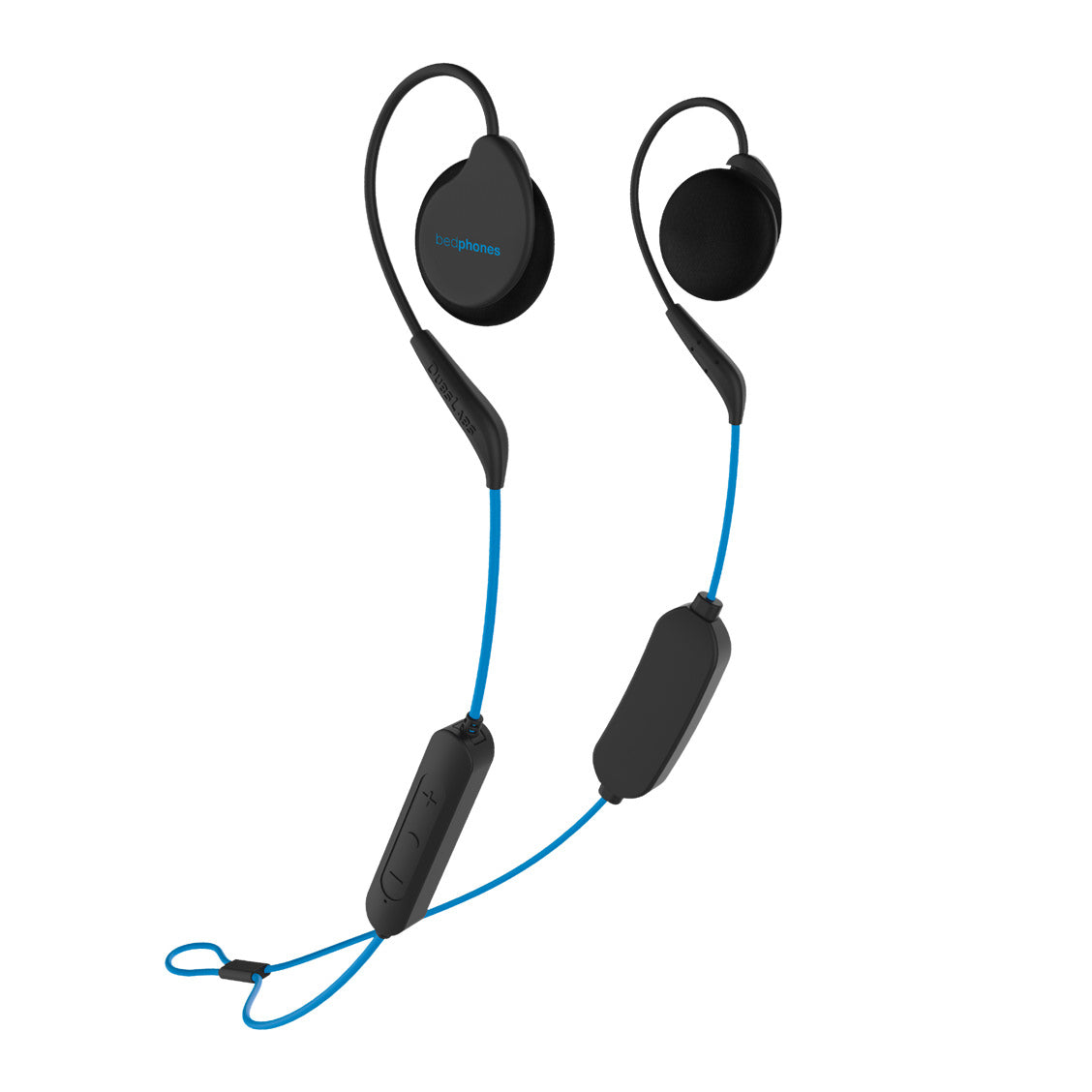
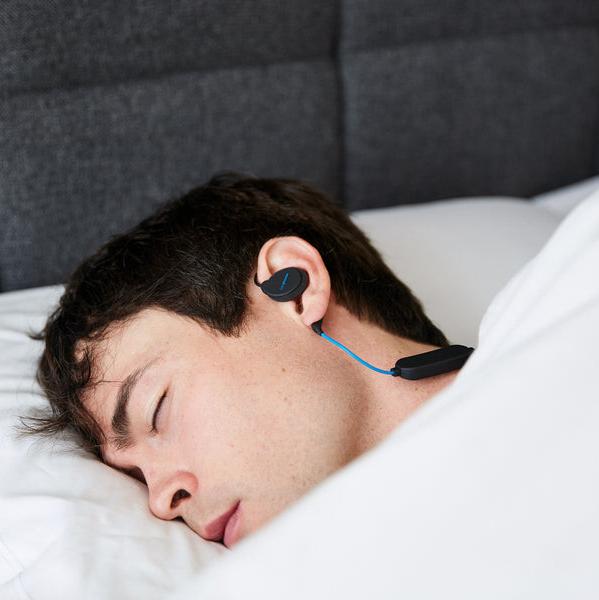
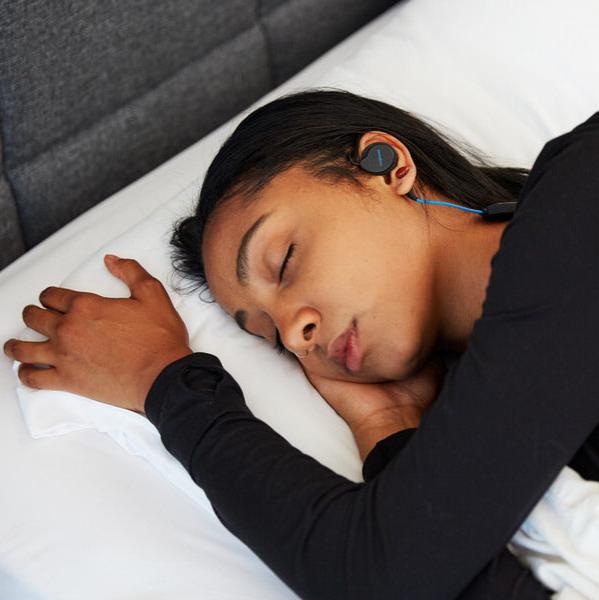
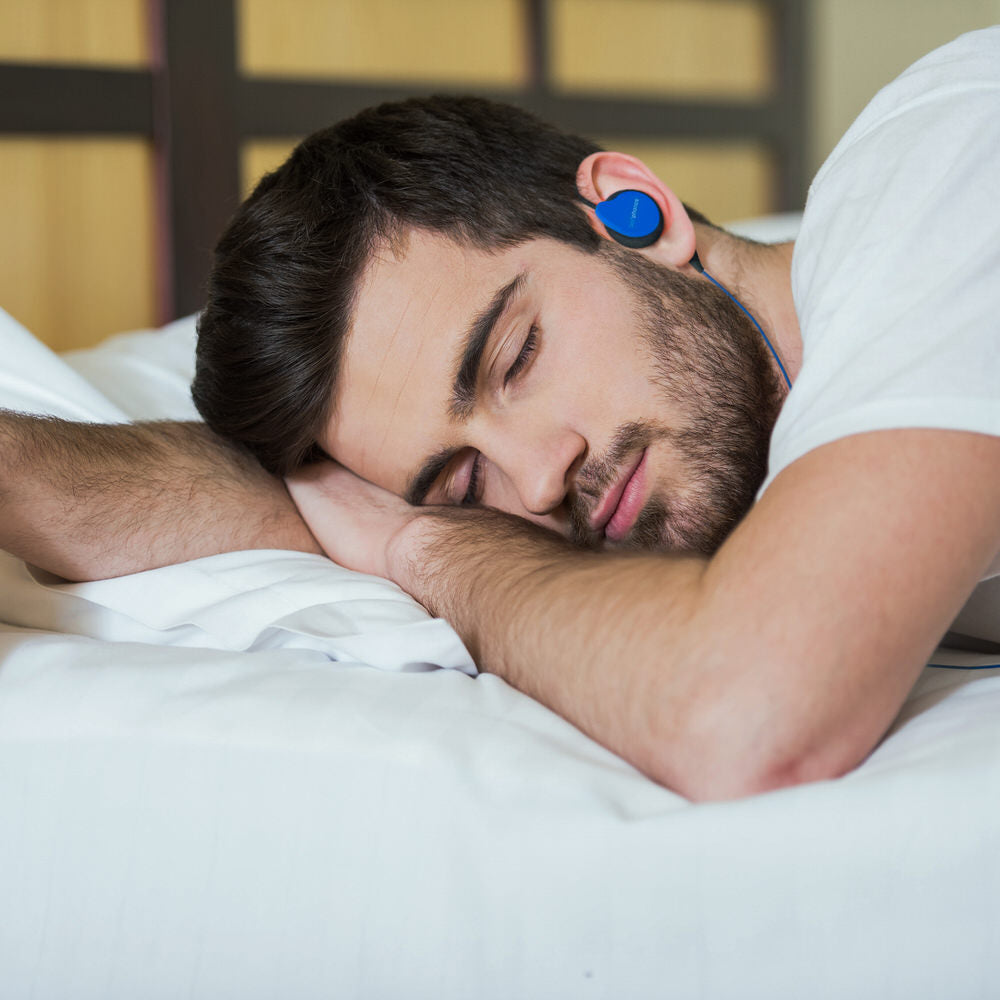
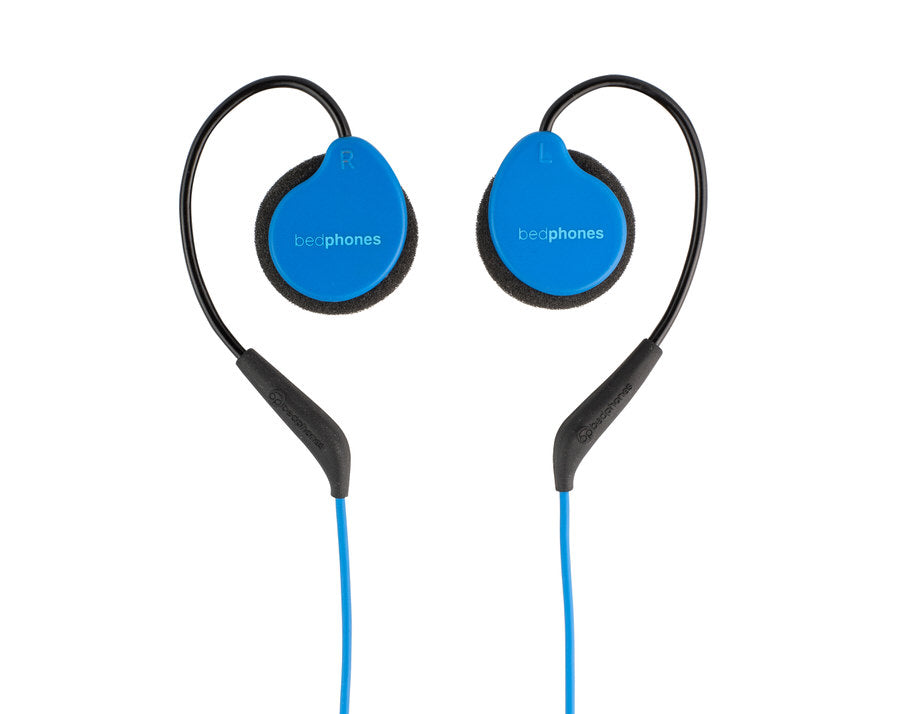
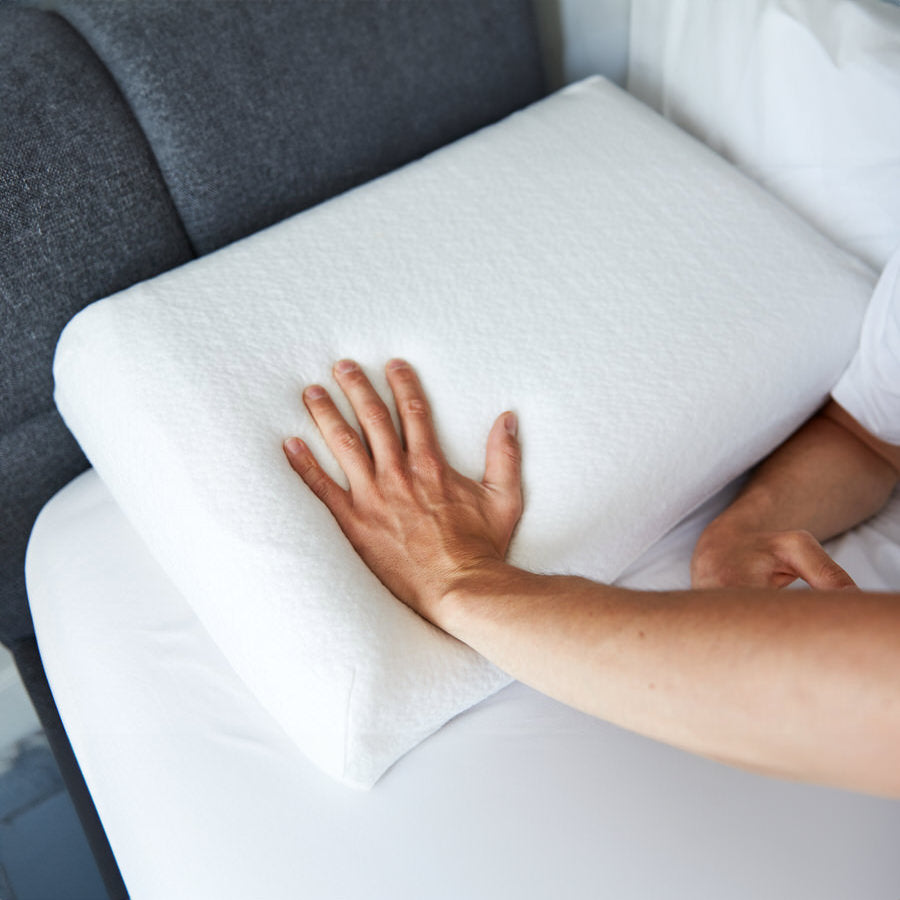
You have to be comfortable. Bulky, over-the-ear headphones simply won't work when you're trying to drift off, especially if you're a side sleeper. That constant pressure and awkwardness is a surefire way to stay awake.
This is where gear designed specifically for sleep makes all the difference.
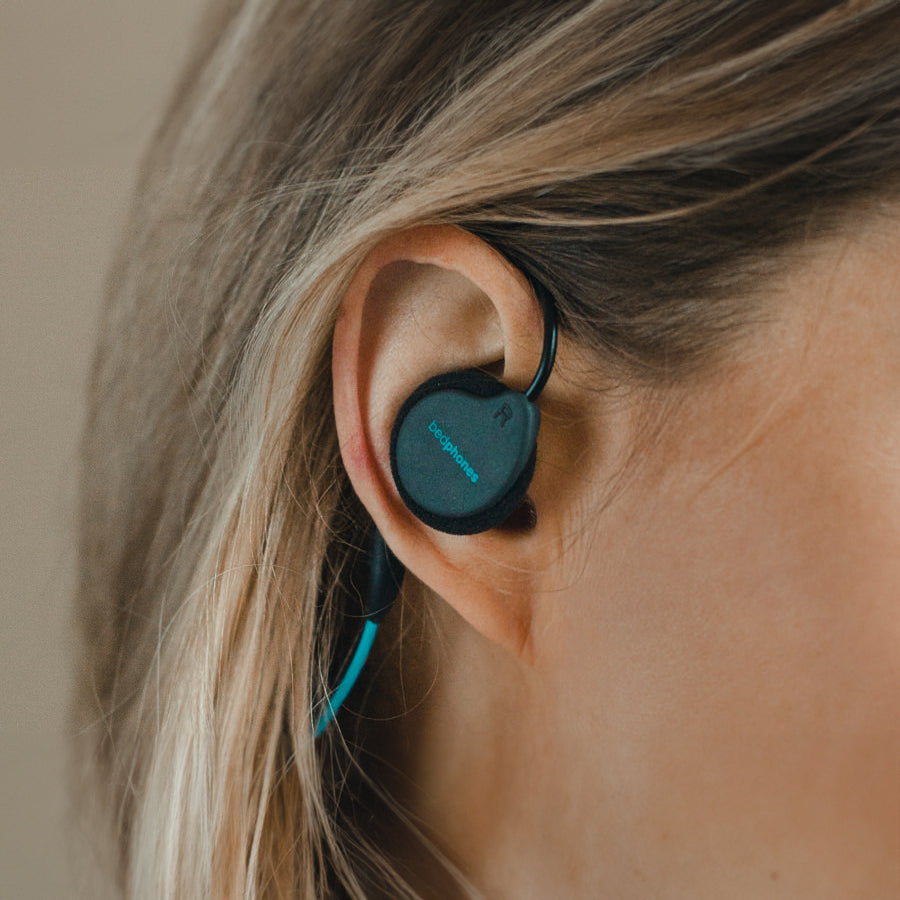
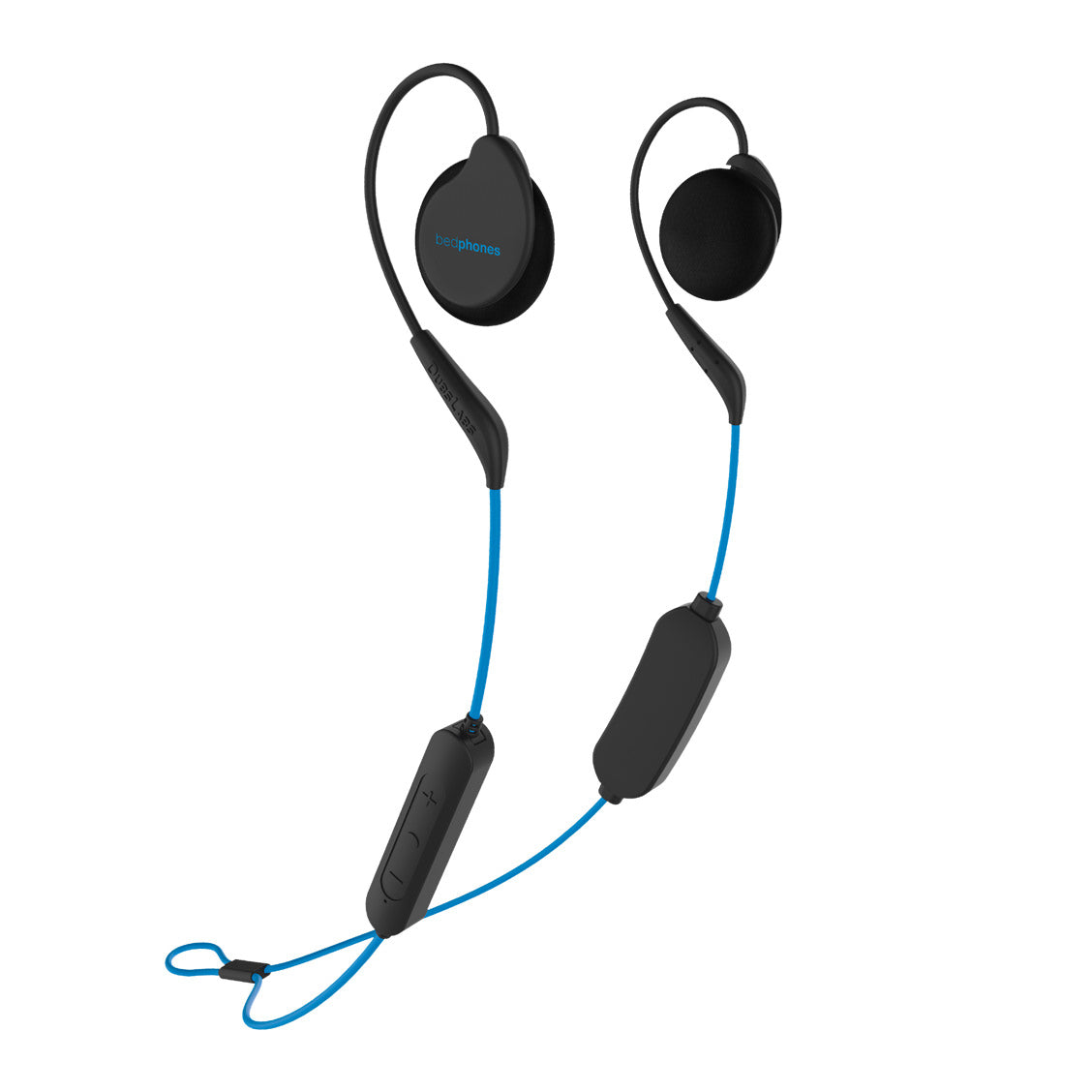
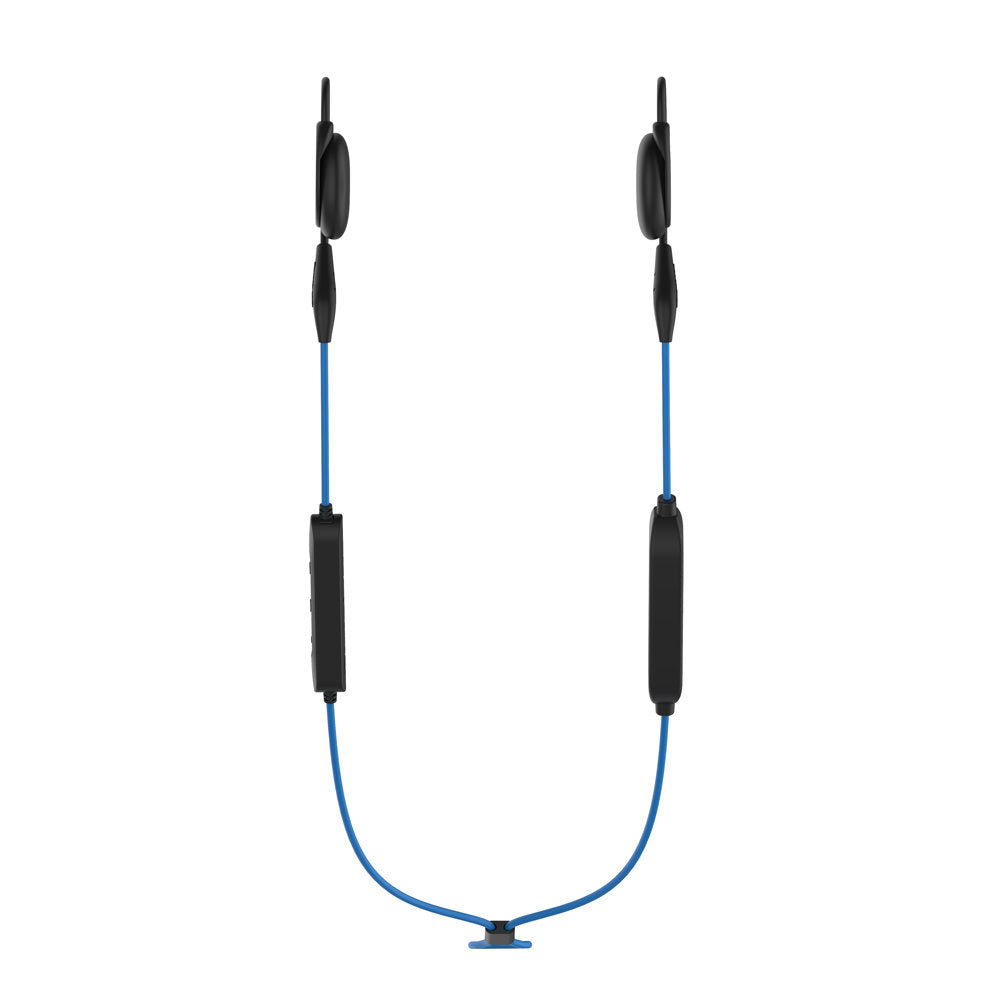
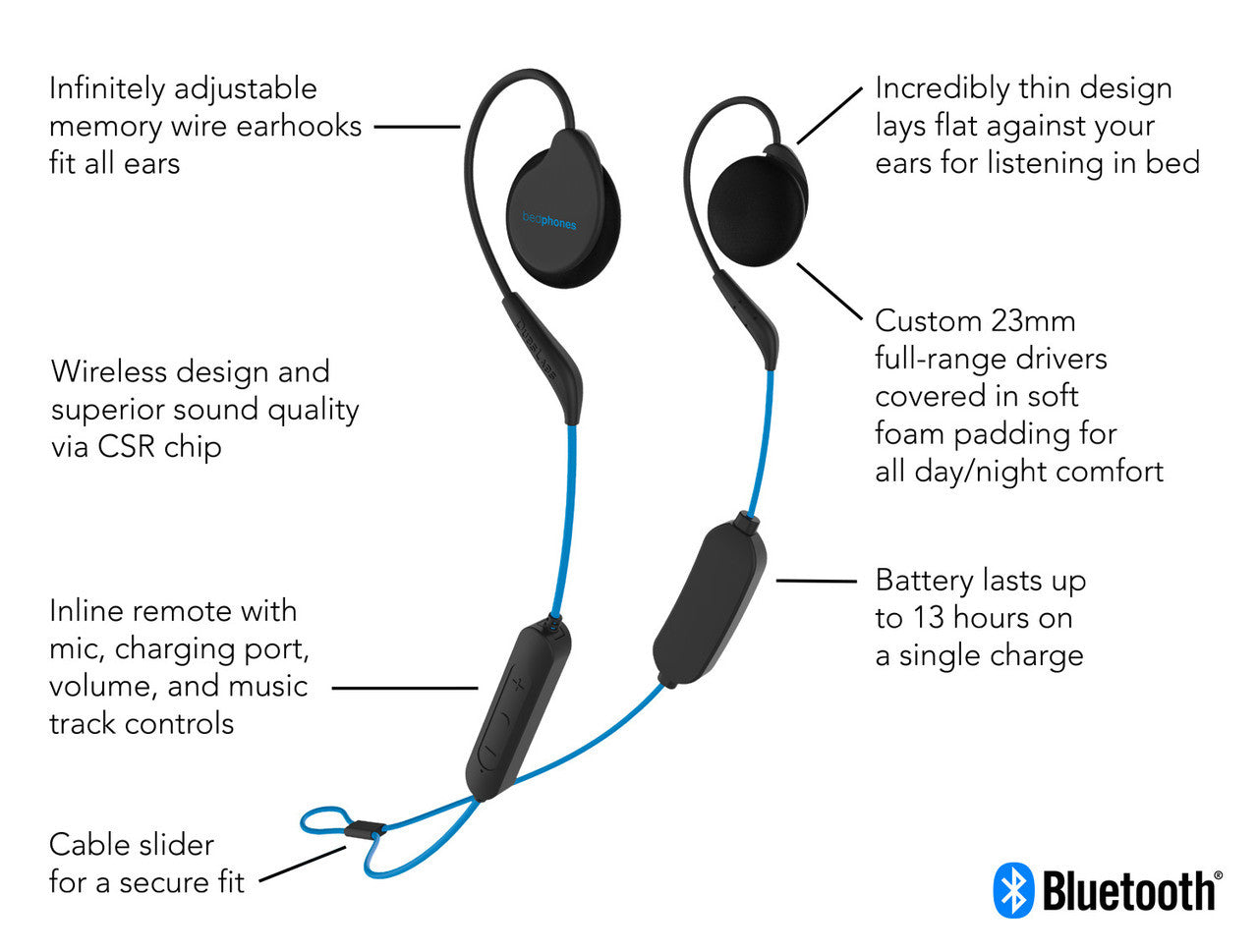
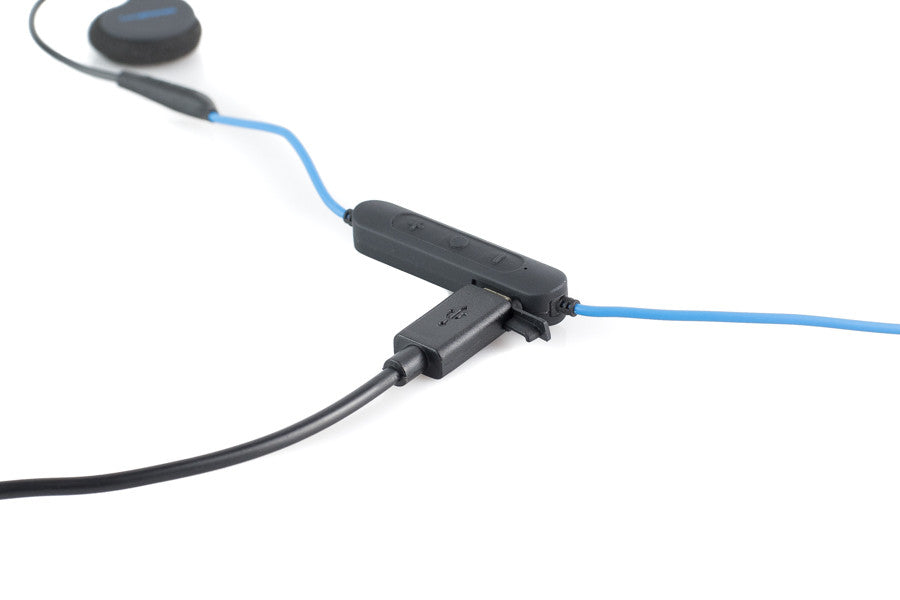
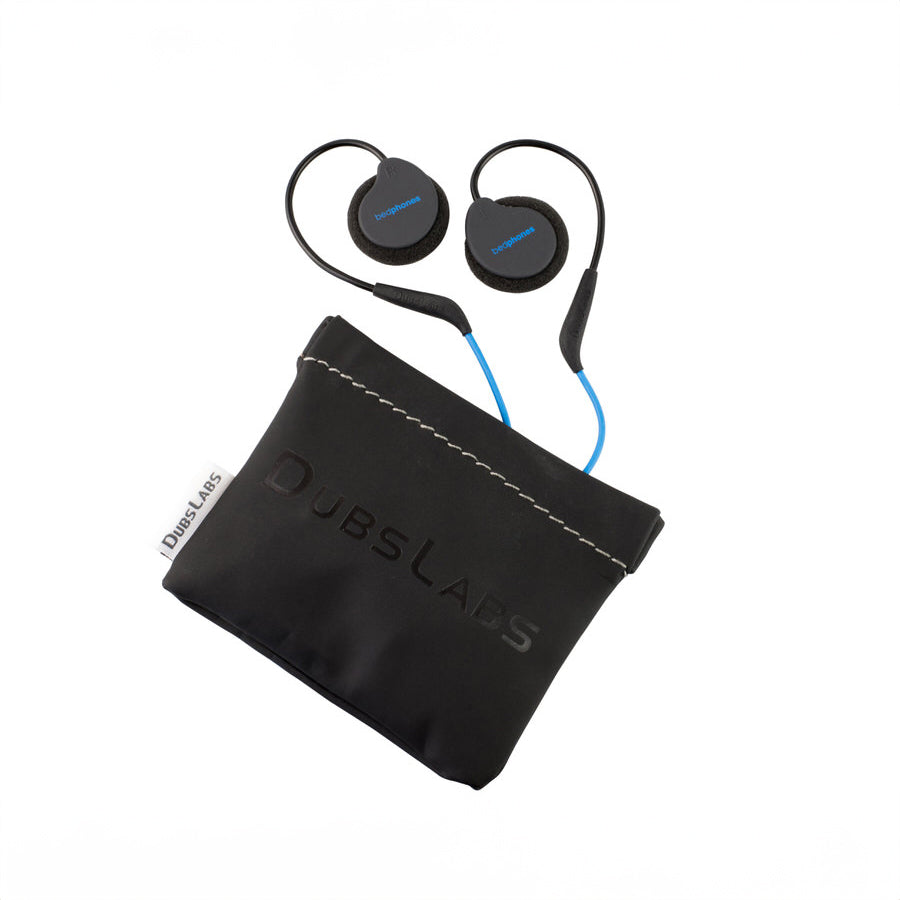
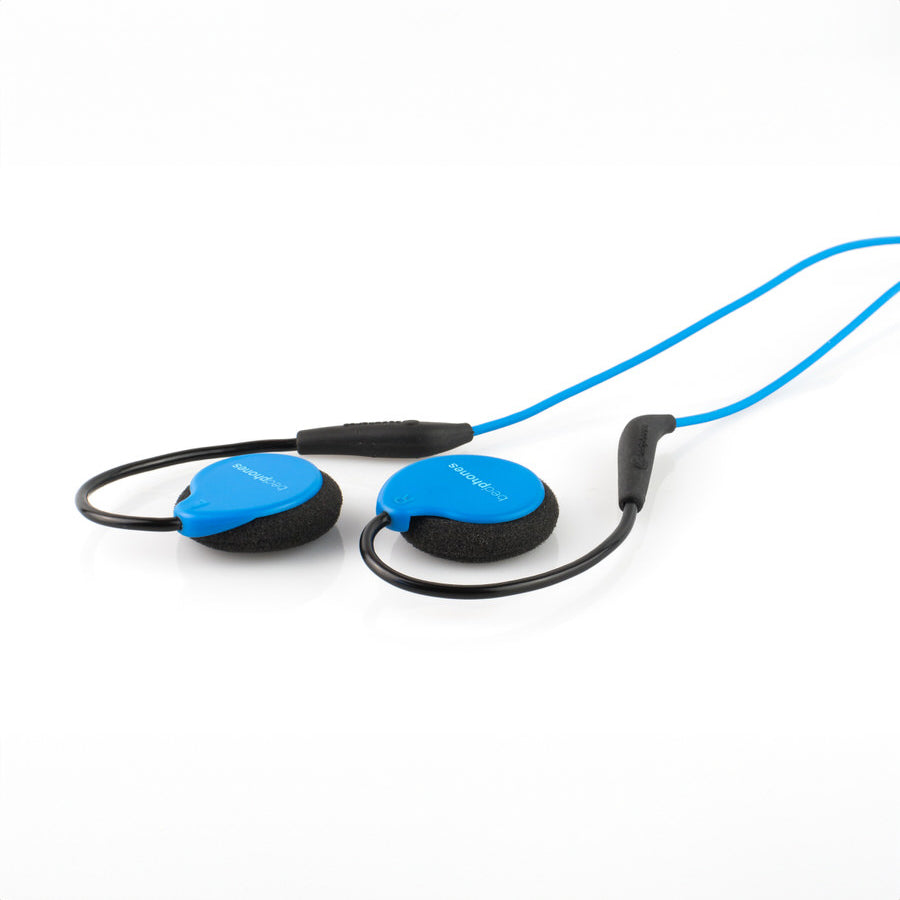
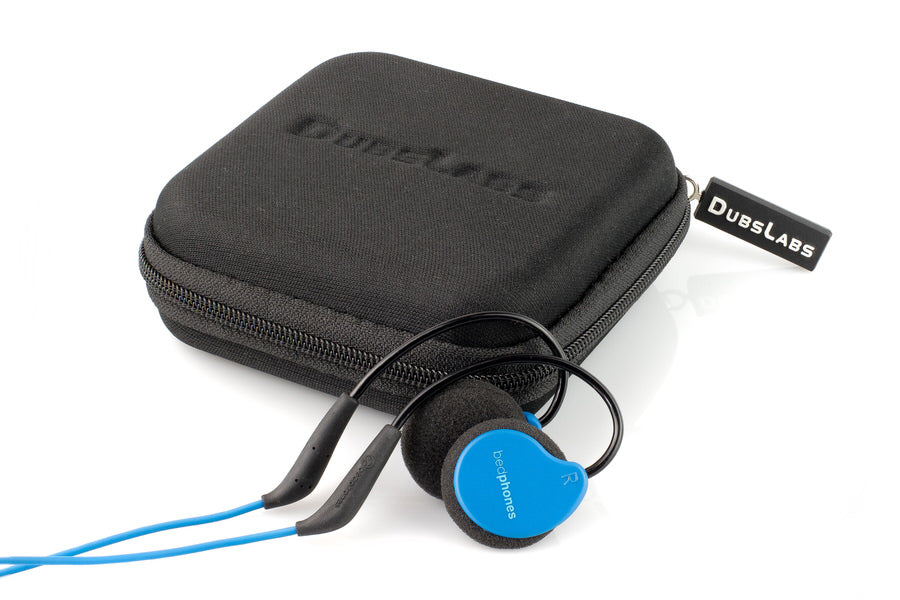
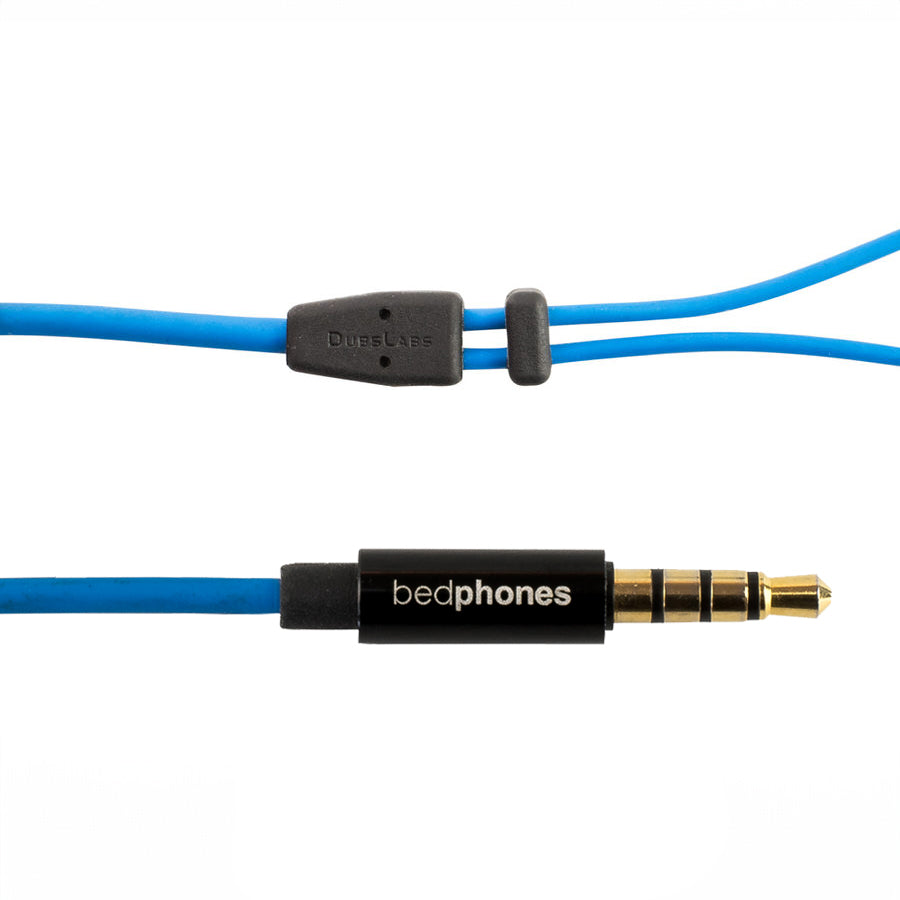
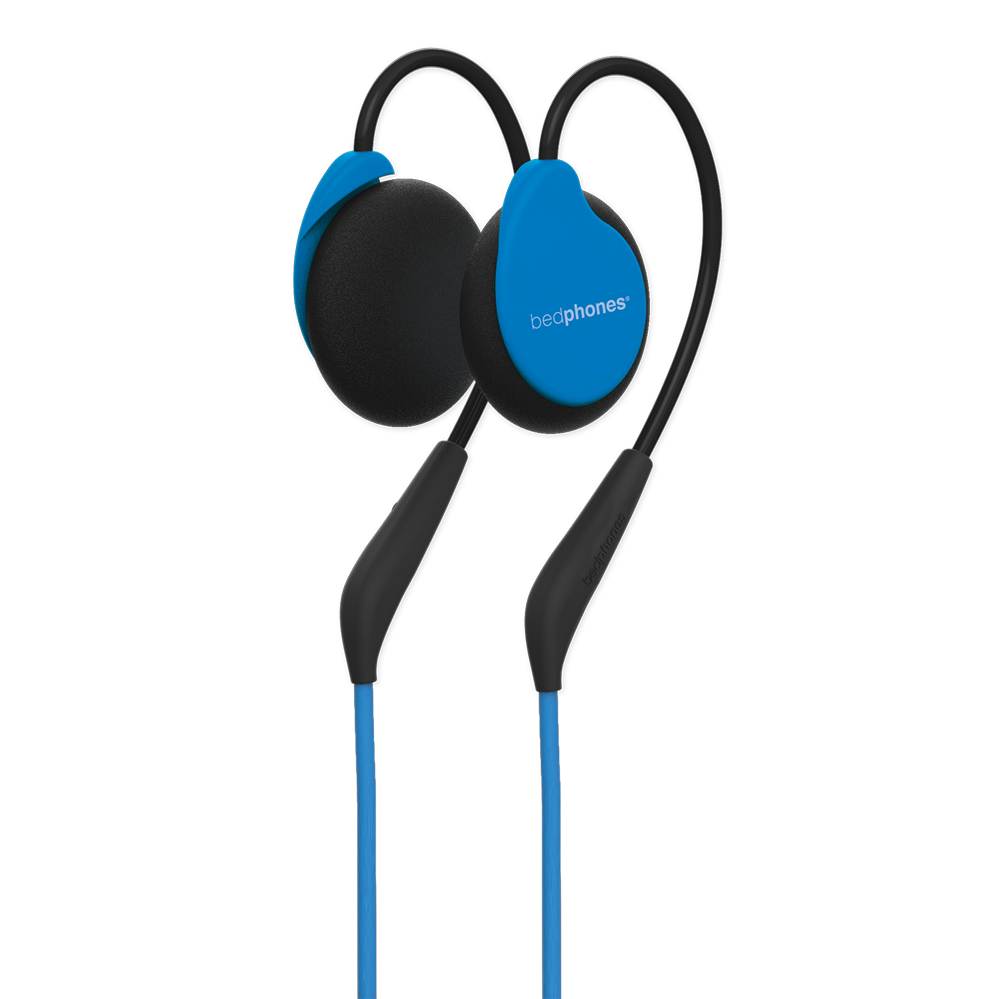
- Sleep-Friendly Headphones: Products like DubsLabs Bedphones are ultra-thin and built to be comfortable even when you're lying on your side. The right headphones are a game-changer, and we dive deeper into this in our guide on how to sleep with headphones.
- The Right Volume: You want the audiobook just loud enough to hear clearly, but quiet enough that it can easily fade into the background. It should be a murmur, not a demand for your attention.
- Zero Interruptions: Put your phone on "Do Not Disturb" mode. Nothing shatters a calm atmosphere faster than a notification ping. To be extra safe, you can look into the top apps to play audio offline, which helps avoid any streaming glitches that might wake you up.
Build Your Ideal Sleep Sanctuary
Finally, think bigger than just the audiobook. Weave it into a larger sensory experience that encourages relaxation. The global audiobook market, valued at around USD 8.10 billion in 2024, shows just how many people are turning to audio for wellness and rest. This boom is fueled by how easy it is to access them on our phones, making them a go-to sleep aid for millions.
The goal isn't just to listen to a story—it's to create a multi-sensory cue for sleep. Consistency is what trains your brain to recognize that this combination of elements means it's time to shut down for the night.
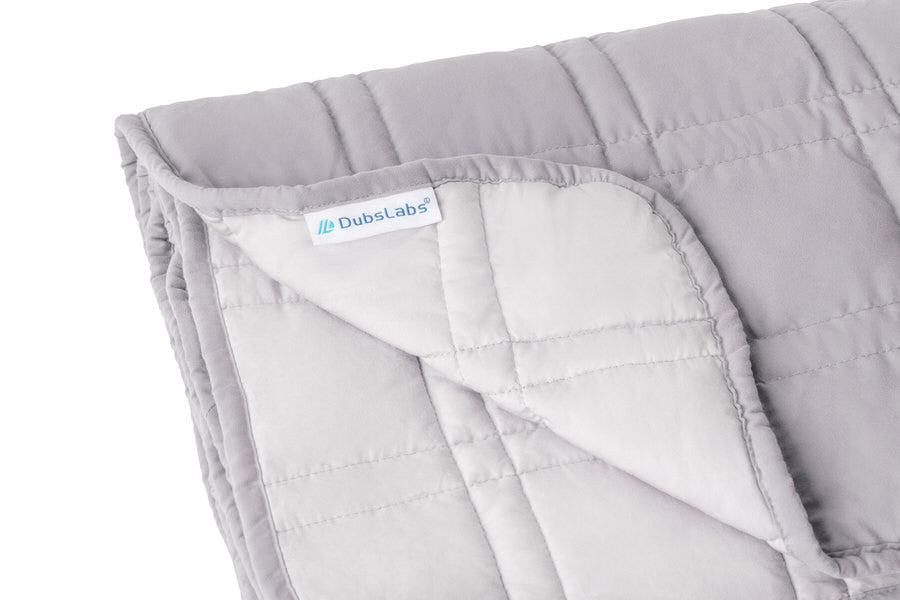
Try pairing your story with other calming elements to build a powerful nightly routine. Maybe that's a weighted blanket for a bit of gentle pressure, diffusing a soothing lavender scent, or making sure your room is pitch black. When you layer these comforting signals, you're sending an undeniable message to your mind that it's safe to let go and drift off.
Common Questions About Sleep Audiobooks
Even with a solid plan, you might still have a few questions about making audiobooks part of your nightly routine. That’s perfectly normal. Getting the little details right can be the difference between a great new sleep habit and another frustrating night.
Let's dig into the most common questions we hear. We’ll give you clear, straightforward answers to help you sidestep any potential issues and make sure your new listening ritual is as peaceful as it can be.
What's the Best Length for a Sleep Audiobook?
This might sound a little backward, but when it comes to audiobooks for sleep, longer is almost always better. An audiobook that runs for over 10 hours is your best bet.
Why? A long book completely removes the subtle anxiety that comes with needing to "finish" it. The goal isn't to power through the story in a few nights. A lengthy story simply becomes a familiar, reliable part of your sleep environment, something you can return to night after night without worrying that it'll end abruptly. This lets your mind relax into a predictable comfort zone.
Should I Pick a New Story or One I Already Know?
For most people, a familiar story wins, hands down. When you already know the plot, your brain doesn't have to work overtime trying to follow along. More importantly, you won't be tempted to stay awake just to find out what happens next.
The comfort of a known narrative allows your mind to gently disengage. Re-listening to a favorite classic isn't just nostalgic; it's a strategic way to signal to your brain that no active mental processing is required, making it easier to drift off.
Think of it as auditory comfort food. That predictability is precisely what makes it so good at quieting a busy mind and paving the way for rest.
Can Audiobooks Actually Make Sleep Worse?
Oh, absolutely—if you choose the wrong one. An audiobook can easily jolt you awake if it's too stimulating. A nail-biting thriller, a story packed with loud sound effects, or a narrator with a super energetic voice can all trigger an alert response in your brain, doing the exact opposite of what you want.
It's also crucial to use a sleep timer. If the audio plays all night long, things like chapter changes or sudden shifts in volume can easily wake you up, especially during your lighter sleep cycles. The key is to pick calming content and set it to stop once you're asleep.
Are Some Apps Better Than Others for Sleep?
While the big players like Audible and Libby have massive libraries, some apps are built specifically for relaxation. Apps like Calm and Headspace feature "Sleep Stories" engineered from the ground up to be soothing, often with gentle narration and soft, ambient background sounds.
That said, any audiobook app with a reliable sleep timer can work just fine. Your choice really comes down to whether you prefer classic literature from your library or content specially curated to help you doze off. The right app is simply the one that gives you easy access to calming stories and the tools to control how you listen.
At DubsLabs, we know that true comfort is the foundation of a good night's sleep. That’s why we created Bedphones, the ultra-thin headphones designed to disappear so you can focus on your story, not your gear. Experience the difference and find your perfect sleep setup at https://www.dubslabs.com.