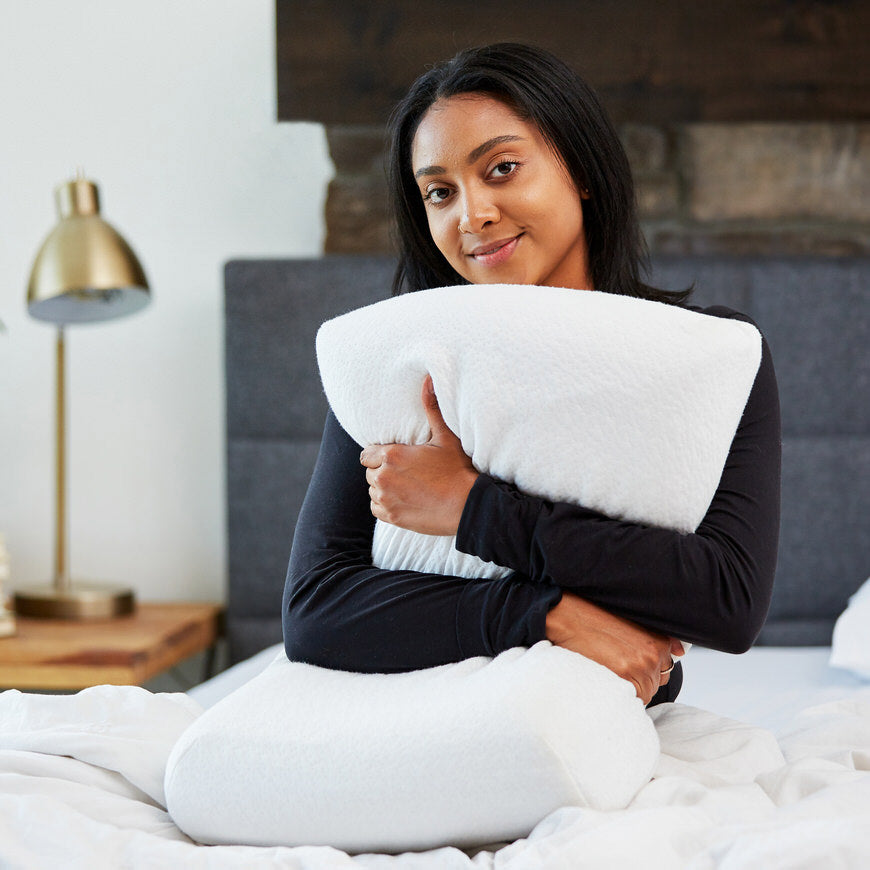
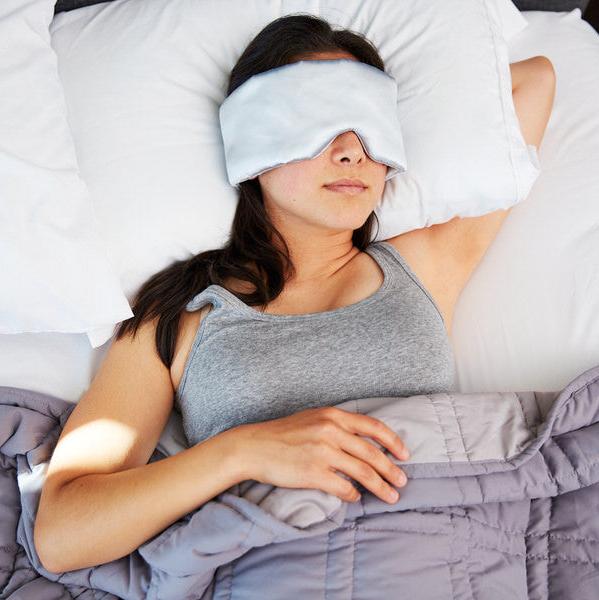
Sleeping with a weighted blanket feels a lot like getting a really good hug—one that gently, consistently squeezes you and makes you feel safe. It's this simple concept that helps so many people reduce anxiety, get better quality sleep, and just feel an overall sense of calm. Think of it as a therapeutic tool that mimics a comforting embrace, helping your nervous system settle down for a truly restorative night.
How a Gentle Hug Can Transform Your Sleep
Remember the secure, calming feeling of being swaddled as a baby, or the reassuring warmth of a loved one's hug? That's the magic behind a weighted blanket. It's not just about the weight itself; it's about a therapeutic technique called Deep Pressure Stimulation (DPS).
When you slide under a weighted blanket, the evenly distributed weight applies that firm but gentle pressure all over your body. This pressure acts as a grounding force, sending a powerful signal to your nervous system that you're safe and it's okay to relax. It essentially helps your body switch from its high-alert "fight-or-flight" mode into a peaceful "rest-and-digest" state.
Tapping into Your Body's Natural Calm
This simple physical sensation triggers a whole cascade of positive changes inside your body that directly affect your mood and your ability to drift off. If your nervous system is a car engine that's revving too high from stress and anxiety, the deep pressure from the blanket helps it idle back down to a gentle hum.
Here’s a look at what’s happening under the surface:
- It soothes your nervous system. That constant, gentle pressure helps regulate the part of your nervous system that controls things you don't think about, like your heart rate and breathing. This leads to a slower heartbeat and calmer, more even breaths—perfect conditions for sleep.
- It boosts your "happy" hormones. Deep pressure is thought to encourage the release of serotonin, a neurotransmitter that makes you feel happy and content. Serotonin is also a building block for melatonin, the hormone that tells your body when it's time to sleep.
- It lowers stress hormones. At the same time, this calming pressure can help decrease your levels of cortisol, the body's main stress hormone. High cortisol levels at night are a notorious culprit behind tossing, turning, and staring at the ceiling.
A weighted blanket offers a drug-free way to quiet a racing mind and ease physical tension. By applying consistent, gentle pressure, it creates the ideal environment for deep, uninterrupted sleep.
Here's a quick look at how these benefits connect.
Key Benefits at a Glance
| Benefit Area | Underlying Mechanism | Primary Outcome |
|---|---|---|
| Physiological | Reduces cortisol, slows heart rate | Less physical stress, body primed for rest |
| Psychological | Increases serotonin and melatonin | Feelings of calm, reduced anxiety, easier sleep onset |
| Sensory | Provides grounding Deep Pressure Stimulation | Quiets a restless mind, promotes a sense of security |
Ultimately, the power of a weighted blanket comes from working with your body's own natural calming mechanisms. It’s a tool that fosters a feeling of security and tranquility, not just helping you fall asleep faster, but also helping you stay asleep longer. The result? You wake up feeling more refreshed, centered, and ready for your day.
The Science of Deeper Sleep and Beating Insomnia
There's something instinctively comforting about the gentle pressure of a weighted blanket. It just feels good. But the benefits go way beyond simple coziness. For anyone wrestling with insomnia, it's a tool backed by real science to help you find deeper, more restorative rest.
That steady, gentle pressure is the key. It works to calm your entire nervous system, sending signals of safety and security straight to your brain, essentially telling your body it's okay to power down for the night. This directly nudges your body’s hormonal balance in favor of sleep.
The calming sensation is thought to ramp up the production of serotonin, a neurotransmitter that’s a big deal for your mood and sense of well-being. More importantly, serotonin is a precursor to melatonin—the hormone that runs your internal sleep-wake clock. A little serotonin boost in the evening can lead to a natural rise in melatonin, making it that much easier to fall asleep and, just as crucially, stay asleep.
Hard Evidence for Beating Insomnia
The connection between weighted blankets and better sleep isn't just a theory; it’s backed by some seriously compelling research. A landmark randomized controlled study published by the American Academy of Sleep Medicine in 2020 really laid it out.
The researchers took 120 adults with clinical insomnia—many of whom were also dealing with depression, anxiety, or ADHD—and split them into two groups. After just four weeks, the results were staggering. Nearly 60% of the weighted blanket group saw their Insomnia Severity Index (ISI) scores drop by half or more. The control group? Only 5.4% saw that kind of improvement.
Participants using the blanket were 26 times more likely to cut their insomnia severity in half. And it wasn't a fluke. In a 12-month follow-up, 92% of the original responders were still seeing benefits, with 78% still in remission from their insomnia.
This data shows the blanket's power not just to help you drift off, but to keep you there. It reduces the nighttime restlessness that chops up your sleep and leaves you feeling completely drained the next day. By providing that continuous, gentle input, the blanket helps stop the tossing and turning that plagues so many people who can't sleep.
For individuals with chronic sleeplessness, a weighted blanket acts as a consistent, non-pharmacological tool. It actively works to calm a hyperaroused nervous system, which is often the root cause of insomnia.
The infographic below really nails the core benefits that create this powerful sleep-enhancing effect.
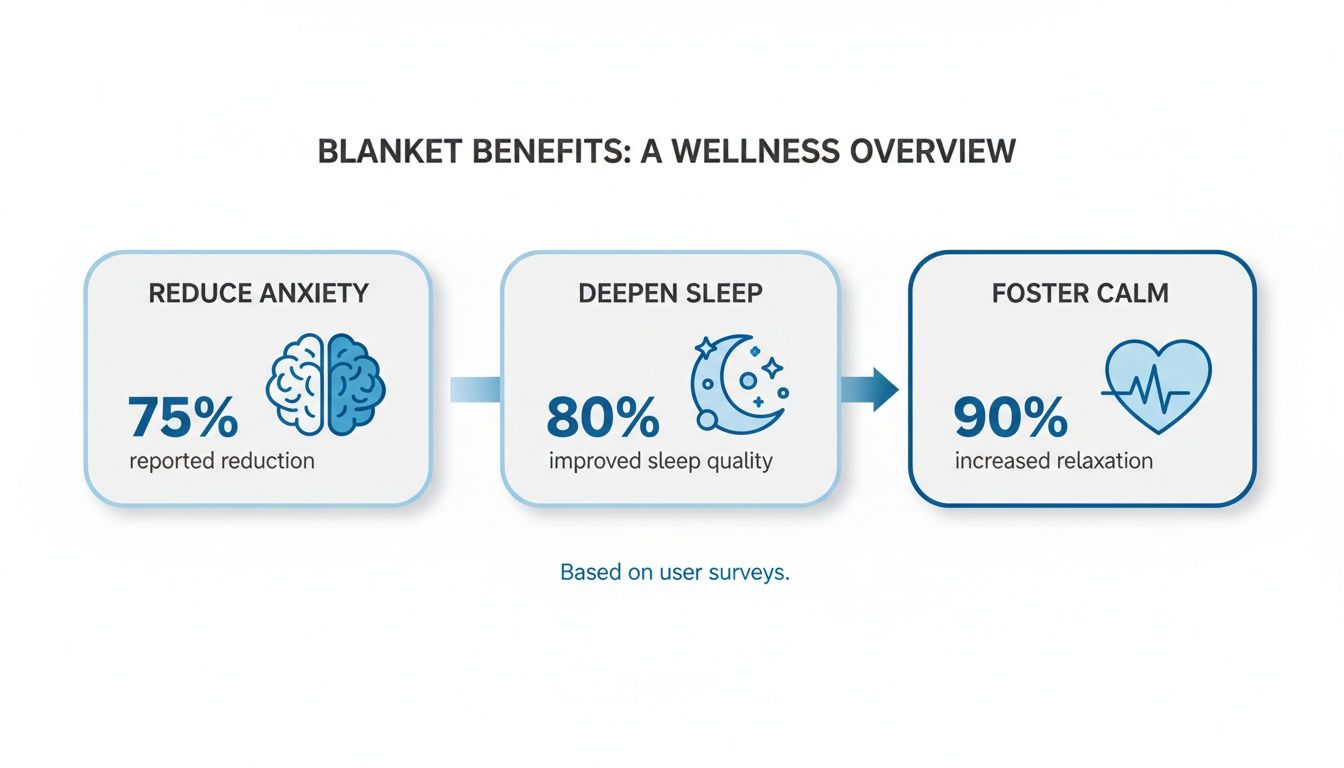
You can see the clear line connecting less anxiety and more calm to the ultimate goal: better sleep.
How It Feels in Real Life
Picture your mind as a chaotic intersection at rush hour, with thoughts racing in every direction. The constant pressure from the blanket is like a gentle but firm traffic controller, slowing everything down and creating a sense of order. It's fantastic for quieting the mental chatter that keeps so many of us staring at the ceiling.
This is especially helpful for people whose insomnia is tangled up with stress or anxiety. The physical sensation of being grounded can literally interrupt the cycle of anxious thoughts, giving you a tangible anchor in the present moment. It helps shift your focus away from your worries and onto the feeling of comfort and security.
- Less Tossing and Turning: The weight naturally discourages those small, unconscious movements that can pull you out of a deep sleep cycle.
- Faster Sleep Onset: By calming both your body and mind at the same time, many people find they fall asleep much more quickly.
- Longer Sleep Duration: That sustained pressure helps people stay asleep longer, with fewer jarring awakenings throughout the night.
While a weighted blanket is a fantastic tool, understanding the deeper reasons for sleep issues can lead to even better solutions. For more insights, you might also be interested in learning about what causes insomnia and what you can do to help. When you address the core issues, you're building a much stronger strategy for getting consistently great rest.
A Natural Way to Calm Anxiety and Stress
For so many of us, anxiety feels like an internal alarm that just won't shut off. It’s that constant state of high alert that makes winding down at the end of the day feel downright impossible. A weighted blanket offers a powerful, drug-free way to quiet that alarm, tapping into your body’s own calming mechanisms to bring back a sense of peace.
The magic is in something called Deep Pressure Stimulation (DPS)—the gentle, consistent pressure the blanket applies all over your body. This sensation works directly on your autonomic nervous system, which you can think of as having a gas pedal and a brake pedal for your body's stress response.
Taming the Fight-or-Flight Response
Your "fight-or-flight" response, run by the sympathetic nervous system, is that gas pedal. It’s designed to hit the floor when you sense danger, flooding your system with cortisol and adrenaline. That’s great when you need to react fast, but when chronic stress or anxiety keeps that pedal pushed down, you’re left feeling wired, tense, and totally unable to relax.
This is where a weighted blanket acts like the brake pedal. The deep pressure sends a signal to your brain that you're safe and sound, activating your "rest-and-digest" mode (the parasympathetic nervous system). Kicking this system into gear is one of the most powerful ways a weighted blanket helps manage anxiety.
By providing a tangible sense of grounding, a weighted blanket helps physically interrupt the mental and physiological cycle of anxiety, making it a proactive tool for managing daily stress.
This isn’t just a nice idea; there's solid evidence to back it up. Research consistently shows that weighted blankets can significantly reduce anxiety in a variety of high-stress situations. A 2020 systematic review from the American Occupational Therapy Association confirmed their effectiveness across multiple studies.
In one trial, adult psychiatric inpatients saw a statistically significant drop in anxiety after using the blankets at night. The calming effect was also clear during stressful medical treatments like chemotherapy, where anxiety scores fell dramatically within the first 30 minutes of use. Even a quick 15-minute session before surgery lowered anxiety more effectively than the control group, especially for those who were highly anxious to begin with.
Creating a Sense of Security
Beyond the physical changes, the blanket offers a deep psychological comfort. The feeling is often compared to a firm hug, which can trigger the release of oxytocin—the "love hormone" that makes us feel secure and connected. This creates a cocoon-like feeling that helps quiet a racing mind.
This is why a weighted blanket isn’t just for bedtime. Many people find it incredibly helpful during stressful moments throughout the day. Draping one over your lap while you work or read can help keep your nervous system in a more balanced, calm state.
You can learn more about how a weighted blanket for anxiety specifically targets the body's stress response.
The steady, firm pressure provides continuous sensory input that can be incredibly organizing for a brain that feels overwhelmed by anxious thoughts. It helps you feel anchored in your body and grounded in the present moment, instead of being swept away by worries.
- Decreases Heart Rate: The shift to "rest-and-digest" naturally slows down your heart rate.
- Promotes Deeper Breathing: The gentle pressure encourages calmer breathing patterns, which further reduces physical tension.
- Reduces Restlessness: The weight helps curb the fidgeting and physical agitation that often come with anxiety.
All of this makes a weighted blanket far more than just a cozy accessory. It’s a therapeutic tool that uses your own biology to create a real, tangible sense of calm.
How to Choose the Right Weighted Blanket for You
Alright, so you're ready to unlock the amazing benefits of a weighted blanket. That's the first step. The next, and most important, is finding the perfect one for you. Think of it like getting a great pair of running shoes—the right fit changes everything.
Thankfully, it's simpler than it sounds. Your decision really just comes down to three things: weight, size, and the material it's made from.
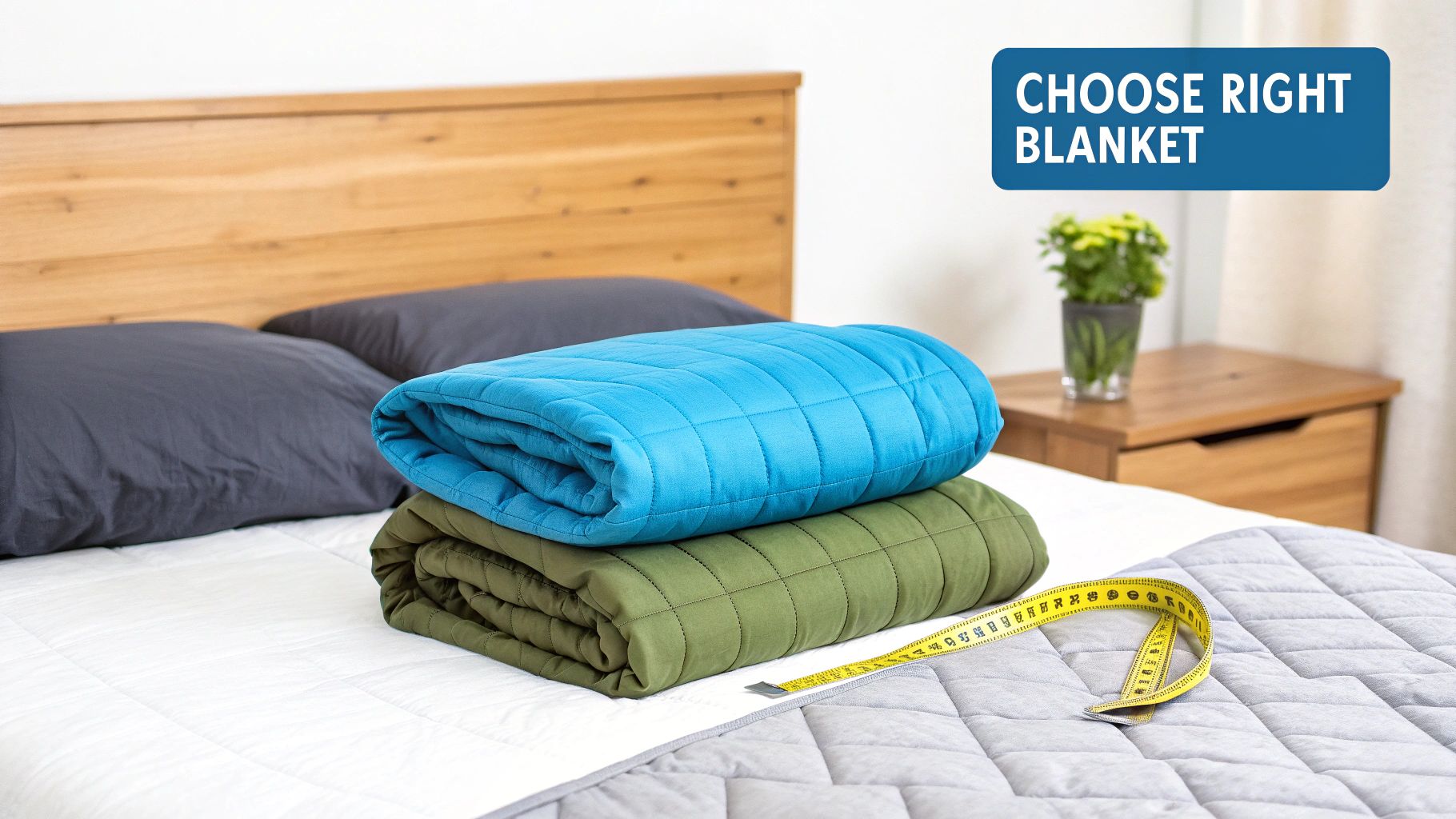
Getting these details right ensures the blanket can do its job—delivering that effective Deep Pressure Stimulation (DPS)—without making you feel pinned down or restricted. It's all about finding that sweet spot that feels like a gentle, comforting hug, not a trap.
The 10% Rule for Blanket Weight
The most critical piece of the puzzle is the blanket's weight. The gold standard, and the guideline you'll see everywhere, is to pick a blanket that's about 10% of your body weight. This simple formula is the key to providing enough pressure to kickstart those calming effects of DPS without being overwhelming.
So, for example, if you weigh 150 pounds, you'd start looking for a 15-pound blanket. Simple as that.
What if you're in between standard weights, like a 12 lb and a 15 lb? It’s usually best to round down, especially if you’re trying a weighted blanket for the first time.
The goal is to feel comfortably grounded, not stuck. The 10% rule is your best starting point, but remember, personal preference is everything. Some people like it a little lighter or heavier, but this ratio has been proven to work for most people.
To make things even easier, here's a quick reference chart to help you find your ideal weight.
Weighted Blanket Selection Guide
Use this chart to find the recommended blanket weight based on your body weight.
| User Body Weight Range (lbs / kg) | Recommended Blanket Weight (lbs / kg) |
|---|---|
| 100-120 lbs / 45-54 kg | 10-12 lbs / 4.5-5.4 kg |
| 120-150 lbs / 54-68 kg | 12-15 lbs / 5.4-6.8 kg |
| 150-200 lbs / 68-91 kg | 15-20 lbs / 6.8-9.1 kg |
| 200+ lbs / 91+ kg | 20-25 lbs / 9.1-11.3 kg |
Nailing the weight is crucial if you want to feel the full effects. For an even more detailed look, check out our dedicated guide on what weight weighted blanket you should get.
Finding the Right Size and Material
Once you've got the weight figured out, it's time to think about dimensions and fabric. A weighted blanket isn't supposed to fit like your comforter—it should be sized to fit your body, not drape over the sides of the bed. This is a key detail! It concentrates the weight right where you need it and stops the blanket from sliding off in the middle of the night.
Here are a few simple guidelines for picking the right size:
- For just you: A throw or twin-sized blanket (usually around 48" x 72") is perfect for one person, even if you have a massive king-sized bed.
- For couples: If you're sharing, a queen or king-sized blanket is an option. But honestly, many couples find that two separate twin-sized blankets work much better. This way, each person gets the weight that's perfect for their own body.
Last but not least, let's talk material. The fabric makes a huge difference in your comfort, especially when it comes to temperature.
- For hot sleepers: You'll want to look for natural, breathable fabrics like cotton or bamboo. These materials are fantastic at wicking away moisture and keeping you from overheating.
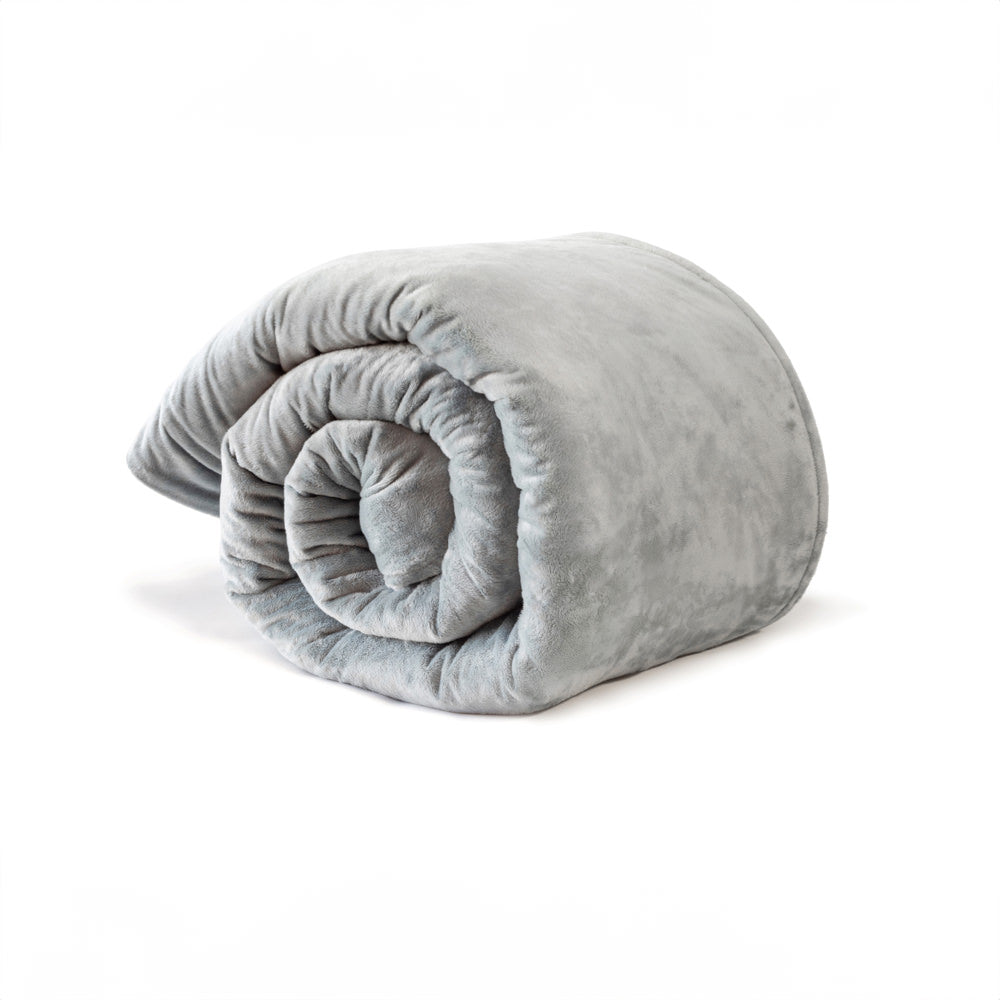
- For those who love to be cozy: If you want extra warmth, materials like minky (a super soft, velvety polyester) or fleece will give you that plush, snuggly feeling. They're perfect for colder nights or anyone who's always a little chilly.
By thinking through these three elements—weight, size, and material—you can confidently pick a weighted blanket that feels like it was made just for you. This is how you set yourself up for the maximum therapeutic benefits and a truly restorative night of sleep.
Who Benefits Most and Important Safety Guidelines
While pretty much anyone can enjoy the calming hug of a weighted blanket, for some people, it's nothing short of a life-changing tool. Its magic lies in providing Deep Pressure Stimulation (DPS), which is especially effective for those whose nervous systems are wired a bit differently. It creates a powerful sense of calm where there's often just static and overwhelm.
This gentle, grounding pressure acts like a filter for a sensory system that's taking in way too much information at once. It helps the brain feel more organized, settled, and secure.
Calming Sensory Overload and Boosting Focus
For individuals with Attention-Deficit/Hyperactivity Disorder (ADHD), Autism Spectrum Disorder (ASD), and Sensory Processing Disorder (SPD), a weighted blanket can be a total game-changer. These conditions often mean a heightened sensitivity to sensory input, making it tough to focus, relax, or even think about sleeping. The steady pressure from the blanket helps regulate all that incoming noise.
Think of your brain as a busy radio station with multiple channels blaring at once. The deep pressure from the blanket helps turn down the volume on the extra static, letting you tune into a single, clearer channel.
- For ADHD: The calming input can dial down restlessness and hyperactivity, making it easier to settle both the mind and body for sleep or quiet time.
- For ASD and SPD: It can reduce sensory-seeking behaviors and soothe the anxiety that comes from sensory overload, creating a feeling of predictable safety.
The broad appeal of weighted blankets is undeniable. Their ability to improve sleep and mood is felt across a wide range of users, extending their benefits far beyond a niche audience.
Just how popular are they? A big 2022 survey showed that 41% of adults had used a weighted blanket in the past year. Of those people, an incredible 85% reported 'highly improved' sleep quality, and 75.5% were recommending them to others. Research reviews back this up, confirming these blankets can boost mood and help people doze off faster. Parents often say that their kids with ADHD or autism seem calmer and more focused during the day after using one. You can learn more about these weighted blanket findings and their widespread impact.
Easing Physical Discomfort
The benefits don't stop at sensory regulation. People dealing with physical conditions like chronic pain or Restless Leg Syndrome (RLS) might also find real relief. The gentle pressure can help interrupt pain signals and lessen those uncomfortable, jumpy sensations from RLS, paving the way for a more peaceful night.
Critical Safety Guidelines You Must Follow
Weighted blankets are fantastic, but you absolutely have to use them safely. Following these non-negotiable rules ensures a good, secure experience for everyone, especially for kids and more vulnerable adults.
1. The User MUST Be Able to Remove It Independently
This is the single most important rule. Period. The person using the blanket has to have the strength and mobility to push it off themselves at any time. If they can't, the blanket is a serious suffocation risk and should never be used.
2. Strict Rules for Children
For kids, safety is even more critical. You can't just wing it.
- Never for Infants: Weighted blankets are not safe for children under two years old. The risk of Sudden Infant Death Syndrome (SIDS) is just too high.
- Correct Weight is Essential: Always use a blanket made specifically for a child's size. Stick to the 10% of body weight plus one to two pounds rule without exception. An adult's blanket is dangerously heavy for a child.
- No Head or Neck Coverage: The blanket should never, ever cover a child's head or neck. Make sure it's positioned from the shoulders down.
3. Considerations for Adults with Medical Conditions
Some health issues mean you need to be extra careful. It's really important to talk to a doctor before using a weighted blanket if you have:
- Respiratory Issues: Conditions like sleep apnea, asthma, or COPD. The extra weight could make breathing harder.
- Circulatory Problems: This includes any issues with blood pressure or circulation.
- Claustrophobia: For some, the sensation of being weighted down can trigger feelings of being trapped.
By knowing who benefits most and sticking to these vital safety rules, you can confidently use the calming power of a weighted blanket to get better sleep and feel better overall.
Building Your Ultimate Sleep Sanctuary
A weighted blanket is a fantastic starting point for better rest, but you can unlock its true potential by pairing it with other tools to create a complete sleep sanctuary. Think of it like soundproofing a room—you block distractions from every angle, creating an environment purely for rest.
This multi-layered approach sends clear, consistent signals to your brain that it’s time to power down completely, transforming your bed from just a piece of furniture into a dedicated haven for restoration.
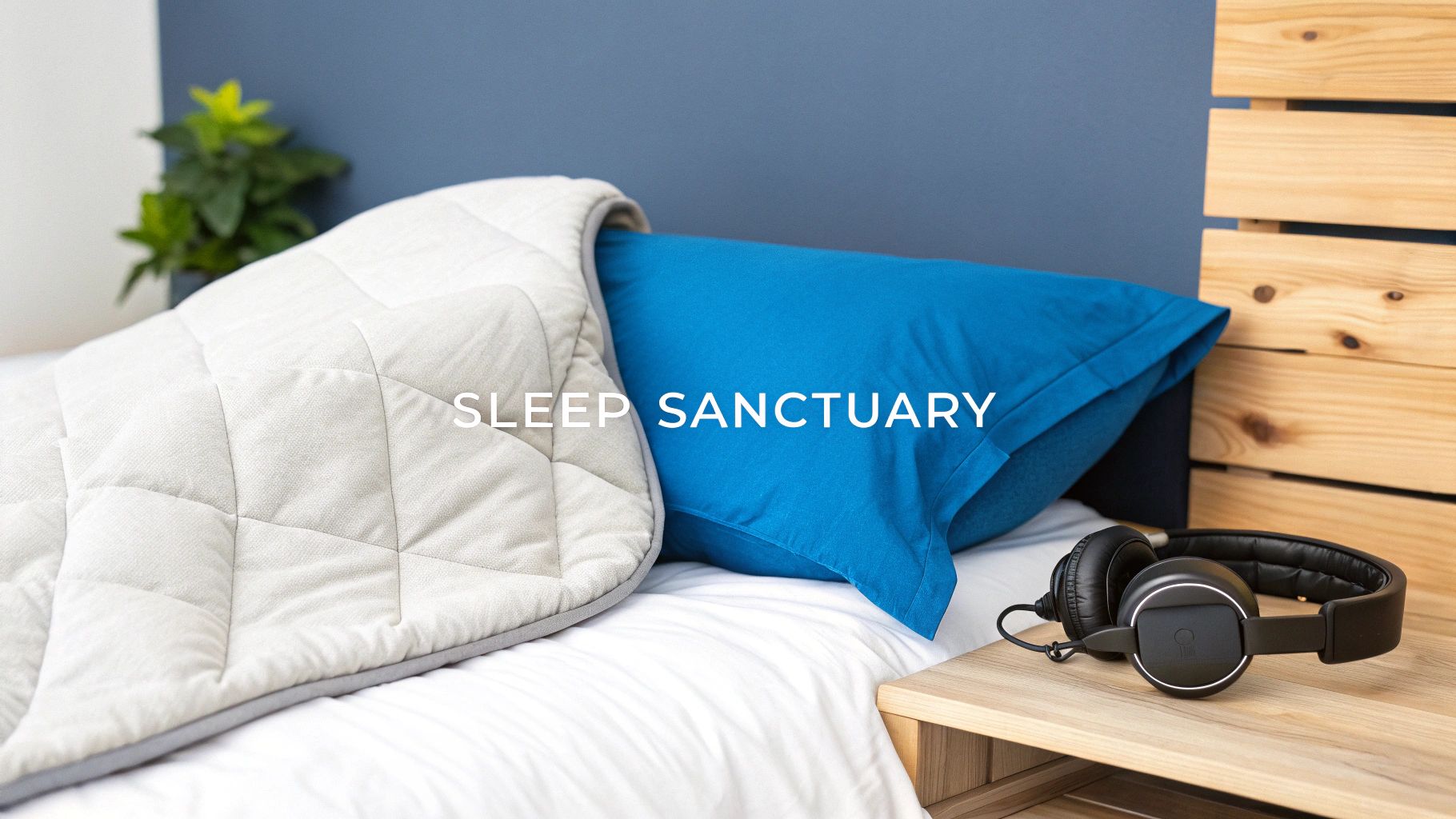
Layering Your Sensory Experience
The goal here is to take control of your environment by managing sensory inputs. Your weighted blanket already handles the sense of touch with its grounding deep pressure. To take it even further, you can introduce tools that manage sound and sight, creating an immersive cocoon of calm.
This combination tackles the most common sleep disruptors head-on. Here’s how to build your sanctuary, layer by layer:
- For Touch: Your weighted blanket is the star here. It provides that grounding pressure that calms your nervous system, reduces tossing and turning, and eases you into deeper sleep cycles.
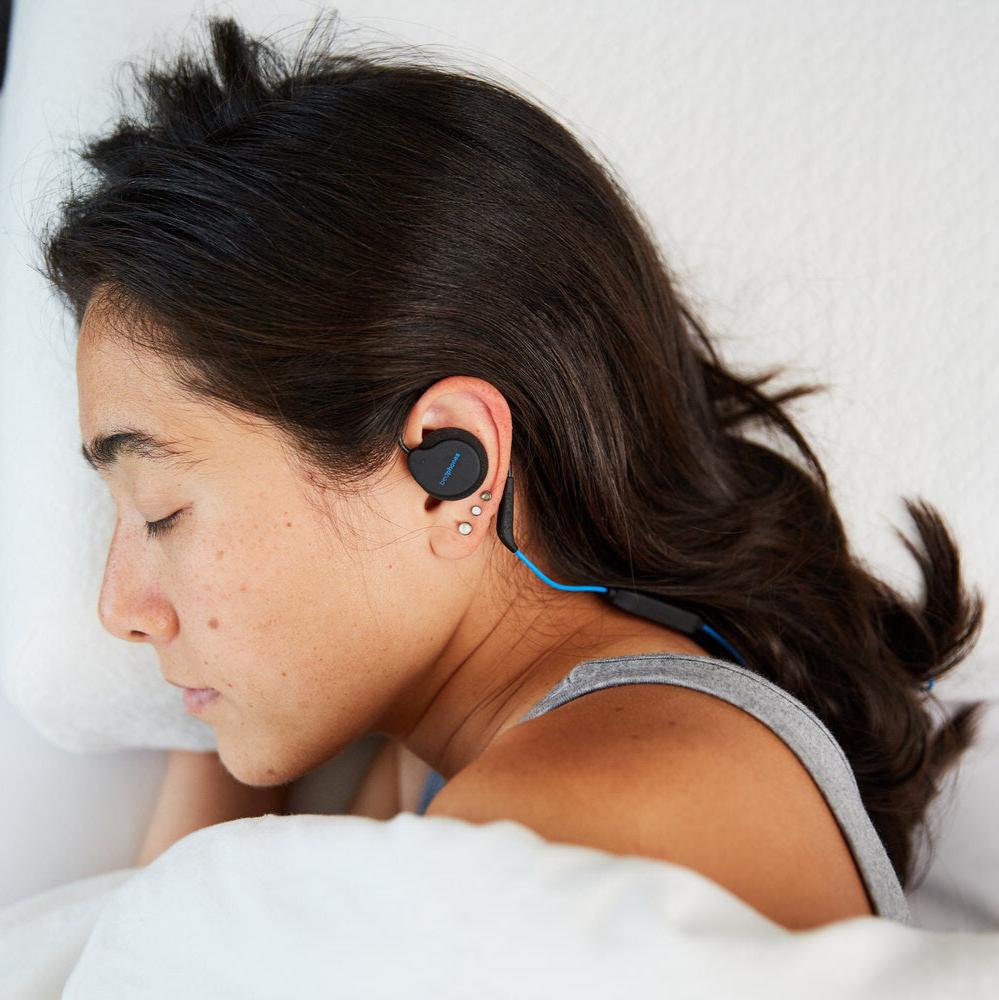
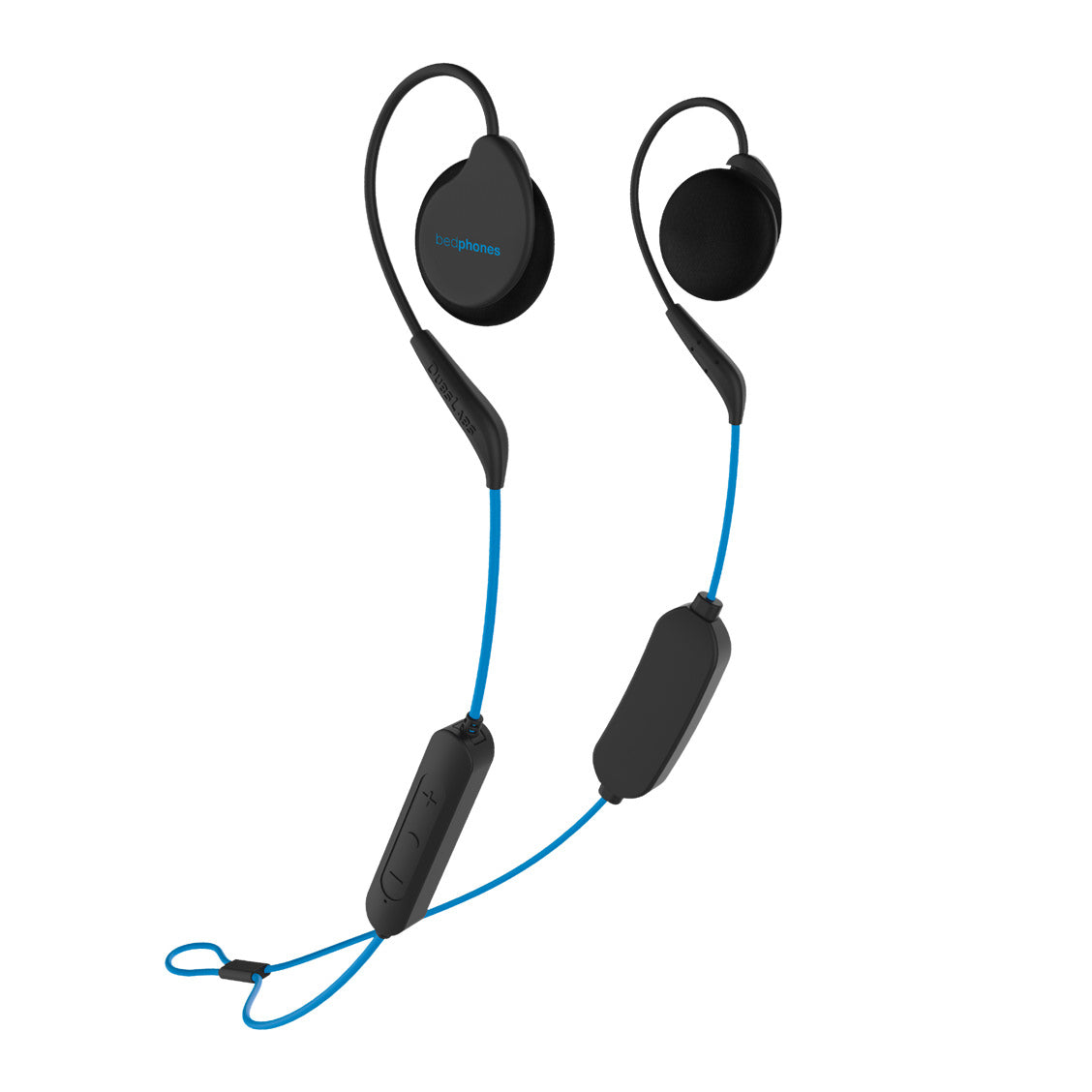
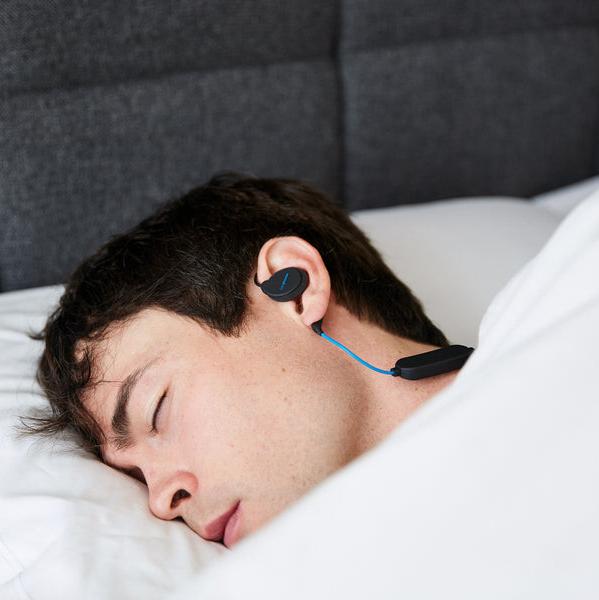
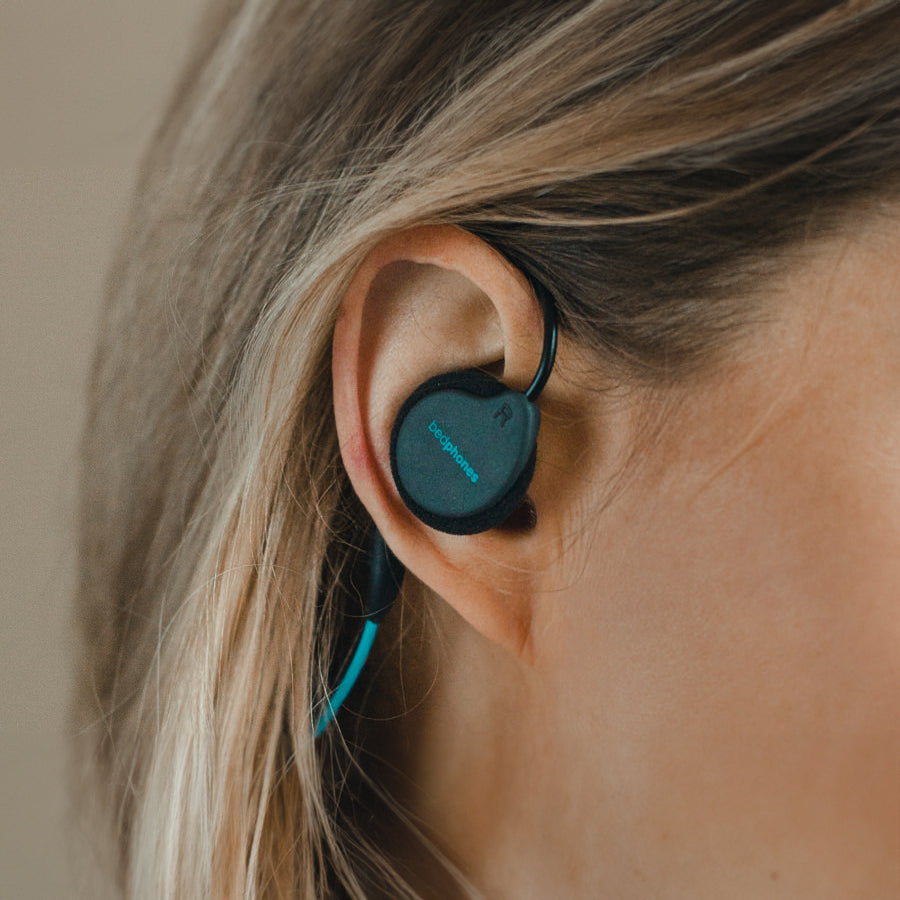
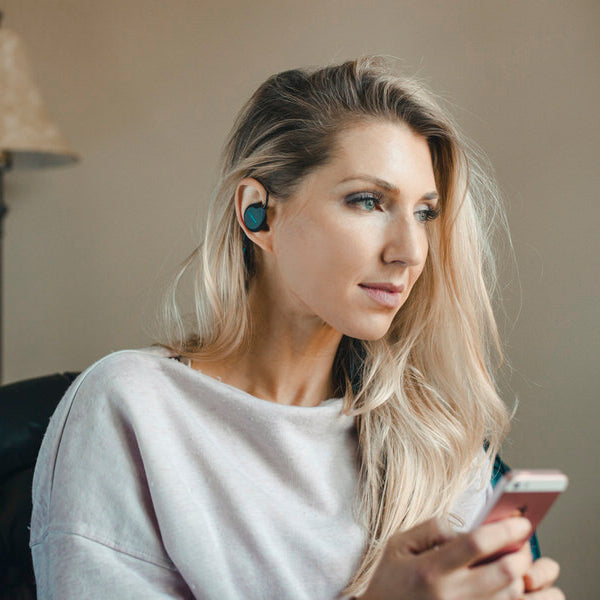
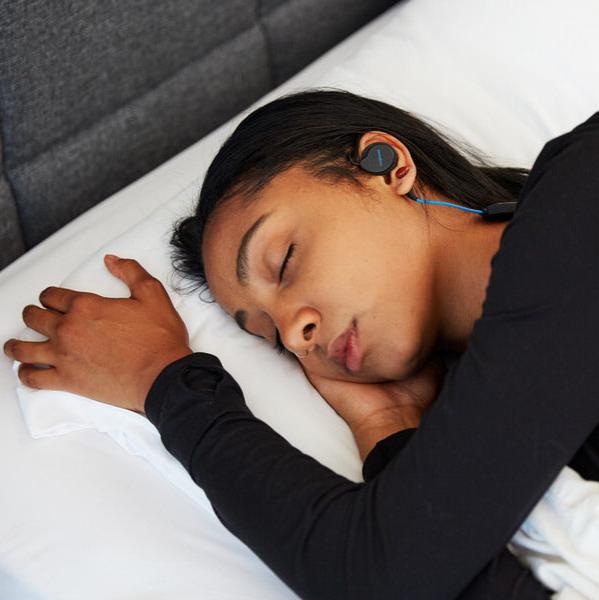
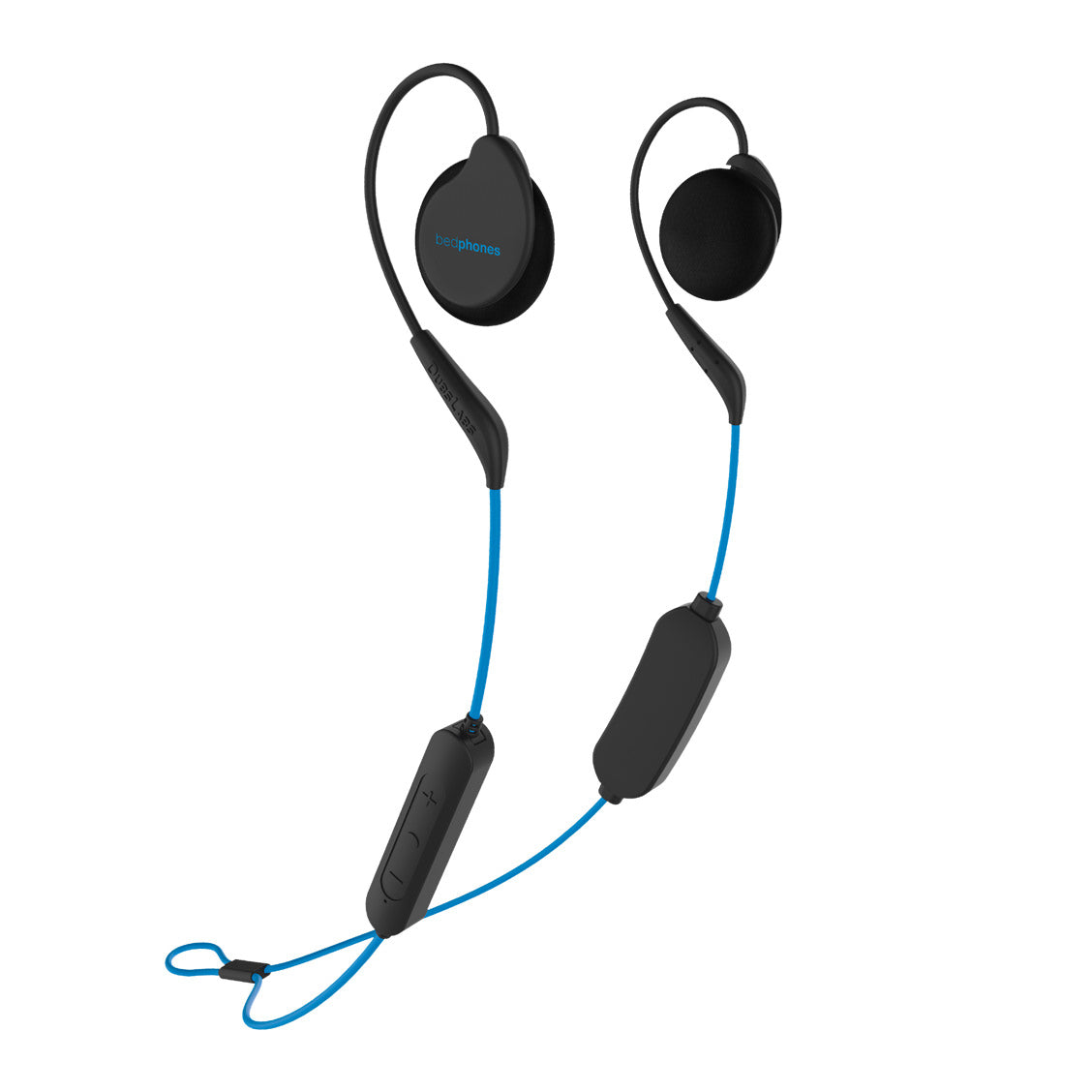
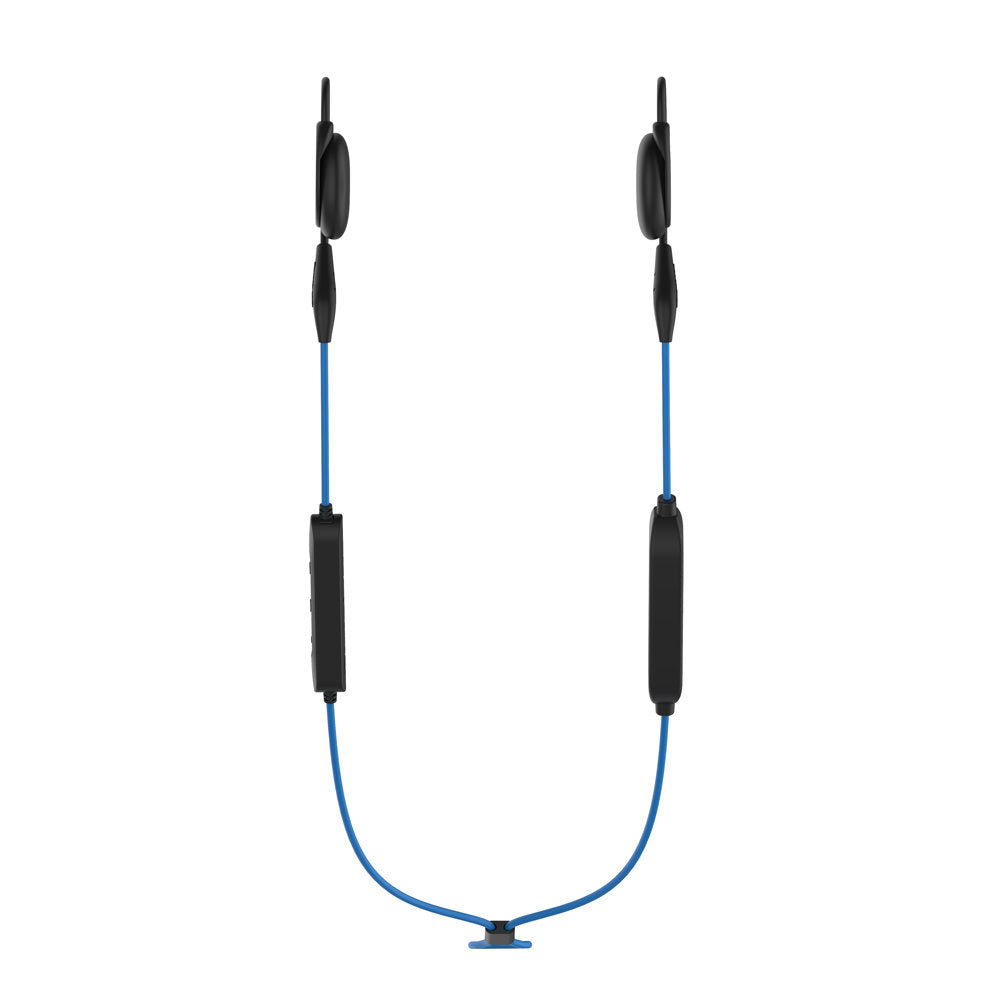
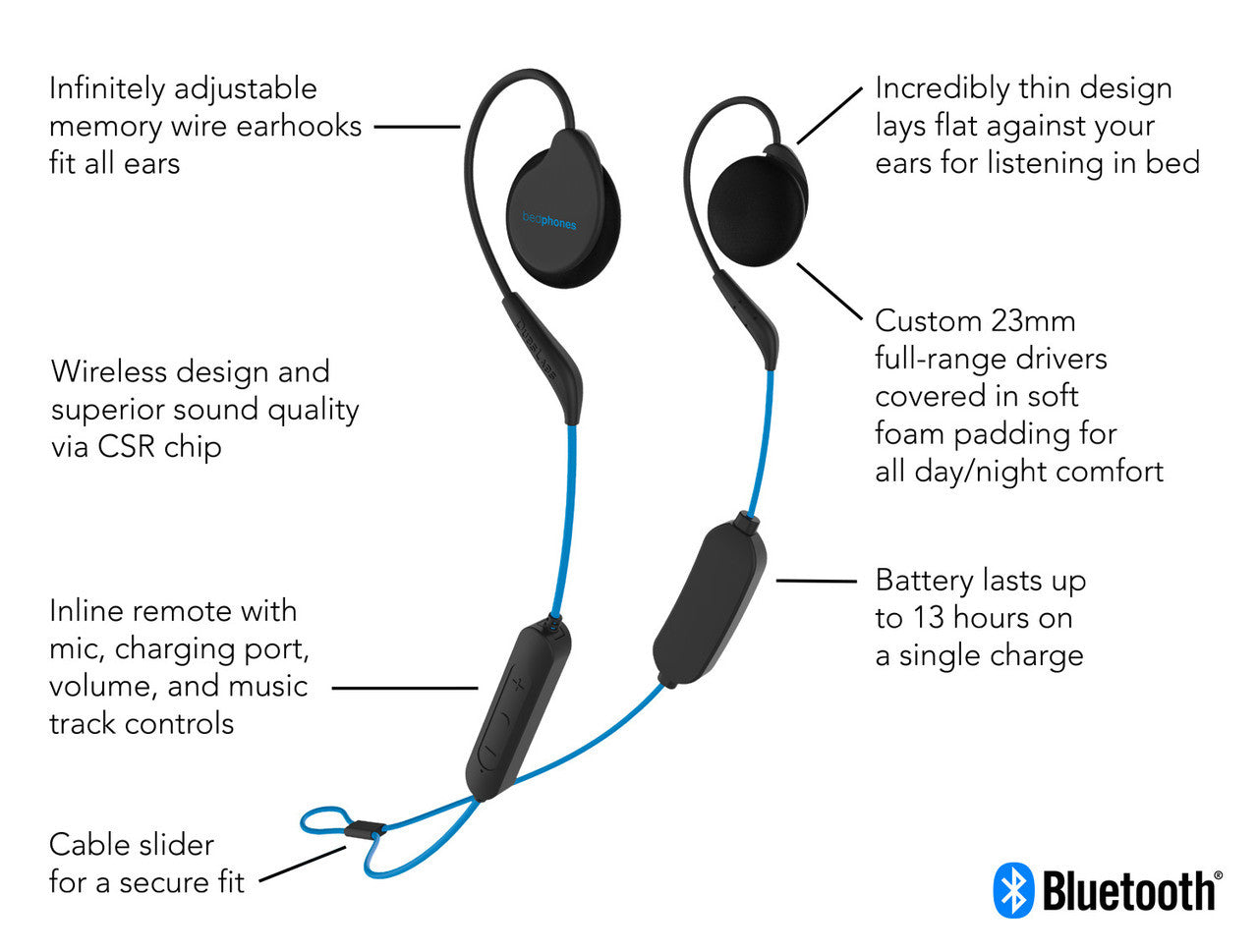
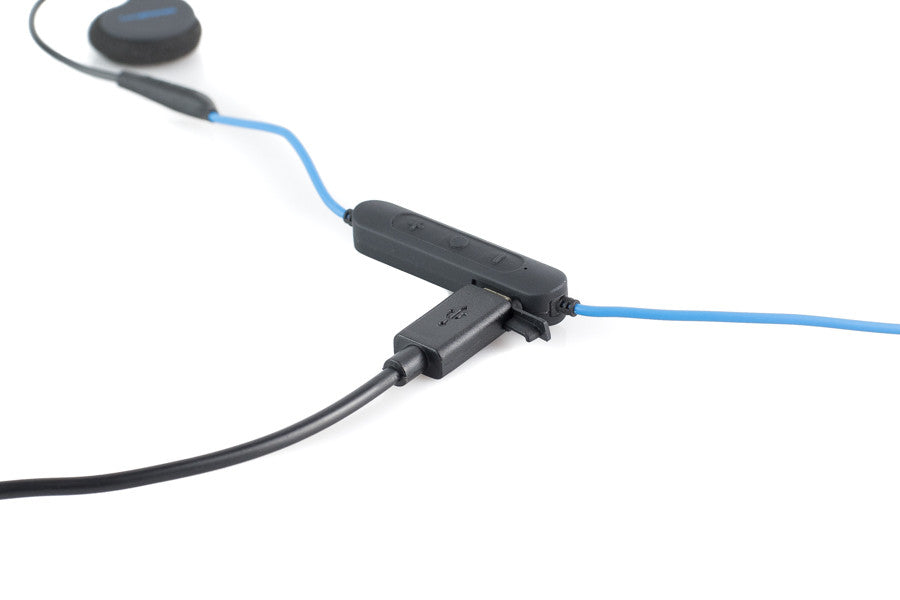
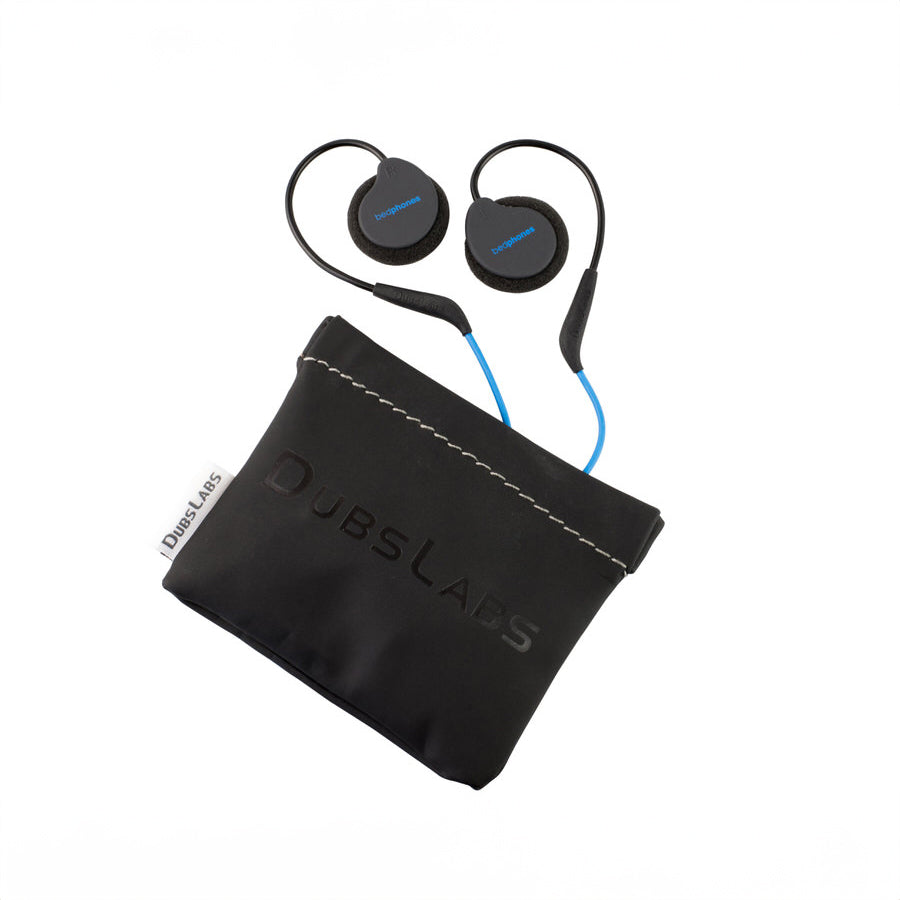
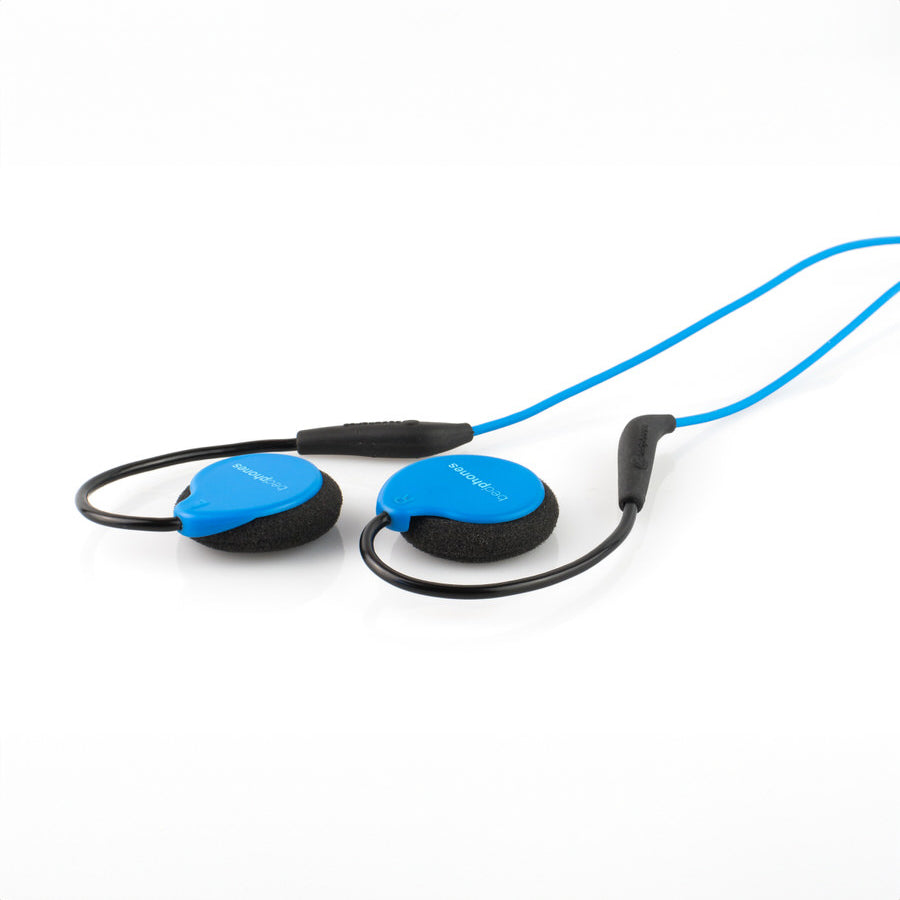
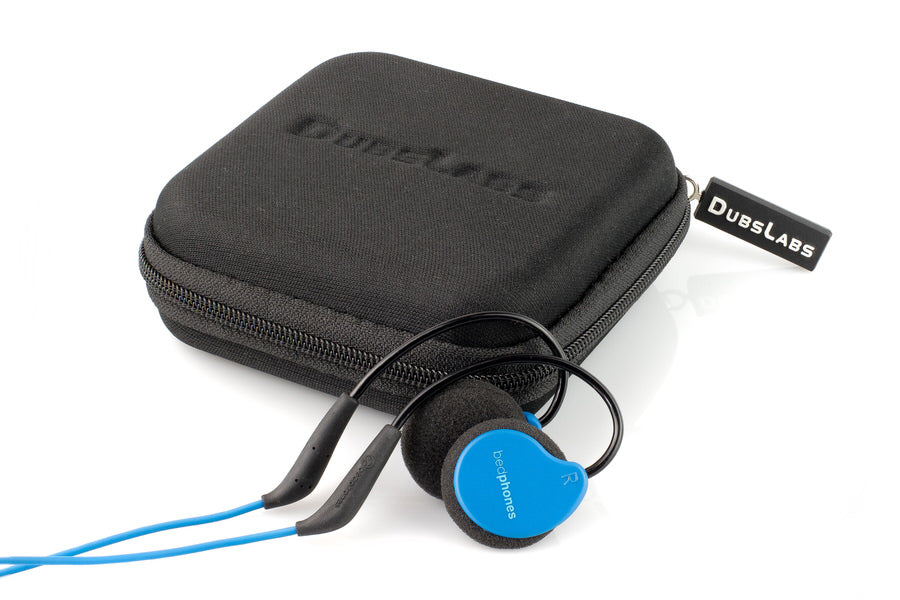
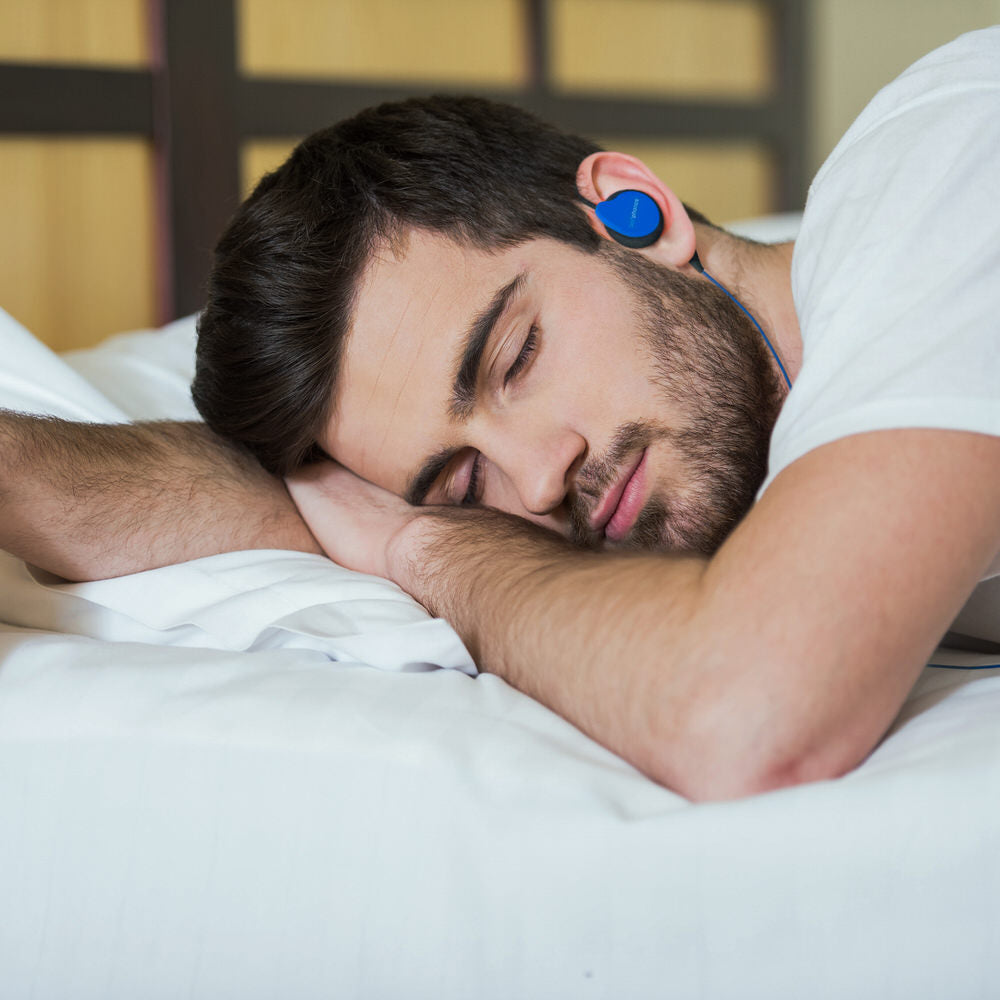
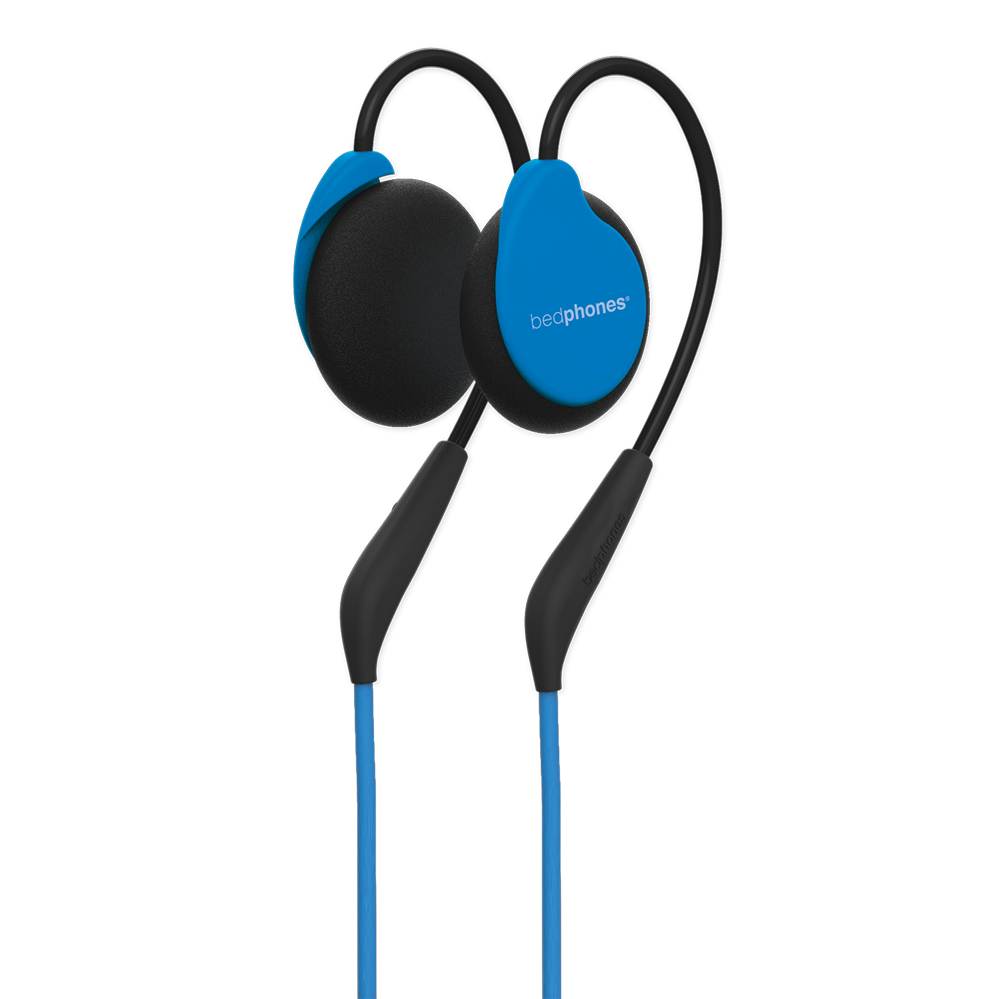
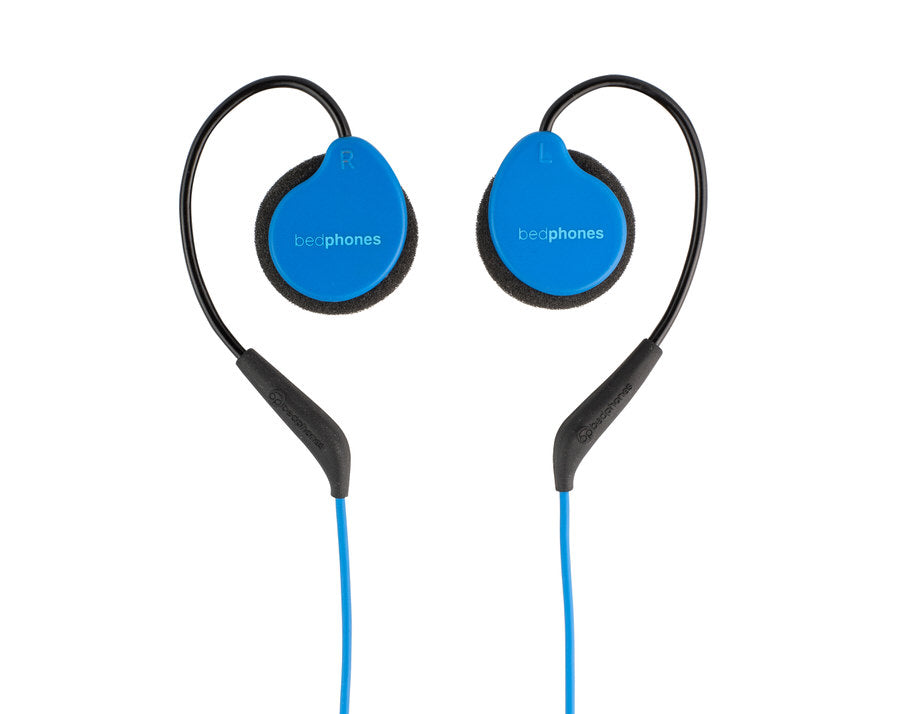
- For Sound: Unexpected noises—a partner’s snoring, a neighbor’s TV, traffic outside—can jolt you awake in an instant. The ultra-thin DubsLabs Bedphones are designed to be worn comfortably while lying down, allowing you to mask these disruptions with soothing audio like white noise, calming music, or guided meditations.
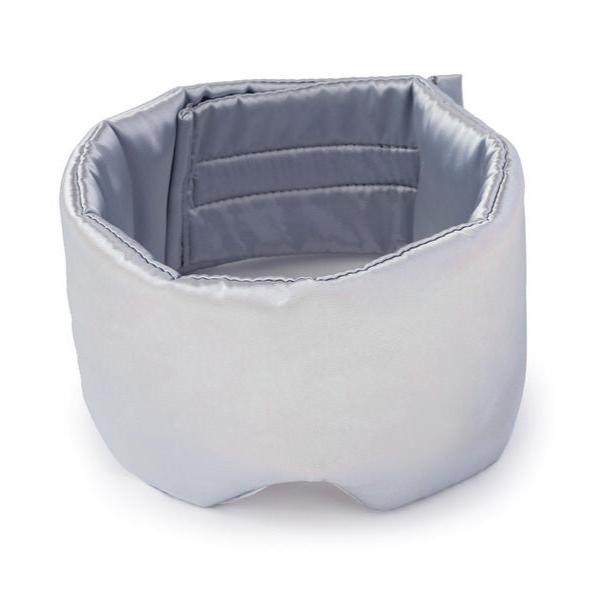
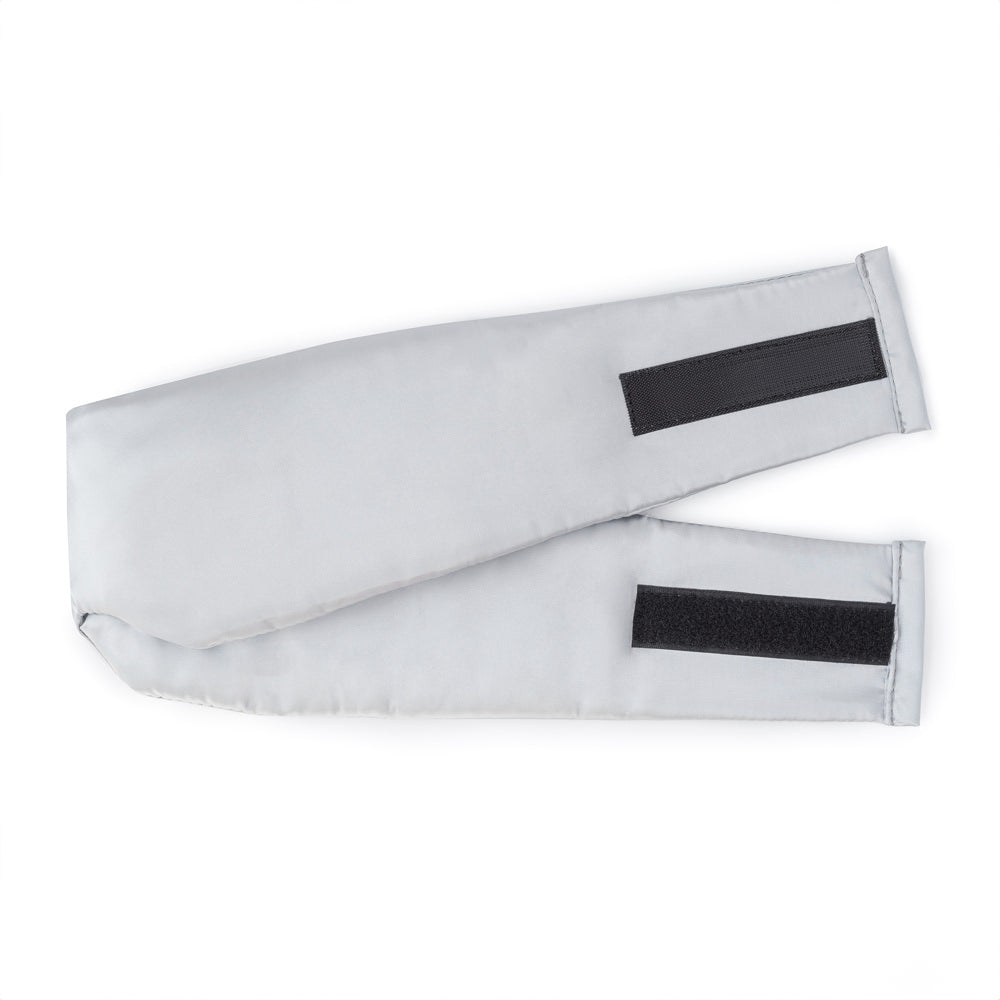
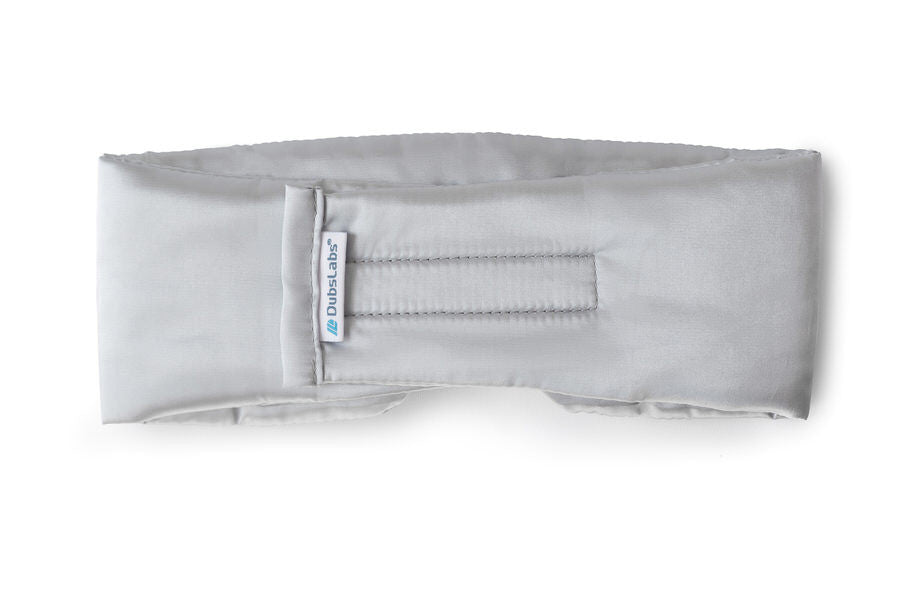
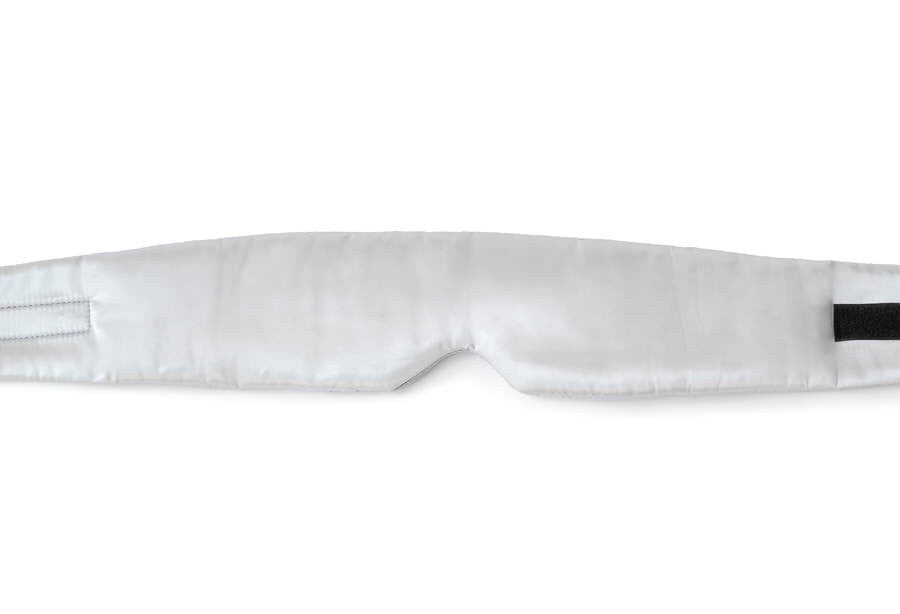
- For Sight: Even a tiny bit of light from electronics or streetlights can suppress melatonin, your body's essential sleep hormone. A total-darkness sleep mask ensures your brain gets the "it's nighttime" signal it needs for deep, uninterrupted rest.
By combining the grounding pressure of a weighted blanket with tools that block disruptive light and sound, you create a powerful sensory shield. This tells your body and mind that it's safe to fully relax and enter a state of deep restoration.
Creating a Consistent Bedtime Ritual
Integrating these tools into a consistent nightly routine makes them even more effective. Over time, the ritual itself becomes a powerful psychological trigger for sleep.
For instance, your routine could be as simple as dimming the lights, putting on your Bedphones with a relaxation track, and then settling under your weighted blanket with your sleep mask on.
This consistent sequence trains your brain to associate these specific actions with winding down. Before long, just starting the process will begin to make you feel drowsy. This holistic approach doesn't just patch up sleep issues; it builds a reliable pathway to tranquility, ensuring every night offers the chance for true recovery.
Got Questions About Weighted Blankets?
Even with everything we know about how weighted blankets can transform your sleep, it's totally normal to have a few questions before diving in. Getting some clear, practical answers will help you feel good about adding this powerful tool to your nightly routine.
Let's walk through some of the most common things people wonder about, from cleaning to safety.
How Do I Wash and Care for My Weighted Blanket?
Good news: keeping your blanket in great shape is simpler than you might think, and it’s the key to making it last for years. The best weighted blankets come with a removable duvet cover that you can just toss in the washing machine. This is the easiest way to keep it feeling fresh.
As for the weighted inner part, you should really only spot-clean it. If it absolutely needs a full wash, always check the manufacturer’s tag first. Some inner blankets are safe for a commercial-sized machine on a gentle, cold cycle. Afterwards, let it air dry flat or tumble dry on the lowest heat setting possible.
For a more detailed breakdown, check out our guide to weighted blanket washing instructions.
Will a Weighted Blanket Make Me Too Hot?
This is probably the number one concern we hear, but it doesn't have to be an issue. While any extra layer is going to add some warmth, many blankets are specifically designed to keep you from overheating. The secret is all in the fabric.
To stay cool and comfortable, look for a blanket made from a breathable material like cotton or bamboo. These natural fibers are fantastic at wicking away moisture and letting air circulate, so heat doesn't get trapped. If you're a naturally hot sleeper, you'll definitely want to steer clear of synthetic fabrics like polyester or fleece.
How Long Does It Take to Get Used to the Weight?
Most people find they adjust to the new sensation within a few days to a week. Think of it as a new sensory experience for your body—a gradual introduction is usually the best way to go.
A great way to start is by using it for short periods, like for 20 minutes while reading on the couch. Gradually increase the time you use it each night until you feel comfortable keeping it on all night long.
This step-by-step approach lets your nervous system adapt comfortably to the calming pressure without feeling overwhelmed.
Can a Child Use an Adult-Sized Weighted Blanket?
Absolutely not. This is a critical safety rule with no exceptions. An adult’s blanket is dangerously heavy for a child and poses a serious suffocation risk.
For kids, you must always follow the 10% of body weight guideline and buy a blanket made specifically for their size. Most importantly, any child using a weighted blanket has to be strong enough to push it off by themselves without any help. This is non-negotiable for their safety and ensures they can move freely all night.
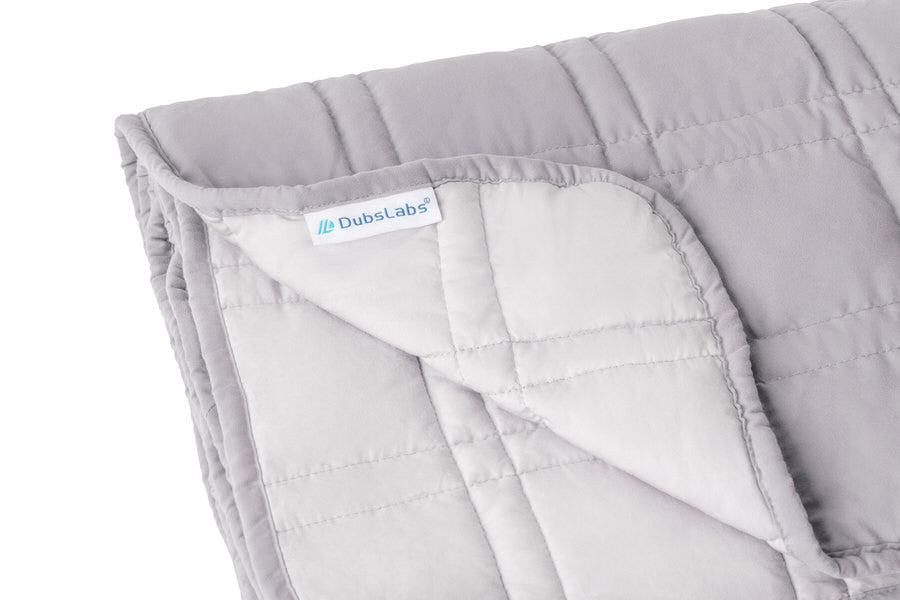
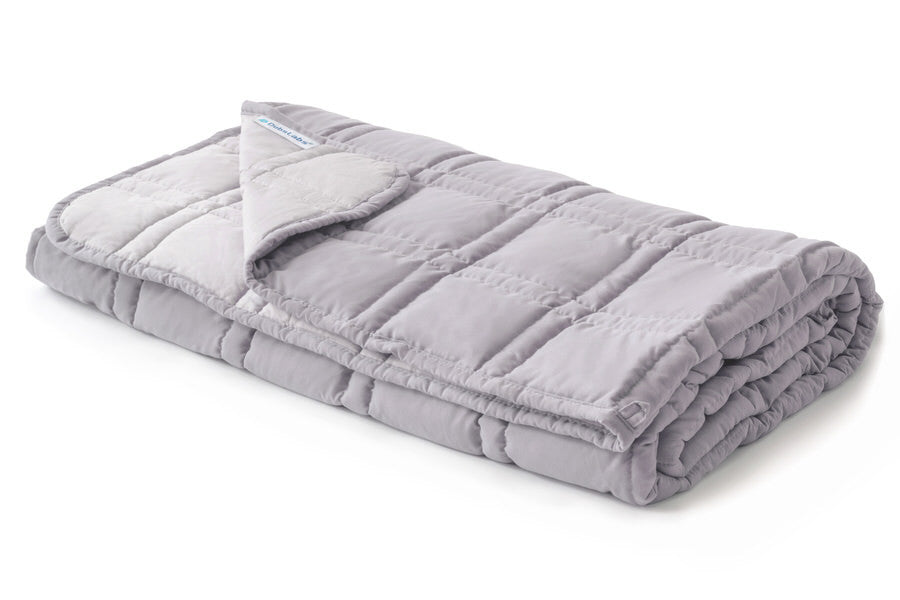
Ready to feel that calming pressure and get the deep sleep you've been missing? The DubsLabs Weighted Blanket is designed with premium, breathable materials to deliver all the benefits without making you overheat. Explore the DubsLabs Weighted Blanket and start your risk-free trial today.