There’s nothing worse than staring at the ceiling, completely exhausted, while the world outside refuses to quiet down. Whether it's the low rumble of late-night traffic, a partner's snoring, or the neighbor's dog barking at shadows, these sounds can feel like a personal attack on your sanity.
That's where sleep noise cancelling comes in. It’s not about creating an artificial, dead-silent void. Instead, it’s about using smart technology to manage your bedroom's soundscape, effectively blocking or masking those disruptive noises so you can finally get the restorative rest you need.
Your Path to Uninterrupted Sleep Starts Here
It’s a frustratingly common story. You’re desperate for sleep, but every little creak or hum puts you on high alert. That constant background noise—even the gentle hum of an air conditioner—can shatter your sleep into tiny, useless fragments, leaving you feeling completely drained the next day.
Think of this guide as your personal roadmap to reclaiming your nights. We're going to dive into how sleep noise cancelling offers a real, practical solution by giving you control over what you hear while you sleep.
What You Will Discover
We'll break down the science behind it all in a way that actually makes sense. You'll get to know the key techniques used to build a peaceful sleep environment and, more importantly, which one is right for you:
- Passive Noise Isolation: The simplest approach. Think of it like putting on earmuffs—using physical barriers to literally block sound waves before they can reach your ears.
- Active Noise Cancellation (ANC): This is the high-tech method. It's like fighting fire with fire, using "anti-noise" signals to intercept and neutralize incoming sounds.
- Sound Masking: A clever tactic that uses a consistent, calming sound to make sudden, jarring noises blend into the background and become far less noticeable.
Once you get a handle on these methods, you can start picking the right tools for the job. And while noise cancelling is fantastic for tackling external disturbances, it's also helpful to remember the bigger picture of sleep health. For some, issues like various sleep disorders require a more comprehensive approach to achieve truly restorative rest.
Consider this guide your personal consultation for a quieter night. We'll arm you with the knowledge to turn your bedroom into a true sanctuary, helping you finally sink into the deep, uninterrupted sleep you've been dreaming of.
How Sleep Noise Cancelling Actually Works
To figure out the best way to get a quiet night's sleep, you first have to understand how the technology actually works. When people talk about sleep noise cancelling, they're really referring to two completely different approaches: Passive Noise Isolation and Active Noise Cancellation.
Each method is a specialist, excelling at blocking certain kinds of sounds while struggling with others. Getting a grip on their strengths and weaknesses is the key to picking a tool that will finally silence the specific noises that keep you staring at the ceiling.
Passive Noise Isolation: The Physical Barrier
Passive noise isolation is exactly what it sounds like—it’s about physically blocking sound. Think of it as soundproofing for your ears. It relies on materials to create a barrier that sound waves just can't easily push through.
Ever cupped your hands over your ears to dull a loud noise? That's passive isolation in its simplest form. For sleep products, this means using dense foam earplugs or the snug, sealed fit of over-ear headphones to physically obstruct the path of sound waves.
This old-school method is a champion against high-frequency sounds. These are the sharp, sudden noises with shorter wavelengths that are more easily stopped by a physical object.
- Sudden, sharp noises like a dog barking, a baby crying, or people talking in the next room.
- Irregular sounds that lack a steady rhythm, such as nearby construction or the clatter of dishes.
Basically, if a sound is sharp, unpredictable, and in that mid-to-high frequency range, passive isolation is your best friend. It acts like a wall, absorbing and deflecting a huge chunk of that sound energy before it ever has a chance to bother you.
A great way to think about passive isolation is like wearing a thick winter coat in a blizzard. The coat doesn't magically stop the wind, but it creates a substantial physical shield that dramatically lessens its impact, keeping you protected from the worst of it.
Active Noise Cancellation: The Digital Solution
Active Noise Cancellation, or ANC as you'll often see it, is a much smarter, high-tech approach. Instead of just blocking sound, ANC creates "anti-noise" to digitally erase unwanted sound waves before they even hit your eardrum. It’s a pretty slick process that feels like magic.
Here's the quick version of how it works. A tiny microphone on the outside of your earbuds listens for incoming ambient noise. An internal chip instantly analyzes that sound wave and generates a brand new, perfectly opposite wave—a mirror image of the original.
This new "anti-noise" wave is then played through the speaker. When the original incoming noise and the newly created anti-noise meet, they cancel each other out through a process called destructive interference. The result? A stunning reduction in what you actually hear.
ANC is an absolute beast against low-frequency, constant, and droning sounds.
- Engine rumbles from traffic, airplanes, or trains.
- Appliance hums like an air conditioner, fan, or refrigerator.
- Persistent snoring that holds a steady, low-pitched rhythm.
This tech creates a bubble of quiet, making it a game-changer for anyone trying to sleep through a steady, monotonous drone. It tackles the very sounds that passive methods can't quite handle, making it a powerful ally in the modern quest for a peaceful night.
Passive Isolation vs Active Noise Cancellation
So, which one is right for you? It really depends on what's keeping you awake. Here's a quick side-by-side look to help you decide.
| Feature | Passive Noise Isolation | Active Noise Cancellation (ANC) |
|---|---|---|
| How it Works | Physically blocks sound with materials. | Digitally creates "anti-noise" to cancel sound waves. |
| Best For | High-frequency, sharp sounds (barking, talking). | Low-frequency, constant drones (traffic, snoring, AC hum). |
| Power Required | None. It's a physical barrier. | Yes. Requires battery power for the microphone and processor. |
| Analogy | A thick wall or a winter coat. | Digital "delete" button for sound. |
Ultimately, many of the best sleep solutions use a combination of both. A good physical seal (passive) blocks the sharp noises, while the ANC electronics inside take care of the deep rumbles.
The Science of Sound Masking for Better Sleep
While active cancellation zaps sounds and passive isolation physically blocks them, there’s a third, powerful tool in our sleep arsenal that works a bit differently. It's called sound masking, and it’s not about chasing absolute silence. Instead, the strategy is to add a specific, consistent sound to your bedroom, making those random, disruptive noises far less noticeable.
Think about it like this: you're in a pitch-black room, and someone lights a tiny candle. That single flame is impossible to ignore because it stands out so dramatically against the darkness. Now, what if someone flips on the main overhead lights? The candle is still burning, but its flicker is completely washed out by the brighter, steadier light filling the room.
Sound masking works on that exact principle. It effectively raises the baseline—or "floor"—of sound in your environment. A sudden noise, like a car door slamming outside your window, is like that candle flame; it’s a sharp spike of sound against an otherwise quiet backdrop. But when you introduce a steady, predictable sound, that jarring spike becomes far less startling to your sleeping brain.
How Different Sounds Protect Your Sleep
The most common tools for sound masking are what we call different "colors" of noise. These aren't colors you can see, of course, but terms that describe the sonic texture and how frequencies are distributed within a sound.
- White Noise: This is the one most people have heard of. It contains all audible frequencies in equal measure, creating a sound a lot like radio static or a hissing fan. It’s especially good at masking sharp, high-frequency sounds like people talking or a baby crying down the hall.
- Pink Noise: A slightly deeper sound, pink noise packs more power in the lower frequencies. It sounds more balanced and less harsh than white noise and is often compared to the sound of steady rainfall or wind rustling through leaves.
- Brown Noise: This is the deepest of the three, with an even bigger emphasis on low-frequency sounds. It produces a low, rumbling tone—think of a strong waterfall or distant thunder—which is fantastic for drowning out bass-heavy noises like city traffic.
Sound masking doesn’t actually eliminate noise; it just reduces how much you perceive it. By creating a constant audio backdrop, your brain learns to tune out the steady sound, and sudden disturbances no longer have the power to yank you out of your sleep.
Choosing the right color of noise really comes down to personal preference. A lot of people find the deep rumble of brown noise more relaxing than the higher-pitched hiss of white noise. To figure out what works for you, it’s worth learning more about the differences between white noise vs brown noise and seeing which one best tackles your specific sleep challenges.
Ultimately, the goal is to create a predictable and peaceful soundscape that stands guard over your rest all night long.
Choosing Your Ideal Noise Cancelling Sleep Solution
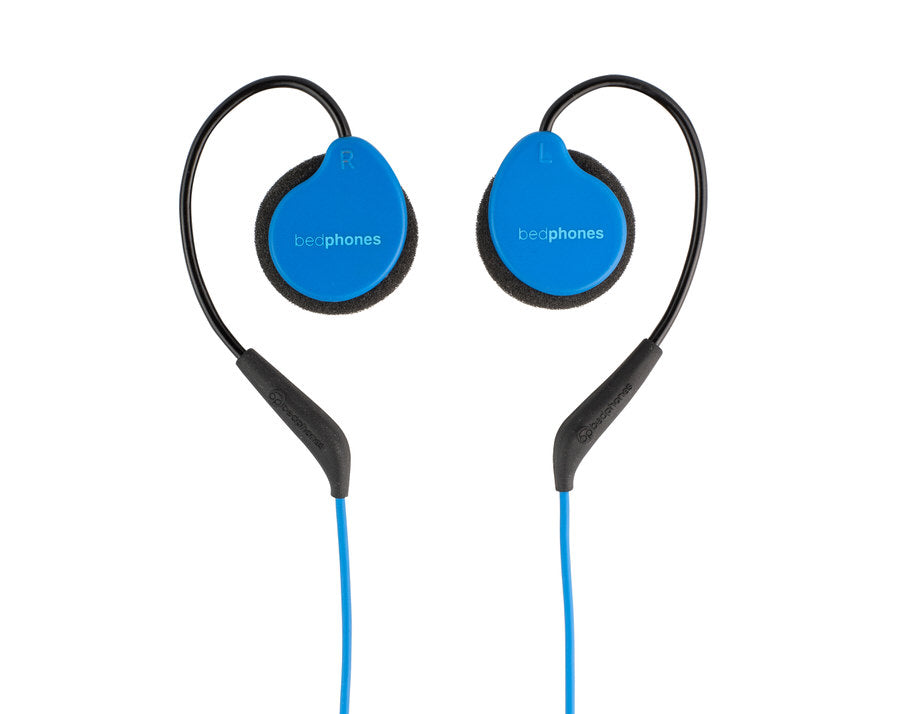
Alright, you've got the basics down on how this tech works. Now for the fun part: picking the right tool for your specific sleep headaches. The market is absolutely flooded with options, from massive over-ear cans to tiny little earbuds. But let’s be real—when it comes to sleep, comfort is king. This is especially true if you’re a side sleeper, because you already know how painful a traditional headphone can be when you’re trying to get some shut-eye.
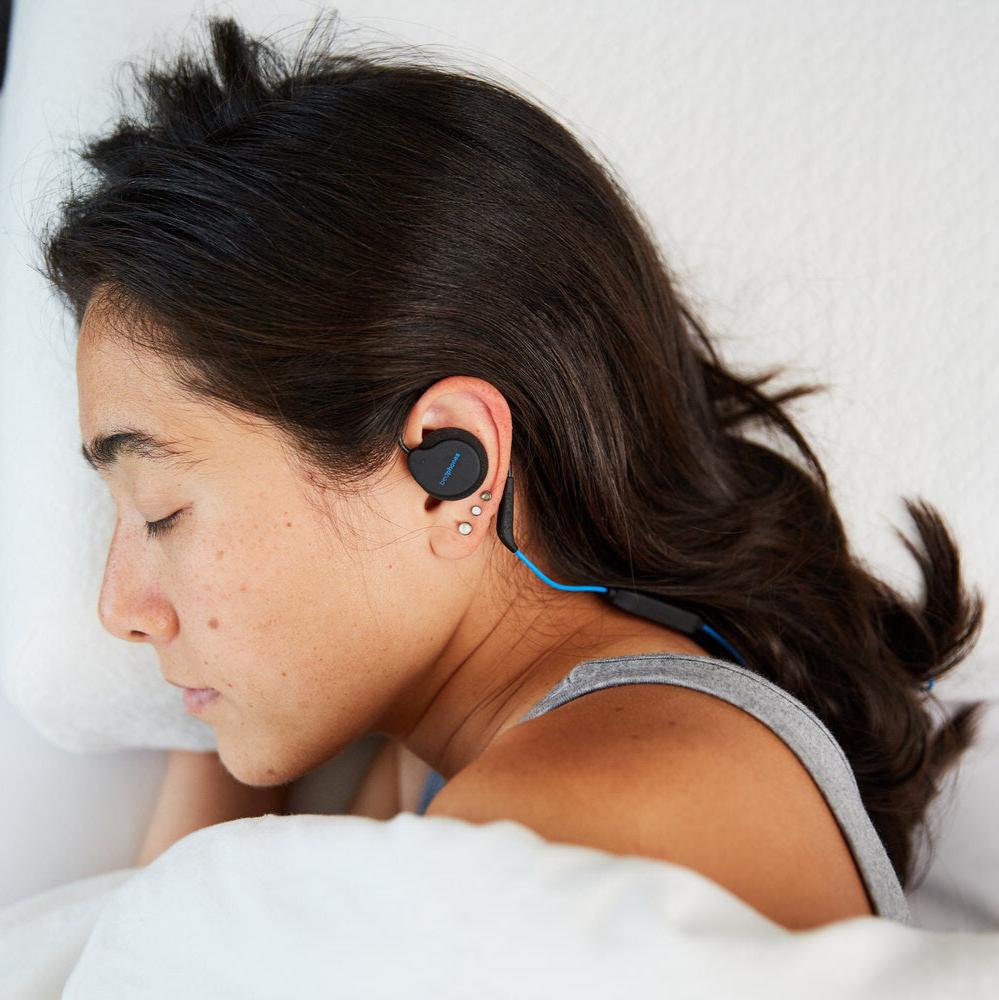
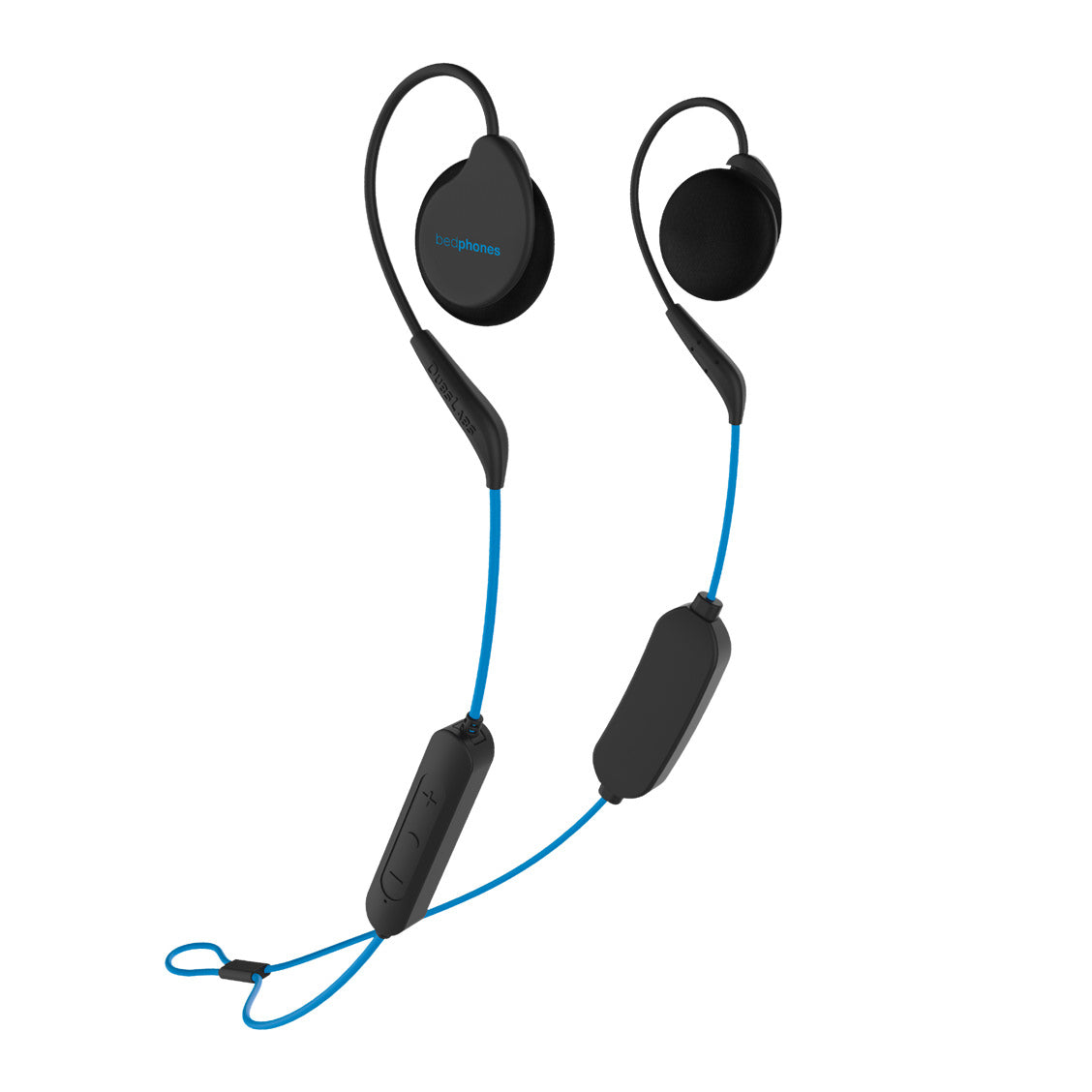
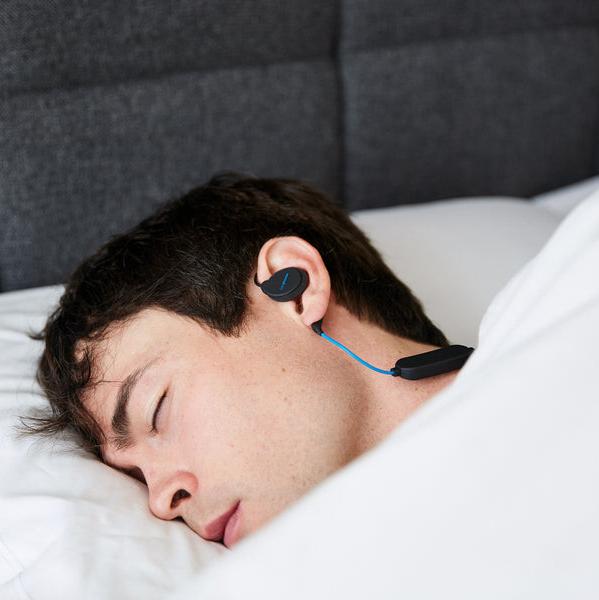
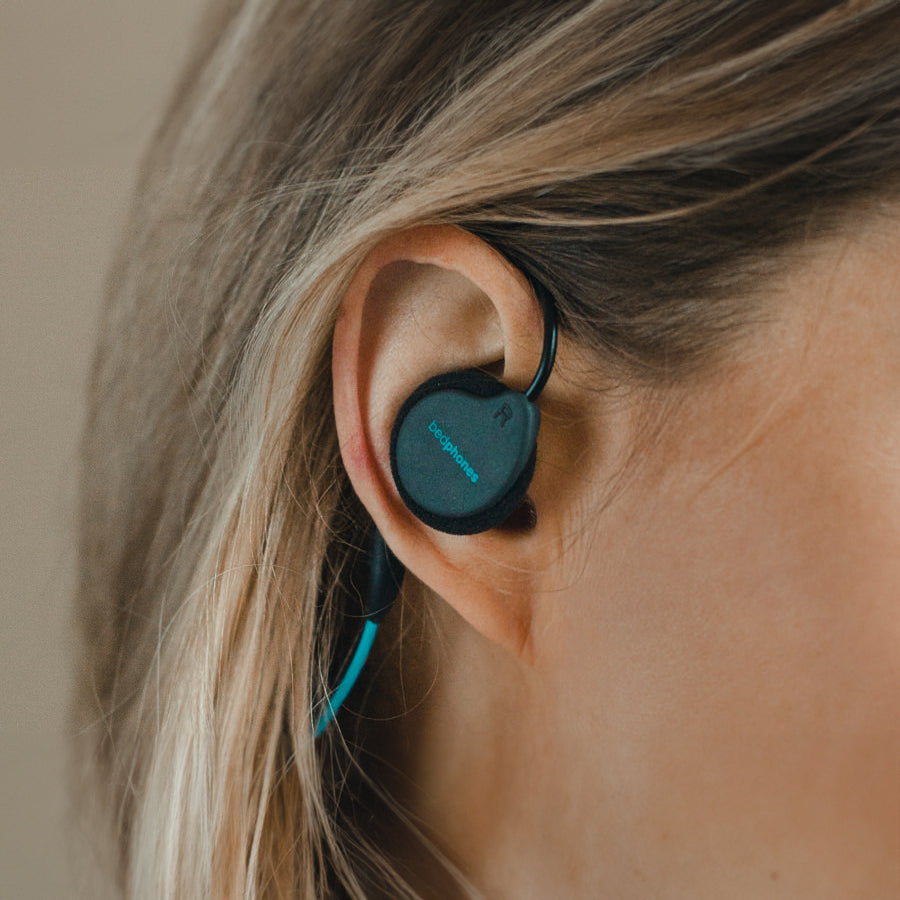
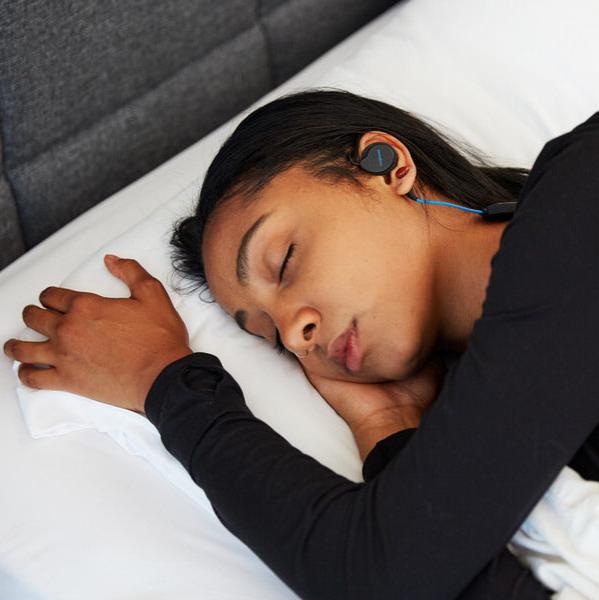
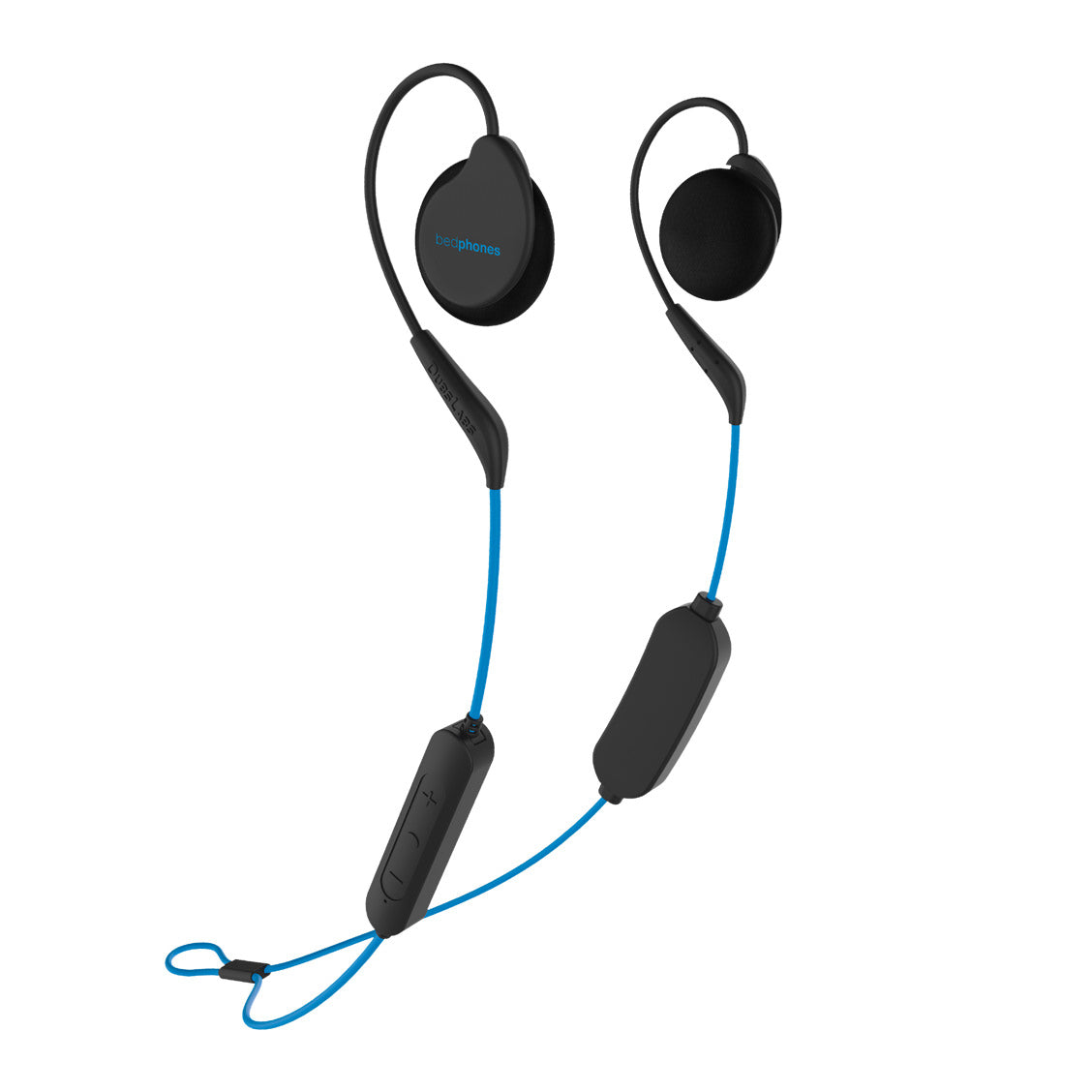
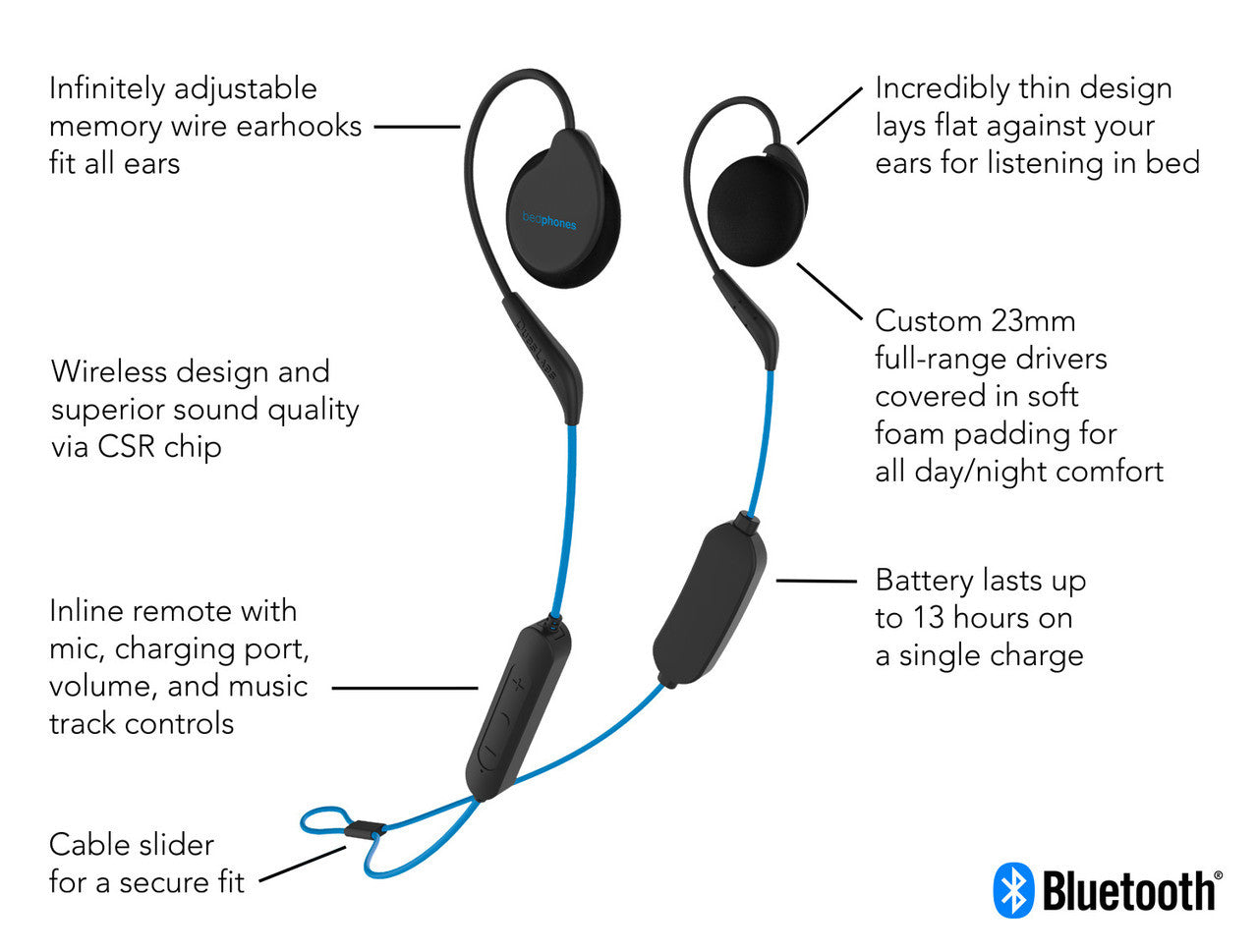
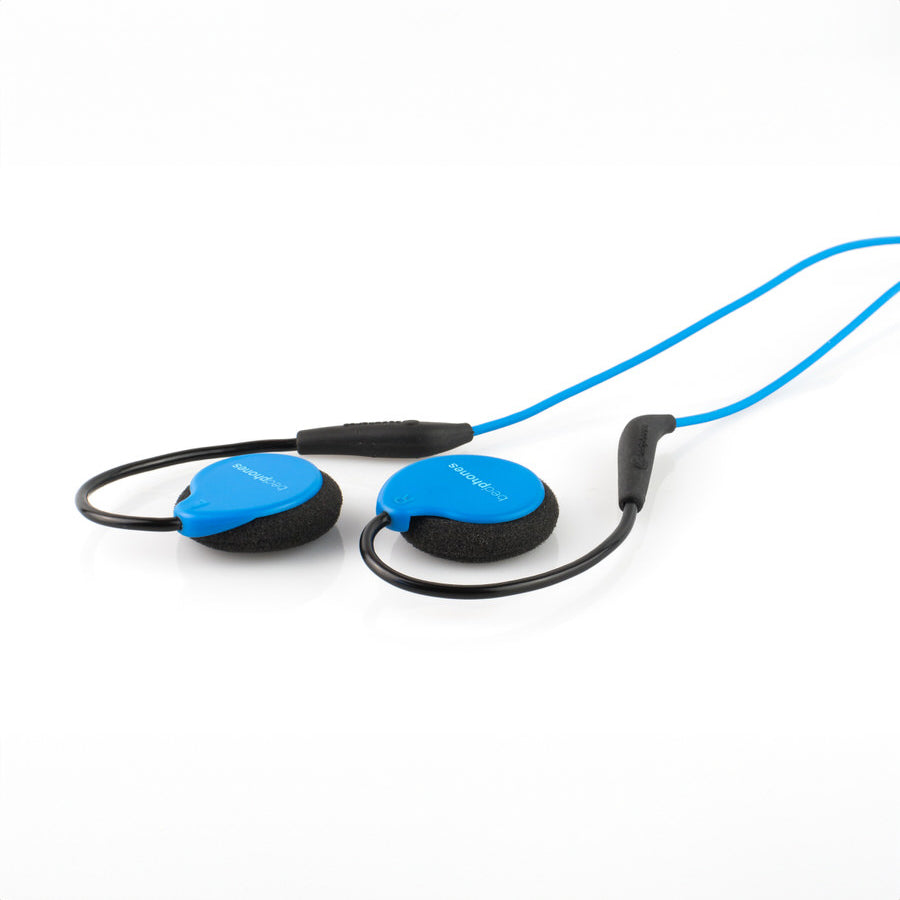
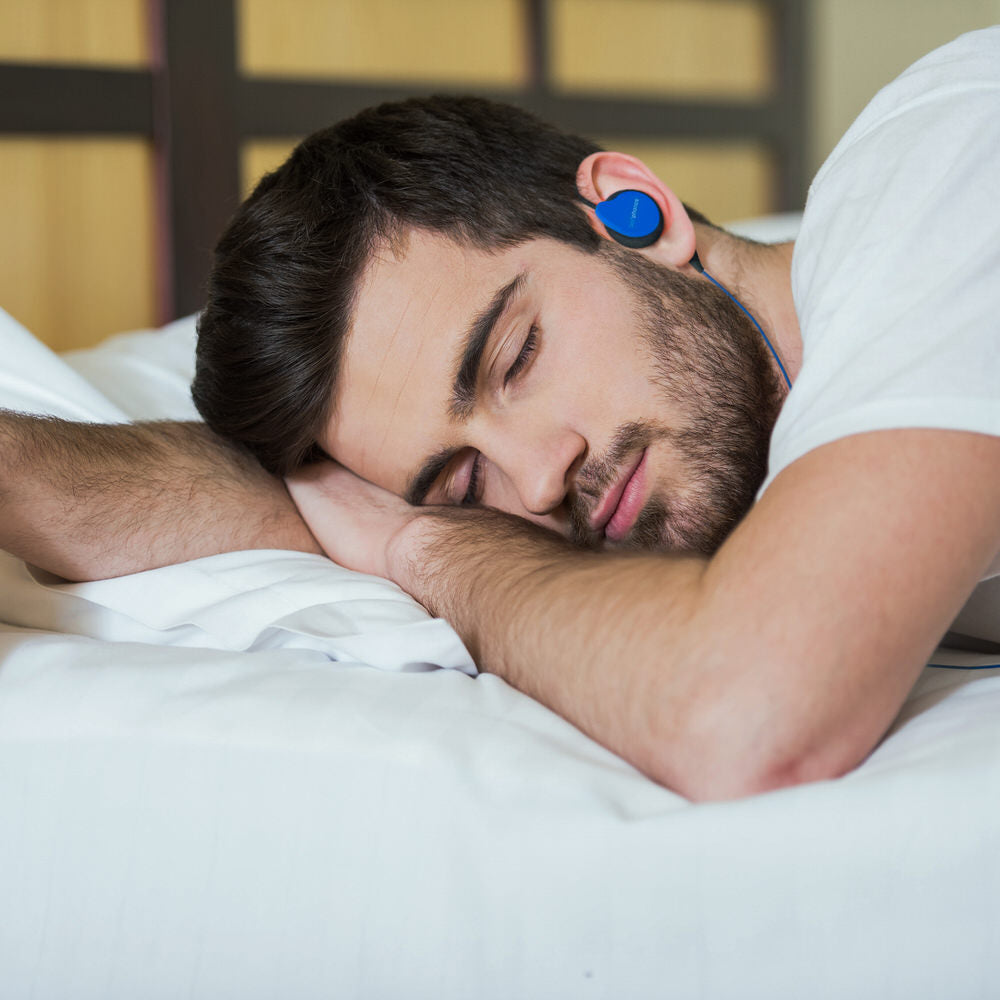
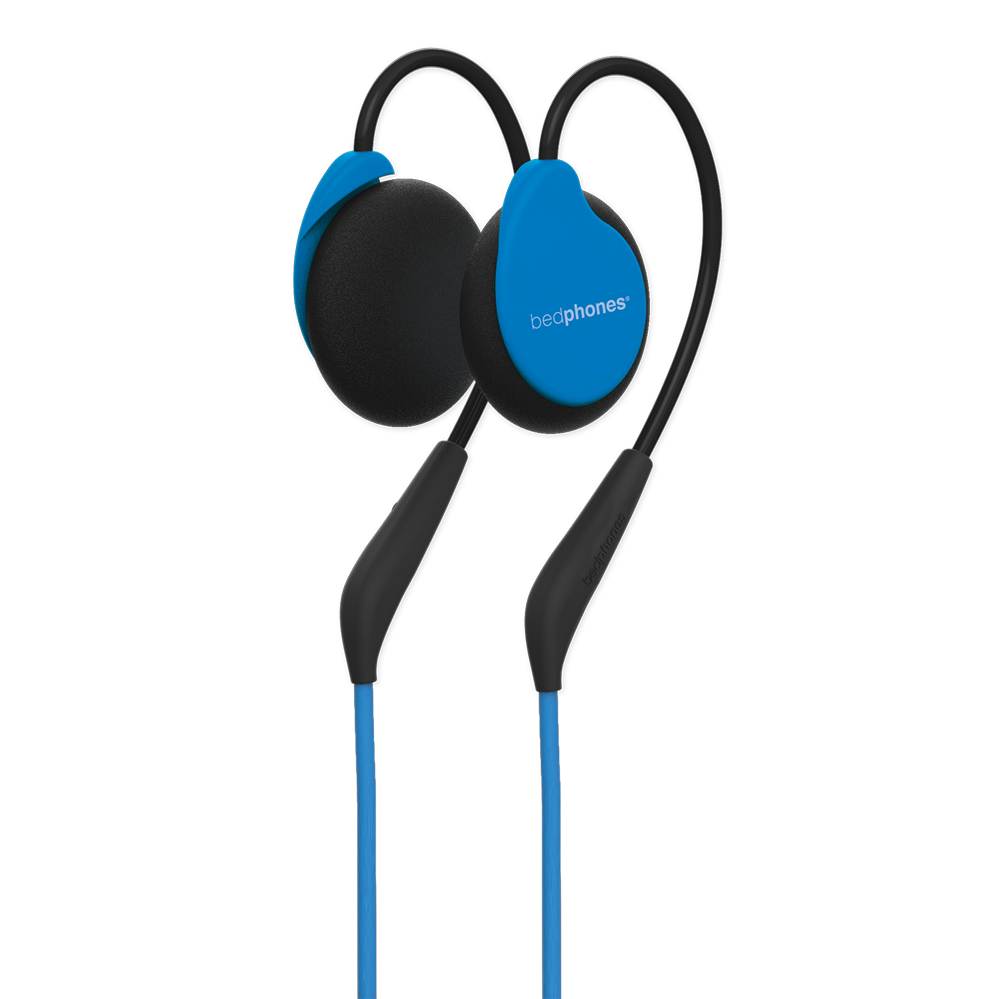
This is exactly why specialized sleep gear is a game-changer. Products designed from the ground up for sleep, like ultra-thin headphones or soft headbands, are all about having a low profile and using comfortable materials. They’re made to be worn all night long, no matter how much you toss and turn. To find your perfect match, you need to start by figuring out what's actually keeping you up at night.
Identify Your Primary Noise Problem
First things first: what sound is your ultimate nemesis? Is it the constant, low drone of the city, or is it the sharp, sudden bark of the neighbor's dog? Your answer here is the single most important clue to finding the right technology.
- For Low-Frequency Drones: If you’re battling a partner's snoring, the hum of an ancient air conditioner, or the constant rumble of traffic, Active Noise Cancellation (ANC) is going to be your best friend. ANC is brilliant at erasing those persistent, droning sounds.
- For High-Frequency Interruptions: If your sleep is being ambushed by sharp sounds like a dog barking, your neighbors chatting through the wall, or a baby crying, then passive noise isolation paired with sound masking is a killer combo. A snug fit physically blocks a lot of that noise, and a blanket of white or pink noise on top makes those sounds practically disappear.
This little flowchart can help you visualize which type of sound masking works best for different noises.
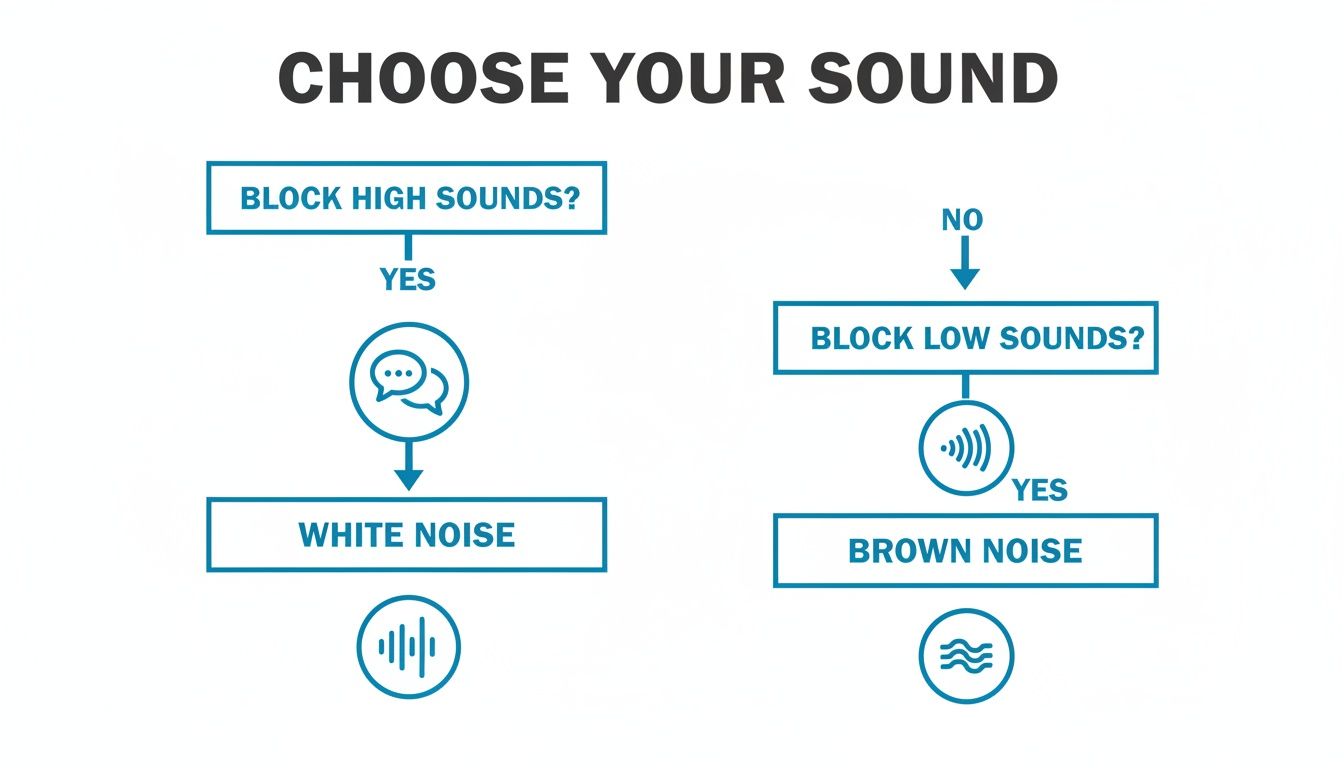
As you can see, white noise is fantastic for cutting through higher-pitched disturbances, while the deeper, richer tones of brown noise do a better job of covering up low rumbles.
Key Features to Consider
Beyond the core tech, a few other features are absolutely critical for getting a good night's sleep. As you start comparing different products, keep these in mind to make sure you're buying something that will actually help, not hinder, your rest.
- Wired vs. Wireless: Let's be honest, wireless is the way to go for sleeping. It gives you the freedom to move without getting tangled up in cords, which is a massive win for comfort. This freedom is a huge reason the sleep headphone market is blowing up.
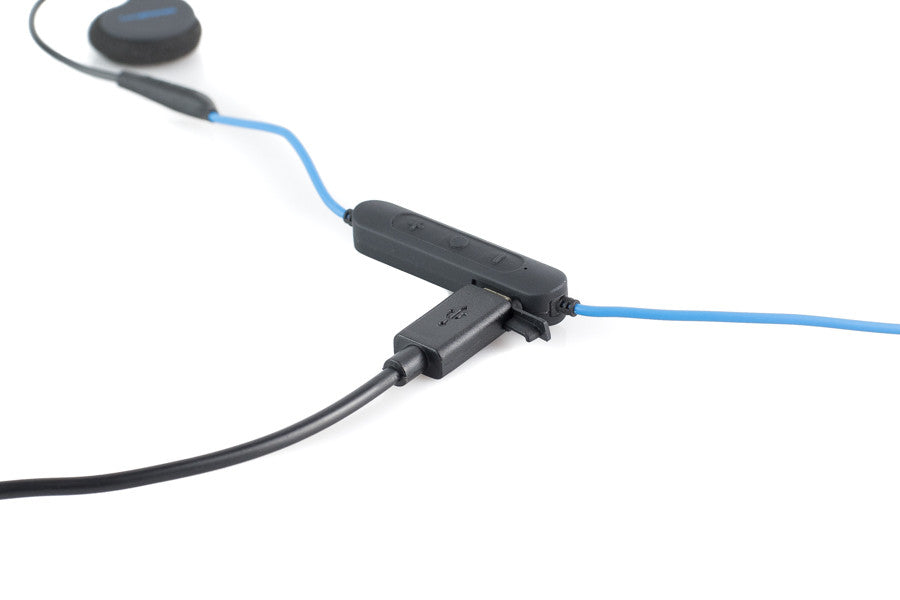
- Battery Life: For any wireless or ANC device, you need a battery that can go the distance. Make sure it can last a full 8-10 hours on a single charge. There’s nothing worse than your peaceful soundscape cutting out right in the middle of the night.
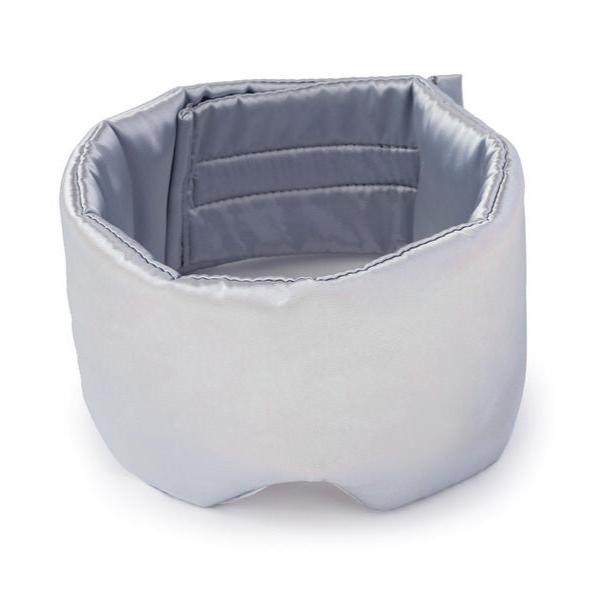
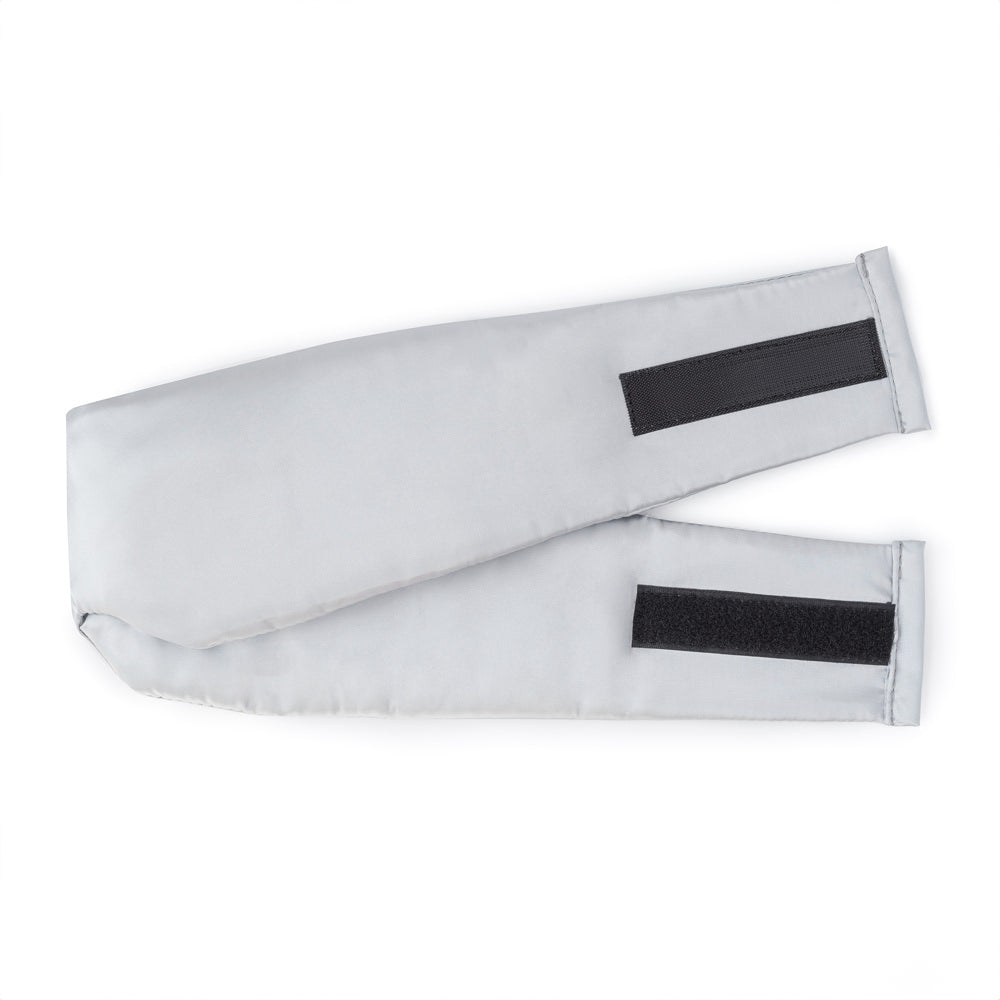
- Material and Fit: Look for soft, breathable materials like fleece or mesh that won't make you sweat. For side sleepers, a noise cancelling headband for sleeping can be the perfect solution, since the flat speakers won’t dig into your ears.
The hunger for comfortable, effective sleep audio gear is growing fast. Market research pegged the global sleep headphones market at around USD 1.12 billion, and it's projected to hit USD 2.03 billion by 2030. This trend is driven by people just like you—folks in noisy apartments or shared homes who are desperate for a good night's sleep and are gravitating towards wireless, noise-cancelling designs.
By carefully matching the technology to your specific noise problem and prioritizing sleep-centric features like all-night comfort and a long-lasting battery, you can find a solution that truly turns your bedroom into a sanctuary for rest.
Creating Your Ultimate Sleep Sanctuary
Truly effective sleep noise cancelling isn't about finding one magic gadget. It's about building a multi-layered environment—a personal sleep sanctuary that shields you from all kinds of disruptions. Think of it as creating a personal bubble of tranquility where your mind and body can finally switch off.
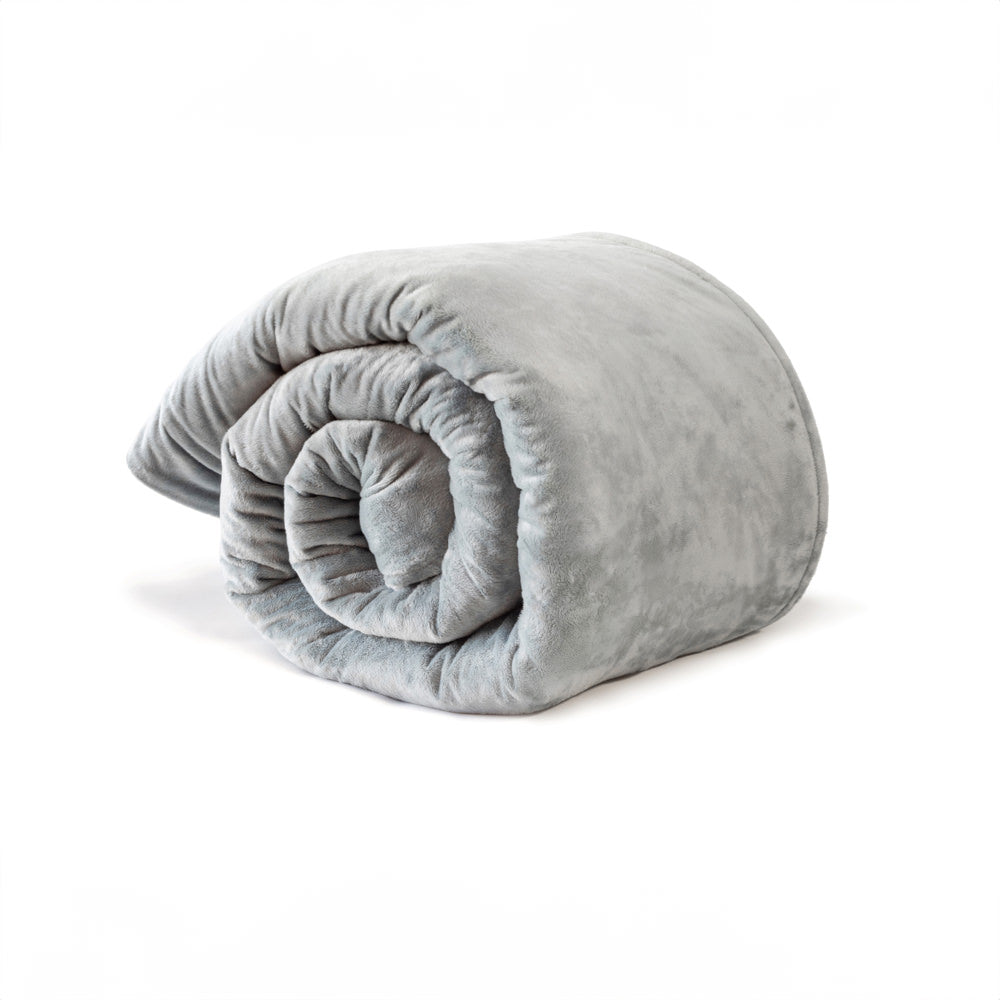
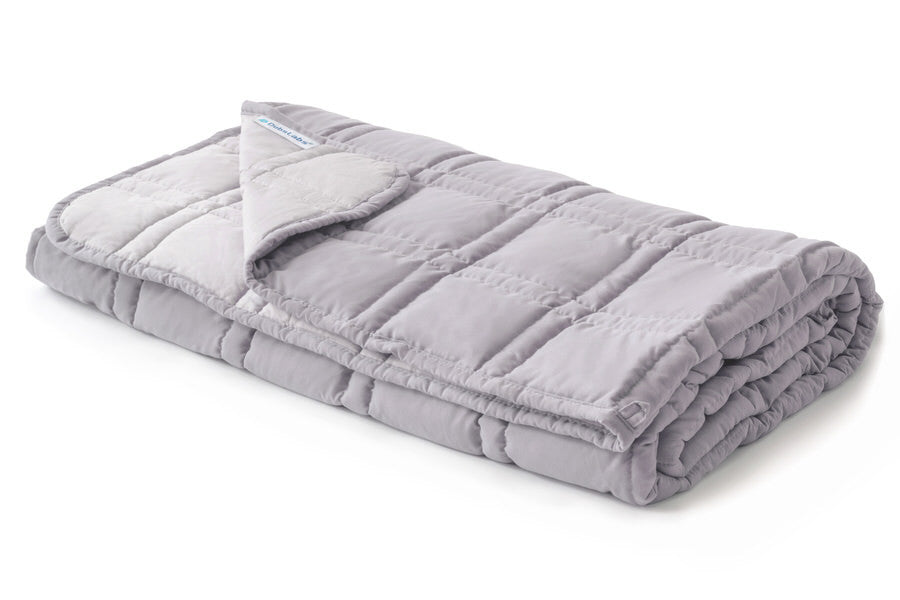
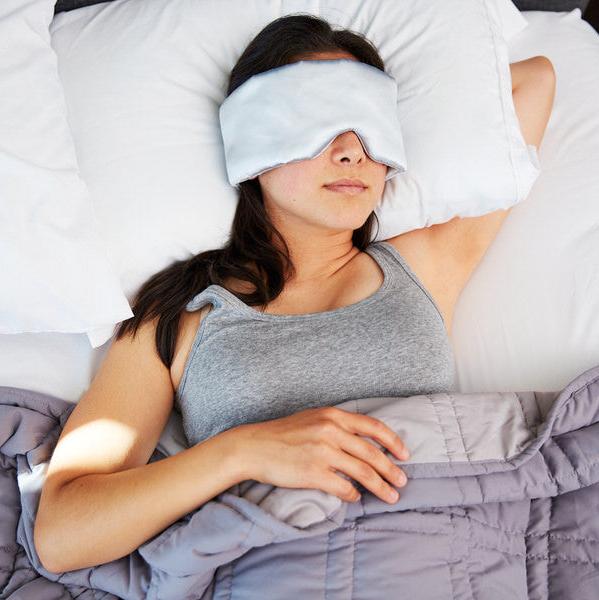
This strategy goes way beyond just sound. Picture this: you're wearing comfortable sleep headphones playing a gentle brown noise, you've got a total-darkness sleep mask on, and you feel the calming pressure of a weighted blanket. You're tackling three major sleep disruptors at once: noise, light, and even nighttime anxiety.
Layering Your Solutions for Deeper Rest
Building this sanctuary isn't just about buying stuff; it's about making different tools work together as a team. The best way to start is by tackling your biggest problem first, then adding in other pieces to support it. A complete system can genuinely transform your bedroom from just a room into a peaceful retreat.
Here are a few practical ways to start building your own sanctuary:
- Combine Passive and Active Tools: Hang some blackout curtains to block out light and muffle some street noise. Then, add a white noise machine or sleep headphones to mask whatever sound still sneaks through.
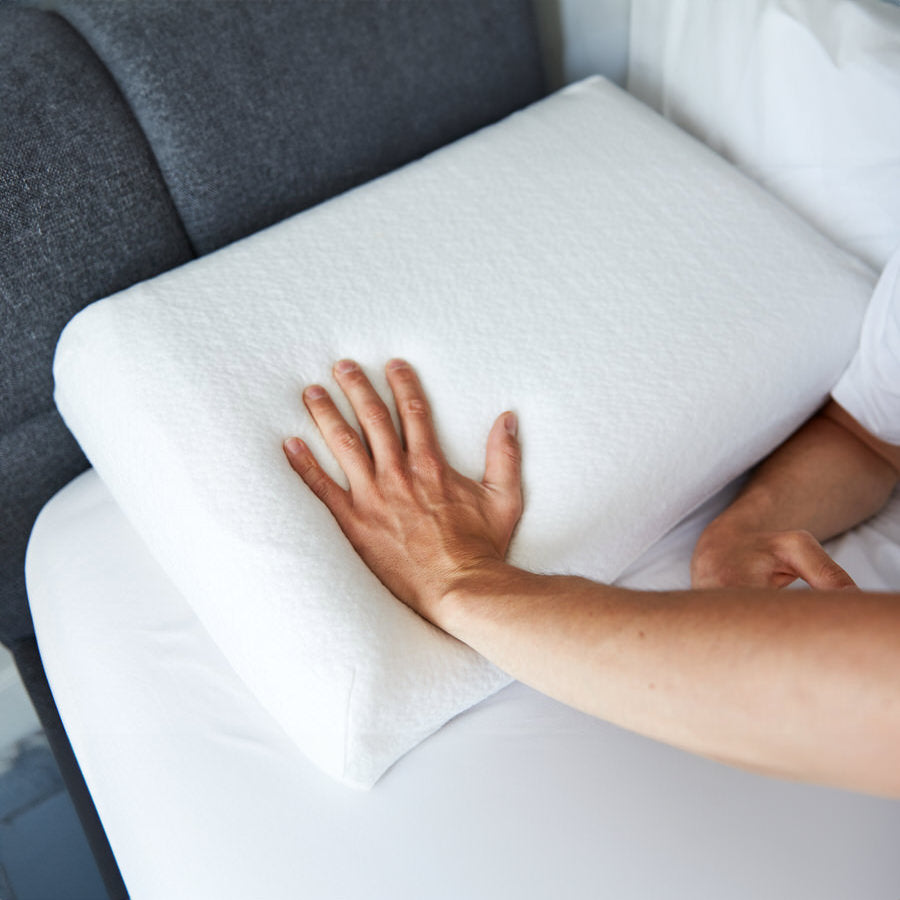
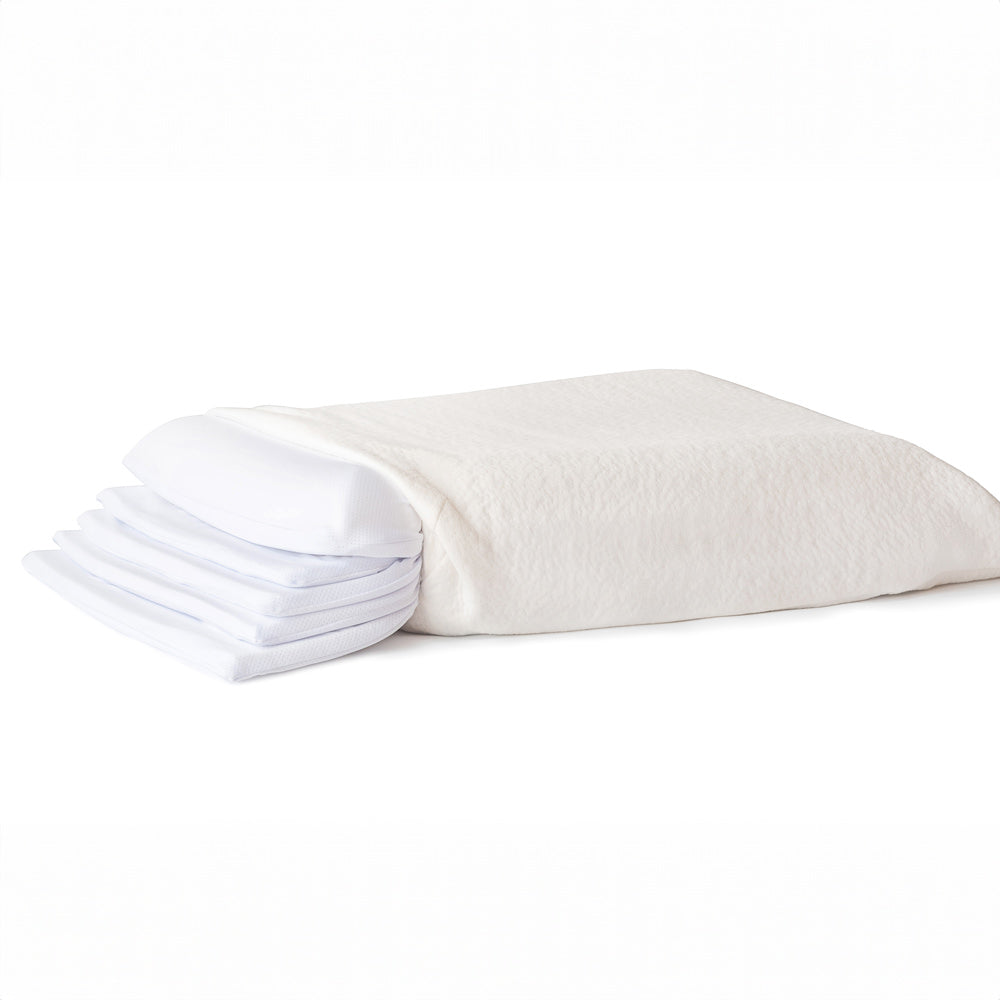
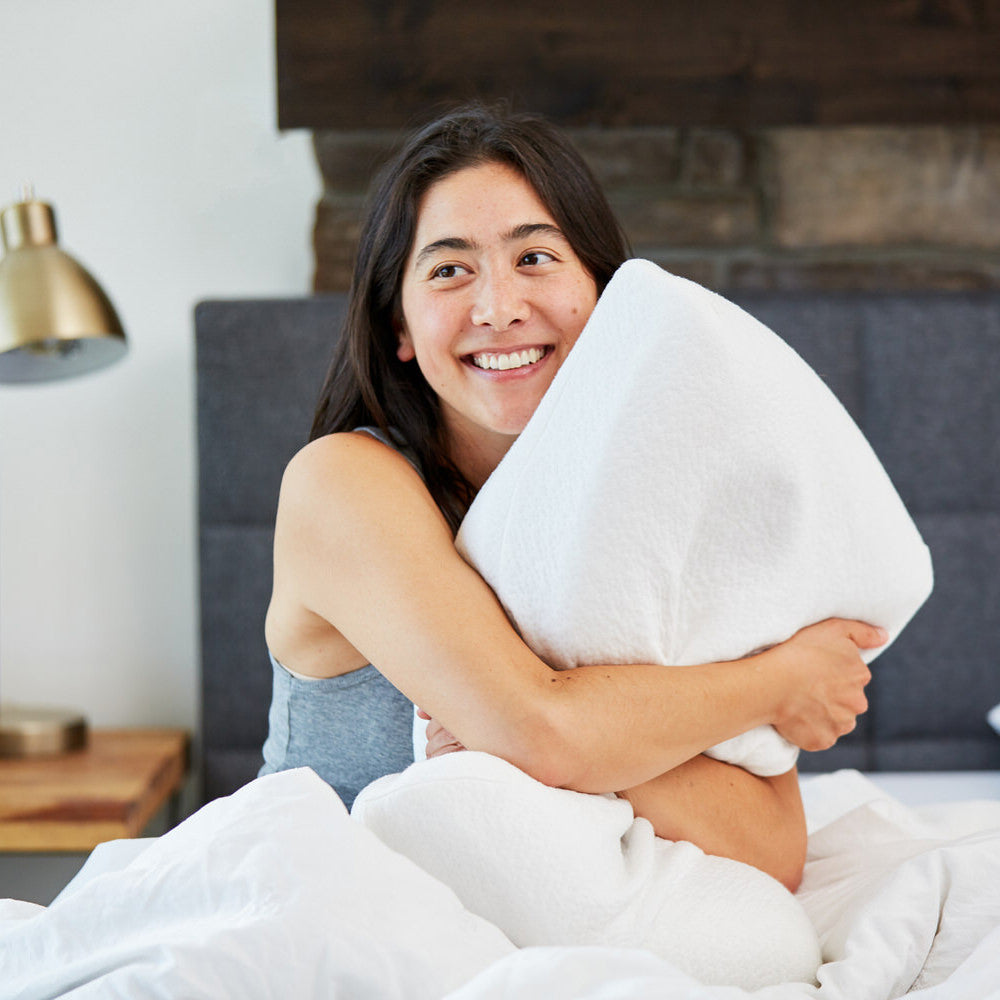
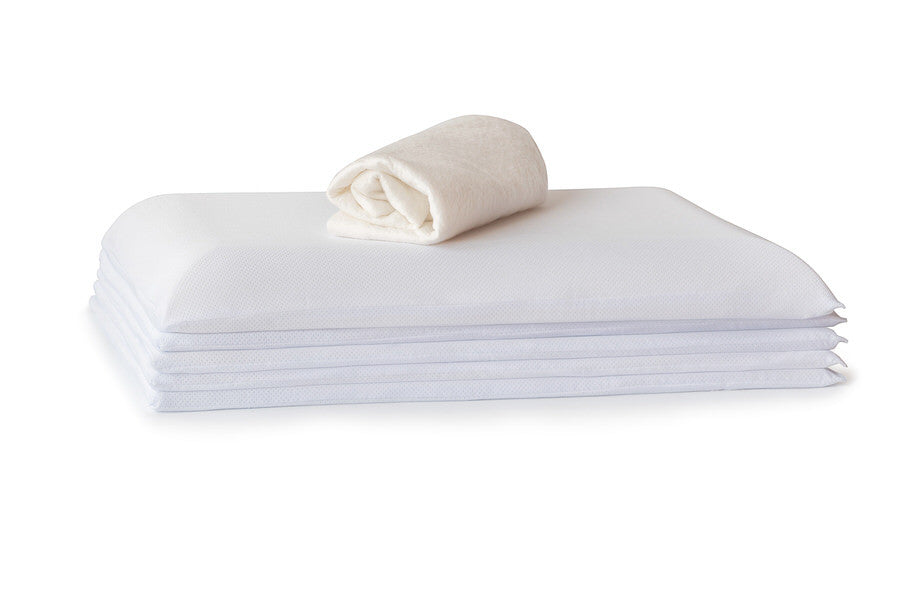
- Don't Forget Your Bedding: A really good pillow and comfy bedding can make a world of difference. When you're not tossing and turning from physical discomfort, you're far less likely to be startled awake by small noises.
- Tame Your Environment: Sometimes the noise is coming from inside the house. Things like a rattling air conditioner or a humming ceiling fan can be surprisingly disruptive. An ultimate guide to quiet ceiling fans for silent, blissful sleep can help you track down and eliminate those little ambient annoyances.
The real magic is in the synergy. A good sleep mask is great on its own. But a sleep mask plus effective sound masking plus a comfortable bed? That's a powerful formula for deep, uninterrupted rest. Each part makes the others work even better.
Fine-Tuning Your Sleep System
Once you've got your gear, the last step is to dial it in just right. One of the most common mistakes people make is blasting their sound masking audio way too loud. The goal isn't to drown out noise with more noise; it's to find a volume just loud enough to make background sounds blend in and disappear. Quieter is often better.
Try to weave these tools into a consistent, relaxing bedtime routine. Putting on your sleep headphones or flicking on your sound machine should become a clear signal to your brain that it's time to wind down. By layering different strategies, you're creating a robust defense against anything that might try to rob you of your sleep.
If you want to dive deeper into layering techniques, our guide on how to sleep through noise has even more tips.
This complete system approach ensures that when your head finally hits the pillow, your mind and body are fully prepped for the restorative sleep you deserve.
Got Questions About Sleep Noise Cancelling? We've Got Answers.
When you're trying to figure out the best way to get some peace and quiet at night, a few questions always pop up. Let's tackle the most common ones people ask so you can feel confident you're on the right track.
Can Noise Cancelling Completely Block a Snoring Partner?
This is the big one, isn't it? It's probably the #1 reason people start looking into this stuff in the first place. While no consumer gadget can create a magical bubble of pure, absolute silence, the right tech combo can make a world of difference.
The trick is to launch a two-pronged attack. Active Noise Cancellation (ANC) is brilliant at tackling the low, constant rumble of a snore. Then, you bring in sound masking with white or brown noise to paper over the sharper, more irregular sounds. Working together, they can knock that snoring down to a faint, ignorable background hum.
Is It Safe to Wear Headphones All Night?
Absolutely, as long as you're smart about it. Your safety and comfort are non-negotiable for a good night's sleep, so just follow a few simple rules.
- Keep the Volume Low: The goal is to gently mask outside sounds, not blast them into oblivion. A low volume protects your hearing for the long haul.
- Choose Sleep-Specific Designs: Don't try to sleep in your bulky gym headphones. You need something low-profile and soft that won't dig into your ears, especially if you're a side sleeper.
- Keep Them Clean: Just like you wash your pillowcases, give your sleep headphones a regular wipe-down. This helps prevent any potential ear irritation.
What's the Difference Between White and Brown Noise?
They both do a great job of masking sound, but they feel very different. Think of it like this: white noise contains all the sound frequencies in equal measure, which creates a sound like a soft "hiss." It's fantastic for covering up sharp, high-pitched noises like a chirping bird outside your window.
Brown noise, on the other hand, is much deeper. It dials up the lower frequencies, resulting in a gentle, rumbling sound like a distant waterfall or heavy rain. A lot of people find this texture more soothing and especially good at drowning out low drones from things like traffic or an air conditioner.
Will I Still Be Able to Hear My Alarm?
For most people, the answer is yes. Your smartphone alarm is designed to be loud and high-pitched—a range of sound that most noise cancelling setups don't completely wipe out. It's meant to cut through the noise, and it usually does.
Your alarm clock’s high-frequency sound is designed to be jarring, which is why it can usually slice through most noise cancelling setups. However, it's always a good idea to perform a test run on a weekend to ensure you can hear it, just in case.
That said, everyone's hearing is different, and your specific setup matters. Before you rely on it for that big Monday morning meeting, do a quick test run. Set an alarm for a few minutes from now, pop in your headphones with your usual masking sound, and make sure you can hear it loud and clear.
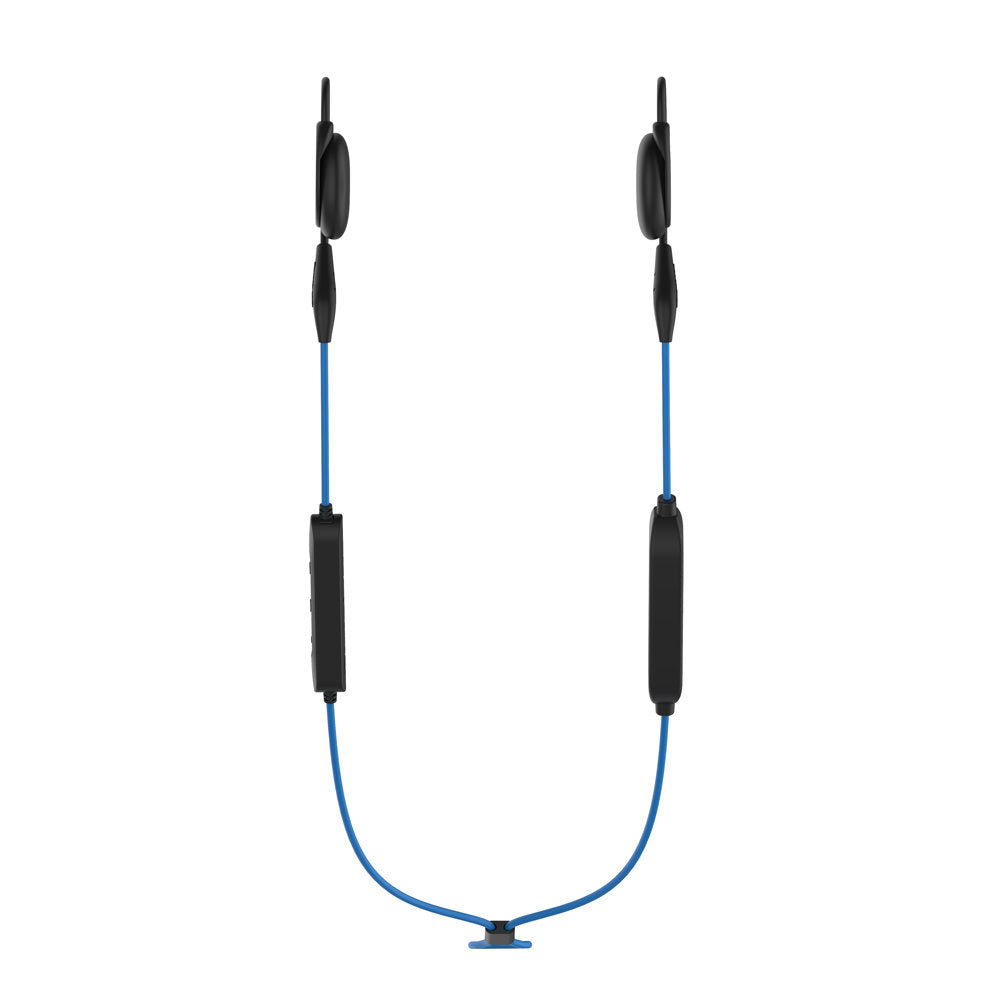
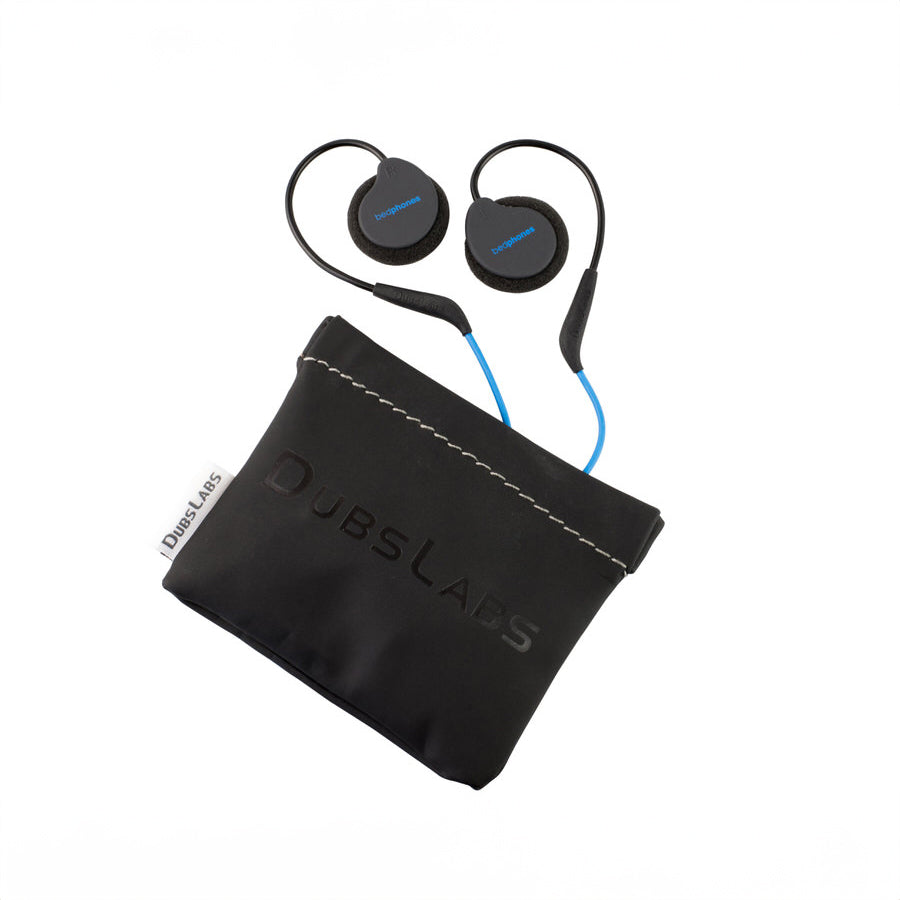
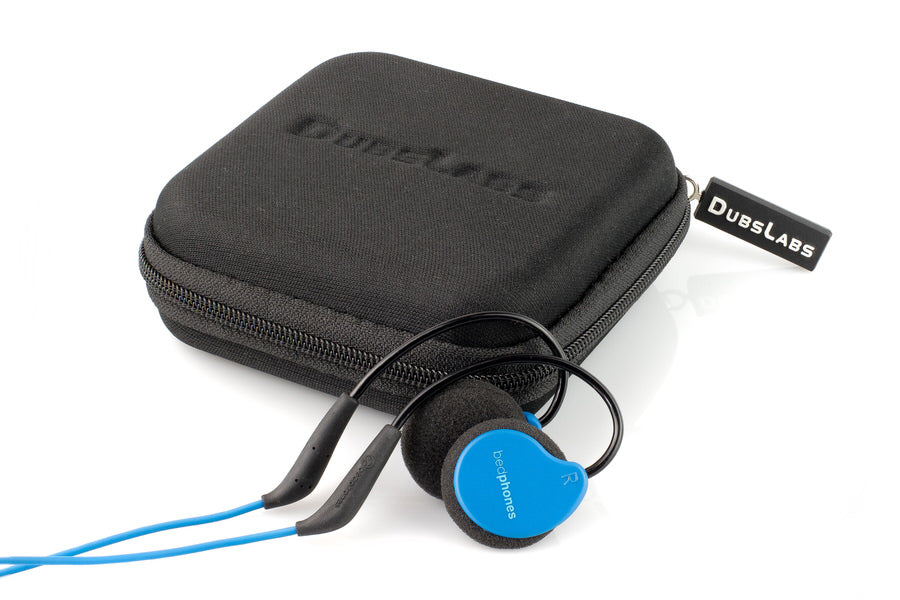
Ready to build your own peaceful sleep sanctuary? DubsLabs offers innovative tools like Bedphones, the ultra-thin headphones designed for all-night comfort, along with weighted blankets and sleep masks to help you get the restorative rest you deserve. Explore the collection at https://www.dubslabs.com.