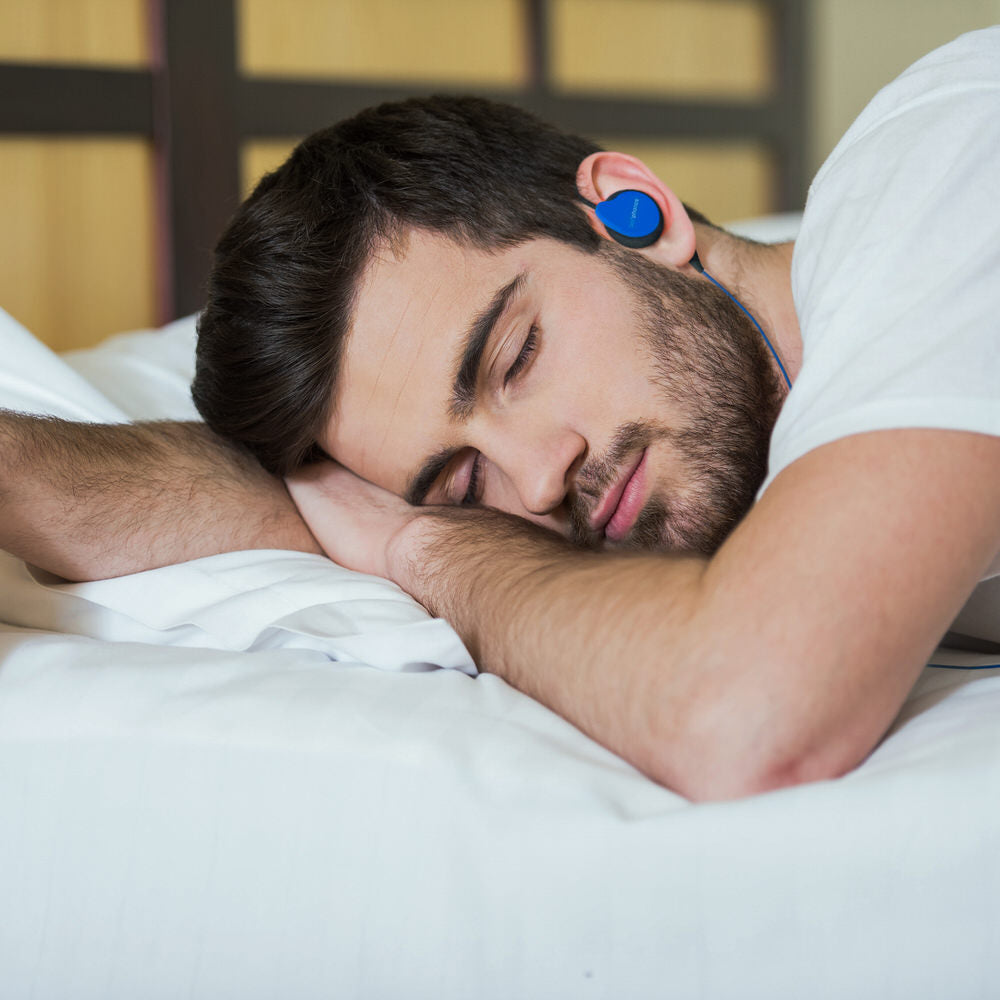
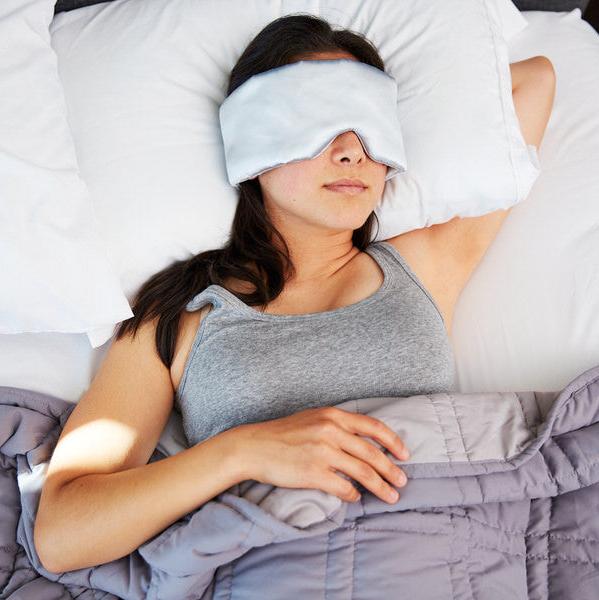
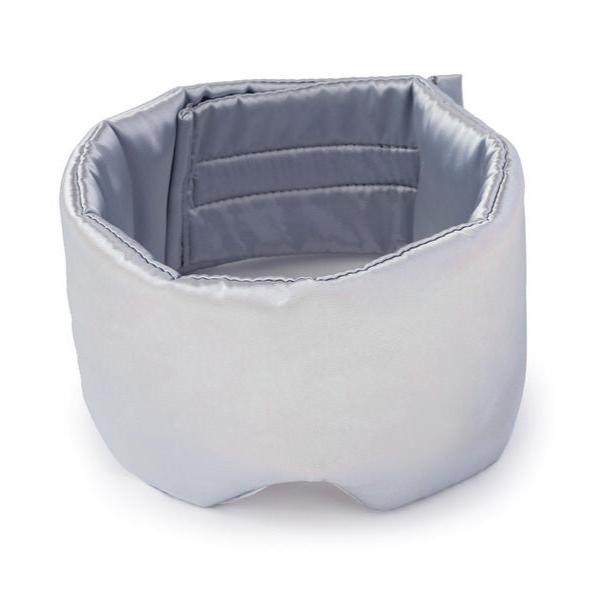
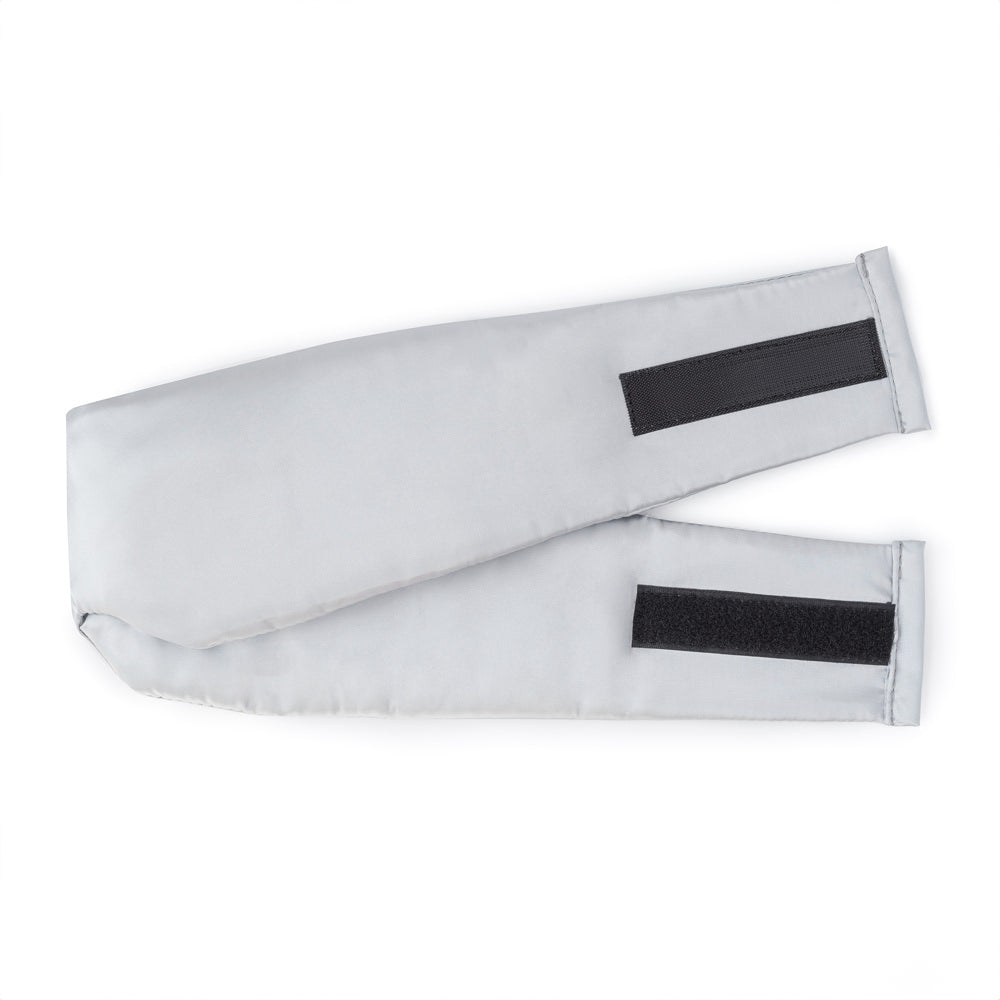
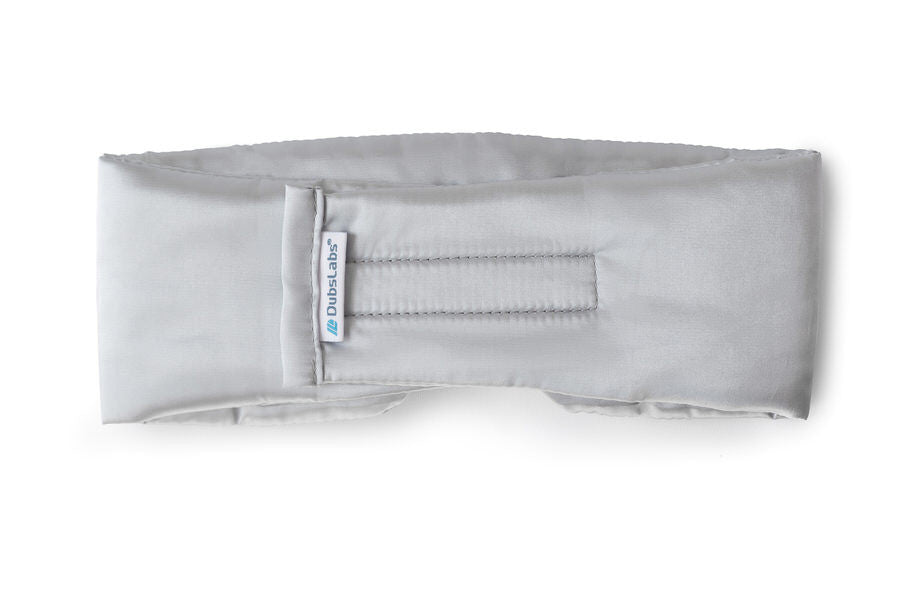
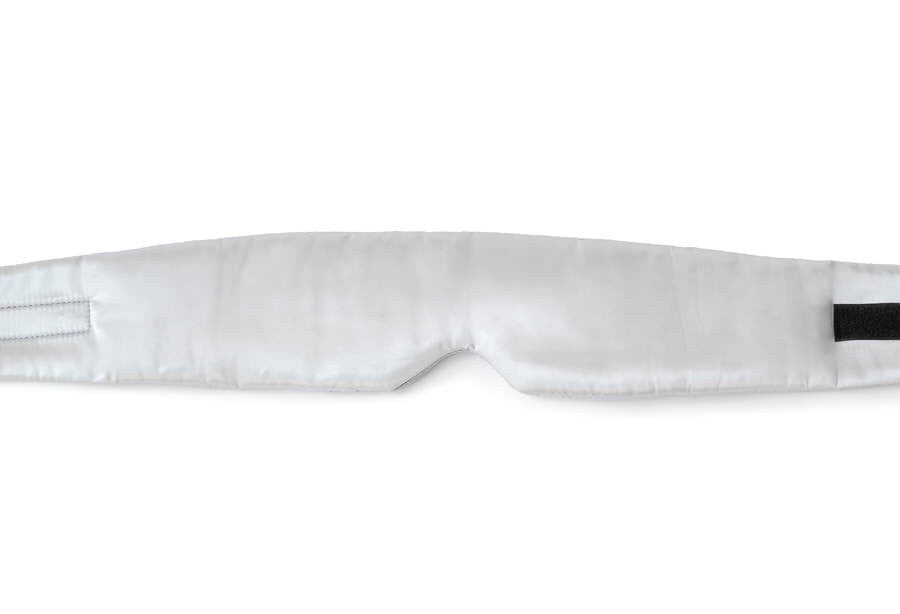
For anyone who sleeps on their side, a standard sleep mask is often more trouble than it's worth. Instead of peaceful darkness, you get annoying pressure points, light leaking in when it shifts, or the edge digging into your temple. It's a constant, frustrating battle for comfort that disrupts the very sleep you're trying to protect.
This is exactly why a specialized sleep mask for side sleepers isn't some fancy luxury—it's a must-have for getting that deep, restorative rest you need.
Why Standard Sleep Masks Fail Side Sleepers
Picture trying to get comfortable with a small, hardcover book wedged between your cheek and the pillow. No matter how you shift, its rigid shape creates a nagging, awkward pressure point. For many side sleepers, this is what a standard, flat sleep mask feels like every single night. The design just isn't made for the way you sleep.
This basic design flaw is the root cause of several problems that completely torpedo your sleep quality. The mask gets trapped between the weight of your head and the pillow, focusing all that pressure on a few sensitive spots.
The Anatomy of Discomfort
The problem really comes down to a few key pressure points where traditional masks just can't keep up:
- Temple Pressure: The hard edge of a flat or bulky mask digs right into your temple. It’s a distracting and sometimes painful feeling that's impossible to ignore.
- Strap Misalignment: A single, simple strap often cuts across your ear or gets bunched up against the pillow, adding another layer of irritation.
- Eye and Cheek Pressure: When you roll over, the mask's material gets squished against your eye and cheek. This can mess with your REM sleep and even cause skin irritation.
These issues force you to constantly fiddle with the mask, pulling you out of those crucial deep sleep stages. It’s no wonder the demand for better masks is growing. From April to July 2024, search interest for 3D contoured sleep masks for side sleepers shot up by 32.29%.
But even with newer designs, 14.0% of users still complain about discomfort when sleeping on their side, which just goes to show how vital the right design really is. You can dig deeper into these sleep mask trends and their impact on consumer choices.
The core issue is simple: standard masks are designed for back sleepers. For a side sleeper, this creates a constant conflict between the mask and the pillow, turning a tool for darkness into a source of disruption.
Ultimately, a standard mask forces you into an impossible choice: total darkness or physical comfort. That's a compromise no one should have to make. This fundamental problem is what pushed designers to engineer masks specifically to get rid of these pressure points, making sure the mask feels like it’s barely there, even when you're curled up on your side.
Once you understand why standard masks fail, it becomes crystal clear why a purpose-built sleep mask for side sleepers is the only real solution for achieving true, uncompromising blackout comfort.
To make it even clearer, let's break down the common frustrations and how specialized masks solve them.
Common Sleep Mask Problems for Side Sleepers vs. Solutions
| Common Problem | Why It Happens | Specialized Mask Solution |
|---|---|---|
| Pressure on Temples and Eyes | The flat or bulky design gets compressed between your head and the pillow, concentrating force on sensitive areas. | Molded 3D eye cups create a protective space around the eyes, while thin, contoured side panels reduce bulk at the temples. |
| Light Leaks When You Move | The mask shifts as you turn, breaking the seal around your nose and cheeks and letting in ambient light. | A padded, adjustable nose bridge and ergonomic shaping create a secure, light-proof seal that stays in place all night. |
| Uncomfortable Straps | A single, thin strap can dig into your ears or get tangled and bunched up against the pillow. | Wide, soft straps that sit higher on the head (above the ears) or dual-strap systems distribute pressure evenly and prevent shifting. |
| Overheating and Irritation | Non-breathable materials trap heat and moisture, leading to sweat and skin irritation where the mask touches your face. | Breathable fabrics like silk, cotton, or modal are used, often paired with ventilated memory foam to improve airflow. |
Seeing these issues side-by-side really highlights the difference. A specialized mask isn't just a minor upgrade; it's a completely different approach designed from the ground up to work with your body, not against it.
Anatomy of the Perfect Side Sleeper Mask
What exactly turns a simple piece of fabric into the perfect sleep companion for a side sleeper? The secret isn’t magic—it’s in a handful of non-negotiable design choices engineered to work with your sleeping style, not against it. A top-tier sleep mask for side sleepers isn't just about blocking light; it's about doing so without creating a single point of pressure or discomfort.
Think of it this way: a flat, one-size-fits-all mask is like trying to wear a rigid ski goggle to bed. The moment you turn onto your side, it digs in. Ouch. A mask truly designed for side sleeping, on the other hand, is like a protective bubble for your eyes. It’s structured only where it needs to be and feels like it disappears everywhere else.
The Power of 3D Contoured Eye Cups
The most critical feature, hands down, is the 3D contoured eye cups. These are specially molded pockets that create a zero-pressure zone directly over your eyes, which is a game-changer for a couple of key reasons.
First, it gives your eyes complete freedom of movement. During REM sleep—our most restorative sleep stage—our eyes move around rapidly. A flat mask that presses against your eyelids can actually disrupt this natural, vital process. Contoured cups eliminate that pressure entirely, giving you enough space to even blink comfortably underneath.
Second, this design protects your eyelashes. Whether you have lash extensions or just want to avoid waking up with bent or damaged natural lashes, those deep eye pockets are a lifesaver. They make sure nothing is touching your eyes or lashes, preserving both your comfort and your morning look.
The concept map below shows the common problems a well-designed mask solves—pressure, shifting, and light leakage—and how they all trace back to poor design.
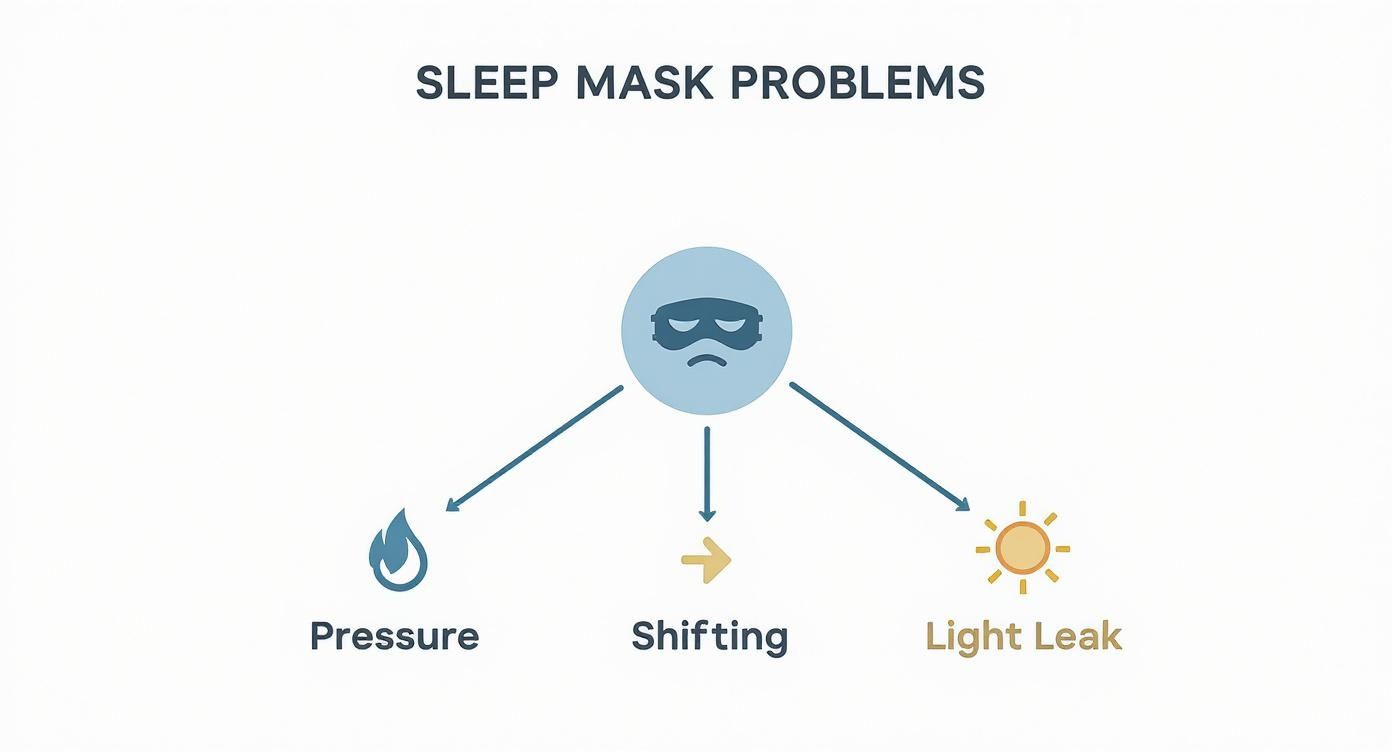
As you can see, each issue is tackled head-on by specialized features like deep contouring and thoughtfully designed straps.
Slim, Repositioned Straps for Zero Bulk
Next up is the strap, which is often the biggest source of frustration for anyone who sleeps on their side. A bulky strap or a hard plastic adjuster sitting right on your temple is going to create an instant pressure point against the pillow. The best designs get around this with two simple but brilliant innovations.
- Ultra-Slim Profile: The strap itself needs to be incredibly thin and soft. This minimizes the amount of material bunched up between your head and the pillow, making it feel almost weightless.
- Repositioned Adjusters: Smart designers move any adjustment mechanisms (like sliders or micro-velcro) to the back of the head, far away from your temples and ears where the pressure builds up.
Some masks even use dual straps—one sitting higher and one lower on the back of your head—to distribute the tension more evenly and stop the mask from slipping or pressing on your ears.
A great side sleeper mask should feel like it's floating on your face, not strapped to it. The goal is to forget you're even wearing it, no matter how much you shift during the night.
This kind of thoughtful engineering is so effective that even makers of standard masks, which make up 62.8% of the market, are starting to borrow these features. They’re introducing thinner profiles and contoured shapes using materials like silk and memory foam to take the pressure off. You can read more about the evolving sleep mask market on imarcgroup.com.
Total Blackout Without the Squeeze
Finally, all these elements have to come together to deliver 100% light blockage without feeling uncomfortably tight. The perfect sleep mask for side sleepers uses an ergonomic shape that follows the natural contours of your face.
Look for a padded, adjustable nose wing or a soft fabric flap that seals the gap around your nose—a notorious spot for light leaks. When you combine that with deep eye cups and a secure-yet-gentle strap, the mask creates a complete seal that actually stays put. This means that even when you roll over, the mask moves with you, maintaining its blackout powers all night long. Check out our comprehensive guide on finding the best blackout sleep mask to learn more.
Choosing Materials for Pressure-Free Comfort
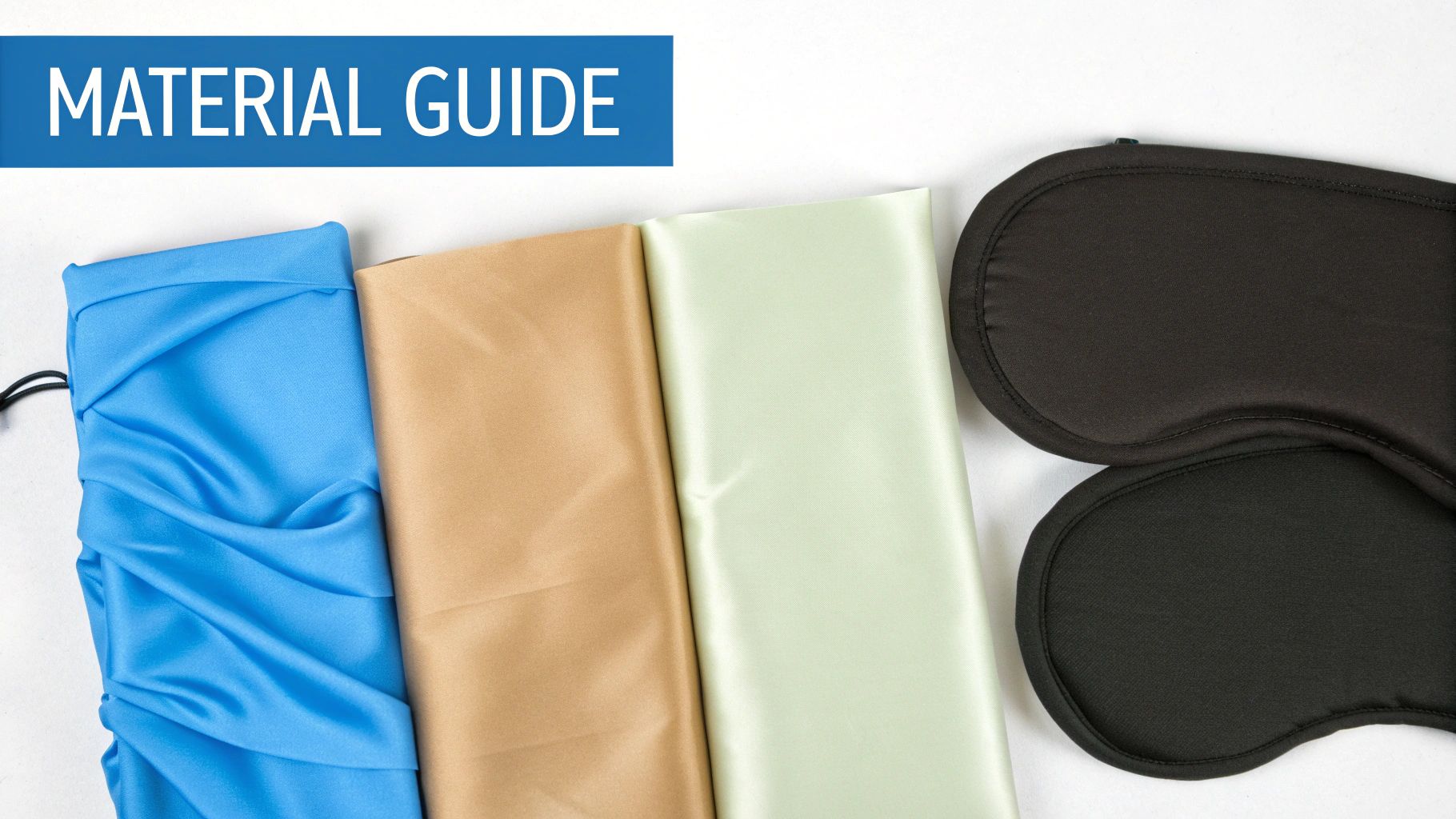
You can have the most brilliantly designed sleep mask for a side sleeper, but if the material feels wrong, it’s not going to work. The fabric touching your face is what ultimately defines your comfort.
Think about it like picking the perfect pillowcase—the texture, breathability, and how it feels against your skin can make or break your night. For side sleepers, the mission is simple: find a material that cuts down on friction, pressure, and heat. Let’s look at the top choices and see what makes them tick.
Memory Foam for Custom Contouring
Memory foam is a game-changer when it comes to relieving pressure. It’s engineered to mold itself to the unique shape of your face, which means pressure gets spread out evenly instead of digging into your temple or cheekbone.
This custom-fit feeling is what keeps the mask from feeling like some rigid object strapped to your head. It just sort of cradles your face, creating a soft seal that stays put even when you move. That's a huge deal when your face is smushed into a pillow, as it helps the mask keep blocking light without becoming a nuisance.
Plus, the memory foam used in quality masks isn't the dense, hot stuff of the past. Modern versions are porous and breathable, letting air flow through to stop you from feeling stuffy and overheated.
Silk for a Frictionless Glide
If you're a side sleeper, friction is the enemy. A mask made from a rougher fabric can easily snag on your pillowcase, causing it to shift, bunch up, or get yanked off completely in the middle of the night. This is exactly where silk comes in to save the day.
Silk has this incredibly smooth surface that has almost no friction. When you roll over or adjust your head, a silk mask just glides right along with you instead of getting caught. This one simple feature is key to keeping the mask in place and maintaining that perfect, dark seal all night long.
But the benefits don't stop there. Silk is also amazing for your skin:
- Gentle on Skin: The super-soft fibers won't irritate your skin or leave you with those dreaded sleep creases on your face in the morning.
- Less Absorbent: Unlike cotton which can act like a sponge, silk absorbs far less moisture. This helps your skin stay hydrated and keeps your nighttime skincare products on your face, not on your mask.
- Naturally Hypoallergenic: It’s a bad host for dust mites and other allergens, making it a fantastic pick if you have sensitive skin.
All this makes silk a premium choice for anyone who wants to protect their sleep and their skin.
Modal for Superior Breathability
For those of us who run hot at night, even the softest mask can feel like a furnace if it traps heat. Enter modal, a bio-based fabric made from beech tree pulp that is famous for being ridiculously soft and breathable—many people say it feels even softer than high-quality cotton.
Modal's superpower is its ability to wick away moisture. The fabric is 50% more absorbent than cotton, which means it pulls sweat from your skin and helps it evaporate in a flash. The result? You stay cool and dry all night, without that clammy, damp mask feeling.
A breathable mask isn’t just a nice-to-have for hot sleepers; it’s a must. Materials like modal or other purpose-built cooling eye masks are often the secret to preventing overheating and getting truly uninterrupted rest. If you find yourself constantly kicking off the covers, paying attention to temperature-regulating fabrics can make all the difference.
Once you know what each material brings to the table, you can pick a sleep mask for a side sleeper that's practically made for you. Whether you need serious pressure relief, a smooth-as-glass feel, or maximum airflow, the right fabric is out there waiting to help you get a better night's sleep.
Innovations in Smart Sleep Mask Technology
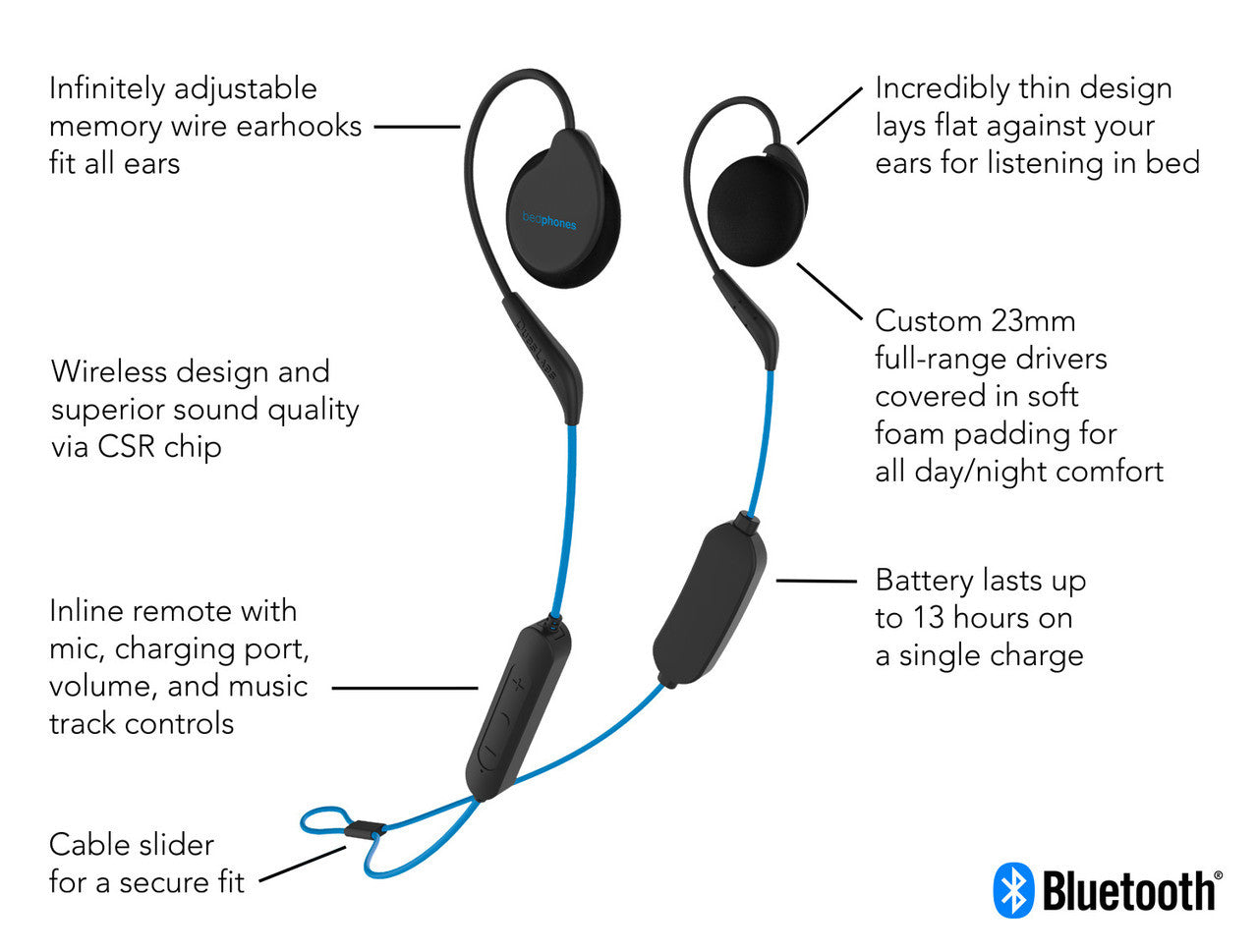
Your old sleep mask was a passive barrier, a simple piece of fabric to block out the light. But the next generation of sleep masks is taking a much more active role in helping you rest. Smart technology has officially entered the bedroom, transforming the humble sleep mask from a comfort item into a powerful wellness tool, especially for side sleepers.
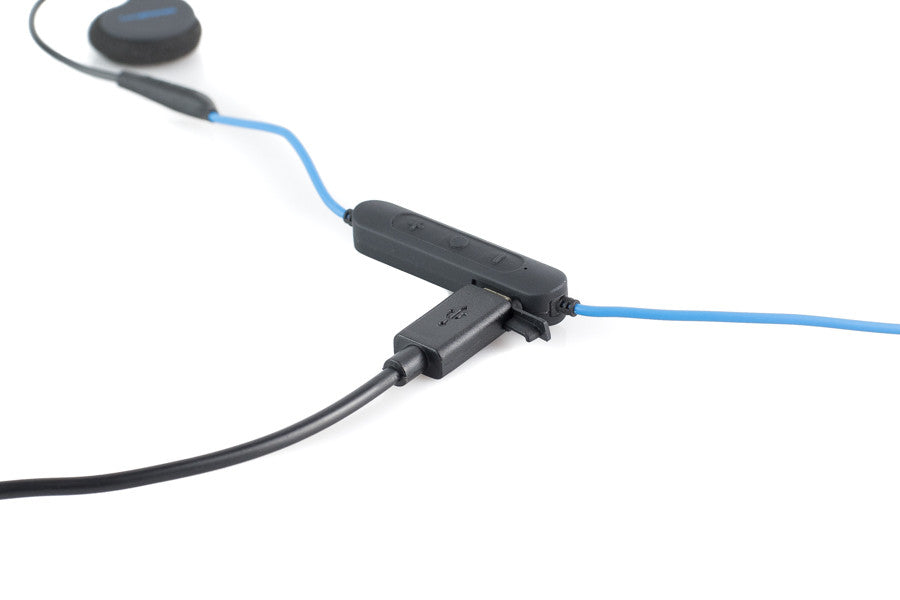
This isn't just about slapping a Bluetooth speaker onto some fabric. We're talking about sophisticated masks that integrate sensors and feedback systems, all designed to work flawlessly even when you’re curled up on your side. These aren't clunky, rigid gadgets. They're built with the same focus on slim profiles and pressure-free comfort that makes a great side sleeper mask, but with some serious tech tucked away inside.
From Passive Blocking to Active Enhancement
The big shift here is moving away from simply blocking light to actively managing your sleep environment and even your own body's responses. To get a handle on the concept, it helps to think about how other smart devices work; for a good primer, check out this guide on what constitutes a smart home device. Just like a smart thermostat learns your daily routine, a smart mask learns your unique sleep patterns.
This isn't some niche gadget, either. The AI smart sleep mask market is exploding, projected to climb to nearly $4.0 billion by 2034. The demand is real, with regular smart masks already making up 38.6% of the category. Features like biometric tracking and adaptive light therapy are becoming must-haves, and they're especially game-changing for side sleepers who need tech that can adapt to their position without causing discomfort.
So, what kind of tech are we actually talking about?
- Biometric Tracking: Tiny, flexible sensors woven right into the fabric monitor your heart rate, breathing, and even brainwaves (EEG). This data paints a detailed picture of your sleep cycles—light, deep, and REM—giving you a precise report card on your sleep quality.
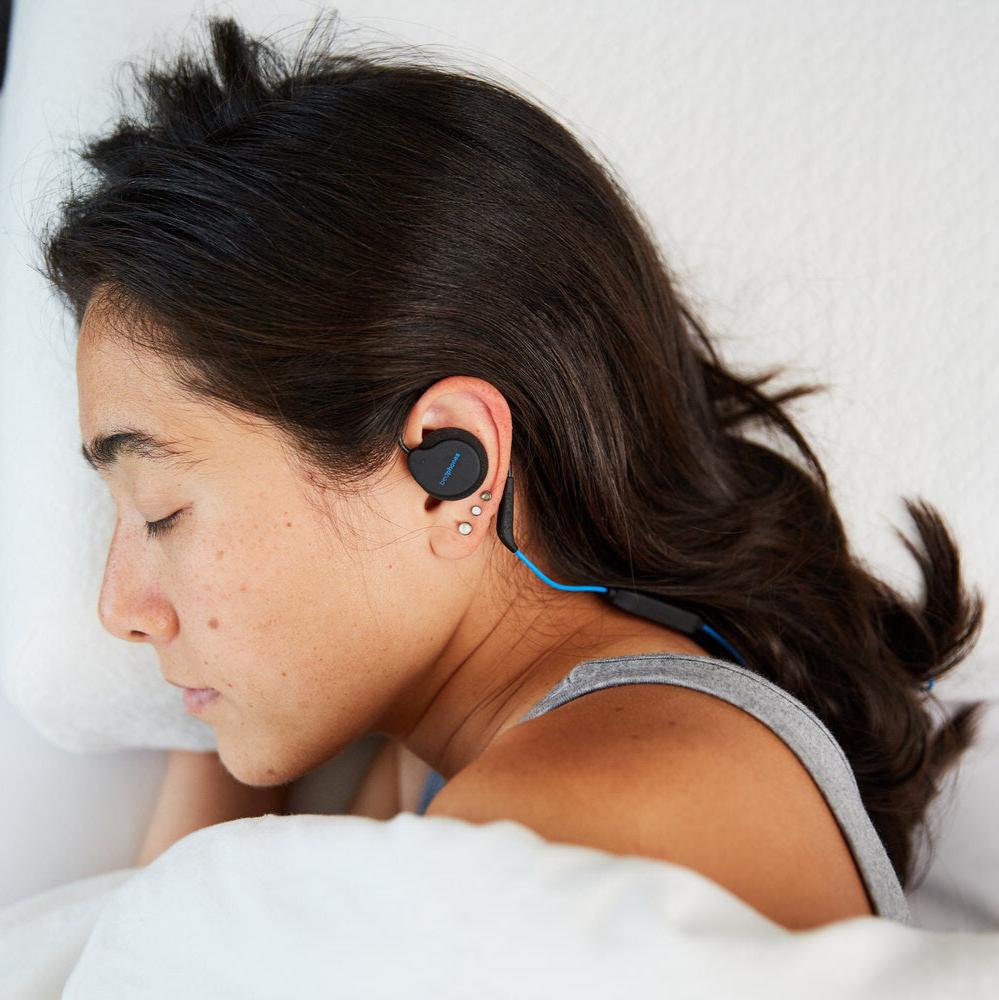
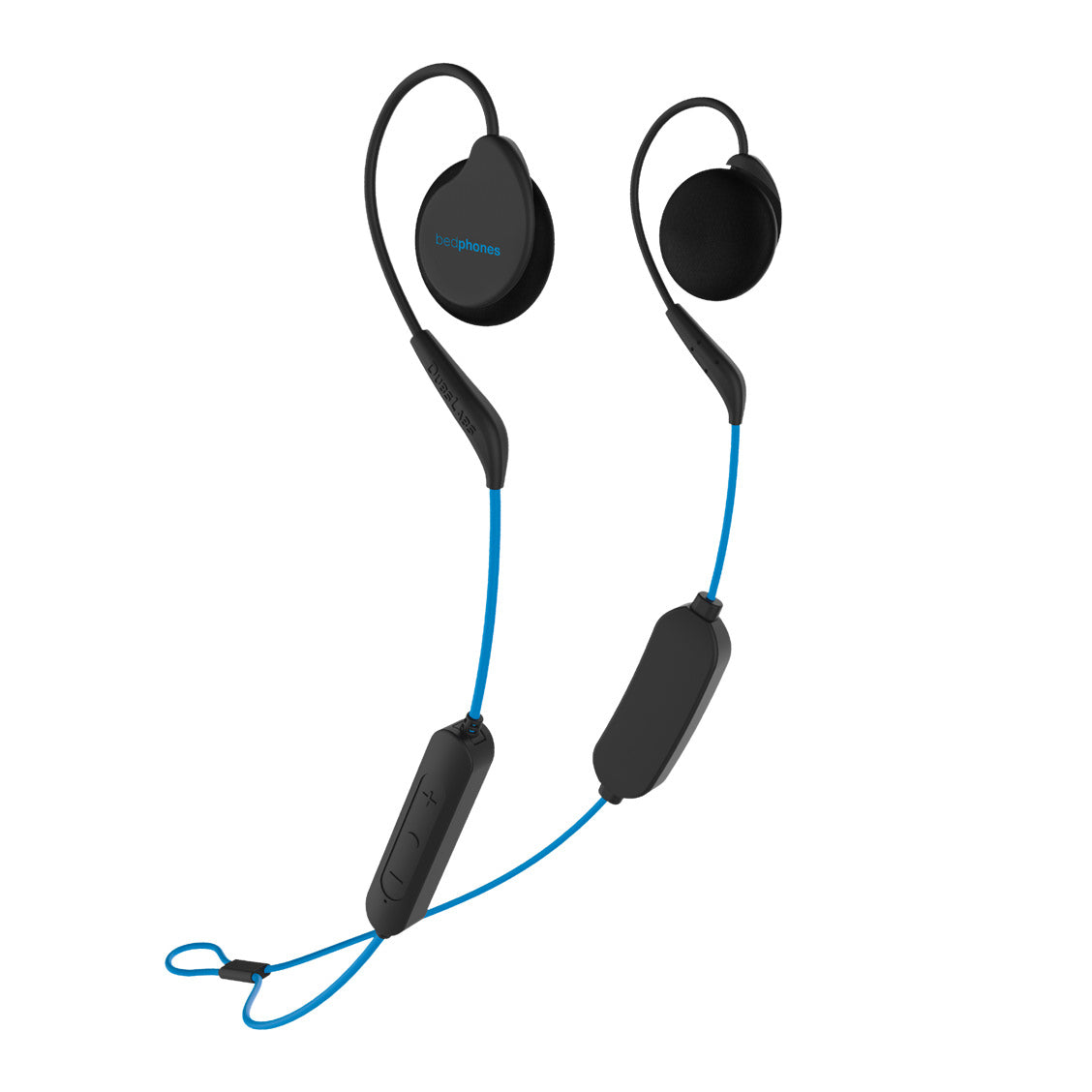
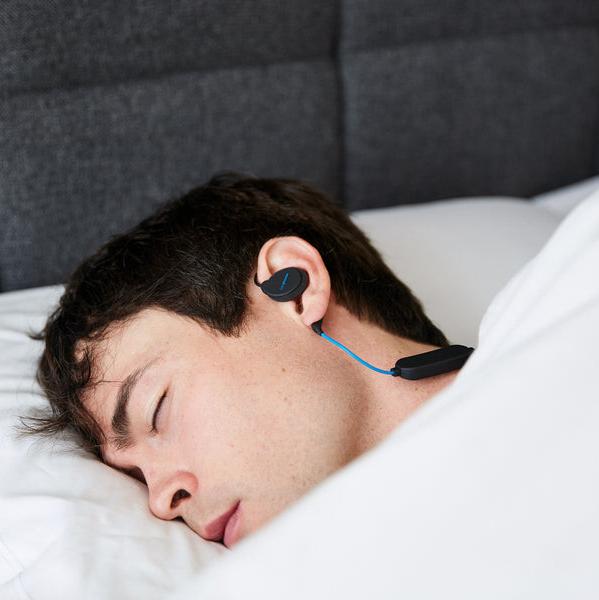
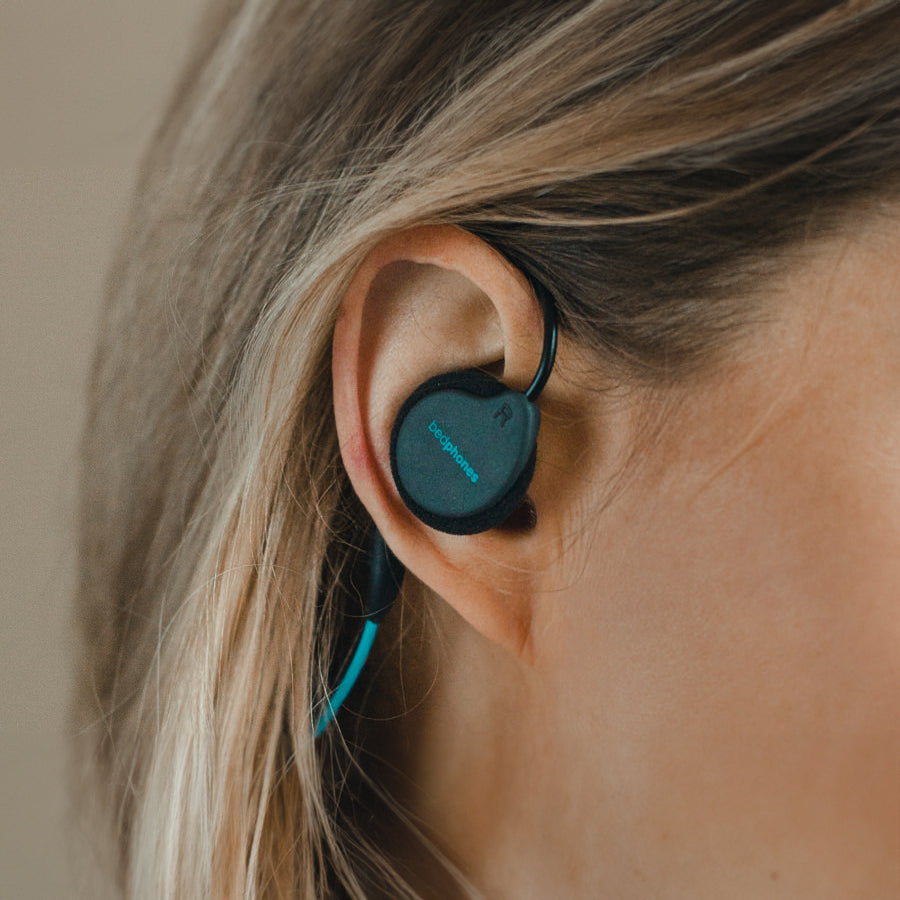
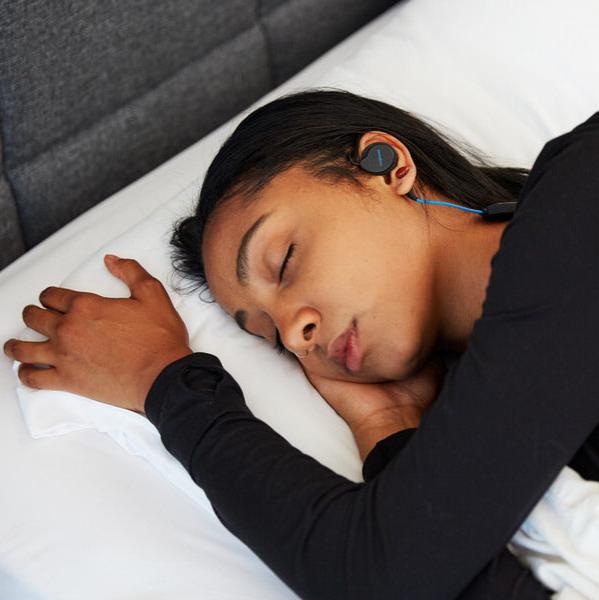
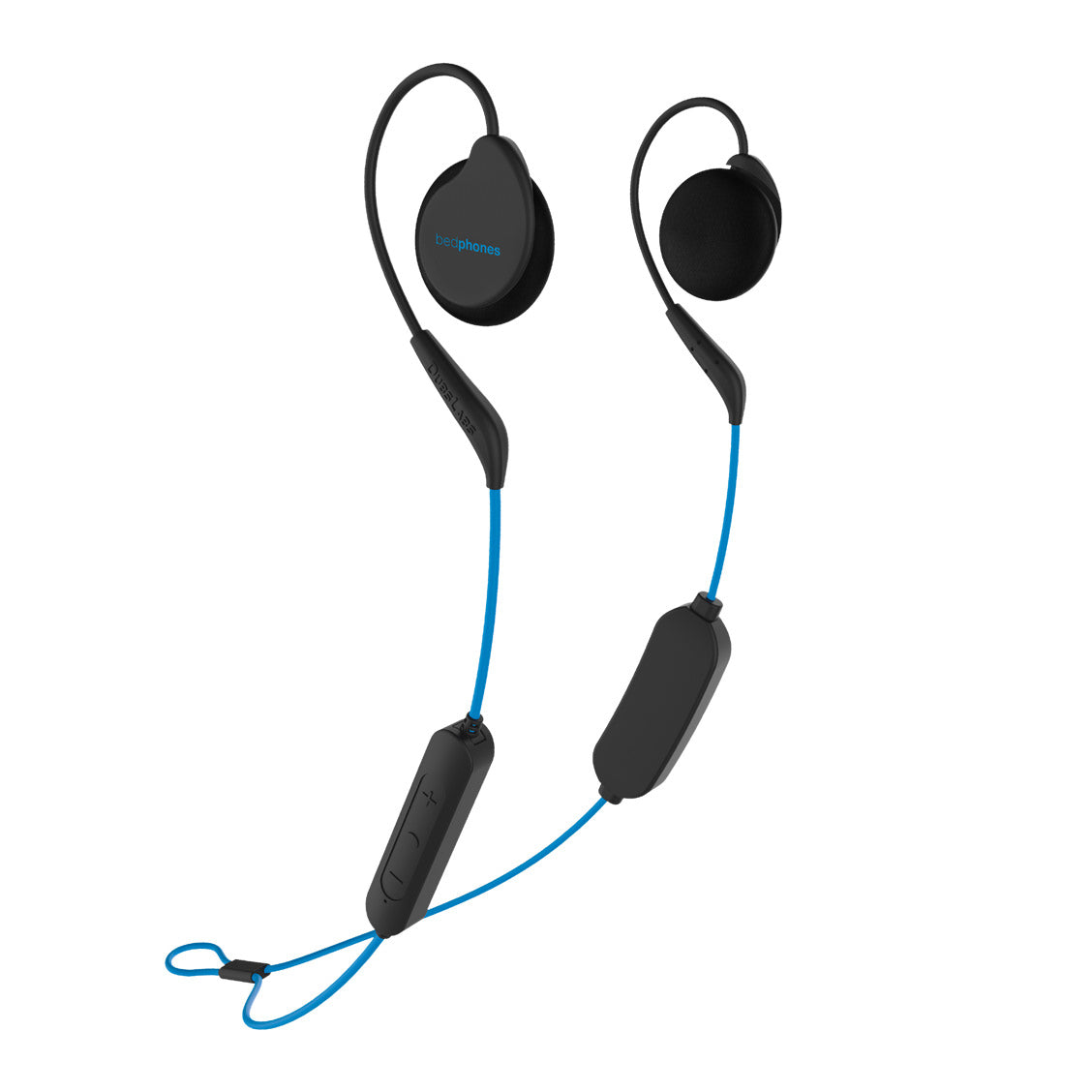
- Gentle Audio Cues: Instead of bulky headphones, these masks use integrated, bone-conduction speakers to play soothing soundscapes, white noise, or guided meditations. The audio is subtle, so it won’t wake up your partner, and it works perfectly even when your ear is pressed against the pillow.
- Adaptive Light and Heat: Some masks feature a gentle warming function to help you relax and drift off faster. Others use specialized light therapy that mimics a natural sunrise, gradually waking you up at the ideal moment in your sleep cycle to help you feel refreshed instead of groggy.
Let's break down how these two categories stack up for someone who sleeps on their side.
Traditional vs. Smart Sleep Mask Features for Side Sleepers
| Feature | Traditional Sleep Mask | Smart Sleep Mask |
|---|---|---|
| Light Blocking | Offers passive light blocking through contoured design and opaque materials. | Provides passive light blocking, often with enhanced ergonomic designs. Some models may offer active light dimming. |
| Comfort for Side Sleepers | Heavily relies on slim, contoured shapes and soft, memory foam materials to reduce pressure on temples and eyes. | Engineered with ultra-thin, flexible components woven into the fabric. Control modules are placed away from pressure points. |
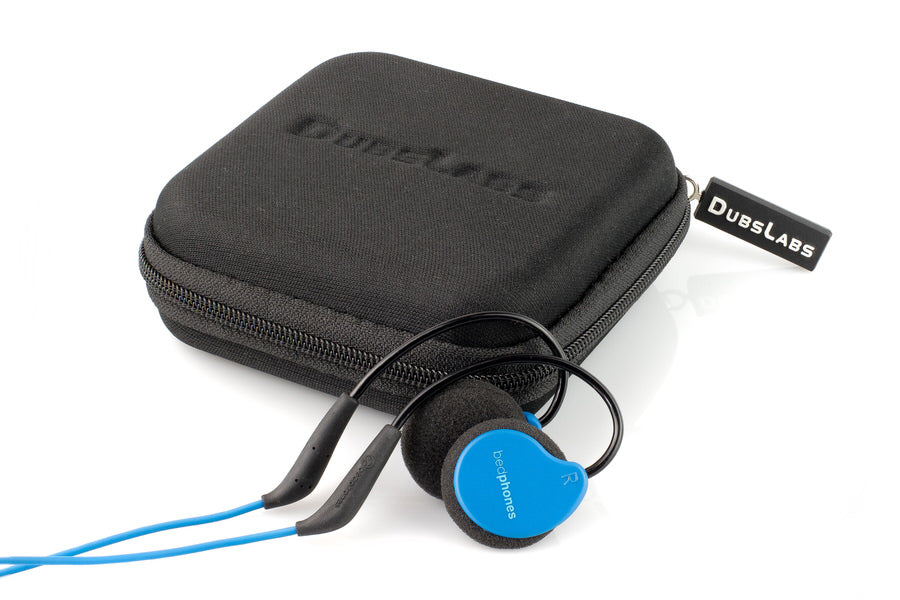
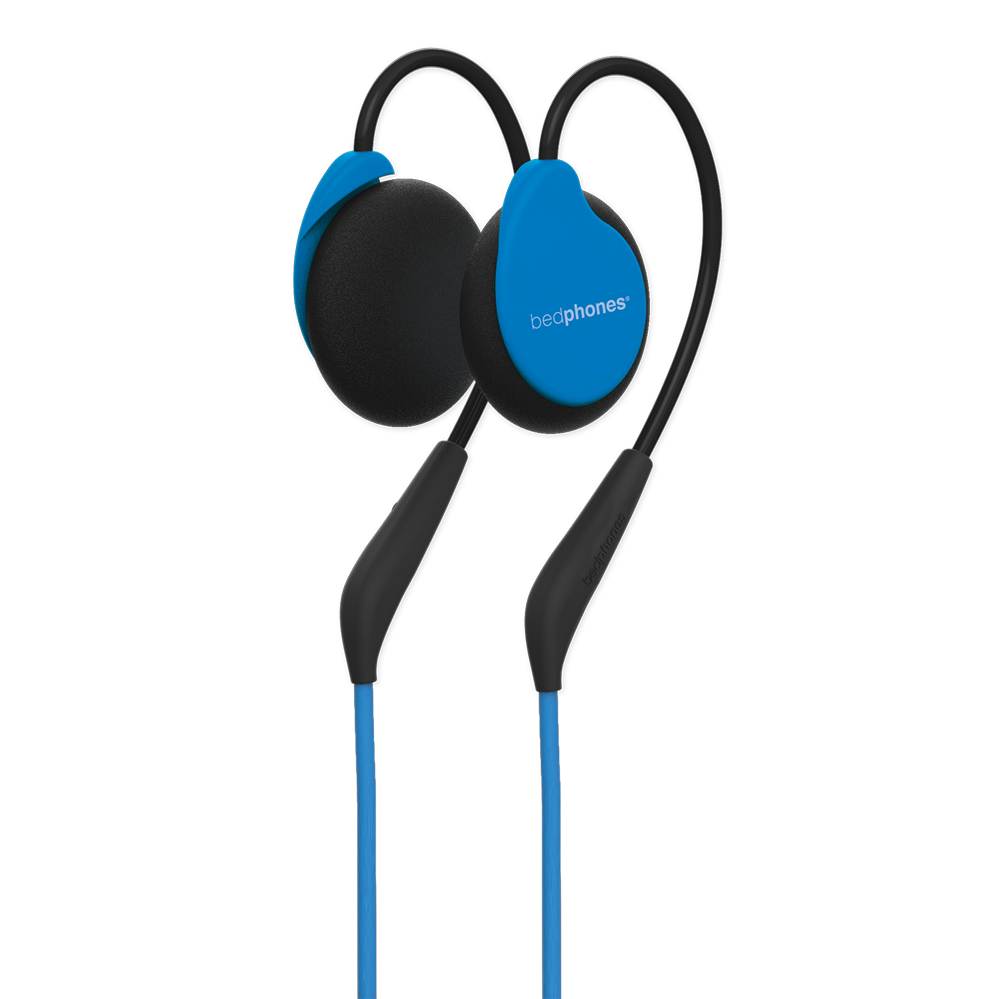
| Audio Integration | None. Requires separate headphones or earbuds, which are often uncomfortable for side sleeping. | Integrated bone conduction or flat-panel speakers deliver audio without creating pressure points on the ear. |
| Sleep Tracking | None. Requires a separate wearable like a watch or ring to monitor sleep cycles. | Built-in biometric sensors (EEG, heart rate) provide detailed, accurate sleep stage analysis directly from the mask. |
| Wake-Up Function | None. Relies on an external alarm clock, which can be jarring. | Features a gentle, simulated sunrise (light therapy) and subtle audio cues to wake you at the optimal point in your sleep cycle. |
| Personalization | Limited to adjustable straps for a better physical fit. | Offers personalized feedback via a connected app, with insights and suggestions based on your sleep data. |
As you can see, the leap from a traditional mask to a smart one is pretty significant, especially when you factor in the unique challenges side sleepers face.
How Smart Features Actually Help Side Sleepers
The real magic of these designs is how they solve the specific problems of sleeping on your side. The engineers behind them know that any hard or bulky part is an instant failure.
That's why the sensors are usually woven into soft, pliable fabrics, and any control units are placed at the back of the head, well away from your temples. Audio tech often uses bone conduction or paper-thin speakers that transmit clear sound without pressing into your ear. This all ensures the mask stays comfortable and fully functional, no matter how much you toss and turn.
The goal of a smart sleep mask isn't to make you feel like you're sleeping in a science lab. It's to provide powerful, data-driven insights and active sleep support in a package so comfortable you forget it's even there.
Imagine your mask sensing you're in a light stage of sleep and playing gentle audio to help guide you back into deeper rest. Or picture getting a detailed report every morning that shows how that late-night coffee or early workout affected your rest, complete with personalized tips to sleep better tomorrow.
This is where the technology is headed: a proactive, highly personalized approach to sleep. For side sleepers who have spent years just trying to find a mask that fits right, these advancements offer a whole new world of sleep optimization that was never possible before. It’s a move from just sleeping in the dark to actually sleeping smarter.
How to Fit and Care for Your Sleep Mask
Finding the perfect sleep mask for a side sleeper is a massive win, but that's really only half the battle. To actually get that deep, uninterrupted sleep you're chasing, you need to get the fit just right and commit to keeping it clean. Think of it like a bespoke suit—even the best fabric in the world won't do you any good if it doesn't fit properly.
An iffy fit is the number one reason a great mask fails. A strap pulled too tight gives you that dreaded head-squeeze, causing pressure headaches that completely defeat the purpose. But if the strap is too loose? The mask will slip and slide all over the place, letting light creep in the second you roll onto your side.
Nailing the Perfect Leak-Proof Fit
The goal is to hit that sweet spot: snug enough for a total blackout, yet so light you barely know it's there. The best time to adjust your mask isn't when you're already in bed, but before you even lie down. This lets you find the ideal tension without your pillow getting in the way.
Just follow these simple steps for a perfect fit, night after night:
- Position the Mask: Gently place the mask over your face, making sure the eye cups are centered right over your eyes. It should rest comfortably on the bridge of your nose without any weird pressure points.
- Adjust the Strap: While holding the mask in place with one hand, pull the strap over your head. Tweak it until it feels secure but not constricting. A good rule of thumb is that you should be able to slide a finger between the strap and your head without any trouble.
- Seal the Gaps: Pay close attention to the area around your nose—this is where light loves to sneak in. Gently press down on the nose wing or fabric flap to mold it to the unique shape of your face, creating a complete seal.
- Do the Side-Sleeper Test: Now for the real test. Lie down on your side in your usual sleeping position and move your head around a bit on the pillow. The mask should stay put, not dig into your temple or shift away from your nose.
A properly fitted mask feels like a gentle hug for your face, not a vise grip. It should move with you, keeping its blackout seal whether you’re flat on your back or curled up on your side.
Keeping Your Mask Fresh and Working Great
Just like your pillowcases, your sleep mask needs a regular wash to stay hygienic and effective. Skin oils, sweat, and last night's moisturizer all build up over time. This gunk can lead to skin irritation and even break down the mask's materials. A little care protects your investment and makes sure your mask is a healthy part of your sleep routine.
Different materials need different kinds of love to maintain their shape and softness.
- Silk and Modal: These delicate fabrics should always be hand-washed. Use cold water and a gentle, pH-neutral detergent—a special silk wash or even a mild baby shampoo works great. Swish it around gently, rinse it well, and lay it flat to air dry away from direct sunlight.
- Memory Foam: Whatever you do, don't submerge a memory foam mask in water; it can wreck the structure. Instead, spot-clean it. Mix a tiny bit of mild soap with water, dampen a soft cloth, and gently dab any dirty spots. Let it air dry completely before you wear it again.
- Cotton and Synthetics: Most of these are tougher and can be hand-washed, but always check the manufacturer’s tag first. Some can even go in the washing machine—just be sure to use a mesh laundry bag, a delicate cycle, and cold water.
Sticking to these simple fit and care tips will make a world of difference. It’s what turns your sleep mask from just another gadget into a reliable, comfortable tool for getting the best sleep of your life.
Top-Rated Sleep Mask Designs for Side Sleepers
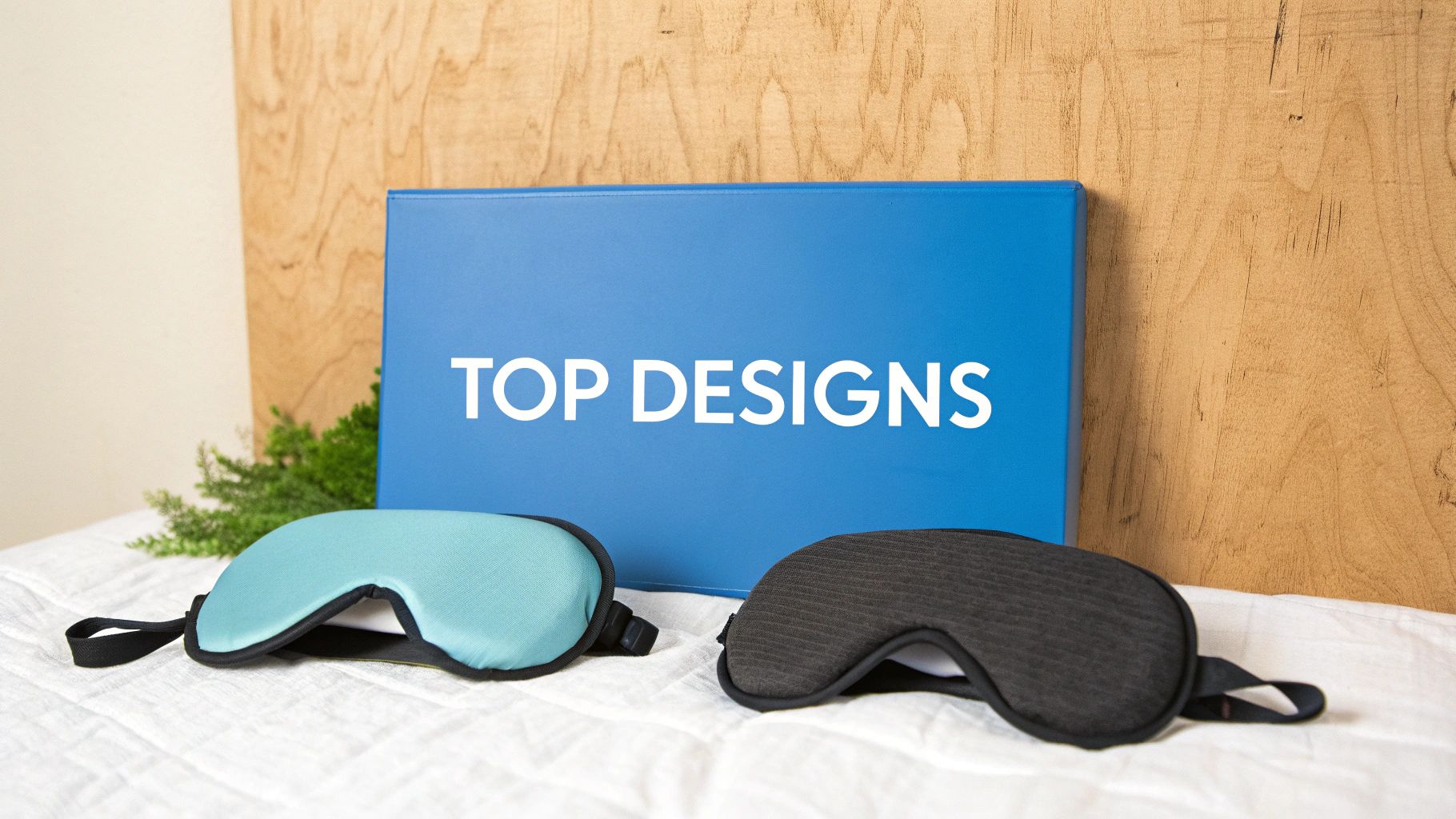
Knowing the theory is one thing, but seeing how it all comes together in the real world is where the confidence really kicks in. So, instead of just throwing a list of products at you, let’s break down a few winning designs for the dedicated sleep mask side sleeper. By digging into what makes each style work, you’ll learn to spot the features that will actually solve your sleep problems.
Think of it like a case study. We're going to look at two popular approaches—the minimalist contour and the full-coverage cushion—to really get a feel for their strengths and what you might be giving up with each one. This way, you become a smarter shopper who knows exactly what to look for.
The Minimalist Contour Model
First up is what I like to call the minimalist contour. This design is all about being as light and unobtrusive as possible. It uses precision engineering, not bulk, to get the job done, making it perfect for anyone who is super sensitive to the feeling of having something on their face.
Its magic comes down to a few key details:
- Deep Eye Cavities: The molded eye cups are seriously deep, creating a "no-touch" bubble around your eyes. This means zero pressure on your eyelids or eyelashes, even when your face is squished right into the pillow.
- Feather-Light Strap: The strap is usually incredibly thin, often made from a soft, seamless elastic. It’s designed to sit high on your head, way above the ears, so you don't get that annoying pressure on the sensitive cartilage.
- Reduced Facial Footprint: This mask only covers what it absolutely has to—the immediate eye area. With less material creeping down the sides of your face, there’s less fabric to bunch up or press into your skin when you roll over.
This design is like a scalpel, engineered with surgical accuracy to solve the pressure problem. It's the go-to for anyone who prioritizes a "barely there" feel above all else.
The Full-Coverage Memory Foam Style
On the other end of the spectrum, we have the full-coverage style. This one is all about creating a plush, cushioned seal around your eyes. It’s built for the side sleeper who needs absolute, total darkness and wants a mask that feels more like a soft pillow for their face.
This model works by distributing pressure, not just avoiding it.
This style operates on a simple principle: instead of trying to avoid pressure, it absorbs and spreads it so evenly that it just melts away. It molds to your face, creating an impenetrable barrier against light from every possible angle.
The defining feature here is a soft, memory foam body that conforms to every curve and contour, sealing any gaps around your nose and cheeks without a second thought. It's usually paired with a wide, padded strap that helps spread the tension across the back of your head. This design is fantastic for restless sleepers because its larger size and conforming fit help it stay put all night long.
As you look for the right gear, remember that specialized products are everything. In the same way you need the right mask, a comprehensive guide to finding the best mattress for side sleepers can totally transform your sleep setup.
By comparing these two successful designs, you can see there’s no single “best” sleep mask for a side sleeper. And if you want to add audio to the mix, checking out the best sleep mask with headphones opens up a whole new world of options. The right choice really comes down to what you value most—a weightless feel or a plush, total-blackout experience?
Got Questions? We've Got Answers.
Jumping into the world of sleep masks can bring up a few questions, especially when you’re trying to find the perfect one for sleeping on your side. Let's clear up some of the most common concerns so you can find the right fit for a truly peaceful night.
Will a Contoured Sleep Mask Leave Marks on My Face?
A well-designed sleep mask for a side sleeper really shouldn't leave marks. The secret is finding one with soft, wide straps and smooth edges that spread the pressure out instead of digging in. Memory foam is a game-changer here, as it molds to your face without creating indentations.
If you do wake up with marks, it's almost always a sign that the strap is too tight. A good fit should be snug enough to block out all the light, but still loose enough that you can easily slide a finger under the strap.
Can I Use a Silk Sleep Mask if I Am a Side Sleeper?
Absolutely! Silk is a fantastic choice for side sleepers. Its surface is incredibly smooth with very low friction, which means the mask glides against your pillowcase instead of catching or bunching up. This simple quality helps it stay put all night long.
On top of that, silk is exceptionally gentle on the skin, which can help prevent those dreaded sleep creases. For the best of both worlds, look for a silk mask that has a slim profile and some light contouring so it doesn't press directly on your eyes.
How Do I Stop My Sleep Mask from Pressing on My Ears?
This is a classic problem for side sleepers, and the solution is all in the strap design. You'll want to prioritize masks that have a very thin, soft, and easily adjustable strap. The smartest designs often place the strap higher up on the head, avoiding the ears completely.
Stay away from masks with bulky plastic adjusters or thick velcro patches right on the sides. Instead, look for designs with a sleek adjuster at the back of the head or a seamless elastic band that gives you gentle, even tension.
Is a More Expensive Sleep Mask Always Better?
Not necessarily. While a higher price can mean you're getting premium materials like high-grade mulberry silk or fancy smart features, the most important thing for a side sleeper will always be the design and fit.
An affordable, but thoughtfully designed mask with deep eye cups and a slim, well-placed strap can be way more comfortable than a pricey flat mask made from a luxury fabric. Focus first on finding the right features to get rid of those pressure points, and then think about your budget and what materials you prefer. Your comfort is what really matters.
Ready to feel the difference a properly designed sleep mask can make? Explore the collection at DubsLabs and find the perfect partner for your best night's sleep. Discover more at https://www.dubslabs.com.