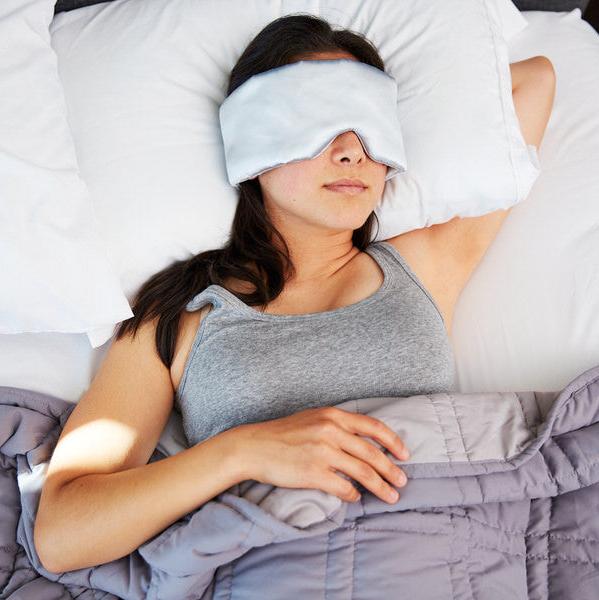
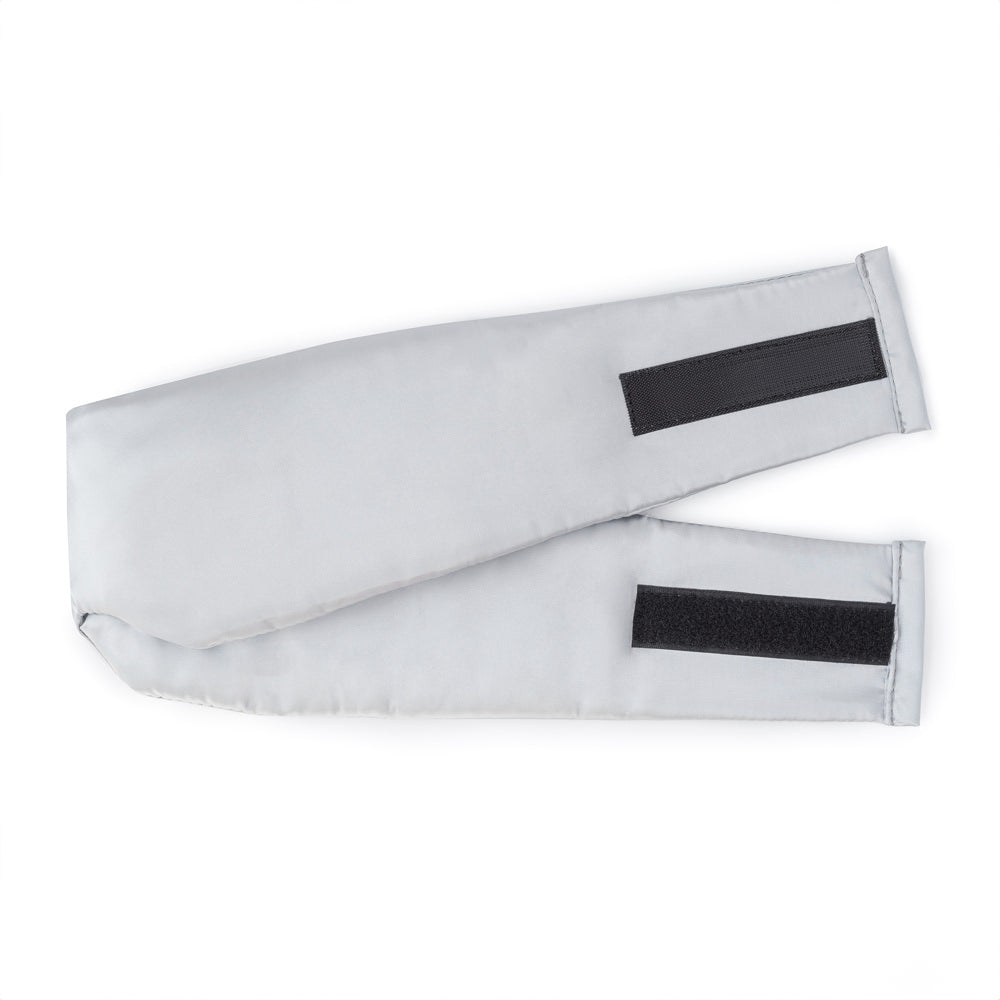
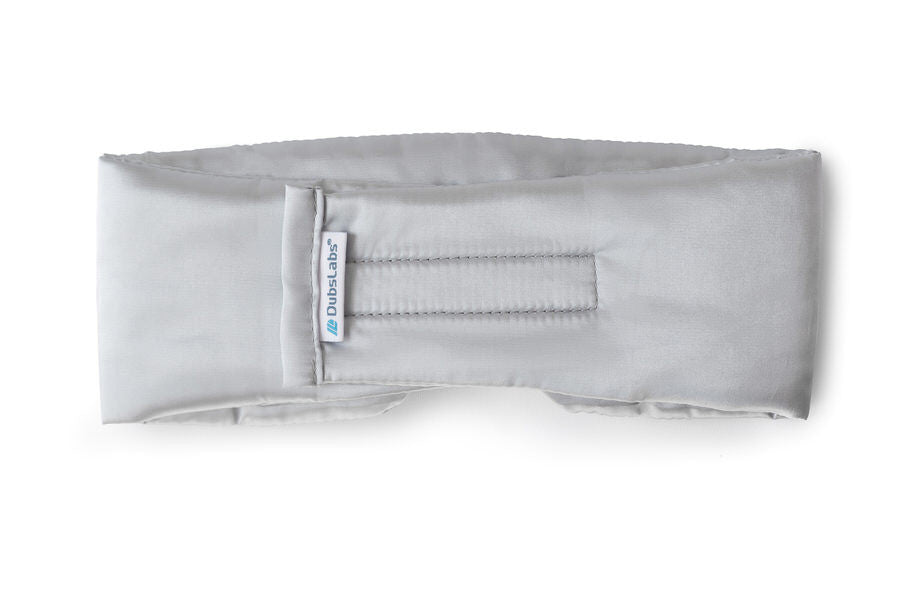
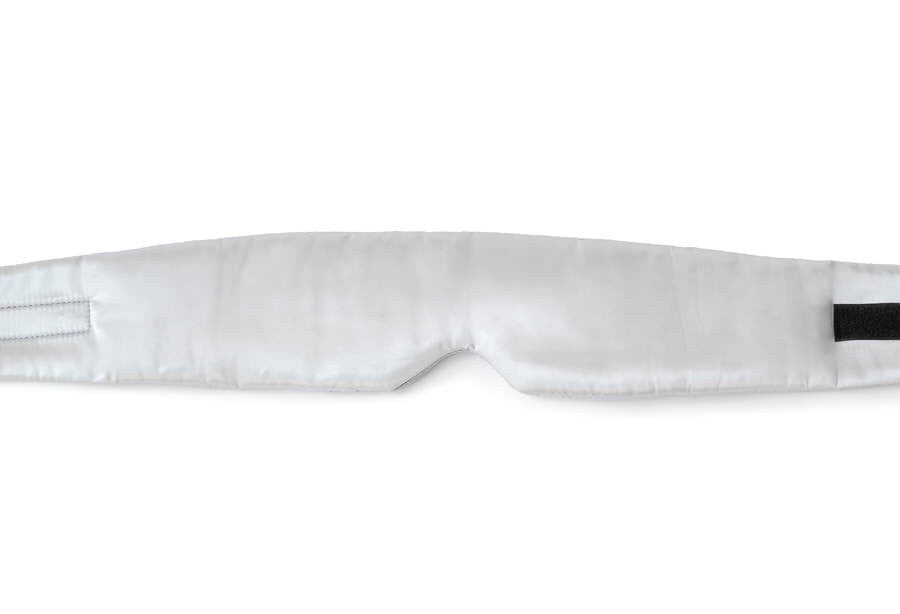
If you’re a side sleeper, you already know the struggle. You grab a standard sleep mask, hoping for pitch-black darkness, only to wake up with a sore temple and light creeping in around the edges. A proper sleep mask for side sleepers isn't just a slightly different shape; it’s built from the ground up to solve these exact problems, giving you total darkness without making you sacrifice comfort.
Why a Standard Sleep Mask Fails Side Sleepers
Think about trying to run a marathon in a pair of dress shoes. Sure, they work for a short walk to the office, but they're completely wrong for the demands of the activity. Using a standard, flat sleep mask as a side sleeper is the same kind of mismatch. Those generic masks are really designed with back sleepers in mind, assuming your face is a flat, even surface where pressure gets distributed equally.
The moment you roll onto your side, that entire design philosophy falls apart. Your pillow shoves the mask into your face, creating a sharp point of pressure right on your temple. This isn't just a minor annoyance; that constant, focused force can easily lead to headaches and totally derail your sleep.
The Problem of Pressure and Gaps
The bulky, often rigid structure of a standard mask just can't adapt when it's being pushed into your head from the side. This leads to two critical failures:
- Painful Pressure Points: The thick padding or inflexible frame that feels perfectly fine on your back becomes a real source of pain, digging into the side of your head all night long.
- Persistent Light Leaks: As the mask gets pushed around and twisted out of shape against the pillow, it creates gaps. You’ll usually find them around your nose and on the cheek pressed into the pillow, which defeats the entire purpose of wearing a mask in the first place.
For the 74% of adults who prefer sleeping on their side, a generic mask isn't just inconvenient—it's a fundamentally flawed design that stands between them and a truly restorative night's rest. A specialized sleep mask for side sleepers is engineered to bend, flex, and create a perfect seal against your face, no matter how you position your head on the pillow. It’s not just a comfort upgrade; it's the right tool for the job.
The Anatomy of an Ideal Side Sleeper Mask
A sleep mask built for side sleepers isn't just a tweaked version of a standard one; it's a completely different animal, engineered from the ground up for a specific job. Think of it like comparing a basic kitchen knife to a surgeon's scalpel—sure, both cut, but one is designed with precision for a very particular purpose. The best masks anticipate the unique pressures and angles that come with sleeping on your side.
The biggest difference is in the design philosophy. A standard flat mask pretty much assumes your face is always pointing at the ceiling. A specialized side sleeper mask, on the other hand, is built to wrap, seal, and move with you as you turn. It's all about making smart design choices that prioritize comfort when half your face is pressed into a pillow.
To get a clearer picture, let's look at how these masks differ in the real world.
| Feature | Standard Flat Mask | Side Sleeper Contoured Mask |
|---|---|---|
| Shape | Flat piece of fabric. | 3D molded cups with deep eye sockets. |
| Eye Pressure | Rests directly on eyelids and lashes. | Creates a "zero-pressure" dome around the eyes. |
| Strap | Often thick and bulky, creating a pressure point. | Ultra-slim, flat, and soft to feel seamless. |
| Materials | Simple fabrics like cotton or silk. | Often uses memory foam for an adaptive seal. |
| Light Blocking | Prone to gaps and leaks, especially when moving. | Molds to the face to create a total blackout seal. |
As you can see, every element is rethought to solve the problems that plague side sleepers, turning the mask from a potential annoyance into a seamless part of your sleep routine.
Deep Contoured Eye Cups for Zero Pressure
The first feature that's an absolute deal-breaker is 3D contoured eye cups. Unlike flat masks that smoosh down on your eyelids, these create a protective dome around your entire eye socket. Picture a tiny, soft helmet for each eye; there's a pocket of space where your eyes and lashes never touch the fabric.
This zero-pressure zone is a game-changer for two big reasons. First, it allows for natural REM (Rapid Eye Movement) sleep, where your eyes dart around freely—a critical part of restorative sleep cycles. Second, if you have eyelash extensions, this design is non-negotiable for preventing them from getting crushed or damaged.
The demand for this feature tells its own story. Search volume for 3D contoured sleep masks jumped by 32.29% from April to July 2024. Why? Because they directly solve the biggest complaints from side sleepers: pressure and light leakage. You can discover more insights about this trend and what it means for the sleep accessories market.
Ultra-Slim Straps That Disappear
Next up, let's talk about the straps. On a standard mask, the strap is often just an afterthought—a simple, thick elastic band. For a side sleeper, this design digs in, creating a painful pressure point right where the strap gets wedged between your head and the pillow. It’s a guaranteed way to wake up with a sore temple.
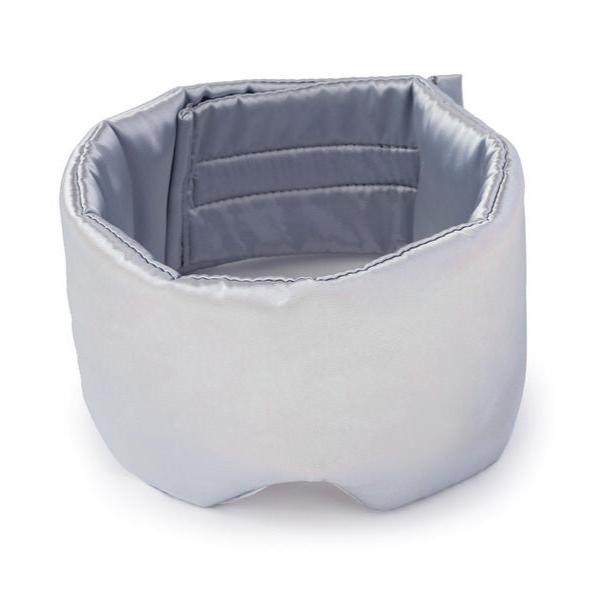
A proper side sleeper mask has an ultra-slim, soft, and flat strap. You'll want to look for designs that use thin, fabric-covered bands or smooth, low-profile velcro that lies flush against your head. These straps are designed to be so unnoticeable that they distribute pressure evenly, letting you completely forget you're wearing one.
Adaptive Materials for a Perfect Seal
Finally, the materials have to be both comfortable and smart. A standard mask might just use a simple piece of cotton, but a premium side sleeper mask often brings in memory foam. This material is brilliant at creating a perfect seal because it gently molds to the unique contours of your face, especially around tricky spots like the bridge of your nose.
This adaptive quality means that even when the mask gets pushed from the side, the memory foam fills in any potential gaps to block light leaks. It conforms to your face instead of fighting against it, ensuring you get a total blackout no matter how you toss and turn.
The diagram below really brings home how these three features work together to solve the biggest issues.
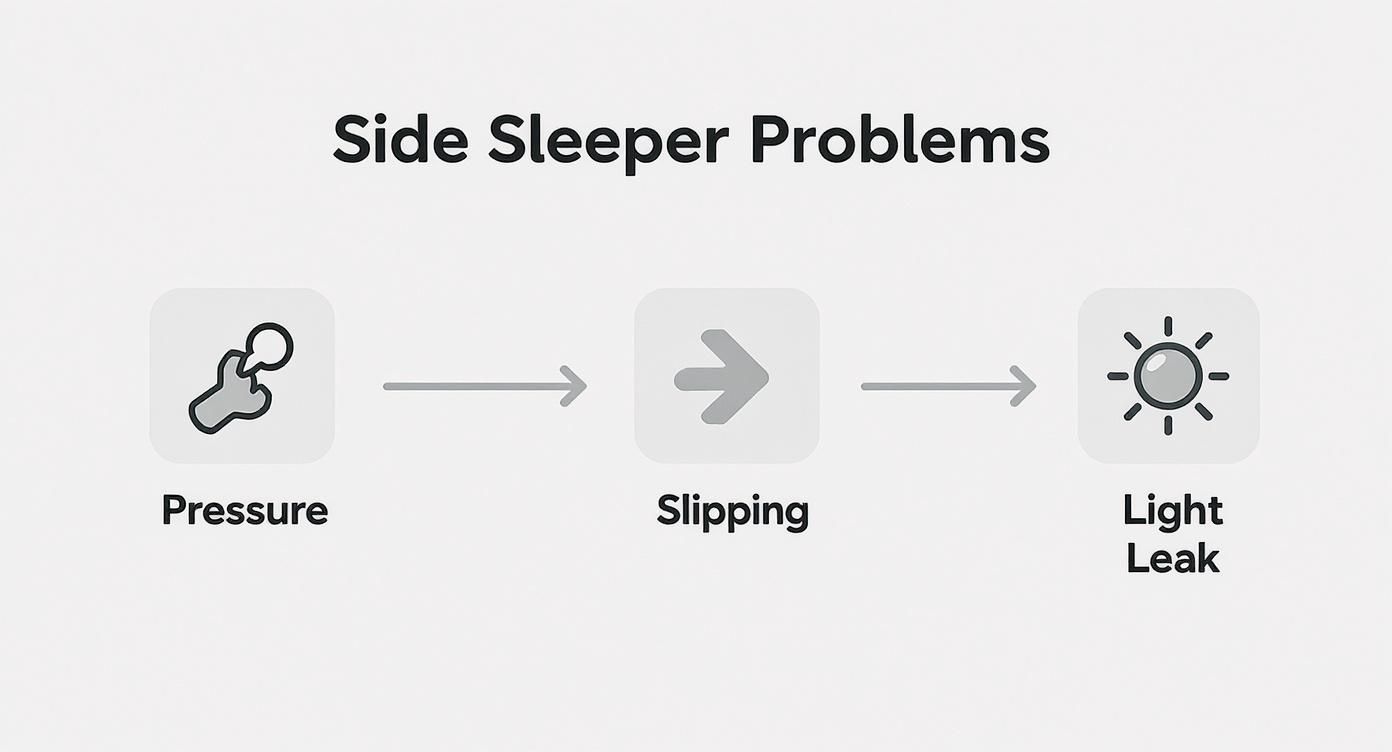
You can see how pressure, slipping, and light leaks are the core challenges for side sleepers—and a well-designed mask addresses every single one through its specialized anatomy.
Choosing Materials for Ultimate Comfort and Breathability
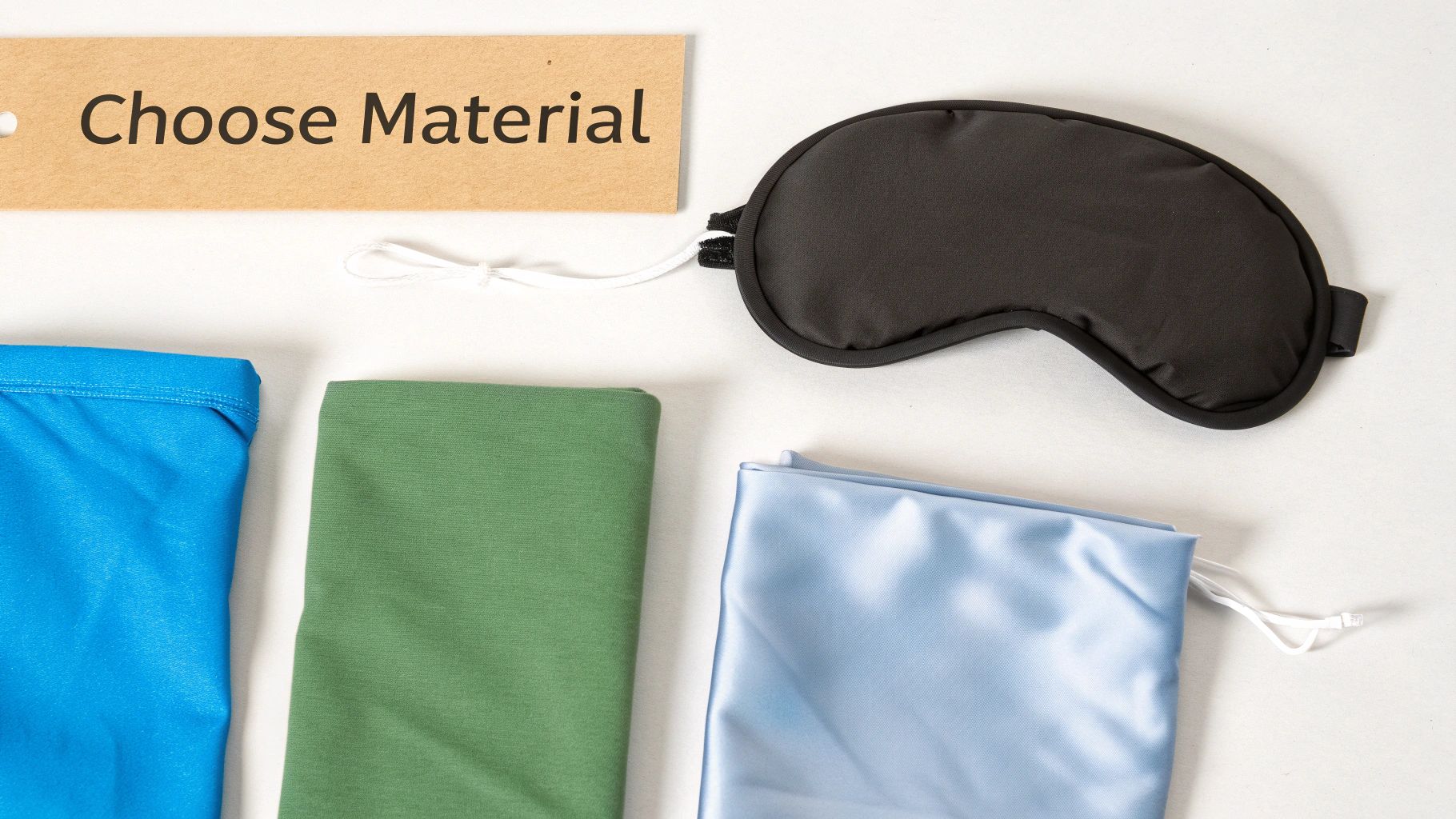
This is where comfort truly begins. Since the mask is pressed against your face all night—especially for a side sleeper—the fabric choice is a massive deal. It affects both how the mask feels and how well it performs. Think of it like choosing between scratchy wool sheets and soft silk; the difference in your sleep quality is night and day.
Different materials bring different things to the table. The "best" one really just depends on what you need most, whether that's staying cool, protecting sensitive skin, or getting maximum pressure relief. A truly great sleep mask for side sleepers will pair its smart design with a fabric that takes its comfort to the next level.
The Most Common Mask Materials
When you're shopping around, you'll see a few materials pop up again and again. Getting to know their strengths will help you pick a winner.
- Silk: Known for its luxurious feel, silk is incredibly gentle on the skin. It cuts down on friction, which can help prevent those dreaded sleep creases and general irritation. It's also naturally hypoallergenic and won't soak up your nighttime skincare products like cotton does.
- Memory Foam: This material is the undisputed champ of pressure relief and creating that perfect, light-blocking seal. Memory foam gently molds to the unique contours of your face, filling in any gaps around your nose and cheeks to block out every last sliver of light. This makes it a fantastic choice for side sleepers, as it adapts to the pressure from your pillow.
- Cotton or Bamboo Jersey: If you tend to run hot, these are your best friends. Both materials are super breathable and do a great job of wicking moisture away from your skin, so you don't wake up feeling sweaty. They have that soft, familiar t-shirt feel that’s just plain cozy. For those who really struggle with overheating, you might want to look into specialized cooling eye masks that use advanced fabrics and gel inserts.
Why Strap Material Matters Too
We tend to focus on the main part of the mask, but for a side sleeper, the strap is just as critical. A poorly designed strap can dig into your temple or get tangled in your hair, completely ruining the whole experience.
The ideal strap should be thin, soft, and highly adjustable. Materials like fabric-covered elastic or smooth, low-profile velcro are best because they lie flat against your head and don't create a bulky pressure point when you're lying on your side.
Look for a strap that feels almost seamless against your head. A smooth sliding buckle is often a better bet than loud velcro, as it allows for quiet, precise adjustments without waking up your partner. The goal is to find a strap that holds the mask in place so perfectly that you forget it's even there. That’s the key to the deep, uninterrupted rest you're looking for.
How to Get a Perfect Fit and Eliminate Light Leaks
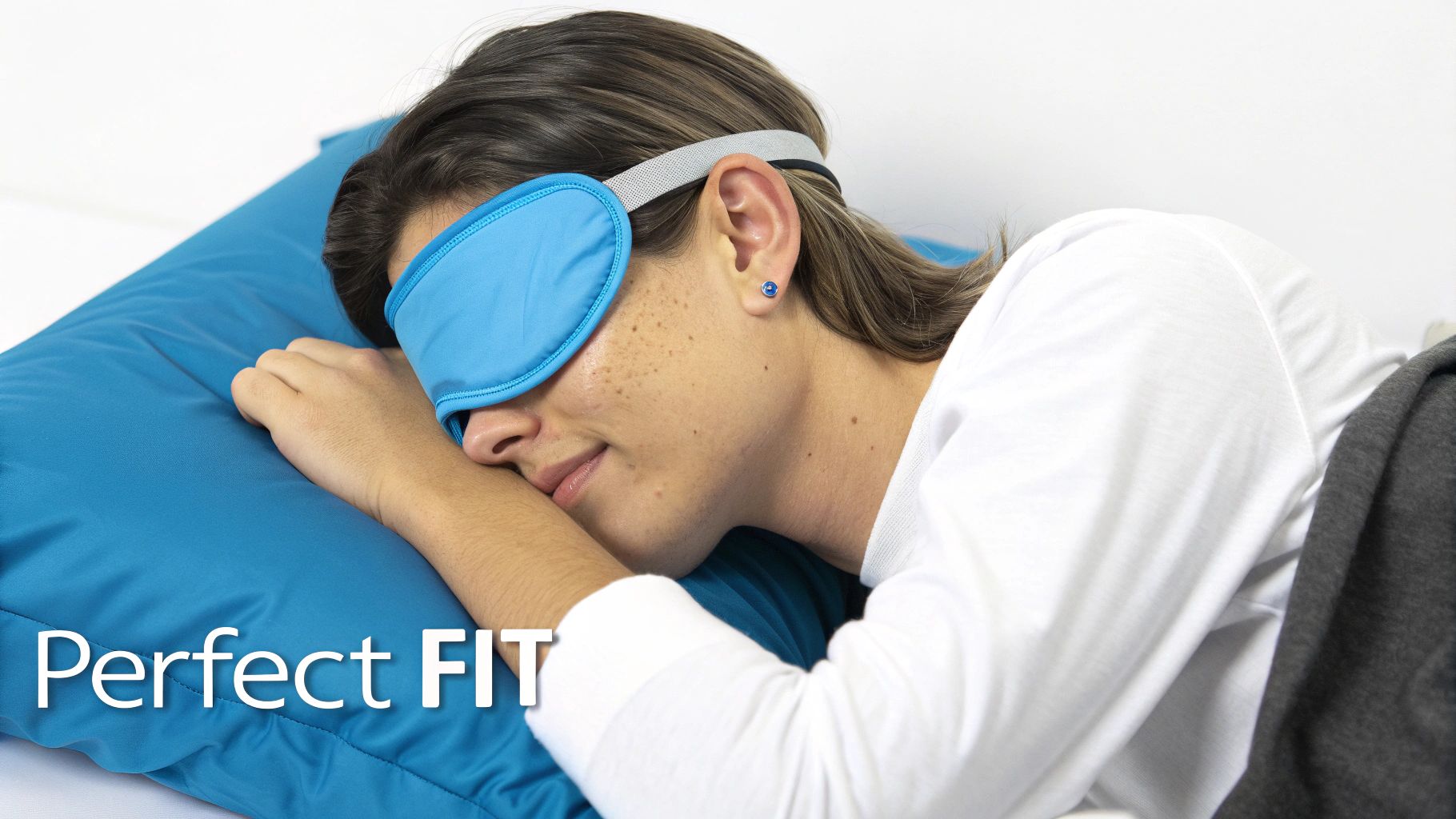
Owning a great sleep mask is one thing, but getting it to fit just right is the real secret to unlocking its light-blocking magic. A mask that’s too loose will slide around and let light sneak in. One that’s too tight will just give you a headache.
The sweet spot is a delicate balance: snug enough to stay put, but so comfortable you completely forget it’s even there.
Before you even put the mask on, adjust the strap to roughly your head size. Then, place it over your eyes and make those final, tiny tweaks until it feels secure without any real pressure. It shouldn't feel like a tight headband; think of it more like a gentle, reassuring hug for your head.
Sealing Common Light Leak Zones
For those of us who sleep on our sides, the two classic failure points are the gap around the nose and the cheek that's smooshed against the pillow. A well-designed mask with materials like memory foam is a huge help, but how you position it is everything.
Gently press the bottom edge of the mask against your face, making sure the material molds perfectly around the bridge of your nose and your cheekbones.
A perfect seal means you can open your eyes in a fully lit room and see nothing but pitch-black darkness. This is what you're aiming for. That complete sensory blackout is a powerful signal to your brain that it's time to produce melatonin, the hormone that gets you ready for sleep.
Still seeing a sliver of light? Try these quick fixes:
- The Nose Gap: Try tilting the mask just a fraction of an inch downward on your face. This little shift often helps the nose baffle sit more flush against your skin, closing that annoying gap.
- The Side Gap: When you roll onto your side, gently pull the mask's fabric down on the side pressed into the pillow. This ensures it's tucked in and sealed tight.
Mastering the art of the total blackout is a game-changer. For more pro tips, check out our deep dive into finding the best blackout sleep mask.
Troubleshooting Common Fit Issues
Even with the best technique, you might run into a couple of hiccups. Here’s a quick guide to solving the most common problems side sleepers face.
- The Mask Shifts When I Turn Over: This is almost always a sign that your strap is a bit too loose. Just tighten it one tiny notch at a time until it stays put when you move.
- I Wake Up with Strap Marks: The opposite problem—the strap is too tight. Loosen it up a bit. If you still have marks, the strap material itself might be too harsh for your skin.
- My Temples Feel Sore: Your mask's strap might be too thick, creating a pressure point against the pillow. A mask designed specifically for side sleepers should have an ultra-thin, flat strap to avoid this exact issue.
Wearing Your Mask With Headphones or Earbuds
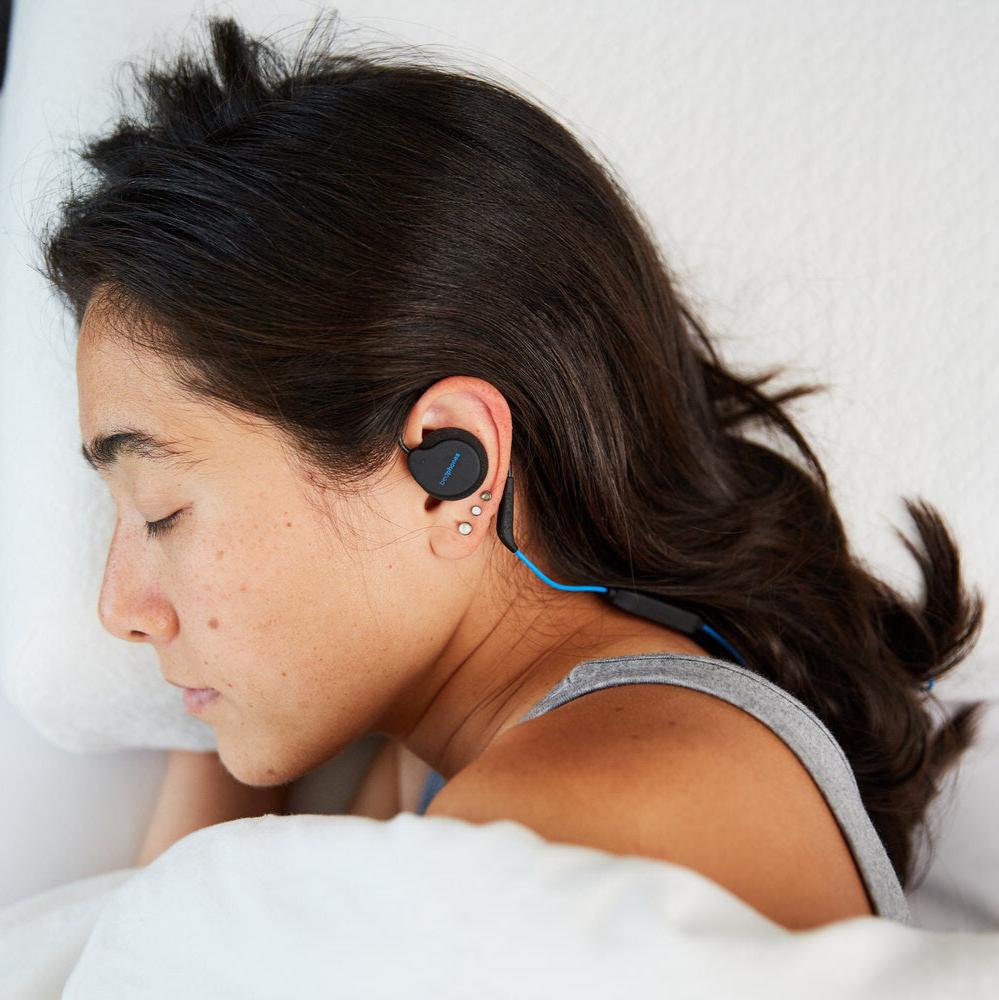
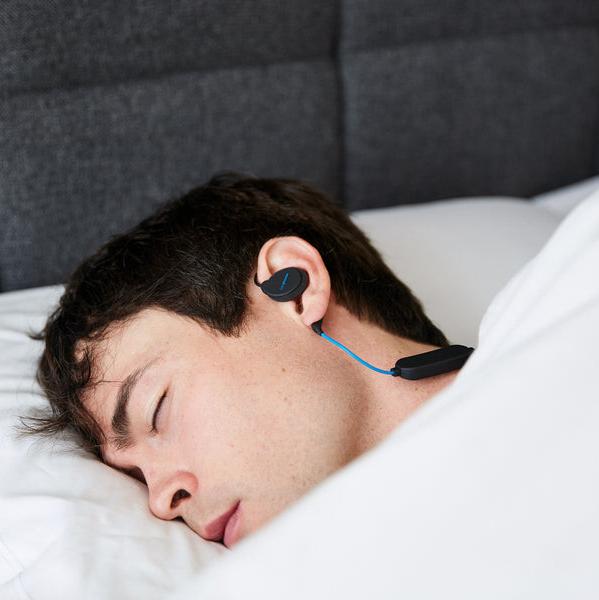
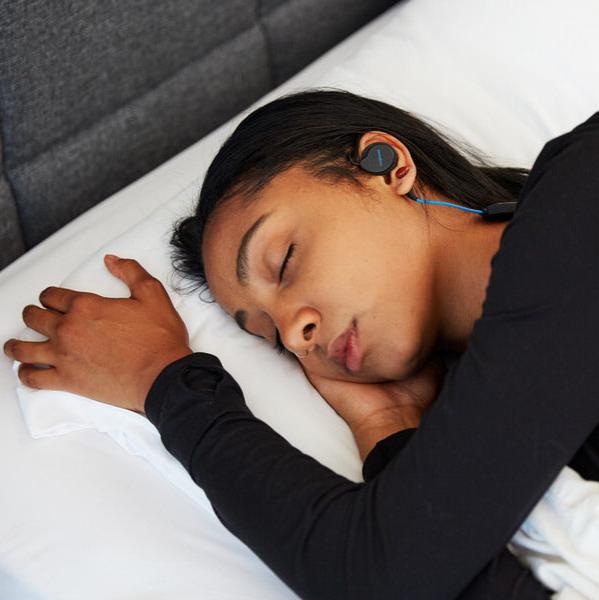
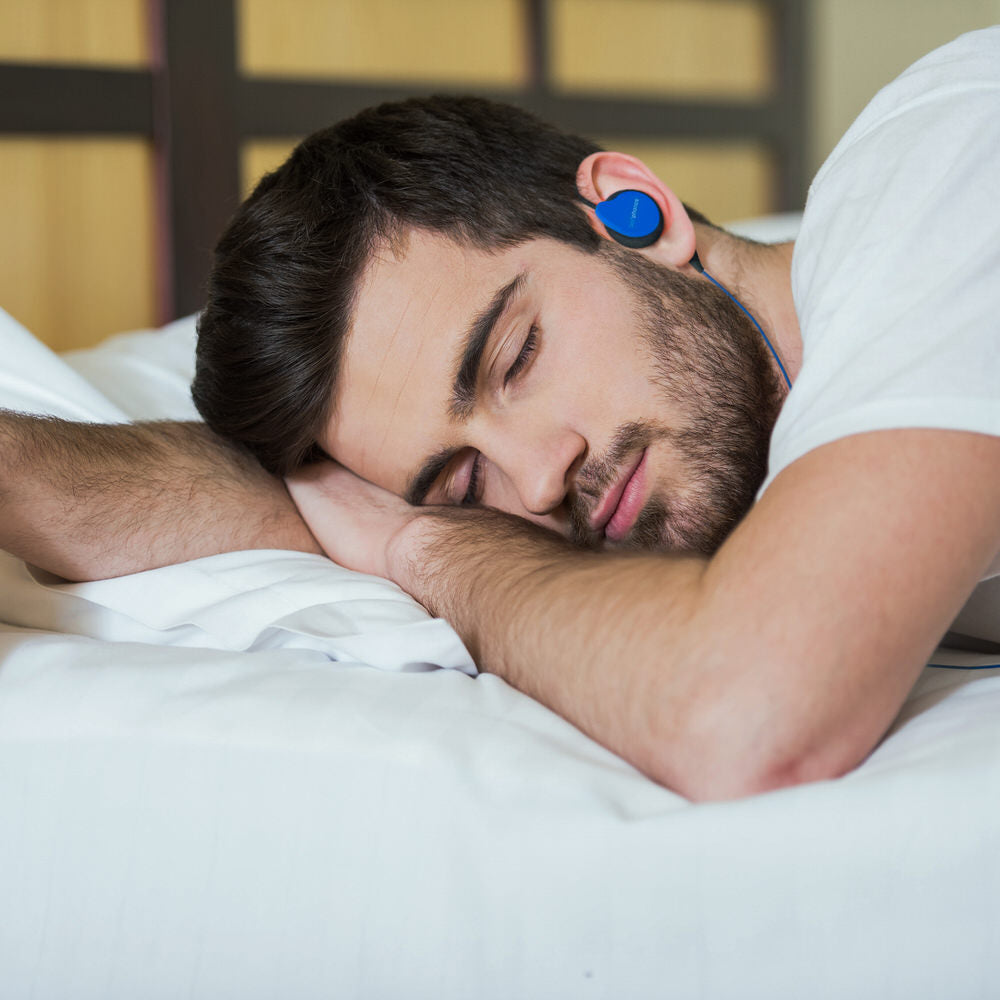
Pairing total darkness from a sleep mask with your favorite calming audio is a fantastic recipe for better sleep. But for side sleepers, this combo can quickly turn into a nightmare of discomfort. The pressure of a bulky headphone cup or a hard plastic earbud digging into your ear is a fast track to a painful, sleepless night.
The secret to making this work is choosing the right gear from the get-go. A well-designed sleep mask for side sleepers will already feature thin, flat straps that won't create pressure points. When you add audio, your headphones need to follow that same low-profile philosophy.
The Right Gear for a Comfortable Fit
You can forget about your standard over-ear headphones; they're just not built for lying on your side. Instead, you'll want to look at audio gear specifically made for sleeping.
- Sleep Headphone Bands: These are basically soft, stretchy headbands with ultra-thin speakers tucked inside. You can slide the speakers right over your ears, and the fabric acts as a comfortable buffer between you and the pillow.
- Low-Profile Sleep Earbuds: Unlike the hard plastic buds you use during the day, these are typically made from soft, squishy silicone with a tiny profile. They're designed to sit flush inside your ear, which gets rid of that painful pressure when you're on your side.
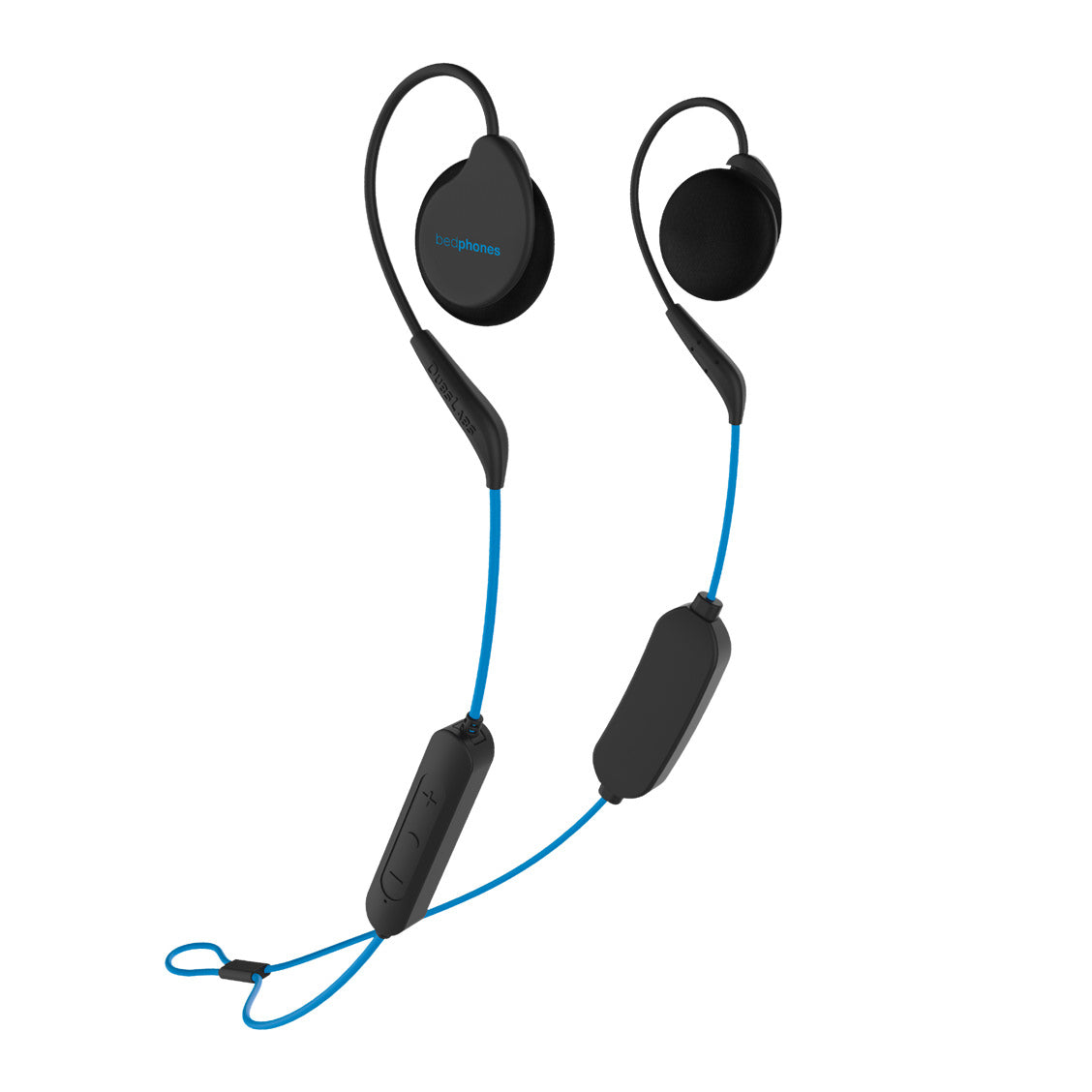
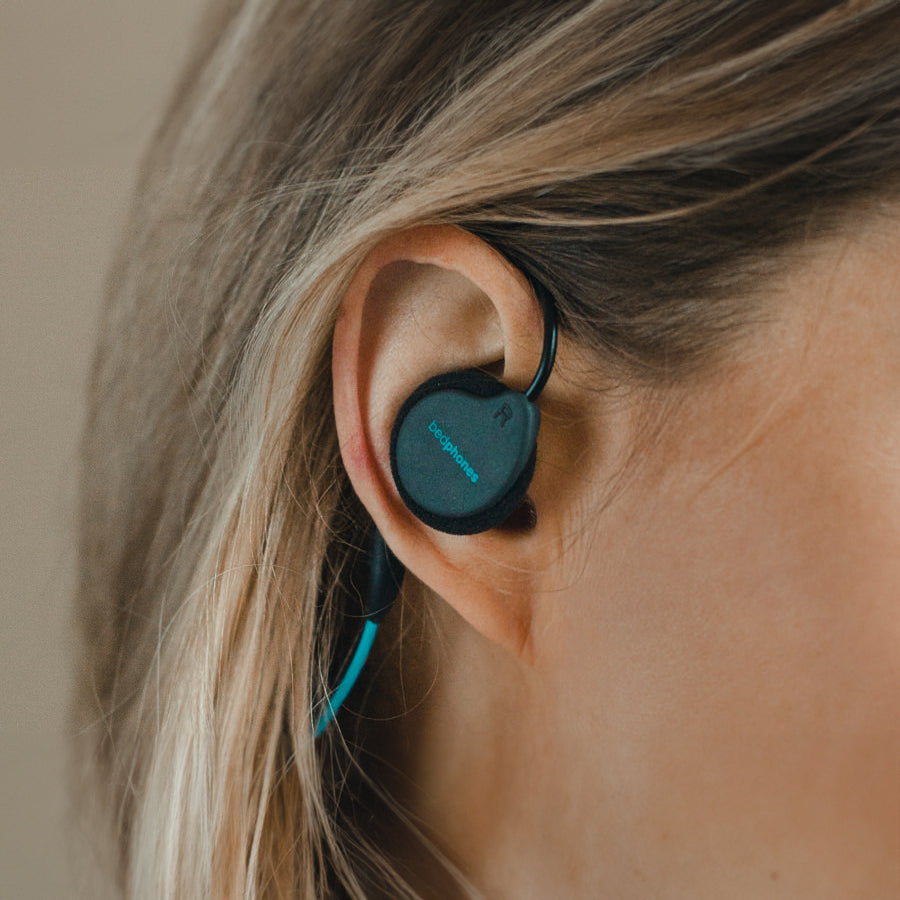
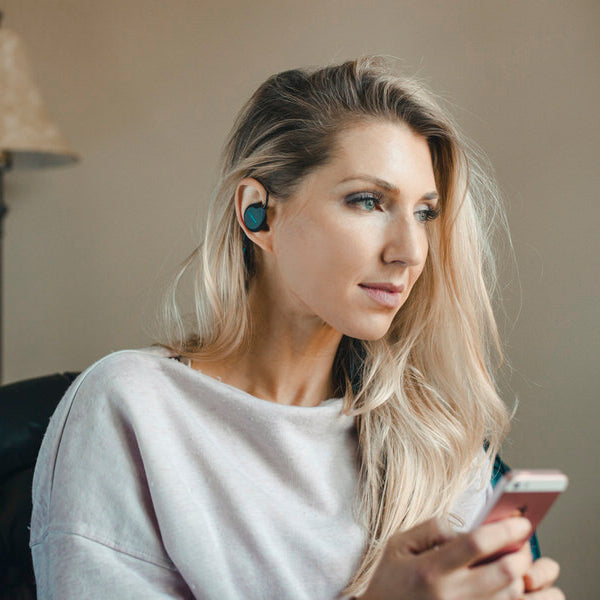
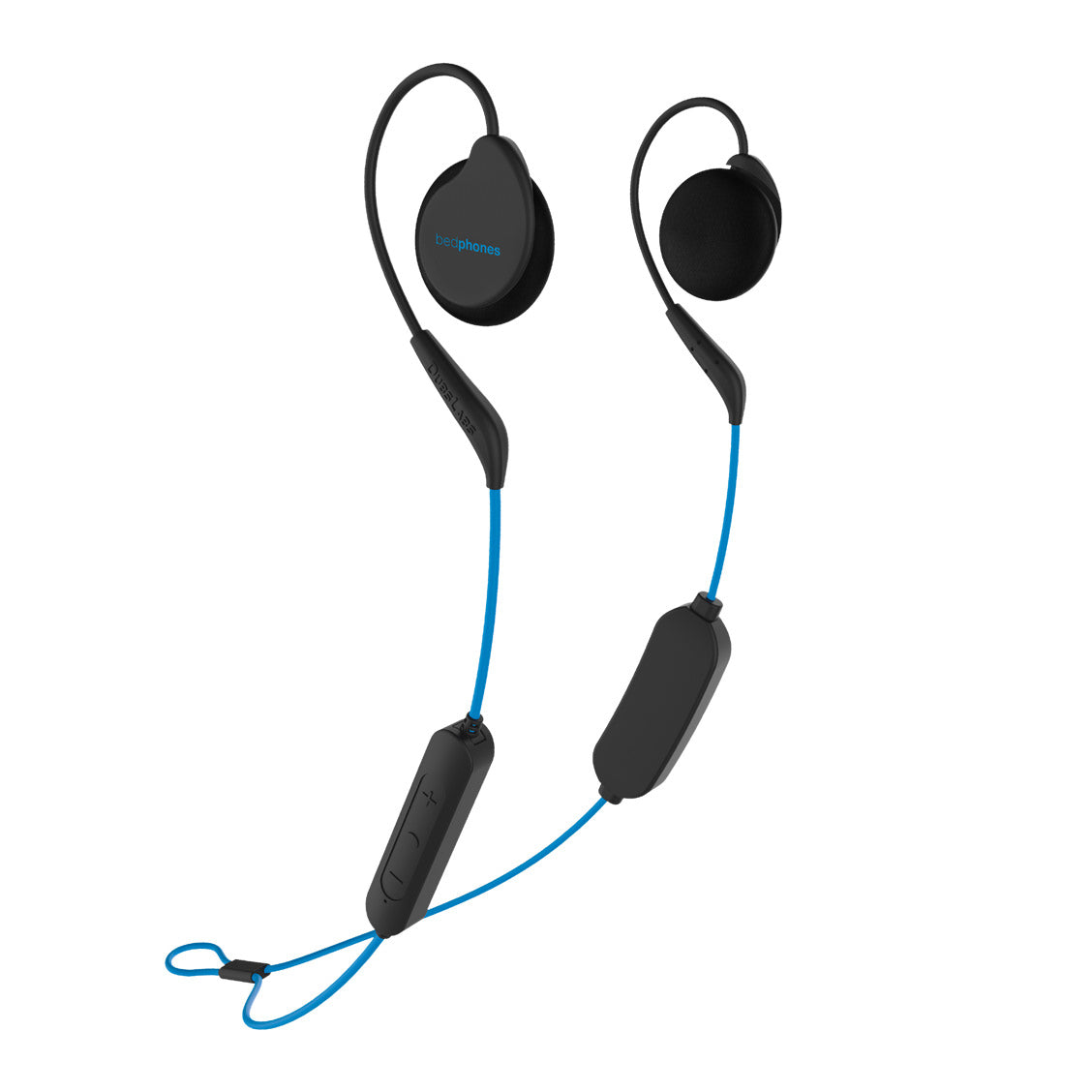
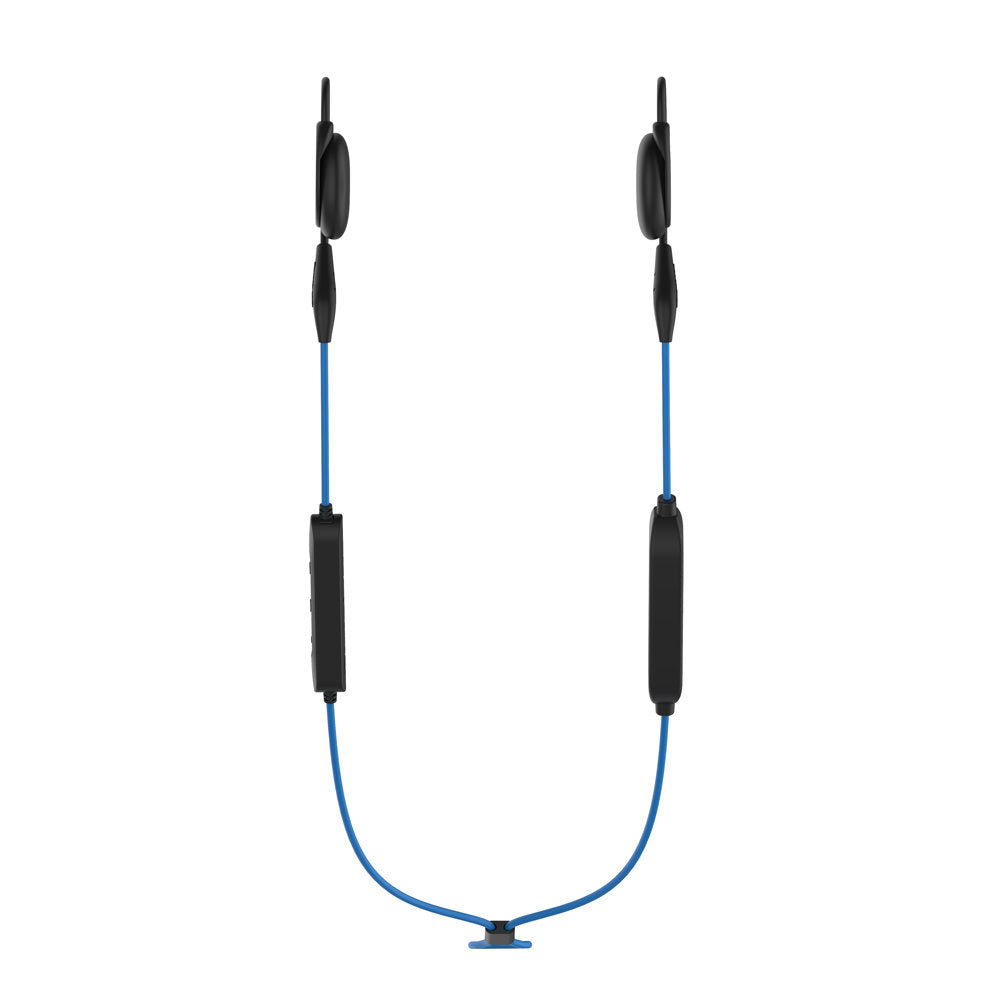
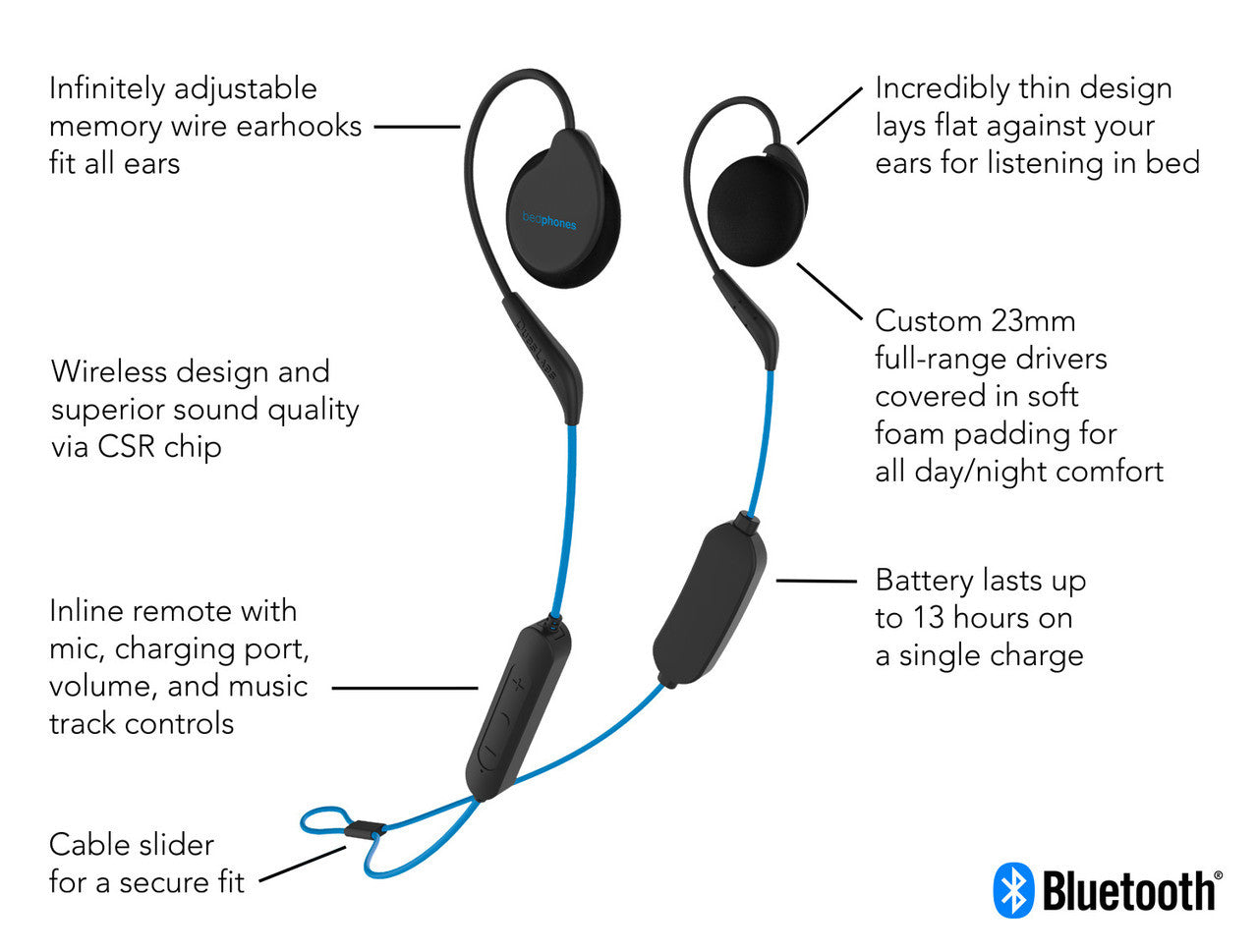
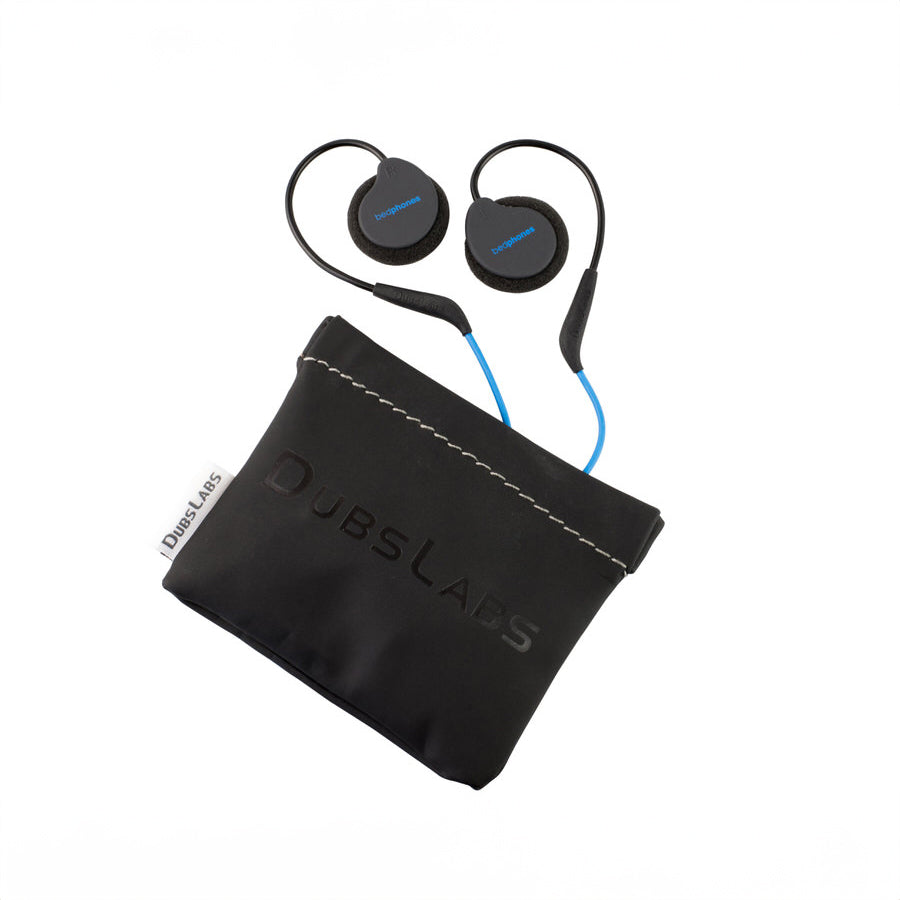
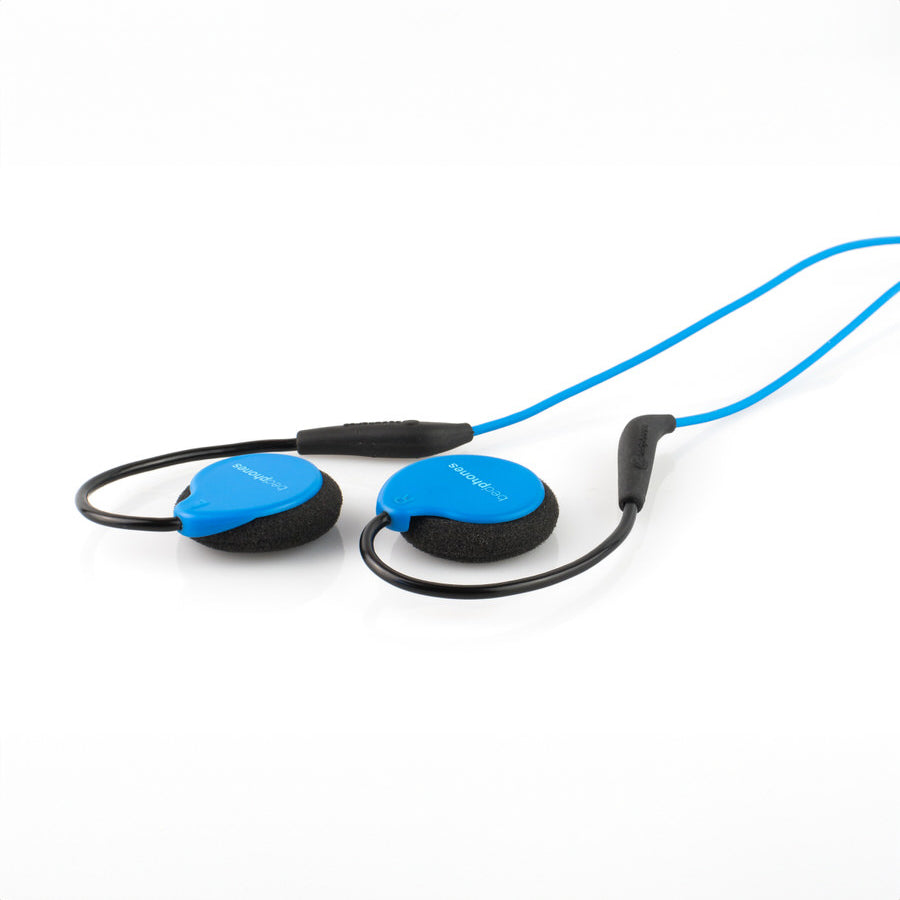
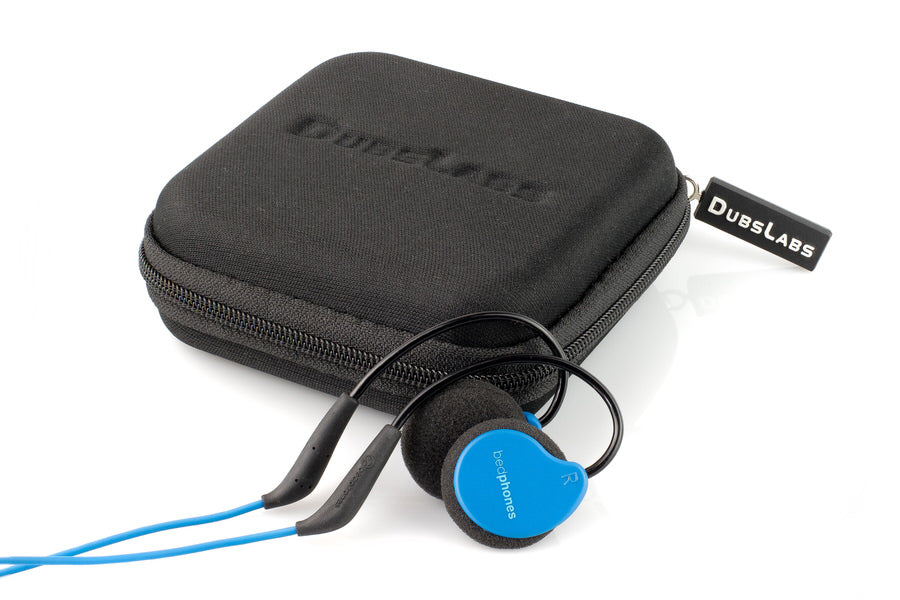
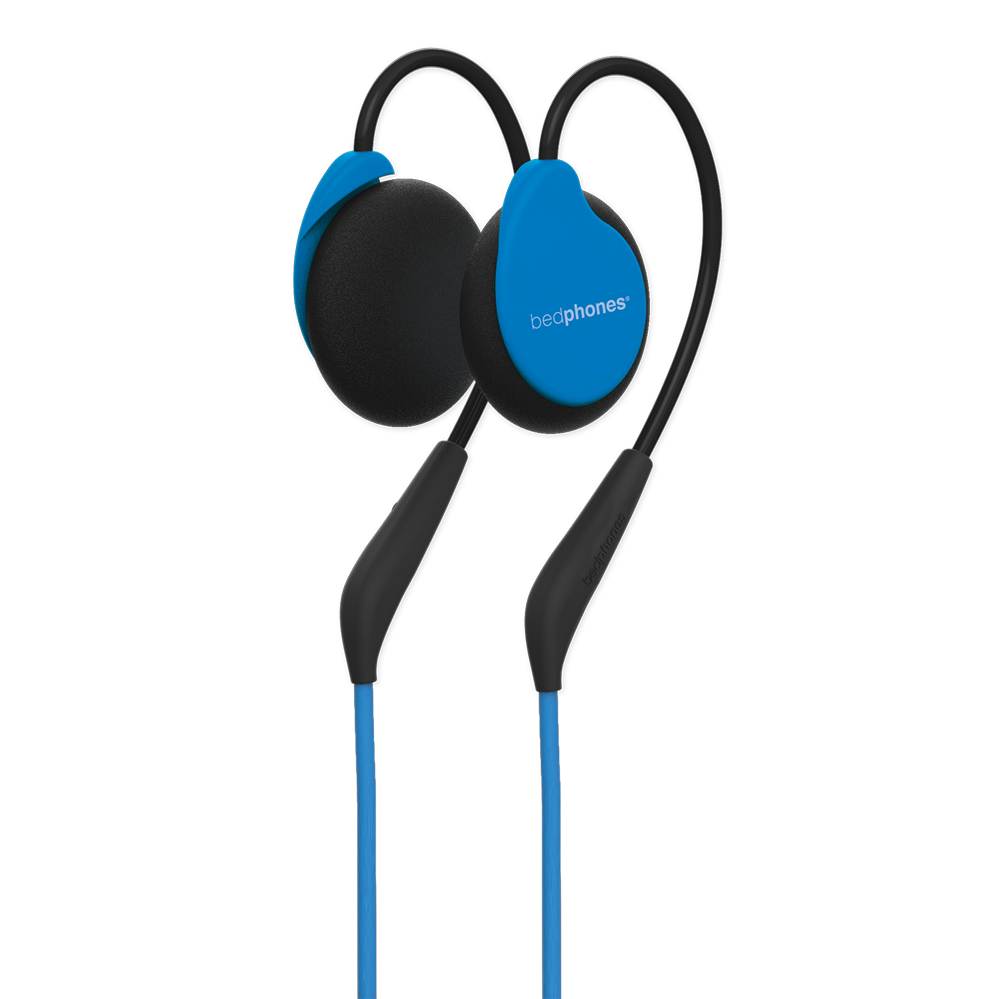
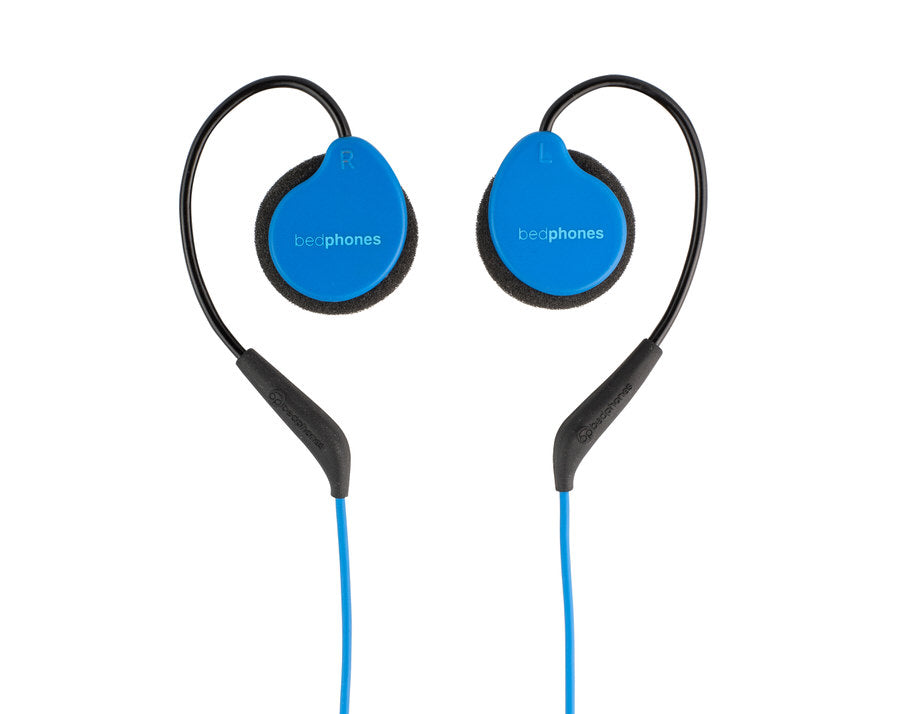
- On-Ear Sleep Headphones: Products like Bedphones hit a sweet spot. They use incredibly thin, padded speakers that rest on your ear instead of in it. This gives them better sound than many headbands without being as intrusive as an earbud.
The goal is to create a seamless, layered system. Your mask’s thin strap should lie flat against your head, and your audio device should be so slim that it adds almost no extra bulk. When done correctly, you should barely feel either one.
Once you have the right equipment, it's all about getting the positioning just right. Put your mask on first, adjusting the strap so it sits comfortably either above or below your ears. Then, put on your headphones or position your earbuds.
For a more detailed breakdown of making this work, you can learn more about how to sleep with headphones and check out some different techniques. By carefully picking your gear and spending a minute to get everything situated, you can enjoy total darkness and your favorite audio without giving up an ounce of comfort.
How to Care for Your Sleep Mask
A great sleep mask is an investment in your rest. Just like you wouldn't go months without washing your favorite pillowcase, your sleep mask needs a little TLC to stay fresh, hygienic, and effective for the long haul.
Think about it—night after night, it's right up against your skin. Regular cleaning is a must to get rid of the natural buildup of skin oils, sweat, and everyday grime. Keeping it clean not only feels better but also prevents skin irritation and helps the materials last longer. For those of us who rely on a mask every single night, this is non-negotiable.
Washing Your Mask Based on Material
Different masks are made from different stuff, and that means they need to be cleaned differently. Your first move should always be to check the care label from the manufacturer, but here are some solid rules of thumb.
- Silk and Cotton: Treat these natural fibers gently. The best way is to hand wash them in cold water with a mild, pH-neutral soap. A detergent made specifically for silk or delicates is perfect for preserving the fabric's soft feel.
- Memory Foam: Whatever you do, don't dunk your memory foam mask in water! It can wreck the foam's structure and takes an eternity to dry. Instead, just spot-clean the surface with a damp cloth and a tiny bit of gentle soap. Let it air dry completely.
Pro Tip: Stay far away from harsh detergents, bleach, or fabric softeners. They're way too aggressive for the delicate fibers and foams in most masks and will seriously shorten their lifespan.
Drying and Storing Your Mask Properly
How you dry and store your mask is just as important as how you wash it. After giving it a gentle clean, carefully squeeze out any extra water. The key word here is squeeze—never, ever wring or twist it, especially if it's a contoured mask. That's a surefire way to ruin its shape.
Lay your mask flat on a clean towel in a spot with good airflow, but keep it out of direct sunlight or away from heaters. Once it's 100% dry, tuck it away in a cool, dry place. A bedside drawer or the little travel pouch it probably came with is ideal. This keeps it safe from dust and mildew, ensuring your sleep mask for side sleepers is fresh and ready for action when you are.
Got Questions About Side Sleeper Masks?
If you're diving into the world of sleep accessories, you probably have a few questions. When it comes to finding that perfect sleep mask for side sleepers, a few common concerns seem to pop up again and again. Let's get them cleared up.
Will It Mess Up My Hair or Leave Marks on My Face?
This is a big one, and the answer really comes down to smart design. Masks built for side sleepers ditch the bulky straps for slim, soft fabric ones that lie flat against your head. This cuts way down on any hair disruption.
To avoid waking up with those tell-tale indentations on your face, look for gentle materials like silk or memory foam. Even more important, though, is getting the fit right—make sure the strap is snug, but not cranked down tight. If you do get any slight marks, they usually fade within a few minutes of being up and about.
Can I Wear a 3D Mask With My Eyelash Extensions?
Absolutely. In fact, 3D contoured masks are the best possible choice if you have eyelash extensions. Their whole point is the deep, hollow eye cups that create a protective bubble around your entire eye area.
This design means zero pressure ever touches your lashes. You can blink freely and your eyes can move naturally during REM sleep without you having to worry about your extensions getting crushed, bent, or damaged.
A well-fitting mask doesn't just block light; it helps create the right conditions for a more restorative sleep cycle, which is a cornerstone of your overall health. To learn more about improving your sleep quality, check out these strategies for increasing deep sleep and see how you can optimize your rest.
How Do I Know if a Mask Will Fit My Head?
The secret ingredient here is adjustability. You want to look for masks with a highly adjustable strap, usually one with a smooth velcro patch or a simple sliding buckle. Most quality masks are sold as "one-size-fits-most," and it's this custom fit that actually makes it work for everyone.
A good strap allows you to find that sweet spot where the mask feels secure without feeling tight or restrictive. If you want to be extra sure before buying, take a look at the product's listed dimensions and see what other customers are saying about the fit in the reviews.
Are Expensive Silk Masks Really That Much Better?
Honestly, the "best" material is all about your personal needs. Silk is a fantastic choice for anyone with sensitive skin. Memory foam is the undisputed champion of pressure relief and total light blocking. And good old cotton offers excellent breathability if you're on a budget.
For a side sleeper, the ergonomic shape of the mask and the design of the strap are often way more critical than the material itself. That said, premium materials like silk definitely level up the overall comfort, feel, and durability of your mask, making it a worthwhile investment for many.
Ready to feel the difference a specialized mask can make? The DubsLabs Total Dark Sleep Mask was engineered with contoured memory foam and an ultra-slim strap, delivering 100% blackout comfort specifically for side sleepers. Upgrade your sleep today.