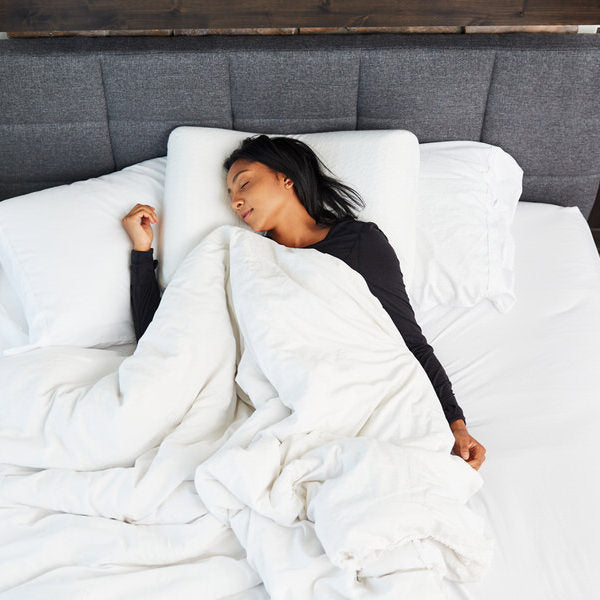
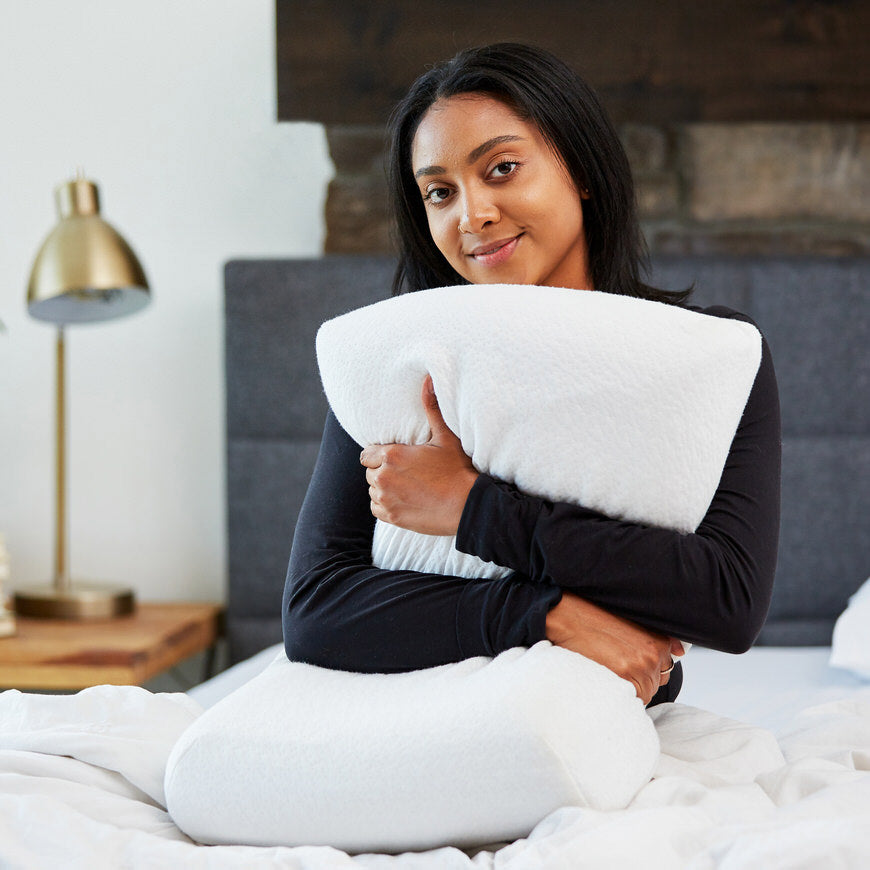
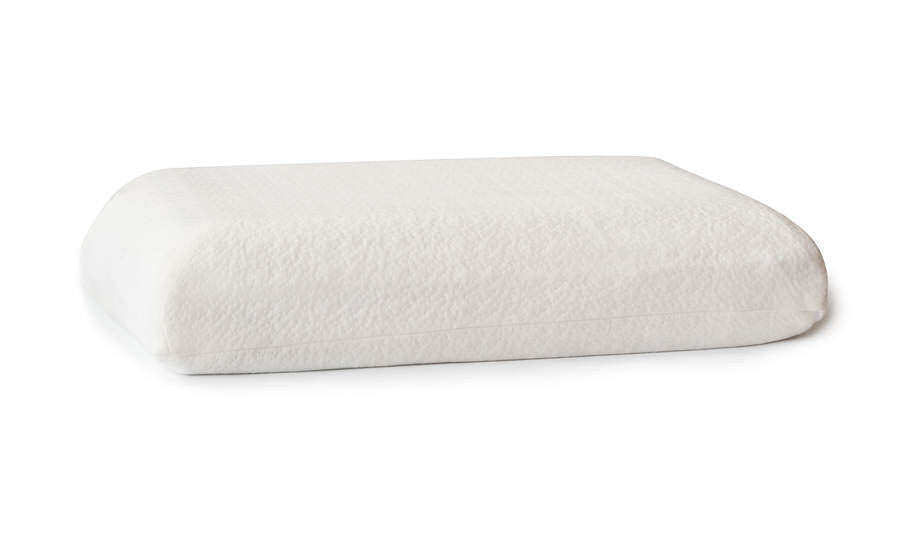
A well-designed pillow that reduces snoring can be a total game-changer for getting a quieter night's sleep. These pillows work by putting your head and neck in just the right position to keep your airway open, which is often the simplest fix for stopping those vibrations we call snoring.
The Simple Secret to a Quieter Night's Sleep
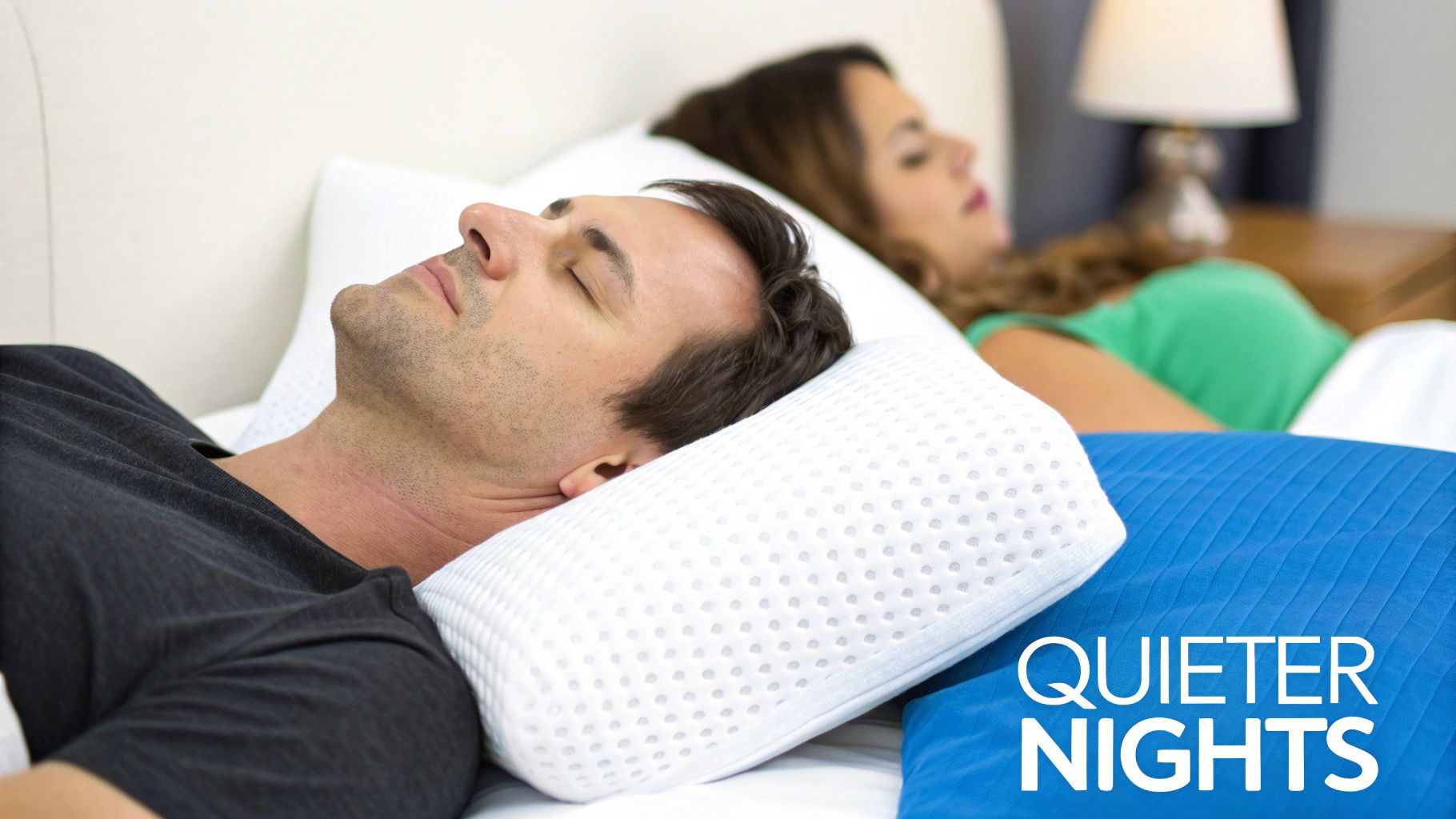
Picture this: it’s 2 AM, and that familiar rumbling sound is filling the room again. For millions of people, this isn't just a small annoyance—it's a nightly battle that wrecks sleep for both the snorer and their partner. You can learn more about this in our detailed guide on how snoring affects your sleep.
But what if the answer was as simple as changing where you lay your head?
The idea behind an anti-snoring pillow is refreshingly simple: proper alignment equals an open airway. When your head and neck are supported correctly, your airway is far less likely to get partially blocked, which is the root cause of snoring.
How Different Designs Help You Breathe Easier
The right pillow is basically a tool to hold that ideal posture all night long. It's not magic—it's just physics and anatomy working in harmony. Different pillows get the job done in slightly different ways, designed to match how you sleep.
Pillow designs might seem complex, but they all share a common goal: keeping your airway straight. Here’s a quick look at how the most common types tackle the problem.
Quick Guide to Anti-Snoring Pillow Designs
| Pillow Type | How It Works | Ideal for Sleepers Who |
|---|---|---|
| Wedge Pillow | Elevates the entire upper body, using gravity to prevent the tongue and soft tissues from collapsing backward. | Are primarily back sleepers and benefit from significant, stable elevation. |
| Contour Pillow | Features a distinct wave-like curve that cradles the neck and supports the natural curve of the spine. | Sleep on their back or side and need precise, targeted neck alignment. |
| Cervical Pillow | Provides specialized, firm support directly to the cervical spine to promote a neutral neck position. | Need therapeutic-level support to prevent airway narrowing from poor posture. |
Ultimately, each design works to prevent that "kink" in your airway that happens with bad sleeping posture. Think of it like a garden hose—if it's bent, the water struggles to get through.
The fundamental goal of any anti-snoring pillow is to prevent the "kink" in your airway that occurs from poor sleep posture. By maintaining a clear path for air, you reduce the tissue vibration that we hear as snoring.
Of course, creating a comfortable and peaceful sleep environment is another piece of the puzzle. You might want to try incorporating some easy tips for a cosy home to make your bedroom a true sanctuary. But when it comes to snoring, finding the right pillow is often the very best place to start.
How a Pillow Can Actually Stop Snoring
It sounds almost too good to be true, right? That something as simple as a pillow could quiet down a freight train of a snore. But it’s not magic; it's just basic anatomy and physics. The best way to picture it is to think of your airway as a flexible garden hose.
When your head and neck are sitting just right, that hose is straight. Air flows through it smoothly, and more importantly, silently. But when your sleep posture is off—maybe your head is tilted too far forward or back—that hose gets a 'kink' in it. This bottleneck forces air to squeeze through a much smaller space, causing the soft tissues in your throat (like the soft palate and uvula) to flap and vibrate. That vibration is the sound you—and probably your partner—know as snoring.
A well-designed pillow is simply a support system. Its job is to prevent that kink from ever happening. By keeping you in what’s called a neutral spine alignment, it helps maintain a straight line from your head, down your neck, and to your back, ensuring that airway stays wide open.
The Role of Gravity and Sleep Position
Gravity is a surprisingly big player in the snoring game, especially for anyone who sleeps on their back. When you lie flat, gravity does what it does best: it pulls things down. In this case, it pulls your tongue and soft tissues toward the back of your throat, which is one of the most common causes of a blocked airway. It’s also why snoring is often way louder when you’re on your back.
This is where a good anti-snore pillow steps in to counteract that downward pull:
- Elevation: Wedge pillows, for example, slightly raise your head and upper body. This uses gravity to your advantage, making it much harder for your tongue to fall back and block your breathing.
- Contouring: Pillows with special curves, like contour or cervical pillows, are shaped to cradle your neck perfectly. This stops your chin from dropping down to your chest—a position that puts a serious squeeze on your airway. If you want to dive deeper, you can explore the design of cervical pillows for neck pain to see how this support works.
This isn’t about forcing you into some strange, uncomfortable position. It’s about gently guiding your body into its most efficient alignment for breathing, and keeping it there all night long.
Un-kinking the Airway with Smart Design
At the end of the day, the number one goal of any anti-snoring pillow is to open up your airway and keep it that way. Different pillows just have different ways of getting the job done, targeting the root cause of the obstruction with smart, mechanical design. The shape of the pillow has a direct impact on your posture, making it a powerful, non-invasive tool for quieter nights.
The core principle is simple: a well-designed pillow helps maintain an open, unobstructed airway by promoting proper alignment of the head and neck, thereby reducing the tissue vibrations that cause snoring.
This straightforward approach is catching on as a comfortable and effective first move against snoring. New research is even showing that adjusting posture with specialized pillows can deliver promising clinical results. Pillows that let you adjust the angle to expand the airway are becoming particularly popular for people looking for solutions that don't involve masks or machines. You can see just how much consumer interest is growing for these kinds of anti-snoring treatments at Precedence Research.
Ultimately, a pillow that reduces snoring is just applied ergonomics. It uses thoughtful shapes, materials, and heights to solve a simple mechanical problem. By supporting your head and neck the right way, it keeps the 'hose' un-kinked, allowing for that free, quiet flow of air you and everyone else in the house have been dreaming of.
Exploring the Different Types of Anti-Snoring Pillows
Once you realize snoring is often just a simple mechanical problem, finding the right tool for the job gets a whole lot easier. Not all pillows are created equal, and the market for a pillow that reduces snoring is packed with different designs, each tackling the issue from a slightly different angle. The real key is finding the one that clicks with your personal sleep style and specific needs.
Think of it like choosing the right pair of running shoes. A sprinter needs something totally different from a marathoner. In the same way, a back sleeper who snores needs a different kind of support than a side sleeper. Let's break down the most common and effective types of anti-snoring pillows so you can make a smart choice.
The following flowchart gets right to the heart of how these pillows work: they move your airway from a "kinked" or blocked position to a straight, open one.

As you can see, the right support straightens the airway—much like unkinking a garden hose—to let air flow through smoothly and quietly.
Wedge Pillows: The Power of Elevation
Wedge pillows are probably the most straightforward fix for snoring. The design is simple but genius: a triangular cushion that elevates your entire upper body, not just your head and neck. This gentle, consistent incline puts gravity on your side.
By raising your torso, a wedge pillow makes it physically harder for your tongue and soft tissues to fall back and block your airway. This is a game-changer for back sleepers, since that's the position where gravity is most likely to cause an airway collapse. Studies have shown that even a slight elevation can make a huge difference for many people.
Pros of Wedge Pillows:
- Highly Effective for Back Sleepers: It's one of the best tools out there if you primarily sleep on your back.
- Reduces Acid Reflux: The elevated position can also stop stomach acid from creeping up, a common problem for many.
- Consistent Support: The solid foam build provides stable, unwavering support all night long.
Cons of Wedge Pillows:
- Not Great for Side or Stomach Sleepers: The shape can feel awkward and unsupportive if you don't sleep on your back.
- Bulky: They take up a lot of real estate in the bed, which can be a problem if you share your bed.
- Takes Getting Used To: Some people find it takes a few nights to adjust to sleeping on an incline.
Contour Memory Foam Pillows: Precision Alignment
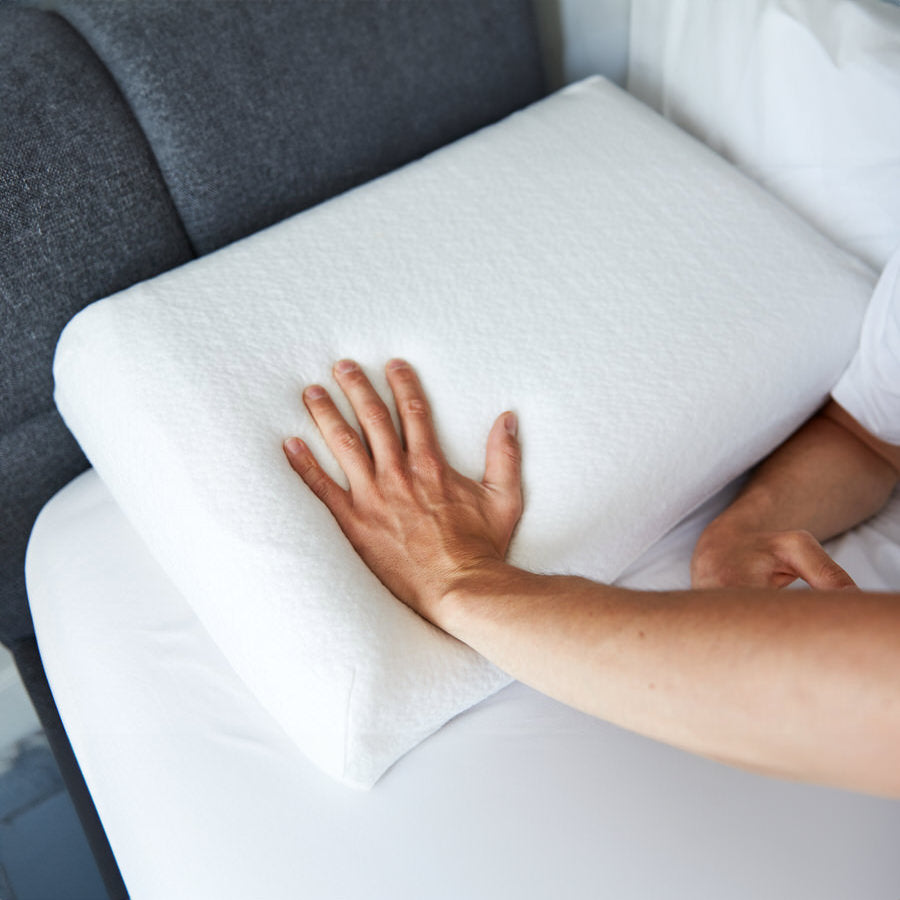
You can spot a contour pillow from a mile away thanks to its signature wave-like shape. It has two raised edges with a dip in the middle, a design specifically engineered to cradle the natural curve of your neck and head. That ergonomic shape is exactly where it gets its power.
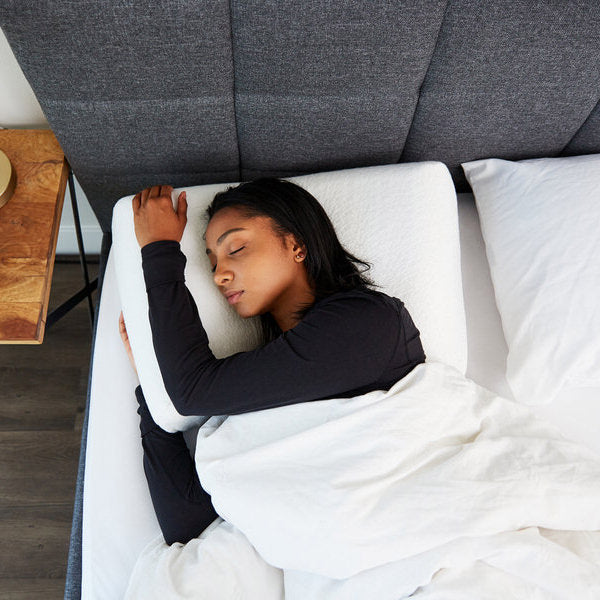
The main goal of a contour pillow is to promote neutral spinal alignment. The taller curve is built to support your neck, while the lower area cradles your head. This stops your chin from dropping toward your chest or tilting too far back—two positions that can easily compress your airway. For side sleepers, the raised edges neatly fill the gap between your head and shoulder, keeping your spine perfectly straight.
The unique shape of a contour pillow gives targeted support right where you need it, preventing the awkward neck angles that often lead to a narrowed airway and, you guessed it, snoring.
This type of pillow is usually made from memory foam, a material that molds to your unique shape. This provides personalized support that helps keep your airway open all night. And if you're curious about the material itself, there are tons of surprising memory foam pillow benefits beyond just snoring reduction, like pressure relief and long-lasting durability.
Pros of Contour Pillows:
- Excellent for Back and Side Sleepers: The versatile design is a great match for multiple sleep positions.
- Promotes Healthy Posture: It supports the natural curve of your spine, which can also help ease neck pain.
- Personalized Comfort: Memory foam adjusts to your body for a custom-fit feeling.
Cons of Contour Pillows:
- Less Suited for Stomach Sleepers: The shape just isn't comfortable or supportive for stomach sleeping.
- Can Retain Heat: Old-school memory foam could sometimes feel a bit warm, but most modern versions have cooling gel or breathable covers to fix that.
Cervical Pillows: Therapeutic Support
While they look a lot like contour pillows, cervical pillows often provide a more targeted, and sometimes firmer, level of support aimed specifically at your neck (the cervical spine). They’re designed with a therapeutic focus on posture correction to ensure the airway stays as wide open as possible.
These pillows typically have a depression for your head and a supportive roll or edge that fits snugly under your neck. The idea is to hold the neck in a slight extension, which naturally helps to open up the airway in your throat. They are fantastic for people whose snoring is directly tied to poor neck posture while they sleep.
Pros of Cervical Pillows:
- Targeted Neck Support: Offers specialized support to maintain the best possible neck position for breathing.
- Can Alleviate Neck Pain: Many people find these pillows also cut down on chronic neck stiffness and soreness.
- Durable and Supportive: They are usually made from high-density foam that holds its shape and support for a long time.
Cons of Cervical Pillows:
- Can Feel Too Firm for Some: The therapeutic design might feel less cushy than a traditional pillow.
- Requires Precise Positioning: To really work, you need to be positioned just right, which can be a challenge if you toss and turn a lot.
- Specific Use Case: It's most effective for snoring caused by posture and might not help as much for other causes.
What to Look for When Choosing Your Pillow
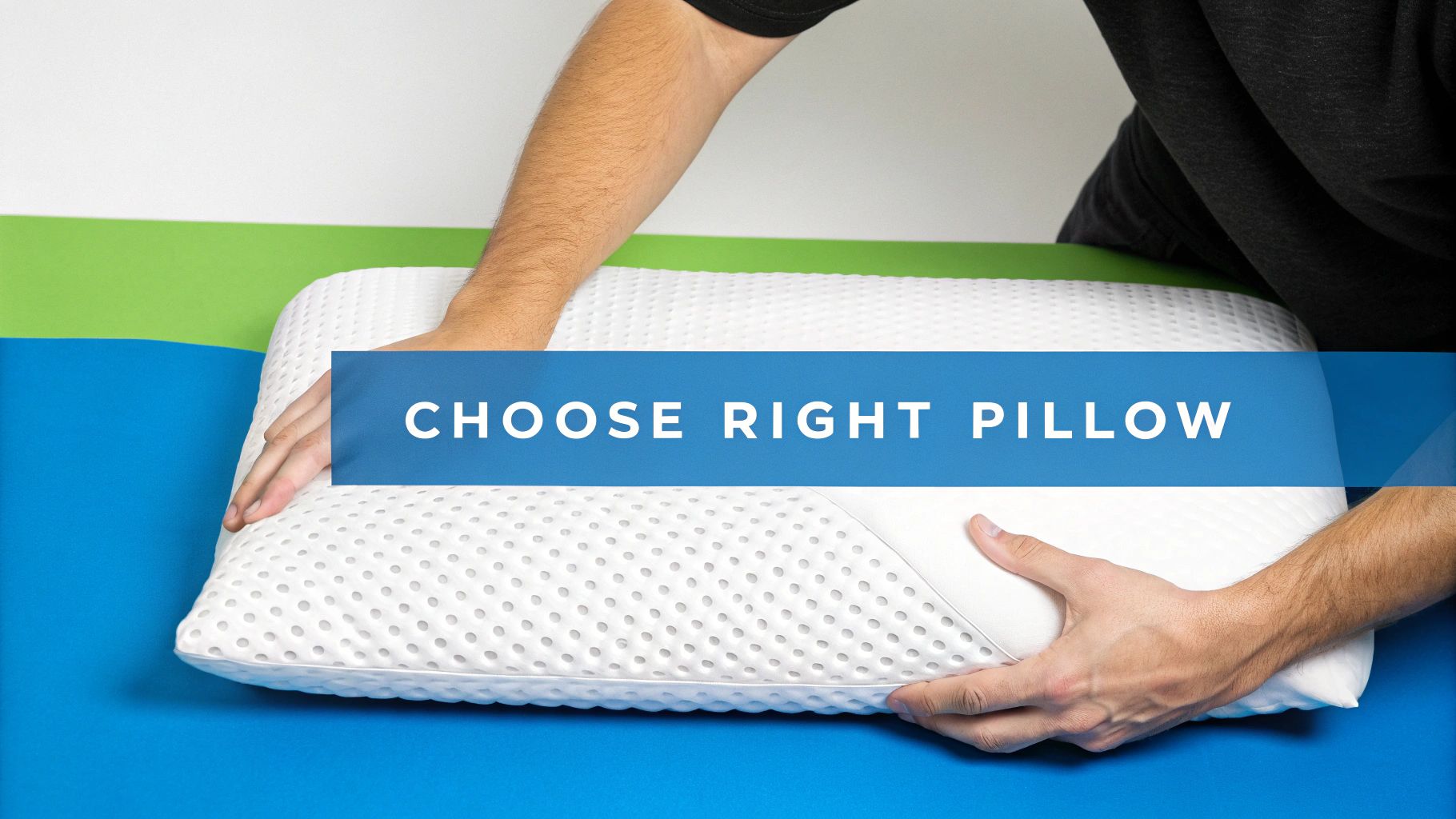
Knowing the different types of pillows is a great start, but the real magic is in the details. Picking the right pillow is a lot like getting fitted for the perfect pair of shoes; small features can make a world of difference in both comfort and performance. Let's walk through the key factors to look for so you can find the ideal pillow for quieter nights.
Think of it this way: features like material, loft, and firmness are the building blocks for proper airway support. Get these right, and you're well on your way to making a smart investment in your sleep.
Material Matters: The Foundation of Support
The material of your pillow is ground zero—it dictates everything from how it feels to how well it supports you. In the anti-snoring world, two materials stand out for their effectiveness: memory foam and latex. Each has its own perks.
-
Memory Foam: This stuff is famous for the way it contours to your body. It molds to the unique shape of your head and neck, distributing weight evenly and providing truly personalized support. This "cradling" effect is fantastic for keeping your spine in a neutral position and preventing your head from falling into an angle that restricts your airway.
-
Latex: A bit bouncier and more responsive than memory foam, latex offers firm yet flexible support. It's also naturally hypoallergenic and resistant to dust mites, making it a stellar choice if allergies are contributing to your nasal congestion and snoring.
While your choice of material often comes down to personal preference, the goal is the same: find something that provides consistent, reliable support all night long. A pillow that goes flat by 2 a.m. isn't an effective pillow that reduces snoring.
The material you choose is the foundation of your pillow’s support system. It must be resilient enough to hold its shape and keep your head properly elevated all night, preventing the gravitational pull that can lead to airway collapse.
This focus on better materials and ergonomic design is a big deal in the sleep industry. The global anti-snoring pillow market was valued at around USD 1.5 billion and is only expected to grow as more of us realize how much sleep quality impacts our health.
Loft and Firmness: Finding Your Personal Fit
Loft is just a fancy word for a pillow’s height, and getting it right is crucial for proper alignment. The ideal loft depends almost entirely on your go-to sleep position and body size.
-
For Side Sleepers: You’ll need a higher loft pillow. The goal is to fill that gap between your ear and the mattress to keep your neck straight. A good rule of thumb is that broader shoulders require a higher loft.
-
For Back Sleepers: A medium loft is usually the sweet spot. You want a pillow that supports the natural curve of your neck without shoving your head too far forward, which would just end up constricting your airway.
Firmness works hand-in-hand with loft. A pillow that's too soft will let your head sink, messing up your alignment. On the flip side, one that's too firm can create uncomfortable pressure points. You're looking for that Goldilocks balance of comfort and structural support. If you want to dive deeper, guides on how to choose a sleeping pillow for optimal comfort and support can offer some great insights.
Adjustability and Breathability: The Finishing Touches
Two final features can take a good pillow and make it great: adjustability and breathability.
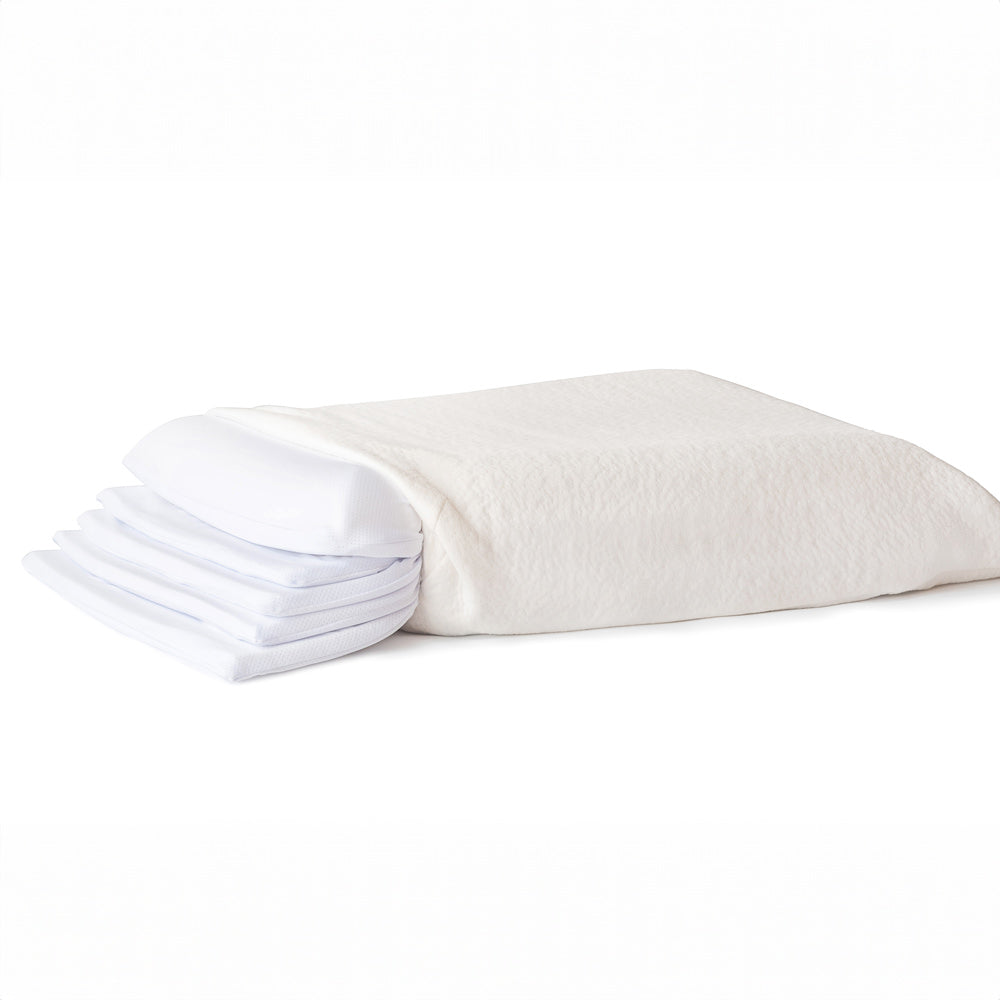
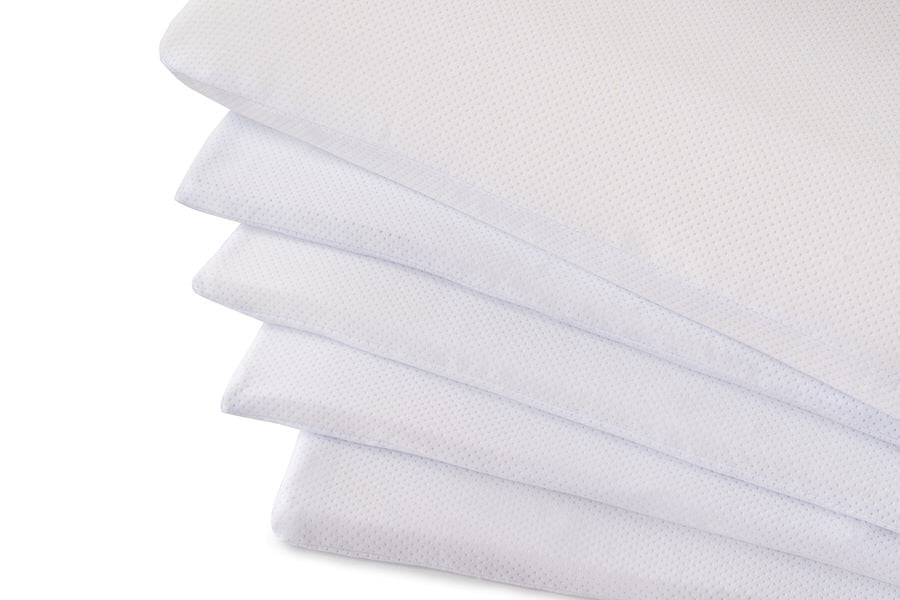
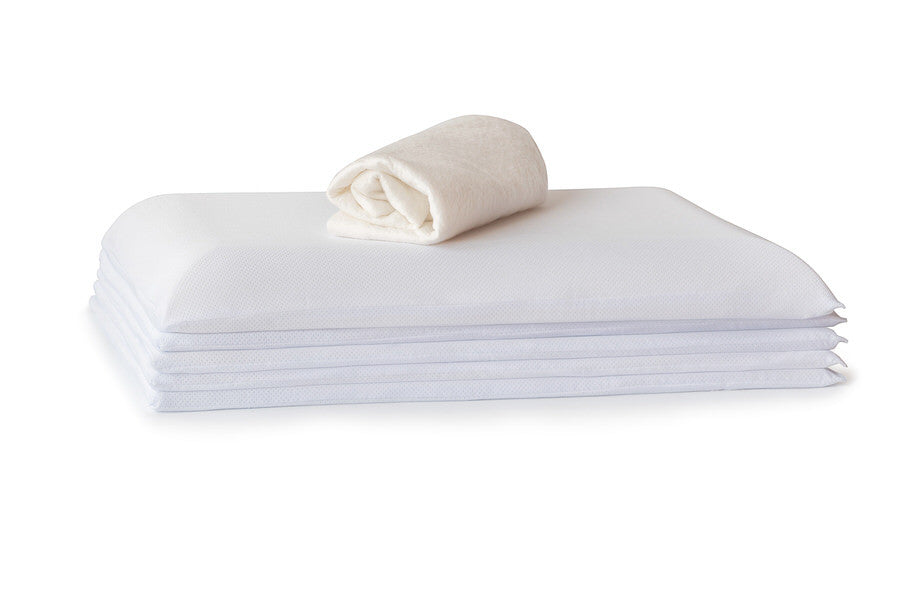
An adjustable pillow, like our DubsLabs Adjustable Memory Pillow, lets you call the shots. These pillows often contain removable layers or shredded foam fill, allowing you to customize both the loft and firmness to perfectly match your body. It's like getting a bespoke pillow made just for you.
Breathability is another huge factor for comfort. Materials that trap heat are notorious for disrupting sleep. Look for pillows with cooling technologies, like gel-infused memory foam or covers made from breathable fabrics. When you're cool and comfortable, you're more likely to stay in the best position for longer, maximizing the pillow's anti-snoring benefits.
When to Use a Special Pillow and When to See a Doctor
While a pillow that reduces snoring can be a fantastic tool for many, it’s important to know when it’s the right fix—and when it’s not. For simple snoring, often just a side effect of a bad sleep posture, these pillows can be a game-changer. But sometimes, loud and persistent snoring is the body’s way of waving a red flag for a more serious issue.
Knowing the difference is key to looking after your health. The most critical distinction is between straightforward, positional snoring and Obstructive Sleep Apnea (OSA), a medical condition where your breathing repeatedly stops and starts all night long.
A specialized pillow is a great first step for mild or occasional snoring. But if that snoring comes with other concerning symptoms, it's time to look beyond your bedding.
Recognizing the Signs of Sleep Apnea
Obstructive Sleep Apnea is something that needs a doctor’s attention and can't be solved by a pillow alone. While a supportive pillow can definitely complement treatments like CPAP therapy by making the mask more comfortable and improving the seal, it is never a substitute for professional medical care.
Pay close attention if you or your partner notice any of the following signs:
- Loud, disruptive snoring that happens pretty much every single night.
- Episodes of gasping or choking for air while sleeping.
- Pauses in breathing that someone else has witnessed.
- Excessive daytime sleepiness, even when you think you’ve had a full night’s sleep.
- Waking up with a dry mouth or a sore throat.
- Frequent morning headaches.
If this checklist hits a little too close to home, it's crucial to talk to a healthcare professional. They can properly diagnose what’s going on, often with a sleep study, and get you on the right treatment plan.
Your health always comes first. A pillow can help manage the noise from simple snoring, but it can’t treat the underlying physiological causes of a sleep disorder like Obstructive Sleep Apnea.
Ultimately, grabbing a new pillow to tackle snoring is a smart move for better sleep quality. Just remember it's one piece of the puzzle. Being aware of the warning signs for more serious conditions empowers you to take the right steps toward truly healthy, restful sleep.
Still Have Questions About Snore-Reducing Pillows?
Even after you’ve picked out what seems like the perfect pillow, a few questions might pop up. That’s completely normal. You might be wondering how long it’ll take to get used to it or the best way to keep it clean. Let's tackle some of the most common queries so you can feel confident you're on the right track to quieter nights.
How Long Does It Take to Get Used to a New Pillow?
Switching to a pillow designed to curb snoring can feel a little odd at first, especially if you go for a contour or wedge shape. Your body has spent years getting used to your old sleeping posture, so it needs a little time to recalibrate to a new, healthier alignment.
Most people find their groove within one to two weeks. You might notice some mild stiffness during this period as your neck and shoulder muscles learn to relax into this new supportive position. My advice? Stick with it. Consistency is everything when you're retraining your body for better sleep posture and, most importantly, more open airways.
The Bottom Line: Give your body at least a solid week to adapt. That initial adjustment period is a small price to pay for the long-term payoff of less snoring and better quality sleep.
What if I'm a Stomach Sleeper?
I'll be honest—stomach sleeping is generally a bad idea. It forces your neck into a twisted position, which is a recipe for strain and misalignment. But if that's the only way you can fall asleep, a snore-reducing pillow isn't totally out of the question, you just have to be smart about it.
Your best bet is to find an ultra-thin, low-loft pillow. This keeps the angle of your neck twist to a minimum, which reduces strain but still stops your head from being propped up at an unnatural angle. Some stomach sleepers I've talked to even have success putting a thin pillow under their hips to help straighten out their spine.
The main goal here is to prevent neck strain while keeping your airway as open as you can. A very low-profile memory foam pillow usually does the trick for this tricky position.
How Do I Clean My Specialized Pillow?
Taking good care of your pillow is key to making it last and keeping your sleep space hygienic. Since a lot of these anti-snoring pillows are made from materials like memory foam, you can't just toss them in the washing machine.
First thing's first: always check what the manufacturer recommends. But if you can't find the tag, here are a few general rules for the most common types:
- Memory Foam Pillows: Use a mild detergent and a damp cloth to spot-clean any stains. Let it air dry completely before you even think about putting the cover back on.
- Latex Pillows: These can often be hand-washed in lukewarm water with a gentle soap. Just make sure you rinse it out thoroughly and let it air dry somewhere away from direct sunlight.
- Pillow Covers: The good news is that most removable covers are machine washable. Just wash them in cool or warm water on a regular basis to keep your pillow feeling fresh.
Follow these simple steps, and your pillow will stay supportive and clean, helping you breathe easier for years.
Ready to find the perfect sleep solution for your needs? DubsLabs offers a range of products designed for ultimate comfort and rest, including our highly-rated adjustable memory pillows. Explore our collection and start your risk-free trial today at https://www.dubslabs.com.