Tired of the endless pillow flip, desperately searching for that elusive 'cool side'? We’ve all been there. That fleeting moment of chilly relief is nice, but it's a huge clue that your pillow is working against you, not for you. The good news is, modern sleep technology offers a real solution. This guide will take you beyond those temporary fixes and show you how the right pillow that keeps you cool can actually regulate your temperature all night long.
Your Search for a Cooler Night's Sleep
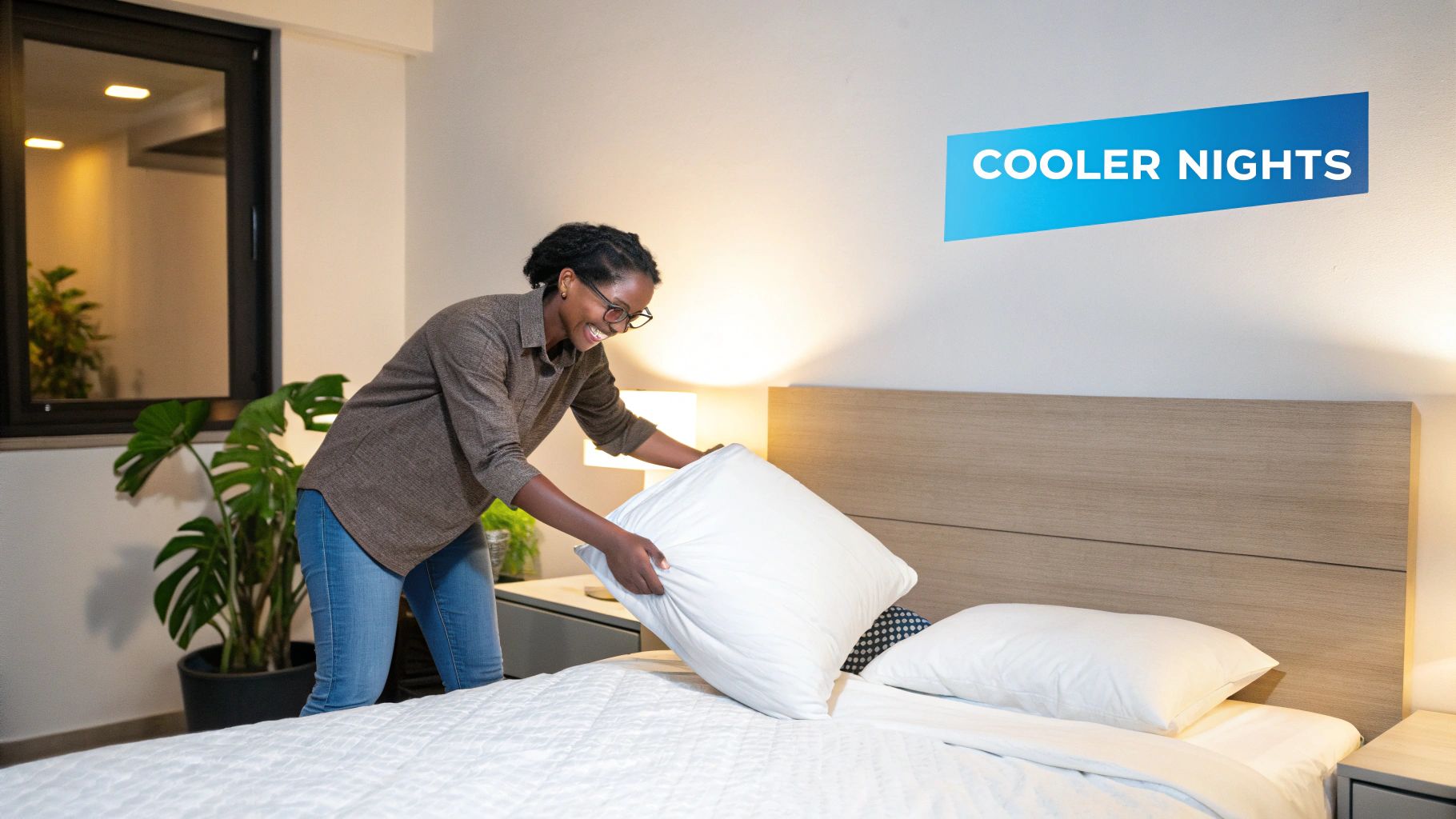
Waking up in a sweat is a miserable way to start the day, and it's a frustrating cycle that wrecks deep, restorative sleep. While a lot of things can make you sleep hot, your pillow is often the main culprit. Traditional pillows, especially the dense foam kind, have a nasty habit of trapping body heat right where you feel it most—around your head, neck, and face.
This build-up of warmth messes with your body's natural cooldown process, which needs your core temperature to drop slightly to get you to sleep and keep you there. Constantly hunting for that cool spot isn't just annoying; it's a clear sign your sleep quality is taking a hit.
The Problem with Trapped Heat
The real issue is a one-two punch of zero breathability and terrible heat dissipation. Think of a standard pillow as a well-insulated thermos, just holding onto all the heat your body gives off through the night. When that thermal energy has nowhere to go, the surface temperature just keeps climbing.
A pillow without proper airflow basically creates a little hot-box around your head, fighting your body's efforts to cool down. This is exactly why finding a pillow built specifically for cooling is such a game-changer.
Finding a Lasting Solution
Thankfully, breakthroughs in sleep science have given us materials and designs that actively manage temperature. Instead of just feeling cool for a few minutes, the best cooling pillows are engineered to continuously pull heat away from your body and keep air moving. These solutions are key for anyone who feels it's often too hot to sleep and is ready for some uninterrupted rest.
Let's break down the science behind cooling, compare the different technologies out there, and help you find the perfect pillow to keep you cool. You deserve comfortable, deep sleep, and it’s time to get it.
The Science Behind How Cooling Pillows Work
Ever wondered how a pillow designed to keep you cool actually pulls off its magic? It’s not a gimmick. It’s a clever bit of science focused on managing heat, all so you can get a comfortable night's sleep. The real secret is how well a pillow can transfer, get rid of, and regulate heat.
To get a feel for it, think about touching a cool marble countertop on a warm day. The counter feels cold, right? Not because it’s secretly refrigerated, but because it’s incredibly good at pulling heat away from your hand. This is a process called conduction, and it's one of the main principles that makes a cooling pillow work.
Conduction: The Great Heat Heist
Conduction is the most direct way a pillow fights off warmth. The moment your head hits the pillow, heat from your body moves directly to the cooler surface of the pillow. The problem is, standard pillows—especially those made of dense, old-school memory foam—are terrible conductors. They trap that heat, creating a little furnace right where you're trying to rest.
Cooling pillows, on the other hand, are built differently from the ground up, using materials specifically chosen for their ability to conduct heat away from you.
- Gel-Infused Foams: We’ve all seen them. Memory foam mixed with tiny gel beads or swirls. These little particles act like heat sponges, soaking up warmth and spreading it throughout the pillow, far away from your head.
- Graphite or Copper Infusions: Just like gel, these materials are naturally conductive. When they're infused into foam, they create superhighways for heat to travel away from your body, preventing it from building up and making you sweat.
This is why the materials matter so much. The better a pillow is at pulling off this "heat heist," the cooler it's going to feel all night long.
Convection: Letting Your Pillow Breathe
So, conduction pulls the heat away from you, but where does it go? That's where convection comes in. Convection is simply heat transfer through the movement of air. If a pillow is designed for good airflow, the heat it absorbed through conduction gets carried away, preventing the pillow itself from becoming a warm, saturated sponge.
Think of it like opening a window to let a breeze cool down a stuffy room—that’s convection at work. Pillows achieve this with smart design and material choices. For example, using shredded memory foam or carving ventilation channels into the pillow creates pathways for air to move freely. This constant circulation wicks away moisture and dissipates heat, keeping the surface fresh and cool. When properly ventilated, the benefits of memory foam are incredible for temperature regulation.
Think of convection as the pillow's exhaust system. It takes the heat collected by conduction and vents it out, ensuring the cooling process is continuous and not just a temporary sensation.
Phase Change Materials: The Smart Thermostats
Now for the really high-tech stuff. The most advanced cooling pillows use what are called Phase Change Materials (PCMs). These are incredible substances that can absorb and release huge amounts of heat when they switch from a solid to a liquid and back again. Imagine microscopic ice packs that are engineered to melt and re-freeze at the perfect temperature for sleep.
When you lie down, your body heat warms the pillow. The PCMs absorb that energy and start to "melt" (transition from solid to liquid), actively drawing heat away from you. If you cool down later in the night, the PCMs release that stored heat and solidify again, helping you maintain a perfectly balanced temperature. This smart, active regulation is what makes these pillows so effective.
It's no surprise that this technology is catching on. The global cooling pillow market, currently valued at USD 1.25 billion, is projected to more than double to USD 2.5 billion by 2033. This massive growth shows a huge shift in what people want from their sleep products: advanced, reliable temperature control.
Comparing Cooling Pillow Materials and Technology
Choosing the right pillow to keep you cool means looking past the promises on the packaging and getting to know what’s actually inside. The material and technology are the real engine behind a pillow's cooling power, and each option offers a totally different feel and performance. Let's break down the most common contenders to see how they stack up.
The science behind how a pillow keeps you cool really comes down to three key principles.
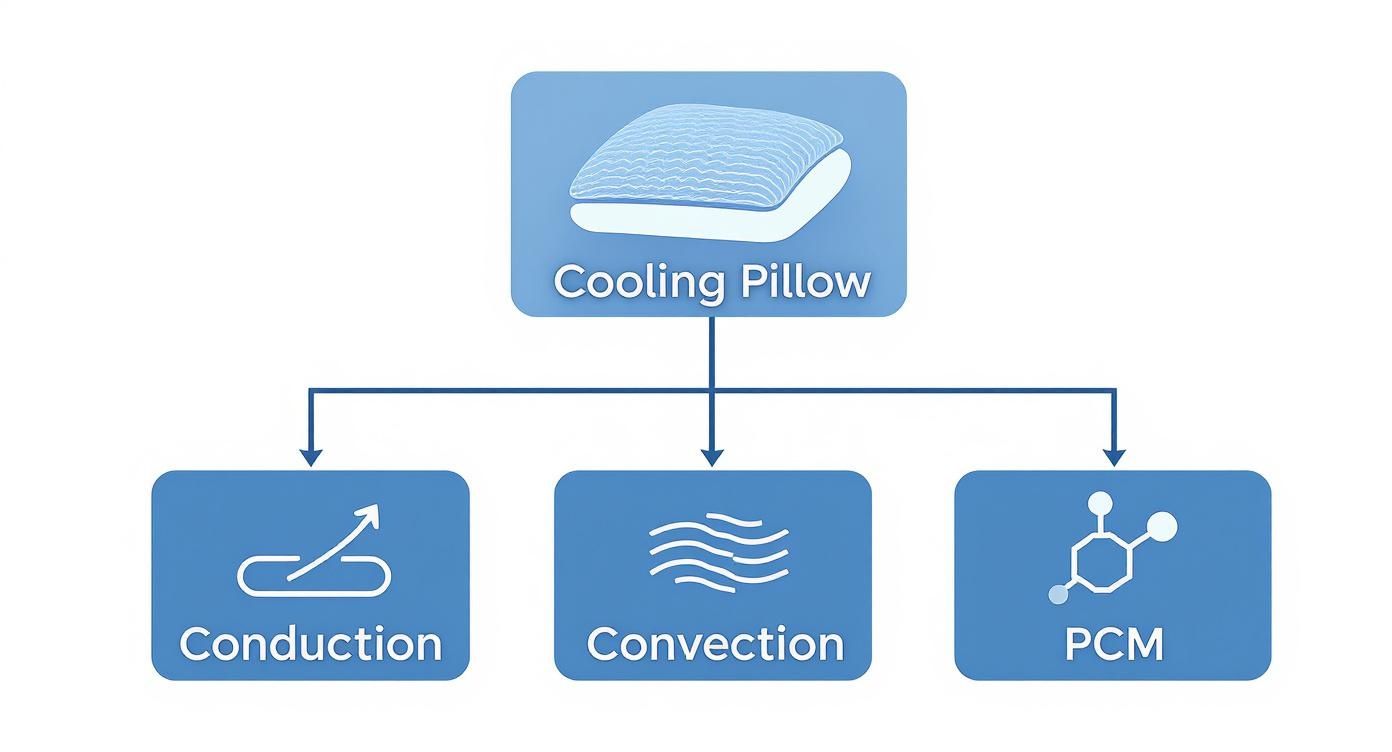
As you can see, a great cooling pillow doesn't just rely on one trick. It's a team effort: pulling heat away from your body (conduction), letting that heat escape through airflow (convection), and sometimes even actively managing your temperature with smart materials (PCM).
H3: Gel-Infused Memory Foam
Gel-infused memory foam is easily one of the most popular choices, and for good reason. It takes the cloud-like, pressure-relieving comfort of traditional memory foam and gives it a much-needed thermal upgrade. The foam is mixed with tiny gel beads or swirls that act like little heat sponges, pulling warmth away from your head and neck.
This kind of material innovation is a huge factor in the sleep market's growth. The global pillow market, valued at around USD 13.68 billion, is on track to hit nearly USD 22.51 billion by 2032. Cooling pillows are a fast-growing slice of that pie, as more of us look for advanced materials like gel-infused foam to get better rest. You can discover more insights about this expanding market and its trends.
But not all gel is created equal. Some pillows have a thin gel layer right on top, which gives you that initial "flip to the cool side" feeling that might fade as it absorbs your body heat. Others integrate the gel all the way through the foam, which helps distribute warmth more evenly for longer-lasting comfort. For seriously hot sleepers, a pillow with thoroughly infused gel and ventilation channels is usually the winning combo.
H3: Natural Latex Pillows
If you lean toward more natural materials, latex is a fantastic contender. It’s made from the sap of rubber trees, and the foam itself has an open-cell structure that naturally promotes incredible airflow. Think of it like a sponge—it's full of tiny, interconnected pathways that let air move freely, so heat doesn't get trapped in the first place.
This built-in breathability is what makes latex such a great cooling material. It doesn't need special infusions or additives; its cooling power is baked right into its physical structure.
- Feel and Support: Latex has a responsive, almost bouncy feel that’s quite different from the slow-sinking contour of memory foam. It provides buoyant support that cradles your head without making you feel like you're sinking in quicksand.
- Durability: High-quality latex pillows are champs when it comes to longevity. They're also naturally resistant to dust mites and mildew, making them a solid long-term investment for a healthier bedroom.
H3: Phase Change Material (PCM) Fabrics
This is where sleep science gets really cool. Phase Change Material (PCM) technology involves microscopic materials, often woven into the pillow's cover, that actively regulate your temperature. It's a two-way street: they absorb heat when you're getting too warm and release it back when you start to cool down, constantly working to keep you in that "just right" temperature zone.
Think of it like millions of tiny thermostats embedded right in the fabric. PCMs don't just feel cool to the touch; they actively manage your thermal environment all night long for a dynamic, responsive cooling experience.
This proactive approach makes PCM-treated pillows a game-changer for people who find their temperature fluctuating a lot throughout the night.
H3: Traditional and Alternative Fills
While modern foams get most of the spotlight, some old-school fills offer surprisingly effective cooling using simple, time-tested methods.
- Buckwheat Hulls: These pillows are filled with the outer casings of buckwheat seeds. The hulls don't trap heat and allow for exceptional airflow, making them one of the most breathable options out there. They offer firm, adjustable support but can be a bit noisy when you shift positions.
- Down and Feathers: Don't count out down. High-quality down is remarkably breathable. The fluffy clusters create tons of tiny air pockets that insulate when it's cold but also let heat and moisture escape when you're warm. Paired with a high-quality, breathable cotton cover, down can be a surprisingly comfortable year-round option.
Cooling Pillow Material Comparison
To make it easier to see how these materials stack up, here’s a quick side-by-side look.
| Material Type | How It Cools | Feel & Support | Best For |
|---|---|---|---|
| Gel-Infused Memory Foam | Pulls heat away via conduction using gel beads or layers. | Contouring, pressure-relieving, slow response. | Sleepers who love the hug of memory foam but need a cooler surface. |
| Natural Latex | Promotes airflow via its open-cell structure (convection). | Responsive, bouncy, and buoyant support. | Those seeking a natural, durable, and breathable option without a "sinking" feel. |
| Phase Change Material (PCM) | Actively absorbs and releases heat to maintain a stable temperature. | Varies; applied to covers of foam or fiber-fill pillows. | People with significant night sweats or temperature fluctuations. |
| Buckwheat Hulls | Allows for maximum airflow between the hulls (convection). | Very firm, malleable, and adjustable support. | Sleepers who need firm, breathable support and don't mind a bit of noise. |
Ultimately, the best material really boils down to your personal preferences for feel, support, and just how much cooling power you need. Whether you prefer the contouring hug of gel-foam or the natural breathability of latex, understanding these differences is the first step toward finding your perfect match for a cooler night's sleep.
How to Choose the Right Cooling Pillow for You
Finding the perfect pillow that keeps you cool isn't just about the fancy technology inside; it's about matching that tech to how you actually sleep. A pillow that feels like a dream for a back sleeper could be a total nightmare for someone who sleeps on their side. This is where we get personal to find the pillow that feels like it was made just for you.
To get it right, you need to zero in on three key things: your go-to sleeping position, how much heat you personally generate at night, and the materials that feel best to you. Nail these three, and your search goes from a frustrating guessing game to a confident choice.
Match Your Pillow to Your Sleep Position
Your sleeping position is the single most important piece of the puzzle when choosing any pillow, and cooling pillows are no exception. The main goal is always to keep your spine in a nice, straight line from your head to your hips. This prevents that dreaded morning neck pain and stiffness. The pillow's height, or loft, is what makes this happen.
-
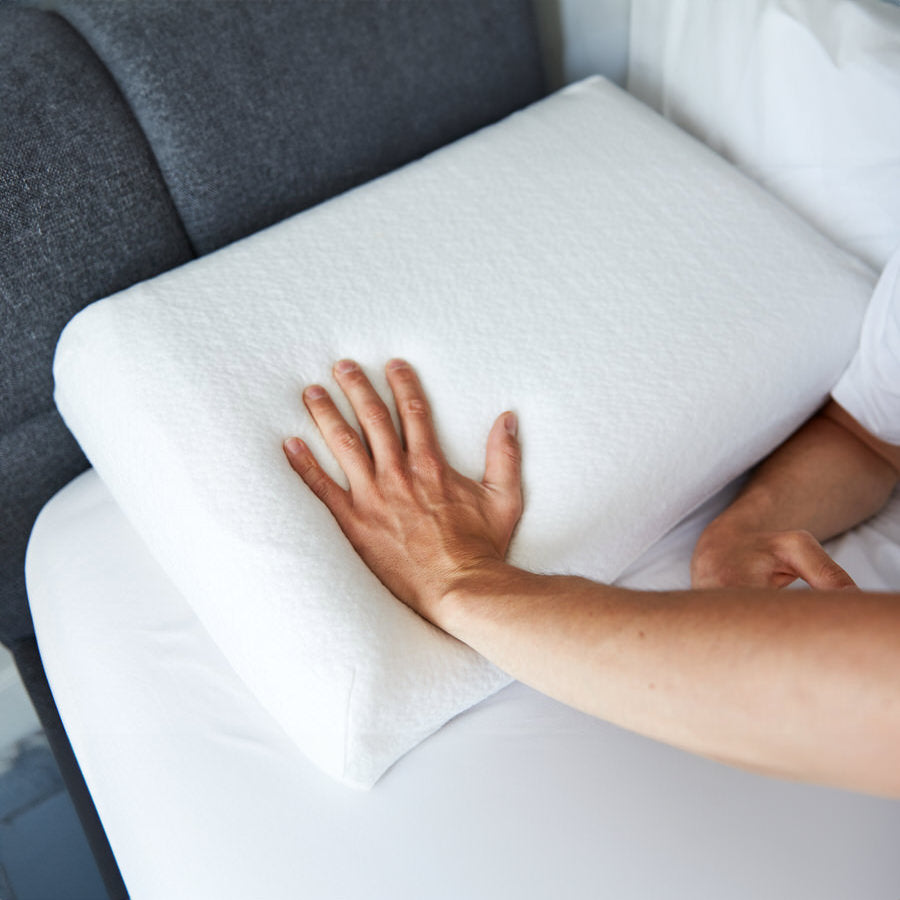
Side Sleepers: You've got a significant gap between your head and the mattress that needs to be filled. Look for a higher loft (thicker) and firmer pillow to provide serious support. It needs to hold your head up so it doesn't droop and strain your neck. Adjustable memory foam, like what we use in the DubsLabs pillow, is perfect here because you can dial in the exact height to match your shoulder width.
-
Back Sleepers: Your mission is to support the natural curve of your neck without shoving your head too far forward. A medium-loft, medium-firmness pillow is usually the sweet spot. It should cradle your head and neck, keeping your spine aligned and your airways open.
-
Stomach Sleepers: This position is tough on the neck, so the name of the game is minimizing that angle as much as possible. You'll want a low-loft (very thin) and soft pillow—or maybe no pillow at all. A thin, breathable option will keep your head from being propped up unnaturally.
Think of your pillow as a support tool for your spine. A side sleeper using a thin pillow is like trying to prop up a bowling ball with a pancake—it simply won't work and will lead to pain. The right loft is non-negotiable for comfort and health.
Assess Your Personal Heat Level
Next up, let's get real about how hot you actually sleep. Are you the type who wakes up drenched in sweat, or do you just find yourself flipping the pillow a couple of times for a cool spot? Your personal "heat score" tells you just how much cooling power you really need.
If you generate a ton of heat, you should be looking for pillows with active cooling technologies. That means finding materials that are great at both pulling heat away from your body (conduction) and getting rid of it through airflow (convection).
A pillow that combines multiple cooling features—say, a gel-infused memory foam core with a breathable, moisture-wicking cover—will give you the most powerful and long-lasting relief. The DubsLabs adjustable pillow, for example, uses shredded memory foam, which allows for way more airflow than a solid block. This makes it a fantastic choice for anyone who needs consistent, all-night cooling.
Consider the Cover and Fill Materials
Finally, let's talk about what the pillow is actually made of. The fill is what gives the pillow its feel and support, while the cover is your first line of defense against heat.
Pillow Fills:
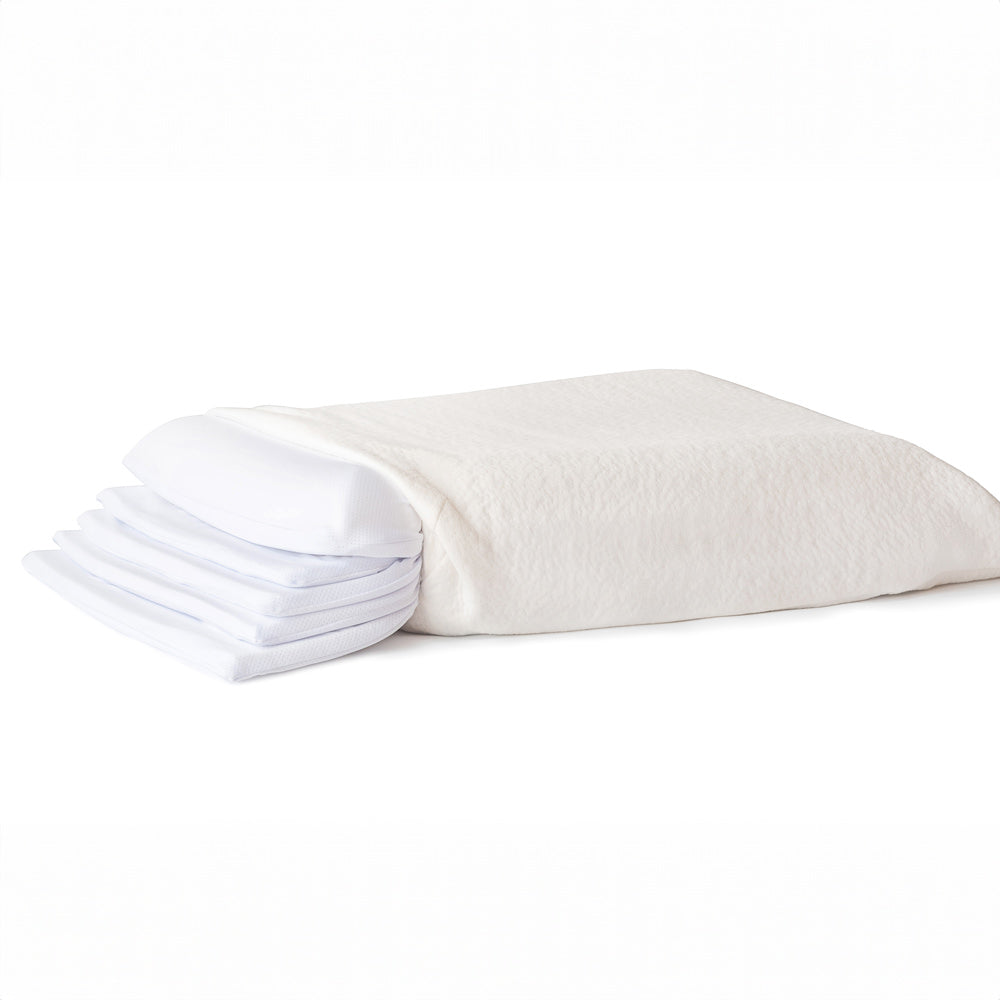
- Shredded Memory Foam: This is the fill we use in DubsLabs pillows. It gives you that amazing contouring comfort of memory foam but with way better airflow. The individual pieces let air move freely, which stops heat from getting trapped.
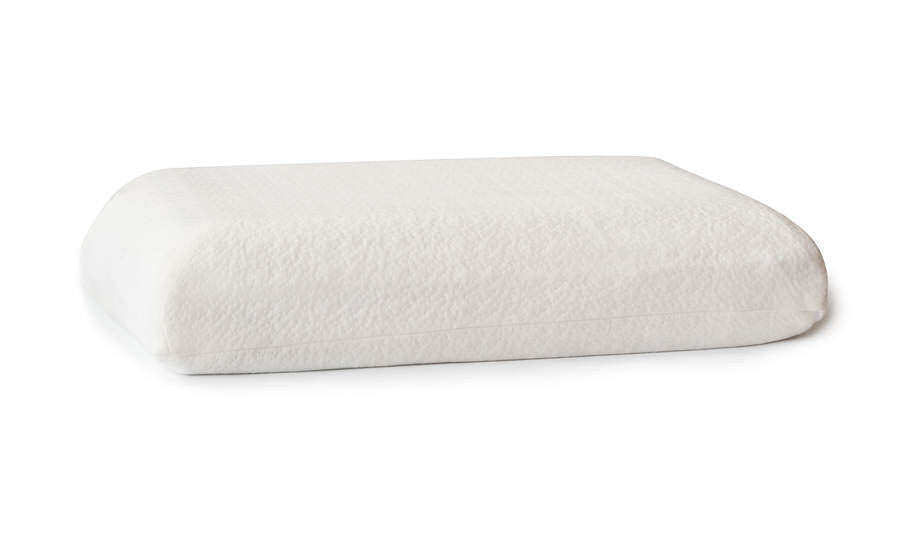
- Solid Memory Foam: While fantastic for support, a solid block of foam can feel like a furnace unless it’s been beefed up with cooling gel, graphite, or punched with ventilation holes.
- Latex: Naturally breathable and bouncy, latex is a great choice if you want a cooler sleep without that classic memory foam "sinking" feeling.
Cover Fabrics:
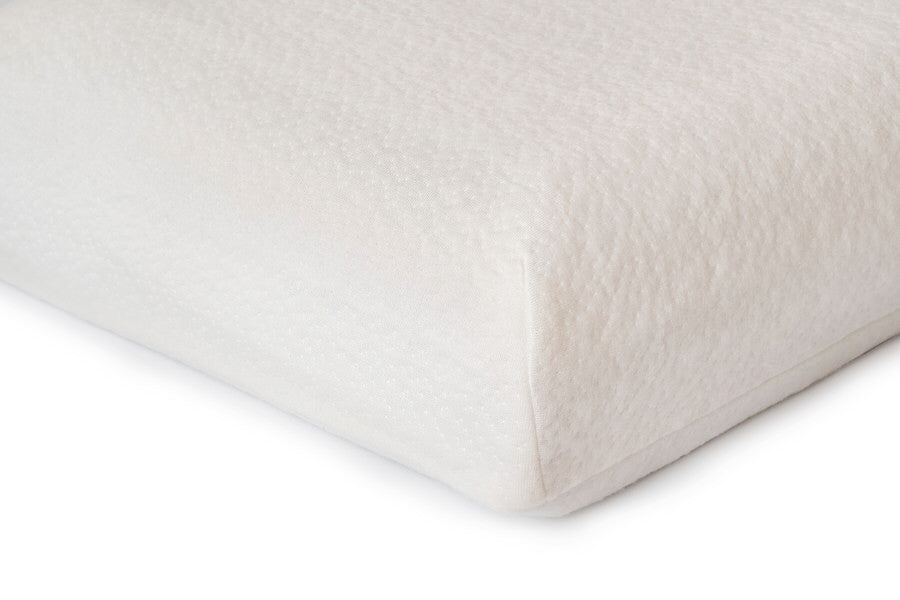
The material touching your face makes a huge difference. You want covers made from breathable and moisture-wicking fabrics like bamboo, Tencel, or a high-quality cotton blend. These materials pull sweat away from your skin and let air circulate, working with the cooling tech inside the pillow. A brilliant cooling core wrapped in a stuffy polyester cover is just a wasted effort.
By taking a moment to think about your sleep position, how hot you run, and what materials you like, you can confidently pick a pillow that keeps you cool and comfortable all night long.
Building Your Ultimate Cool Sleep Environment

A top-notch pillow that keeps you cool is a game-changer in the fight against night sweats, but it really shines when it’s part of a team. To truly build a sanctuary for cool, deep sleep, you have to think beyond just your head and neck. It’s about the whole picture.
Think of your cooling pillow as the star player. Your bedding and room temperature are the crucial supporting cast. If your sheets and comforter are trapping heat, they’re working directly against the cooling tech in your pillow. This is why a coordinated approach is so important for a consistently comfortable night.
The good news? Making these adjustments is pretty simple. By focusing on breathable fabrics and a few easy tweaks to your room, you can supercharge the effects of your cooling pillow and turn your bed into a refreshing oasis.
Choose Breathable Bedding Materials
The fabrics you wrap yourself in every night have a massive impact on your body temperature. Heavy, synthetic materials like polyester or fleece are basically insulators, trapping heat and moisture right against your skin. The move is to switch to materials known for letting air flow and wicking away sweat.
Here are a few fantastic choices:
- Tencel/Lyocell: Made from wood pulp, these fabrics are incredibly soft and smooth. They're amazing at pulling moisture away from your body to keep you dry and cool.
- Bamboo: A lot like Tencel, bamboo fabric is famous for its silky feel and serious breathability. It's a go-to for hot sleepers because of its natural temperature-regulating abilities.
- Percale Cotton: This classic weave creates a crisp, light, and airy fabric that feels cool the second you touch it. It’s a durable and highly breathable option that just gets softer every time you wash it.
Upgrading your sheets, pillowcases, and even your comforter to one of these materials can make a world of difference. A lightweight comforter, for example, gives you that cozy feeling without suffocating you.
Set the Ideal Room Temperature
Your bedroom's ambient temperature really sets the stage for a good night's sleep. While everyone’s a little different, sleep experts have a pretty solid consensus on the target range. Your body's core temperature actually needs to drop a bit to trigger and maintain deep sleep, and a cool room helps that natural process along.
The ideal temperature for sleep is generally between 60 and 67 degrees Fahrenheit (15.6 to 19.4 degrees Celsius). This cool environment is like a signal to your body that it’s time to rest, and it works in perfect harmony with your cooling pillow.
If you find your bedroom often feels stuffy, even a simple fan can help. It circulates the air and creates a convection effect that pulls heat away from your body. You can dive deeper into this topic in our detailed guide on the best temperature for sleep.
Maintain a Healthy Sleep Atmosphere
Finally, the quality of the air you breathe plays a big part in your overall comfort. Creating the ultimate cool sleep setup goes beyond just the temperature; it also means making sure the air is fresh and clean. You can take things a step further and improve your home's air quality through professional duct cleaning. This ensures your cool sanctuary is also a healthy one.
This bigger focus on sleep hygiene is part of a global trend. As people become more aware of how sleep impacts health, the demand for cooling bed pillows has shot up, especially in North America and Europe. And with e-commerce, getting access to these sleep solutions has never been easier. By combining a great pillow with a cool, clean environment, you're setting yourself up for the best possible restorative rest.
Got Questions About Cooling Pillows? We've Got Answers.
Even when you understand the science behind cooling pillows, a few practical questions always come up before you decide to invest in better sleep. Let's run through some of the most common ones so you know exactly what you're getting into.
A big one we hear is: does the cooling feeling actually last all night? That really comes down to the tech inside the pillow. A simple pillow with a gel layer slapped on top might feel amazing for the first few minutes, but it's just a heat sponge—eventually, it'll absorb your body heat and warm up.
But a thoughtfully designed pillow, one that uses things like gel-infused foam and a breathable, moisture-wicking cover, is playing a different game. It’s built for continuous heat dissipation, not just temporary absorption. This kind of active heat management is what gives you a sustained cooling benefit, not just a fleeting chill.
Care and Maintenance
To keep your cooling pillow working like new, you have to take care of it properly. So, can you just chuck it in the washing machine? Almost never. Most cooling pillows, especially the ones with memory foam or latex cores, will be completely ruined by a machine wash. It destroys their structure.
Instead, the real hero is the cover. Most high-quality cooling pillows have a removable cover you can zip off and throw right in the wash. Keeping that cover clean is the most important step for hygiene and performance. If the pillow core itself gets a spot, just gently clean it with a mild detergent and let it air dry completely.
Always, always check the manufacturer's care tag first. Following their specific instructions is the only way to protect your investment and make sure your pillow is with you for the long haul.
Realistic Expectations
Okay, let's be real. Is this pillow going to feel like an ice pack all night? Not really, and you wouldn't want it to. The whole point of a pillow that keeps you cool isn't to feel frigid, but to stop heat from building up in the first place, keeping your head at a comfortable, neutral temperature. It works by pulling excess warmth away from you so you don't overheat.
Here's what you should actually expect:
- Initial Feel: A lot of cooling pillows will feel noticeably cool when you first touch them. That’s just the initial heat transfer doing its thing.
- All-Night Performance: The real magic is waking up hours later and realizing you haven't been sweating or restlessly flipping your pillow over and over.
- A Team Effort: Remember, your pillow is just one part of your sleep setup. If you pair it with breathable sheets in a reasonably cool room, you'll amplify its effects big time.
The goal here is thermal regulation for uninterrupted comfort. It’s all about helping you stay asleep without that frustrating, sleep-shattering need to find the "cool side" of the pillow.
Ready to stop flipping and start sleeping? The DubsLabs adjustable memory pillow uses breathable shredded foam and a soft cover to deliver consistent, all-night cooling. Discover the difference and build your perfect cool sleep setup today.