When you're trying to wind down, the right music can make all the difference. The sweet spot is usually something with a slow tempo, around 60-80 beats per minute, with soft, simple melodies and absolutely no distracting lyrics. Instrumental tracks are your best friend here—think ambient, classical, or lo-fi genres that create a calm, predictable soundscape to help quiet a racing mind.
How Music Can Transform Your Sleep Quality
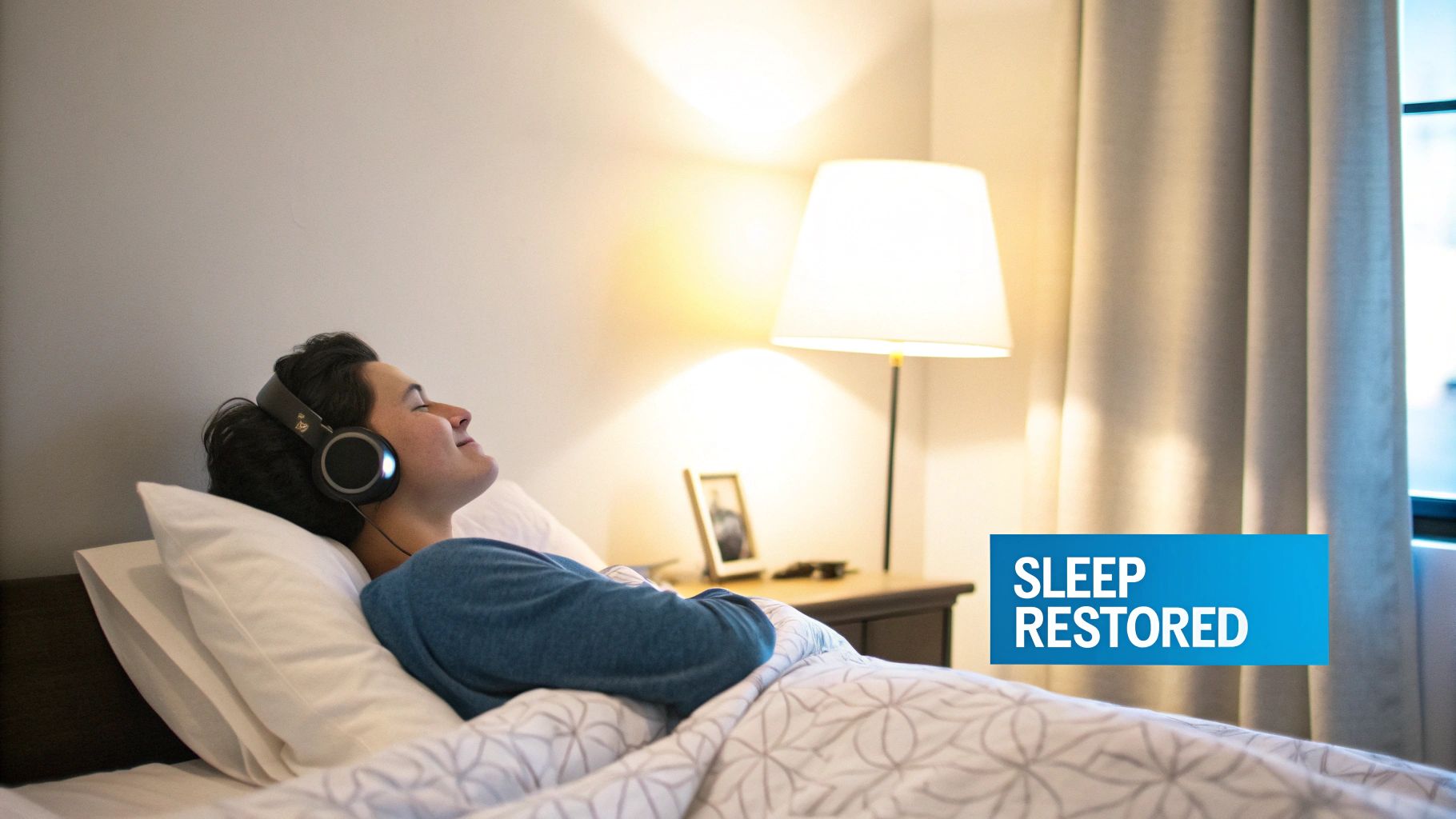
Let's be honest—we've all tossed and turned, staring at the ceiling, just desperate for a way to shut off our brains. This is where music steps in, not just as "relaxing tunes" but as a powerful tool for better rest. The right soundtrack does more than fill the silence; it actively gets your body and mind ready for deep, restorative sleep.
It all comes down to how specific sounds interact with your nervous system. Music isn't just for entertainment; it can physically influence your body's natural rhythms.
The Science of Sound and Slumber
When you put on a calming track, something pretty amazing happens inside your body. It begins to sync up with the music's tempo in a process called entrainment. A slow, steady beat can gently guide your heart rate and breathing to slow down, sending a clear signal to your brain that it's safe to power down for the night. It's like finding your body's "off switch."
Time and again, scientific research has shown that listening to music can significantly improve sleep quality. It helps you fall asleep faster and makes your sleep more efficient. In fact, one major analysis of numerous studies found that music with very specific characteristics is especially effective.
So, what should you be looking for? This quick table breaks down the key elements of effective sleep music based on what researchers have found.
Key Characteristics of Effective Sleep Music
| Music Characteristic | Optimal Range or Type | Why It Works |
|---|---|---|
| Tempo | 60-80 beats per minute (BPM) | This range closely mirrors a resting heart rate, encouraging your body to slow down and relax. |
| Melody & Harmony | Simple, predictable, and consonant (harmonious) | Complex or jarring melodies can stimulate the brain. Simplicity allows the mind to disengage. |
| Instrumentation | Soft instruments like piano, strings, or ambient synths | Avoids harsh or percussive sounds that can be startling and keep you alert. |
| Lyrics | Instrumental (no lyrics) | Lyrics engage the language-processing parts of your brain, which is the opposite of what you want when trying to sleep. |
| Volume | Soft and consistent | A low, steady volume creates a soothing background without any sudden changes that could wake you. |
This isn't about finding the "perfect" song, but about building a personalized sleep soundtrack that works for you, night after night.
It’s not just about what you listen to, but how you listen. Creating a consistent audio ritual is key to training your brain to associate certain sounds with sleep, making it easier to drift off night after night.
More Than Just Music
Music is a huge piece of the puzzle, but it works best when it's part of a bigger relaxation routine. The goal is to create a multi-sensory signal that tells your entire being it's time to rest.
Beyond music, layering in other relaxation practices can make a world of difference. For some great complementary techniques, check out this practical guide to inner calm and stress relief.
And if you want to explore other auditory options, our guide on calming sounds for sleep dives into white noise, nature sounds, and other soundscapes that can beautifully complement your musical choices.
Finding Your Perfect Sleep Soundtrack
The idea of "calm music" is completely personal. What sends one person drifting off can be a major distraction for someone else. Finding your ideal sleep soundtrack is less about discovering a single magic song and more about figuring out what signals "rest" to your nervous system.
It's an experiment. A great place to start is with music that has no lyrics. When your brain hears words, its language centers automatically light up to figure out what's being said. That's active listening—the exact opposite of what you need when you’re trying to wind down.
Instrumental tracks, on the other hand, let your mind drift without getting snagged on a story or a catchy phrase.
Choosing Your Genre and Tempo
While pretty much any instrumental genre could work, a few consistently stand out for their sleep-inducing qualities. Each one offers a slightly different texture for your mind to settle into.
- Ambient Music: This genre is all about atmosphere and texture. It often skips a traditional melody or rhythm entirely, creating a soundscape that’s super easy to tune out. Think of it as an auditory blanket—it's there, but it’s not demanding your attention.
- Classical Music: You'll want to stick to slower pieces here, especially from the Baroque or Romantic periods. The structured, predictable patterns from composers like Bach or Debussy can be incredibly soothing. Solo piano or string arrangements are usually a safe bet.
- Lo-fi Beats: Short for "low-fidelity," this genre actually embraces imperfections like soft static and warm, muffled sounds. Its signature is a gentle, repetitive hip-hop beat that's predictable and non-intrusive. It creates a cozy, modern vibe for relaxation.
No matter which genre you lean toward, the tempo is what really counts. Look for music with a steady rhythm between 60 and 80 BPM (beats per minute). This range is key because it mirrors a healthy resting heart rate, which can gently nudge your own body to slow down for sleep.
Your goal isn't just to find music you like, but to find music your brain can ignore. The best sleep soundtracks are those that fade into the background, becoming a seamless part of your quiet environment rather than the focus of it.
Beyond Traditional Music
Sometimes, the best "music" for sleep isn't music at all. If you find that even simple melodies are too engaging, exploring alternative soundscapes can be a total game-changer. These options use specific frequencies and tones designed to influence your brainwave activity directly.
Two of the most popular alternatives are isochronic tones and binaural beats. Binaural beats are particularly interesting, but they do require headphones to work. They work by playing a slightly different frequency in each ear; your brain then perceives the difference between the two as a third, rhythmic pulse.
The idea is that this pulse can gently encourage your brainwaves to shift into a state more suited for sleep, like the theta or delta ranges.
These soundscapes can be incredibly effective for people whose minds are just too active for even the simplest tunes. If you want to dive deeper, check out our guide on binaural beats and the best sleep frequencies to see if this approach feels right for you.
Curated Playlists to Get You Started
Jumping in can feel a bit overwhelming, so we've handpicked a few playlists from popular streaming services. Think of these as a launchpad for your own sonic exploration.
- Spotify: Give "Deep Sleep" or "Ambient Relaxation" a try.
- YouTube: Search for things like "8-Hour Lo-Fi Hip Hop Radio" or "Classical Music for Sleeping."
Use these playlists to see what clicks. Pay attention to the specific tracks that make you feel the most relaxed, and from there, you can start building your own personalized "go-to" sleep collection.
Building a Soothing Listening Environment
Having the perfect playlist is a great start, but it's only one piece of the puzzle. How you actually listen to that music is just as critical for creating a truly restorative experience. Your whole bedroom environment—from the volume to the device you use—plays a massive role in whether your sleep music soothes you or just keeps you awake.
The real goal here is to build a repeatable, comforting ritual where your physical setting is as relaxing as the audio itself. A few simple tweaks can turn your listening habits into a powerful signal for your brain that it's time to wind down.
Finding the Right Volume
Nailing the ideal volume for sleep music is a delicate balance. You want it just loud enough to gently mask distracting background sounds, like a ticking clock or distant traffic, but not so loud that it actually demands your brain’s attention. Think of it as creating an auditory cushion, not a focal point.
A good rule of thumb is to set the volume to a level that feels like a soft whisper in an otherwise quiet room. If the music keeps pulling your focus or you can clearly make out every single note from across the room, it's definitely too loud. The sound should just blend into the background, becoming a seamless part of your peaceful space.
The perfect volume is one you almost forget is there. It should support your relaxation without becoming a distraction, helping your mind drift off naturally instead of actively listening.
The Game-Changing Power of a Sleep Timer
Letting music play all night might seem like a good idea, but it can sometimes backfire. As you transition into the deeper stages of sleep, even subtle changes in a song—a new instrument, a shift in melody—can be enough to pull you back into a lighter sleep cycle. You might not even realize why you're waking up feeling less than rested.
This is where a sleep timer becomes your best friend.
- Prevent Interruptions: A timer makes sure the music gently fades out after you've drifted off, preventing it from messing with your crucial deep sleep and REM cycles later in the night.
- Train Your Brain: Consistently setting a timer for 30 to 60 minutes helps condition your brain to associate that specific window of time with falling asleep, making your routine even stronger.
- Save Battery: It's a practical perk, too. Your phone or speaker won't be running all night for no reason.
Almost all music apps and smartphones have a built-in sleep timer function. It’s such a small step, but it makes a huge difference in the quality of your rest.
Choosing Your Listening Hardware
How you get that sound to your ears really matters. While a simple bedside speaker can work just fine, it might not be the best choice if you share a bed or find yourself sensitive to where the sound is coming from.
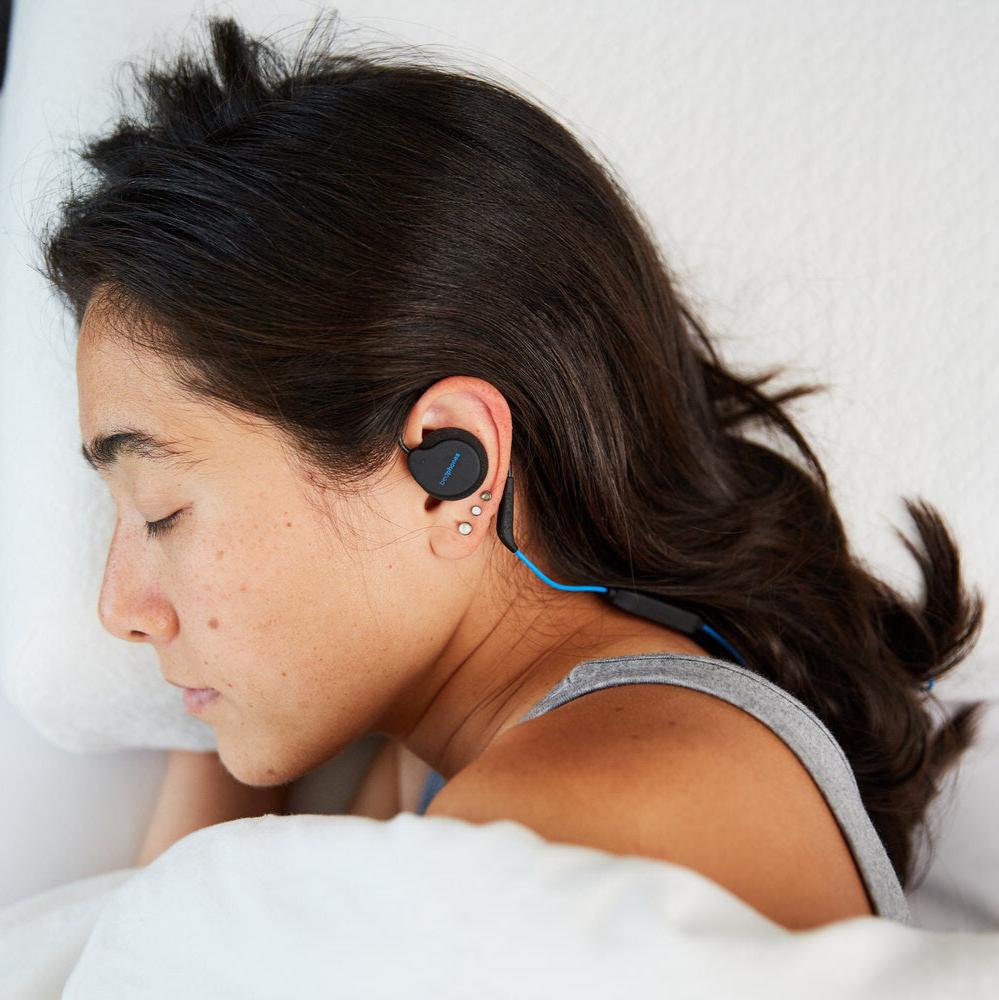
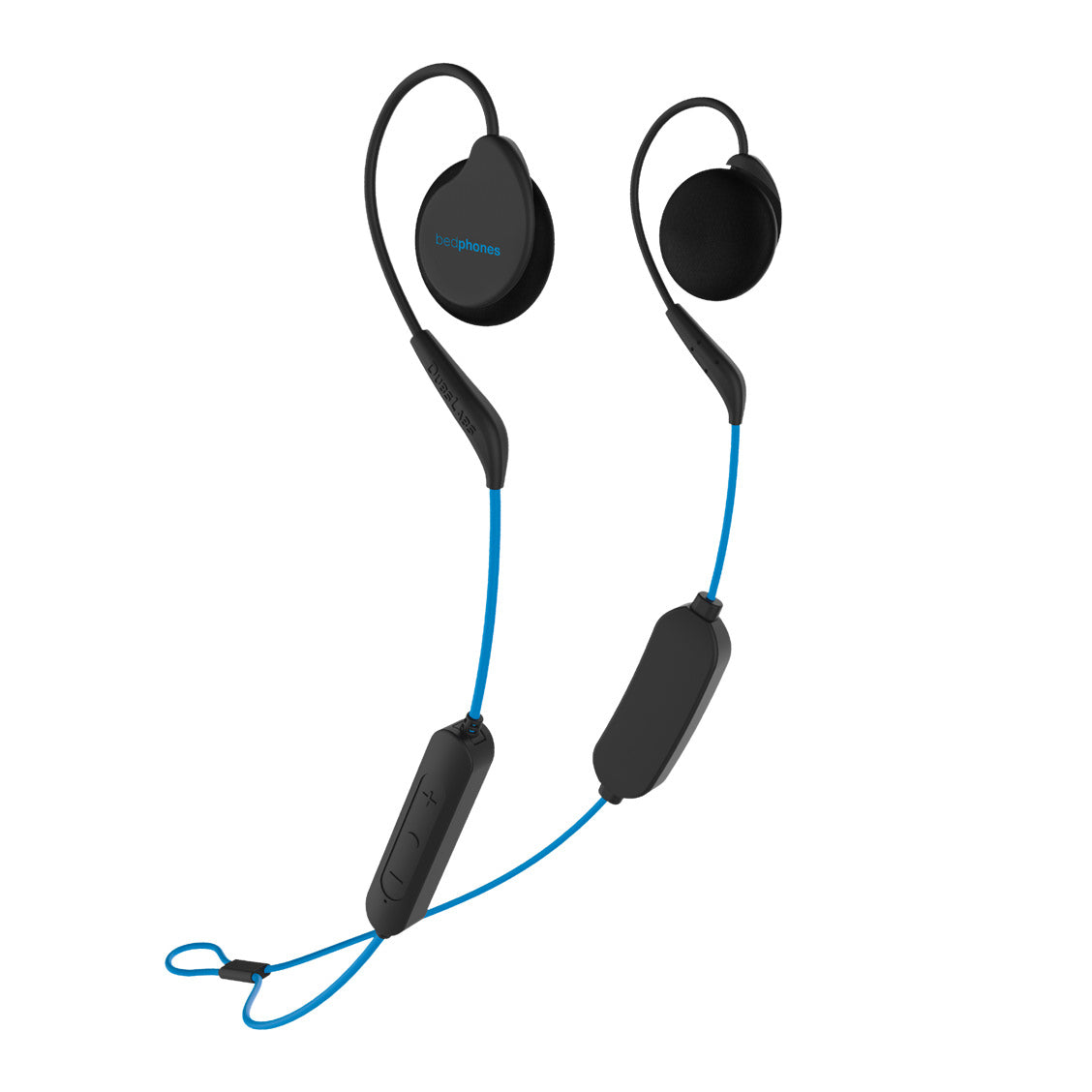
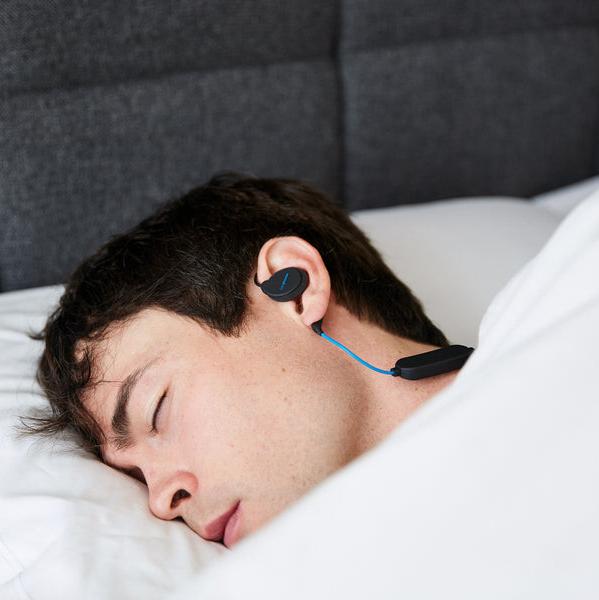
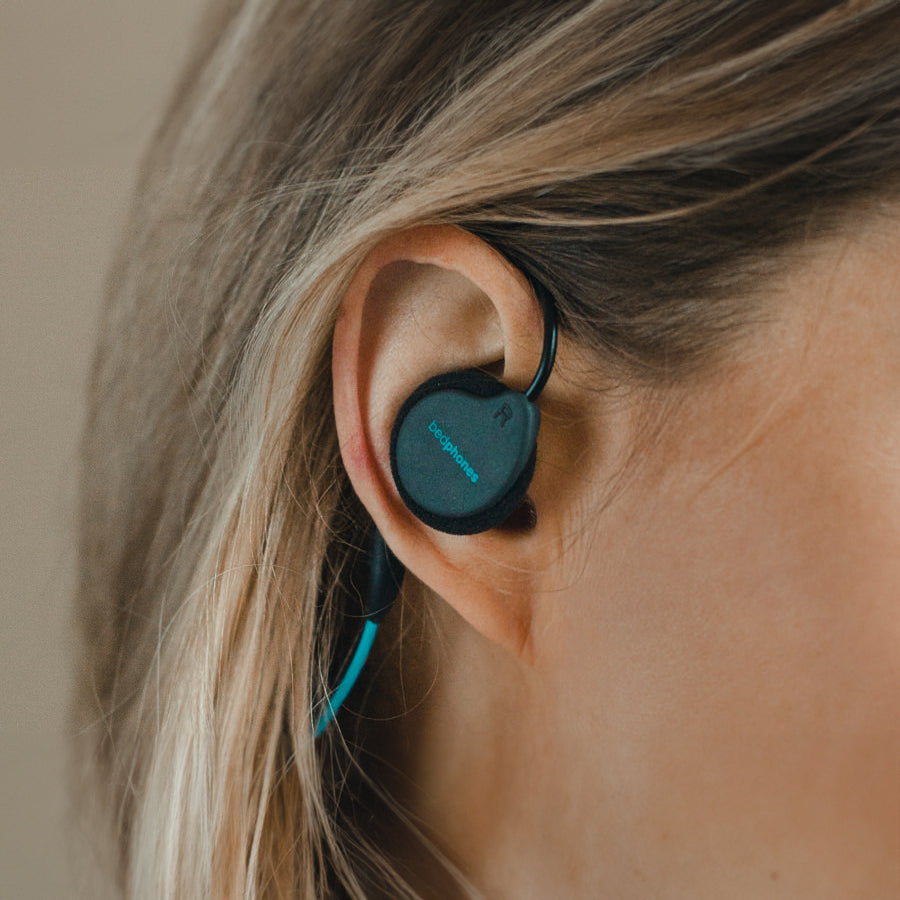
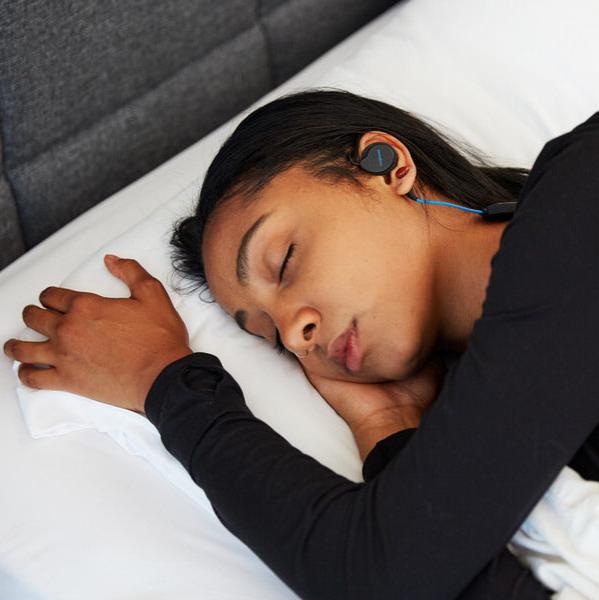
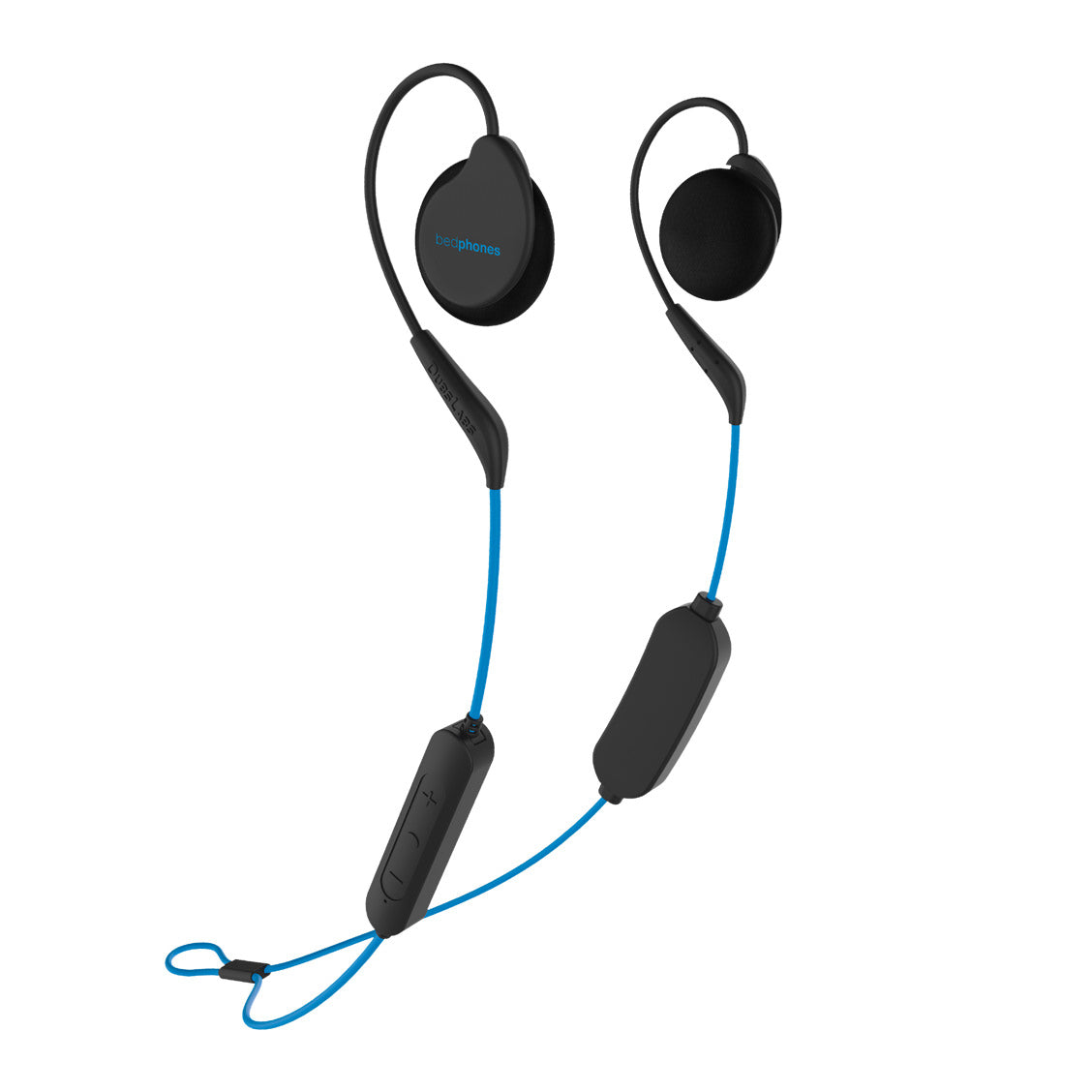
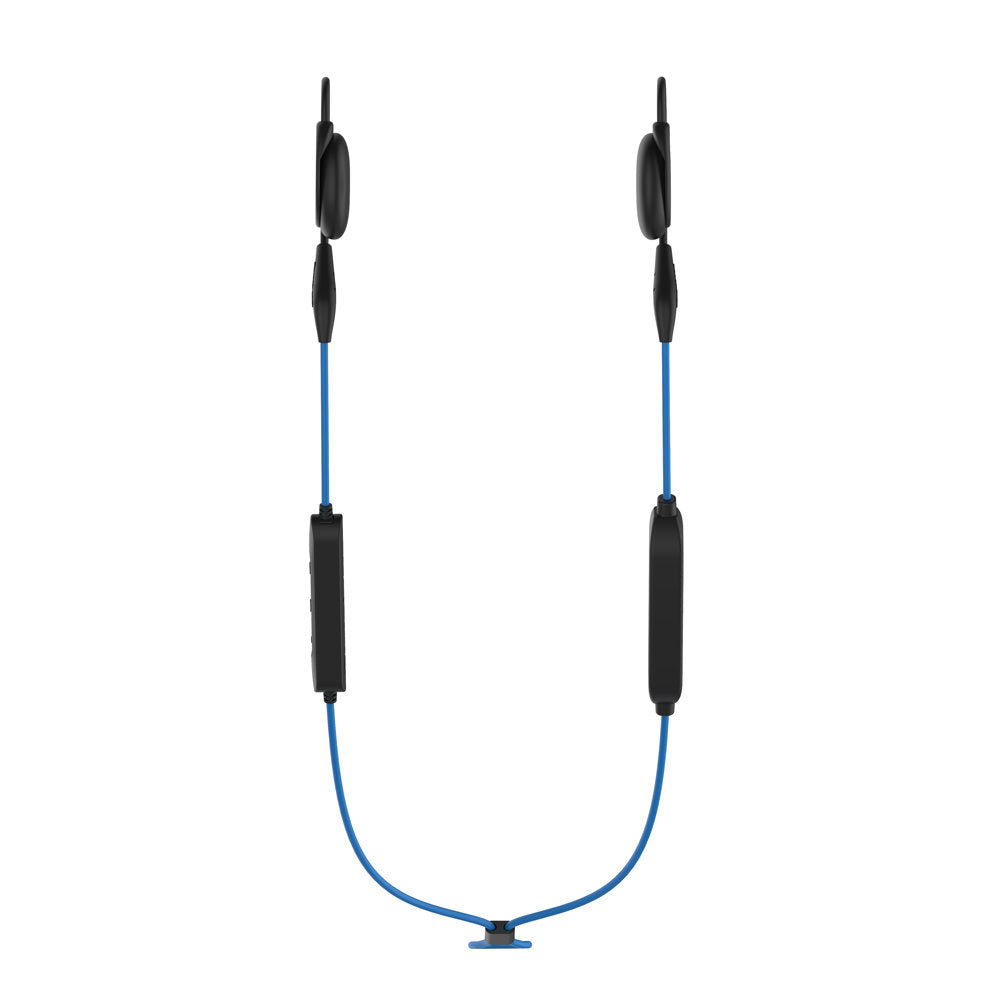
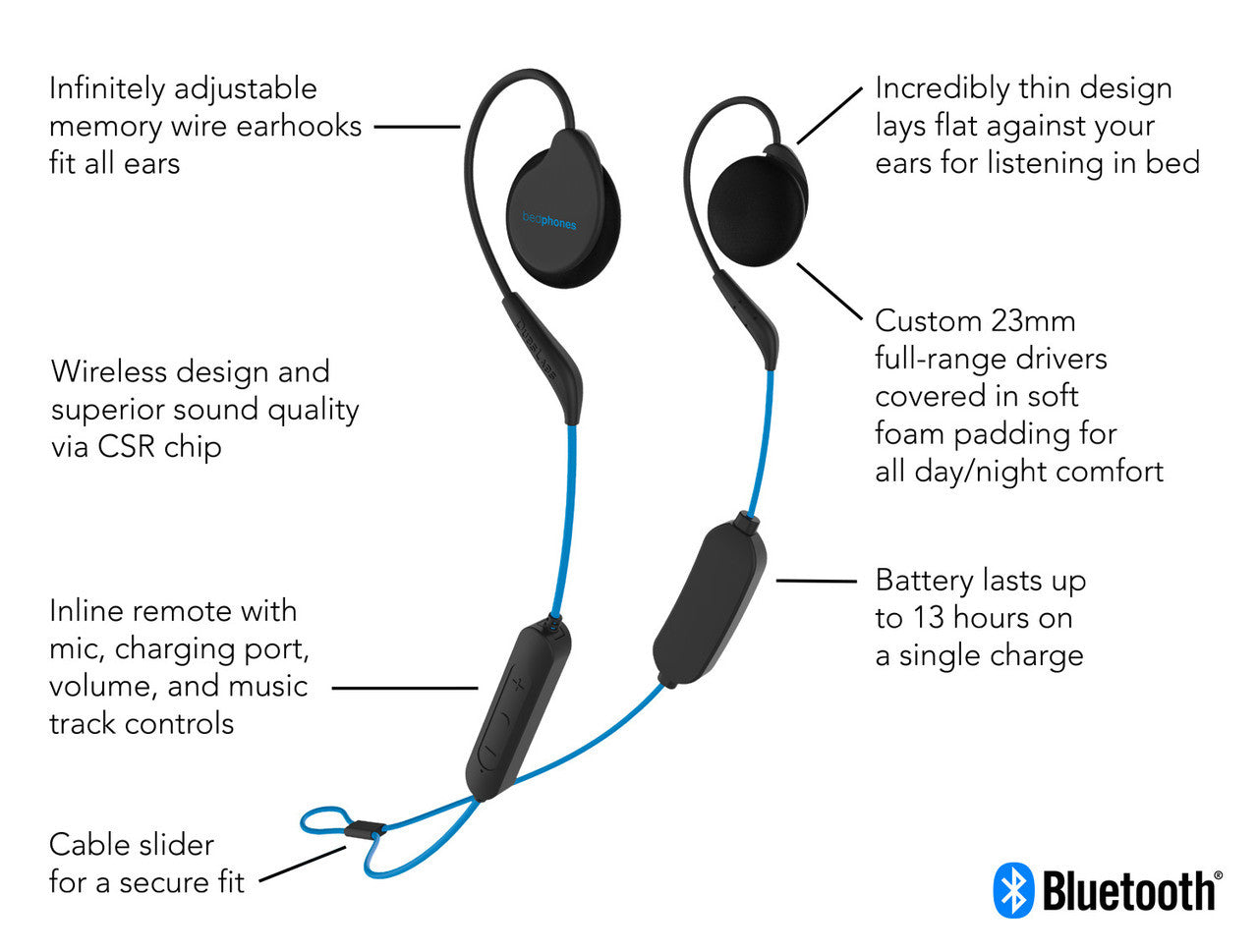
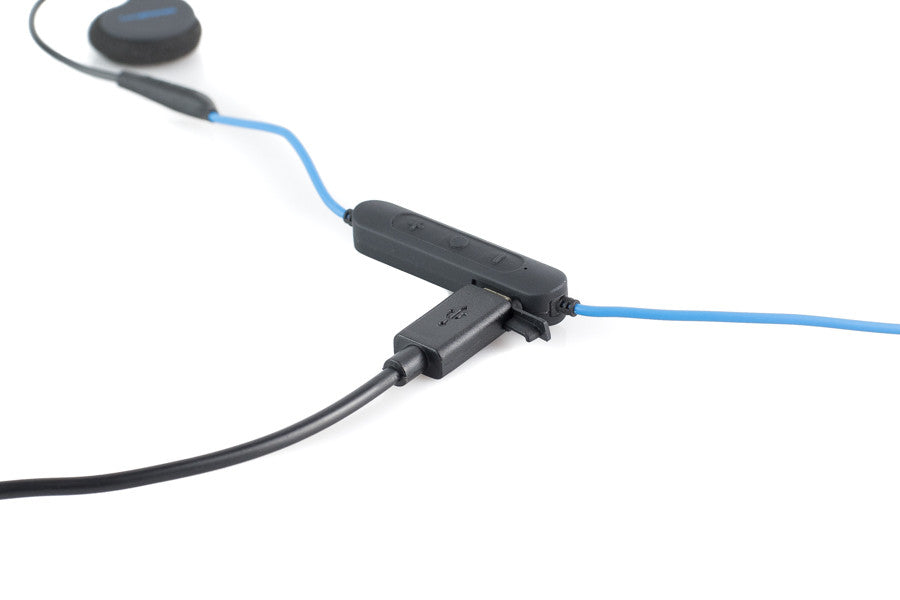
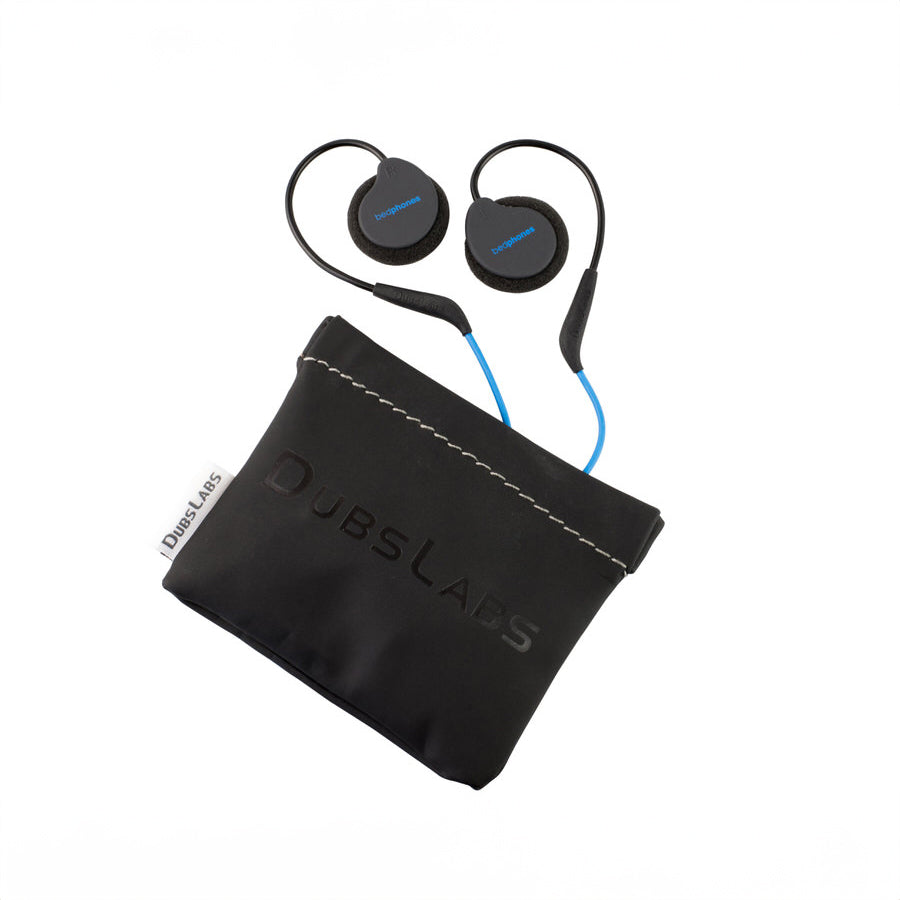
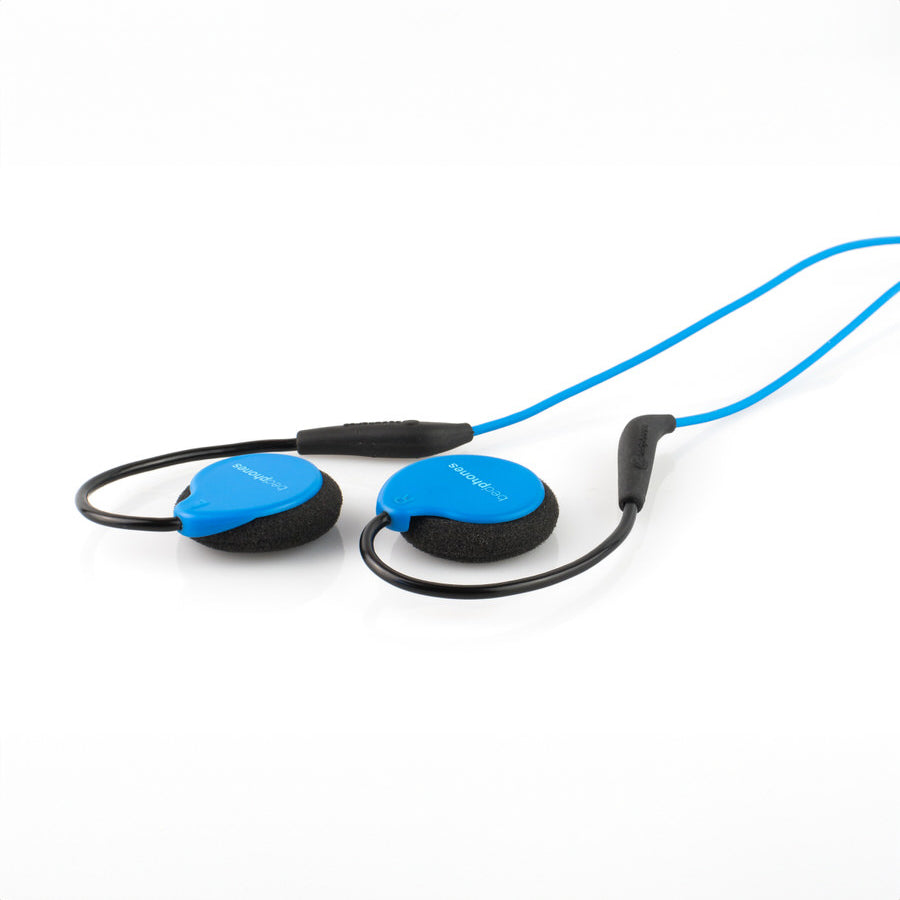
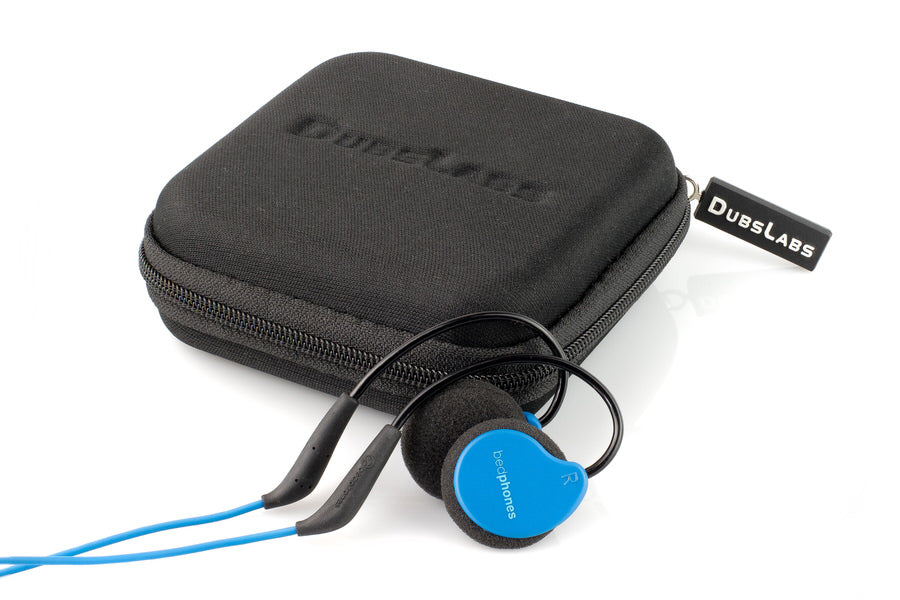
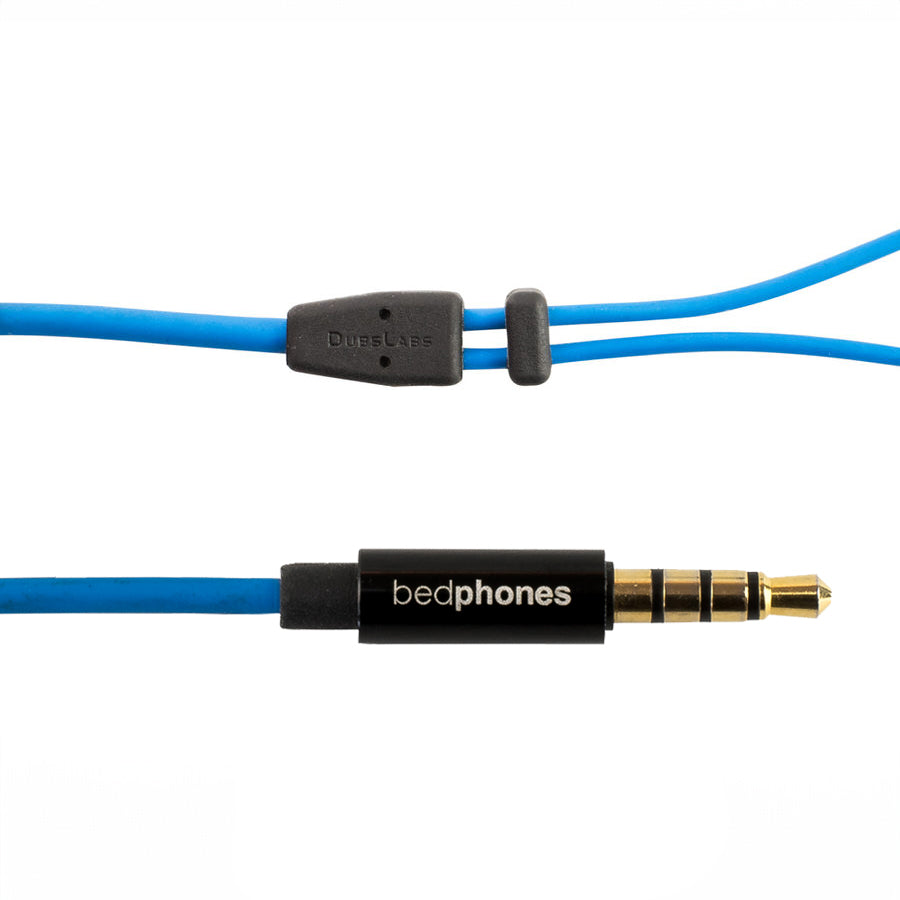
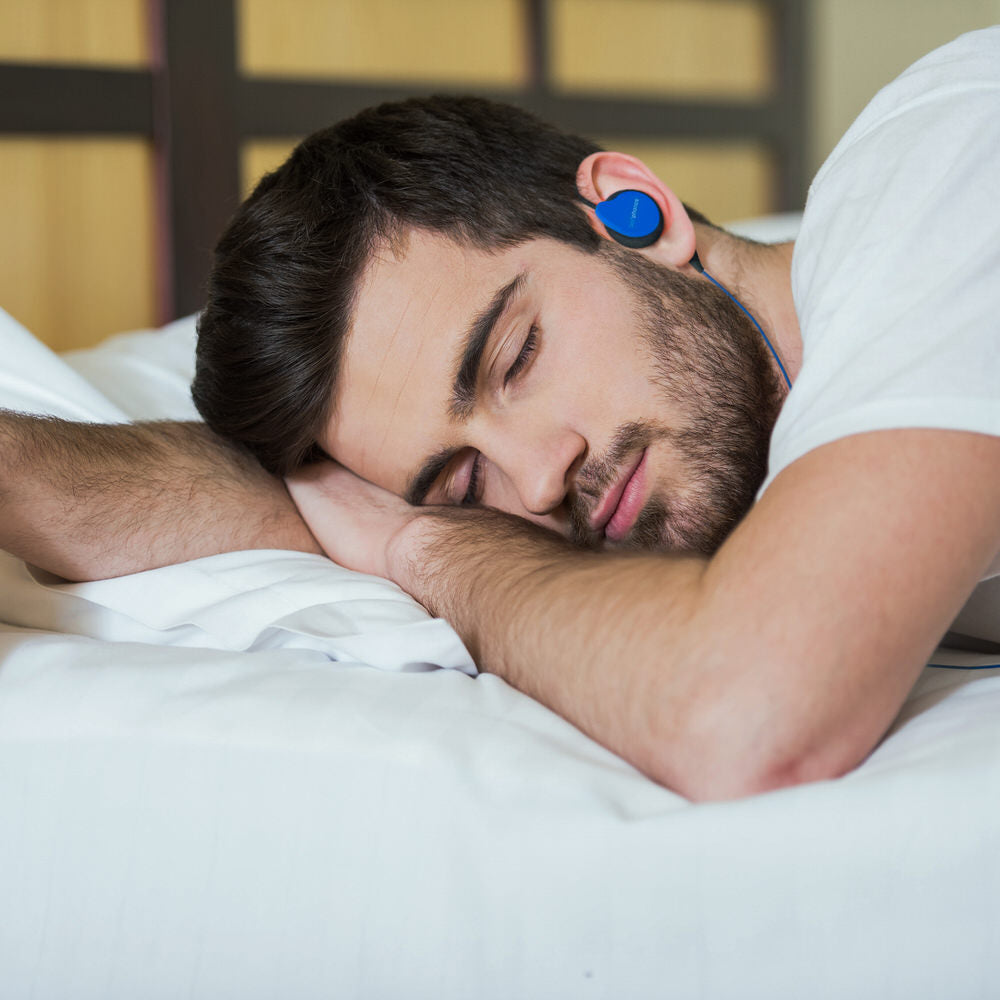
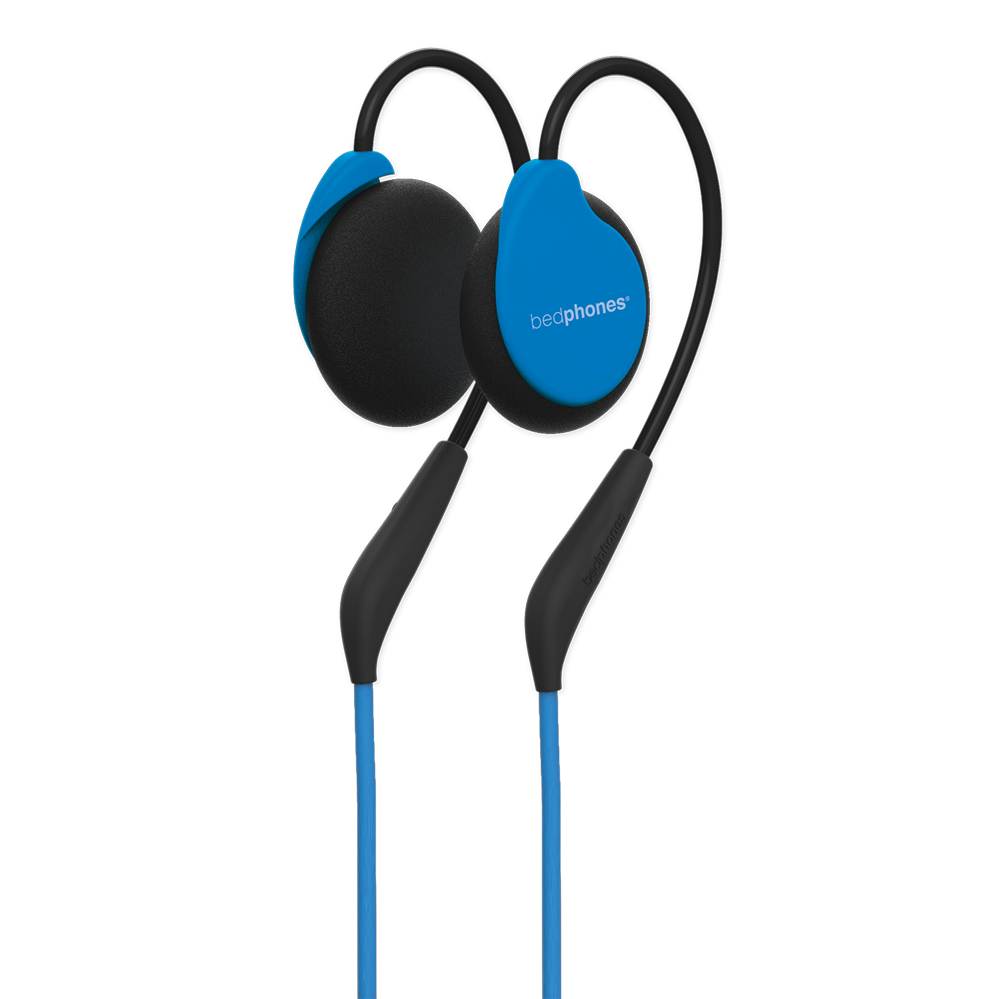
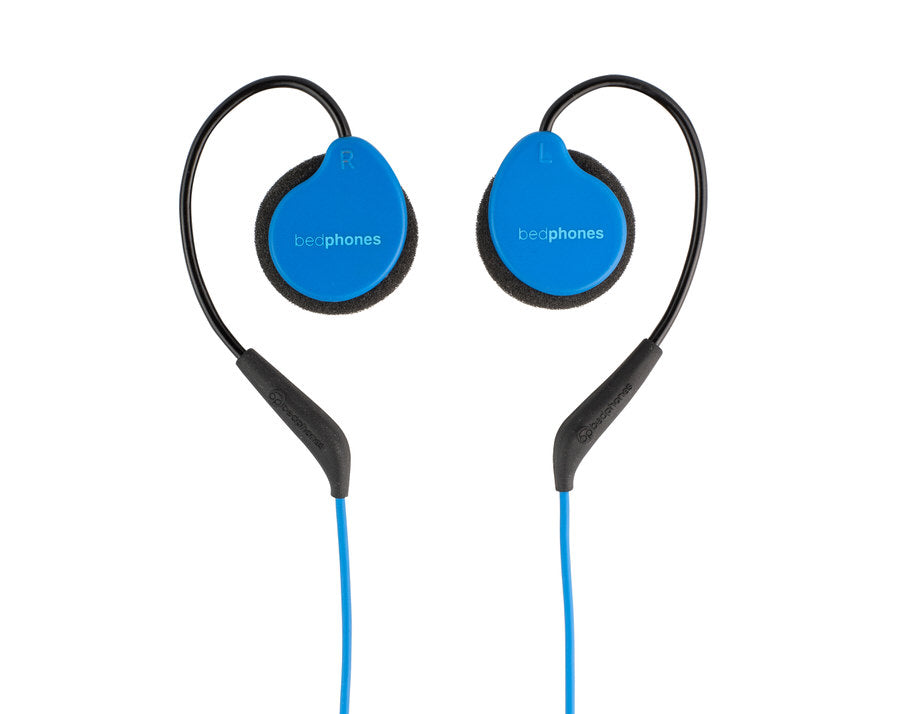
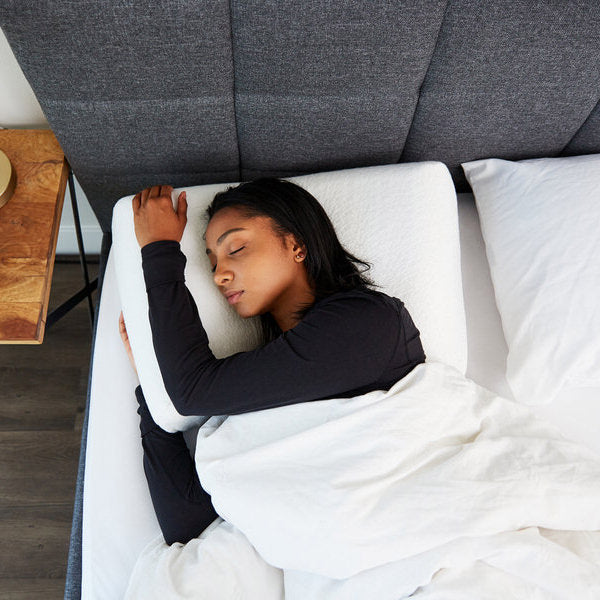
For a more immersive and personal experience, headphones are an excellent option. The problem is, traditional earbuds or bulky over-ear models can be seriously uncomfortable—and even painful—for side sleepers. This is where sleep-specific headphones completely change the game. Products like DubsLabs Bedphones are designed with ultra-thin, cushioned earpieces that lie flat, so you can rest comfortably in any position without annoying pressure or pain.
To get the full scoop on making this work for you, check out our guide on how to sleep with headphones for more practical tips on comfort and safety.
Weaving Music into Your Bedtime Routine
Listening to music for sleep is powerful, but you unlock its real magic when it becomes a non-negotiable part of your wind-down ritual. It’s not just about hitting ‘play’ as you climb into bed. Think of it as creating the score for your own personal pre-sleep ceremony. When you do it consistently, you're training your brain to associate that specific playlist with shutting down for the night—a classic Pavlovian response that works wonders.
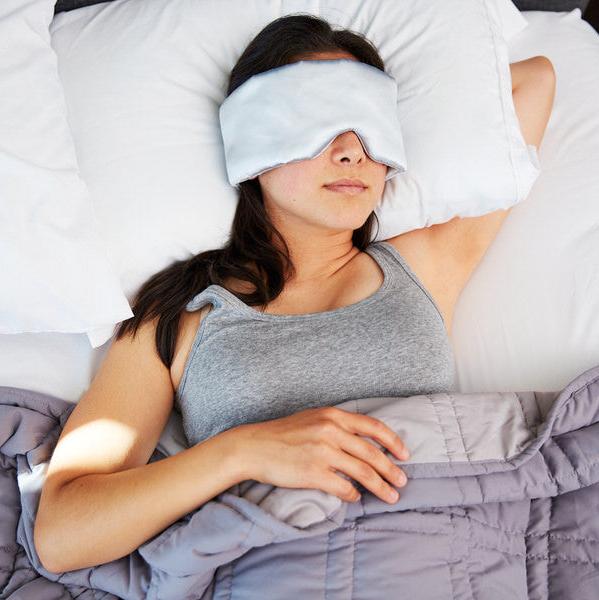
The idea is to build an experience that tells all your senses it's time for bed. Imagine the gentle, calming pressure of a weighted blanket paired with your favorite ambient track. Or the total darkness from a great sleep mask while a soft piano melody drifts in. When you layer these sensory inputs, you send an unmistakable signal to your body and mind: the day is over, and it's time to rest.
Creating a Multi-Sensory Sleep Environment
Pairing music with other relaxation methods creates a synergy that’s far more effective than just one thing on its own. It's all about building a comforting, predictable bubble that makes sleep feel inviting, not like something you have to chase.
- Deep Touch Pressure: Try your playlist with a weighted blanket. The firm, gentle pressure is amazing for calming an anxious nervous system, while the music helps quiet a racing mind.
- Total Darkness: A sleep mask is a game-changer. It blocks out every bit of light, helping your body produce melatonin (the natural sleep hormone) and lets you focus completely on the music.
- Gentle Movement: Before you get under the covers, do some light stretches or simple yoga poses with your sleep music playing. It’s a great way to release all the physical tension you've built up during the day.
Of course, your wind-down routine isn't just about what you hear and feel; it's also about what you see. We all know that cutting down on blue light before bed is a big deal for sleep quality. Consider how blue light glasses can complement your routine for better sleep, as they can help keep your circadian rhythm on track and make your musical ritual even more potent.
This is what a simple, effective audio setup for sleep looks like:
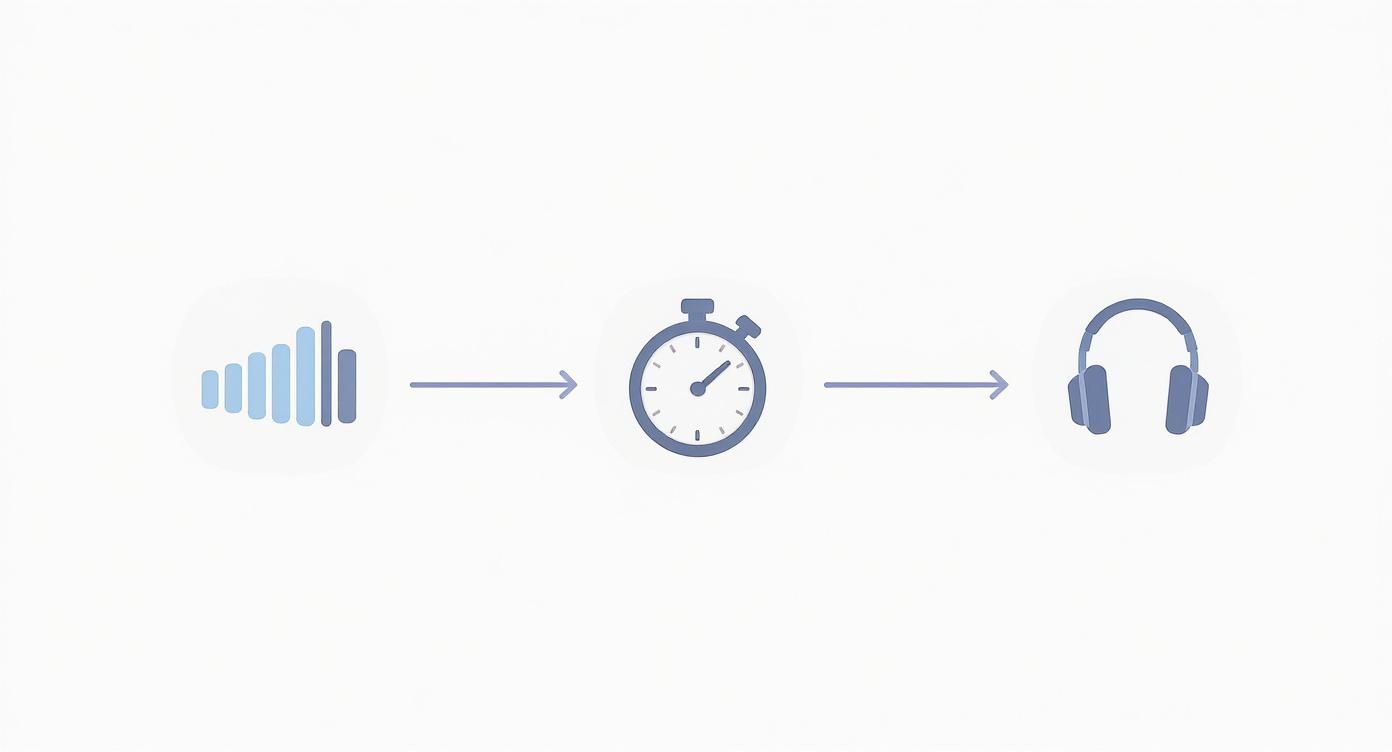
This sequence—gentle volume, a timer, and comfortable headphones—ensures your listening environment actually helps you drift off instead of accidentally disrupting your rest.
An Example 60-Minute Wind-Down Routine
Let’s get practical. Here’s a sample routine that weaves music through the entire last hour of your day, making it a seamless part of your evening.
- First 20 Minutes: Put your phone away for the night. Seriously. Start your sleep playlist on a low volume and use this time for quiet, simple tasks like tidying up your room or prepping your coffee for the morning.
- Next 20 Minutes: Dim the lights. Now’s the time for a relaxing, screen-free hobby. Grab a physical book, do some journaling, or try those gentle stretches we talked about.
- Final 20 Minutes: Time to get into bed. Settle in under your weighted blanket, slip on your sleep mask, and just let yourself listen as the music guides you toward sleep.
A consistent routine is your most powerful ally. By repeating these steps nightly, you're not just hoping for sleep—you're actively building a reliable pathway to it.
Common Sleep Music Problems and How to Fix Them
So, you’ve curated the perfect playlist, dimmed the lights, and settled in for the night... only to find the music is actually keeping you awake. It’s a surprisingly common roadblock when you first start using sound to help you sleep. Instead of feeling calm, the music might feel distracting, or a particular melody could even trigger a weird sense of unease.
Don't throw in the towel just yet. This is usually a sign that you need to make a few simple adjustments, not abandon the whole idea. Think of it as fine-tuning your personal sleep frequency. The fix is often much easier than you think.
A Simple Troubleshooting Checklist
Before you decide that music for sleep isn't for you, run through this quick checklist. You’d be surprised how small tweaks can make a massive difference in how your brain responds to sound when it’s trying to power down.
-
Is the Volume Too High? This is the number one culprit, by far. Your sleep music should be barely audible, almost like a faint whisper in the next room. If it's loud enough to actively command your attention, it's too loud. Try turning it down until it just fades into the background.
-
Are Lyrics Sneaking In? Even if a song feels incredibly slow and calming, lyrics can light up the language centers of your brain, which is the opposite of what you want. Double-check your playlist to make sure it's 100% instrumental for the best results.
-
Is the Melody Too Complex? Sometimes, even a beautiful, simple piano melody can be too engaging for a restless mind. Your brain might unconsciously try to follow the notes and predict the pattern, which keeps it active and alert.
The goal is to find audio that your brain can easily and completely ignore. If a particular track keeps pulling your focus back, it’s not the right sound for your sleep routine, no matter how "relaxing" it's supposed to be.
When to Try Something Different
What if you've tried turning the volume way down and you're sticking to the simplest instrumental tracks, but you still feel distracted? It might be time to explore non-melodic soundscapes. Not everyone finds traditional music relaxing for sleep, and that’s perfectly fine.
Consider swapping your classical playlist for something like pink noise or brown noise. These soundscapes offer a steady, consistent hum without any patterns, melodies, or surprises for your brain to latch onto. For many people, these non-musical sounds are far more effective at masking distracting noises and encouraging the brain to switch off.
Ultimately, figuring out what works for you is a process of discovery. If you’ve experimented with these tips and sleep issues are still a persistent problem, it’s always a good idea to chat with a doctor to rule out any underlying conditions.
Fine-Tuning Your Sleep Music Routine: Your Questions Answered
Diving into using music to help you sleep usually brings up a few questions. As you start building your new nighttime routine, you might find yourself wondering about the little details—like whether your favorite ballads will work, how loud is too loud, or how long you should let the playlist run.
It’s completely normal to need some trial and error. What works wonders for one person might be a total distraction for another. So, let’s tackle some of the most common questions that pop up when people start this journey.
Can I Use Music with Lyrics to Help Me Sleep?
While it really comes down to personal preference, most sleep experts will tell you to steer clear of lyrics. The reason is pretty simple: words engage the language centers of your brain. Instead of powering down for the night, your mind stays active, subconsciously trying to follow the story or sing along. That's the exact opposite of what you want when you're trying to drift off.
The whole point is for the music to fade into the background, becoming a calming presence rather than something you're actively listening to.
If you find purely instrumental tracks a little bland, try music with very soft, repetitive vocals, or even songs in a language you don’t understand. That way, the voice acts more like another instrument instead of a narrative your brain feels compelled to follow.
What's the Best Volume for Sleep Music?
You’re aiming for quiet and subtle. The sweet spot is a volume just loud enough to be heard in a quiet room, but not so loud that it commands your attention. Think of it like the soft, ambient hum in a library—it's there, but it's not intrusive. For most people, this is around 40 to 50 decibels.
Here’s a great rule of thumb: set the volume low enough that a normal conversation would easily drown it out. If the music is competing with other sounds, it’s probably too loud for sleep.
This is especially important if you’re using headphones like DubsLabs Bedphones. Keeping the volume on the lower side is key to protecting your hearing, especially when you're listening all night.
Should I Let Music Play All Night Long?
It’s almost always better to use a sleep timer. A good starting point is to have the music automatically turn off 30 to 60 minutes after you’ve settled into bed. While music is fantastic for helping you fall asleep, it can sometimes disrupt your deeper sleep cycles if it keeps going for hours.
Even a subtle change in a song's tempo or melody can be enough to pull you out of deep sleep and into a lighter stage. Using a timer gives you all the relaxation benefits as you doze off without risking any interruptions later on. It’s a simple setting on your phone or app that makes a huge difference.
Are Binaural Beats Actually Effective for Sleep?
Binaural beats are a pretty fascinating auditory illusion. They work by playing two slightly different frequencies in each ear—which is why you need headphones—and your brain perceives a third, rhythmic pulse based on the difference between the two tones. The idea is that listening to beats in the delta (1-4 Hz) or theta (4-8 Hz) range can gently guide your own brainwaves toward a state that’s perfect for sleep.
Some smaller studies have shown promising results, but the science is still evolving. They are perfectly safe to try, and many people swear by them for quieting a racing mind. Just know that they aren't a guaranteed fix for everyone, but they are definitely worth a shot.
Ready to create the perfect sensory environment for truly restorative rest? DubsLabs offers everything you need, from the ultra-comfortable Bedphones designed for all-night wear to weighted blankets and total-darkness sleep masks. Build your ideal sleep sanctuary and experience the difference at https://www.dubslabs.com.