The sweet spot for sleep-inducing music is usually a slow, steady tempo between 60 and 80 beats per minute (BPM). Why this specific rhythm? It's a powerful natural sleep aid because it helps slow your own heart rate and nudges your brain into a relaxed state, prepping it for sleep.
How Sound Actually Shapes Your Sleep
Have you ever wondered why a simple melody can feel so deeply calming? It's not just a feeling—that connection between sound and sleep is physically wired into your body's responses. When you put on some gentle music, your body starts to react in ways you might not even notice.
The real magic happens when your body syncs up with the music. A slow tempo can directly influence your autonomic nervous system—that's the part controlling involuntary stuff like your heartbeat and breathing. This synchronization helps lower your heart rate and reduce blood pressure, shifting you out of "fight or flight" and into a much calmer "rest and digest" state.
The Brain on Music
Music also triggers some powerful chemical changes up in your brain. Listening to a soothing track can dial down the production of cortisol, the stress hormone that's usually behind a racing mind at night. At the same time, it can kick off the release of dopamine, a neurotransmitter tied to feelings of pleasure and relaxation. It's a chemical one-two punch that helps you let go of the day's worries.
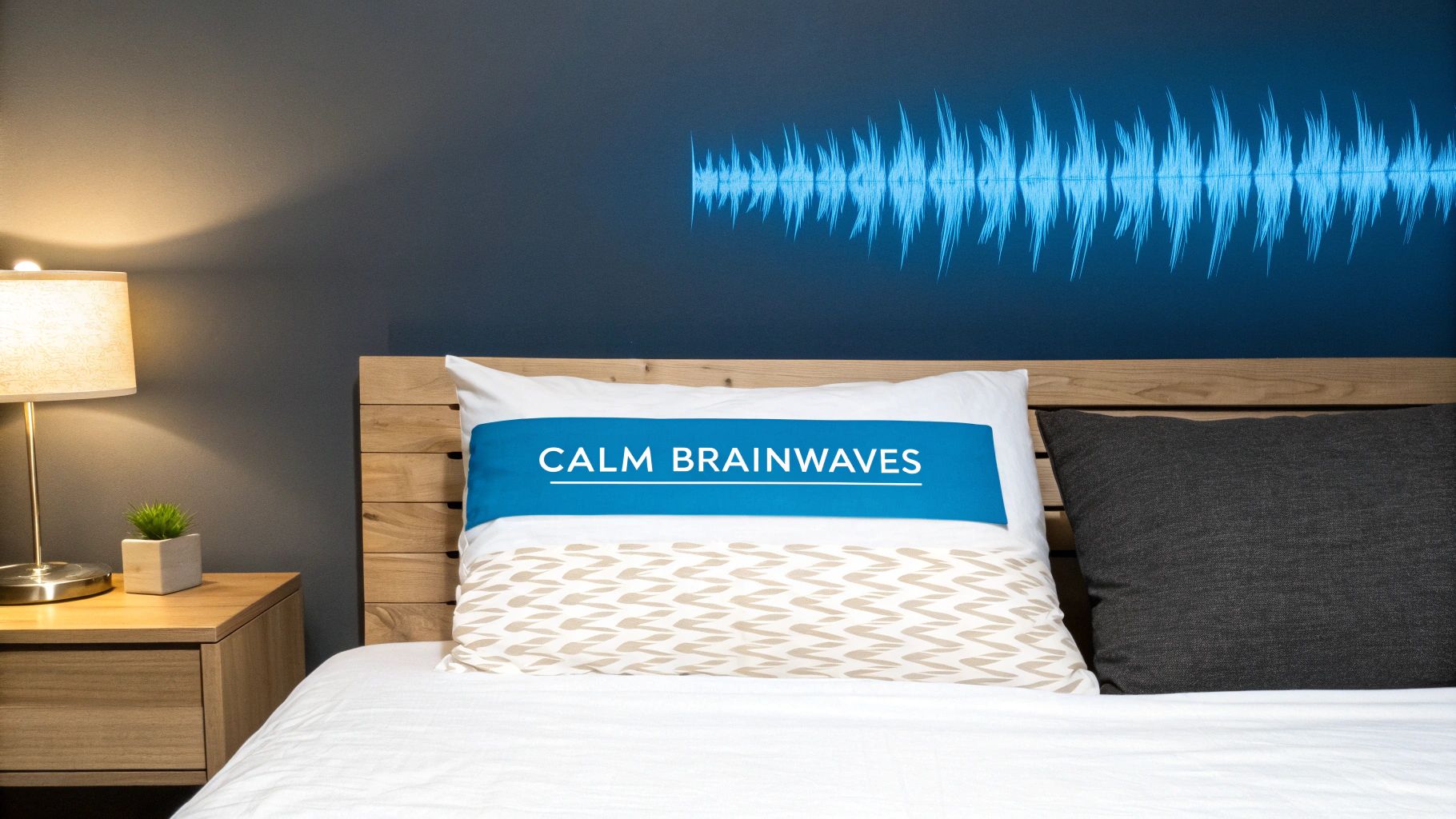
Another key process is something called brainwave entrainment. This is a fascinating phenomenon where your brain’s electrical activity starts to line up with the external rhythm of the music. A steady, slow beat encourages your brain to shift from active beta waves down to the slower alpha and theta waves, which are associated with relaxation and the very first stages of sleep.
The Rise of Wellness Audio
This science is exactly why wellness music has absolutely exploded in popularity. Believe it or not, sleep-focused tracks and soundscapes now make up a whopping 5% of Spotify’s global monthly streams. The interest is undeniable—Google searches for "music therapy" have shot up by 42% over the past five years, which shows just how many people are turning to sound to improve their health.
By making calming music a regular part of your nightly routine, you’re basically creating a powerful sleep cue for your brain. Over time, your mind learns to associate those specific sounds with winding down, making the whole process of falling asleep smoother and way more predictable.
This cue doesn't just work for melodic music, either. Lots of people find that simpler sounds do the trick even better. If you find melodies distracting, it might be worth exploring the differences between white noise vs brown noise to find a non-musical sound that works for you.
Ultimately, understanding why sound works this way gives you the power to use it as a reliable tool for getting deeper, more restorative rest.
Finding Your Ideal Sleep Soundtrack
Let's get one thing straight: not all "calming" music is created equal. The playlist that helps you focus during the workday probably isn't the right choice when your goal is to actually power down your brain and fall asleep.
The secret is finding audio that can soothe your nervous system without demanding your attention. You're trying to create a gentle, predictable soundscape that basically tells your mind, "It's safe to relax now."
The most effective music for sleep usually has a few things in common. It has a slow tempo, minimal shifts in volume or complexity, and—this one is critical—no lyrics. Lyrics can fire up your brain's language centers, keeping you far more engaged and awake than you want to be.
Exploring Different Sleep Music Genres
Your personal taste matters a lot, of course, but certain styles of music are just naturally better designed for sleep. Getting to know the differences can help you experiment and figure out what clicks for you.
- Ambient Music: This genre is all about texture and atmosphere. It doesn't have a strong melody or rhythm, which creates a sonic environment your mind can just drift through without getting snagged on any particular sound. It's pure background bliss.
- Lo-Fi Hip Hop: While it does have a beat, the tempo is slow and steady. It's often layered with gentle, repetitive melodies and has a slightly "imperfect" audio quality that feels warm and cozy, like a familiar old vinyl record.
- Binaural Beats: This isn't music in the traditional sense. Binaural beats work by playing two slightly different frequencies in each ear. Your brain perceives this as a single, pulsing tone, which can help guide your brainwaves to slow down into a state that's perfect for sleep.
Beyond these genres, you might find that other types of audio work even better. If you want to dive deeper, we've put together a detailed guide on the best sound to fall asleep to, which covers everything from different kinds of noise to nature sounds.
The goal isn’t to find music you actively listen to. It's about finding sound you can passively hear. It should fade into the background—a gentle presence that quiets your mind instead of engaging it.
Comparing Types of Sleep Music
To help you get started, here's a quick comparison of the most popular options. Think about what usually keeps you awake at night. If it's overthinking, a simple soundscape might be best. If it's anxiety, a gentle rhythm might give your mind something to hold onto.
| Music Type | Key Characteristics | Best For |
|---|---|---|
| Ambient | Atmospheric, no strong rhythm, textural sounds | Listeners who find melodies distracting and want a pure soundscape. |
| Lo-Fi | Slow, steady beat, simple melodies, warm tones | Those who prefer a gentle rhythm to anchor their thoughts. |
| Binaural Beats | Pulsing tones, requires headphones, targets brainwaves | Individuals seeking a more scientific approach to brainwave entrainment. |
This isn't about finding a one-size-fits-all solution, but about discovering what works for you.
Curating Your Personal Sleep Playlist
Instead of just hitting play on a generic, algorithm-driven playlist, I highly recommend taking a little time to build your own. This lets you handpick tracks that genuinely hit your personal relaxation triggers. A good starting point is searching for artists who specialize in ambient, drone, or minimalist piano music.
When you find a track that feels calming, pause and ask yourself why. Is it the slow, drawn-out synth pads? The gentle, looping piano melody? Identifying these specific elements is your key to finding more music that will have the same effect.
Building this personalized toolkit gives you the power to create a reliable and effective sleep ritual. It’s all about discovering what makes your brain feel safe enough to finally let go of the day.
Building Your Bedtime Music Ritual
A good playlist is one thing, but turning that collection of calming tracks into a powerful sleep signal? That's where the magic really happens. This isn't just about listening to music; it's about building an intentional, consistent ritual that teaches your brain it's time to power down.
Think of your playlist as a gentle off-ramp for your mind, guiding you from the chaos of the day into a state of deep rest.
Crafting the Perfect Wind-Down Playlist
You'll want to aim for a playlist that’s about 45 to 60 minutes long. For many of us, that’s the sweet spot for drifting off without the music overstaying its welcome.
The structure is key. Don't just throw a bunch of slow songs together.
- Start with tracks that have a bit more substance—think simple piano melodies or a soft acoustic guitar.
- Transition into music that's simpler and more atmospheric as the playlist goes on.
- End the final 20-30 minutes with purely ambient sounds or gentle drones. The goal here is zero mental effort. Your brain shouldn't even have to try to process it.
Getting the Volume and Timing Just Right
The how you listen is just as important as the what. Volume is a delicate balance. You want it loud enough to mask that annoying ticking clock or the neighbor's dog, but quiet enough that it fades into the background.
A good rule of thumb? Set the volume where you can hear it clearly, but you could still hold a quiet conversation over it without straining.
This quick guide covers the three main controls you need to master for your sleep soundtrack.
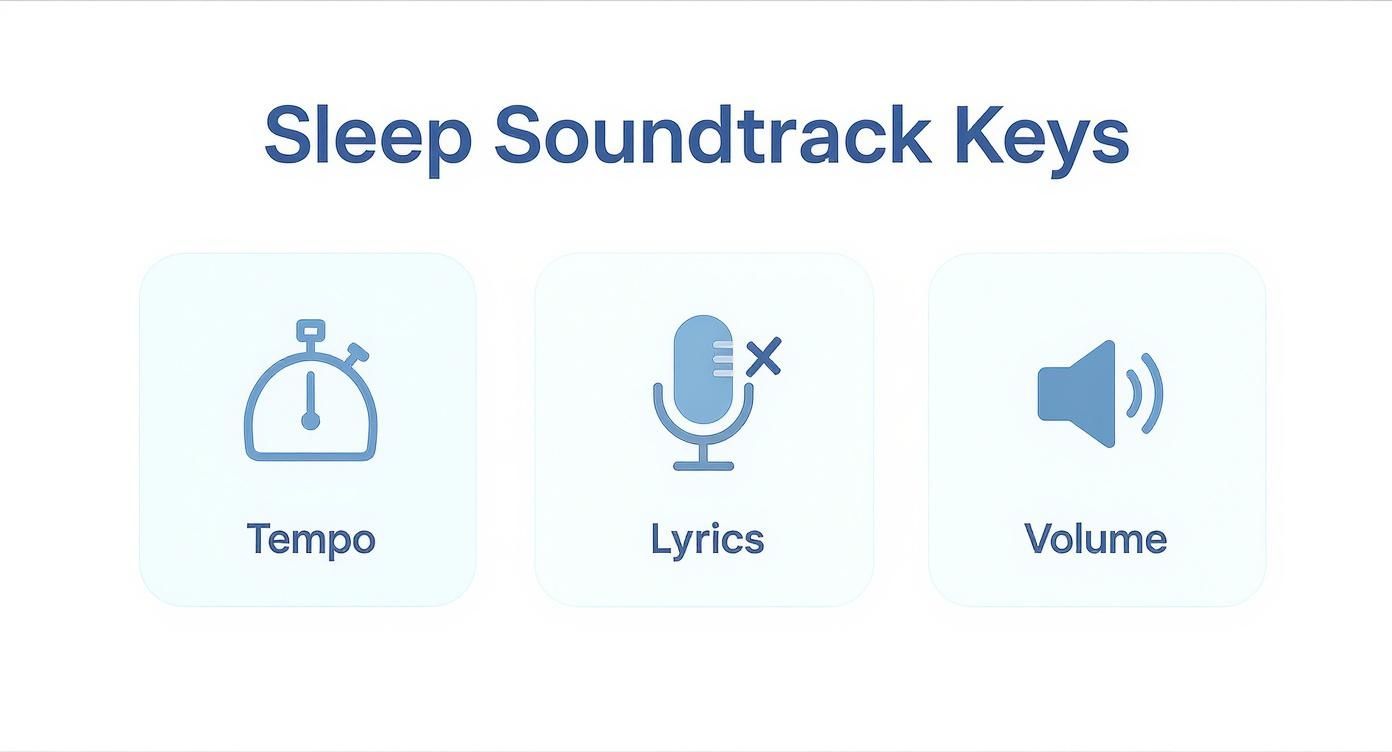
Nailing these three elements—tempo, lyrics, and volume—gives you complete control over your audio environment, setting the stage for total relaxation.
You also don't want music waking you up at 2 AM. That’s where a sleep timer becomes your best friend. Most streaming apps, like Spotify and Apple Music, have this feature built right in. Set it for 45 minutes, an hour, or "end of playlist," and the music will gently fade out. This gives you all the benefits as you fall asleep without disrupting your deeper sleep cycles later.
Turning It Into a Powerful Habit
Consistency is what elevates a simple playlist into a potent sleep ritual. The key is to make listening to your sleep music a non-negotiable part of your nightly routine, just like brushing your teeth.
By playing the same sequence of sounds at the same time each night, you are conditioning your brain. Over time, simply hearing the first few notes of your playlist will trigger a physiological relaxation response, making it easier to let go of the day.
This conditioning process is a cornerstone of building strong sleep habits. For a deeper dive into creating a complete nightly schedule, check out our guide on creating a bedtime routine for your best sleep. Remember, this isn’t just about listening to music; it’s about creating a reliable signal that tells your entire body it’s time to rest.
Optimizing Your Sleep Environment
Okay, so you’ve put together the perfect sleep playlist. That's a huge first step. But the music itself is only one piece of the puzzle. If you really want to transform your nights, you need to pair that audio with a physical environment that screams "rest" to your entire body. We're talking about creating a full-on sensory sanctuary, where every single element works in harmony.
A great place to start is thinking about how you’re listening to your music to go to sleep. Just playing something softly from a speaker can work, sure. But for a lot of us, blocking out the noise of the world—and the chatter in our own heads—requires a more personal audio experience. This is where your choice of listening device becomes surprisingly important.

Choosing Your Listening Gear
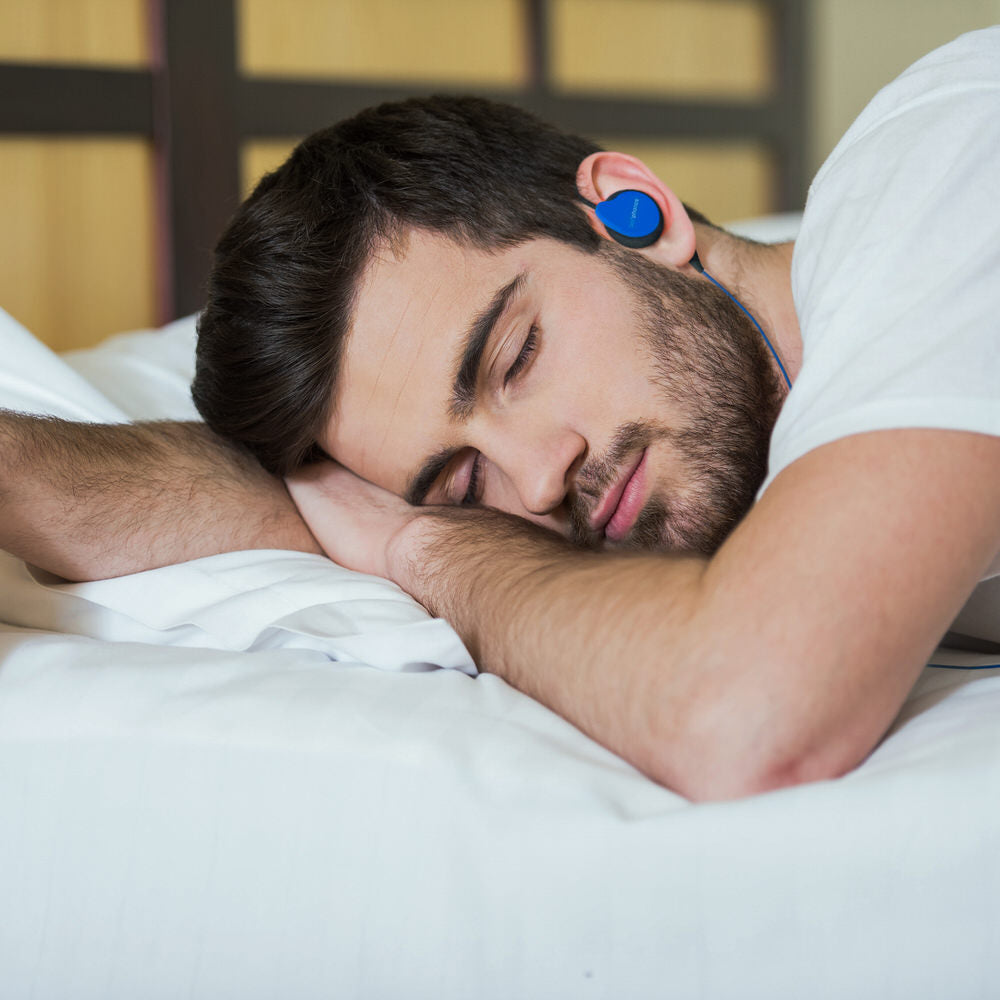
Let's be real: traditional earbuds or bulky over-ear headphones just don't cut it for sleep. They dig into your ear, slip off if you move, and can jolt you awake—exactly the opposite of what you want. This is why sleep-specific headphones have become such a lifesaver for so many.
- Sleep Headbands: Think of a soft, stretchy headband with ultra-thin speakers tucked inside. They’re comfortable for pretty much any sleeping position and stay put all night long.
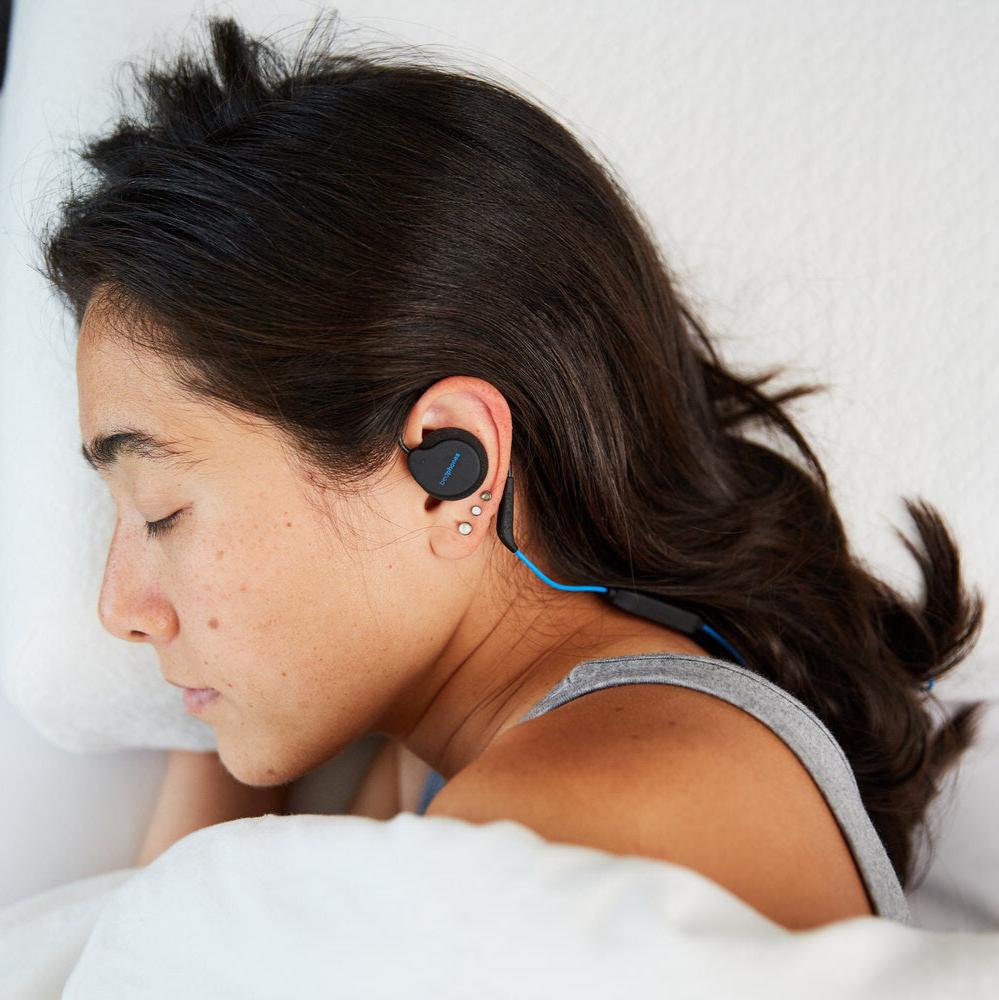
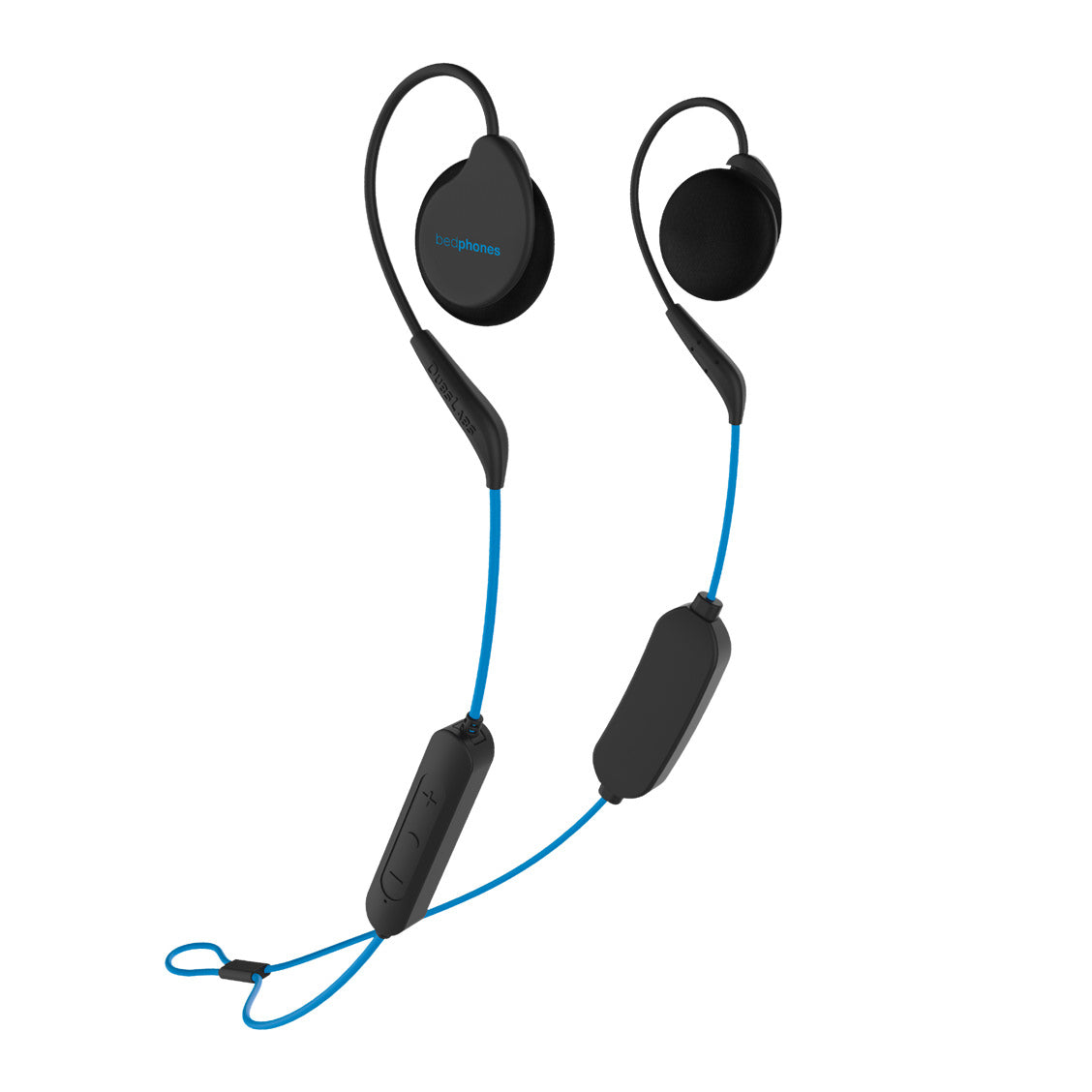
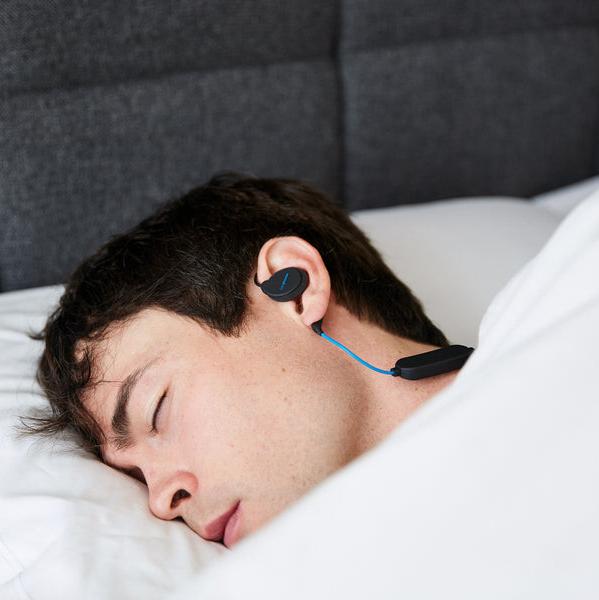
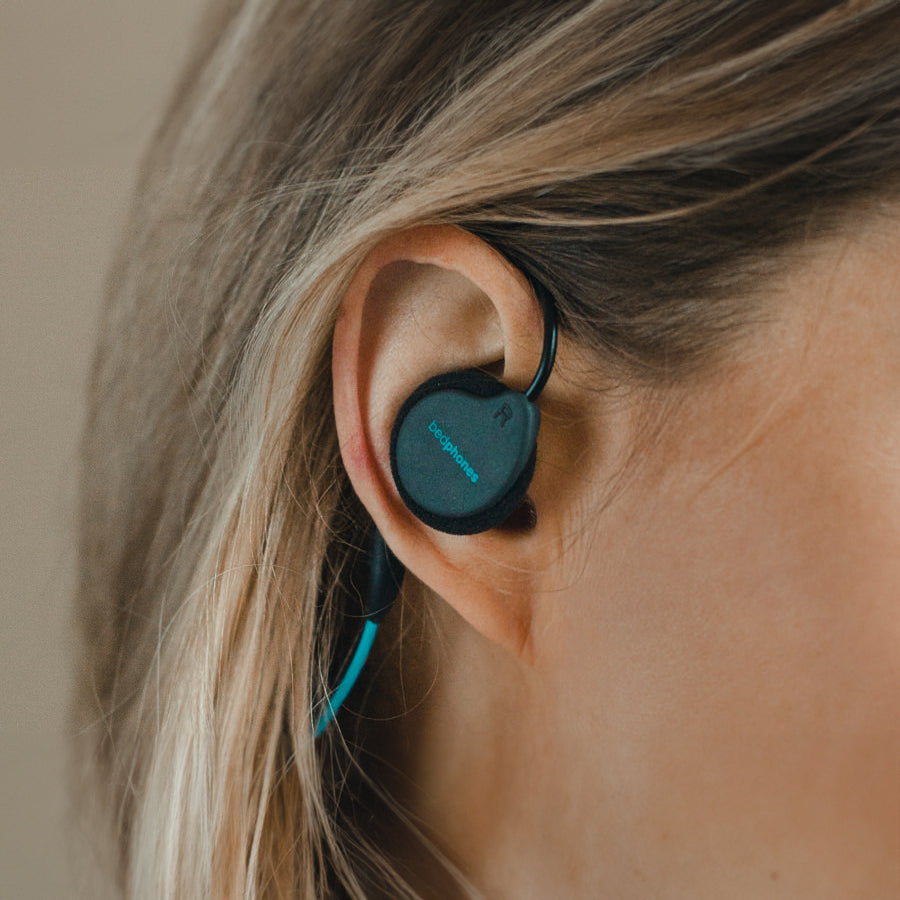
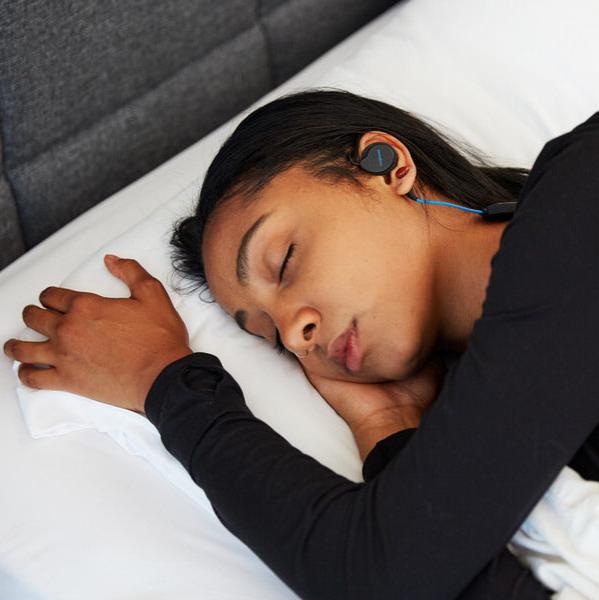
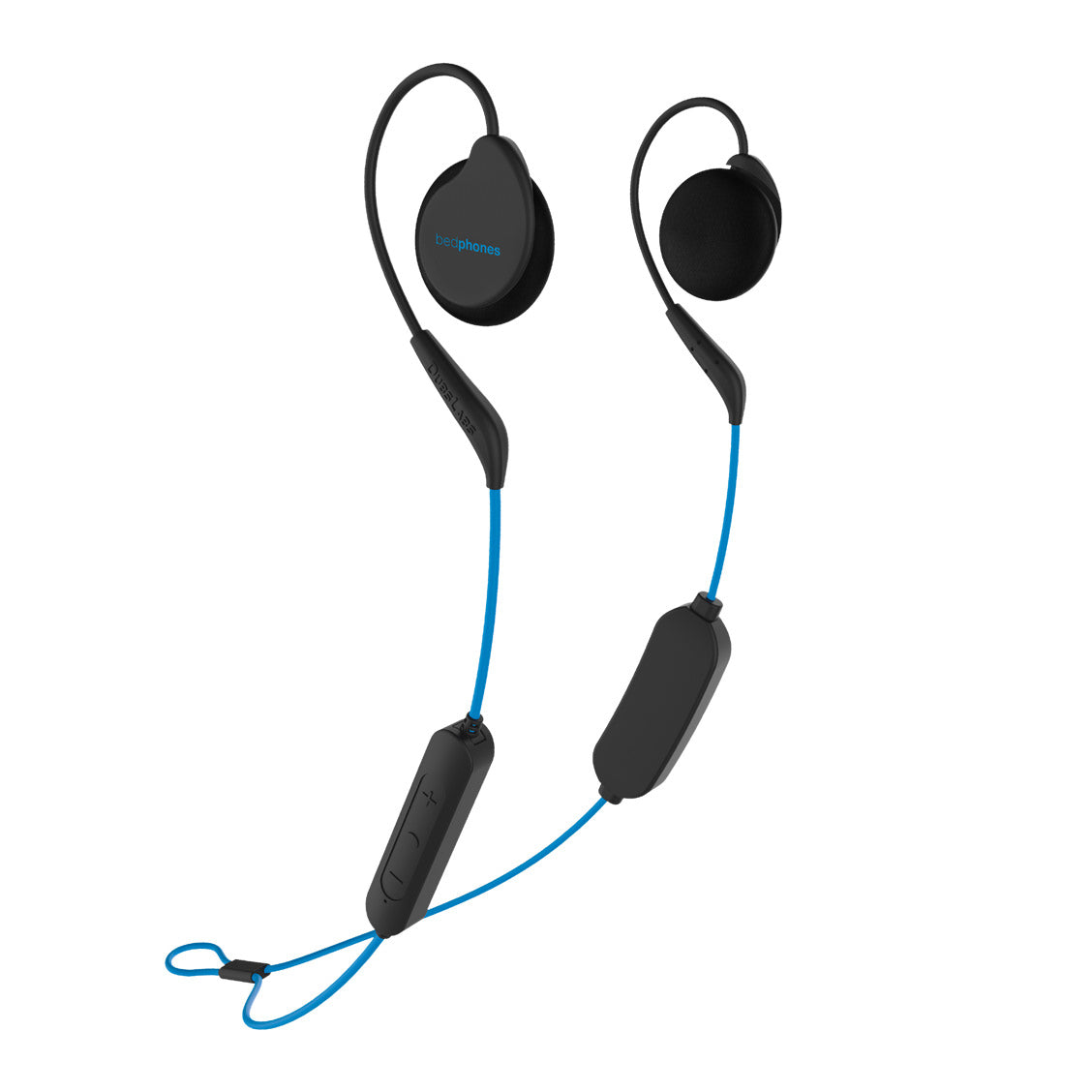
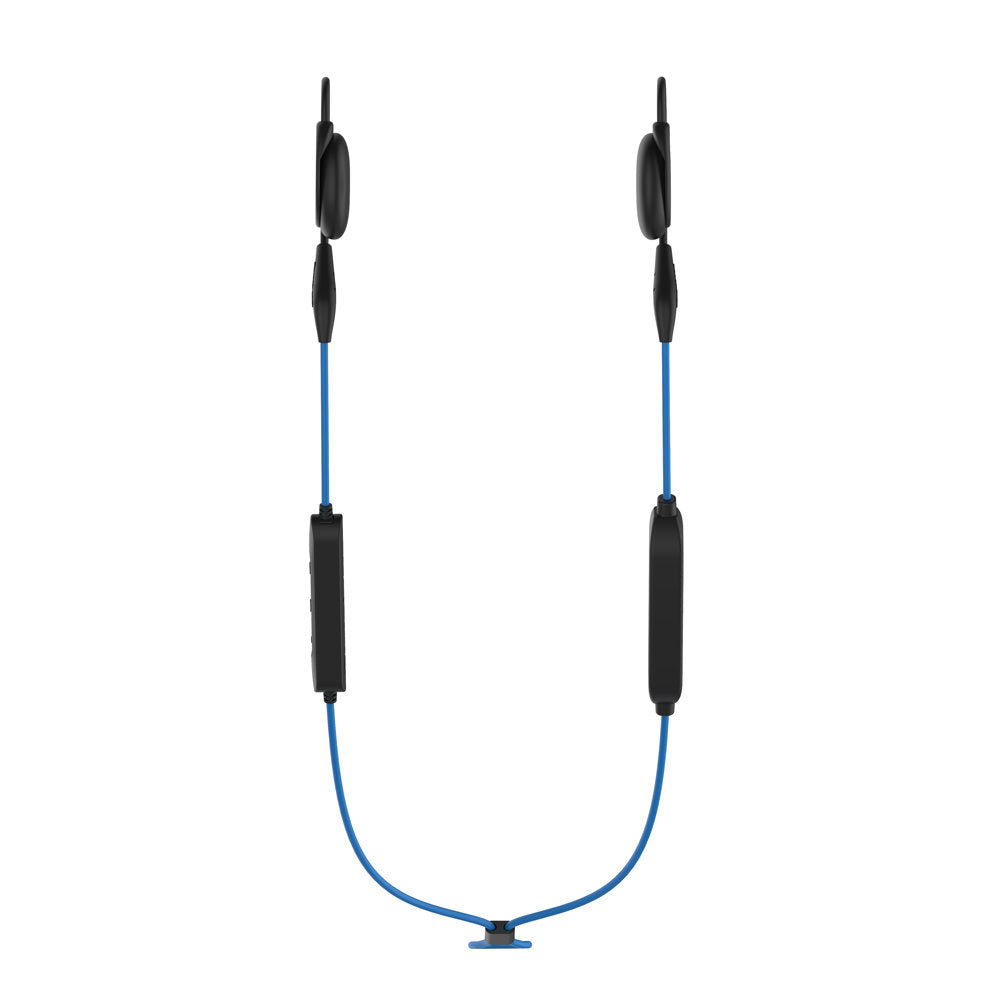
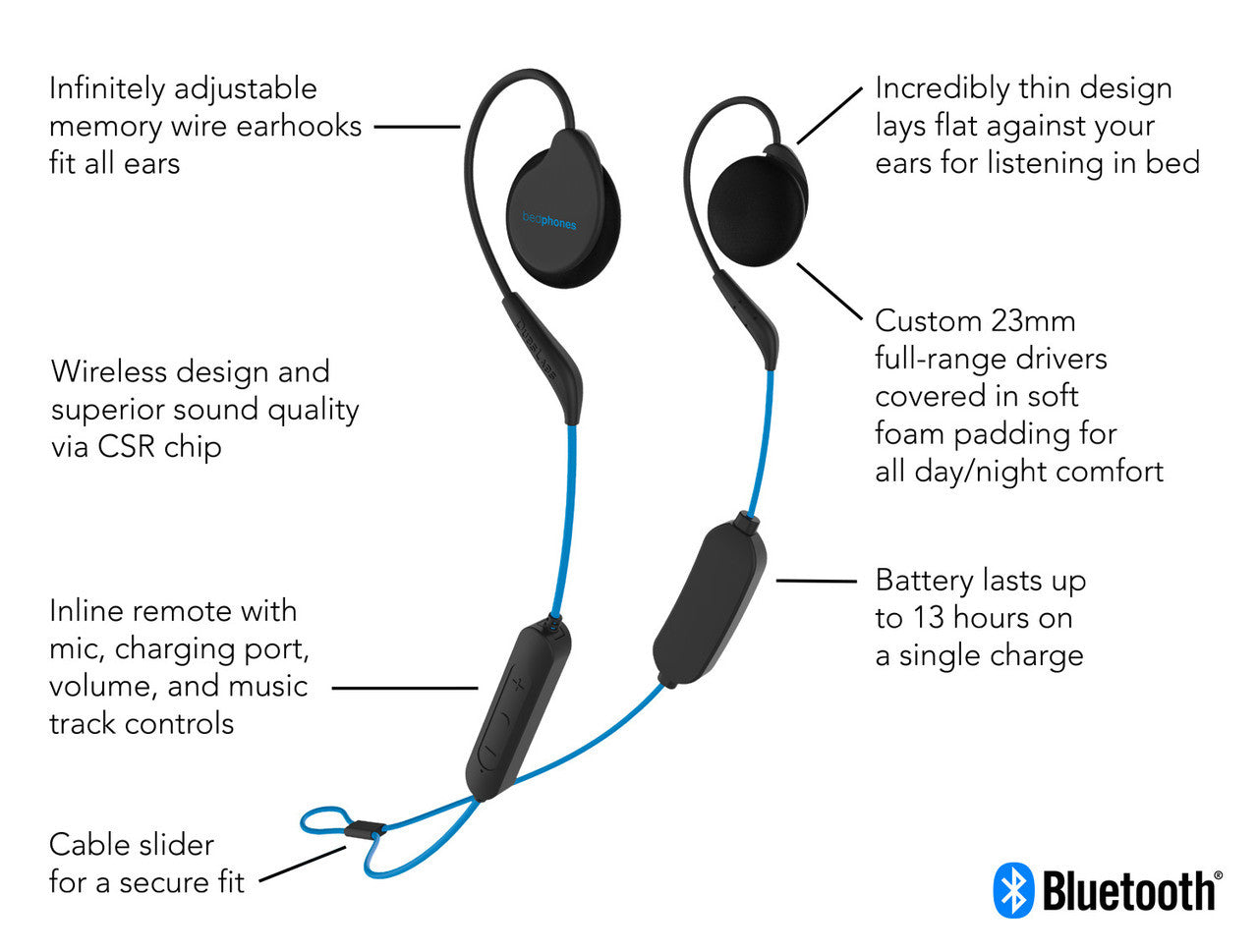
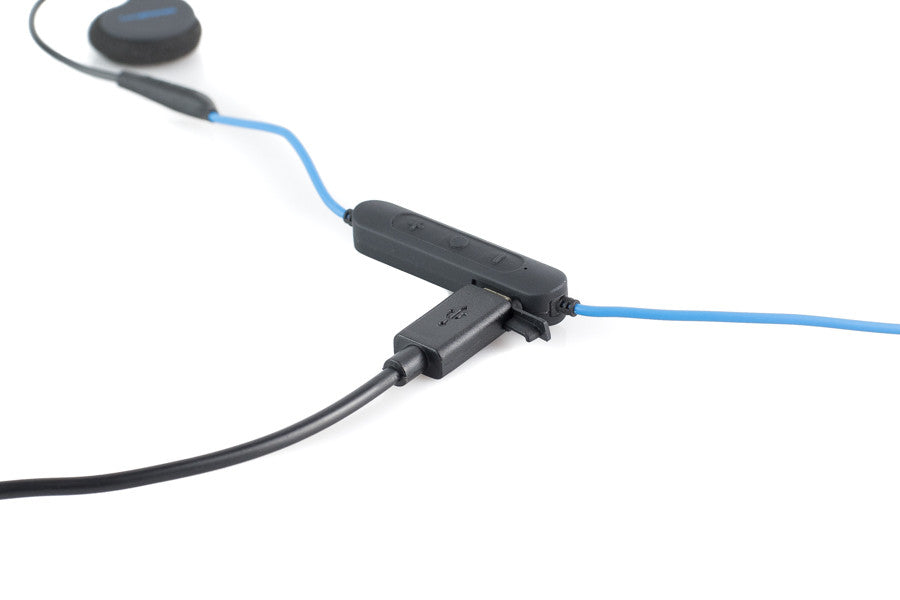
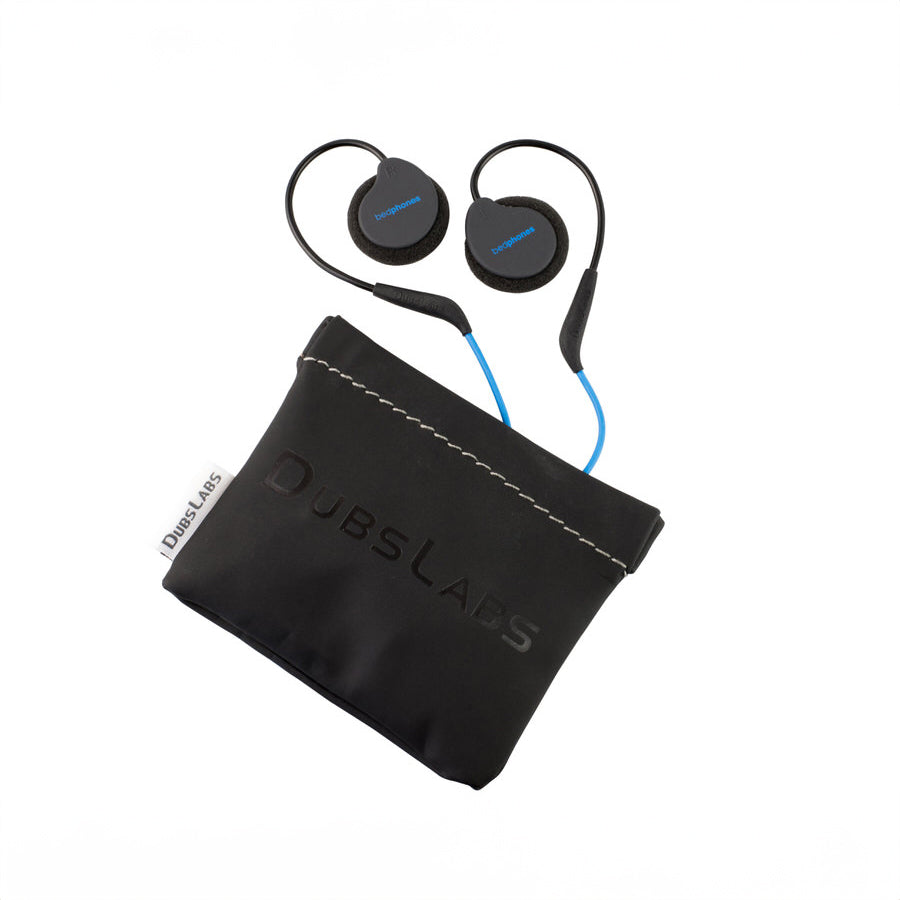
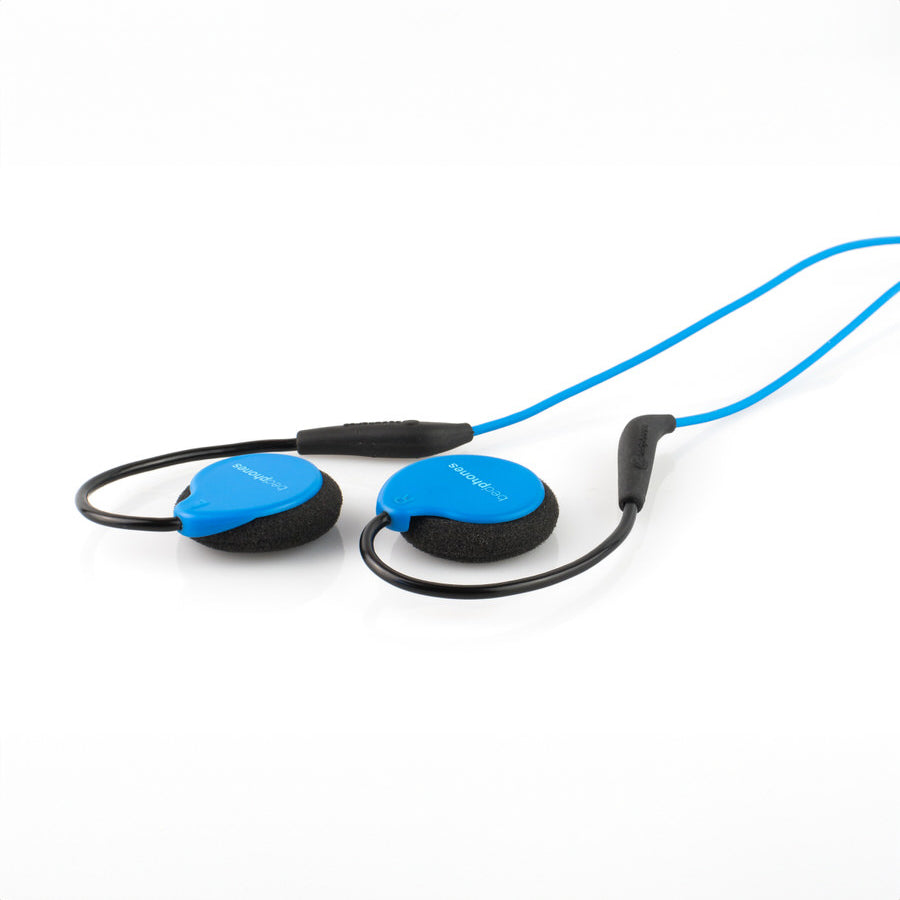
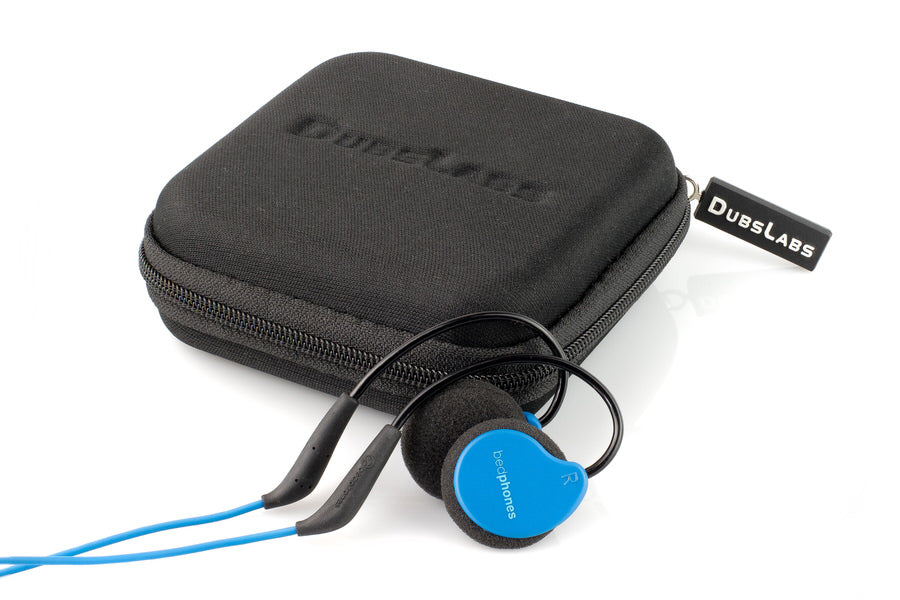
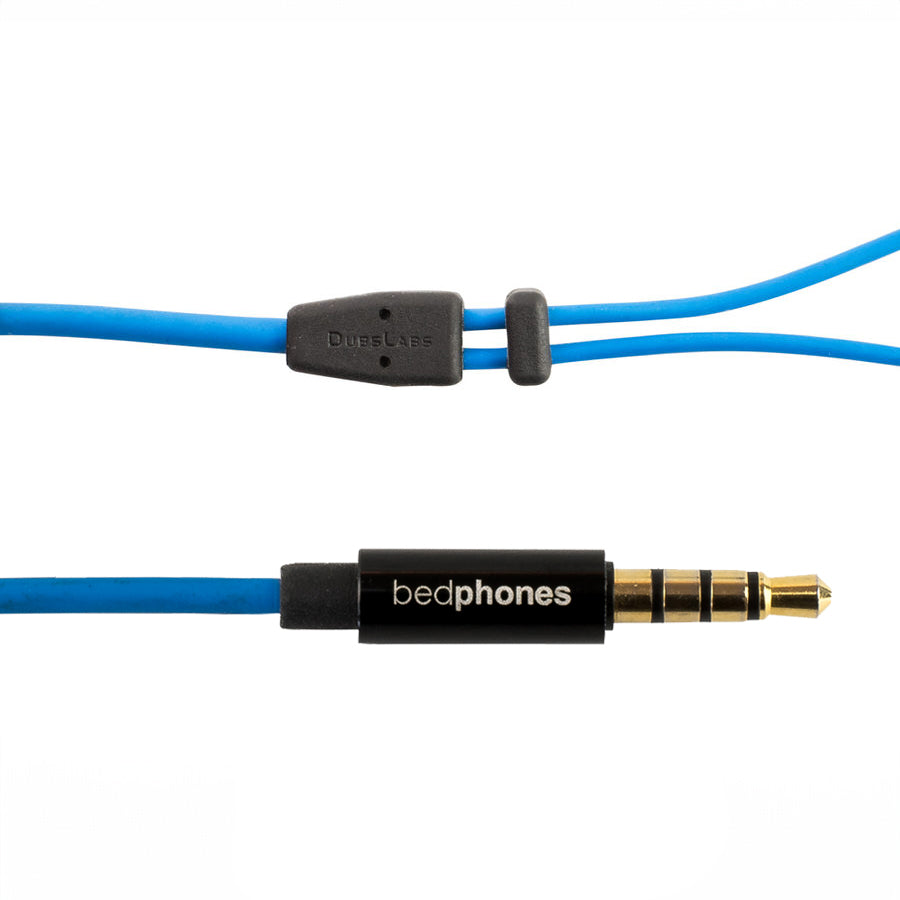
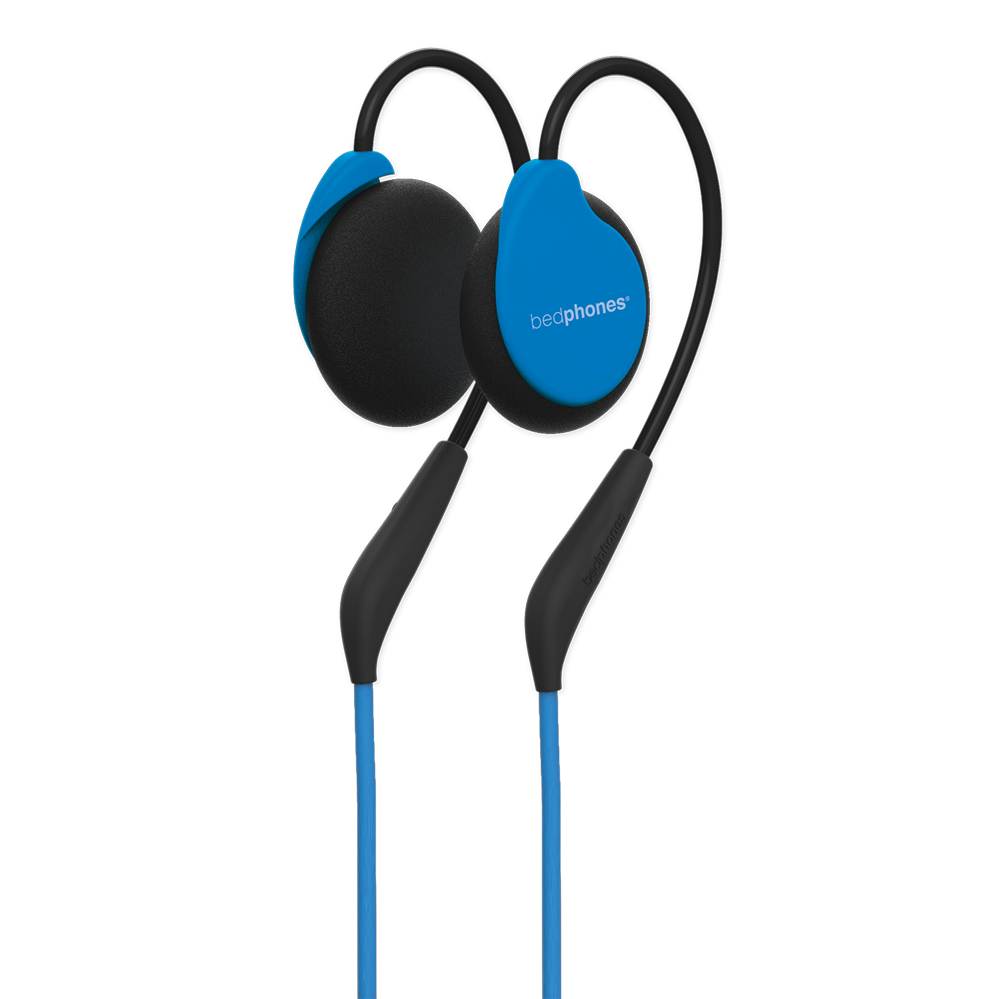
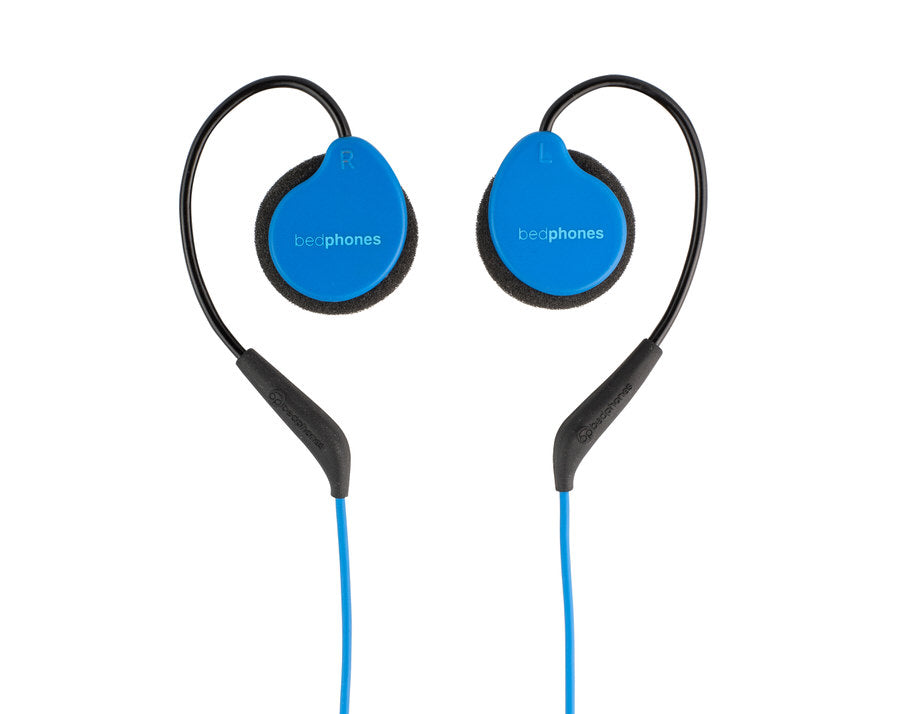
- Bedphones: Like the name says, they’re designed for bed. With their super-thin, adjustable on-ear speakers, they're an absolute game-changer for side sleepers who find even headbands a bit too bulky. You get clear audio without any painful pressure on your ears.
The trick is to experiment and find what works for you. The goal is a solution so comfortable you completely forget you're wearing it. That's when the music can just melt into the background and do its job.
The fact that this kind of specialized sleep gear even exists speaks volumes. The global market for sleep sound music apps was valued at around $1.93 billion USD and is expected to hit $5.5 billion USD by 2035. It just goes to show how many people are actively looking for these kinds of solutions.
Layering Sensory Comforts
Once you’ve got your audio dialed in, it’s time to look around your room. Your brain is taking in information from all your senses, so building a calming, cohesive experience can seriously deepen your relaxation. Think of it as layering different kinds of comfort on top of each other.
A weighted blanket is an amazing partner for your sleep music. That gentle, even pressure it provides is called Deep Touch Pressure stimulation, and it's fantastic for calming an anxious nervous system. When you combine that grounding physical sensation with soothing sound, you get an incredibly powerful tool for quieting a racing mind.
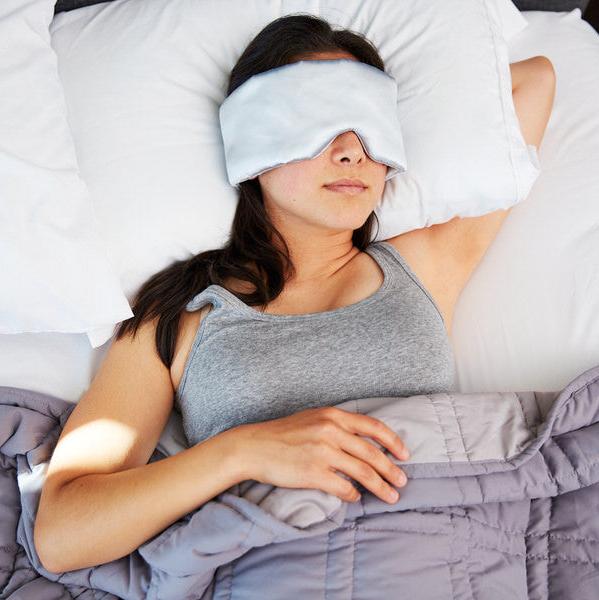
Along the same lines, a total dark sleep mask works in perfect harmony with your audio cues. By blocking out every last bit of light, you're giving your brain a powerful signal to start producing melatonin, the hormone that tells your body it’s time to sleep. Paired with your playlist, you’re basically telling your body through both sight and sound that the day is officially over.
Beyond just temperature and light, the quality of the air you breathe can make a real difference. If you're looking to take things a step further, understanding air purification systems can be a worthwhile exploration for improving your bedroom's air.
By bringing these elements together—comfortable headphones, a weighted blanket for security, and a mask for total darkness—you're doing much more than just listening to music. You're intentionally creating a multi-sensory retreat that makes falling asleep feel natural and effortless.
Common Music for Sleep Mistakes to Avoid
So, you’ve put together a sleep playlist and you’re trying to build a new nightly ritual, but that deep, restorative sleep still feels just out of reach. It’s a common frustration, but don't throw in the towel just yet. More often than not, a few small tweaks are all it takes to turn your nightly music session from a distraction into a powerful sleep aid.
One of the biggest hurdles I see is when the music itself becomes the problem. If you find your mind actively following the melodies, humming along, or even anticipating the next track, the audio is simply too engaging. This is a clear sign to simplify your soundtrack.
When the Music Is Just Another Distraction
If your brain just won't switch off, it’s time to dial back the complexity of what you're listening to. This doesn’t mean your efforts have failed; it just means you need a different kind of sound to get the job done.
- Try Soundscapes: Instead of melodic tunes, make the switch to nature sounds like gentle rain or the steady rhythm of rolling waves. These sounds are constant and predictable, offering a soothing backdrop without any real structure for your brain to latch onto.
- Explore Drones: Drone music, which is built around long, sustained tones, is another fantastic alternative. It does a great job of filling the sonic space and masking disruptive noises without being "interesting" enough to keep you awake.
The goal here is to find a sound that your mind can acknowledge for a moment and then easily ignore, letting it drift off without anything to analyze.
The Problem of Sudden Silence
Another frequent issue people run into is waking up the exact moment their playlist ends. That abrupt shift from a soft, ambient sound to total silence can be jarring enough to pull you right out of a light sleep stage. It’s like your brain suddenly notices the change and goes on high alert.
Fortunately, there are some simple tech fixes for this.
Most music streaming apps have a "crossfade" feature buried in their settings. If you enable this, it will seamlessly blend the end of one track into the beginning of the next, getting rid of those jarring gaps. For the end of the playlist, use a sleep timer that gently fades the volume down to zero over several minutes.
This creates a much smoother, more natural transition into silence, letting you stay asleep. The wellness industry has certainly recognized this need. The global wellness economy is now expanding 1.5 times faster than the consumer economy, and music-based solutions are a huge part of that growth.
Apps like Calm, for example, have seen over 135 million streams of their exclusive sleep music, which just goes to show how many people are looking for these kinds of refined listening experiences. You can actually read more about music's growing role in the wellness industry if you're curious.
Don't Forget About Safety and Hearing Protection
Finally, let's talk about a critical point that’s surprisingly easy to overlook: safety. Using music to fall asleep should never, ever come at the cost of your hearing health. Keeping the volume low is absolutely non-negotiable.
You want to set the volume to a level that is just barely audible—enough to be present, but not so loud that you couldn't easily hear a smoke alarm or another important sound.
And if you're using headphones, please make sure they are actually designed for sleep. Look for soft headbands or ultra-thin options like DubsLabs Bedphones to avoid the discomfort or pressure points from regular earbuds that could disrupt your rest. This is how you ensure your nightly ritual is both effective and completely safe.
Got Questions About Sleep Music? We've Got Answers.
Even once you've crafted the perfect playlist and settled into your cozy sleep sanctuary, a few questions might still linger. That's totally normal. Let's walk through some of the most common ones to clear things up and get your nightly routine dialed in just right.
What Is the Best Type of Music to Go to Sleep?
While everyone's taste is a little different, the music that works best for sleep usually has a few things in common. You're looking for tracks with a slow, steady tempo—think somewhere between 60 and 80 beats per minute (BPM), which is about the same as a resting heart rate. You'll also want minimal changes in volume and, critically, no lyrics. Lyrics can fire up the language parts of your brain, which is the exact opposite of what you want when you're trying to wind down.
Some great genres to start exploring are:
- Ambient Music: This is all about texture and atmosphere, not a catchy melody.
- Minimalist Classical: Think simple, repetitive piano or string pieces. They're perfect for lulling your mind.
- Lo-Fi: That gentle, steady beat can be incredibly grounding and predictable.
Ultimately, the best music is whatever you find relaxing. If one style isn't clicking, don't sweat it. Just try another until you find the sound that helps your mind finally let go of the day.
Is It Bad to Sleep with Music Playing All Night?
It's not necessarily "bad," but it might not be the best move for everyone. Leaving music on all night can sometimes mess with your deeper sleep cycles. Even when you're out cold, your brain is still processing sound, which can prevent you from hitting those truly restorative stages of rest. A sudden change between tracks could even jolt you awake.
For most people, a sleep timer is the way to go. Setting your music to gently fade out after about 45 to 90 minutes gives you more than enough time to drift off, but the sound won't be there to disrupt your sleep later in the night.
Can Music Actually Help with Insomnia?
For a lot of people, the answer is a resounding yes. Music can be an amazing, non-drug tool for managing the frustrating symptoms of insomnia. It works by creating a consistent and predictable cue for sleep. Over time, this ritual helps train your brain to associate a specific sound with shutting down for the night.
On a physical level, it can help slow your heart rate and encourage deeper, calmer breathing. It also provides a gentle distraction from the anxious, racing thoughts that so often keep insomniacs staring at the ceiling. It shifts your focus away from the stress of not being able to sleep and onto a pleasant, calming experience, making it much easier to relax and let sleep happen naturally.
Ready to feel the difference a truly comfortable listening experience can make? DubsLabs designed Bedphones with side-sleepers in mind—and for anyone who's just plain tired of bulky, painful headphones in bed. Discover how our ultra-thin headphones and other sleep-enhancing products can transform your nights.