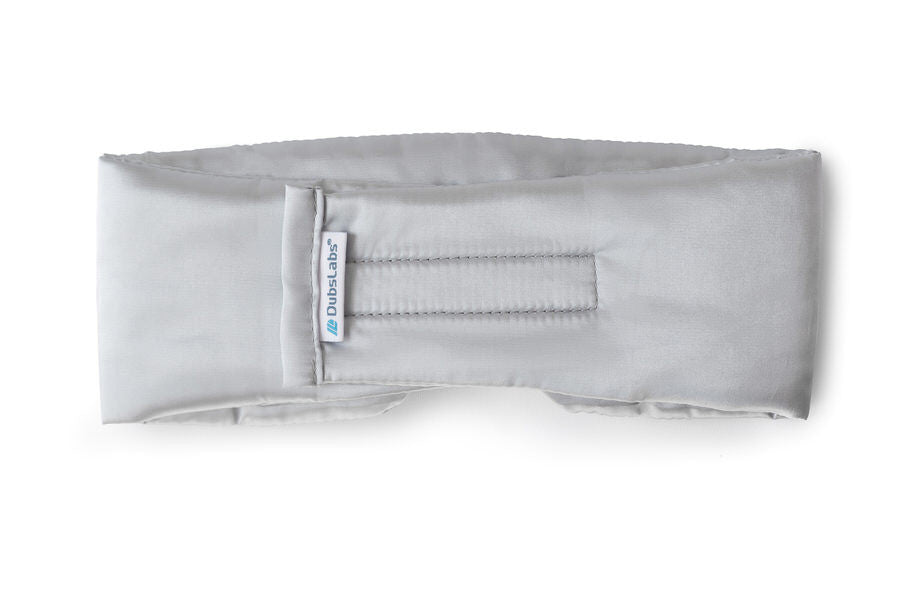
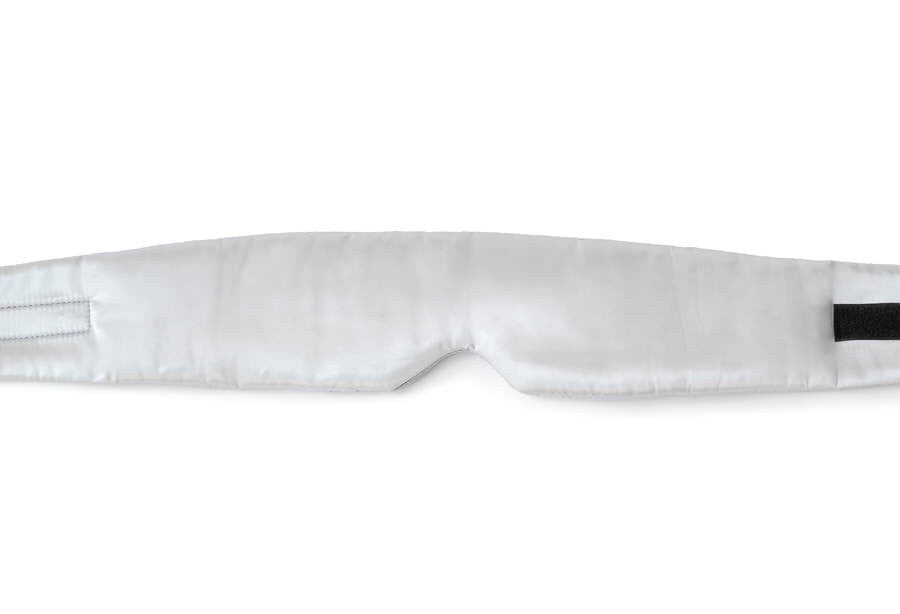
A good mask for sleeping isn't just a piece of fabric you strap to your face. Think of it as a simple, powerful tool that creates the pitch-black environment your body craves for truly deep, restorative rest. It’s your personal "off" switch for the world, signaling to your brain that it's time to release melatonin and start shutting down for the night.
How a Sleep Mask Unlocks Deeper Rest
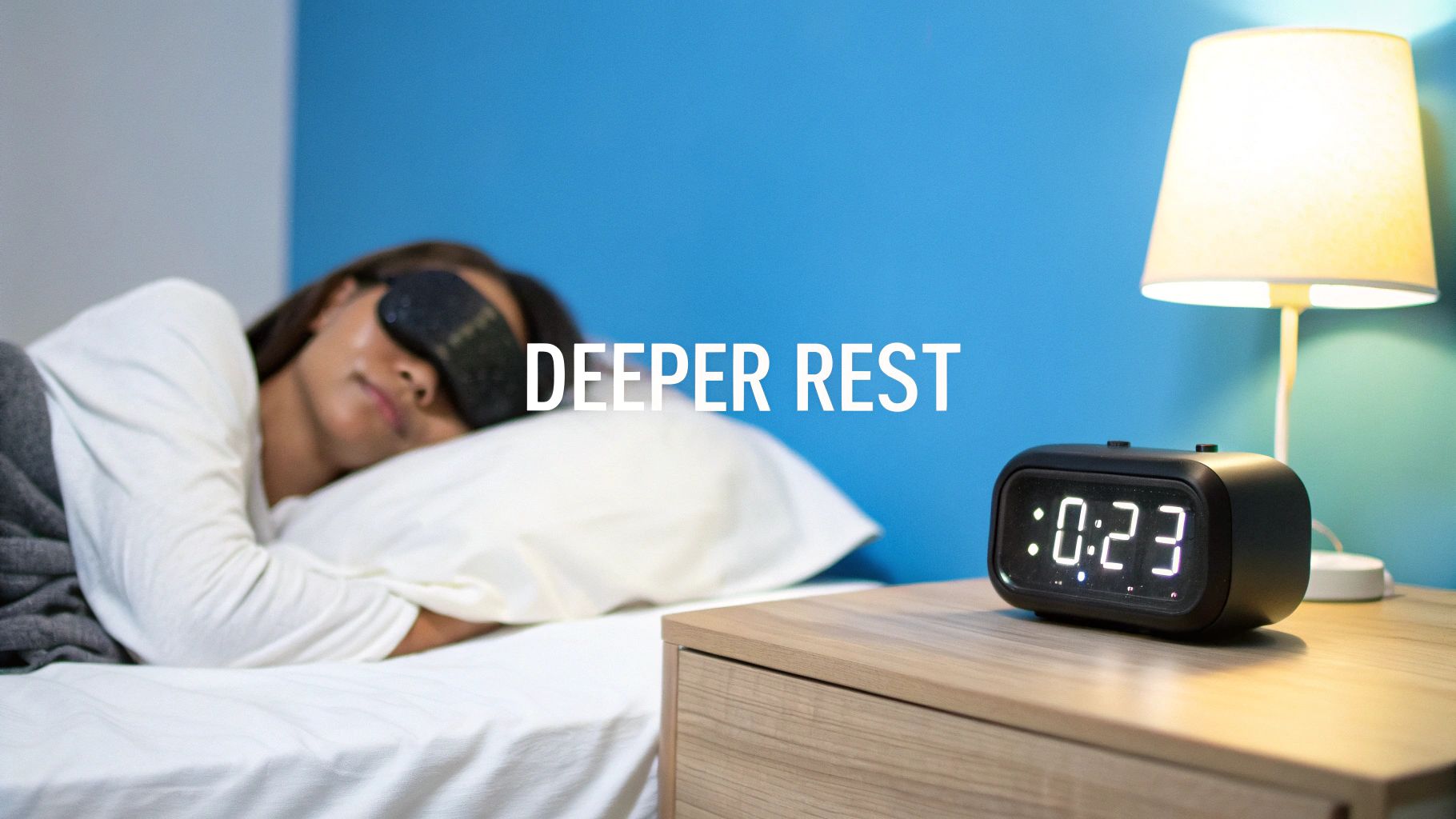
Ever find yourself just lying there, staring at the ceiling, wondering why you can't drift off? The culprit is often sneakier than you think. It could be the faint glow from your alarm clock, a sliver of light from under the door, or even distant streetlights filtering through your blinds.
Even tiny amounts of light can throw a wrench in your body's natural sleep-wake cycle.
Think of your brain's sleep mechanism like a dimmer switch. Any light, no matter how subtle, keeps that switch turned up, telling your brain to stay alert. This light exposure actively suppresses the production of melatonin, the all-important hormone that signals it's time to wind down. Without enough melatonin, falling asleep feels like an uphill battle, and the quality of your rest takes a nosedive.
Creating Your Personal Blackout
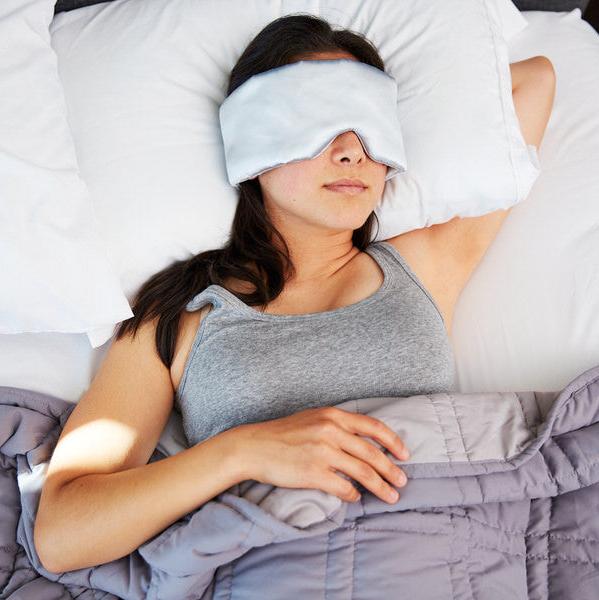
This is where a sleep mask becomes your best friend. It acts like a personal set of blackout curtains, instantly creating an environment of complete darkness just for you. This simple act of sensory deprivation is the most direct way to flip that internal dimmer switch all the way down.
By completely eliminating visual distractions, you give your brain the clear, unmistakable signal to fully commit to sleep.
This one small change can have a huge impact on your sleep hygiene:
- Fall Asleep Faster: By letting melatonin do its job, a mask can seriously cut down the time it takes you to doze off.
- Deeper, More Restorative Sleep: Total darkness helps you spend more time in the deep sleep and REM stages, which are crucial for physical recovery and mental processing.
- Stay Asleep Longer: It shields you from sudden light changes—like a partner turning on a lamp or the sun rising too early—that can jolt you out of a deep sleep cycle.
A sleep mask is the cornerstone of a distraction-free sleep environment. It creates a consistent, dark space that tells your body it is safe to power down and recover, regardless of what’s happening around you.
It's amazing what a difference this one small habit can make. For those looking to take relaxation to the next level, a weighted eye mask can offer additional benefits by adding a layer of gentle, calming pressure.
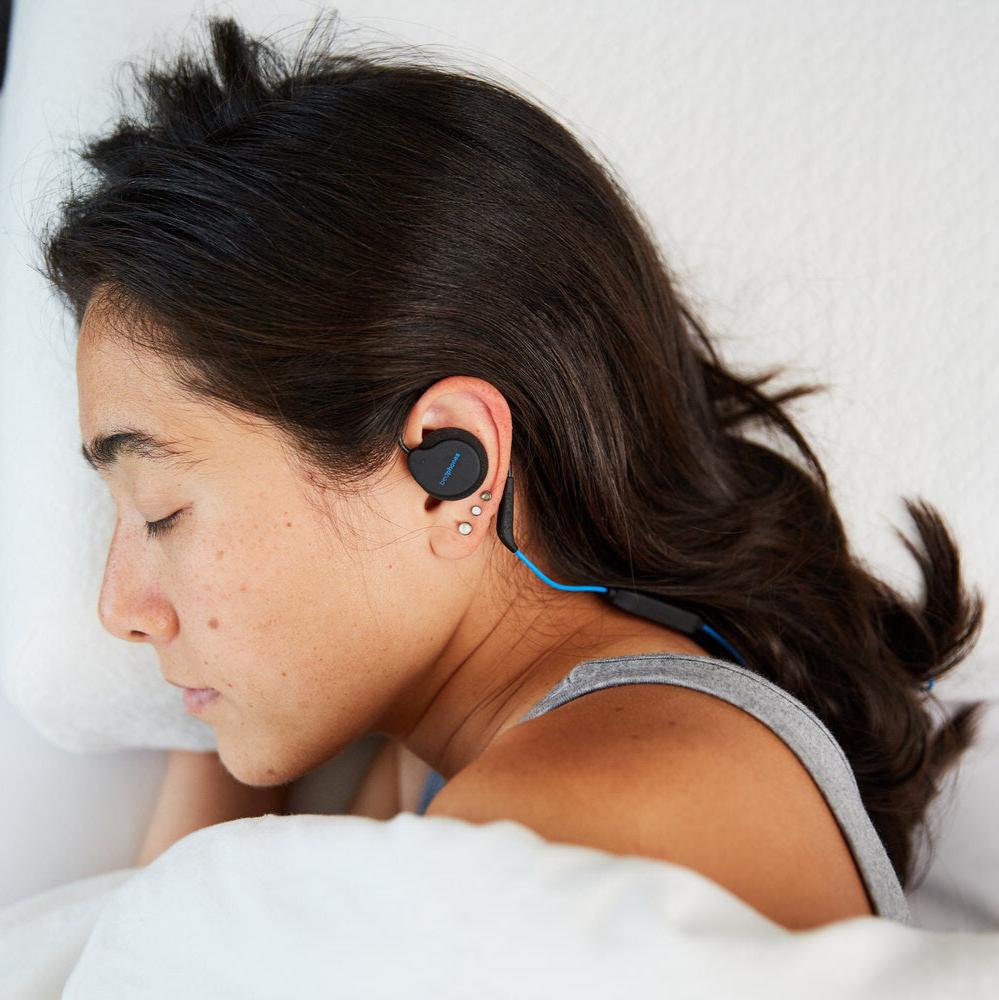
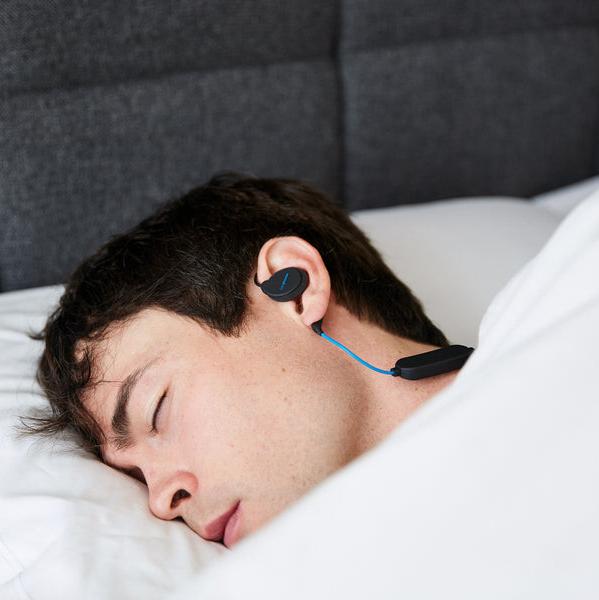
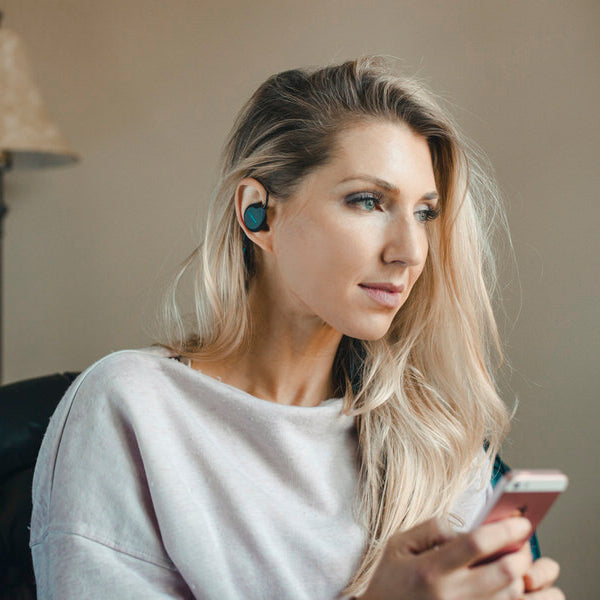
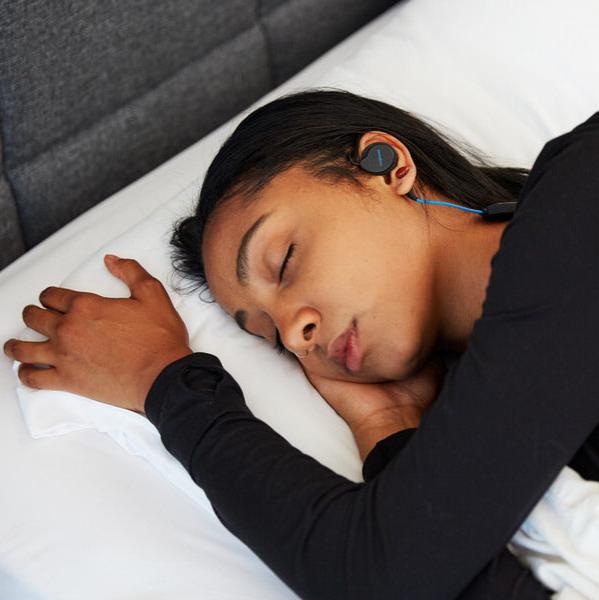
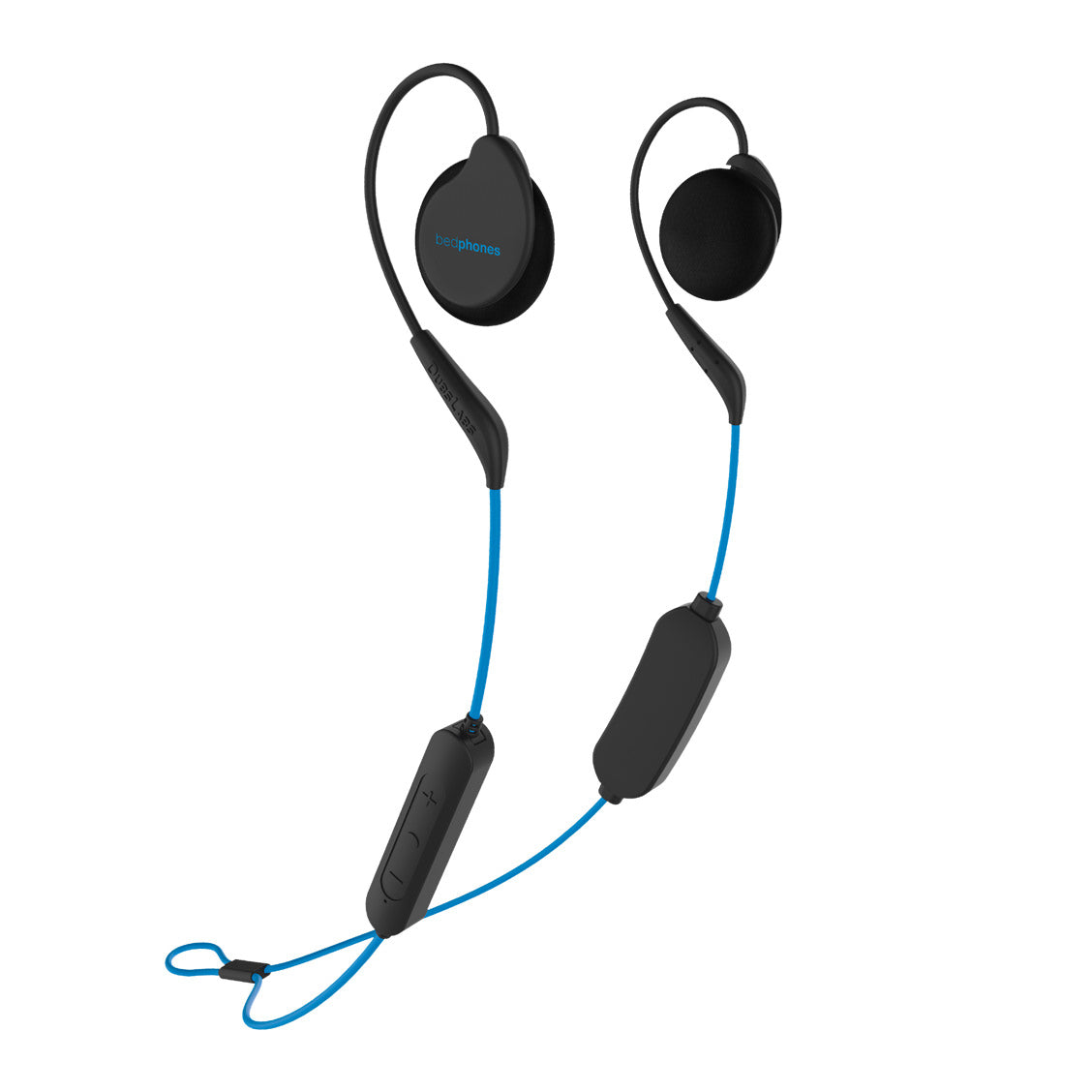
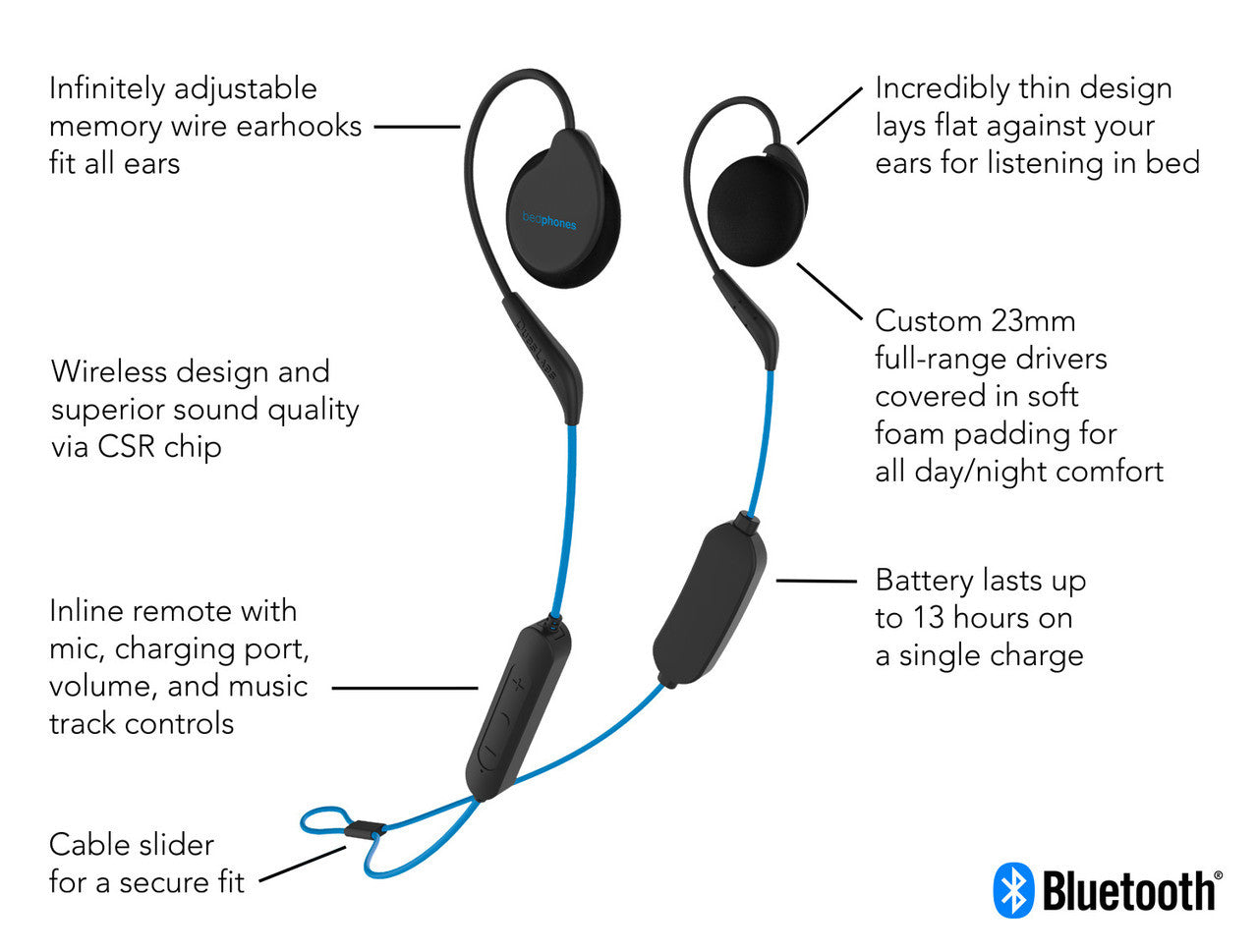
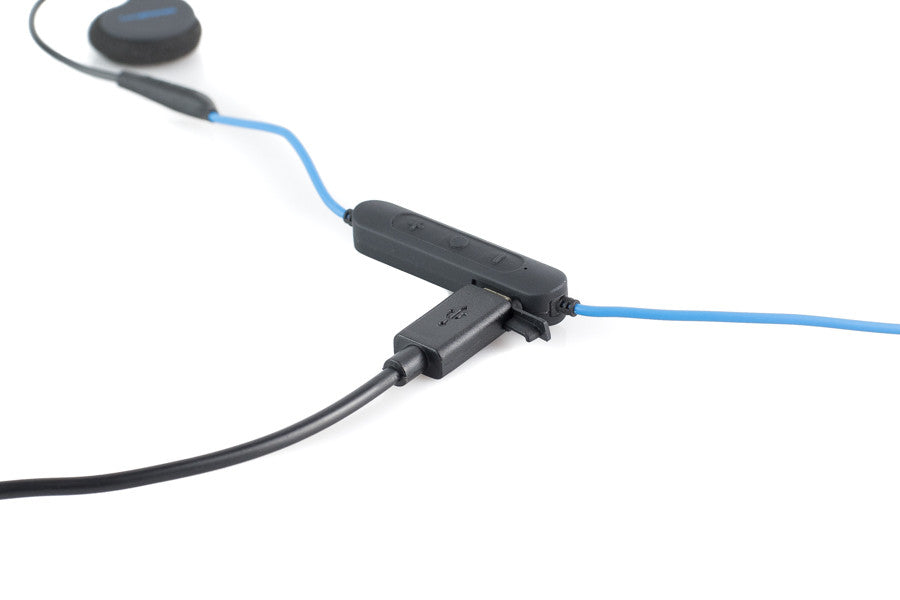
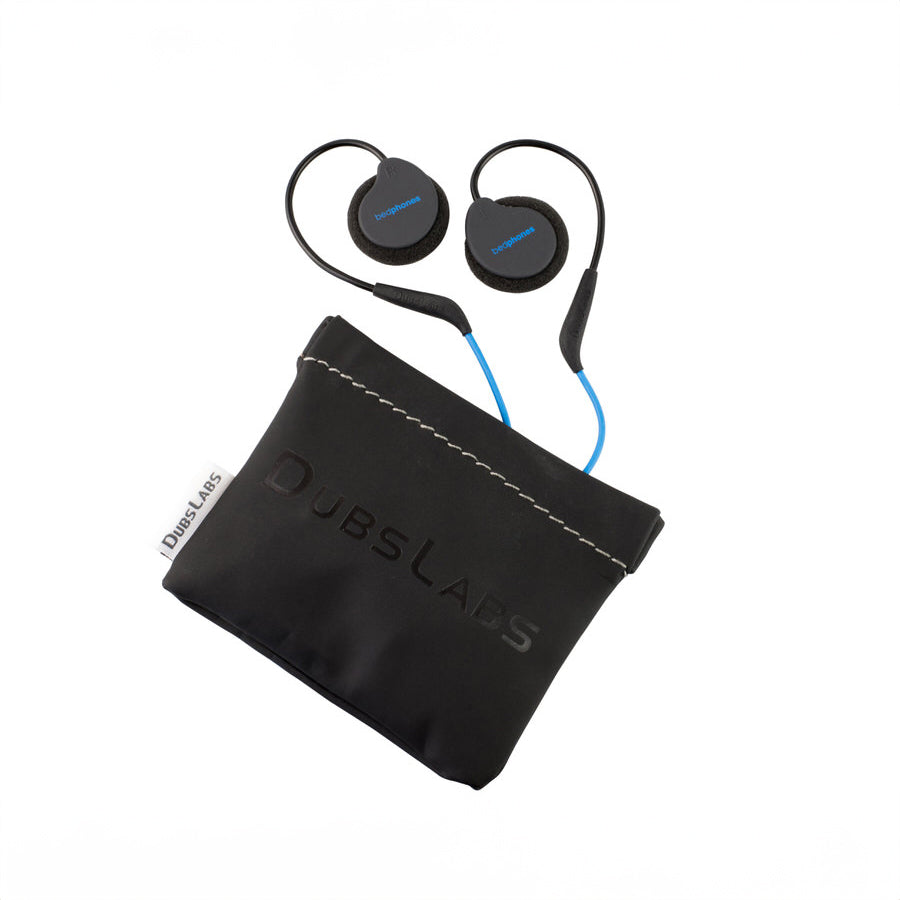
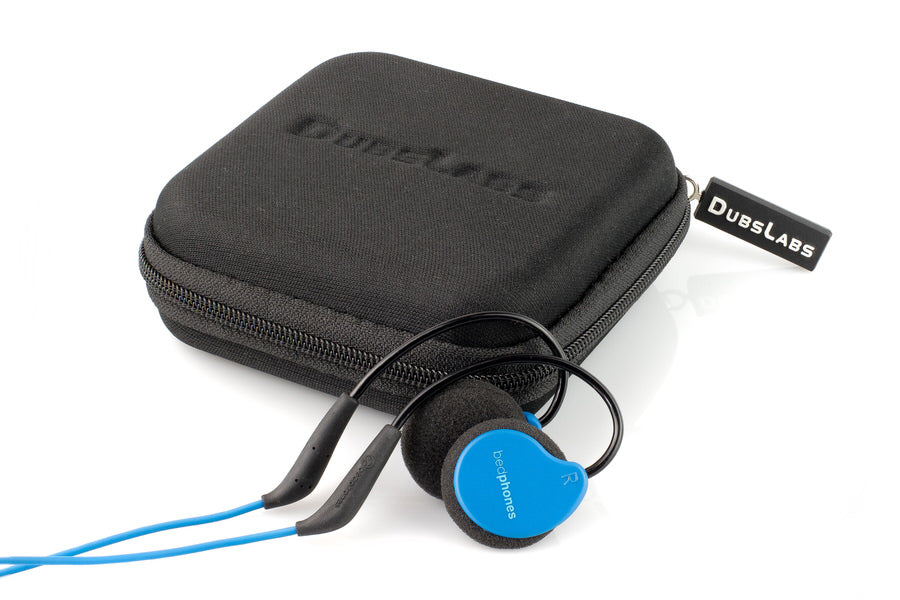
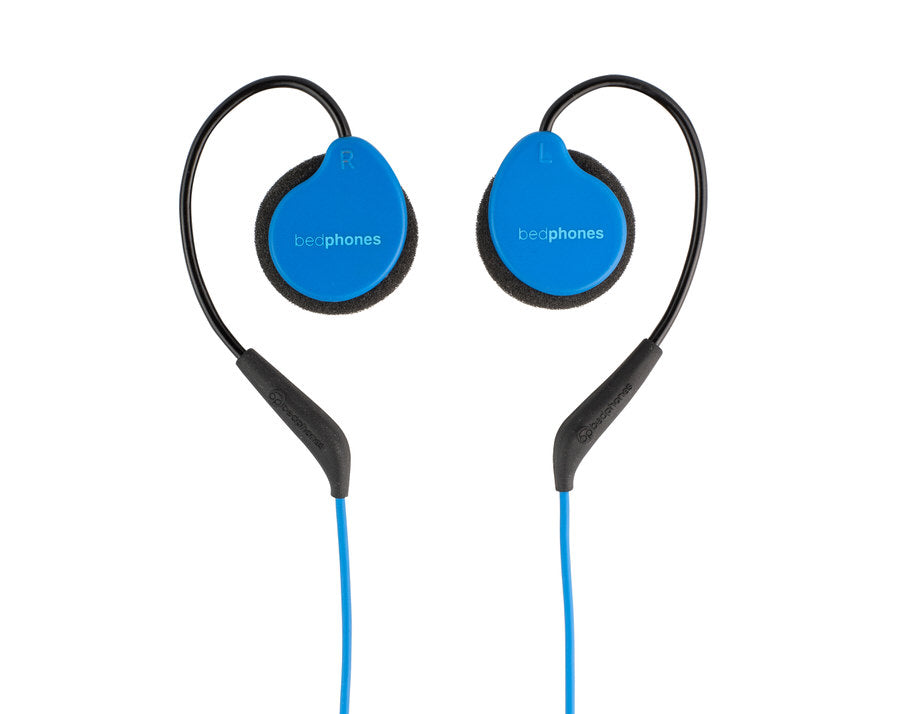
When you pair a great mask with other tools like DubsLabs Bedphones, you can build a fully immersive sleep sanctuary, shutting out both disruptive light and sound for your best night's rest.
The Science Behind Better Sleep in Total Darkness
A good mask for sleeping is so much more than a strip of cloth you tie around your head. It’s a powerful wellness tool that works with your body's most basic biology—the science of your internal clock. To really get why it works, we need to look at how our brains process light and dark as the ultimate on/off switch for our daily cycles.
Your body runs on a roughly 24-hour cycle called the circadian rhythm. Just think of it as your internal master clock, the one that tells you when to feel energetic and when to feel hungry. The single biggest thing that sets this clock is light. When your eyes detect light, it sends a signal straight to your brain: "Hey, it's daytime. Time to be awake and alert."
On the flip side, darkness is the cue that tells your brain to release melatonin, the hormone responsible for making you feel sleepy and prepping your body for rest. A sleep mask is like creating a personal, on-demand sunset just for your eyes. It kicks off that crucial hormonal process no matter what’s going on around you, making it an indispensable tool for anyone trying to sleep when the sun is still up.
Regulating Your Internal Clock
For shift workers, frequent flyers, or really anyone with a wonky schedule, a sleep mask is a total game-changer. It gives you the power to create a nighttime environment whenever you need it. This helps reset your circadian rhythm and fight off the nasty, disorienting effects of jet lag or working the graveyard shift.
By using a mask consistently, you're literally training your body to connect the sensation of total darkness with sleep. That consistent cue stabilizes your sleep-wake cycle, leading to much more predictable and restorative rest over time. It’s a surprisingly simple way to take back control of your own biology.
This is especially critical when it comes to REM sleep.
REM (Rapid Eye Movement) is the stage of sleep where the magic happens—it’s vital for locking in memories, learning new things, and processing emotions. Research has shown that sleeping in complete darkness can actually lengthen and improve the quality of your REM sleep, which helps you feel sharper and more clear-headed the next day.
Getting that level of total darkness is tougher than it sounds. Even tiny slivers of light from a phone charger or a streetlight can be enough to disrupt these delicate sleep stages. If you want to dive deeper into this, you can learn more about the amazing benefits of sleeping in total darkness in our detailed guide.
The Psychological Comfort of a Sensory Cocoon
Beyond all the science, there's a powerful psychological benefit to wearing a sleep mask. We live in a world of constant visual stimulation, and the simple act of blocking all that out creates a personal sensory cocoon. This can be a huge help for quieting a racing mind and tuning out the visual ‘noise’ that so often leads to bedtime anxiety.
This sensory break draws a clear line between your busy, stimulating day and your quiet time for rest. It’s a physical signal to your brain that it's time to disengage from the outside world and retreat into a safe space dedicated only to sleep.
- Reduces Anxiety: The gentle, even pressure and complete darkness can have a calming effect, almost like a weighted blanket just for your eyes.
- Minimizes Distractions: It physically stops you from peeking at your phone or checking the time on your alarm clock—two habits that can make sleep anxiety much worse.
- Enhances Focus on Relaxation: By taking away one of your key senses, it encourages your mind to focus on other relaxation methods, like deep breathing or listening to calming music.
At the end of the day, a mask for sleeping isn’t just a simple accessory. It's a deliberate choice to invest in your physical and mental well-being. It’s a core piece of any modern sleep toolkit, giving you a reliable and effective way to create the perfect environment for your body to repair, recharge, and thrive.
Finding Your Perfect Sleep Mask Material and Style
Picking out a sleep mask is a lot like finding the perfect pillow—what one person swears by might be a total disaster for someone else. The market is packed with options, and each one is built with a specific kind of sleeper in mind. The first step to finding your nightly go-to is understanding what makes each style and material different.
The best mask is the one that seems to disappear the moment you put it on, all while plunging you into complete, blissful darkness.
This isn't just about blocking light; it's about choosing a true partner for your rest. Everything from the feel of the fabric on your skin to how the strap sits on your head plays a part in crafting that perfect little sleep sanctuary for one.
The Most Popular Sleep Mask Styles
Let's break down the main players on the field. Each one brings something unique to the table, designed for different sleep habits and personal tastes.
-
Contoured Masks: Think of these as "personal space" for your eyes. They have molded, cup-like domes that create a little pocket of air, so the mask itself never actually rests on your eyelids or smushes your lashes. This is a game-changer for anyone with lash extensions or who just can't stand that feeling of pressure on their eyes. They’re also fantastic for REM sleep, letting your eyes move freely.
-
Silk Masks: If you're after a little bit of luxury that's also kind to your skin, a mask made from luxurious white silk fabric is the way to go. Silk is naturally hypoallergenic and lets your skin breathe, which is a big win for anyone with sensitive skin. Plus, its smooth surface causes less friction than cotton, potentially reducing those morning sleep creases and being gentler on the delicate skin around your eyes.
-
Memory Foam Masks: When you need to achieve maximum, no-compromises light blocking, memory foam is your champion. These masks use a soft, pliable foam that molds perfectly to the unique shape of your face. It seals up every little gap where light could possibly sneak in, especially around the bridge of your nose. The result is a soft, cushioned fit that delivers a true blackout experience.
Specialized Masks for Enhanced Comfort
Beyond the usual suspects, some masks are engineered to tackle specific sleep problems, turning a simple eye cover into a targeted wellness tool.
A great example is the weighted mask, which applies a gentle, calming pressure across your face. It's built on the same idea as a weighted blanket, using deep pressure stimulation to help settle your nervous system and ease anxiety. For restless sleepers who need a little extra nudge to wind down, this can make a world of difference.
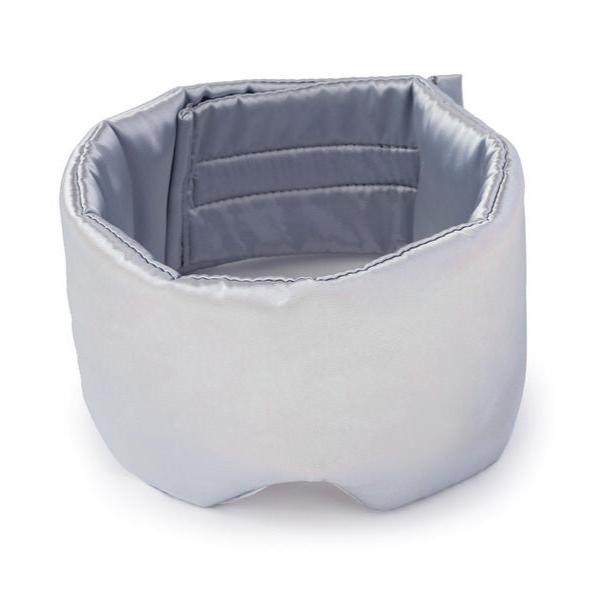
Another cool innovation is the total-darkness mask, like the ones we've designed here at DubsLabs. These are meticulously engineered for zero light leakage. They often pull the best features from other styles—like the roomy feel of a contoured mask and the light-sealing power of foam—to create an immersive, pitch-black environment. They're ideal for light-sensitive folks, shift workers, or anyone who is truly serious about their sleep hygiene. Some masks even add cooling gels, a feature you can learn more about in our guide on cooling eye masks.
A Head-To-Head Comparison
To help you sort through the options and find your perfect match, this table breaks down the key differences at a glance. It compares the most common types of sleep masks, what they're made of, and what they do best.
Sleep Mask Type and Material Comparison
| Mask Type | Primary Material | Key Benefit | Best For |
|---|---|---|---|
| Contoured | Molded Foam, Fabric | No eye pressure, protects lashes | Makeup wearers, REM sleep |
| Silk | 100% Silk | Gentle on skin, hypoallergenic | Sensitive skin, anti-aging |
| Memory Foam | Viscoelastic Foam | Superior light blocking, custom fit | Light-sensitive sleepers |
| Weighted | Fabric with Micro-beads | Calming pressure, anxiety relief | Anxious or restless sleepers |
| Total-Darkness | Multi-layer composite | Complete light elimination | Shift workers, ultimate darkness |
Seeing these side-by-side makes it a lot clearer which mask might be the right fit for your specific sleep challenges or preferences.
Ultimately, the best mask for sleeping is the one you'll forget you're even wearing. It should conform to your face without being restrictive, block light without causing pressure, and stay in place all night long.
By thinking about your own sleep habits—are you a side sleeper, do you have sensitive skin, or can you just not stand even a sliver of light?—you can confidently pick the material and style that will help you get the deep, restorative rest you deserve.
Choosing a Mask for Your Specific Sleep Needs
Finding the perfect sleep mask isn't about picking the one with the best reviews—it's about finding the one that's perfect for you. There's no such thing as a one-size-fits-all solution here. Your sleep habits, what you're sensitive to, and even what you do for a living can completely change what you need from an eye cover.
Think of it this way: the ideal mask for someone who travels constantly is going to be worlds apart from what an anxious sleeper needs to feel calm. The real goal is to match your specific challenges with a design built to solve them. That's when a mask goes from being a simple accessory to an indispensable part of your nightly wind-down.
This visual guide is a great place to start figuring out what matters most to you.
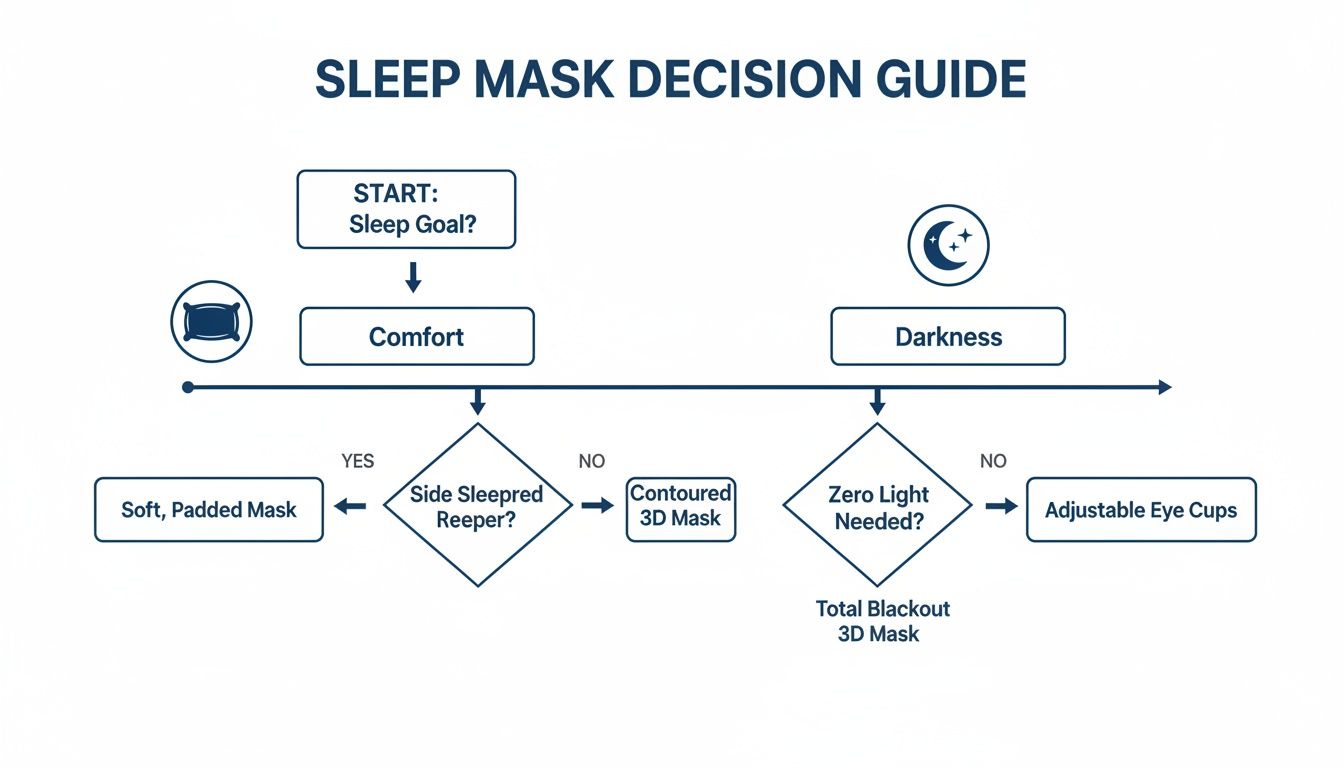
As you can see, whether your priority is absolute darkness or next-level comfort, there's a path that leads to the right style of mask.
Solutions for Side Sleepers
If you're part of the 74% of people who sleep on their side, you know the struggle all too well. A bulky mask can dig right into your temple, shift around, or create weird pressure points the second you turn over. All that fidgeting and adjusting completely defeats the purpose.
The secret is to find a mask with a slim, low-profile design.
- Slim Straps: Look for masks with thin, flat, and adjustable straps that lie smoothly against your head. Steer clear of anything with big plastic buckles or chunky seams that will press into your skin.
- Flexible Materials: Masks made from silk or a thin, pliable foam are fantastic choices. They're designed to conform to the contours of your face instead of pushing against it, keeping a good seal without adding any bulk.
Calming Masks for Anxious Sleepers
For anyone whose mind starts racing the moment their head hits the pillow, a basic sleep mask might not cut it. This is where a weighted mask for sleeping can be a game-changer. These masks use tiny, weighted beads to apply a gentle, soothing pressure across key relaxation points on your face.
It works on the same principle as a weighted blanket, a concept known as Deep Pressure Stimulation (DPS).
This gentle, constant pressure helps flip the switch on your nervous system, guiding it from the alert "fight-or-flight" state to the relaxed "rest-and-digest" mode. It can help slow your heart rate, lower cortisol, and make it much easier to quiet those anxious thoughts.
It creates a comforting, cocoon-like feeling that can be a powerful tool for anyone dealing with stress, sensory overload, or just general restlessness before bed.
The Shift Worker’s Essential Tool
Shift workers have a uniquely tough job: they have to convince their bodies to sleep when biology—and the sun—are screaming that it's time to be awake. For them, a sleep mask isn't just a nice-to-have; it's a critical piece of gear for keeping their circadian rhythm on track.
The absolute non-negotiable feature here is total light-blocking capability.
- Look for Zero Light Leakage: Masks made from memory foam or those marketed specifically as "total-darkness" or "blackout" designs are your best bet. They are engineered to mold perfectly to your face, sealing up every tiny gap where daylight might try to sneak in.
- Nose Bridge Design is Key: The area around your nose is the most common spot for light leaks. A top-tier mask for a shift worker will have an adjustable nose wire or extra padding to create a perfect, light-proof seal in that tricky area.
Pairing Your Mask with Sleep Headphones
Listening to calming music, podcasts, or guided meditations is a great way to drift off. But trying to combine a sleep mask with headphones can be a masterclass in frustration. Bulky masks and traditional earbuds are a terrible mix.
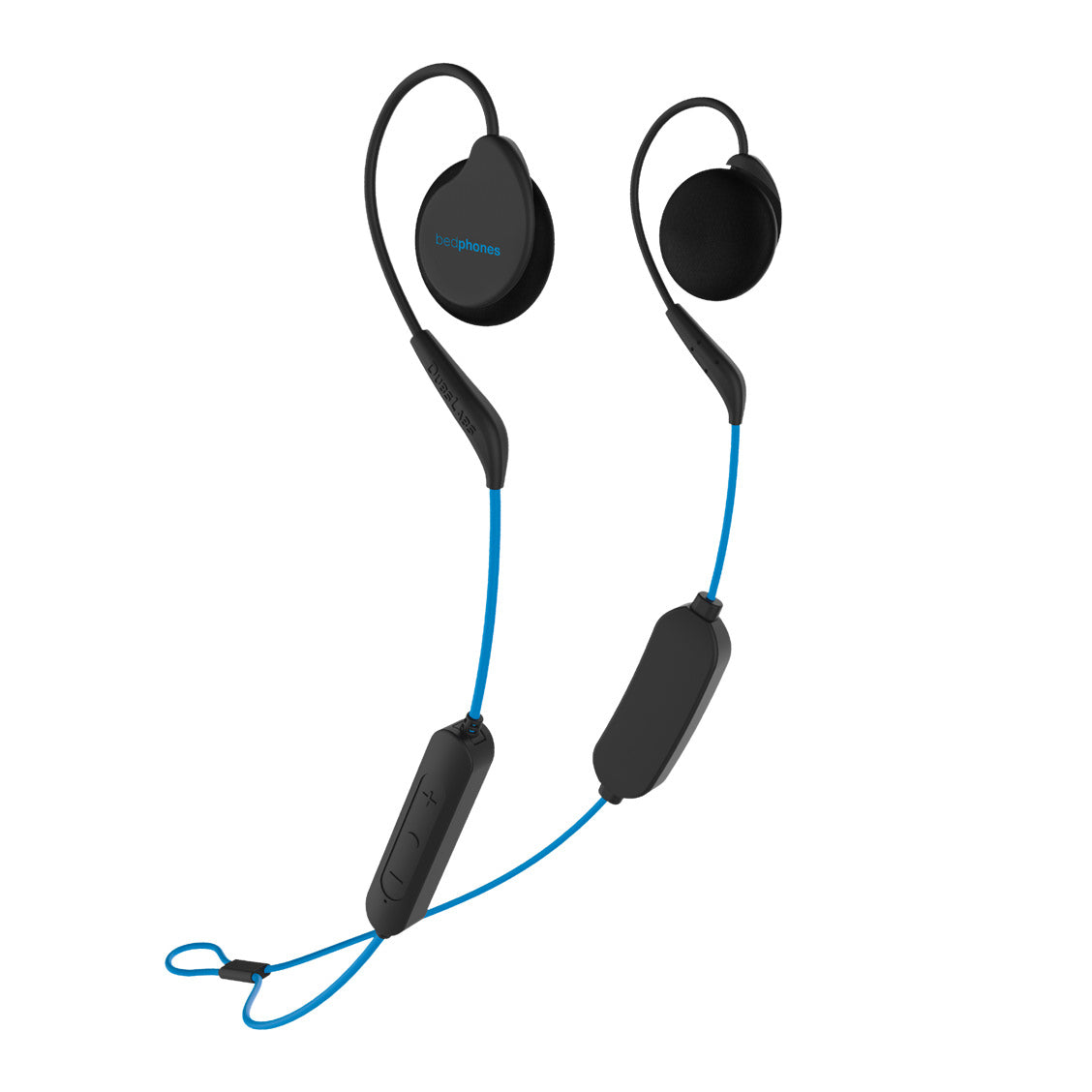
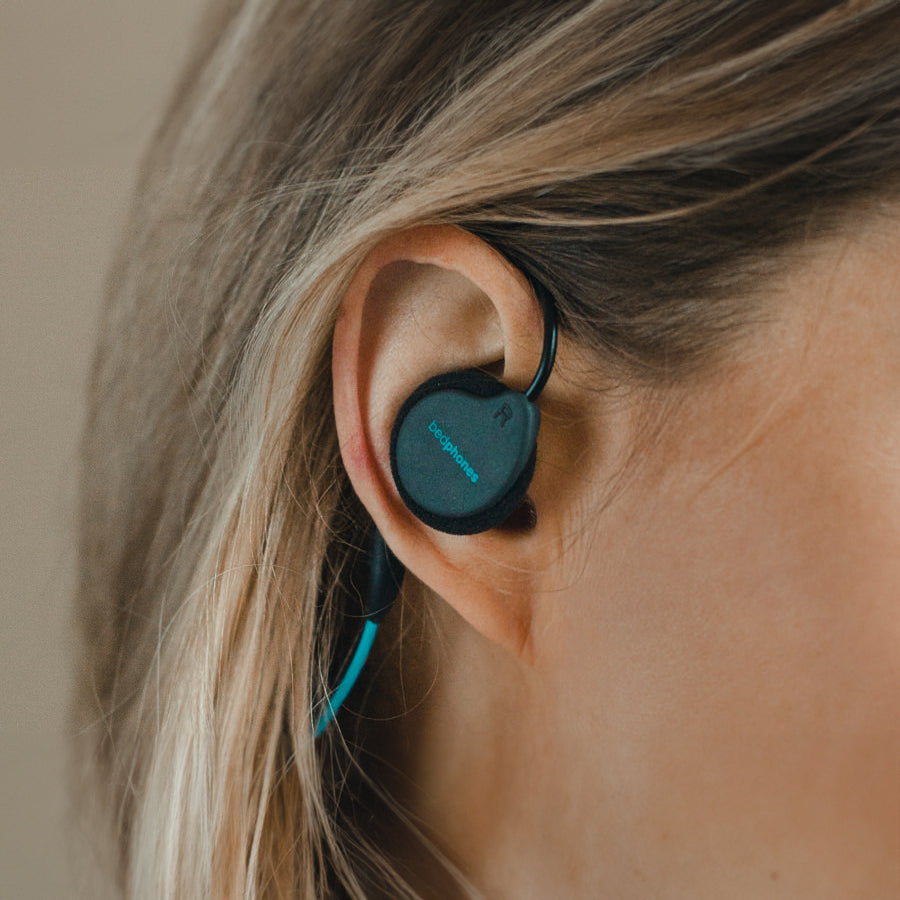
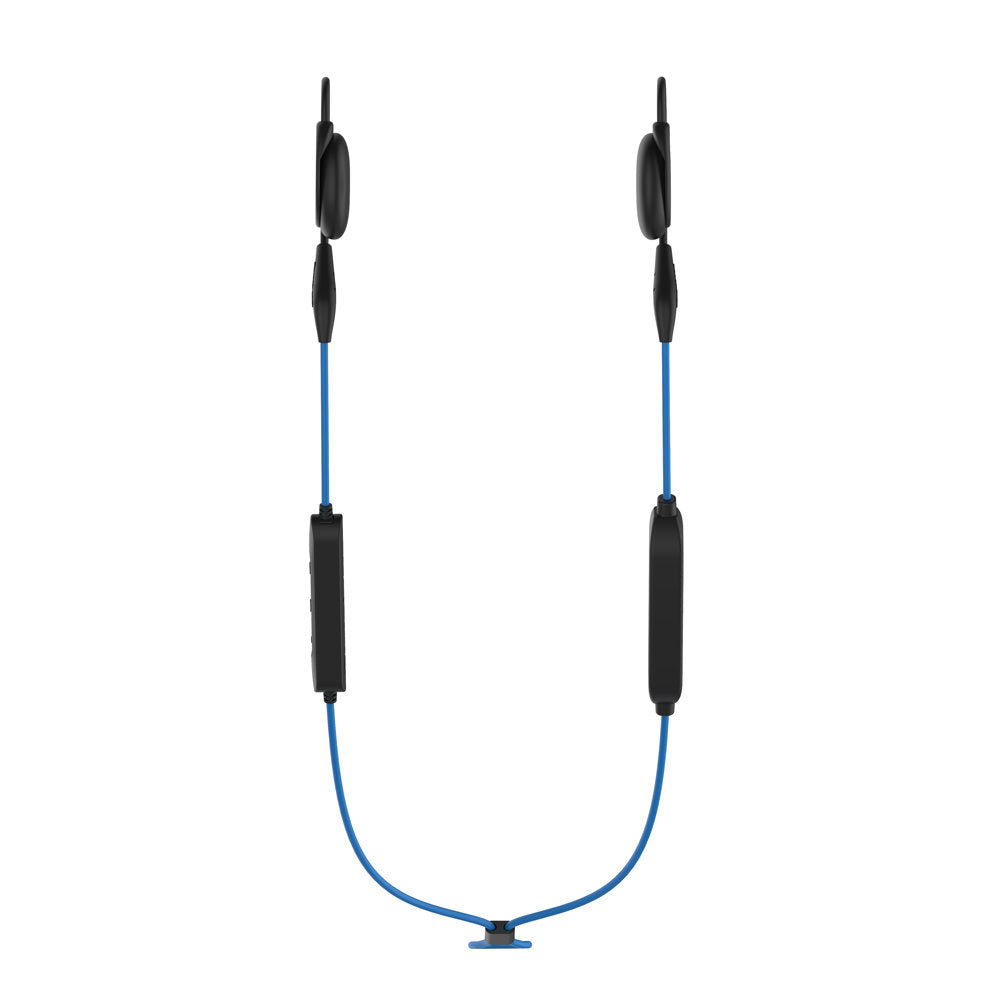
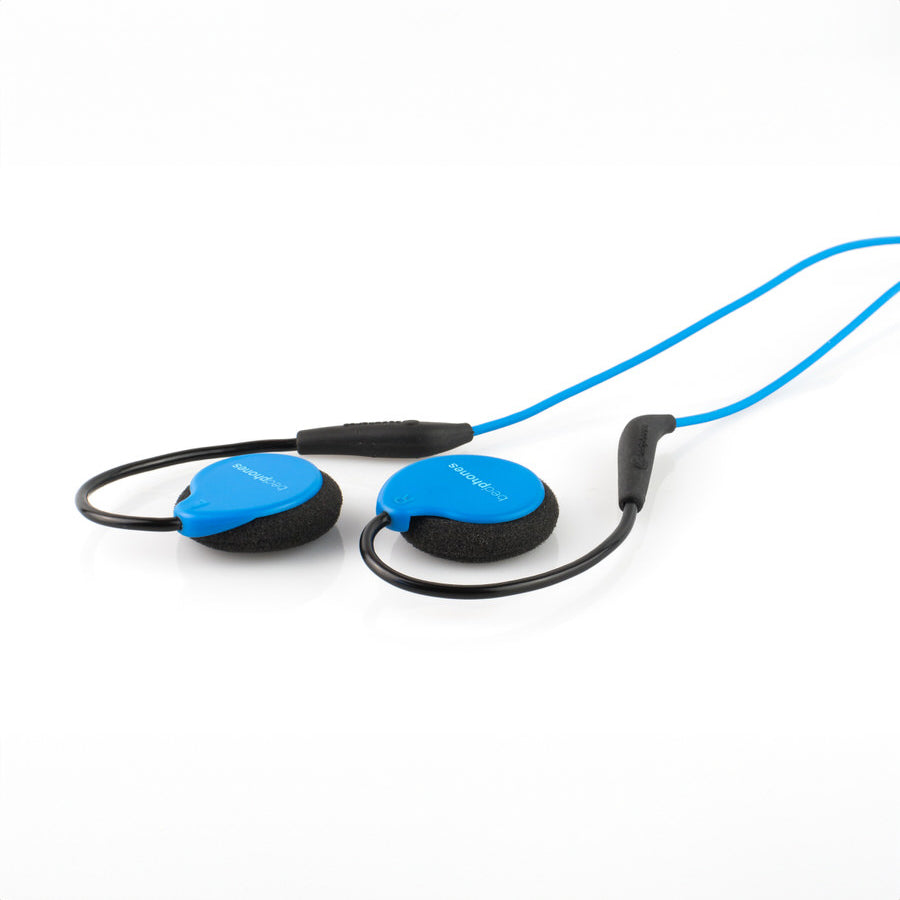
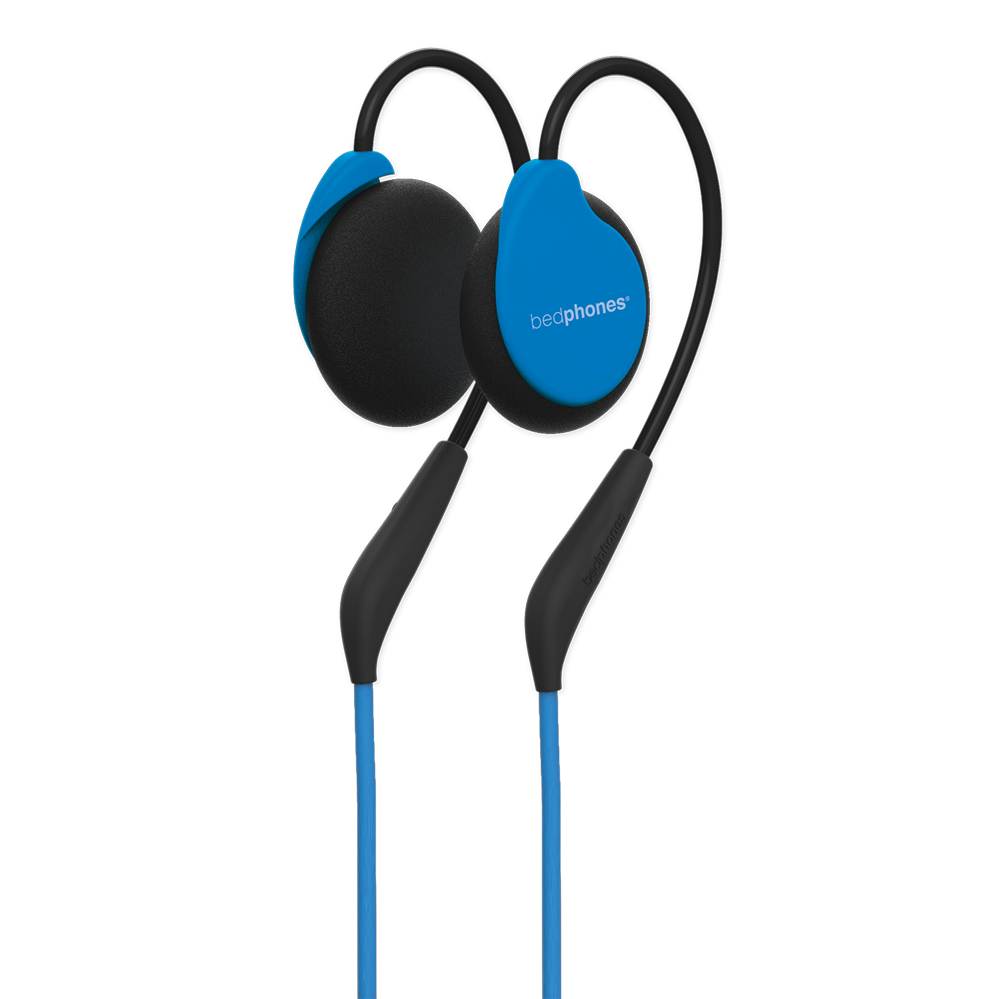
This is where pairing a well-designed mask with on-ear sleep headphones like our DubsLabs Bedphones can create the ultimate sleep sanctuary.
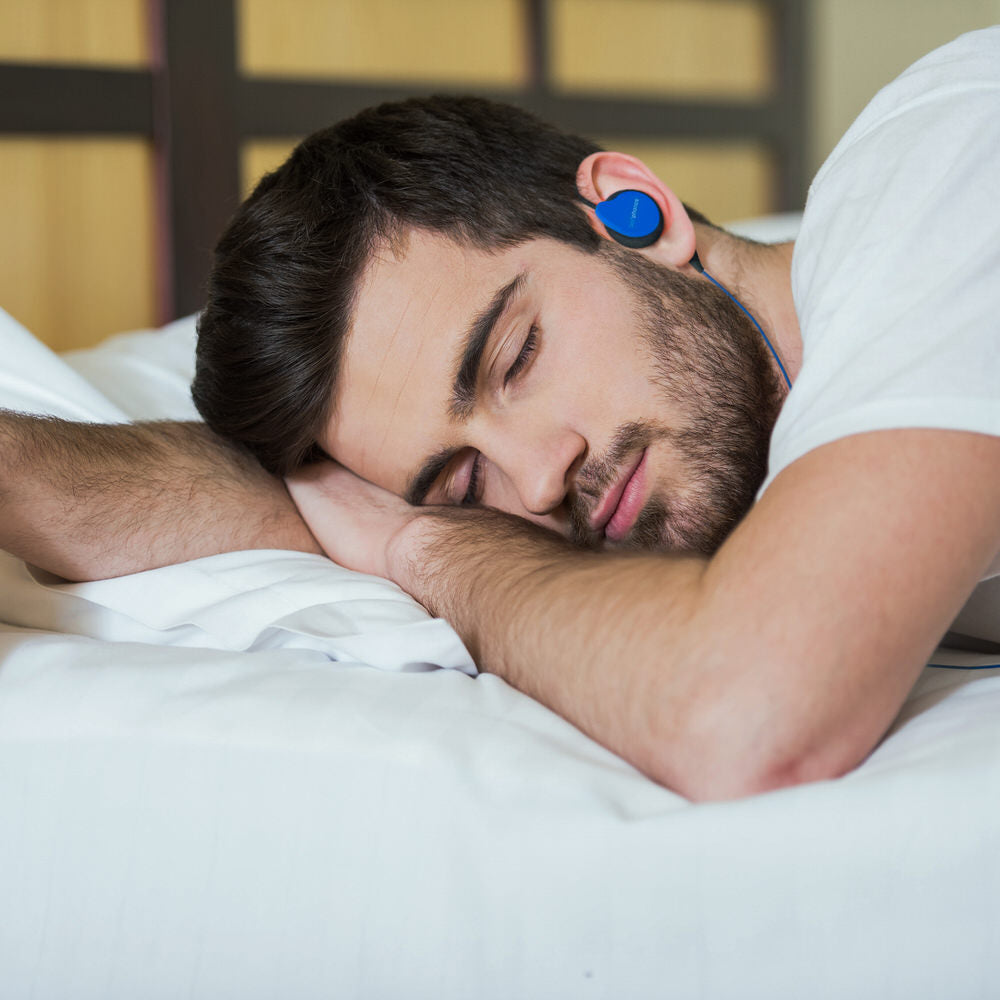
To get a comfortable fit, you need a mask that plays nicely with your audio. The strap is the most important part. You'll want a mask with a thin, adjustable strap that you can position either above or below where the Bedphones rest on your ears. This simple trick prevents any interference or uncomfortable pressure, letting the ultra-thin headphones lie flat just as they were designed to.
By thinking through your own needs—whether you're a side sleeper, have an anxious mind, or are a night-shift hero—you can find a mask for sleeping that does more than just block light. You can find one that actively solves your biggest sleep challenges.
Building Your Ultimate Sleep Sanctuary with DubsLabs
What if you could create a personal bubble, a sleep environment completely sealed off from the things that steal your rest? It's not as complicated as it sounds. The whole game is about taking control of the two biggest sleep thieves: light and sound. A total-darkness sleep mask is your first, most essential tool. Think of it as creating visual silence for your brain.
This is your first layer of insulation against the outside world. Just like blackout curtains stop streetlights from creeping in, a high-quality mask for sleeping wipes out all those little light sources—the subtle glow from chargers, clocks, or your phone—that mess with your melatonin and prevent you from sinking into deep, restorative sleep. It creates a pitch-black, consistent environment that screams "it's time to shut down" to your body.
Adding the Layer of Soundproofing
Once you've got light handled, it's time to tackle sound. This is where DubsLabs Bedphones come in as the second critical layer of your sleep sanctuary. They're your personal soundproofing, silencing a snoring partner, rowdy neighbors, or early morning traffic that can yank you right out of a sleep cycle.
When you put a total-darkness mask and Bedphones together, you get a complete sensory shield. It's an incredibly powerful combination that lets you fully immerse yourself in your own private world, whether that means drifting off to white noise, listening to a guided meditation, or getting lost in an audiobook. You get all the benefits of calming audio without trying to sleep on bulky, painful headphones.
This synergistic system isn't just about blocking out the bad; it's about letting in the good. It gives you complete control over your sensory environment, transforming your bedroom from a place of potential disruption into a true haven for recovery.
This two-pronged approach is catching on, big time. Right now, North America is leading the charge in the sleep mask market, holding a massive 49.3% global share that's valued at USD 9.5 million. That's not a fluke. It shows a growing awareness around sleep hygiene and a real demand for products that actually work, which is exactly where a system like this fits in.
Fine-Tuning Your Sleep Environment
Building the perfect sanctuary goes beyond just what you wear on your head. The temperature of your room is a huge piece of the puzzle, because getting too hot or too cold can easily wake you up. So, beyond your mask and headphones, make sure you're maintaining a cool, consistent room temperature. A smart thermostat for optimal climate control can be a game-changer here, keeping things perfectly comfortable all night long without you having to think about it.
When you bring all these pieces together, you're not just buying products—you're building a holistic system for anyone who is serious about upgrading their sleep.
- Visual Silence: A total-darkness mask cuts out every last bit of light.
- Auditory Control: Bedphones block annoying noises while delivering soothing audio.
- Climate Consistency: A stable, cool room temperature keeps you in a deep sleep state.
This complete system tackles the most common reasons we fail to get quality rest. You no longer have to cross your fingers and hope for a quiet, dark night—you can just create one whenever you need it.
Common Sleep Mask Problems and How to Fix Them
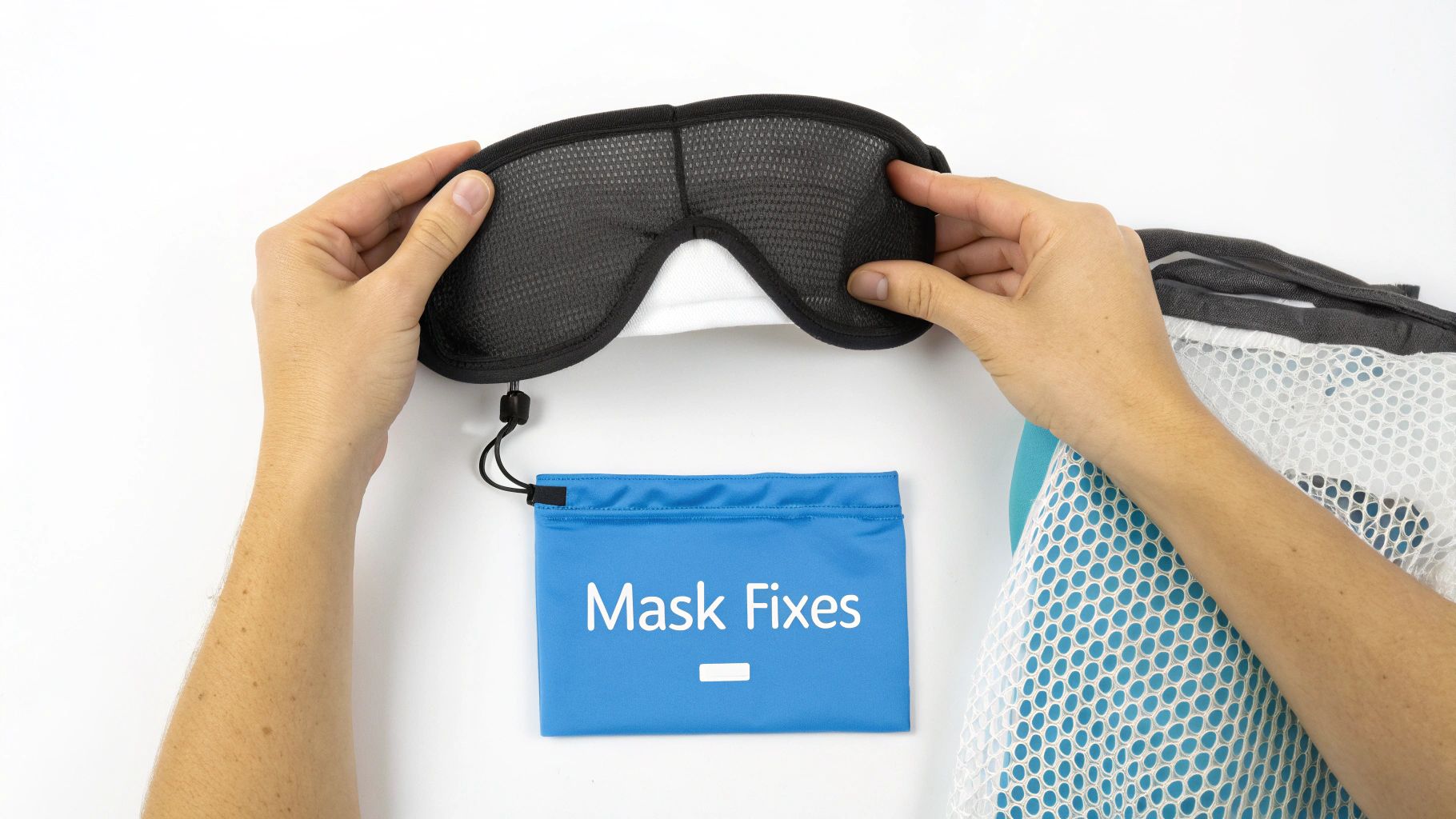
Even the best mask for sleeping can have a bit of a learning curve. Don't worry, though. Most of the common frustrations are incredibly easy to solve with a few simple tweaks. Once you dial in the fit and feel, your mask becomes a reliable partner for amazing rest.
It's clear people are figuring it out, because sleep masks are more popular than ever. The global market, valued at USD 17.9 million, is expected to jump to USD 26.6 million by 2032, growing at a 5.1% CAGR. That's a lot of people overcoming these minor hurdles for better sleep. You can find more details on this market growth on congruencemarketinsights.com.
The Mask Slips Off at Night
This is probably the number one complaint we hear: waking up to find your sleep mask on the pillow instead of your face. Nine times out of ten, this comes down to the strap.
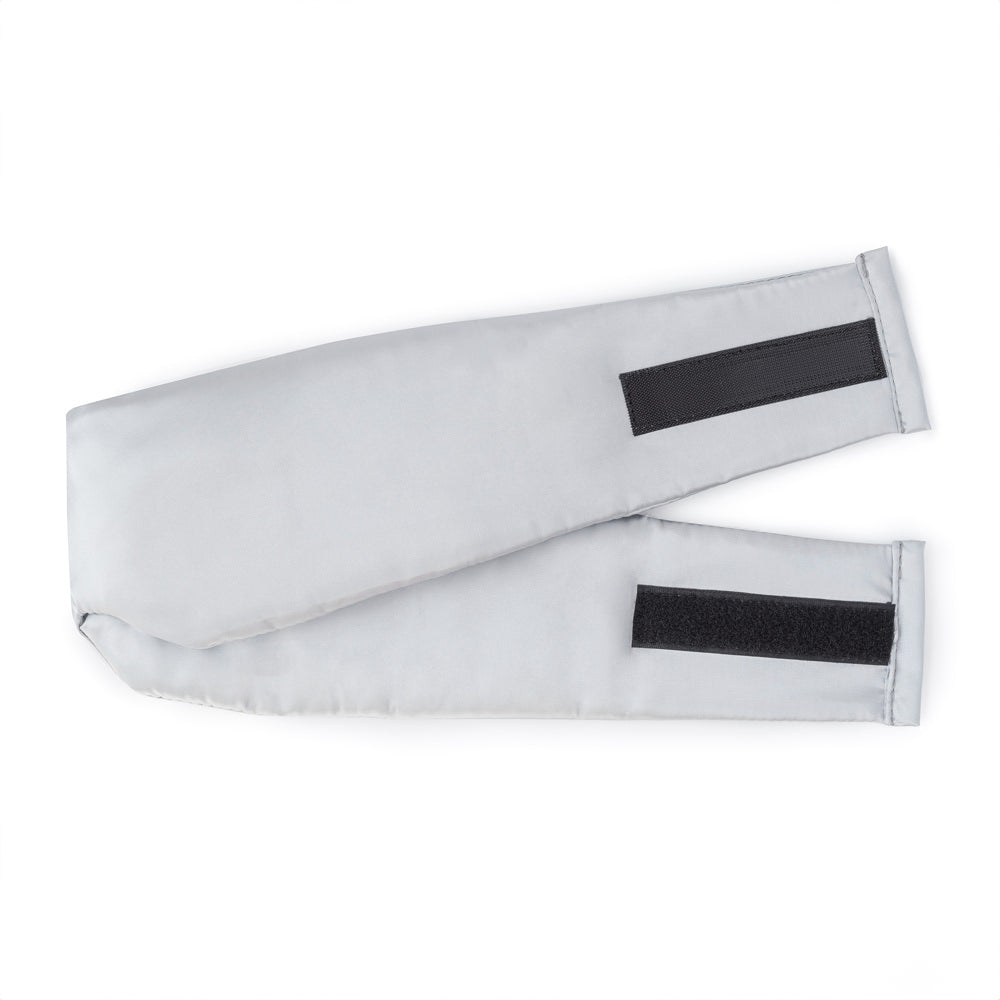
A mask that stays put needs a wide, adjustable strap that spreads pressure out evenly. Look for one with sliders or high-quality velcro that lets you get a snug—but never tight—fit. Those thin, bare elastic bands are notorious for sliding around, so always opt for a fabric-covered strap for a much better grip on your hair.
It Feels Too Hot or Stuffy
Nothing ruins a good night's sleep faster than feeling overheated. If your mask feels like it’s trapping heat and making you sweat, the material is almost certainly the problem.
To fix this, go for a mask made from naturally breathable fabrics.
- Silk: Incredibly soft and a natural temperature regulator, silk wicks moisture away and feels cool against your skin.
- Cotton: A classic for a reason. Cotton is famous for its breathability and soft feel.
- Bamboo: This is another fantastic option, offering great airflow and hypoallergenic properties.
These materials let the air circulate, keeping that stuffy, claustrophobic feeling at bay so you stay comfortable all night.
Pro Tip: If you're a naturally warm sleeper or live somewhere hot, a contoured mask can be a game-changer. The space created by the eye cups allows for more air to move around your eyes, which helps cut down on heat buildup.
The Mask Puts Pressure on My Eyes
A good sleep mask should create total darkness without feeling like it's squishing your eyeballs. If you're feeling that uncomfortable pressure on your eyelids or lashes, a flat mask is likely the culprit.
The hands-down best solution here is a contoured mask. These are designed with molded, dome-like eye cups that create a protective little cave over your eyes. This means your eyes and eyelashes never even touch the fabric, allowing you to blink freely and experience deep REM sleep without any physical restriction. You get a true blackout experience without any of the pressure.
Still Have Questions About Sleep Masks?
Even after you've picked out a style, a few questions might pop up. Nailing down these details is what turns a sleep mask from a nice-to-have into something you can't imagine sleeping without. Let's clear up some of the most common things we hear.
Can Wearing a Mask Every Night Harm My Eyes or Skin?
Nope, as long as it's a good fit and you keep it clean, wearing a sleep mask is perfectly safe and won't harm your eyes. If you're worried about pressure, a contoured mask is the way to go—it's designed to create a little dome over your eyes, so nothing actually touches them.
For your skin, the trick is to pick a soft, breathable material like silk. It glides over your skin instead of tugging at it. The biggest thing, though, is just keeping it clean. Wash your mask regularly (follow the instructions!) to keep oils and bacteria from building up.
How Do I Find a Sleep Mask That Stays On All Night?
Ah, the classic midnight slip-off. It's a common frustration, but totally fixable. The secret is in the strap. You want one that’s wide and adjustable, so you can get it just right—snug, but not squeezing your head.
Velcro straps or sliders on high-quality elastic are your best bet here. The material of the band itself makes a difference, too. A soft, fabric-covered strap has more grip and is way less likely to slide around on your hair than a skinny, bare elastic one.
A well-designed mask should distribute pressure evenly around your head, not just at a single point. This ergonomic design is what helps it stay securely in place as you move in your sleep, making a huge difference in comfort and effectiveness.
Will a Sleep Mask Make Me Feel Hot or Claustrophobic?
That's a real concern, especially if you tend to sleep warm. It all comes down to the materials and the design. To keep from feeling stuffy, look for masks made from naturally breathable fabrics like silk or cotton that let air circulate.
And if you're worried about feeling closed-in, a contoured or molded mask is your new best friend. They have concave cups that curve away from your eyes and lashes, creating a little pocket of air. This design gets rid of any feeling of pressure or confinement, so you just get the darkness without the claustrophobia.
Can I Use a Sleep Mask with My DubsLabs Bedphones?
Absolutely! In fact, they’re designed to be the perfect team for an immersive sleep setup. For the best fit, just pick a sleep mask with a slim, low-profile strap. Our total dark mask is a great match, but plenty of silk or contoured masks have thin straps that work just as well.
The main thing to avoid is any mask with bulky buckles or adjusters right over the ears. You want the mask’s strap to sit comfortably just above or below your Bedphones, letting the on-ear headphones lie flat without anything digging in. It's the ultimate combo for blocking out both light and sound.
Ready to build your ultimate sleep sanctuary? The combination of total darkness and immersive sound can completely change how you rest. Explore the complete collection of sleep solutions at DubsLabs and start your risk-free trial tonight.