It’s a classic, frustrating scenario: you’ve been physically drained all day, but the second your head hits the pillow, your mind decides to run a marathon. If you’ve ever felt “tired but wired,” you know exactly what I’m talking about.
This disconnect between a tired body and an overactive brain is often due to a state called hyperarousal. It’s a fancy term, but it just means your nervous system is stuck in the "on" position. Getting a handle on this is the first real step to finally getting some rest.
Why You Can’t Fall Asleep Even When Tired
That feeling of being completely exhausted yet wide awake isn't just in your head—it’s a very real physiological response. Our modern lives are a constant barrage of deadlines, notifications, and to-do lists, which can keep our bodies swimming in stress hormones like cortisol and adrenaline.
These chemicals are designed to keep you alert and ready for action. That’s great when you need to power through a big project, but it's terrible when you’re just trying to wind down for the night.
Think about it. A manager might lie awake replaying a tough conversation with an employee, or a student might toss and turn worrying about a big exam. In those moments, your brain doesn't know the difference between a real, immediate threat and an anxious thought. It just keeps pumping out stress hormones, trapping you in a cycle that feels impossible to break.
The Cycle of Sleep Anxiety
This leads to another common problem: the pressure to fall asleep. You know you need to get some rest, which, ironically, creates anxiety about not sleeping. This "sleep performance anxiety" only pours fuel on the fire, adding another layer of stress that keeps your eyes wide open.
It becomes a self-fulfilling prophecy where the fear of not sleeping is the very thing keeping you awake. It’s a vicious loop, and many people don't realize there are often unexpected reasons you can't sleep that go beyond the usual culprits.
At its core, the problem is often a dysregulated autonomic nervous system. Your "fight or flight" response stays active long after the day's stressors are gone, preventing the "rest and digest" system from taking over and letting you drift off.
Global Sleep Struggles Are On The Rise
If this sounds familiar, you're definitely not alone. One global survey found that, on average, people lose nearly three nights of good sleep every single week because they can't fall or stay asleep.
The main culprits? No surprise here: stress (reported by 57%), anxiety (46%), and financial worries (31%).
If stress is what’s keeping you up, tackling it head-on is one of the best things you can do. There are many proven methods for reducing stress naturally that can help calm your nervous system during the day, making it much easier to switch off when it’s time for bed. By getting to the root cause of your hyperarousal, you can start to break the cycle and teach your body how to relax again.
Design Your Ultimate Sleep Sanctuary
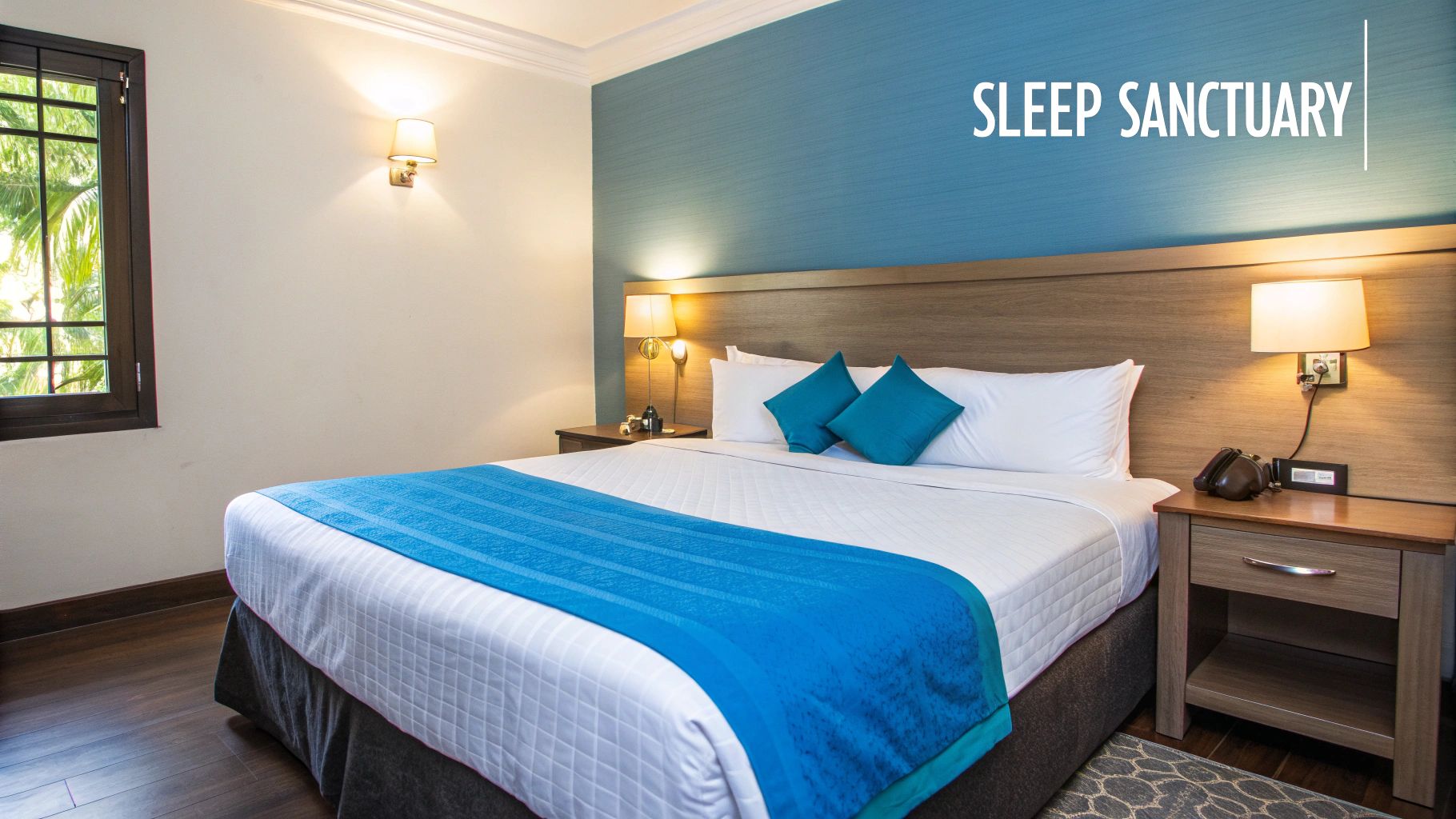
Your bedroom should be more than just a place where you happen to sleep; it needs to be a space engineered for rest. By taking control of your environment, you can send powerful, undeniable signals to your brain that it’s time to wind down. This all starts by focusing on three key elements: light, temperature, and sound.
So many of us underestimate just how much our surroundings impact our ability to fall asleep. A room that’s too bright, too warm, or too noisy can easily keep your nervous system on high alert, even when you feel physically exhausted. The goal is to create a true sanctuary that tells your body it's safe to switch off.
Master the Darkness
Light is arguably the most powerful regulator of your internal body clock, your circadian rhythm. Exposure to light—especially the blue light from our screens—tells your brain to stay awake by suppressing the production of melatonin, the hormone that makes you feel sleepy.
To combat this, you need to create a "digital sunset" in the hour or two before bed. This means dimming the lights and putting away phones, tablets, and laptops. If you absolutely must use a screen, at least use a blue light filter or night mode setting.
Beyond screens, even tiny amounts of ambient light from streetlamps or alarm clocks can disrupt your sleep. Here’s how you can achieve total darkness:
- Invest in blackout curtains or blinds. These are incredibly effective at blocking external light sources and can be a game-changer, especially if you live in a bright urban area.
- Cover or remove electronics. A small piece of electrical tape over the tiny LED lights on your TV or charger can eliminate a surprising amount of light pollution.
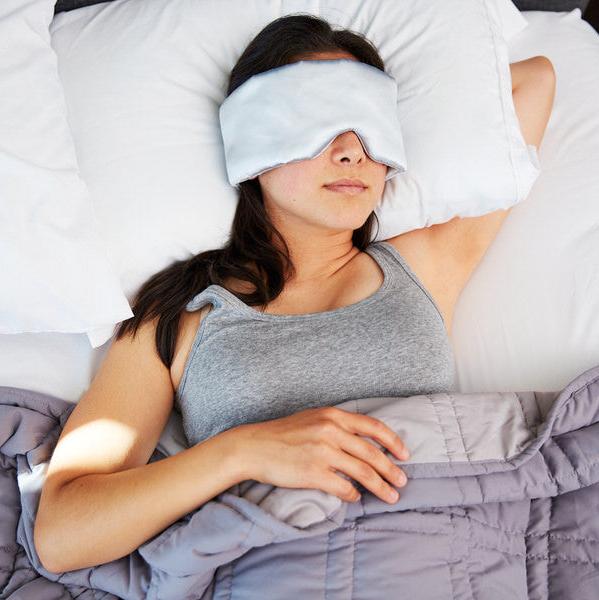
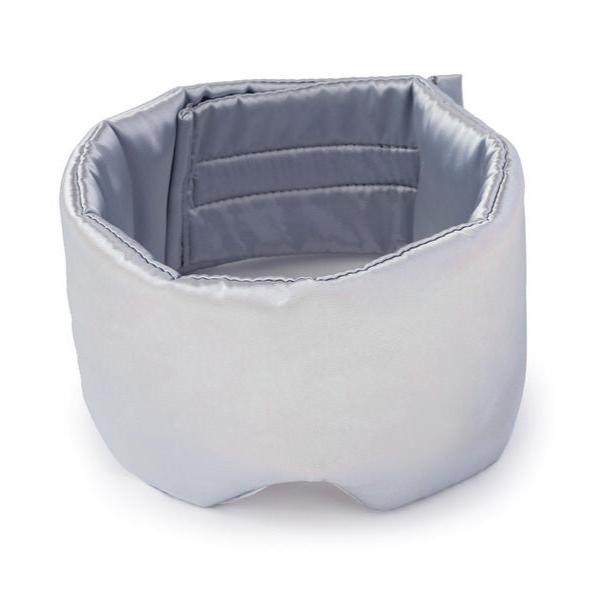
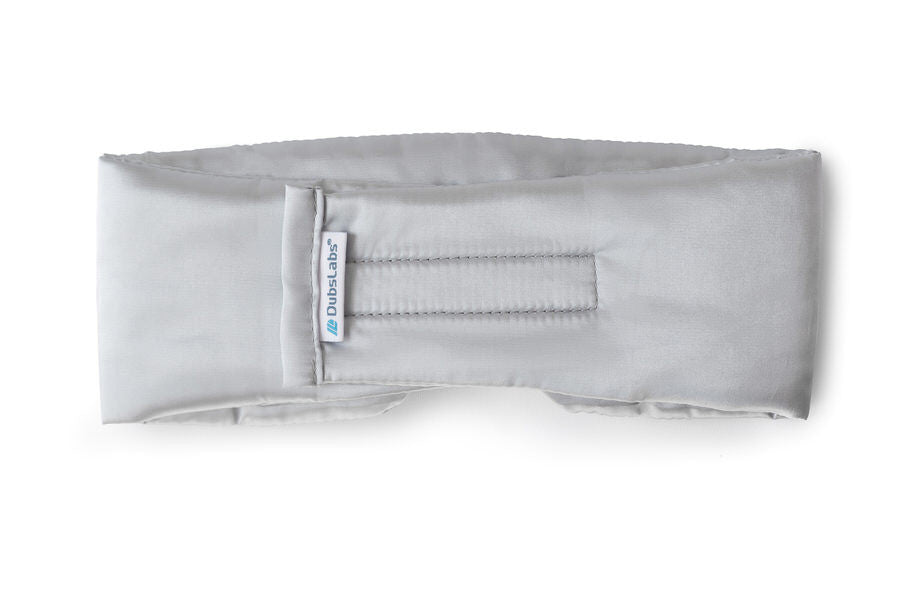
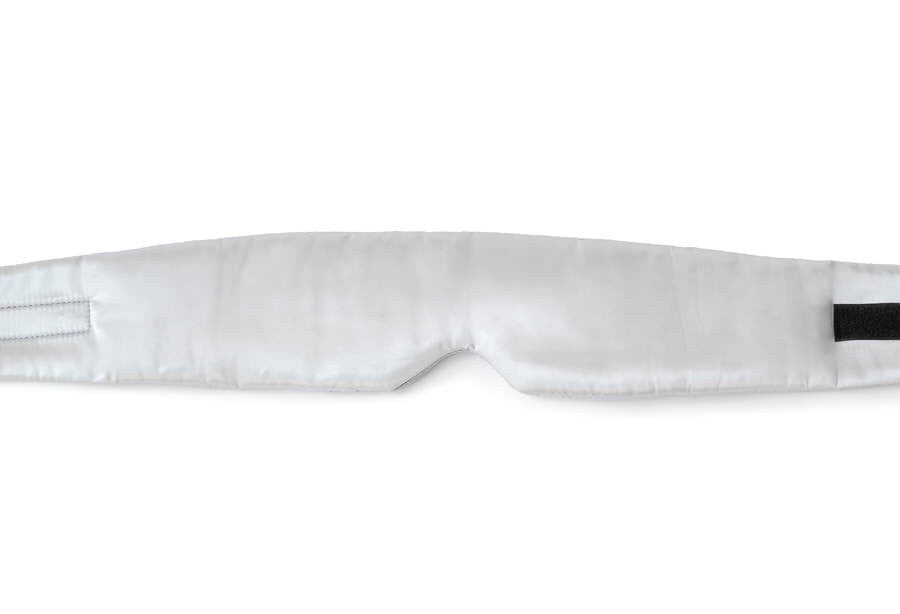
- Consider a sleep mask. A high-quality, comfortable sleep mask, like the DubsLabs Total Dark Sleep Mask, ensures complete darkness no matter where you are.
Find Your Ideal Sleep Temperature
Ever notice how much harder it is to sleep on a hot summer night? That’s because your core body temperature actually needs to drop slightly to initiate sleep. A cool room makes this natural process happen much more easily.
Most experts agree that the sweet spot for sleep is between 60 and 67 degrees Fahrenheit (15.6 to 19.4 degrees Celsius). This might feel a bit chilly to some at first, but it helps your body reach that optimal state for deep, restorative rest.
A cooler sleeping environment is one of the most critical factors in optimizing your night. It signals to your body that it’s time to rest, working with your natural biology instead of against it.
Control Your Soundscape
An unpredictable noise—a car alarm, a barking dog, a loud neighbor—can easily jolt you right out of a light sleep. The key to managing sound isn't necessarily silence, but creating a consistent, soothing audio environment that masks these sudden disruptions.
This is where sound-masking tools come in. Many people find that a steady, low-level noise helps them not only fall asleep but stay asleep through the night. You've got a few options:
- White noise machines produce a sound that covers the entire range of human hearing, effectively drowning out other noises.
- Nature sounds or ambient music can also be very calming, but just be sure they don’t have any jarring changes in volume or tempo.
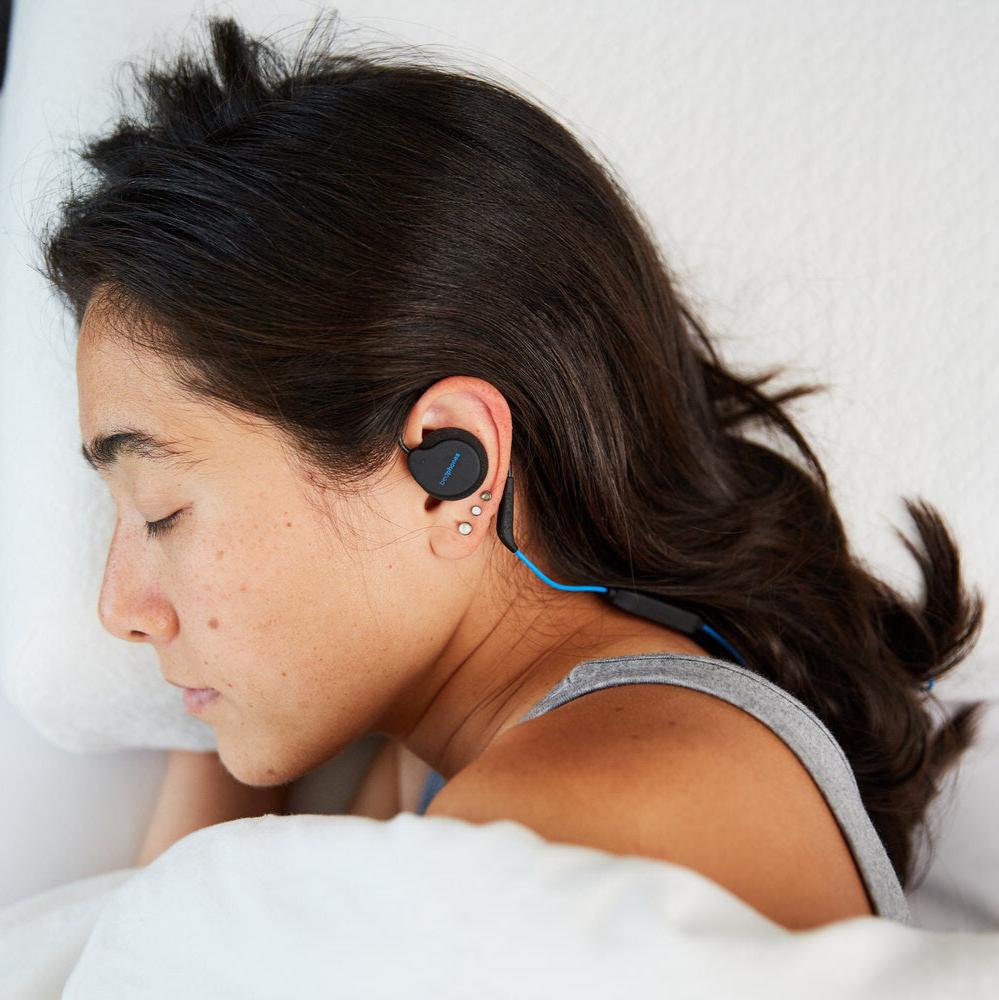
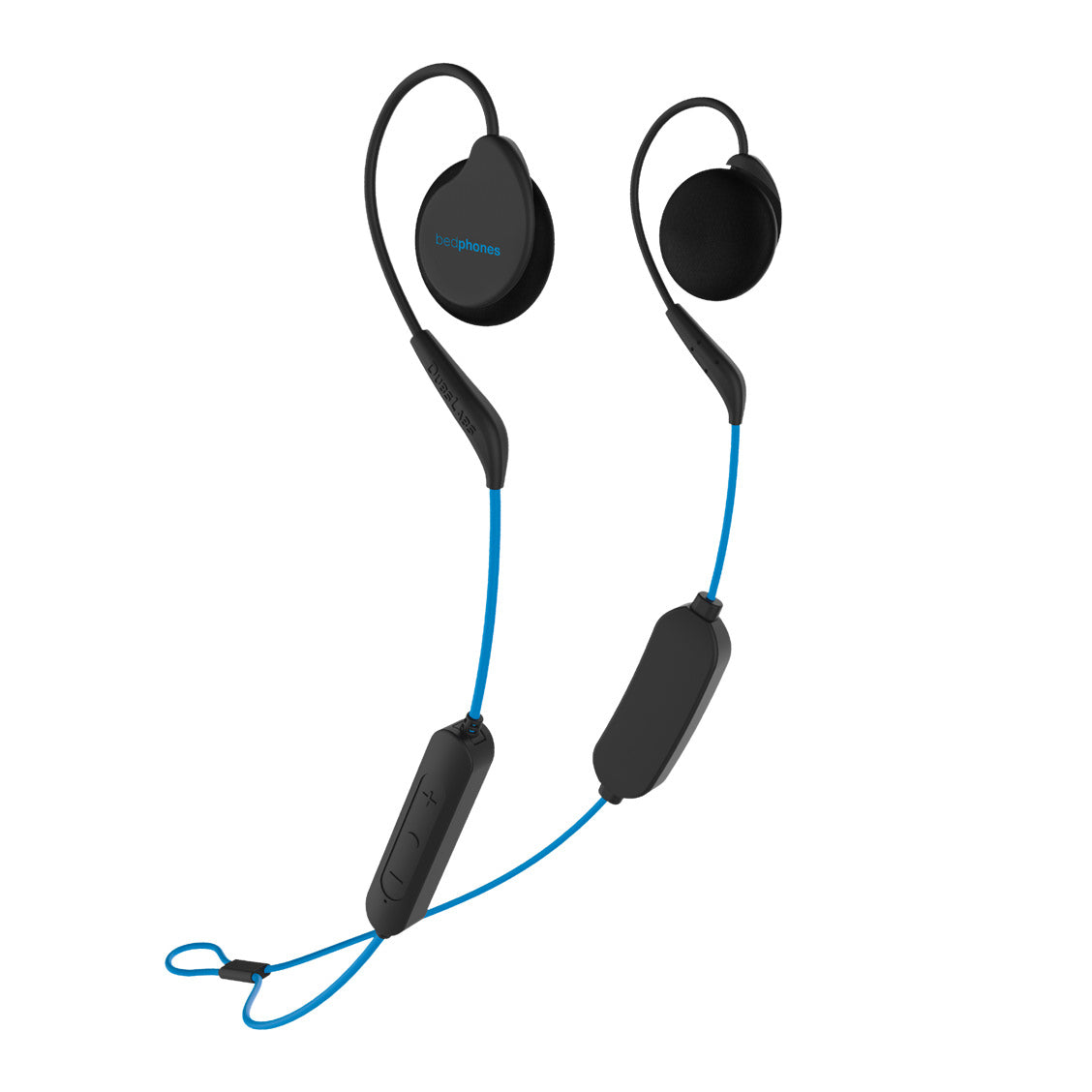
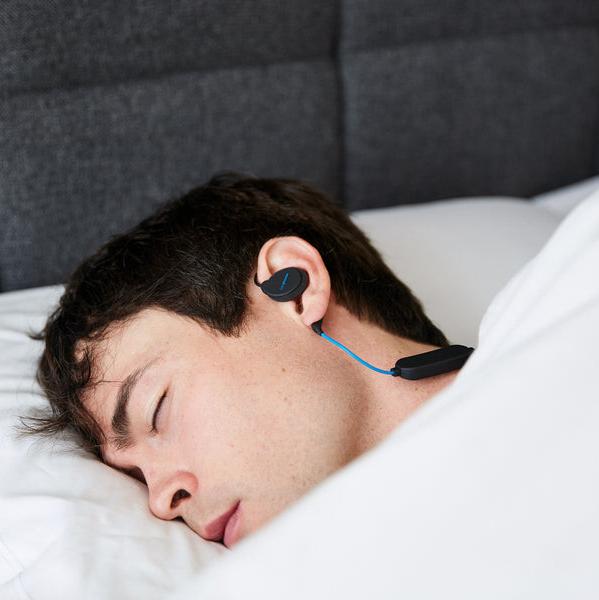
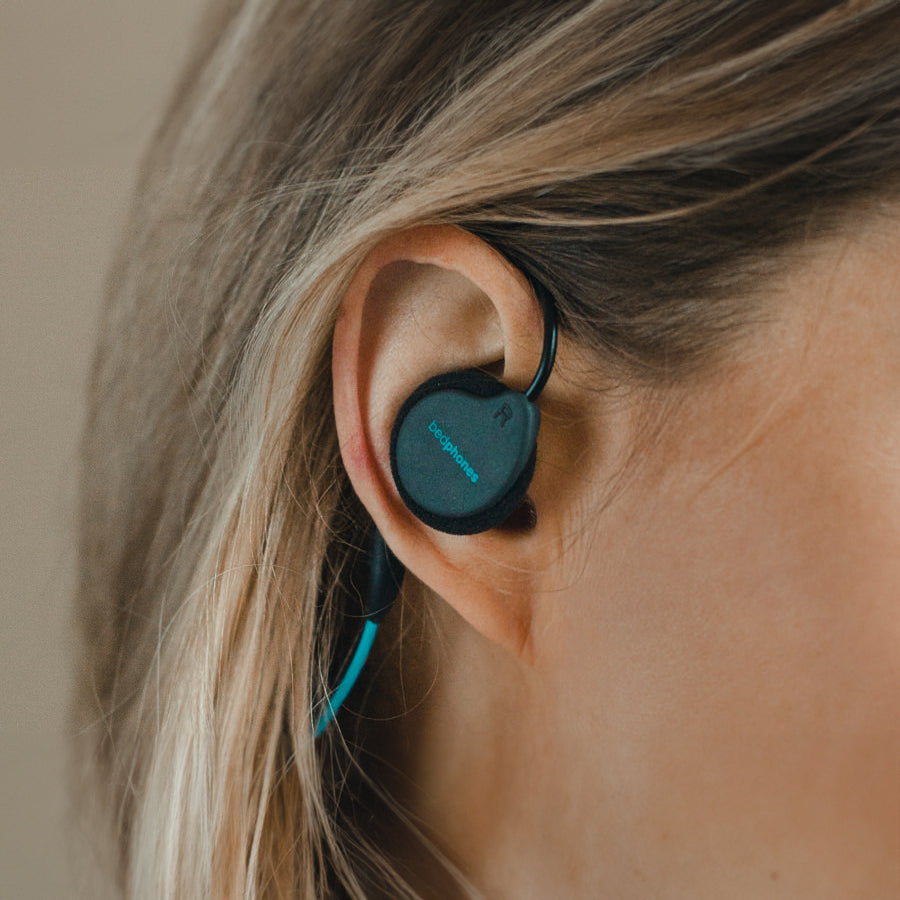
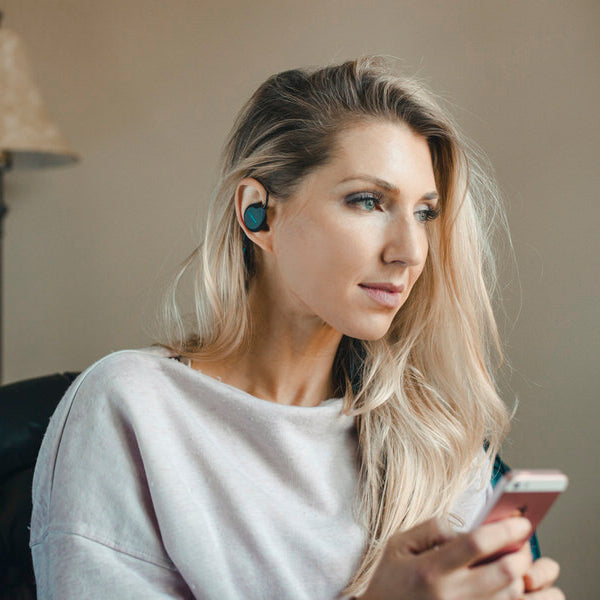
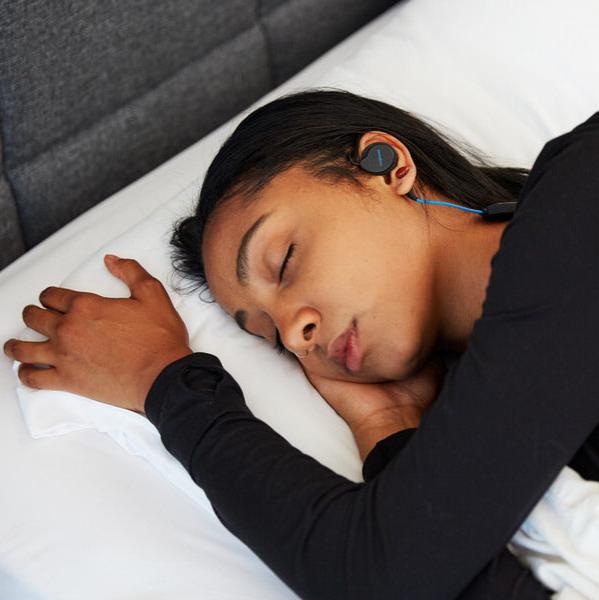
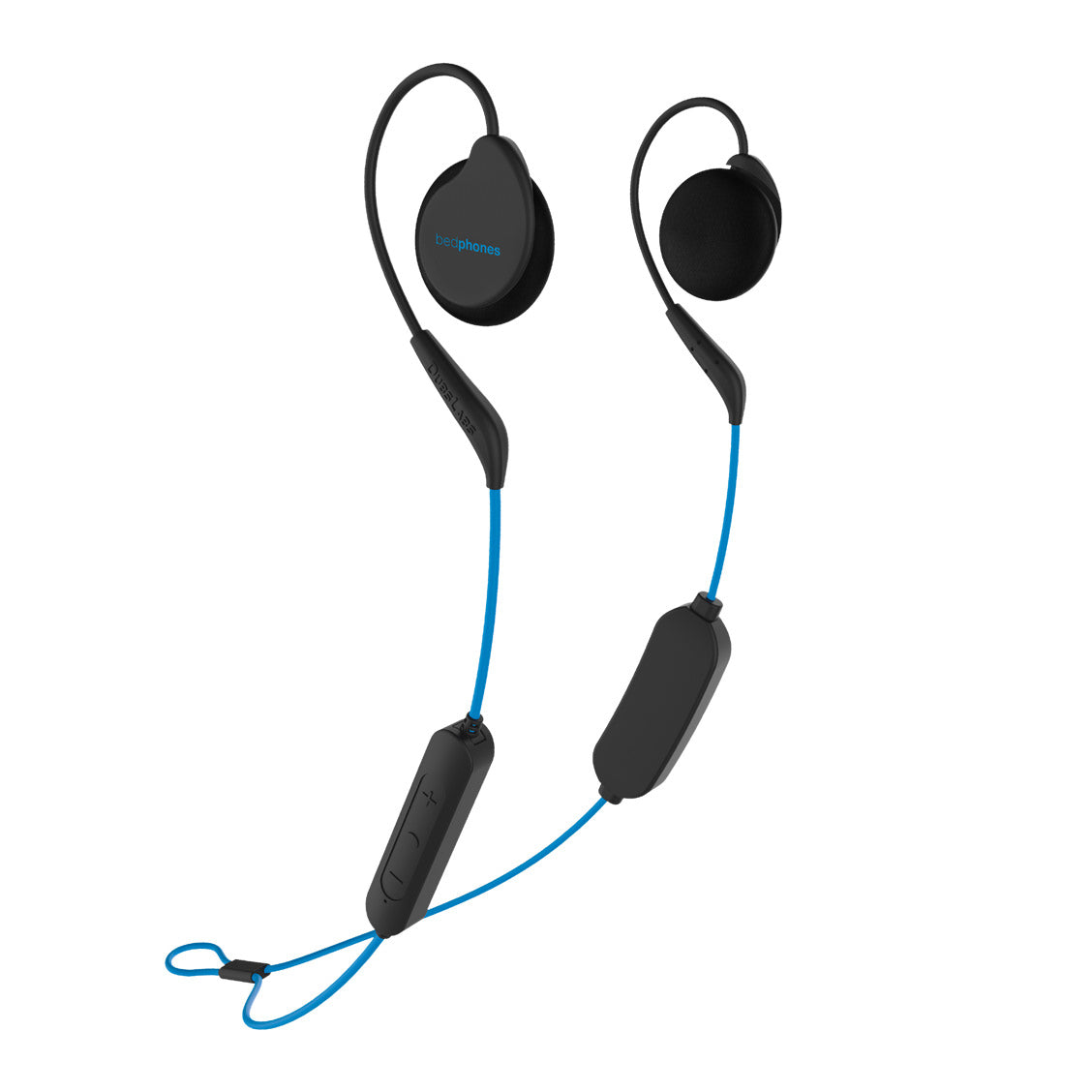
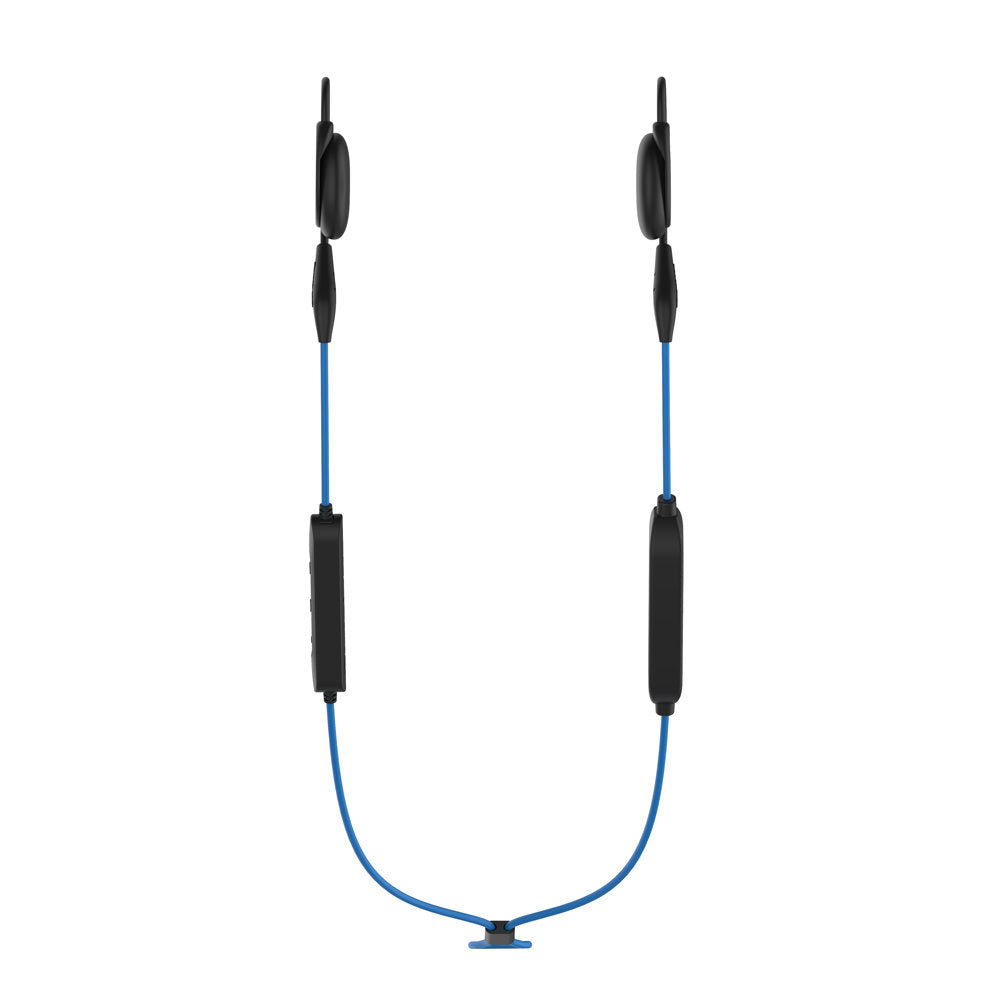
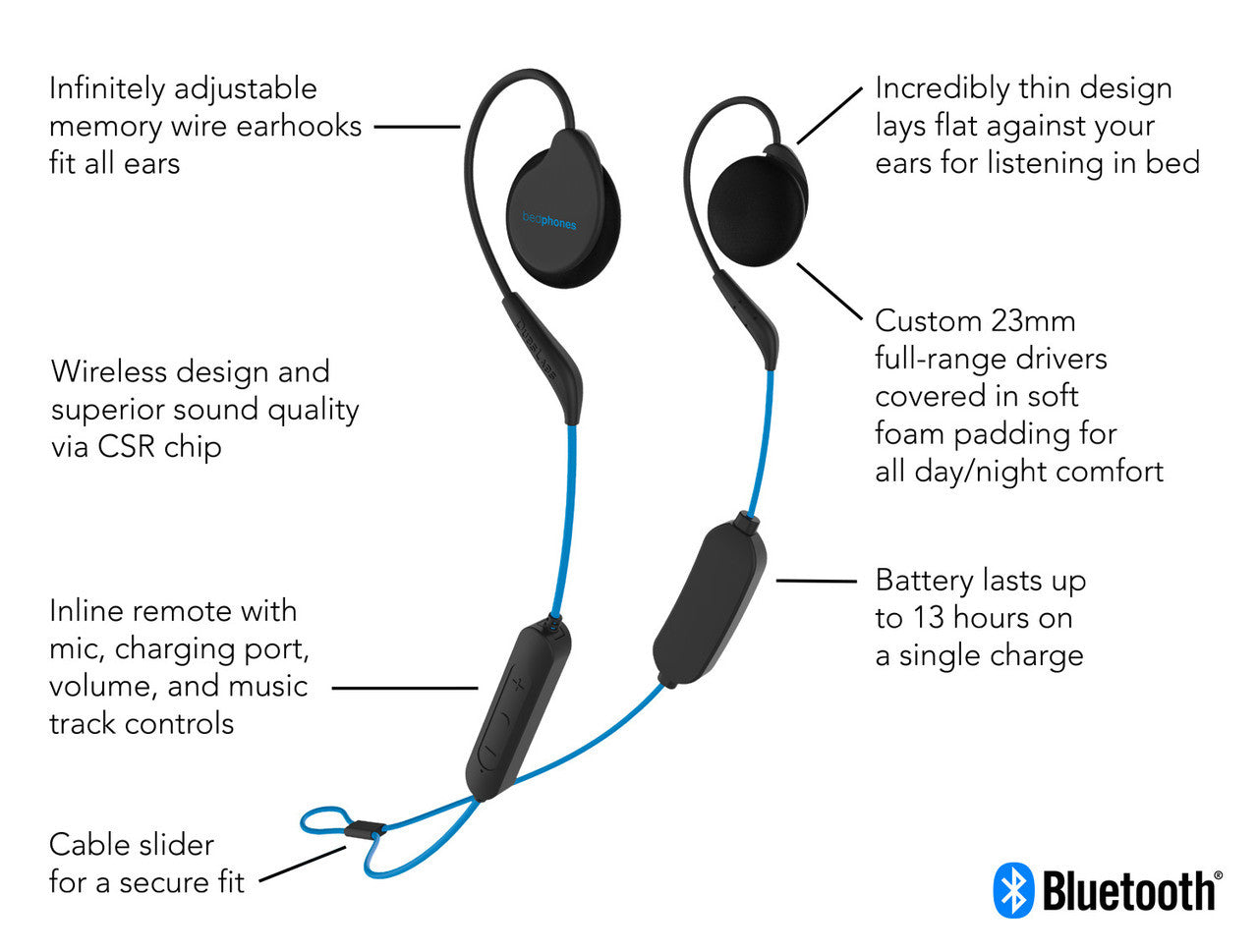
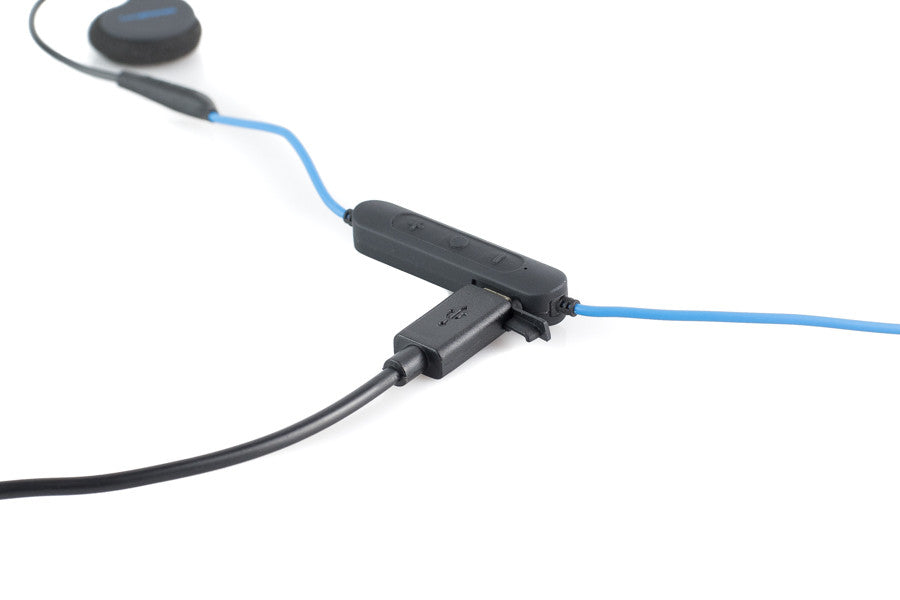
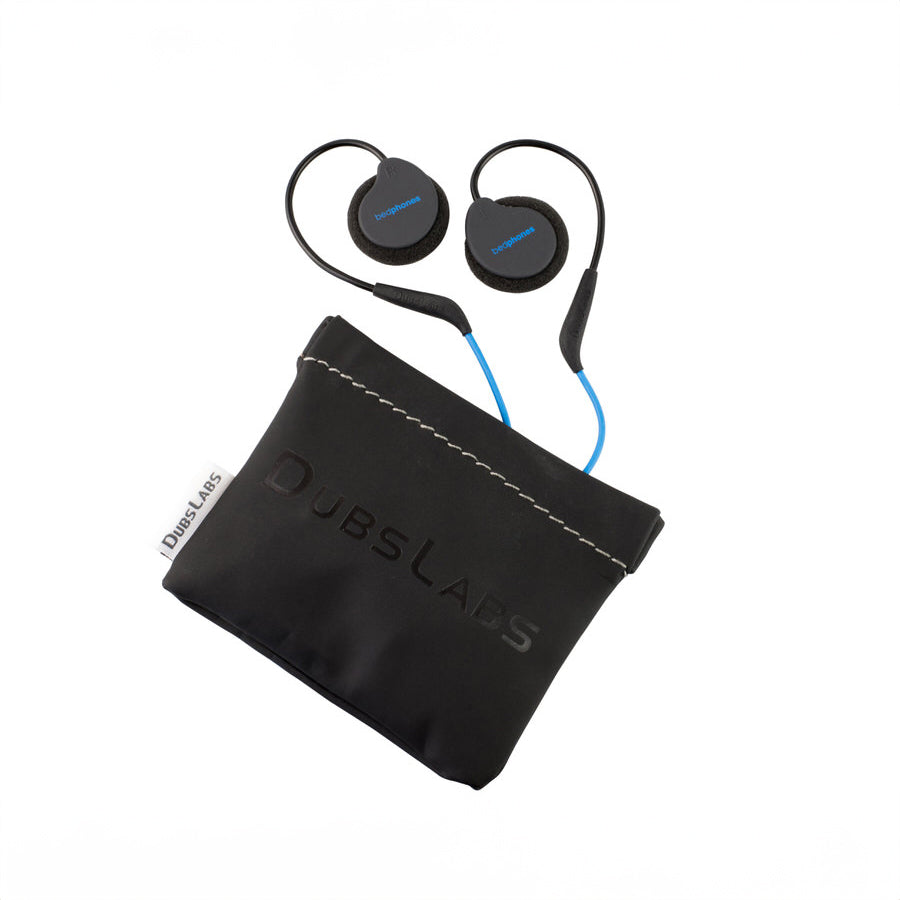
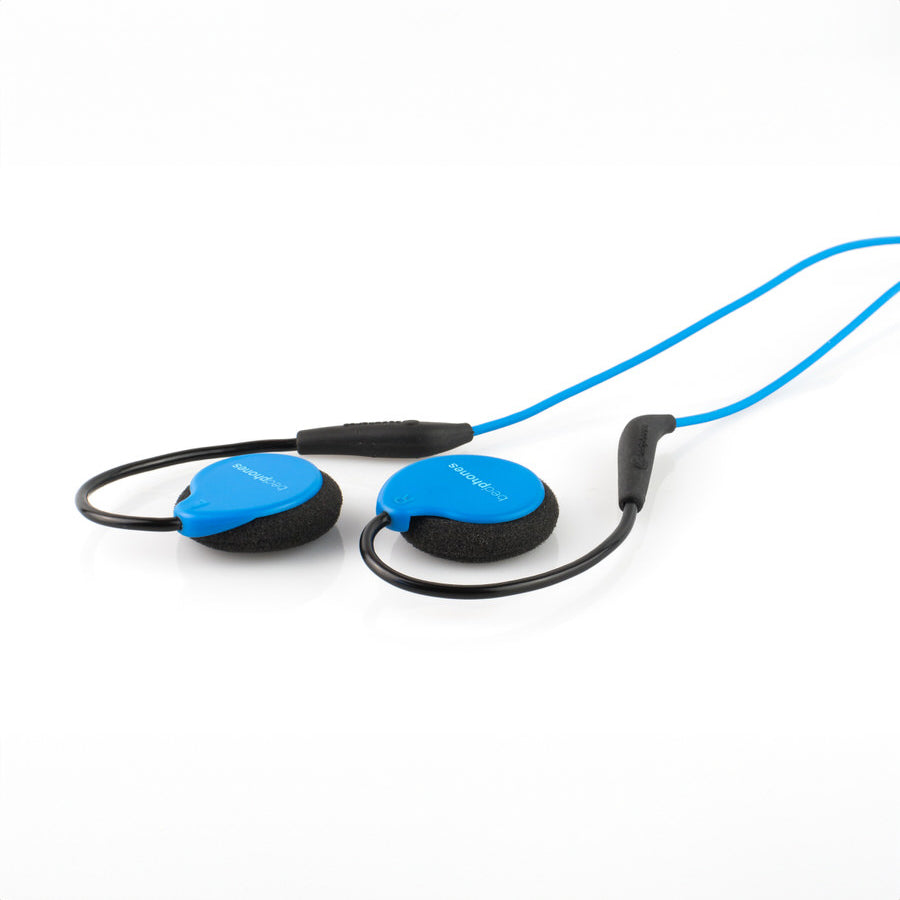
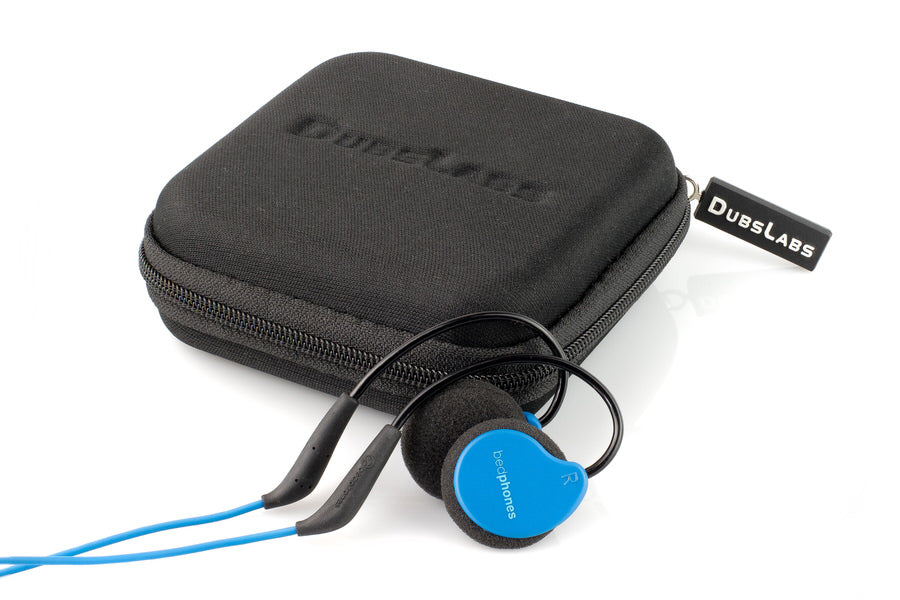
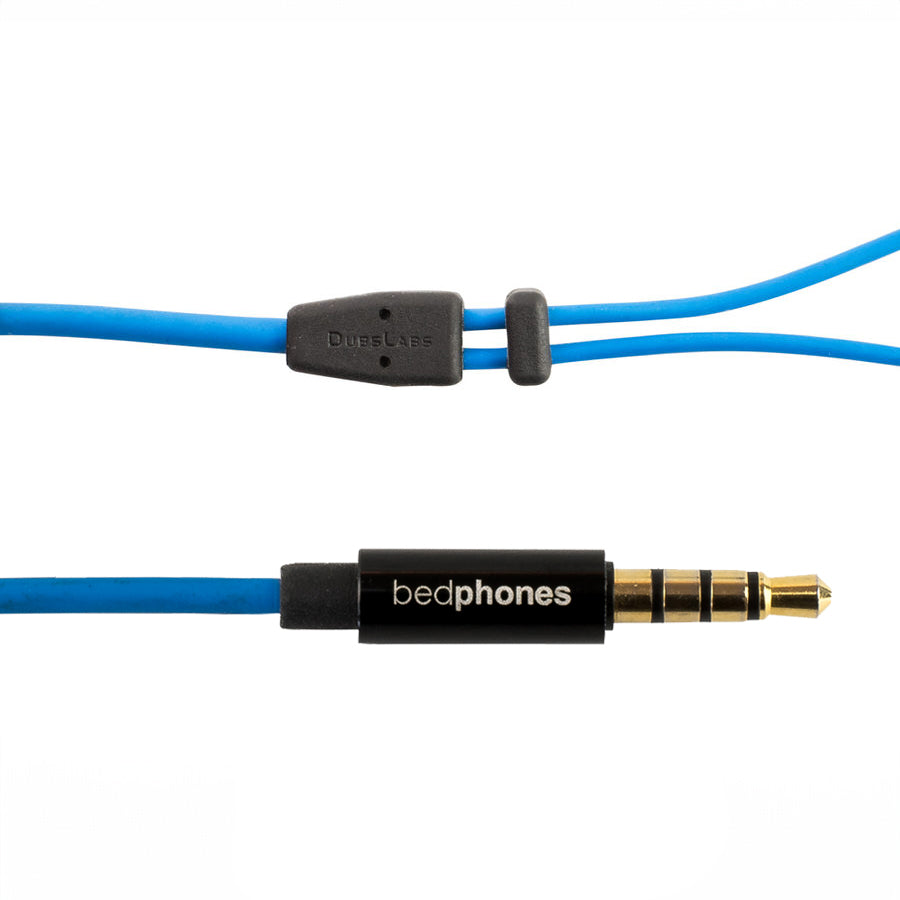
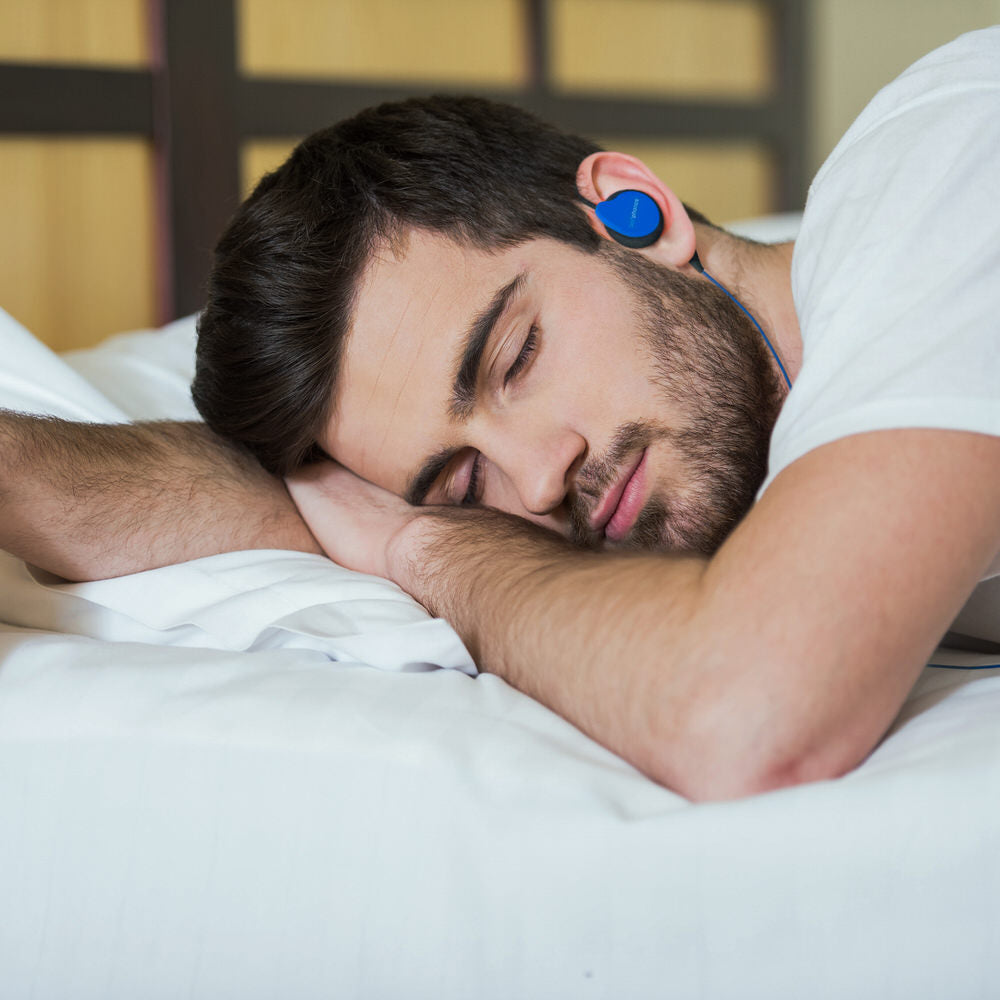
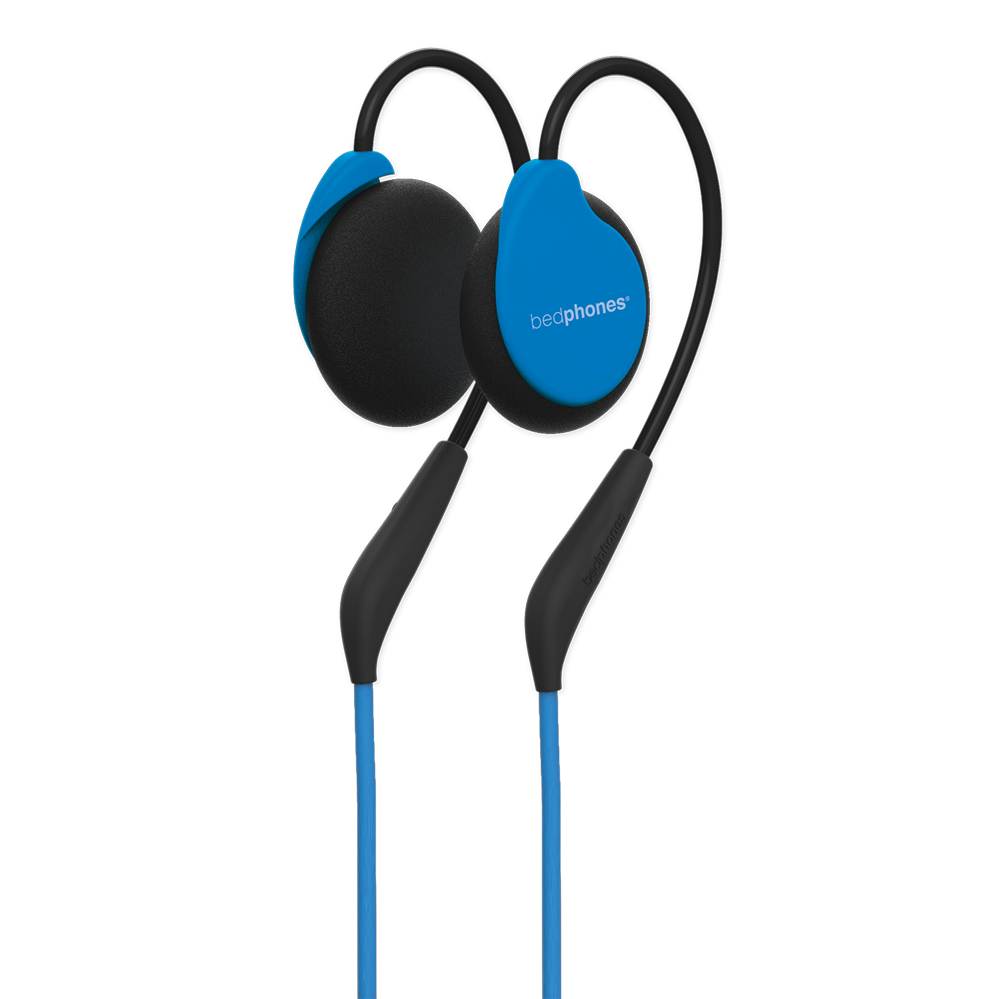
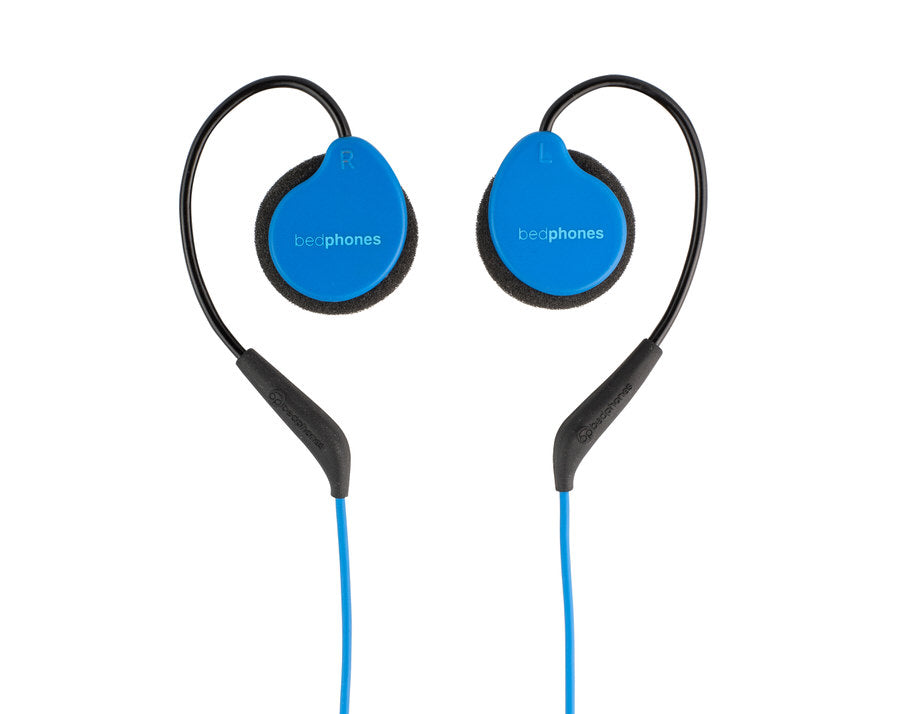
- For ultimate comfort, listening to calming audio with DubsLabs Bedphones allows you to create your own personal sound bubble without disturbing a partner.
By meticulously managing light, temperature, and sound, you can transform your bedroom from a simple room into a powerful tool for better sleep. For a deeper dive, you can learn more about how your sleep environment impacts sleep quality in our detailed guide.
Calm a Racing Mind with Proven Relaxation Methods
Even in the perfect sleep sanctuary, a mind that refuses to quiet down is often the final boss of bedtime. Replaying conversations, stressing about tomorrow’s to-do list, or just having random thoughts pop up can keep you frustratingly awake. This is where active relaxation methods become your most powerful tool to fall asleep faster.
These aren't just about "thinking calm thoughts." They are physiological exercises designed to switch your body's nervous system from its alert "fight or flight" mode to the restful "rest and digest" state. By consciously engaging your body, you can guide your mind toward tranquility.
The Power of Breathwork
One of the most immediate ways to calm your nervous system is through controlled breathing. The 4-7-8 breathing technique is particularly effective because it forces you to slow down and focus, interrupting the cycle of anxious thoughts.
It’s surprisingly simple:
- Exhale completely through your mouth with a whooshing sound.
- Close your mouth, inhaling quietly through your nose for a count of four.
- Hold your breath for a count of seven.
- Exhale completely through your mouth—another whoosh—for a count of eight.
Repeat this cycle three or four times. The prolonged exhale is the secret sauce here. It stimulates the vagus nerve, which helps lower your heart rate and blood pressure, signaling to your body that it's safe to relax.
The following infographic illustrates how different bedtime activities, like meditation, can impact the time it takes to fall asleep.
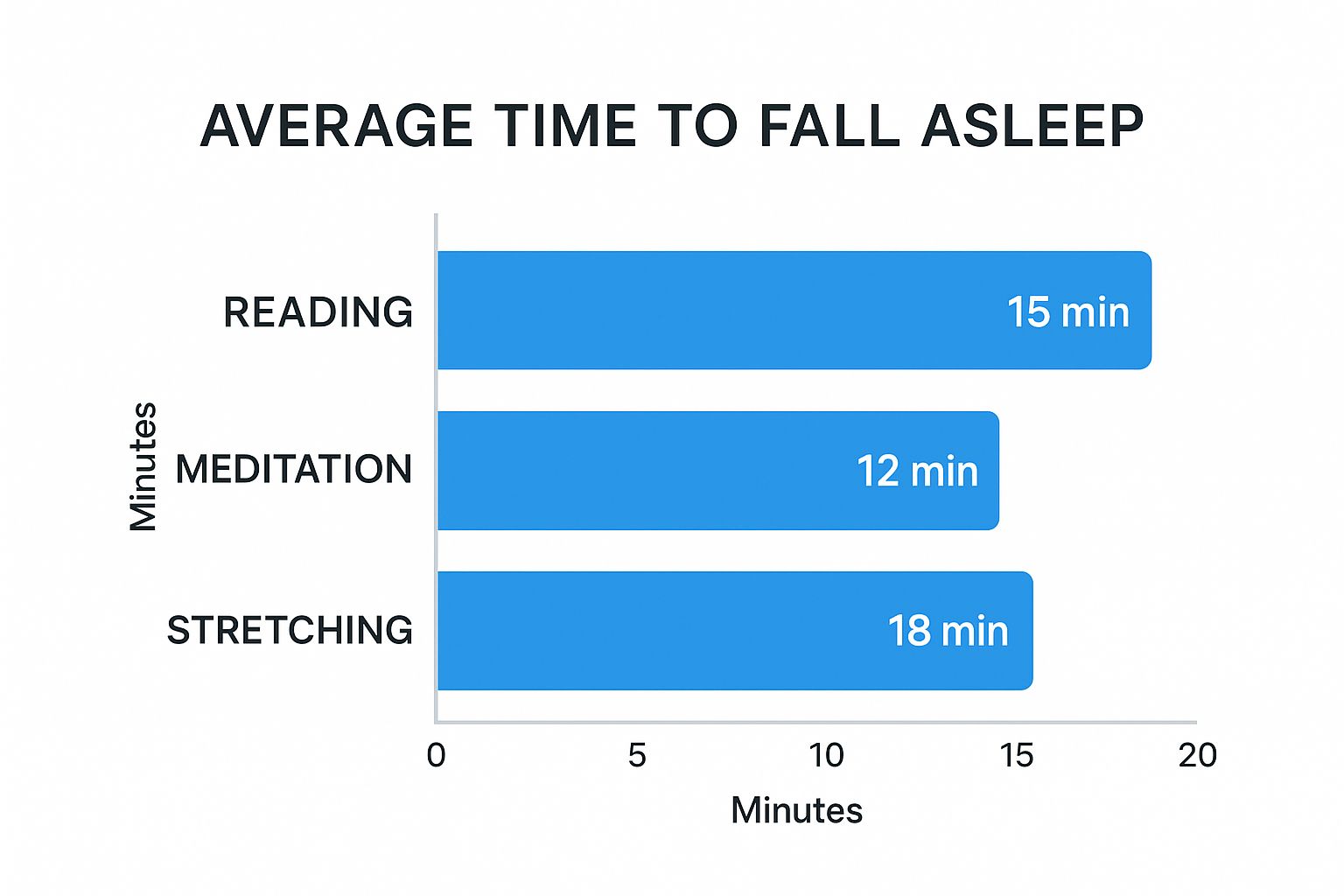
As you can see, dedicating even just a few minutes to a mindful practice like meditation can significantly shorten the time it takes to drift off.
Release Tension with Progressive Muscle Relaxation
Progressive Muscle Relaxation, or PMR, works by systematically tensing and then releasing different muscle groups. This process not only relieves physical tension you might not even realize you're holding but also deepens your awareness of your body, drawing focus away from your racing mind.
Start by lying comfortably on your back. Beginning with your toes, tense the muscles for five seconds, then release them completely for ten seconds, noticing the feeling of relaxation. Work your way up your body: feet, calves, thighs, glutes, abdomen, chest, arms, shoulders, and finally, your facial muscles. The contrast between tension and release is profoundly calming.
A common mistake with PMR is tensing too hard. The goal is to feel the muscle engage, not to strain it. A gentle squeeze is all you need to create the desired effect.
Use Guided Imagery to Escape Your Thoughts
Think of guided imagery as a mini-vacation for your mind. Instead of trying to force your thoughts away, you redirect them to a peaceful, immersive scene. This could be a quiet beach, a forest trail, or a cozy cabin.
The key is to engage all your senses. What do you see? What do you hear—the sound of waves, the rustling of leaves? Can you feel the warm sun or a cool breeze? By building a detailed mental picture, you leave less room for intrusive, anxious thoughts to take hold.
Finding the right technique can make all the difference. This table breaks down some of the most effective methods to help you choose what might work best for you tonight.
Relaxation Techniques for Faster Sleep
| Technique | Best For | How It Works |
|---|---|---|
| 4-7-8 Breathing | Quieting anxiety and lowering heart rate quickly. | Uses controlled breaths, particularly a long exhale, to activate the body's parasympathetic (rest and digest) nervous system. |
| Progressive Muscle Relaxation (PMR) | Releasing physical tension held in the body. | Systematically tensing and releasing muscle groups to promote deep physical relaxation and draw focus away from the mind. |
| Guided Imagery | Distracting a racing mind with pleasant, peaceful thoughts. | Involves creating a detailed, multi-sensory mental scene to occupy the mind and block intrusive, stressful thoughts. |
Each of these methods offers a unique pathway to quiet your mind. Experiment to see which one feels most natural and effective for you.
This rise in sleep-related stress isn't just a feeling; it's a documented trend. Sleep anxiety—the intense worry about not being able to fall asleep—is growing, especially among younger adults. In fact, one study found that nearly 40% of Generation Z adults report experiencing it multiple times a week, prompting experts to recommend relaxation techniques over obsessive sleep tracking.
For a deeper exploration of how to use mindfulness for better rest, check out our guide on how to meditate for better sleep. You can also discover some of the best mindfulness activities for adults to add to your routine.
Build a Wind-Down Routine That Actually Works
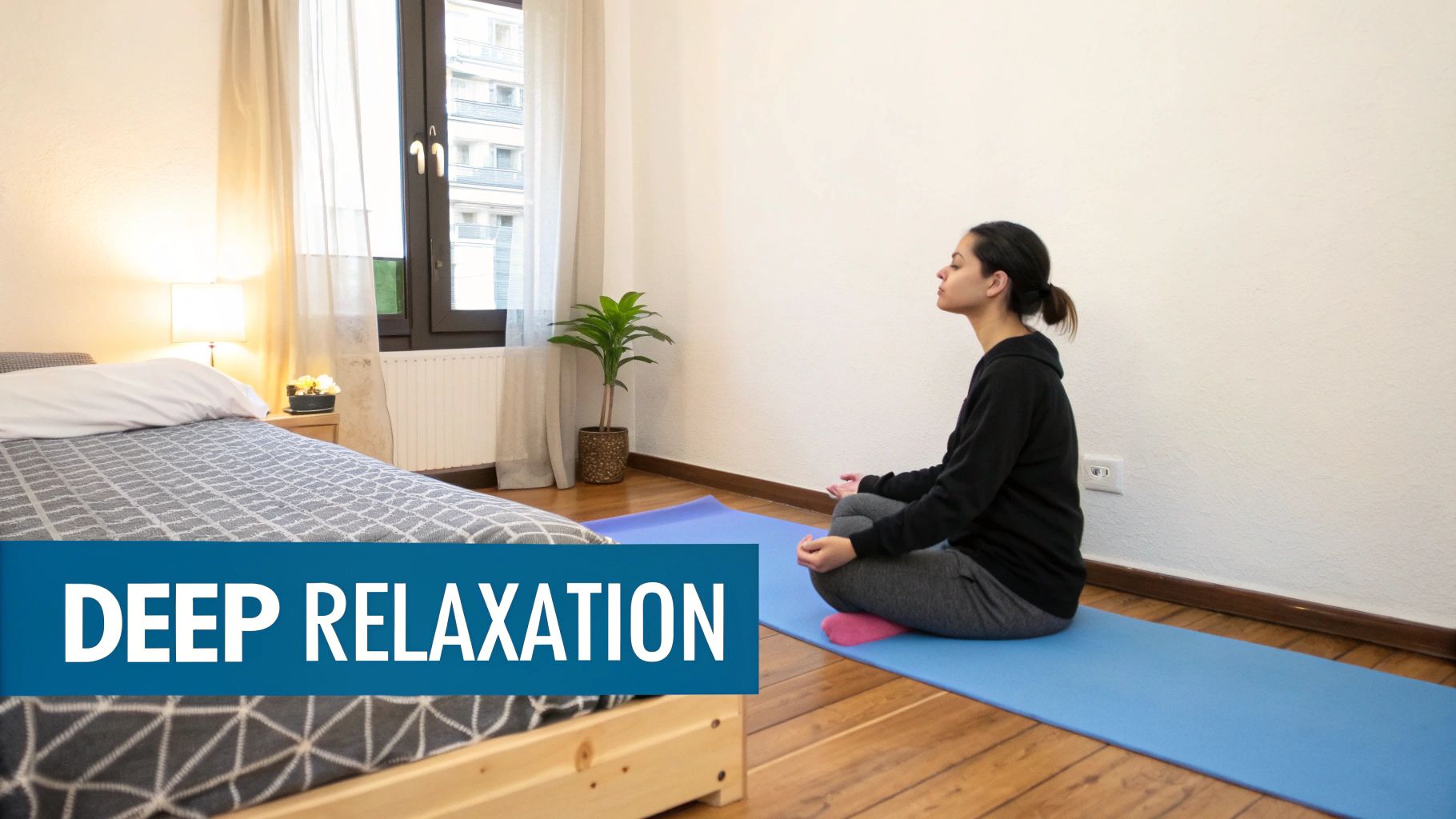
Consistency is a powerful signal to your brain. Think of it this way: just as a morning alarm jolts you into action, a pre-sleep ritual should gently cue your mind and body that it's time to power down.
This isn't about some rigid checklist you have to nail perfectly every single night. Instead, it’s about creating a personalized menu of calming activities you genuinely look forward to. The goal is to build a sequence that feels less like a chore and more like a well-deserved reward, making it that much easier to drift off.
The Science of Winding Down
Some of these calming activities have a direct, physiological effect on your body that literally encourages sleepiness. Take a warm bath, for instance. It does more than just relax your muscles. As you step out of the tub, the drop in your core body temperature actually mimics a natural process that happens as you fall asleep, sending a powerful signal to your brain that it’s bedtime.
It's a simple but effective bio-hack. To get it right, try taking your bath or shower about 60-90 minutes before you want to be asleep. This gives your body enough time to cool down and get the message.
Your wind-down routine is your personal transition from the "on" state of your day to the "off" state required for sleep. It’s an active process of down-regulating your nervous system.
Clearing Your Mind Before Bed
Let’s be honest, one of the biggest hurdles to falling asleep is a brain that just won’t shut up. It’s either replaying the day’s stresses or getting a head start on tomorrow’s worries. A "brain dump" journaling session can be an absolute game-changer here.
Set aside just five or ten minutes. Grab a notebook and physically write down everything bouncing around in your head—your to-do list, nagging anxieties, or even just random thoughts. The act of getting these thoughts out of your head and onto paper provides an incredible sense of release, keeping them from swirling around the minute your head hits the pillow.
Crafting Your Personalized Routine
There’s no magic, one-size-fits-all routine. The best one is the one you’ll actually stick with because you find it calming and enjoyable. Feel free to mix and match different elements until you find what clicks for you.
Here are a few ideas to get you started on your perfect wind-down menu:
- Sip a Calming Herbal Tea: Teas like chamomile, valerian root, and lemon balm are well-known for their mild sedative properties. Just make sure it's caffeine-free, and try not to drink a huge mug right before bed.
- Gentle Stretching or Yoga: Focus on slow, restorative poses that release tension. Pay special attention to the neck, shoulders, and back—classic spots where we all tend to hold stress.
- Reading a Physical Book: Give your eyes a break from screens and opt for a real book. Fiction is fantastic for this, as it helps you escape your own thoughts and get lost in another world for a little while.
- Listening to Calming Audio: With a pair of comfortable headphones like DubsLabs Bedphones, you can listen to soft music, an audiobook, or a guided meditation without disturbing a partner.
Start by picking just two or three activities and try to do them in the same order each night. This repetition is key. It strengthens the association between these actions and sleep, turning your routine into a powerful trigger for rest. Before you know it, just starting your ritual will be enough to make you feel sleepy.
Make Daytime Habits Work for Your Nighttime Sleep
If you're staring at the ceiling night after night, the solution might not be what you do right before bed. Believe it or not, getting to sleep faster often starts the moment you wake up.
Great sleep is the grand finale of a day lived in sync with your body’s internal clock, also known as your circadian rhythm. By tweaking a few key daytime habits, you’re basically setting the stage for a perfect night’s rest. These aren’t massive life changes, just small, smart adjustments that tell your body when to be alert and when it’s time to power down.
Set Your Internal Clock with Morning Sunlight
One of the most powerful things you can do for your sleep is to get some direct sunlight within the first hour of waking up. It sounds almost too simple, but this one action slams the brakes on melatonin production and fires up your body's clock, signaling that the day has officially started.
Getting this timing right is a game-changer. It helps ensure your body knows exactly when to start producing melatonin again in the evening, making you feel naturally sleepy when you want to be.
Even if your mornings are hectic or the weather isn't cooperating, you can make it work:
- Take your morning coffee or tea outside for a few minutes.
- Park a little farther from the office door to squeeze in a short, sunlit walk.
- Even just sitting by a bright window while you check your first emails of the day can help.
Make this a non-negotiable part of your morning routine. It anchors your circadian rhythm and makes it so much easier to wind down later.
Time Your Workouts for Better Sleep
We all know regular exercise is a cornerstone of good health, and that includes sleep. But when you work out really matters. A good sweat session raises your core body temperature, and the cool-down that follows is a natural trigger for sleepiness.
For most of us, wrapping up any moderate-to-intense exercise at least 2-3 hours before bedtime is the sweet spot. This gives your heart rate and body temperature plenty of time to come back down to a resting state. Pushing a high-intensity workout too close to bedtime, on the other hand, can be like hitting the gas when you should be tapping the brakes—it's just too stimulating.
Think of your daily activities—especially light exposure and movement—like winding an old-fashioned clock. Get the timing right during the day, and it will chime perfectly at night, guiding you straight to sleep.
Taking this proactive approach is more important than ever. A poll from the National Sleep Foundation found that almost 40% of American adults struggle to fall asleep a few nights a week. Considering how much good rest impacts our mood, focus, and overall health, optimizing your daily routine is a no-brainer. You can discover more insights about sleep statistics on naplab.com to see just how common these struggles are.
Common Questions About Falling Asleep Faster
Even after dialing in your routine, you probably still have some nagging questions. It's totally normal. Let's dig into some of the most common things people ask about falling asleep faster, clearing up the myths so you can fine-tune what works for you.
Is It Okay to Nap During the Day?
Ah, the nap. It can be a double-edged sword, really.
A quick power nap, maybe 20-30 minutes in the early afternoon, can be a great reset button for your brain. It can sharpen your focus without messing with your nighttime sleep. But—and this is a big but—long naps or snoozing too late in the afternoon can throw your internal clock completely out of whack, making it much harder to feel tired when you actually want to go to bed.
My advice? If you're really struggling to fall asleep at night, try skipping naps altogether. Pushing through that daytime grogginess actually helps build up a stronger "sleep drive," meaning you'll be much more ready to crash when your head finally hits the pillow.
What if I Wake Up in the Middle of the Night?
First off, waking up once or twice during the night is completely normal. Our bodies cycle through sleep stages, and brief awakenings are part of the process. The real issue is when you can't get back to sleep.
The golden rule here is to stop watching the clock. Staring at the time ticking by just ramps up the anxiety about all the precious sleep you're losing.
If you're still wide awake after about 15 minutes, don't just lie there wrestling with the sheets. Get out of bed, go to another room with dim lighting, and do something calm. Read a book (a real one, not on a screen!), listen to some soft music, or do some light stretching. Only head back to bed when you genuinely feel sleepy again.
This trick is a core part of a technique called stimulus control. It’s all about teaching your brain that your bed is for sleeping—not for tossing, turning, and stressing out.
Should I Take Melatonin or Other Sleep Aids?
It’s tempting to reach for a quick fix, I get it. Melatonin can be useful in specific situations, like recovering from jet lag, where your body's internal clock (your circadian rhythm) is just temporarily confused. It acts as a signal to your body that it's nighttime.
But here's the thing: it's not a magic pill for chronic insomnia. More often than not, long-term sleep issues are rooted in things like anxiety or poor sleep habits.
Before you even consider supplements, really nail down your sleep hygiene first. Many over-the-counter aids can actually prevent you from entering the deepest, most restorative stages of sleep. So while they might knock you out, the quality of your rest suffers. As always, have a chat with your doctor before starting any new supplement or medication for sleep.
Ready to create your perfect sleep sanctuary? The DubsLabs collection of sleep-enhancing products is designed to help you fall asleep faster and stay asleep longer. From our comfortable Bedphones to our total dark sleep masks, we have everything you need for a restful night. Explore our sleep solutions at https://www.dubslabs.com and start your journey to better rest.