When you’re trying to figure out how many pillows to sleep on, the answer for most of us is surprisingly simple: just one high-quality pillow is best. The whole point of a pillow is to keep your head and neck aligned with your spine, not to prop it up like it's on a pedestal.
Finding Your Ideal Pillow Support
Picture your spine as a perfectly straight, smooth road. The wrong pillow setup is like hitting a massive pothole—it throws everything out of alignment and can lead to morning neck pain, stiffness, and even those nagging tension headaches.
When you pile up too many pillows, you're actually forcing your neck into an unnatural forward bend, straining muscles and ligaments all night long. The goal isn't to build a soft mountain to rest your head on, but to give it just enough support to maintain that all-important neutral position.
A lot of people think "more is better," but this often leads to a stack of pillows that does more harm than good, seriously messing with sleep quality. And this isn't just a hunch; there’s solid data to back it up.
Sleep tracking data from over 8 million hours of sleep showed that people using a single pillow tossed and turned the least. Those using four or more pillows had a sleep score that was, on average, 4% lower than the single-pillow sleepers. You can dig into these sleep quality findings on eightsleep.com.
This points to a pretty clear conclusion: a single, supportive pillow is usually the ticket to more restorative rest. To find your perfect number, you really have to consider how you sleep. Each position—back, side, or stomach—needs a different kind of support to keep your spine happy.
Here's a quick cheat sheet to get you started on the right path.
Quick Guide to Pillow Count by Sleep Position
Finding the right pillow setup is all about spinal alignment. Use this table to figure out the best number of pillows for your head and body based on your go-to sleep position.
| Sleep Position | Recommended Head Pillows | Optional Body Pillows |
|---|---|---|
| Back Sleeper | One medium-loft, supportive pillow to cradle the neck's natural curve. | A small pillow under the knees can ease lower back pressure. |
| Side Sleeper | One firm, high-loft pillow to fill the gap between the ear and shoulder. | A pillow between the knees helps align the hips and spine. |
| Stomach Sleeper | One thin, soft pillow or no pillow at all to avoid neck strain. | A flat pillow under the stomach/hips can prevent the back from arching. |
Getting this right is a simple change that can make a world of difference in how you feel when you wake up. No more morning aches, just well-supported, truly restful sleep.
How Your Sleep Position Dictates Your Pillow Needs
Your go-to sleeping position is the single most important factor in figuring out how many pillows you should sleep on. The best way to think about it is to picture your spine as a straight, delicate line that needs to stay neutral all night long. Every position—back, side, or stomach—creates different angles and gaps between your head and the mattress, and each one needs its own support strategy.
When your pillow setup is wrong, it can force your spine into an awkward curve, leading to that all-too-familiar morning stiffness, aches, and a night spent tossing and turning. The right pillow, on the other hand, acts like the perfect bridge, making sure your head doesn't dip too low or get cranked up too high. This is exactly why a one-size-fits-all approach just doesn't cut it.
This visual guide breaks down the ideal setup for your preferred sleeping style.
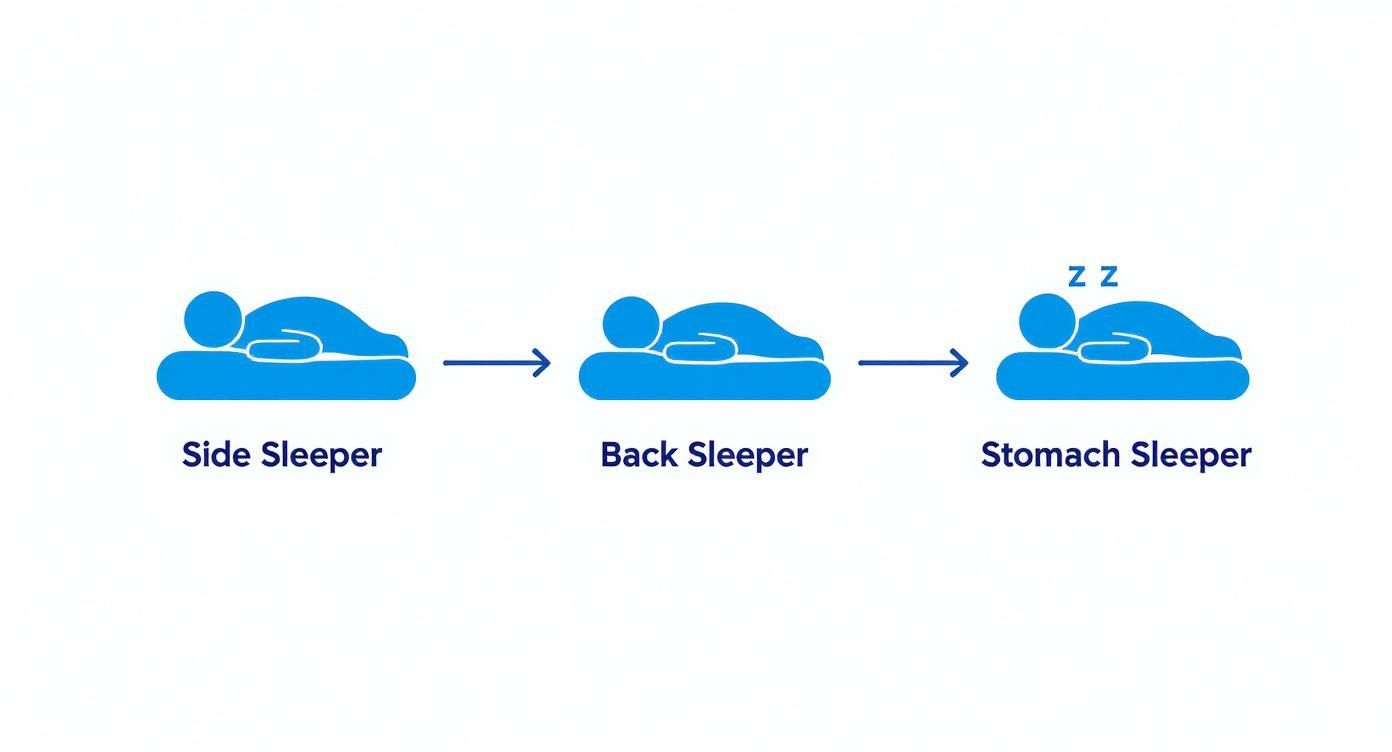
As you can see, side sleepers need the most support to fill that big gap between their shoulder and head, while stomach sleepers need the least. Let's break it down.
The Side Sleeper Pillow Strategy
Side sleeping is the most popular position, but it also creates the largest gap between your head and the mattress. To keep everything aligned, you need a thicker, firmer pillow to completely fill that space. Your ear, shoulder, and hips should form a perfectly straight line. If your pillow is too flat, your head will droop down, putting a ton of strain on your neck.
For the best possible alignment, side sleepers often do well with at least two pillows. Most sleep experts suggest one firm pillow under the head and a second one tucked between the knees. That second pillow is a game-changer; it stops your top leg from sliding forward, which prevents your lower back and hips from twisting out of alignment. You can get into the nitty-gritty of why this works in our complete guide to the best memory foam pillows for side sleepers.
The Back Sleeper Pillow Strategy
When you’re sleeping on your back, the main goal is to support the natural curve of your neck without propping your head up too high. A single, medium-loft pillow is usually the best bet here. It needs to be just thick enough to give gentle support but not so puffy that it pushes your chin down toward your chest.
A quick check for back sleepers: look at your profile in a mirror or have someone snap a picture. Your ears should be in line with your shoulders, and you should be looking up at the ceiling, not down at your feet.
Keeping this neutral position is key to preventing neck strain and can even help some people snore less.
The Stomach Sleeper Pillow Strategy
Stomach sleeping is widely seen as the toughest position on the spine. It forces your neck to twist to one side for hours on end and can make your lower back arch in an unnatural way. Because of this, many experts actually recommend using no pillow at all under your head.
If going pillow-free just feels too weird, grab an extremely thin, soft one instead. This keeps the angle of your neck as minimal as possible. You can also try placing a thin pillow under your stomach and hips to help your lower back stay in a more neutral position and ease the strain. The right setup is absolutely crucial for your spine, and if you’re waking up with aches, adjusting your pillows can be a huge step in finding relief from shoulder pain.
The Hidden Dangers of Using Too Many Pillows
That giant, fluffy stack of pillows might look like the absolute peak of comfort, but it could be the real reason behind your morning aches and pains. It seems harmless enough, but piling up pillows forces your head and neck into an unnatural forward bend, completely wrecking your sleep posture.

This position is actually a lot like hunching over your phone for hours—a habit notorious for causing what people now call "tech neck." When you hold that posture for six to eight hours every night, you're putting a ton of prolonged stress on the muscles and ligaments in your neck and upper back.
This nightly misalignment is a direct line to several common issues that can ruin your day before it even starts.
From Stiffness to Headaches
When your neck is bent forward all night long, the muscles along the back of your neck and shoulders are constantly stretched and strained. This often sets off a chain reaction of problems that many people mistakenly blame on a bad mattress or just a stressful day.
The consequences often show up as:
- Chronic Neck Stiffness: Waking up with a neck so stiff you can barely turn your head is a classic sign of improper pillow support.
- Tension Headaches: That strain in your neck and upper back muscles frequently triggers nagging tension headaches that seem to start right at the base of your skull.
- Shoulder Pain: The misalignment can also send pain radiating down into your shoulder blades, causing a deep, aching discomfort. If this sounds familiar, check out our guide on 5 solutions to shoulder pain from sleeping for more targeted advice.
Waking up in pain is your body's way of telling you loud and clear that your sleep setup isn't working. The goal is always to maintain a neutral spine, where your head, neck, and back form a relatively straight line.
But it's not just about muscle and joint pain. An overly elevated head position can even mess with your breathing.
The Surprising Impact on Breathing
Believe it or not, stacking pillows too high can also compress your airway. By forcing your chin down toward your chest, this position can partially block your throat, making it a lot harder for air to flow freely.
This restriction can make snoring worse and might even contribute to mild breathing disruptions throughout the night. The result? You get lower-quality, fragmented sleep that leaves you feeling tired and foggy, even after spending a full night in bed.
The answer isn't piling on more pillows—it's about finding the right one.
Why One Great Pillow Beats a Stack of Bad Ones
It’s tempting to think that if one pillow is good, then two or three must be even better, right? But when we're talking about getting a truly restorative night's sleep, it’s all about quality, not how many pillows you can pile up.
Stacking a few cheap, flimsy pillows is like trying to build a solid foundation out of sand. It’s a recipe for disaster. That pile is going to shift, flatten, and ultimately let you down right when you need support the most.

A single, high-quality pillow is engineered to do one job and do it perfectly: keep your head, neck, and spine in a nice, straight line. This is where the stuff inside your pillow—its material—becomes a massive factor in your sleep health.
The Impact of Pillow Materials
What your pillow is made of directly impacts its ability to give you consistent, solid support all night long. Many traditional materials just don't make the cut, which often leads to discomfort and a lot of tossing and turning.
-
Feather Pillows: Sure, they feel soft and luxurious at first, but feather pillows have a bad habit of going flat as a pancake the minute you lay your head on them. This loss of loft means your neck can slump into an awkward, strained position.
-
Memory Foam & Latex: On the flip side, materials like memory foam and latex are built for support. They have this incredible ability to contour to the unique shape of your head and neck, spreading out the weight evenly and maintaining their shape throughout the night.
And this isn't just talk. A study looking into pillow materials found a direct link between the type of pillow someone used and their sleep quality. The results were pretty clear: people using old-school feather pillows reported the worst sleep quality and comfort. Who came out on top? Those sleeping on latex pillows. You can dig into the numbers yourself in the full research on pillow performance and sleep quality.
Investing in one great pillow isn't a luxury; it's a strategic move for better health. It transforms your pillow from a simple cushion into a crucial piece of sleep equipment designed to support your body's natural alignment.
Getting this concept down is the key to figuring out how many pillows you should sleep on. It stops being about the number and starts being about the capability of the one you choose.
Finding Your Perfect Pillow Solution
Knowing you need to keep your spine aligned is one thing, but actually doing it can feel like a shot in the dark. How are you supposed to find that one perfect pillow that finally ends the nightly guesswork for good?
Luckily, you don't have to rely on a risky trial-and-error approach anymore. The answer lies in pillows designed to adapt to you.
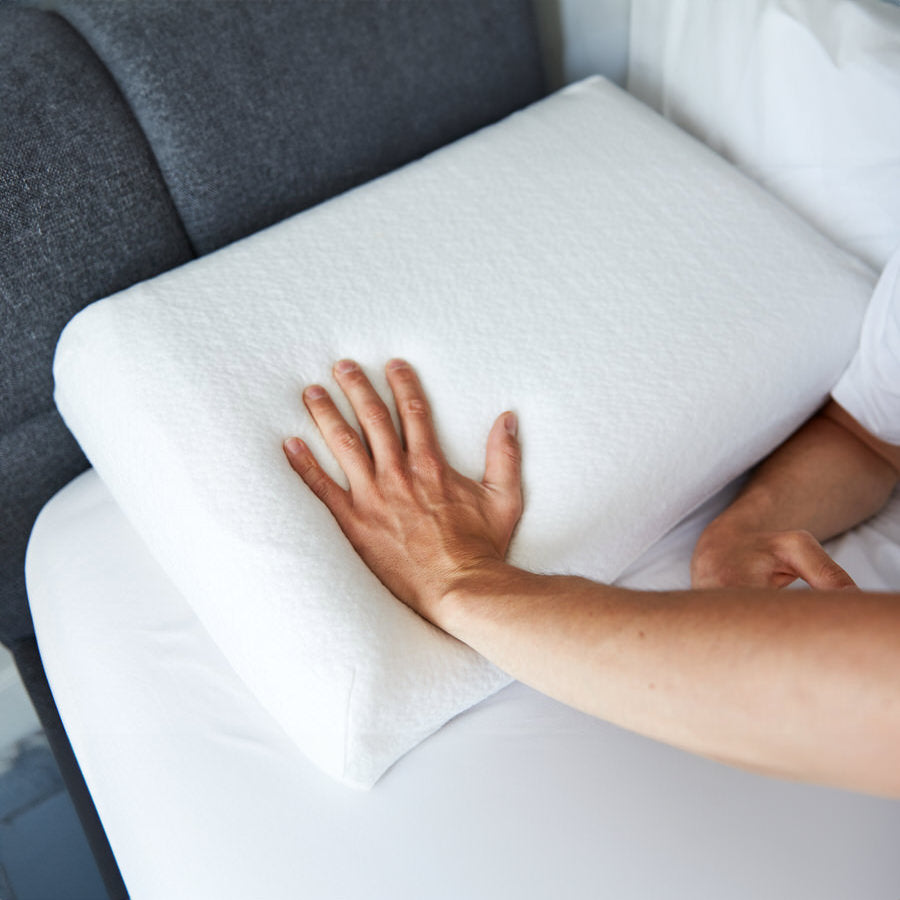
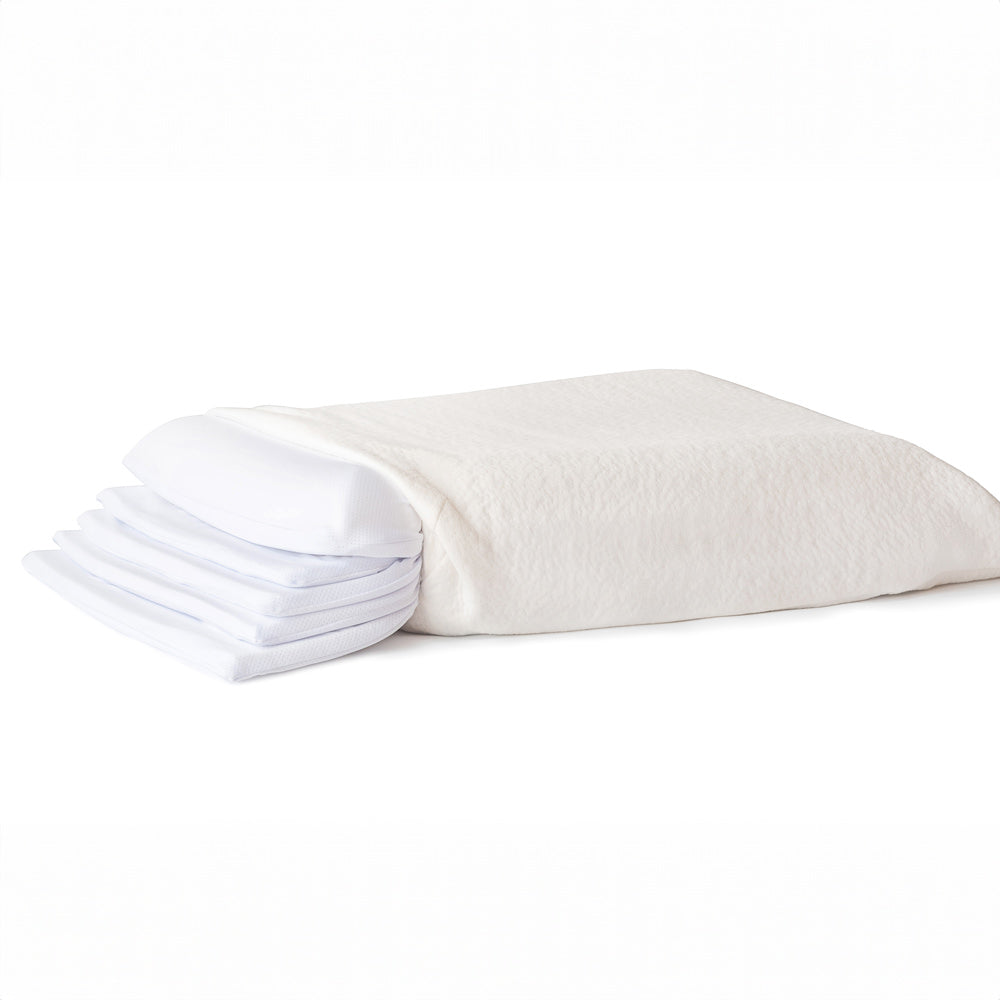
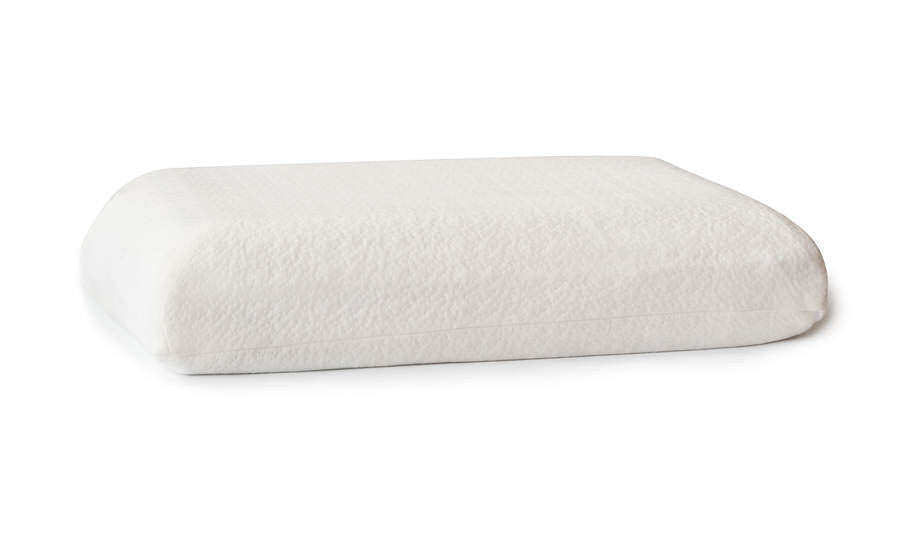
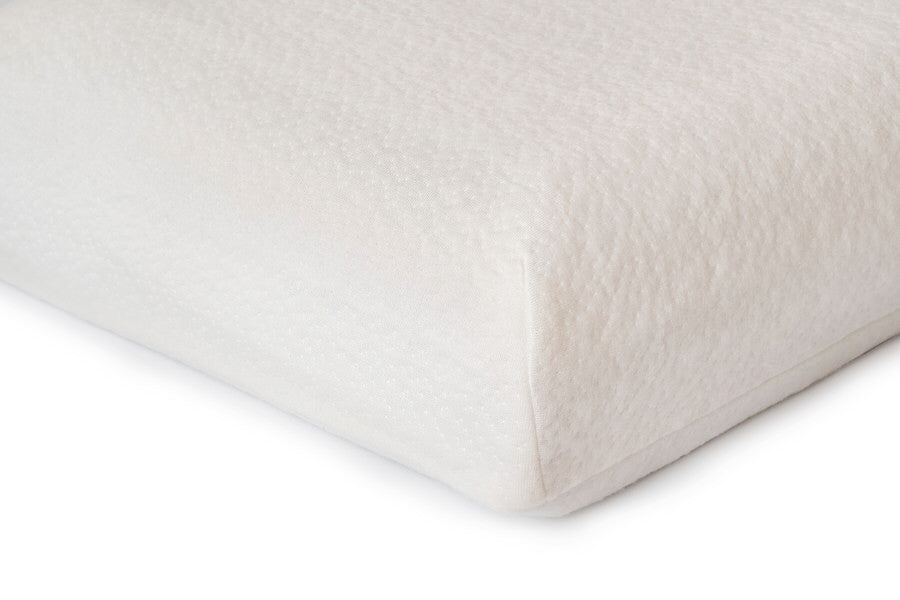
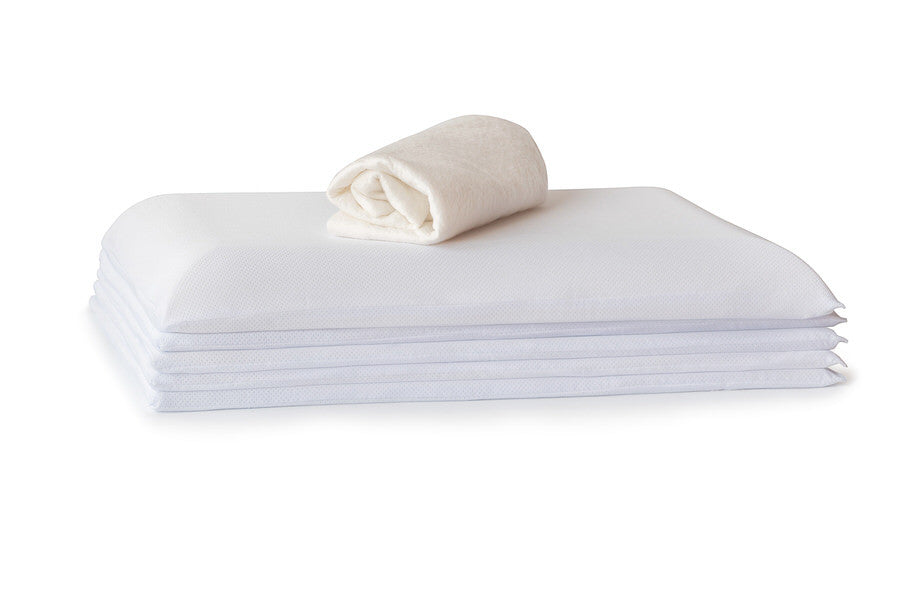
The biggest leap forward here is the adjustable pillow. Think of it as a custom-fit solution built just for your sleep posture. Instead of being stuck with a pillow that’s too high or too low, you can add or remove the fill to get the loft and firmness dialed in just right for your body.
This makes finding the right support so much simpler. Side sleepers can pack in more fill to get that high loft they need, while back and stomach sleepers can take it out until their spine is perfectly straight. It’s a simple idea that takes all the expensive guesswork out of the equation. We dive deeper into how this works in our guide on using an adjustable pillow for neck pain.
Key Features In Modern Pillows
Beyond just being adjustable, a few other features can take your sleep from good to truly great. When you're on the hunt, keep an eye out for these elements that tackle common sleep problems.
- Ergonomic Contouring: Some pillows have a curved or contoured shape for a reason. They’re built to cradle the natural curve of your neck, giving you targeted support that a plain old rectangular pillow just can't match.
- Cooling Technologies: So many of us sleep hot, which can totally wreck your deep sleep cycles. Pillows infused with cooling gel or made from naturally breathable materials are a game-changer for keeping your temperature regulated all night long.
A pillow is more than just a cushion; it is a critical tool for your health. Choosing one with the right features ensures you're not just comfortable, but actively supporting your body's recovery process every single night.
Of course, a great pillow is just one piece of the puzzle. Many people also explore more holistic ways to improve their rest; you can even discover specific crystals that can help you achieve better sleep. When you combine the right physical support with a calming environment, you’re creating a powerful foundation for truly restorative nights.
Common Questions About Picking the Right Pillow
Even after you get the hang of spinal alignment, a few questions might still be floating around in your head. Let's tackle some of the most common ones so you can feel totally confident in picking the perfect pillow setup.
Is It Better to Use Two Thin Pillows or One Thick One?
It's almost always a better bet to go with a single pillow that has the right loft—or thickness—for the way you sleep. Think about it: when you stack two thin pillows, they’re bound to shift and slide around while you toss and turn.
That shifting can create an unstable, uneven surface for your head. Next thing you know, your head has sunk into the gap between them, knocking your spine completely out of whack. A single, solid pillow is designed to give you stable, consistent support all night long.
How Do I Know if My Pillow Is the Right Height?
You can actually do a quick alignment check right in your own bedroom. When you lie down in your go-to sleeping position, your neck and spine should form a pretty straight, horizontal line. Simple as that.
For side sleepers, the pillow needs to fill that whole gap between your shoulder and your head. No empty space. If you're a back sleeper, a big giveaway that your pillow is too high is if your chin gets pushed down toward your chest. But the most common red flag for everyone? Waking up with a stiff, sore neck.
How Often Should I Replace My Pillow?
Most sleep experts will tell you to swap out your pillow every 1 to 2 years. Over time, pillows just lose their oomph—they get flat, lose their supportive qualities, and become a hotspot for dust mites, dead skin cells, and body oils.
There’s a simple test for traditional pillows: fold it in half. If it doesn't spring right back to its original shape, it's time to say goodbye. For memory foam, keep an eye out for permanent body indentations or if it just doesn't feel as responsive as it used to.
Ready to stop guessing and start getting the kind of restorative sleep you deserve? The DubsLabs adjustable memory foam pillow lets you customize the height and firmness for perfect spinal alignment, no matter how you sleep. Find your perfect sleep solution at DubsLabs.