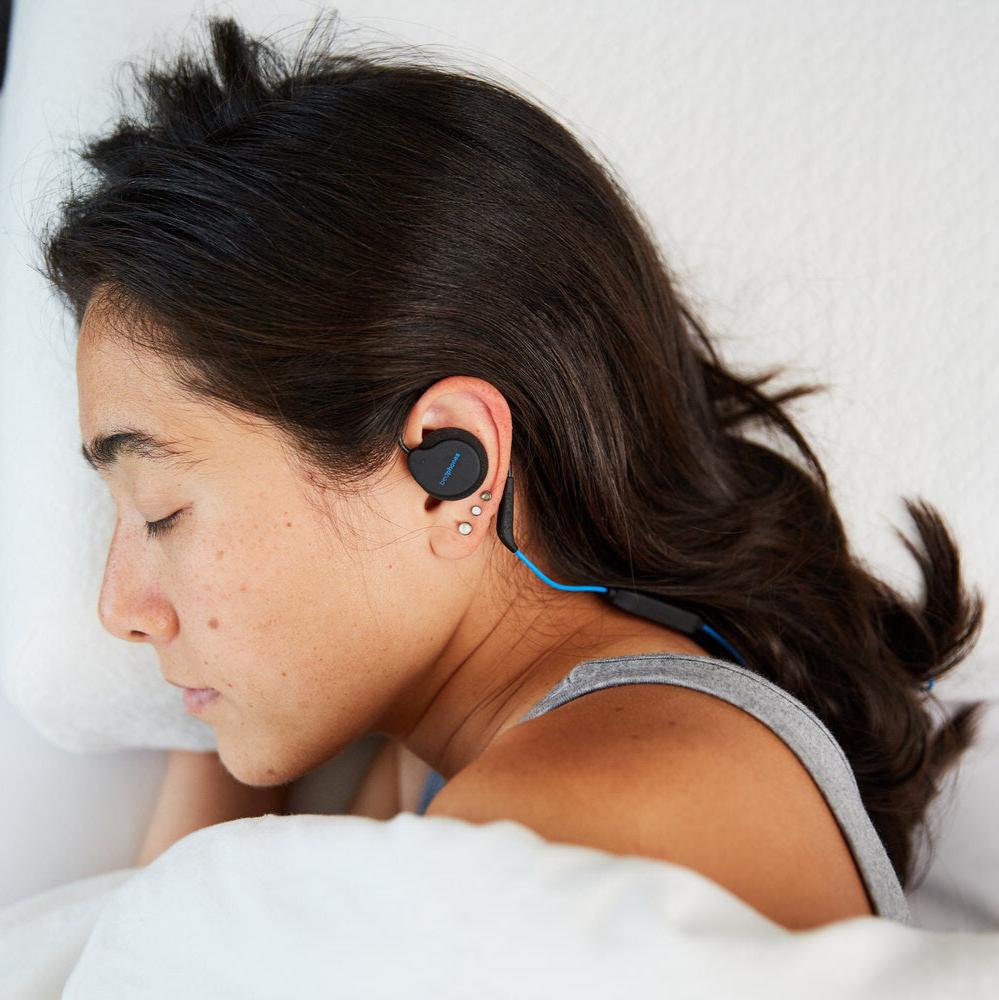
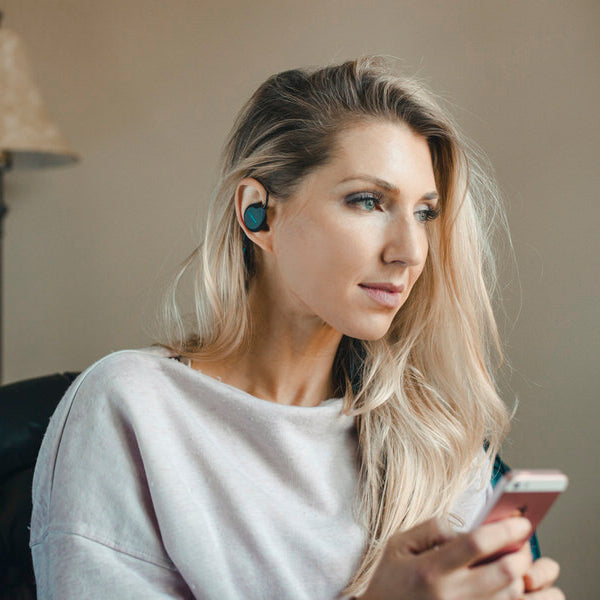
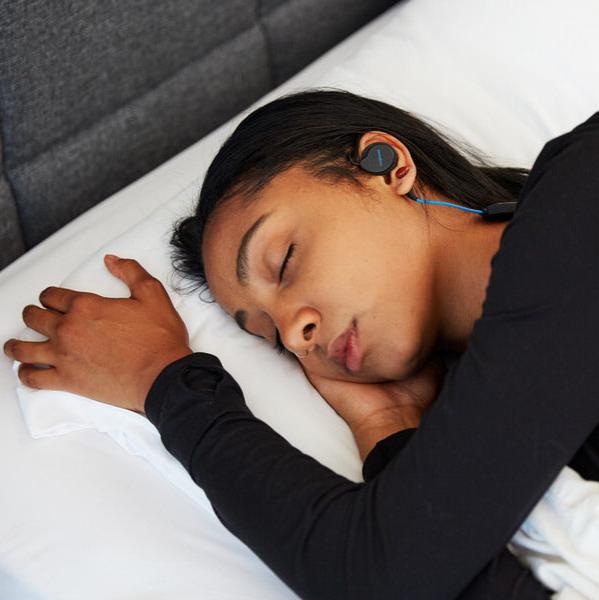
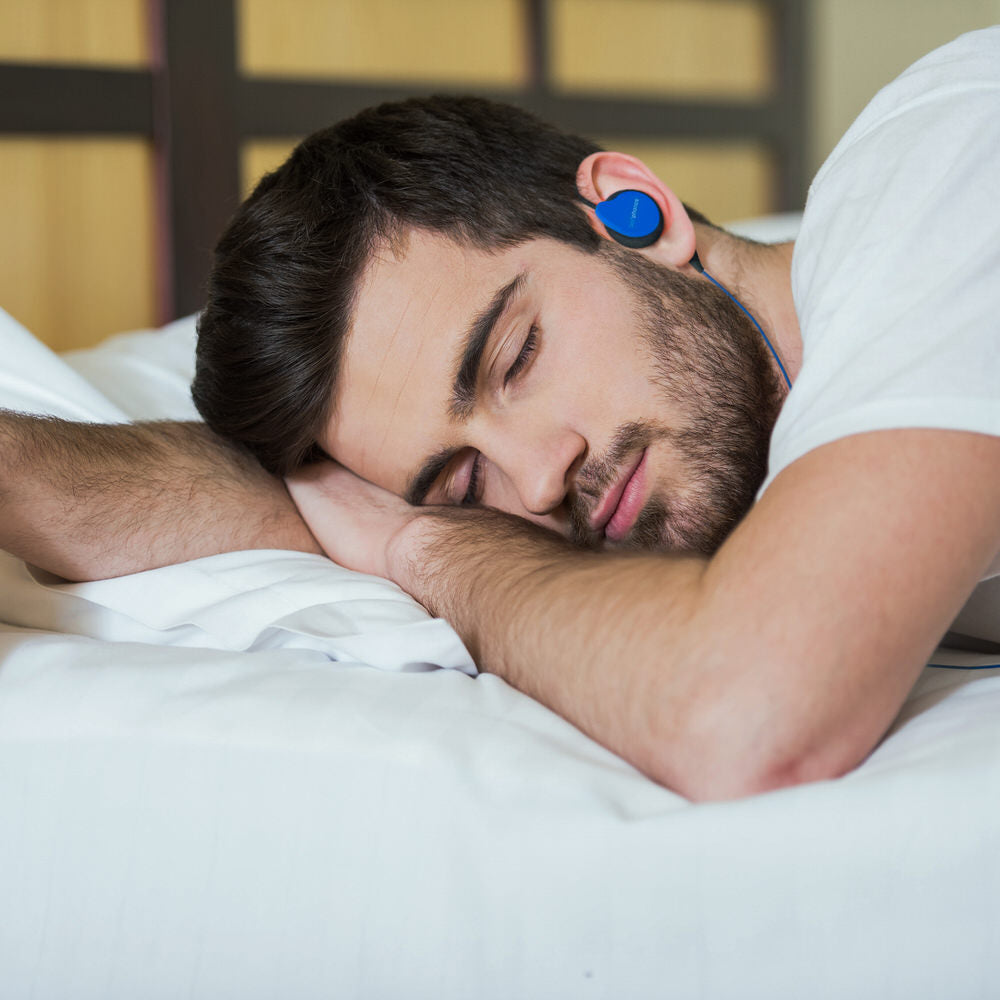
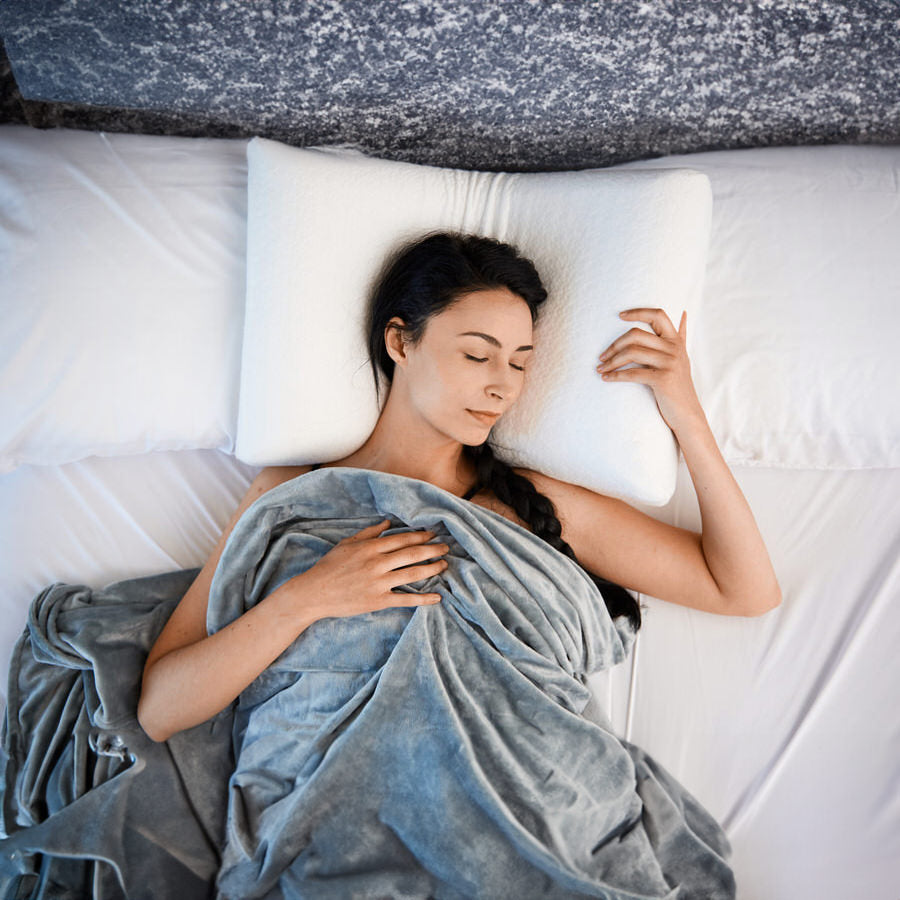
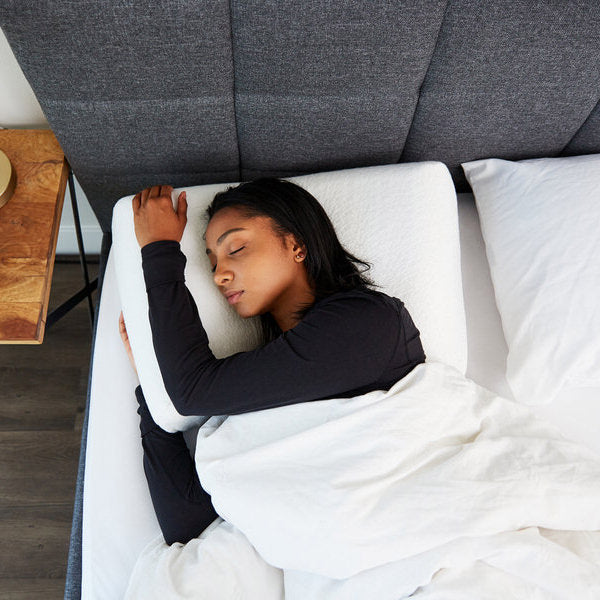
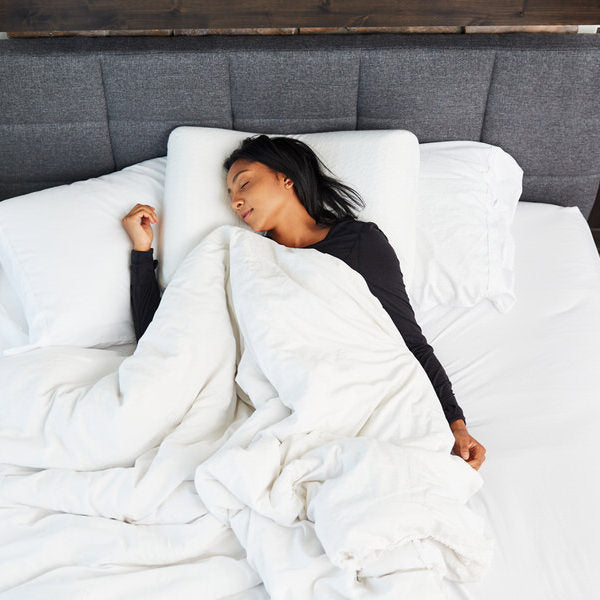
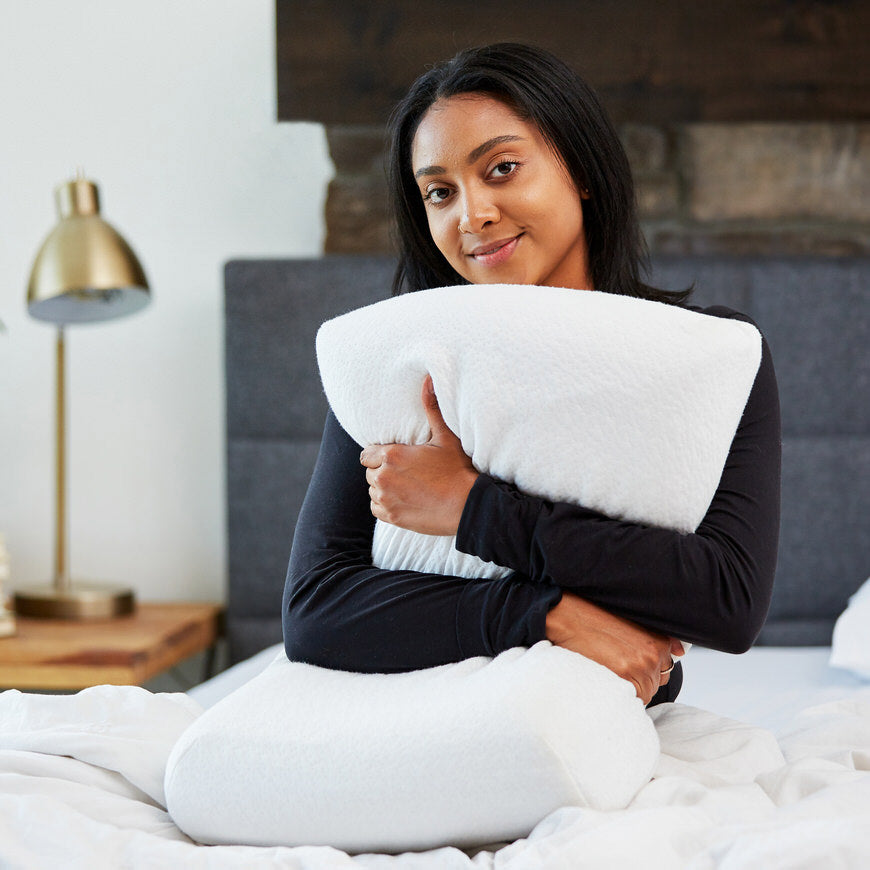
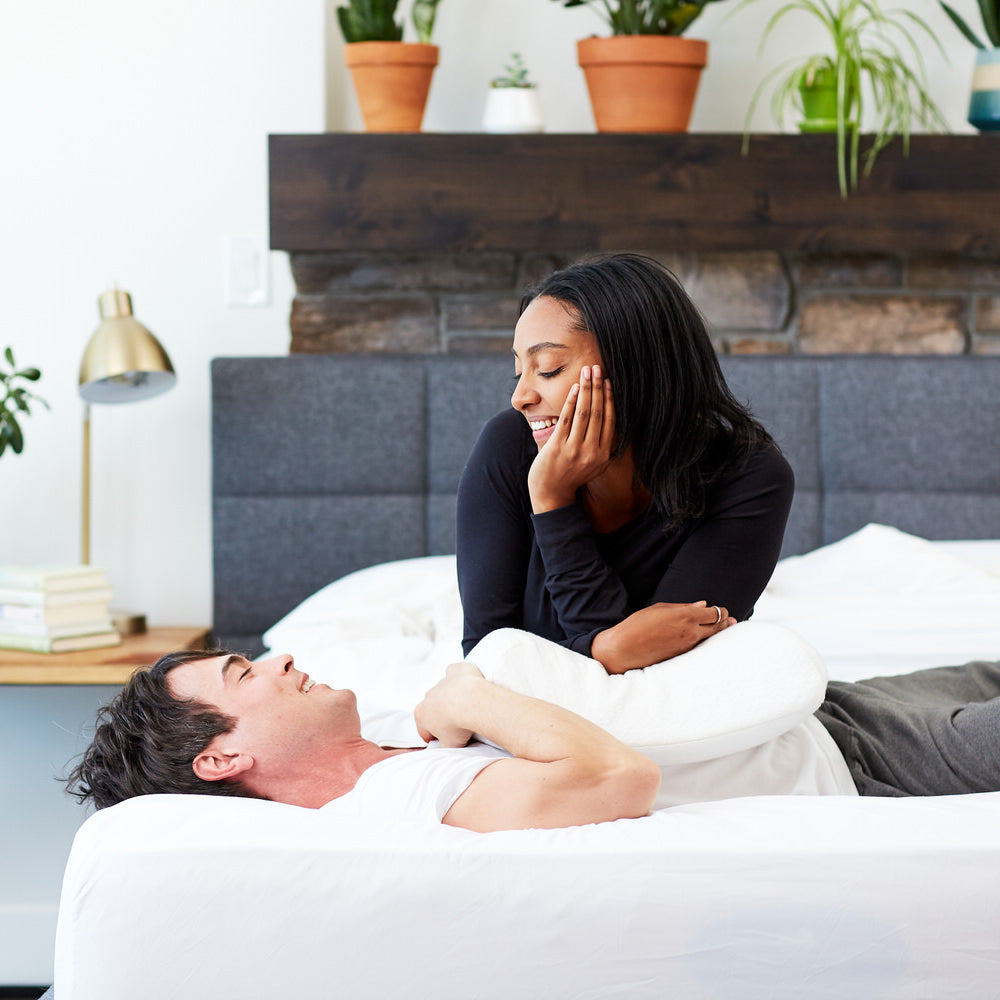
We’ve all been there: staring at the ceiling, counting the minutes, while a partner’s snoring fills the room or traffic rumbles on outside. It’s a special kind of frustration. This guide is your way out. We’re going to dive into how today’s headphones you can sleep in are specifically built to solve these exact problems.
Forget the bulky, painful headphones of the past. Modern sleep headphones are all about genuine comfort and peace. We’ll show you how to find the right audio companion for your specific sleep challenges, whether it's quieting an overactive mind or just blocking out a noisy world. It’s time to stop tossing and turning. Let's find you some deep, uninterrupted rest.
Why Sleep Headphones Are Your Solution for Restless Nights
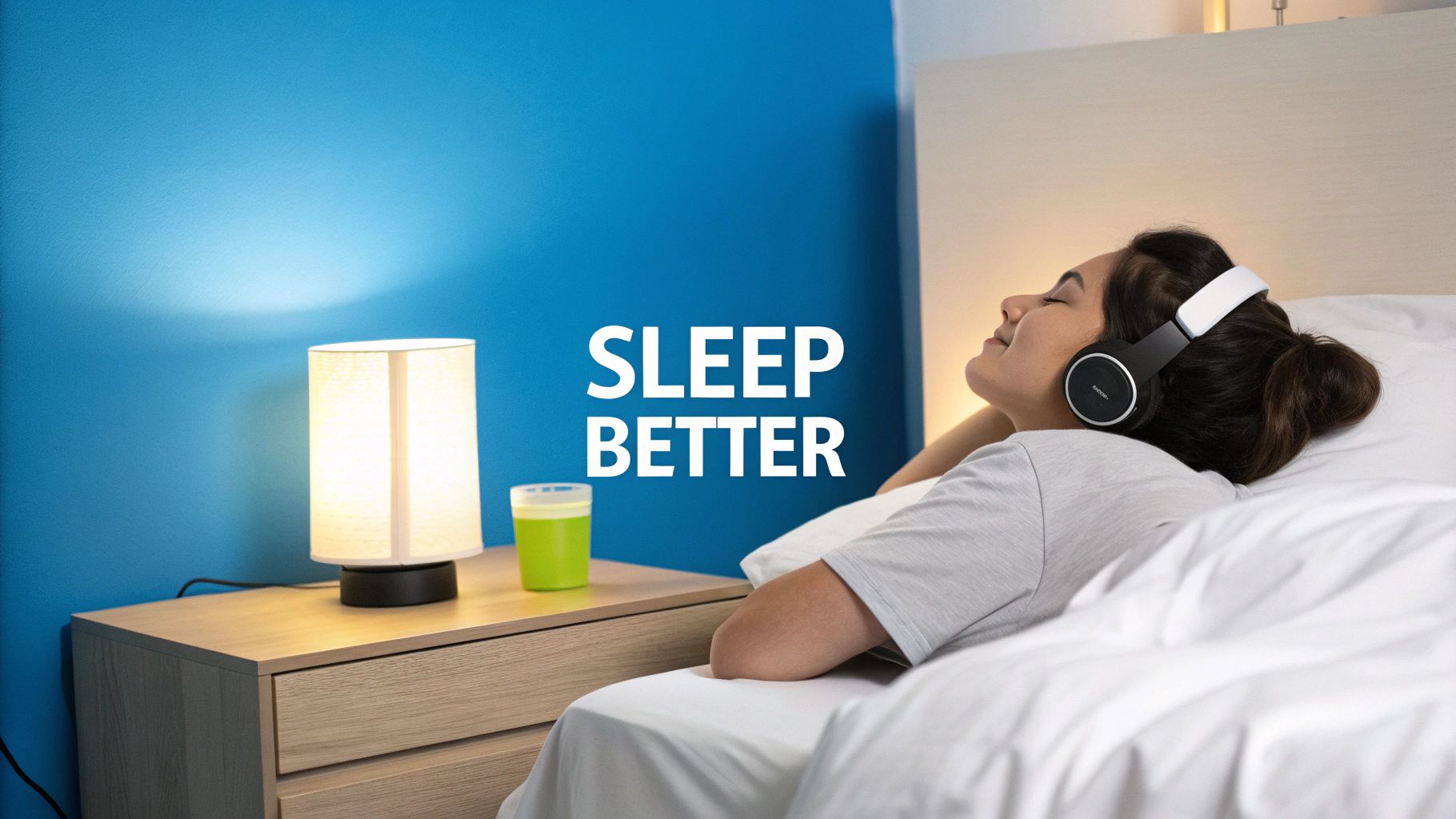
The hunt for a perfect night’s sleep can feel like a never-ending battle. The culprits are many: the drone of city life, a snoring partner, or a mind that just refuses to switch off. These are the things that stand between you and the restorative rest you need.
Let's be honest, traditional headphones just aren't up to the task. They're clunky, they dig into your ears, and they’re guaranteed to fall out the second you roll over.
This is exactly where sleep headphones come in. Think of them less as a gadget for music and more as a specialized tool for sleep. They are designed from the ground up with one simple goal: to deliver soothing sound without wrecking your comfort, no matter how you sleep.
More Than Just Music
These devices are about so much more than just queuing up a playlist. Their real purpose is to help you create a personal sound sanctuary, a bubble of peace in an otherwise disruptive world. This controlled audio environment is a surprisingly powerful tool for getting better sleep.
It's not just about comfort, either. For many, sleep headphones are part of broader strategies for alleviating sleep disorders by helping create an environment that’s truly conducive to rest.
The demand for these solutions is booming. In 2023, the global sleep headphones market was valued at around USD 1.2 billion. It's projected to hit a massive USD 3.8 billion by 2032, which shows just how seriously people are starting to take their sleep health.
By masking disruptive external noises and providing calming audio like white noise or guided meditations, these headphones help your brain disengage from distractions and ease into the natural rhythms of sleep.
Exploring Different Types of Sleep Headphones
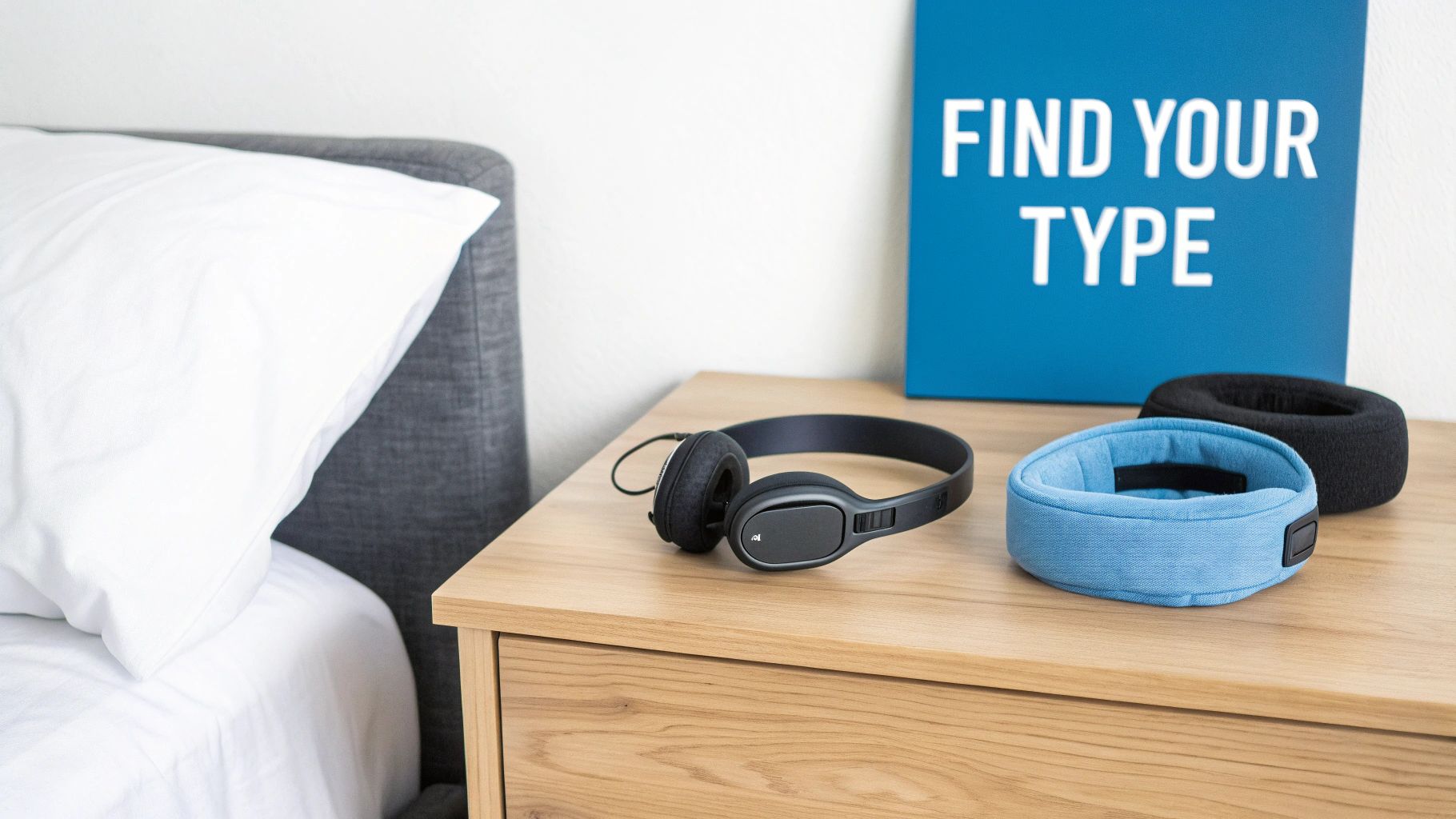
When you start shopping for headphones you can sleep in, you'll quickly see they’re not all built the same. Each style is designed for different sleep habits, comfort levels, and noise-blocking needs. Getting to know these designs is the first real step toward finding your ticket to a peaceful night.
Think of it this way: each type is a specialized tool for a specific job. Your go-to sleeping position, what you like to listen to, and just how much noise you need to block will all point you toward the right style for you.
Headband Headphones A Soft Embrace for Your Ears
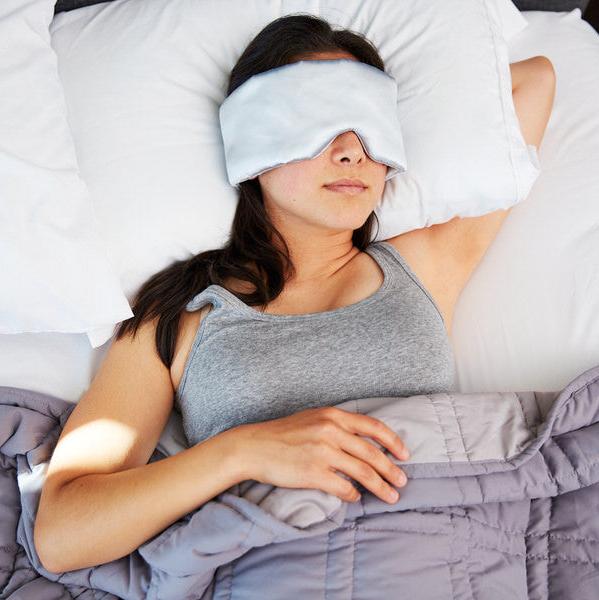
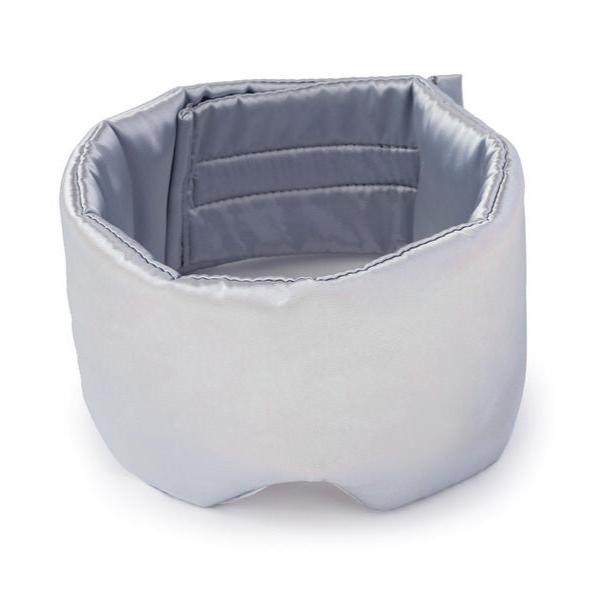
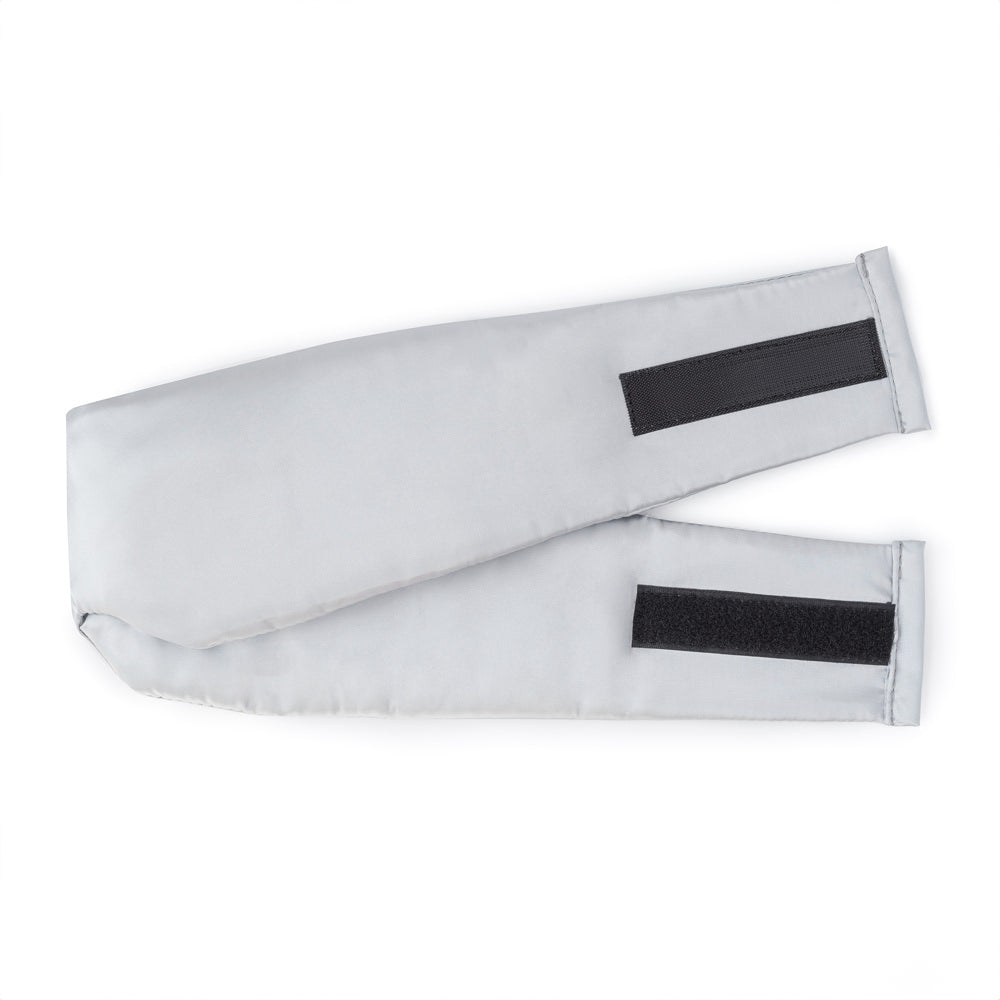
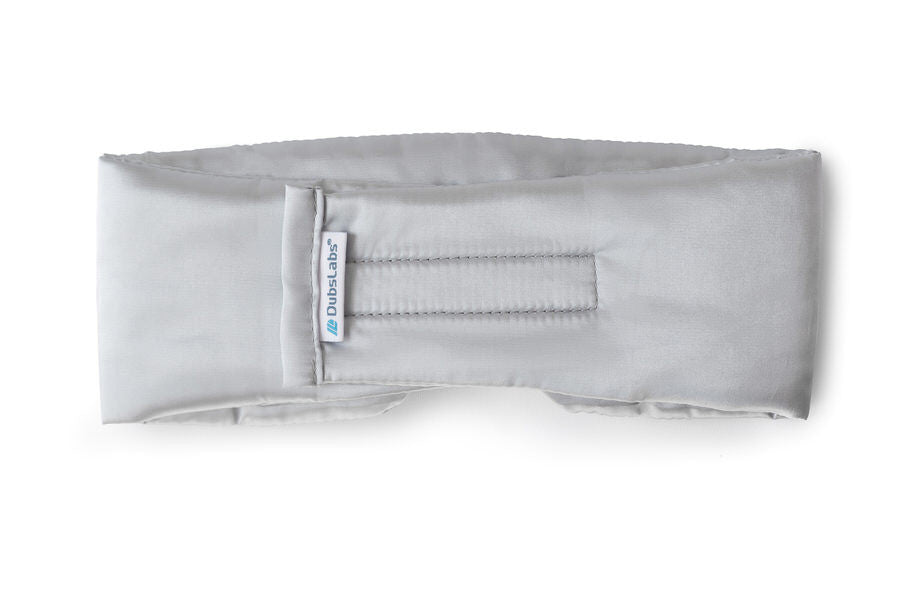
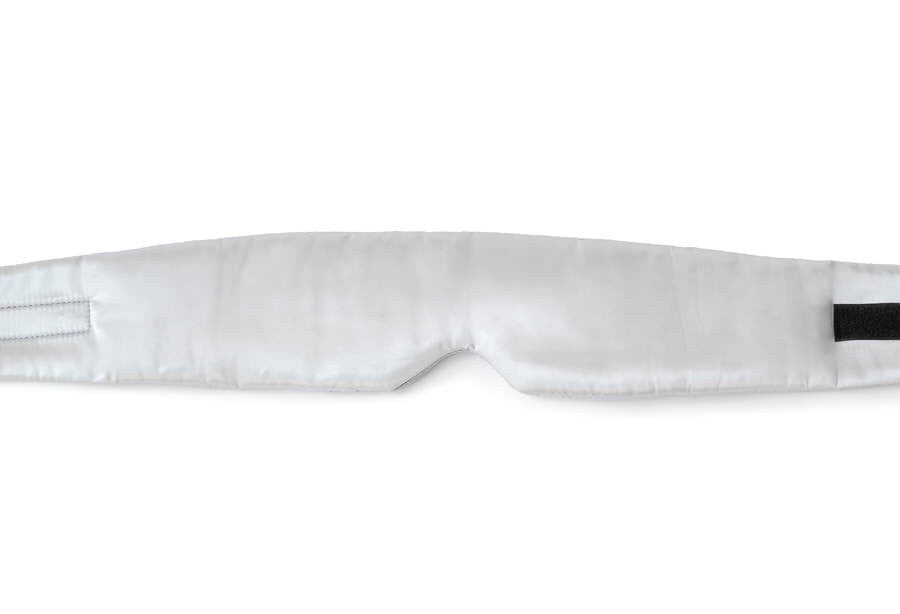
Imagine a soft, stretchy sleep mask with a pair of ultra-thin headphones built right in. That’s the basic idea behind headband headphones. The speakers are flat, padded discs tucked inside a breathable fabric band that wraps snugly around your head.
This design is incredibly versatile. Because there are no hard bits pressing into your skull, they're a fantastic choice for pretty much any sleeping position—back, stomach, or side.
- Best For: All-around comfort and flexibility for any sleep position.
- Key Feature: Thin, padded speakers that don't create uncomfortable pressure points.
- Primary Use Case: Listening to podcasts, audiobooks, or gentle music while you drift off.
These headbands offer a gentle way to listen to something without the intrusive feel of traditional earbuds. They’re a huge favorite among people who toss and turn a lot during the night.
In-Ear Sleep Buds Tiny but Mighty Noise Blockers
For anyone who needs to completely seal out the world, in-ear sleep buds are the answer. These are tiny, ergonomically shaped earbuds designed to fit snugly inside your ear canal, creating a powerful barrier against outside noise.
Their biggest advantage is their incredibly low profile. They're usually made from soft silicone and sit flush with your ear, making them the number one pick for dedicated side sleepers who can’t stand the feel of other headphones. They're especially powerful when you pair them with calming audio. For a deeper dive, check out our guide on using white noise headphones for sleeping to really get the most out of their sound-masking magic.
By combining passive noise isolation with soothing sounds, in-ear sleep buds create a personal sanctuary, effectively muffling everything from a snoring partner to street traffic.
Sleep-Optimized Over-Ear Headphones The Soundproof Cocoon
While they're a bit less common, some over-ear headphones are actually built with sleep in mind. These models focus on comfort, with extra-plush earcups and a lightweight frame, but their real strength is top-tier sound isolation.
Their larger size means they are almost exclusively for back sleepers. Let’s be real—trying to lie on your side with these on is just not going to work. But for those who don't move much and want to block out some serious noise, they deliver an immersive sound experience that headbands and buds just can't touch.
Comparing Sleep Headphone Styles at a Glance
With these distinct options, it can be helpful to see them side-by-side. This table breaks down the key trade-offs to help you quickly identify which style might be the best fit for your nightly routine.
| Headphone Type | Best For | Primary Pro | Primary Con |
|---|---|---|---|
| Headband Headphones | All Sleep Positions | Unmatched comfort & versatility | Less effective noise isolation |
| In-Ear Sleep Buds | Side Sleepers | Excellent noise isolation | Can feel intrusive for some |
| Over-Ear Headphones | Back Sleepers Only | Superior sound quality | Bulky and restrictive |
Ultimately, choosing the right type comes down to your personal needs. Think about your main sleeping position and what you're trying to accomplish—whether that's blocking out a noisy environment or just enjoying some calming sounds—and let that guide your decision.
Essential Features for a Restful Night
When you’re looking for the best headphones you can sleep in, the line between a great night's sleep and a frustrating one is thinner than you’d think. Regular headphones are made for walking around or sitting at a desk; sleep headphones are a whole different beast, built for one thing: comfort and quiet while you're lying down for hours.
It all boils down to a simple question: can you completely forget you're wearing them? If the answer isn't an immediate "yes," they're not the right fit for bedtime. Let's dig into what separates the good from the great.
All-Night Comfort Is The Top Priority
The single most important factor is comfort, especially if you're a side sleeper. That tiny bit of pressure you feel when you first lie down can morph into a real source of pain by 3 a.m. The best sleep headphones are designed from the ground up to prevent this.
Keep an eye out for models made with incredibly soft, flexible materials. Headband styles often use breathable fabrics like fleece or lycra that feel good against your skin. For in-ear buds, look for medical-grade silicone that gently molds to the shape of your ear.
But the real magic is in the profile of the headphones.
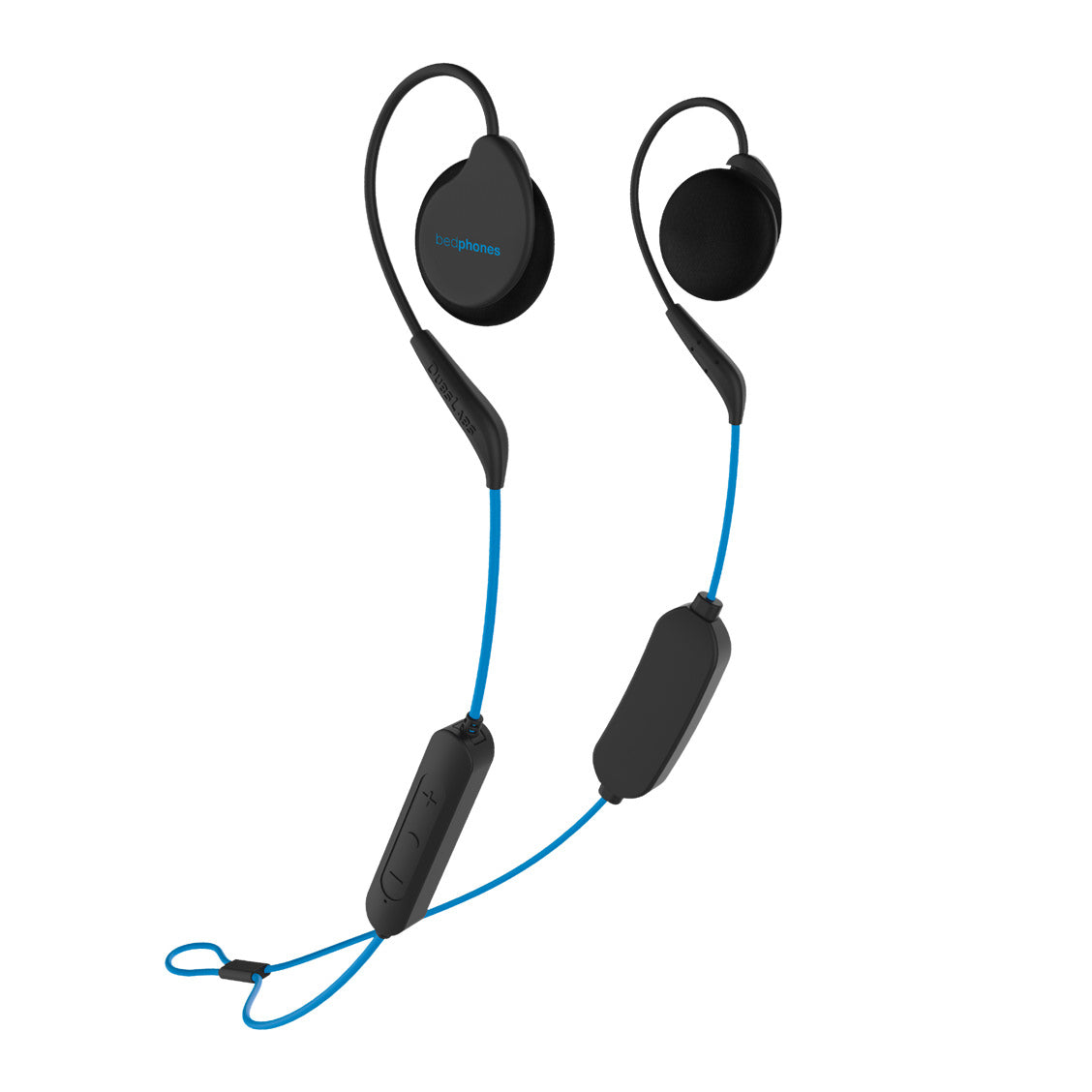
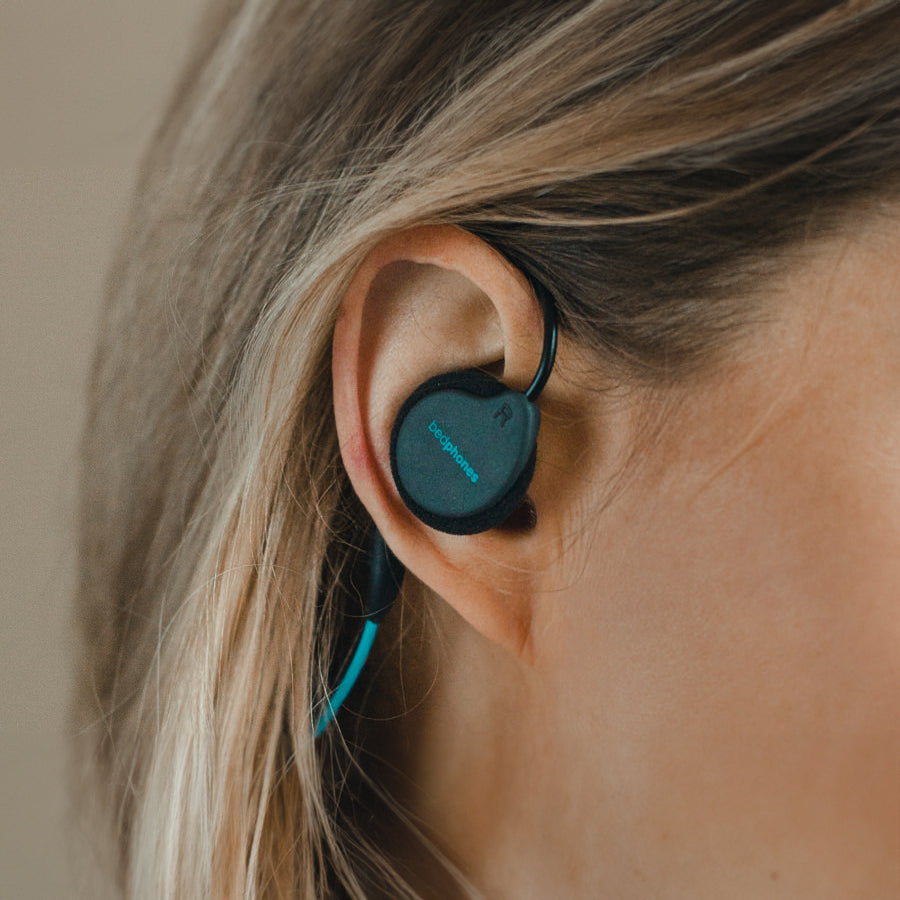
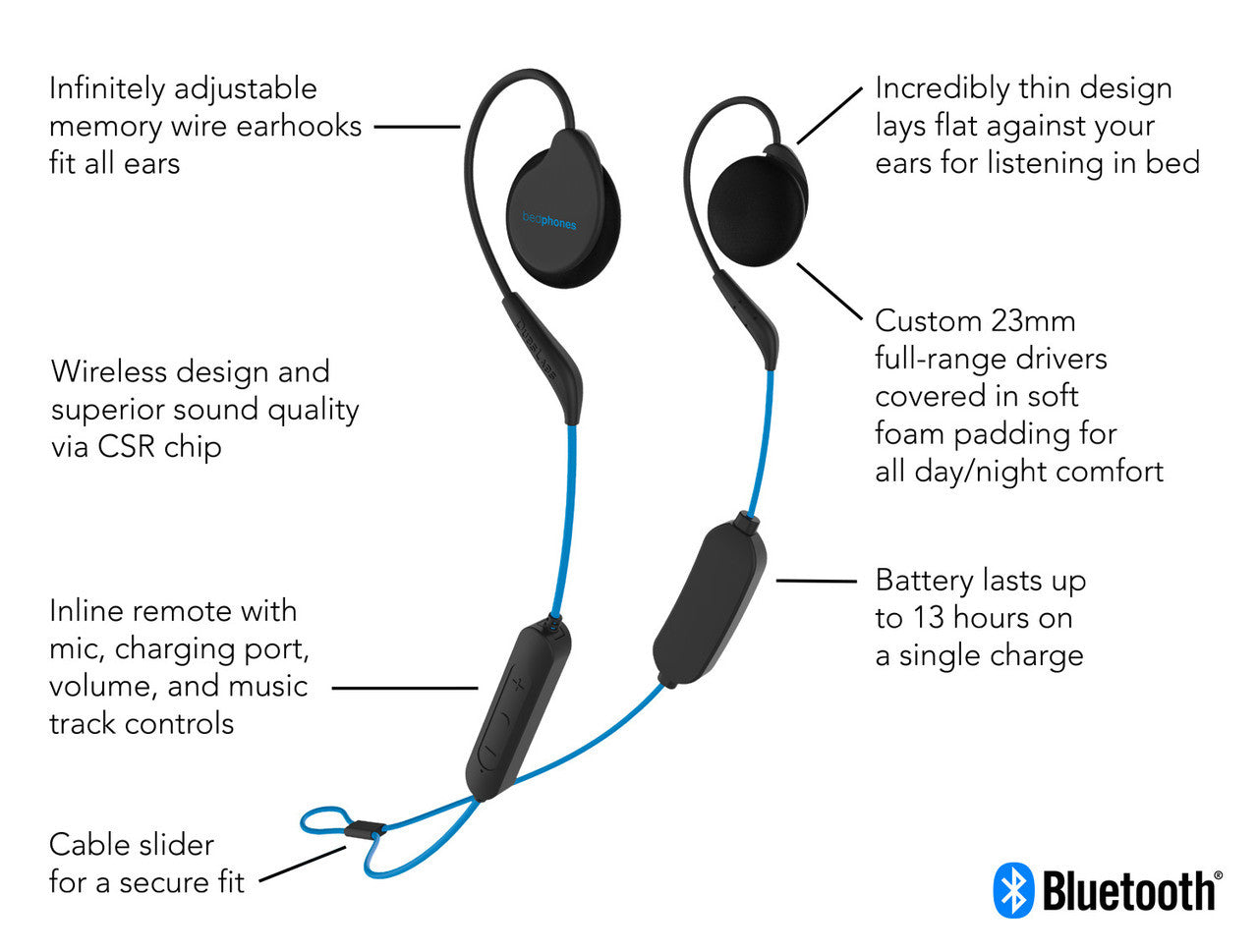
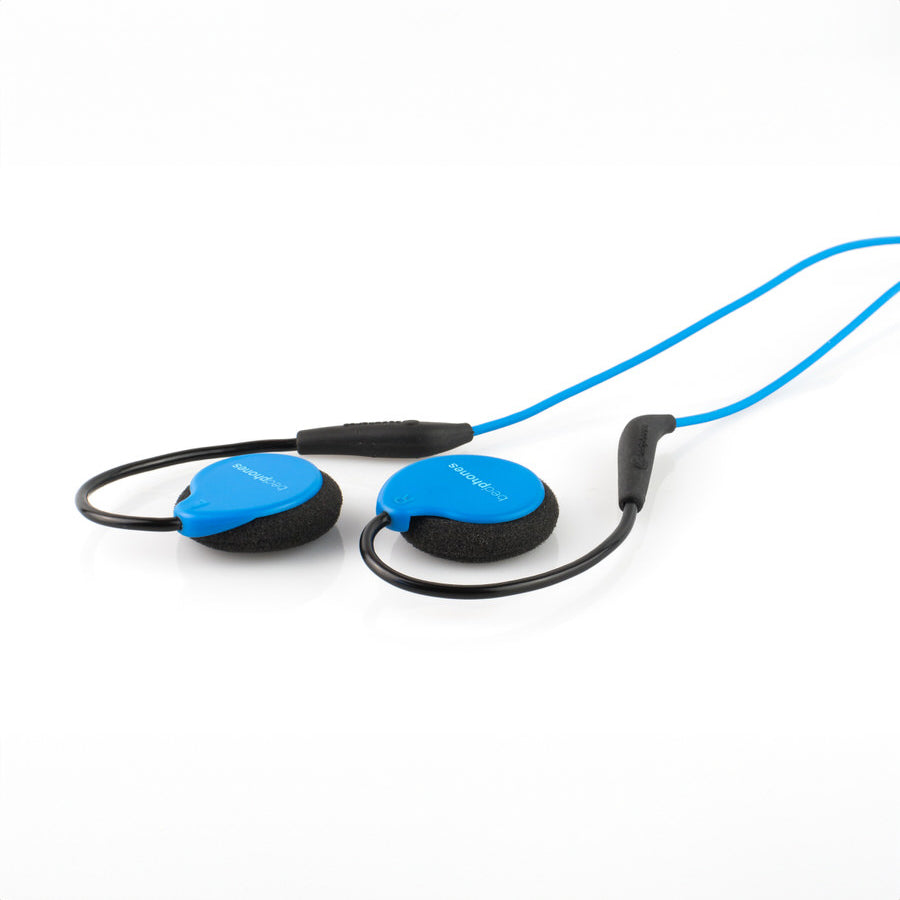
- Ultra-Thin Speakers: For headband models, the speakers inside should be flat, padded discs, not chunky drivers. This is what stops that painful digging sensation when your ear is pressed against the pillow.
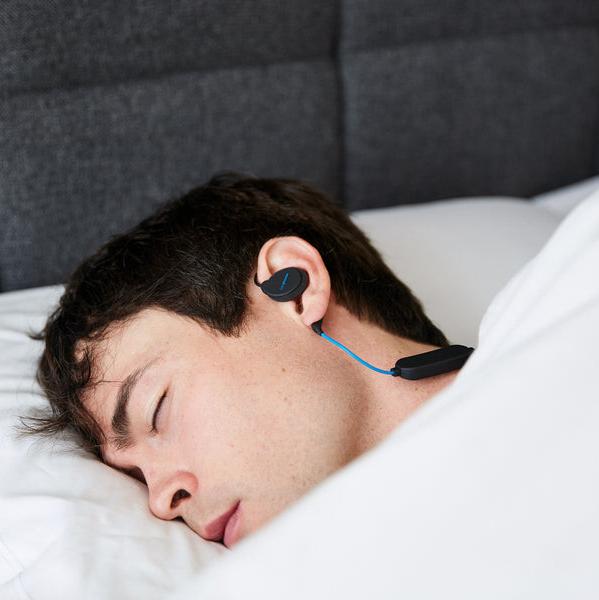
- Low-Profile Design: If you prefer earbuds, the goal is a fit that sits totally flush with your ear. Nothing should stick out, so you can roll onto your side without even noticing they’re there.
Here's the ultimate test: the side-sleeper test. If you can lie on your side for a good while and genuinely forget the headphones are in, you've found a winner.
Sound Performance for Sleep
When we talk about sound quality for sleep, it's not about killer bass or crisp highs. It's about creating a bubble of peace. This is done with two very different technologies, and knowing which one you need is key.
First up is passive noise isolation. Think of this as simple, physical soundproofing. It's all about the seal the headphones make, physically blocking sound waves from ever reaching your eardrum. Well-designed silicone earbuds are fantastic at this—they work a lot like high-quality earplugs.
Then there's the more high-tech approach: active noise cancellation (ANC). This technology uses tiny microphones to listen for ambient noise and then creates an opposite sound wave to electronically erase it. ANC is a lifesaver for steady, low-frequency sounds like the drone of an air conditioner, a whirring fan, or distant traffic.
The Practical Non-Negotiables
Beyond how they feel and sound, a few practical details can make or break the experience. Without these, even the comfiest headphones can add stress to your bedtime routine—the exact opposite of what you want.
Battery Life
This one's simple: your headphones have to outlast your sleep. Look for something that offers at least 8-10 hours of continuous playtime from a single charge. There’s nothing more jarring than waking up in the middle of the night because your headphones died and the snoring from the next room suddenly floods back in.
Bluetooth Connectivity
A stable Bluetooth connection is a must. You don’t want your relaxing soundscape to start cutting out just as you’re drifting off. Look for newer versions like Bluetooth 5.0 or higher. They provide a rock-solid, low-energy link that won't drain your phone or headphone battery overnight.
Bonus Features That Enhance Sleep
Finally, some sleep headphones go the extra mile with features designed to actively help you get to sleep and stay there.
- Integrated White Noise: Some models come with built-in sounds like white noise, rain, or ambient music stored right on the device. This is great because you don't even need your phone nearby, which means fewer distractions and less battery drain.
- Companion Apps: Many of the top-tier sleep buds have their own dedicated apps. These are often packed with huge libraries of sleep-focused content, from guided meditations and sleep stories to soundscapes that are scientifically engineered to encourage deep sleep. For a busy mind, this curated content can be a game-changer.
Matching Your Headphones to Your Sleep Style
When you're shopping for headphones you can sleep in, forget about the tech specs for a minute. The real goal is to solve a very personal problem: whatever it is that's keeping you from a good night's rest.
Think of it like picking the right tool. You wouldn't use a sledgehammer for a finishing nail, right? The same logic applies here. The perfect pair of sleep headphones is the one built to tackle your specific sleep challenge. By figuring out what that is, you can cut through the marketing noise and find something that actually works.
To make it a little easier, this decision tree can walk you through the key questions about your sleep habits and environment.
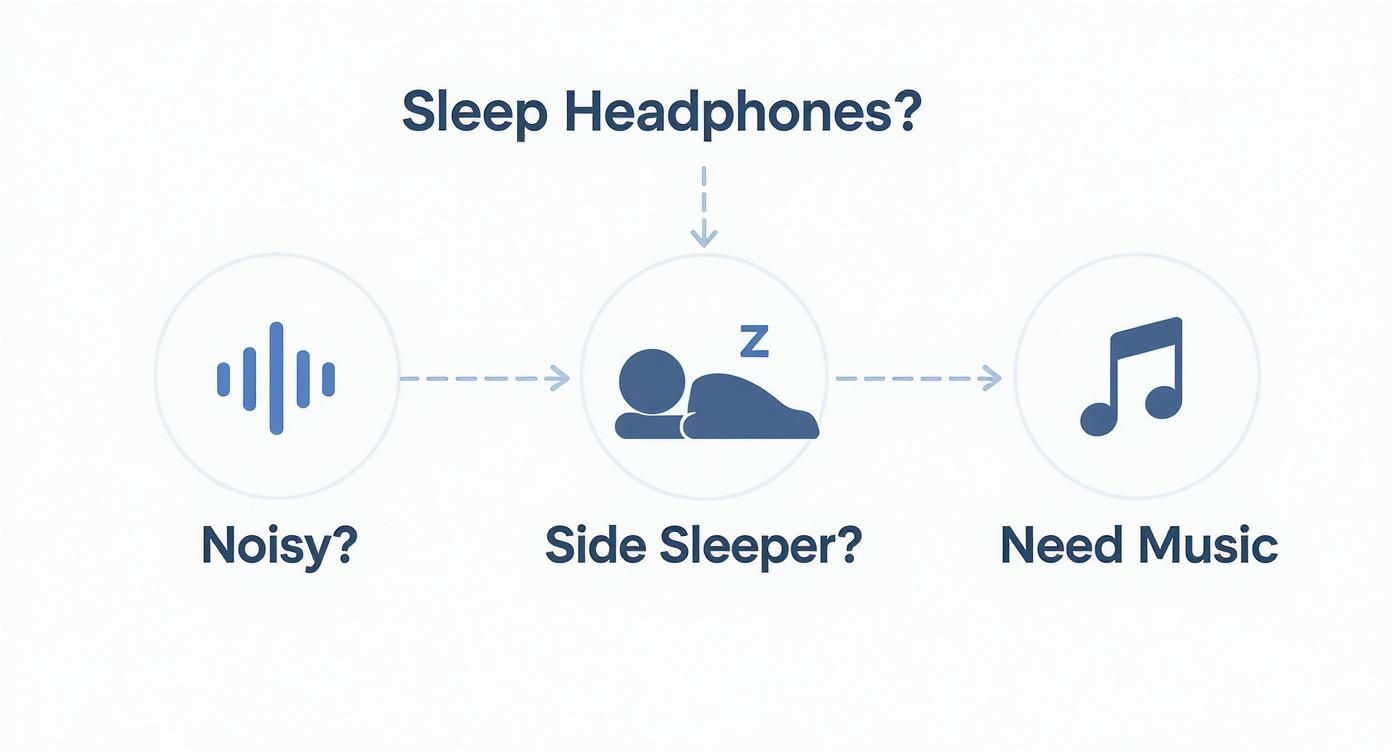
As you can see, things like your preferred sleeping position or the kind of noise you're trying to block will point you toward very different styles of headphones.
For the Light Sleeper in a Noisy City
Living in the city means a constant soundtrack of sirens, traffic, and neighbors. If that’s your reality, your mission is to create a personal bubble of quiet.
The one feature you absolutely need is active noise cancellation (ANC). This technology is a miracle worker for erasing those constant, low-droning sounds that seep through walls and windows, giving you a peaceful foundation for sleep.
For Tinnitus at Bedtime
For anyone dealing with tinnitus, pure silence can sometimes make the ringing feel louder. The goal here isn't just to block noise, but to introduce a gentle distraction.
You'll want headphones that can play masking sounds—like white noise, pink noise, or nature recordings—at a low, steady volume. The make-or-break factor is comfort; they have to be wearable all night long without creating any painful pressure points.
For the Partner of a Snorer
If you're sleeping next to a world-class snorer, you're in a nightly battle against some serious sound waves. Your best line of defense is a pair of in-ear sleep buds that create a great physical seal.
Passive noise isolation is your top priority. A snug, secure fit literally blocks the noise before it can reach your eardrum. We dig deeper into this in our guide to finding earbuds you can sleep in.
Your priority is creating a physical seal against the noise. The right pair of sleep buds can make the difference between a restless night and deep, uninterrupted rest.
For the Anxious Mind That Won't Switch Off
Sometimes, the noise isn't coming from outside—it's coming from inside your own head. When a racing mind is the problem, you need a different kind of tool.
Look for headphones that come with companion apps. These often feature libraries of guided meditations, sleep stories, and calming soundscapes designed to give your brain something else to focus on. They gently lead your thoughts away from the anxiety loop and toward a state of rest.
This is a huge reason the sleep tech market is booming. The global sleep headphones market is on track to hit an estimated USD 500 million in 2025. It’s projected to keep growing at 15% annually through 2033, all because more and more people are looking for a better night's sleep.
How to Use Sleep Headphones Safely and Effectively
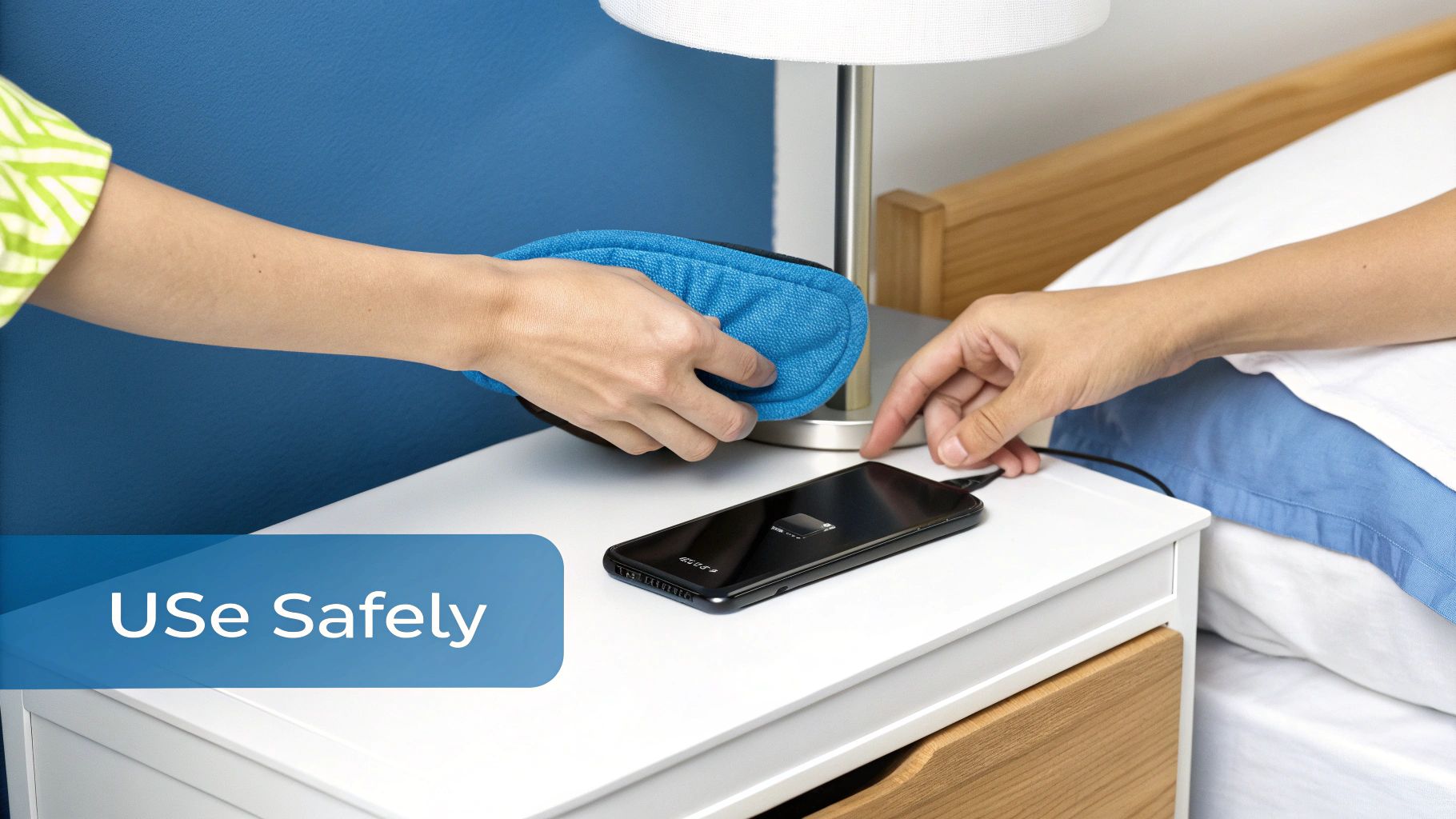
So you've found the perfect headphones you can sleep in—that’s a huge win. But to really get the peaceful nights you're after, how you use them matters just as much as which pair you choose.
Think of it like this: you've bought a great new tool for your sleep toolkit. Now, you just need to learn how to use it properly. A few simple habits will protect your hearing, keep your headphones in top shape, and ensure they're always ready when you are.
Protect Your Hearing with Smart Volume Control
When you’re trying to block out noise, it’s tempting to just crank up the volume. Resist that urge. The goal isn't to drown out the world with loud music, but to gently mask those distracting sounds.
Set your volume just high enough to make the snoring, traffic, or noisy neighbors fade into the background—and not a single notch higher. Listening to audio at high volumes all night can damage your hearing over the long haul.
Remember, your ears are still on the job even when you're asleep. By keeping the volume low, you're creating a truly restful soundscape, not just trading one type of noise for another.
For a deeper dive into creating the perfect sleep setup, check out our guide on how to sleep with headphones safely and comfortably.
Maintain Good Headphone Hygiene
Just like you wash your pillowcase, your sleep headphones need a regular cleaning. It’s an easy step to overlook, but it's crucial. Fabric headbands absorb sweat and skin oils, while earbuds can get a buildup of earwax. A little bit of cleaning prevents skin irritation and potential ear infections.
Making this a part of your routine is simple:
- Fabric Headbands: Most designs let you slip the electronic components out. Once they’re removed, you can usually hand-wash the headband with a gentle soap, then let it air dry completely before putting it all back together.
- Silicone Earbuds: For the in-ear types, just take a soft cloth and dampen it with a little rubbing alcohol or a special cleaning solution. Give the silicone tips a gentle wipe-down and make sure they're totally dry before you use them again.
Master Your Battery and Charging Routine
There’s nothing more jarring than your white noise or podcast cutting out right as you’re drifting off. To sidestep this middle-of-the-night annoyance, find a charging rhythm that works for you.
For most people, the easiest habit is to plug them in every morning right after you wake up.
This simple act ensures they have a full 8-10 hours of juice ready to go by the time you're winding down. It takes the guesswork out of it and makes your journey to sleep just that much smoother.
So, How Do You Choose the Right Pair for a Peaceful Night?
Alright, let's pull all of this together. The absolute "best" headphones you can sleep in aren't the ones with the flashiest specs or the most five-star reviews. They're the ones that feel like they were made just for you.
This is a personal decision, plain and simple. It’s all about your own needs.
Start by thinking about what's actually keeping you up at night. Are you a side sleeper who can't stand the feeling of an earbud digging into your ear? Is it the constant drone of traffic outside your window? Or maybe you're just trying to calm a mind that won't stop racing. The answers to these questions are your roadmap.
Your sleeping position, the specific noises you're trying to block, and what feels comfortable on your head—these are the things that matter most. Everything else is secondary.
Whether you need the total sound isolation of in-ear buds or the gentle, barely-there feel of a soft headband, the right choice is definitely out there. You now have everything you need to sift through the noise and find what will genuinely work for you.
You can now make a choice you feel good about—one that finally opens the door to deeper, more restorative rest. A better night isn't just about finding silence; it's about taking a real step toward improving your overall well-being, one peaceful night at a time.
Common Questions About Sleep Headphones
Diving into the world of headphones you can sleep in usually sparks a few questions. Getting straight answers can make all the difference in finding a pair that actually solves your sleep troubles.
Let's tackle some of the most common things people wonder about when they start looking for sleep-specific audio.
Are Sleep Headphones Actually Safe for My Ears?
Yes, as long as you use them the right way. The biggest thing to watch out for is volume. You have to keep the sound low—just enough to cover up annoying noises, not drown them out completely. Blasting audio for hours on end, even while you're asleep, is a recipe for hearing damage over time.
Also, don't forget about basic hygiene. Keeping your headphones clean, whether it's a fabric headband or soft earbuds, is key to avoiding skin irritation or ear infections.
A great rule of thumb: set the volume just loud enough that you could still faintly hear a smoke alarm. That way, it's effective but still well within a safe listening level.
Can't I Just Use My Regular Earbuds for Sleeping?
You can, but you probably won't want to for long. Regular earbuds are made for walking around, not for lying down. They’re typically built from hard plastics and stick out from your ears, which creates seriously painful pressure points when you roll onto your side.
Sleep headphones are built differently on purpose. They’re designed to be ultra-thin and are made from soft, flexible materials. That's the secret sauce that lets them stay comfortable all night, especially if you're a side sleeper.
What’s the Real Difference Between Noise Isolation and Cancellation?
This one trips a lot of people up, but it's a pretty simple distinction once you break it down.
- Passive Noise Isolation: This is all about creating a physical seal. Think of it like a really good earplug. The headphone's material and snug fit literally block sound waves from getting into your ear canal.
- Active Noise Cancellation (ANC): This is high-tech. Tiny microphones listen for outside sounds and then create an opposite sound wave to electronically wipe it out. It's most effective against constant, low-frequency drones, like the hum of an air conditioner or the rumble of traffic.
Which one is better really depends on the kind of noise you're trying to escape.
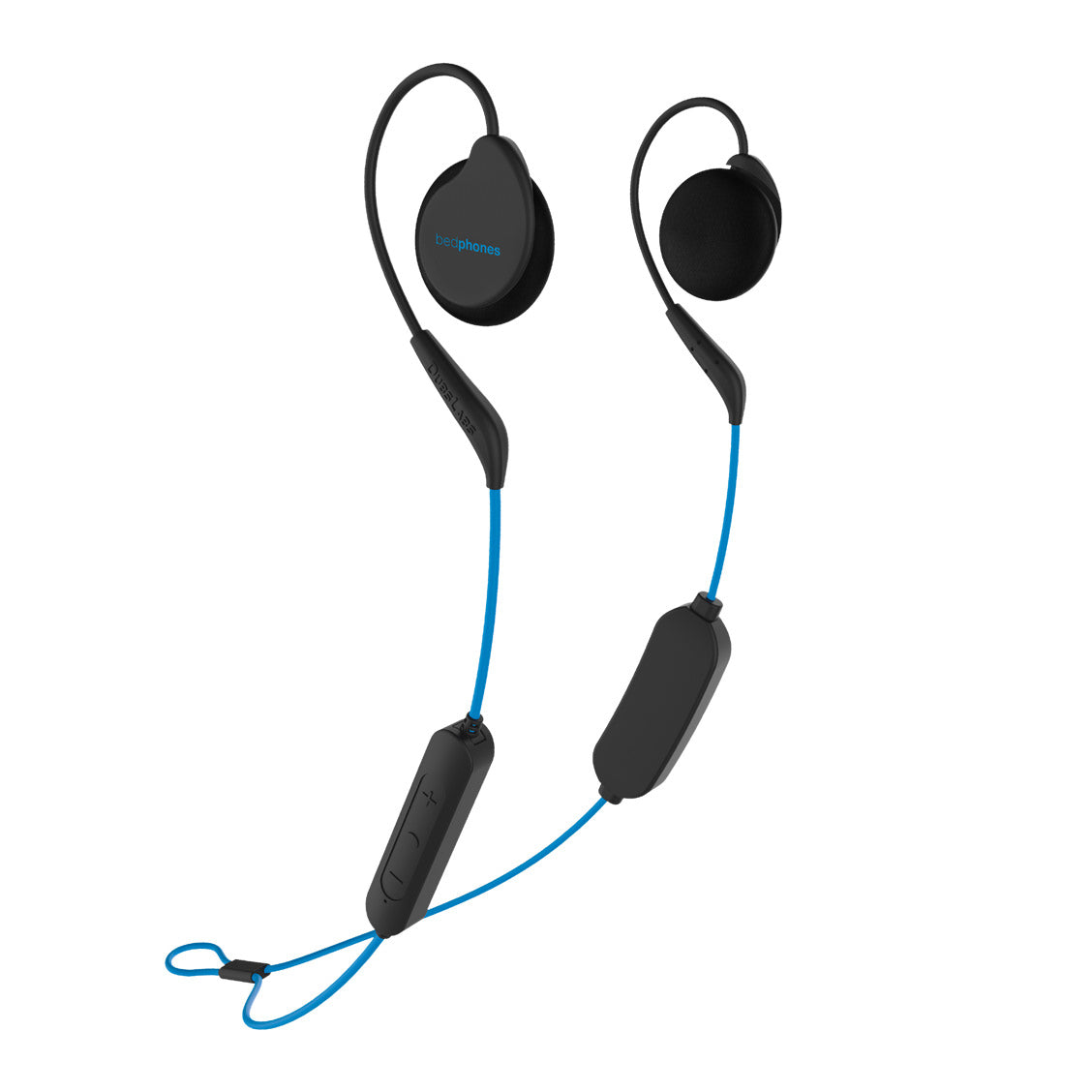
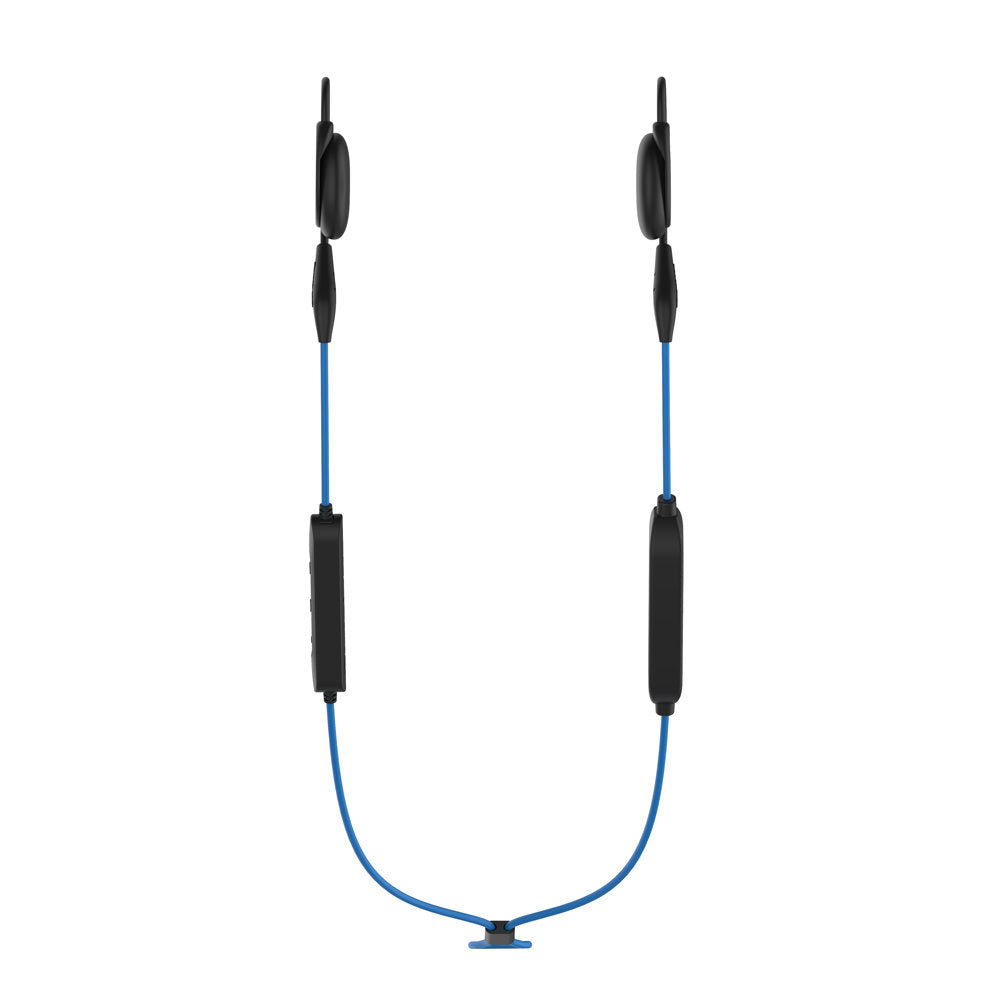
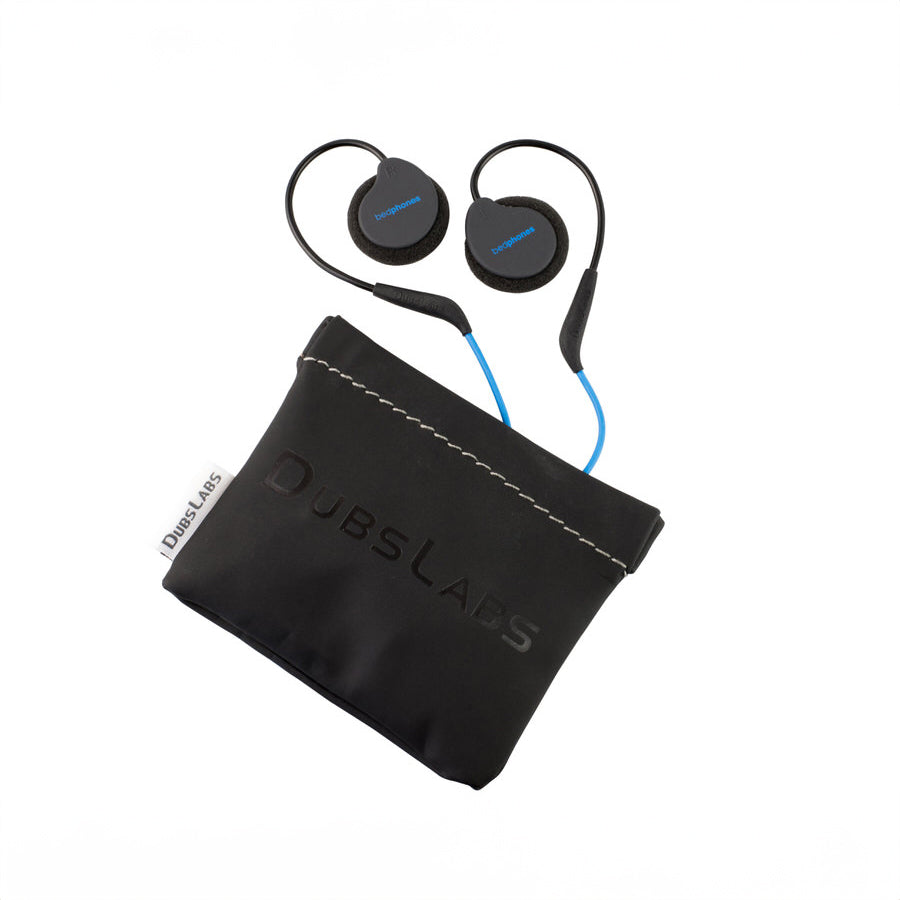
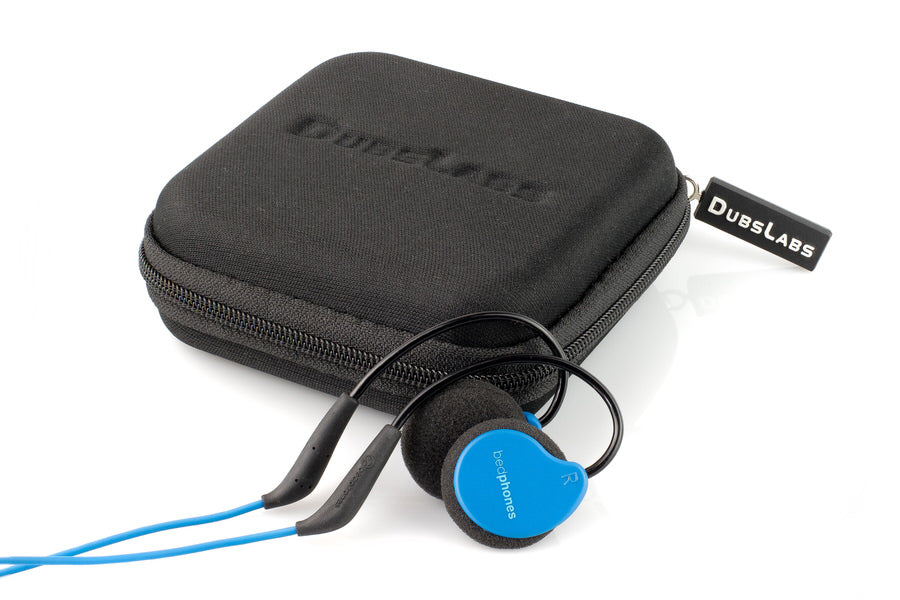
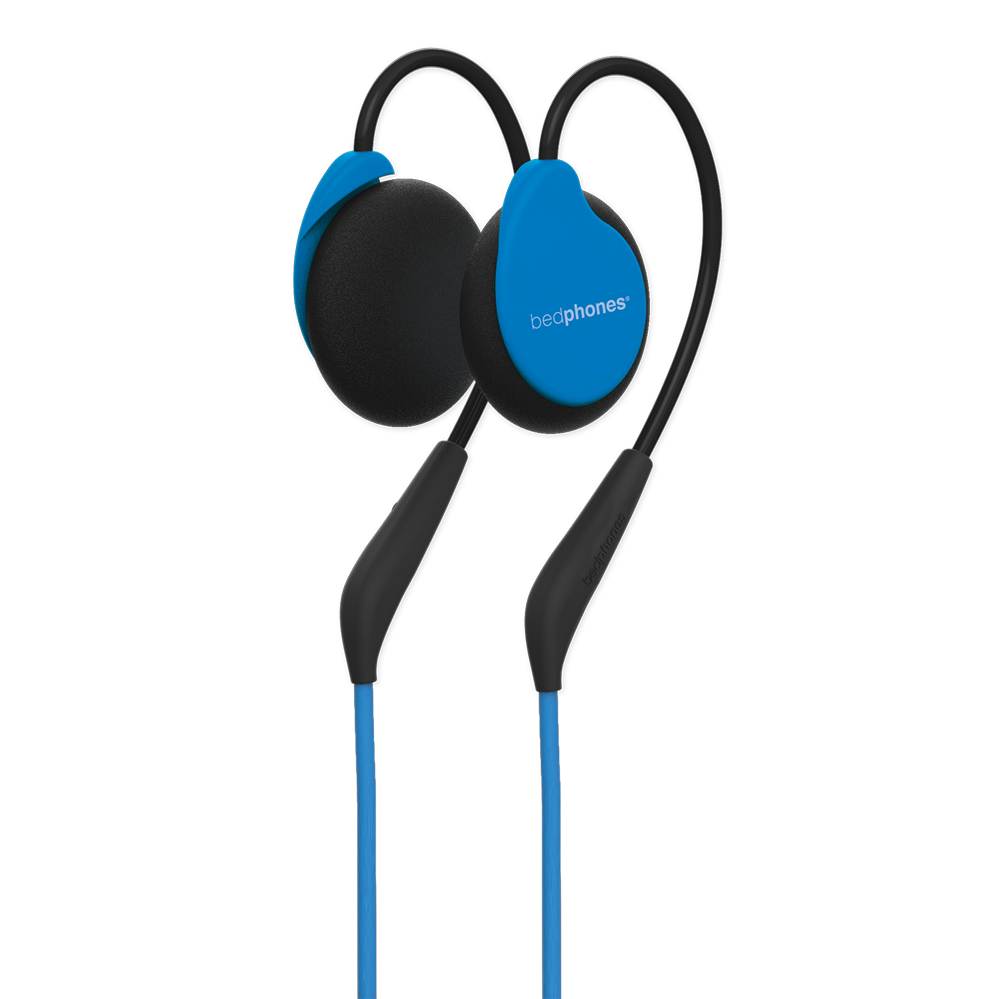
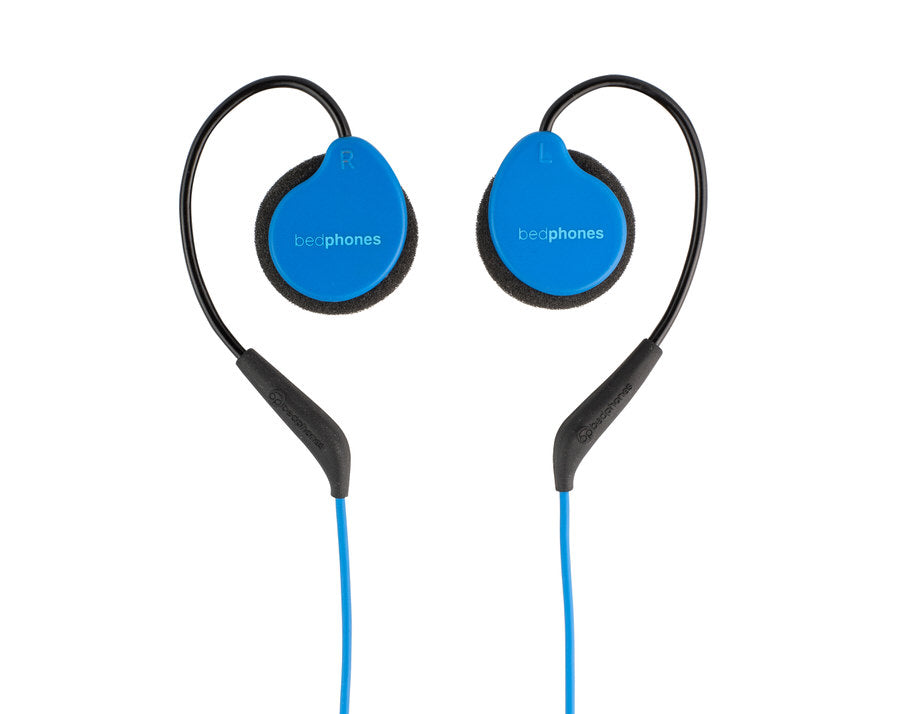
Ready to find the perfect pair for your sleep style? DubsLabs creates innovative solutions like our super-thin Bedphones, designed for maximum comfort from dusk 'til dawn. Find your path to better rest.