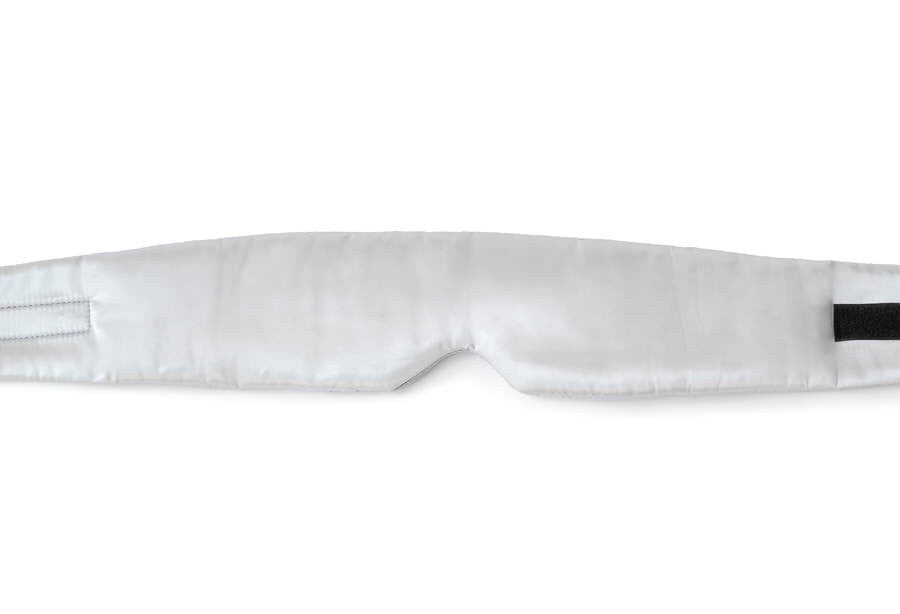
Let's be honest: in a world buzzing with notifications, traffic, and noisy neighbors, true silence is a fantasy. This is where white noise headphones come in. They aren't about creating a void of sound. Instead, they craft a consistent sound environment, a predictable audio blanket that helps your brain tune out all the other racket.
Think of it like being by a steady, rushing waterfall. The constant whoosh makes a sudden shout or a car horn seem way less jarring.
Your Path to Uninterrupted Calm and Focus
Whether it's the bass from next door, the city that never sleeps, or even a snoring partner, unwanted sounds can completely wreck a good night's sleep, shatter your focus, and send your stress levels through the roof. Most of us have tried to find total silence, and most of us have failed. It's just not realistic.
That’s what makes headphones with white noise so clever. They use a principle called sound masking to create your own personal audio sanctuary.
Instead of just blocking noise, this tech gives your brain a smooth, uniform sound to latch onto. This sonic backdrop makes it much harder for your brain to even register those sudden, irregular noises that would normally snap you awake or pull you out of deep work. And the ways you can use this are endless.
Reclaiming Your Auditory Space
Are you a student in a chaotic dorm? A remote worker trying to find focus in a full house? Or just someone desperately trying to sleep through the night? Taking back control of your sound environment is everything. White noise creates a peaceful baseline so you can finally get the rest and concentration you need.
And it's not just a niche idea anymore—people are catching on.
The market for white noise devices was already valued at USD 1.39 billion in 2022 and is on a steady climb. This isn't just a trend; it's a massive shift toward making mental well-being and sleep quality a real priority.
By creating a predictable soundscape, you're not just drowning out noise—you're signaling to your brain that it's safe to relax, focus, or drift off to sleep without being on high alert for interruptions.
To take it a step further, you can pair this audio shield with things like simple meditation techniques to find your calm. Combining a controlled sound environment with mindfulness is a powerful one-two punch against daily stress.
Let's dive into how this all works, the real benefits you can expect, and how to find the right gear for the job.
How White Noise Creates Your Personal Sound Cocoon
To really get how headphones with white noise work their magic, we need to look at the surprisingly simple science behind how they calm your brain. At its heart, white noise is a special kind of sound that contains every frequency the human ear can hear, all playing at the same intensity. This creates what sound experts call a "wall of sound."
Think about the sounds around you like a painting on a canvas. A sudden, sharp noise—a car horn, a dog barking—is like a bright, jarring splash of red on an otherwise peaceful background. It grabs your attention immediately because it stands out so much.
Now, imagine white noise as a smooth, consistent layer of white paint covering that entire canvas. That same red splash still happens, but now it's on top of a full background. Its edges are softened, it blends in, and it becomes much, much easier for your brain to simply ignore.
The Science of Auditory Masking
This cool phenomenon is called auditory masking. It’s not about canceling noise, but about raising the baseline level of sound in your environment so that other noises get lost in the mix. Your brain has a higher threshold for what it considers a distraction when it’s already processing a steady, predictable sound like white noise.
You know how a quiet drip from a faucet can feel absolutely maddening in a silent room? But the moment you turn on a fan, you stop noticing it. The dripping sound just gets absorbed into the fan's hum. That’s auditory masking in action. The fan's constant sound "masks" the annoying, on-and-off one.
Auditory masking works because our brains are brilliant at adapting to constant things. They learn to filter out the steady hum of white noise, and in the process, they also filter out the smaller, more disruptive sounds that would otherwise jolt us.
This is exactly why headphones playing white noise are so effective for both sleep and focus. They create a stable sound environment where sudden noises from the outside world lose their power to startle you awake or shatter your concentration.
Exploring the Colors of Sound
While white noise is the one everyone talks about, it’s not the only "color" of sound out there. Different colors just mean different distributions of energy across the sound spectrum, and each one has its own unique personality.
- White Noise: This is the classic. It has all frequencies at equal intensity and sounds a bit like radio static. It's fantastic for masking sharp, high-pitched noises like sirens or alarms.
- Pink Noise: This one has a bit more oomph in the lower frequencies and less in the higher ones. The result is a softer, deeper sound, kind of like steady rainfall or wind rustling through leaves. A lot of people find it more relaxing than white noise for sleep.
- Brown Noise: This goes even deeper, with a strong focus on the lowest frequencies. Think of the deep, rumbling roar of a waterfall or powerful ocean waves. It’s amazing for blocking out low rumbles and creating a really profound sense of calm.
Ultimately, the best sound for you is totally a matter of personal preference. It's worth experimenting with these different colors to find the perfect sonic texture to build your ideal sound cocoon, whether you're trying to sleep, study, or just find a quiet moment in a loud world.
When you're on the hunt for headphones to block out the world, you'll run into two key terms: noise masking and noise cancelling. They sound like they do the same thing, but they get you to that quiet place in completely different ways. Getting the distinction is crucial for picking the right gear for the job.
Noise Masking vs Noise Cancelling Headphones
Think of Active Noise Cancellation (ANC) as a super-smart sound eraser. It uses tiny microphones to listen for steady, low-frequency sounds—like the endless drone of a plane engine or the hum of an AC unit. It then creates an opposite sound wave, a sort of "anti-noise," which cancels out the original sound before it can even get to your ear.
This tech is a game-changer for predictable, monotonous background noise. It's not magic, though. ANC has a tough time with sudden, unpredictable sounds like a dog barking or a nearby conversation because it can't react fast enough to generate that perfect anti-noise wave.
The Additive Approach of Sound Masking
Sound masking, on the other hand, doesn't erase anything at all. Instead, it works by adding sound to your environment. Headphones with white noise are built on this principle, playing a consistent, gentle sound that effectively raises the baseline noise level around you.
Picture this: you're in a dead-quiet library and someone coughs. It's jarring, right? Now, imagine you're standing next to a gentle waterfall and that same person coughs. You’d barely notice. The waterfall’s constant sound "masks" the cough, making it fade into the background. That's precisely how white noise works—it makes those sharp, intrusive noises far less noticeable.
It's no surprise the demand for these kinds of audio tools is skyrocketing. The ANC headphones market was valued at about USD 20.38 billion in 2025 and is on track to nearly double to around USD 39.25 billion by 2030. This boom shows just how many of us are looking for ways to control our personal soundscape.
To help clear things up, let's put these two technologies side-by-side.
Noise Masking vs Active Noise Cancellation (ANC)
| Feature | Noise Masking (White Noise) | Active Noise Cancellation (ANC) |
|---|---|---|
| How it Works | Adds a consistent, pleasant sound to cover up other noises. | Creates an "anti-noise" wave to cancel out ambient sound. |
| Best For | Sudden, irregular sounds like snoring, traffic, or conversations. | Constant, low-frequency sounds like engine hums or air conditioners. |
| Approach | Additive (adds sound). | Subtractive (removes sound). |
| Analogy | A waterfall masking a cough. | A high-tech eraser for sound. |
| Primary Use Case | Sleep, focus in busy environments. | Travel, commuting, blocking steady background drone. |
Both are powerful, but as you can see, they solve the problem of noise from two totally different angles.
Choosing Your Ideal Technology
So, which one is actually better? The real answer is: it depends entirely on your situation and what you're trying to block out.
Active Noise Cancellation is brilliant at subtracting consistent, low-frequency drones. Sound masking is better at adding a pleasant sound to make sudden, sharp noises less distracting.
Here’s a quick guide to help you decide:
- For Travel or Commuting: ANC is the undisputed champion. It was practically born to fight the engine noise on planes, trains, and buses.
- For Sleep: Sound masking usually takes the crown here. It's far more effective at dealing with unpredictable sounds like a snoring partner or a door slamming down the hall. You can dive deeper into the specifics in our guide to noise-canceling headphones for sleeping.
- For Office Focus: This is where a combo can be perfect. ANC can eliminate the hum from the HVAC system, while a white noise app can help mask chatter from the next cubicle.
Ultimately, you don't always have to choose. Many of the best modern headphones offer both. They use ANC to create a silent foundation and then let you layer on white, pink, or brown noise to build the ultimate personal sound cocoon. It’s the best of both worlds.
What to Look for in White Noise Headphones
Picking the right headphones for white noise goes way beyond a list of tech specs. You're really looking for the perfect tool to build your personal sanctuary. Whether you need eight hours of solid, uninterrupted sleep or a deep focus bubble at work, some features are simply non-negotiable.
Let's walk through the essential checklist to help you find the right pair.
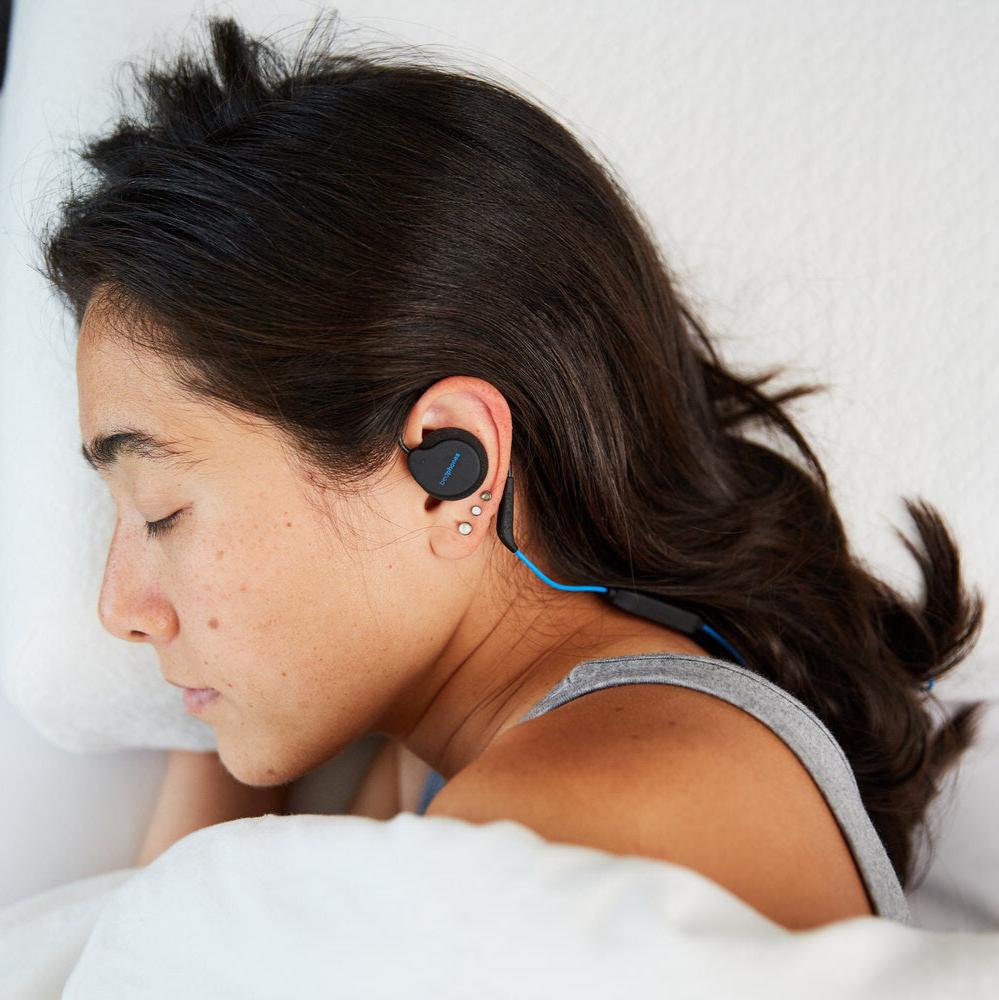
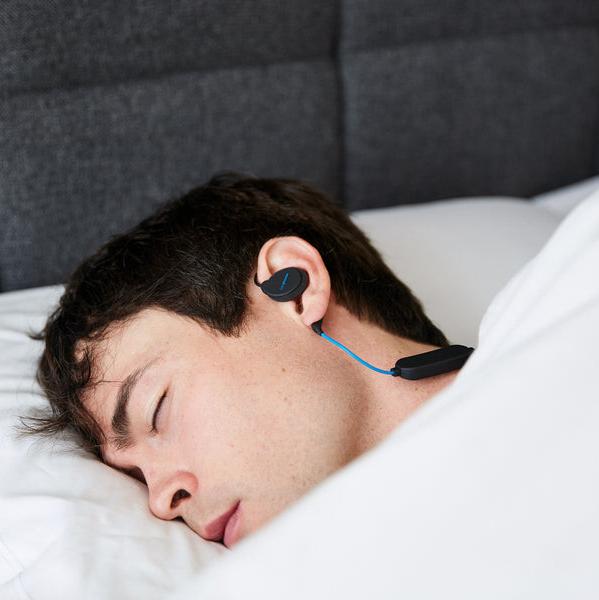
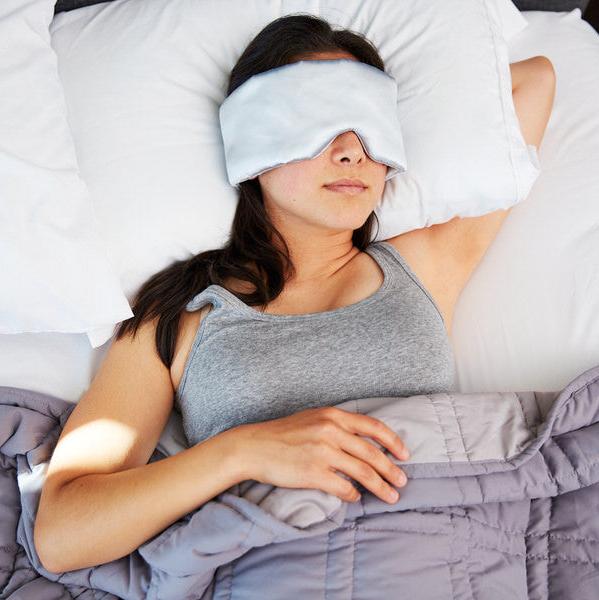
First and foremost, comfort is king, especially if you're trying to sleep. A bulky pair of over-ear headphones will feel like a torture device for a side-sleeper, creating painful pressure points almost immediately. This is where ultra-slim, soft designs really shine.
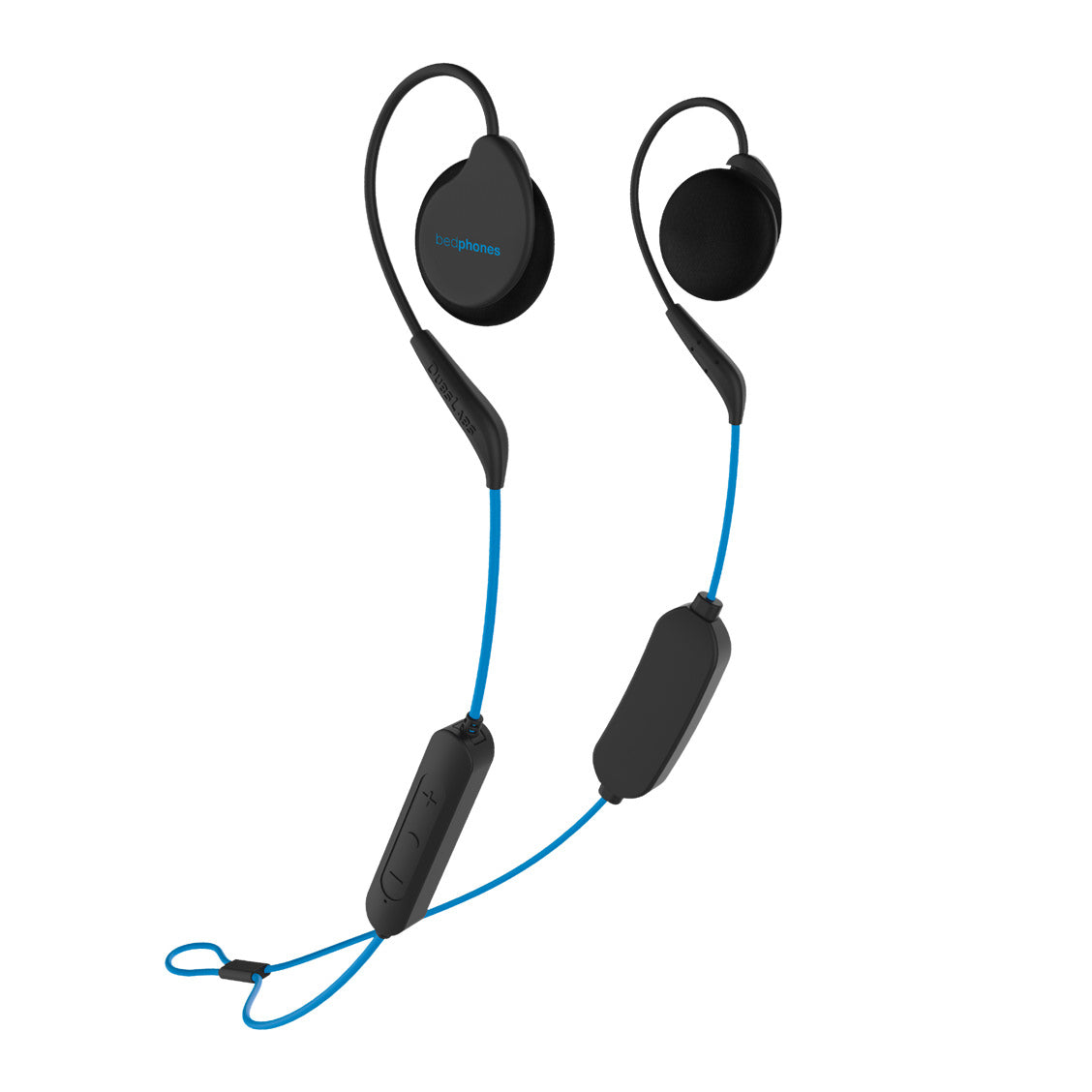
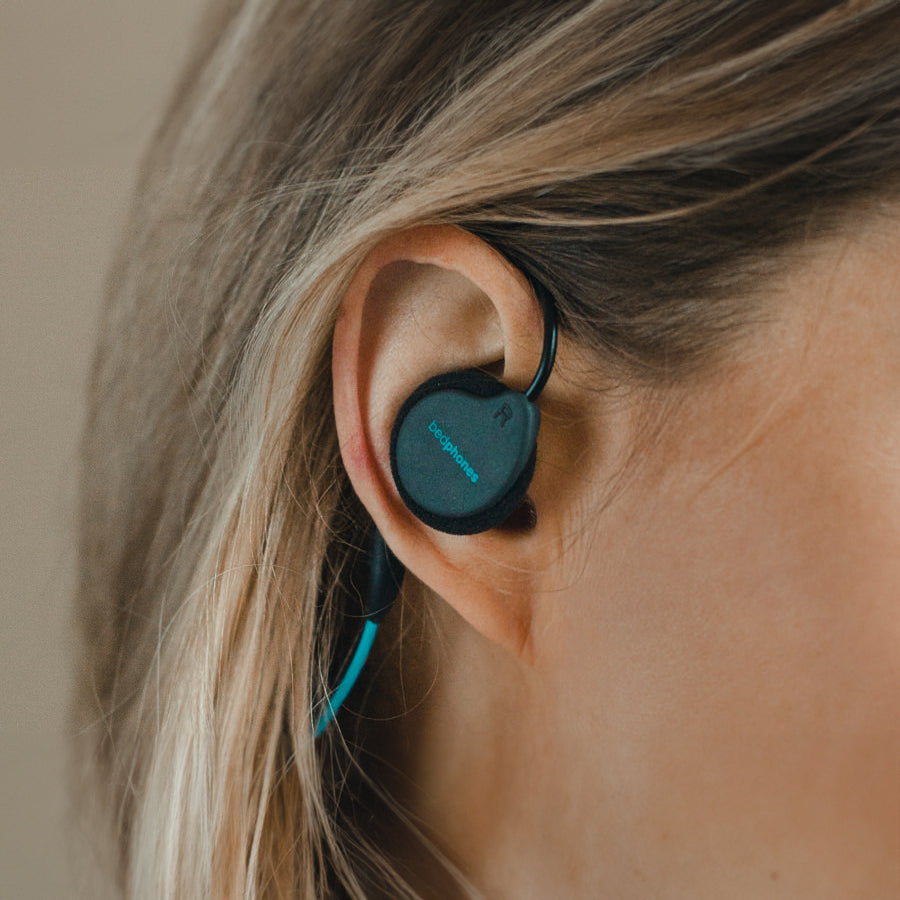
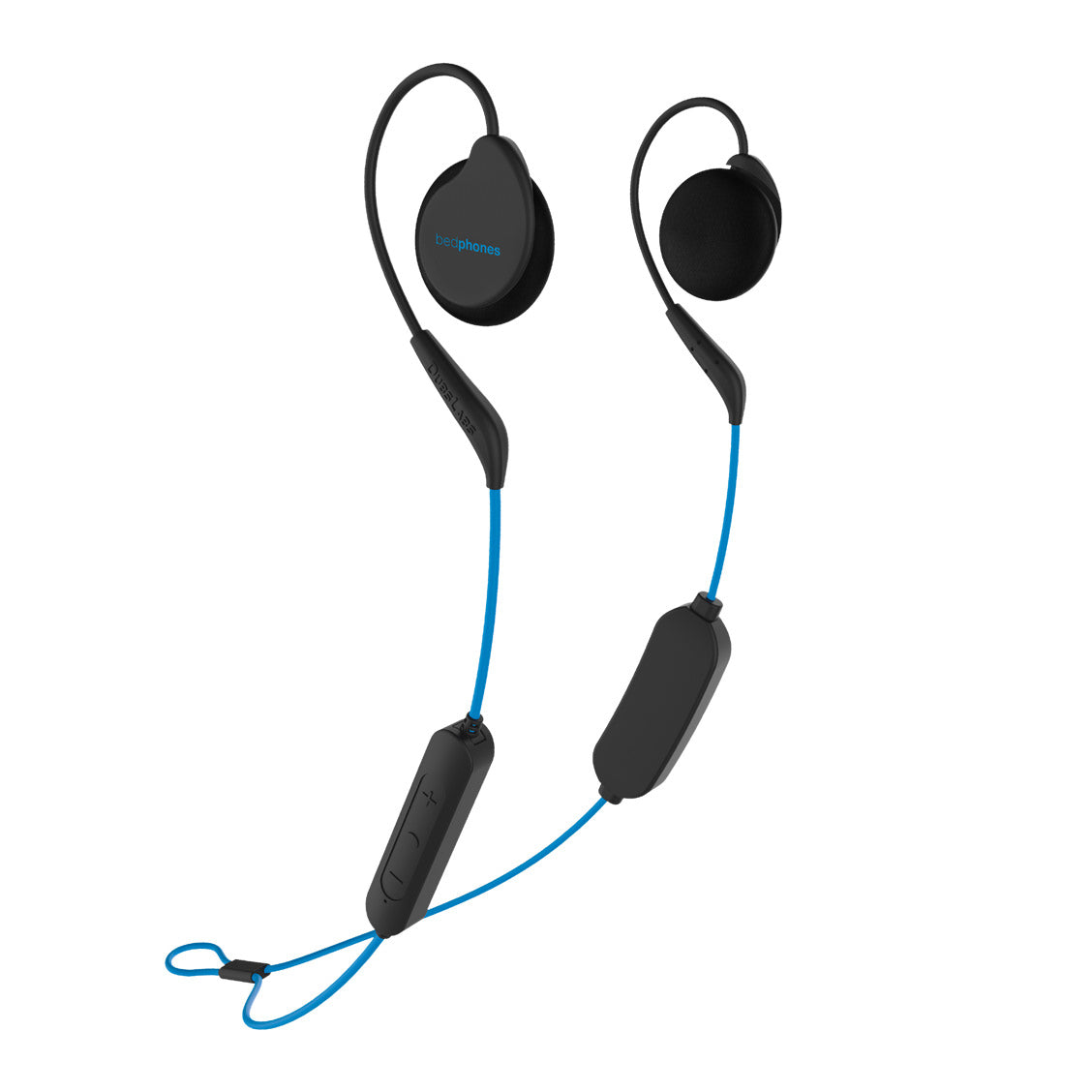
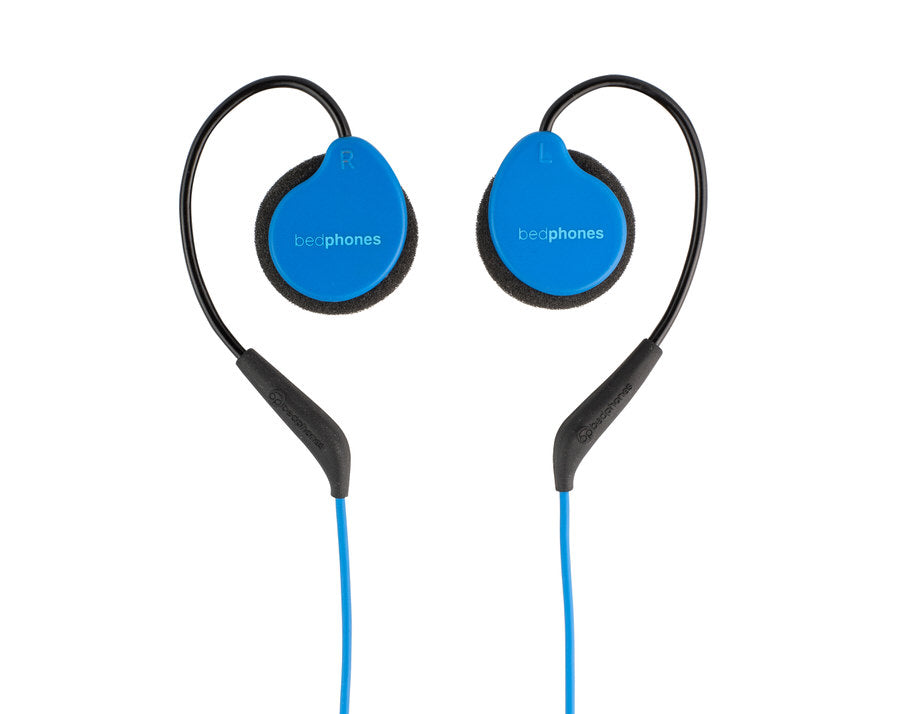
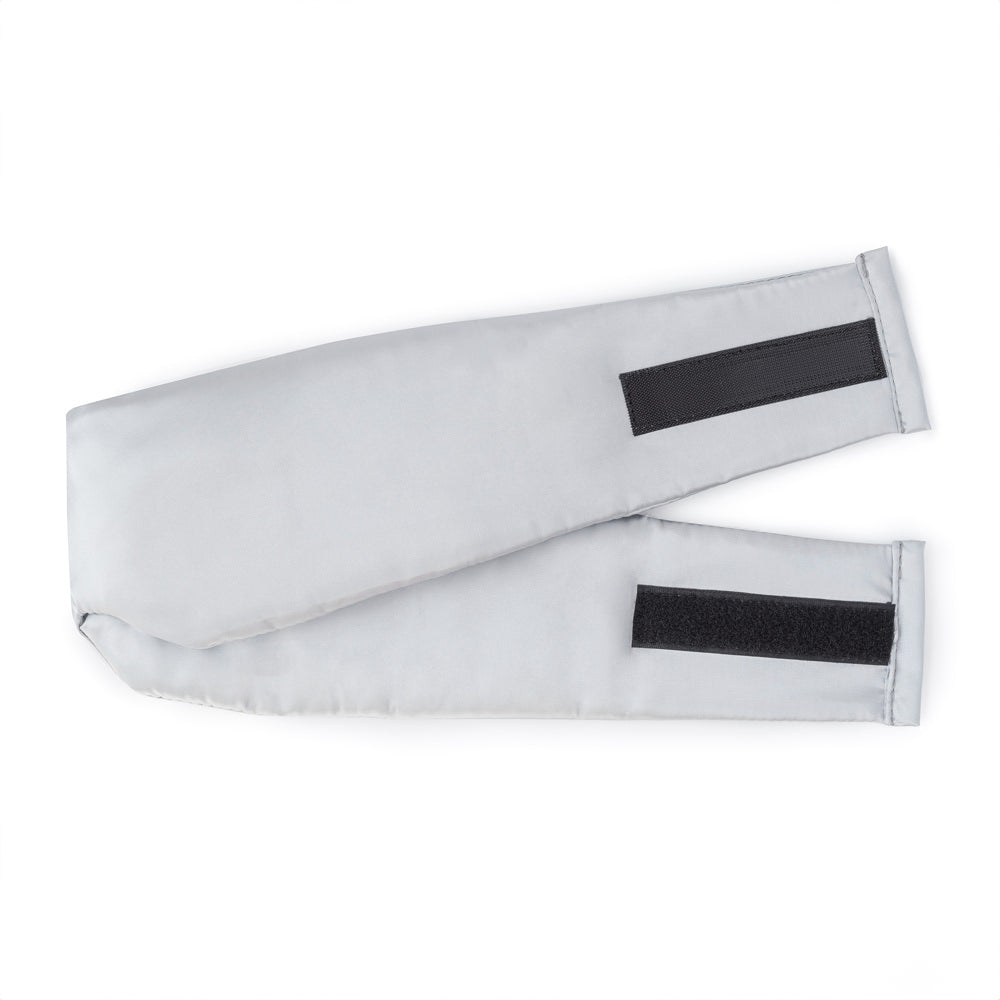
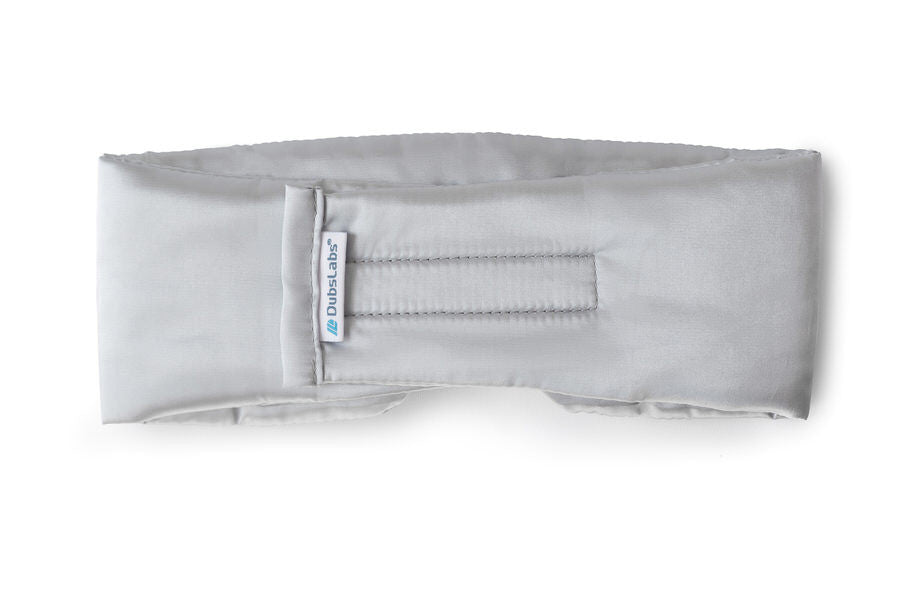
Look for headphones built specifically for lying down. They often have flat earpieces and flexible, soft materials that mold to your head instead of digging into it. The goal is to find a pair you completely forget you're wearing. For a deeper dive, our guide on comfortable headphones for bed covers options made for all-night comfort.
Powering Through the Night
There's nothing worse than your audio cutting out at 3 AM, shattering your peaceful cocoon of sound. That's why a robust battery life is an absolute must-have.
You should be looking for models that offer at least 10-12 hours of continuous playback on a single charge. This gives you more than enough juice to last from the moment your head hits the pillow until your morning alarm goes off. It also means you can get through a full workday without scrambling for a charger.
A great pair of white noise headphones should blend right into your life. The last thing you need is another gadget that demands constant charging and attention.
Wired vs. Wireless Reliability
The classic debate between wired and wireless is still going strong, and for good reason—both have their perks.
Wireless models give you total freedom to toss and turn at night or move around your office without getting tangled. Modern Bluetooth is pretty stable, so dropped connections are less of a worry than they used to be.
But you just can't beat the rock-solid reliability of wired headphones. There’s no battery to die on you and zero chance of the connection failing when you need it most. It's no surprise the wired noise-cancelling market is still huge, projected to hit around USD 2.8 billion by 2025. It just goes to show that a lot of people still value consistent performance and pure sound quality over the convenience of going wireless. You can find more insights on the future of wired audio at datainsightsmarket.com.
Customization and Sound Quality
Finally, let's talk about the sound itself. While you're just looking for white noise, not all headphones reproduce it the same way. Cheap, low-quality drivers can spit out a harsh, tinny static that’s more agitating than relaxing. A good pair will deliver a smooth, rich, and full-bodied sound that truly soothes.
So, here's your ideal feature checklist boiled down:
- All-Night Comfort: Make this your top priority. Look for soft, slim, and lightweight materials, which are essential if you're a side sleeper.
- Extended Battery Life: Don't settle for less than 10 hours of playback. You need it to last a full night or a workday.
- Reliable Connection: Decide what matters more to you: the untethered freedom of wireless or the absolute dependability of a wired connection.
- High-Quality Audio: The sound should be clear, smooth, and full—not harsh or grating. It needs to create a genuinely calming atmosphere.
By keeping these key areas in mind, you can cut through the marketing noise and choose a pair of headphones that will actually improve your sleep, focus, and overall sense of calm.
Choosing the Right Headphones for Your Life
Let’s be honest, the "best" headphones aren't the ones with the longest list of features. They're the ones that actually solve a problem you have. Moving from a spec sheet to the right pair for you means connecting those features to real-life situations. It's all about figuring out your unique needs and finding the tech that fits.
By looking at a few different types of people, we can see how certain designs and features make all the difference. This isn't about finding the absolute "best" headphones, but about finding the best headphones with white noise for you.
For the Side Sleeper Seeking All Night Comfort
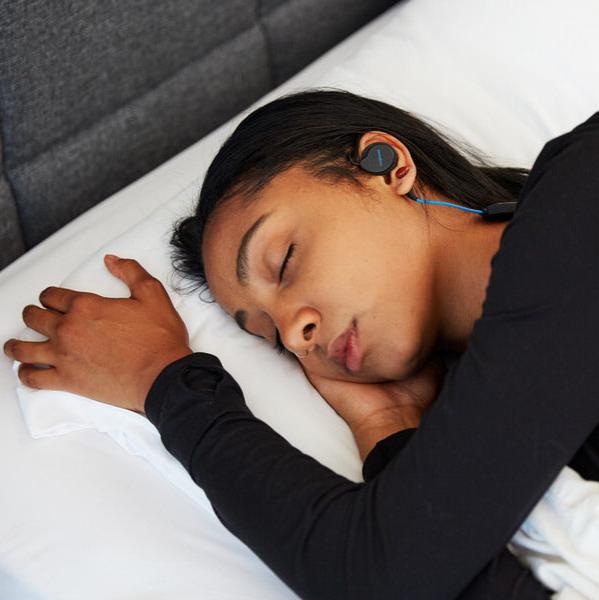
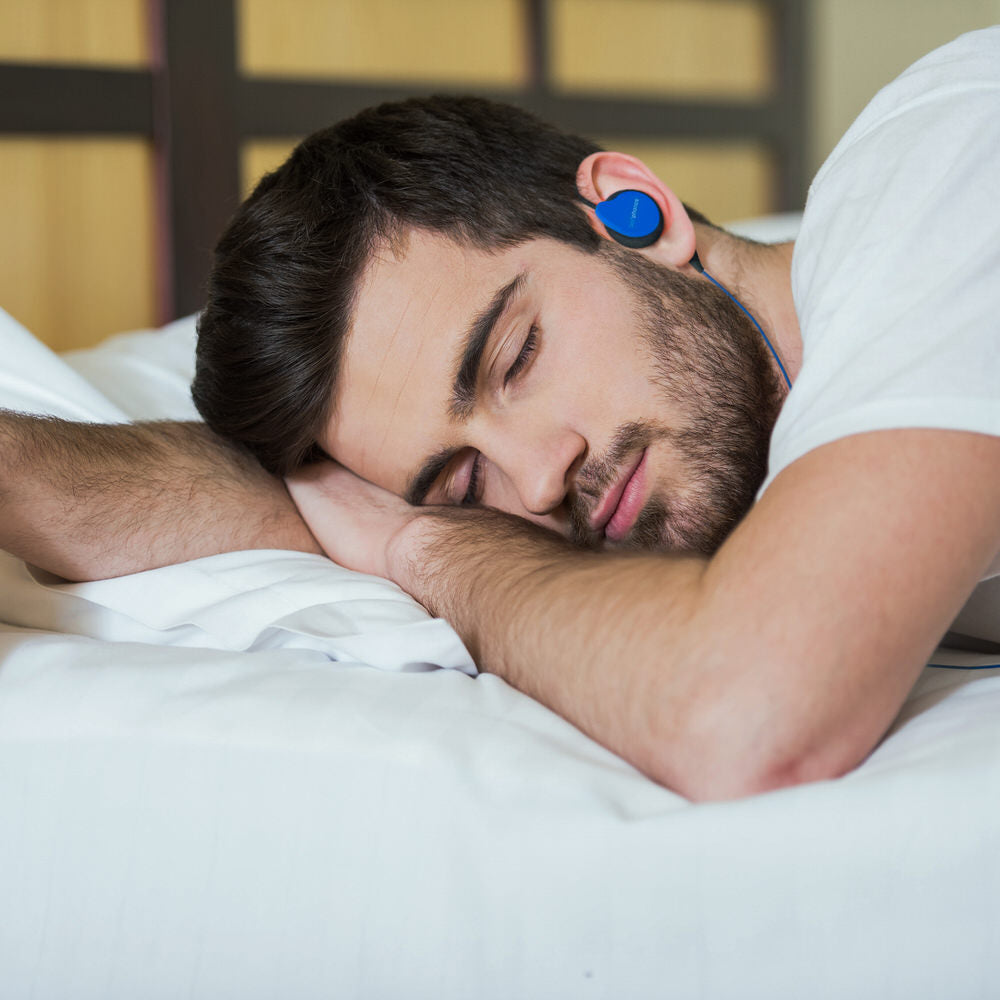
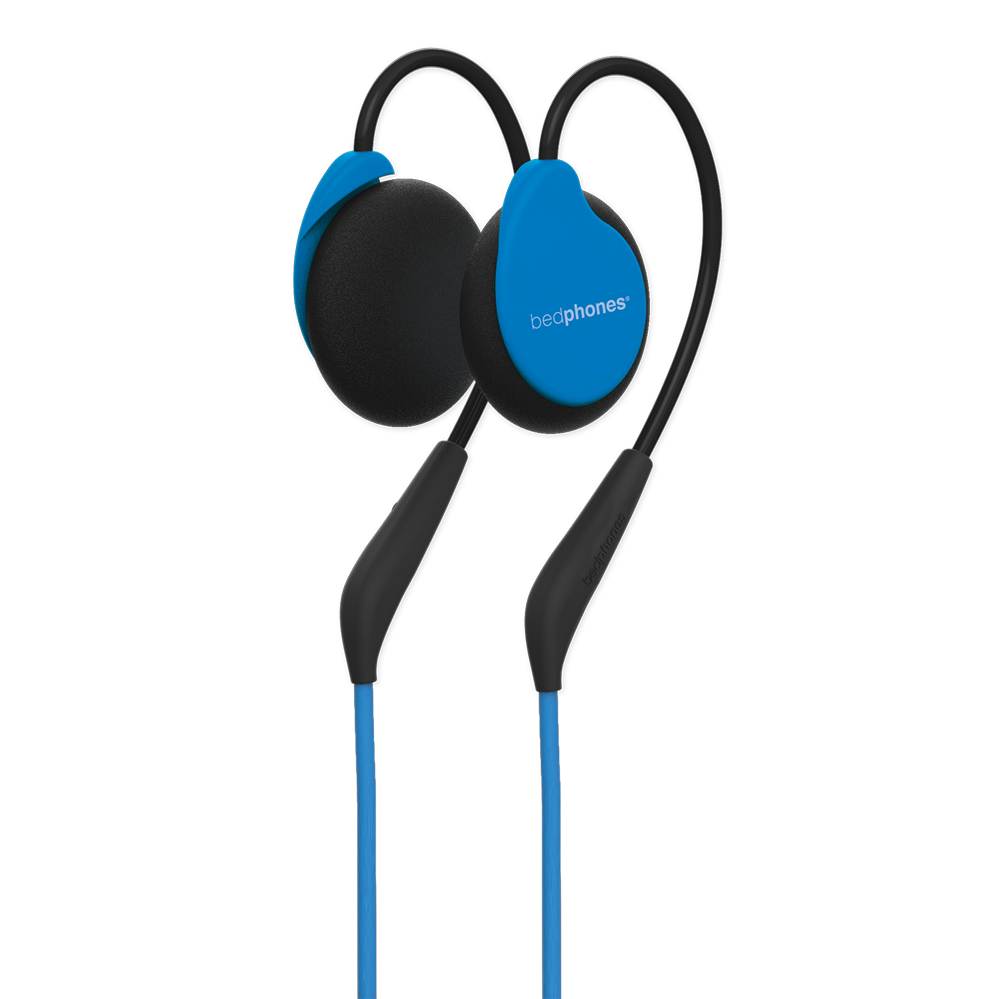
If you’re a side-sleeper, you know the struggle is real. Your main battle is finding something—anything—that's comfortable. Traditional earbuds feel like they’re drilling into your ear canal, and over-ear models create painful pressure points the second you turn your head. What you really need is a pair of ultra-thin, headband-style headphones.
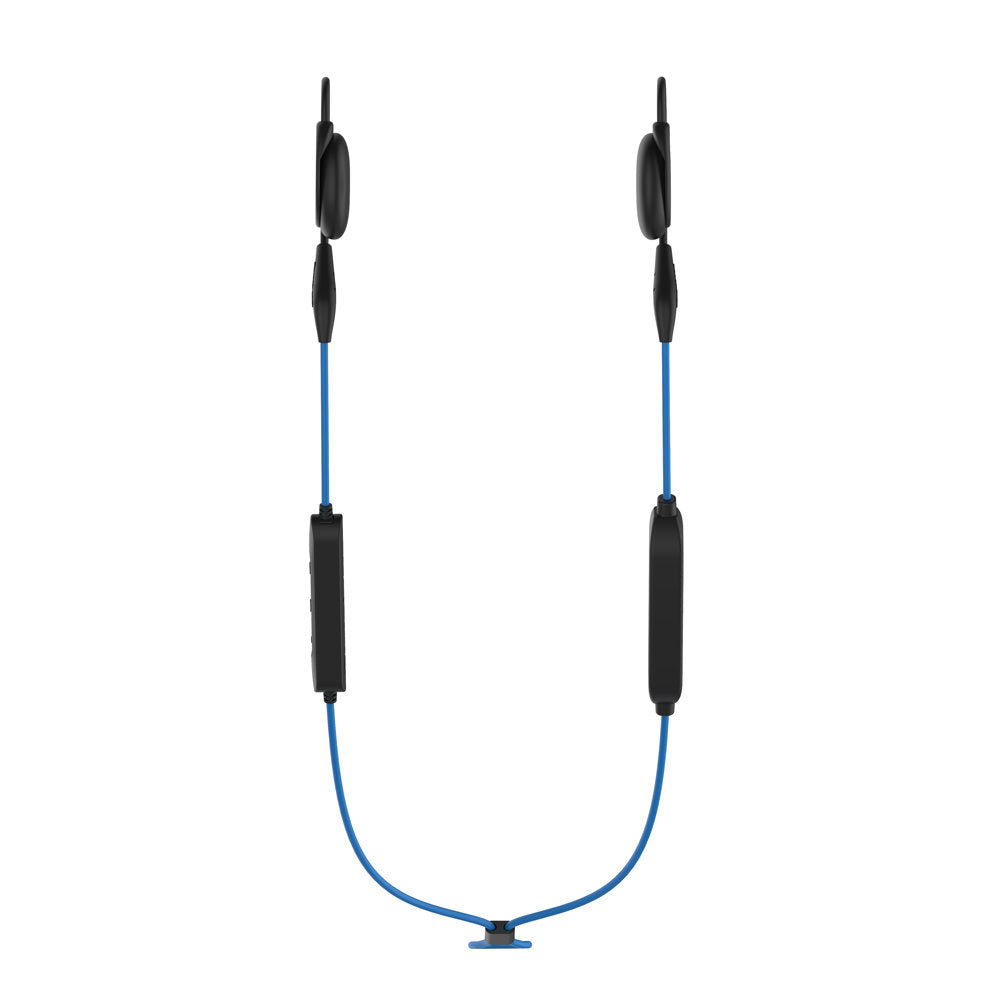
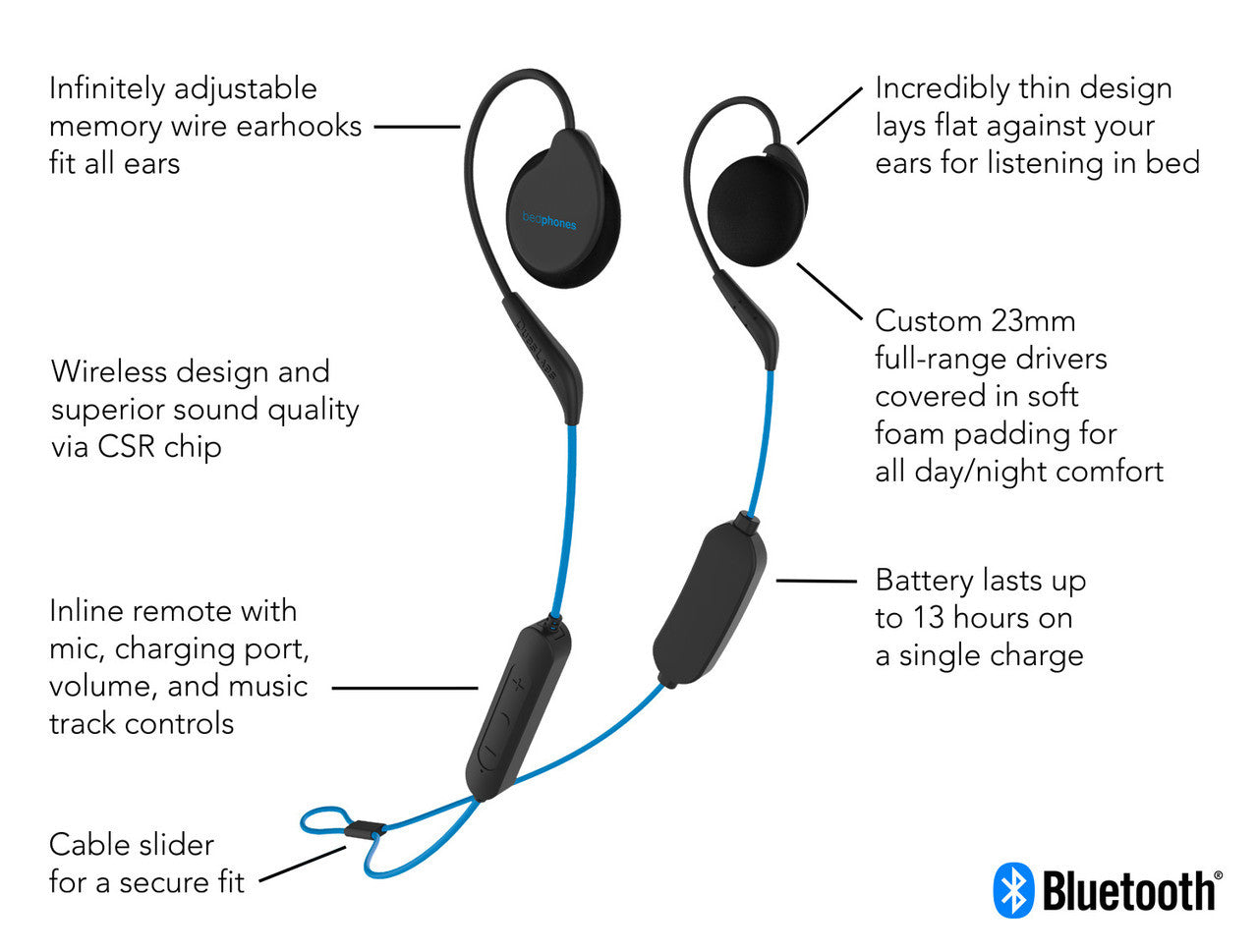
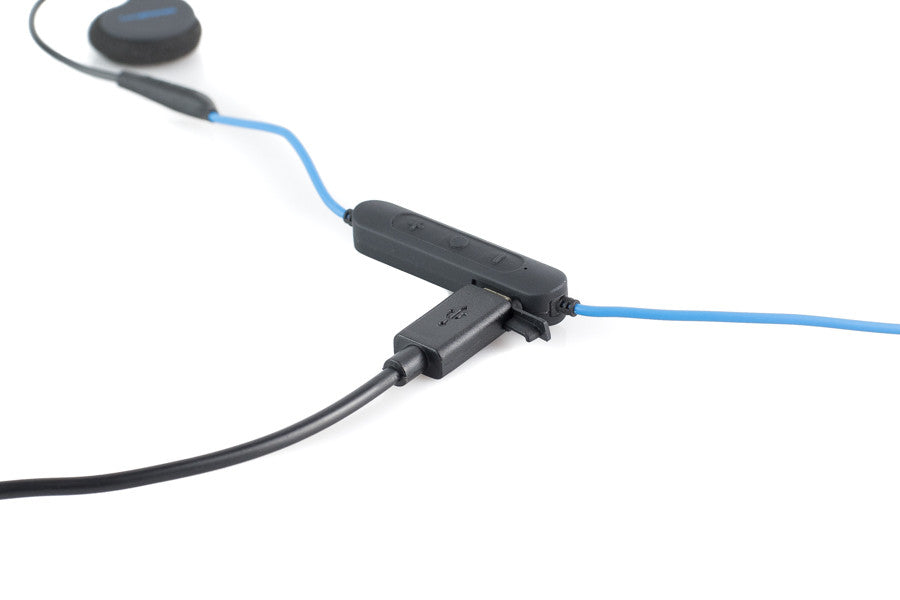
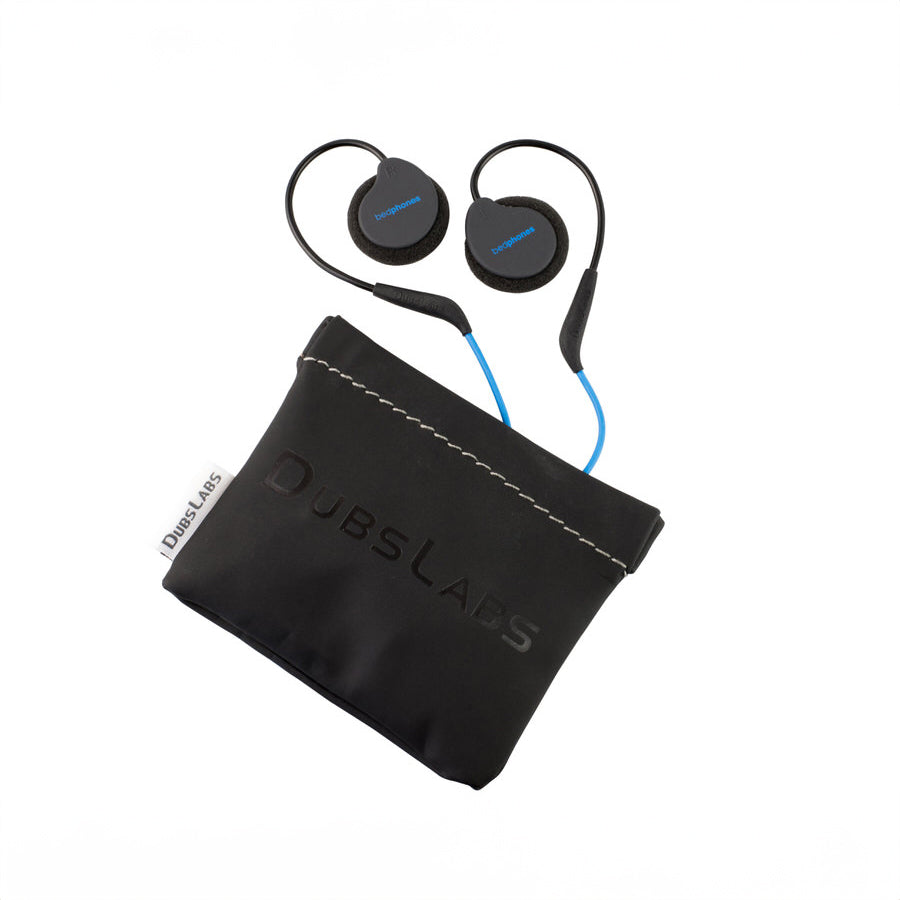
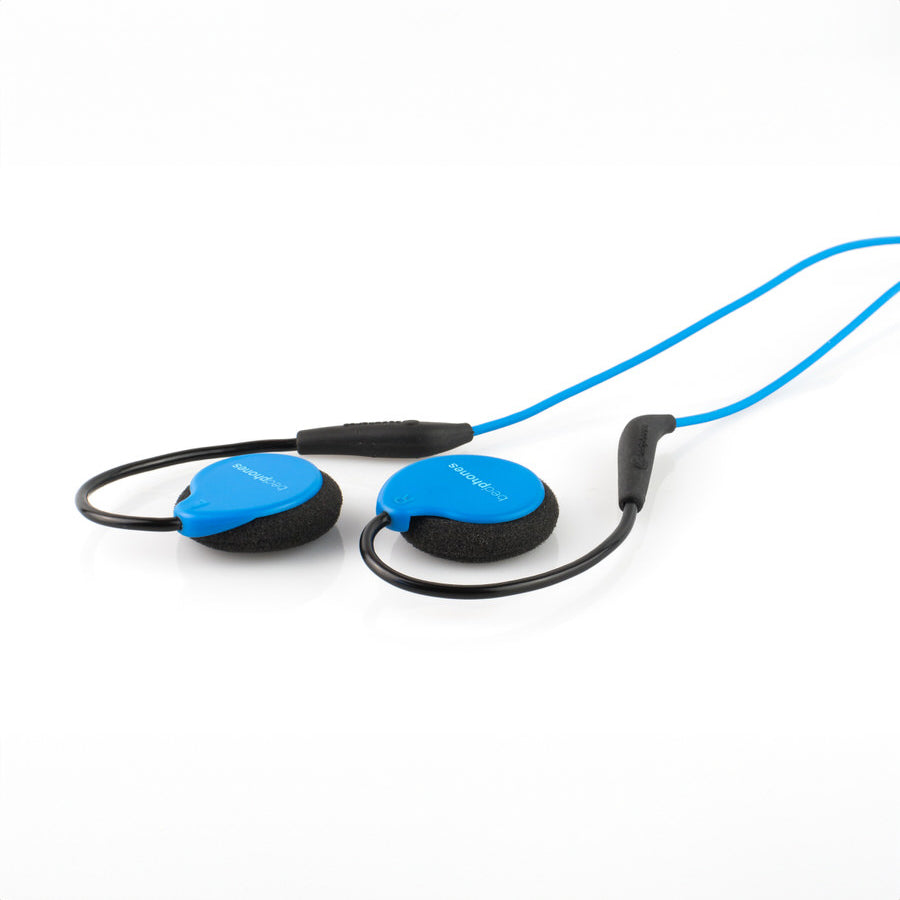
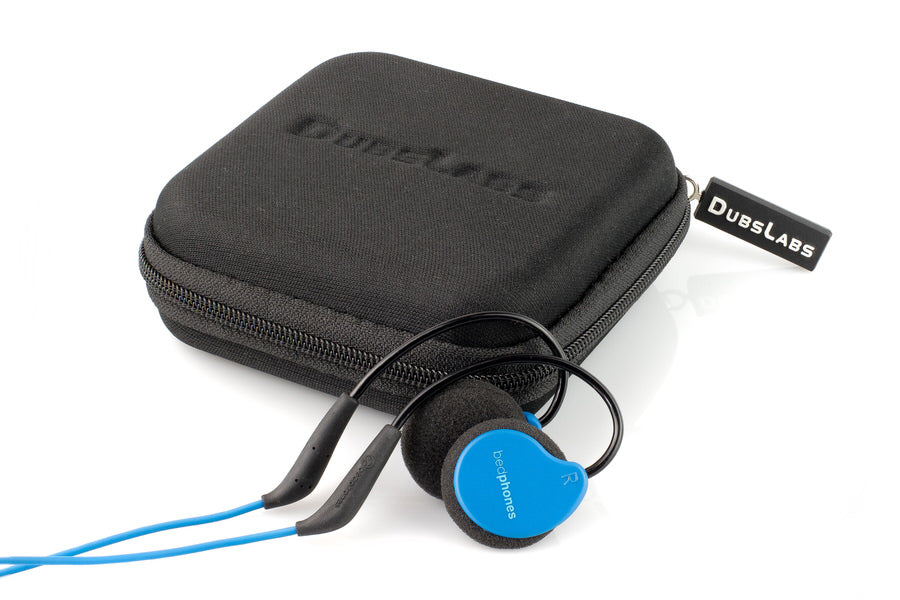
Models like Bedphones were designed with exactly this in mind. Their slim, on-ear design means you barely feel them, letting you lie on your side without that awful digging sensation. For side-sleepers, comfort is the most critical feature, and it trumps every other technical spec. If you're looking for more options, this guide to earbuds you can sleep in has some great insights.
This decision tree really clarifies how your main goal—whether it's catching more Zs or getting in the zone—should guide what you look for.
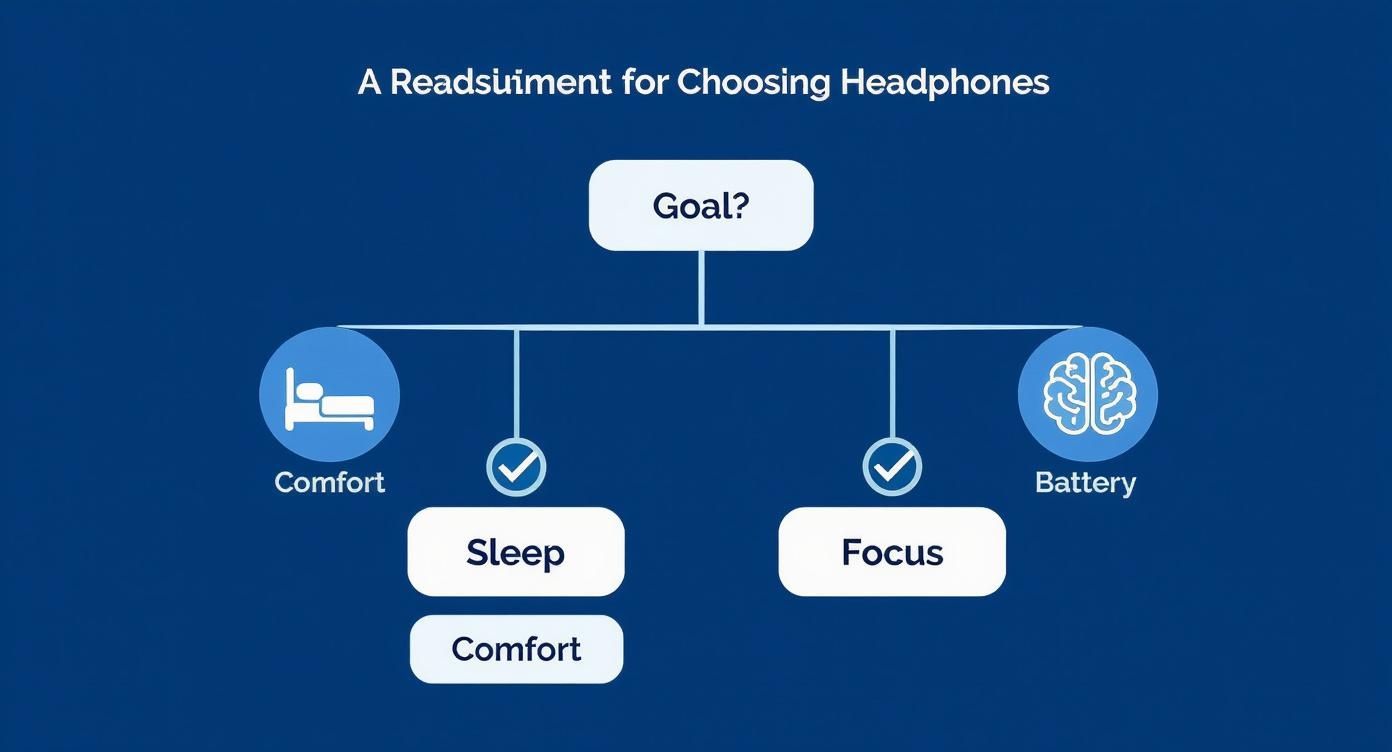
As you can see, someone trying to sleep better should put comfort first and foremost. On the other hand, someone needing to concentrate should be looking at battery life and how well the headphones block out noise.
For the Professional Needing a Focus Bubble
Trying to concentrate in a noisy office or a buzzing coffee shop presents a whole different challenge. You need to create a personal bubble of pure focus. This is where a combination of technologies becomes your secret weapon. Over-ear headphones that blend Active Noise Cancellation (ANC) with sound masking apps are your best bet here.
The ANC gets to work erasing low-frequency drones like the hum of an air conditioner or background chatter. Then, you can layer on white or brown noise to mask those sudden, sharp distractions that ANC can't quite catch—like a phone ringing or a loud conversation nearby.
For the Frequent Traveler on the Go
Frequent travelers need a mix of portability, power, and performance. Long flights and endless layovers mean you need a battery that won't die halfway through your journey. Compact, lightweight earbuds are perfect here, since they’re easy to pack and comfortable enough to wear for hours on end.
For travelers, keep an eye out for these key features:
- Portability: Look for a model with a small, sturdy carrying case that slips easily into a pocket or bag.
- Long Battery Life: You'll want at least 15-20 hours of total playback time with the charging case to get you through long-haul flights.
- Effective Noise Blocking: A good seal (that's passive isolation) combined with ANC is the perfect recipe for silencing that relentless engine drone.
By nailing down your primary reason for needing headphones—whether it's for sleep, focus, or travel—you can zero in on the features that actually matter and pick a pair that makes your life easier.
Getting the Most from Your Sound Masking Headphones
Choosing the perfect pair of sound masking headphones is a great first step, but it's really just the beginning. To truly transform your sleep or sharpen your focus, you've got to learn how to use them the right way. Think of your new headphones less like a simple device and more like a customizable remote control for your personal sound environment.
The first thing you'll want to do is dial in the right volume. The goal isn't to blast sound into your ears. You're looking for that sweet spot where the white noise is just loud enough to fade distracting sounds into the background. It should be a gentle, constant presence—more like a soft rain shower than a roaring waterfall. Keeping the volume low is key for protecting your hearing, and you'll still get all the benefits of sound masking.
Fine-Tuning Your Audio Experience
Next up, it’s time to play with the different "colors" of sound. While classic white noise is fantastic for blocking out sharp, sudden noises, you might find that pink or brown noise feels more calming, especially when you're trying to sleep.
- For Sleep: I usually suggest starting with pink or brown noise. Their deeper, smoother tones are often perceived as more relaxing and are less likely to sound harsh over a long night.
- For Focus: On the other hand, pure white noise can be a powerhouse for daytime concentration. Its higher frequencies are brilliant at cutting through the noise of office chatter or the clatter of a coffee shop.
Give each type a try for a few days to see what helps you feel most at ease. If you're really looking to master your remote work setup, combining sound masking with other solid work from home productivity tips can make a world of difference.
Don't be afraid to build a little routine. Setting a timer to gently fade the sound out after an hour or two can be a great way to ease into sleep without having it run all night long. This also helps if you're worried about becoming too dependent on it.
Ultimately, the goal is to create a consistent and predictable audio backdrop for yourself. By managing the volume, experimenting with different sounds, and making them a part of a healthy routine, you can turn a simple accessory into a powerful tool for better living.
Got Questions? We've Got Answers
Is It Safe to Sleep with Headphones Playing White Noise All Night?
Yes, it's generally safe as long as you keep one key thing in mind: volume. You'll want to keep the white noise at a low, comfortable level—just enough to mask other sounds without being loud. Most audio experts suggest keeping any long-term listening below 85 decibels.
Beyond that, it helps to choose headphones actually built for sleep, like soft, flat models. This way, you can avoid any physical discomfort or weird pressure points on your ears, setting yourself up for a safe and genuinely restful night.
Can I Become Dependent on White Noise?
It's possible to get used to it, sure, but it’s more like needing a dark room or your favorite pillow to sleep well. Think of it as a psychological preference for a consistent sleep environment, not a physical dependency. White noise is just a tool to help you get there.
If you're worried about forming a habit, you can always use a timer to have the sound fade out after you’ve drifted off. For most people, the huge benefit of better sleep far outweighs the small chance of getting stuck in a routine.
What's the Difference Between White, Pink, and Brown Noise?
The main difference comes down to the balance of sound frequencies. It’s a bit like turning the bass and treble knobs on a stereo.
White noise has equal power across all frequencies, which sounds a bit like old TV static. Pink noise is deeper, with more oomph in the lower frequencies, kind of like the sound of steady rain. Brown noise goes even deeper, reminding you of a powerful waterfall.
A lot of people find that pink or brown noise feels more relaxing and natural for sleep.
Ready to hear the difference for yourself? DubsLabs offers Bedphones, the ultra-thin headphones designed for all-night comfort so you can find your perfect sound for sleep.