Guided meditation for insomnia is a science-backed technique that uses calming audio to quiet a racing mind, relax the body, and create a mental bridge to sleep. It’s a powerful, natural way to counter the stress and anxiety that so often fuel those sleepless nights.
Why Meditation Is Your Best Ally Against Insomnia
If you're tired of staring at the ceiling, you are far from alone. The real issue behind most sleepless nights is something experts call mental hyperarousal—a fancy way of saying your mind simply refuses to switch off. It just keeps replaying the day's events or worrying about tomorrow.
Guided meditation for insomnia tackles this head-on by giving your overactive mind a calm, singular focus.
Instead of fighting your thoughts, you're gently guided to just observe them without judgment and then bring your attention back to your breath or a soothing story. This simple act activates your body's parasympathetic nervous system, often called the "rest and digest" system. It slows your heart rate, lowers blood pressure, and basically signals to your brain that it's safe to power down for the night.
More Than Just Relaxation
Think of this practice as a form of mental training. Over time, a consistent routine creates a powerful psychological cue. The simple act of putting on your headphones and pressing play tells your brain that the day is officially over and sleep is on its way.
It’s not just a temporary fix; it’s about building a healthier, more peaceful relationship with sleep itself. And the benefits aren't just anecdotal—they're backed by some pretty solid research.
Insomnia affects a staggering 10% to 15% of the US population, which means millions are struggling with chronic sleep issues. Studies on mindfulness-based therapies show they can reduce the time spent awake during the night by an average of 43.75 minutes.
Ultimately, guided meditation is about reclaiming control from the anxiety that steals your rest. It’s an accessible, effective way to dissolve the mental and physical tension keeping you awake.
Beyond its direct impact on sleep, meditation is a fantastic tool for overall wellbeing. If stress is a big factor for you, you might want to explore a practical guide to managing stress for a broader approach. You can also discover more about the top health benefits of meditation in our related article.
How to Create a Sanctuary for Sleep Meditation
Your bedroom is way more than just a place to crash. It’s constantly sending signals to your brain, and if you want to master guided meditation for sleep, you need those signals to be saying one thing: it's time to rest.
This process starts long before you ever hit "play" on a meditation track. It’s about intentionally designing a space that feels like a true sanctuary. Think of it as setting the stage. If your bedroom doubles as your office, gym, and movie theater, your brain gets mixed messages. The goal here is to build a powerful association between this one room and deep, peaceful relaxation.
Fine-Tuning Your Environment
Your body is incredibly sensitive to its surroundings, even when you're trying to wind down. A few small tweaks to your room can make a world of difference in how quickly you can sink into a meditative state.
- Temperature Control: Ever notice how much easier it is to fall asleep in a cool room? There's a reason for that. Experts recommend a room temperature between 60 and 67 degrees Fahrenheit (15 to 19 degrees Celsius). This helps lower your core body temperature, which is a natural part of the sleep cycle.
- Total Darkness: Light is the enemy of melatonin, the hormone that tells your body it's time to sleep. Even the faint glow from a phone charger or a crack of light from the street can mess with it. Investing in some real blackout curtains or a high-quality sleep mask that blocks all light is a game-changer.
- Sound Management: A sudden car horn or a neighbor's dog can instantly jolt you out of a relaxed state. A white noise machine is a great way to create a consistent, soothing audio backdrop. It smooths over those jarring, unpredictable noises, giving your mind a stable environment to focus in.
When you dial in these three elements—temperature, light, and sound—you're effectively removing the most common physical distractions. It clears the runway for your mind to focus entirely on the meditation, instead of being pulled back into alertness by something in the room. For a deeper dive, learn more about creating the perfect sleep environment to improve your sleep quality.
Optimizing Your Comfort and Posture
You can’t meditate if you’re uncomfortable. It’s just not going to happen. For sleep meditation, lying down in bed is the natural choice, but your position really matters.
Try lying on your back with your arms resting gently by your sides, palms facing up. If you're a side sleeper, find a position that feels natural and supported. The main idea is to let go of any physical tension so your body can truly relax.
Of course, comfort starts with what's underneath you. A mattress that leaves you with aches and pains is a major distraction. Investing in one of the many quality mattresses out there can make a huge difference in your practice and your overall sleep. Your pillow should also properly support the curve of your neck.
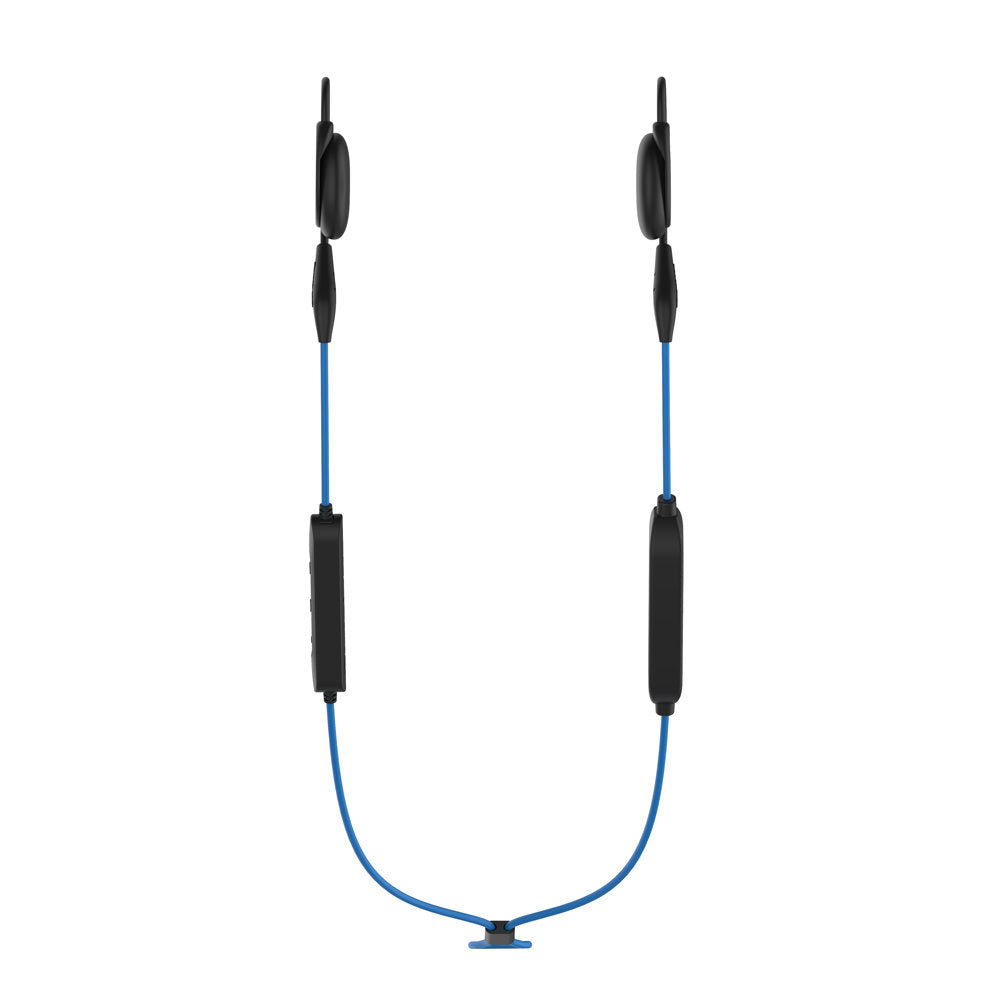
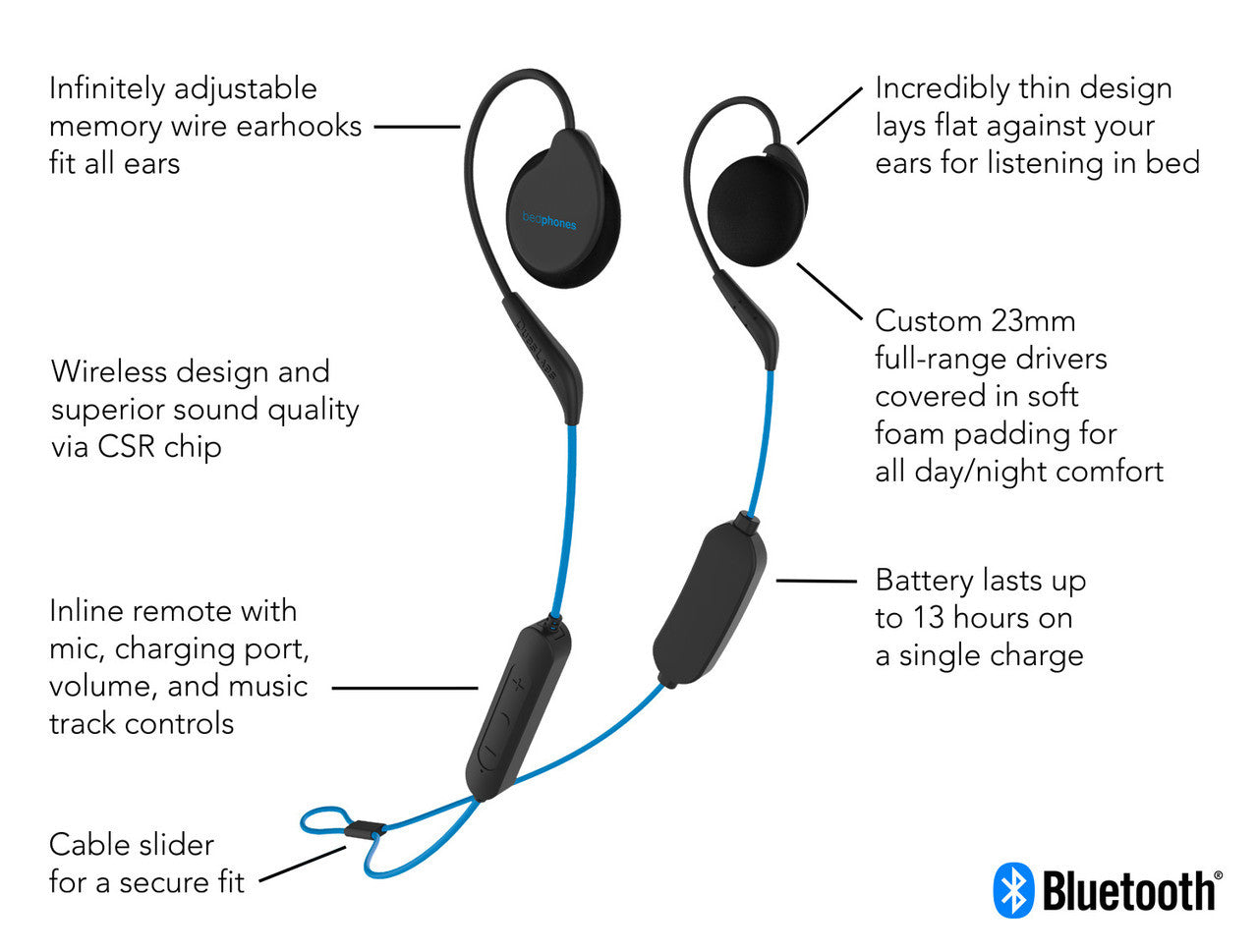
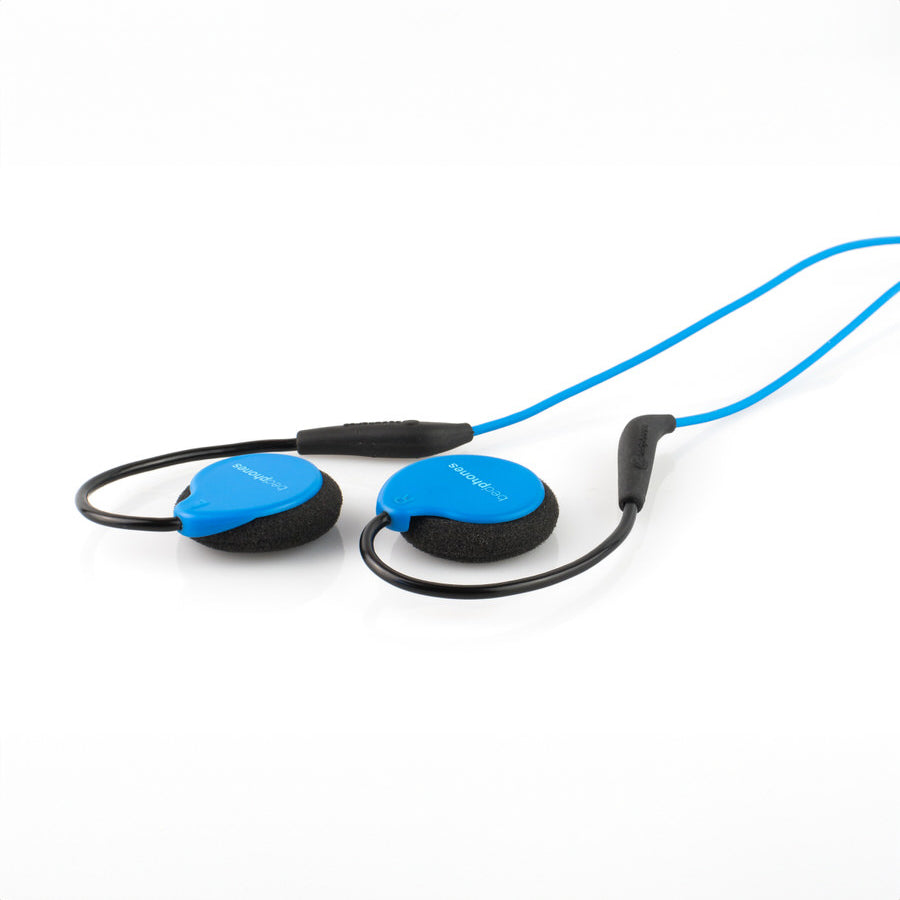
Finally, let’s talk audio. Bulky, hard headphones are a nightmare, especially if you sleep on your side. They dig into your ear and become the only thing you can focus on. This is where ultra-thin headphones, like our Bedphones, are specifically designed to shine. You can listen comfortably in any position without any painful pressure, keeping your focus on the calming voice guiding you, not on your gear. It’s a small detail that removes one final barrier, paving the way for a seamless drift into deep, restorative sleep.
A Guided Meditation Script You Can Use Tonight
Alright, let's get to the heart of it—a complete, ready-to-use script designed to gently guide you from tossing and turning into deep, restorative sleep. This isn’t just a list of instructions; it’s a tangible tool you can put to work tonight.
The script is built in distinct phases, each with a specific job. We’ll start with simple breathwork to anchor your mind in the present moment. From there, we'll move into a progressive body scan to dissolve physical tension, followed by calming imagery to lead your mind away from those looping, anxious thoughts.
To make it as practical as possible, I've broken it down into a few variations. So whether you just need a quick reset after waking up at 3 a.m. or a much deeper session on a really tough night, there’s a version that fits. You can read it, record your own voice, or simply use it as a mental road map.
First, Get Your Space Ready
Before you even think about pressing play or starting the script, take a moment to prep your sleep sanctuary. The right environment strips away distractions and sends a powerful signal to your brain that it's time to power down. This infographic hits on the three core pillars of a perfect sleep space.
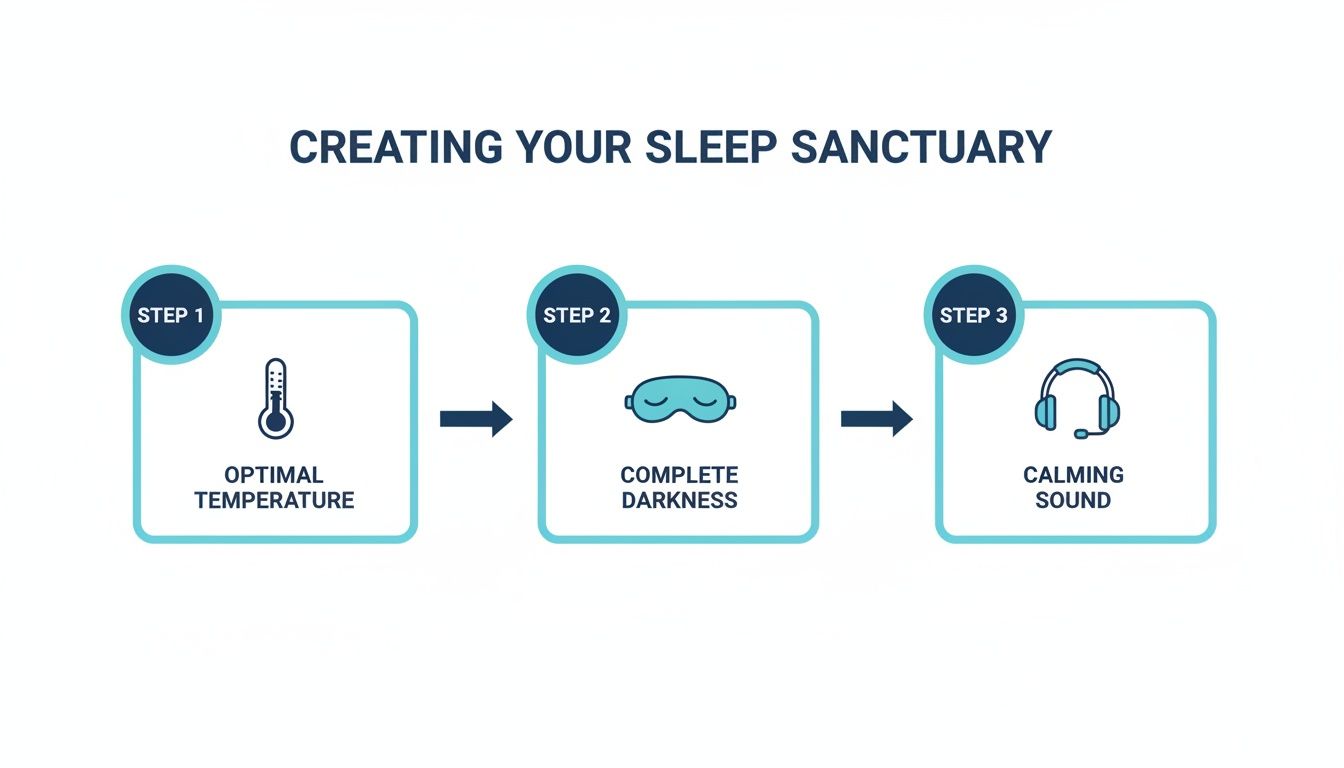
When you nail the temperature, darkness, and sound, you’re creating a powerful foundation. It’s what allows your mind to fully surrender to the meditation.
The Core Guided Meditation Script
This is the foundational script for all the variations. The key is to read it (or listen to it) slowly, leaving plenty of space between phrases. Let the words and sensations really sink in.
(Introduction & Settling In)
Find a comfortable position lying in your bed. Let your arms rest gently at your sides—palms facing up often feels nice and open. Allow your feet to fall naturally outward.
Gently close your eyes.
Take a slow, deep breath in through your nose, letting your belly expand with air. Now, exhale slowly through your mouth, releasing the day with it.
Another deep breath in… and a long, slow breath out. Feel your body begin to soften, growing heavier against the mattress. You are safe here. There is nothing else you need to do, and nowhere else you need to be.
(Phase 1: Breath Awareness)
Bring your full attention to your breath. No need to change it, just notice its natural rhythm.
Notice the sensation of the air as it enters your nostrils… maybe it feels cool and fresh. Follow it down into your lungs.
Feel your chest and belly rise gently as you inhale… and fall as you exhale. If your mind wanders off—and it will—that's perfectly okay. Simply notice the thought without judgment, and gently guide your focus back to the simple act of breathing. Inhale… and exhale.
(Phase 2: Progressive Body Scan)
Now, shift your awareness down to your feet. Notice any sensations here. Imagine a wave of warm, heavy relaxation starting at the very tips of your toes.
Let this warm, releasing feeling flow slowly up into your ankles… your calves… and your knees. All the tension from the day is just melting away.
Feel this gentle wave move into your thighs, releasing any tightness you’re holding. Your legs feel incredibly heavy, completely at ease. This soothing warmth now spreads across your hips and into your lower back, dissolving any strain.
Let it flow up into your belly, softening all the muscles there. Then into your chest, allowing your breath to remain slow and steady. Feel your shoulders drop away from your ears as the warmth moves down your arms, through your elbows, and all the way to your hands and fingertips.
Finally, allow this wave of relaxation to move up into your neck… your jaw… your cheeks… and the tiny muscles around your eyes. Your entire body is now heavy, warm, and deeply relaxed.
(Phase 3: Calming Visualization)
Picture yourself standing at the top of a soft, carpeted staircase. There are ten steps leading down into a room of perfect comfort and tranquility.
Take the first step down… ten. Feel yourself becoming even more relaxed.
Step down to nine… sinking deeper and deeper into stillness.
Eight… letting go a little more with each step.
Seven… feeling peaceful and calm.
Six… halfway there now. Drifting deeper.
Five… your mind is quiet and still.
Four… so comfortable, so completely at ease.
Three… almost there.
Two… ready for deep, restful sleep.
And one. You are now at the bottom of the stairs, in a space of complete peace. Rest here. Allow yourself to drift.
How to Make the Script Work for You
This core script is your template. The real magic happens when you adjust the pacing and repetition within each phase to match what you need on any given night.
Guided Meditation Script Variations for Insomnia
Choose a meditation length that fits your needs for the night. Each variation builds on the core techniques of breathwork, body scan, and visualization.
| Duration | Focus | Best For |
|---|---|---|
| 5-Minute Reset | Rapid relaxation to quickly quiet the mind. | Waking up in the middle of the night or when you're already sleepy. |
| 15-Minute Standard | A balanced session for a thorough wind-down. | Your go-to nightly routine to ease into sleep. |
| 30-Minute Deep Dive | An extended, immersive practice to untangle a racing mind. | Nights when you’re feeling particularly wired, anxious, or stressed. |
Here’s a closer look at how you'd adapt the timing for each one:
- For the 5-Minute Reset: Move through each phase quickly. Spend about one minute on breathwork, two minutes on a quick body scan (think large areas: legs, torso, arms), and two minutes on the staircase visualization. Keep it moving.
- For the 15-Minute Standard Session: This is your baseline pacing. Spend 3-4 minutes on breath awareness, a solid 7-8 minutes on a detailed body scan (pausing at each body part), and 3-4 minutes on the visualization.
- For the 30-Minute Deep Dive: Seriously slow everything down. Spend 5-7 minutes just on your breath. Dedicate a full 15-20 minutes to the body scan, slowly traveling from your toes all the way to the crown of your head, noticing every tiny sensation. Extend the visualization, too—maybe imagine what the peaceful room at the bottom of the stairs looks and feels like.
The goal isn’t to "force" sleep. It's to create the ideal conditions for sleep to arise on its own. Picking the right script length gives your mind and body the time they actually need to make that shift from the busyness of the day to the stillness of the night.
Beyond Meditation: Combining Tech and Healthy Habits
A guided meditation for insomnia is a powerful tool on its own. But its real magic happens when you make it part of a bigger, more intentional evening routine.
Think of it this way: your meditation is the main event, but your pre-sleep habits are the opening act. If you skip the warm-up, you're asking your brain to slam on the brakes, going from one hundred to zero in an instant. That’s a recipe for frustration and a night spent staring at the ceiling.
Building a solid wind-down routine is the key. For at least 30-60 minutes before you even think about getting into bed, start dimming the lights and putting away your screens. This quiet period is a signal to your brain that the day is officially over, making it much easier to slip into a relaxed, meditative state.
Timing Your Meditation for Maximum Impact
When you meditate can be just as important as how. For many people, the best time is right after getting into bed, making it the very last thing you do before you want to drift off. This builds a powerful sleep association, training your brain to see that calming voice as a direct cue to relax and shut down for the night.
But what if you're feeling too wired to lie still? If you find yourself fidgeting, try meditating before you get under the covers. Pull up a comfortable chair in your dimly lit bedroom and do your session there. This can help burn off some of that restless energy so that when you finally get into bed, you’re feeling much calmer and ready for sleep.
A classic mistake is finishing your meditation and then rolling over to check your phone "one last time." The blue light and endless scroll will instantly undo all the calm you just worked so hard to create. Commit to making the meditation the absolute final thing you do before closing your eyes.
Enhancing Your Practice with Smart Tools
Technology can be your biggest enemy or your best friend when it comes to sleep—it all comes down to how you use it. Instead of fighting it, you can bring in some comfort-focused tools to deepen your relaxation and eliminate the physical distractions that often pull you out of a meditative state.
Here are a couple of powerful combinations to try:
- Weighted Blankets and Body Scans: The gentle, firm pressure from a weighted blanket can create an incredible sense of security and calm. Pair that physical sensation with a progressive body scan meditation, and you’ll amplify the mental act of releasing tension from each muscle group.
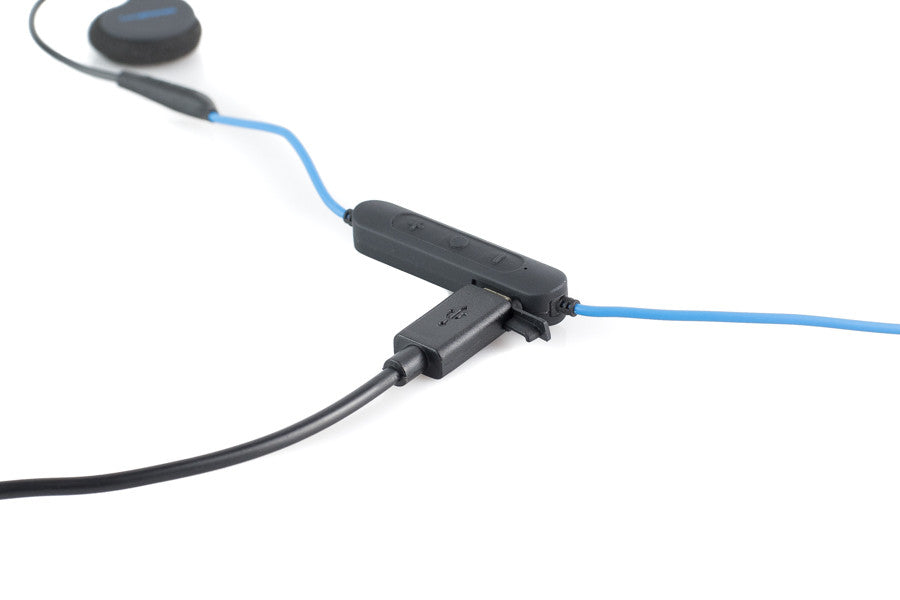
- Wireless Headphones and Sleep Timers: Nothing yanks you out of a peaceful state faster than getting tangled in headphone cords. Using wireless sleep headphones like Bedphones lets you set a sleep timer on your meditation app and then roll over into any position you want. You can drift off knowing the audio will shut itself off.
This blend of good habits and supportive tech creates a complete ecosystem for rest. The benefits aren't just for tonight; they build over time. For example, research on chronic insomnia has shown just how measurable the impact is. One study found that consistent meditation helped reduce total wake time each week, with mindfulness-based practices leading to a 50% remission rate after six months. You can read more about the findings on mindfulness for insomnia to see the science behind the long-term benefits.
Ultimately, all these pieces work together. Your nightly meditation becomes the capstone of a truly effective sleep hygiene routine. And if you're looking to build that routine from the ground up, our guide on what is sleep hygiene is a great place to start.
Dealing With Common Meditation Roadblocks
It's really easy to get discouraged when a guided meditation for sleep doesn't feel like it's "working" right away. A lot of people lie down expecting a totally silent, blissed-out mind, only to discover their thoughts are suddenly louder than a rock concert.
This isn't a sign you're failing. Not at all. It's a completely normal part of the process.
The goal isn't to wrestle your mind into submission and force every thought out. It’s more about learning to simply notice those thoughts without getting tangled up in their drama. Picture them as clouds drifting across the sky; you can acknowledge them and then gently, without judgment, bring your focus back to your breath or the guide's voice.
What If My Mind Won't Shut Up?
A busy mind is probably the most common hurdle people face. The second you get quiet, your brain often decides it's the perfect time to replay that awkward conversation from three years ago or draft your grocery list for next week.
Instead of fighting it, try a simple reframing trick. Each time a thought barges in, just mentally label it as "thinking" and guide your attention back to the meditation. This gentle redirection, done over and over, is the practice. It's like doing reps for your attention muscle, not taking a pass/fail test on achieving perfect mental silence.
Is Falling Asleep a Failure?
Absolutely not. For this specific type of meditation, that's the whole point!
Unlike daytime practices designed to build sharp awareness, a guided meditation for insomnia is meant to be a gentle off-ramp into sleep. If you find yourself drifting off before the audio track even finishes, congratulations—it means the technique is working exactly as it should.
Progress, not perfection, is the key. The real aim is to build a peaceful and consistent pre-sleep ritual. With time, your brain starts to associate the practice with winding down, making it a reliable cue that it's time for rest.
Sticking with it is far more important than achieving some ideal state of zen. One study found that even older adults with chronic sleep problems could successfully stick with the practice, meditating for over 17 hours across multiple sessions without any negative side effects. This just goes to show that staying with it, even through the initial challenges, leads to real, tangible improvements in sleep. You can read more about the research on mindfulness and sleep quality to see just how powerful consistency can be.
Knowing When to Seek Professional Sleep Advice
While guided meditation is an incredibly powerful tool for tackling insomnia, it’s important to know when it might not be the whole answer. Think of it as a key part of your sleep toolkit, but not a substitute for professional medical advice—especially when a deeper issue could be the real culprit.
If you find yourself wrestling with sleep more than three nights a week for several months, it’s probably a good time to chat with your doctor. That kind of consistent struggle can signal a more chronic condition that self-help strategies alone just can’t fix.
Signs You Shouldn't Ignore
Certain symptoms are clear red flags that it's time to get a professional diagnosis. Pay close attention if your insomnia is showing up with friends—other concerns that meditation isn't designed to address.
- Loud, persistent snoring, which can sometimes point to sleep apnea.
- An uncontrollable urge to move your legs at night, a classic sign of restless leg syndrome.
- Waking up suddenly, gasping for air.
Talking to a healthcare professional isn’t a sign of failure. Far from it. It’s a proactive, powerful step toward taking care of your overall well-being. A doctor can help rule out or diagnose underlying conditions, making sure you get the complete care you truly need.
Got Questions About Sleep Meditation?
Starting any new habit brings up questions, and that’s perfectly normal. When you’re tired and just want to sleep, you need clear, straightforward answers. Let’s tackle some of the most common ones I hear about using guided meditation for insomnia.
How Soon Will This Actually Help My Insomnia?
It's a fair question. Many people tell me they feel a wave of calm after their very first session, which is great. But the real, lasting change—the kind that helps you fall asleep faster and stay asleep longer—comes from making it a habit.
Think of it like training a muscle. You wouldn't expect to be ripped after one gym session, right? Most research points to noticeable improvements after just a few weeks of consistent practice. Be patient with yourself; the benefits build over time.
What If I Wake Up in the Middle of the Night?
This is actually the perfect time to put your new skills to use. Instead of letting your mind race with anxiety about being awake (we’ve all been there), just pop on your headphones and play a short 5 or 10-minute meditation track.
It’s a fantastic way to gently interrupt that stress cycle before it fully takes hold and guide yourself back to sleep without feeling like you're starting all over again.
Repetition can be your best friend here. Using the same script night after night creates a powerful sleep cue, basically training your brain that this sound means it’s time to power down. If you notice you're starting to tune it out completely, switching to a track with a different narrator can be just enough of a change to keep your mind gently engaged.
Ready to build your ultimate sleep sanctuary? DubsLabs has the gear you need to elevate your meditation practice, from our ultra-thin Bedphones for comfortable all-night listening to weighted blankets that help soothe your nervous system. Explore our collection of sleep solutions and find what works for you.