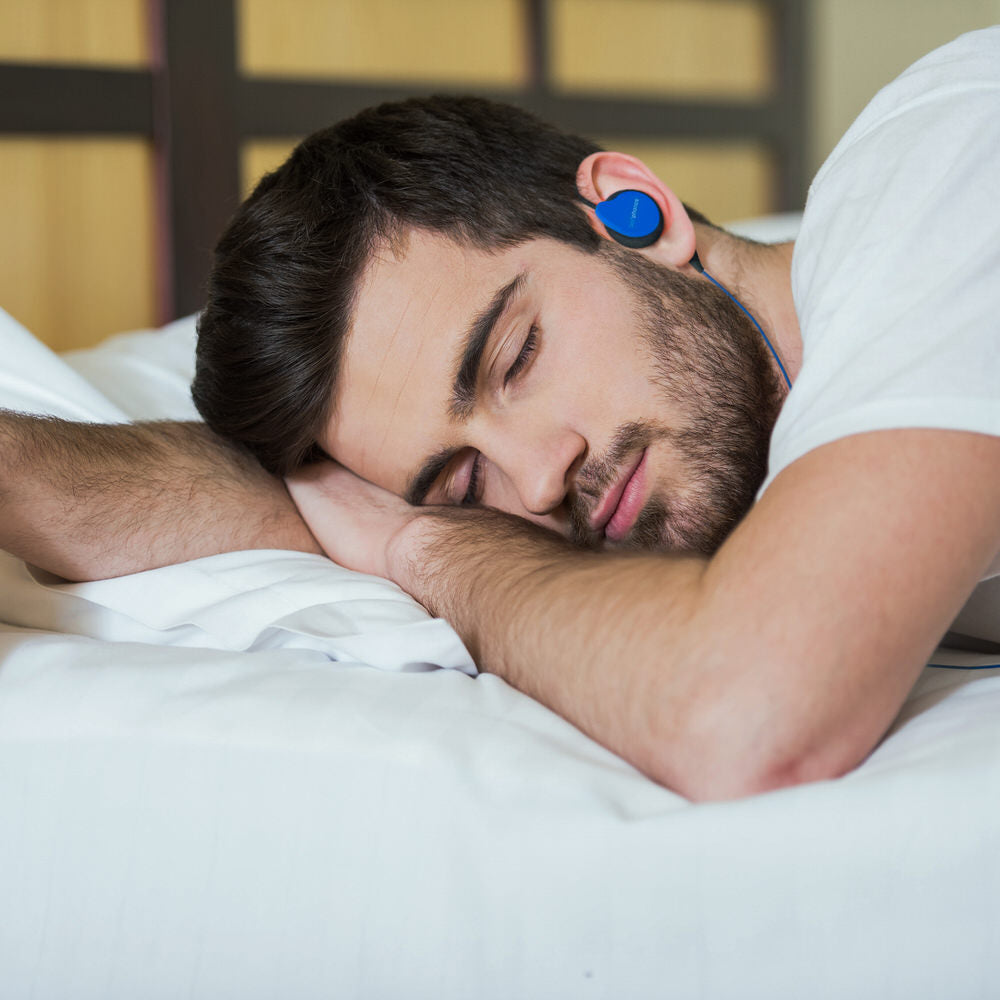
The sounds of a forest after dark are so much more than just background noise. They're a powerful, science-backed way to get better sleep and dial down your stress levels. From the steady chirp of crickets to the whisper of leaves in the wind, these natural soundscapes create a kind of sonic blanket that covers up jarring noises and sends a signal of safety to your brain.
Why Nighttime Forest Sounds Are a Gateway to Better Sleep

Ever stop and wonder why the sound of a forest at night feels so deeply calming? The answer is buried deep in our evolutionary wiring. For thousands of years, the gentle, predictable sounds of nature after dark meant one thing: safety.
A quiet, rhythmic forest was a clear sign that predators weren't around and all was well. This ancient signal gave our ancestors permission to let their guard down and get some real rest.
That primal connection is still incredibly powerful today. Our modern world is a minefield of jarring, unpredictable noises—traffic, phone notifications, the general hum of city life. These sounds constantly put our brains on high alert, triggering a stress response that makes it nearly impossible to unwind and drift off. Nighttime forest sounds are the natural antidote.
The Power of Natural Soundscapes
The magic of these forest recordings isn't just a feeling; it's rooted in how our brains process sound. Unlike the sharp, mechanical noises that practically demand our attention, the soft hums and calls of the forest are non-threatening. Our brains can easily filter them.
This creates an environment where your mind can finally release its grip and stop being so vigilant.
Listening to these sounds can deliver some real benefits for your sleep:
- Stress Reduction: The consistent, gentle patterns in nature sounds have been shown to help lower cortisol, the body's main stress hormone. This naturally nudges you into a state of relaxation.
- Auditory Masking: A steady soundscape is fantastic at covering up sudden, disruptive noises. A door slamming or a car horn won't jolt you awake because it gets absorbed into the ambient sound.
- Improved Sleep Quality: By creating a stable and serene auditory environment, forest sounds can help you fall asleep faster and spend more time in the deep, restorative stages of sleep.
Think of it like this: a sudden, loud noise is an alarm bell for your brain. A forest soundscape, on the other hand, is a steady, reassuring hum that tells your brain everything is okay, giving it permission to power down for the night.
This guide is your roadmap to understanding and using this natural phenomenon. We'll break down the symphony of forest sounds at night, from the chirping crickets to the distant hoot of an owl. You'll learn how to pick out high-quality recordings and use comfortable tech like Bedphones to build your personal sleep sanctuary.
By the time you're done, you'll have a clear plan to get deeper, more refreshing rest, night after night.
Decoding the Nocturnal Soundscape of the Forest
So, what exactly are we hearing when we listen to forest sounds at night? It’s not just a bunch of random noises. Think of it more like a living, breathing sonic blanket, woven together from different layers that create a deeply calming effect. Each sound plays its part, contributing to a complex, rhythmic whole that our brains instinctively register as safe and peaceful.
The foundation is often the steady, high-frequency hum of insects. The relentless but gentle chirping of crickets and katydids provides a consistent audio backdrop. This is super important because it works as a natural form of sound masking, smoothing out the auditory landscape so that sudden, sharp noises don't jolt you out of your relaxation.
On top of this insect chorus, you have the occasional calls of nocturnal animals. The distant hoot of an owl, the soft croaking of frogs, or the rustle of a small creature in the bushes adds depth and variety. These sounds are predictable and non-threatening, giving your brain little points of interest without demanding your full attention.
Finally, the whole scene is wrapped in the low, ambient sounds of the wind. The soft rustle of leaves and the gentle sigh of air moving through pine needles create a deep, foundational bass. It’s like hearing the forest itself breathe.
The Science of the Sonic Blanket
This combination of sounds creates a predictable, non-threatening pattern that we've evolved to recognize as a sign of a safe environment. Unlike the chaotic, sharp noises of a city that keep us on edge, the forest at night has a natural rhythm. Our minds don't feel the need to stay on high alert, which lets us lower our guard and drift off to sleep.
This isn’t just poetic, either—scientists are actually treating these nocturnal soundscapes as hard data. A huge study in Southeast Asian forests used autonomous recorders to capture over 335,000 hours of sound, linking specific acoustic patterns to the health of the ecosystem.
Researchers found that the richness of the sound could explain up to 69% of the variation in animal recovery in a forest. Basically, the more vibrant the soundscape, the healthier the ecosystem. By just listening, scientists can track a forest's recovery for over 50% less money than it would take to do traditional surveys.
This scientific approach is exactly why many modern sleep recordings are so effective. Those 8- to 10-hour tracks you find on relaxation apps often come from these massive research projects. You're getting an authentic slice of a living forest, not just a synthetic loop.
Why Different Sound Frequencies Matter
The different frequencies in the forest soundscape also do different things for our brains. The high-frequency chirps of crickets are a lot like white noise, masking other distracting sounds. In contrast, the lower-frequency rustling of wind is closer to brown noise, which many people find incredibly soothing and grounding.
Knowing the difference can help you pick the right soundscape for you. If you want to dive deeper into how these frequencies work, check out our guide on white noise vs brown noise.
Once you start recognizing the different parts of the forest sounds at night, it becomes clear why they're such a powerful tool for getting deep, restorative sleep.
Why Forest Sounds Promote Relaxation and Sleep
Have you ever wondered what makes the gentle hum of a forest at night so deeply calming? It's not just in your head. The secret is buried deep in our own wiring—our brains are built to understand the language of the natural world. These soundscapes speak of safety, consistency, and peace.
Think about the jarring, unpredictable noises of daily life: a sudden car horn, a phone notification, a slamming door. Now, contrast that with the steady, rhythmic sounds of a forest after dark. Our brains evolved over millennia to recognize these patterns as a sign that everything is okay.
This feeling of safety isn't just a feeling; it triggers a real physiological shift. Your nervous system gets the all-clear to switch from its high-alert "fight or flight" mode to the relaxed "rest and digest" state. This shift actively lowers stress hormones like cortisol that are notorious for wrecking a good night's sleep. As those cortisol levels drop, the day's anxieties start to fade, making it far easier to let go and drift off.
Auditory Masking: The Brain’s Natural Noise Canceler
One of the coolest things happening here is a process called auditory masking. You can think of it as a gentle sonic blanket. The steady, broad-spectrum sound of crickets chirping, wind rustling through leaves, and a distant stream creates a consistent audio backdrop.
This sonic blanket doesn't get rid of disruptive noises, but it masks them. It covers them up. Suddenly, the neighbor's TV or the sound of passing traffic becomes less jarring because it gets absorbed into the richer, more pleasant soundscape you're focused on. Instead of being an alarm bell that yanks you back from the edge of sleep, that disturbance just melts into the background.
In a nutshell, auditory masking raises the bar for what your brain pays attention to. It creates a stable, serene audio environment, giving your mind the quiet consistency it needs to fall asleep and stay asleep.
This infographic gives you a snapshot of the data behind the study and use of these incredible soundscapes.
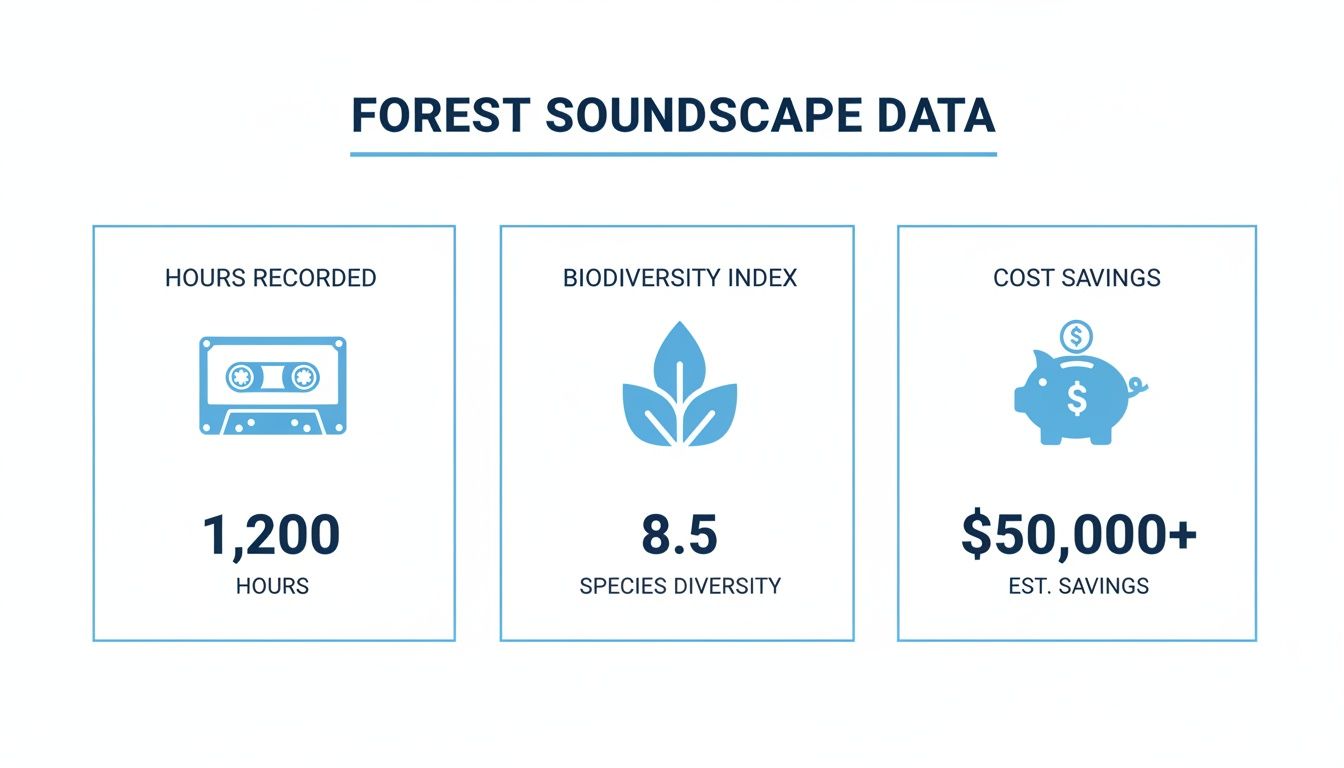
It really puts into perspective the sheer scale of audio data collected, its connection to biodiversity, and how valuable these recordings are—not just for science, but for our well-being.
The Science Behind Restorative Soundscapes
The benefits of natural sounds aren't just anecdotal; the data paints a very clear picture. The World Health Organization estimates that a staggering 20% of Europe's population is exposed to nighttime traffic noise over 55 decibels (dB)—a level directly linked to sleep problems and even cardiovascular issues.
Now, compare that to a protected forest at night, which typically registers a background noise level of just 20–35 dB. It’s a completely different world. Even the loudest natural sounds, like an owl's hoot, rarely get above 45–50 dB, staying well below the threshold that triggers a chronic stress response in our bodies.
Studies on what experts call "restorative soundscapes" show that listening to sounds like wind and insects leads to real, measurable drops in heart rate and anxiety when compared to urban noise. You can find more insights on this contrast over at ecomatcher.com.
This is why playing a sub-40 dB forest track through thin, comfortable headphones like Bedphones works so well. It effectively masks the noise of the city and creates a physiologically calming atmosphere that tells your brain it's safe to power down for deep, restorative sleep.
How to Choose Your Perfect Nighttime Soundscape
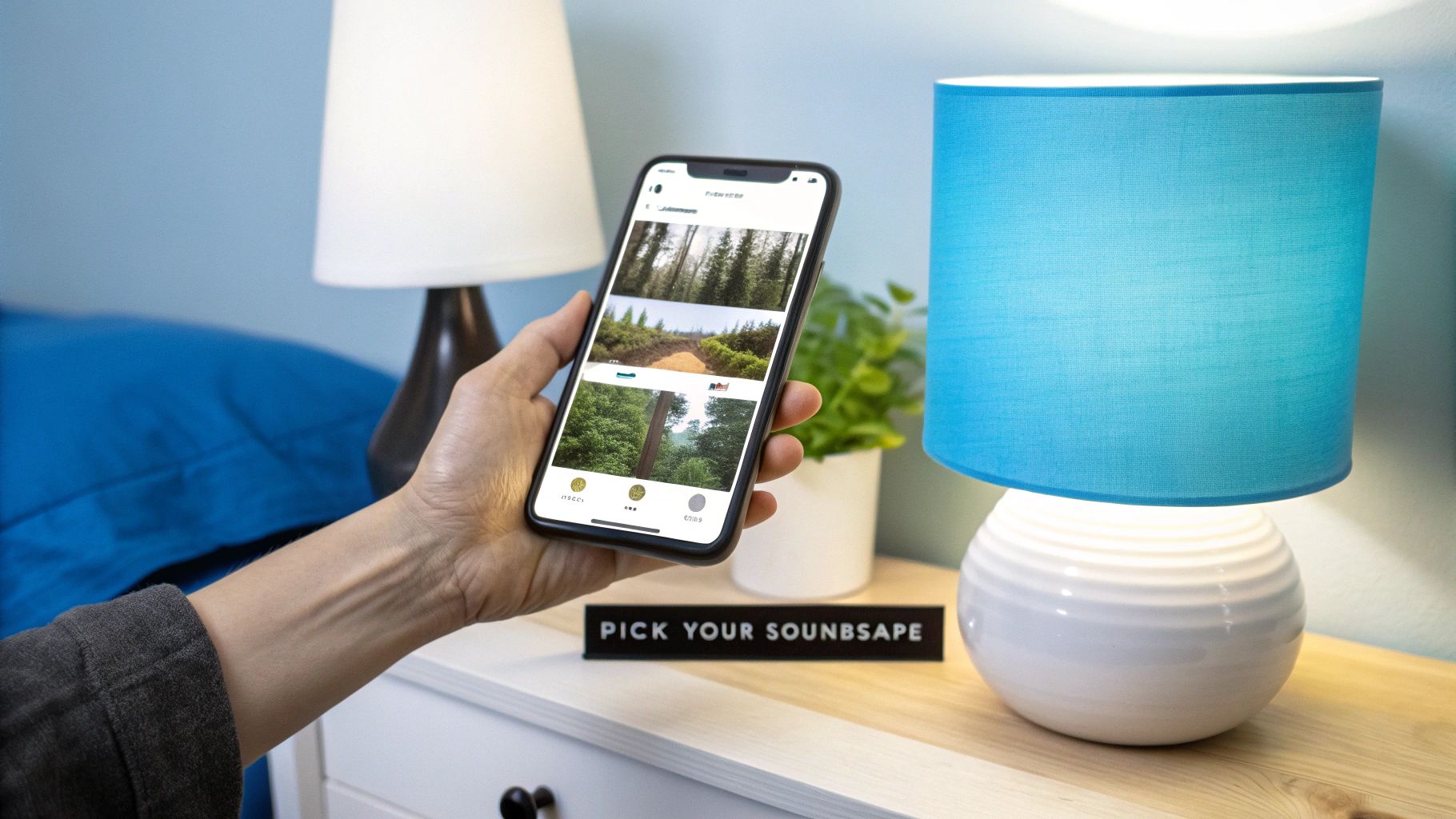
Finding the right nighttime forest recording is a bit like finding the perfect pillow—what sends one person into a deep slumber might just be a distraction for someone else. The real goal is to find a soundscape that you connect with, one that helps your mind unwind without ever grabbing the spotlight.
Not all audio is created equal, and learning to tell the good from the bad is your first step toward unlocking better sleep.
A high-quality recording has to feel immersive and almost endless. The biggest red flag of a subpar track is an obvious, short loop. If your brain starts predicting the next cricket chirp or owl hoot, the sound has flipped from being a relaxing backdrop to an irritating, predictable pattern. That's a surefire way to keep you awake.
Authenticity is just as important. Look for soundscapes recorded in real, specific places. A track labeled "Amazon Rainforest at Night" should sound completely different from a "Pine Forest in the Rockies." The unique cocktail of insects, animals, and atmospheric sounds from a real environment creates a rich, believable texture that a generic, synthesized track just can't touch.
Identify Your Personal Relaxation Triggers
Think about what kind of natural setting you find most calming. Do you love the dense, humid air of a jungle buzzing with life, or do you prefer the sparse, windy quiet of a high-altitude forest? Your gut feeling here is what matters most.
- Dense and Active Soundscapes: These are packed with the sounds of insects, frogs, and distant animal calls. They're amazing for auditory masking, creating a full sonic blanket that's perfect for drowning out city noise.
- Sparse and Gentle Soundscapes: These tend to feature more wind, the rustle of dry leaves, and fewer distinct animal sounds. They're ideal if you find busy recordings too stimulating and prefer a quieter, more subtle vibe.
- Water-Centric Soundscapes: Some of the best recordings have a nearby stream or the sound of distant rain. For many people, the sound of moving water is incredibly soothing, adding another layer of natural white noise to the mix.
Play around with different types of forest sounds at night. The right one will feel like it's dissolving the walls of your bedroom, dropping you right into a place of natural calm.
Where to Find High-Quality Forest Sounds
Once you know what you’re looking for, the next step is finding a solid source. Luckily, the options have exploded in recent years, moving way beyond simple apps into vast scientific archives and amazing community-driven projects.
Digitized forest nights are becoming a global resource for both science and sleep. For instance, the Sounds of the Forest project has built an open-source map with woodland recordings from almost every continent, submitted by people all over the world. These archives are an incredible pipeline of authentic audio, letting you listen to a real Amazonian rainforest or a Central European beech forest, each backed by precise location data. You can learn more about this incredible project on euronews.com.
So, where should you start your search? The table below breaks down some of the most popular options to help you decide.
Finding Your Ideal Forest Night Soundscape
| Source Type | Key Features | Best For | Potential Drawbacks |
|---|---|---|---|
| Dedicated Sleep Apps | Curated playlists, sleep timers, mixing features, and often integrated with other wellness content. | Folks who want convenience and a polished, all-in-one experience. | Subscription fees can add up, and some apps might use lower-quality, looped audio. |
| Streaming Platforms | Huge libraries of user-uploaded and professionally produced soundscapes, often in long formats. | Listeners who want maximum variety and don't mind searching for high-quality hidden gems. | Quality is all over the place, and ads can interrupt the experience without a premium plan. |
| Scientific & Artist Archives | Authentic, high-fidelity recordings from specific locations, often made with professional equipment. | Audio purists and anyone seeking the most realistic and immersive experience possible. | Can be harder to find and may lack user-friendly features like sleep timers. |
For a more hands-on approach, you can even design your own soundscape from scratch. If you're after complete control, you can learn how to create free audio nature sounds with AI, letting you build a nocturnal forest vibe that’s perfectly tuned to you.
Ultimately, finding the perfect soundscape is a personal journey. By focusing on quality, authenticity, and your own preferences, you can find a recording that doesn't just block out noise but actively guides you into deep, restorative sleep. For more ideas, you might also like our guide on other calming sounds for sleep.
Optimizing Your Listening Experience for Better Sleep

Picking out the perfect nighttime forest recording is just the first step. How you listen to it can make or break the entire experience. The right setup can transform a pleasant soundscape into a powerful tool for deep, restorative sleep. It's all about making sure your comfort and your tech are working together.
The biggest hurdle for most people? Uncomfortable headphones. Big, bulky over-ear models are a total non-starter for side-sleepers. Even regular earbuds can create sore spots in your ear canal after a few minutes, which completely cancels out any relaxing vibes from the audio.
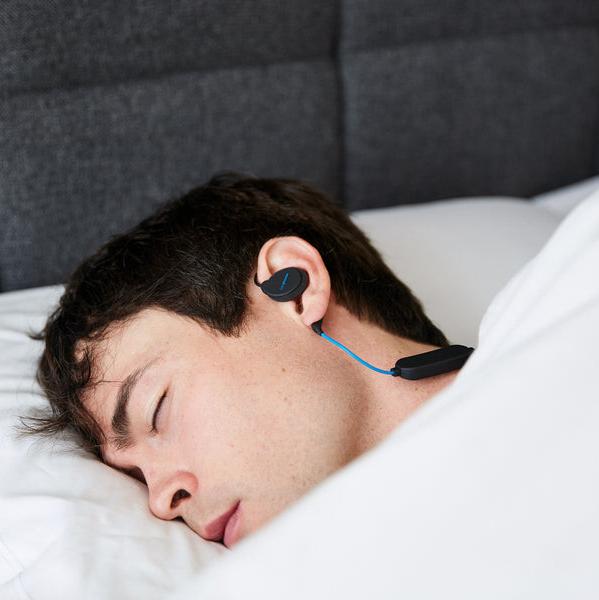
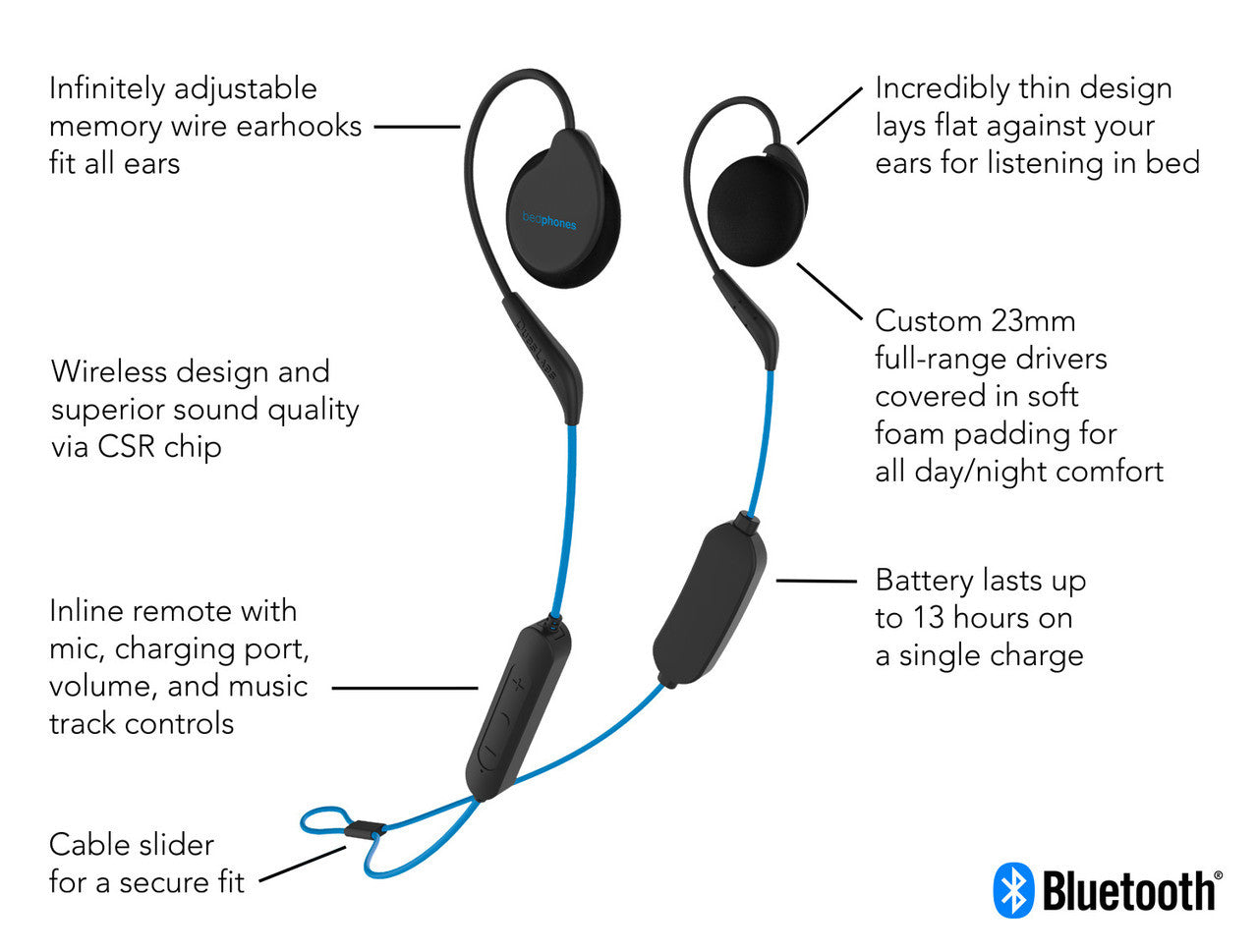
This is exactly where gear designed for sleep, like our Bedphones, really shines. They have an ultra-thin, adjustable design that rests gently on your ears instead of jamming into them. It makes them perfect for any sleeping position. You get all the benefits of the forest sounds at night without any of the frustrating discomfort.
Finding the Perfect Volume and Timing
So, you've got your comfy headphones. Now you need to dial in the volume. The goal here isn't to blast the sound—it's to find a delicate balance. It should be just loud enough to mask annoying background noises but quiet enough that it doesn't become a distraction itself.
A good rule of thumb is to set the volume to a level where you could still comfortably hold a conversation over it. Think of the quiet hum of a library, not a front-row concert. This keeps the soundscape in the background, gently guiding you toward sleep instead of demanding your attention.
Many apps and devices also have a sleep timer, which is a fantastic feature. You can set the forest sounds to play for an hour or two while you drift off and then have them fade out. This stops the audio from running all night (which some people prefer) and saves your device's battery.
Key Takeaway: The sweet spot for volume is a level that provides effective auditory masking without being intrusive. Start low and adjust until the sound feels like a natural part of your sleep environment, not an addition to it.
For a deeper dive into making your nightly listening routine as comfortable as possible, check out our complete guide on how to sleep with headphones. It’s packed with practical tips.
Creating a Multi-Sensory Sleep Sanctuary
The right sound is powerful, but you can kick its effects up a notch by getting your other senses involved. Pairing your forest sounds at night with other sleep aids can turn your bedroom into a true sanctuary for rest. Each piece works together to deepen your relaxation.
Consider trying these powerful combinations:
- Weighted Blankets: The gentle, steady pressure of a weighted blanket provides what's known as deep touch pressure stimulation. This sensation is known to calm the nervous system, ease anxiety, and make you feel secure—much like the soundscape itself.
- Total Dark Sleep Masks: Blocking out all light is critical for producing melatonin, the hormone that runs your sleep-wake cycle. A good sleep mask ensures total visual quiet, letting the forest sounds work their magic without any light pollution getting in the way.
- Soothing Scents: Aromatherapy is another great layer to add. If the forest sounds are immersing your hearing, why not bring your sense of smell into the mix? This guide on using essential oils for a better night's sleep is a great place to start for incorporating calming scents like lavender or chamomile.
When you layer these sensory tools, you create a holistic approach to tackling sleep issues. The soundscape handles noise, the mask blocks light, and the weighted blanket calms your body. Together, they send an unmistakable signal to your brain: it's time to shut down and rest.
Ready to Try It for Yourself?
Getting a more restorative night's sleep doesn't have to be complicated. As we've seen, the answer might be as simple and natural as the gentle, rhythmic hum of a forest at night. This isn't just background noise; it's a proven way to calm a busy mind and drown out the harsh, unpredictable sounds of modern life.
By now, you get what makes up this nocturnal symphony—from the steady chirp of crickets to the whisper of wind through the leaves—and why our brains hear these patterns as a sign of safety. It’s an ancient connection that dials down stress and clears the way for deeper, more refreshing rest. You also know how to spot the difference between a high-quality, authentic recording and a jarring, looped track, so you can pick a soundscape that actually works for you.
Take the First Step
The most important step is the one you take tonight. You can start by simply exploring one of the recommended soundscapes. Just listen. Pay attention to how your body and mind respond to those gentle, natural rhythms.
Remember, the goal is to create a personal sanctuary. When you pair your chosen audio with something genuinely comfortable like Bedphones, you build a consistent nightly routine that protects your sleep and helps you wake up feeling ready for the day.
Ultimately, tapping into the power of the forest at night is about reconnecting with one of nature's oldest relaxation tools. It’s accessible, enjoyable, and it works. So don't just read about getting better sleep—start your journey tonight and discover the profound calm that nature has been offering all along.
Got Questions About Forest Sleep Sounds?
Even after laying out all the benefits, you might still be wondering about a few things when it comes to using forest sounds at night to sleep better. And that's smart—getting the details right can be the difference between a decent night and a great one. Let's clear up some of the most common questions so you can build the perfect sleep routine from night one.
Are All Forest Recordings Equally Good for Sleep?
Definitely not. A cheap, looping track is more likely to drive you crazy than lull you to sleep. Our brains are incredibly good at picking up on artificial patterns, and once you notice that 10-second cricket chirp repeating, you can't un-notice it. It becomes an irritation that keeps you from sinking into deep, restorative sleep.
For the best results, look for high-fidelity, long-form audio. Think authentic recordings from professional soundscape artists or even scientific archives. These tracks capture the true, unpredictable rhythm of a real forest, making them far more immersive than a generic, compressed clip. A genuine recording feels alive; a cheap loop just feels mechanical.
The secret is realism. An authentic soundscape of a forest at night gives you a rich tapestry of gentle, non-threatening sounds. It’s this natural variation that prevents your brain from latching onto a repetitive pattern, finally giving it permission to relax and let go.
Can I Mix Forest Sounds with White Noise?
Absolutely, and it’s a fantastic technique. Think of it like creating a custom sound blanket. Layering forest sounds at night over a base of low-volume white or brown noise can create a fuller, richer audio environment. This combination is often even better at masking disruptive outside noises like traffic, loud neighbors, or a snoring partner.
Many sound apps let you create these custom mixes yourself, giving you total control. You can also mix forest sounds with music, but be selective. Stick with ambient, instrumental pieces. Anything with a strong melody or, worse, vocals, is more likely to stimulate your brain than calm it down.
What's the Best Volume for Sleep Sounds?
This is personal, but the golden rule is "just loud enough." You want the audio to be at a level where it masks distracting sounds without becoming a distraction itself. If you find yourself actively listening to the crickets or the wind, it's probably too loud.
A good place to start is around 35-45 decibels—about the level of a whisper or a quiet library. A quick way to test this is to see if you can still hold a conversation at a normal volume over the sound. If you have to raise your voice, turn it down a bit.
When you're using ultra-comfortable on-ear headphones like Bedphones, you can often get away with an even lower volume. The sound is delivered right to your ear, so you get all the noise-masking benefits without having to fill the whole room with sound, which is great news if you have a partner.
Ready to swap tossing and turning for the deep calm of nature? DubsLabs has the tools you need to build your perfect auditory escape. Pair your favorite forest soundscape with our incredibly thin Bedphones for a night of comfortable, immersive, and truly restorative sleep. Explore our sleep solutions at DubsLabs.