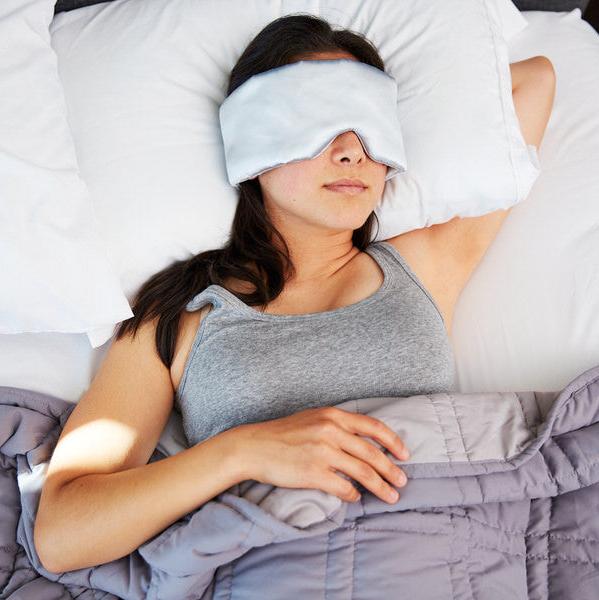
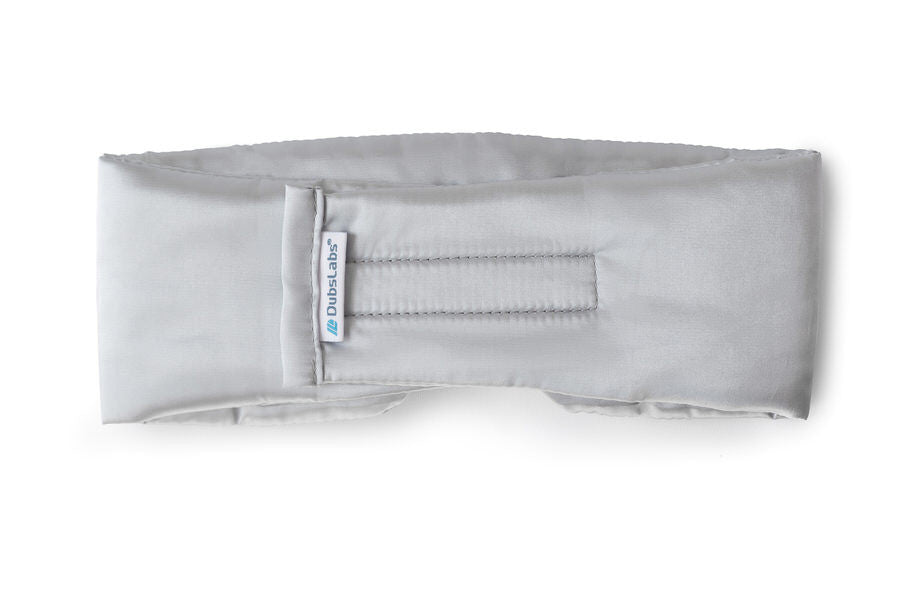
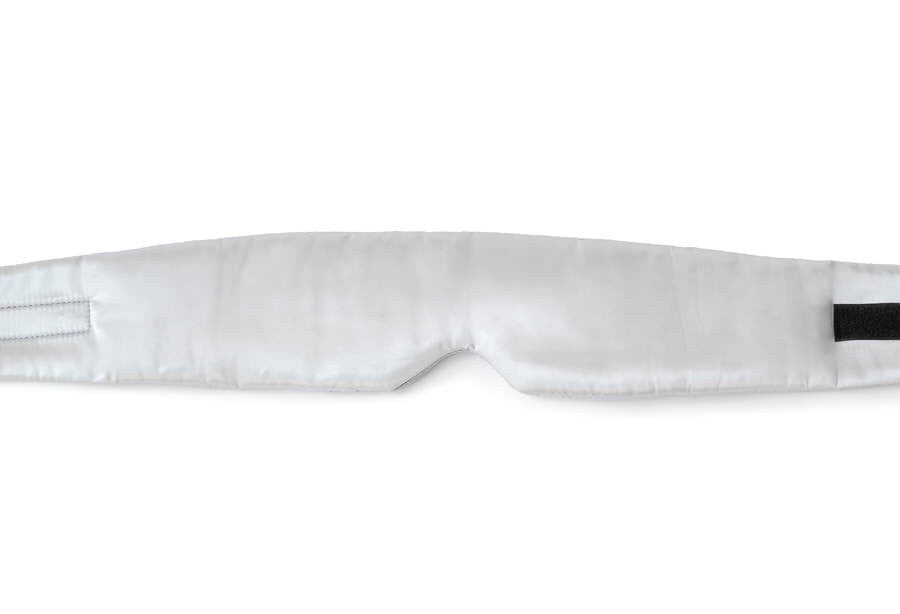
An eye sleep mask might seem like a simple piece of fabric, but it's one of the most powerful tools you can have in your sleep arsenal. Think of it as more than just a travel accessory; it’s a non-negotiable part of a solid sleep hygiene routine, designed to give your brain the one thing it craves most at night: total darkness.
Why Better Sleep Starts with Total Darkness
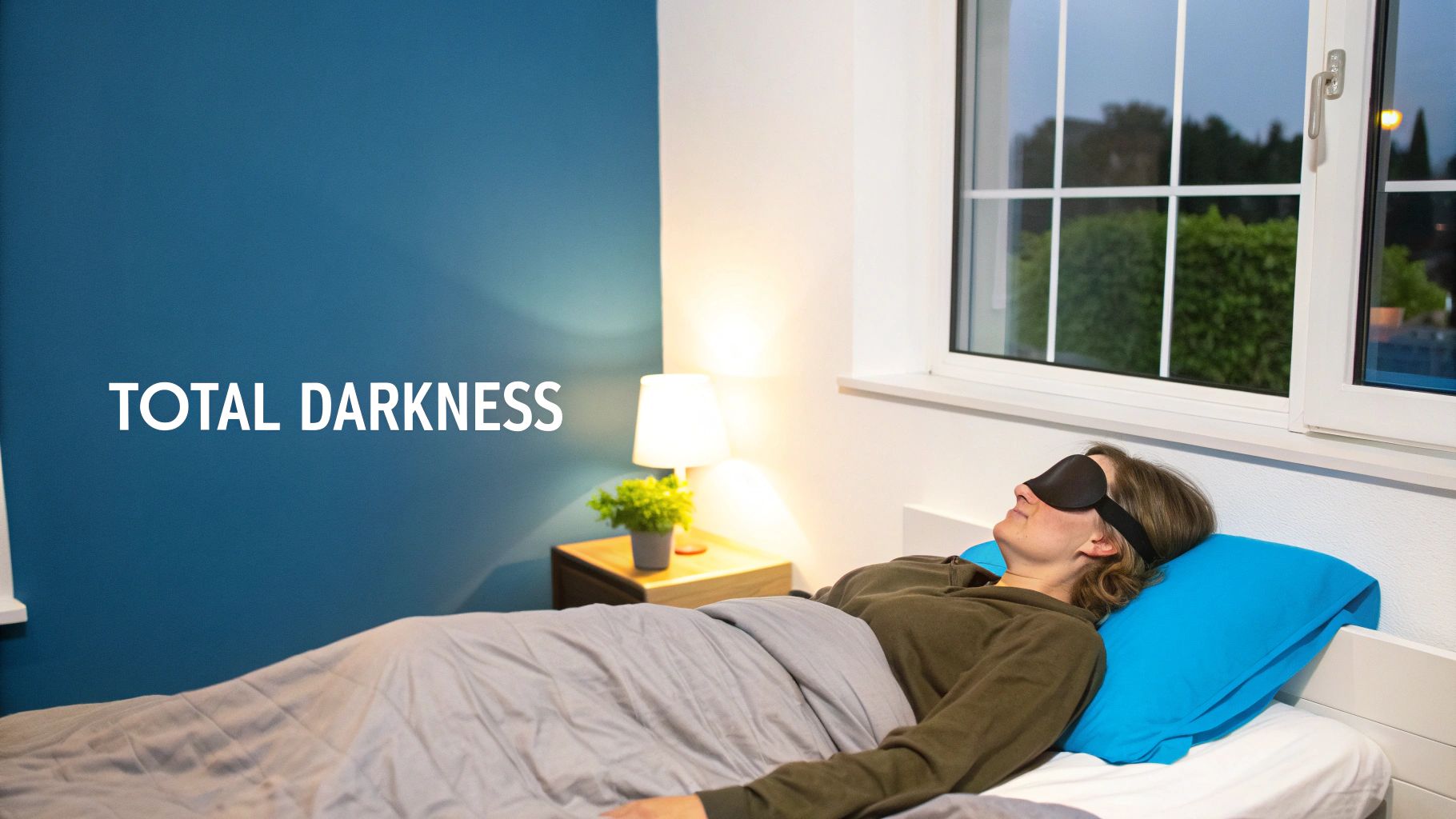
We live in a world that never truly gets dark. From the glow of streetlamps creeping through the blinds to the tiny blinking lights on our electronics, our bedrooms are filled with ambient light. This constant exposure messes with a critical biological process: melatonin production.
Your brain has a kind of light-sensitive switch. When it gets the signal that it’s dark, it starts pumping out the sleep hormone melatonin. An eye mask is your personal blackout curtain, creating an artificial night right over your eyes. This sends a loud and clear message to your brain that it’s time to power down, and the impact on your sleep quality can be huge.
The Rise of Non-Pharmaceutical Sleep Aids
The growing popularity of eye sleep masks is part of a bigger shift. More and more people are looking for sleep solutions that don't involve a prescription. With studies showing that over 25% of adults struggle with insomnia, it’s no surprise that we’re seeking out effective, drug-free ways to get better rest.
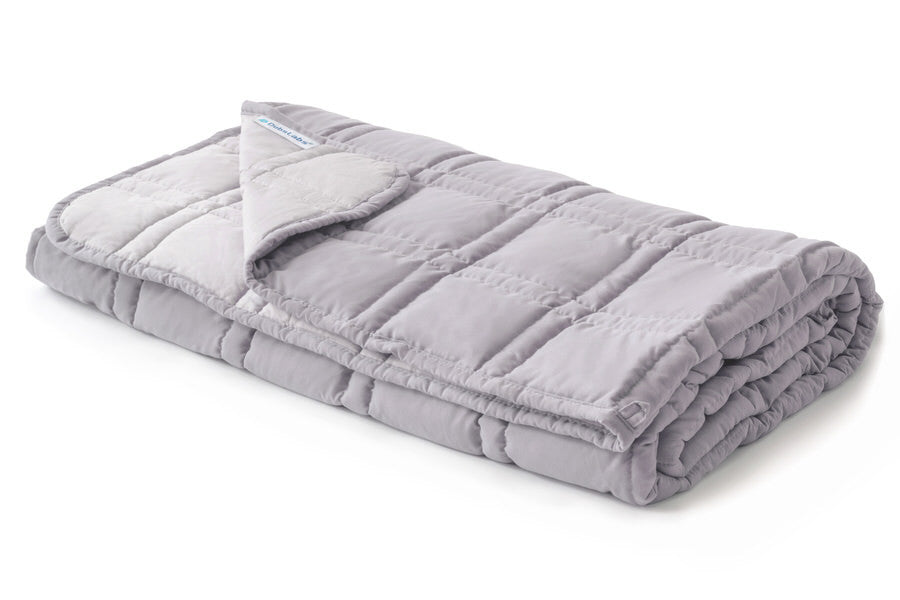
The global sleep mask market is already valued at around US$17.9–19.7 million and is expected to keep growing as people catch on. This trend isn't just about masks; it’s about embracing tools like comfortable sleep headphones and weighted blankets to take back control of our sleep.
By taking control of your immediate environment, you directly influence your body's natural sleep-wake cycle. An eye sleep mask is one of the easiest and most effective ways to manage the most disruptive element: light.
A Foundation for Better Sleep Hygiene
Think of using a sleep mask as the first, foundational step in building a truly great sleep hygiene routine. It creates a consistent, predictable sleep environment, which is exactly what your body’s internal clock needs to stay on schedule. This consistency makes it easier to fall asleep and wake up feeling genuinely refreshed.
If you really want to understand the why behind it, learning more about the profound benefits of sleeping in total darkness can be a real eye-opener.
When you pair an eye mask with other sensory tools, like comfy headphones playing calming sounds, you create a powerful little sanctuary against the world's disruptions. This one-two punch of blocking both light and sound builds a personal cocoon, setting the stage for the kind of deep, uninterrupted sleep we all deserve.
How Eye Sleep Masks Engineer a Perfect Sleep Environment
To get why eye sleep masks are so effective, you have to understand how your brain deals with light. Tucked deep inside your brain is a tiny organ called the pineal gland, and you can think of it as a light-sensitive switch. When your eyes register darkness, this gland gets the green light to start pumping out melatonin—the hormone that makes you feel sleepy and tells your body it's time to wind down.
Here's the problem: even a tiny sliver of light from under the door or the dim glow from a phone charger is enough to tell that switch, "Nope, not yet." That light exposure, no matter how small, messes with melatonin production. It can delay sleep, throw your natural sleep cycles out of whack, and stop you from getting into the deepest, most restorative stages of rest.
An eye mask does more than just block light. It creates a consistent, unmistakable signal of pure darkness. This gives your brain the clear cue it needs to fully commit to its nighttime job of resting and repairing. That makes the mask a surprisingly powerful tool for building your ideal sleep environment.
The Science of Darkness and Your Sleep Cycles
When your brain gets that message of total darkness, a few key things happen that really amp up your sleep quality. The benefits go way beyond just feeling a little less groggy in the morning.
First off, it helps you fall asleep faster. This initial period is known as sleep latency, and cutting it down means less time spent tossing and turning. By kickstarting melatonin production right away, a mask helps your body shift into sleep mode much more efficiently.
Second, it allows you to spend more time in the most important sleep stages. Total darkness promotes deeper REM (Rapid Eye Movement) sleep and slow-wave sleep. These are the phases where the magic happens—your body repairs tissues, consolidates memories, and processes emotions.
Think of your circadian rhythm as an internal orchestra conductor. Light is the baton it follows. An eye sleep mask ensures the conductor sees a clear signal for 'rest,' allowing the entire symphony of your biological functions to play in perfect harmony.
Consistent darkness also helps lock in your circadian rhythm, which is your body's internal 24-hour clock. A stable rhythm leads to more predictable energy levels throughout the day, a better mood, and improved overall health.
Tangible Benefits of a Light-Free Environment
Creating this personal blackout zone has immediate, noticeable effects. The whole point is to eliminate any light that can sneak through your eyelids, which are surprisingly thin. Here’s what you can expect:
- Deeper, Uninterrupted Sleep: By stopping ambient light from pulling you out of those deep sleep cycles, you’ll find yourself waking up far less during the night.
- Improved Sleep Hormones: Consistent darkness ensures your body releases the optimal amount of melatonin, which not only helps you sleep but also acts as an antioxidant.
- Faster Adjustment to New Time Zones: For anyone who travels, an eye mask is a non-negotiable. It helps you trick your brain into adjusting to a new schedule, taking the edge off of jet lag.
These benefits are exactly why investing in one of the best blackout sleep masks can be a small change that pays off in a big way for your health and well-being.
Of course, while a sleep mask is a game-changer for blocking light, a truly holistic approach to sleep involves a few other key players. For a broader look at other helpful tools, you can explore a wider range of sleep accessories designed to support your wellness journey. By taking control of your environment, you're directly managing one of the most critical parts of your health and turning your bedroom into a true sanctuary for rest.
How to Choose the Right Eye Sleep Mask for You
Picking out an eye mask isn't just about grabbing a color you like. It's about matching the right materials and features to your unique needs. Think of it like finding the perfect pair of shoes—what works for a marathon runner is a disaster for a ballet dancer. The ideal mask for a hot sleeper who tosses and turns all night is worlds away from what a side-sleeper who craves total darkness needs.
This guide will walk you through the most important factors, breaking down the "why" behind each choice. We’ll look at materials, unpack the key features, and give you the confidence to find a mask that feels like it was made just for you.
The world of sleep masks has exploded beyond those simple fabric shields you might be picturing. Today, they sit at the crossroads of beauty, wellness, and tech. While your standard fabric mask is still king, we're seeing huge growth in moisturizing, gel, heated, and even smart versions designed to fight puffiness and digital eye strain.
In fact, the market for moisturizing sleep masks alone is estimated at US$579 million and is only expected to get bigger. You can discover more about the growing eye mask market to see just how far these products have come.
The Foundation: Your Mask Material
The fabric your mask is made from is the first—and most critical—decision you'll make. It directly impacts comfort, breathability, and how it feels against your skin for hours on end.
- Silk: Famous for its luxurious feel, silk is incredibly gentle on the delicate skin around your eyes. It's naturally hypoallergenic and won't suck up moisture or your expensive skincare products, making it a fantastic choice if you have sensitive or dry skin.
- Cotton: If you tend to run hot at night, cotton is your new best friend. It’s super breathable and lightweight, allowing for great air circulation that keeps you from feeling stuffy or sweaty.
- Memory Foam: For anyone who prioritizes a perfect, pressure-free fit, memory foam is an unbeatable option. It actually molds to the unique contours of your face, creating a top-notch light-blocking seal without putting any pressure directly on your eyeballs.
This diagram shows the simple but powerful way a good eye mask protects your sleep.
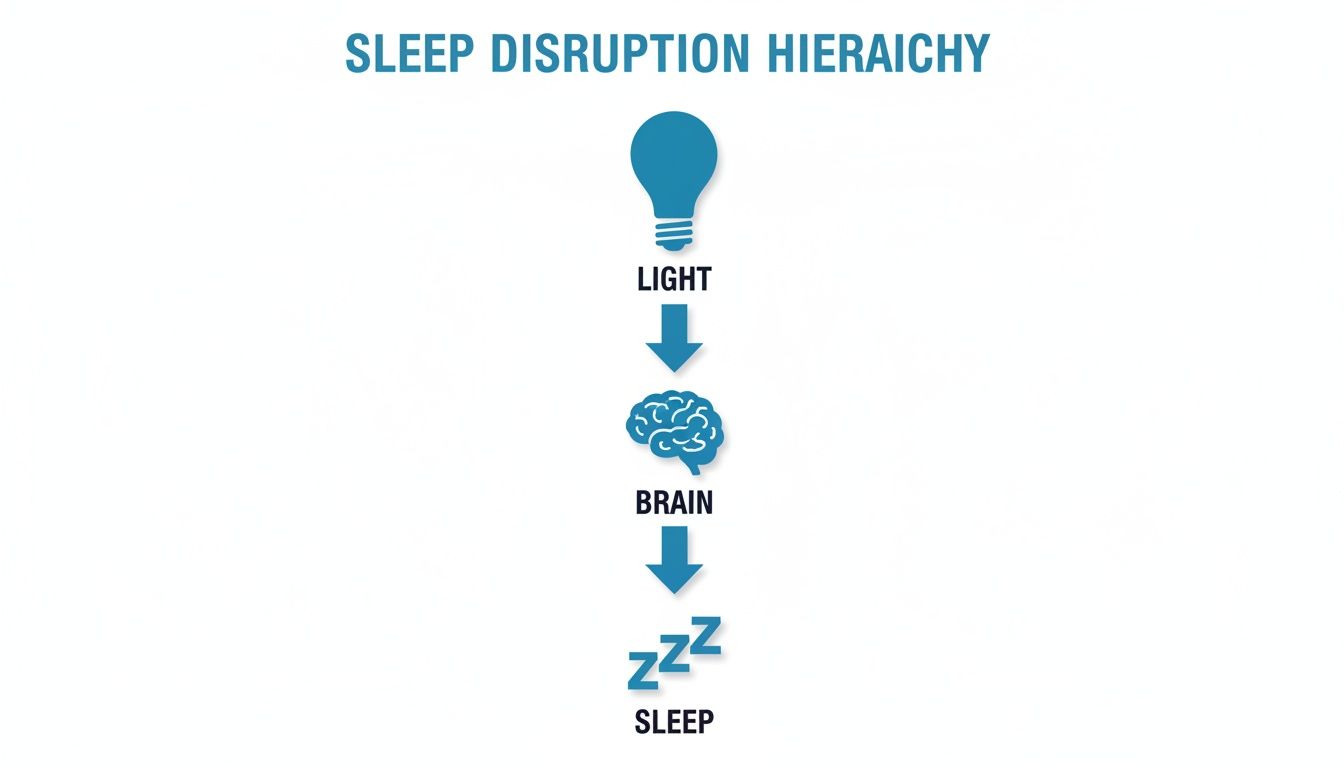
By physically blocking light, the mask simply interrupts the signal that tells your brain to stay awake, allowing your natural sleep cycles to take over.
Essential Features That Make a Difference
Beyond the fabric, a few key features are what separate a mediocre mask from a great one. These design elements determine how well the mask actually blocks light, how comfortable it feels, and whether it’ll still be on your face come morning.
A truly effective eye mask is one you forget you're even wearing. It should feel like a seamless part of your sleep routine, not some clunky accessory.
A great sleep mask doesn’t just cover your eyes; it creates a personal sanctuary. The right design should make you feel secure and comfortable, signaling to your body that it’s safe to fully relax and enter a state of deep rest.
Keep an eye out for these game-changing features:
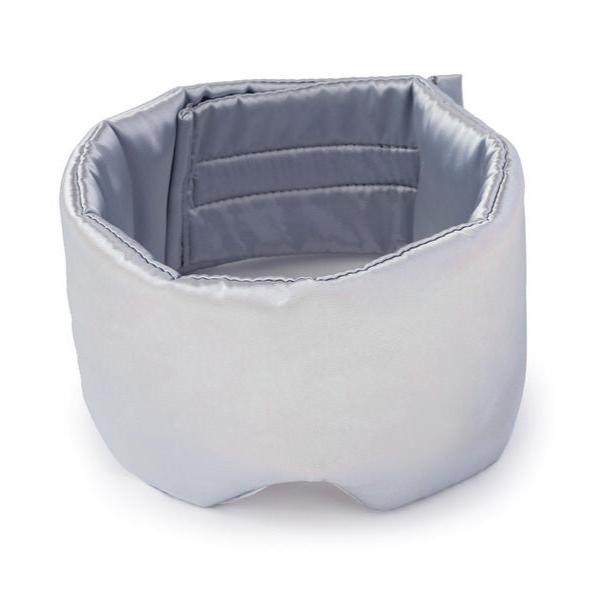
- Contoured 3D Design: This is a total non-negotiable for anyone with long eyelashes, lash extensions, or who just can't stand the feeling of pressure on their eyes. Molded eye cups create a pocket of space, letting you blink freely and making sure the fabric never actually touches your eyelids.
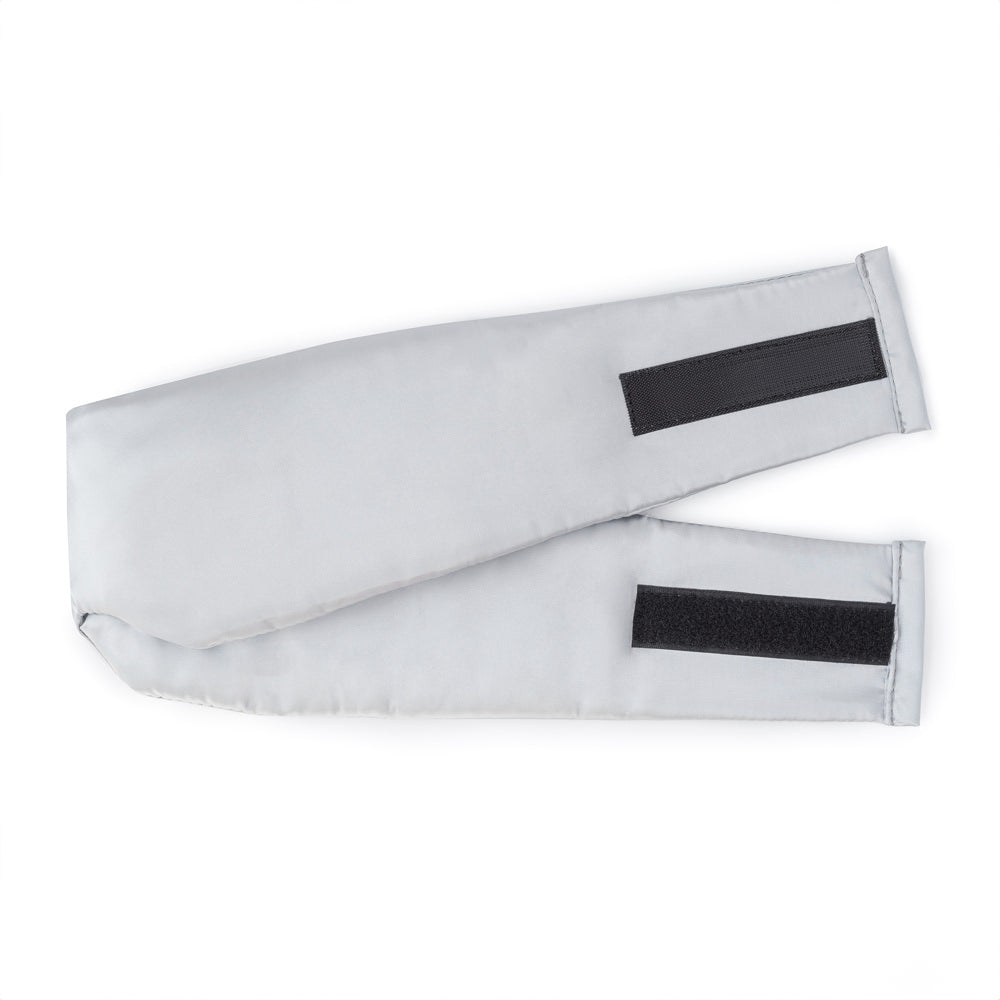
- Fully Adjustable Strap: A one-size-fits-all strap is a recipe for a headache or a mask that slips off in the middle of the night. Look for one with a smooth, adjustable slider instead of a bulky Velcro closure. This lets you customize the fit for perfect snugness without any painful pressure points.
- True Blackout Capability: An eye mask has one main job: block out light. The best designs have extra material around the nose area—often called a "nose wing" or light baffle—to stop that annoying sliver of light from leaking in from the bottom.
Putting It All Together: A Comparison
To help you nail down your choice, let's see how these materials stack up against common sleep priorities. Choosing the right one is all about balancing what matters most to you, whether that's skincare benefits, breathability, or a perfect seal against any and all light.
Here's a straightforward comparison to guide you.
Eye Sleep Mask Material Comparison
| Material | Best For | Pros | Cons |
|---|---|---|---|
| Silk | Sensitive Skin, Anti-Aging | Hypoallergenic, smooth, doesn't absorb creams | Can be less effective at total light blocking unless padded |
| Cotton | Hot Sleepers, Simplicity | Highly breathable, lightweight, easy to wash | May not conform as closely to the face as other materials |
| Memory Foam | Total Darkness, Side-Sleepers | Molds perfectly to face, excellent light seal, relieves pressure | Can be warmer than natural fibers like cotton or silk |
By weighing both the material and the key design features, you can easily narrow down the options and find an eye mask that perfectly complements your unique sleep style. This way, you're not just buying a product—you're making a real investment in consistently better rest.
Finding the Perfect Mask for Your Sleep Style
Your sleep style is as unique as you are, so your eye mask should be, too. A one-size-fits-all approach just doesn't cut it for something so personal. The best way to find your perfect match is to figure out your biggest sleep challenge and work backward from there.
Instead of getting overwhelmed by a sea of options, let's look at this from a problem-solution angle. We'll zero in on the exact features that solve specific issues, whether you're a side-sleeper fed up with bulky straps or a frequent flyer who just needs something that works on the go.
It’s no surprise that the demand for eye sleep masks is booming, especially in places where stress is high and wellness is a priority. Take North America, for instance, which makes up about 36.05% of the entire market, largely because people are more aware of sleep health than ever before. In areas with high rates of sleep disorders, you see a similar spike in interest for simple aids like masks and weighted blankets. It's a clear sign that our lifestyles directly influence the tools we need for better rest. You can dig into the full research on the growing global eye mask market to see how these trends play out worldwide.
The Side-Sleeper Solution
If you sleep on your side, you already know the struggle. A standard flat mask digs into the side of your face, putting annoying pressure on your eye. Worse, the strap buckle often lands right on your temple, creating a painful spot that's impossible to ignore.
The fix? A mask that's actually designed for your position. Look for two game-changing features:
- Molded 3D Cups: Think of these as little protective domes for your eyes. They create a pocket of space, so even with your face smashed into the pillow, there's zero pressure on your eyelids or lashes. You can even blink freely underneath.
- Slim, Adjustable Strap: A thin, low-profile strap is your best friend. Look for one with a small slider you can adjust, which is way better than a chunky Velcro closure that will inevitably dig into your head.
For side-sleepers, a memory foam mask is often the perfect fit. It gently molds to the curves of your face, blocking out light without adding any extra bulk.
The Traveler's Essential Mask
For anyone who travels often, an eye mask isn't a luxury—it's a survival tool for red-eye flights and unfamiliar hotel rooms. Your needs are totally different from someone who only uses a mask at home. You need something practical, durable, and easy to toss in a bag.
Here's what to look for:
- Lightweight and Packable: It needs to be something you can crush into your carry-on without it losing its shape.
- Easy to Clean: Travel gets grimy. A mask made from cotton or a tough synthetic blend that you can quickly hand-wash in a hotel sink is a huge win.
- Total Blackout: You have zero control over your environment when you're on the road. A mask with a nose baffle to stop light from leaking in is essential for sleeping on a bright plane or in a room with flimsy curtains.
A simple, tough, and effective mask will quickly become the most valuable thing in your travel kit.
Calming Pressure for Anxious Minds
For anyone who battles a racing mind at bedtime, falling asleep can feel like an uphill fight. In these moments, a mask can do more than just block out light—it can actively help you relax.
This is where a different kind of mask comes in handy.
A weighted eye mask uses the principle of Deep Touch Pressure, applying gentle, steady pressure to key relaxation points on your face. That subtle weight can feel like a comforting hug for your nervous system, helping to quiet those anxious thoughts and guide you toward a state of calm.
This isn't just about darkness; it's therapeutic. The gentle pressure can help stimulate the vagus nerve, which is a key player in slowing your heart rate and telling your body it's safe to rest. If this sounds like something you could benefit from, you can learn more about the benefits of a weighted eye mask in our detailed guide.
By pinpointing your main sleep challenge—whether it's your position, your location, or your state of mind—you can focus on the features that will actually make a difference and finally get the rest you deserve.
Creating Your Ultimate Sleep Sanctuary
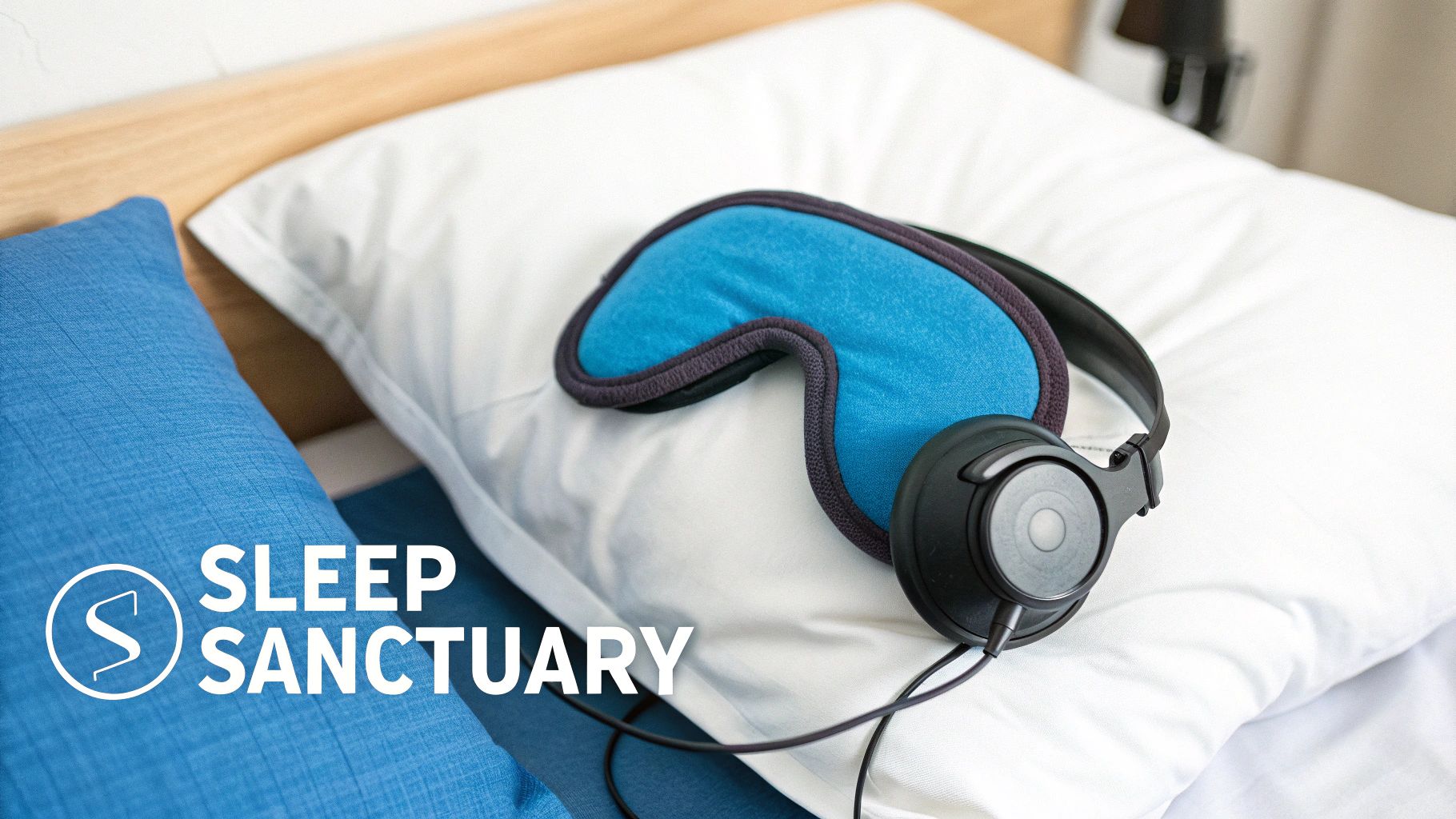
Blocking out light is a massive step toward better rest, but it only solves half of the equation. Our ears are just as sensitive as our eyes, and unexpected sounds—a car alarm, a noisy neighbor, a snoring partner—can easily pull you from the deepest stages of sleep. To truly transform your bedroom into a fortress of tranquility, you need to manage both light and sound.
This is where the magic of combining an eye sleep mask with comfortable sleep headphones comes into play. Think of it as creating a complete sensory cocoon. The mask provides the total darkness your brain needs to produce melatonin, while the headphones layer on a blanket of soothing sound to drown out any jarring disruptions.
This one-two punch is a game-changer for light sleepers and anyone living in a noisy environment.
The Synergy of Blocking Light and Sound
When you pair these two tools, you're not just adding accessories; you're building an integrated sleep system. The goal is to create an environment so consistent and predictable that your brain has no choice but to relax and disengage from the outside world.
This combination is especially powerful for people who rely on audio to unwind. Whether you use guided meditations to quiet a busy mind, listen to audiobooks, or use white noise to mask distracting sounds, wearing headphones with a sleep mask makes the experience that much more immersive. The total darkness from the mask deepens your focus on the audio, helping you drift off faster.
Your sleep sanctuary is a space where external stimuli are minimized, allowing your internal biological rhythms to take over completely. By controlling both light and sound, you give your body the clearest possible signal that it is time for deep, restorative rest.
While eye masks are a huge piece of the puzzle, cultivating a healthy sleep environment goes beyond just what you wear. You can find comprehensive tips for creating a healthy sleep environment and practicing good sleep hygiene to support your entire nightly routine.
Finding a Comfortable Combination
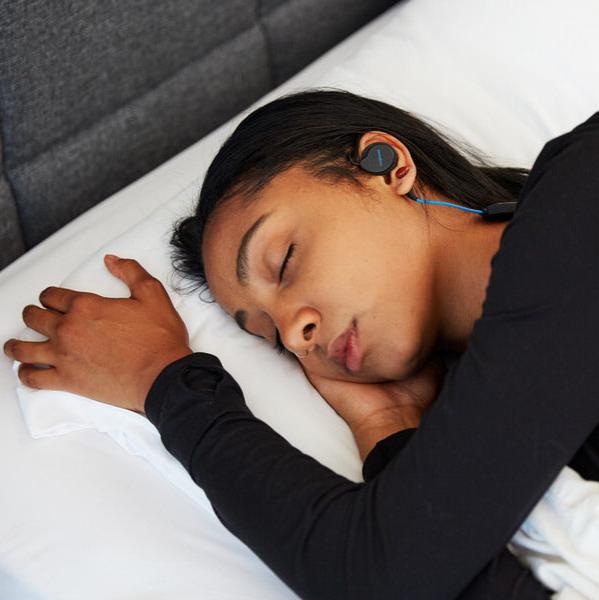
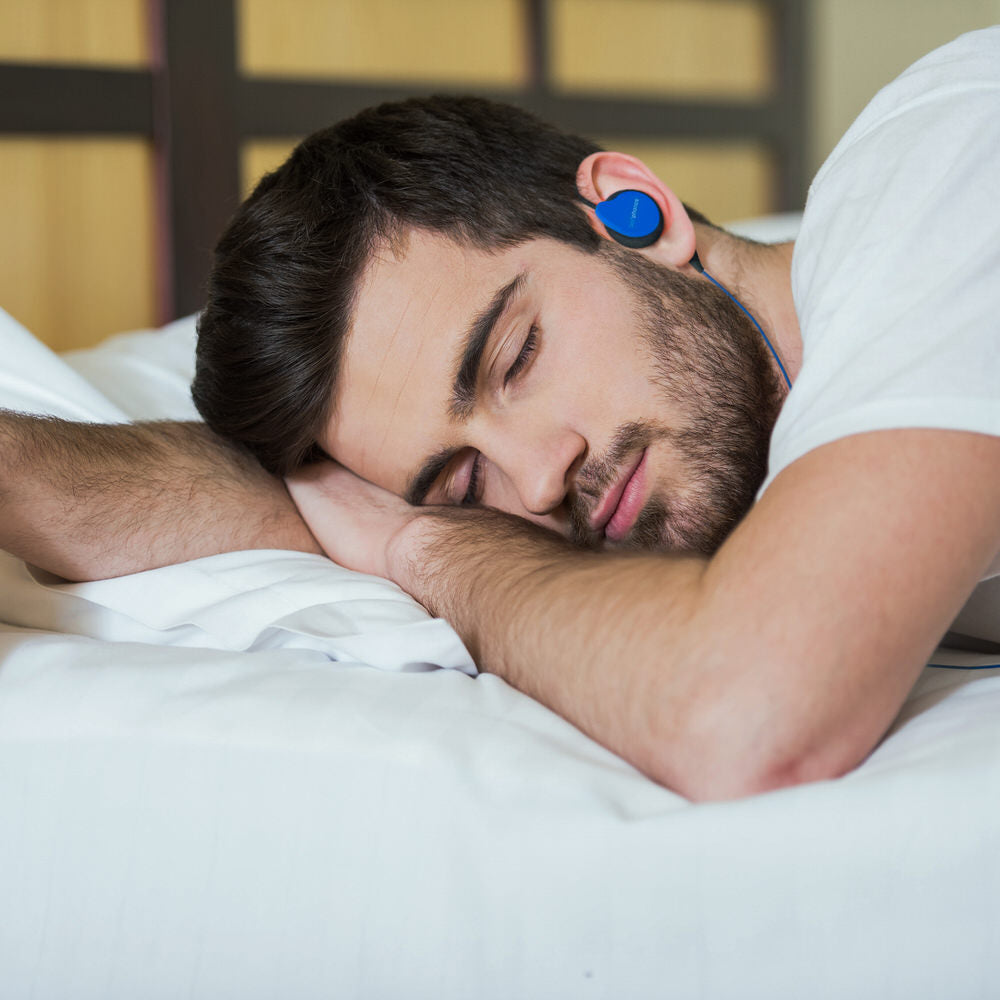
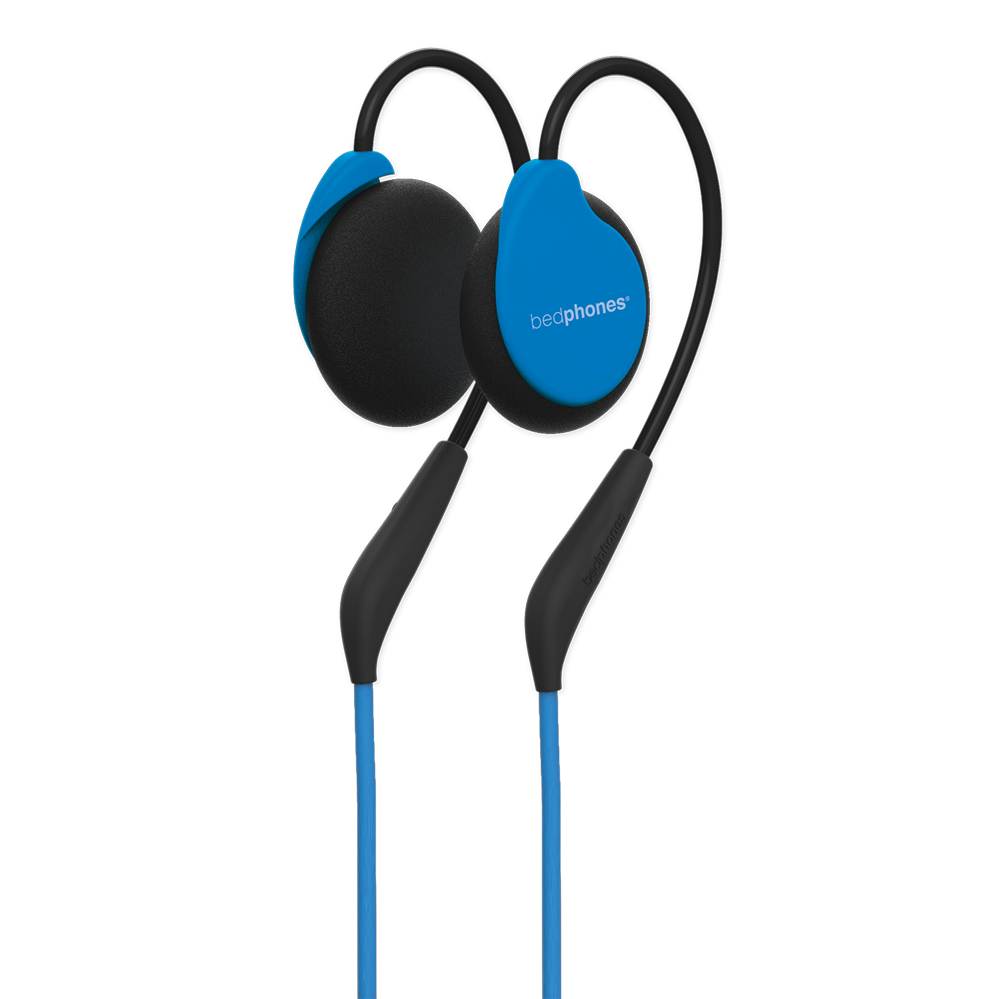
The biggest challenge is often a practical one: how do you wear a mask and headphones together without it feeling bulky or just plain awkward? The key is choosing the right kind of headphones. Traditional earbuds can become painful when pressed into your ear by a pillow, and bulky over-ear models are pretty much impossible for side-sleepers.
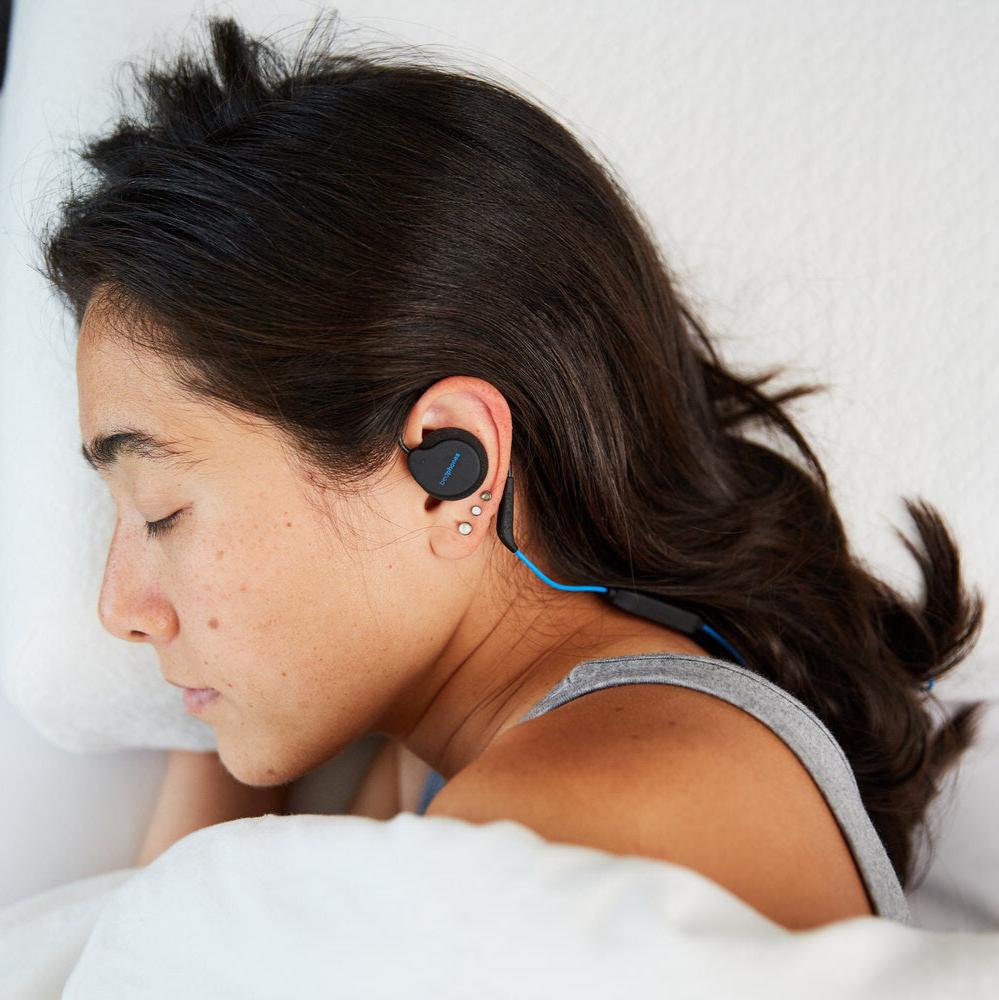
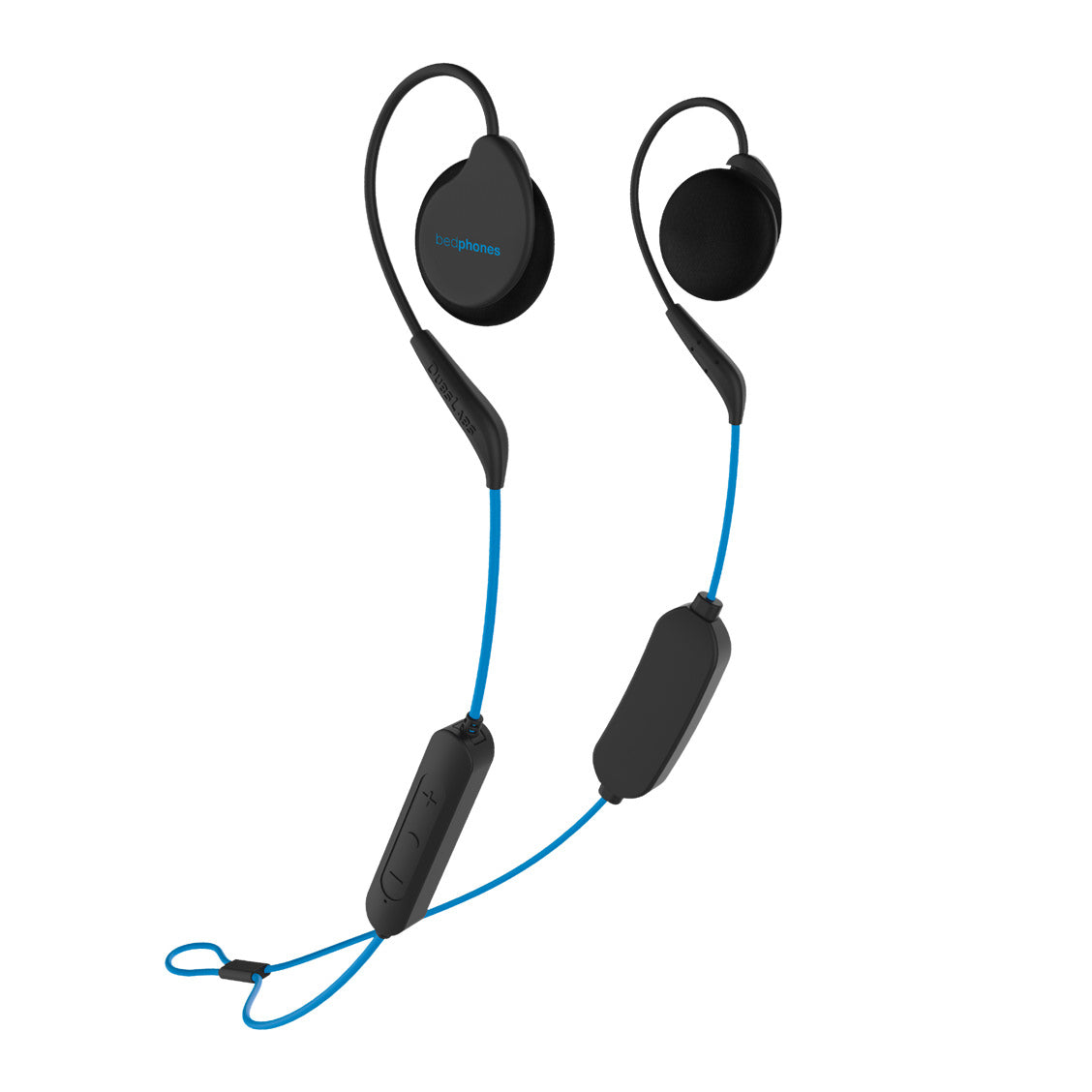
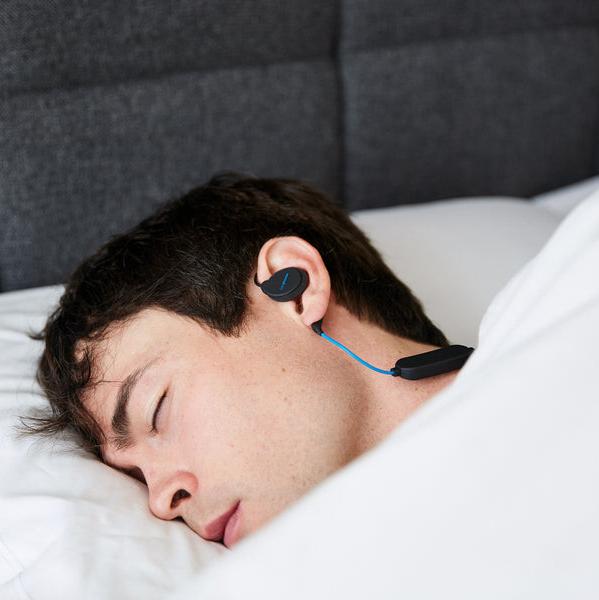
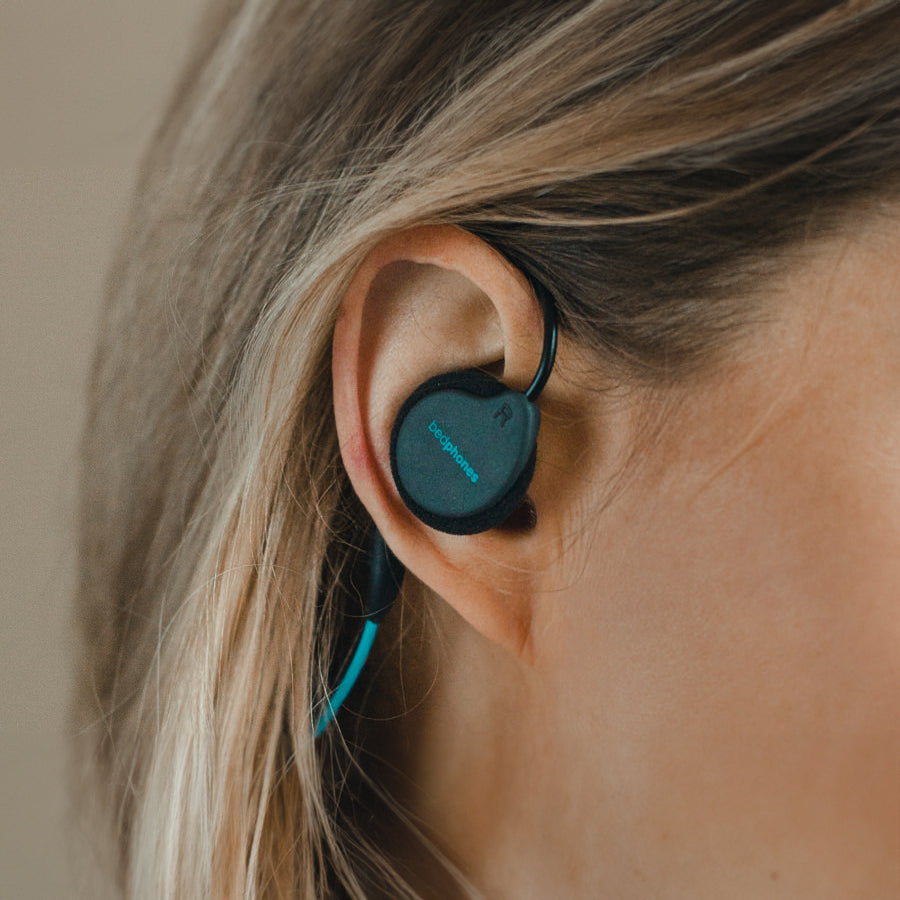
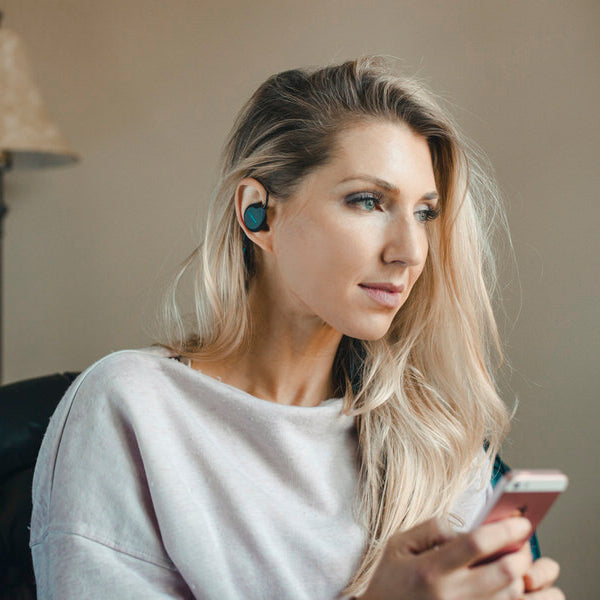
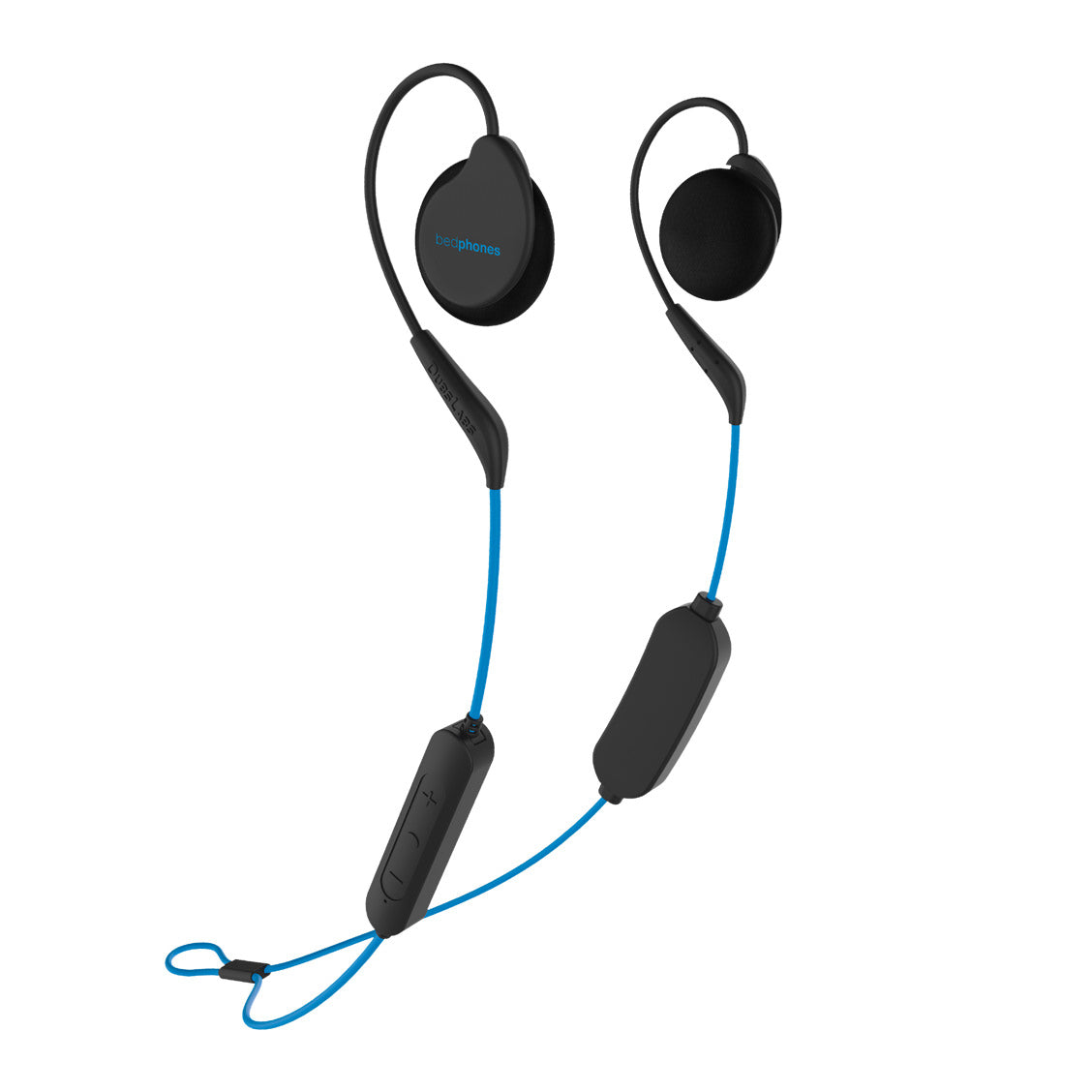
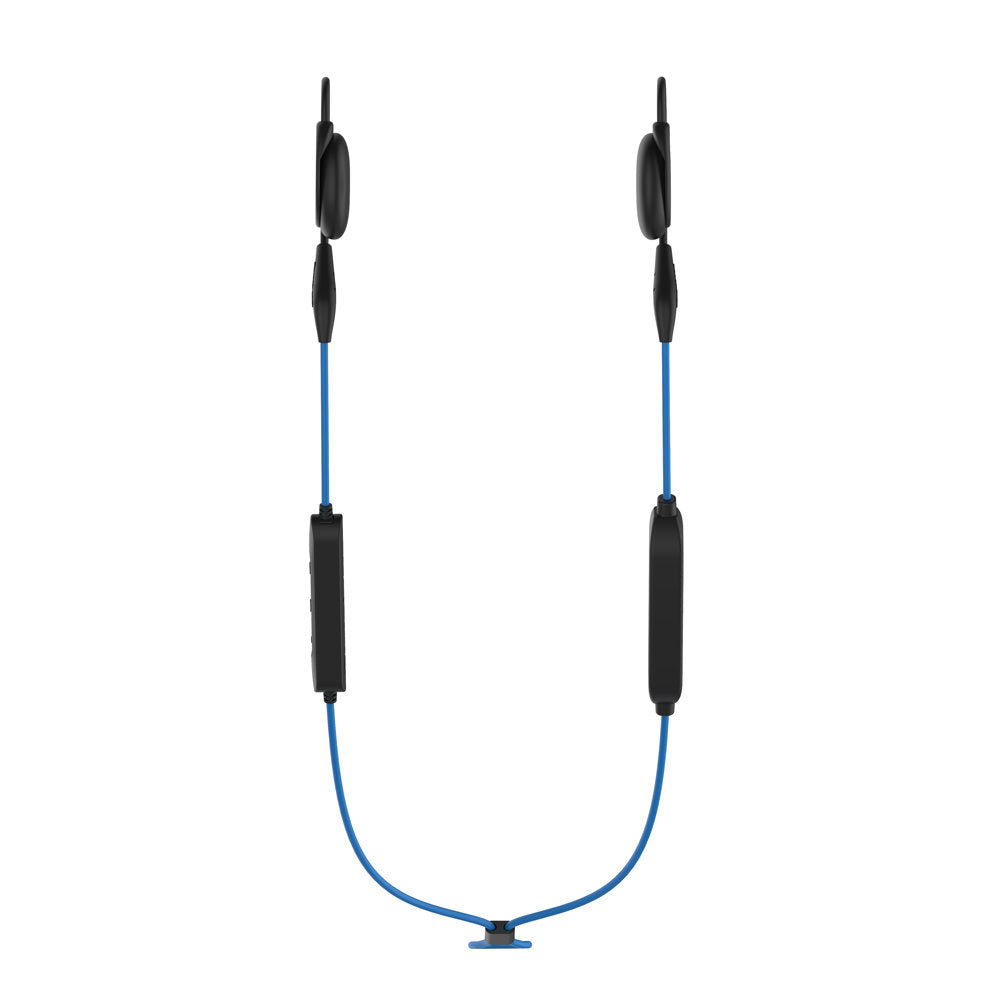
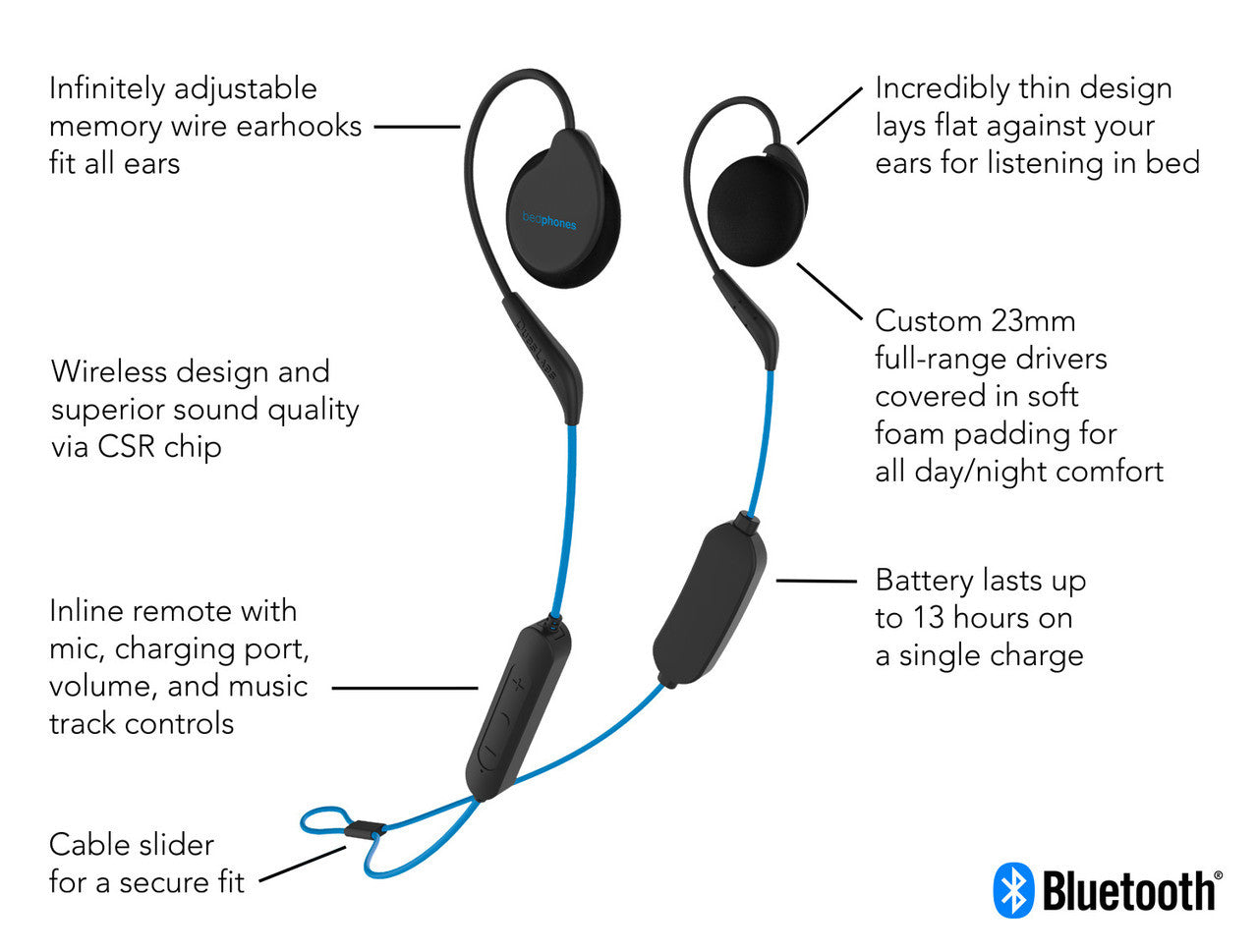
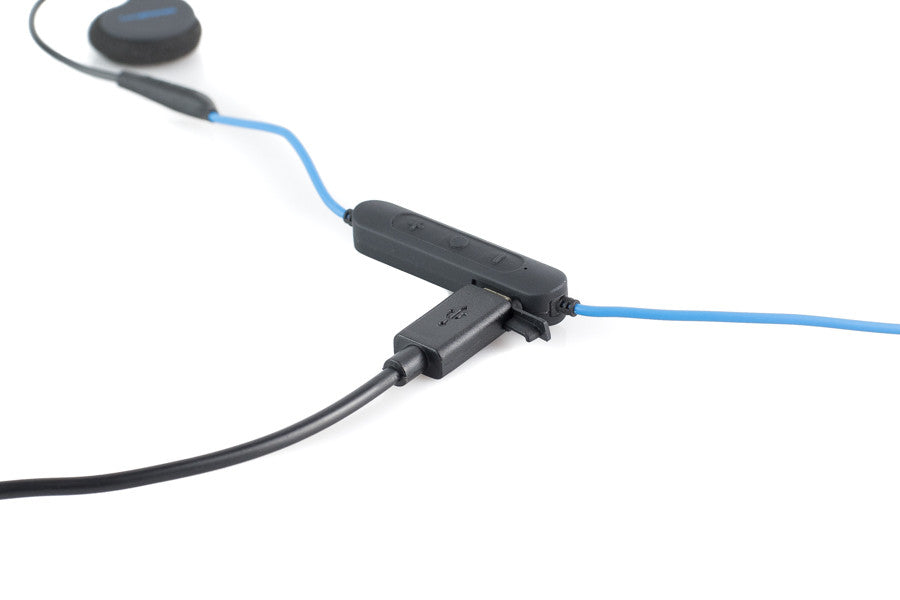
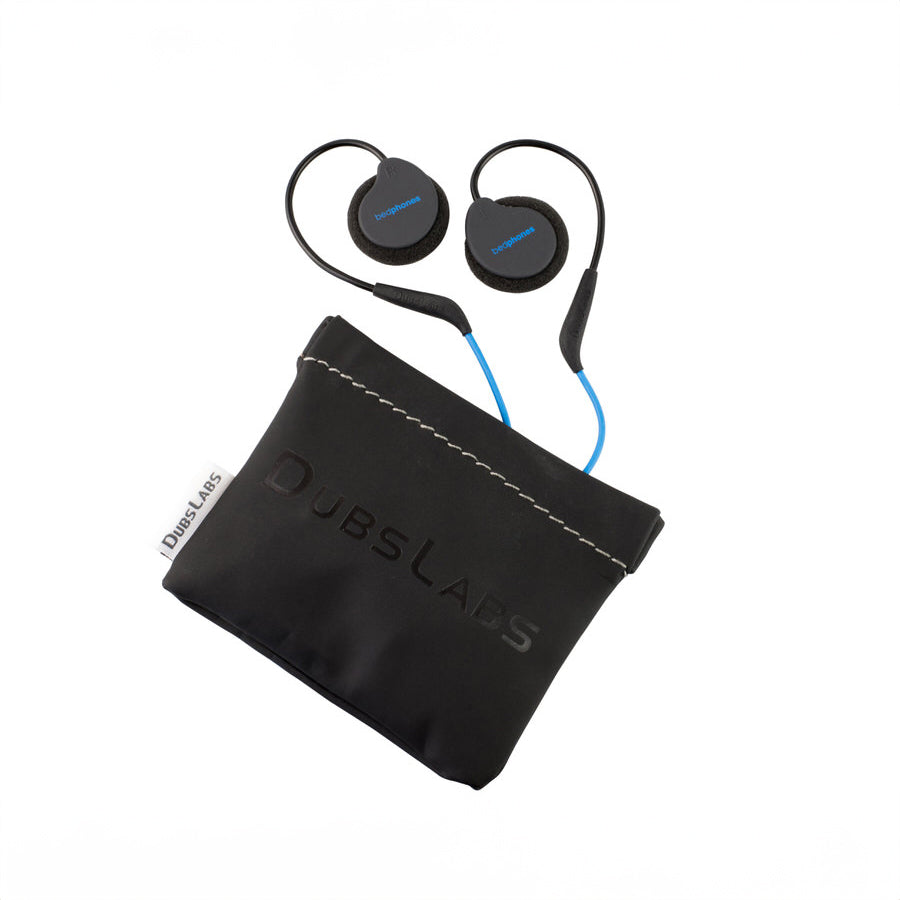
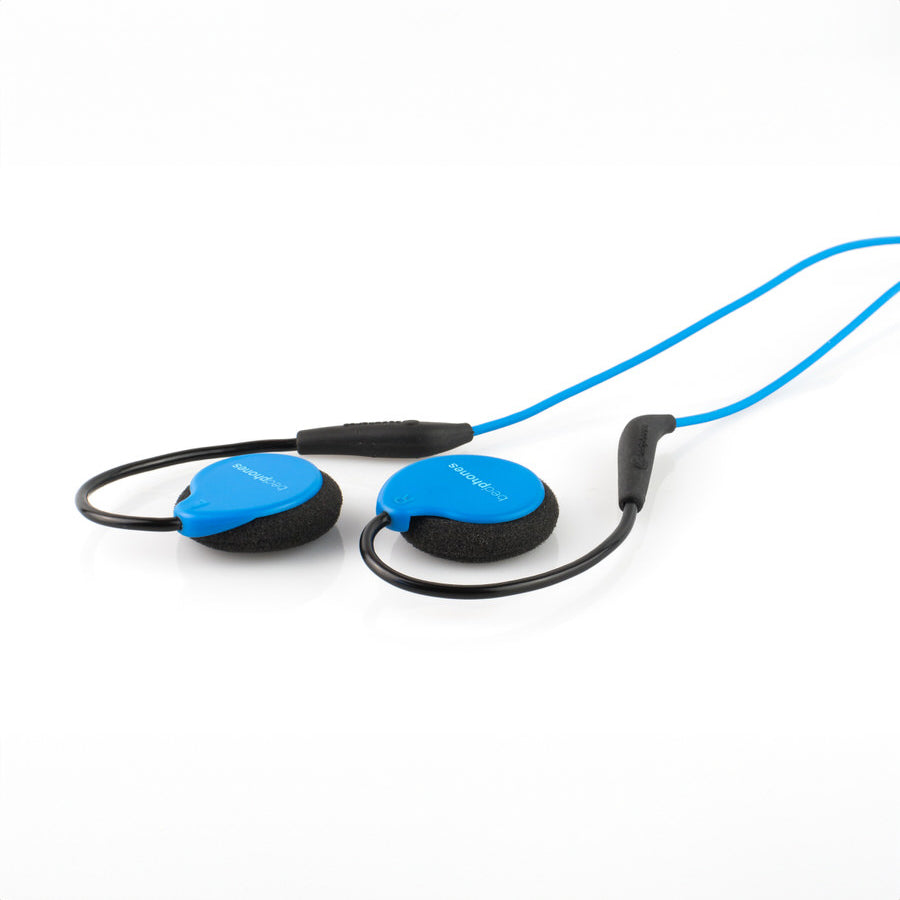
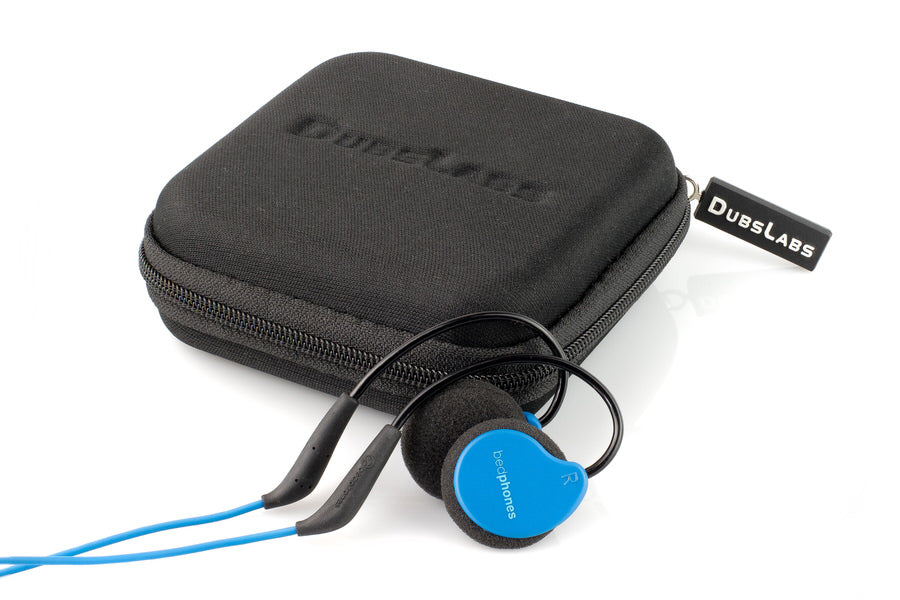
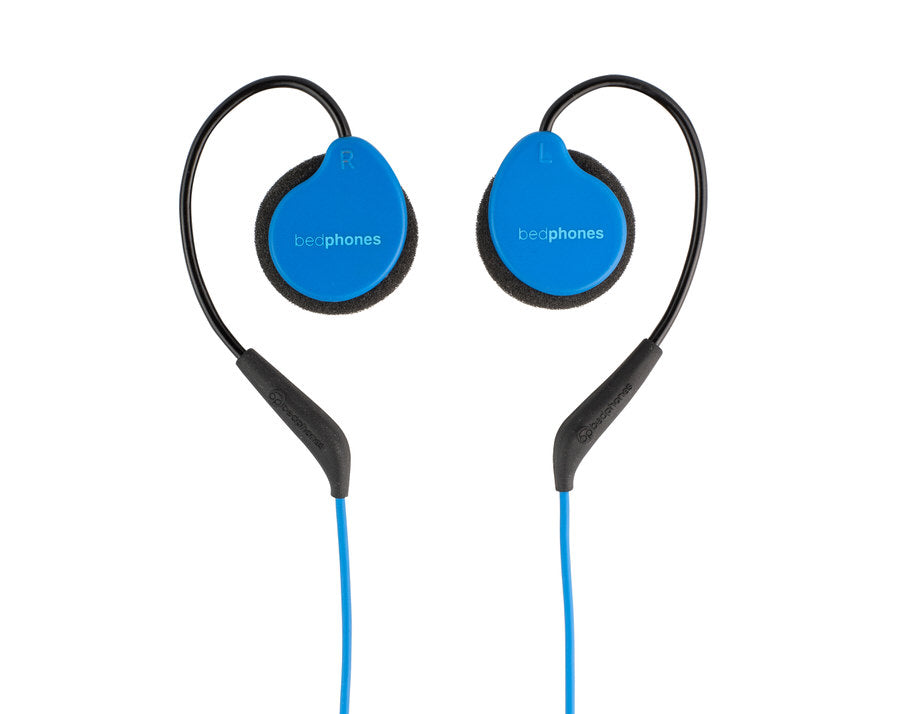
This is precisely why ultra-slim, on-ear headphones like Bedphones are the perfect partner for an eye sleep mask. Their incredibly thin design is engineered specifically for sleep. Here’s how to make the combination work seamlessly:
- Headphones First: Put your Bedphones on first and adjust them so the slim earpieces sit comfortably over your ears.
- Mask Over the Strap: Next, place your eye sleep mask over your eyes, positioning its strap so it rests either just above or just below the headphone wire or band.
- Final Adjustments: Make small tweaks to both the mask and headphones until you find a fit that feels secure but completely pressure-free.
Because Bedphones are so thin, the mask's strap can typically pass right over them without creating those uncomfortable pressure points. This setup allows you to enjoy perfect darkness and private audio, finally giving you complete control over your sleep sanctuary.
How to Care for Your Eye Sleep Mask
Think of your eye mask like you think of your pillowcase. It sits right up against your skin all night, soaking up natural oils, dead skin cells, and bacteria. A quality mask is a long-term investment in your sleep, but it needs a little TLC to stay fresh, effective, and hygienic.
Regular cleaning doesn't just keep things sanitary; it also helps the mask keep its shape and feel, making sure it delivers that perfect blackout experience for a long, long time. If you skip this step, you're not only risking skin irritation but also shortening your mask's lifespan.
Cleaning Your Eye Sleep Mask
How you wash your mask comes down to one thing: what it's made of. The first place to look is always the manufacturer's care tag. If that's gone missing, these guidelines are your best bet.
- Silk and Memory Foam: These materials are delicate and need a gentle touch. Hand-washing is the only way to go. Fill a small basin with cool water and add just a drop of a pH-neutral detergent (the kind you'd use for silk or wool). Let the mask soak for a few minutes, give it a gentle swirl, and then rinse it completely with more cool water.
- Cotton and Synthetics: Good news—most cotton and synthetic masks are tough enough for the washing machine. Just pop it into a mesh laundry bag to keep it from getting snagged, and run it on a gentle cycle with cold water and a mild detergent.
Whatever you do, never, ever put your eye mask in the dryer. The intense heat is the enemy of delicate materials. It can wreck silk fibers, permanently warp memory foam, and destroy the elastic in the strap.
So, how do you dry it? Gently press out the extra water between your palms—no twisting or wringing!—and lay it flat on a clean towel to air dry. Keep it out of direct sunlight, which can cause fading and damage.
Storing and Replacing Your Mask
Where you keep your mask during the day actually matters. If you've got a contoured 3D mask, the last thing you want to do is crush it in a crowded drawer, which can ruin its shape. The best practice is to store it flat or, even better, in the little protective pouch it probably came with.
Even the best-cared-for mask won't last forever. As a rule of thumb, plan on replacing yours every 6 to 12 months. You'll know it's time for a new one when the elastic strap gets saggy, the fabric starts to look thin, or it just isn't blocking out the light like it used to.
Got Questions About Sleep Masks? We Have Answers.
Thinking about making a sleep mask part of your nightly wind-down? It’s natural to have a few questions. We get it. You want to know if they’re safe, if they’ll mess with your eyelashes, or if you can even find one that works for a side-sleeper.
Let's cut through the noise and get straight to the facts. Here are the answers to the most common questions we hear.
Can I Wear an Eye Sleep Mask Every Night?
Absolutely. Not only is it perfectly safe to wear an eye sleep mask every night, but it can actually supercharge your sleep routine. When you use a mask consistently, you're building a powerful cue for your brain. It starts to see the mask and think, "Ah, it's time for sleep," which can genuinely help you doze off faster.
The real key to nightly use is choosing a mask that’s both safe and comfortable. Look for one made from a breathable, hypoallergenic material like silk or cotton to keep your skin happy. You'll also want to make sure the strap is adjusted just right—snug enough to stay put, but never tight. Too much pressure is the last thing you want.
One thing to remember for long-term use is hygiene. Just like your pillowcase, your mask is right up against your skin. It collects oils and skin cells, so you’ve got to wash it regularly to keep things fresh and avoid any irritation.
Will a Sleep Mask Mess Up My Eyelashes?
This is a huge one, especially if you have eyelash extensions or just can't stand the feeling of your lashes getting squished. A standard, flat mask can definitely flatten or bend your lashes, which is annoying at best. But don't worry, there's a brilliant solution for this.
Meet the contoured 3D eye sleep mask. These masks are game-changers. They have little molded cups that create a protective dome over each eye, so the fabric never even touches your eyelids or lashes. You can blink freely underneath them, making them the perfect choice for keeping your lashes pristine and your comfort absolute.
Are Weighted Eye Sleep Masks Effective for Anxiety?
For many people, the answer is a resounding yes. Weighted eye masks can be an incredible tool for calming anxiety and quieting a racing mind before bed. They work on the same principle as those popular weighted blankets, using a concept called Deep Touch Pressure (DTP).
This gentle, constant pressure around your eyes and across your forehead helps activate your parasympathetic nervous system—the part responsible for your body's "rest and digest" mode. It's like a gentle hug for your face, signaling your body that it's safe to relax. It can make a huge difference if you struggle to switch off at night. For the best effect, look for a mask with microbead filling that spreads the weight out evenly.
How Do I Find a Mask for a Side Sleeper?
Side-sleepers, we see you. The struggle is real. The wrong mask will dig into your temple, slide off your face, or just become a major source of frustration halfway through the night.
To avoid all that, here are two features you absolutely need to look for:
- A Contoured 3D Shape: That molded cup design isn't just for lashes! It also prevents the mask from pressing into the eye that's smooshed against the pillow. This is the single biggest fix for pressure-point pain for side-sleepers.
- A Slim, Low-Profile Strap: The strap is just as critical as the mask. You want something thin with a flat slider for adjustments. Steer clear of bulky Velcro closures that create a painful lump right where you're trying to rest your head.
Memory foam masks are also a fantastic option here, as the material gently molds to the shape of your face, giving you a perfect blackout seal without adding any uncomfortable bulk.
At DubsLabs, we know that taking control of your sleep environment is the secret to truly restorative rest. Our total dark sleep masks are built for complete blackout comfort, helping you unlock the deep sleep you deserve. Explore our collection of sleep solutions at DubsLabs and start your journey to a better night.