Of course. Here is the rewritten section, designed to sound completely human-written and natural, following all the provided requirements.
Yes, weighted blankets can be a game-changer for sleep. The magic isn't just in your head; it's a science-backed concept called Deep Pressure Stimulation (DPS). It all boils down to using gentle, consistent pressure to tell your nervous system it's safe to power down and relax.
Think of it as a simple, drug-free way to get your mind and body ready for a night of genuinely restorative rest.
How Pressure Calms an Anxious Mind
Remember the feeling of a great hug after a long, stressful day? That secure, grounded sensation is exactly what a weighted blanket is designed to replicate. But that calming effect isn't just a cozy feeling—it's a real physiological response triggered by that steady, gentle pressure.
This pressure acts as a signal to your brain, helping it switch gears from its high-alert, "fight or flight" mode (the sympathetic nervous system) to its calm, restful state—the "rest and digest" mode (the parasympathetic nervous system).
The Brain Chemistry Behind the Calm
When that switch flips, your body's chemistry actually starts to change, creating the perfect internal environment for sleep. The gentle pressure nudges your brain to release key chemicals that are all about mood and relaxation.
- Serotonin: Often called the "happy chemical," serotonin is crucial for feeling calm, content, and stable.
- Dopamine: This neurotransmitter is linked to pleasure and reward, adding to an overall sense of well-being.
- Cortisol: At the same time, the production of cortisol—the body's main stress hormone—is dialed down. High cortisol levels at night are a notorious culprit behind restlessness and insomnia.
By boosting calming chemicals while reining in stress hormones, a weighted blanket acts like a natural dimmer switch for your brain. It turns down the mental chatter and physical tension that so often keep you staring at the ceiling, clearing the path for sleep to finally arrive.
This is why so many people have found weighted blankets to be an incredibly effective tool for tackling common sleep problems. For many, they offer a natural alternative that works well alongside other strategies, like understanding the causes of insomnia and how to address them.
The physical sensation of security can be especially powerful if you're dealing with racing thoughts. If you want to dive deeper, you can explore our guide on how deep pressure therapy helps with anxiety.
Weighted Blanket Benefits at a Glance
To give you a quick snapshot, here’s a breakdown of the key benefits you can expect from using a weighted blanket, based on both scientific evidence and user experiences.
| Benefit Category | How It Helps Your Sleep | Key Outcome |
|---|---|---|
| Nervous System Regulation | Activates the parasympathetic nervous system. | Reduces feelings of anxiety and hyperarousal. |
| Hormonal Balance | Lowers cortisol (stress hormone) levels. | Promotes a calmer state before and during sleep. |
| Neurotransmitter Production | Boosts serotonin and dopamine. | Improves mood and creates a sense of well-being. |
| Physical Sensation | Provides a grounding, secure feeling. | Eases restlessness and tossing and turning. |
This table neatly summarizes how that gentle, consistent pressure translates into real, tangible improvements for your nightly rest.
What the Science Says About Better Sleep
And this isn't just anecdotal. The benefits are backed by solid research. For example, a pilot randomized clinical trial from the National Institutes of Health showed a major improvement in sleep quality for those using weighted blankets.
Participants saw their sleep quality scores improve by more than double compared to the control group. They fell asleep faster and woke up less during the night. You can read the full study about these compelling sleep quality findings for yourself. This kind of evidence confirms that the comforting pressure isn't just a placebo—it leads to measurable, real-world improvements in how well you sleep.
The Science of Weighted Blankets and Better Sleep
That cozy, secure feeling you get from a weighted blanket is one thing, but does it actually lead to objectively better sleep? The answer, it turns out, is in the data. When we move past subjective comfort and start tracking real metrics—like how long it takes to fall asleep or how often you wake up—the science shows these blankets are more than just a passing wellness trend.
To really get to the bottom of it, we need to see how sleep experts measure what a "good night's rest" even looks like.
Measuring Real Sleep Improvements
One of the most reliable ways to track sleep is with actigraphy. It sounds technical, but it’s pretty simple: a small, wristband-like device monitors your movement all night long. This gives researchers clean, objective data on your sleep patterns, free from the fuzzy memories and biases that come with just asking someone how they slept.
Actigraphy tells us exactly how much you're tossing and turning, how long you're truly asleep, and how fragmented your rest really is. It shifts the question from "did you feel like you slept better?" to "did you actually sleep better?" And the results are pretty compelling.
A field study in the journal Sleep used this exact technology and found some impressive objective improvements. For people using weighted blankets, the data showed:
- A 7% improvement in Wake After Sleep Onset (that’s the time you spend awake after you’ve already fallen asleep).
- A 2% decrease in light, less-restorative sleep.
- A 1.5% rise in overall sleep efficiency.
You can dive into the objective sleep study findings yourself to see the numbers.
While these percentages might seem small, in sleep science, they represent a significant leap forward. It's the measurable difference between a choppy night and a solid, restorative one.
Translating Data Into a Better Morning
Objective data is fantastic, but how you feel when you wake up is the ultimate test, right? The same study also tracked people's personal experiences, and the results were even more dramatic. Users reported:
- Falling asleep 13% faster than without the blanket.
- Rating their sleep quality as 14% better overall.
- Feeling 17% more rested and refreshed in the morning.
- A huge 36% improvement in sleeping through the night without waking up.
When you put the hard data next to how people felt, a clear picture emerges. The gentle pressure doesn’t just feel nice—it actively helps your body find and maintain a more efficient sleep state, leading to a genuinely better morning. It’s a powerful reminder of the deep connection between good sleep and its impact on overall health.
This infographic sums up how a calmer mind, deeper sleep, and a better mood all tie together.
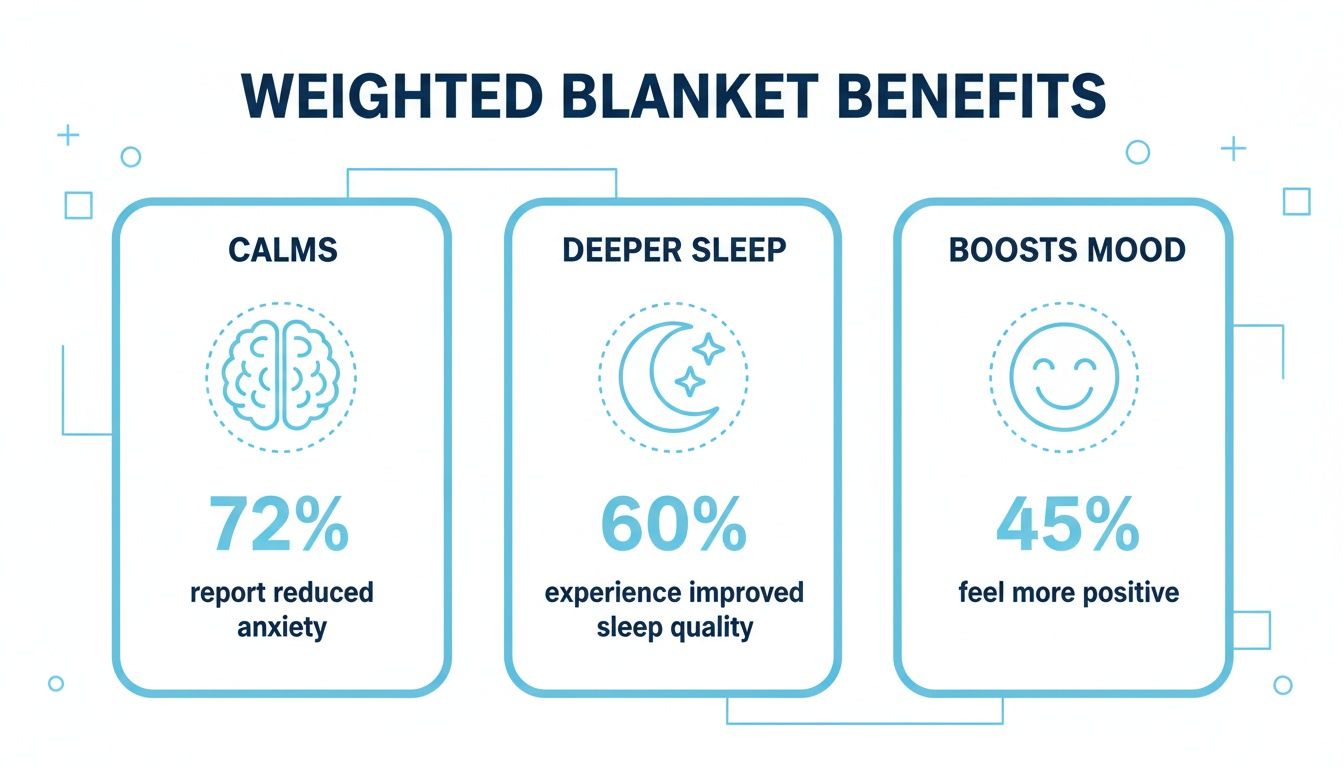
It’s a powerful cycle: a calmer mind leads to better sleep, and better sleep improves your mood the next day.
How Deep Pressure Changes Your Sleep Cycle
So, how does this all work? It comes back to how that gentle, constant pressure speaks to your nervous system. By sending signals of safety and calm, the blanket helps quiet the restlessness and micro-awakenings that chop your sleep into little, unsatisfying pieces.
Think of your sleep cycle as a journey through different stages, from light sleep down into deep sleep and REM. Stress, tossing, and turning can constantly yank you back from those deeper, more restorative stages into light sleep.
A weighted blanket acts like a gentle anchor. That continuous, grounding sensation discourages all that tossing and turning, helping your body stay put in the deeper stages of sleep for longer. The end result is less time spent in flimsy light sleep and more time in the phases that actually restore your body and mind, which is exactly why you wake up feeling so much better.
Finding the Perfect Weighted Blanket for You
So, you're ready to see what all the fuss is about. Great! But with so many options out there, picking the right weighted blanket can feel a little daunting. Don't worry, it's actually much simpler than it looks. The trick is to focus on a few key details that make all the difference in comfort and effectiveness.
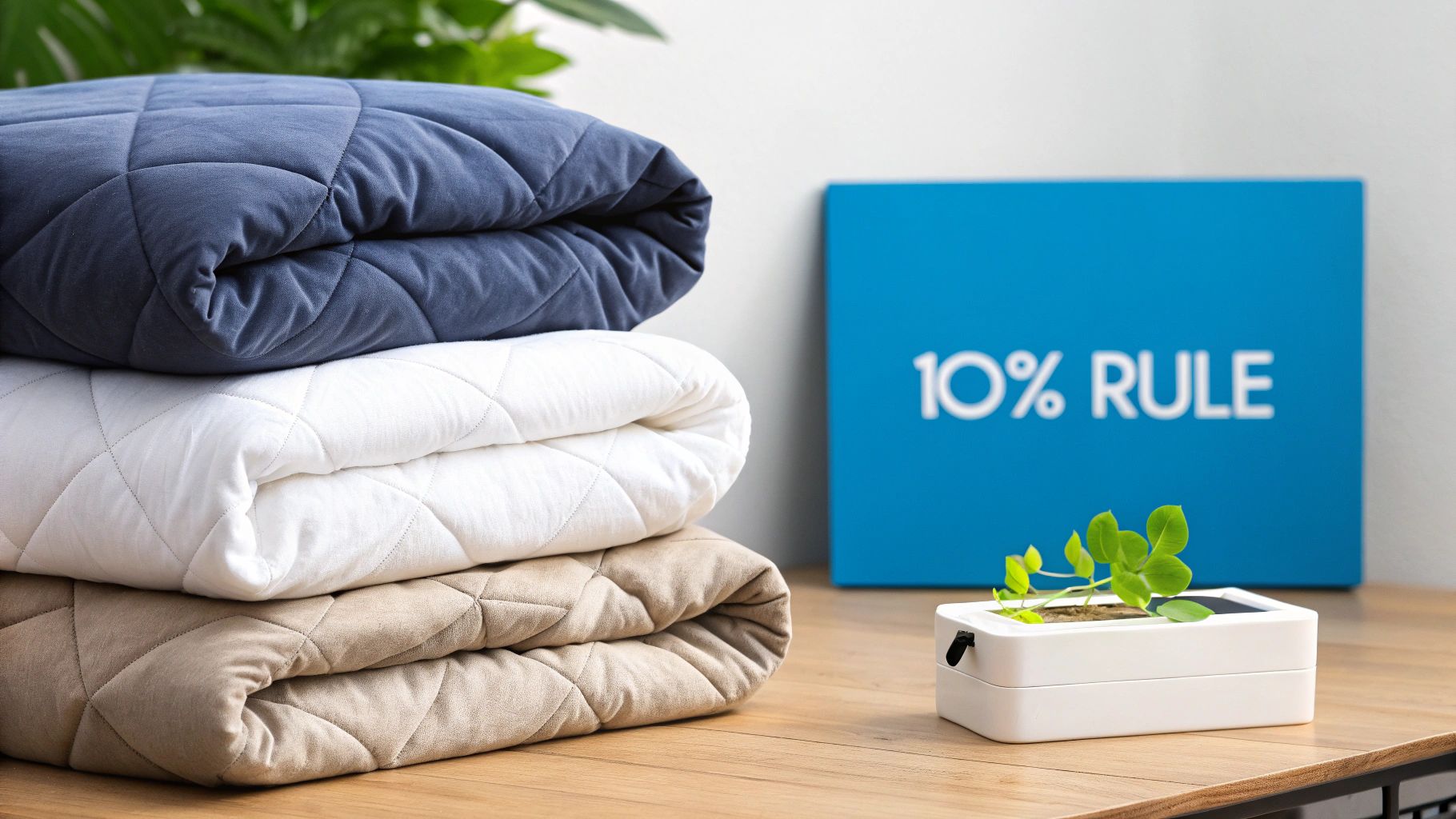
The best place to start is with the 10% rule. This is the tried-and-true guideline in the weighted blanket world, and for good reason. It suggests choosing a blanket that's about 10% of your body weight. This ratio seems to be the sweet spot for delivering that calming Deep Pressure Stimulation without making you feel trapped.
For example, if you weigh 150 pounds, you'd start by looking at a 15-pound blanket. Someone who weighs 200 pounds would aim for a 20-pound one. It’s a fantastic starting point, but everyone's preference is a little different. For a deeper dive, our guide on what weight weighted blanket you should get can help you zero in on the perfect number.
Choosing Your Fabric and Filler
Once you've got a target weight, the next thing to think about is what the blanket is actually made of. This is just as important as the weight itself. The outer fabric affects how it feels against your skin and whether you stay cool or get too warm, while the inside filler is what gives the blanket its heft.
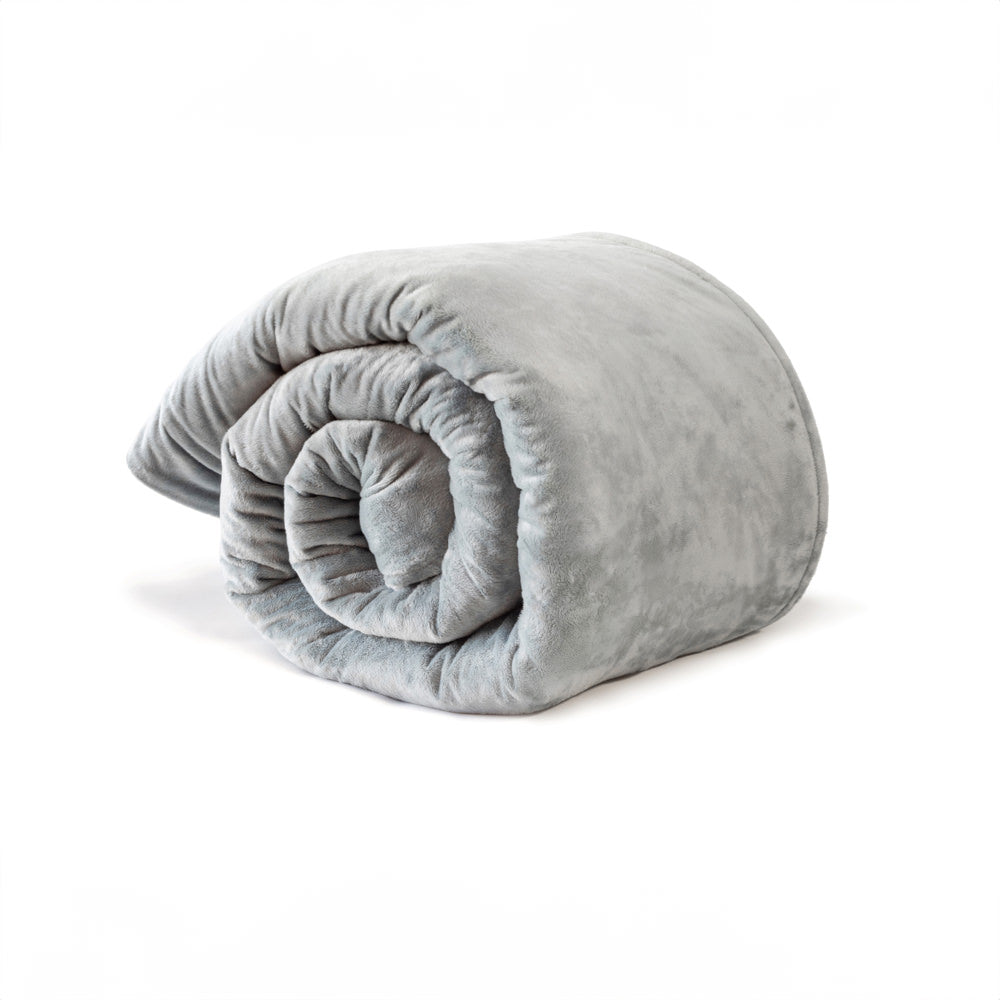
If you're a hot sleeper, breathable fabrics are your best friend. Materials like cotton or bamboo are brilliant because they let air circulate, keeping you from overheating. But if you’re always cold and crave that extra-snuggly feeling, a plush minky fabric will give you that softness and warmth you're looking for.
Then there’s the stuff on the inside. Most modern blankets use one of two types of filler:
- Glass Beads: These are tiny, almost like grains of sand. They’re dense, quiet, and distribute weight smoothly without adding a lot of bulk.
- Plastic Pellets: These are a more budget-friendly option. They're a bit larger than glass beads and can sometimes make a slight rustling sound when you move.
To help you decide, here's a quick comparison of the most common materials you'll come across.
Choosing Your Weighted Blanket Material
| Material Type | Best For | Considerations |
|---|---|---|
| Cotton | Hot sleepers; all-season use; natural fiber lovers | Can feel less plush than synthetic options. |
| Bamboo | Extremely hot sleepers; eco-conscious shoppers | Often more expensive; requires gentle washing. |
| Minky | Cold sleepers; those wanting a super-soft, cozy feel | Can trap heat, making it less ideal for warm climates. |
| Glass Beads | A quiet, smooth feel; even weight distribution | Typically found in higher-priced, premium blankets. |
| Plastic Pellets | Budget-conscious buyers | Can be slightly bulkier and may make a soft noise when moved. |
Ultimately, a breathable cotton cover filled with silent glass beads is often seen as the top-tier combination. It gives you a smooth, quiet, and comfortable experience that works for just about everyone.
Why Quality Construction Matters
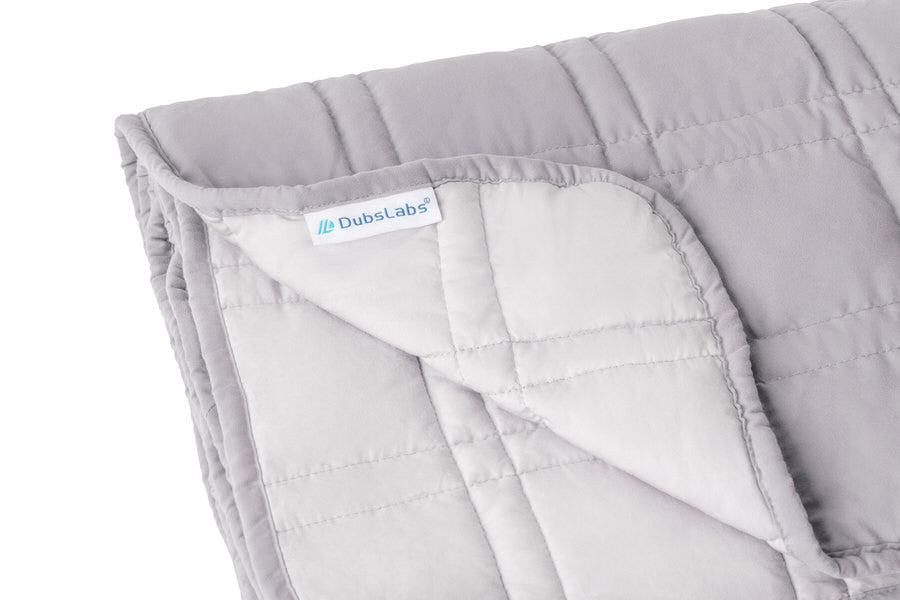
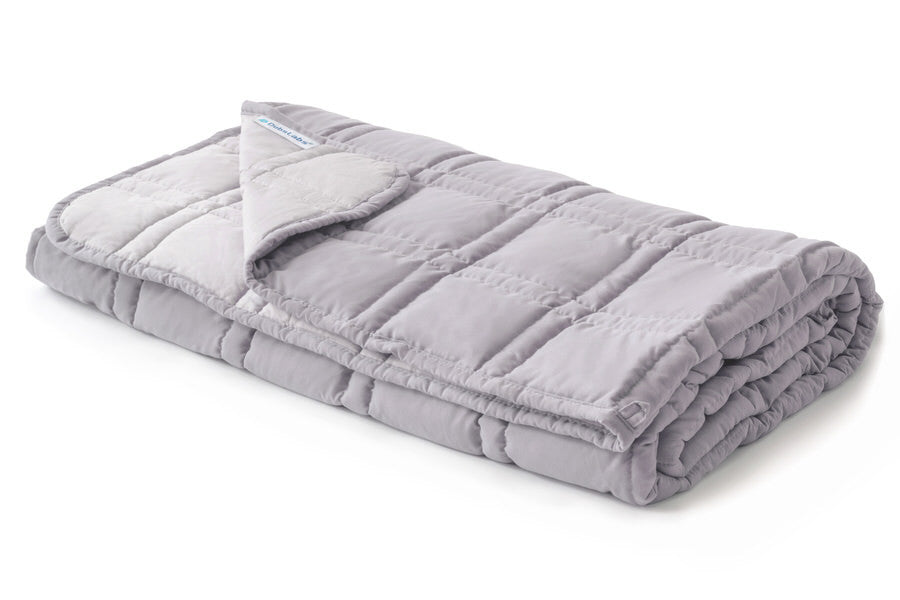
Beyond the raw materials, how the blanket is put together is a huge deal. It's the difference between a therapeutic tool and a lumpy, heavy comforter. The best weighted blankets are made with a grid-like, quilted stitching pattern. This isn't just for show—it's essential.
Each one of those stitched pockets holds a measured amount of filler. This design is what keeps the weight evenly spread across your whole body. Without it, all the beads or pellets would slide to the edges or clump up in one spot, making the blanket totally useless and uncomfortable.
When you're shopping, look for small, reinforced pockets. This kind of high-quality stitching is a sign that the filler will stay put, giving you consistent, gentle pressure all night long. It's this craftsmanship that ensures your blanket will be a reliable sleep aid for years to come.
Weighted Blankets for Children and Anxiety Management
The incredible calming effect of Deep Pressure Stimulation isn't just a general wellness perk; it’s a game-changer for very specific groups. Think of kids who struggle with sensory overload or adults trying to get a handle on their anxiety. For them, that gentle, hug-like pressure is a powerful signal to the nervous system, a non-verbal cue that says, "You're safe. You can relax now." It’s far more than a cozy blanket—it becomes a go-to tool for finding a sense of calm in a chaotic world.
This is especially true for children dealing with sensory sensitivities, like those that often come with Autism Spectrum Disorder (ASD) or Attention-Deficit/Hyperactivity Disorder (ADHD). When your brain is constantly trying to process a firehose of sensory information, the world can feel incredibly jarring. The firm, consistent pressure from a weighted blanket gives the body clear, organized feedback, helping a child feel more grounded and less overwhelmed.
That grounding effect really shines at bedtime. Once the day's distractions fade away, a restless mind and body can kick into high gear. The blanket's pressure helps quiet down that internal chatter, making the transition into sleep a whole lot smoother.
Guidelines for Using Weighted Blankets with Children
When you're thinking about a weighted blanket for a child, safety comes first, last, and always. The goal is comfort and security, never restraint. This is the absolute golden rule: the child must be able to move freely and get the blanket off by themselves, no exceptions.
Here are a few essential tips to keep in mind:
- Weight is Everything: A good starting point is the 10% rule, plus an extra pound or two. A blanket that's too heavy is not just uncomfortable; it's a safety risk.
- Give Them Control: Before anything else, make sure your child can push the blanket off without any help. If they struggle, it’s too heavy for them.
- Keep It Off the Head: The blanket should never cover a child’s face or neck. It should rest on their torso, up to their shoulders at the highest.
- A Gentle Introduction: Let them get used to it during quiet, supervised daytime activities, like reading a book on the couch. This helps them get comfortable with the sensation before trying it overnight.
Sticking to these guidelines helps ensure the blanket is a safe and positive tool. For an even deeper dive, our complete guide on weighted blankets for kids has more safety pointers and insights.
Easing Anxiety One Night at a Time
For adults wrestling with anxiety, the moment your head hits the pillow can feel like the start of a battle. The world quiets down, but the noise inside your head—the worries, the what-ifs, the racing thoughts—gets cranked up to full volume. This is where a weighted blanket can be a lifeline, offering a physical anchor when your mind feels like it's adrift.
Anxiety often sends the body into "fight or flight" mode, which is why you might feel a racing heart, shallow breathing, or tense muscles. The steady pressure of a weighted blanket helps flip the switch, activating the parasympathetic nervous system—your body's "rest and digest" state. This simple physical input can help slow your heart rate, encourage deeper breathing, and release that pent-up tension.
A weighted blanket is like a full-body hug that doesn't let go. It provides a constant, reassuring sensory input that helps turn down the volume on an overstimulated nervous system, pulling your focus from anxious thoughts to the feeling of being held.
And it’s not just a feeling; the science is starting to catch up. Take ADHD, for instance. One study found that kids with ADHD who used weighted blankets got measurably better sleep. They slept longer, woke up less during the night, and had better overall sleep efficiency. The results were even stronger for older kids and those with the inattentive subtype of ADHD. You can read the research on weighted blankets and ADHD for yourself and see the numbers. It’s powerful evidence that a simple, non-medical tool can offer real, tangible relief.
Making a Weighted Blanket Part of Your Nightly Routine
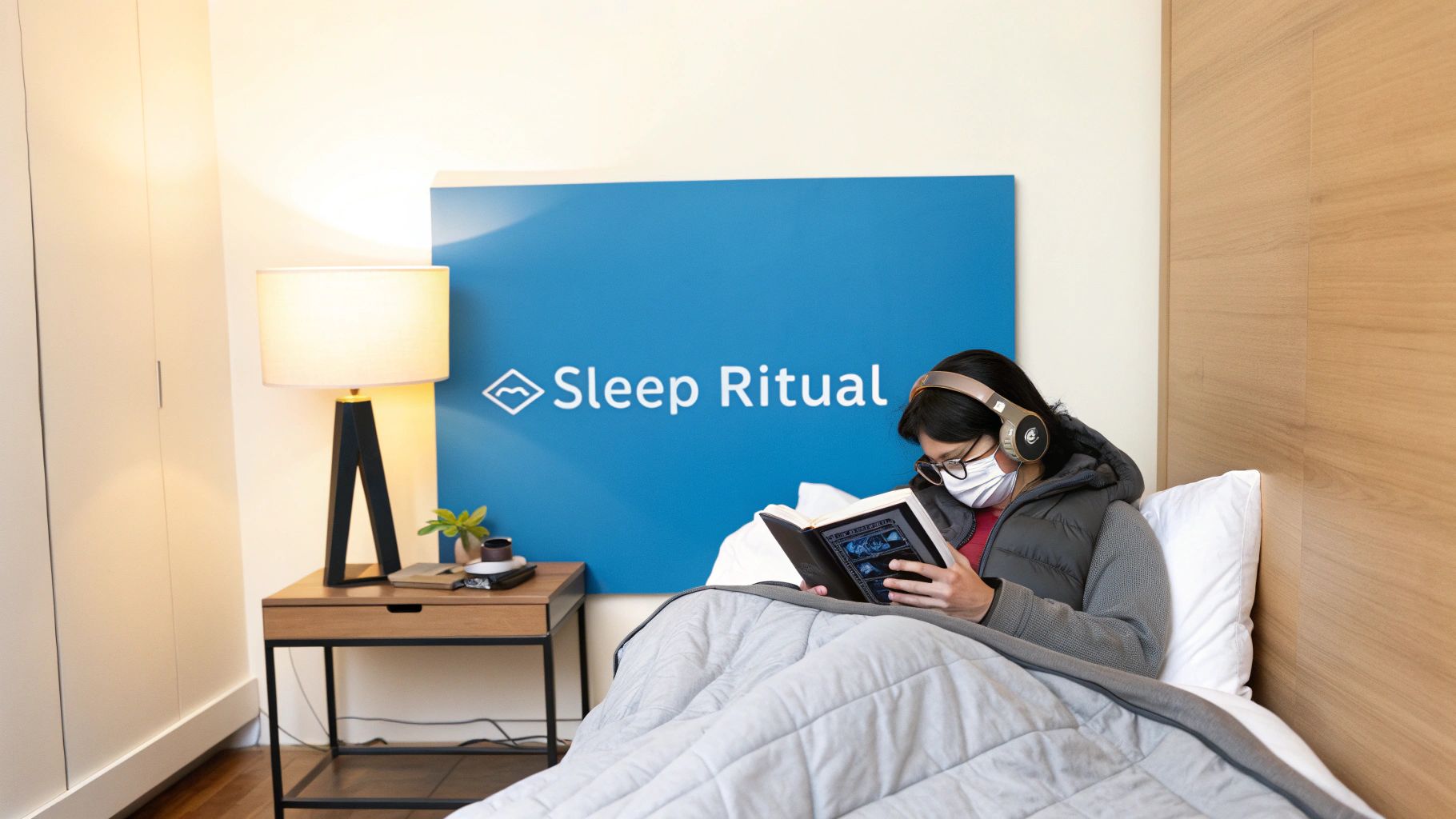
So, you've got your weighted blanket. That's the first step. But the real magic happens when you weave it into your nightly wind-down ritual. Just like any new tool for better sleep, your body might need a minute to get used to the unique sensation of Deep Pressure Stimulation. The goal here is to build a positive, almost automatic association between the blanket and a state of total relaxation.
Jumping straight into eight hours under a heavy blanket might feel a bit intense at first. Instead of going all-in on night one, think about a more gradual introduction. This gentle start helps your nervous system adjust, ensuring the feeling registers as calming and secure, not restrictive.
Easing Into the Experience
The best way to get started is by using the blanket for short bursts when you're not actually trying to sleep. This simple adjustment period can be the difference-maker in whether it becomes a permanent part of your sleep arsenal. By introducing the pressure in a low-stakes, relaxing environment, you're teaching your brain that this feeling means it’s time to switch off.
Here are a few easy ways to begin:
- Reading Time: Drape the blanket over your lap or shoulders for 20-30 minutes while you read on the couch before bed.
- Meditation or Music: Use it while you listen to a calming playlist or a guided meditation. This physically links the blanket's sensation with a mentally relaxed state.
- Partial Use: For the first couple of nights, just try sleeping with the blanket covering your legs and lower body. This lets you get used to the weight without feeling fully hugged.
Think of it like breaking in a new pair of shoes. You wouldn't wear them for a marathon on day one. A short, comfortable introduction ensures the blanket feels like a natural and welcome part of your routine.
Once you’re comfortable with these shorter sessions, you can graduate to using it for a full night. This patient approach is the key to unlocking how do weighted blankets help sleep—by making comfort and security its main job.
Creating a Powerful Sleep Sanctuary
A weighted blanket works wonders on its own, but its effects get a serious boost when combined with other proven sleep aids. By layering different sensory inputs, you can create a powerful, multi-faceted routine that sends an unmistakable signal to your brain: it is time to shut down and rest. You're basically building a fortress of calm.
Your goal is to create a consistent ritual that addresses multiple senses, making it far easier to disconnect from the day's stress. Here’s how you can combine your blanket with other tools for a profound effect:
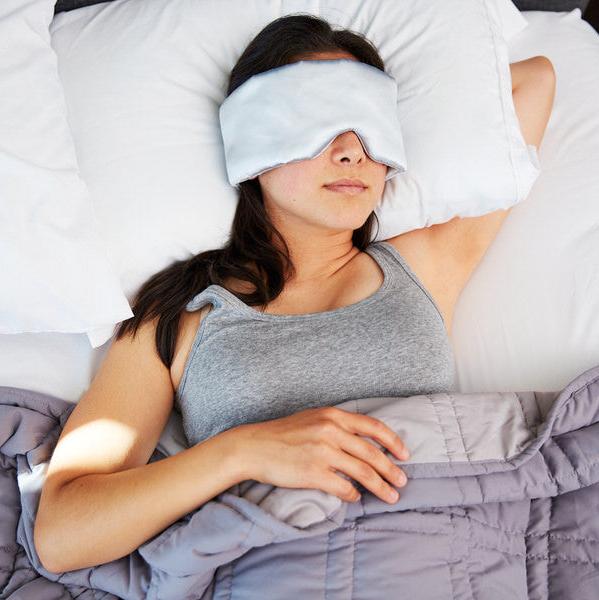
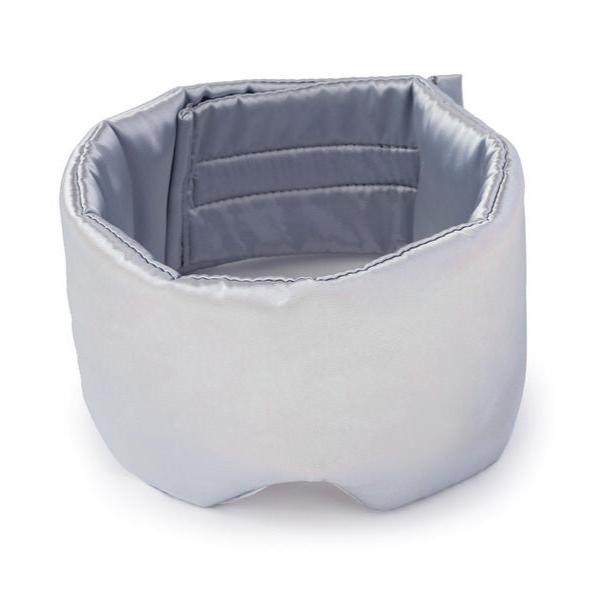
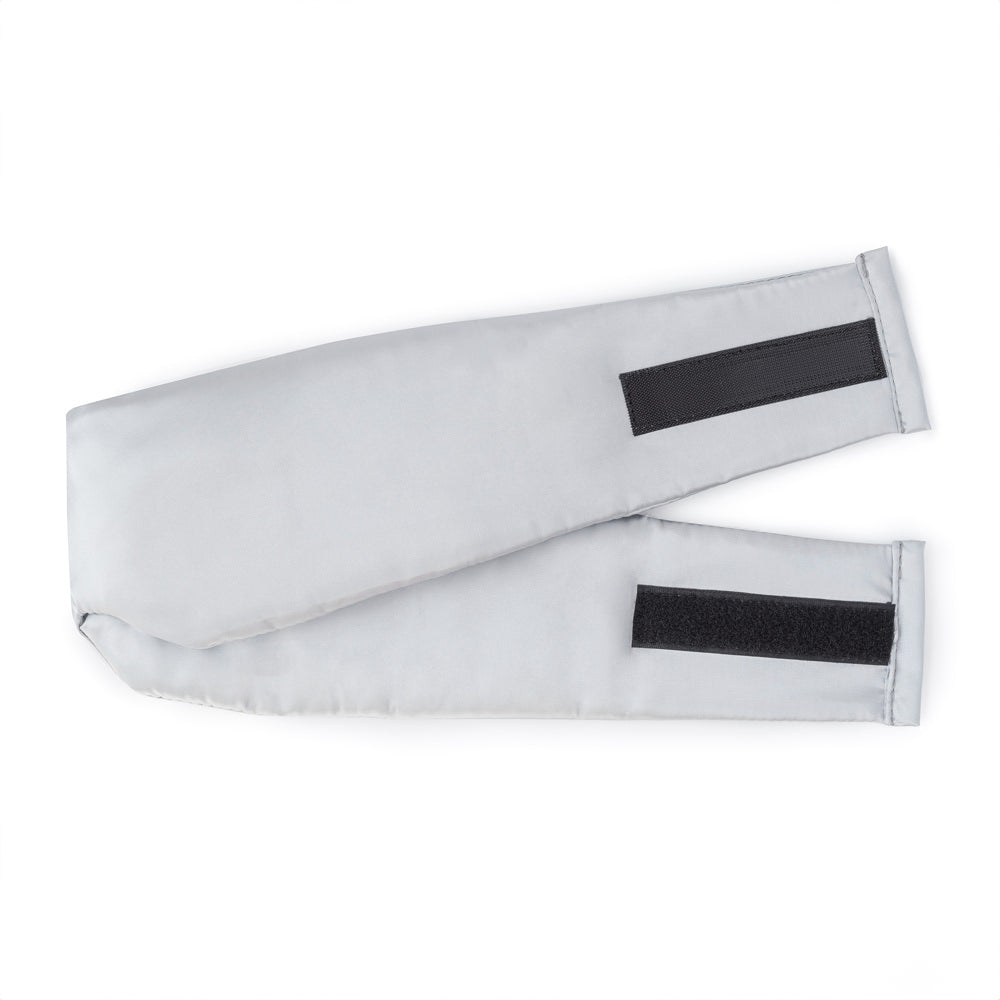
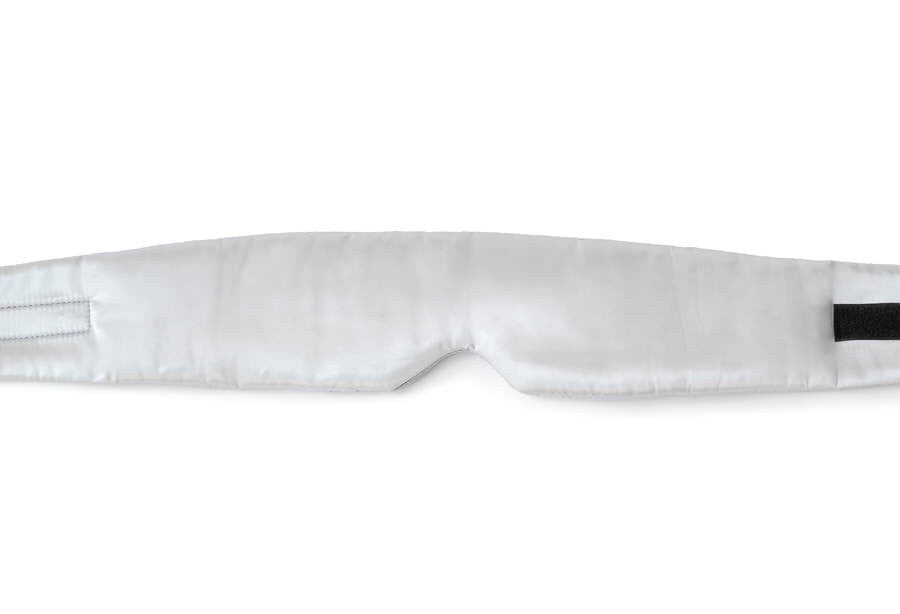
- Block Out Light: Pair the grounding pressure of the blanket with a total dark sleep mask. Light is a major cue for wakefulness, so creating complete darkness tells your brain to ramp up melatonin production, the hormone that runs your sleep-wake cycle.
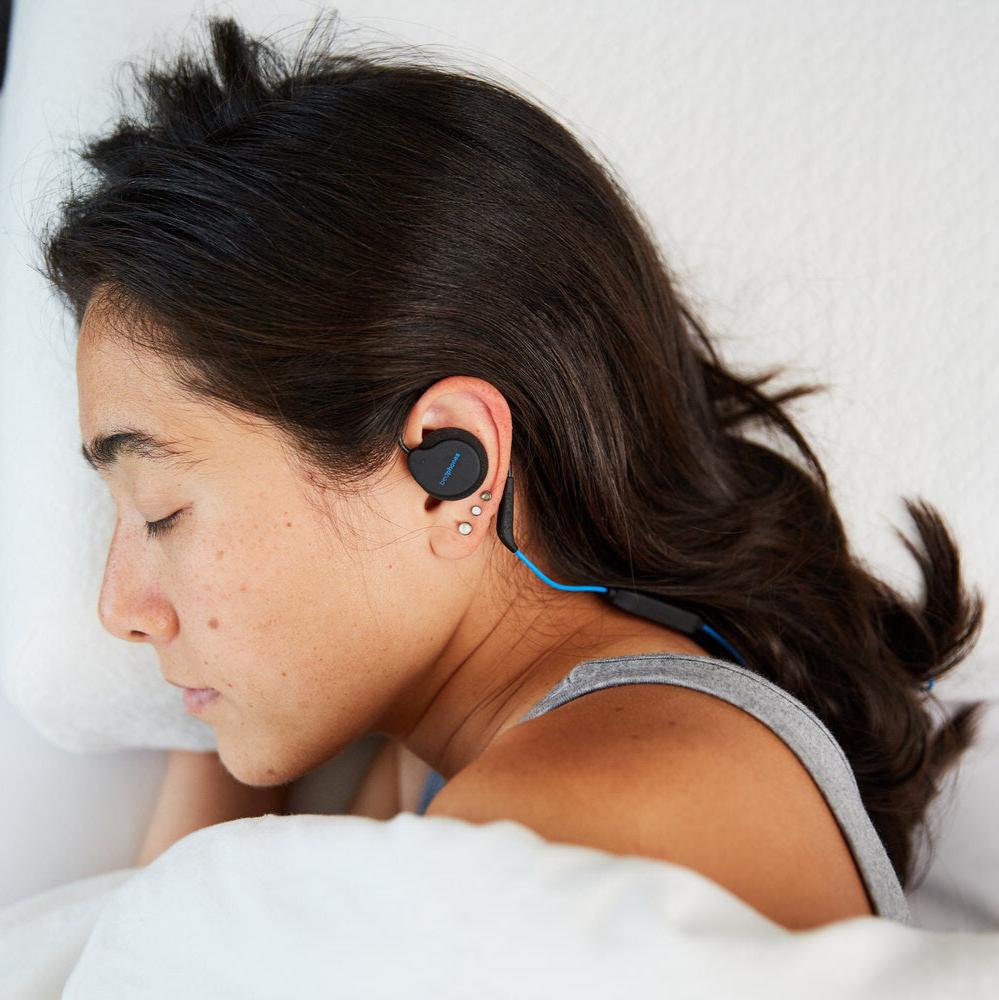
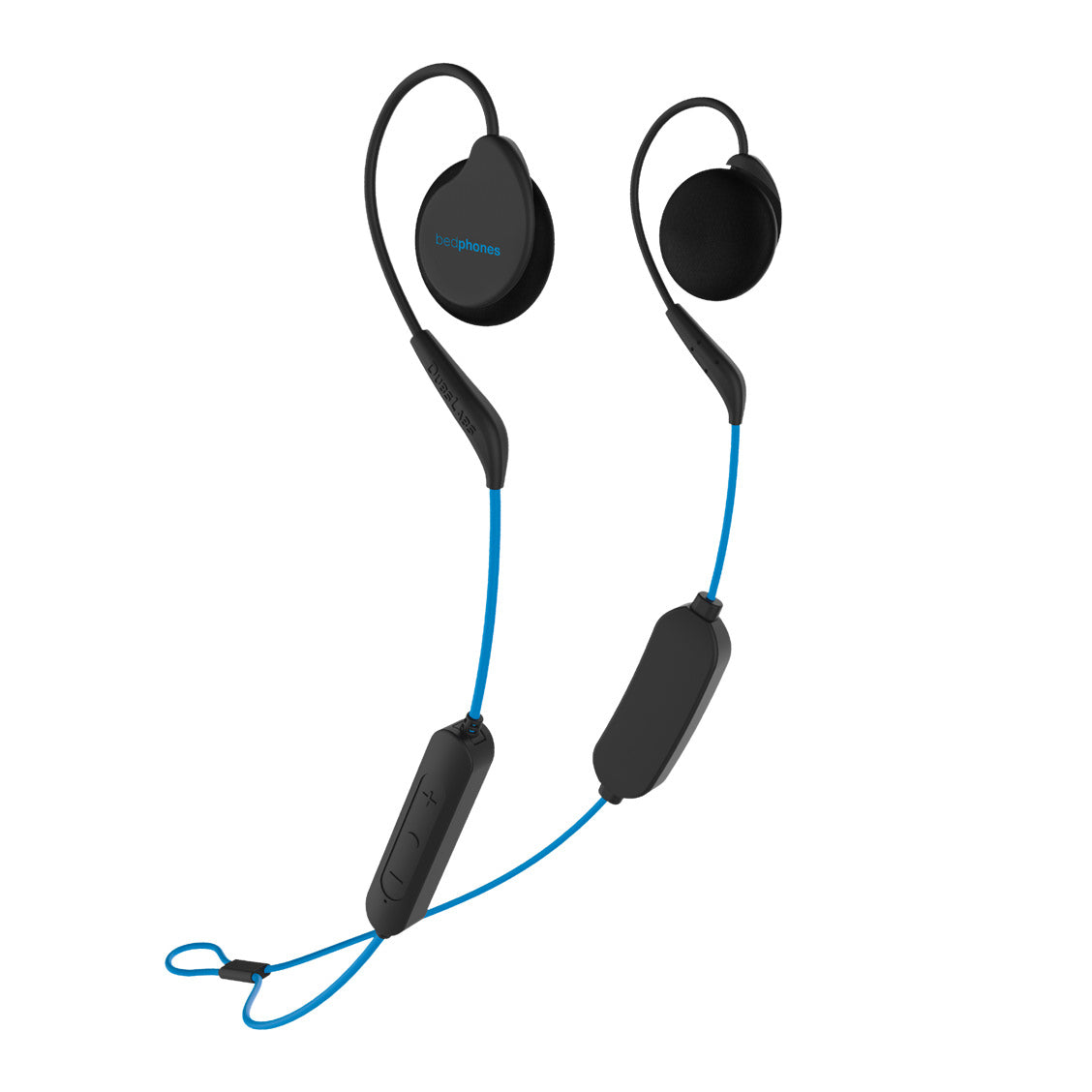
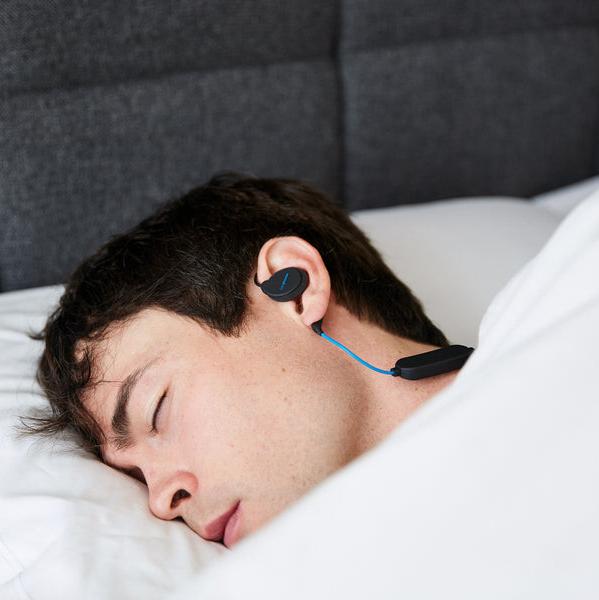
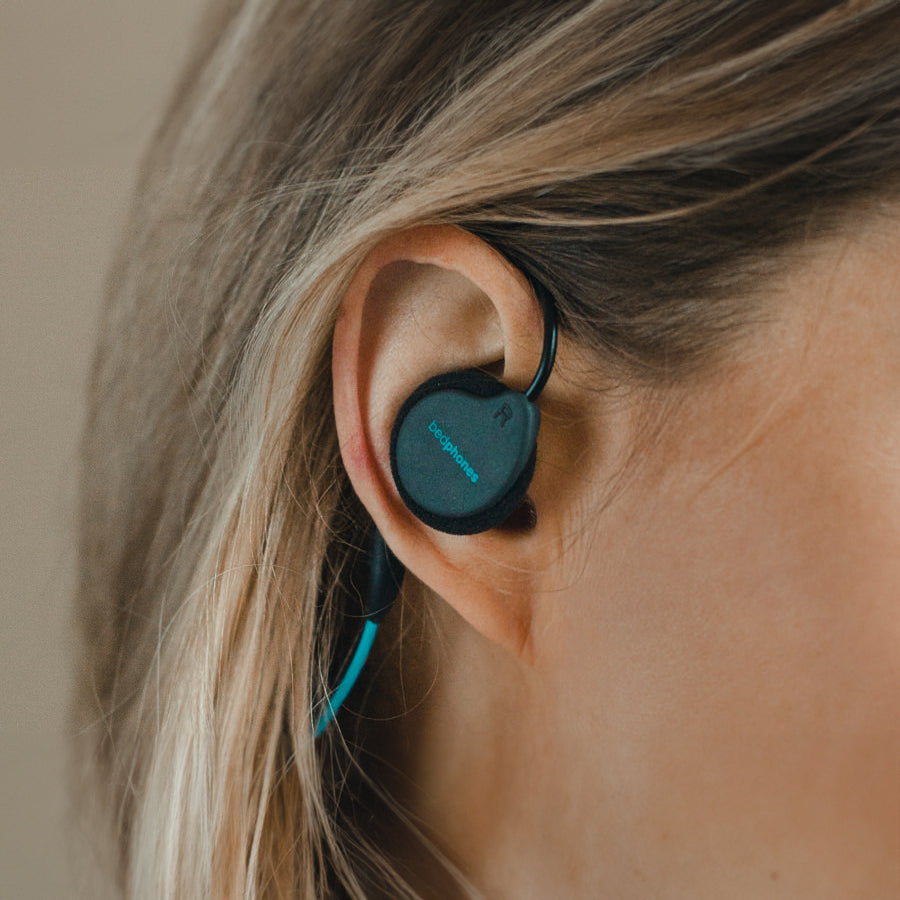
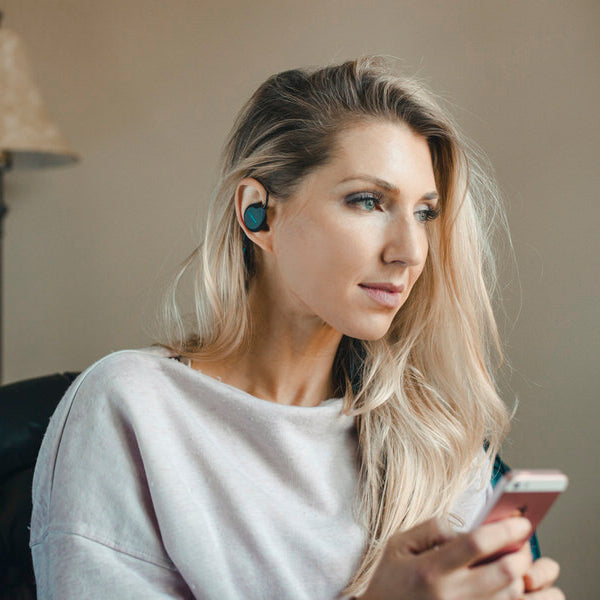
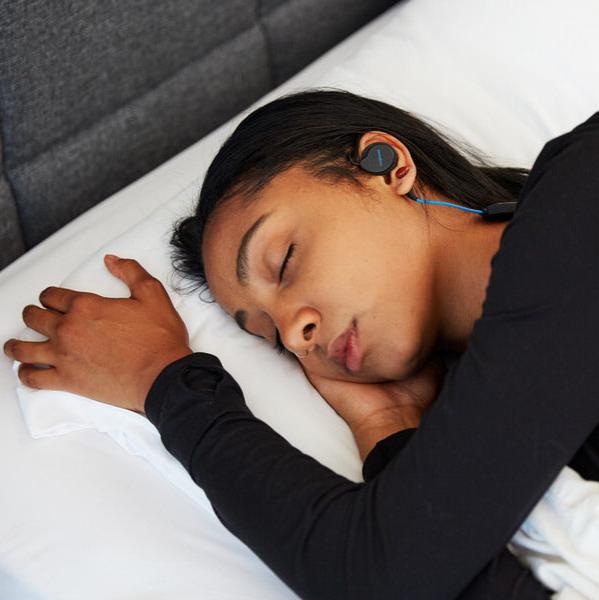
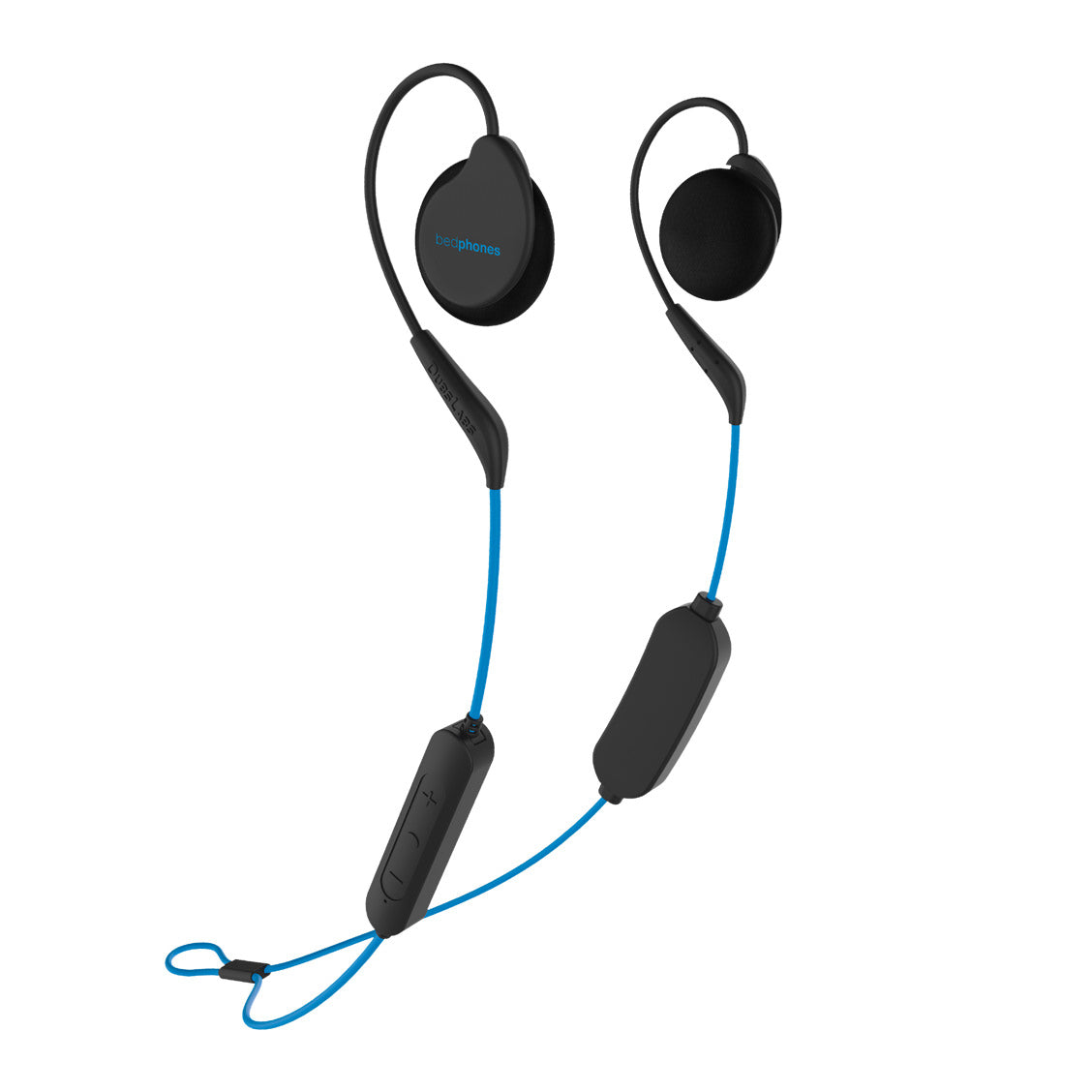
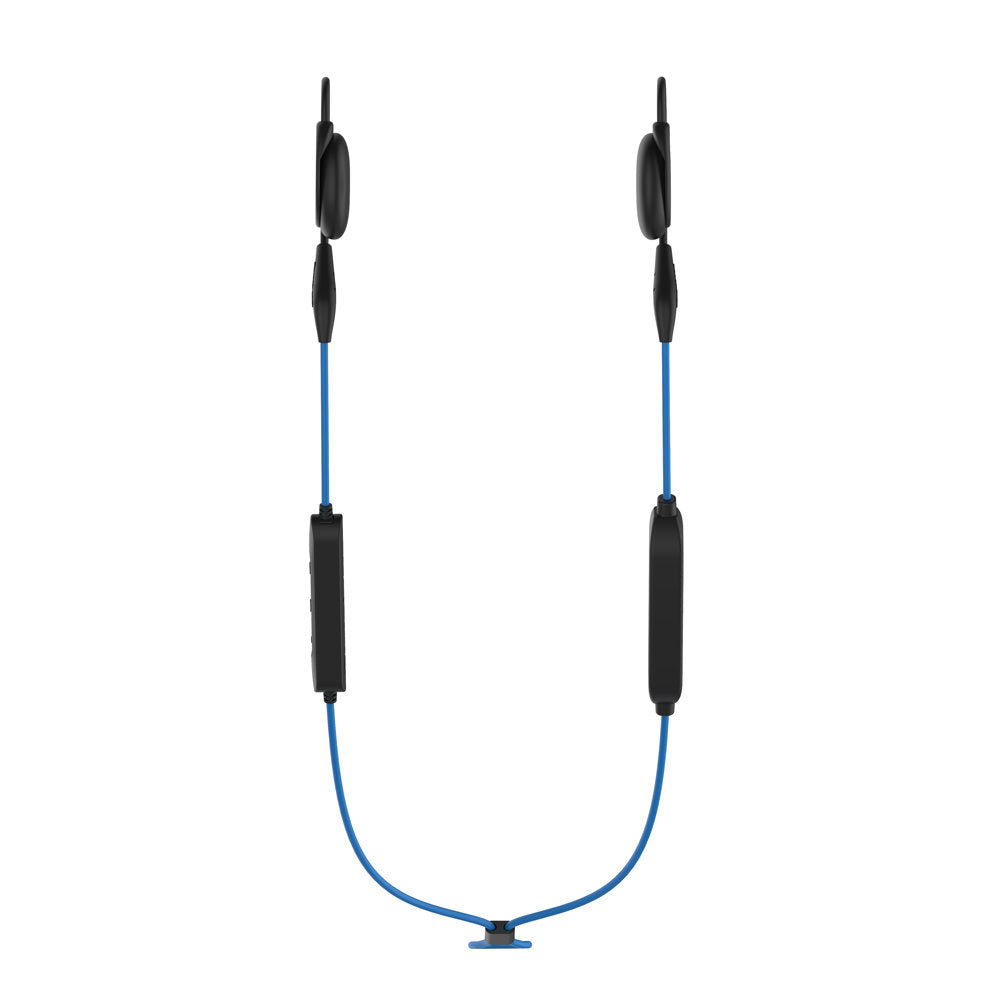
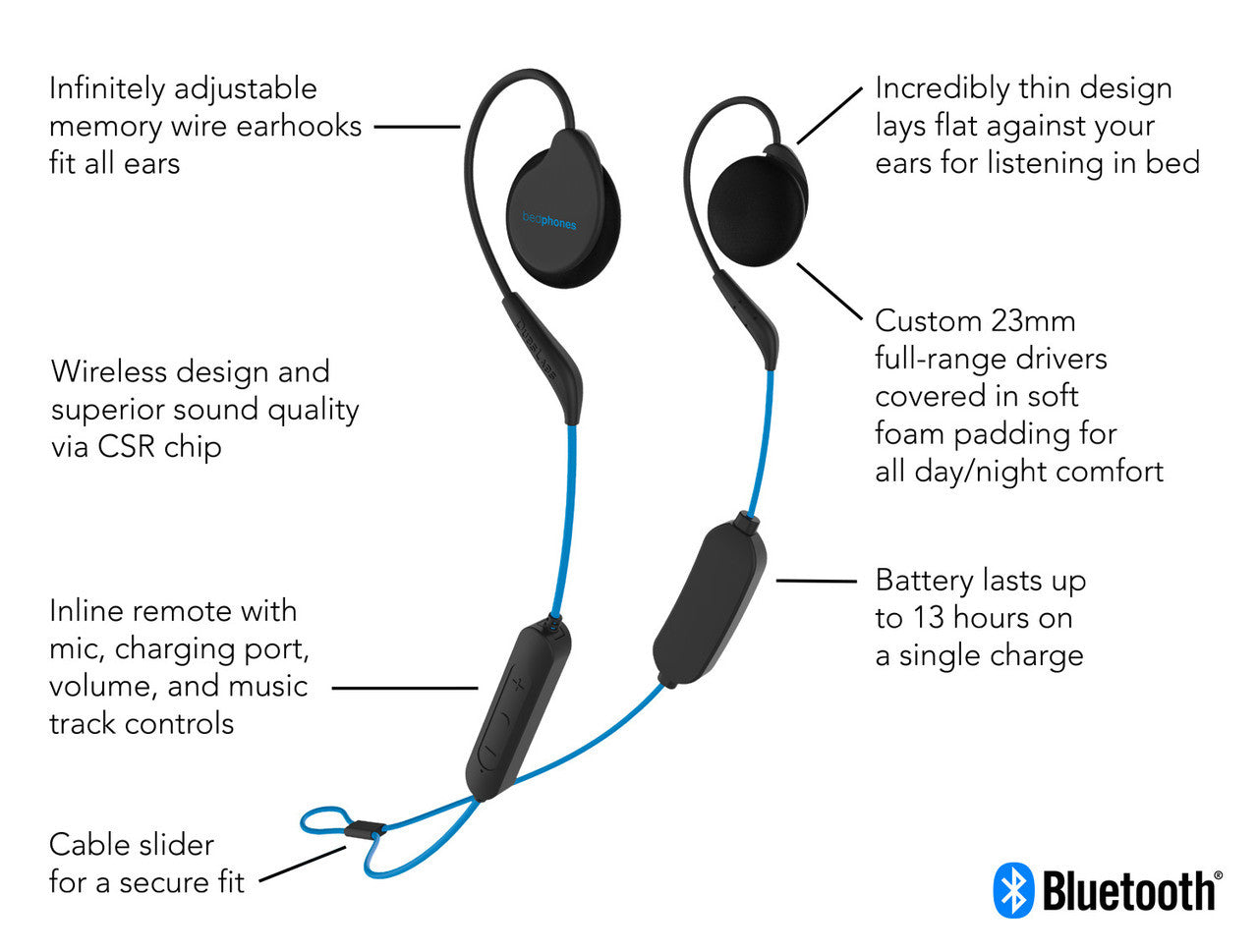
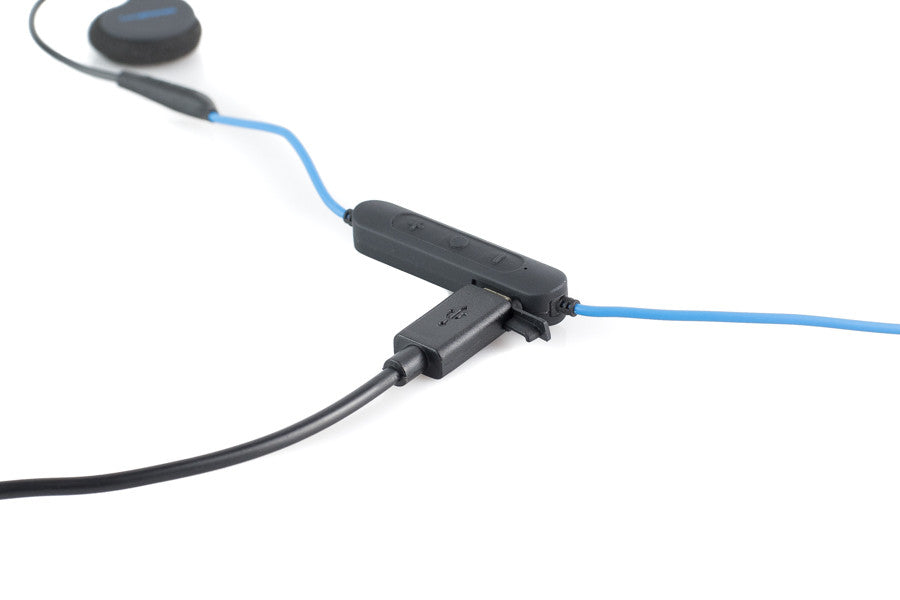
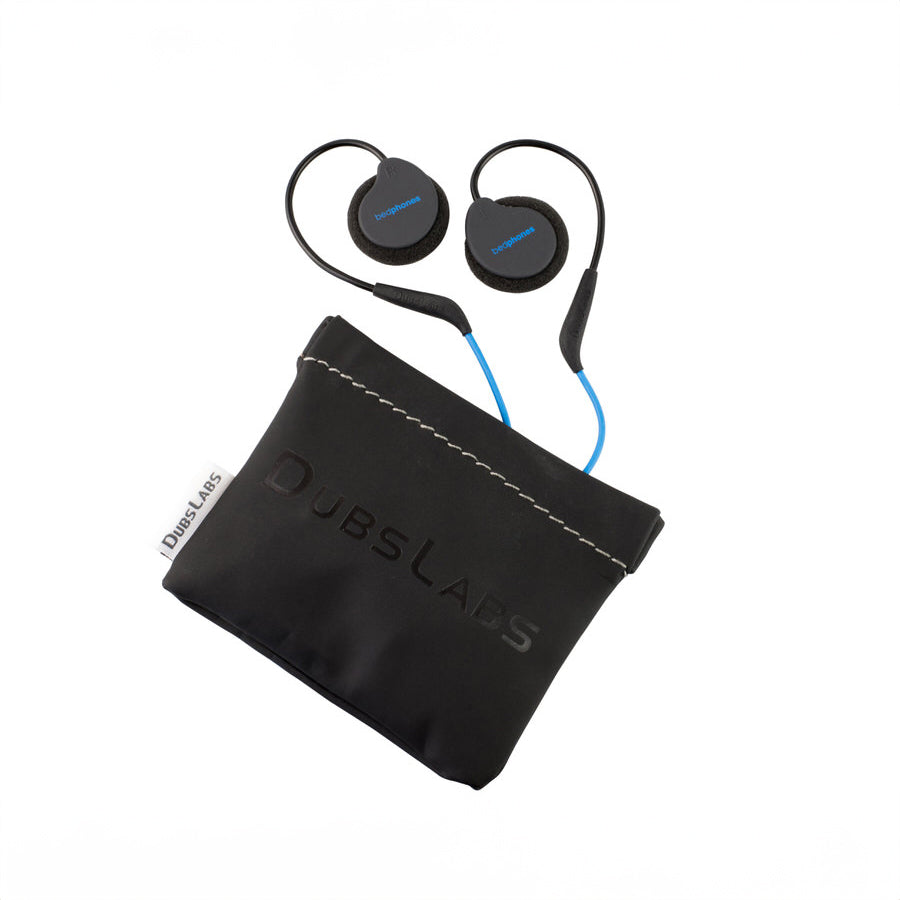
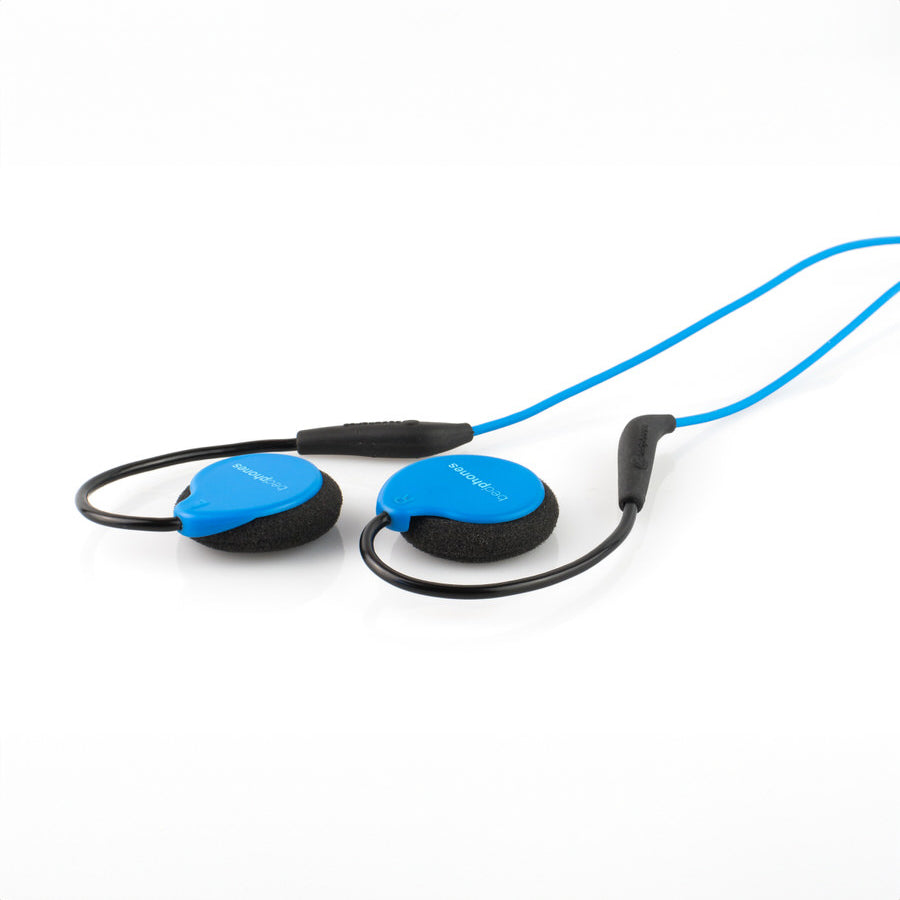
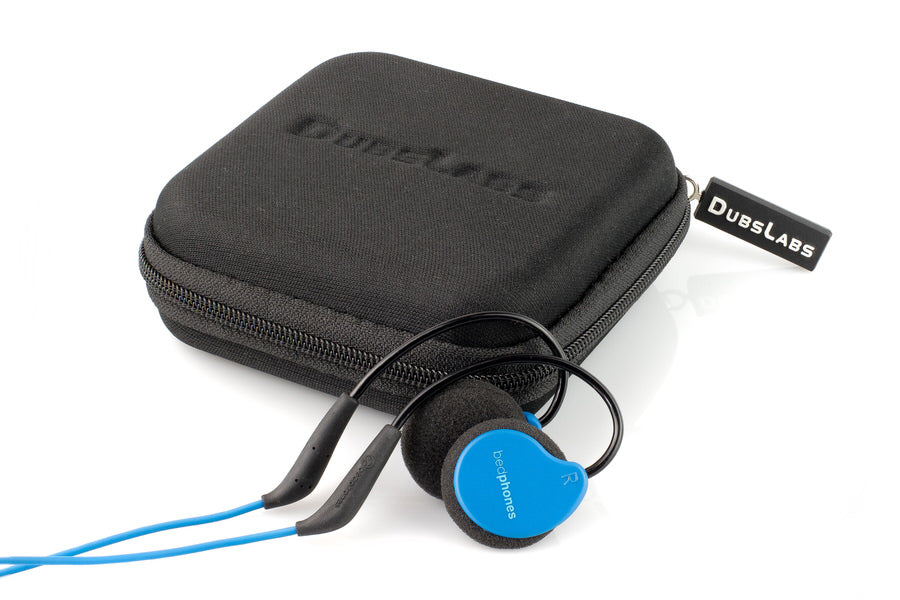
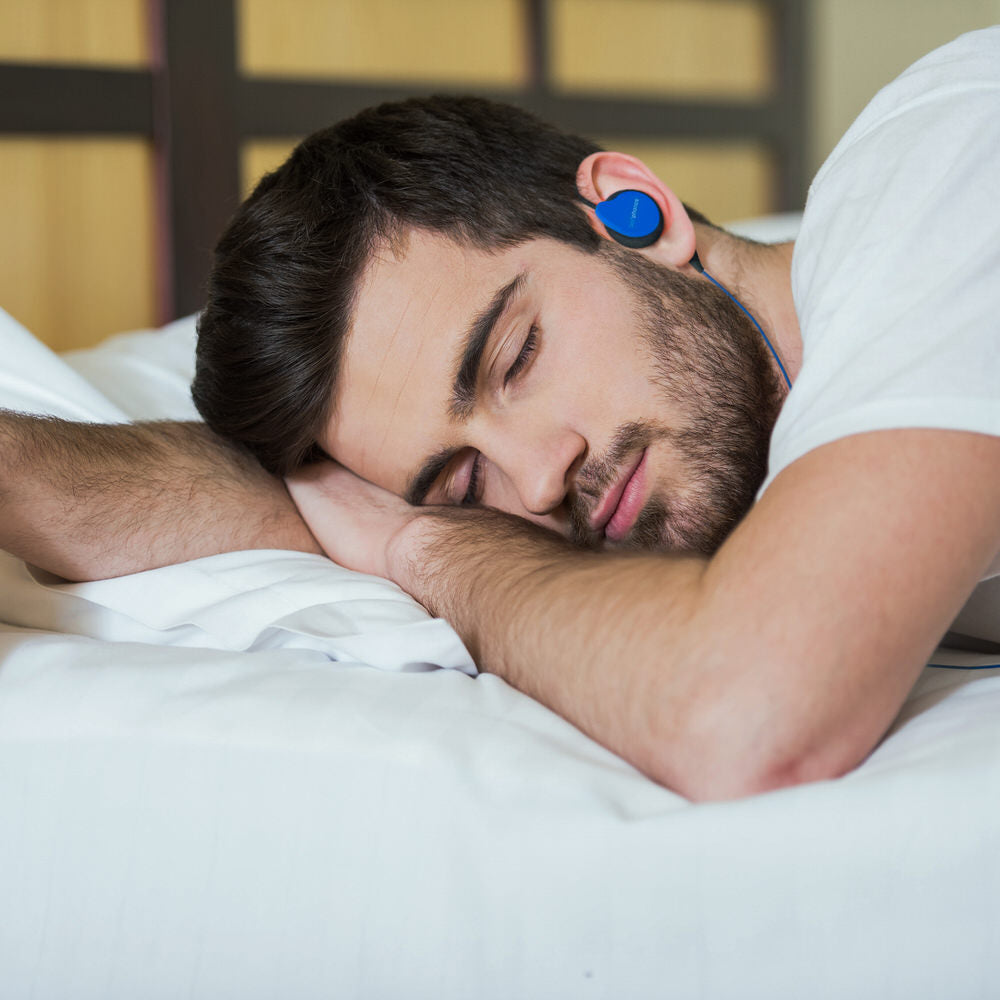
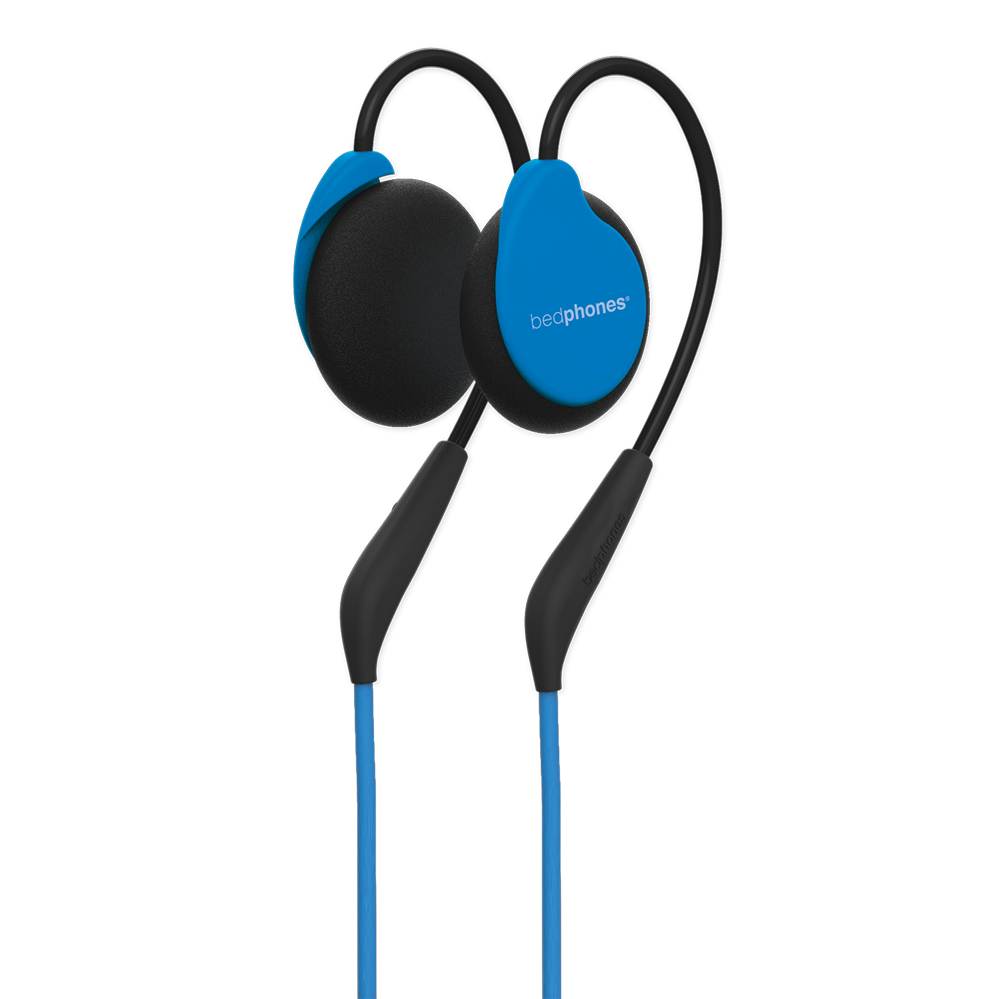
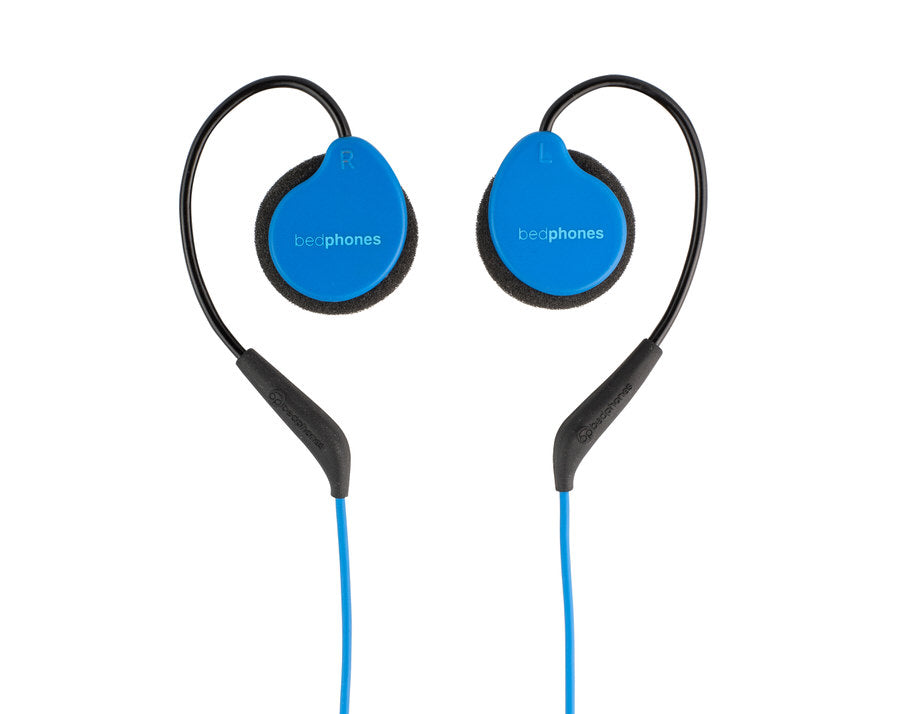
- Control Your Sound Environment: Combine the blanket’s calming pressure with soothing audio from sleep headphones. Whether it’s white noise, gentle music, or an audiobook, controlling what you hear can mask disruptive sounds and help quiet a racing mind.
- Introduce Calming Scents: Use an essential oil diffuser with scents like lavender or chamomile. Aromatherapy can have a direct impact on the parts of the brain that control mood and relaxation, adding another layer to your sensory wind-down ritual.
By building a consistent nightly routine around these elements, you’re not just hoping for sleep—you're actively preparing your body and mind for it.
Who Should Be Cautious with Weighted Blankets
While weighted blankets have become a go-to for comfort and calm, they aren't a magic bullet for everyone. For some people, that cozy extra weight could actually pose a health risk. It’s really important to know the limitations before you dive in.
The whole point of a weighted blanket is that gentle, consistent pressure. It's what makes them so soothing. But that same pressure can be a serious problem if you're dealing with certain health conditions. Before you add one to your cart, let's run through who needs to be extra careful.
When to Consult Your Doctor First
If you have any kind of respiratory, circulatory, or mobility issue, having a chat with your doctor is a non-negotiable first step. That gentle weight could end up complicating things you're already managing.
You should absolutely get medical advice before using a weighted blanket if you have:
- Sleep Apnea: The extra pressure on the chest could mess with your breathing, which is a real concern for anyone with obstructive sleep apnea.
- Asthma or Other Respiratory Conditions: If your breathing is already compromised, you need to be sure the blanket’s weight won't make it even harder to take a full, deep breath.
- Circulatory Problems: For anyone with poor circulation, diabetes, or related conditions, you’ll want to confirm the pressure won't negatively impact blood flow.
- Claustrophobia: It's a simple fact that for some people, the sensation of being held down triggers anxiety instead of soothing it. A weighted blanket might just feel confining, not comforting.
Your doctor knows your health history and can give you personalized advice. It's the best way to make sure your search for better sleep doesn't accidentally create a new health risk. Safety always comes first.
Absolute Safety Rules for Children
When it comes to kids, the rules are even stricter and you absolutely cannot bend them. While these blankets can be a huge help for some children, they are never safe for infants or toddlers. Period. A child has to be old enough and strong enough to easily move the blanket off themselves without a hint of a struggle.
Here are the essential safety checks you must follow:
- Ensure Easy Removal: The child must be able to push the blanket off on their own. If they can't, it's too heavy and becomes a suffocation risk.
- Keep Head and Neck Clear: The blanket should never, ever cover a child’s face or neck. Position it from the shoulders down.
- Supervise First Uses: Always stick around and watch your child the first few times they use the blanket to make sure they're both comfortable and safe.
Making a good choice means recognizing that even though these blankets help tons of people, they just aren’t right for everyone. Putting safety first ensures your journey to better rest is a secure one.
Common Questions About Weighted Blankets
So, you're thinking a weighted blanket might be the key to better sleep. That’s a great first step. But even after you’ve decided to give one a try, some practical questions always come up. How fast does it work? Is it going to be a furnace in July?
Let’s clear up those final little uncertainties. Think of this as your quick-start guide to making sure you get the most out of your new sleep tool from the very first night.
How Long Does It Take to Feel the Benefits?
This is the best part—for many people, that calming, hug-like sensation kicks in almost instantly. The moment you pull it over you, that gentle pressure can start to quiet a racing mind in minutes.
But for deeper, more lasting changes in your sleep patterns—like falling asleep faster or staying asleep through the night—give it a solid week. Your body needs a little time to get used to the new feeling. Stick with it consistently, and you'll let the magic of Deep Pressure Stimulation really sink in and start reshaping your sleep habits for the better.
Are Weighted Blankets Too Hot for Summer?
This is a totally valid concern, but the answer is a firm "no," as long as you're smart about the materials. A weighted blanket doesn't have to be a heat trap. It all comes down to choosing breathable, natural fibers.
- Cotton: This is a fantastic all-around choice. It allows for plenty of airflow, keeping you comfortable no matter the season.
- Bamboo: If you're a hot sleeper, bamboo is your new best friend. It’s a naturally cooling fabric that does an amazing job of wicking moisture away from your body.
A word of advice: steer clear of synthetic fabrics like fleece or minky if you tend to overheat. They’re designed to trap warmth. Many brands now offer specific "cooling" versions that put breathability first without giving up that soothing weight, making them perfect for even the warmest nights.
The right fabric makes all the difference. Choosing a breathable material ensures you get the calming pressure you want without the unwanted heat, making it a viable tool for better sleep in any season.
How Do I Clean My Weighted Blanket?
Keeping your blanket fresh is simple, and with proper care, it'll last for years. Your first step, always, is to check the manufacturer's care label. Instructions can vary slightly from one brand to another.
By far the easiest method is to use a removable, machine-washable duvet cover. This protects the inner weighted blanket, and you can just toss the cover in the wash with the rest of your bedding. Simple.
If you need to wash the actual weighted blanket itself, first make sure your washing machine can handle the load. Use a gentle cycle with cold water, and then tumble dry on low. Even better, let it air dry completely to protect the tiny beads or pellets inside.
Can My Partner and I Share One?
It might seem practical to just get one big one, but it’s almost always better for each person to have their own. The whole therapeutic effect of a weighted blanket relies on the 10% rule—the weight needs to be tailored specifically to your body.
When you try to share a large blanket, the weight gets distributed over too wide an area, which dilutes the targeted pressure. You lose that focused Deep Pressure Stimulation that actually helps you relax and sleep. For the best results, stick to individual blankets sized for each of you.
At DubsLabs, we are dedicated to helping you build the perfect sleep sanctuary. Our range of expertly designed sleep aids, from calming weighted blankets to our signature Bedphones, work together to quiet your mind and restore your body. Explore our collection and start your journey to deeper, more refreshing sleep today.