If you’ve ever found yourself staring at the ceiling at 3 AM, you know that insomnia isn’t just about being tired. It’s a frustrating, exhausting cycle that can take over your life. While sleeping pills might seem like an easy answer, they're often just a temporary patch. What if there was a way to fundamentally fix the problem and retrain your brain for great sleep, for good?
That’s where Cognitive Behavioral Therapy for Insomnia (CBT-I) comes in. Think of it less as therapy in the traditional sense and more as a practical, skills-based program that puts you back in control. It's a structured, drug-free approach that tackles the root causes of chronic insomnia—the thoughts and behaviors that are sabotaging your rest. This is why sleep experts and doctors consider it the gold standard treatment for chronic insomnia.
Why Is CBT-I the First-Line Treatment for Insomnia?
Imagine your brain’s sleep system is like a smoke detector that’s become way too sensitive. It goes off not just for smoke, but for a piece of toast that's slightly too brown or a puff of steam from the shower. It keeps you on high alert for no good reason. CBT-I is like having an expert come in to recalibrate that system, teaching it to distinguish between a real fire and a false alarm.
Instead of just silencing the alarm temporarily (like a sleeping pill does), CBT-I fixes the faulty wiring. It works from a simple but powerful idea: you can repair your relationship with sleep by changing how you think about it and what you do when you can't get it. For a deeper dive into the condition itself, check out our guide on what is insomnia and how to deal with it.
The Two Pillars of CBT-I
So how does it actually work? CBT-I is built on two core pillars that work together to reset your natural sleep patterns. Understanding how they function makes it clear why this therapy is so effective.
The first pillar is the 'Cognitive' part. This is all about identifying and challenging the unhelpful thoughts that fuel your anxiety around sleep. Think of beliefs like, "If I don't get 8 hours tonight, tomorrow is ruined." CBT-I helps you reframe that into something more realistic, like, "I might feel a bit groggy, but I've managed on less sleep before and I'll get through the day."
The second is the 'Behavioral' part. This side focuses on your habits and routines. It's about breaking the bad habits that have turned your bedroom into a battleground. For instance, if you spend hours tossing and turning, you're unintentionally training your brain to associate your bed with frustration. This pillar helps you rebuild a strong, positive connection between your bed and restful sleep.
Here’s a simple breakdown of how these two components come together:
The Two Pillars of CBT-I
| Component | Core Focus | Practical Goal |
|---|---|---|
| Cognitive | Thoughts, Beliefs & Worries | To challenge negative thought patterns and reduce sleep-related anxiety. |
| Behavioral | Habits, Routines & Actions | To strengthen the connection between your bed and sleep through new habits. |
By targeting both your mindset and your actions, CBT-I creates a really solid framework for lasting change. It doesn't just treat the symptoms; it dismantles the entire structure that keeps insomnia going.
"The core idea of CBT-I is to help you re-establish a healthy relationship with sleep. It's about taking back control from insomnia by systematically dismantling the habits and thoughts that fuel it, allowing your body’s natural sleep mechanisms to function properly again."
And the results speak for themselves. Study after study shows that 70% to 80% of people with primary insomnia see major improvements with CBT-I. It's so effective, in fact, that a major review by the American College of Physicians officially recommended it as the first treatment to try for all adults with chronic insomnia—placing it ahead of medication.
Ultimately, CBT-I is about building sleep skills that last a lifetime. It does take commitment, but the payoff is huge: the ability to manage your own sleep, without relying on pills or quick fixes. For more context on sleep challenges, other resources on understanding and alleviating sleep disorders can provide a broader perspective. This comprehensive approach is what makes CBT-I such an empowering solution.
Understanding the Core CBT-I Techniques
Think of Cognitive Behavioral Therapy for Insomnia not as a single magic bullet, but as a complete toolkit for rebuilding your relationship with sleep. It’s a multi-part strategy designed to systematically dismantle the habits and thought patterns that keep you awake night after night. Instead of a one-size-fits-all approach, CBT-I gives you a set of powerful, proven techniques that are combined to tackle your specific sleep challenges.
Together, these techniques work to retrain your brain and body, breaking the cycles of anxiety and wakefulness that have become second nature. Let’s unpack the five core components that make CBT-I the most effective long-term solution for chronic insomnia.
This map shows how CBT-I is structured, targeting both the cognitive (what you think) and behavioral (what you do) sides of the problem.
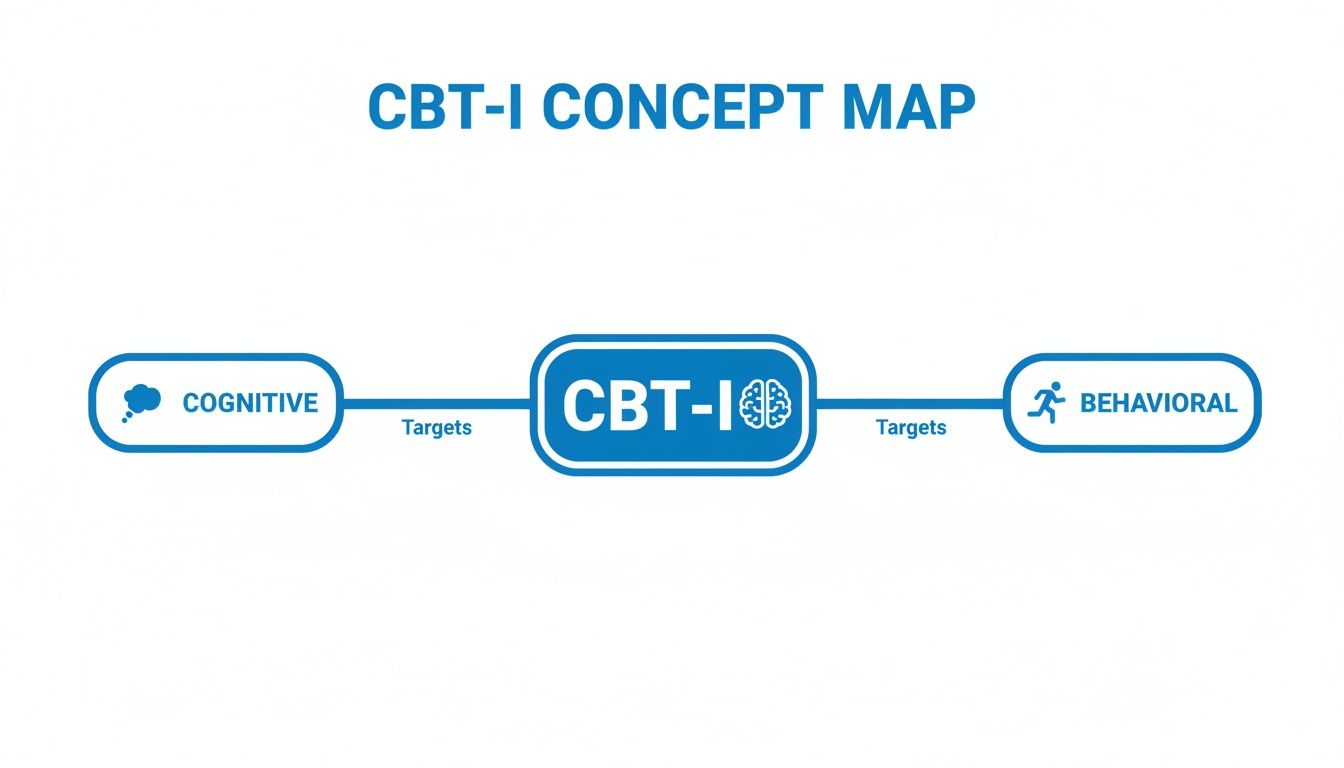
As you can see, lasting improvement comes from working on your mindset and your daily habits at the same time.
Stimulus Control Therapy: Reclaiming Your Bedroom
The first tool in the kit is Stimulus Control Therapy. Its entire purpose is to re-establish the bedroom as a place for one thing: sleep. For many people with insomnia, the bed has become a battleground—a place for frustration, worry, and endless phone scrolling.
This trains your brain to associate your bed with being wide awake. Stimulus control flips that script with a few simple, but very strict, rules.
- Go to bed only when you are sleepy. Not just tired, but that heavy-eyed, head-nodding feeling of genuine sleepiness.
- Use the bed only for sleep and intimacy. That’s it. No more working, eating, or worrying in bed.
- If you can't fall asleep within 20-30 minutes, get up. Go to another room, keep the lights dim, and do something quiet until you feel sleepy again. Reading a boring book is perfect for this.
- Rinse and repeat. This is the most important part. It breaks the agonizing cycle of tossing and turning and teaches your brain that the bed is for sleeping, not struggling.
By sticking to these rules, you create an incredibly powerful mental trigger. Over time, the simple act of getting into bed will signal to your brain that it’s time to sleep.
Sleep Restriction: Consolidating Your Sleep
The name Sleep Restriction sounds a little scary, but it's not about depriving you of sleep. Think of it as sleep consolidation. The goal is to perfectly match the time you spend in bed with the amount of time you’re actually sleeping.
If you spend eight hours in bed but only sleep for five of them, that’s three hours of frustrating, wakeful misery. That kind of fragmented sleep just isn't restorative.
A therapist helps you use a sleep diary to figure out your "sleep window." You might start with a restricted window of just five and a half hours. It can be tough at first, but it builds a powerful, natural drive to sleep. As your sleep efficiency (the percentage of time in bed you’re actually asleep) gets better, your time in bed is slowly increased.
Sleep Restriction Therapy works by temporarily limiting your time in bed to build a stronger, more consolidated sleep drive. The result is less time spent awake during the night and a higher quality of sleep.
This is one of the most powerful parts of cognitive behavioral therapy for insomnia because it can dramatically reduce nighttime awakenings, often very quickly.
Cognitive Restructuring: Changing Your Thoughts About Sleep
While changing your behaviors is crucial, the "cognitive" piece of CBT-I is just as vital. Cognitive Restructuring is all about helping you identify, challenge, and change the negative thoughts and beliefs that pour fuel on your sleep anxiety.
People with insomnia often get caught in destructive thought traps, like:
- Catastrophizing: "If I don't get a full eight hours, my presentation tomorrow is going to be a complete disaster."
- All-or-Nothing Thinking: "I was awake for an hour last night, so all my sleep was totally useless."
- Unrealistic Expectations: "I should be able to fall asleep in five minutes flat."
The process here is to treat these thoughts not as facts, but as guesses that need to be tested. You learn to question them and replace them with more realistic, balanced perspectives. For example, that catastrophic thought could be reframed to: "I've given presentations on little sleep before. I might feel tired, but I’ll get through it." This instantly lowers the anxiety and pressure that was keeping you awake in the first place.
Relaxation Training: Calming Your Mind and Body
When you can’t sleep, your body is often stuck in a state of hyperarousal. Your heart is racing, your muscles are tense, and your mind is going a mile a minute. Relaxation Training gives you practical tools to counteract this physical and mental tension.
These aren't just vague suggestions to "relax more." They're structured exercises designed to actively calm your nervous system down.
- Diaphragmatic Breathing: Also known as belly breathing, this technique uses slow, deep breaths to engage the diaphragm, which activates your body's natural relaxation response and slows your heart rate.
- Progressive Muscle Relaxation (PMR): This involves tensing, and then fully releasing, different muscle groups from your toes to your head. It makes you keenly aware of where you’re holding tension and gives you a direct method for letting it go.
- Guided Imagery and Meditation: These techniques use your focus to guide your mind to a calm, peaceful place. By concentrating on a serene scene or a simple mantra, you can quiet the mental chatter that keeps insomnia going.
Sleep Hygiene: Creating the Right Environment
Finally, CBT-I pulls in Sleep Hygiene, which covers the daily habits and environmental factors that set the stage for good sleep. While sleep hygiene on its own is rarely enough to fix chronic insomnia, it creates the essential foundation for the other techniques to work their magic.
Key sleep hygiene principles include:
- Keeping a consistent wake-up time, seven days a week.
- Making sure your bedroom is cool, dark, and quiet.
- Avoiding caffeine, alcohol, and nicotine in the hours before bed.
- Limiting exposure to bright screens and lights before you plan to sleep.
For a deeper dive into these foundational habits, you can learn more about what is sleep hygiene and how to optimize your routine. Nailing these practices supports the more intensive work of stimulus control and sleep restriction, creating a powerful combination for lasting change.
CBT-I vs. Sleeping Pills: Choosing a Long-Term Solution
When insomnia has you in its grip, the hunt for a quick fix is completely understandable. For most people, this leads to a classic crossroads: therapy or sleeping pills? While both can get you some rest, they represent two fundamentally different ways of thinking about sleep.

This isn’t just about getting through tonight; it’s about deciding on a real, sustainable strategy for your long-term health.
The Short-Term Fix of Medication
Sleeping pills, also known as hypnotics, can feel like a lifeline. They work fast—often within the hour—which is incredibly tempting when you’re exhausted and desperate. For temporary situations like recovering from jet lag or navigating a period of intense stress, they can be a useful tool when managed by a doctor.
The problem is, medication often acts more like a patch than a true cure. It silences the immediate issue (being awake) without ever touching the underlying reasons why you can't sleep in the first place.
Think of it like this: if your car's engine light is on, taking a sleeping pill is like putting a piece of black tape over the light. It gets rid of the annoying signal, but it does absolutely nothing to fix the engine. The problem is still there, and the light will be back on the second you pull the tape off.
Sleeping pills manage the symptoms of insomnia without resolving its root causes. They provide temporary relief but don't equip you with the skills to manage sleep on your own.
This is exactly why sleeping pills are typically recommended for short-term use only. Relying on them for weeks, months, or even years can lead to some significant downsides.
Understanding the Risks of Sleeping Pills
While they can be effective for a few nights, using sleep medication long-term comes with several well-documented risks you need to consider.
- Dependency and Tolerance: Over time, your body can get used to the medication. You might find you need higher and higher doses just to get the same effect, which can lead to a cycle of dependency where you feel like you can’t possibly sleep without them.
- Rebound Insomnia: When you stop taking sleeping pills, your insomnia can come roaring back, sometimes even worse than it was before. This rebound effect makes it incredibly difficult to quit, creating a feeling of being trapped.
- Next-Day Grogginess: Many sleep aids have a "hangover" effect, leaving you feeling foggy, drowsy, or dizzy the next day. This can seriously impair your ability to drive, work, or just think clearly.
- Masking Underlying Issues: Insomnia can be a symptom of other health problems, like sleep apnea or depression. Relying on pills might just cover up these issues, delaying a proper diagnosis and the right treatment.
CBT-I as a Lifelong Skill
On the other hand, cognitive behavioral therapy for insomnia is built from the ground up to be a permanent solution. It works on a simple but powerful principle: by changing your thoughts and behaviors around sleep, you can restore your body’s natural ability to rest.
If sleeping pills are a temporary patch, CBT-I is like the physical therapy that rebuilds the foundation. It doesn't just help you sleep better while you're in the program; it gives you a toolkit of skills you can use for the rest of your life.
This approach gets to the root of the problem. It helps you dismantle the anxiety, break the bad habits, and re-establish a healthy, confident relationship with sleep. Unlike with medication, the benefits of CBT-I don’t just stop when your sessions are over—they often get even stronger over time.
Research consistently backs this up. Unlike short-term meds, CBT-I yields up to a 70% treatment response rate, with results that last. One major study found that digital CBT-I achieved response rates between 77% and 82% at one to three months, with benefits still strong at the six-month mark. Participants also saw bigger improvements in their anxiety and depression compared to those using medication alone. To explore the data further, you can learn more about these CBT-I findings. This really highlights its power as a holistic treatment that fixes more than just sleeplessness.
How to Get Started with CBT-I
Taking that first step toward better sleep is a huge deal. The good news is that getting help for insomnia has never been more accessible. Whether you prefer working one-on-one with a professional or using a structured program from your phone, there’s an option that fits your life.
Both paths are proven to work wonders. The real key is finding the approach that feels right and, more importantly, doable for you. Let's look at the two main ways you can start taking back your nights.
Finding a Certified CBT-I Therapist
For anyone who thrives with a personal connection and tailored guidance, working directly with a therapist is a fantastic choice. A trained professional can adapt the CBT-I framework to your specific struggles, cheer you on, and help you stay on track when things get tough. This is especially helpful if your insomnia is tangled up with other health issues.
When you start your search, it’s critical to find someone who has specific training in CBT-I. Not every therapist who uses cognitive behavioral therapy is an expert in applying it to insomnia.
Here’s what you should be looking for:
- Credentials: Look for licensed psychologists (Ph.D., Psy.D.), clinical social workers (LCSW), or other qualified mental health professionals.
- Specialization: Don't be shy—ask them directly if they are certified in CBT-I or have deep experience with it. A good therapist will be completely open about their expertise.
- Where to Search: Professional directories are your best friend here. Organizations like the Society of Behavioral Sleep Medicine and the American Board of Sleep Medicine have online databases of certified providers in your area.
The real magic of working with a therapist is the accountability and personalized support. They can help you navigate the trickiest parts of the program, like sleep restriction, and tweak the techniques so they actually fit into your real life.
That human connection can be a powerful force for sticking with the program long enough to see lasting change.
Exploring Digital CBT-I Programs
Over the last few years, a powerful and incredibly convenient alternative has popped up: digital CBT-I (dCBT-I). These are well-designed online programs or apps that walk you through the entire therapy process, complete with educational lessons and automated feedback based on your progress. This route offers amazing flexibility, privacy, and ease of access.
And don’t think for a second that "digital" means less effective. The science is solid. In fact, digital platforms now make up a massive 55.3% of the global CBT-I market, which was valued at USD 2.57 billion and is still growing. Studies have shown that computerized CBT-I can slash nighttime awakenings by 24% and boost overall sleep quality by 22%. That makes it a serious contender against insomnia. You can read more about the growth of the digital CBT-I market to see just how big this trend is.
So, what’s it like to use one of these programs?
- Initial Assessment: You’ll start by answering a set of detailed questions about your sleep history and habits. This gives the program a baseline.
- Sleep Diary Tracking: This is the heart of the program. You’ll log your sleep patterns every day, which provides the data needed to tailor the plan just for you.
- Weekly Sessions: Each week, you’ll unlock a new module teaching a core CBT-I skill, like stimulus control or how to reframe anxious thoughts about sleep.
- Personalized Feedback: The program’s algorithm crunches the numbers from your sleep diary and gives you specific, actionable advice, like when to adjust your bedtime.
Digital CBT-I is a perfect fit if you're self-motivated, comfortable with tech, and want to go at your own pace. It gets rid of common roadblocks like scheduling conflicts or travel time, putting the gold-standard treatment for insomnia within reach for just about anyone.
How Supportive Products Can Enhance Your CBT-I Practice
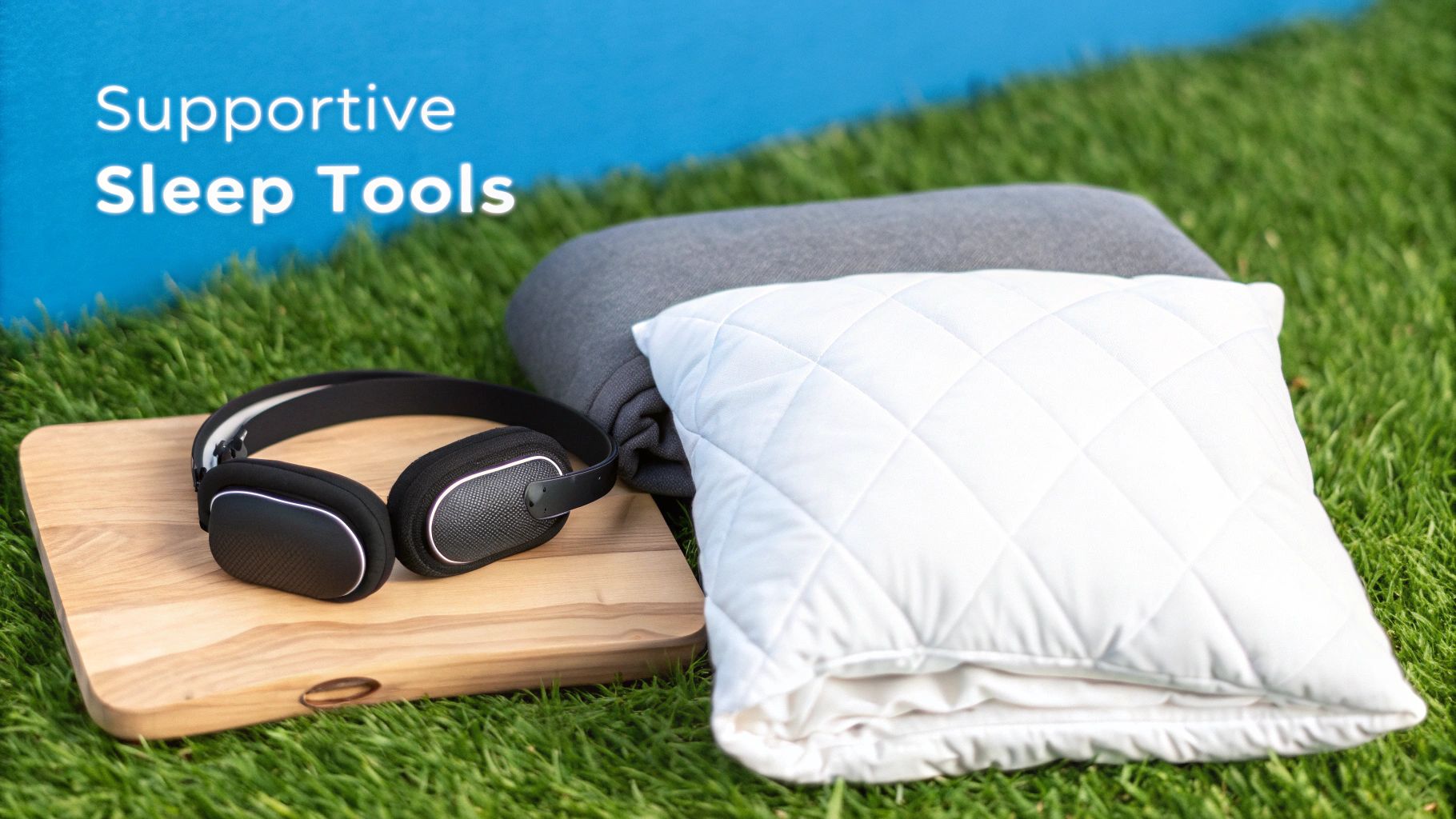
While cognitive behavioral therapy for insomnia is the proven strategy for reclaiming your sleep, it's helpful to think of certain products as tools in your kit. These aren’t magic pills that solve insomnia overnight. Instead, they’re powerful allies that help you put the principles of CBT-I into practice more effectively.
When you use them the right way, these tools can seriously boost the results of your hard work. They make it easier to stick with the program and create an environment that practically begs for deep, restorative sleep.
Reinforcing Stimulus Control with Darkness
One of the cornerstones of CBT-I is a technique called Stimulus Control. The entire goal is to retrain your brain to see your bedroom as a place for one thing and one thing only: sleep. This means making your sleep space as unique and sleep-friendly as possible. One of the strongest signals you can send your brain is pure, uninterrupted darkness.
This is where high-quality blackout masks or curtains really shine. They don't just dim the lights; they create a pitch-black sanctuary that strengthens your bedroom's identity as a sleep zone. This helps draw a very clear line in your brain's sand between being awake and being asleep.
By creating an environment of absolute darkness, you send a powerful, non-negotiable signal to your brain that this space is for sleep and sleep alone. This directly supports the primary goal of Stimulus Control Therapy.
To get this part of your CBT-I practice right, checking out an ultimate guide to the best blackout curtains for your bedroom can give you the insights you need. It’s a small investment that can pay off big time in reinforcing your therapy.
Aiding Relaxation Training and Calming Anxiety
Another key CBT-I component is Relaxation Training, which is all about teaching you how to quiet a racing mind and release physical tension. For this, tools that promote a sense of calm can be incredibly helpful.
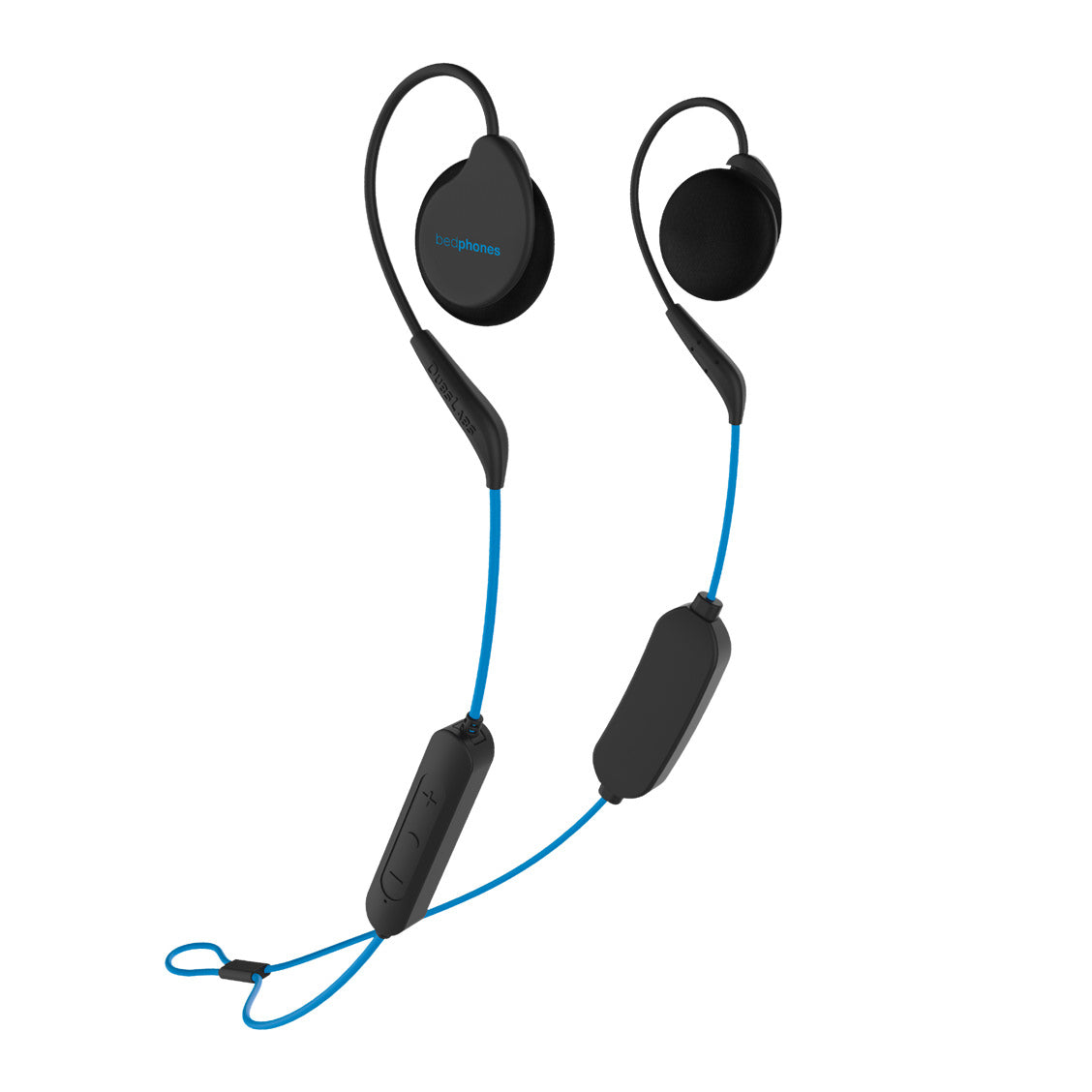
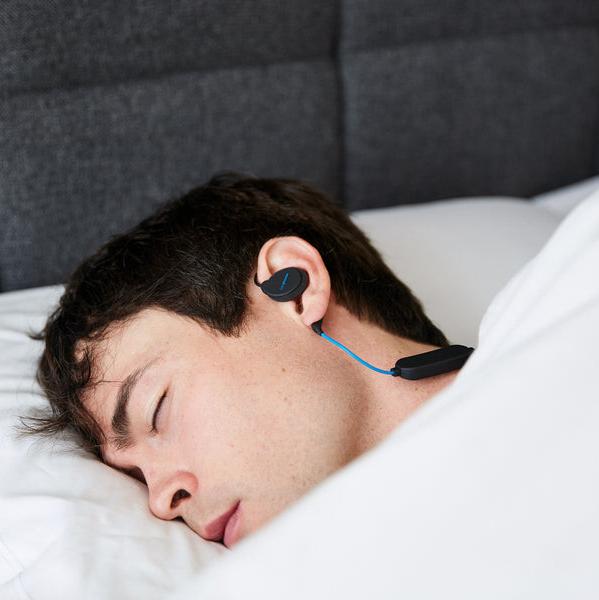
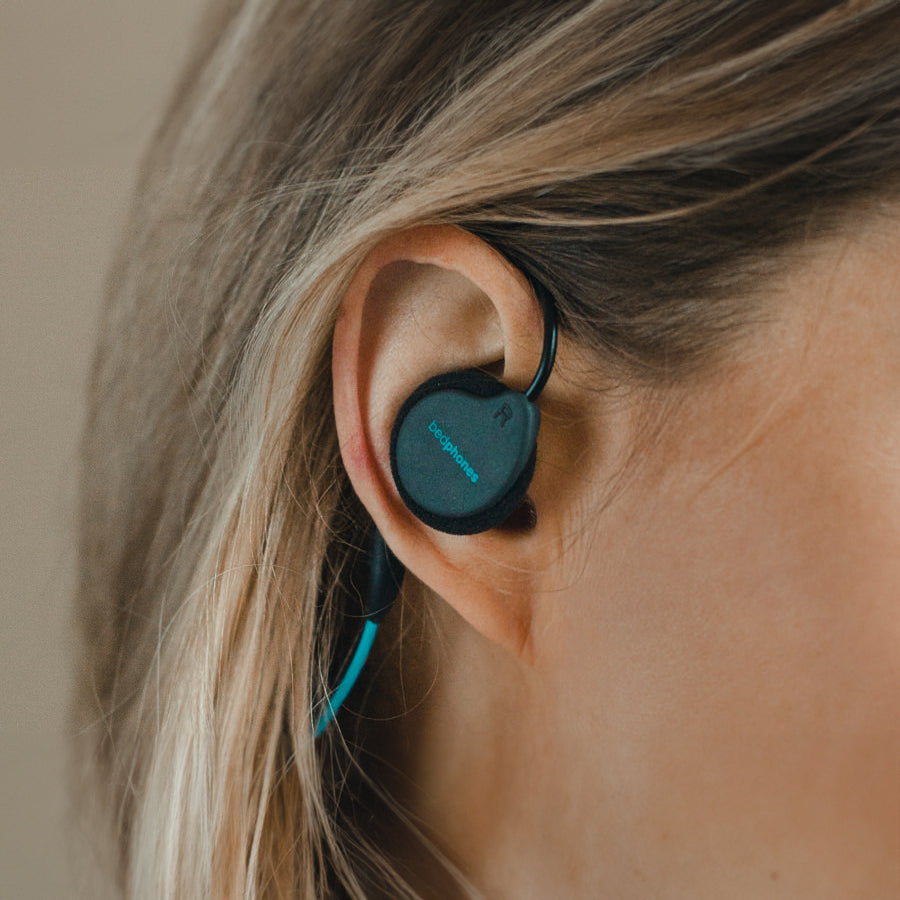
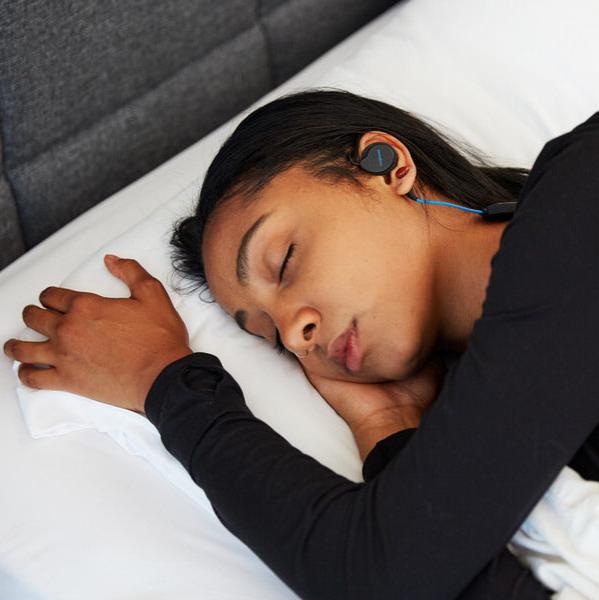
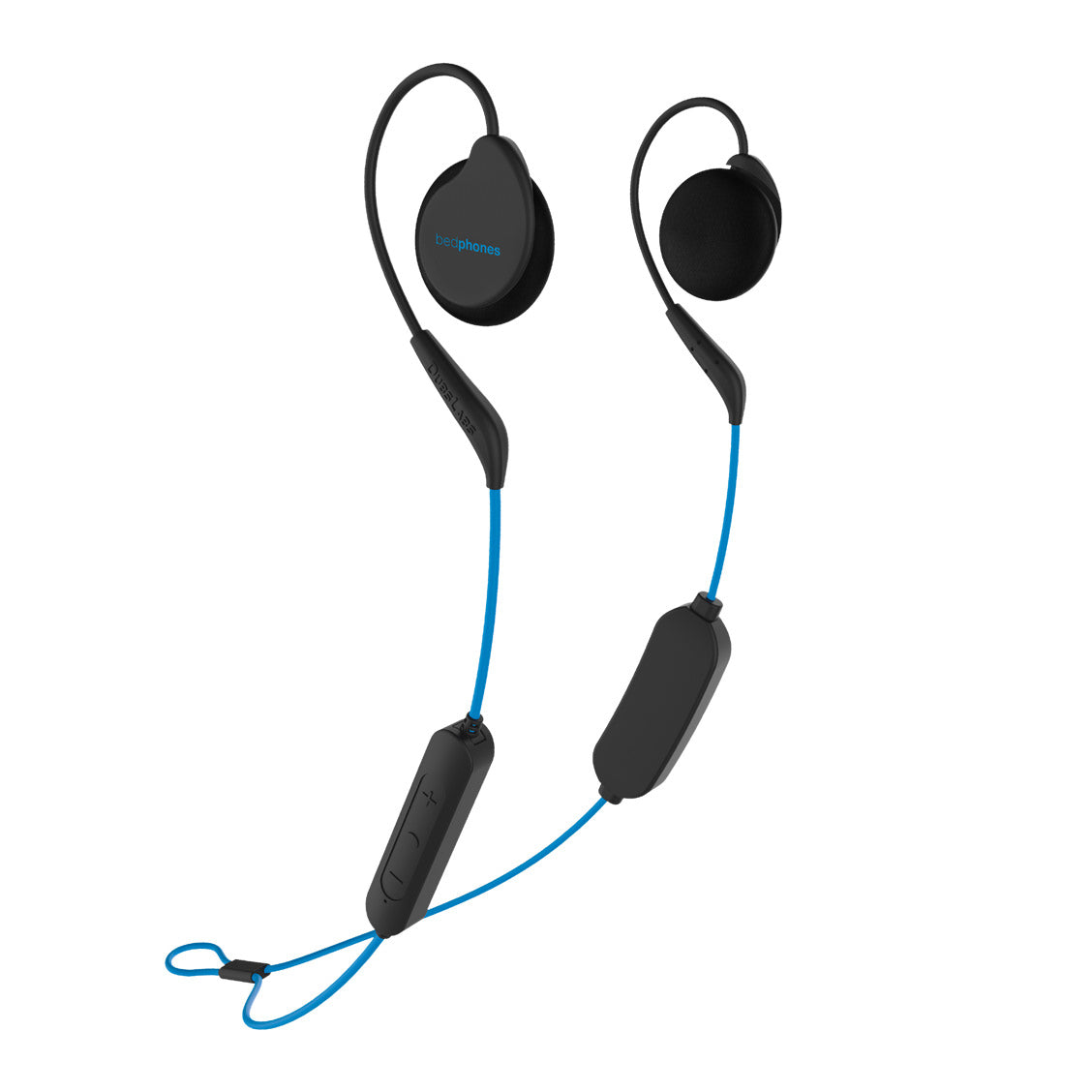
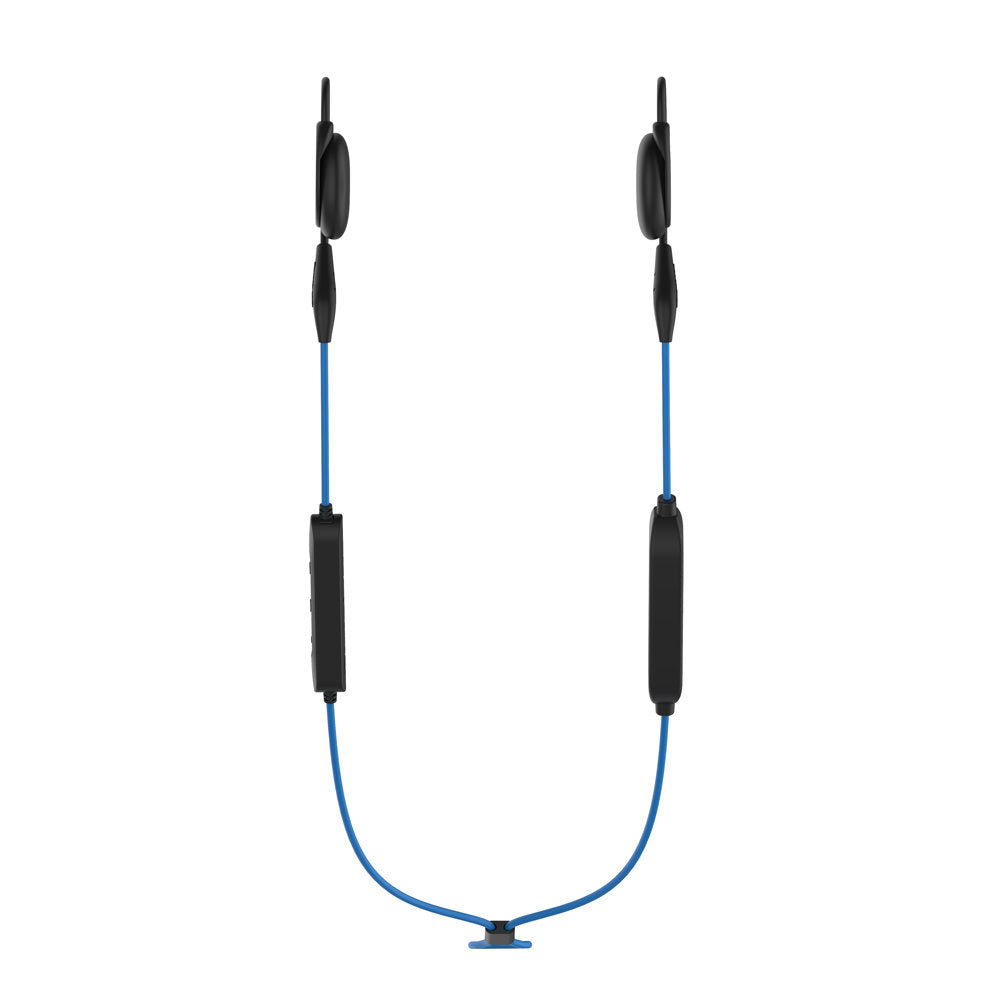
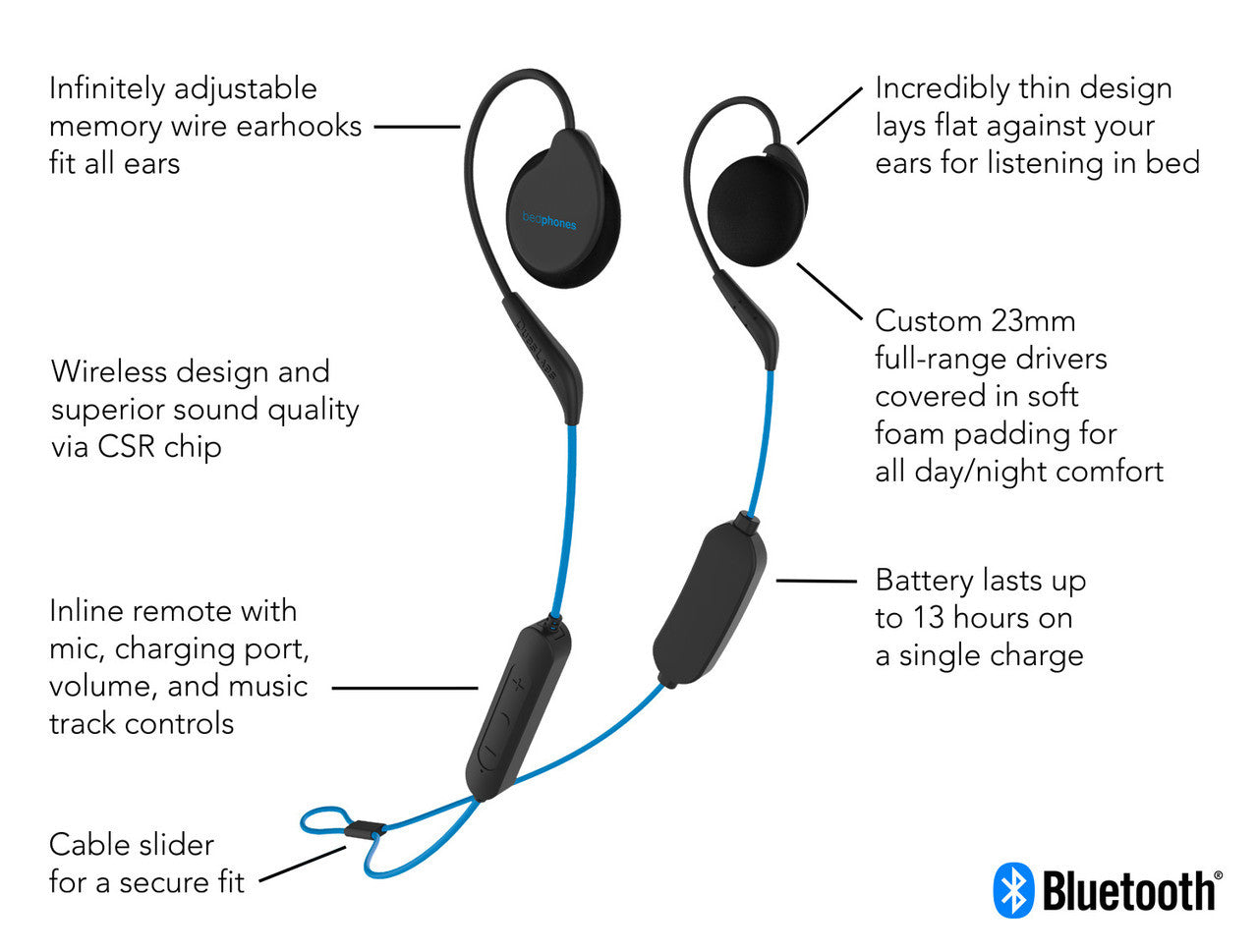
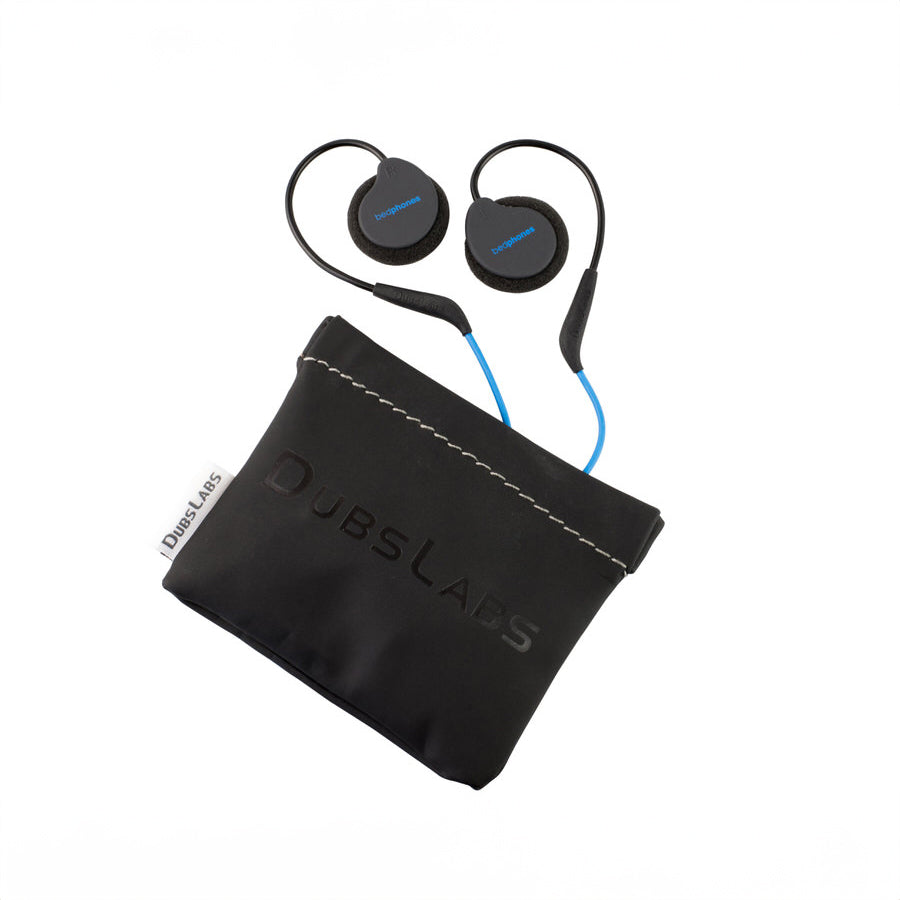
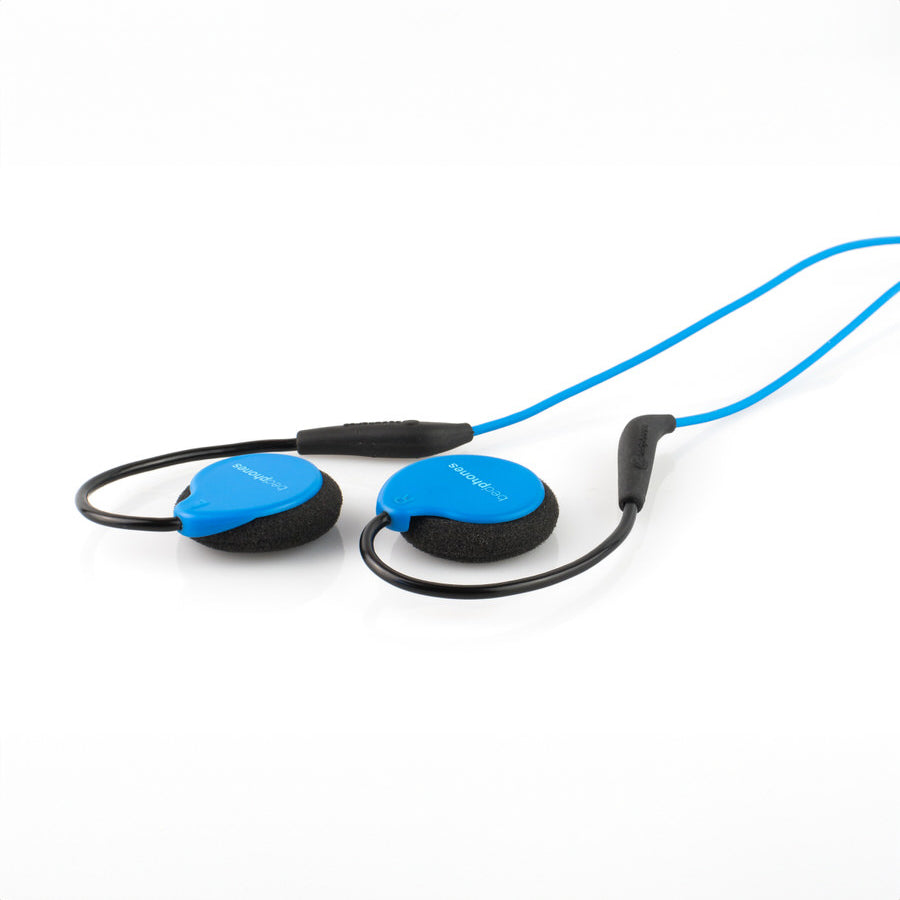
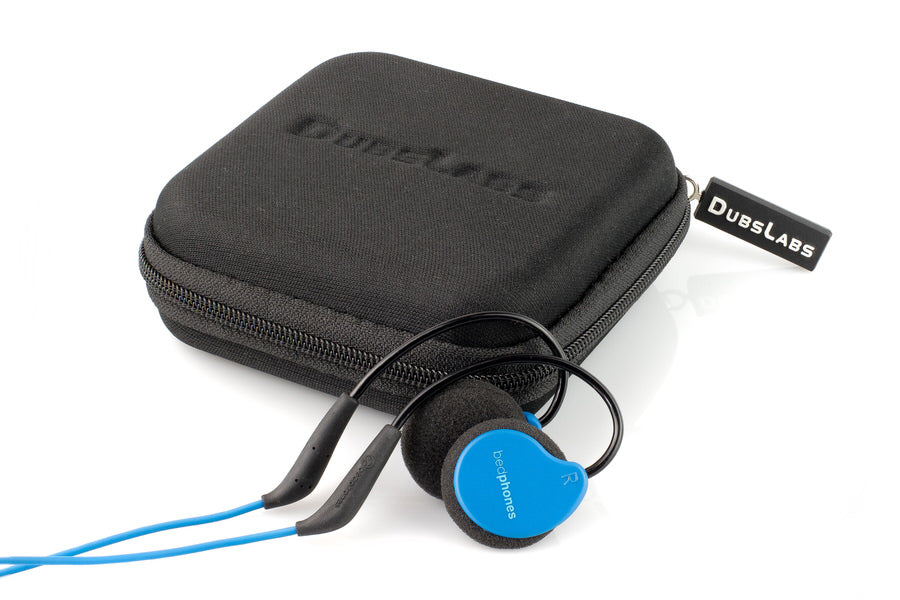
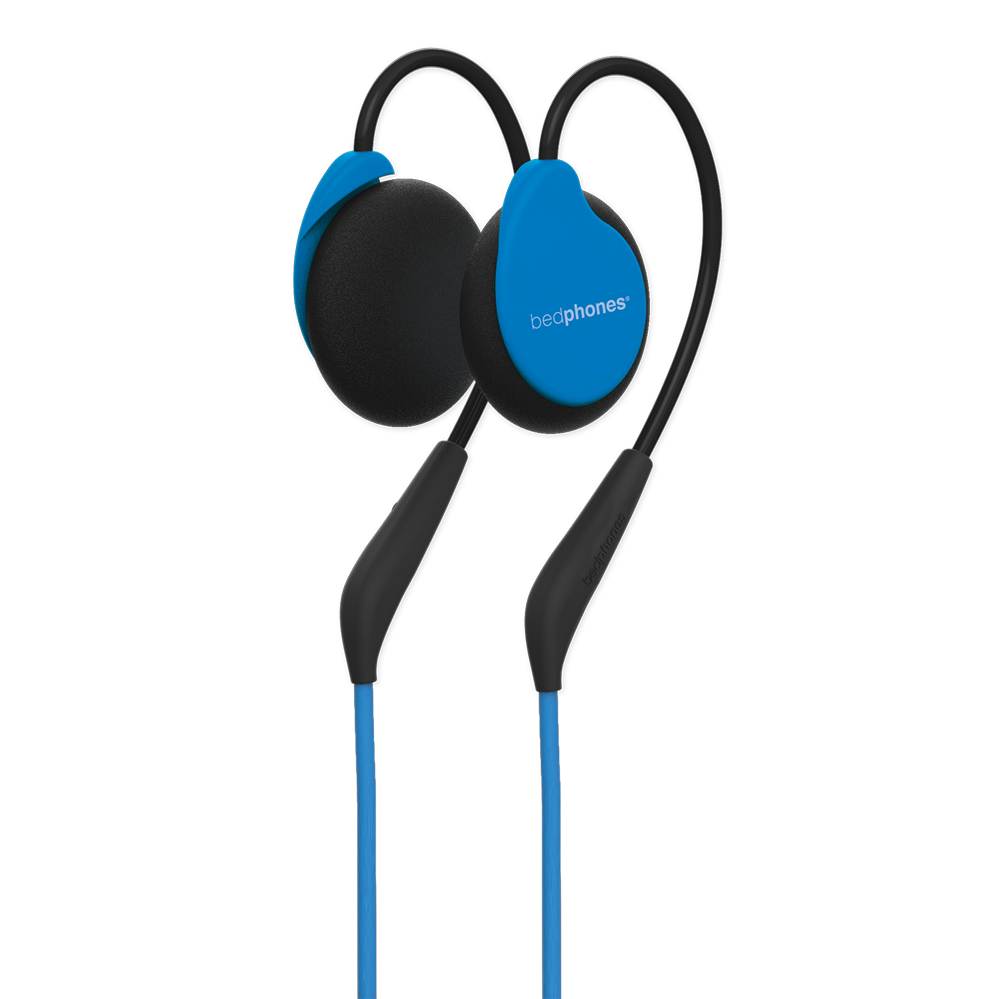
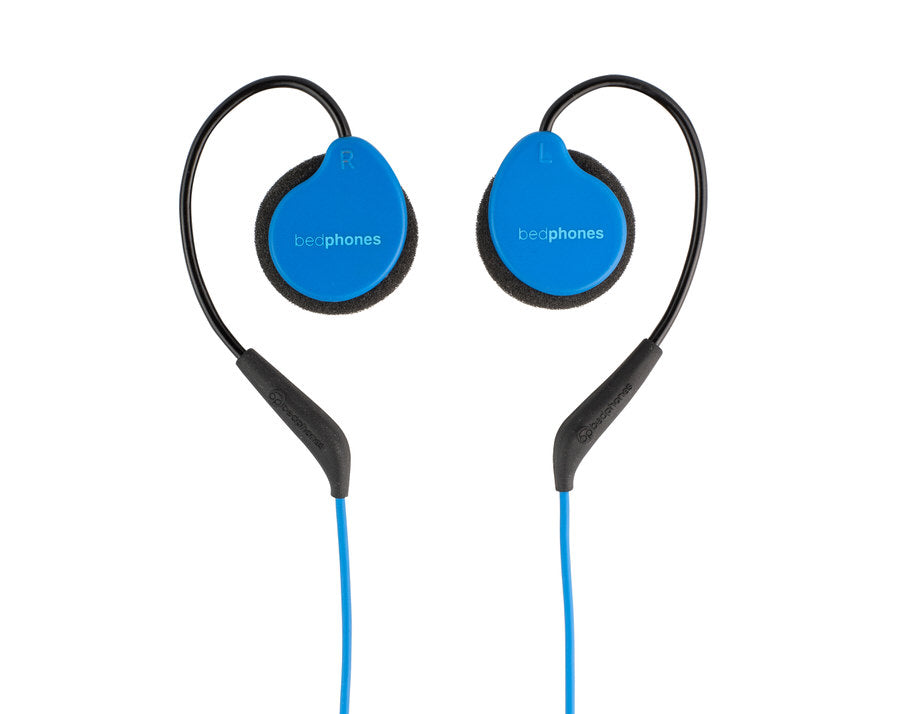
- Sleep Headphones: These are perfect for listening to guided meditations, progressive muscle relaxation tracks, or calming soundscapes without bothering your partner. The audio gives your mind something to focus on, helping you actively participate in the relaxation exercises your therapist recommends.
- Weighted Blankets: A lot of people dealing with insomnia are also wrestling with anxiety. Weighted blankets use something called deep pressure stimulation to create a soothing, grounding feeling, almost like a gentle hug. This physical comfort can help lower your body's stress response, making it much easier to wind down during your scheduled sleep window.
By bringing these tools into your routine, you're giving yourself a tangible, physical way to engage with the relaxation techniques you're learning. To dig deeper into how they work, you can explore the weighted blanket benefits for adults and see the science behind their calming power.
At the end of the day, the goal is to pick products that strategically support the principles of cognitive behavioral therapy for insomnia. They are the supporting cast, not the star of the show, but they can definitely make your journey to better sleep a whole lot smoother.
Your Questions About CBT-I, Answered
Starting any kind of new therapy can feel a little mysterious. It’s totally normal to have questions about how it works, what to expect, and whether it’s really the right move for you. We’ve pulled together the most common questions people have about cognitive behavioral therapy for insomnia to give you the clear, straightforward answers you're looking for.
Think of this as your roadmap. Let's clear up the confusion so you can feel ready and confident on your journey back to restorative sleep.
How Long Does CBT-I Take to Work?
CBT-I is designed to be a short-term, focused therapy. Most people see some pretty significant improvements within just 4 to 8 weekly sessions, which is much faster than many other types of therapy.
You'll probably start to notice small, positive changes in the first couple of weeks as you get the hang of core techniques like stimulus control. But the real magic happens over the full course of the program. As your body's natural sleep drive gets stronger and you unlearn old habits, the benefits really start to stack up.
This isn't a quick fix or a temporary patch. You're building skills that are meant to last a lifetime. The improvements you make are durable, meaning they keep working long after your official sessions are over.
One of the best things about cognitive behavioral therapy for insomnia is that it's all about building sustainable skills. The goal isn't just to get you sleeping better for a few weeks, but to give you the confidence and tools to manage your own sleep for years.
That's what makes the investment of your time and effort so incredibly worthwhile.
Is CBT-I Covered by Health Insurance?
More often than not, yes. Since CBT-I is a well-established, evidence-based treatment delivered by licensed mental health professionals, most insurance plans cover it under their mental or behavioral health benefits.
That said, coverage can vary quite a bit from one plan to another. It's really important to call your insurance company directly before you get started. Be specific and ask them about your coverage for "psychotherapy for insomnia" to get a clear picture of your benefits and what you might have to pay out-of-pocket.
It’s also worth noting that many digital CBT-I (dCBT-I) apps and online programs are now being covered by insurance companies and even employers. They see them as a cost-effective and accessible way to treat insomnia, so always check your specific plan to see if these digital options are included.
Can I Do CBT-I on My Own Without a Therapist?
Absolutely. Self-guided cognitive behavioral therapy for insomnia has been proven to be a highly effective option for a lot of people. Thanks to digital health platforms, structured, science-backed programs are easier to access than ever before.
Digital CBT-I (dCBT-I) programs have solid research behind them and give you the framework, education, and personalized feedback you need to succeed on your own. They're a fantastic choice if you're self-motivated or if finding a specialized therapist in your area is a challenge.
However, there are definitely times when working one-on-one with a professional is the better way to go.
- You have complex insomnia: If your sleep problems are severe or you've been struggling for many, many years.
- You have other health conditions: If you're also managing chronic pain, depression, or significant anxiety.
- You need accountability: If you know you do better with the personalized support and encouragement that only a therapist can provide.
In these situations, the tailored approach of a trained therapist can make all the difference in helping you overcome obstacles and get the best results.
What if I Have Another Health Condition?
This is a great question. CBT-I is remarkably effective for insomnia that shows up alongside other medical or psychological conditions—what experts call comorbid insomnia. In fact, research shows again and again that when you treat the insomnia, the symptoms of the other condition often get better, too.
For instance, finally getting good sleep can dramatically reduce feelings of depression and anxiety, or it can improve your ability to cope with chronic pain. A good CBT-I therapist will know exactly how to adjust the standard program to fit your specific health situation.
The most important thing is to be completely open with your therapist about your full medical history. This lets them create a safe, integrated, and effective plan that helps your sleep without getting in the way of your other health needs. It's a team effort, and that collaboration is key to getting the best possible care.
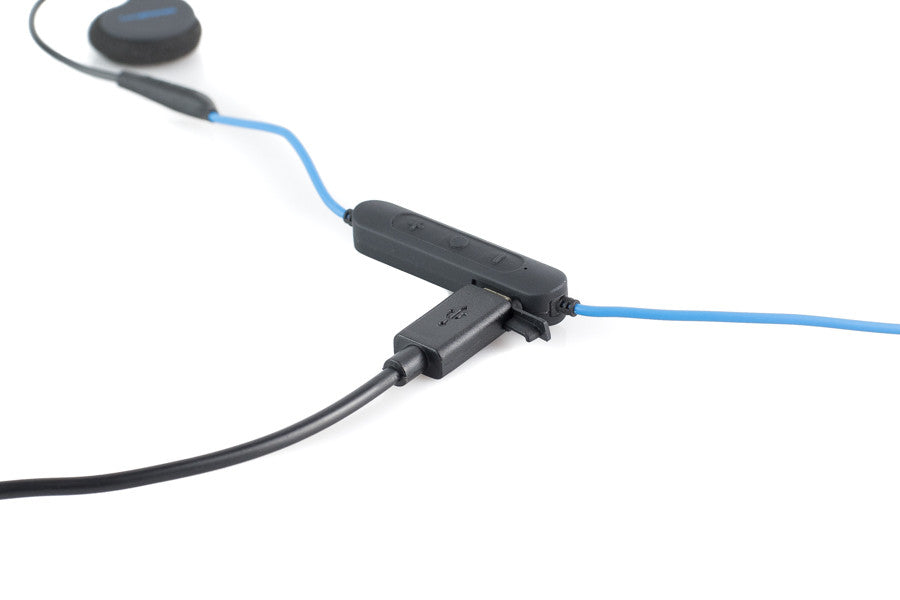
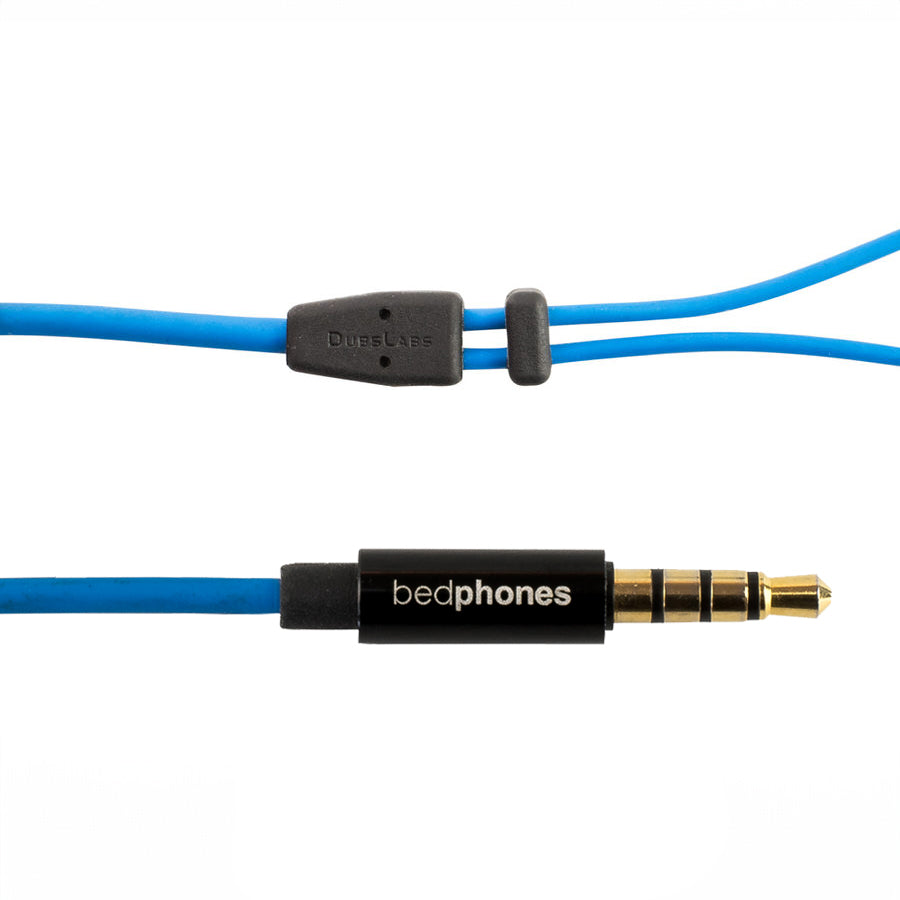
At DubsLabs, we know that creating the right sleep environment is a huge part of putting CBT-I into practice. Our products, from our ultra-thin Bedphones to our total blackout sleep masks, are designed to support the core principles of CBT-I by helping you relax, block out distractions, and take control of your sleep sanctuary.