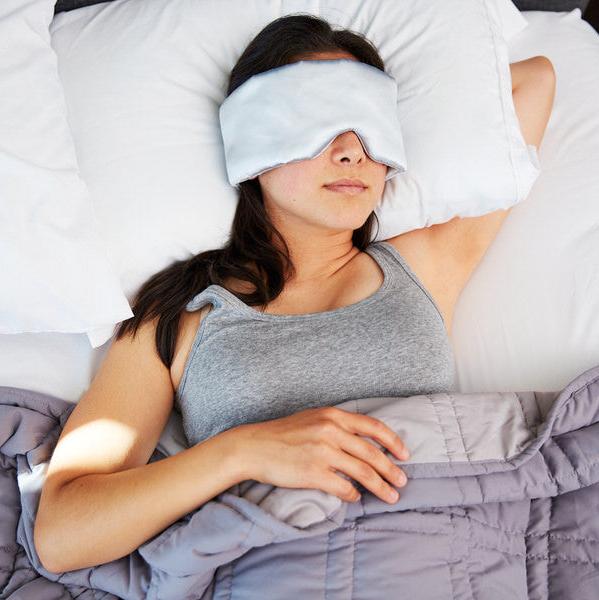
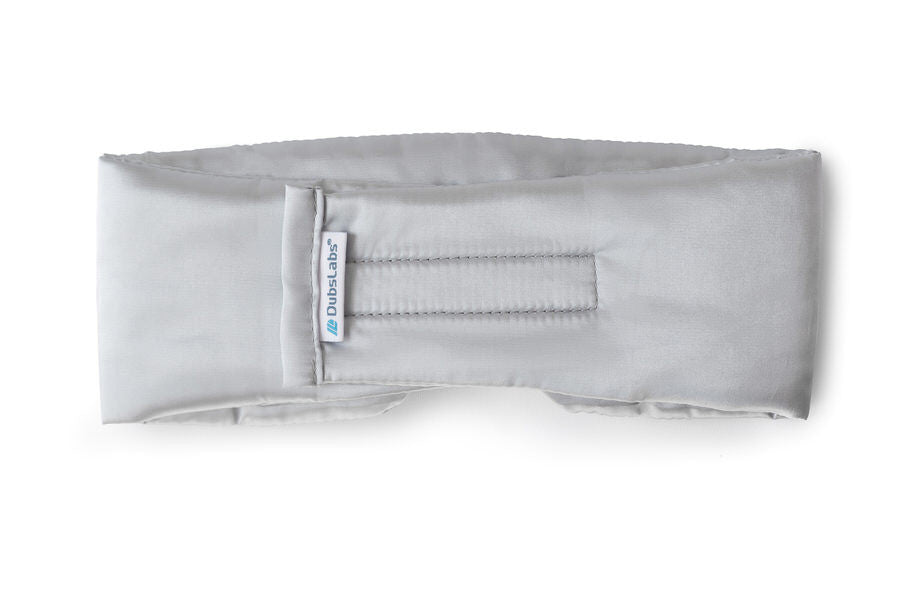
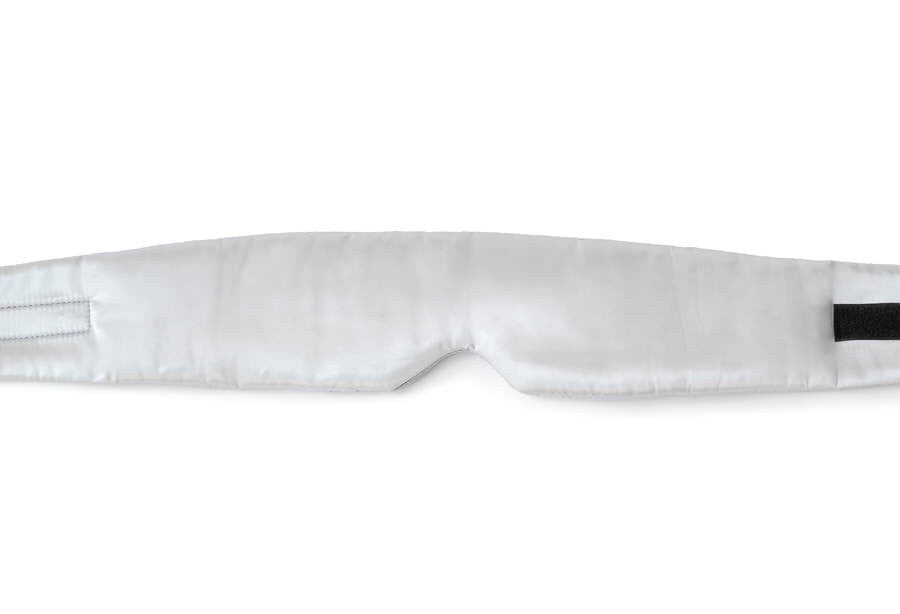
Feeling like you're running out of tricks to get your kids to sleep? You're not alone. But sometimes the simplest solutions are the most effective, and that's where children's eye masks come in. They create a little personal pocket of darkness, sending a powerful signal to a child's brain that it's time to wind down by blocking out pesky light from streetlights, digital clocks, or the super-early morning sun.
Think of it as giving your child a set of portable blackout curtains, just for their eyes.
Your Guide to Unlocking More Restful Nights
For any parent, getting a child to embrace consistent, quality sleep is one of the biggest challenges. The hurdles feel endless, from a kid who's extra sensitive to light and wakes up at the crack of dawn, to one who struggles with bedtime anxiety. A child's sleep mask tackles these issues head-on by creating an environment of total darkness—one of the most powerful biological cues for rest.
This simple tool can genuinely transform bedtime from a nightly battle into a peaceful, calming routine.
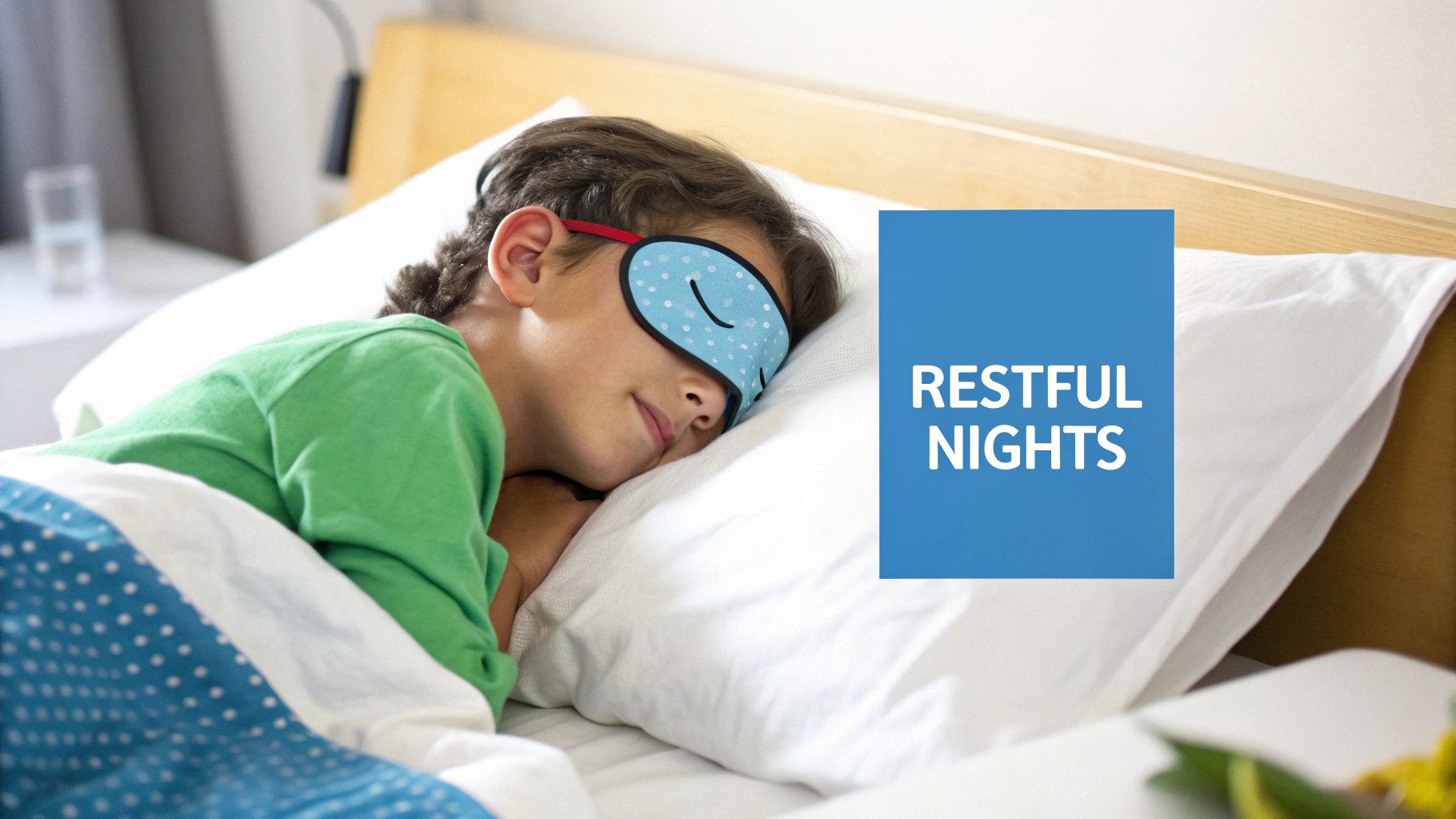
This guide will walk you through everything you need to know to make an eye mask a welcome part of your child's sleep toolkit. We'll get into choosing the right materials, making sure it's a safe and comfy fit, and turning the mask into a beloved part of their nightly ritual.
Why Are Sleep Masks Suddenly Everywhere?
The buzz around "sleep hygiene" isn't just for adults anymore; it's a huge part of pediatric wellness. As more parents look for non-medicinal ways to solve common sleep problems, simple, effective tools are in high demand. You can see this shift playing out in the market trends.
The global eye mask market was valued at USD 5.2 billion in 2023 and is expected to explode to USD 15.7 billion by 2032. This incredible growth reflects a worldwide focus on making sleep a priority, especially when you consider that 25-50% of children deal with sleep issues. You can dig into more data on the eye mask market growth if you're curious.
By creating a consistently dark environment, an eye mask helps regulate a child's internal clock, also known as their circadian rhythm. That consistency is the bedrock of healthy sleep habits that can stick with them for life.
What to Look For When Choosing a Mask
Picking the perfect mask isn't just about finding a fun color or their favorite cartoon character. For it to actually work—and for your child to actually want to wear it—a few key factors come into play. A great children's eye mask is a perfect mix of comfort, safety, and smart design.
To help narrow down the options, we've put together a quick guide on the most important things to consider.
Quick Guide to Choosing a Child's Eye Mask
| Feature | Why It Matters for Kids | What to Look For |
|---|---|---|
| Material | A child's skin is sensitive. The fabric needs to be gentle, breathable, and not cause irritation or overheating. | Look for 100% silk, organic cotton, bamboo fabric, or soft fleece. Make sure it's hypoallergenic. |
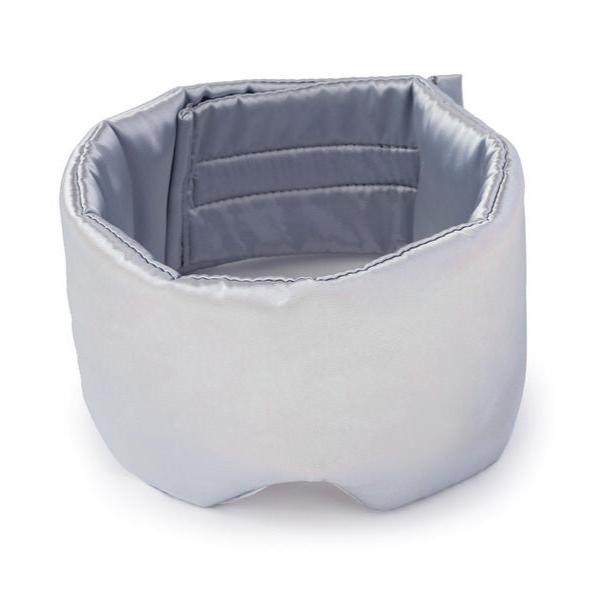
| Design and Fit | A flat mask can press on eyelids and lashes, which is really uncomfortable. A good fit blocks all light without being tight. | Contoured or molded designs are fantastic because they create space for the eyes. The mask should sit snugly but gently. |
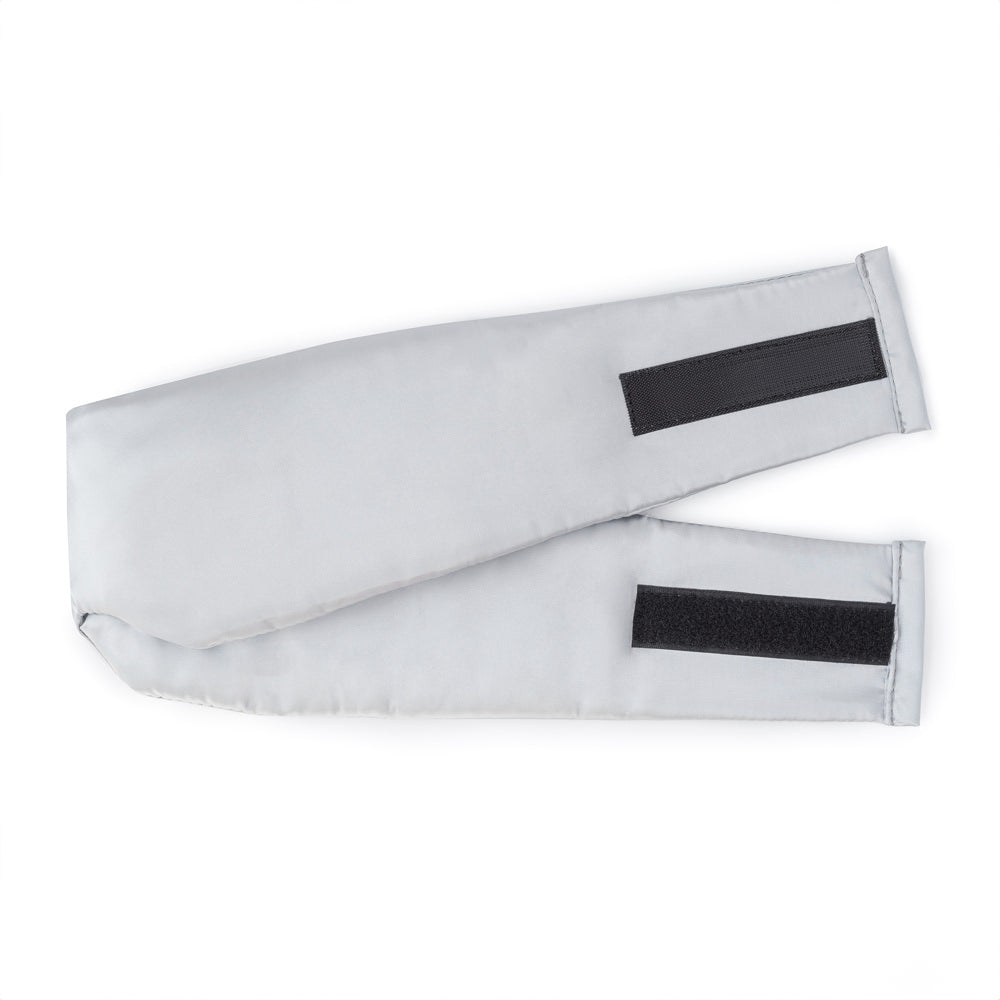
| Strap Type | Straps can pull hair, feel too tight, or lose their stretch. An adjustable, soft strap is a must for a custom, comfy fit. | Go for soft, wide straps with an adjustable Velcro closure or a smooth slider that won't get tangled in hair. |
| Safety | Small, detachable parts like beads or decorative buttons can be a serious choking hazard for younger children. | Always choose masks with no small, sewn-on parts. The design should be simple, secure, and age-appropriate. |
These features ensure the mask is not only effective at blocking light but is also a safe and comfortable accessory your child will be happy to wear all night long.
Here are the key elements to keep in mind:
- Material: The fabric absolutely has to be breathable, hypoallergenic, and soft against that delicate skin. Materials like silk, organic cotton, or bamboo are top-tier choices.
- Design and Fit: Look for contoured designs that leave a little pocket of space for the eyelids and lashes. This prevents that annoying, uncomfortable pressure. The fit should be snug enough to block light but never tight.
- Strap Type: A soft, adjustable strap is non-negotiable. Velcro or slider-style straps are great because they allow for a custom fit that can grow with your child and won't snag their hair.
- Safety: Make sure there are no small, detachable parts that could pose a choking hazard, especially for younger kids. The design should be simple and secure.
At DubsLabs, we get that a holistic approach to sleep delivers the best results. Our total dark sleep masks are designed with these principles in mind, complementing a full range of wellness products aimed at helping the entire family rest better.
How Eye Masks Improve Your Child's Sleep Quality
A child's eye mask is so much more than a piece of fabric they wear at night. Think of it as a powerful tool that works with their natural biology to unlock deeper, more restorative sleep. It’s like a light switch for their brain's internal clock.
When your child's eyes detect darkness, it sends a crucial signal to the brain: it’s time to start producing melatonin, the hormone that tells the body it's time to sleep.
But in our modern world, true darkness is surprisingly hard to find. Ambient light from street lamps, hallway nightlights, glowing digital clocks, and even the early morning sun can sneak through eyelids and throw a wrench in this natural process. A good children's eye mask acts like a personal set of blackout curtains, making sure the brain gets the "it's time for sleep" message loud and clear.
This consistent signal of darkness helps solidify a child's circadian rhythm, which leads to more predictable sleep patterns and fewer frustrating nighttime wake-ups. For a deeper dive, you can learn more about the benefits of sleeping in total darkness and how it impacts overall health.
The Science of Melatonin Production
To really get why a sleep mask is so effective, let's peek inside the brain. There’s a tiny region called the pineal gland, and its main job is to produce melatonin. But it only does its job when it gets the all-clear signal that it's dark outside.
Even a sliver of light can put the brakes on melatonin production, making it harder for a child to fall asleep and stay asleep. This is why a simple children's eye mask can make such a huge difference. It creates a consistent, pitch-black bubble that tells the pineal gland, "Okay, you can start the sleep process now."
This isn't just about falling asleep faster. By promoting optimal melatonin levels, an eye mask helps ensure your child cycles through the deeper, more restorative stages of sleep—the stages that are absolutely essential for physical growth, memory consolidation, and emotional regulation.
This growing understanding of sleep science has created a huge demand for better sleep solutions for all ages. Children's eye masks are now a vital part of the booming sleep product industry, with the overall market hitting USD 16.66 billion in 2024. This growth highlights just how much parents are looking for age-specific designs that provide total darkness comfortably, especially since studies show 35% of children aged 5-12 suffer from irregular sleep because of light exposure.
Who Benefits Most from a Sleep Mask?
While pretty much any child can get better sleep with a mask, some kids and situations see an almost immediate benefit. It’s a surprisingly versatile tool for tackling different bedtime challenges.
- The Light-Sensitive Child: Some kids are just incredibly sensitive to the tiniest glimmer of light. For them, the sunrise isn't a gentle wake-up call—it's a jarring alarm clock that cuts their sleep short. A mask keeps their world dark until it's actually time to get up.
- The Anxious Child: The gentle, consistent pressure from a soft eye mask can feel like a warm hug for the face. This sensory input, known as deep touch pressure, can help soothe an overstimulated nervous system and make a child feel more secure and grounded at bedtime.
- The Traveling Child: Whether you're on a plane, in a car, or sleeping in a strange hotel room, keeping a sleep schedule intact is tough. A mask creates a familiar sleep cue and blocks out unpredictable light, making it way easier for a child to rest on the go.
By creating a cozy little sensory cocoon, an eye mask can be a total game-changer. When you pair it with other calming tools—like a weighted blanket for extra sensory comfort or soothing audio from products like Bedphones—you can build a powerful, multi-sensory sleep environment. It's an approach that helps turn bedtime battles into a peaceful routine.
Choosing the Best Materials and Features for Kids
Picking the right eye mask for your child is about more than just their favorite color or superhero. What really makes the difference between a treasured sleep aid and something that ends up lost under the bed are the materials and design. A child's skin is so much more sensitive than ours, which puts the fabric choice right at the top of the list.
You want a material that feels like a soft cloud against their face—gentle, breathable, and totally non-irritating. This is how a mask becomes a source of genuine comfort, not a nightly nuisance they can't wait to rip off.
This simple diagram shows exactly how creating that dark, cozy space with a mask kickstarts your child's natural sleep cycle.
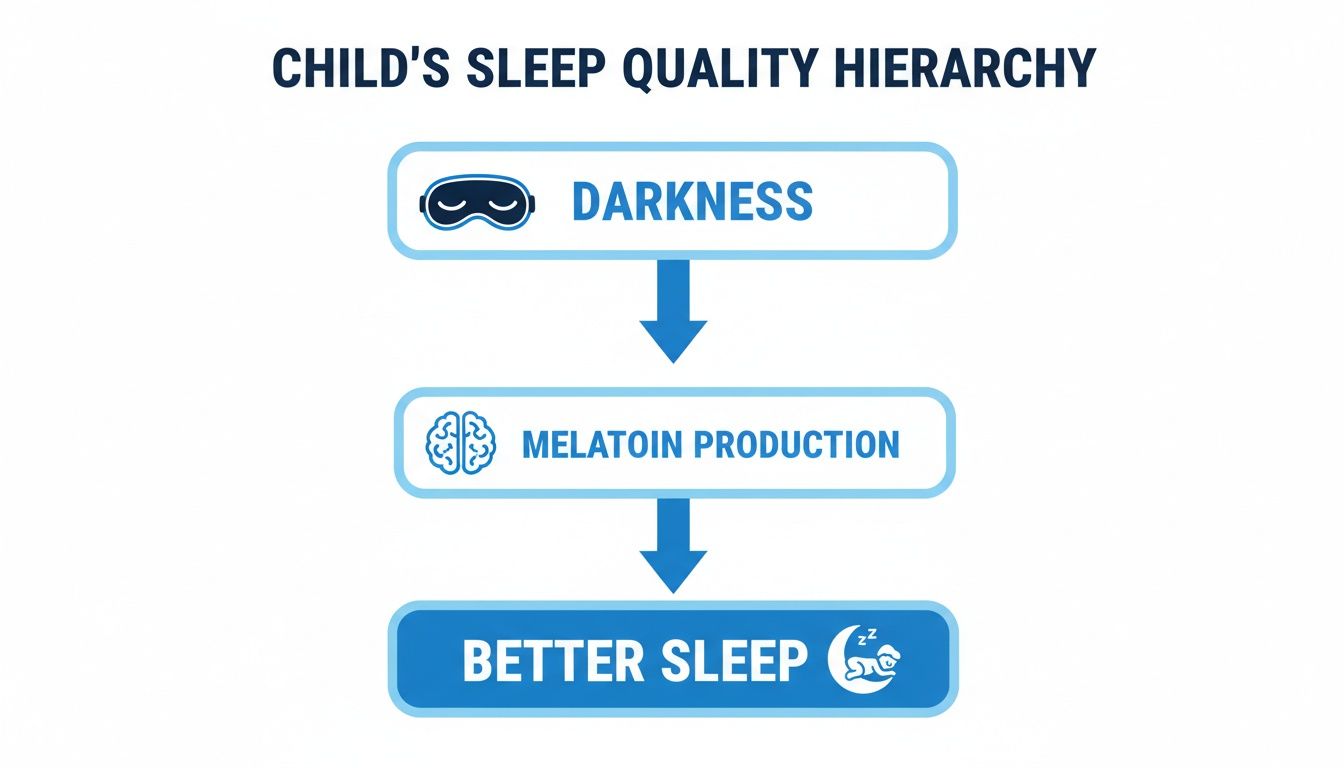
As you can see, blocking out light is the first domino to fall. It tells the brain it's time to produce melatonin, which paves the way for deeper, more restorative sleep.
The Best Fabrics for Sensitive Skin
When you're looking at materials for a kid's eye mask, three things are non-negotiable: softness, breathability, and hypoallergenic properties. Let’s break down the most common options and see how they really perform for little sleepers.
When it comes to your child's delicate skin, the fabric touching their face all night matters immensely. Natural fibers are almost always the superior choice, offering a blend of comfort and performance that synthetic materials struggle to match. Here’s a quick comparison to help you decide.
Comparing Eye Mask Materials for Children
| Material | Pros for Children | Cons for Children | Best For |
|---|---|---|---|
| 100% Mulberry Silk | Incredibly smooth and gentle, naturally hypoallergenic, and regulates temperature to stay cool. Doesn't absorb skin's natural moisture. | Can be more expensive and requires delicate hand washing. | Children with very sensitive or dry skin; kids who tend to get warm at night. |
| Organic Cotton | Very soft and breathable, preventing overheating. Free from harsh chemicals and pesticides used in conventional cotton. | Can absorb moisture from the skin; may feel less "luxurious" than silk. | Kids with allergies, eczema, or other significant skin sensitivities. A great all-around choice. |
| Bamboo Fabric | Silky-soft feel, naturally antibacterial, and wicks away moisture. A highly sustainable and eco-friendly option. | Quality can vary greatly between manufacturers; may not be as durable as high-quality silk or cotton over time. | Eco-conscious families and children who sweat at night, thanks to its moisture-wicking properties. |
| Synthetics (Polyester, Fleece) | Often plush and available in many fun designs. Typically the most affordable option. | Poor breathability traps heat and sweat, which can lead to skin irritation, rashes, or discomfort. | Short-term use, like travel, but generally not recommended for nightly wear due to the risk of irritation. |
Ultimately, investing in a high-quality, natural fabric pays off. It dramatically reduces the chance your child will reject the mask because it feels itchy or hot, making your job of introducing it that much easier.
Key Design Features That Matter
Beyond the fabric, the actual construction of the mask plays a huge part in whether it's comfortable and effective. Two things to zero in on are the mask's shape and its strap. A poorly designed mask will be more of a distraction than a help.
Contoured vs. Flat Masks
A contoured mask is a game-changer for kids. It's molded with deep, hollow eye cups. Here's why that's so important:
- It creates space around the eyes, so there’s zero pressure on their eyelids or eyelashes.
- This design allows their eyes to move naturally during REM (Rapid Eye Movement) sleep without anything getting in the way.
- Kids are far less likely to feel claustrophobic or get annoyed by the feeling of fabric touching their eyes.
Flat masks, on the other hand, lie directly against the eyes, a sensation many children find uncomfortable and just plain weird.
The Importance of the Strap
The strap holds the whole operation together, but it can also be a real point of failure. A thin, flimsy elastic band will dig into their skin, pull their hair, or lose its stretch in no time.
Look for a children's eye mask that has a wide, soft, and adjustable strap. Velcro closures are a fantastic feature because they let you get a truly custom fit that’s easy to adjust on the fly. This ensures the mask stays put—even on a restless sleeper—without ever feeling too tight or getting tangled in their hair.
Finding the Perfect Fit and Ensuring Total Safety
Once you've zeroed in on the right material and a design your kid loves, the next big step is all about fit and safety. An eye mask that doesn't fit right is pretty much useless. If it's too loose, it'll slide right off a restless sleeper in the middle of the night. Too tight, and it creates uncomfortable pressure, which completely defeats the purpose of trying to relax.
Getting the fit just right is what makes the magic happen. A snug mask creates that total blackout effect, which is the signal the brain needs to start producing melatonin. That’s your ticket to a night of deep, restorative sleep.
Sizing a Child's Eye Mask Correctly
Don't worry, sizing an eye mask for a child isn't rocket science, but it does need a little attention to detail. You're going for the "Goldilocks" fit—not too tight, not too loose. A well-fitted mask should feel like a gentle hug on their face, never a clamp.
Here’s a quick checklist to run through:
- Secure but Gentle Strap: The strap needs to be snug enough to keep the mask in place, even if your child is a toss-and-turner. Crucially, it should never leave a mark or feel like it's squeezing their head.
- Complete Light Blockage: Pop the mask on your child in a bright room. Ask them to look around and tell you if they see any light peeking through, especially around the bridge of their nose or at the sides.
- No Pressure on the Eyes: This is a big one. If you chose a contoured mask, their eyelashes shouldn't be brushing against the fabric. For any style, the mask should rest on the bones around the eyes (the orbital bones), not directly on their eyelids.
- Easy for Them to Remove: Your child absolutely must be able to take the mask off by themselves, no help needed. This is a non-negotiable safety rule and also gives them a sense of control.
A correctly fitted mask becomes an extension of their comfort zone. It should be so comfortable that they forget they're even wearing it, allowing them to relax and drift off to sleep without distraction.
Answering Key Safety Concerns
It's totally normal to have questions about safety. I mean, we're talking about putting something on your child's face while they're asleep. Let's tackle the most common worries parents have.
What is the right age to start?
Generally speaking, eye masks are considered safe for kids aged 3 and older. The most important rule is that the child has to be able to remove the mask on their own, easily and without any help.
Are there any choking hazards?
This is a huge consideration. Always opt for masks with a simple, streamlined design. Steer clear of any children's eye masks with little detachable bits and bobs—things like beads, sewn-on plastic gems, or other decorations that could come loose and pose a choking risk. Safety always trumps style.
The demand for safe, effective sleep aids for kids is growing fast. The global market just for children's eye masks was valued at a whopping USD 959.81 million in 2024. That growth is a direct response to the 50 million U.S. kids who struggle with sleep, often made worse by staring at screens right before bed.
Of course, a mask only handles the light. A truly safe sleep environment for a young child is the whole package. For infants, something like a breathable crib mattress is an essential piece of the puzzle. This holistic approach ensures safety from every angle. You can also create a powerful calming routine by pairing an eye mask with other sensory tools. For more ideas, check out our guide on using weighted blankets for kids.
At DubsLabs, our entire design philosophy starts with safety. Features like our easily adjustable straps and kid-safe materials are there for a reason—to give parents total peace of mind, knowing that every product is helping create a safe and restful night.
Making an Eye Mask Part of Your Bedtime Routine
Even the most perfect children's eye mask won't do a bit of good if your child refuses to wear it. The real secret here isn't about forcing the issue; it’s about making the mask a fun, positive, and even empowering part of their nightly wind-down. Your goal is to turn it into a welcome comfort item, not just another bedtime chore.
The key is a little patience and a lot of creativity. Try to think of it less as a "sleep tool" and more like a new accessory for their imagination. Maybe it's a 'superhero sleep mask' that gives them good dreams or a 'magical dream shield' that keeps scary thoughts away.
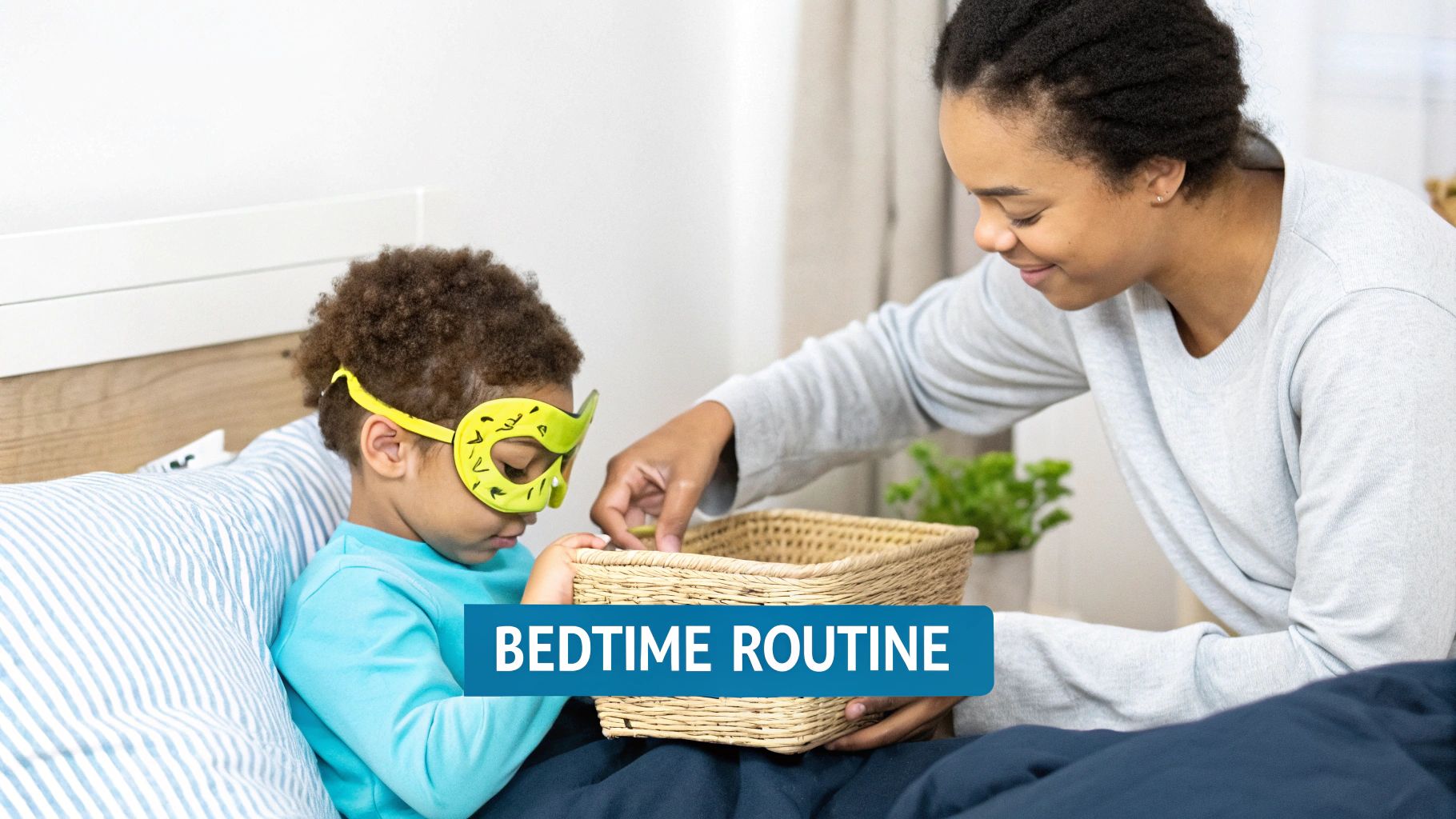
This simple shift in perspective can be the difference between resistance and excitement, making the mask something they actually look forward to putting on each night.
Frame It as a Positive Choice
Giving kids a sense of ownership is incredibly powerful. When they feel like they have a say, they're far more likely to get on board with something new. So, instead of presenting the mask as a fix for a problem, involve them in the whole process right from the start.
Here are a few ways to make it their idea:
- Let Them Choose: The easiest win is to let your child pick out their own eye mask. Whether it’s covered in dinosaurs, unicorns, or their favorite color, giving them this control creates an immediate personal connection.
- Give it a Special Name: Brainstorm a fun name together. "The Dream Weaver" or "Captain Sleep's Goggles" is way more appealing than just "your eye mask."
- Model the Behavior: Kids are master imitators. Try wearing an eye mask yourself for a few nights. When they see you using one, it normalizes it and might even make it seem like a cool, "grown-up" thing to do.
This approach builds positive feelings from day one, which is absolutely essential if you want this to stick.
Practice Makes Perfect
Whatever you do, don't wait until lights-out to introduce the mask for the first time. The pressure of "it's time to sleep now" can make any new experience feel stressful. A better approach is to make the mask a familiar object during low-key daytime activities.
The goal is for the mask to feel as normal and comfortable as their favorite pajamas. By integrating it into calm, happy moments, you remove the anxiety and pressure associated with bedtime.
Try these low-pressure practice runs:
- Story Time: Have them wear the mask for just a minute or two while you read a favorite book. This connects it to a calming, enjoyable activity they already love.
- Quiet Play: Suggest they wear it while listening to music or an audiobook. This helps them get used to the sensory experience without any expectation of sleep.
- Rest Time: If your child still has a quiet or nap time, that's a perfect opportunity. They can lie down with the mask on, even if they don't actually fall asleep.
Remember, consistency and patience are your best friends here. If they push back one day, don't make a big deal out of it. Just try again the next day with the same positive energy. Building healthy habits is a marathon, not a sprint. For more ideas, our guide on how to help kids fall asleep has a bunch of other strategies for creating a peaceful bedtime.
Building a Complete Strategy for Better Sleep
A great children's eye mask can feel like a magic wand for sleep problems, but it works best when it’s part of a bigger picture. To make it a lasting part of your child's routine, you'll need to take care of it properly. You'll also see the best results when you combine the mask with other sleep aids, creating a powerful, multi-layered approach to deep, restorative rest.
Just like their favorite teddy bear, a sleep mask needs a regular wash to stay fresh and hygienic. Sweat, natural skin oils, and dust can build up over time—not exactly what you want resting on your child's sensitive face all night.
For most masks, especially those made from delicate materials like silk, hand washing is the way to go. Just use a gentle, pH-neutral soap in cool water, give it a little swish, and let it soak for a few minutes before rinsing it out completely. Lay it flat on a clean towel to air dry, and keep it out of direct sunlight.
Creating a Holistic Sleep Environment
An eye mask is a superstar at blocking out light, but that’s just one piece of the sleep puzzle. To build a truly effective routine, think about layering other sensory tools that work together to calm your child’s nervous system and get them ready for sleep. This strategy tackles the multiple things that can get in the way of a good night's rest.
Imagine you're creating a calming sensory cocoon. The eye mask handles the visual stuff, but what about sound, touch, or even the lingering buzz from screen time? Beyond the mask itself, it's so important to look at other parts of sleep hygiene, like figuring out how to reduce screen time, which can make a huge difference in how well a child can wind down.
Here are a few other sleep aids that pair beautifully with an eye mask:
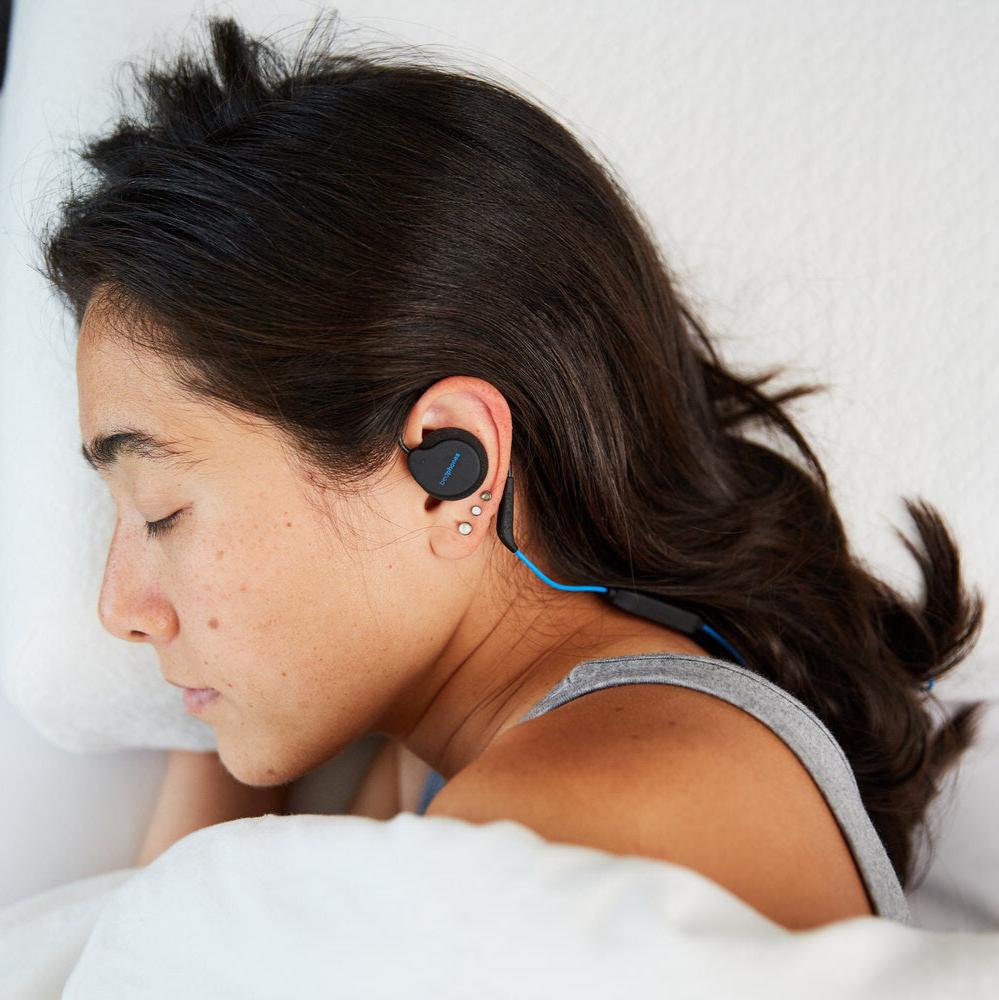
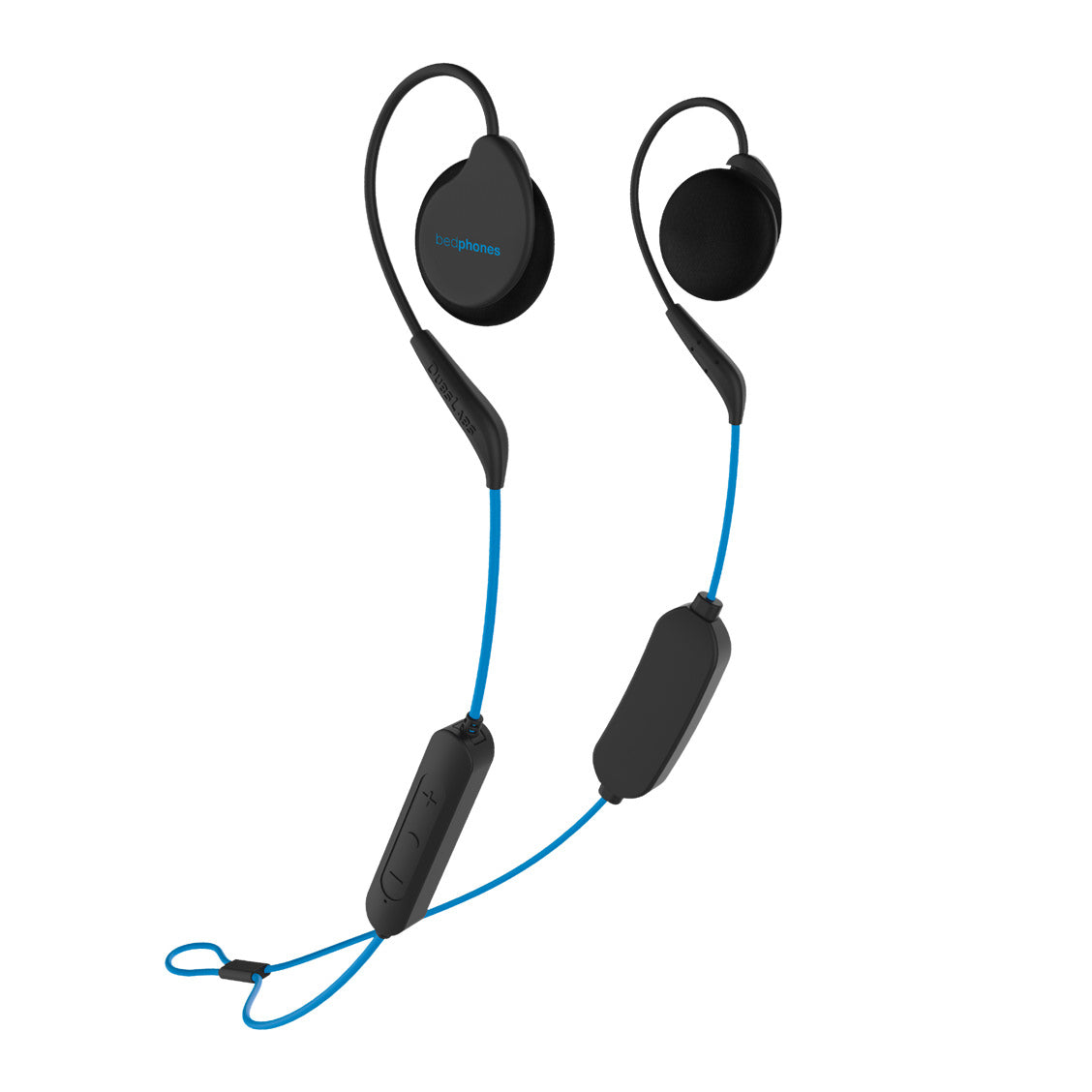
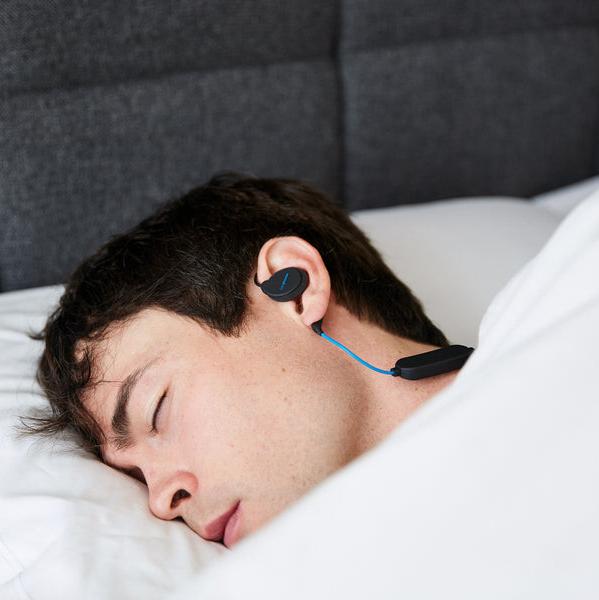
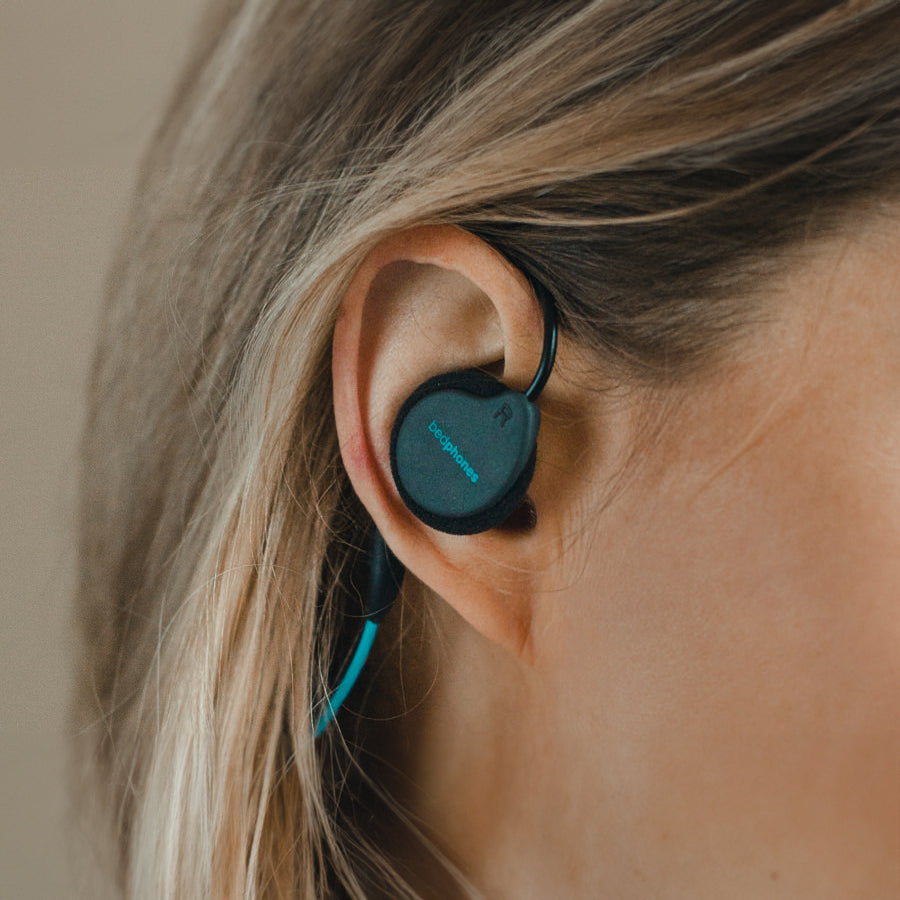
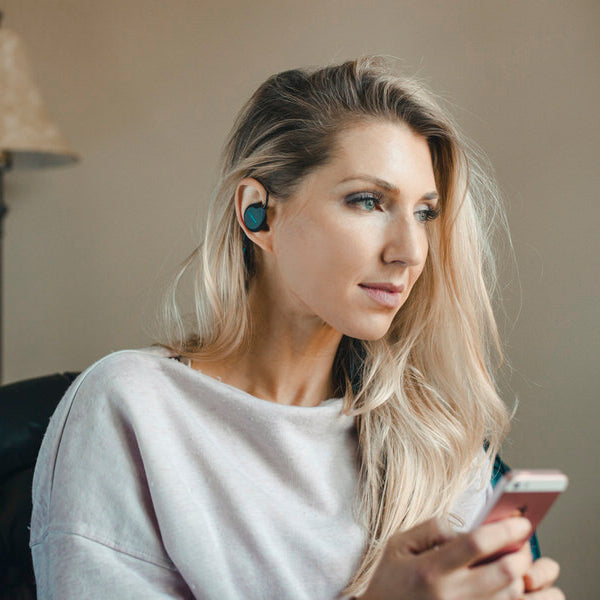
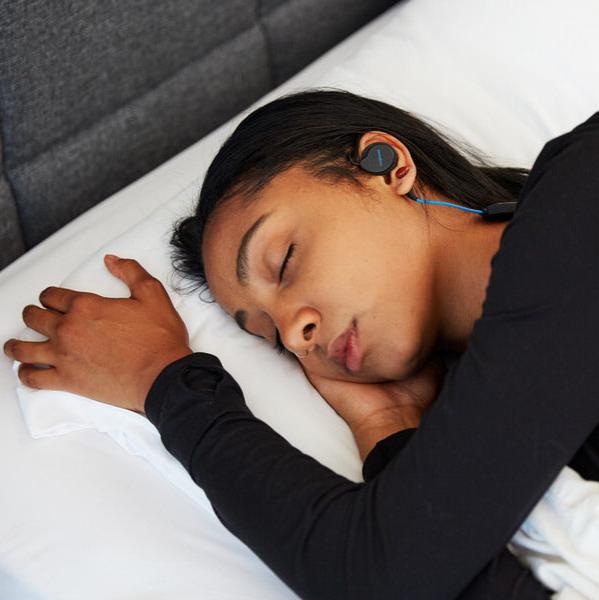
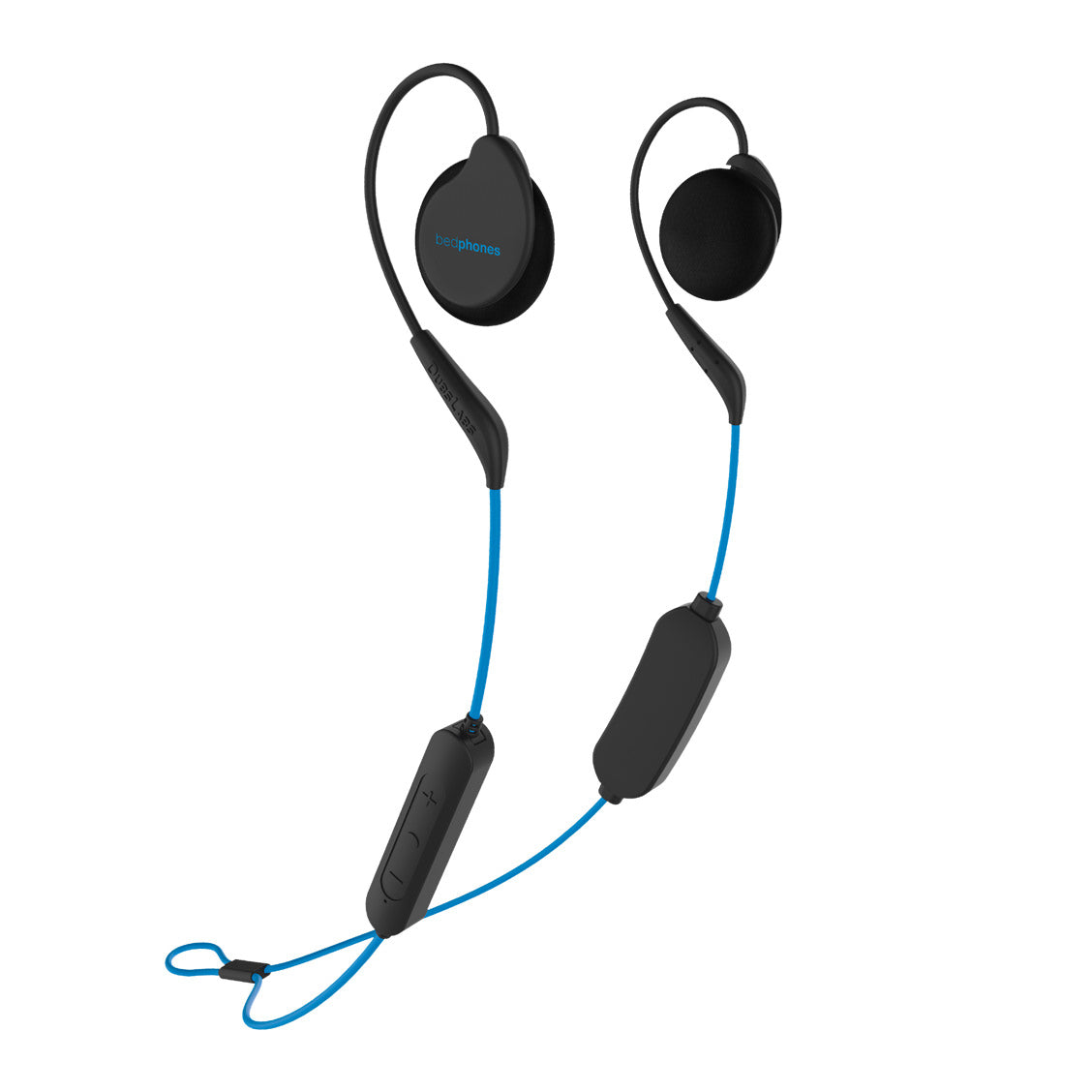
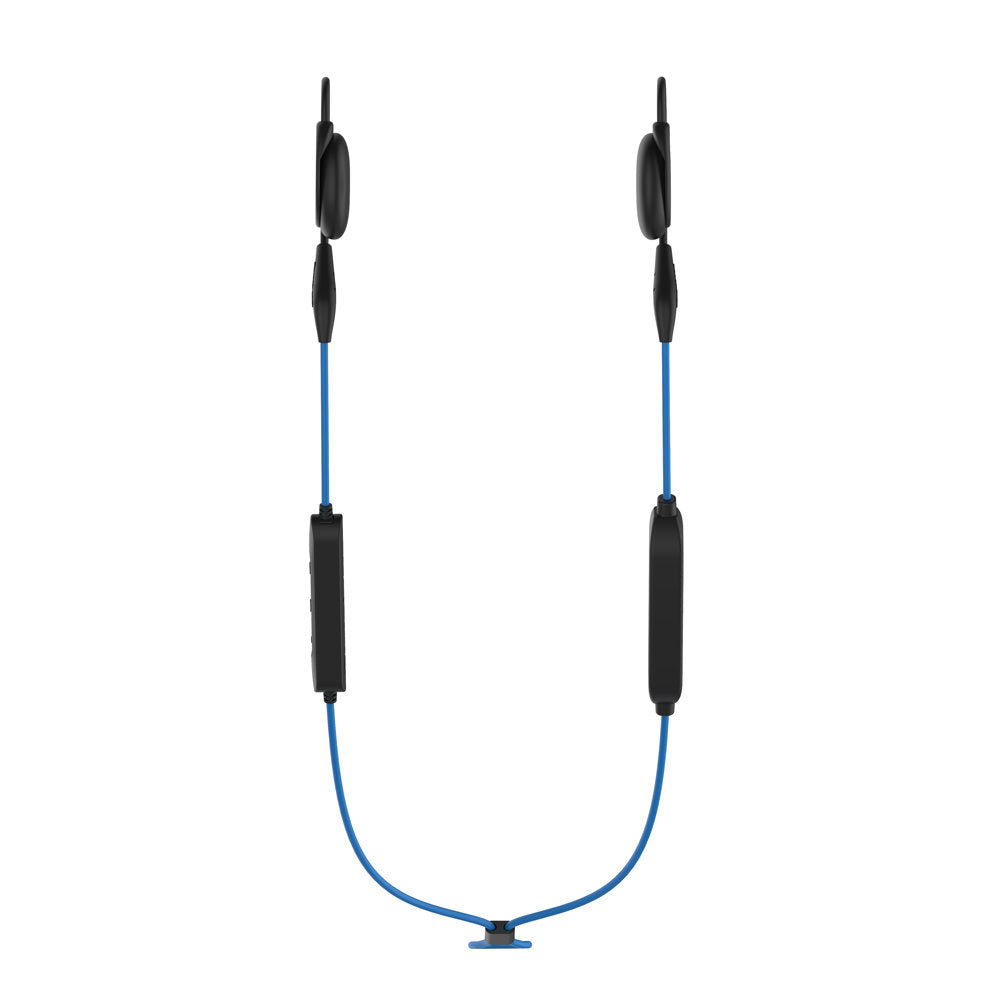
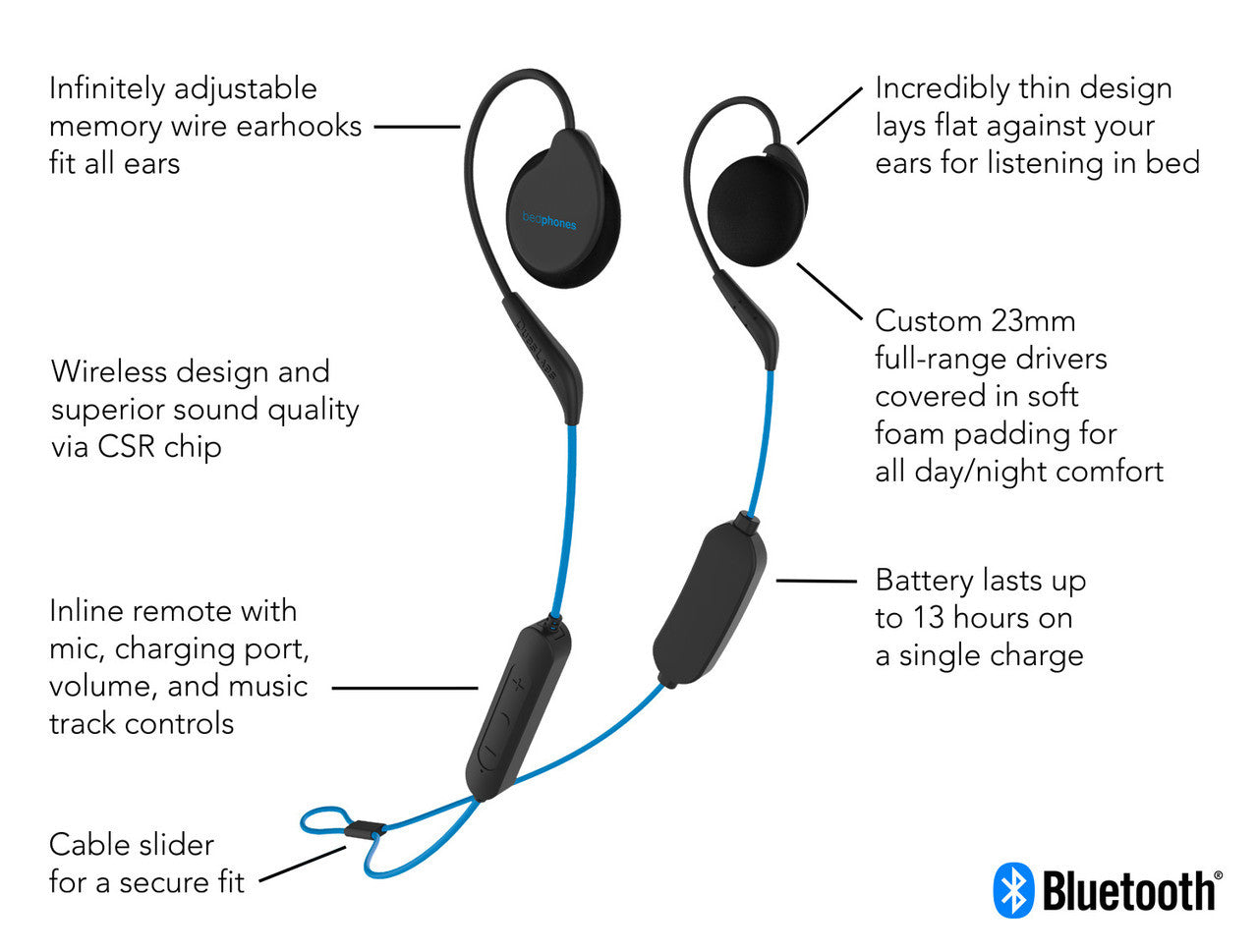
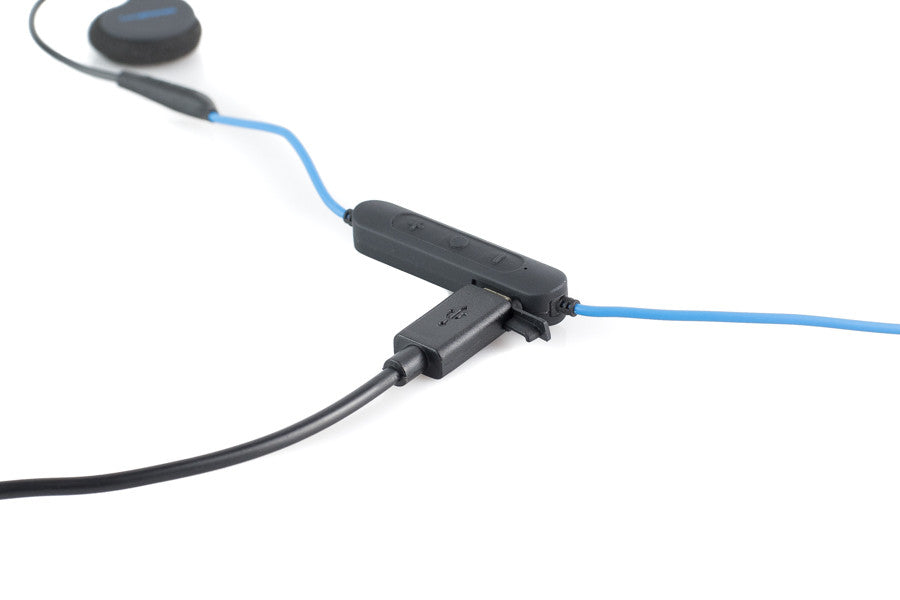
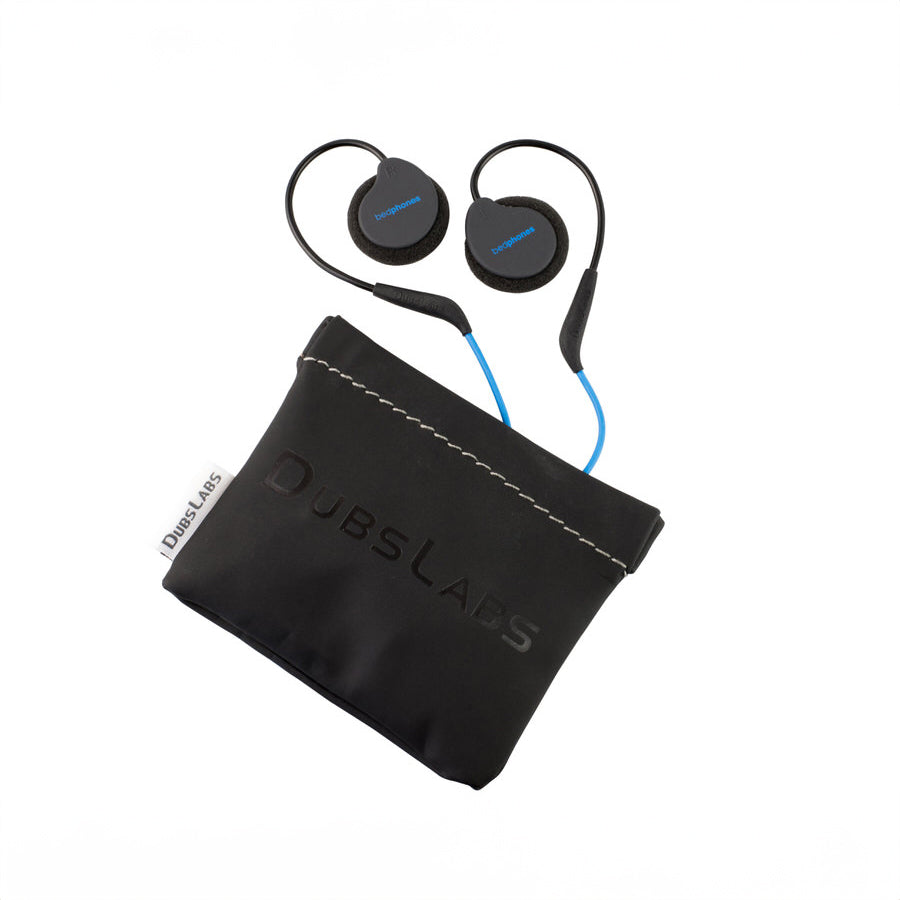
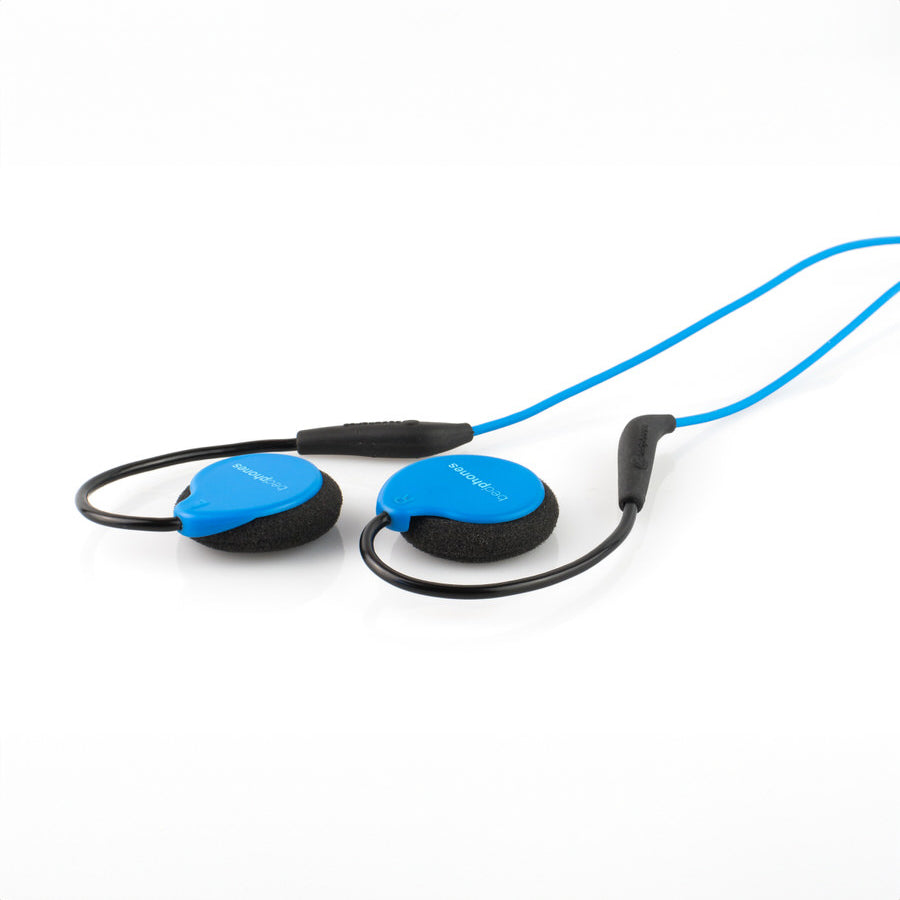
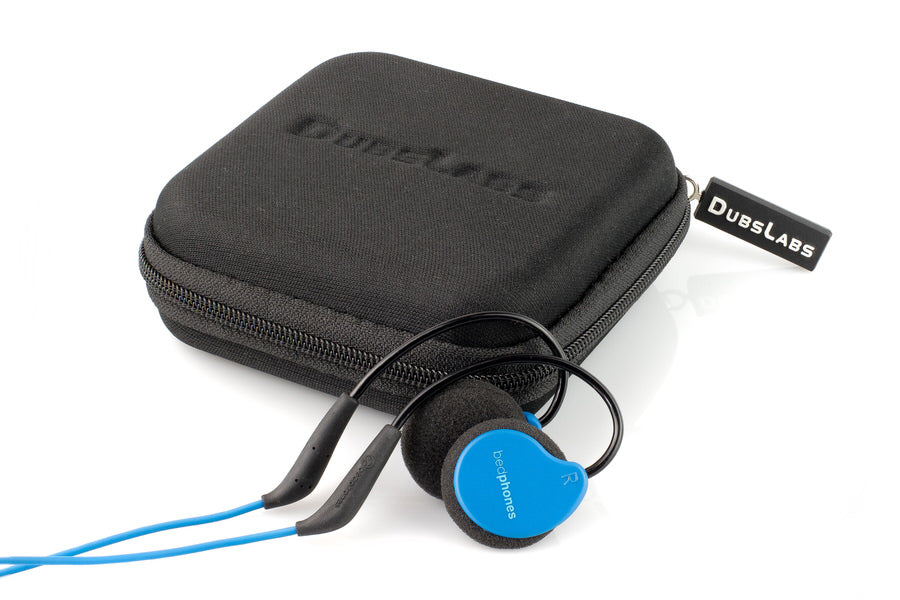
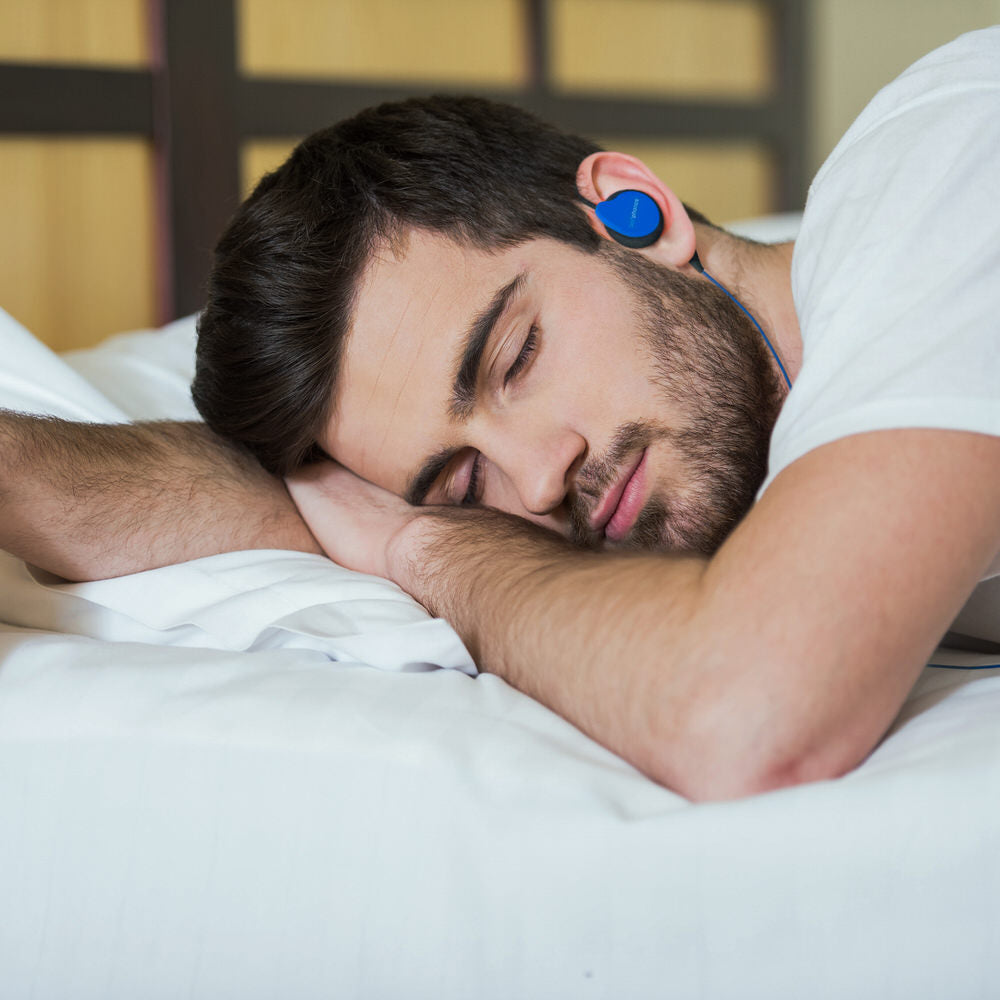
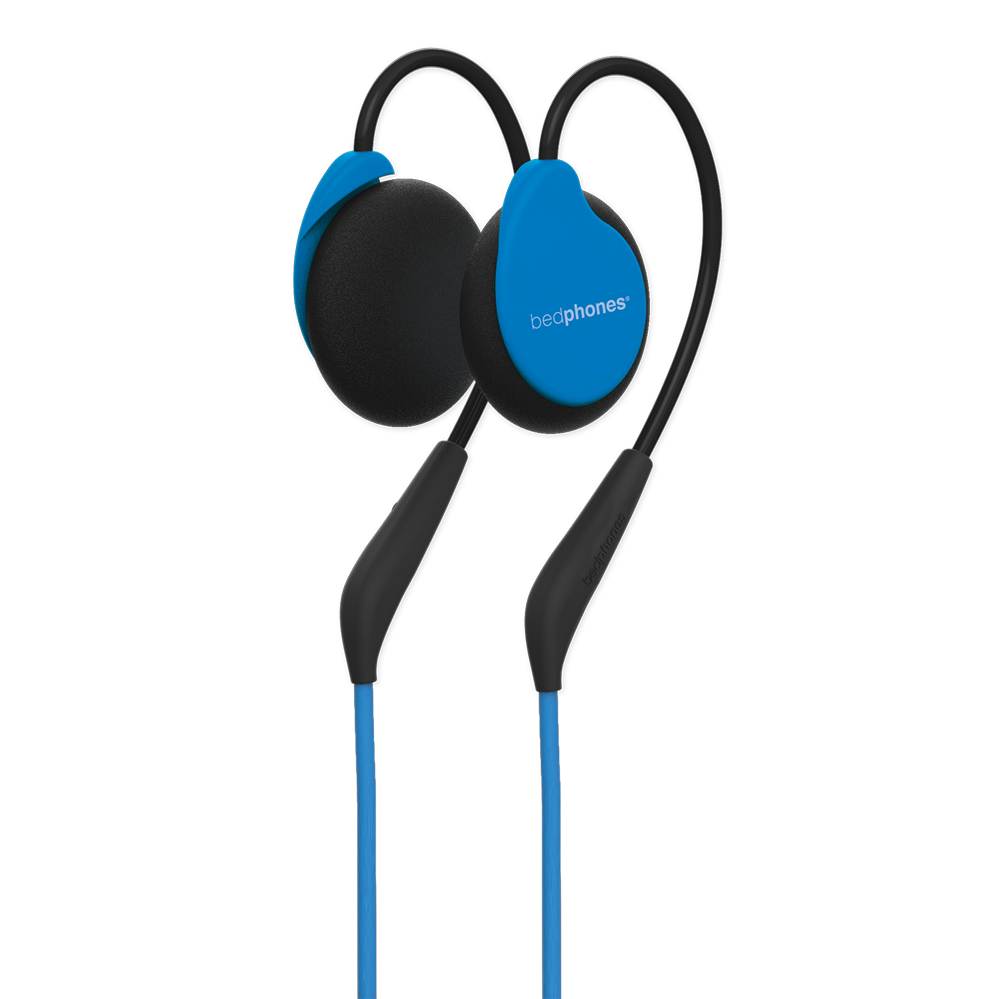
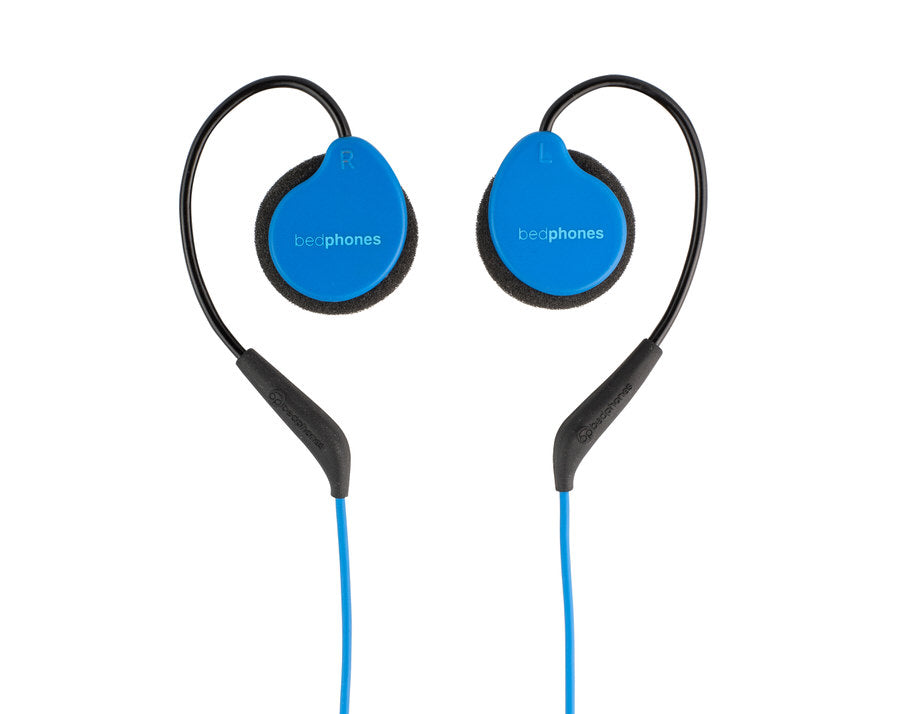
- Soothing Audio with Bedphones: For kids who are sensitive to household noises or just need help quieting a busy mind, gentle audio is a game-changer. Products like Bedphones are perfect because their ultra-thin profile lets kids comfortably listen to calming music, white noise, or audiobooks without bulky headphones getting in the way.
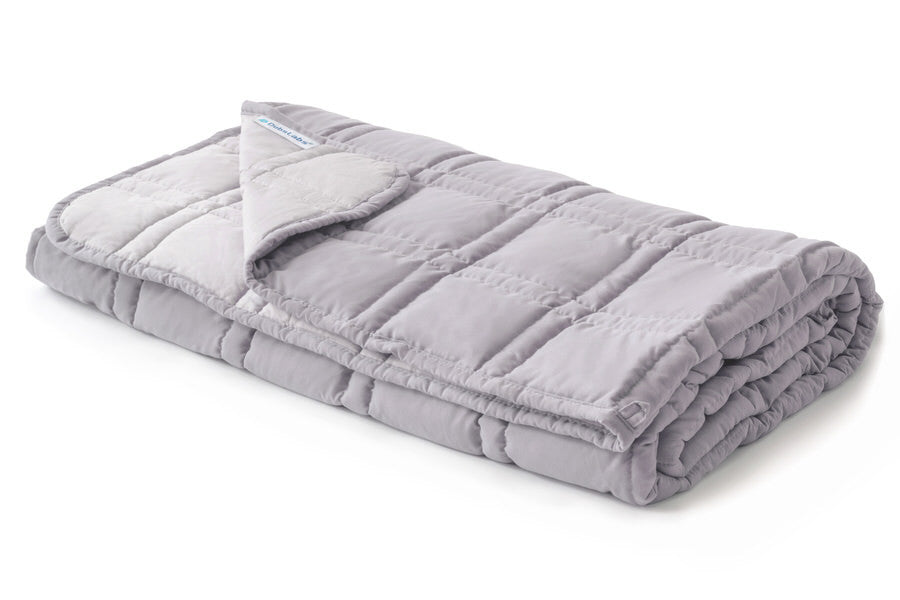
- Weighted Blankets for Calm: These blankets use something called deep pressure stimulation, which basically feels like a gentle, steady hug. This sensation is fantastic for calming the nervous system, easing anxiety, and helping restless sleepers finally settle down.
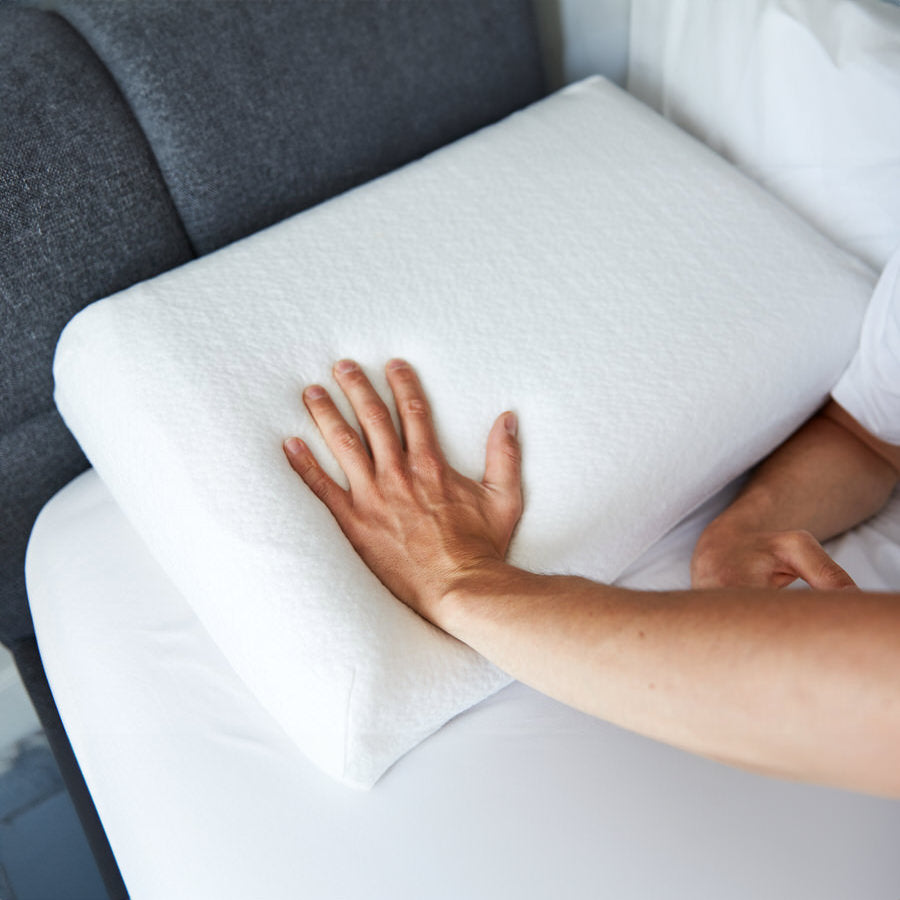
- The Right Pillow for Alignment: Never underestimate a good pillow. Proper head and neck support is essential for comfortable, uninterrupted sleep. An age-appropriate pillow keeps their spine in the right alignment, preventing the kind of physical discomfort that leads to all that tossing and turning.
When you bring these elements together, you're not just throwing single solutions at the problem. You're building a complete support system for your child's sleep. Each piece tackles a different potential disruption, creating a consistent and deeply comforting bedtime environment that tells their brain it's safe to relax.
Your Questions About Kids' Eye Masks, Answered
Even after getting the lowdown, you might still have a few questions rattling around. That's totally normal. Let's dig into some of the most common things parents ask when they're thinking about a children's eye mask for their little one.
Getting solid, straight-up answers is the best way to feel confident you're making a great choice for your family's sleep.
At What Age Can My Child Safely Use an Eye Mask?
The general rule of thumb is that eye masks are a good fit for kids aged 3 and older—basically, once they can easily pull the mask off themselves. The biggest worry for younger toddlers is any potential risk of entanglement or something blocking their airway.
Always, always pick a mask that has a breakaway strap or one that's super stretchy. You'll also want to make sure there are no little detachable parts that could turn into a choking hazard. For any child under 5, it's smart to introduce the mask while you're watching and make sure they're a pro at taking it off on their own. And if you're ever on the fence, a quick chat with your pediatrician is the best move.
How Do I Keep the Mask on a Restless Sleeper?
Ah, the million-dollar question! Kids can be little whirlwinds even in their sleep. The trick is finding a mask with a really well-designed, adjustable strap that gives a snug—but never tight—fit.
Look for masks with wide, soft Velcro straps that you can customize perfectly to your child's head. This stops it from slipping around without feeling like a headband of doom. Contoured masks that give the eyes a bit of breathing room are also a game-changer; they're way more comfortable and less likely to get pushed aside during a midnight toss-and-turn session. A mask that fits just right is designed to stay put, but give it a few nights. It might take a little getting used to.
Finding the right fit is everything. A mask that stays put comfortably through the night means your child gets the uninterrupted darkness they need for deep, restorative sleep, even if they toss and turn.
Can an Eye Mask Help with My Child's Bedtime Anxiety?
Yes, absolutely. For a lot of kids, an eye mask can be a surprisingly powerful tool for easing bedtime jitters. The gentle, steady pressure of the mask can feel like a warm hug, a sensation called deep touch pressure. It’s a simple sensory trick that helps calm an overstimulated little nervous system.
By blocking out all the distracting visual noise—and those imaginary "monsters in the shadows"—it helps create a little cocoon of safety. When you pair it with other comforting things, like a weighted blanket, it can become a cornerstone of a soothing bedtime ritual that helps your child feel safe and sound.
What if My Child Refuses to Wear the Mask?
The secret here is to make it their idea, not a chore. Ditch the pressure and make it fun! Let your child pick out a mask with a cool design they're excited about. You could even turn it into a game, calling it their "superpower mask" for awesome dreams.
Start slow. Have them wear it for just a few minutes during a quiet activity, like listening to a story. It can also make a huge difference if you wear one too, showing them it's a normal, cozy thing to do. If they're still not having it, don't push. The goal is for the mask to be a comfort object, not a point of contention. You can always park the idea and try again in a few weeks.
At DubsLabs, we're all about creating products that help the whole family get the restful, peaceful nights they deserve. Come see our sleep solutions, all designed with your comfort and safety at the forefront.
Explore our collection of sleep-enhancing products at DubsLabs