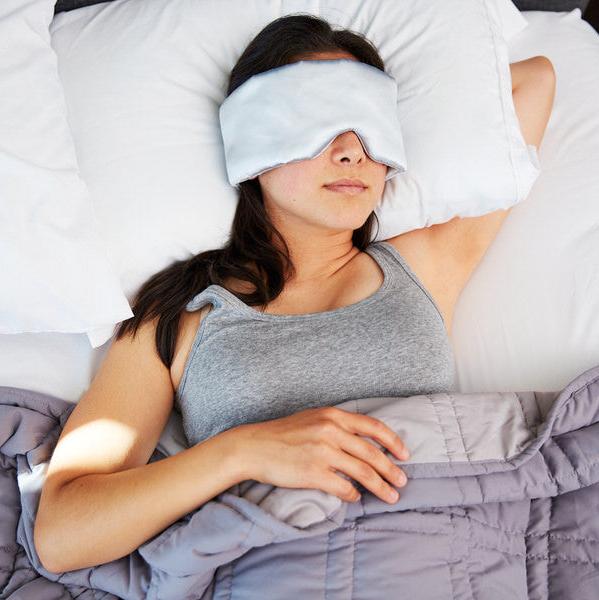
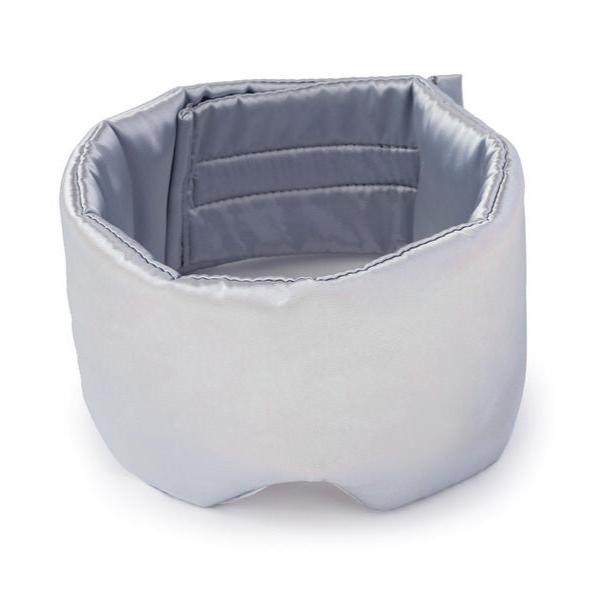
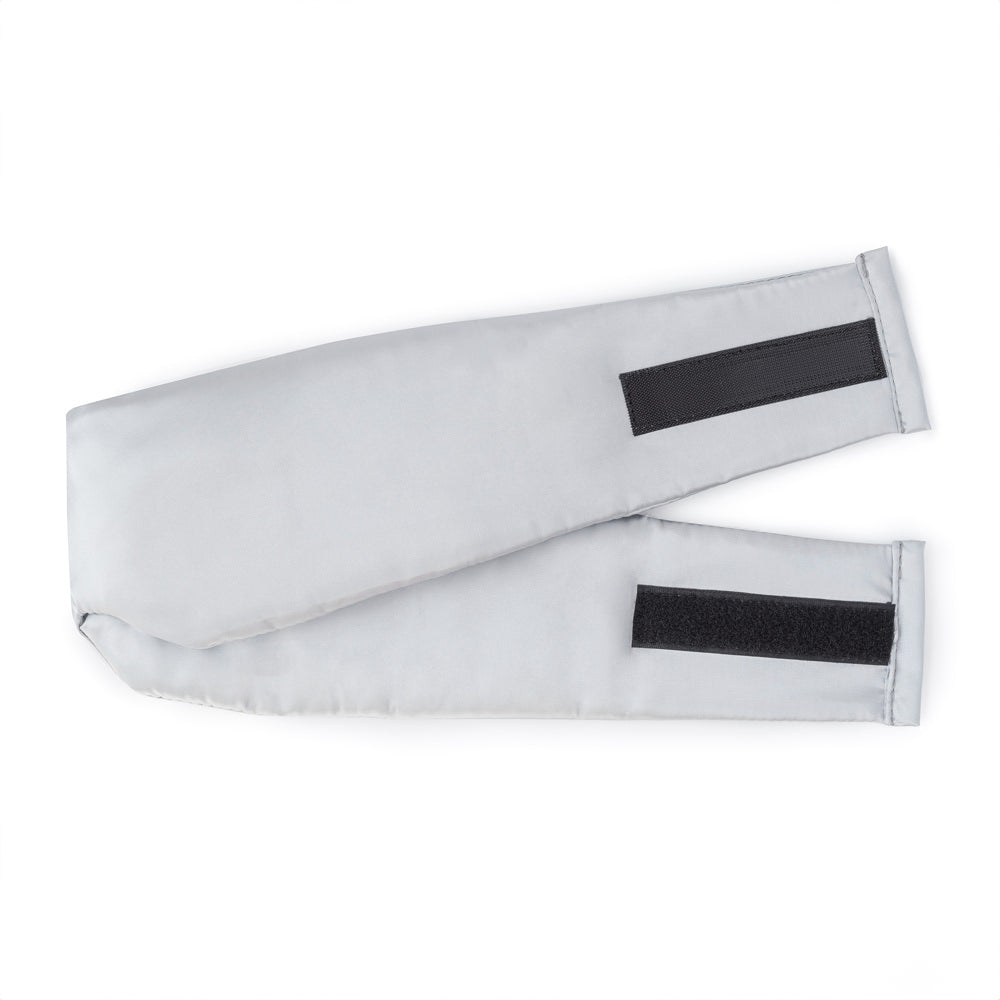
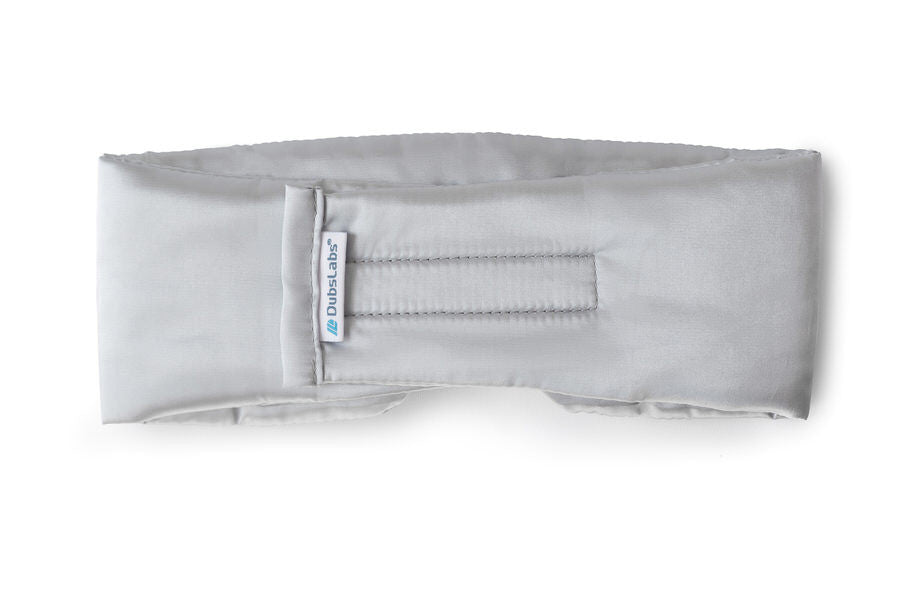
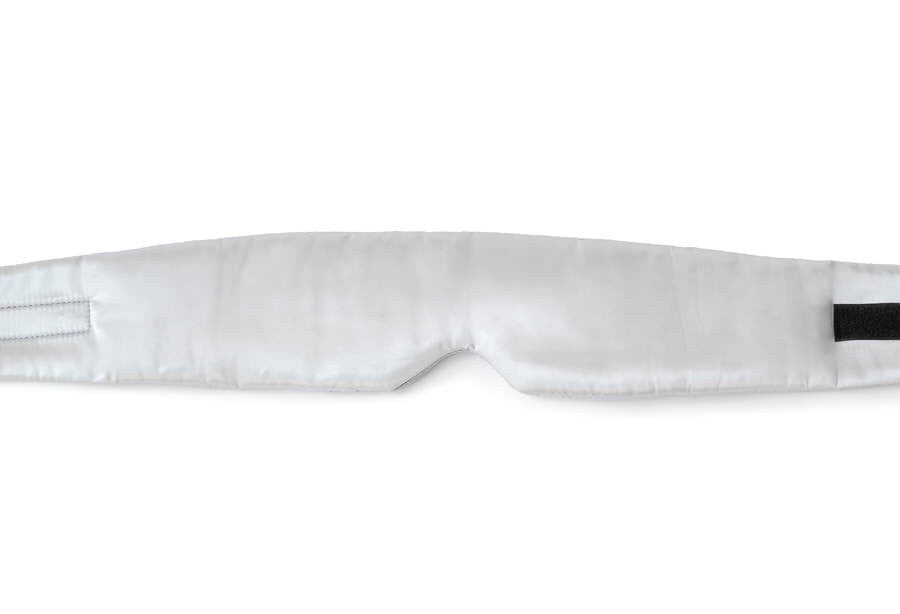
For anyone with dry, irritated eyes, a high-quality sleep mask is so much more than a simple light-blocker—it's a critical tool for overnight relief. The best sleep mask for dry eyes isn't just about comfort; it's about creating a protective moisture chamber around your eyes, using a gentle seal and non-absorbent materials to stop tear evaporation in its tracks.
Why Dry Eyes Worsen at Night
Ever wake up with that gritty, painful sensation, like there's sand in your eyes? You're definitely not alone. It's a frustratingly common problem, and there's a good reason it hits hardest in the morning.
During the day, a delicate, three-layer shield of water, oil, and mucus called the tear film keeps your eyes protected and lubricated. But at night, this shield is at its most vulnerable. Two major threats can break it down, leaving your eyes feeling raw and irritated by sunrise.
First, the air in your bedroom is often surprisingly dry, especially with fans or HVAC systems running. This dry air acts like a sponge, pulling moisture directly from the surface of your eyes and speeding up tear evaporation.
Second, many people unknowingly suffer from a condition called nocturnal lagophthalmos. This is just a fancy way of saying your eyelids don't close completely during sleep. Even a tiny gap leaves a portion of your eye's surface exposed all night long, preventing the tear film from replenishing itself and leading to severe dryness and inflammation.
The Sleep Mask as a Protective Shield
Think of a specialized sleep mask as your own personal defense system against the nighttime elements. It does more than just block out light; it creates a sealed microclimate around each eye.
This little "moisture chamber" traps humidity from your own breath and the air, creating a soothing, high-humidity environment that dramatically slows down tear evaporation. This simple barrier allows your eyes to stay lubricated, rest, and heal throughout the night.
Of course, while a mask offers fantastic overnight relief, what you do during the day matters, too. For those who wear contacts, finding the best contact lenses for dry eyes can make a world of difference in your daily comfort levels.
It's no surprise that more people are turning to these solutions. With digital eye strain on the rise—a staggering 72% of professionals now spend over six hours on devices daily—the need for relief is greater than ever. The demand for under-eye fatigue solutions has jumped by 54% since 2023, driving major growth in the eye mask market. While hydrogel masks currently hold a 42% market share for their instant moisturizing feel, silk masks are a close second at 26%, prized for their gentle, non-absorbent properties ideal for overnight use. You can discover more insights about the growing eye mask market to see just how big this trend has become.
To turn a simple piece of fabric into a therapeutic tool, you have to focus on three critical features: the seal, the material, and the fit. Getting these right is the key to waking up refreshed.
Let's break down exactly what makes a sleep mask effective for dry eye relief.
Key Features of an Effective Sleep Mask for Dry Eyes
The table below summarizes the most important elements to look for when you're shopping for a sleep mask specifically to combat dry eyes. It's not just about blocking light; it's about creating the perfect healing environment.
| Feature | Why It Matters for Dry Eyes | Top Material/Design Choice |
|---|---|---|
| Seal | Creates the moisture chamber to stop tear evaporation. | Padded edges or soft silicone |
| Material | Prevents absorption of moisture and skin irritation. | Silk or smooth, synthetic fabrics |
| Fit | Ensures comfort and maintains the seal without pressure. | Contoured design, adjustable strap |
Ultimately, a mask with a great seal, made from non-absorbent material, and a comfortable, adjustable fit will give you the best shot at waking up with happy, hydrated eyes.
How a Perfect Seal Creates a Soothing Moisture Chamber
Beyond just blocking light, the most critical job of a sleep mask for dry eyes is to create a solid seal around your orbital bones. Think of it like building a tiny, personal greenhouse for each eye. This little enclosed space, known as a moisture chamber, is the secret to waking up feeling refreshed instead of gritty.
When a mask fits just right, it traps the small amount of humidity that naturally comes from your skin and breath. Instead of just floating off into the dry bedroom air, that moisture gets captured. This creates a gentle microclimate around your eyes that's way more humid than the rest of the room.
This humid little bubble dramatically slows down the evaporation of your natural tears. It’s like a protective shield, allowing your tear film to stay stable and keep your corneas lubricated all night long. Without that seal, even the most luxurious fabric won't stop the drying effects of your air conditioner or heater.
This simple diagram shows how a protective mask acts as a barrier, shielding your eyes from dry air to keep them healthy.
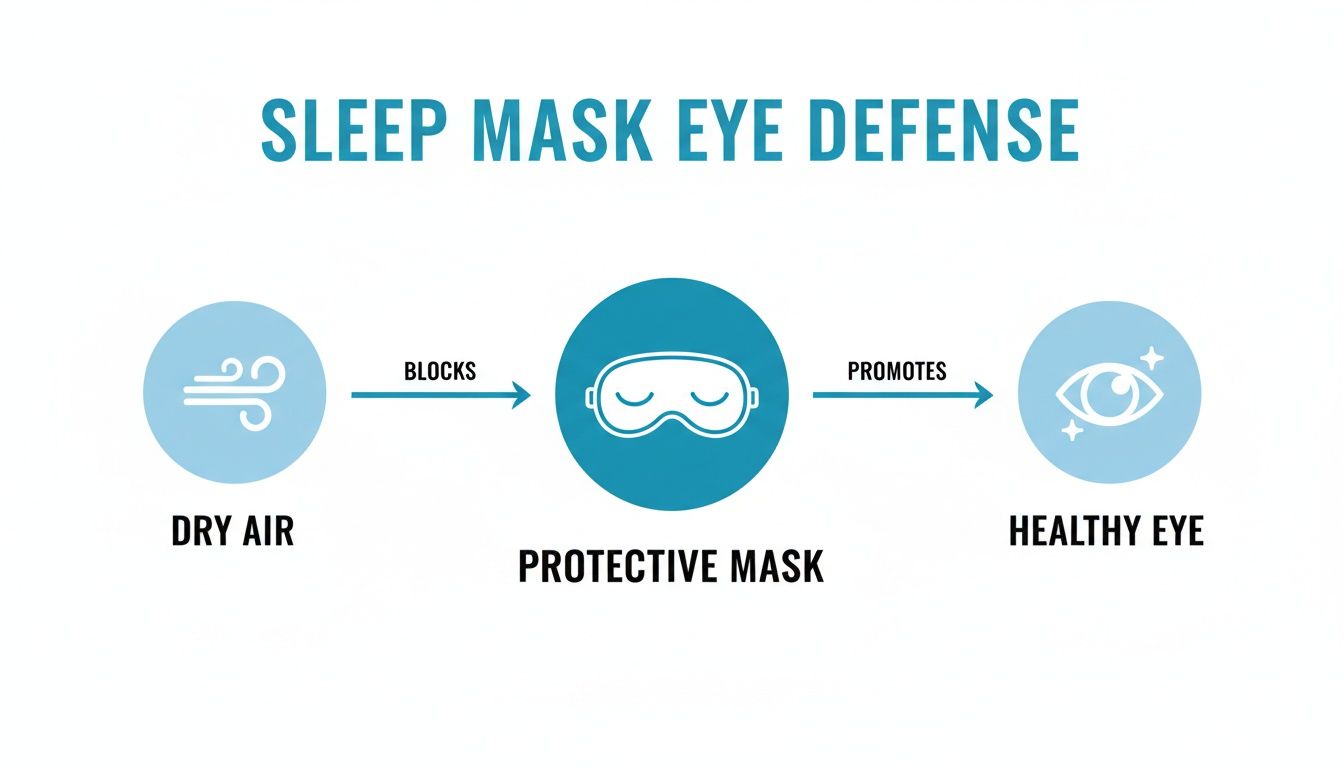
As you can see, the mask interrupts the direct impact of a dry environment, preserving your eye’s natural moisture balance.
How Different Designs Achieve the Perfect Seal
Getting that perfect seal isn't a one-size-fits-all deal, because everyone’s face is shaped differently. Mask designers use a few clever tricks to ensure a snug, comfortable fit that locks in moisture without feeling tight. You'll want to find a design that conforms perfectly to your unique facial structure.
Here are a few key features to look for when you're checking out a mask's sealing power:
- Plush Cushioned Edges: Many top-tier masks use soft, padded fabric or memory foam around the edges. This material gently squishes against your skin, filling in the little gaps around your nose, temples, and cheekbones to create a soft but effective barrier.
- Flexible Silicone Rims: Some masks made specifically for dry eye sufferers have a thin, flexible silicone flange around the eye cups. This design gives you more of a clinical-grade seal that is exceptionally good at trapping humidity.
- Ergonomic Contouring: The overall shape of the mask matters—a lot. A well-designed mask follows the natural curves of your face, dipping down over the bridge of your nose and rising over your brow bone. This ergonomic shape is fundamental to creating a continuous seal.
The goal is to find a mask that feels like a gentle hug for your eye sockets—secure enough to stay put and form a seal, but so light you forget you’re even wearing it.
Choosing the best sleep mask for dry eyes means looking past the cool colors and really digging into its construction. The right combo of shape, padding, and adjustability will make sure you get the full therapeutic benefit of a moisture chamber, letting your eyes rest and recover in a soothing, humid environment all night.
Choosing the Right Material for Sensitive Eyes
When your eyes are already irritated, scratchy, and sensitive, the last thing you want is a rough or scratchy fabric pressed against them all night. The wrong material can act like a tiny sponge, sopping up your natural tears or any expensive eye drops you just put in, leaving your eyes even drier by morning.
The mission is to find a fabric that soothes and protects, creating a gentle barrier that helps your eyes retain their moisture. Think of it this way: some fabrics are thirsty, while others are repellent. For dry eyes, you absolutely want a material that repels moisture, locking it against your skin where it can do some good. This is ground zero for finding the right sleep mask.
Comparing Common Mask Materials
Not all fabrics are created equal, especially when it comes to overnight eye care. Getting to know their unique quirks is the key to making a smart choice that actually helps your eyes.
Let's break down the most common options you'll see:
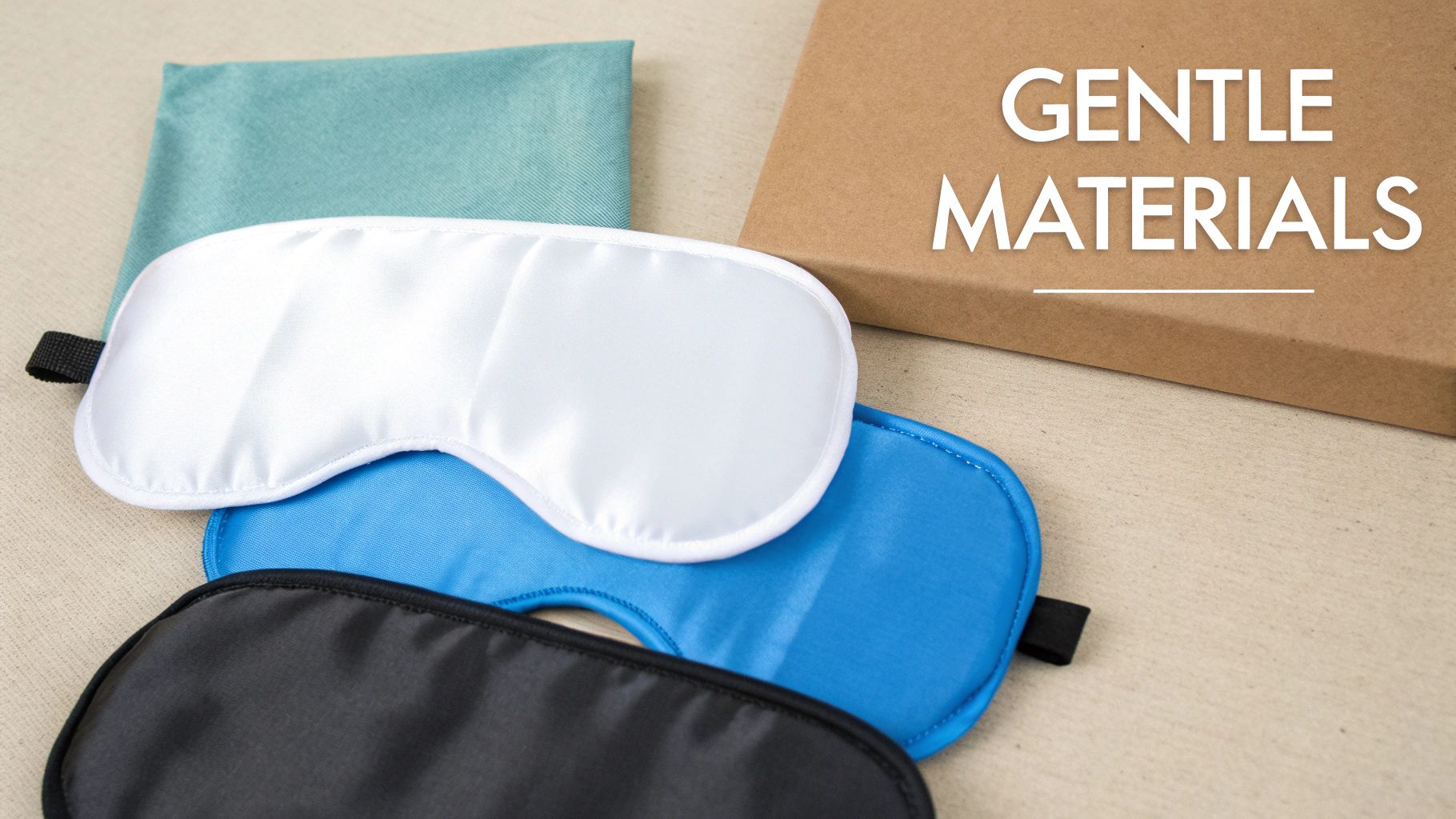
- Silk: This is pretty much the gold standard for a reason. Silk’s long, smooth fibers are naturally non-absorbent and hypoallergenic. They just glide over the delicate skin around your eyes without causing friction or wicking away that precious moisture.
- Cotton: It’s soft and breathable, sure, but cotton is also highly absorbent. That means it can literally pull moisture and skincare products away from your eyes, making the dryness problem worse as you sleep.
- Memory Foam: People love memory foam for its incredible ability to contour to your face, creating a perfect light-blocking seal. The breathability can vary, though, so it's super important to make sure it has a soft, non-absorbent lining that’s actually touching your skin.
For anyone dealing with dry eyes, the big takeaway here is to prioritize materials that are both non-absorbent and smooth. A fabric that minimizes moisture loss is one of the best allies you can have in the fight against waking up with irritated, gritty eyes.
This focus on gentle, effective materials is a huge deal in the sleep mask world right now. Silk masks have become a top choice for the over 344 million people worldwide dealing with dry eye disease. In the global sleeping eye masks market—valued at a cool USD 1.2 billion in 2023—silk is a standout because it can reduce irritation risks by up to 40% compared to some synthetic options. You can discover more about the sleeping eye mask market to see just how much demand is growing for these kinds of specialized products.
While a moisture-retaining material provides gentle, passive warmth, some people find they also get relief from active temperature therapy. If you're curious, check out our guide on the benefits of cooling eye masks, which can be a great way to help reduce inflammation and puffiness.
Why Contoured Masks Are a Game Changer for Eye Health
If you’ve ever used a traditional flat sleep mask, you know the feeling: a gentle but constant pressure right on your eyelids. It might seem harmless, but that simple pressure can mess with some of your eye's most important functions, potentially making dry eye symptoms even worse. This is where a contoured design completely changes the game.
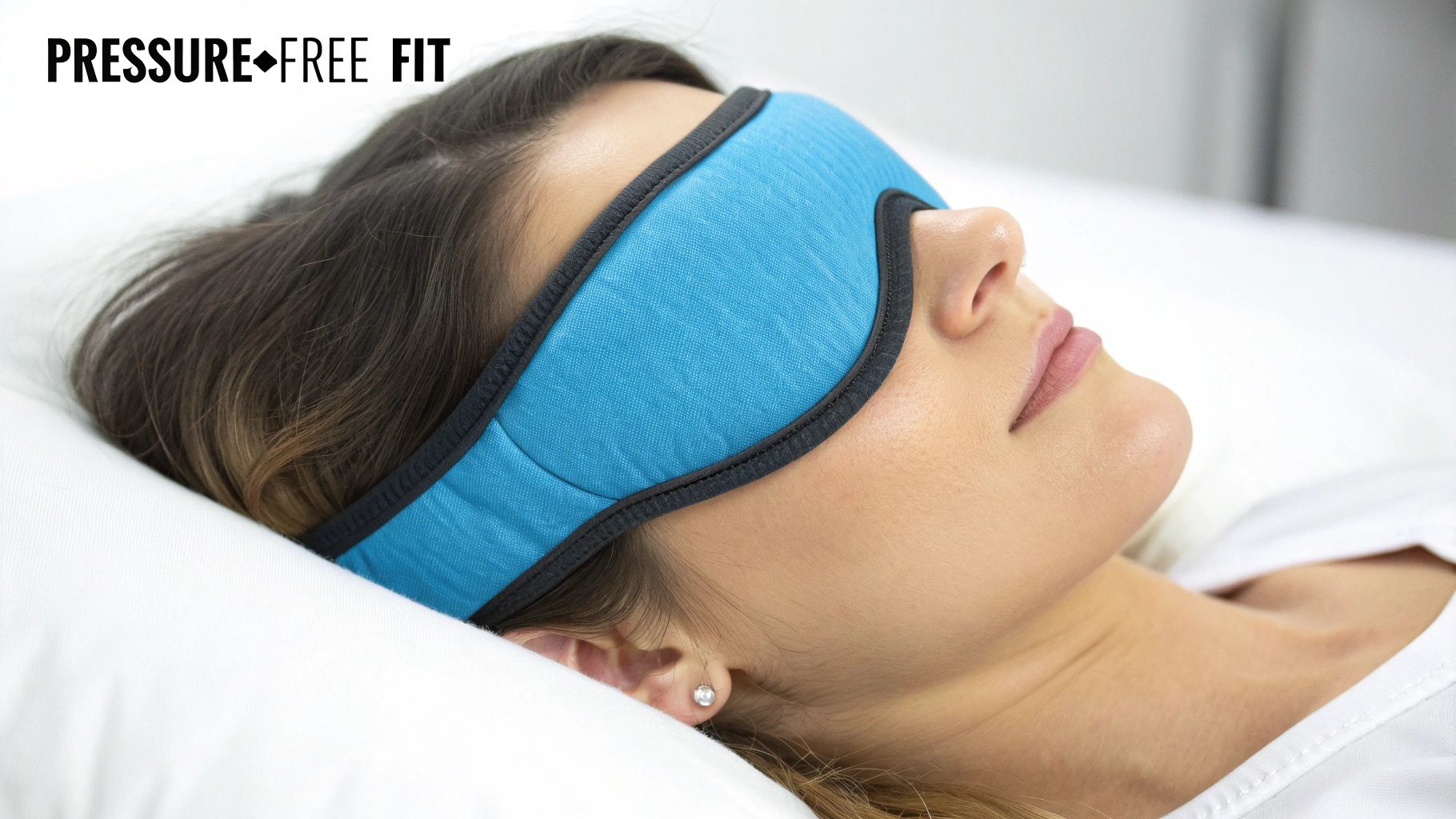
A contoured mask isn’t flat. It has molded, concave cups that create a little dome over each eye. Think of it as a protective bubble for your eyes. This design guarantees that no fabric ever touches your eyelids or eyelashes, giving you a pressure-free pocket of space. For anyone with lash extensions, this is a lifesaver, but the real magic is how it allows for natural, unobstructed Rapid Eye Movement (REM) sleep.
Protecting Your Precious Meibomian Glands
So, why is a pressure-free fit such a big deal? It all comes down to protecting your meibomian glands. These are tiny, delicate glands lining your upper and lower eyelids. Their job is to produce the essential oily layer of your tear film—the very thing that stops your tears from evaporating too quickly.
When a flat mask presses on your eyelids all night, it can squeeze these glands, choking off their ability to secrete that crucial oil. If you’re already battling dry eyes, this is the last thing you want. A contoured mask takes that risk completely off the table, letting your glands do their job properly.
By eliminating pressure, a contoured mask doesn't just improve comfort—it actively supports the biological process your eyes rely on to stay lubricated and healthy. It turns a simple sleep aid into a therapeutic tool for overnight eye care.
And people are catching on. Contoured designs are a huge reason why the global sleep mask market was valued at USD 19.7 billion in 2024. This design avoids the eyelid pressure that can disrupt tear production, an all-too-common problem with flat masks. As a result, contoured models have seen a massive 25% segment growth since 2023, and user trials show they can reduce feelings of dryness by as much as 30%. You can dig deeper into how these masks are shaking up the industry by checking out the latest sleep mask market insights.
Of course, the right fit is everything, especially if you toss and turn. Finding the best sleep masks for side sleepers often comes down to choosing a contoured shape that stays put without squishing your eyes or face.
Proper Use and Care for Maximum Relief and Hygiene
So you’ve invested in a great sleep mask for your dry eyes. That’s a fantastic first step! But getting the most out of it—and making sure it lasts—comes down to how you use and care for it day in and day out. Think of it like any other tool for your health; proper maintenance is what unlocks consistent relief and keeps things hygienic.
Getting the Fit Just Right
Your nightly routine starts with getting the mask positioned perfectly. Gently place it over your eyes, making sure the cushioned edges or contoured cups form a soft, complete seal against your skin. The whole point is to eliminate those tiny gaps around your nose and temples to trap that precious humidity inside.
Next up is the strap. You want it snug enough to keep the mask from shifting around, but never uncomfortably tight. A dead giveaway that it's too tight? Waking up with marks on your face or feeling any pressure on your eyeballs. The perfect fit should feel secure, yet so light you barely know it's there.
Keeping Your Mask Clean and Hygienic
This is the non-negotiable part. Your mask is in direct contact with the delicate skin around your eyes all night long. That means oils, dead skin cells, and bacteria can build up fast, which is the last thing you want when you're trying to soothe irritation, not cause it.
Cleaning instructions really depend on the material your mask is made of:
- Silk and Fabric Masks: Hand-washing is always the safest bet. Just use cool water and a gentle, pH-neutral soap. Submerge the mask, give it a soft swish, and then rinse it completely.
- Memory Foam Masks: These usually can't be soaked. Instead, grab a damp cloth with a tiny bit of mild soap and gently wipe the surface. Follow that with a clean, damp cloth to get rid of any soap residue.
Always let your mask air dry completely. Lay it flat on a towel, away from direct sunlight. Whatever you do, don't wring it out or toss it in the dryer—that high heat can wreck the materials and ruin its shape.
Taking a few minutes to clean your mask properly goes a long way. This is especially true for materials like silk; understanding the proper care for silk fabrics can seriously extend its life and keep it feeling luxurious. And if you want to level up your routine even more, look into the benefits of a warm eye compress to use before slipping on your mask for the night.
Got Questions About Using a Sleep Mask for Dry Eyes? We’ve Got Answers.
Even after you've picked out the perfect sleep mask, you might have a few lingering questions. Trust me, getting the little details right is what transforms a good mask into a game-changer for your eyes. Let's tackle some of the most common queries so you can start getting relief tonight.
Can I Use Eye Drops Before Putting on My Sleep Mask?
Yes, you absolutely should! In fact, think of it as a one-two punch against dryness. Applying preservative-free artificial tears or a good lubricating gel right before you slip on your mask is one of the best things you can do.
You're creating a super-hydrating little environment for your eyes. The mask then acts like a shield, locking in all that moisture and preventing it from just evaporating into the air. This gives the drops hours to do their job, offering deep, soothing relief that you just can't get from drops alone. Just give it a minute or so after applying the drops before you put the mask on.
Will a Sleep Mask Cure My Dry Eye Condition?
A sleep mask is a fantastic tool for managing your symptoms, but it's not a cure. It creates the perfect healing environment, which can dramatically cut down on that awful morning grittiness, redness, and pain. By shielding your eyes all night, it gives them a much-needed break from dry, circulating air.
Think of the best sleep mask for dry eyes as a critical piece of your daily care routine. But remember, dry eye is a complex medical issue. The most important step is always to see an eye care professional who can figure out the root cause and map out a complete treatment plan just for you.
How Tight Should the Strap Be?
You're looking for the sweet spot between a secure seal and gentle comfort. The strap should be just snug enough to keep the mask flush against your face, creating a soft seal around your eye sockets to keep air from sneaking in.
It should never feel like it's putting pressure on your head or, more importantly, directly on your eyeballs. If you wake up with lines etched into your skin or a headache, that strap is way too tight. A quality mask with a soft, easily adjustable strap is key to dialing in that perfect, effective fit.
Are Sleep Masks the Same as Moisture Chamber Goggles?
They share a similar goal but are built for different situations. Moisture chamber goggles are usually medical-grade devices, often made of silicone, that form an almost airtight seal to trap as much humidity as possible. They work incredibly well, but let's be honest, they can be bulky and not exactly cozy for sleeping.
A specialized sleep mask for dry eyes is more of a hybrid. It takes the soft, sleep-friendly materials you love and adds features like a padded rim or contoured eye cups to create a "moisture chamber effect." For most of us, this offers the ideal blend of therapeutic benefits and the comfort you need to actually get some rest.
At DubsLabs, we know that a great night's sleep is the cornerstone of good health. Our sleep solutions are designed to work together, creating the ultimate restorative environment for your body and mind. Explore how our total dark sleep masks and other sleep-enhancing products can help you wake up feeling refreshed and ready for the day.