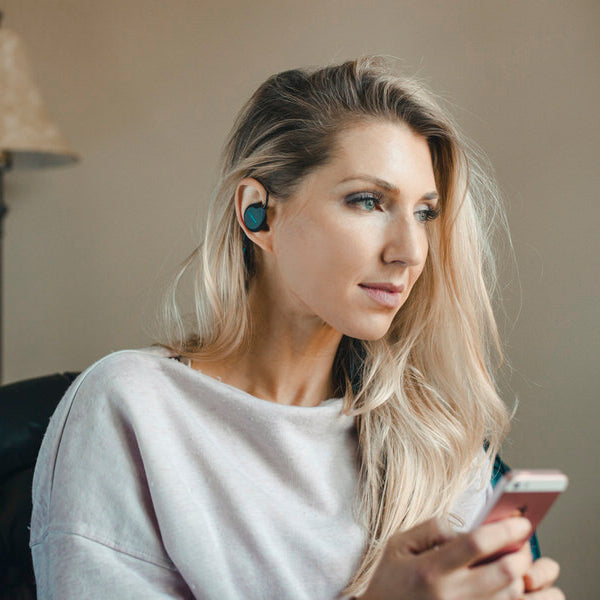
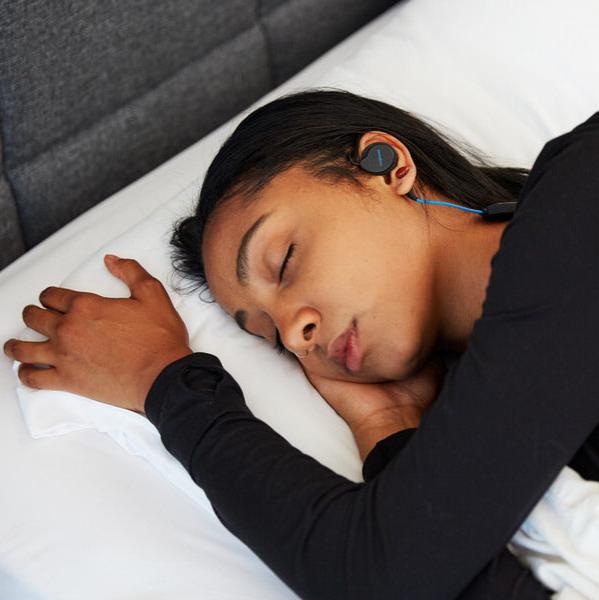
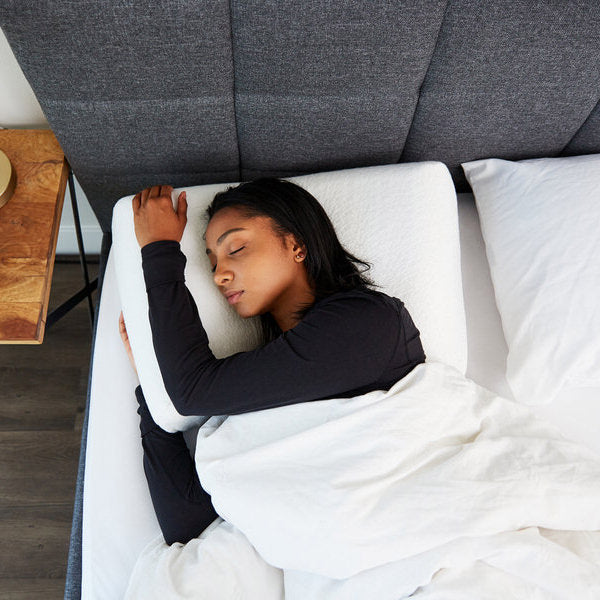
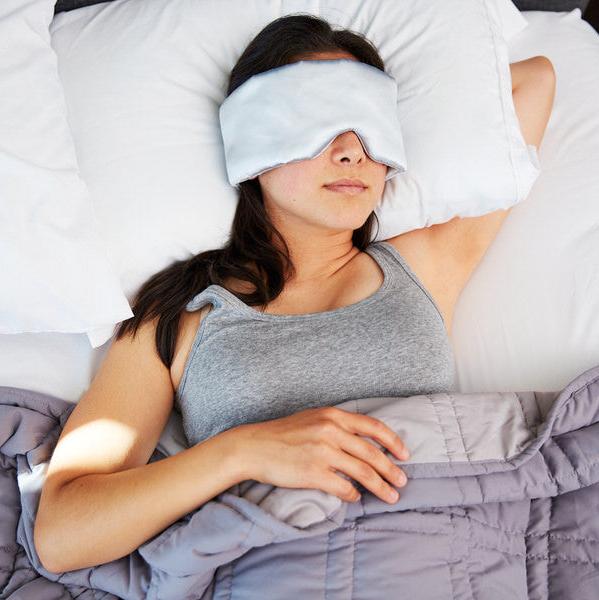
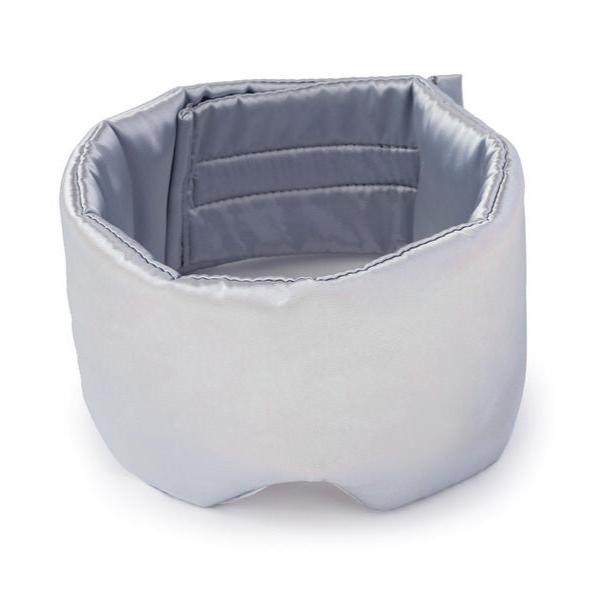
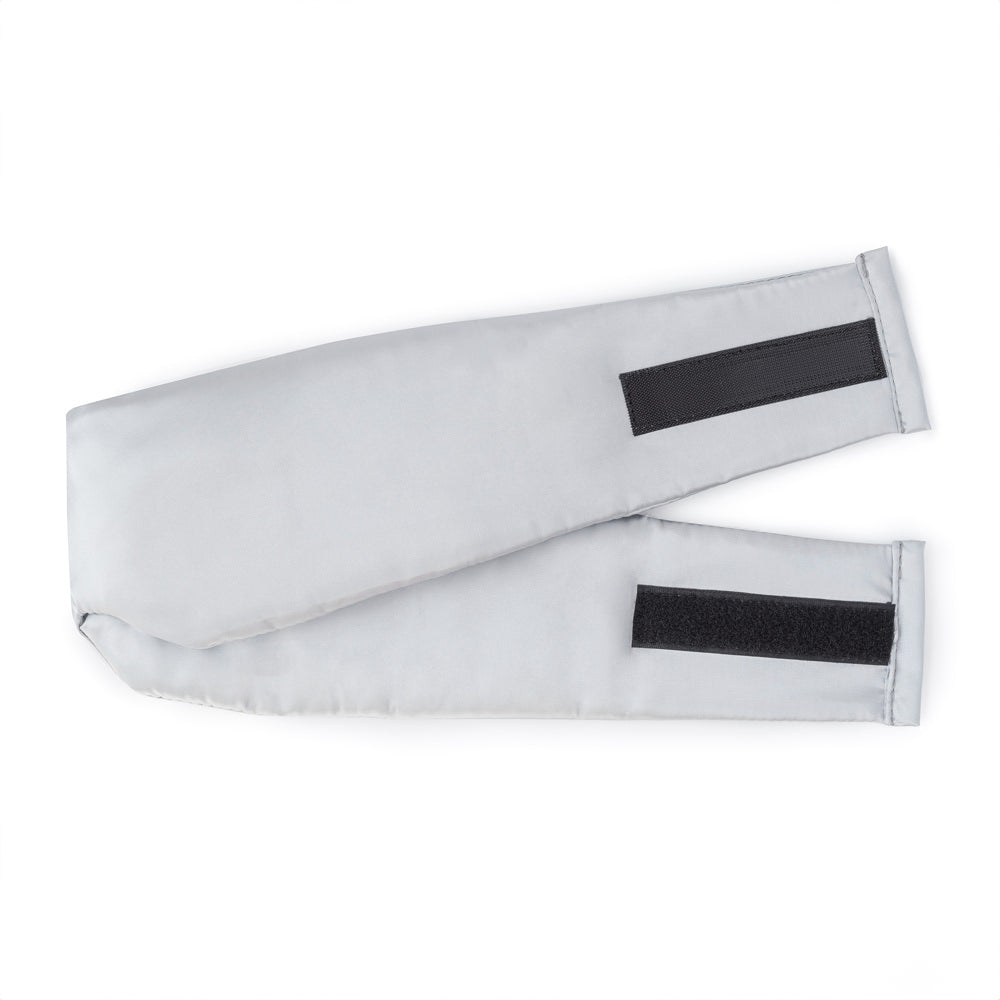
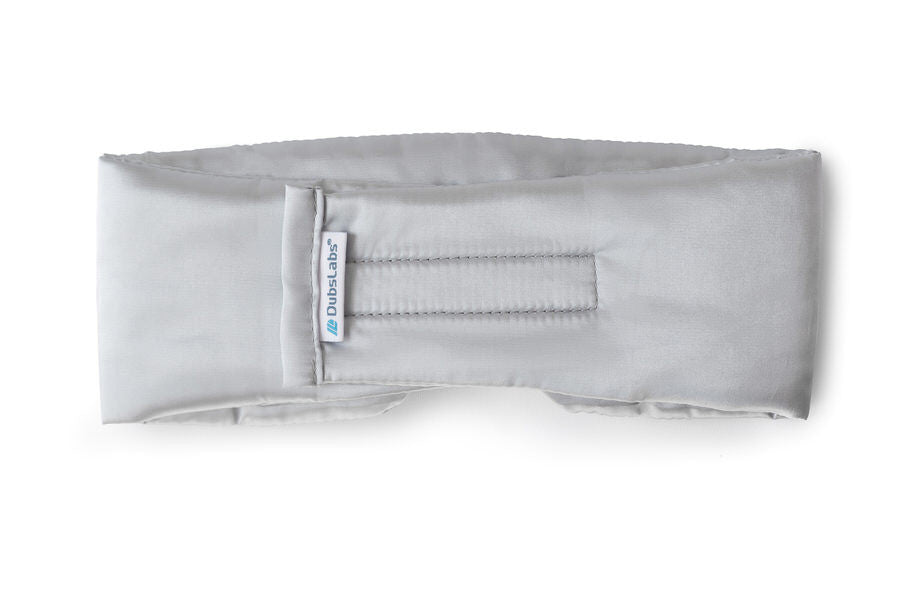
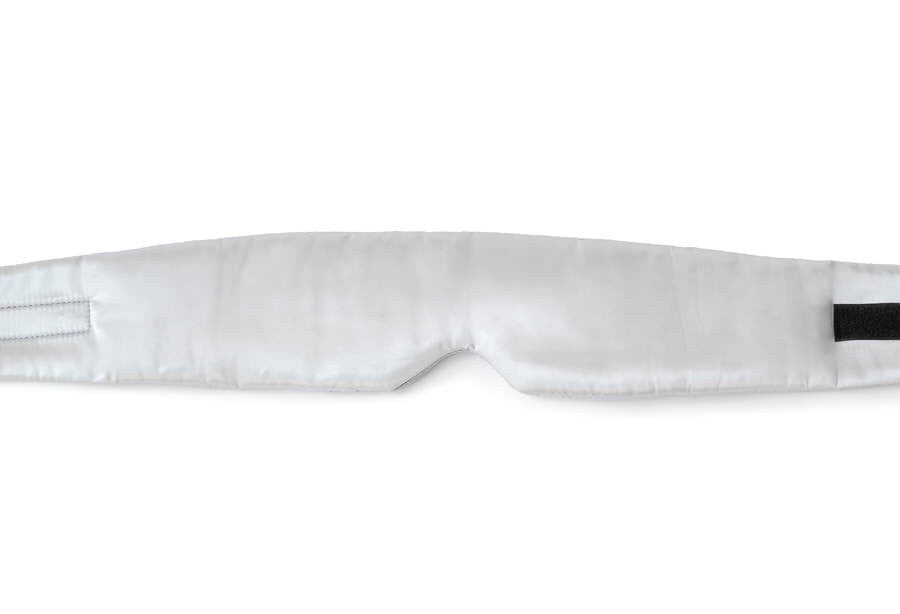
The best headphones for sleep aren't your typical everyday headphones. They're built from the ground up for one thing: comfort. We're talking low-profile designs and soft materials that won’t dig into your ear or create pressure points, which is a deal-breaker for side sleepers. They trade the super high-fidelity audio of premium music headphones for all-night wearability, solid noise isolation, and a battery that won’t quit on you.
How to Find the Perfect Headphones for Sleep
Let's be real—finding headphones you can actually wear for a full night's sleep can feel like an impossible task. Standard earbuds become painful after an hour, and bulky over-ear cans are a non-starter unless you sleep perfectly still on your back. This guide is here to help you cut through the confusion and find a pair that genuinely works for you.
We're going to zero in on the features that truly matter for overnight comfort and reliable performance. Think of this as your personal roadmap to making a choice that leads to better, more restorative nights.
The Growing Demand for Better Sleep Tech
The hunt for effective sleep aids is more than just a trend; it's a reflection of a massive shift in our understanding of how crucial sleep is for our health. Nearly 30% of people worldwide struggle with some kind of sleep disorder, and more and more of them are looking for solutions that don't come from a pharmacy.
This has lit a fire under the sleep technology market. The global market for sleep headphones was valued at around USD 1.2 billion in 2023 and is expected to skyrocket to USD 3.8 billion by 2032. That’s a compound annual growth rate of 13.5%. It's clear people are investing in their rest.
Choosing the right headphones isn't just about blocking out a snoring partner; it's about creating a personal sound sanctuary that helps your brain switch off and recharge.
Key Features for Sleep Headphones at a Glance
When you start shopping, it's easy to get lost in the specs. This table breaks down the most critical features to focus on, helping you quickly see what matters most for your specific needs.
| Feature | Why It Matters for Sleep | Ideal Characteristics |
|---|---|---|
| Comfort & Profile | This is everything. You need something that won't cause ear pain or pressure, especially for side sleepers. | Ultra-thin speakers, soft foam or silicone, flexible materials. |
| Noise Isolation | It needs to block out external sounds like snoring or traffic without having to crank up the volume. | A snug fit (passive isolation) or electronic cancellation (ANC). |
| Battery Life | Simple enough—it has to last the whole night without dying on you mid-sleep. | At least 8-10 hours of continuous playback. |
| Wireless vs. Wired | Wireless gives you freedom of movement and eliminates the risk of getting tangled up in a cord. | Bluetooth is the way to go for both safety and convenience. |
While finding the perfect headphones is a huge step, they work best when combined with other strategies for sleeping better at night. By the end of this guide, you’ll have everything you need to pick a pair that’s perfectly suited to you.
What to Look For in a Good Pair of Sleep Headphones
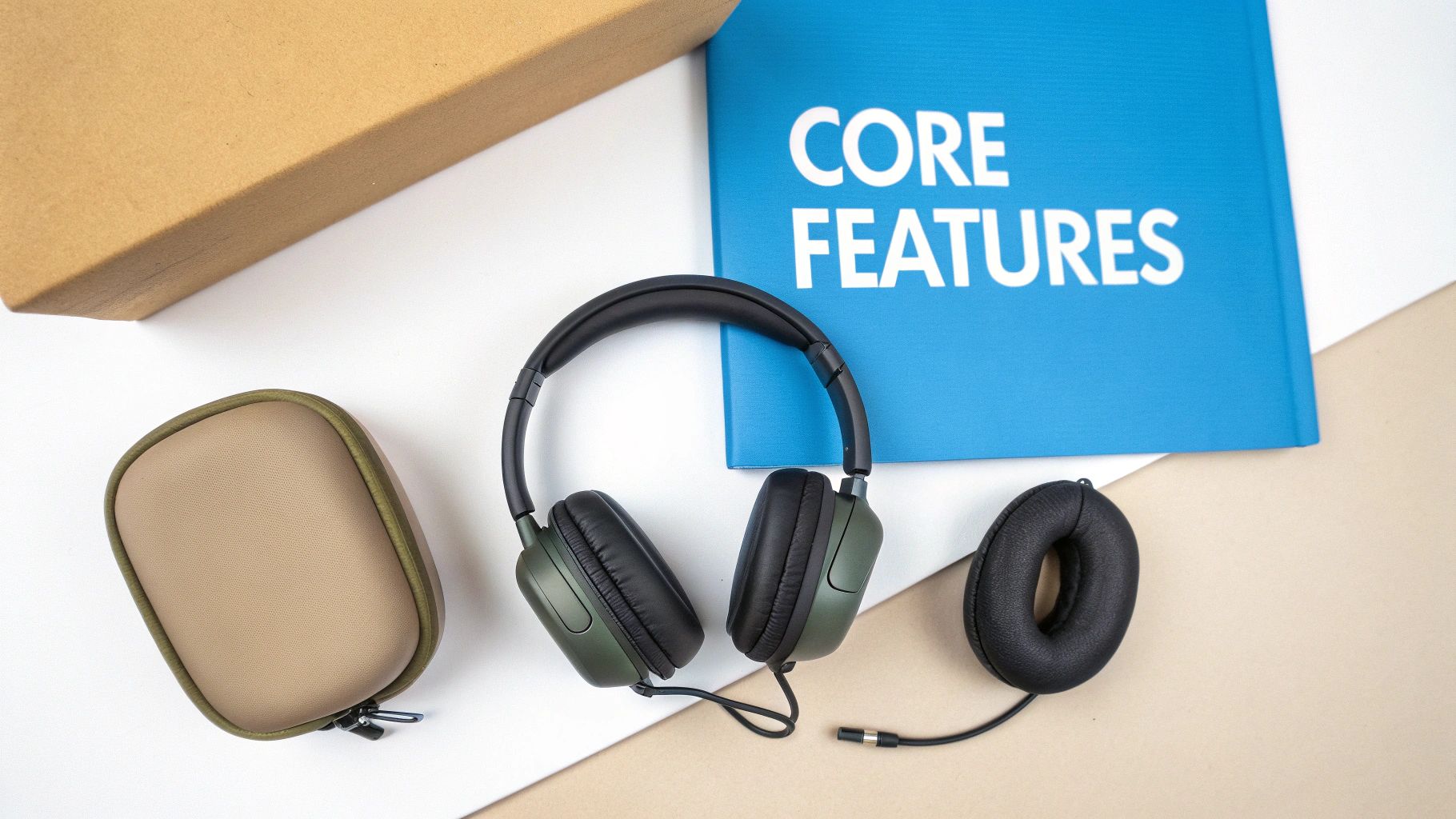
So, what really separates the best headphones to sleep in from your everyday earbuds? It comes down to a handful of key features designed specifically for all-night use. This is about more than just playing music; it’s about finding a tool that genuinely helps you rest better.
First up is the physical design. If you're someone who doesn't sleep flat on their back like a vampire, then a low-profile and lightweight construction is an absolute must. Standard headphones will dig into your head and create painful pressure points, especially for side sleepers. Even regular earbuds can become agonizing after a few hours in your ear canal.
The perfect sleep headphone is one you barely notice is there. This is usually achieved through some clever engineering, like embedding ultra-thin speakers into a soft headband or using flexible, soft-touch materials that mold to the shape of your ear.
Comfort Is King: Why Materials Matter
The materials are just as crucial as the shape. Hard plastics and stiff parts are the number one cause of ear pain and irritation when you’re trying to sleep.
Instead, look for headphones that put comfort first with materials like:
- Medical-grade silicone: It’s hypoallergenic, incredibly soft, and flexible.
- Breathable, moisture-wicking fabrics: These are common in headband styles and are great for preventing you from getting too hot and sweaty overnight.
- Soft foam padding: A gentle cushion over the speakers makes a world of difference against your ear.
These choices aren't just for comfort—they’re for endurance. They’re what allow you to wear the headphones for 8+ hours without waking up sore, which would defeat the whole purpose.
Blocking Out Noise: The Two Main Approaches
After comfort, the next job is to block out all those annoying noises that keep you up. There are two main ways headphones do this, and each has its own strengths.
Passive Noise Isolation
This is the low-tech, physical approach. It's all about creating a seal to physically stop sound waves from getting into your ear.
- How it works: Think of it like earplugs. Snug-fitting tips on earbuds or the thick, padded fabric of a headband physically obstructs sound.
- Best for: Sharp, inconsistent sounds like people talking, a dog barking, or a car alarm going off down the street.
Active Noise Cancellation (ANC)
This is the high-tech, electronic method. Tiny microphones on the headphones listen to the ambient sound around you and create an opposite sound wave to cancel it out.
- How it works: It electronically zaps low-frequency, constant drones.
- Best for: Steady, humming noises like an air conditioner, the rumble of an airplane engine, or a whirring fan.
For a lot of people, a good pair of headphones with passive isolation combined with some calming audio is actually more effective than ANC. The goal isn't total, eerie silence—which can feel unsettling—but rather masking disruptions so your brain can ignore them.
Many find that steady sounds are the real secret to blocking out distractions. We dive deeper into this in our guide on using white noise headphones for sleeping, which has some great tips for creating your own perfect soundscape for sleep.
Battery Life and Smart Safety Features
Waking up at 3 a.m. because your headphones died is the worst. When you’re looking for the best headphones to sleep in, battery life isn't just a nice-to-have; it's essential. The device has to last through a full night's sleep, which is usually seven to nine hours for most of us.
As a rule of thumb, look for at least 10 hours of continuous playback. That gives you a nice buffer, so you're covered even if you hit the snooze button a few too many times.
Beyond just staying powered on, there are a couple of safety features you'll want to look for.
- Volume Limiters: Listening to audio all night, even at what seems like a low volume, can affect your hearing over time. Some sleep headphones have built-in limiters that cap the volume at a safe level. Audiologists often suggest keeping it at or below 50% of the maximum.
- Auto-Off Timers: This feature lets you set the headphones to switch off after a set time, like 30 or 60 minutes. It's perfect if you just need some sound to help you drift off but don't want it playing all night. It saves battery and gives your ears a break.
These features offer some much-needed peace of mind. You can fall asleep without worrying about your hearing, tangled cords, or waking up to a dead battery. They’re what turn a simple pair of headphones into a truly reliable sleep aid.
A Look at the Different Kinds of Sleep Headphones
Trying to find the right headphones for sleep can feel a bit like wading through mud. The market is packed with different designs, and each one is built for a specific kind of sleeper. To find the best pair for you, you've got to match the style to your own needs. The three big categories you'll run into are soft headband headphones, super-thin on-ear models, and specialized in-ear sleep earbuds.
Each one comes with its own set of pros and cons. What feels like a dream for a back sleeper might be a nightmare for someone who sleeps on their side. Let's break down these options and see which one might be the best fit for your nights.
Soft Headband Headphones
Picture a soft, stretchy headband, like something you'd wear to the gym, but with a couple of ultra-thin speakers tucked inside the fabric. That’s the basic idea here. You wear them over your ears, and they’re designed to stay put all night without feeling too tight.
This style is a popular gateway into the world of sleep headphones. A big part of their appeal is that they can pull double-duty as a sleep mask if you slide them down over your eyes. The wide, soft band also does a great job of spreading any pressure evenly across the side of your head.
Real-world scenario: A side sleeper finds that normal earbuds create a sharp, painful pressure point in their ear after just a few minutes of lying down. A headband, on the other hand, just rests gently against their outer ear, and the flat speakers inside are barely noticeable. The fabric feels less like a gadget and more like a part of their bedding.
Of course, there are downsides. That same cozy fabric can sometimes trap heat, which isn't great for hot sleepers. The sound quality also tends to be more ambient since the speakers don't create a seal with your ear canal, making it less direct than other styles.
Ultra-Thin On-Ear Sleep Headphones
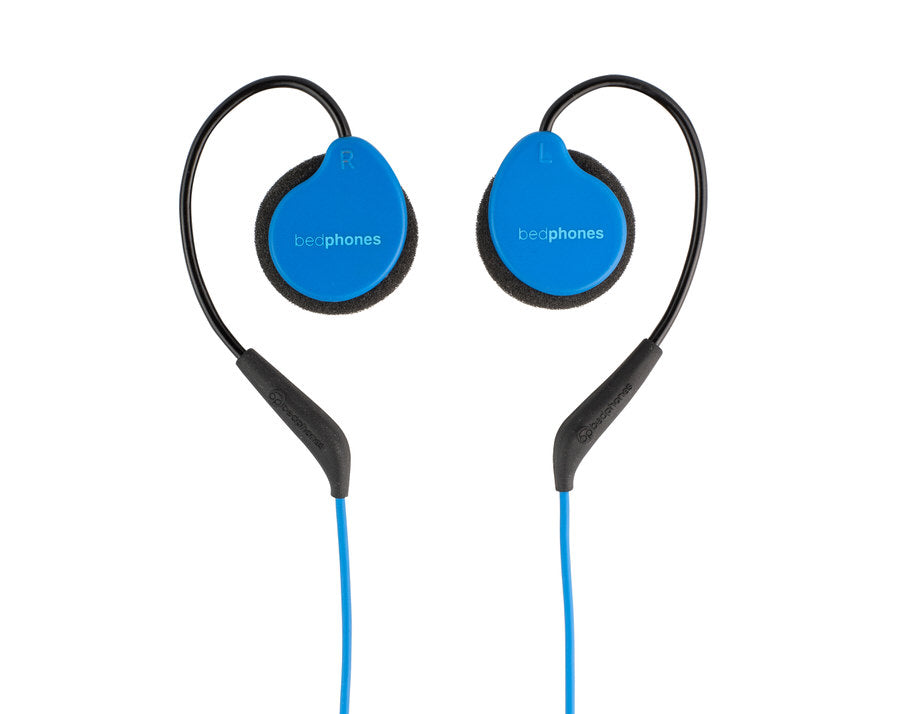
This category is a bit more specialized, with the entire design focused on being as slim and pressure-free as possible. These headphones are made of incredibly thin speaker discs covered in soft foam. They rest right on your ear and are held in place with flexible ear hooks or a super-light frame.
The main benefit here is just how comfortable they are for side sleepers. The speakers are often less than a quarter-inch thick, which is a huge deal. This design gets rid of the bulk you'd get from a headband and avoids that intrusive feeling of an in-ear bud, making them feel like they've practically disappeared once you find your spot.
Key Differentiator: While headbands work by distributing pressure, these ultra-thin models try to eliminate it almost completely. They are built for one thing: being comfortable while your head is smooshed against a pillow, making them a top contender for the "best headphones to sleep in" for anyone who sleeps on their side.
Because they have an open design, you'll still be able to hear what's going on around you. That can be a plus for people who need to hear an alarm or a child crying out, but it's a downside if you're looking for total noise isolation. Sound can also leak out if you listen at higher volumes, which might annoy a light-sleeping partner.
Specialized In-Ear Sleep Earbuds
These aren't the bulky plastic earbuds you take on your commute. In-ear sleep earbuds are made specifically for wearing all night long. They're usually crafted from soft, flexible silicone and have a tiny, ergonomic shape designed to sit flush inside the shell of your ear.
This design is a master at one thing in particular: passive noise isolation. By creating a gentle seal in your ear canal, these little buds are incredibly good at physically blocking outside noise, like your neighbor's dog or city traffic.
Real-world scenario: Imagine someone living in a noisy downtown apartment who needs to block out the constant hum of traffic and the wail of sirens. The snug seal of in-ear sleep buds, paired with a low-volume white noise track, can mask those sounds and create a quiet little bubble to help them fall—and stay—asleep.
The biggest trade-off is the potential for discomfort, especially for side sleepers. Even with their tiny size, some people can still feel pressure inside their ear canal when lying on their side. You also have to be diligent about cleaning them, since wearing earbuds all night can trap moisture and lead to ear infections if you're not careful.
The Shift to Wireless
One of the biggest trends across all these styles is the move to wireless. The numbers don't lie: wireless and Bluetooth sleep headphones now dominate, grabbing 79.60% of the total market share. This preference for going cordless is especially strong for certain types; headband-style headphones alone make up 47.15% of the market. It's a clear signal that people are looking for comfortable, integrated wireless solutions built just for sleep. You can dig into the specifics in this market research on sleep headphones.
Finding the Right Headphones for Your Sleeping Style
The idea of a single "best" pair of headphones for sleep is a myth. The perfect pair for you is the one that solves your specific sleep problem. Finding them means matching their design to your unique sleeping habits and environment. What’s a dream come true for a back sleeper in a quiet suburb might be totally useless for a side sleeper in a noisy city apartment.
This is where we get practical. We're going to connect common sleep challenges to specific headphone types, helping you zero in on what will actually work for you. Whether you’re trying to avoid ear pressure, quiet a racing mind, or just block out the world on a red-eye flight, there’s a design built for the job.
To kick things off, this visual guide helps you narrow down the options based on your go-to sleeping position.
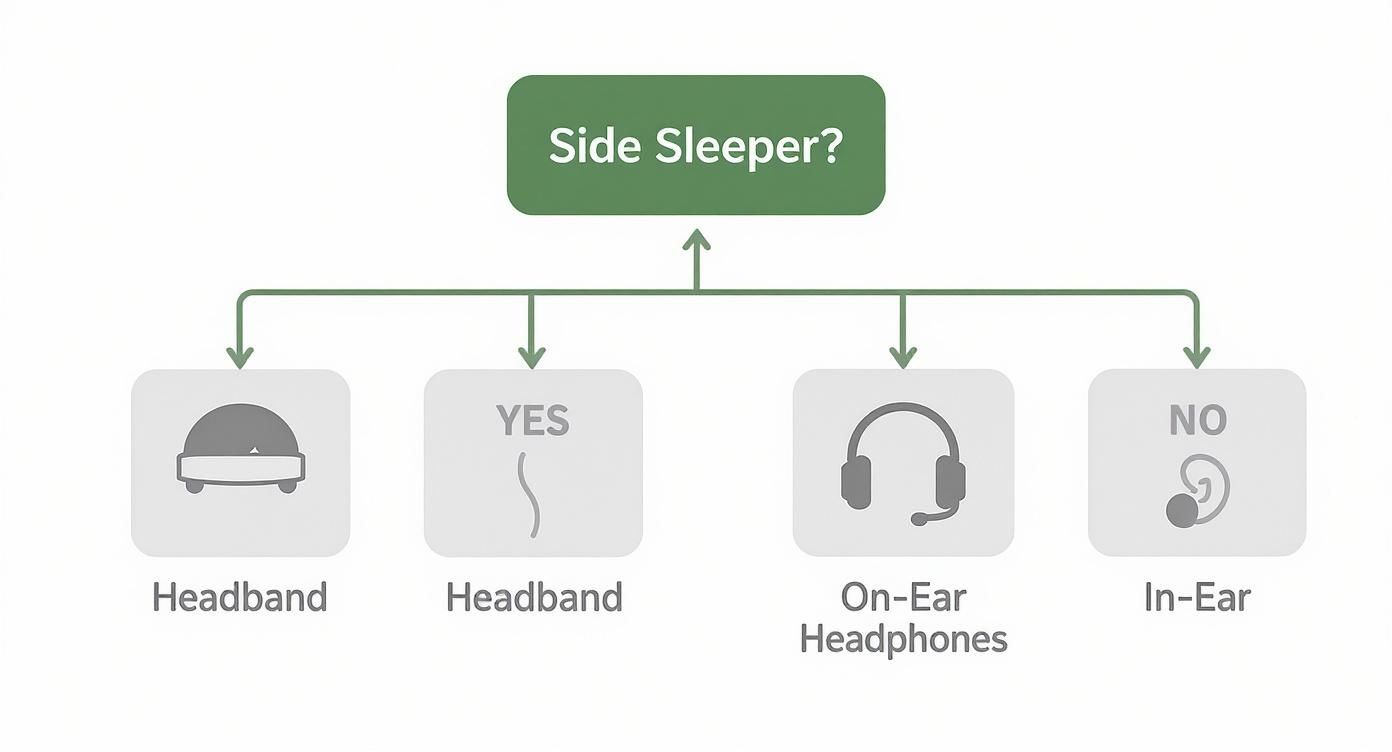
As the chart shows, if you're a side sleeper, the game is all about avoiding pressure. This makes headbands or ultra-thin on-ear models a much better bet than traditional in-ear buds that can dig in.
The Side Sleeper Solution
For the huge number of us who sleep on our side, comfort is everything. Standard earbuds create a sharp, painful pressure point inside your ear canal the moment your head hits the pillow. And bulky on-ear or over-ear headphones? Forget about it.
Your mission is to find a design so thin and soft that it practically disappears.
- Soft Headband Headphones: These are a fantastic option. The flat speaker discs are tucked inside a wide, cushioned fabric band, which spreads any pressure evenly across the side of your head instead of concentrating it in one spot.
- Ultra-Thin On-Ear Models: Engineered for this exact problem, these headphones feature speaker components less than a quarter-inch thick. They rest lightly on the ear, held by a flexible, barely-there frame, completely avoiding that intrusive feeling of an in-ear bud.
The key difference here is pressure elimination. A side sleeper needs headphones that don’t just feel okay when they first lie down, but that stay unnoticeable for a full eight hours of tossing and turning. This is exactly where specialized sleep designs prove their worth.
Managing Anxiety and Tinnitus
For anyone using audio to manage anxiety, calm a racing mind, or mask the ringing of tinnitus, the sound experience is just as crucial as comfort. The goal is to create a consistent, soothing soundscape without waking up your partner.
Here, sound leakage and audio consistency are what matter most.
- In-Ear Sleep Earbuds: Made from soft silicone, these create a gentle seal that not only blocks outside noise but also keeps your audio contained. This makes them perfect for playing white noise, binaural beats, or guided meditations without anyone else hearing a thing.
- On-Ear Sleep Headphones: Even with their open design, their direct placement on the ear allows for clear audio at very low volumes. This is often all you need to mask tinnitus without cranking the volume up to a level that might leak out.
An audiologist we consulted strongly advises keeping your device volume at or below 50% for overnight listening to protect your hearing. That makes a good seal or direct sound even more important.
For the Frequent Traveler
Travel throws a whole new set of obstacles at sleep, from the drone of an airplane engine to the random noises of a hotel hallway. For travelers, the best sleep headphones are a compact, portable tool for creating a personal bubble of peace.
Effective noise isolation is non-negotiable.
- Specialized In-Ear Sleep Earbuds: Their ability to form a physical seal makes them phenomenal for passive noise isolation. They do a great job of muffling sharp, sudden sounds like slamming doors or loud conversations in the next room.
- Headband Headphones: While a bit bulkier, they offer a comfortable way to block out sound and can even be pulled down over your eyes as a makeshift eye mask. That’s a huge plus on planes or in overly bright hotel rooms.
Choosing the right headphones really comes down to diagnosing your main sleep challenge and picking the tool designed to solve it. When you focus on your specific situation, you move past generic features and find a solution that can deliver truly restorative rest.
How Bedphones Deliver Unmatched Side-Sleeper Comfort
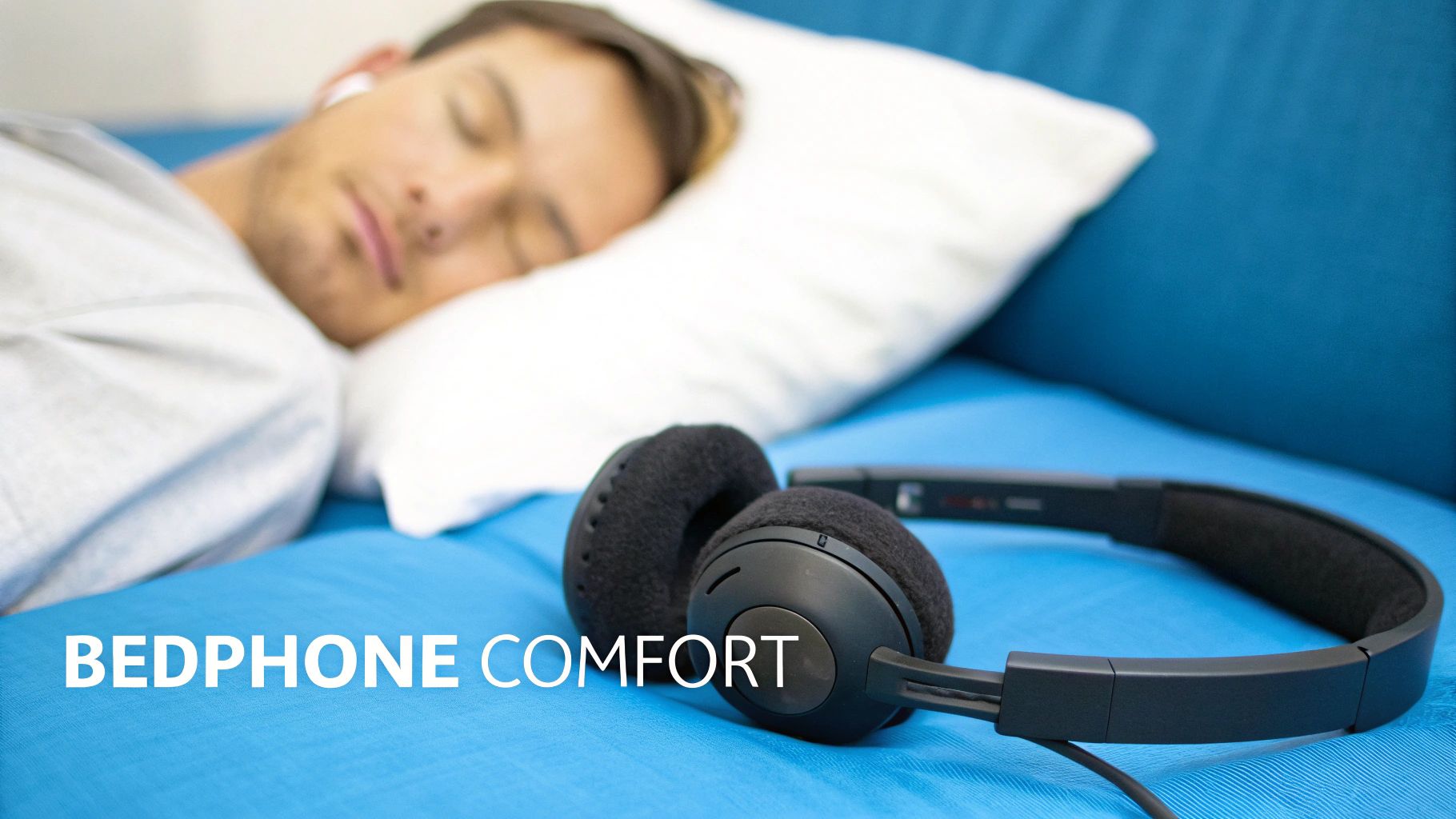
If you're a side sleeper, you know the struggle. Finding headphones for sleep often feels like a hopeless quest. The problem is always the same: pressure. Regular headphones dig in, creating painful hot spots. Even those soft sleep headbands can feel bulky and shift around. This is exactly where Bedphones come in, designed from the ground up to feel like they aren't even there.
The whole idea behind them is a super-thin, minimalist design that directly solves the side-sleeper problem. Instead of trying to cushion the pressure, Bedphones are engineered to eliminate it completely, giving you that "barely there" feeling so you can just forget you're wearing them and drift off.
Engineered to Be Forgotten
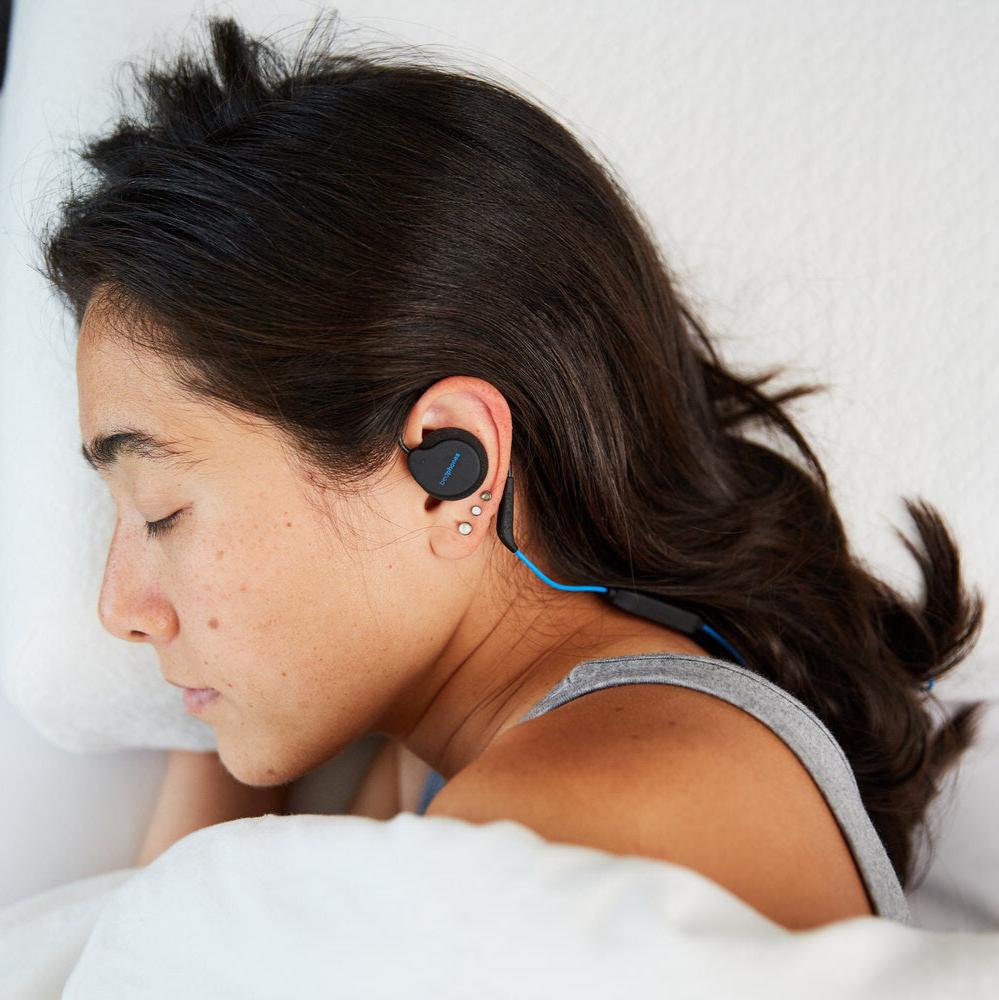
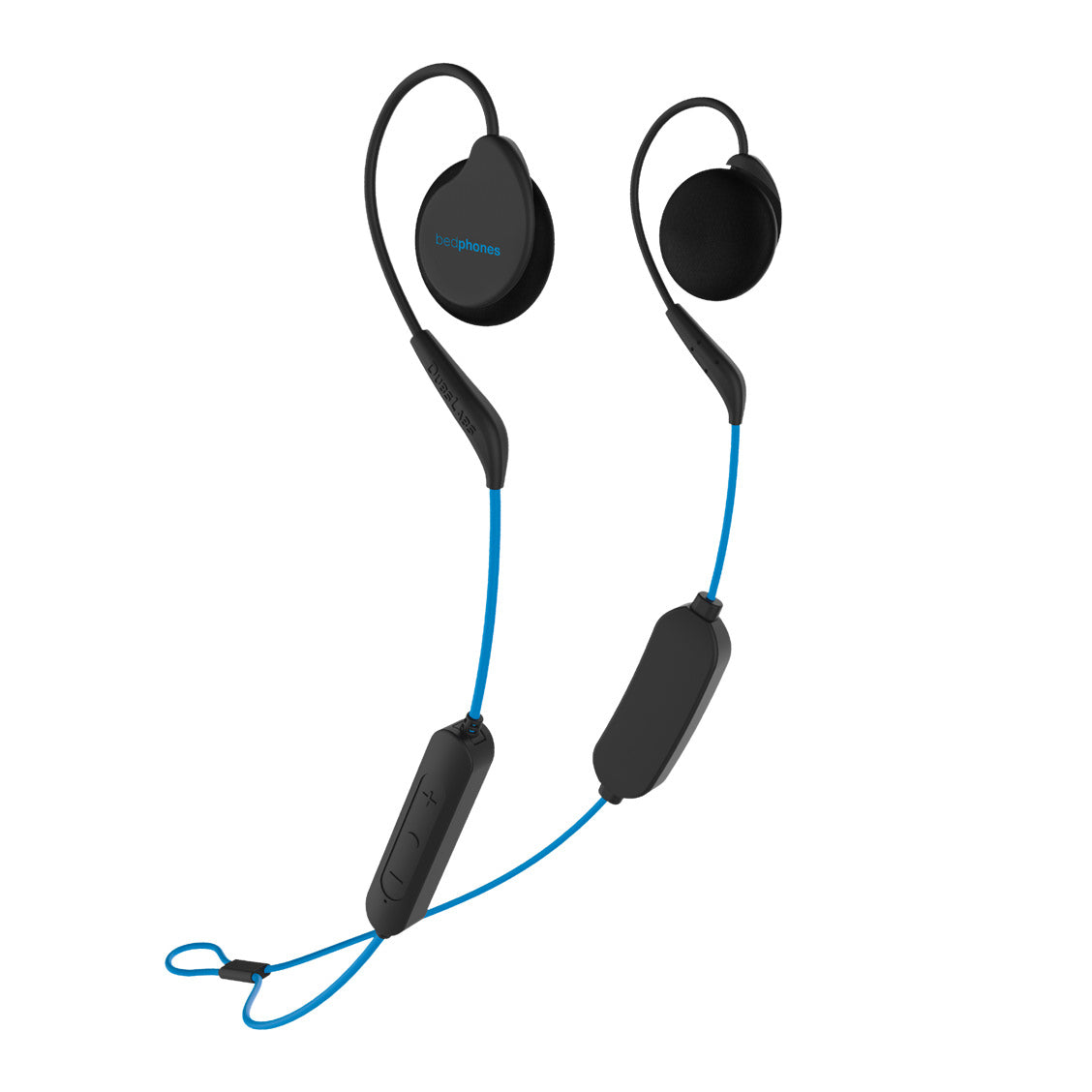
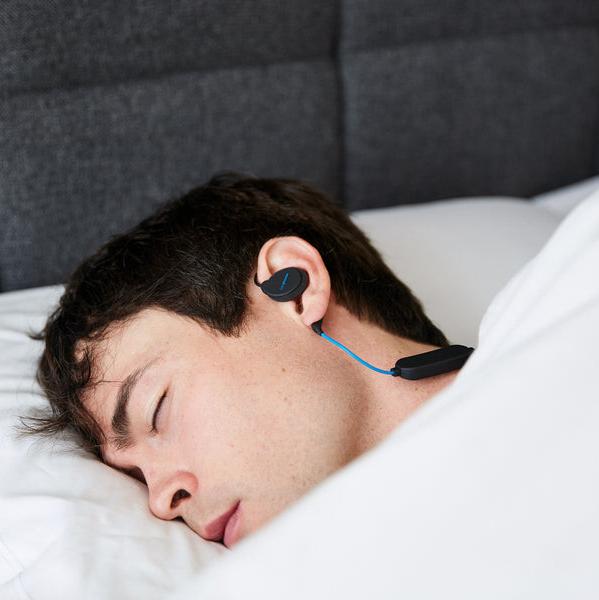
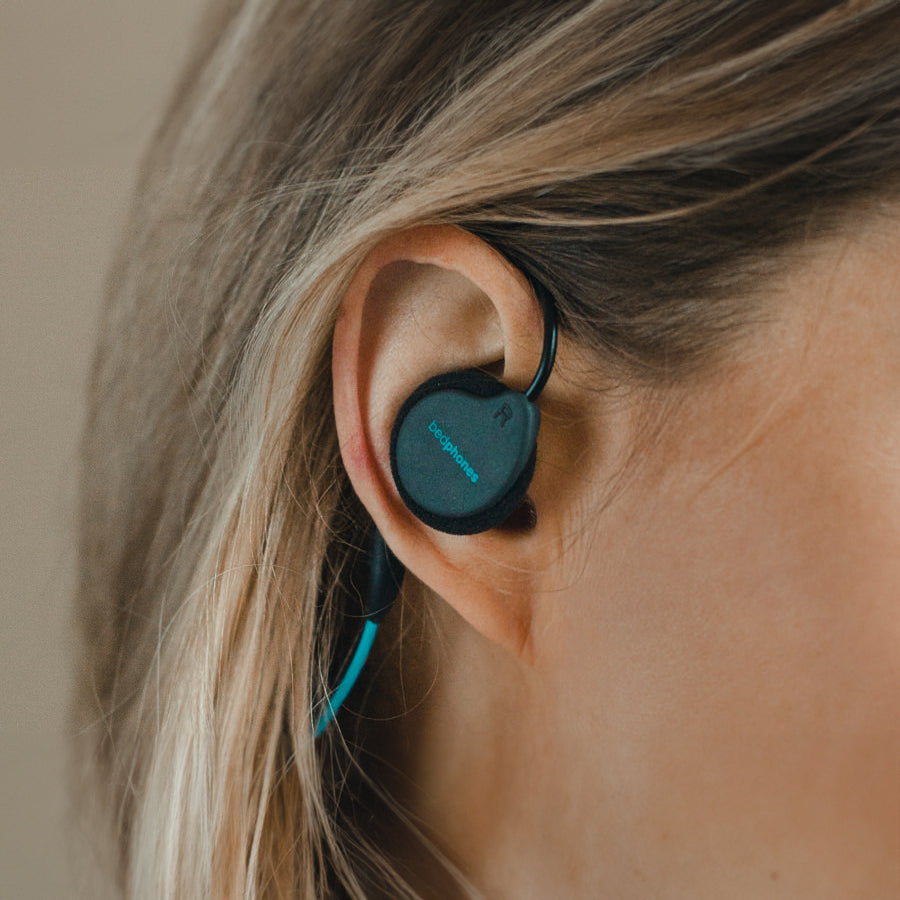
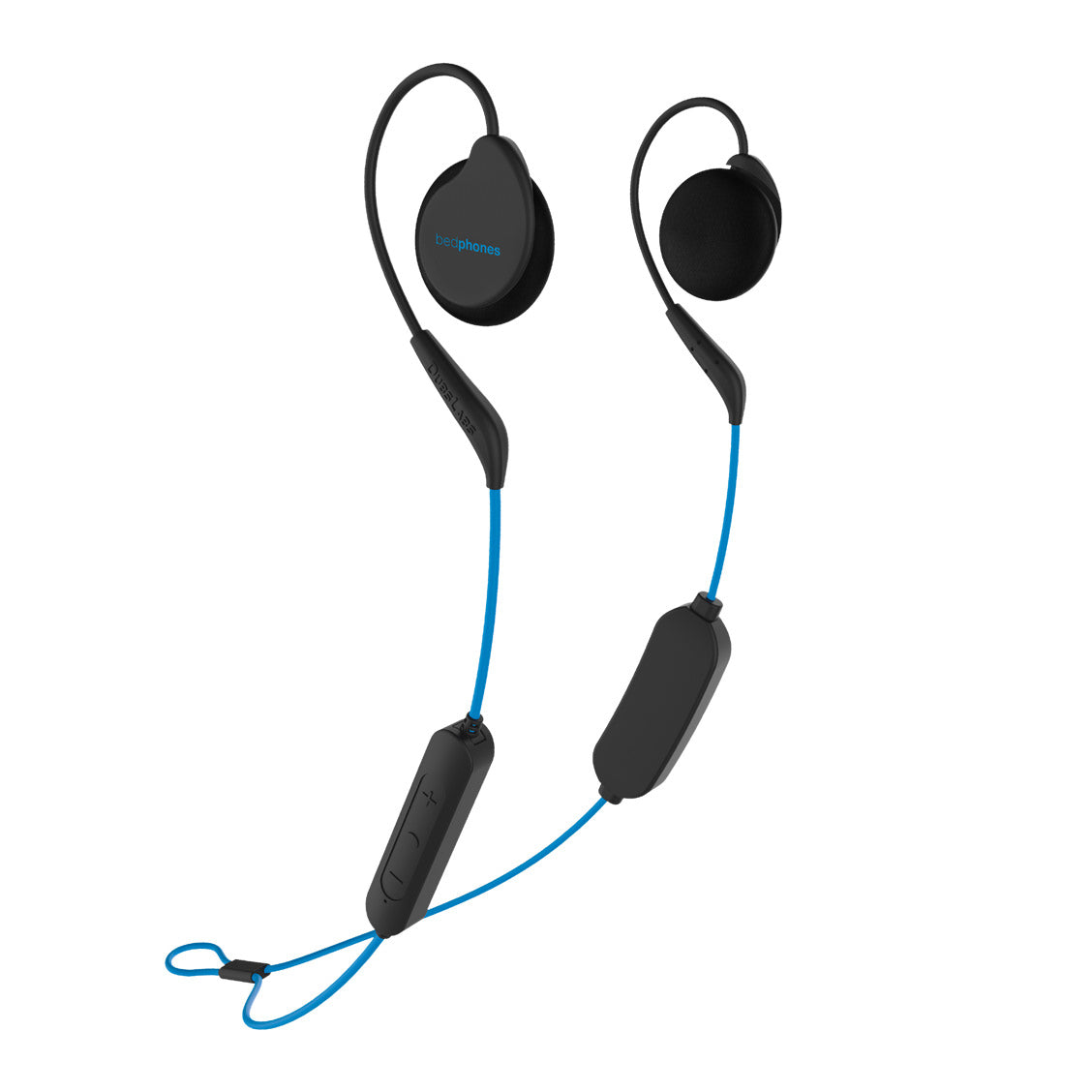
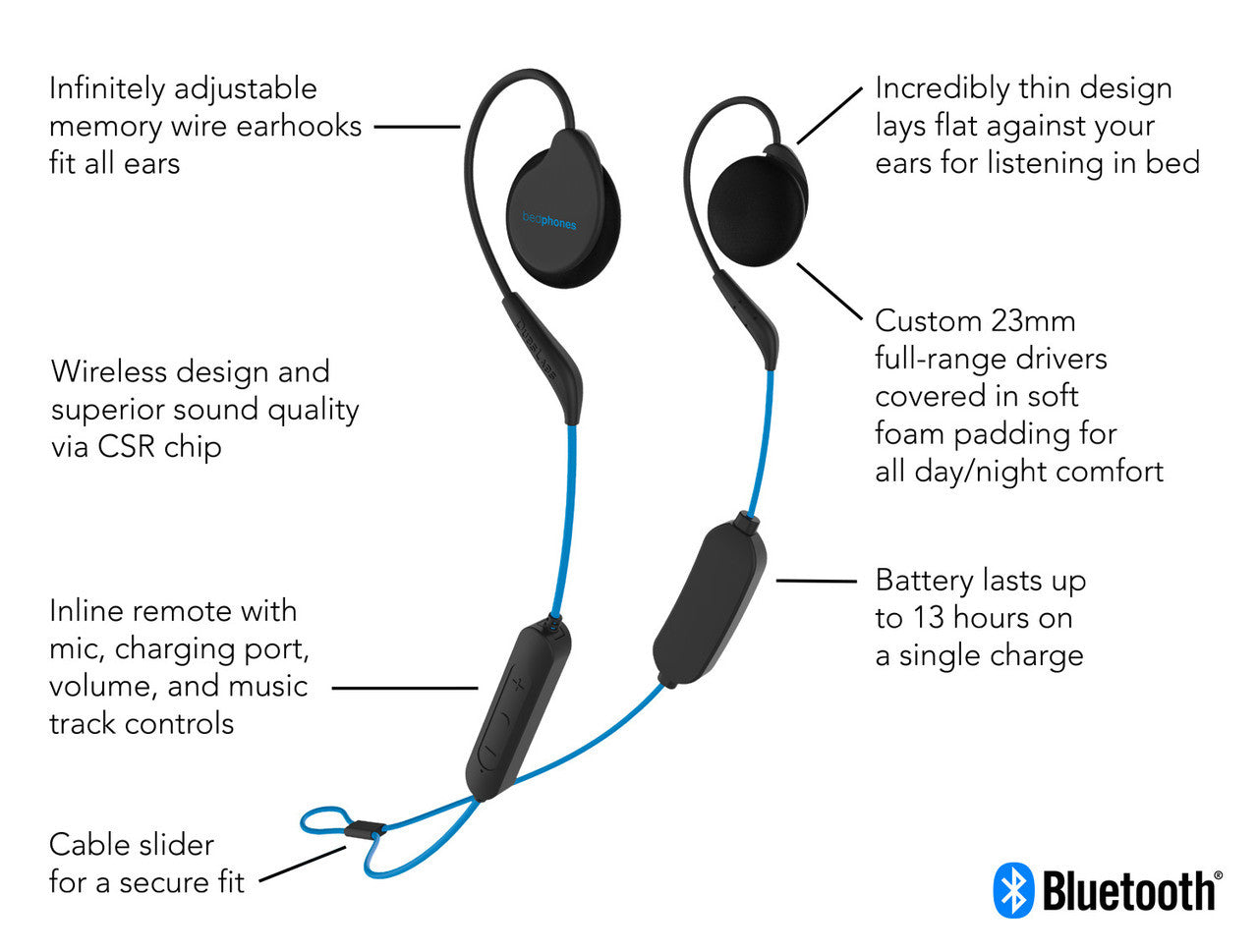
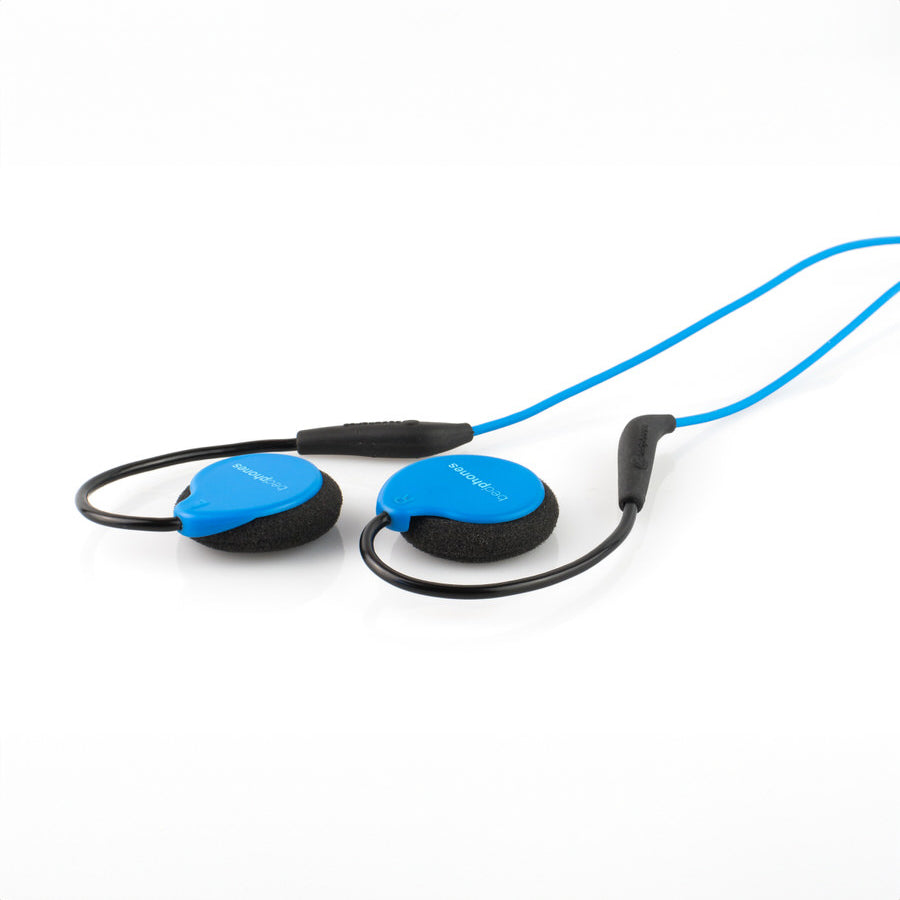
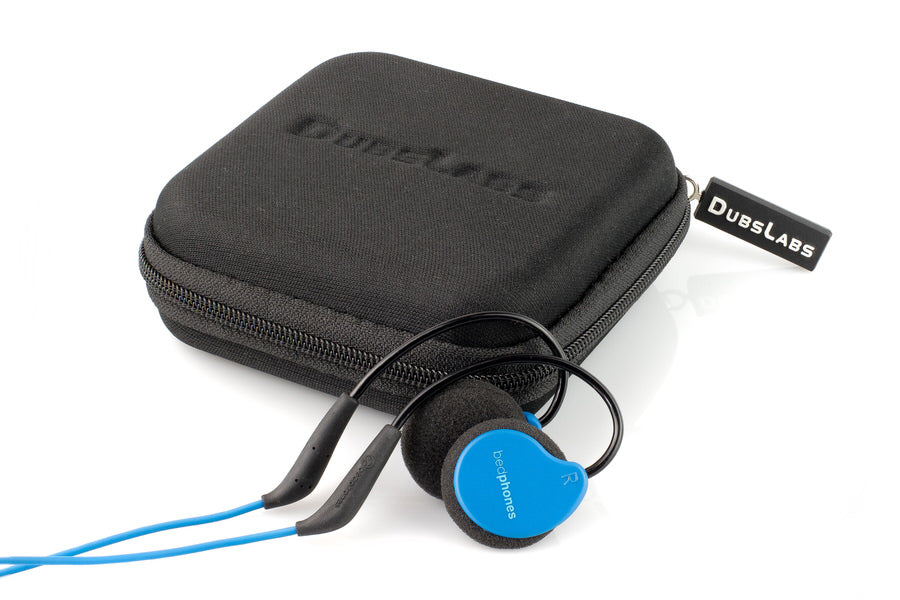
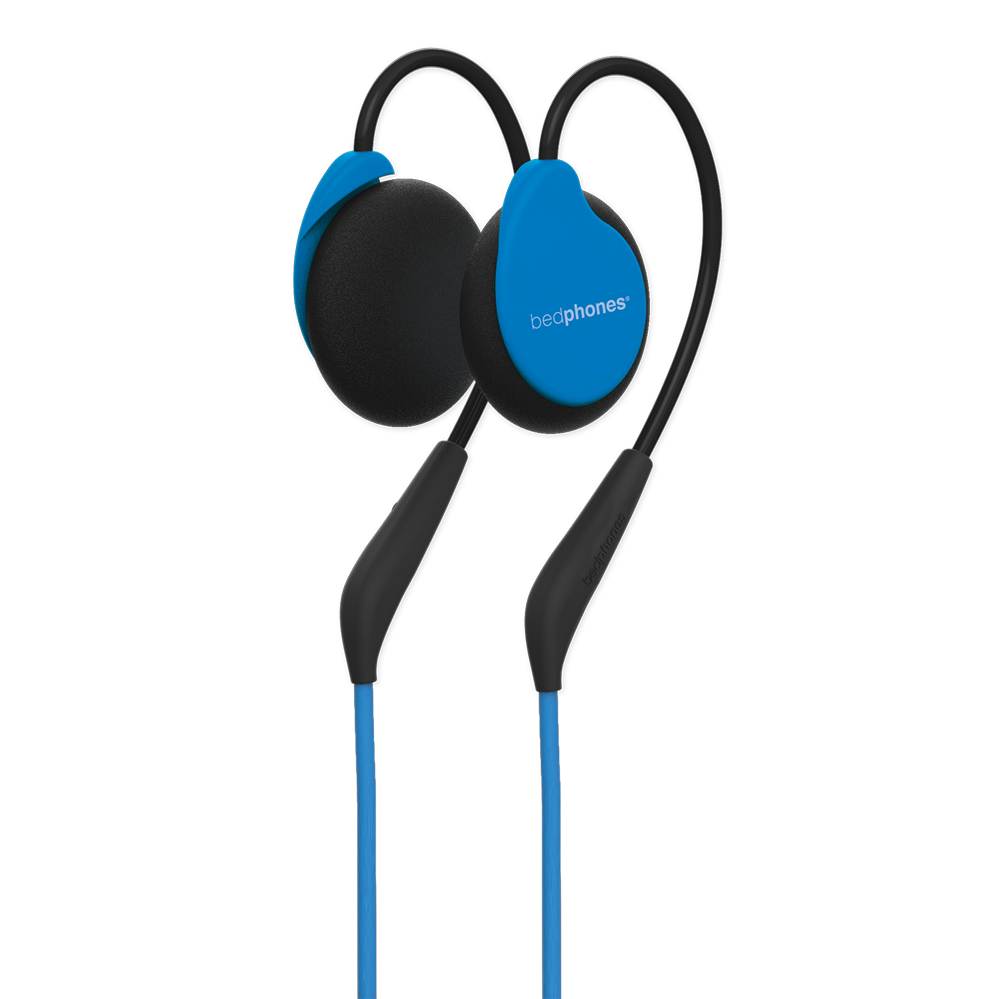
The magic of the Bedphones design is in their impossibly thin on-ear speakers. We’re talking less than 1/4" thick, each one covered in a soft, plush foam. That simple combination is the key to their comfort.
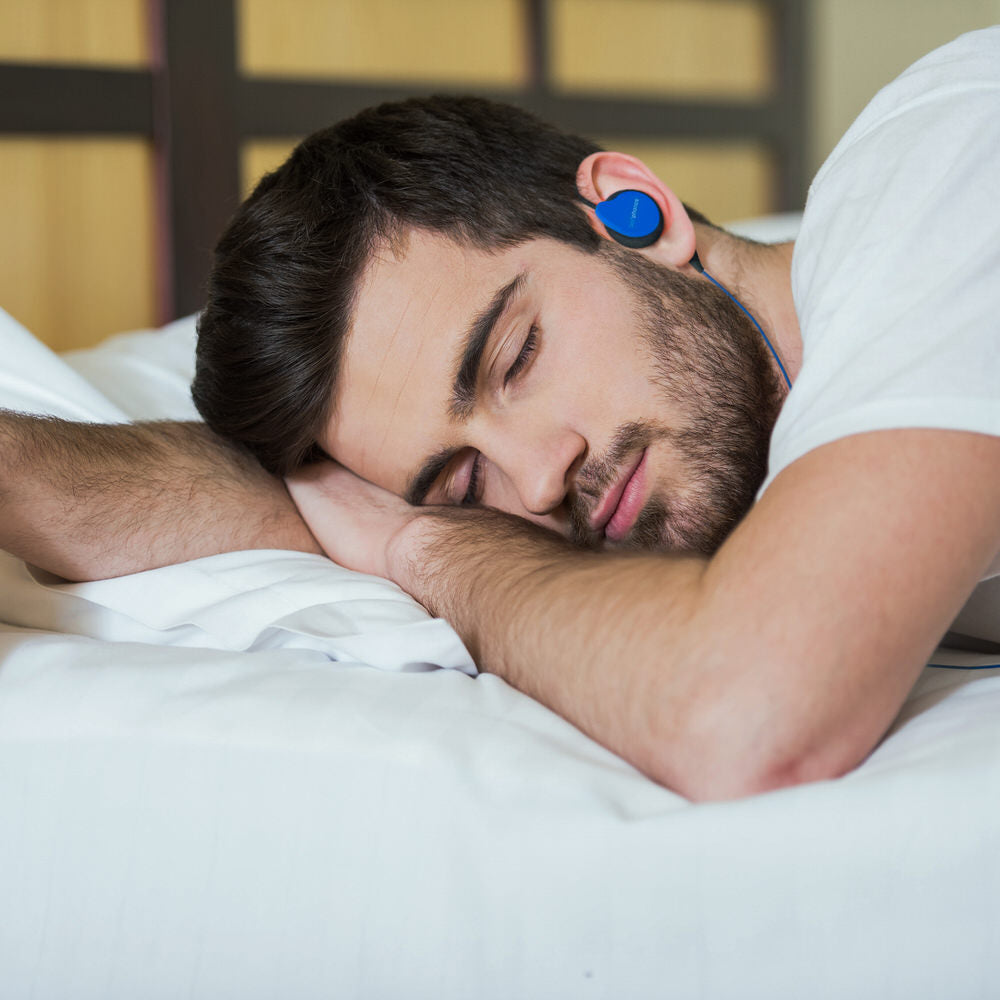
They don't go inside your ear canal or cup your entire ear. They just rest gently on the outside. This means when you turn onto your side, there's no hard plastic or bulky casing to press into your ear cartilage, which is what causes that familiar ache after a few hours. You get clear, private audio without anything feeling intrusive.
For a side sleeper, the ideal headphone isn’t just comfortable—it’s unnoticeable. The thin profile of Bedphones allows them to lay flat against the ear, preventing the leverage and pressure that make other headphones unusable for sleeping on your side.
This single-minded focus on the side-sleeper experience is what makes them a go-to for anyone who has given up on finding headphones they can actually wear all night long.
A Secure Fit Without the Squeeze
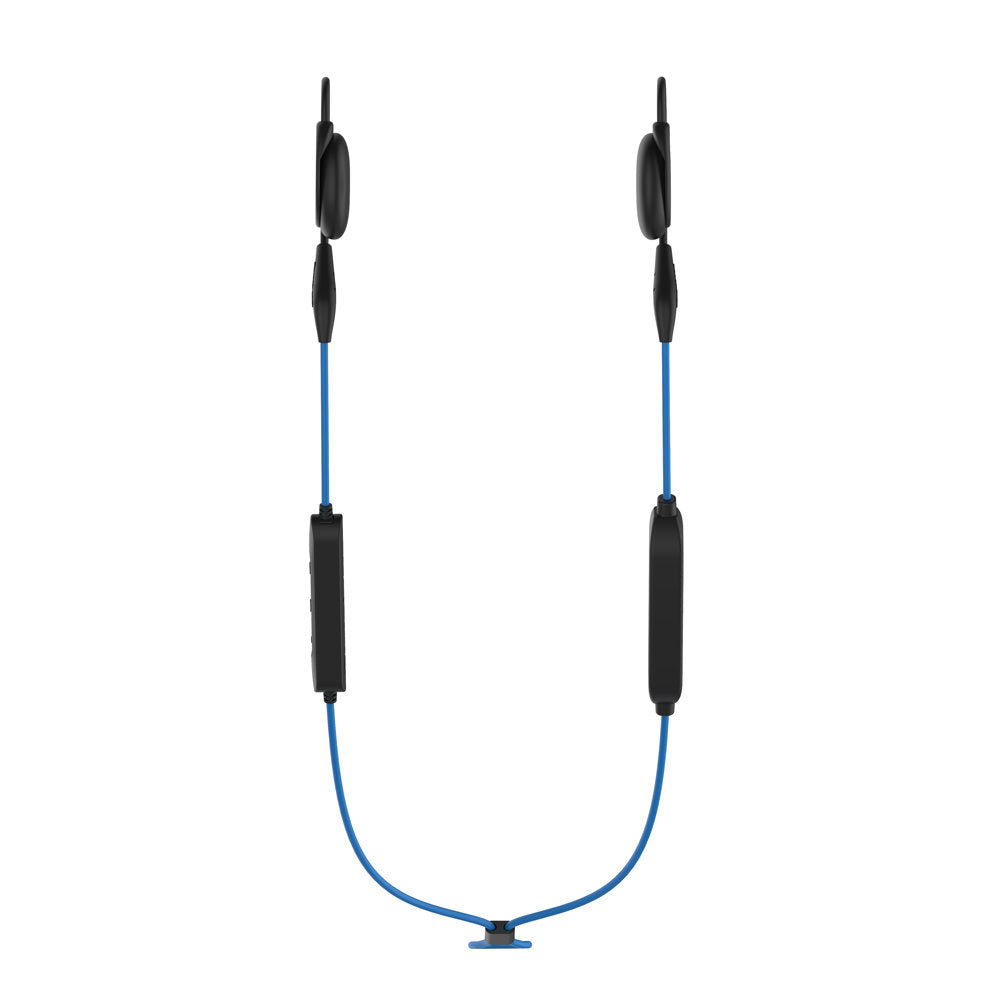
Of course, comfort doesn't mean much if your headphones fall off the second you roll over. Bedphones solve this with a clever, adjustable memory wire coated in soft rubber that hooks gently over your ears. It’s what gives them a secure fit that’s also totally customizable.
You can actually bend and shape the wire to perfectly match the curve of your own ears, creating a light but firm hold. It's enough to keep the speakers exactly where you want them, no matter how much you toss and turn, but without any of the clamping force you get from traditional headbands.
This adaptable design brings a few real-world advantages:
- Stays in Place: The memory wire keeps the headphones secure through movement, unlike headbands that can easily slip off.
- No Pressure Headaches: The gentle hook design won't create pressure points on your temples or scalp.
- Personalized Comfort: Since you can shape the wire, you get a fit that feels like it was made just for you, no matter your ear shape or size.
Practical Features for Everyday Use
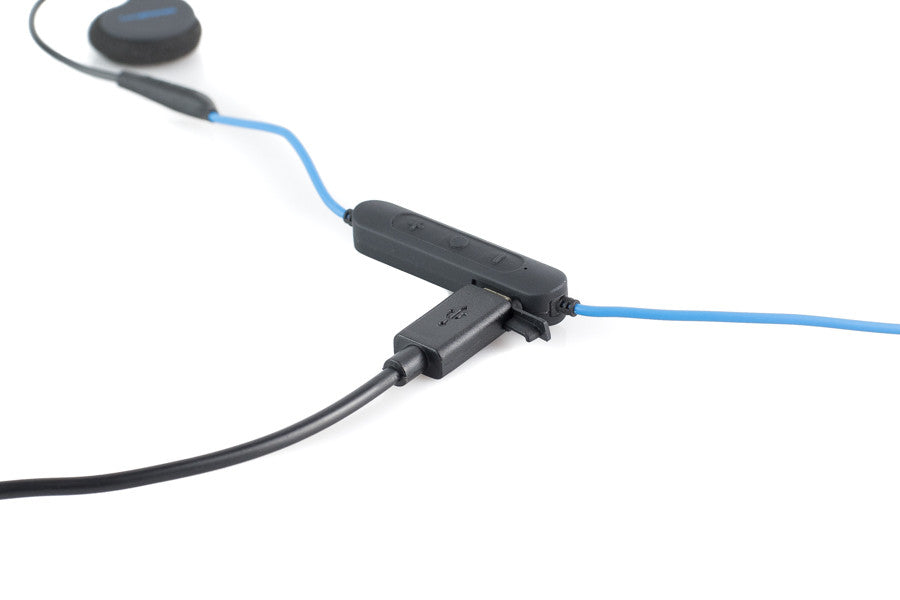
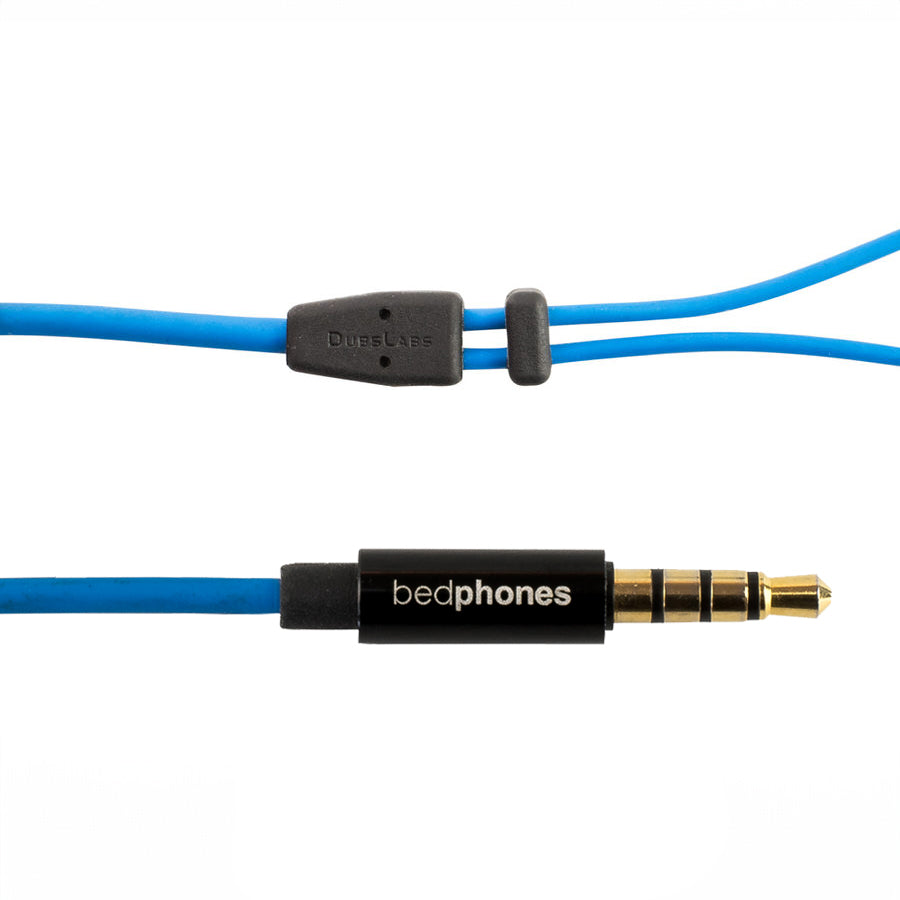
Beyond just being great for sleep, Bedphones are built for real life. Both the wired and wireless versions come with an in-line remote and microphone, so you can easily take a call, skip a track, or adjust the volume without fumbling for your phone. It’s a small detail, but it makes a huge difference when you're already settled in bed or using them on the go.
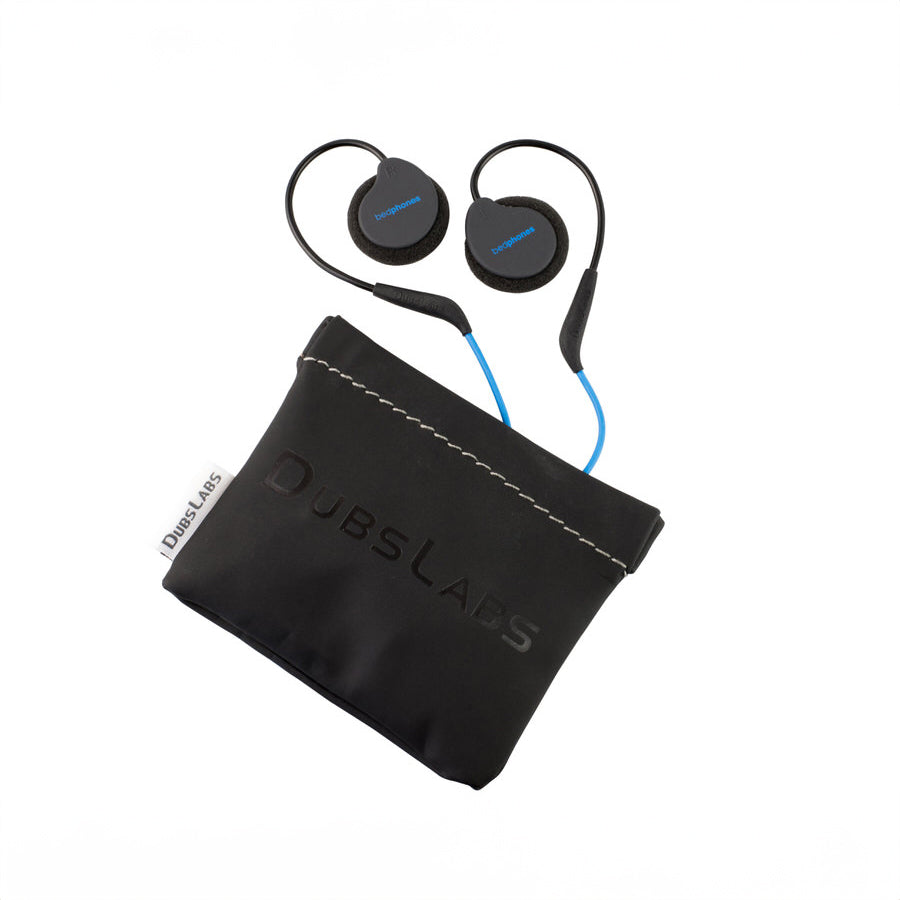
Every pair also includes a sturdy little travel case, making them easy to toss in a bag without worrying about damage. This turns them from a simple sleep aid into a versatile pair of headphones for flights, commutes, or any time you just want to be comfortable.
If you're ready to see what a difference this design can make, you can check out all the models and features on the official Bedphones wireless sleeping headphones page.
How to Care for and Safely Use Your Sleep Headphones
Getting the most out of your sleep headphones means giving them a little TLC. A bit of routine care not only keeps them hygienic and working perfectly but also protects your investment for the long haul.
Cleaning them is pretty straightforward, but the method depends on the material. For headband-style headphones with removable speakers, the fabric part is often machine washable. Just pop out the electronics and check the tag for washing instructions—a gentle cycle and air drying usually does the trick.
For more delicate foam earpads or silicone earbuds, you'll want to avoid harsh chemicals. A soft cloth, slightly damp with water and a tiny drop of mild soap, is perfect for wiping away dirt and oils. Regular cleaning is key to preventing buildup that could irritate your skin or even lead to ear infections.
Protecting Your Hearing and Battery Health
Just as important as keeping them clean is making sure you're using them safely. Listening to audio all night, even at what seems like a low volume, can impact your hearing over time. We checked in with an audiologist who gave us a simple rule of thumb.
"I usually recommend keeping device volume at or below 50% — whether it's a phone, tablet, etc. — to protect your hearing."
Most smartphones have a built-in volume limiter in the settings. It’s a fantastic set-it-and-forget-it feature that ensures the sound never accidentally creeps into a dangerous range while you’re asleep.
Battery health is another thing to keep in mind. The lithium-ion batteries in most wireless headphones last longer if you avoid two extremes: draining them completely to 0% and leaving them at a 100% charge for long stretches. A great habit is to charge them in the morning after you wake up instead of leaving them plugged in all night.
Integrating Headphones into Healthy Sleep Hygiene
Think of your new headphones as a tool to help you drift off, not necessarily something to listen to for eight straight hours. The goal is to use audio to initiate sleep. Once you're out, your work is done!
Consider setting a timer on your podcast or music app to automatically shut off the sound after 30 or 60 minutes. This simple step conserves battery and gives your ears a well-deserved rest once you’ve drifted off. By combining these maintenance and safety habits, you’ll be able to enjoy your sleep headphones for years to come.
For a deeper dive into best practices, check out our complete guide on how to sleep with headphones safely.
Still Have Questions About Sleep Headphones?
Jumping into the world of sleep tech can feel a bit overwhelming, and you've probably got some questions. That's totally normal. Let's tackle some of the most common ones we hear, so you can feel good about finding the right pair.
Is It Actually Safe to Sleep with Headphones on All Night?
It absolutely can be, as long as you're smart about it. The two things people worry about most are hearing damage and just general discomfort or safety. For your ears, the rule is simple: keep the volume low. Most audiologists will tell you to stay at or below 50% of your device's max volume.
Going wireless is also a non-negotiable for me. It completely eliminates the risk of getting tangled up in cords while you toss and turn. Honestly, your best bet is to find headphones built specifically for sleep. They're designed from the ground up with overnight comfort and safety as the top priorities. Another pro tip? Use a sleep timer on your app to have the sound fade out after you’ve drifted off.
While headphones are great for blocking out the world, a truly restful night often comes from a combination of strategies. You might also want to look into effective supplements for better sleep to round out your nighttime routine.
Can Sleep Headphones Really Block Out Snoring Completely?
Let's be realistic: no consumer headphones are going to create a 100% silent void. But can they make snoring a non-issue? Absolutely. The most effective way to do this is with a one-two punch.
First, you want good passive noise isolation. This is just a fancy way of saying the headphones physically block sound from getting in. Think soft in-ear buds that create a seal or snug headbands that cover the ear. Then, you layer a masking sound over that—like white noise, brown noise, or some calming ambient tunes. That combination works wonders to make snoring just fade into the background.
What's the Best Type of Headphone for a Side Sleeper?
If you're a side sleeper, your mission is to find something that doesn't feel like a rock pressing into your ear all night. Comfort is everything. Ultra-thin, low-profile designs are the clear winners here.
You've really got two fantastic options:
- Soft Fabric Headband Headphones: These are great because the flat speakers are tucked right inside the band, so there are no hard bits digging into you.
- Ultra-Thin On-Ear Models: These are engineered specifically for this problem. We're talking speakers that are often less than a quarter-inch thick, designed to practically disappear when you're lying on your side.
Ready to feel the difference for yourself? DubsLabs offers a risk-free trial on all our gear, including our super-thin Bedphones, which were made with side sleepers in mind. Go find your best night's sleep over at https://www.dubslabs.com.