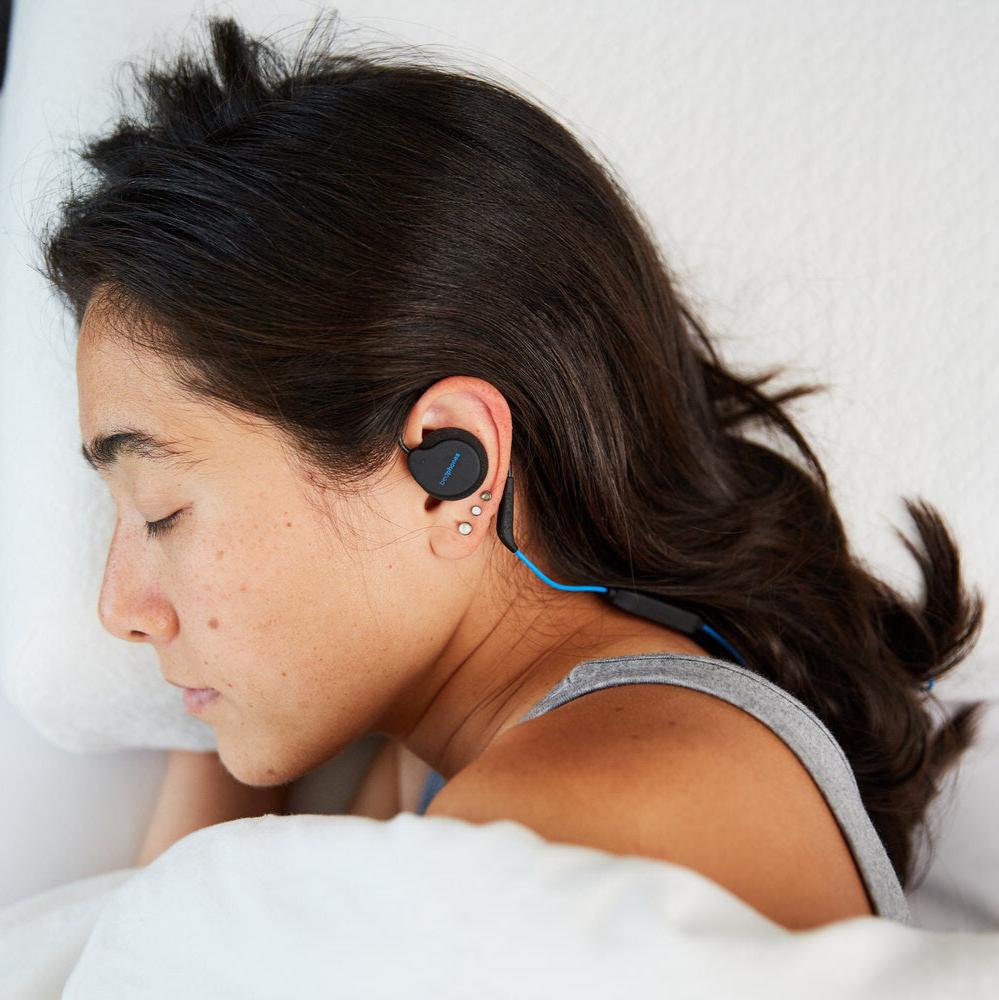
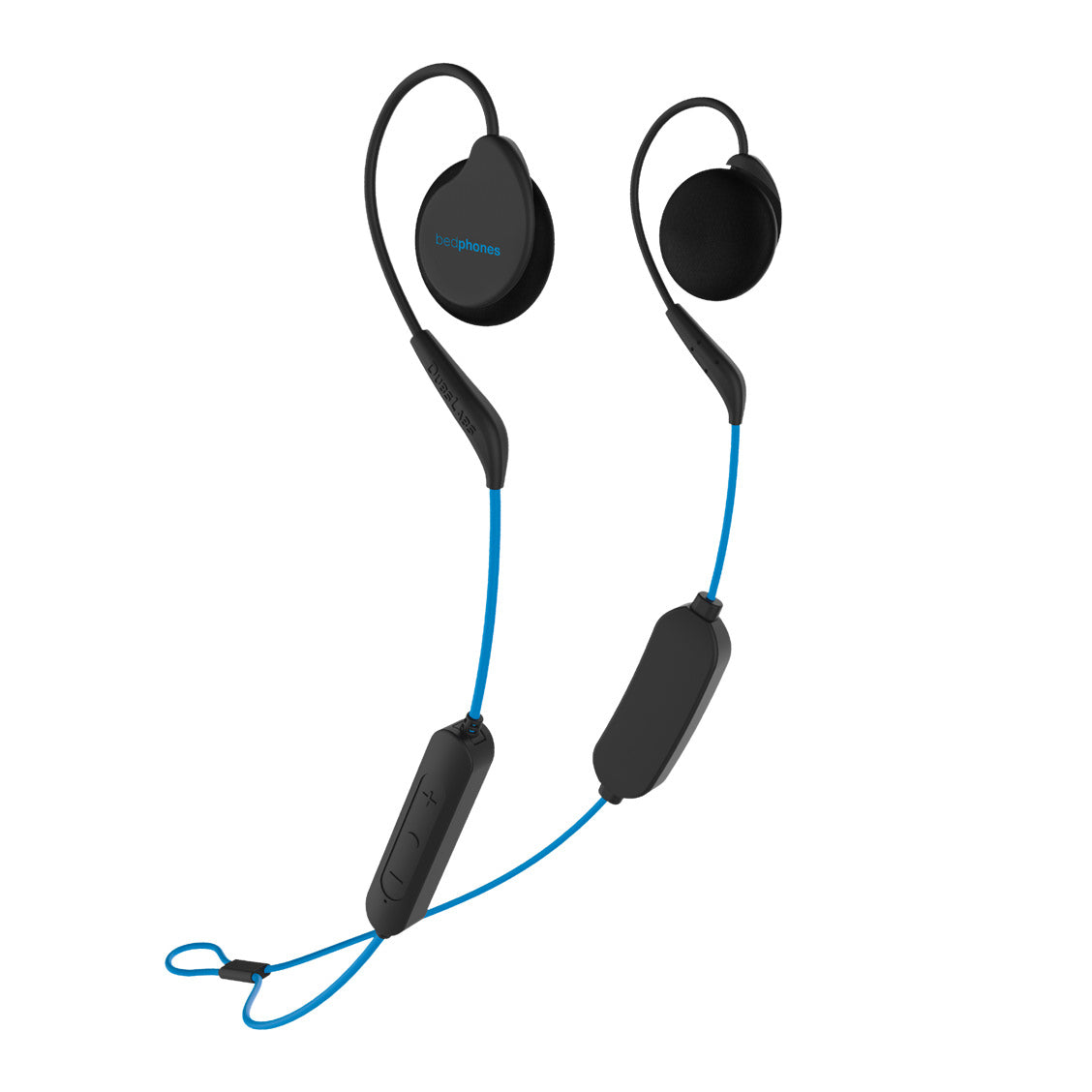
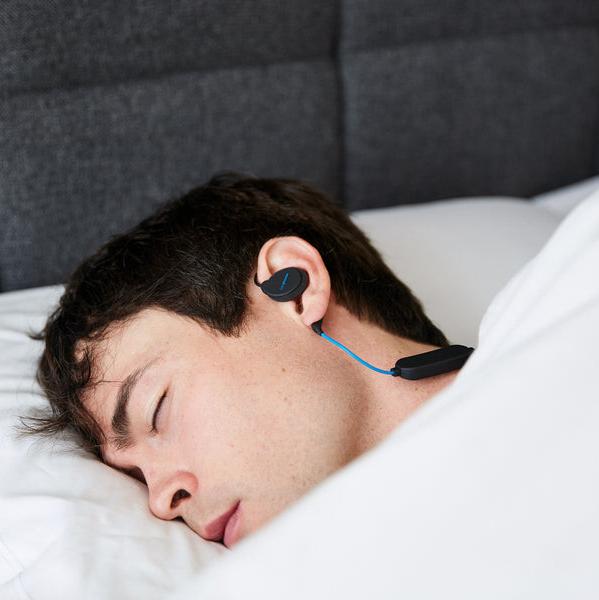
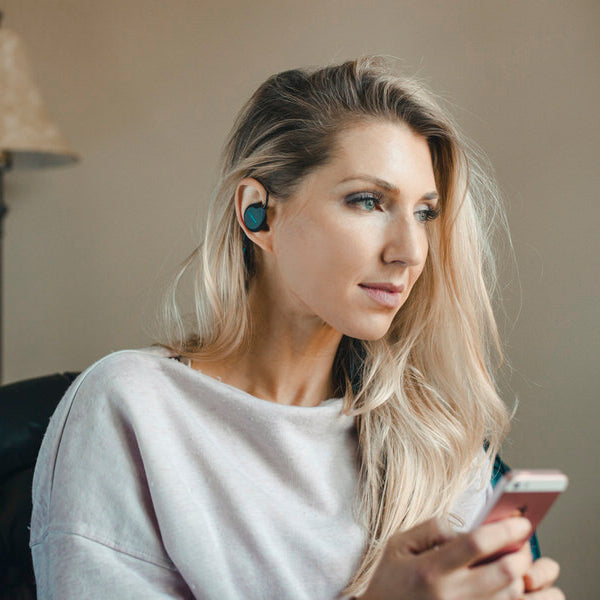
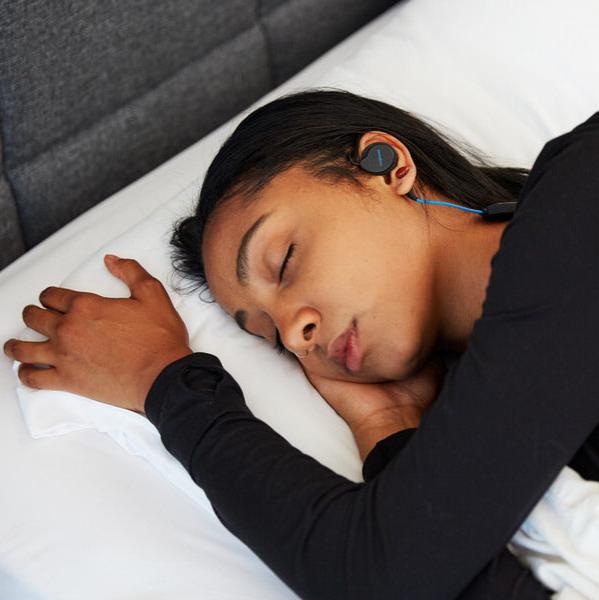
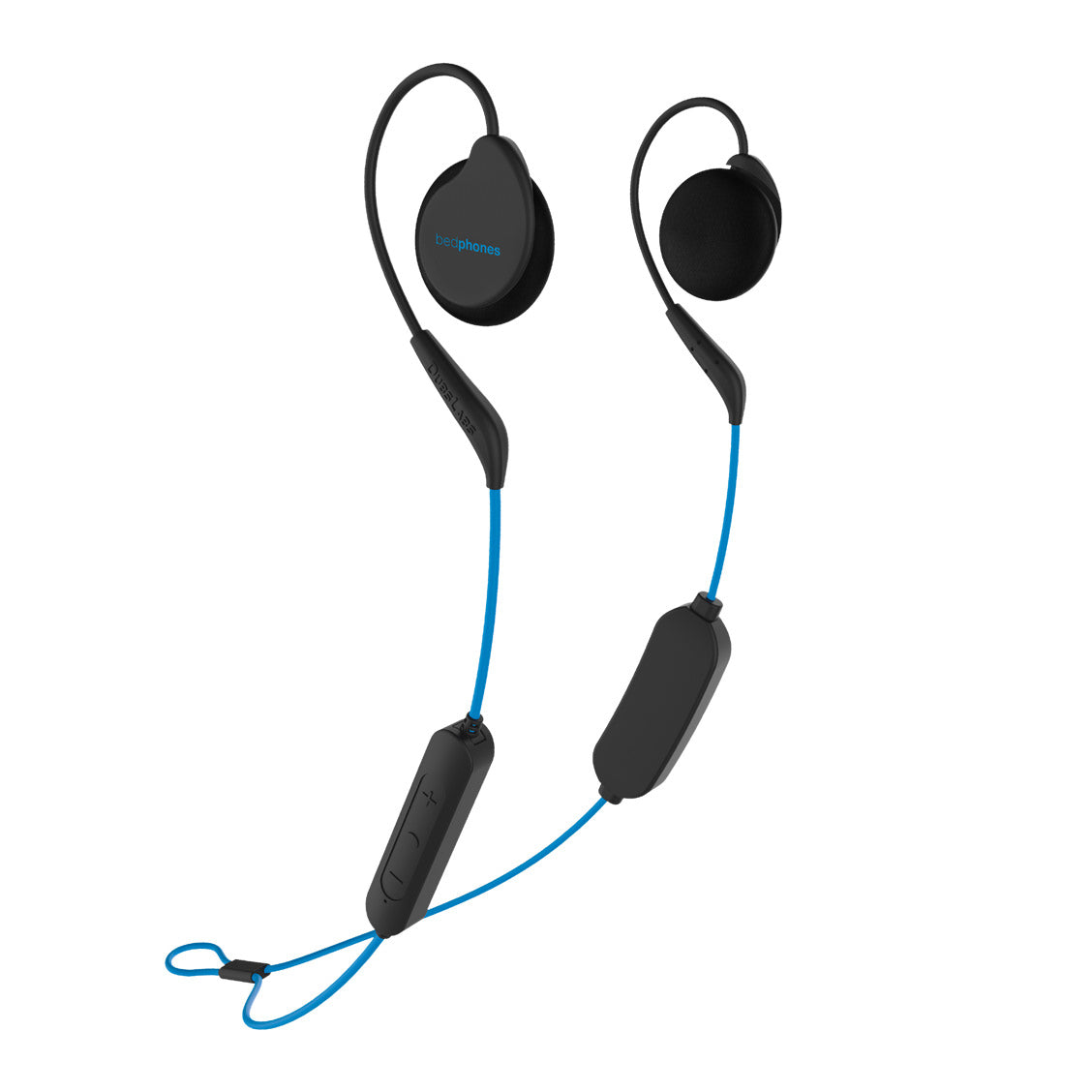
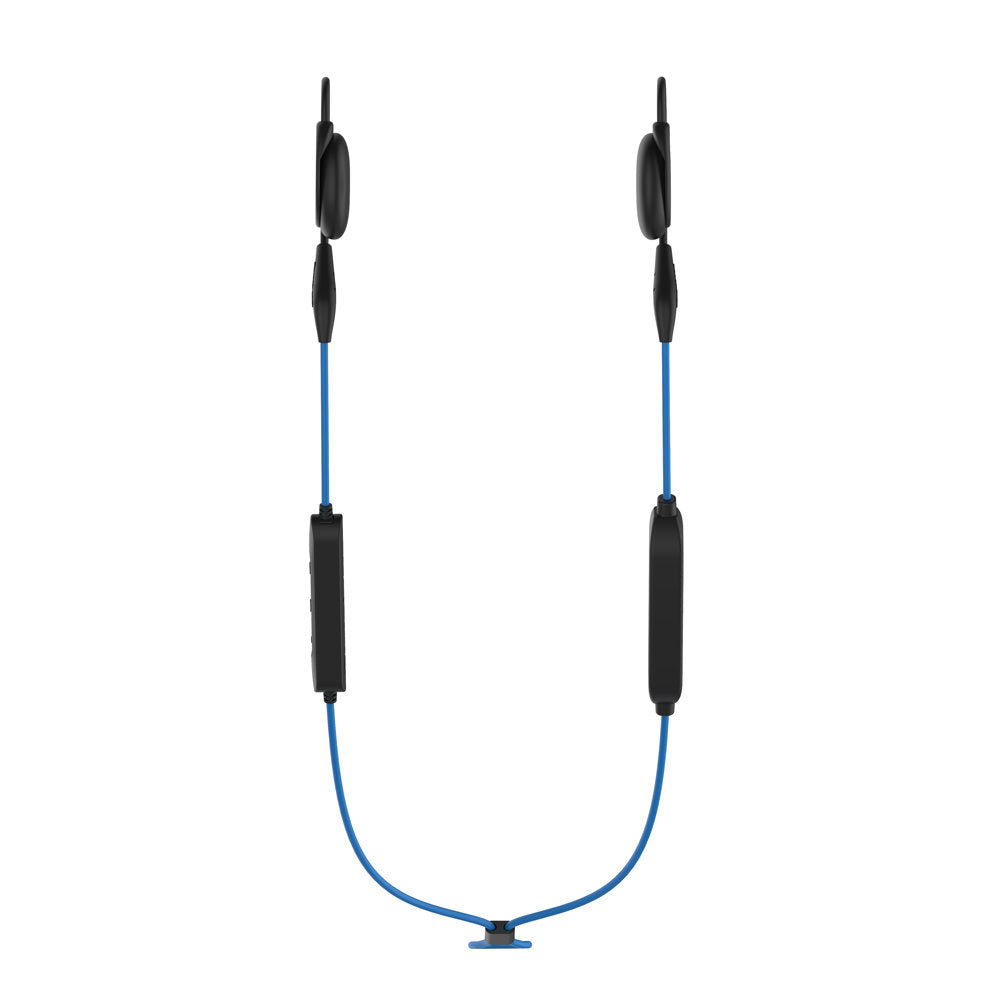
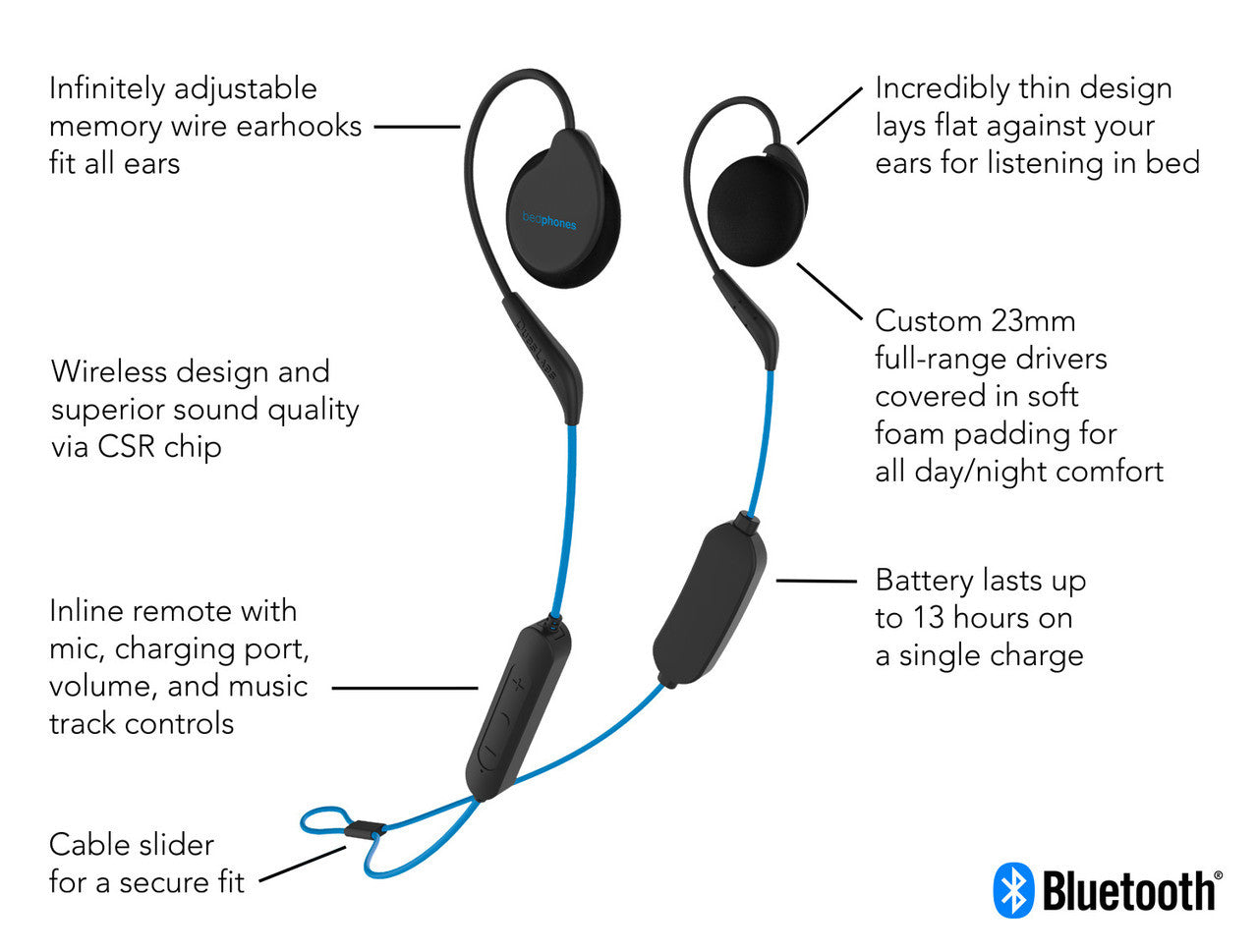
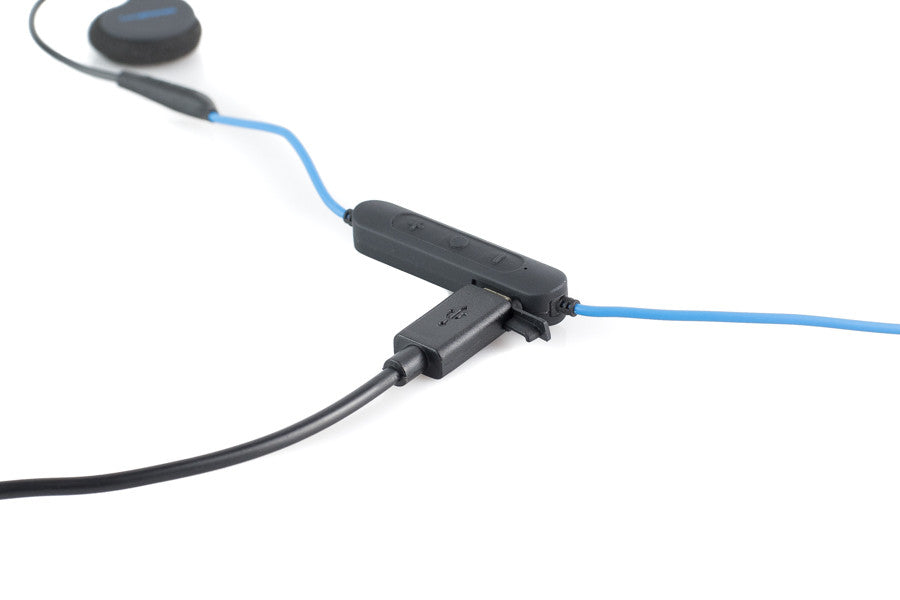
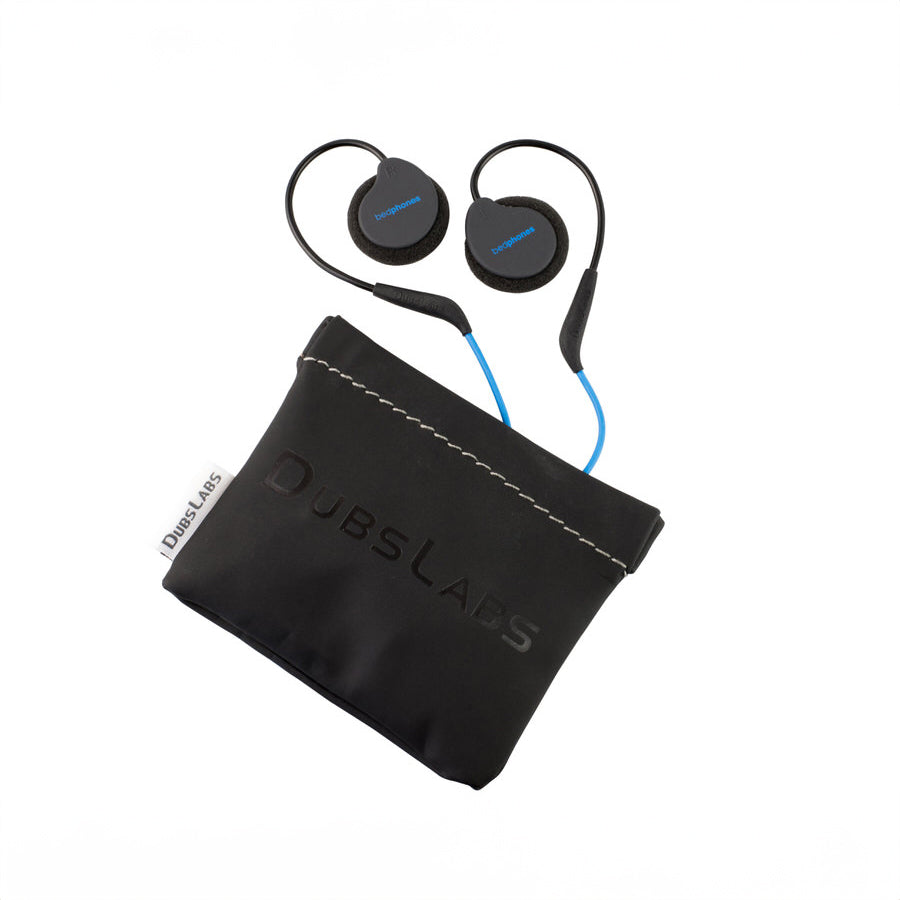
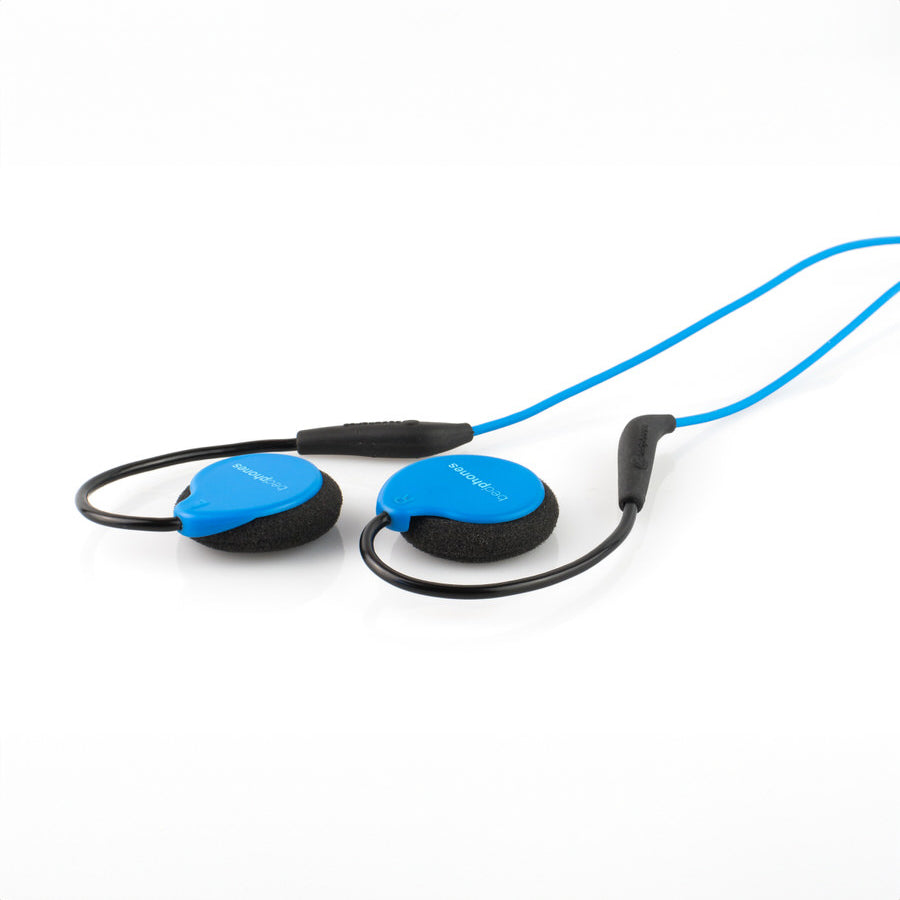
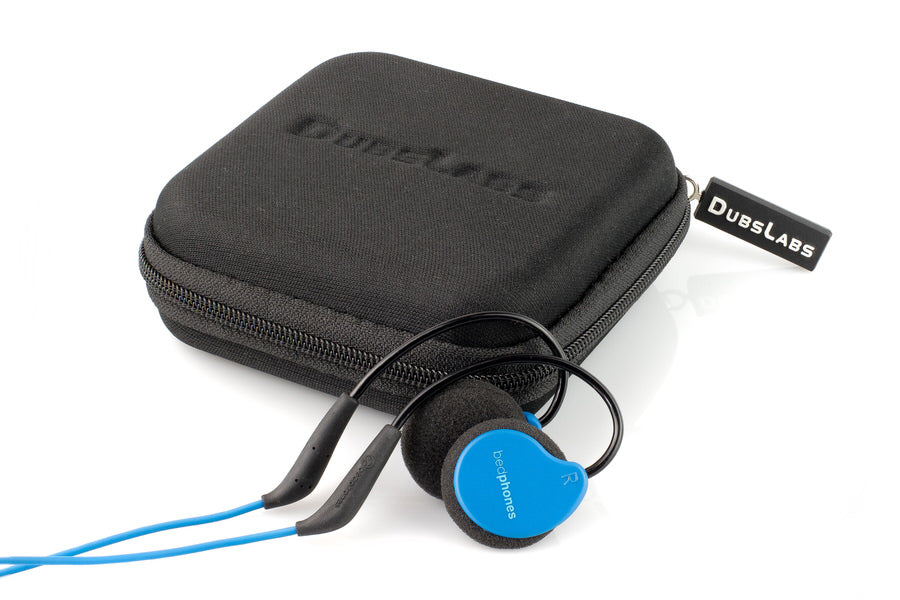
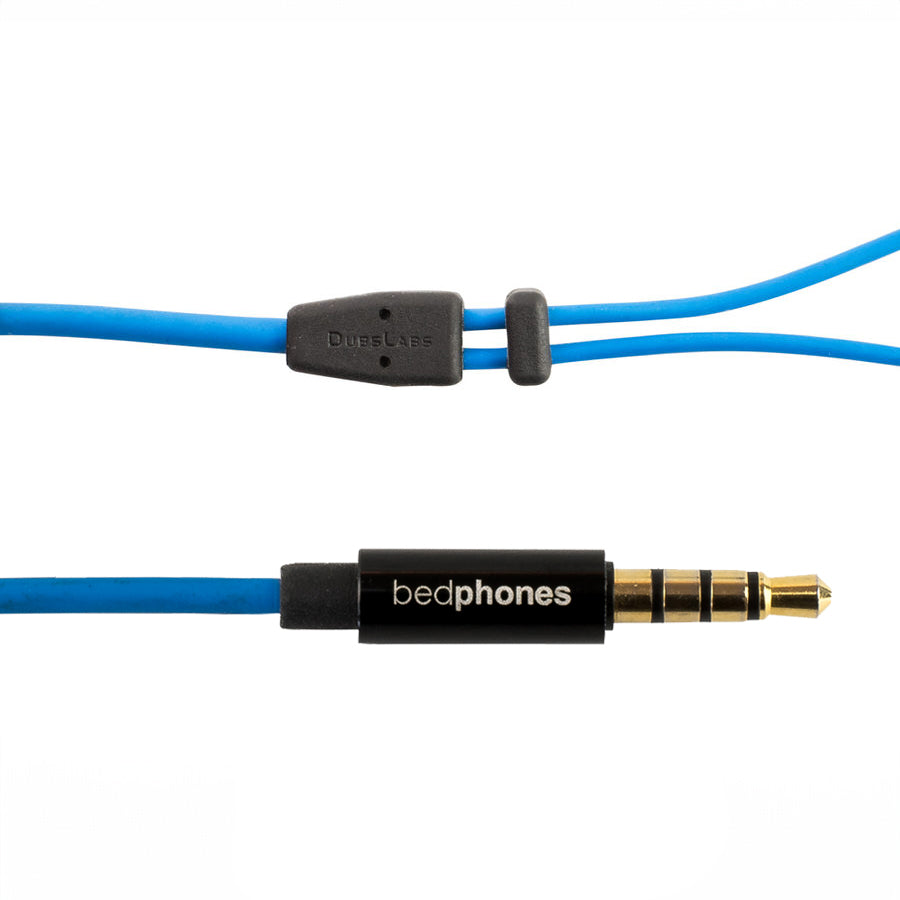
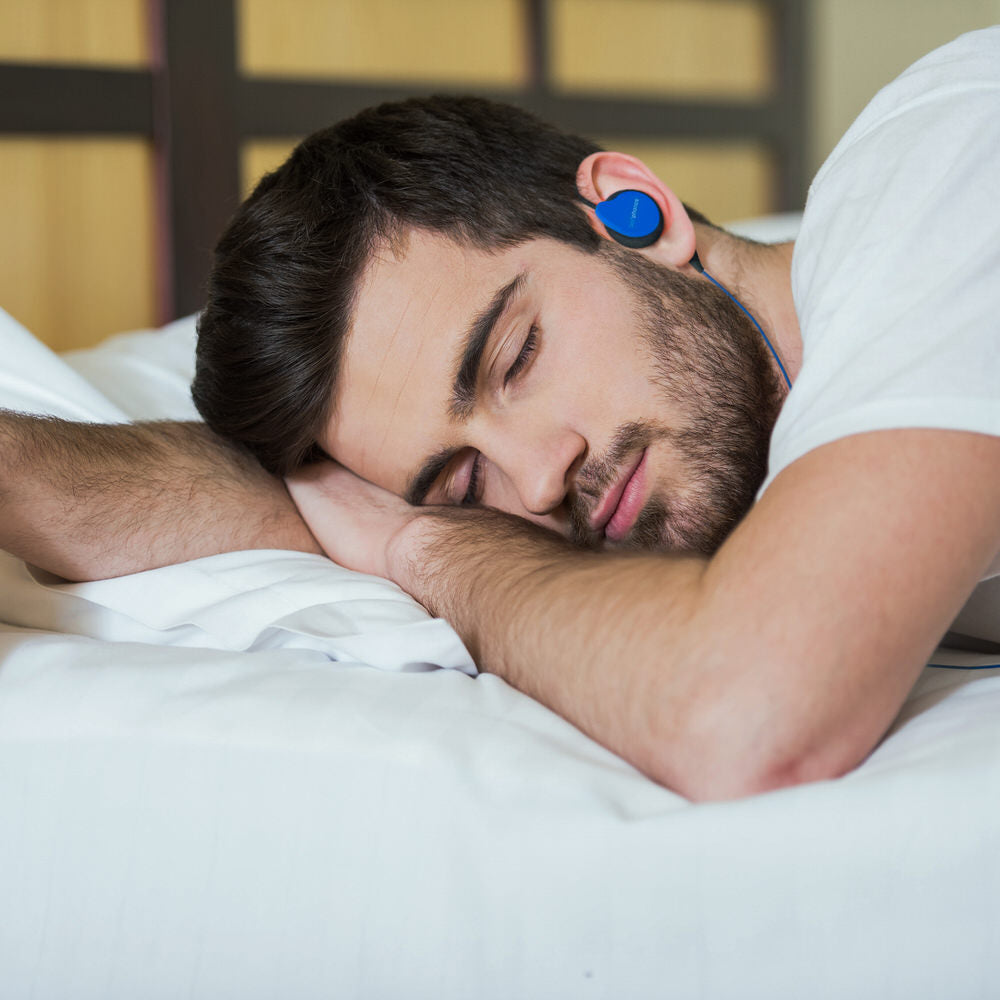
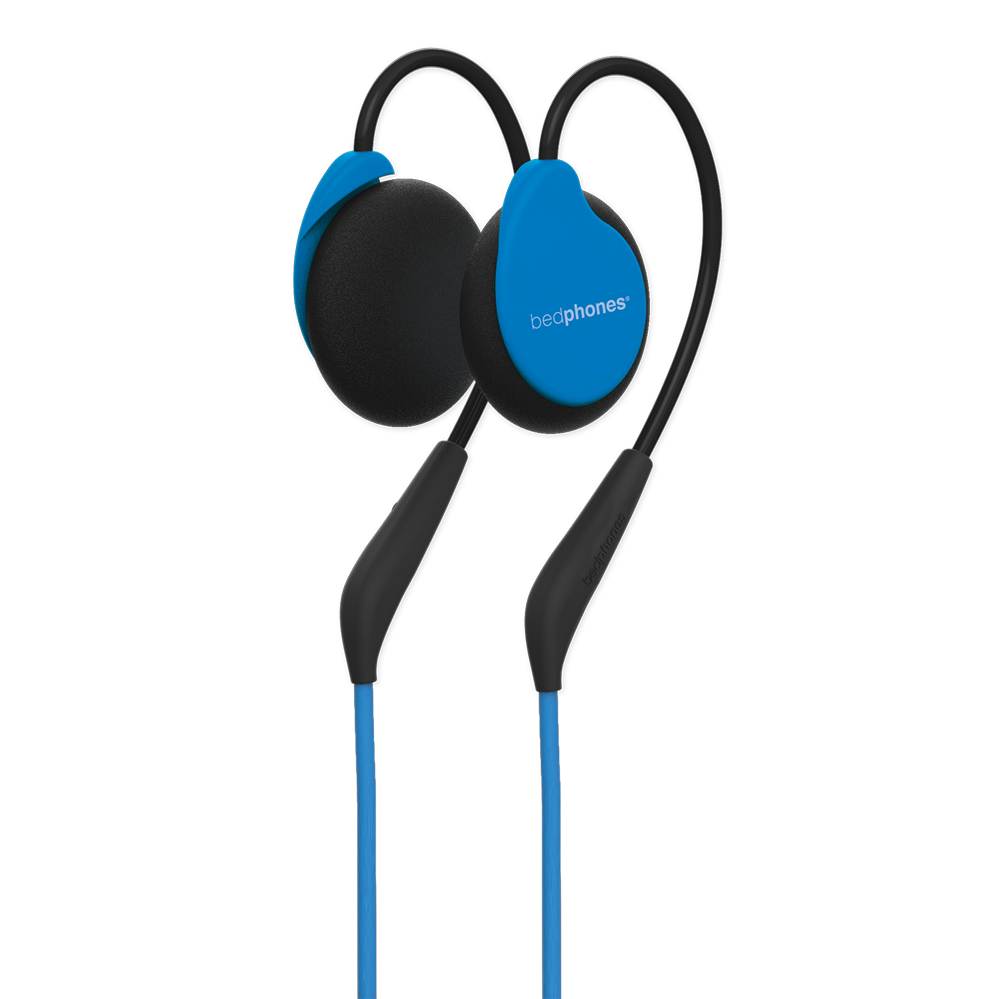
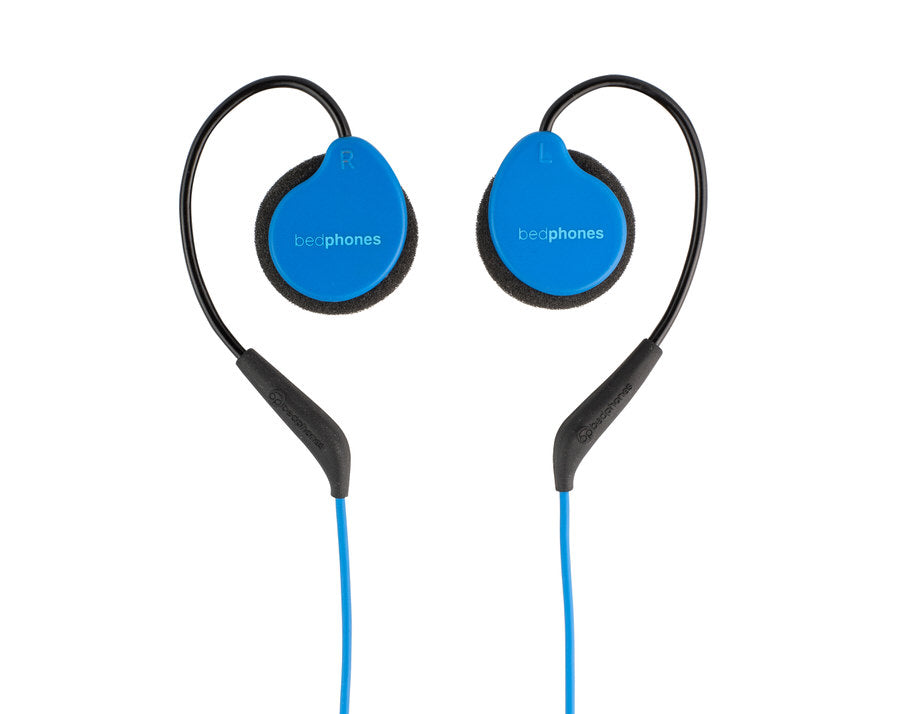
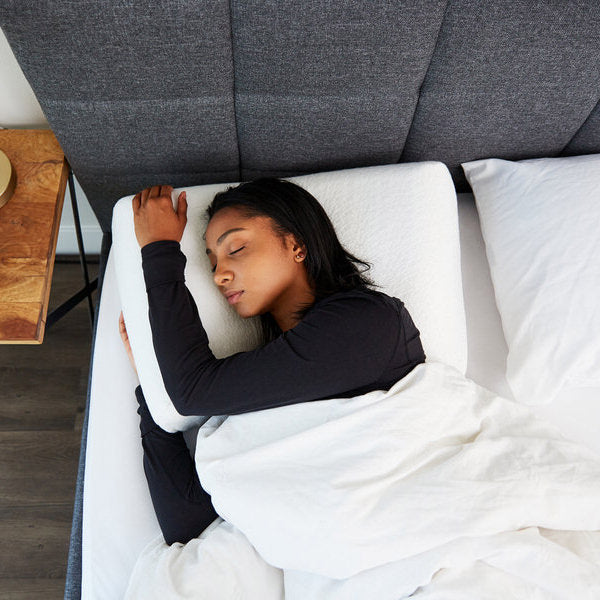
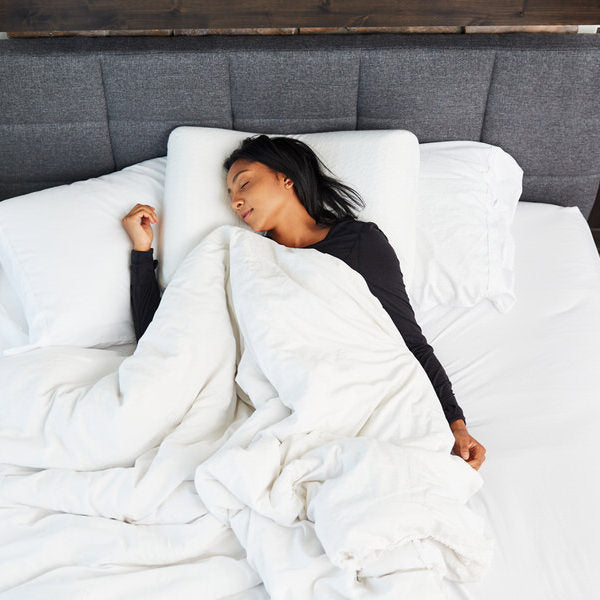
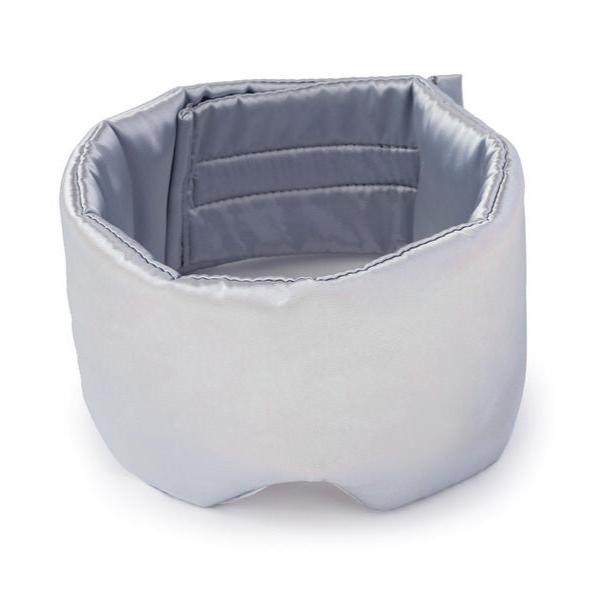
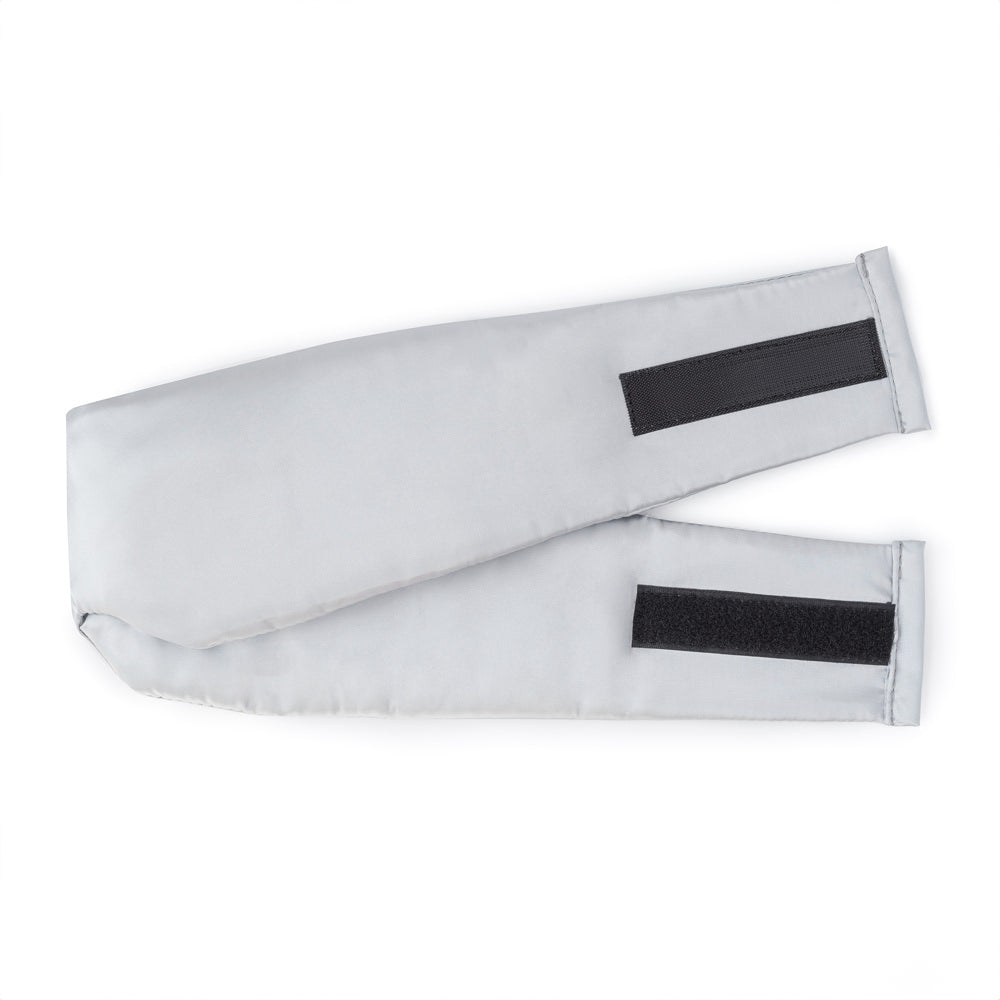
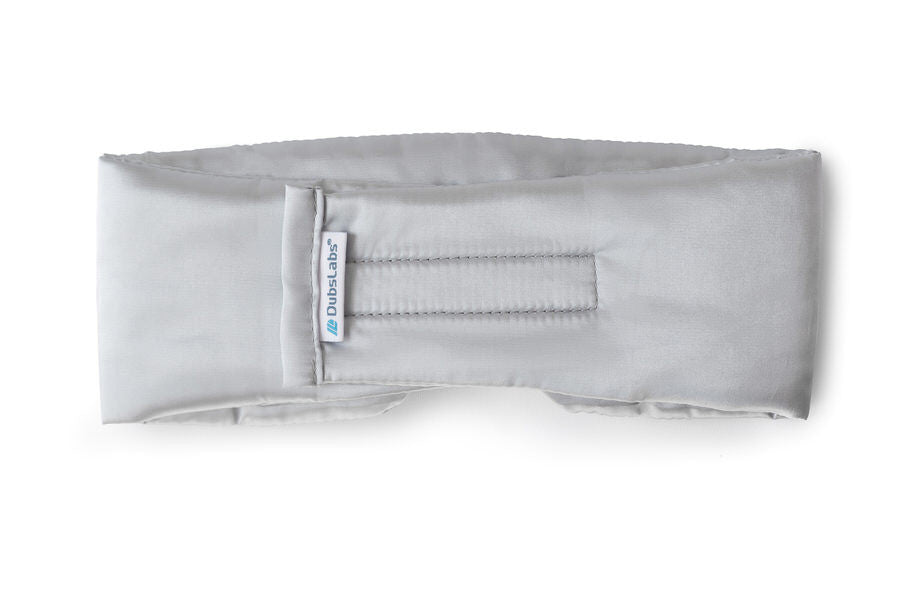
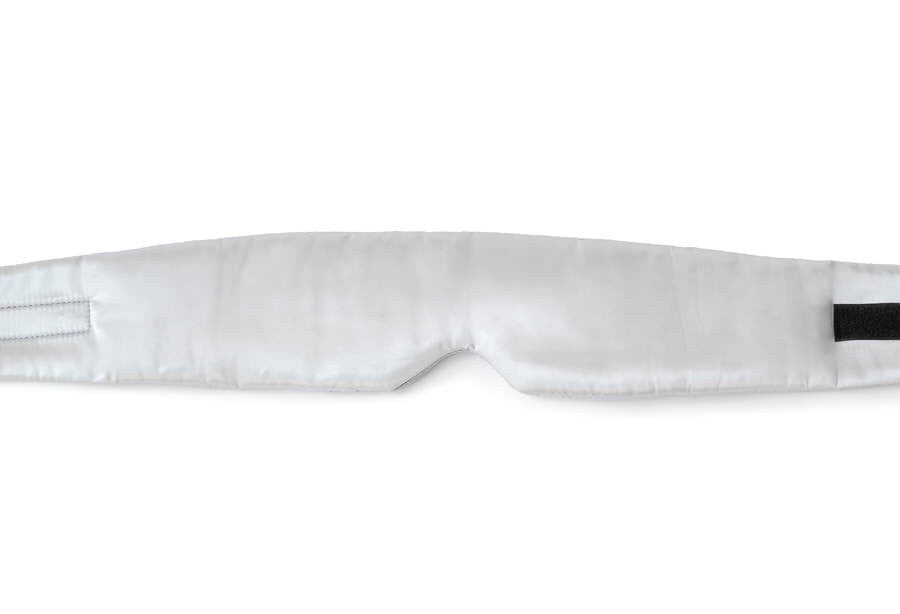
For side sleepers, the absolute best earphones are going to be ultra-thin, soft, and designed to lie almost completely flat against your ear. This is the only way to avoid that awful pressure and pain. Models like our own DubsLabs Bedphones were engineered from the ground up for this very reason, giving you a comfortable fit that your standard earbuds just can't touch.
Why Your Everyday Earbuds Are Ruining Your Sleep
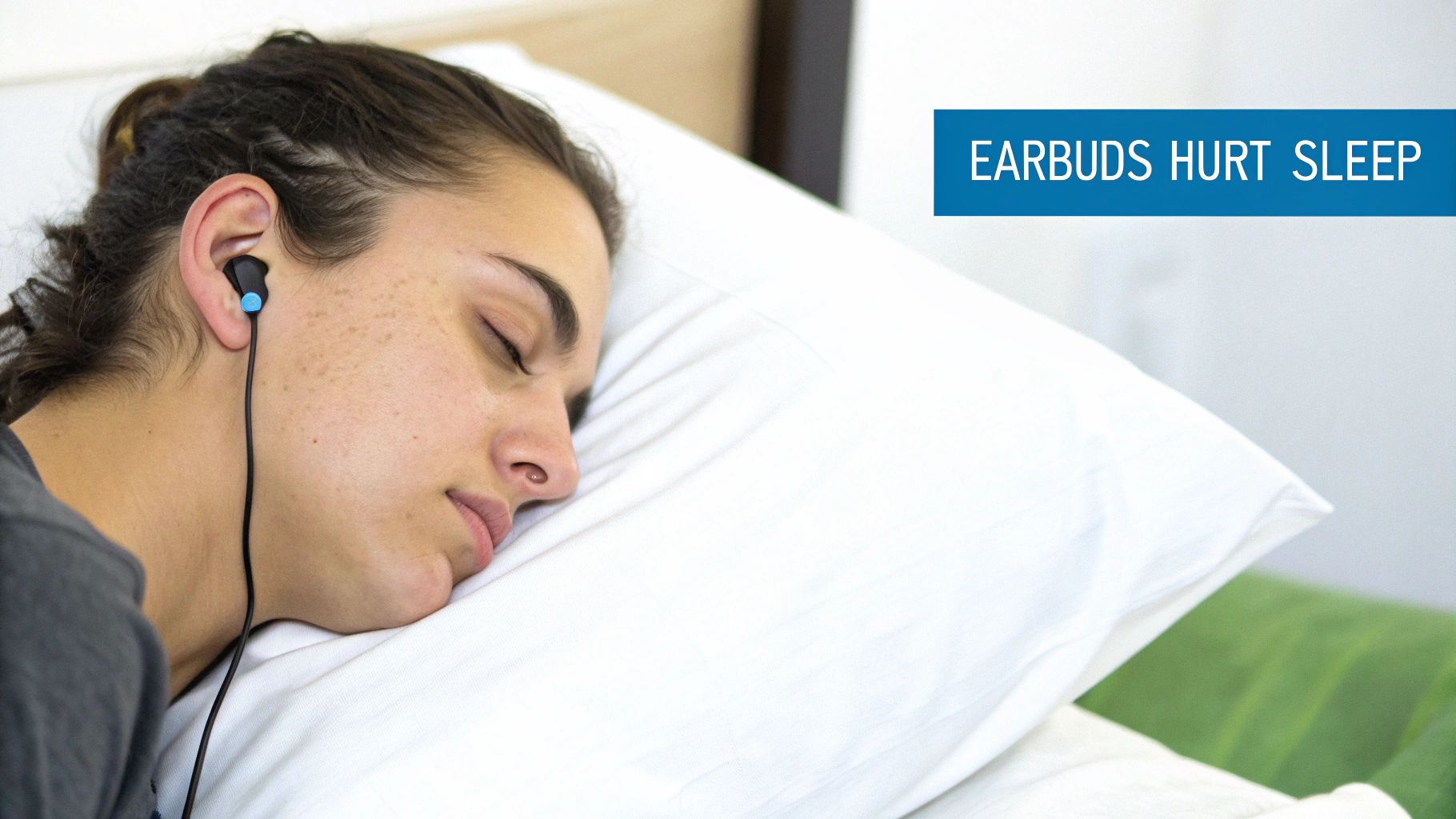
Let's be real: you've tried it. We all have. You pop in your regular earbuds, hoping a podcast or some calming music will help you drift off, only to wake up an hour later with a throbbing, sore ear. It’s a universal struggle for anyone who's attempted to use their daily audio gear for sleep.
Everyday earbuds and headphones are fantastic pieces of engineering for your commute, the gym, or a conference call. But the moment your head hits the pillow, they transform into tiny instruments of torture. They simply aren't built for the unique pressures of sleeping.
The Problem with Pressure and Fit
The biggest issue is their rigid, bulky design. Traditional earbuds are made to stick out from your ear canal, which creates painful pressure points the second you lie on your side. It’s like trying to sleep with a small, hard pebble jammed against your ear—completely unnatural and disruptive.
This awkward fit also means they’re constantly falling out. The slightest shift in your sleep position is all it takes to dislodge one, leaving you fumbling around in the dark trying to find it. That kind of interruption is the exact opposite of what you need when you're trying to find some peace. All the adjusting and discomfort just leads to broken, low-quality sleep.
A secure, comfortable fit isn't just a nice-to-have for sleep; it's non-negotiable. The whole point is to forget you're even wearing them. Earphones that cause pain or fall out completely defeat their purpose as a sleep aid.
Durability and Safety Concerns
Your daily earbuds also just aren't durable enough for overnight wear. The constant pressure and movement from tossing and turning can strain delicate wires and damage the internal parts, leading to a much shorter lifespan. And let's not forget the annoyance of waking up tangled in a cord, which is not only frustrating but also poses a minor safety risk. The whole question of "is sleeping with headphones bad" really comes down to the design of the device itself.
This growing frustration has kicked off a major shift in the market. With sleep deprivation affecting an estimated 2 billion people around the world, the demand for specialized sleep solutions has exploded. The sleep headphones market hit USD 1.2 billion in 2023 and is on track to reach an incredible USD 3.8 billion by 2032.
This growth is being driven by products designed to solve these exact problems—like our own adjustable on-ear Bedphones that are made to stay put all night long. This is why finding the best earphones to sleep in means looking past your daily drivers. You need a tool engineered specifically for the challenges of sleep, one that puts comfort, stability, and safety above everything else.
Your Ultimate Checklist for Choosing Sleep Earphones
Navigating the world of sleep earphones can feel a little overwhelming, but it doesn't have to be. Think of it less like trying to decipher a technical manual and more like picking out the perfect pillow—it’s all about what feels right for you. This guide will break down the essential features to help you find the best earphones to sleep in.
We're going to skip the confusing specs and zero in on what actually makes a difference for your night's rest. By the end, you'll know exactly what to look for, so you can make a choice that leads to peaceful nights, not more frustration.
Comfort and Fit: The Unspoken Heroes
Before we even get into sound, let’s talk about the number one most important thing: comfort. If your earphones are even a tiny bit uncomfortable, they've already failed. Regular earbuds create nasty pressure points, but sleep-specific earphones are designed with soft, flexible materials that actually conform to your ear.
Keep an eye out for models that use soft silicone or have fabric-covered speakers. This is an absolute must for side sleepers. The goal is a fit so seamless you forget you're even wearing them, letting your ear rest naturally against the pillow without any hard plastic digging in.
The Ultra-Thin Profile Rule
Imagine trying to get comfortable with a small rock wedged between your ear and the pillow. Sounds awful, right? That’s basically what you're doing when you try to sleep with bulky earbuds. An ultra-thin profile is probably the most critical design feature, especially if you're a side sleeper.
The speakers inside the earphones should be incredibly slim—we're talking less than a quarter-inch thick. This lets them lie almost completely flat, which gets rid of that painful pressure and makes them pretty much unnoticeable when you’re on your side.
The gold standard for a sleep earphone's design is its "disappearance factor." The less you feel it, the better it is. It should blend into your sleep environment, not become another distraction you have to fight against.
Sound Isolation Versus Noise Cancellation
To tune out a snoring partner or the neighbor's late-night TV, you need to control your sound environment. Sleep earphones tackle this in two main ways: passive sound isolation and active noise cancellation (ANC).
-
Passive Sound Isolation: This is the low-tech, highly effective method. Think of it like closing a window to muffle street noise. The physical design of the earphones—soft padding and a snug fit—creates a natural seal that blocks out a surprising amount of sound. It's great for dulling constant, ambient sounds without creating any weird pressure in your ear.
-
Active Noise Cancellation (ANC): This is the high-tech approach. It uses tiny microphones to listen for outside noise and then creates an opposite sound wave to zap it before it reaches your ear. It’s powerful, for sure, but some people find the subtle pressure sensation from ANC to be a bit much for all-night wear.
For most people, a good dose of passive sound isolation paired with some soothing audio (like white noise or rain sounds) is the sweet spot. It's more than enough to mask disruptions without any of the potential downsides of ANC.
Before we move on, here's a quick cheat sheet to help you weigh these features as you shop.
Sleep Earphone Features At-a-Glance
| Feature | What to Look For | Why It Matters for Sleep |
|---|---|---|
| Comfort/Fit | Soft, pliable materials (silicone, fabric). Ergonomic shape. | Prevents painful pressure points, especially for side sleepers. A good fit means you forget you're wearing them. |
| Thin Profile | Speakers less than a quarter-inch thick. A flat design. | Eliminates the feeling of something digging into your ear when lying on your side. The thinner, the better. |
| Sound Isolation | Snug-fitting design with good padding. | Muffles ambient noise like snoring or traffic without the electronic pressure of ANC. Creates a quiet cocoon. |
| Wireless vs. Wired | Wireless: Bluetooth connectivity. Wired: Simple 3.5mm jack. | Wireless offers freedom of movement and no tangles. Wired means no batteries to charge, ever. |
| Battery Life | At least 10-12 hours of playback time for wireless models. | Ensures your audio won't die in the middle of the night, waking you up. |
| Hygiene | Removable, washable covers or components. | Keeps things fresh and clean, preventing skin irritation or ear infections from nightly use. |
This table should give you a solid foundation for what to prioritize. Now, let’s dig a bit deeper into the wireless vs. wired debate.
Wireless Freedom Versus Wired Reliability
The choice between wireless and wired really comes down to what you value more: convenience or simplicity. But let's be honest, the market has already picked a winner. Wireless is now the standard for just about everything, especially for bedtime listening.
In 2024, wireless and Bluetooth models snagged a whopping 79.60% of the sleep headphones market, a niche now valued at $73.48 million. It's easy to see why. With over 90% of modern smartphones ditching the headphone jack, wireless is just the most practical choice for most people. Plus, it means no cords to get tangled in, which is a huge deal when you consider that 35-50% of adults use audio to help them fall asleep. You can dive deeper into these numbers by checking out the full research on sleep headphone market dynamics.
That said, wired models still have their fans. They offer a dead-simple, plug-and-play experience. No batteries to charge, no Bluetooth pairing to fuss with. If you prefer reliability over everything else and don't toss and turn too much, a wired option can still be a great, no-fuss choice.
All-Night Battery Life and Hygiene
Finally, let's cover two very practical points: battery life and cleanliness. If you go wireless, make absolutely sure the battery can last at least 10-12 hours on a single charge. Nothing is more jarring than having your calming ocean sounds cut out at 3 a.m.
And don't forget about hygiene. You're going to be wearing these every single night. Look for earphones with removable, washable parts, like a fabric headband or replaceable foam covers. This makes it easy to keep them fresh and clean, ensuring they stay a healthy and pleasant part of your nightly routine.
Finding the Perfect Fit for Your Sleep Style
Picking out the best earphones to sleep in is a lot like choosing a mattress—what works for one person might be a nightmare for another. Your specific situation changes the game entirely. Are you a side sleeper? A parent looking for a kid-safe option? Or are you trying to quiet a racing mind?
Let's move beyond the general advice and dig into specific scenarios. This way, you can pinpoint the features that will actually help you rest better, finding a pair that does more than just play sounds.
The Side Sleeper Dilemma
If you sleep on your side, you already know the enemy: pressure. A standard earbud feels like a little rock being jammed into your ear canal all night, making it impossible to get comfortable. For you, the most important feature is an ultra-thin, flat profile.
You need earphones where the speaker part is incredibly slim and wrapped in something soft and flexible. These designs lie flush with your ear, spreading the pressure out instead of focusing it on one painful spot. The goal is simple: when your head hits the pillow, you shouldn't even feel that it's there.
This is a huge reason why certain styles have taken over the market. The global sleep headphones market was valued at USD 1,120 million in 2024 and is expected to jump to a staggering USD 2,030 million by 2030. A major piece of that growth comes from headband-style models, which own a massive 35% market share because their soft, flat design is a godsend for side sleepers. You can dig deeper into the numbers by checking out the latest sleep headphones market research.
Soothing the Mind for Anxiety and Tinnitus
For anyone dealing with anxiety or tinnitus, silence isn't golden—it's deafening. An overactive mind or that constant ringing in your ears can turn bedtime into a nightly battle. This is where sleep earphones stop being a luxury and become a powerful tool for managing symptoms.
The secret is a consistent, gentle soundscape. A comfortable pair you can wear all night long lets you build a wall of sound that can be:
- White or pink noise to help mask the high-pitched whine of tinnitus.
- Guided meditations to give a racing mind something calm to focus on.
- Audiobooks or quiet podcasts to offer a gentle distraction that eases you into sleep.
Over time, this consistent audio helps retrain your brain, signaling that it’s time to power down. For this to work, you absolutely need a pair that fits securely and comfortably, so the sound stays steady all night without bugging you.
This decision tree can help you visualize which features to prioritize based on your biggest sleep challenge.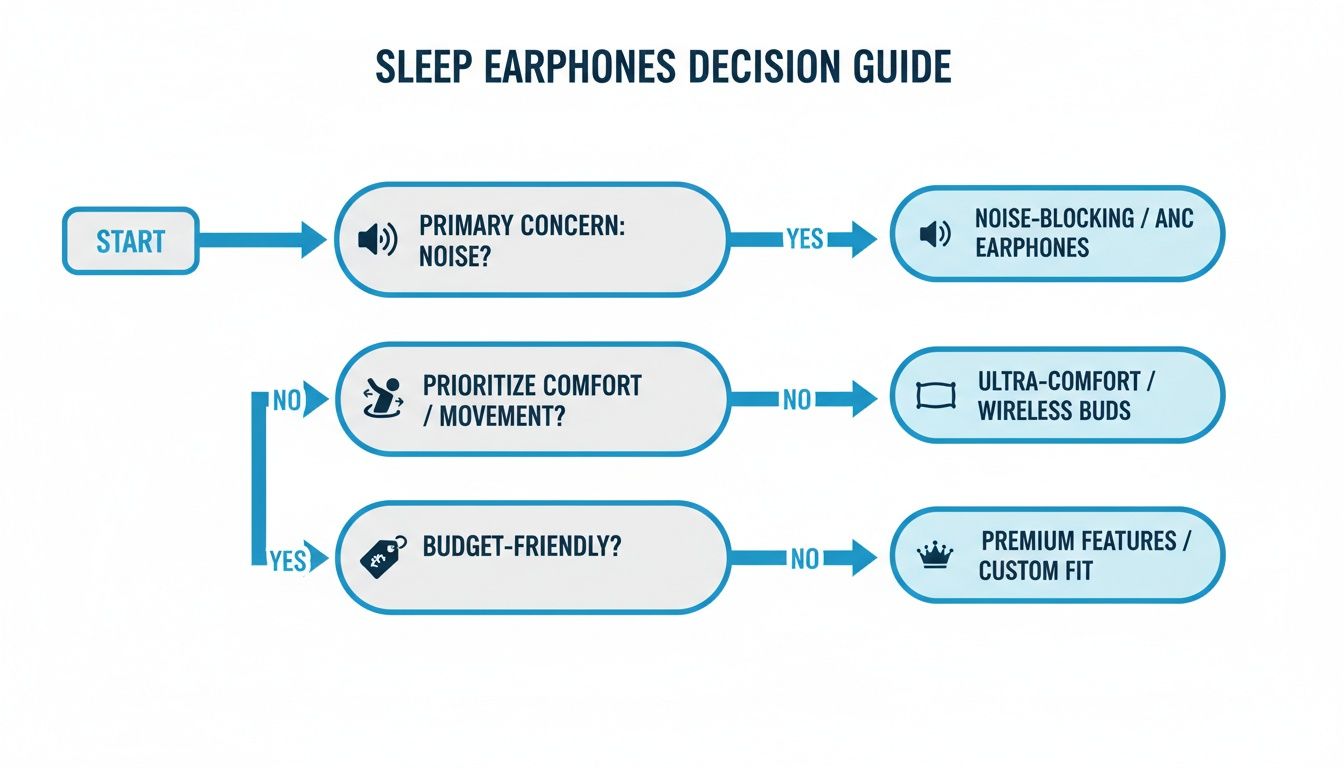
As the guide shows, while everyone needs comfort, your main problem—whether it's noise, restlessness, or budget—should be what guides your final choice.
Safety First for Children
When you're shopping for a child, the priorities flip completely. Safety and durability become the most important things on the list. Kids have more sensitive hearing and tend to be more active sleepers, so they need a totally different set of features.
For children, the best earphones for sleeping are the ones that prioritize protection above all else. Look for built-in volume limiters, durable materials, and a fit that's secure but not restrictive.
Here are the absolute non-negotiables when it comes to kids' sleep headphones:
- Volume Limiting: This is the big one. You need a pair that automatically caps the volume at a level recommended by pediatricians, which is usually around 85 decibels. This is crucial for protecting their delicate, still-developing ears from damage.
- Durable, Kid-Proof Construction: Let's be real—kids are rough on their stuff. Look for earphones made from tough, flexible, and non-toxic materials that can handle being twisted, stretched, and dropped without breaking.
- Comfortable and Secure Fit: You need a design that actually fits a smaller head. Soft, adjustable headbands are usually the winning choice here. They stay put without being too tight and are much harder to lose in the blankets during the night.
How Bedphones Are Engineered Specifically for Sleep
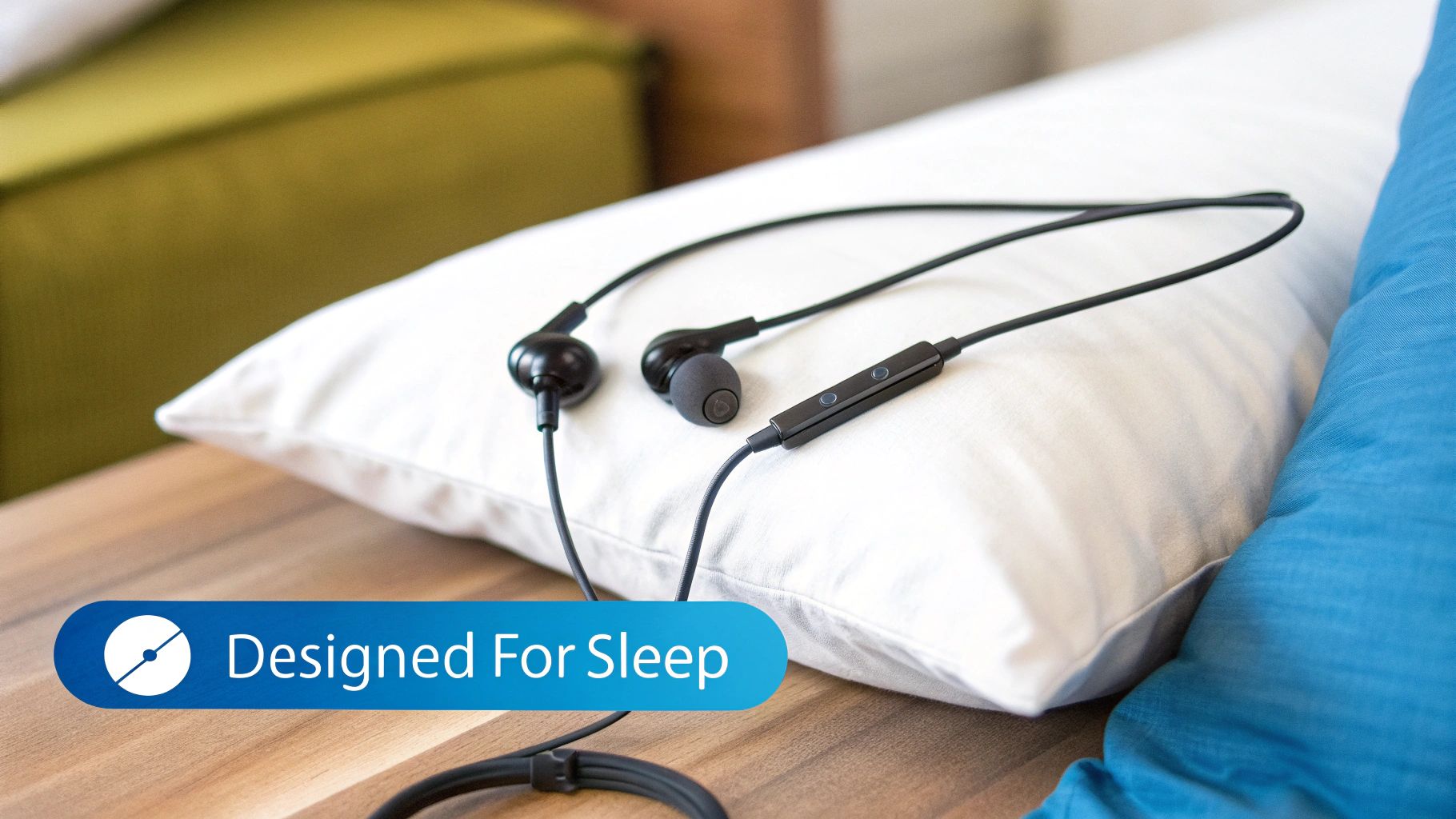
It’s one thing to have a checklist for the perfect sleep earphones, but it’s another to see how a product actually brings those ideas to life. This isn't just a sales pitch—it's a look under the hood at how smart engineering solves the very problems that keep you up at night. DubsLabs Bedphones are a great example of a product built from the ground up with a single mission: sleep.
Every design choice was made to tackle the core challenges of listening to audio all night long. Your everyday earbuds are made for being upright and active. Bedphones, on the other hand, were created for the horizontal—and often restless—reality of trying to sleep. They go straight after the biggest complaints: pressure, stability, and pure comfort.
This intentional approach is what separates a genuine sleep aid from a regular gadget trying to do a job it wasn't designed for. It’s the difference between wrestling with your gear all night and completely forgetting it’s there. Let's break down the specific features that make Bedphones some of the best earphones to sleep in.
The Side Sleeper's Solution
Ask anyone who’s tried sleeping with earbuds, and they’ll tell you about the pain. That sharp, nagging pressure in your ear is the number one deal-breaker. This is exactly where Bedphones' most unique feature shines: the incredibly thin, foam-covered speakers.
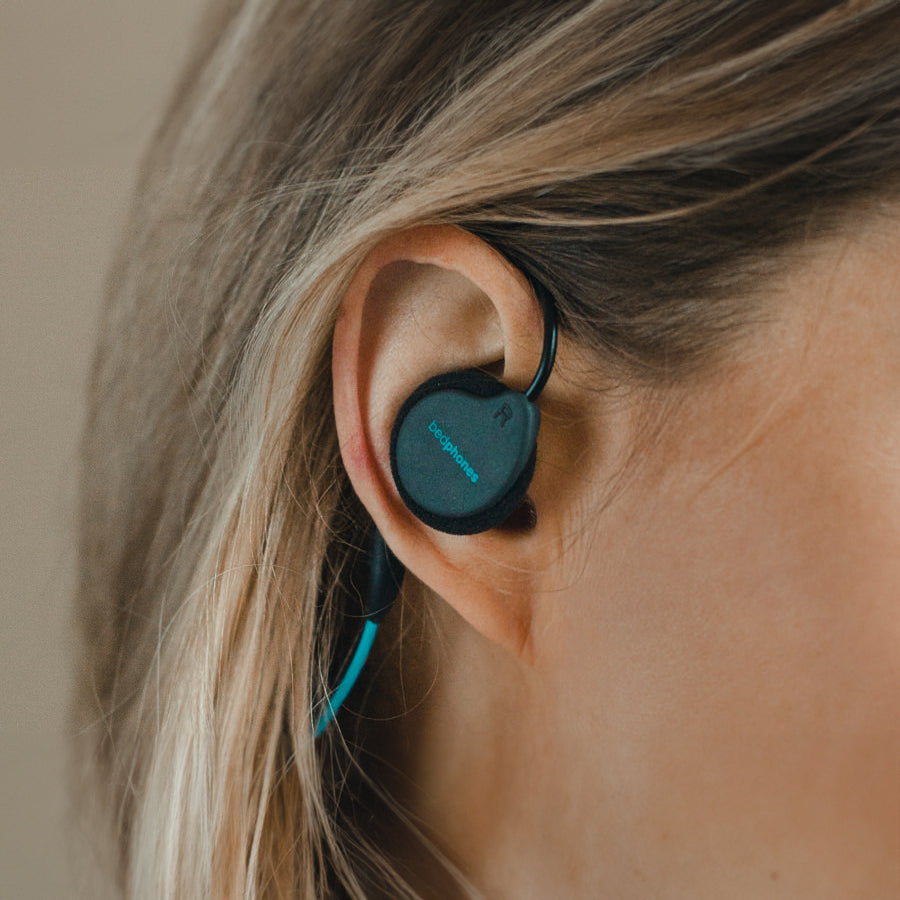
At less than a quarter-inch thick, the speakers are designed to lie almost completely flat against your ear. This super-slim profile is the secret sauce for side sleepers. Instead of a hard plastic nub digging into your ear cartilage, the pressure gets spread out across a soft, cushioned surface. You can press your head into the pillow, and you'll barely feel them.
This design choice removes the biggest physical roadblock to comfortable nighttime listening. It lets your ear rest naturally, just as it should. The foam covers are also removable and washable, which handles the all-important need for hygiene in something you're wearing every single night.
The core idea behind Bedphones is simple: make the hardware disappear. The tech should be so comfortable and out of the way that it just fades into the background, letting the soothing audio do its job without creating a new physical distraction.
This focus on a slim, non-intrusive design is a direct answer to the bulky, rigid construction of traditional earbuds, which were never built to handle the weight of a head on a pillow.
A Secure Fit That Lasts All Night
The other major fail point for standard earbuds? They just won't stay put. Roll over once, and you're suddenly awake, fumbling in the dark for a lost earbud. For anyone who tosses and turns, that’s an immediate no-go.
Bedphones solve this with a patented, adjustable memory wire hook. This soft, rubber-coated wire loops gently over the top of your ear, kind of like the arm of a pair of glasses. It's designed to be bent and molded into the perfect shape for your ear, giving you a custom, secure fit.
This patented hook ensures the earphones stay exactly where you put them, no matter how much you move.
- Customizable Comfort: You can shape the wire to create the perfect amount of gentle tension—snug enough to be secure, but never uncomfortably tight.
- Stability for All Sleepers: The over-ear design keeps the speaker right where it needs to be, whether you're on your back, stomach, or side.
- Freedom of Movement: This secure fit means you can shift positions without worrying that an earphone will pop out and jolt you awake.
Getting this perfect fit is simple. If you want a visual walkthrough, you can learn how to wear Bedphones correctly on our website to make sure you get maximum comfort and stability from night one.
Clear Audio and Unwavering Confidence
While comfort is king, you still need good sound. The speakers are engineered to deliver clear, crisp audio even at low volumes—perfect for podcasts, audiobooks, or ambient sounds without bothering a partner. They also provide excellent passive sound isolation, muffling distractions like traffic or snoring to create your own little cocoon of sound.
This thoughtful engineering is backed up by a real belief in the product. DubsLabs offers a risk-free trial period, so you can actually test Bedphones in your own bed, in your own sleep environment. It shows a deep confidence that the product solves the problem it promises to, and it takes all the guesswork out of investing in a better night's rest.
Beyond Earphones: Other Tools for a Peaceful Night
Finding the best earphones to sleep in is a huge leap forward in the quest for better rest, but they’re just one piece of a much larger puzzle. It helps to think of your bedroom as a sleep sanctuary. The goal is to create an environment so calming that your body can’t help but power down.
And sometimes, the best strategy is a layered one. Your earphones might be perfect for masking a partner’s snoring, but what about that sliver of light from the streetlamp? Or the anxious thoughts that keep your mind racing long after your head hits the pillow? Building a complete sleep toolkit means you're ready for whatever the night throws at you.
Crafting a Complete Sleep Sanctuary
Creating the ideal sleep environment really comes down to managing sensory input—what you see, hear, and feel. By taking control of these elements, you send clear, consistent signals to your brain that it’s time for deep, restorative rest. It's a holistic approach that almost always works better than relying on a single product.
Here are a few powerful tools you can pair with your sleep earphones:
- Dedicated White Noise Machines: Sure, your earphones can play white noise, but a standalone machine fills the entire room with consistent, ambient sound. This is fantastic for masking external noises for anyone in the room and creates a stable audio backdrop that helps your brain disengage.
- Total Blackout Curtains: Light is one of the most powerful signals telling your brain to stay awake. Even tiny amounts from streetlights, passing cars, or the early morning sun can throw off your sleep cycle. Blackout curtains eliminate this variable entirely, creating a cave-like darkness that encourages melatonin production.
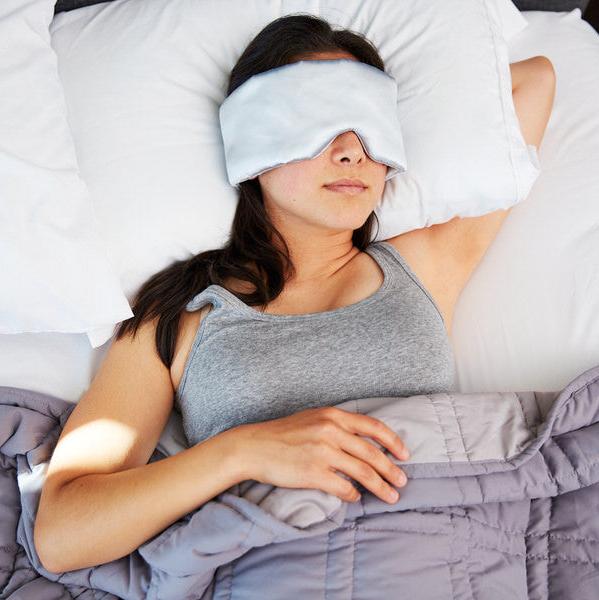
- Sleep Masks with Integrated Audio: These clever hybrids combine two solutions in one, offering total light-blocking with built-in flat speakers. They can be a great alternative if you find traditional headbands or on-ear models aren't for you, delivering both audio and darkness in a single comfortable package.
The Power of Touch and Comfort
Beyond what you see and hear, your sense of touch plays a massive role in relaxation. The right physical comfort can soothe your nervous system, making it far easier to drift off and stay asleep.
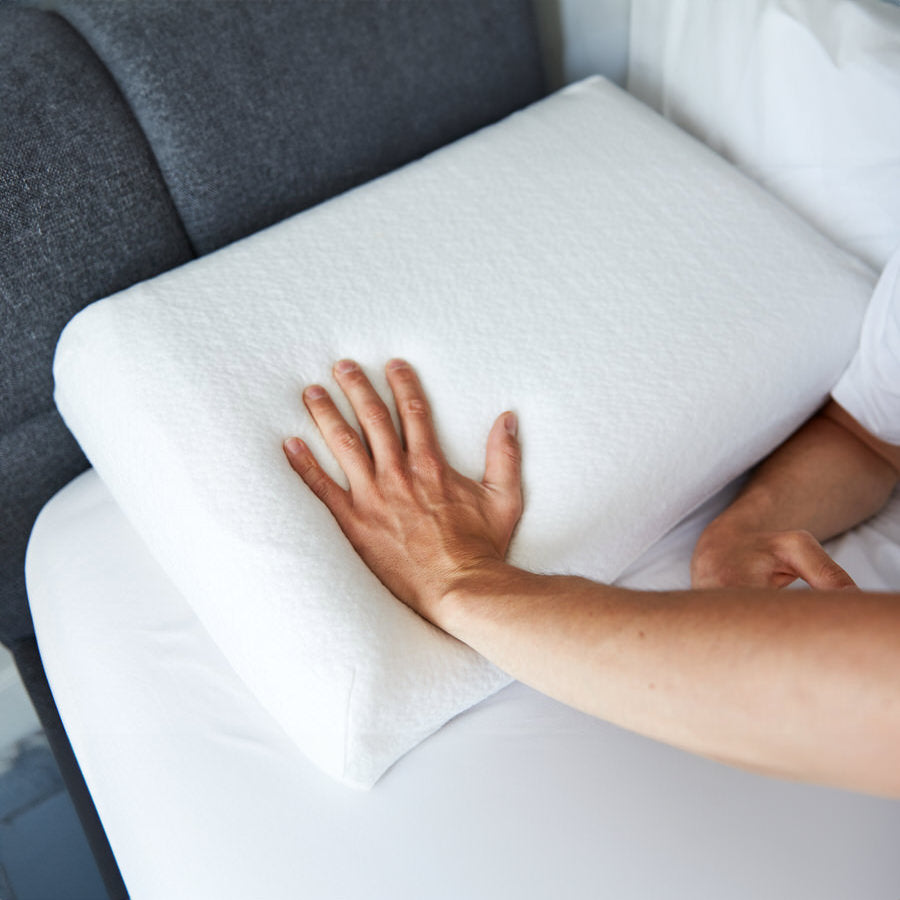
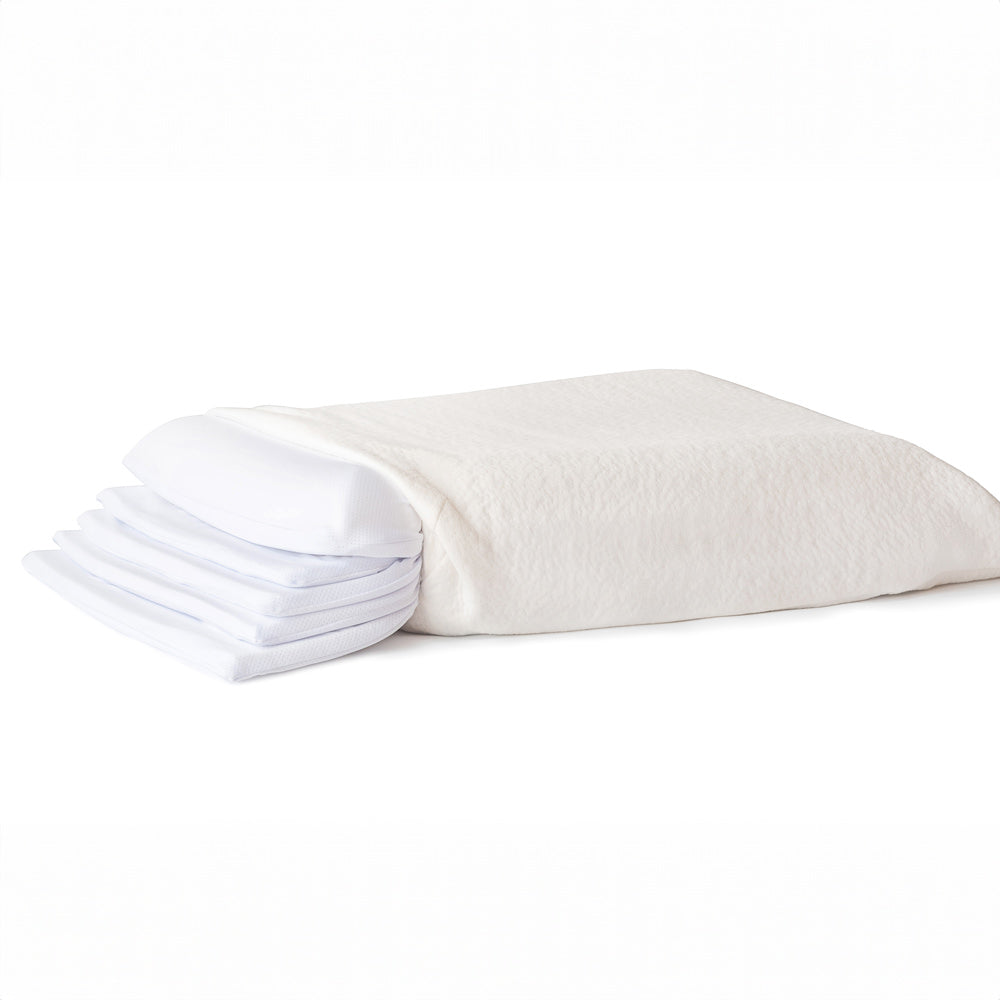
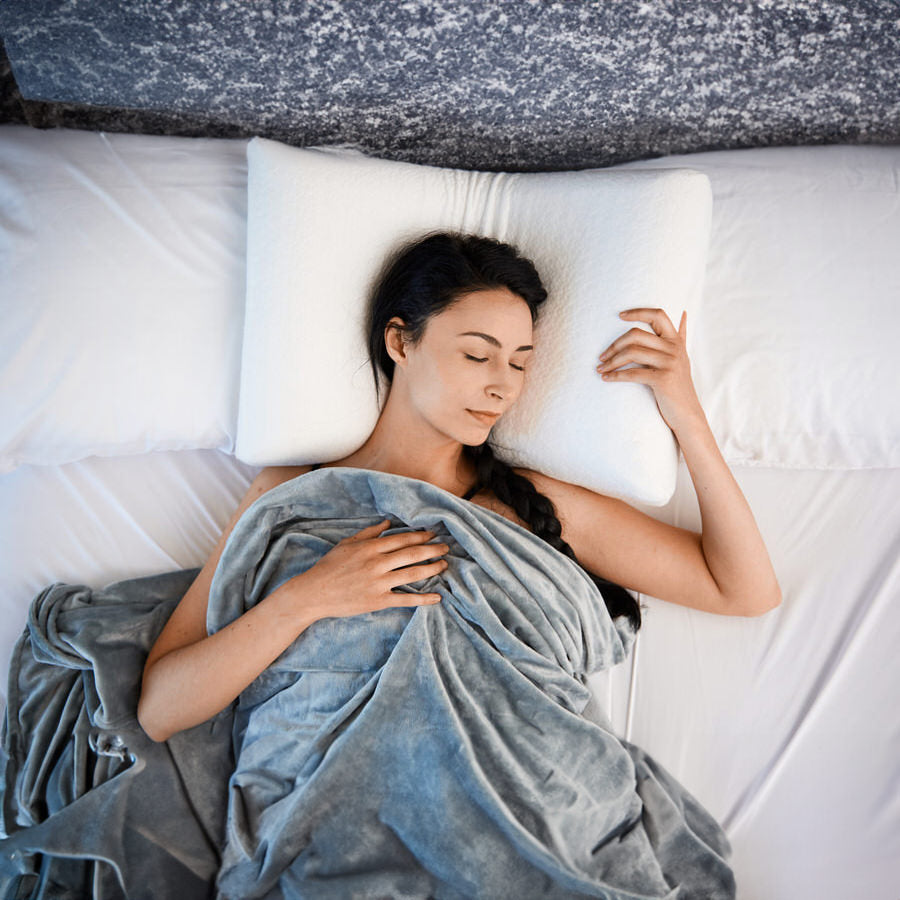
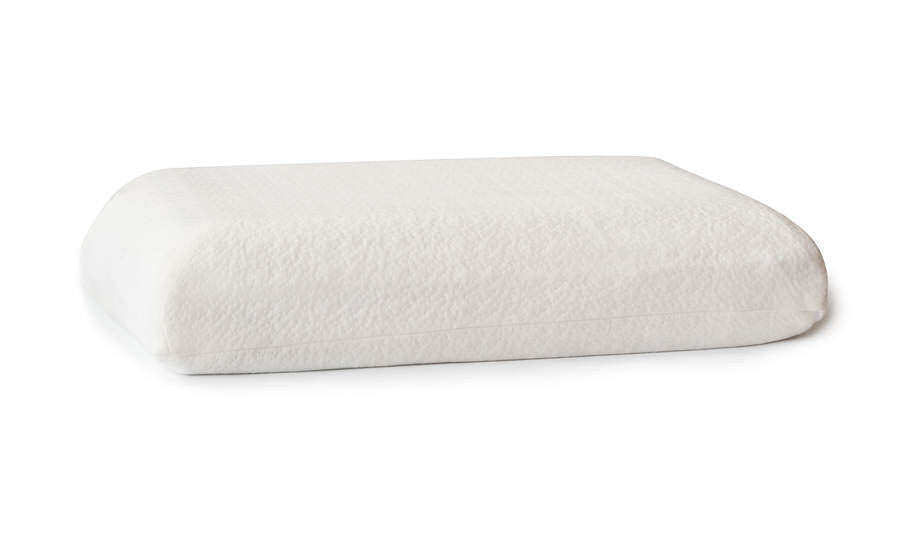
An adjustable memory foam pillow, for example, can make a world of difference for side sleepers by providing customized neck and head support. This keeps your spine aligned, reduces tossing and turning, and makes it even easier to forget you’re wearing your Bedphones in the first place.
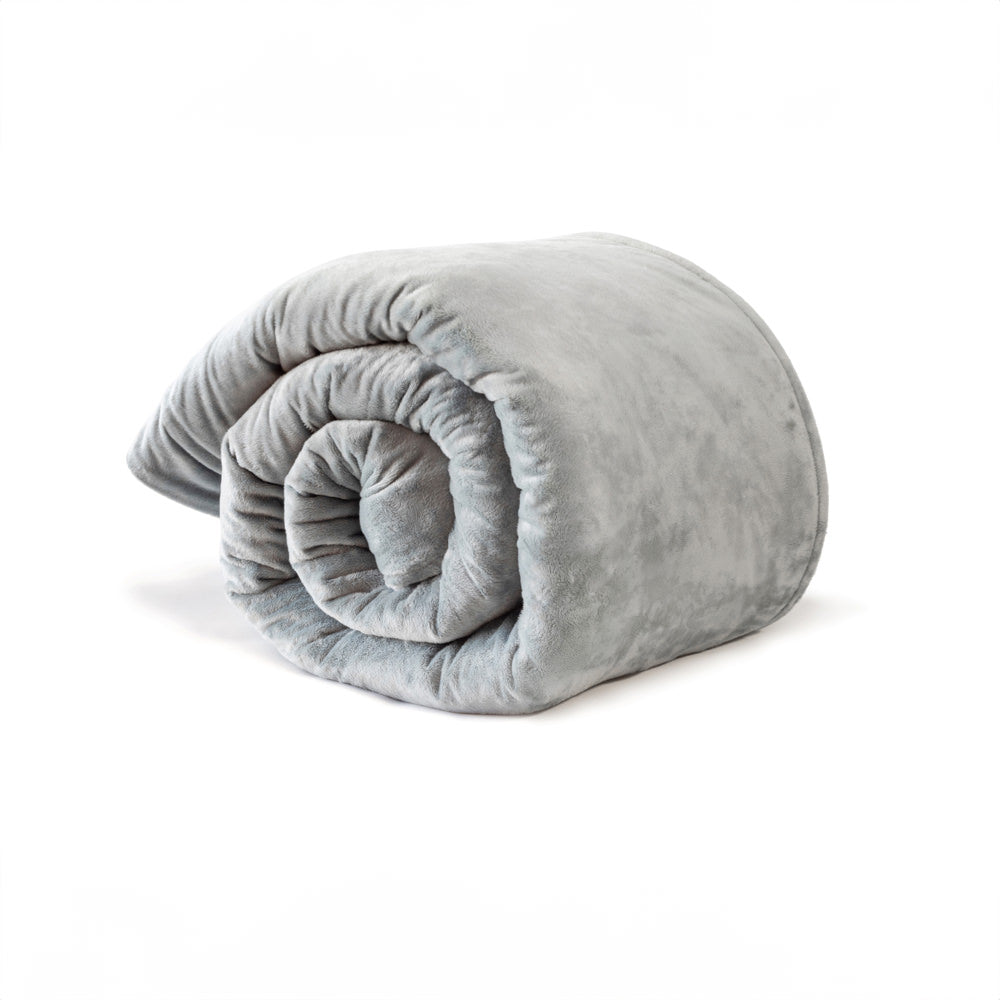
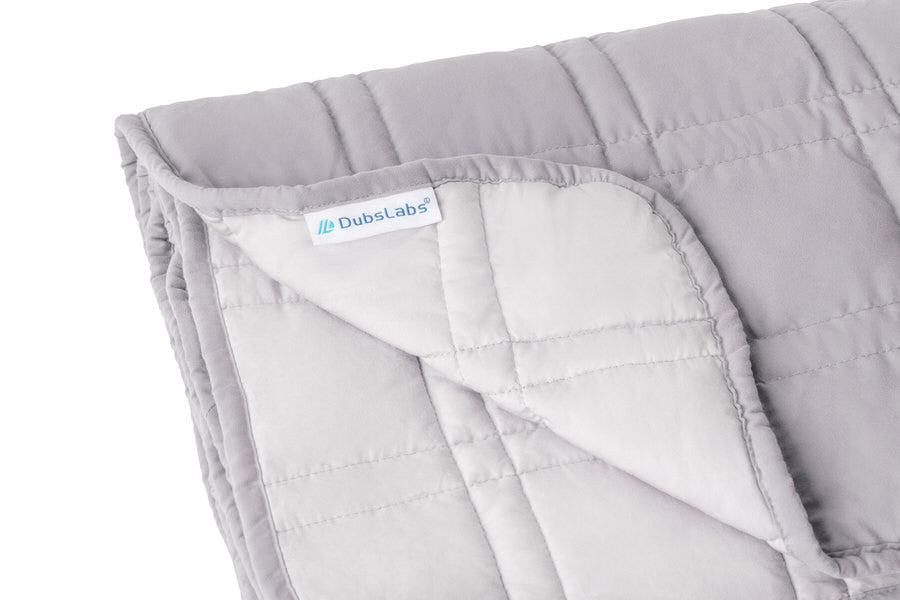
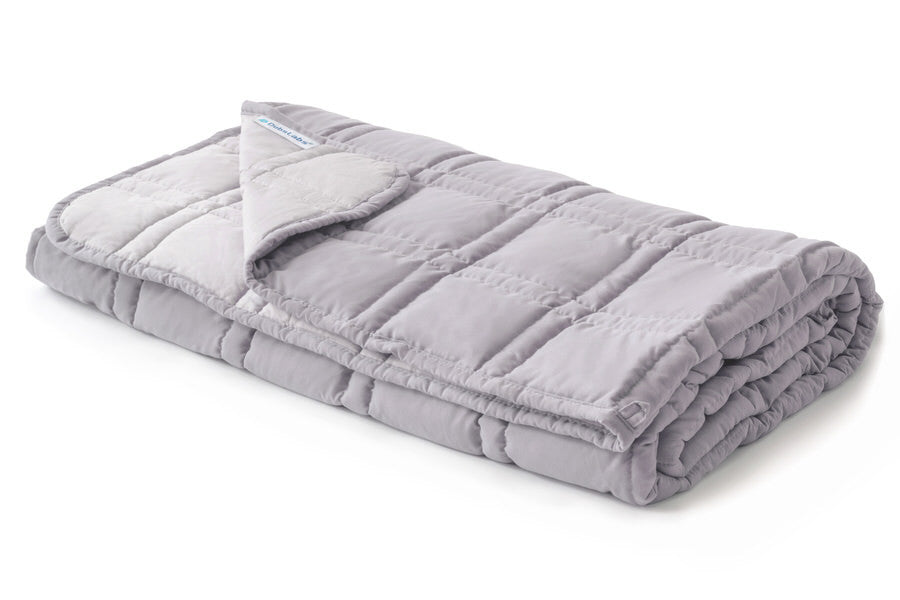
Combining sensory tools creates an immersive calming effect. Pairing the gentle audio from your earphones with the deep, reassuring pressure of a weighted blanket can significantly reduce anxiety, making it feel like you're wrapped in a comforting hug.
Weighted blankets use deep touch pressure to trigger the release of calming hormones like serotonin. Many people find this combination of gentle sound and soothing pressure to be incredibly effective for quieting a racing mind. To learn more about how they work, you can explore the many weighted blanket benefits for adults in our detailed guide.
Ultimately, building a better sleep routine involves more than just plugging in your favorite device. Discover actionable tips on how to improve sleep quality naturally to create a lifestyle that supports peaceful nights. By combining these tools, you can transform your bedroom from just a place you sleep into a true sanctuary for rest.
Got Questions About Sleeping with Earphones? We’ve Got Answers.
Even after you think you’ve found the perfect pair, a few questions are bound to pop up. Making the leap to wearing earphones all night is a big commitment to better rest, but it's totally normal to have concerns about safety, how well they work, and just general upkeep.
Let's tackle those common questions head-on. We'll give you clear, straightforward answers so you can feel completely confident in your choice and get that peaceful night's sleep you're after.
Is It Actually Safe to Wear Earphones All Night?
This is the big one, and the short answer is yes—as long as you take the right precautions. Most safety concerns come from trying to sleep with regular earbuds, which can definitely cause painful pressure sores or, at high volumes, hurt your hearing. But earphones designed specifically for sleep are built differently to avoid these exact problems.
Models like DubsLabs Bedphones, for example, have an ultra-thin, soft design that gets rid of those painful pressure points. This is a game-changer for side sleepers. As for protecting your hearing, the key is simple: keep the volume low. You only need it loud enough to gently mask distracting sounds, not blast them into silence.
A great guideline from audiologists is the 60/60 rule: listen at no more than 60% volume for no longer than 60 minutes at a time. For sleep, you should go even lower than that. Plus, choosing a wireless model means there’s zero risk of getting tangled in cords, adding another layer of safety.
When you use them correctly at a low, gentle volume, sleep-specific earphones are a perfectly safe and effective way to get deeper, more consistent rest.
Will Sleep Earphones Completely Block Out Snoring?
Most sleep earphones use what's called passive noise isolation. Basically, their physical design creates a seal to block outside sound. Think of it like cupping your hands over your ears—it doesn't create total silence, but it muffles the world around you pretty effectively. This works wonders for ambient sounds like traffic, a humming fan, or people talking in another room.
But what about something as loud and deep as heavy snoring? No, they won't create absolute silence. What they will do is dramatically reduce the disruptive impact. When you combine that physical sound blocking with some masking audio—like white noise or gentle rain sounds—you can effectively drown out the snoring and create your own peaceful sound bubble.
The goal isn't to achieve a weird, unnatural silence. It's to make the snoring so insignificant that your brain just stops paying attention to it as a disturbance.
How Do I Keep My Sleep Earphones Clean?
Good question. Hygiene is a big deal for anything you're wearing against your skin all night, every night. The good news is that the best sleep earphones are designed to be easy to clean.
- Headband Styles: Most fabric headbands have removable speakers. You can just slide the electronics out and pop the band right in the washing machine. Just be sure to follow the manufacturer's care instructions.
- On-Ear Models: For on-ear styles like Bedphones, the soft foam covers that sit over the speakers are usually removable. You can typically hand-wash them with a little mild soap and water, then just let them air dry completely.
- General Upkeep: It's always a good idea to periodically wipe down any non-fabric parts with a soft, slightly damp cloth to keep oils and dirt from building up.
Always check the care instructions that came with your earphones. Honestly, choosing a model with washable parts is one of the smartest moves you can make for long-term, hygienic use.
Can I Use These If I Toss and Turn All Night?
Yes, absolutely! This is where sleep-specific headphones really show their worth. We’ve all had that frustrating experience of a regular earbud popping out the second we roll over.
Sleep headphones are engineered to stay put, no matter how much you move.
- Headband designs fit snugly around your head, kind of like a sweatband. They’re designed to stay in place without feeling tight, moving right along with you as you shift positions.
- On-ear models like DubsLabs Bedphones feature a flexible, adjustable memory wire that hooks gently over your ear. This lets you create a custom fit that remains stable all night long, no matter how restless you are.
For anyone who doesn't sleep like a statue, a secure fit is non-negotiable. It means your audio won't cut out and you won't be woken up trying to find an earphone lost somewhere in your sheets.
Ready to finally get the deep, uninterrupted rest you deserve? DubsLabs has engineered Bedphones specifically to solve the biggest challenges sleepers face. With an ultra-thin profile for side-sleeper comfort and a patented secure fit, they’re designed to disappear the moment your head hits the pillow.
Experience the difference for yourself with our risk-free trial at www.dubslabs.com